Rome Travel Guide: 24 Hours in the Eternal City
What I saw, where I ate, and why Rome deserved more time than I gave it.
Let me begin by pointing out the obvious: I didn’t give Rome nearly enough time.
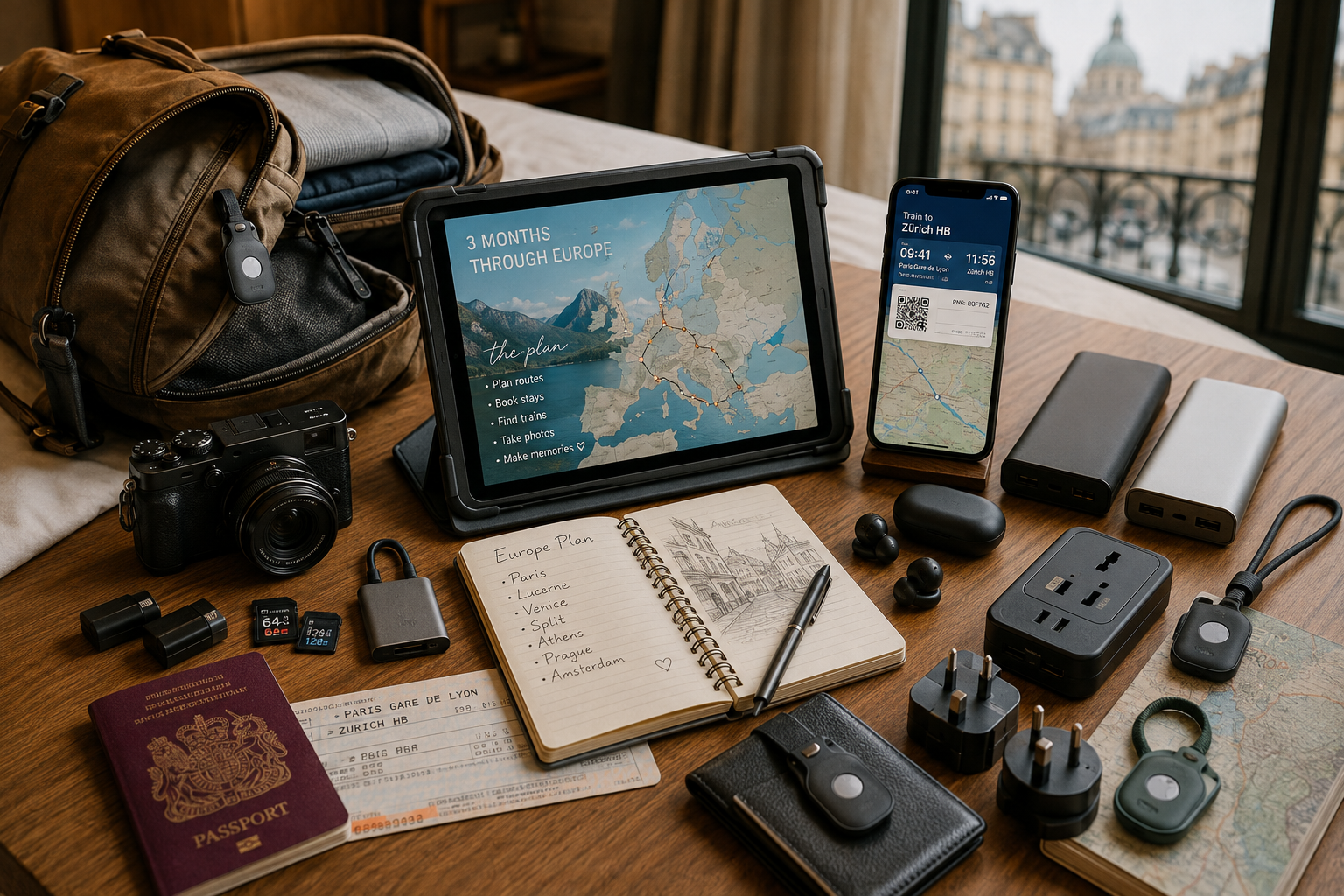
Planning a three-month trip around Europe eventually means making difficult choices: spending enough time in one place to give it the attention it deserves, or fitting in a brief visit to another city in case you never have the chance to return.
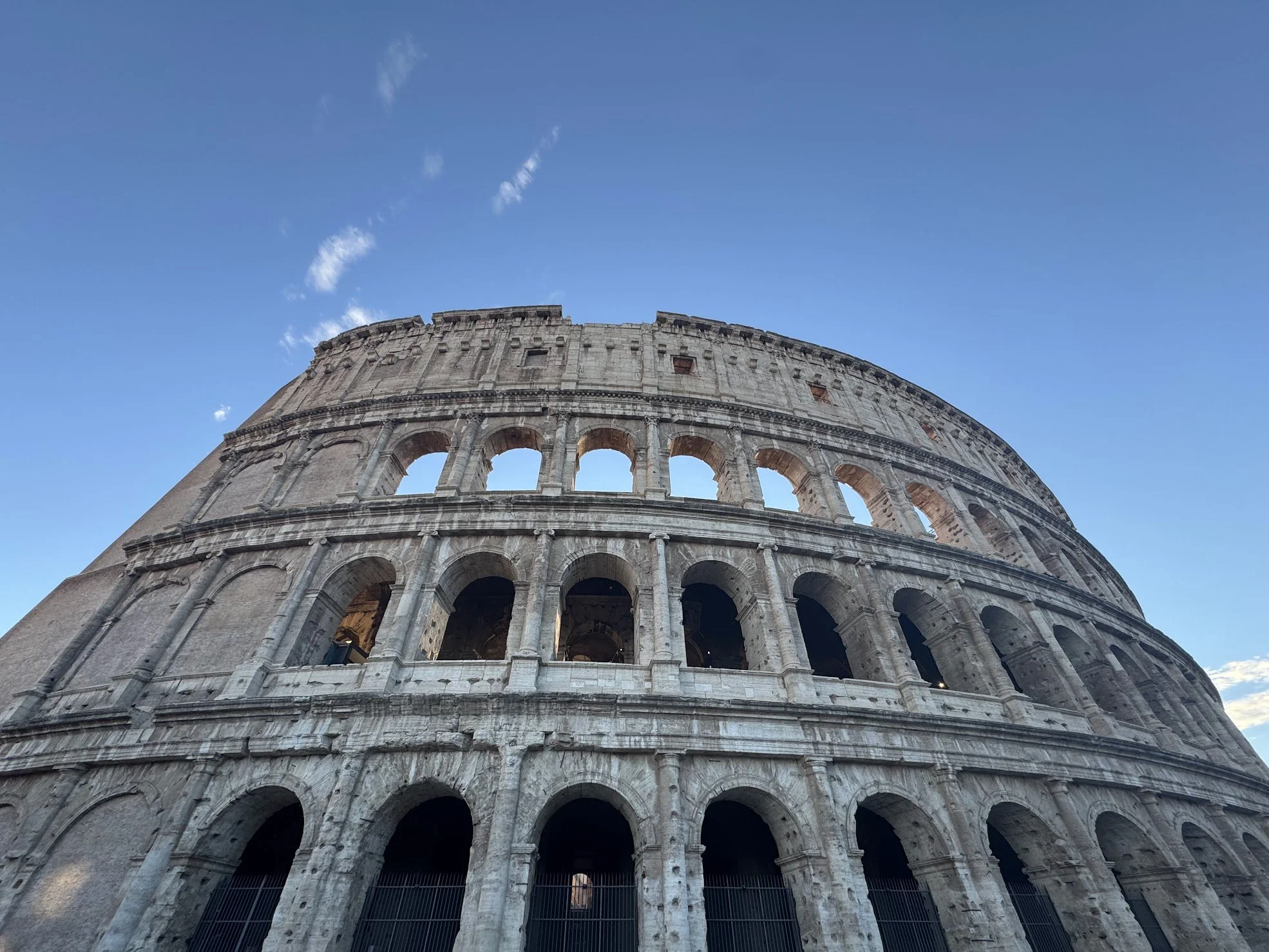
At first I hadn't included a visit to Rome in my itinerary. However, as I worked out the route from Salerno to Florence, I kept thinking I might regret leaving it out altogether. Although I only had about 24 hours, I still wanted to see the Colosseum, walk around the city, and get a first-hand experience of Rome.
This guide covers where I stayed, what I managed to see during my whirlwind 24 hours in Rome, my incredible gluten-free dinner, and why I would approach the city very differently next time.
__________________
Some links in this post may be affiliate links, which means I may earn a small commission if you book through them—at no additional cost to you. I only share places and services I personally used or genuinely enjoyed during my trip. Read the full disclosure policy.
__________________
Rome, Italy Overview
Rome is a city in which ancient history forms an integral part of daily life, and it's one of those places for which little or no introduction is needed.
The Colosseum
The Roman Forum
The Pantheon
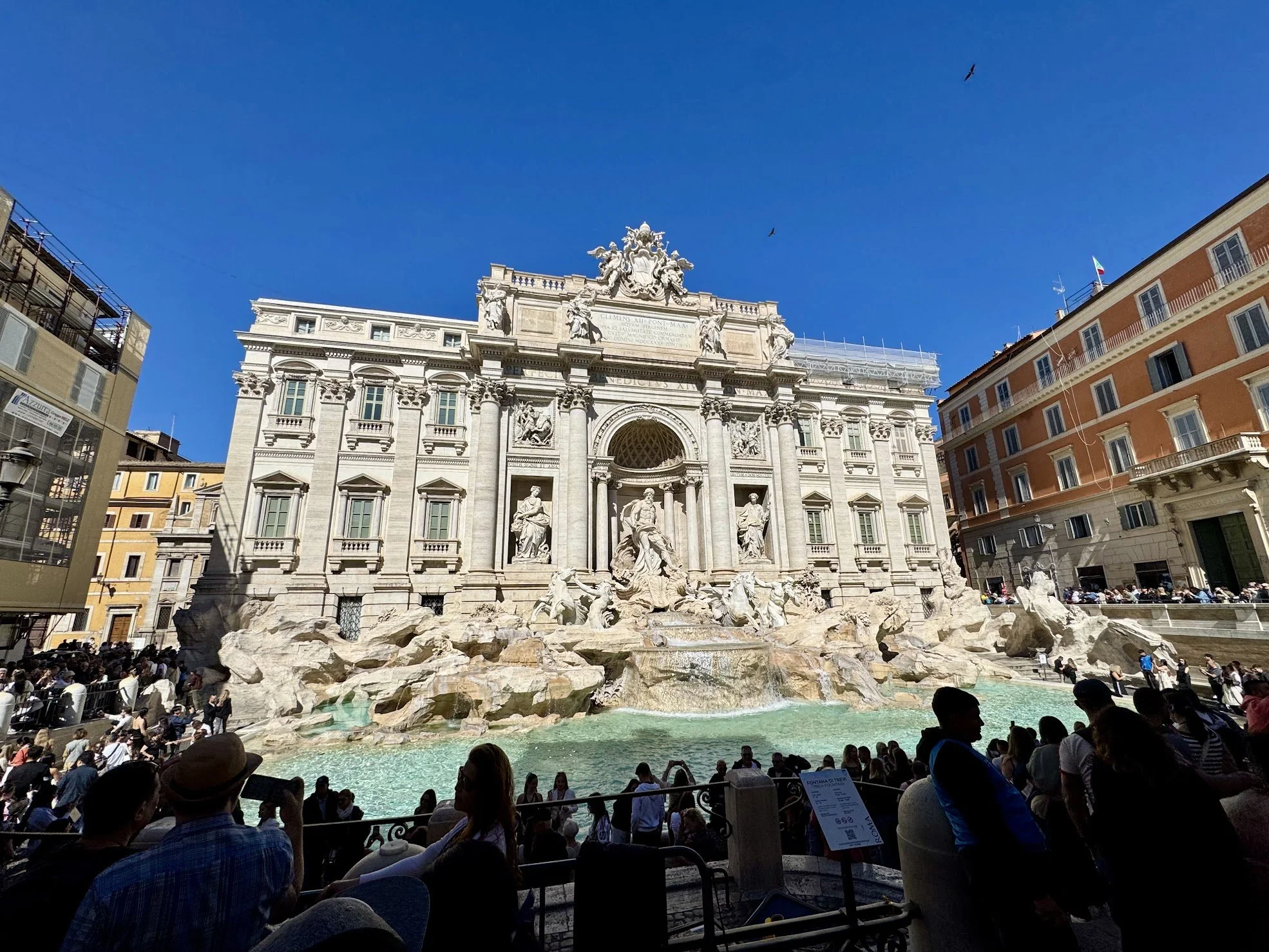
Trevi Fountain
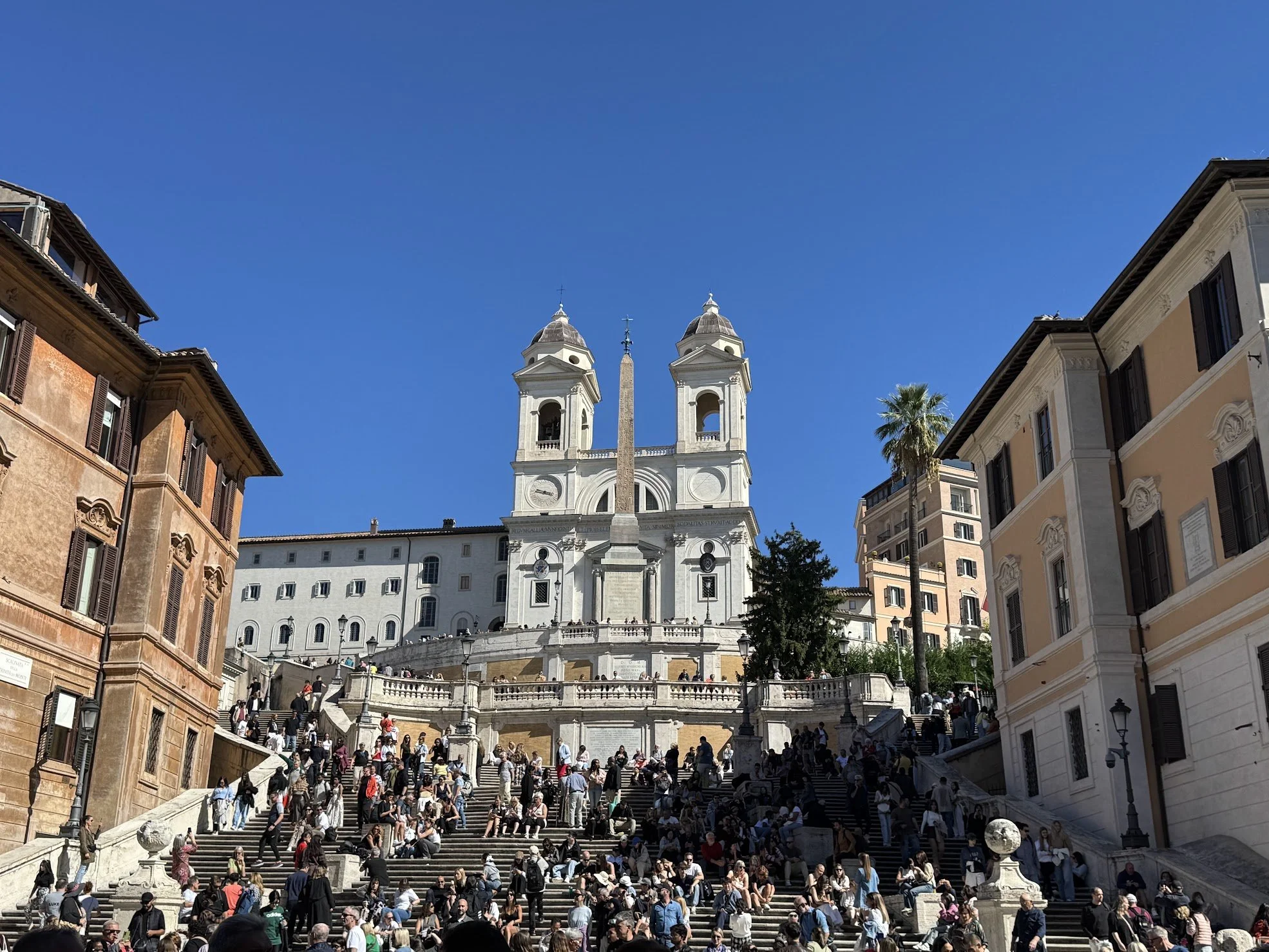
The Spanish Steps
You already know the list.
Rome is also loud, layered, beautiful, and chaotic. Rick Steves describes Rome as “magnificent and brutal at the same time,” which felt especially true during my short stay. A lot is happening. And when you only have 24 hours to take it all in, Rome can feel less like a leisurely exploration of the Eternal City and more like an endurance sport.
Arriving in Rome, Italy
If you've read my other Europe travel guides, you know that I like to walk from the train station to my hotel whenever it's realistic and the weather cooperates. It's a good way to get my bearings, see part of the city immediately, and avoid figuring out a new public transportation system, which makes me incredibly anxious.
Rome quickly reminded me that “walkable” and “easy to walk” are not always the same thing. I had no idea Rome was so hilly—at least the route between Roma Termini and my hotel.
If you are planning a longer European trip, especially if you are backpacking, I cannot overstate the value of being physically prepared for stairs, hills, cobblestones, luggage, and the occasional long and hilly walk between transit and your accommodation. A few months on the StairMaster probably would not hurt.
By the time I reached the general area around my hotel, I was in my usual arrival-day state of disarray: sweaty, tired, and desperate to change my clothes.
I had contacted the hotel in advance to ask whether I could check in early or at least leave my luggage. With only about 24 hours in Rome, I wanted to begin exploring as soon as possible.
When I reached the area around the hotel, though, I could not find the entrance.
This wasn't the first—or last—time I struggled to locate the entrance to a European hotel. In the United States, we often take obvious hotel entrances, large exterior signs, and welcoming lobbies for granted. In many European cities, especially in historic buildings, hotels can be tucked behind gates, up staircases, or inside residential-looking courtyards.
Eventually, I realized I needed to walk down a small alley and enter a code into a gated doorway.
These are the moments when solo travel can feel especially lonely. You do not have someone beside you to laugh at the absurdity of the situation, help you troubleshoot, or reassure you when you are tired and close to tears. You have to pause, regroup, and figure it out. It is challenging, but also empowering. You may be alone, but you figure out pretty quickly that you are capable.
Where I Stayed in Rome: Centro Storico/Pantheon
Once I made it inside Relais Teatro Argentina, I climbed the stairs to the hotel and found another American couple waiting in the lobby. Apparently, I was not the only person hoping for an early check-in.
The man at the front desk was exceptionally kind and quickly showed me to my room. I appreciated that more than I can say after a hot, confusing arrival.
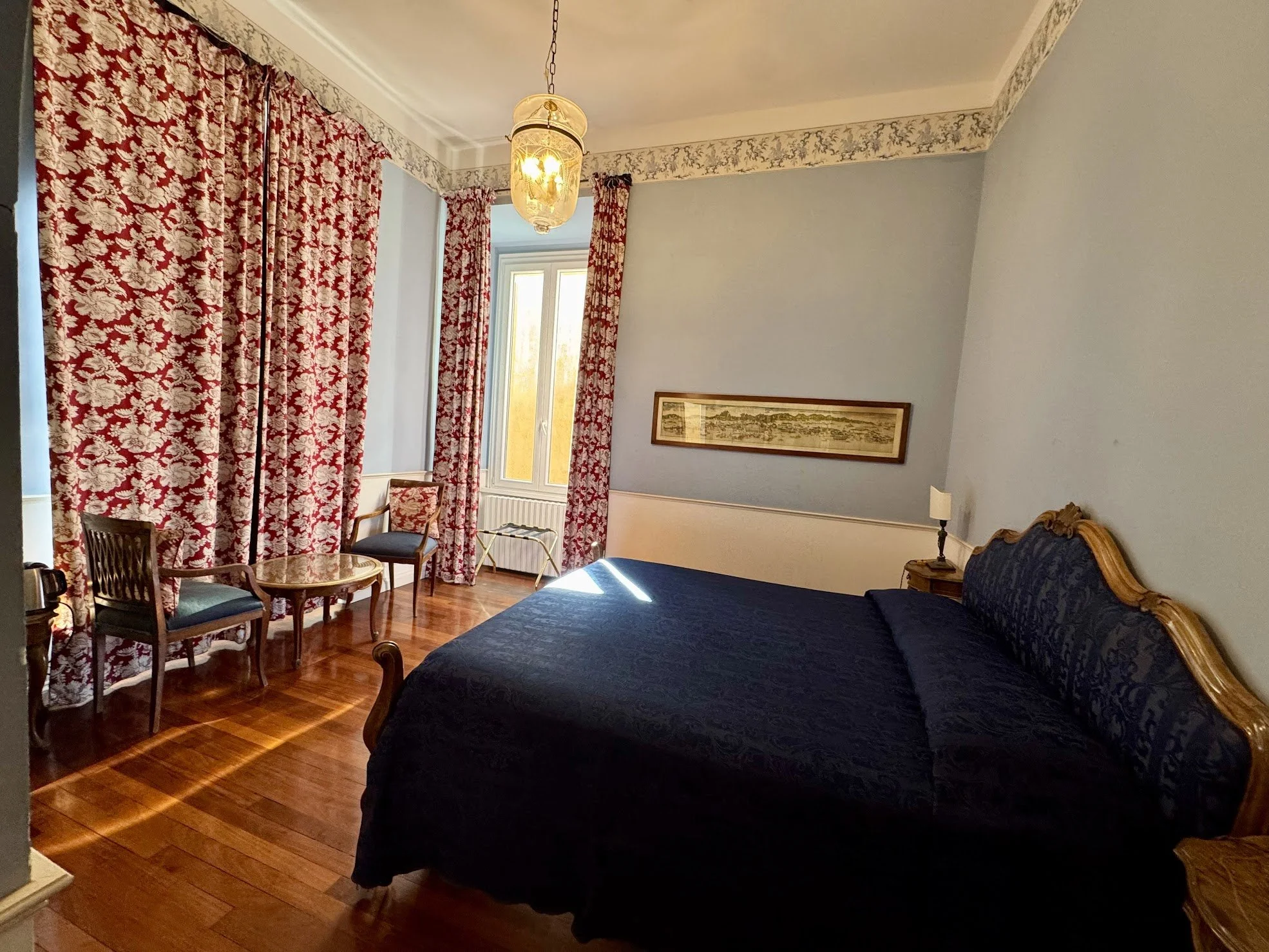
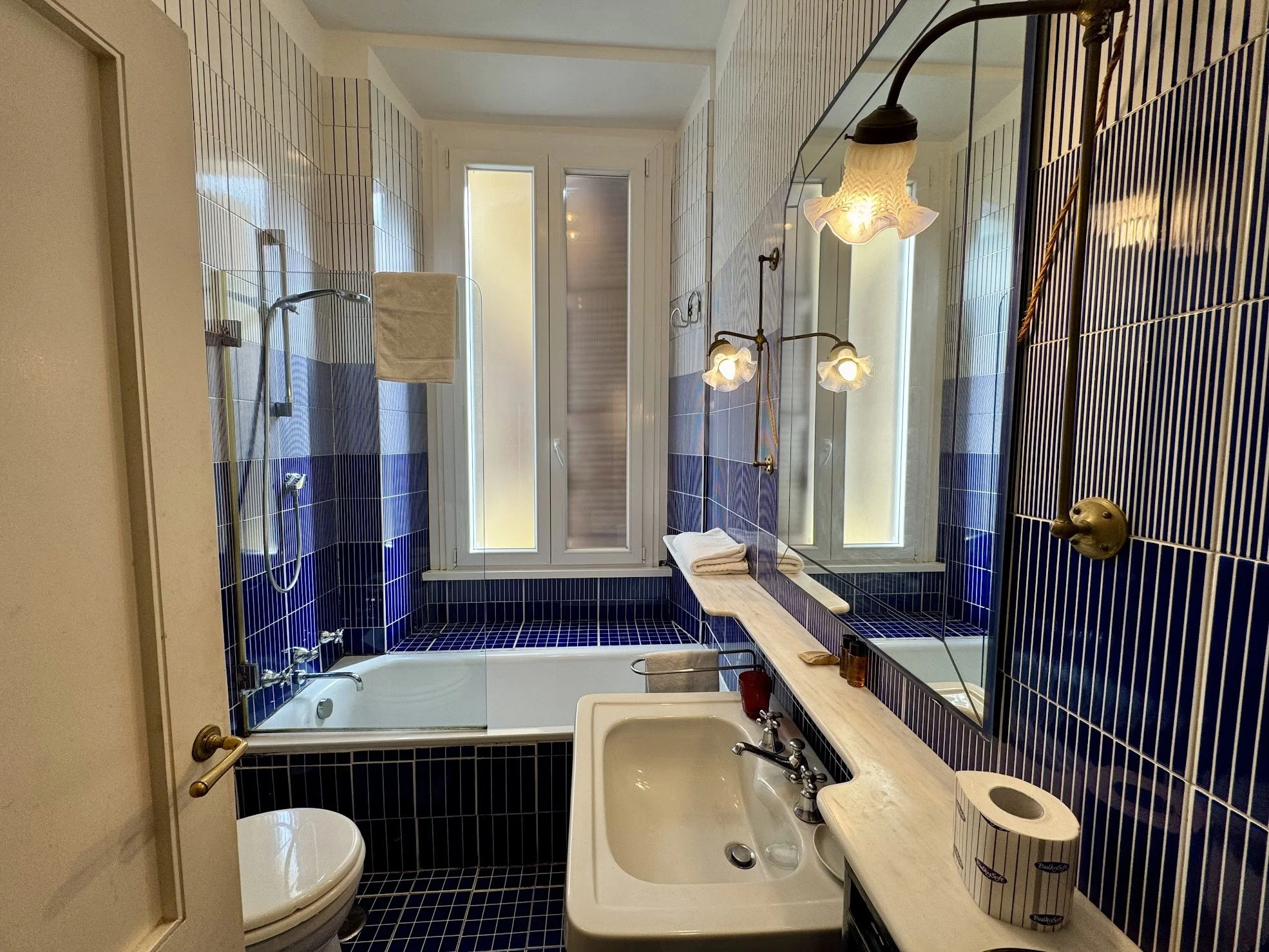
Rome was by far the most expensive overnight stay of my 93-night trip. I understand that staying in central Rome is costly, and I do not expect a large, modern American-style hotel room in the heart of a centuries-old city. But to be fully transparent, the room did not meet my expectations for the price.
It felt quite worn. Some of the furniture was stained, the air conditioning was ineffective, and the bedding didn’t feel as fresh or comfortable as I had hoped. I was relieved to be staying only one night.
I am not trying to dissuade anyone from choosing Relais Teatro Argentina. The location was undeniably convenient, and the staff member who helped me was lovely. But after spending more than halfway through a long solo trip in hotels, I had come to understand how much my room mattered.
As an introvert, my hotel room was my sanctuary. It was where I rested, reset, showered, recharged, and had a few quiet moments to myself after navigating a new city all day. When you don't feel entirely comfortable in your room, it affects the experience more than you might expect.
If I return to Rome, I would likely choose a different hotel, and probably a different neighborhood.
How I Spent My Time in Rome, Italy
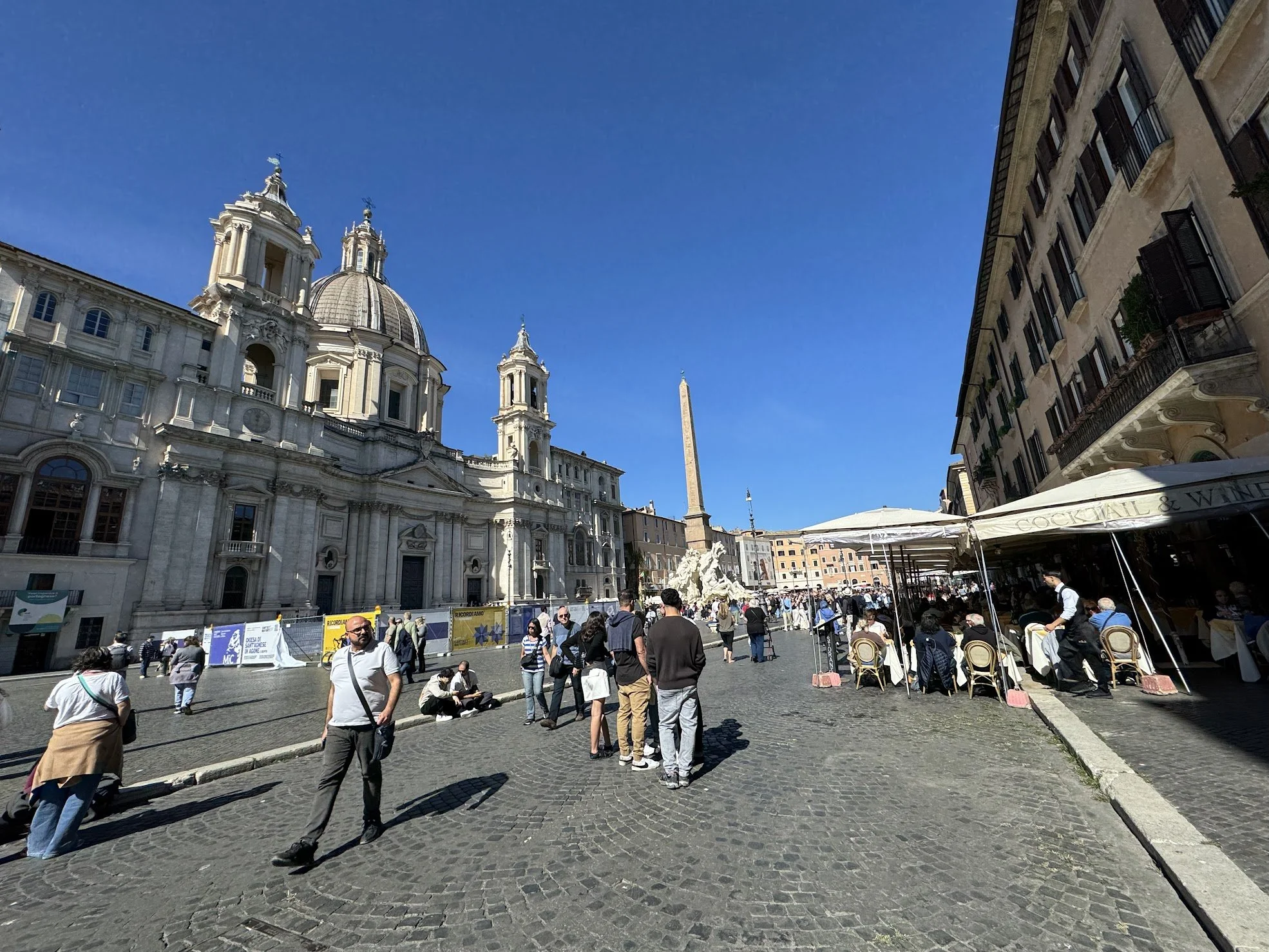
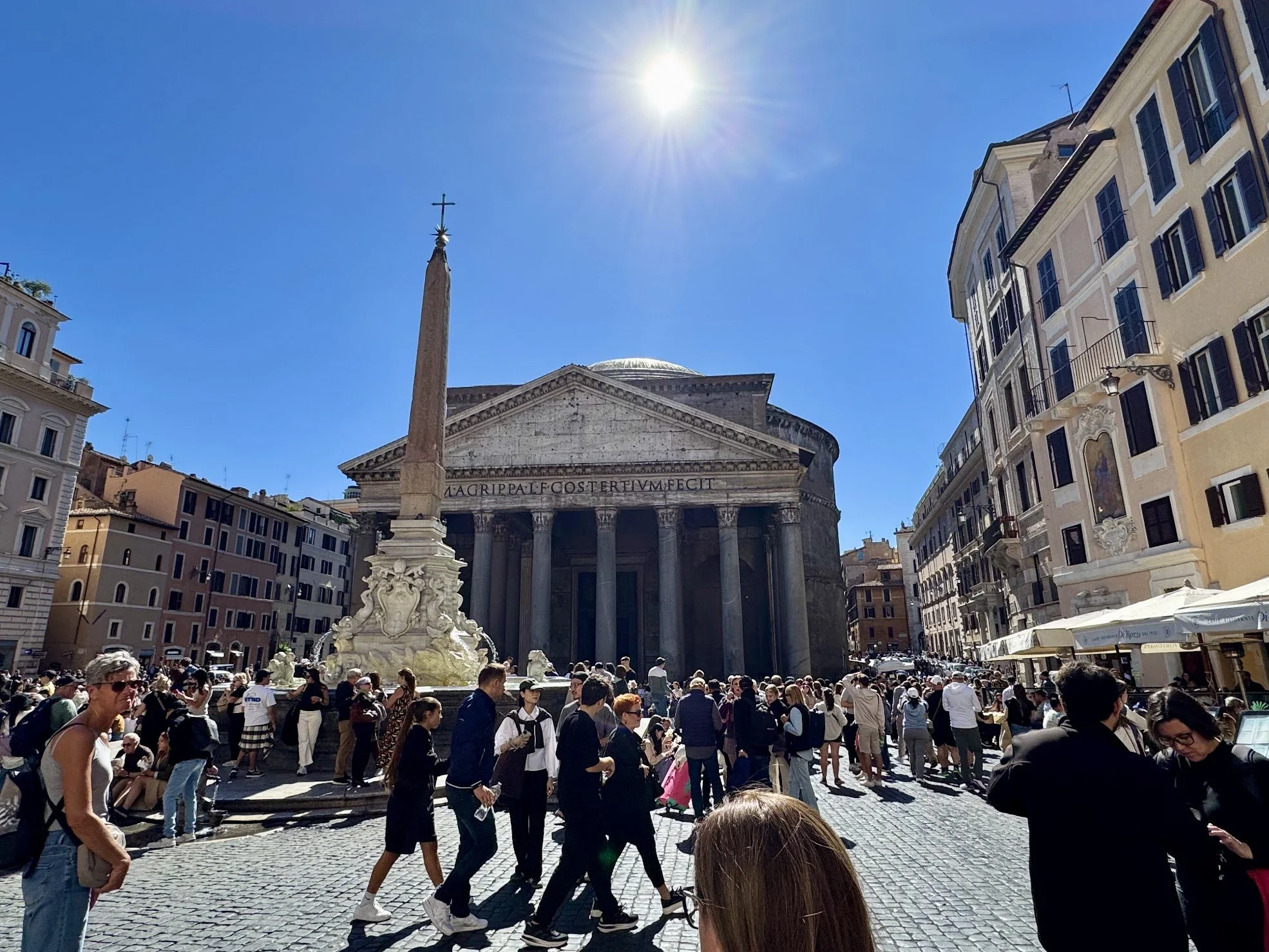
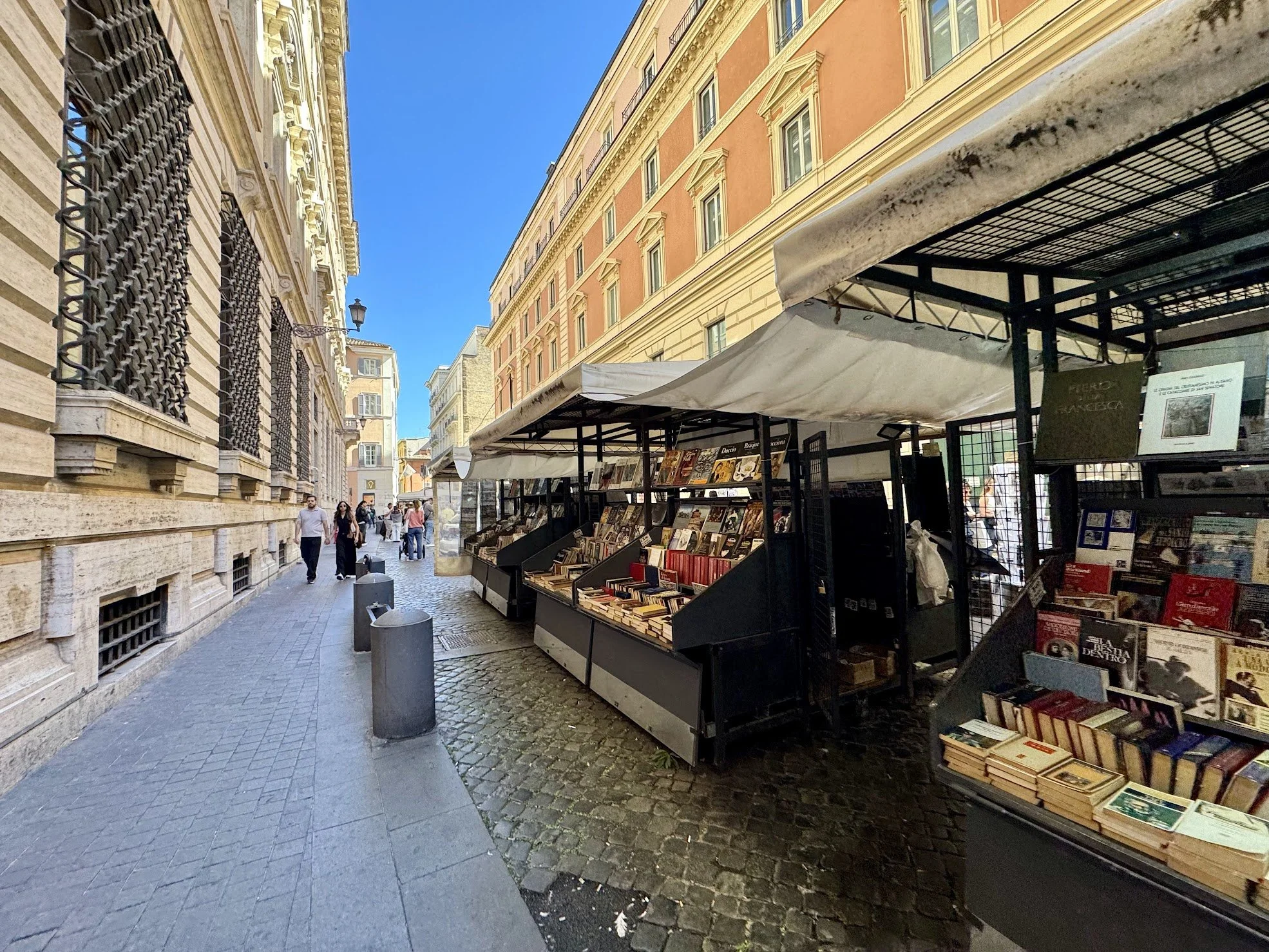
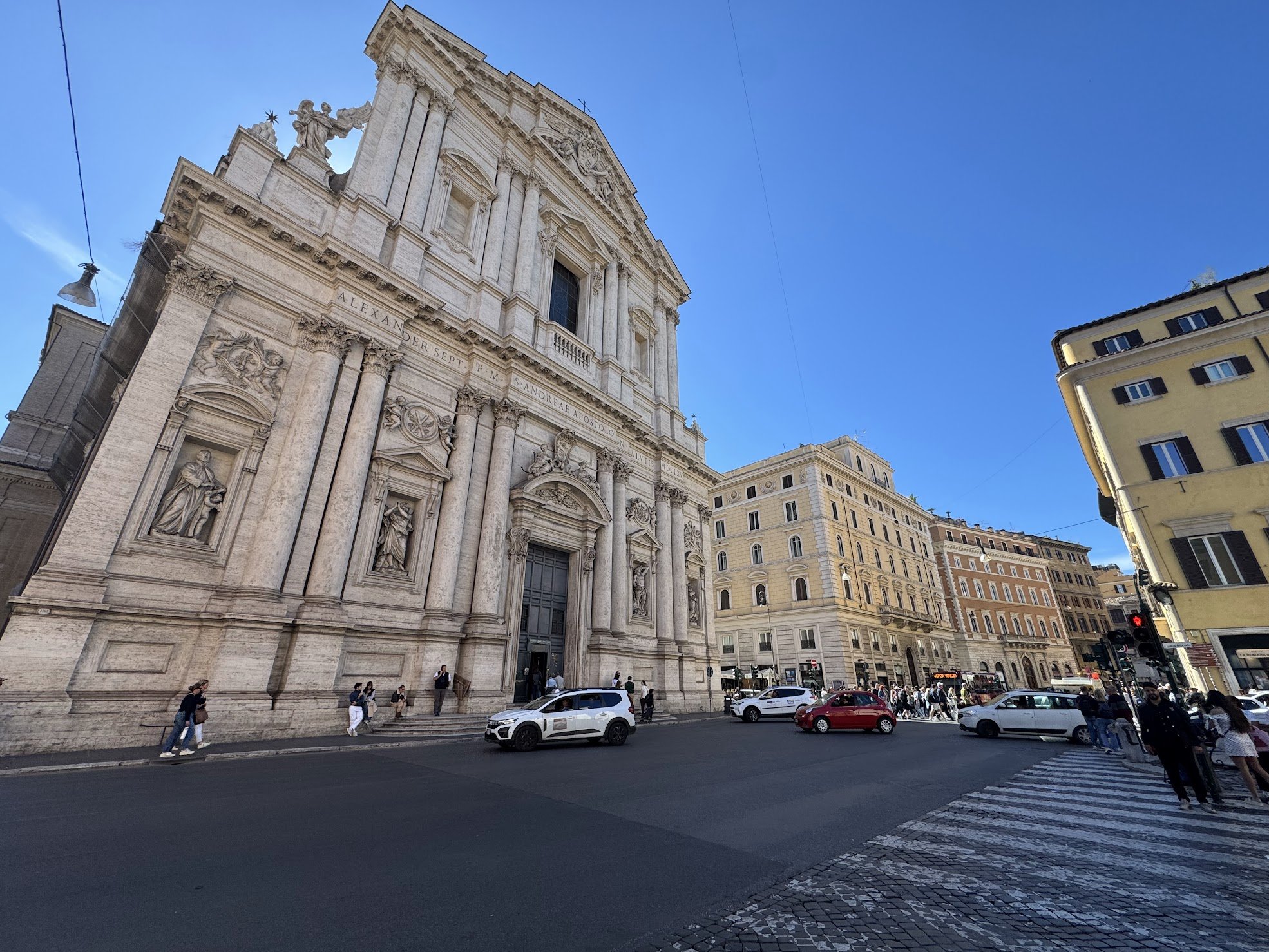
I arrived in mid-morning, got settled, and was out sightseeing by noon. I had a standard list of Rome landmarks I wanted to see before my afternoon Colosseum tour:
Piazza Navona
The Pantheon
Trevi Fountain
Piazza di Spagna and the Spanish Steps
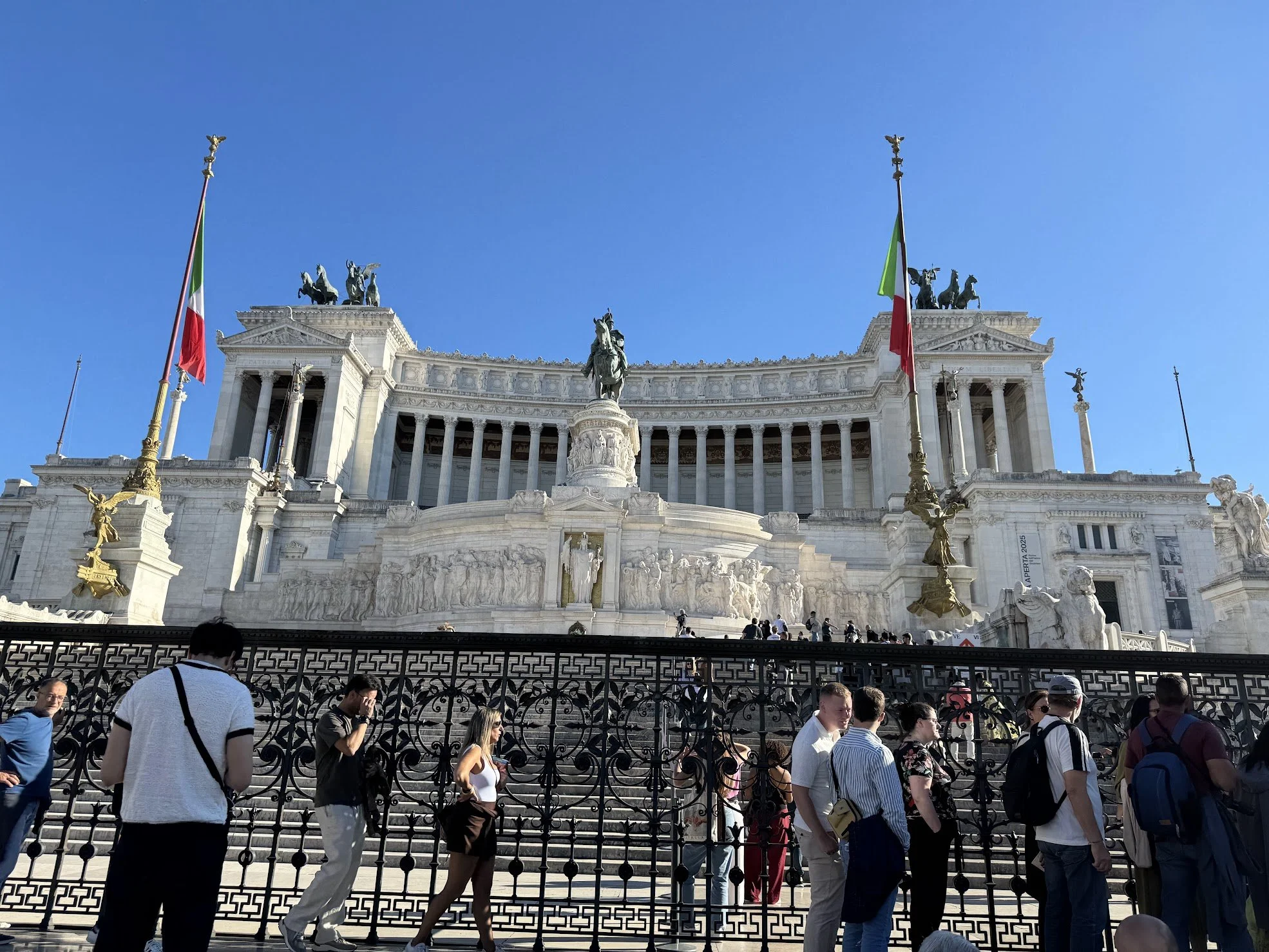
Piazza Venezia
It was ambitious. It was rushed. And everyone else in Rome seemed to have the same plan. At times, it felt as if thousands of people were moving through the city in one giant current—from one famous landmark to the next.
Walking against the flow is not for the faint of heart, and this is not exclusive to Rome. Tour groups, especially those following a guide with a raised flag and listening through earpieces, tend to move with impressive determination. Do not expect them to stop suddenly because you are trying to cross their path. And do not dare to think that you might have the right of way.
Rome was one of the first places on my three-month trip where I felt I had not prepared well enough. I knew the names of the places I wanted to visit, but I had not taken enough time to learn their history or understand how they were connected. So I found myself arriving at places like the Trevi Fountain, trying to get a photo among the crowds, and moving quickly to the next landmark.
That is not how I like to travel.
I prefer to understand where I am. I like to walk slowly, notice details, sit in a piazza, take a wrong turn, return to a place at a quieter time of day, and leave room for the unexpected.
But when you approach Rome as an obligation—something you must fit in between Salerno and Florence—you get only as much from it as you give. I had to accept that I wasn’t experiencing Rome in the thoughtful way I would have preferred. I came, I saw, I took photos, and I crossed things off a list. Nothing had enough space to truly sink in.
It left me feeling disappointed in myself, not in Rome.
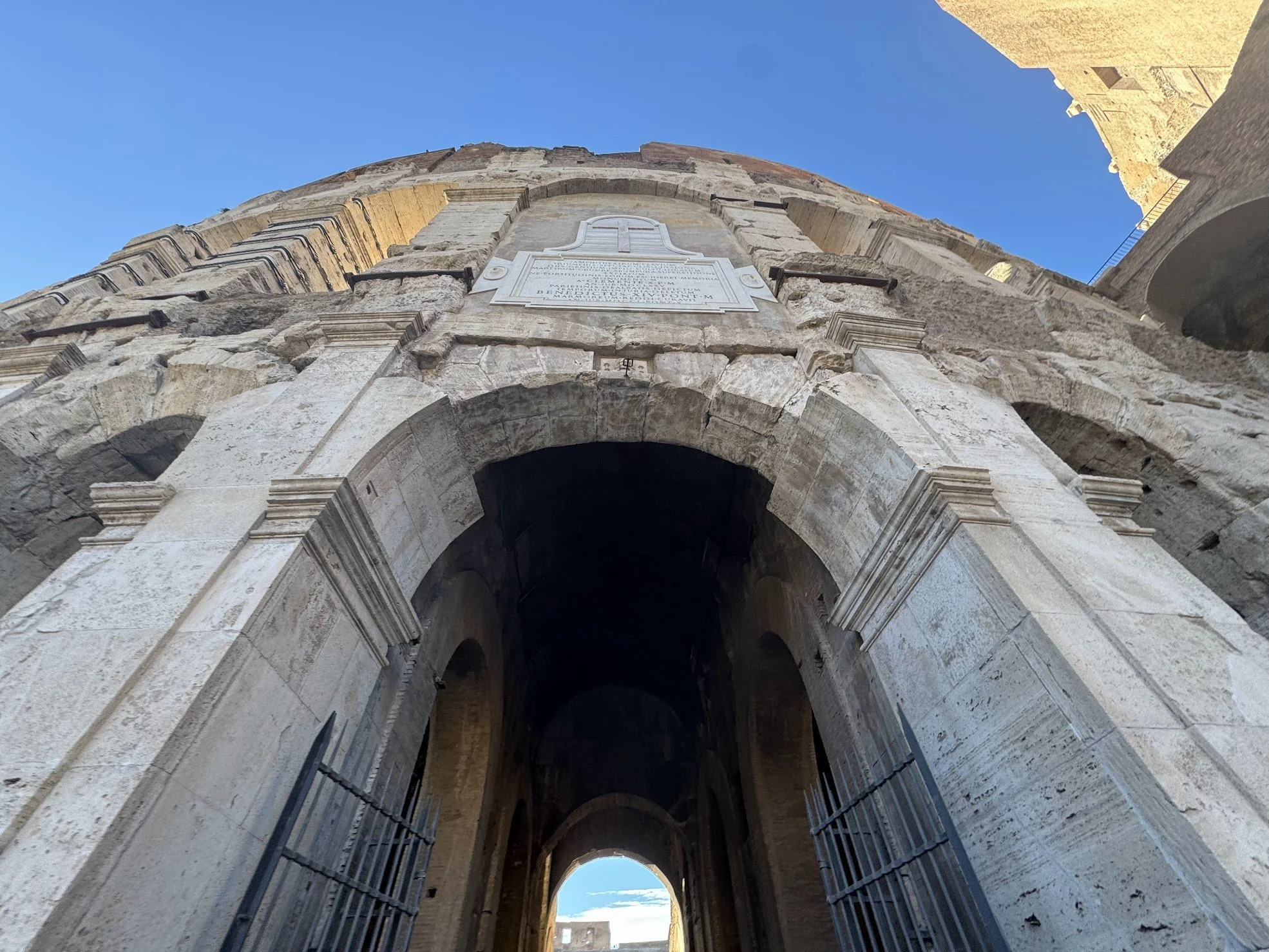
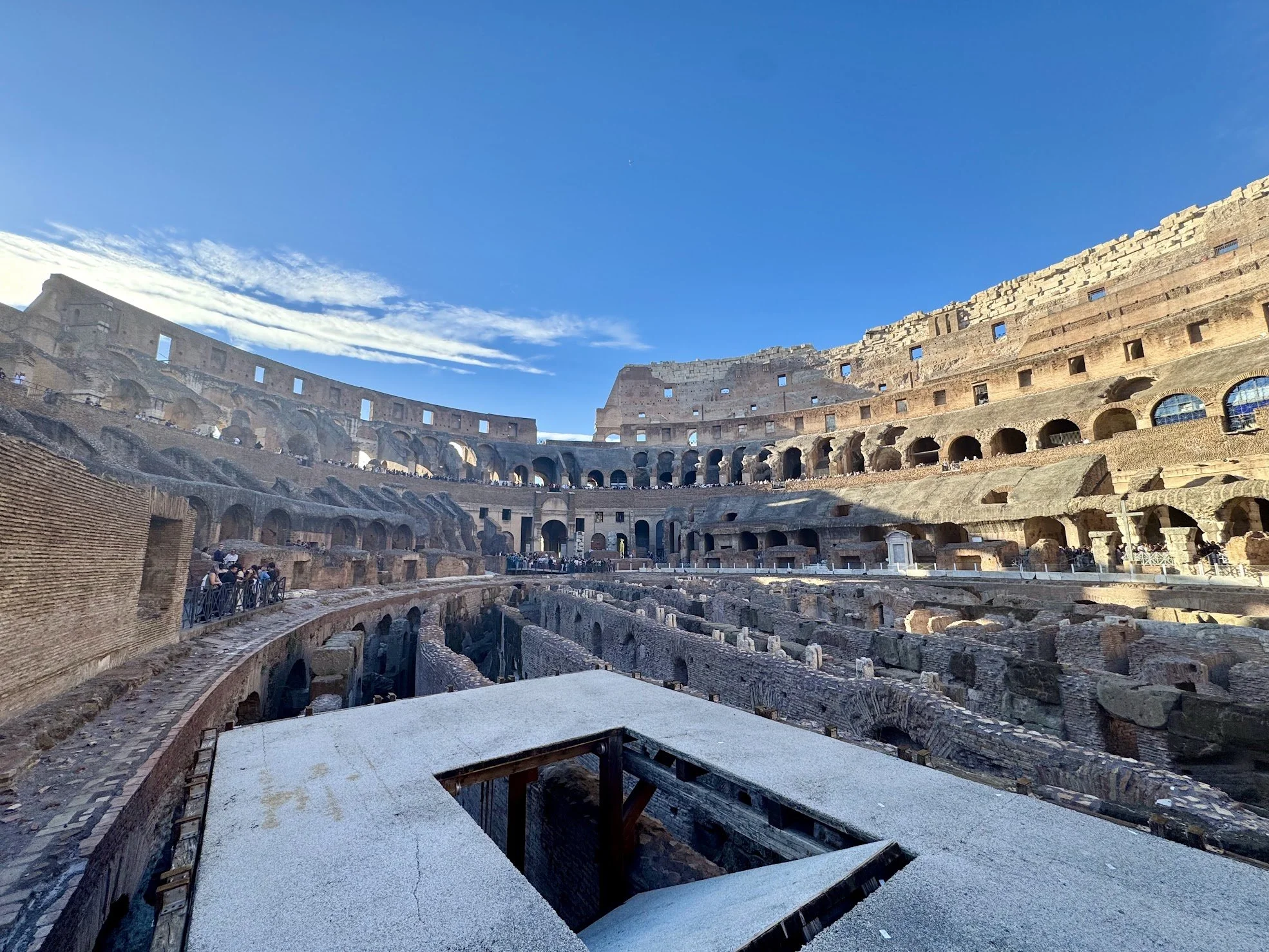
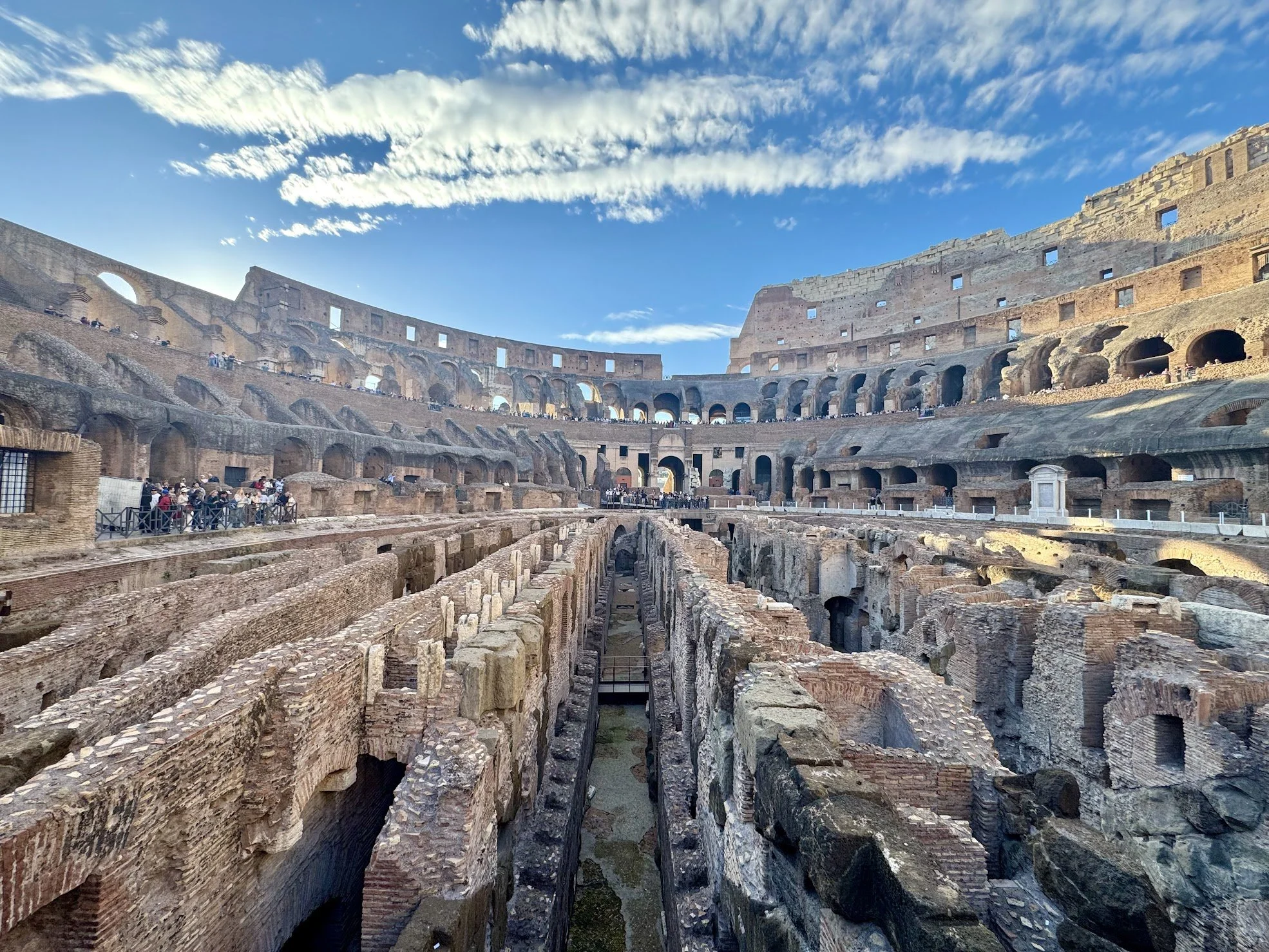
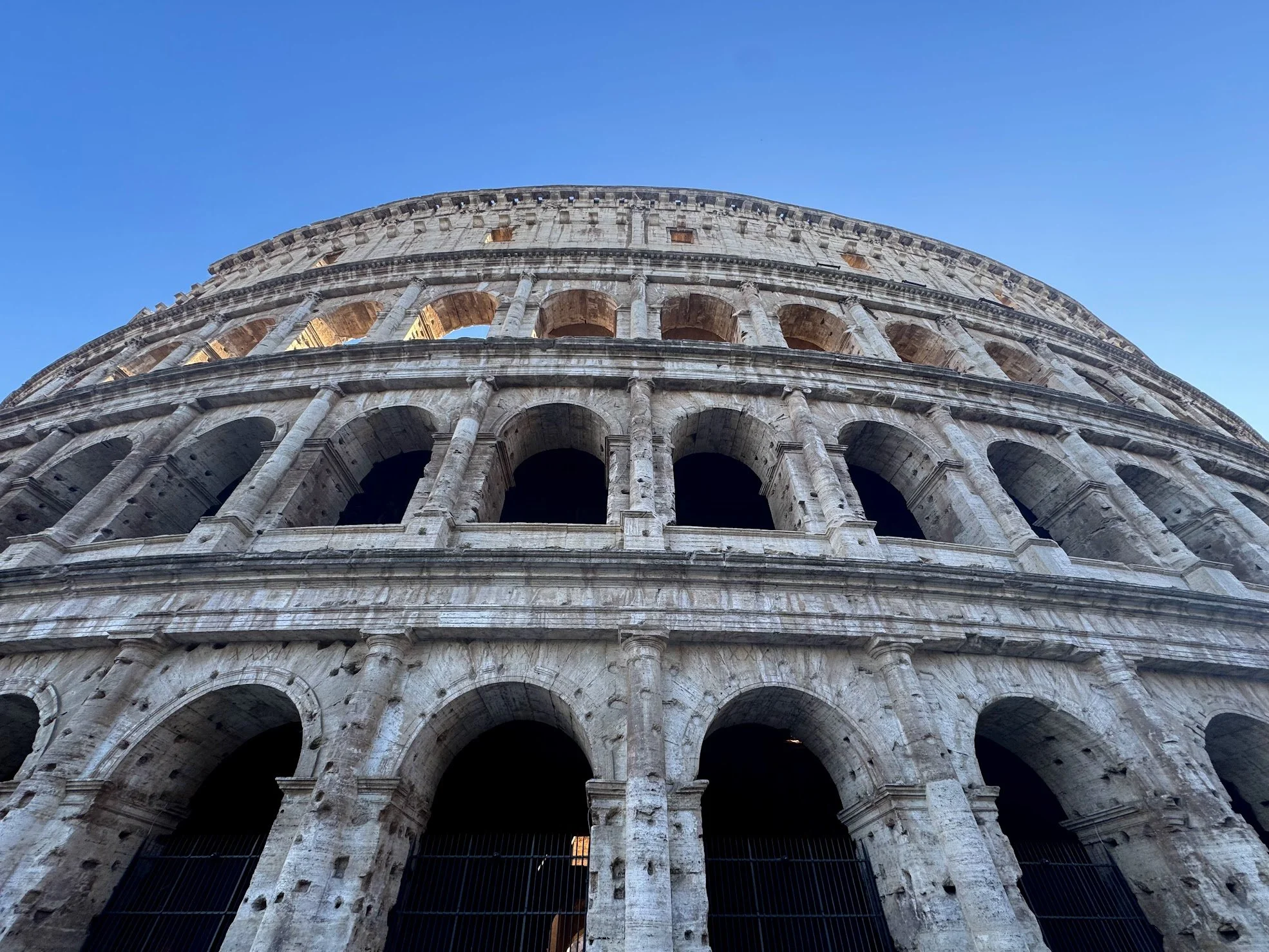
The Colosseum
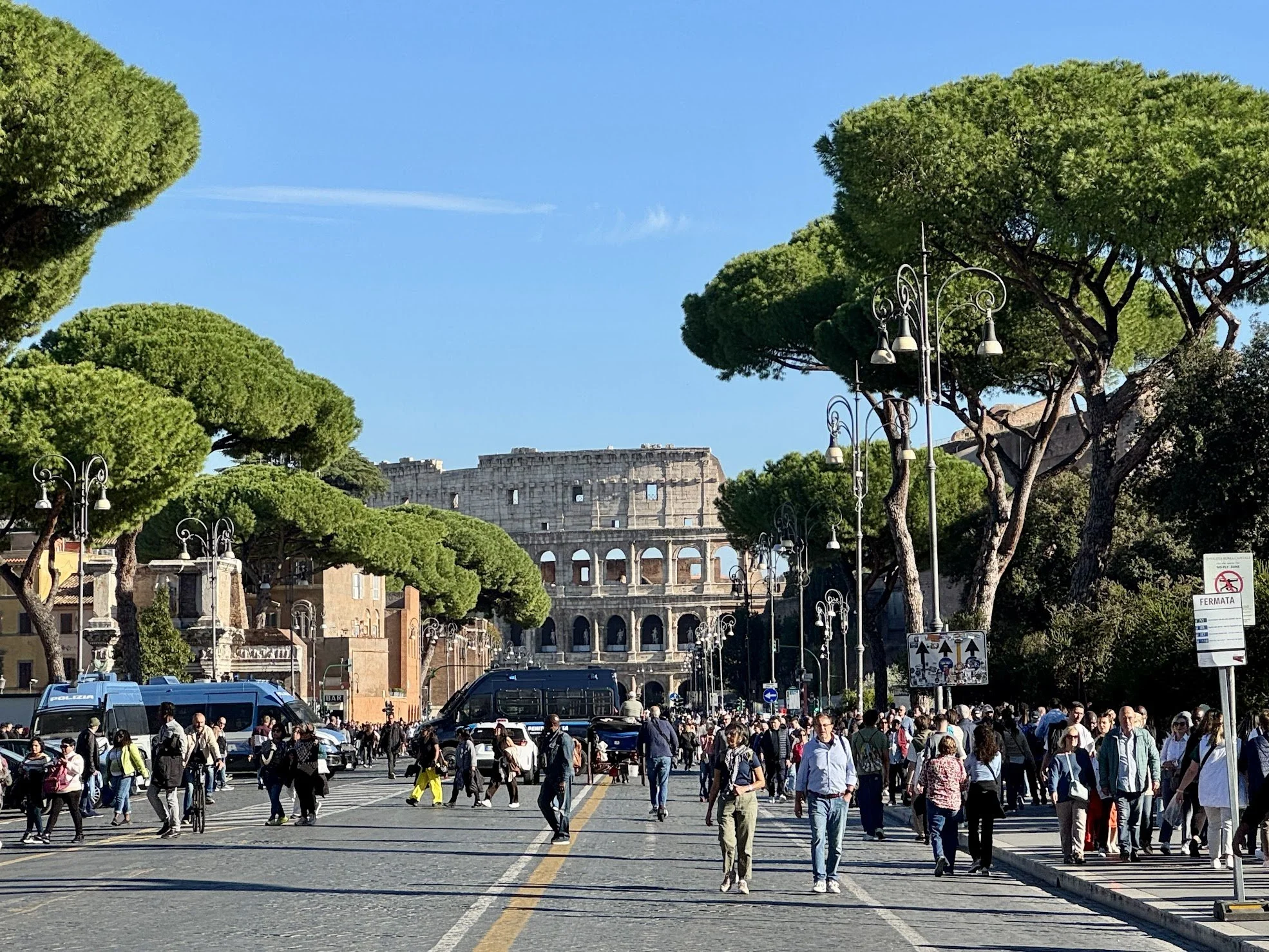
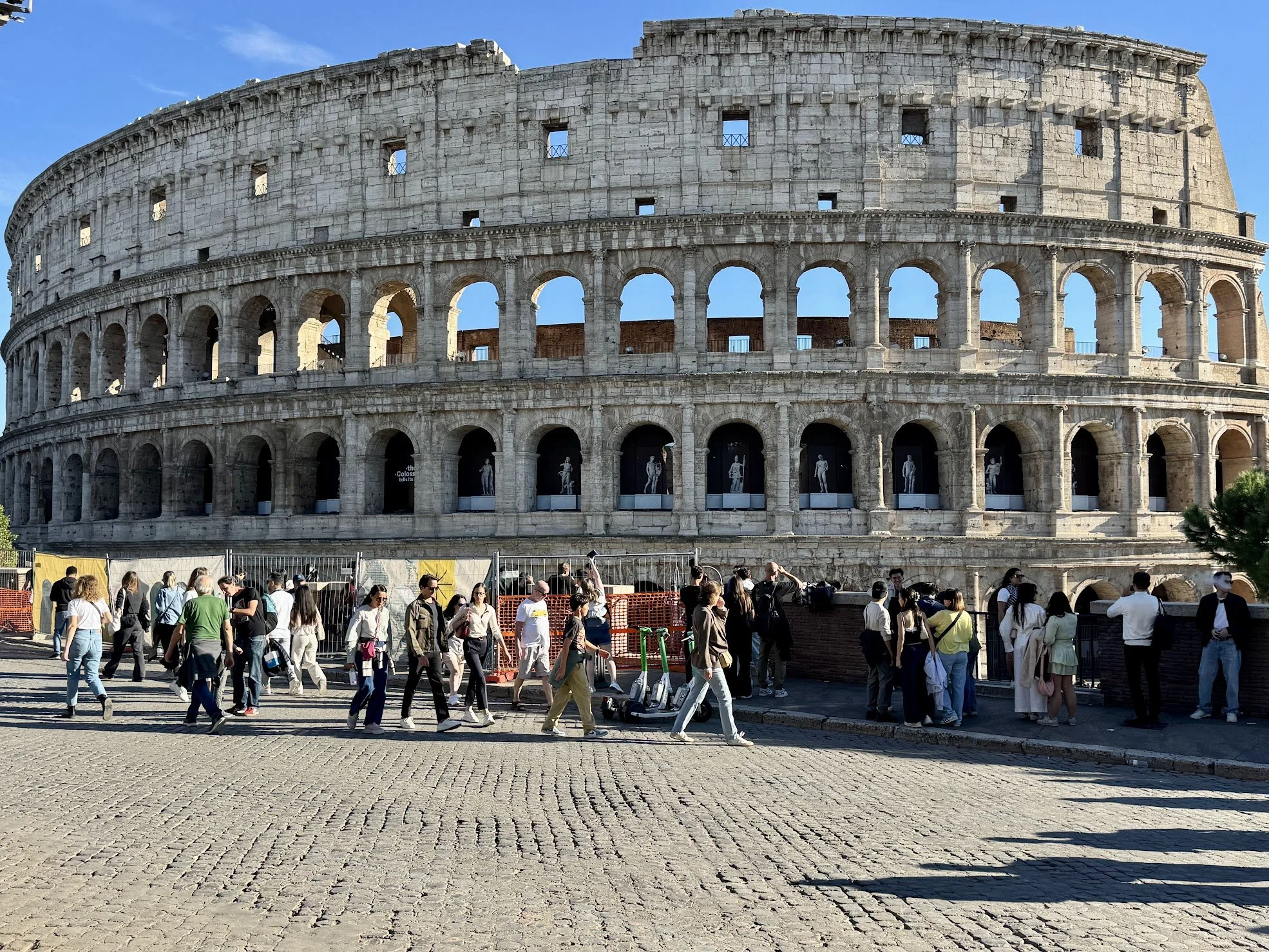
Despite my existential tourism reflections, I was genuinely excited for my Colosseum tour. Seeing the Colosseum was the main reason I added Rome to my itinerary between Salerno and Florence.
Because I was short on time, I booked an express guided tour that included entry through the Gladiator’s Gate and time on the arena floor. The arena-floor access mattered to me. I wanted to stand where the action once took place and look up at the seating tiers, rather than viewing the structure only from above. It gave the experience a more immediate sense of scale.
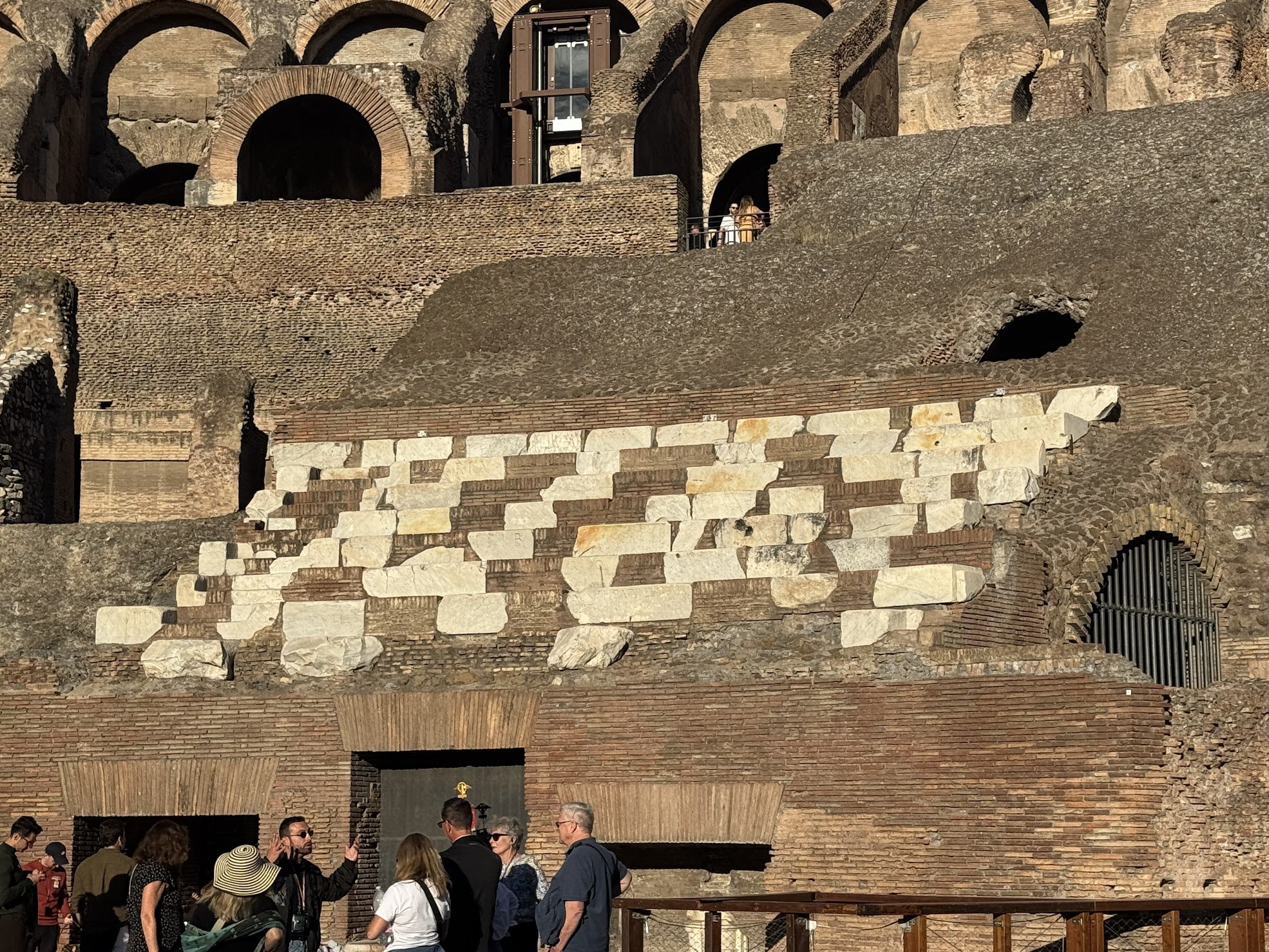
The tour was the highlight of my brief time in Rome. I appreciated that it was a small-group tour. We had time to ask questions, take photos, and move through the arena without feeling rushed along in a huge group. The guide added useful context, which was especially welcome after my hurried self-guided sightseeing earlier in the day.
At about $125, it initially felt expensive for a tour lasting around an hour. But for me, it was worth it. The tour included admission to the Colosseum, Roman Forum, and Palatine Hill, though I did not have time to use the Forum and Palatine portion of the ticket.
If you can, give yourself at least a half day for those sites. Better yet, allow a full day with time to rest, eat, and absorb what you are seeing.

Where I Ate: Gluten-Free Dining in Rome, Italy
If you have read my other destination guides, you know that I have celiac disease. I cannot eat gluten without becoming sick for days—and sometimes weeks afterward—which is not a risk I am willing to take while moving from city to city.
Before leaving the United States, I made many of my dinner reservations in advance. That may sound overly planned, but gluten-free dining was one of the things I looked forward to most about my trip. Europe offers far more options than the United States, and I did not want to spend each evening searching for a safe place to eat.
Cimarra 4 Pizzeria & Cocktail Bar
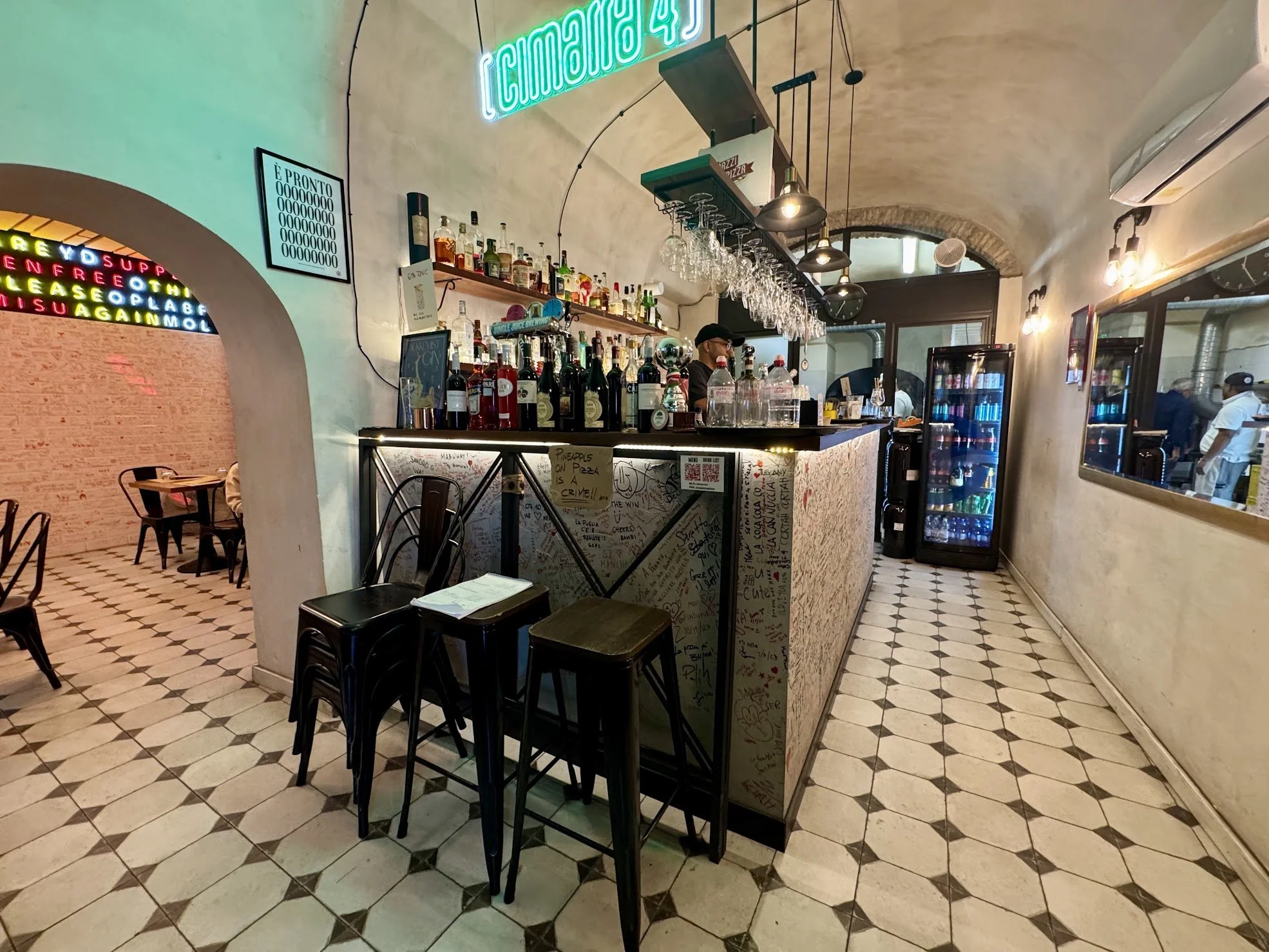
After my Colosseum tour, I headed to Cimarra 4 Pizzeria & Cocktail Bar for dinner. It had been repeatedly recommended on the Find Me Gluten Free app, and it was one of the places I was most excited to try in Rome.
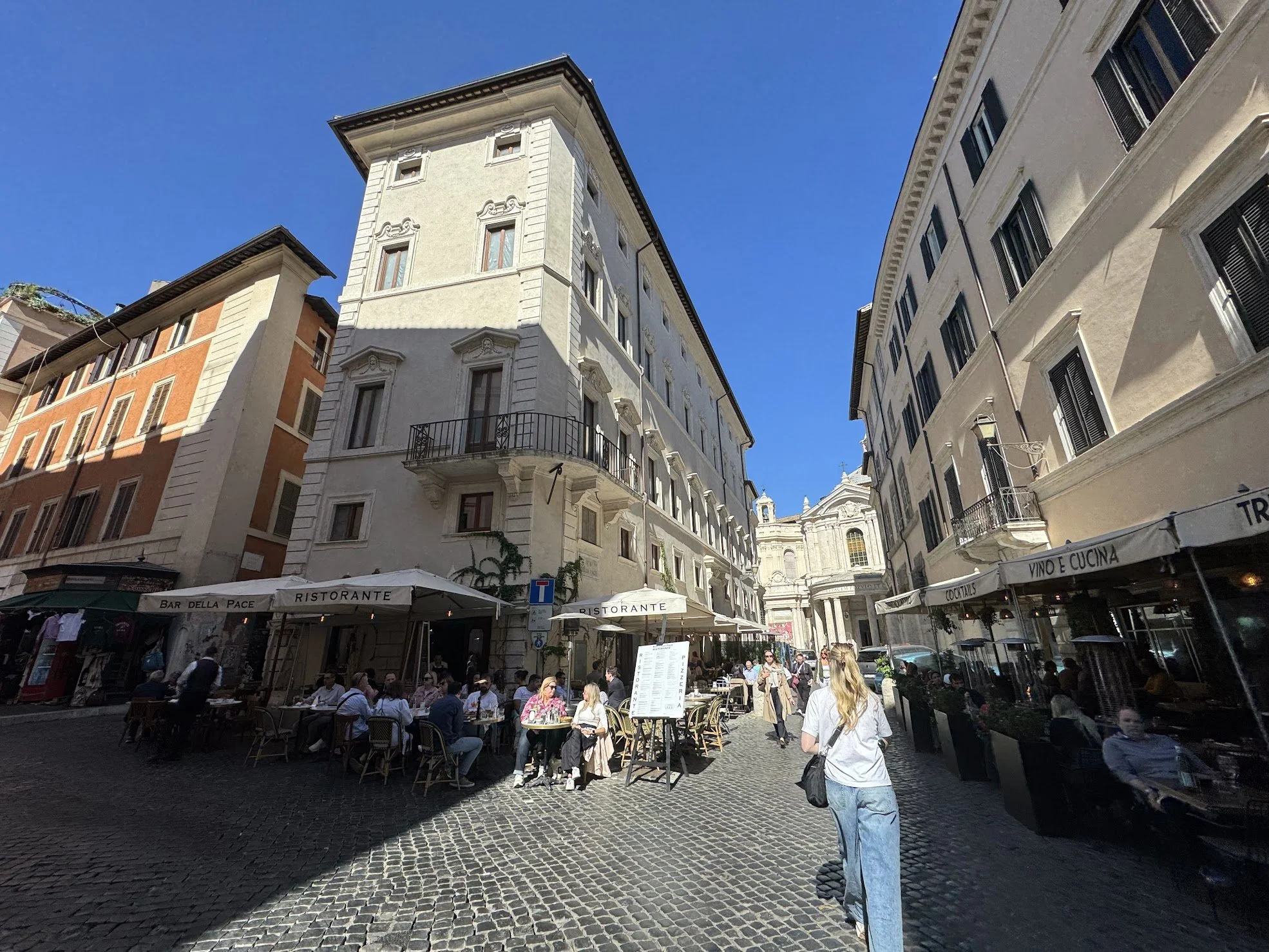
Cimarra 4 is on a small street in Monti, a charming historic neighborhood just north of the Colosseum and Roman Forum. Monti is Rome’s first historic district and one of the city’s most appealing areas for a slower, more local-feeling stay. It has winding streets, small piazzas, independent shops, wine bars, and easy access to major sights without feeling as crowded or monument-focused as the Pantheon area. If I return to Rome, Monti is one of the neighborhoods I would consider staying in.
Cimarra 4 Pizzeria & Cocktail Bar is a relaxed, lively restaurant with cocktails, Roman comfort food, and an unusually extensive gluten-free menu, including fried appetizers, bruschetta, pasta, desserts, and other starters. Pizzas are available with either a traditional or gluten-free crust. For travelers with celiac disease, that kind of choice is a gift. It means you can order a full Roman meal rather than settling for one adapted dish.
I ordered and enjoyed:
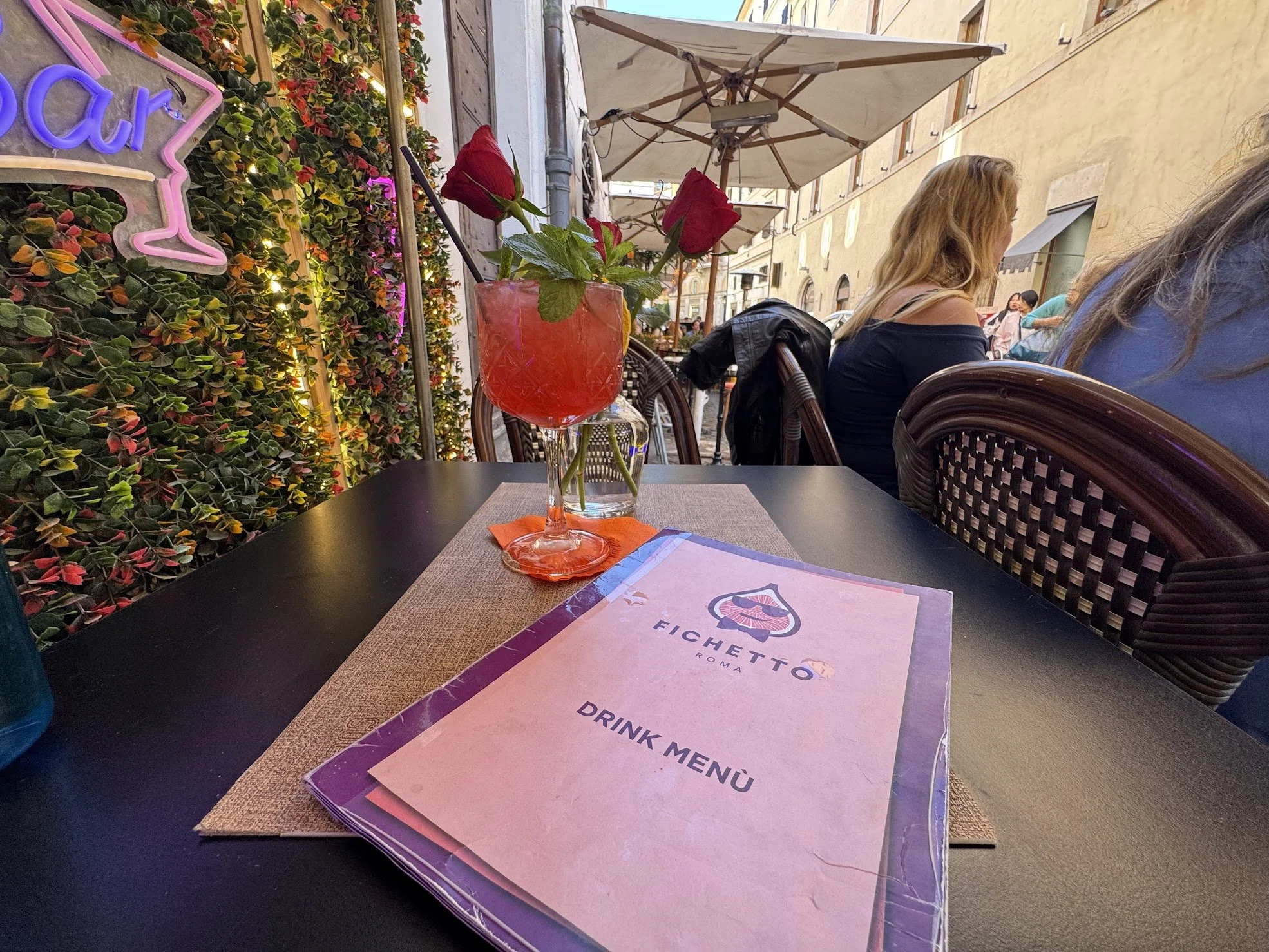
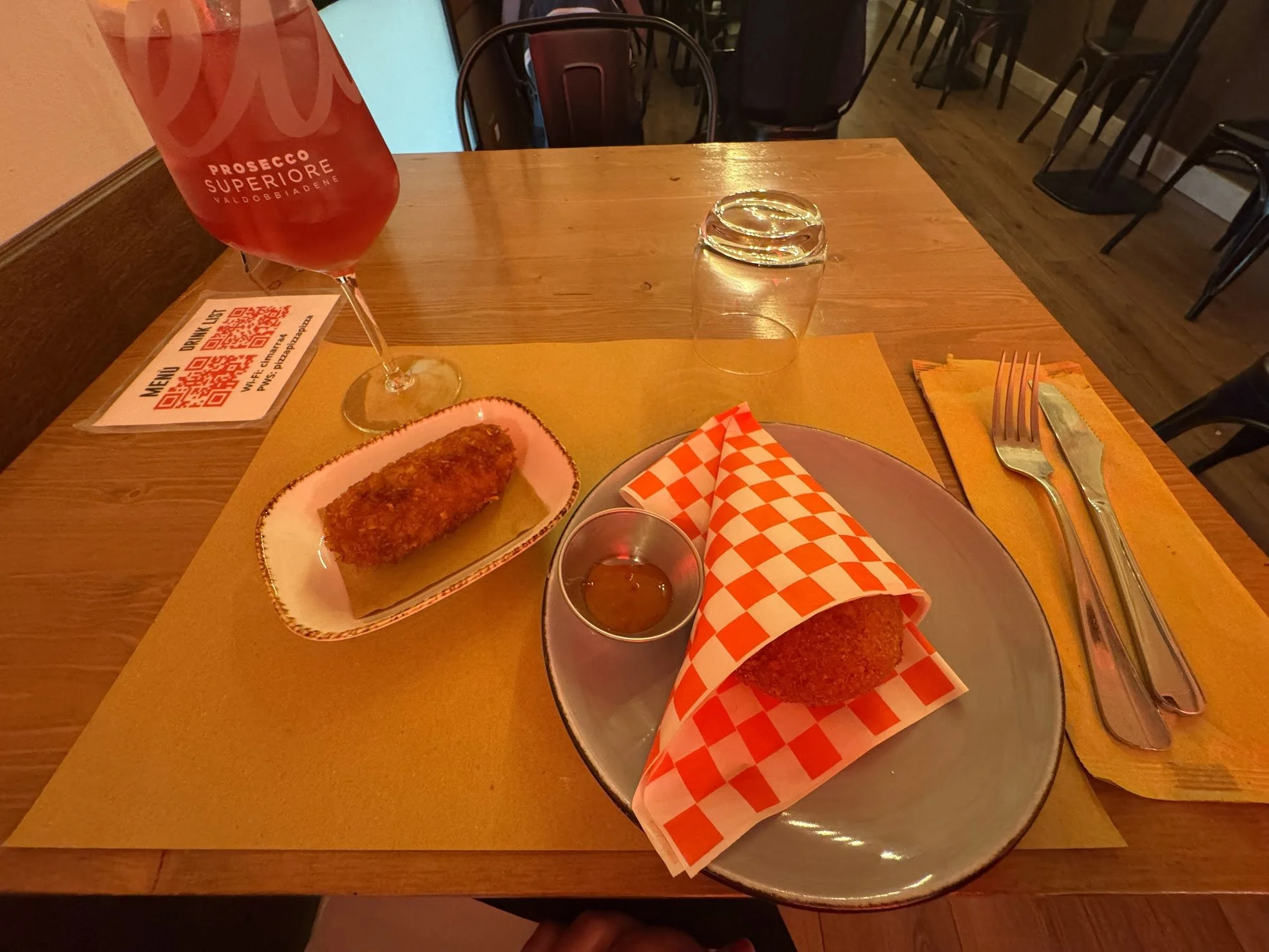
A raspberry limoncello spritz with limoncello, raspberry syrup, Prosecco, and soda
The Special Smash Supplì, a fried rice ball with lactose-free mozzarella, tomato sauce, beef ragù, 30-month-aged Parmigiano Reggiano, and sweet chili sauce
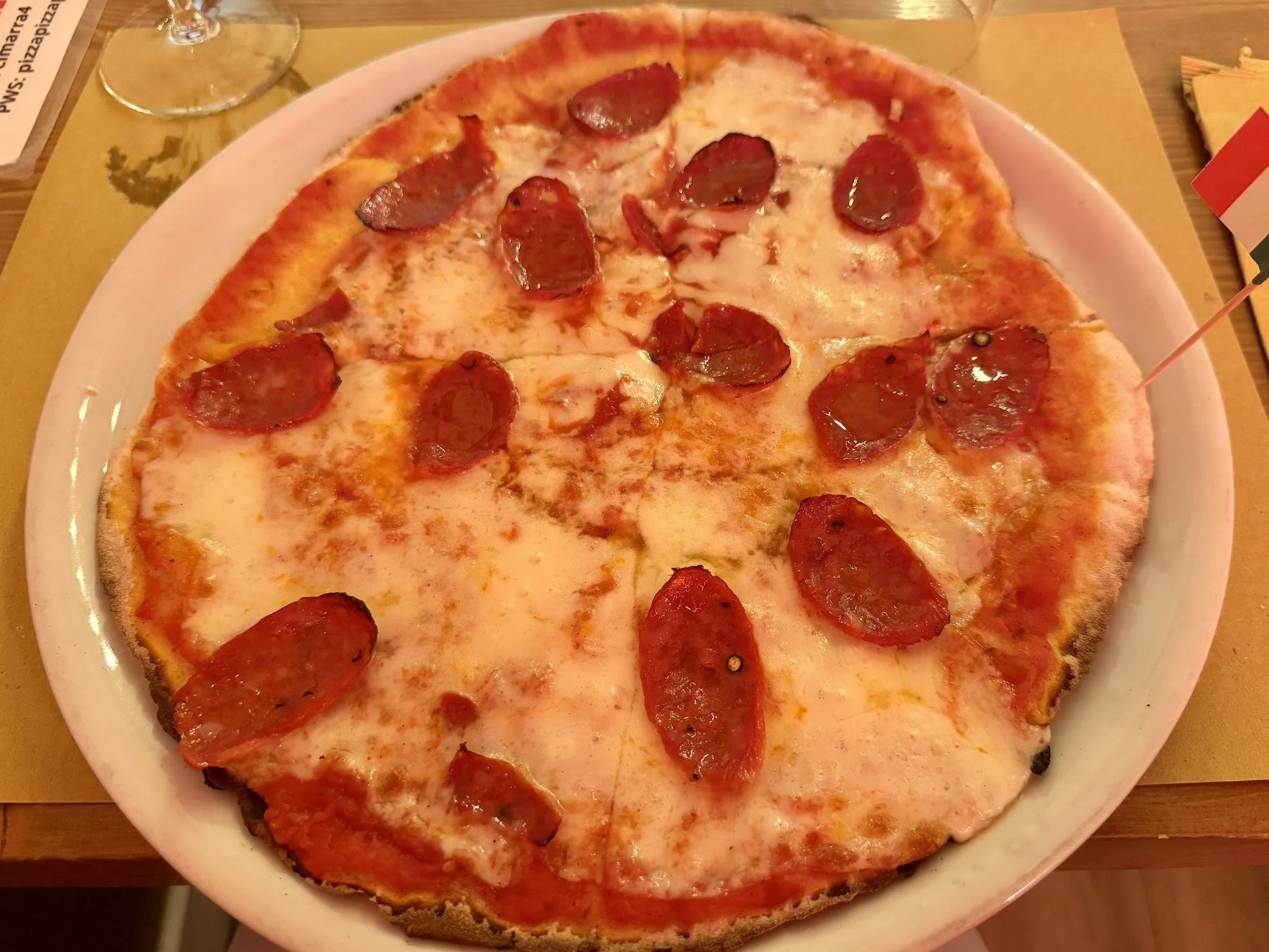
The Roman Pepperoni pizza with tomato sauce, mozzarella, Italian pepperoni salami, honey, and spicy chili extra-virgin olive oil
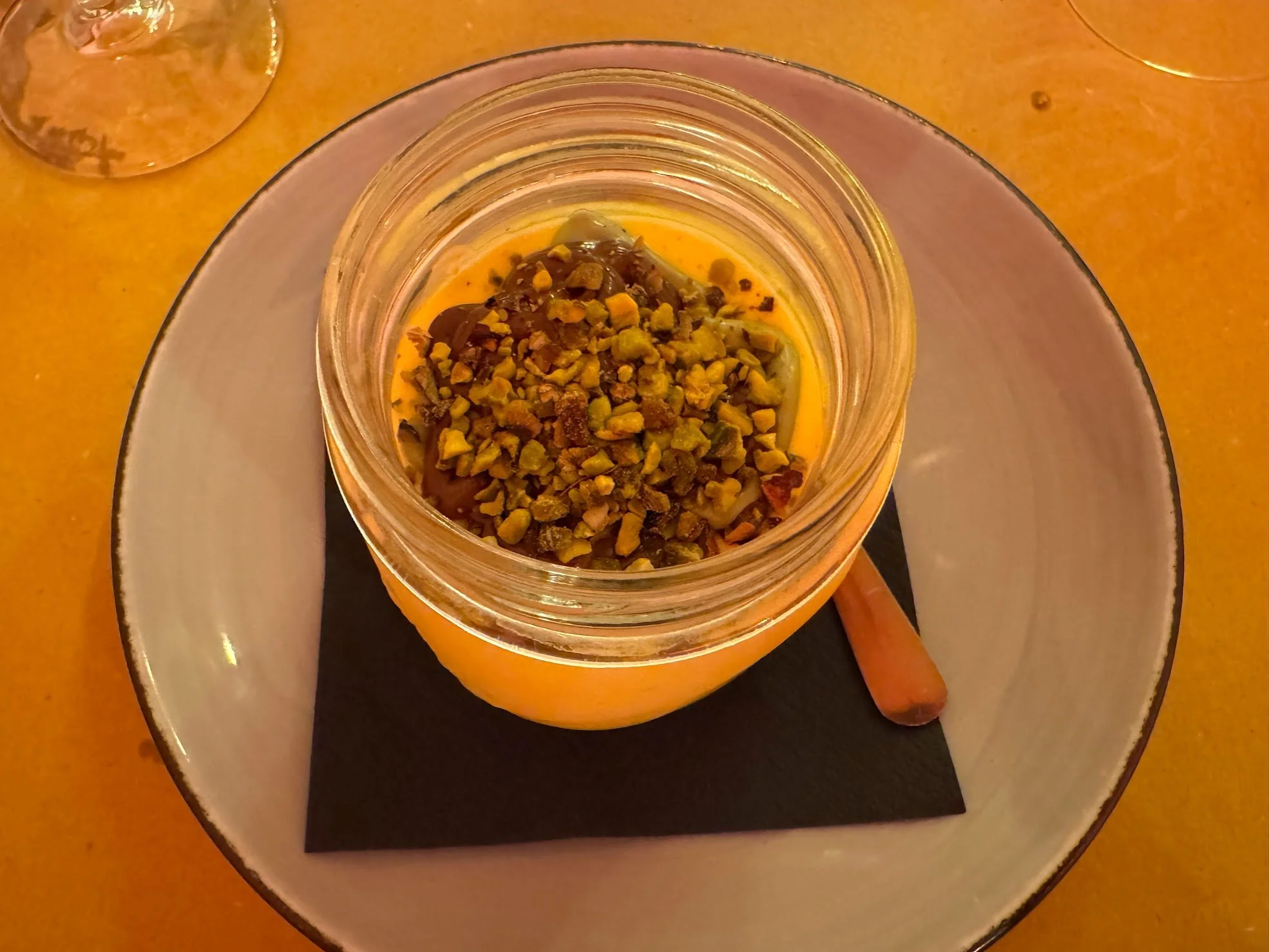
Tiramisu with Nutella and pistachio cream
Everything was incredibly delicious. The supplì was a wonderful start; the pizza hit the ideal balance of salty, sweet, and spicy; and ending with tiramisù—without worrying about gluten—felt like exactly the kind of small travel joy I had hoped for.
I would absolutely recommend making a reservation at Cimarra 4 Pizzeria & Cocktail Bar, particularly for dinner, as it can get quite busy.
Final Thoughts: Rome, Italy
Rome didn't get the time it deserved from me, but I am still grateful I went. In one day, I navigated a slightly chaotic arrival on my own, saw some of the city’s most famous landmarks, stood on the Colosseum arena floor, and had a very memorable gluten-free meal.
That being said, I would do it differently next time. Rome has been there for a few thousand years. You shouldn’t try to see it all in one day.
Travel Gear Reviews
-
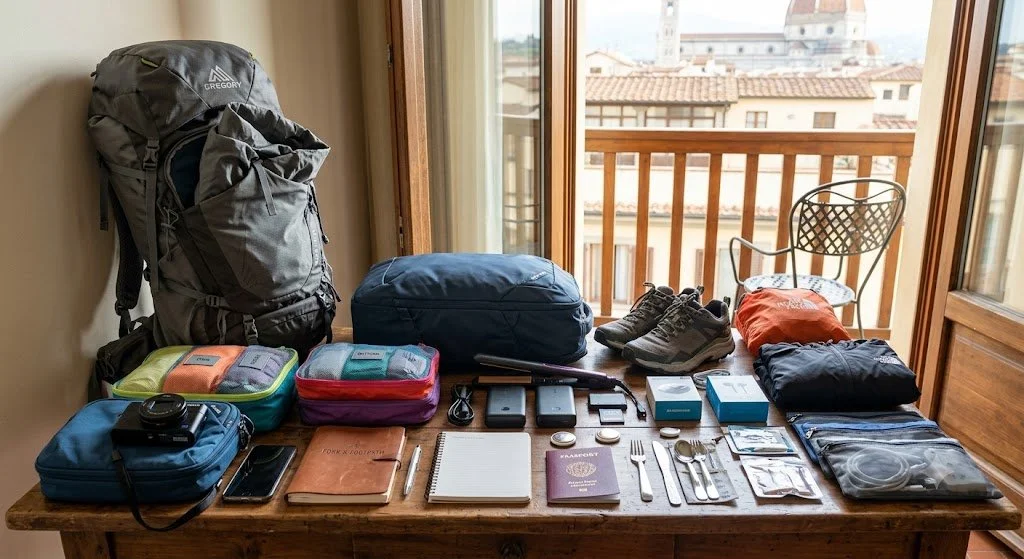
![The Ultimate Europe Packing List]()
The Ultimate Europe Packing List: Everything I Actually Used
The exact luggage, gear, footwear, technology, and clothing that survived three months of continuous solo travel.
-
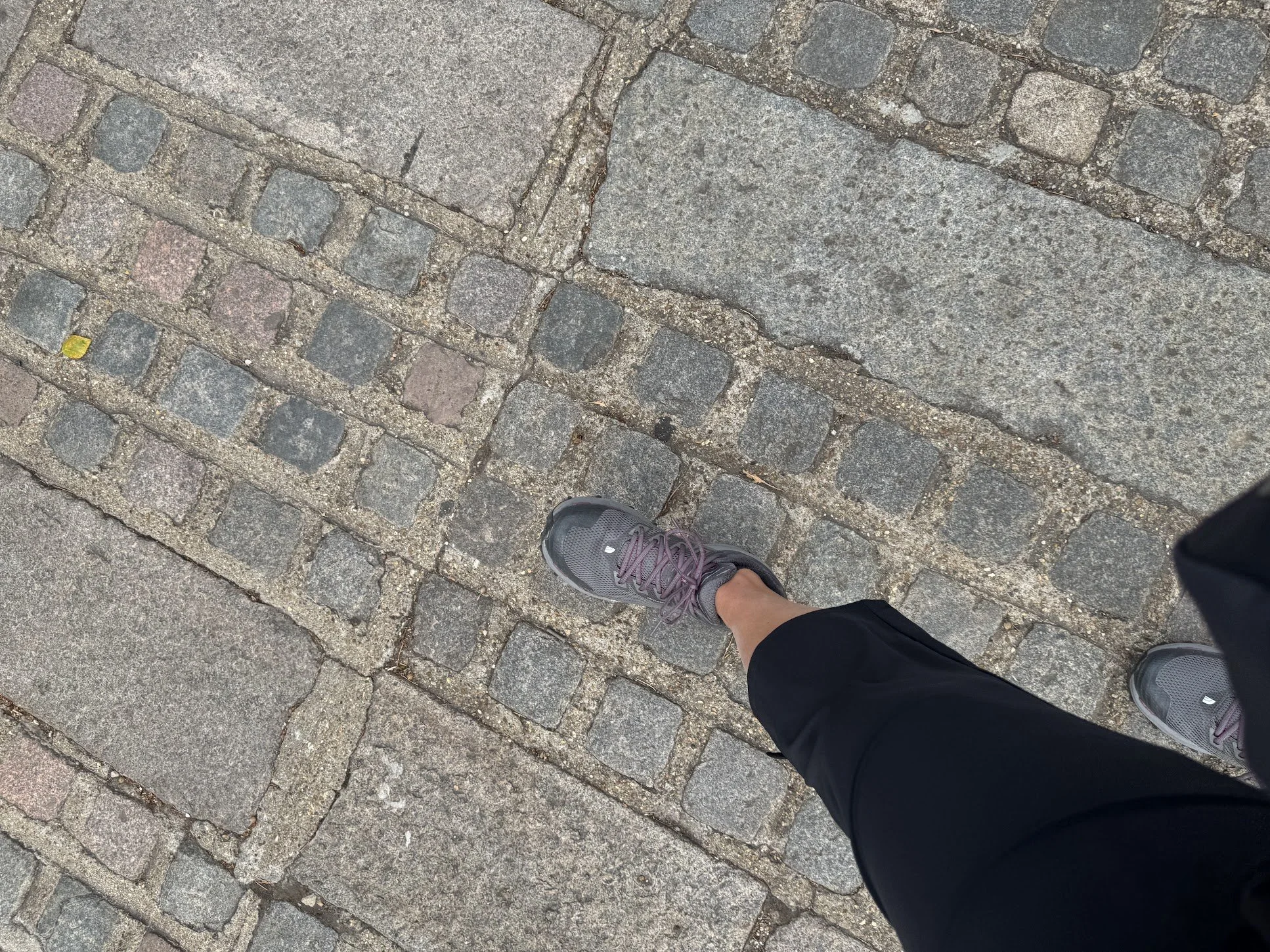
![Travel Shoes For Europe]()
The Walking Shoes That Survived Three Months of European Travel
These provided the comfort, support, waterproof protection, and versatility I needed for long days on my feet.
-
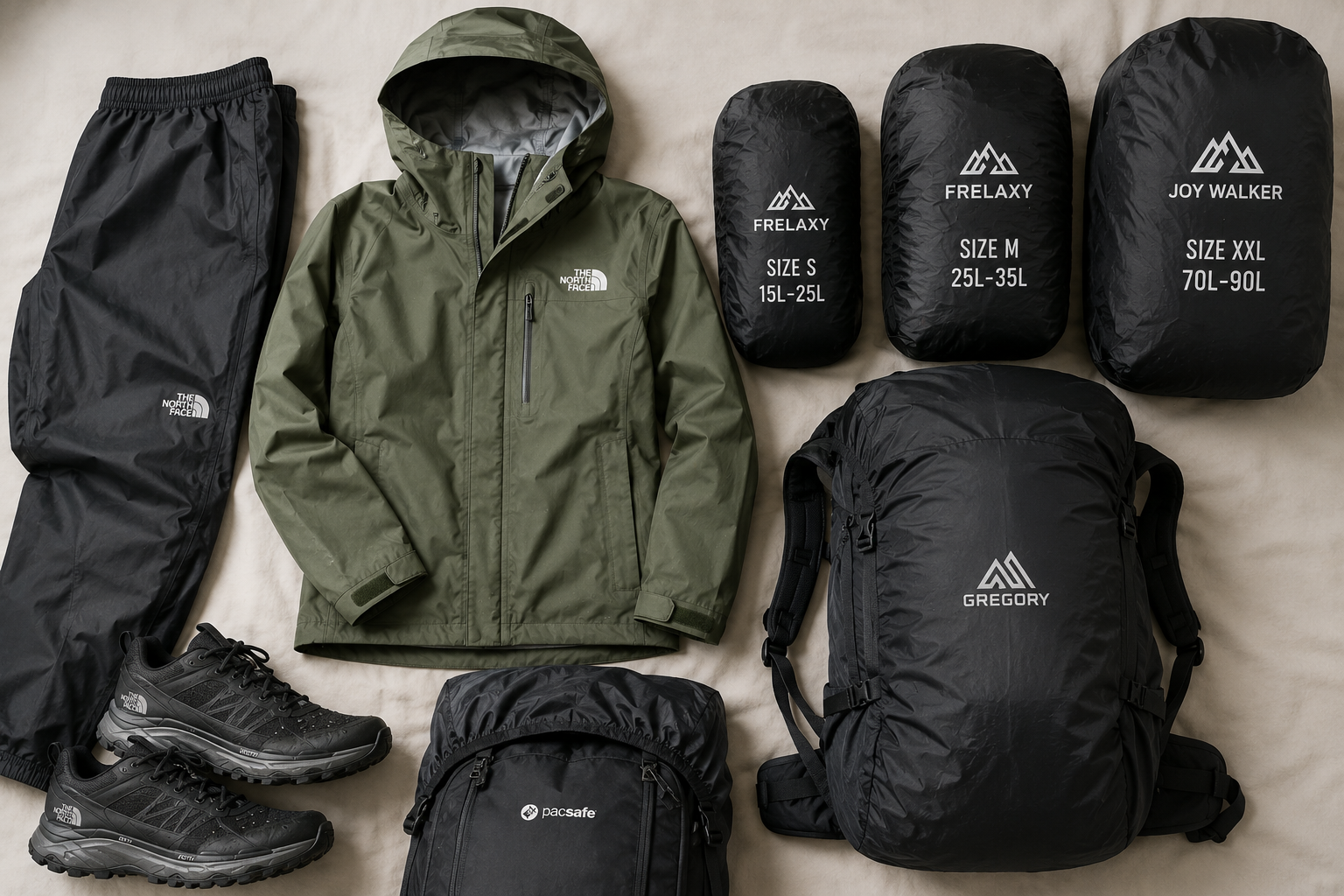
![Waterproof Travel Gear]()
Waterproof Travel Gear: Essentials That Keep You Exploring
Rain gear is one of the best investments you can make for an extended European trip. These waterproof essentials earned a permanent place on my packing list.
-
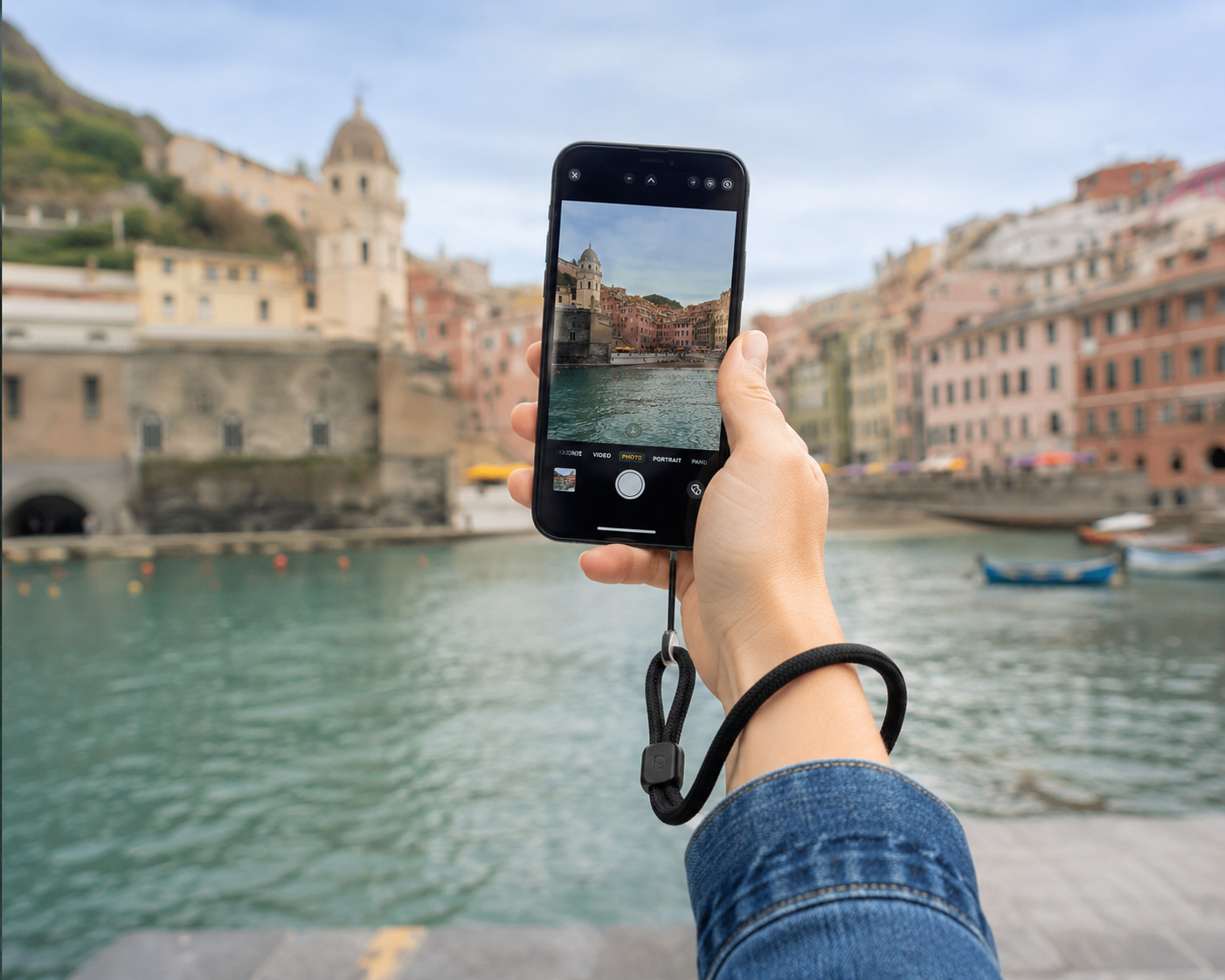
![Phone Wrist Strap]()
The Phone Wrist Strap That Helped Protect My Phone Across Europe
A simple, low-cost travel accessory provided peace of mind in crowded cities and added security throughout my three-month trip.
-
![Travel Technology]()
The Technology I Used During Three Months of Traveling Europe
The travel tech that helped me navigate, stay connected, protect my photos, and travel independently.