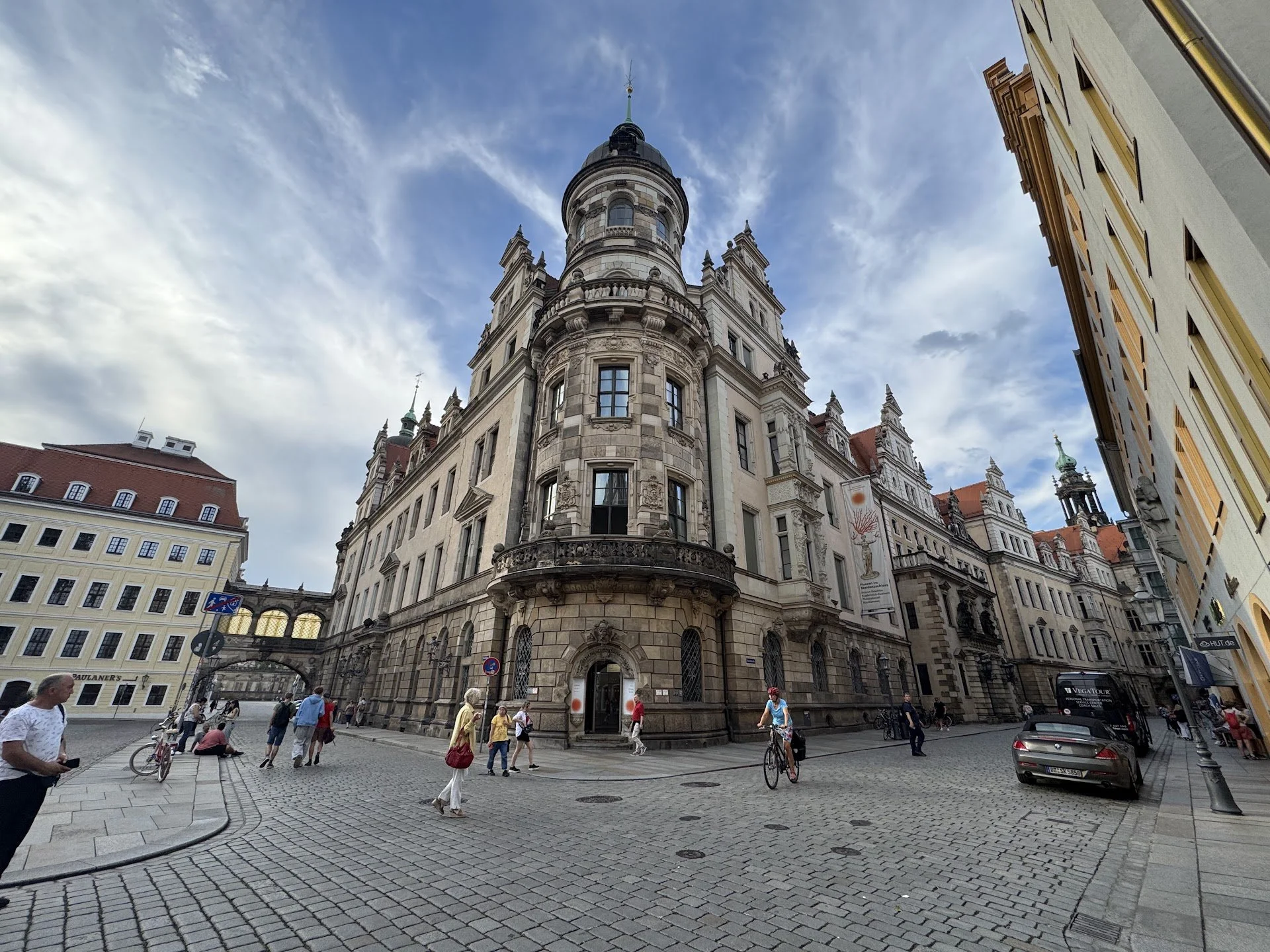
Dresden Travel Guide: A City Rebuilt with Lasting Impact
Grand architecture, riverfront walks, and one of Germany’s most striking cities.
One of the hardest parts of planning a long trip, especially something like a three-month trip across Europe, is deciding how long each stop deserves. Before leaving, I spent countless hours researching cities, neighborhoods, restaurants, transportation, and things to do, trying to estimate how much time each place realistically needed. But without firsthand experience, every decision felt like a tradeoff. Stay longer somewhere, and another city gets shortened. Move too quickly, and everything risks feeling rushed.
There’s no perfect formula. You do the best you can with the information you have and accept that some places will inevitably leave you wanting more.
Dresden was one of those places.
After the slower rhythm of Erfurt, Dresden immediately felt larger, grander, and more visually dramatic, but still surprisingly manageable to explore on foot.
This guide covers where I stayed, how I spent my limited time in Dresden, and why the city left a much stronger impression on me than I expected.
Some links in this post may be affiliate links, which means I may earn a small commission if you book through them—at no additional cost to you. I only share places and services I personally used or genuinely enjoyed during my trip. Read the full disclosure policy.
Dresden, Germany Overview
Dresden is located along the Elbe River in eastern Germany and is known for its Baroque architecture, cultural landmarks, and remarkable reconstruction after World War II. Compared to the medieval intimacy of Erfurt, Dresden felt more expansive and monumental from the start.
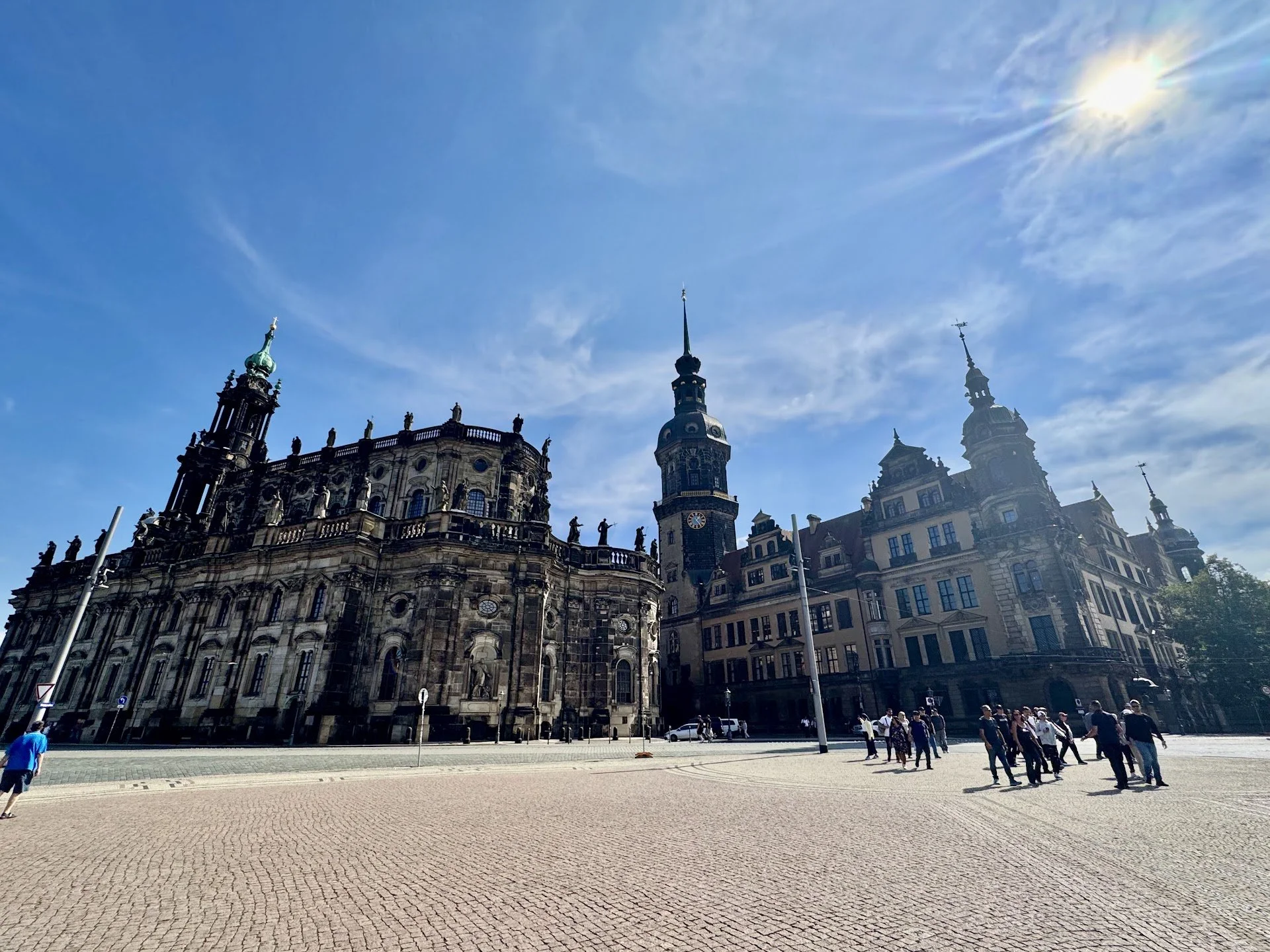
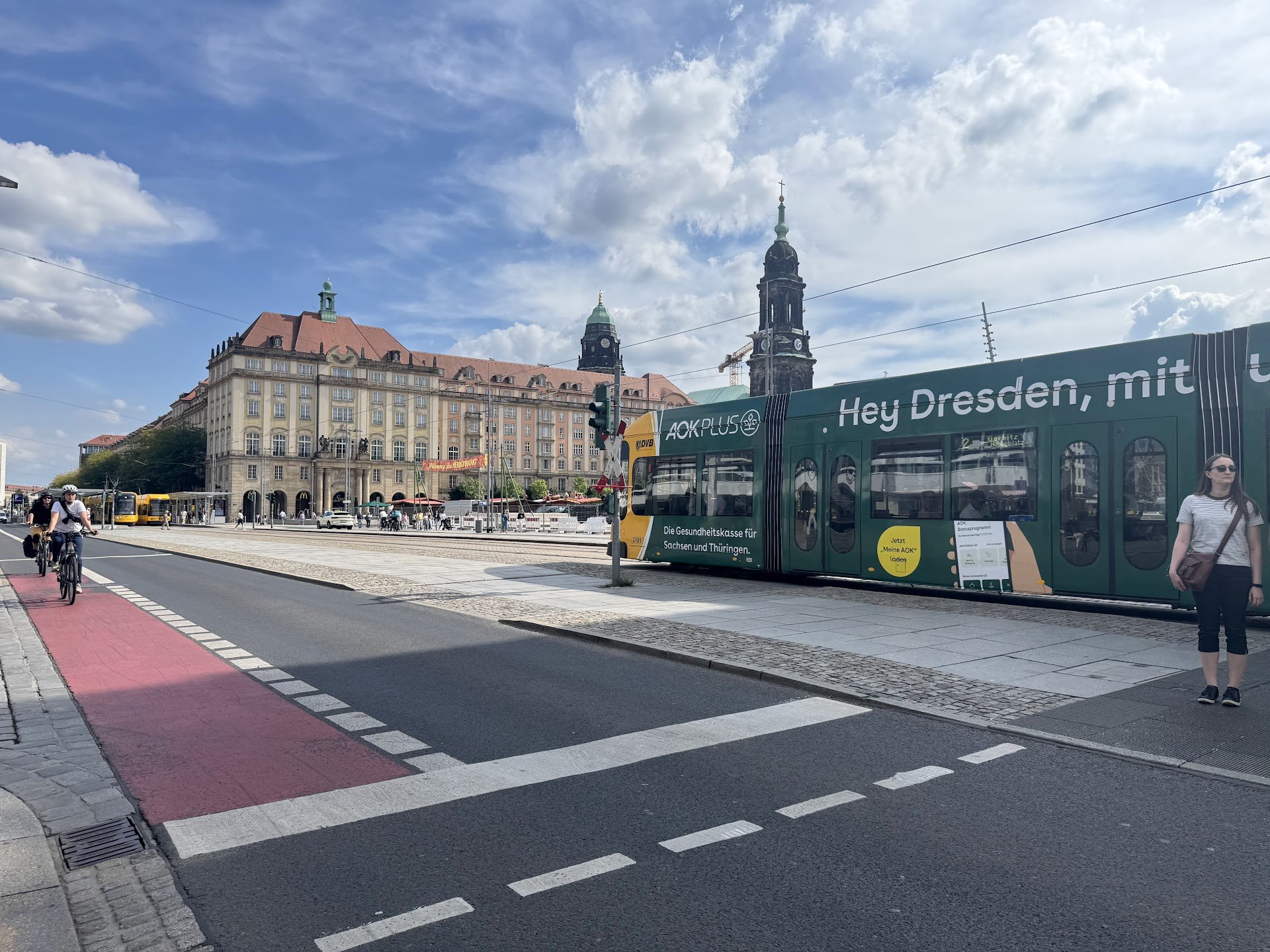
What stood out most to me was how cohesive the rebuilt historic center feels. Although much of Dresden was destroyed during World War II, the reconstruction has been done so thoughtfully that the city still feels historically grounded rather than artificial. The Altstadt is also highly walkable, with major landmarks located surprisingly close together despite how large and dramatic they appear.
I visited in early fall, when the weather was mild and comfortable for walking during the day, with cooler evenings that made light layers useful—along with the small umbrella I had wisely learned to carry almost everywhere by this point in the trip.
Where I Stayed In Dresden, Germany: Historic Old Town / Altstadt
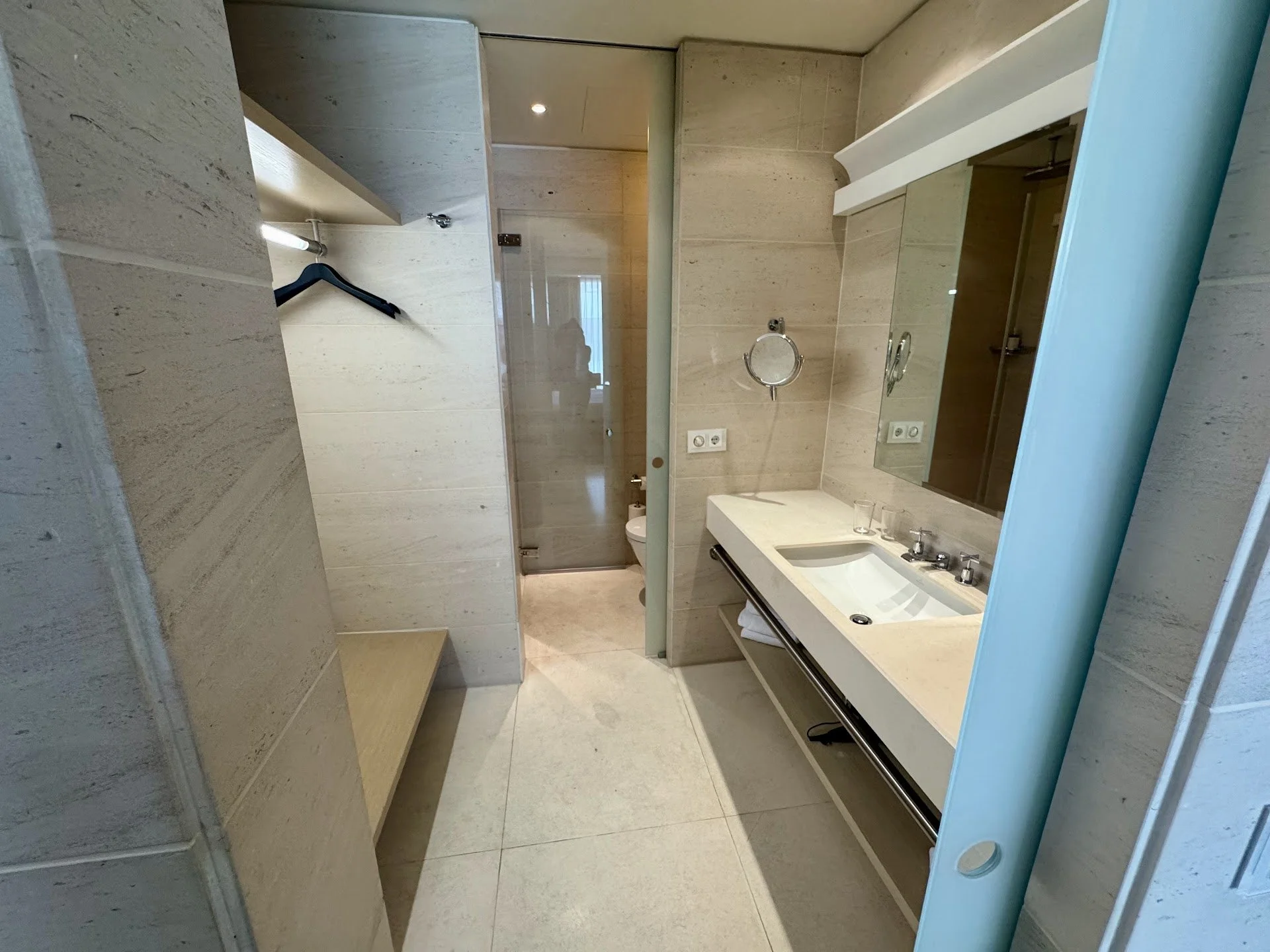
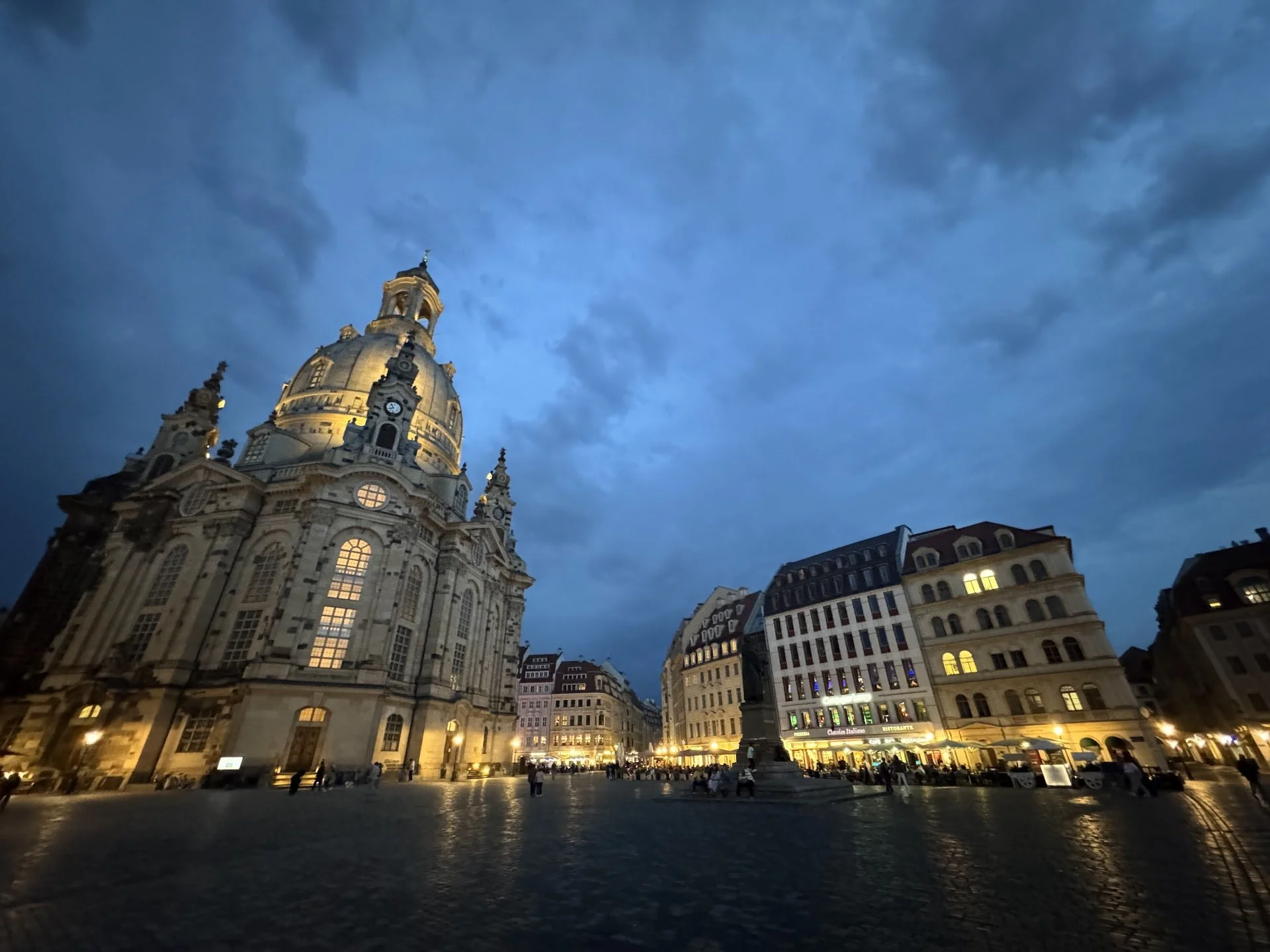
I stayed at Townhouse Dresden (now known as The Cloud One Dresden), located directly on Neumarkt in the heart of Dresden’s historic Altstadt. The location was excellent. It’s about a 20-minute walk from the train station, or a quick tram ride, but once you arrive, you’re immediately surrounded by many of the city’s most recognizable landmarks. The hotel sits just steps from the Frauenkirche Dresden, with places like the Semperoper Dresden and Zwinger Palace all within easy walking distance.
The room itself felt polished, spacious, and thoughtfully designed without becoming overly formal. Large windows overlooked Neumarkt, where cafés, visitors, and street musicians filled the square throughout the day.
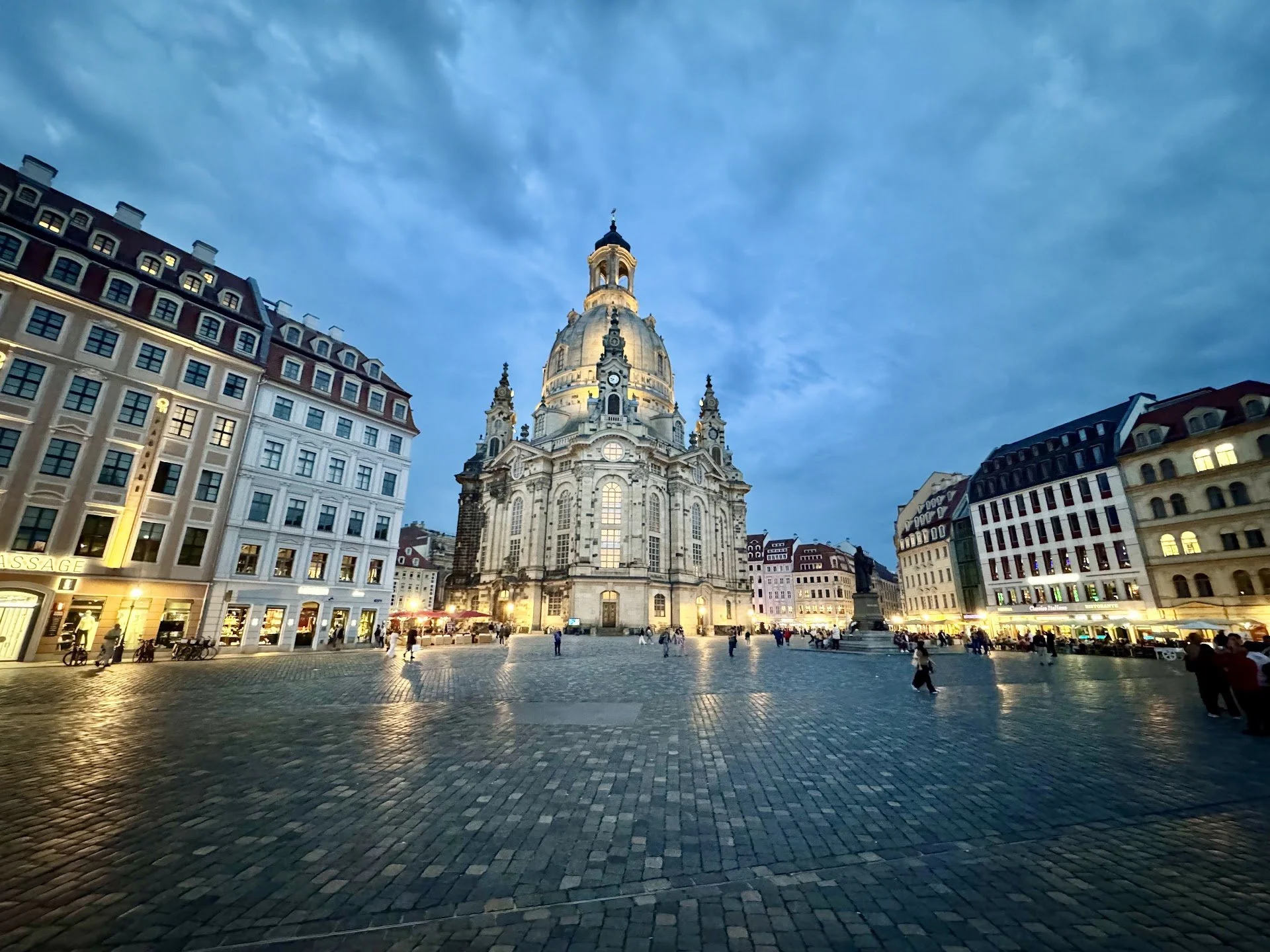
By evening, though, the atmosphere softened noticeably. The crowds thinned, the buildings glowed under warm lighting, and the city became much quieter and calmer. It was one of those locations that made returning to the hotel feel like part of the experience rather than simply the place where I slept.
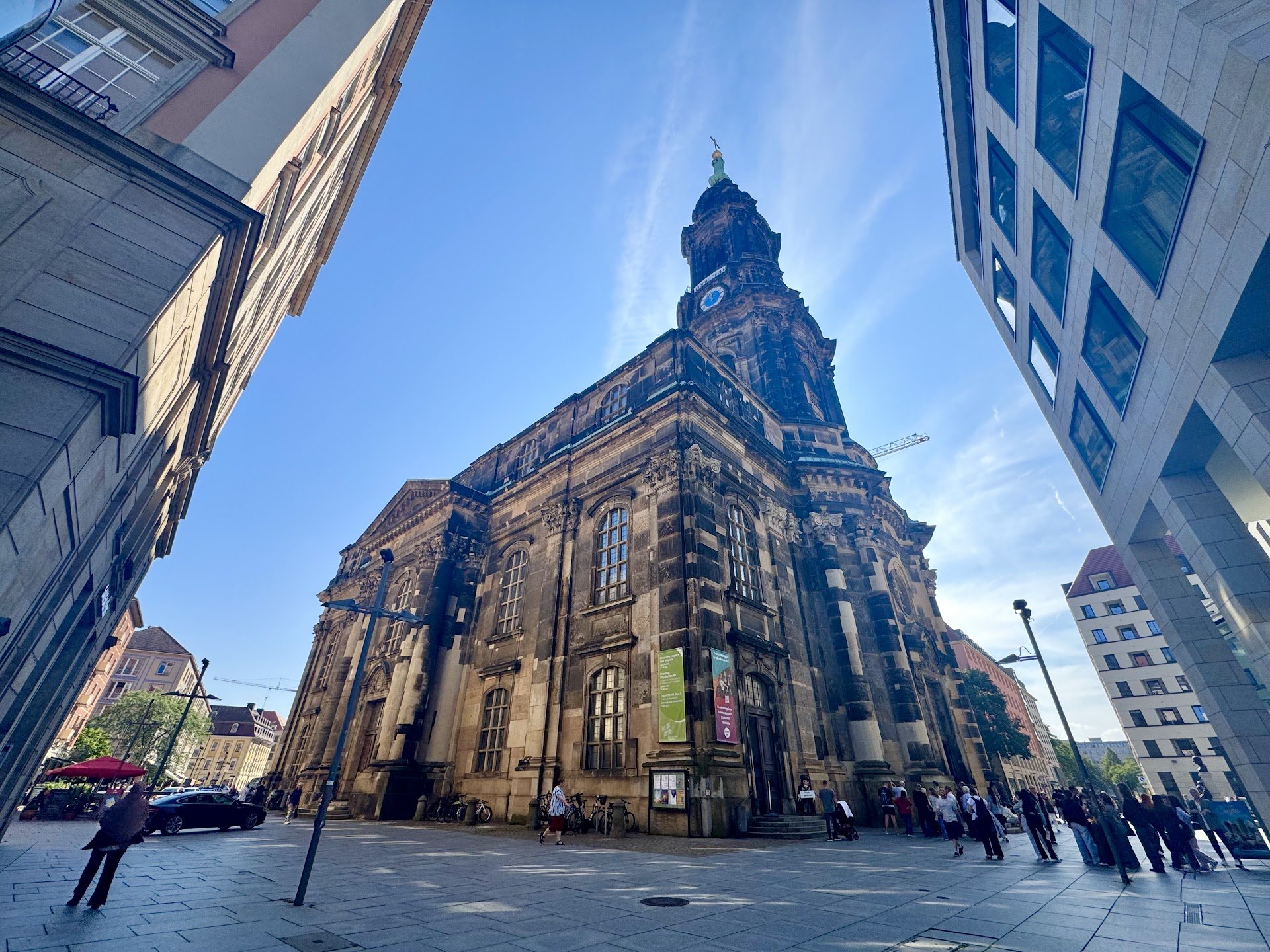
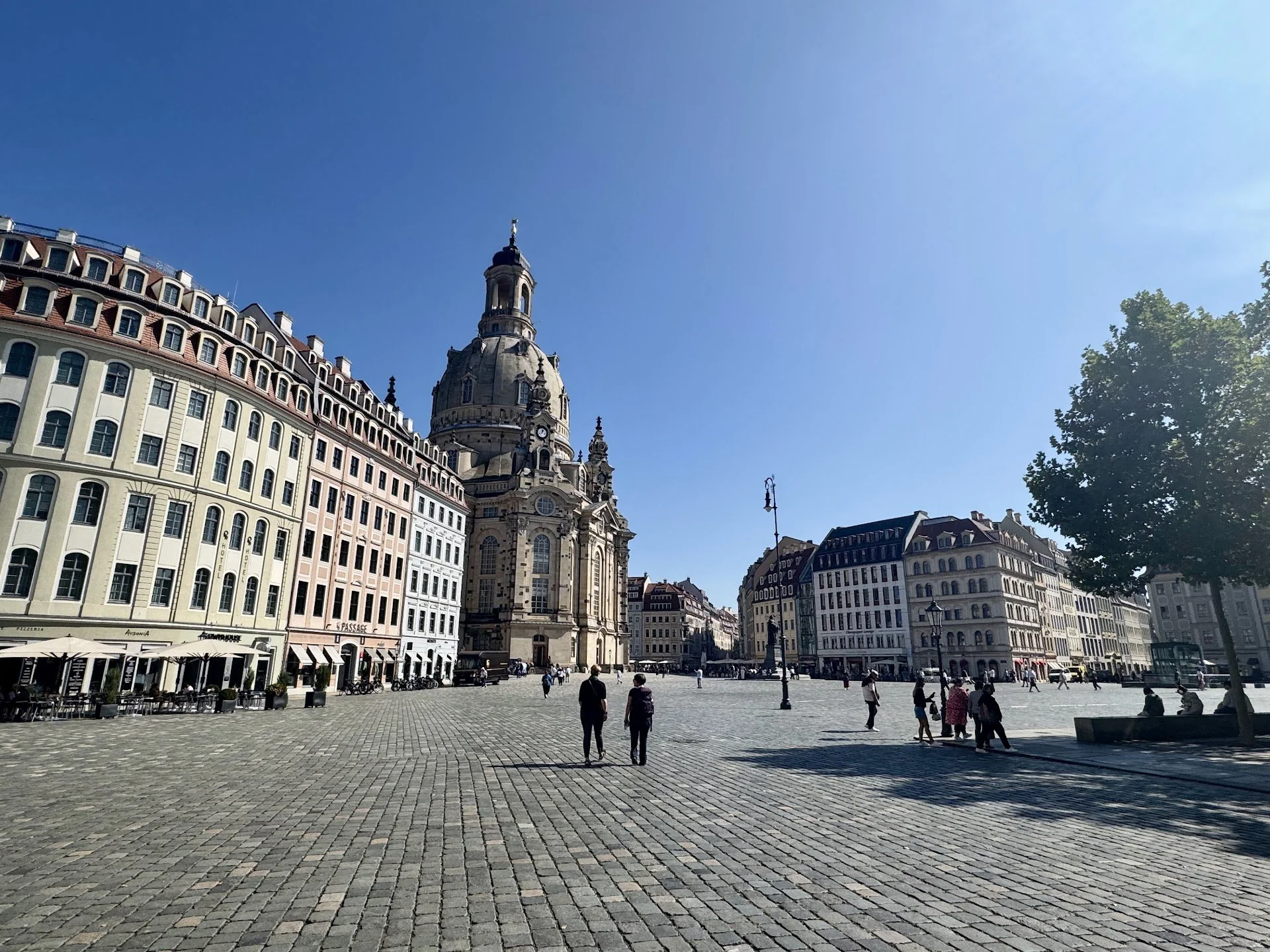
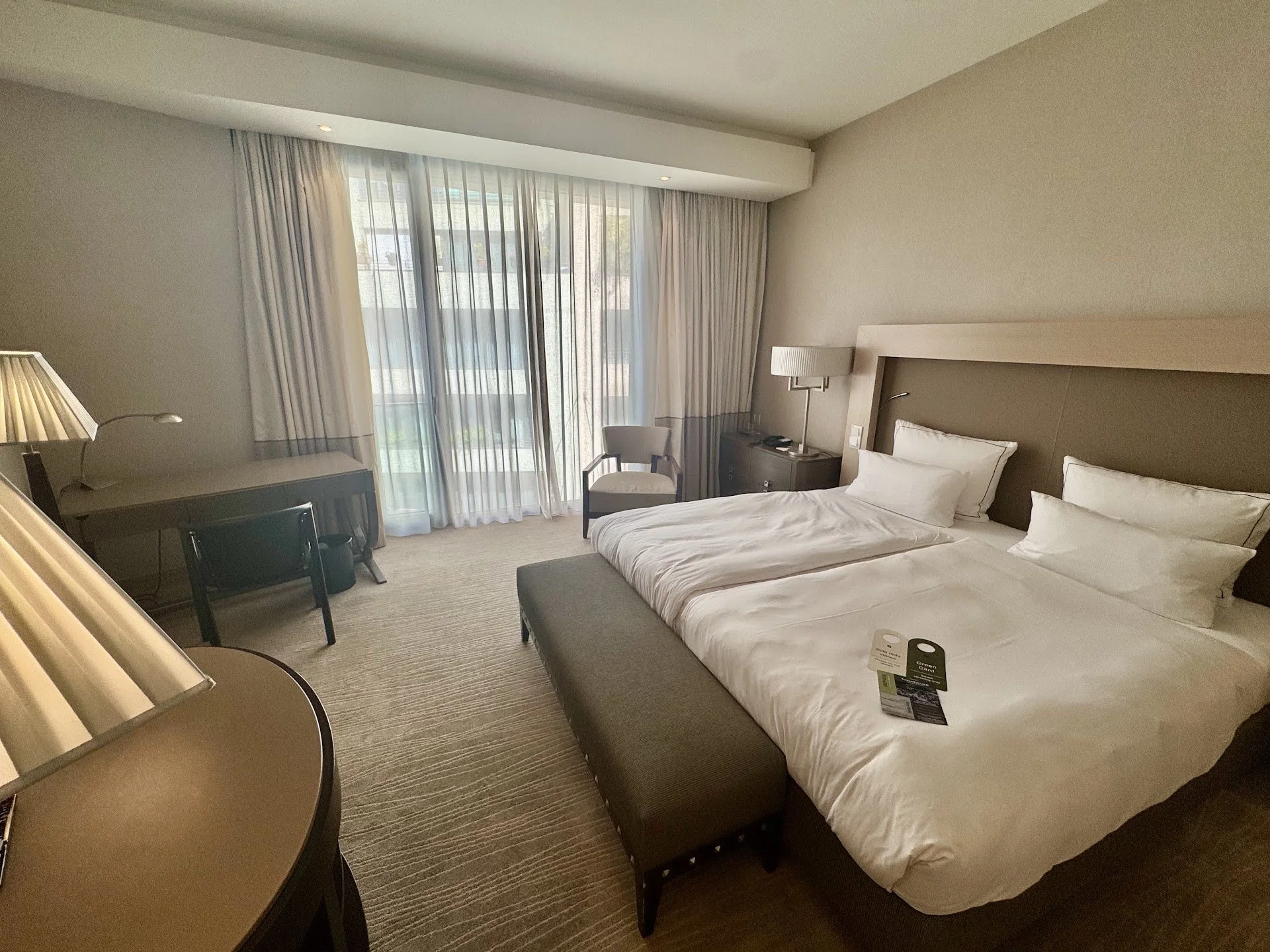

How I Spent My Time in Dresden, Germany: Grand Landmarks and Riverside Walks
I arrived in Dresden on a warm, sunny afternoon, and after several weeks of constant train travel and walking, my priorities remained fairly predictable: check in, shower, reset, then start exploring.
Thankfully, my room was ready early.
One thing I learned quickly throughout this trip: if you expect to arrive before check-in, email the hotel in advance. More often than not, they’ll either accommodate an early check-in or at least store your luggage so you can begin exploring immediately.
An Unexpected Stop at Globetrotter
On my walk from the train station to the hotel, I passed a store called Globetrotter and immediately knew I needed to go back later. The easiest comparison is REI, but bigger, more immersive, and somehow even more entertaining if you enjoy travel gear and outdoor equipment. The store includes interactive features like rain rooms for testing waterproof jackets, temperature-controlled environments for cold-weather gear, and even indoor kayaking areas.
Was any of this necessary for my trip? Absolutely not.
Did I still spend a significant amount of time there and buy a few helpful items? Absolutely yes.
Frauenkirche & Brühl’s Terrace
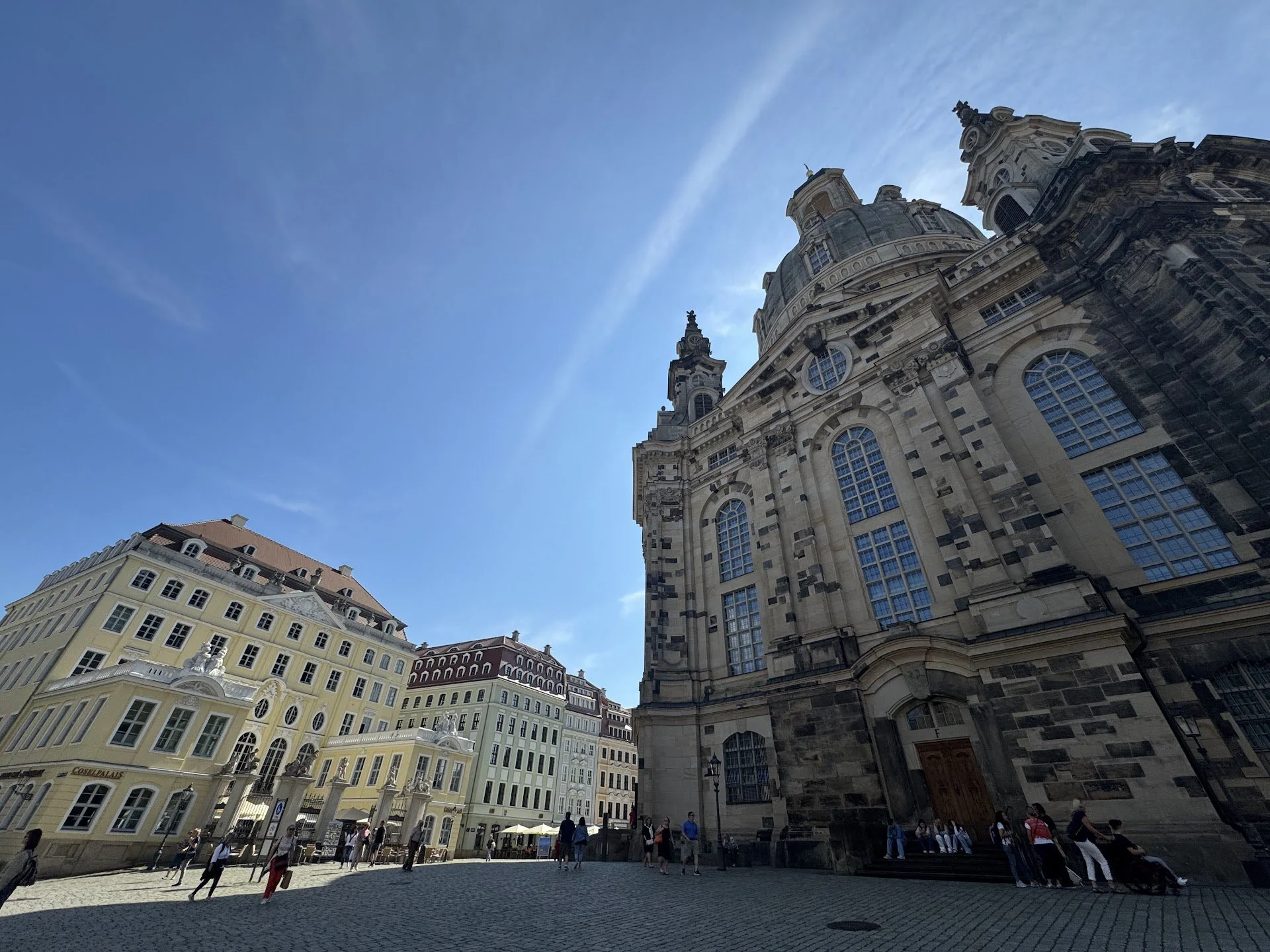
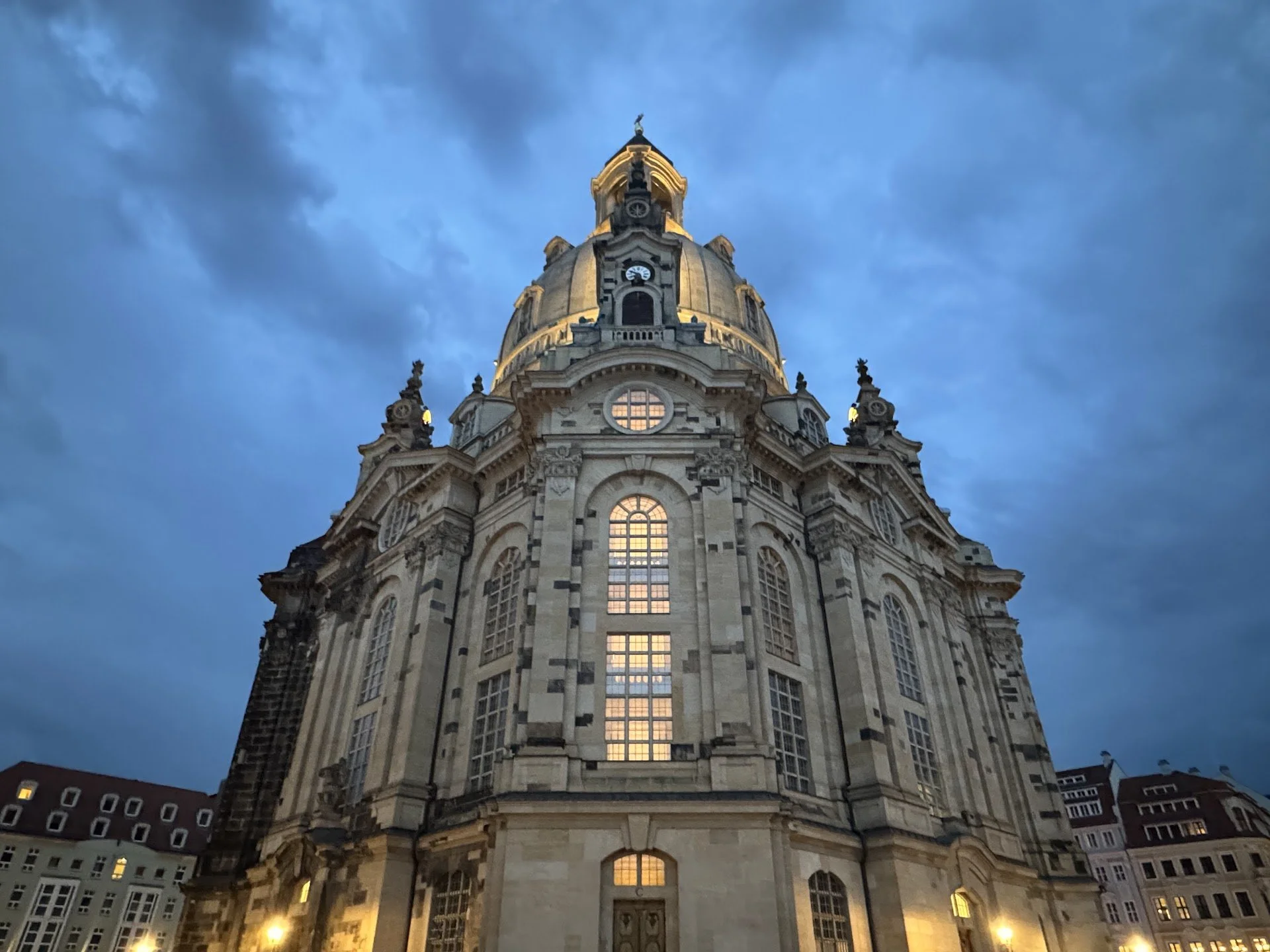
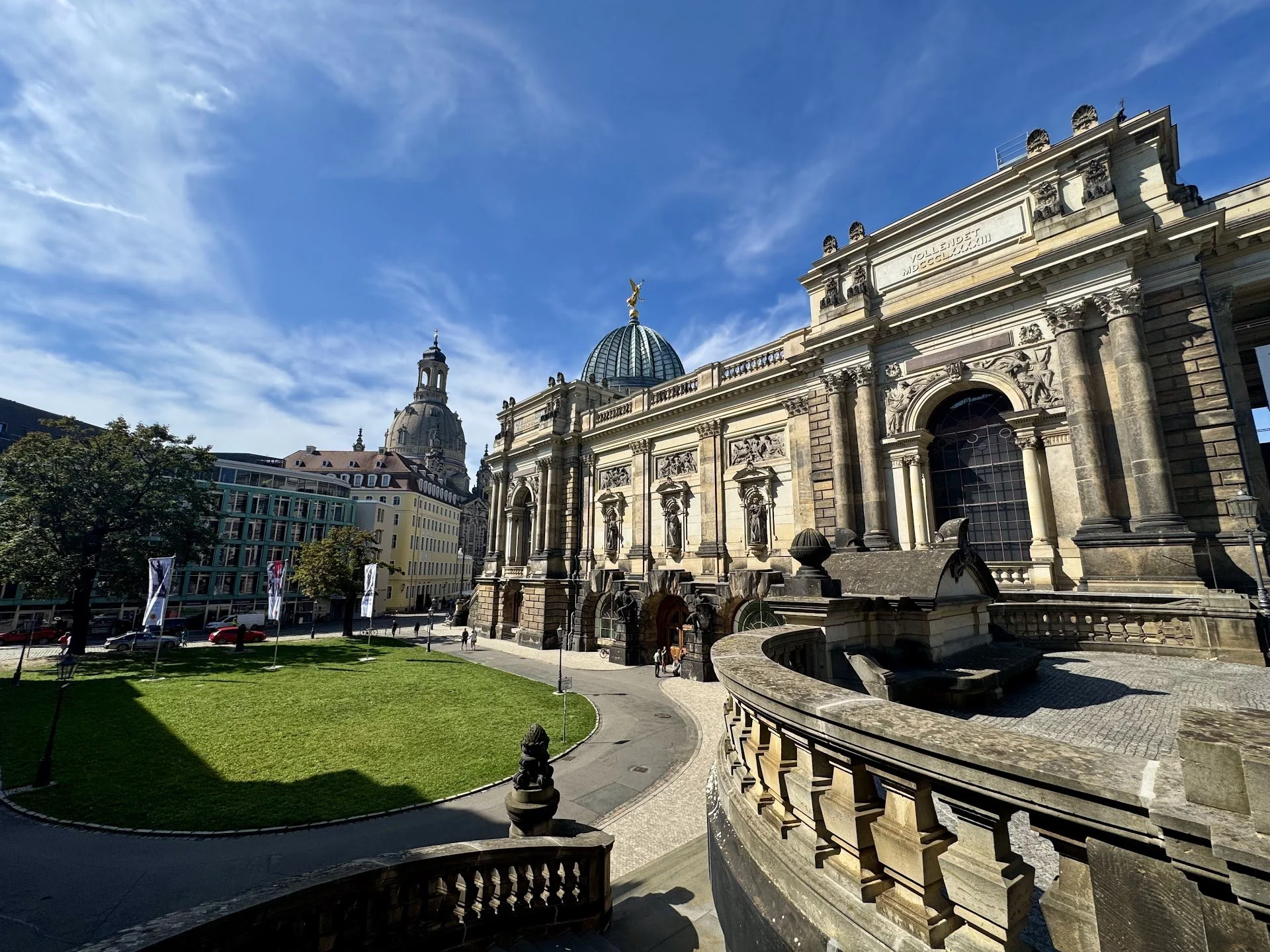
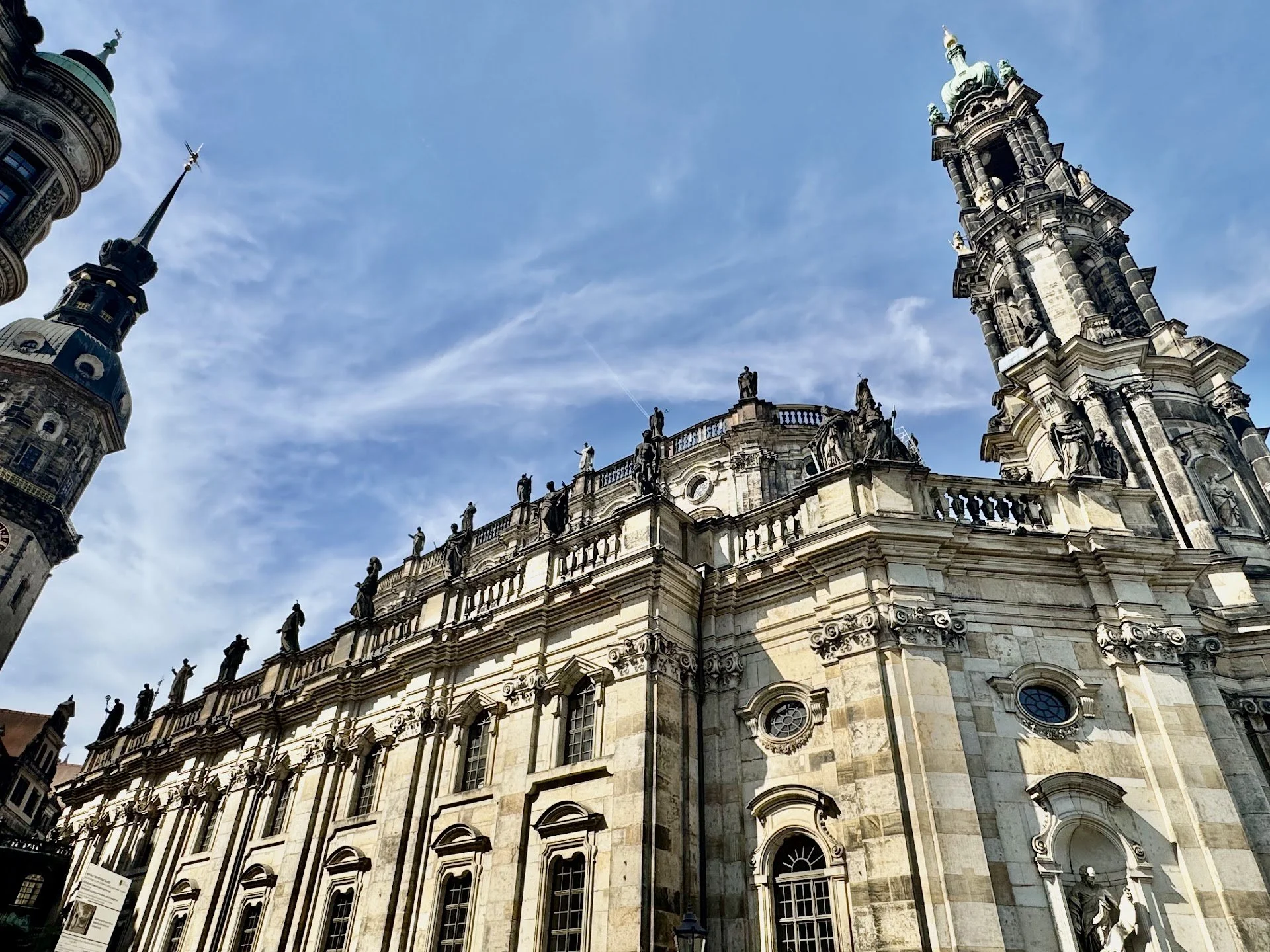
After settling in, I started exploring around the Frauenkirche Dresden, one of Dresden’s most recognizable landmarks and a powerful symbol of the city’s reconstruction. Originally completed in the 18th century, the church was destroyed during the bombing of Dresden in World War II and remained in ruins for decades before reconstruction efforts began after German reunification. What makes the restoration especially striking is that the original darker stones were incorporated into the lighter new façade, creating a visible reminder of the building’s history.
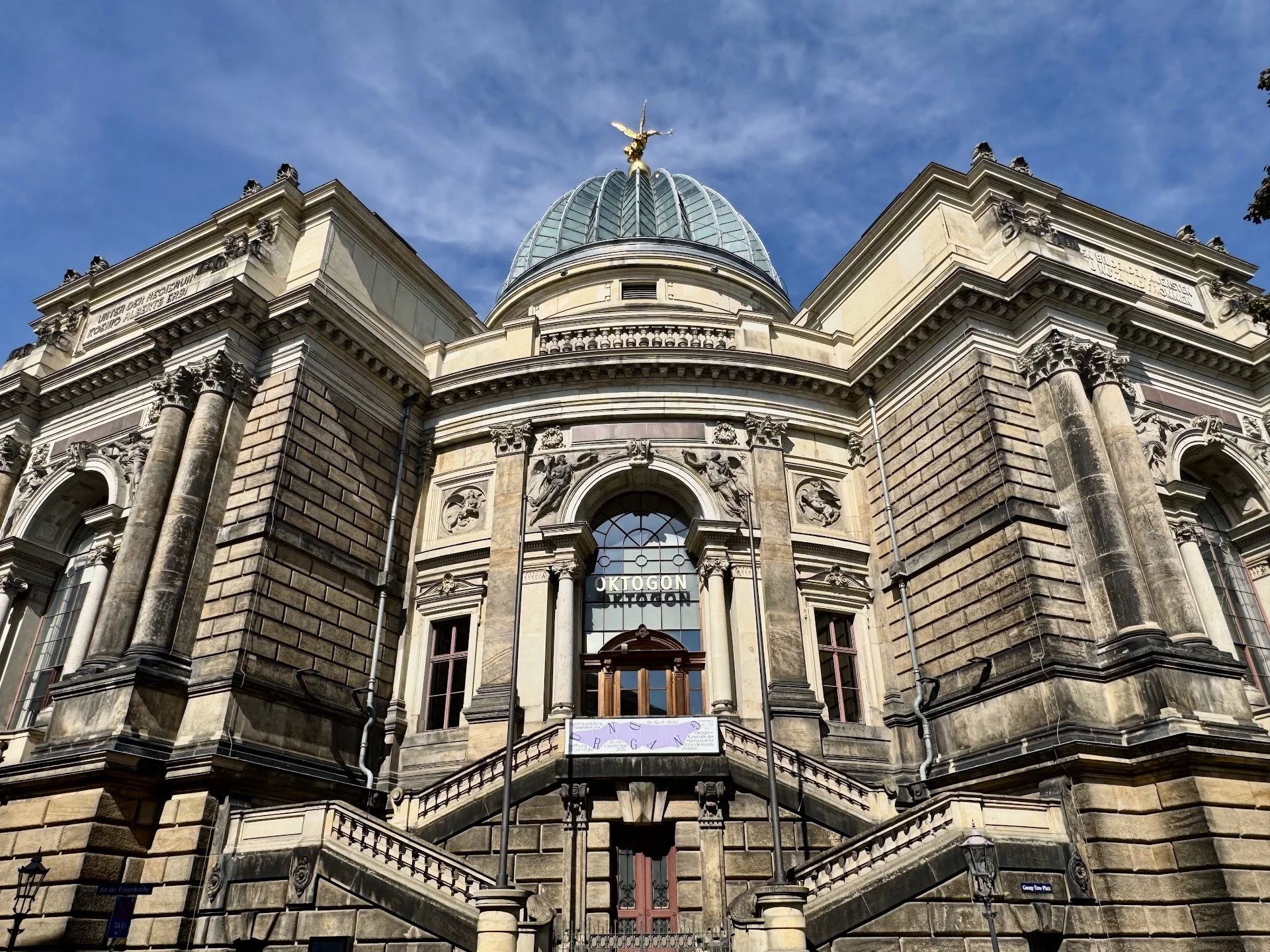
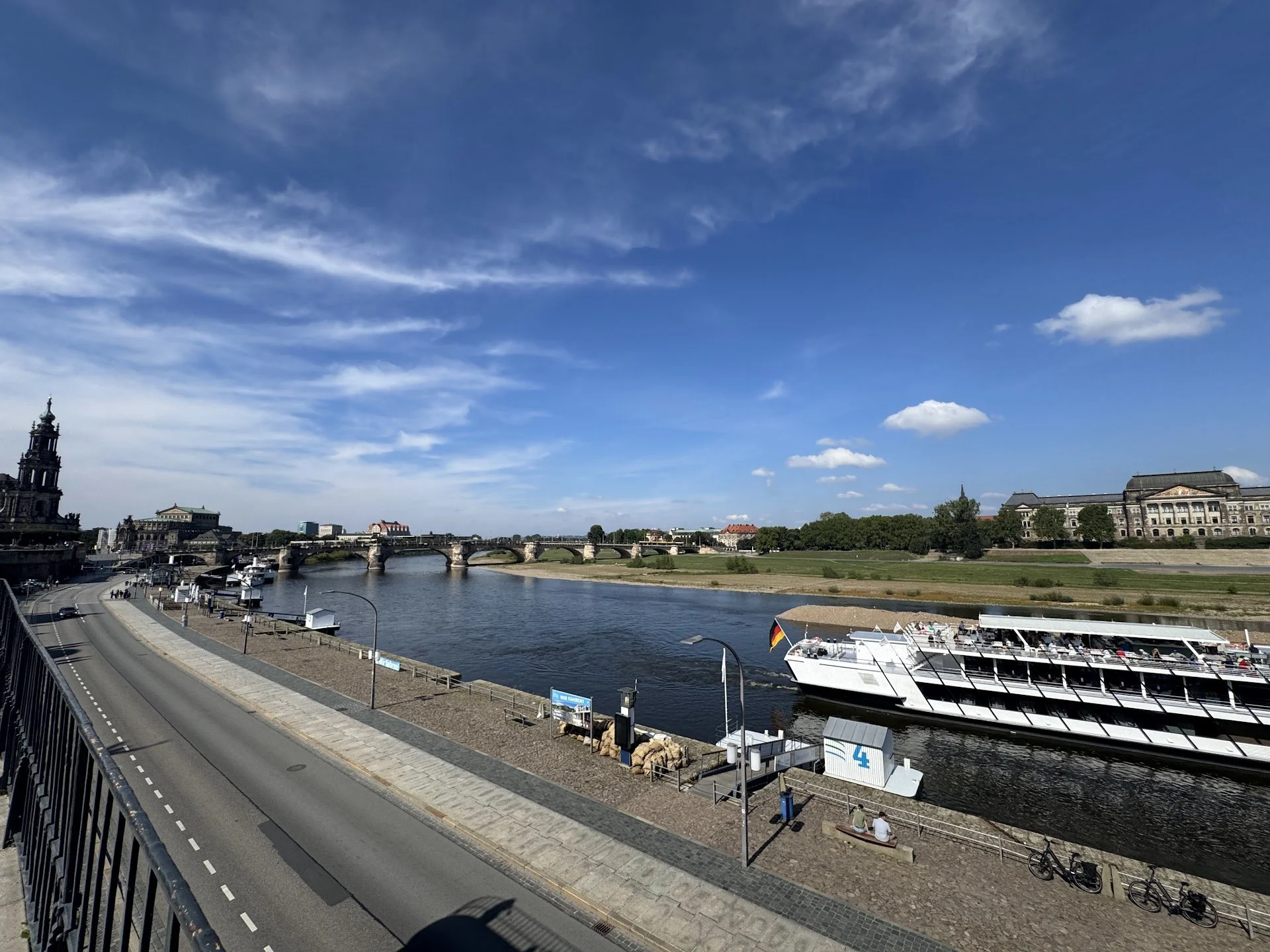
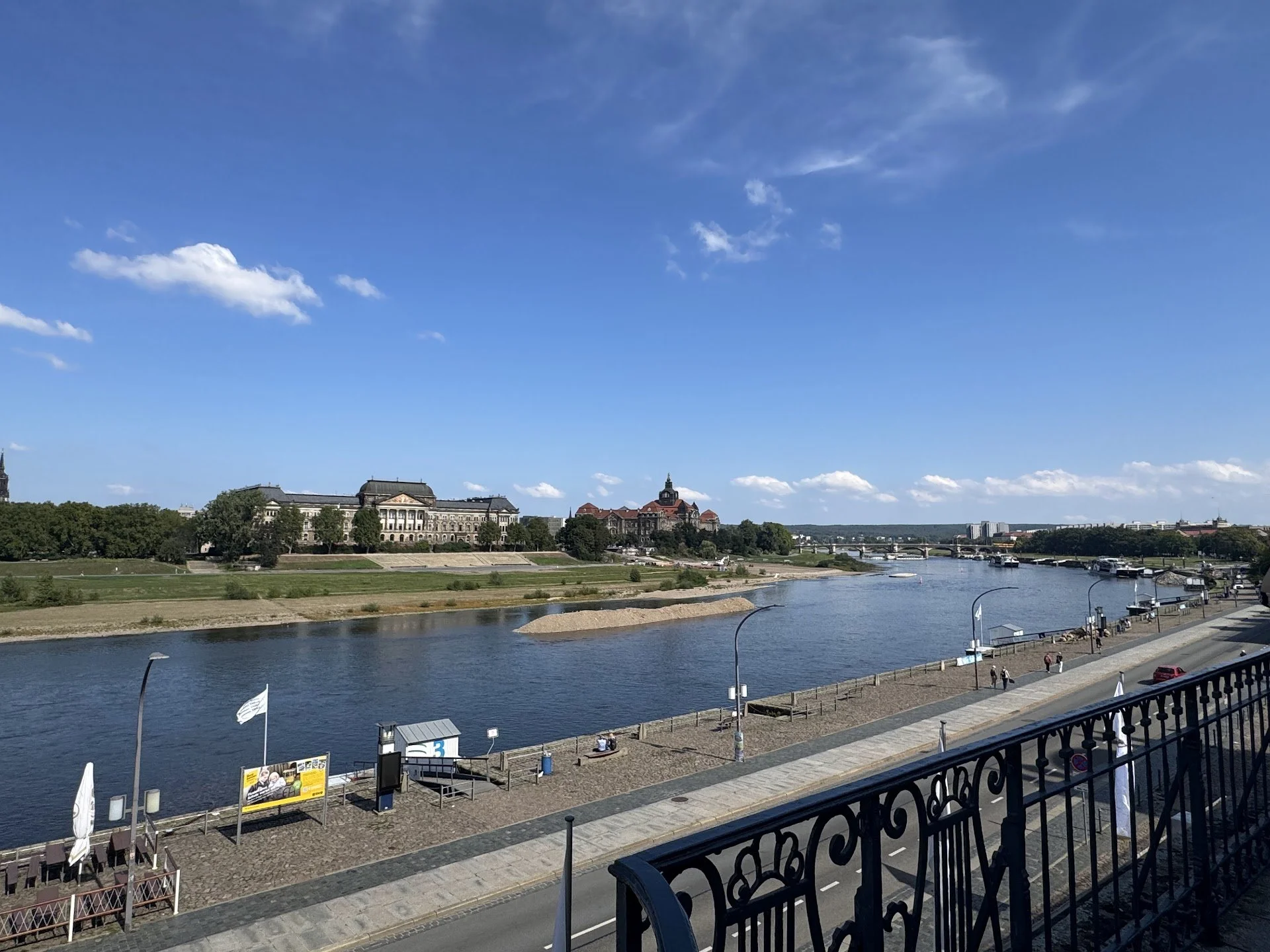
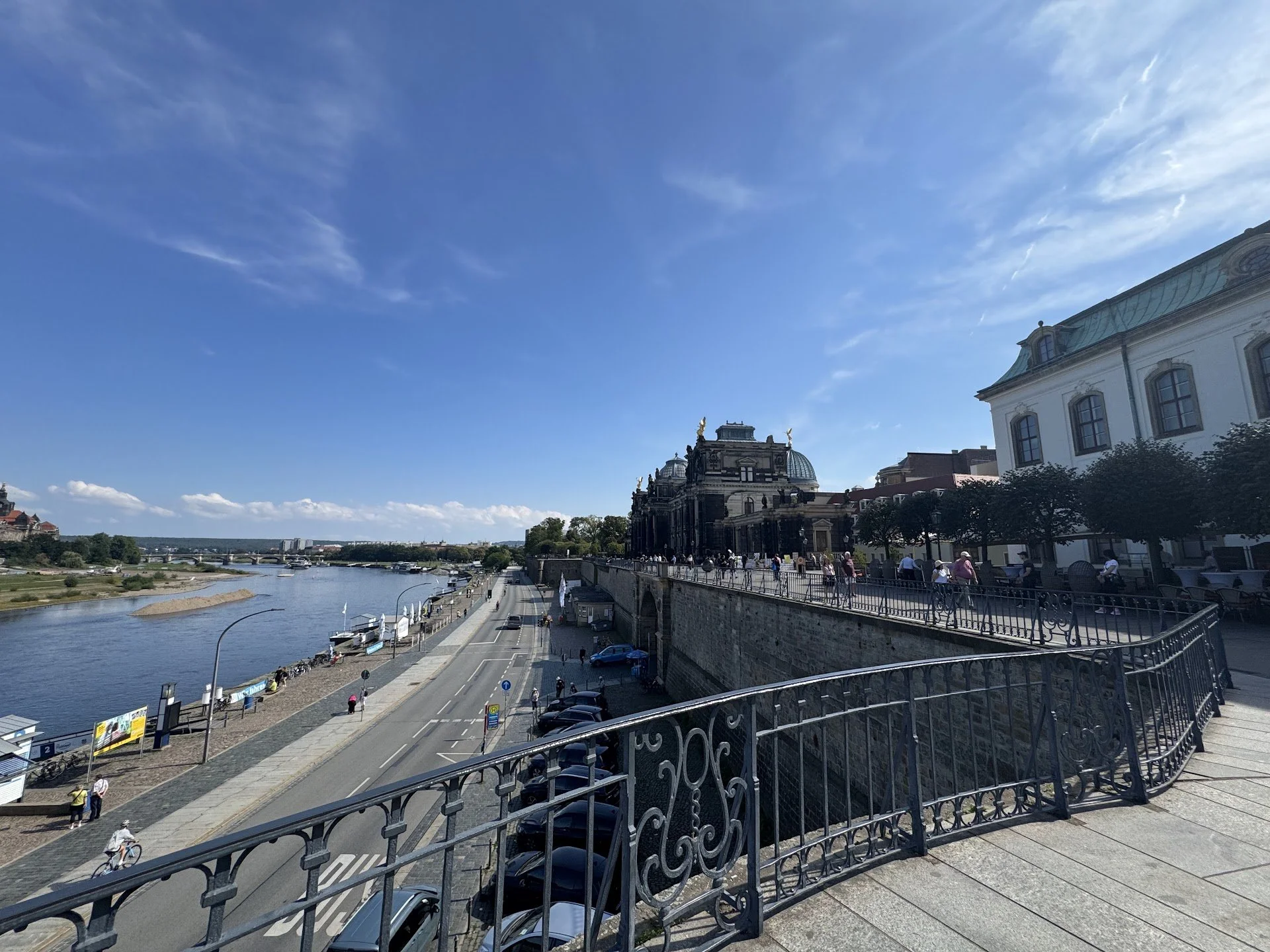
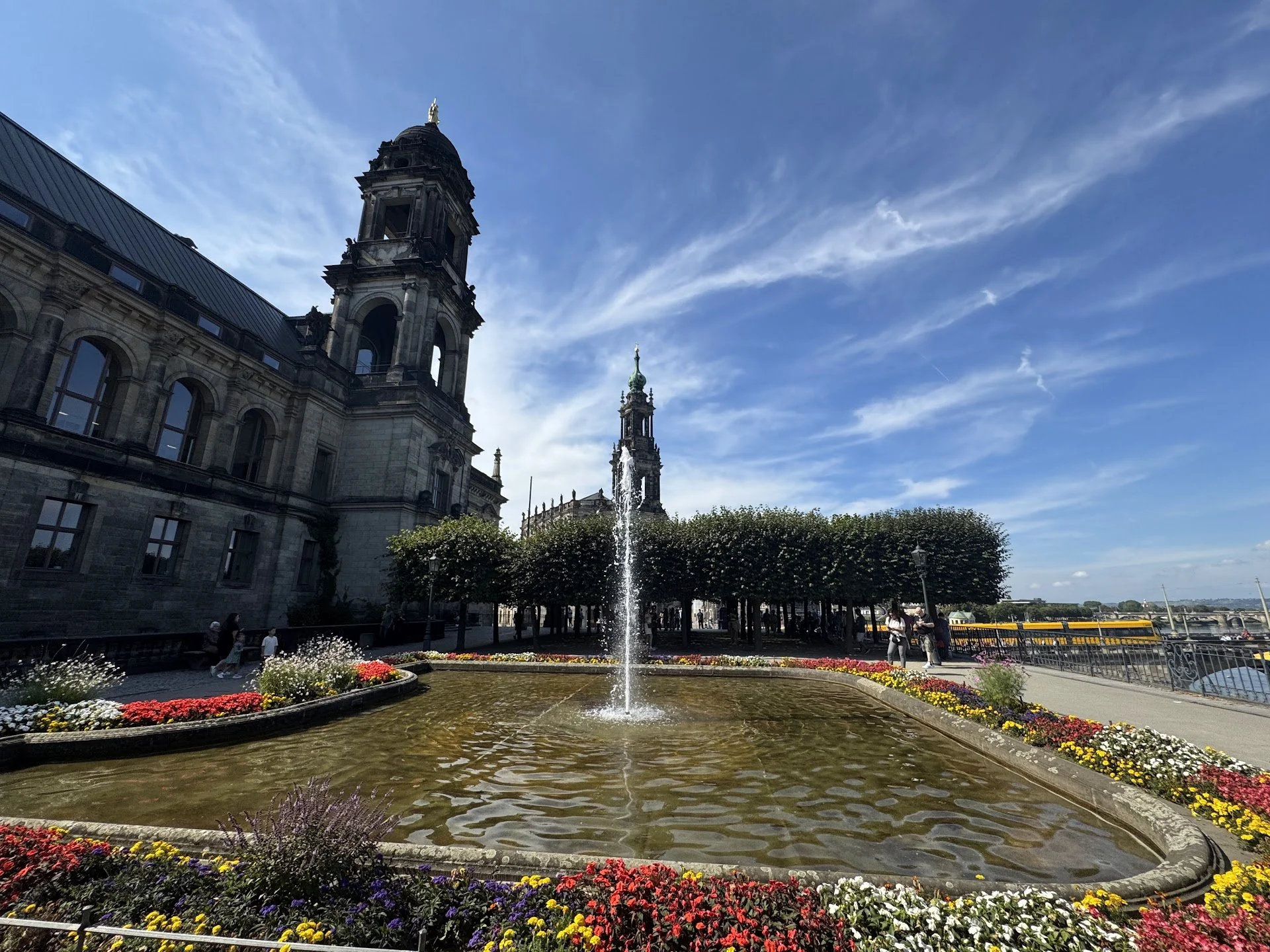
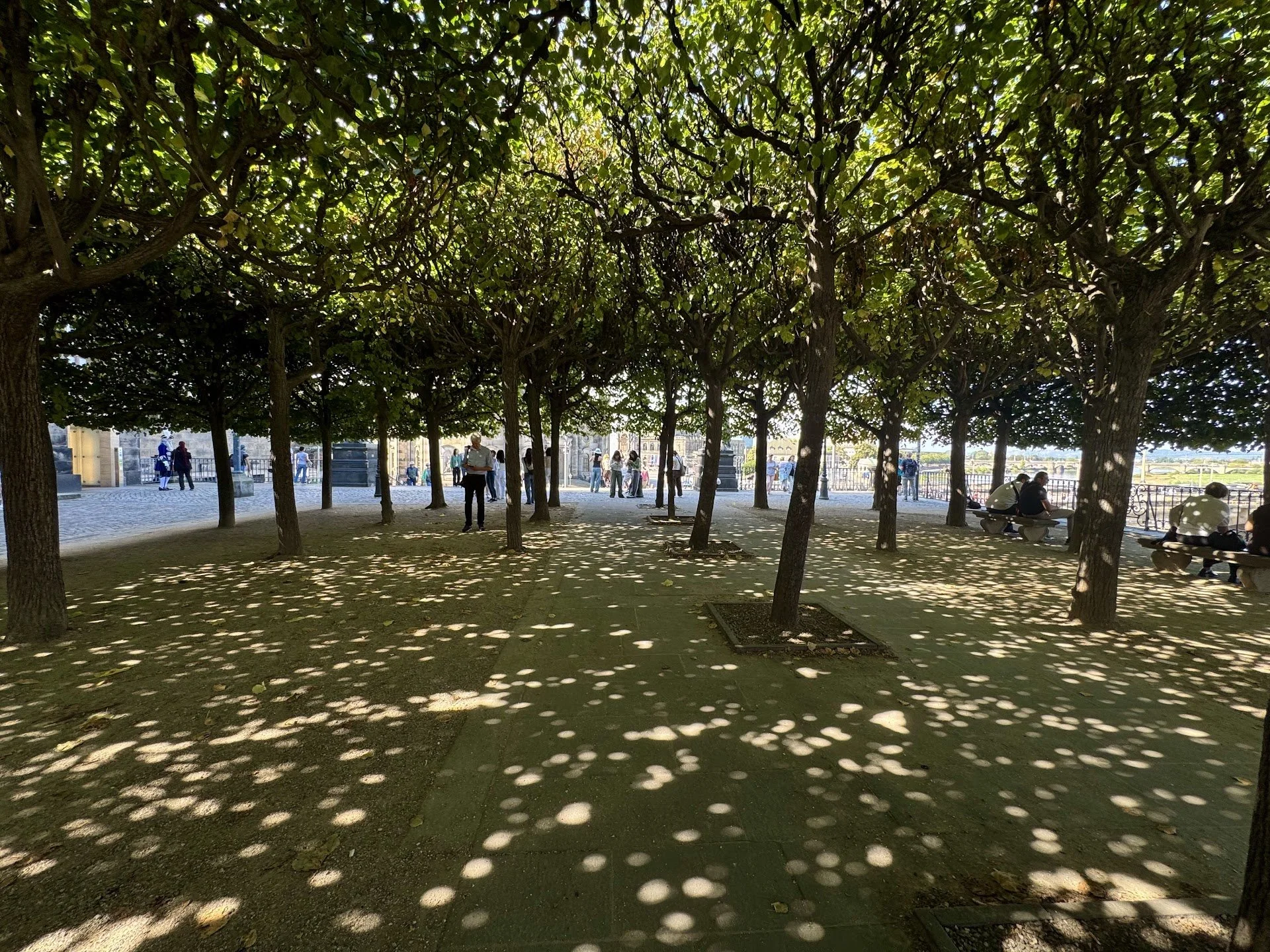
From there, I walked toward Brühl's Terrace, a raised promenade overlooking the Elbe River often referred to as the “Balcony of Europe.” The views across the river, the passing boats, and the quieter pace compared to the busier squares nearby created a nice balance against the scale and grandeur of the architecture surrounding the historic center.
Fürstenzug & Zwinger Palace
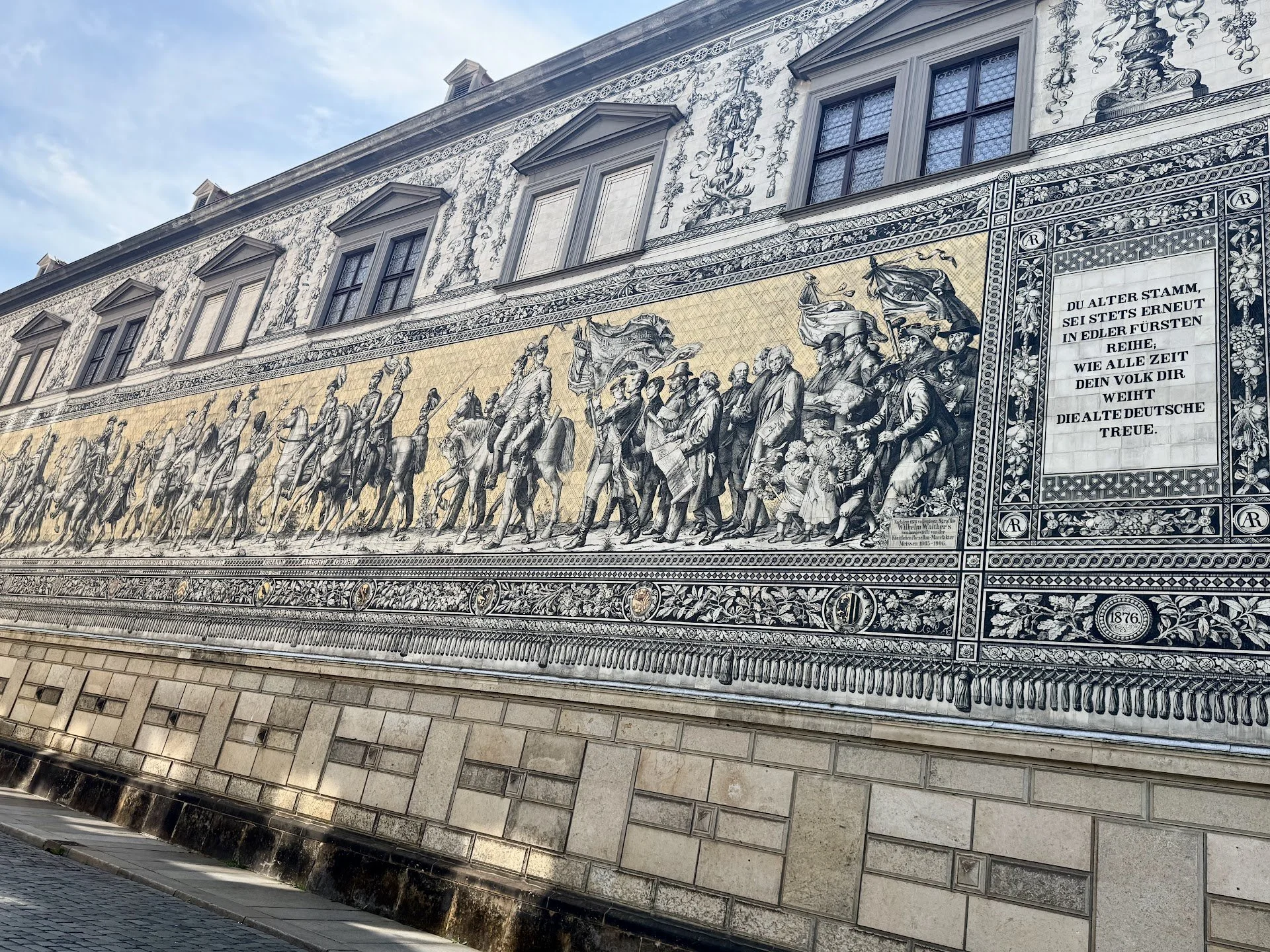
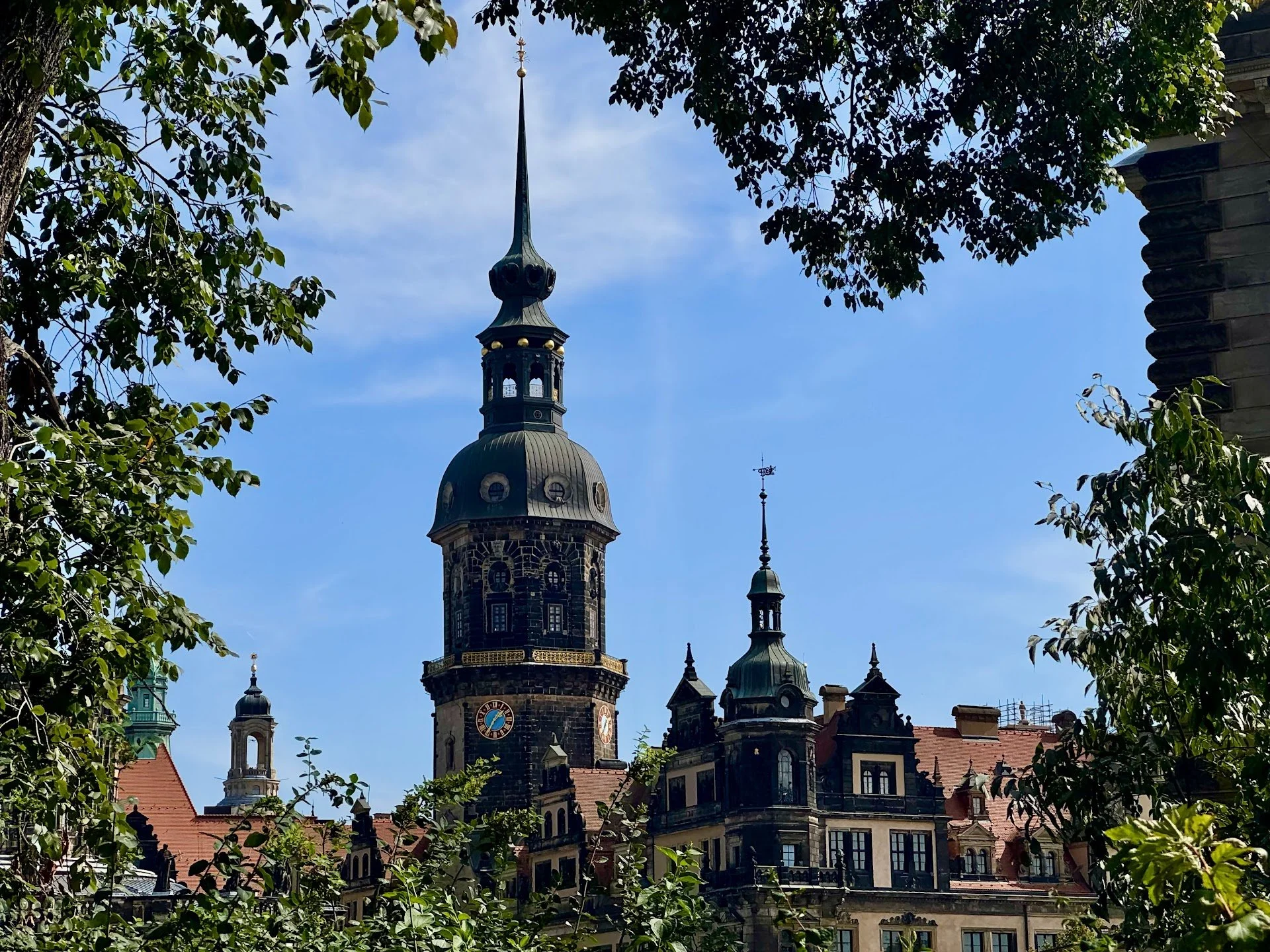
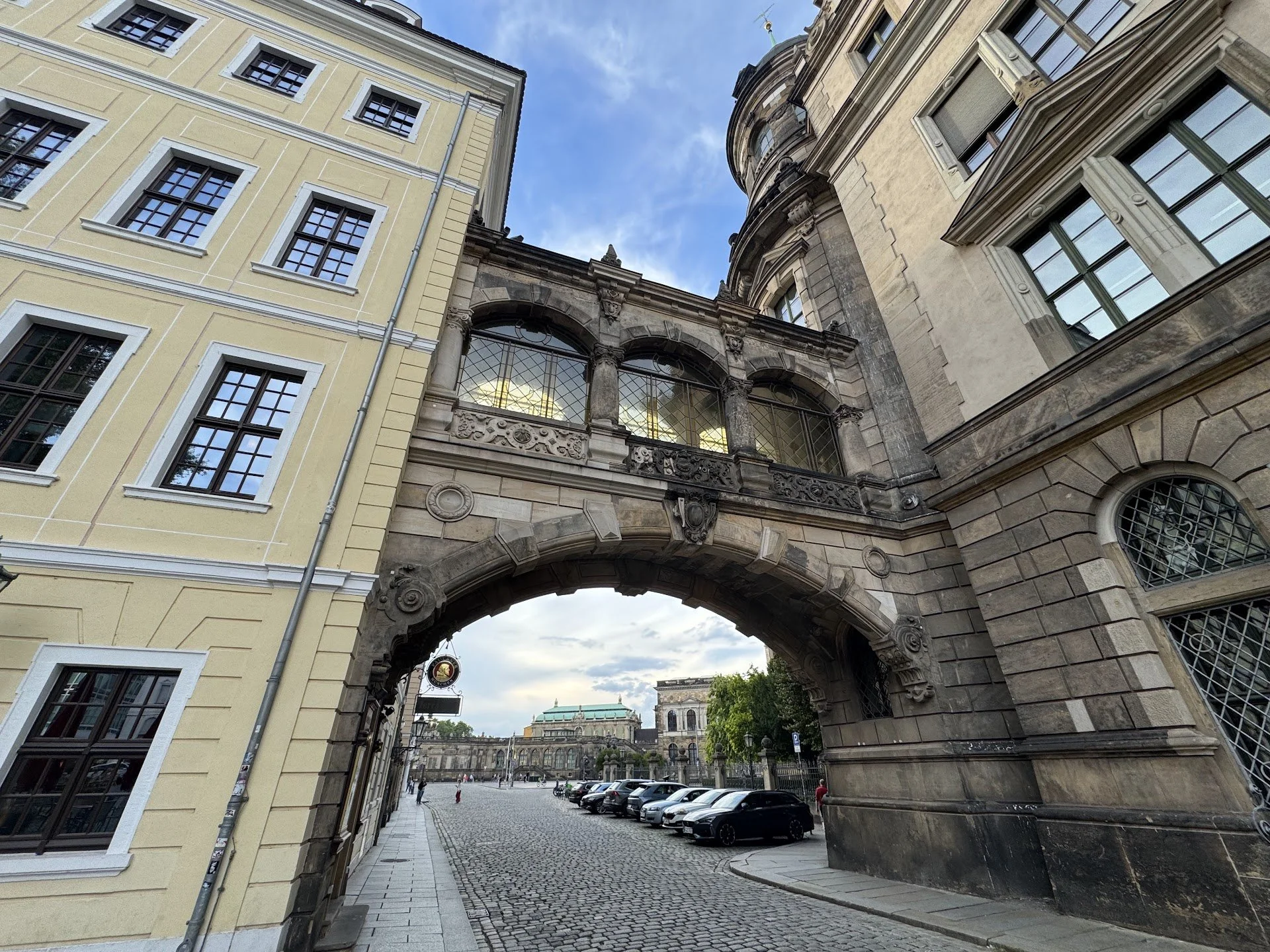
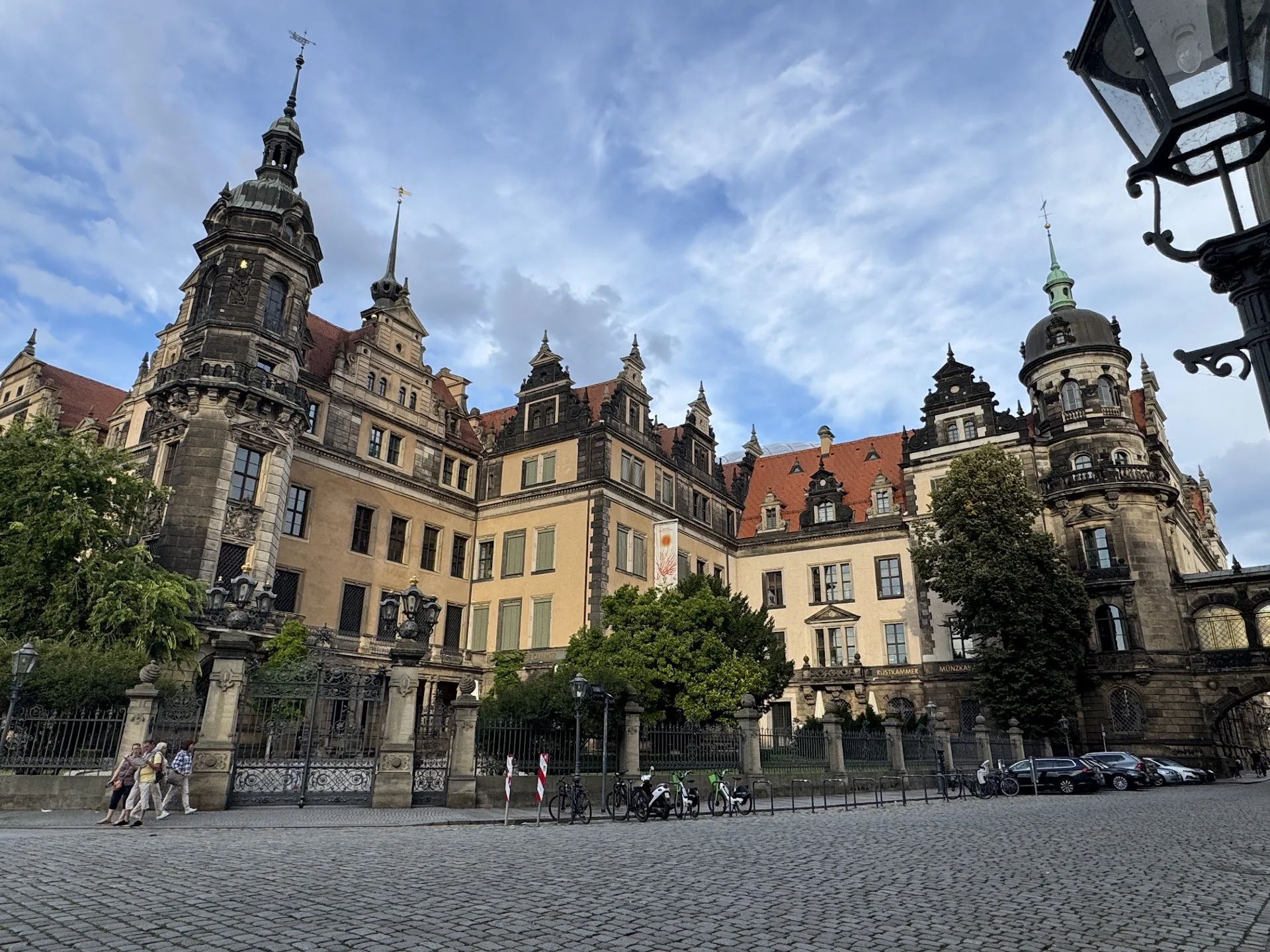
Not far from Brühl’s Terrace is the Fürstenzug (also known as Procession of Princes), one of Dresden’s quieter, but most impressive, landmarks. Stretching more than 300 feet along the outer wall of the Royal Palace, the mural depicts centuries of Saxon rulers using thousands of Meissen porcelain tiles. Despite its size, the area around it felt surprisingly calm compared to some of the city’s larger gathering spaces.
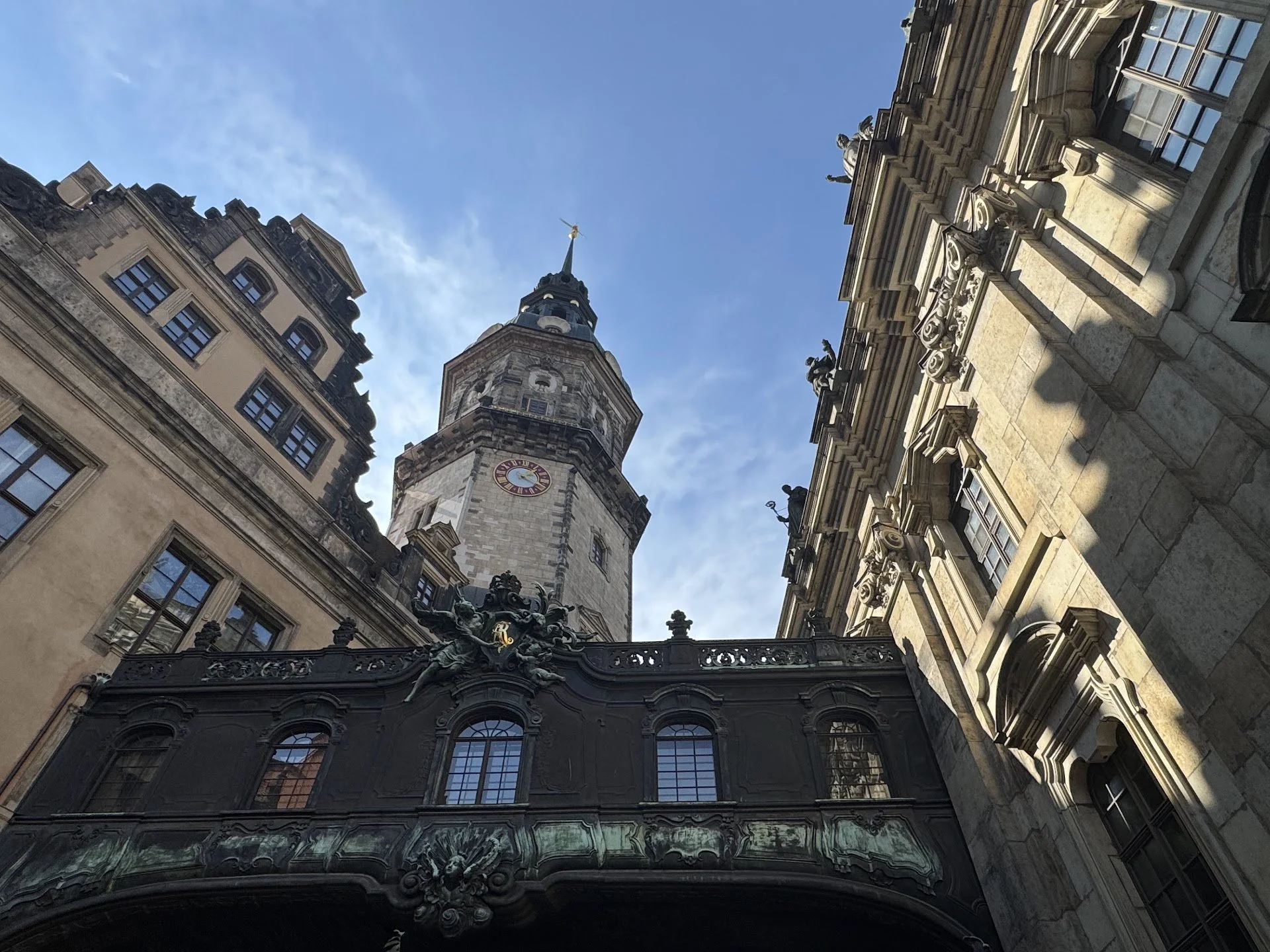
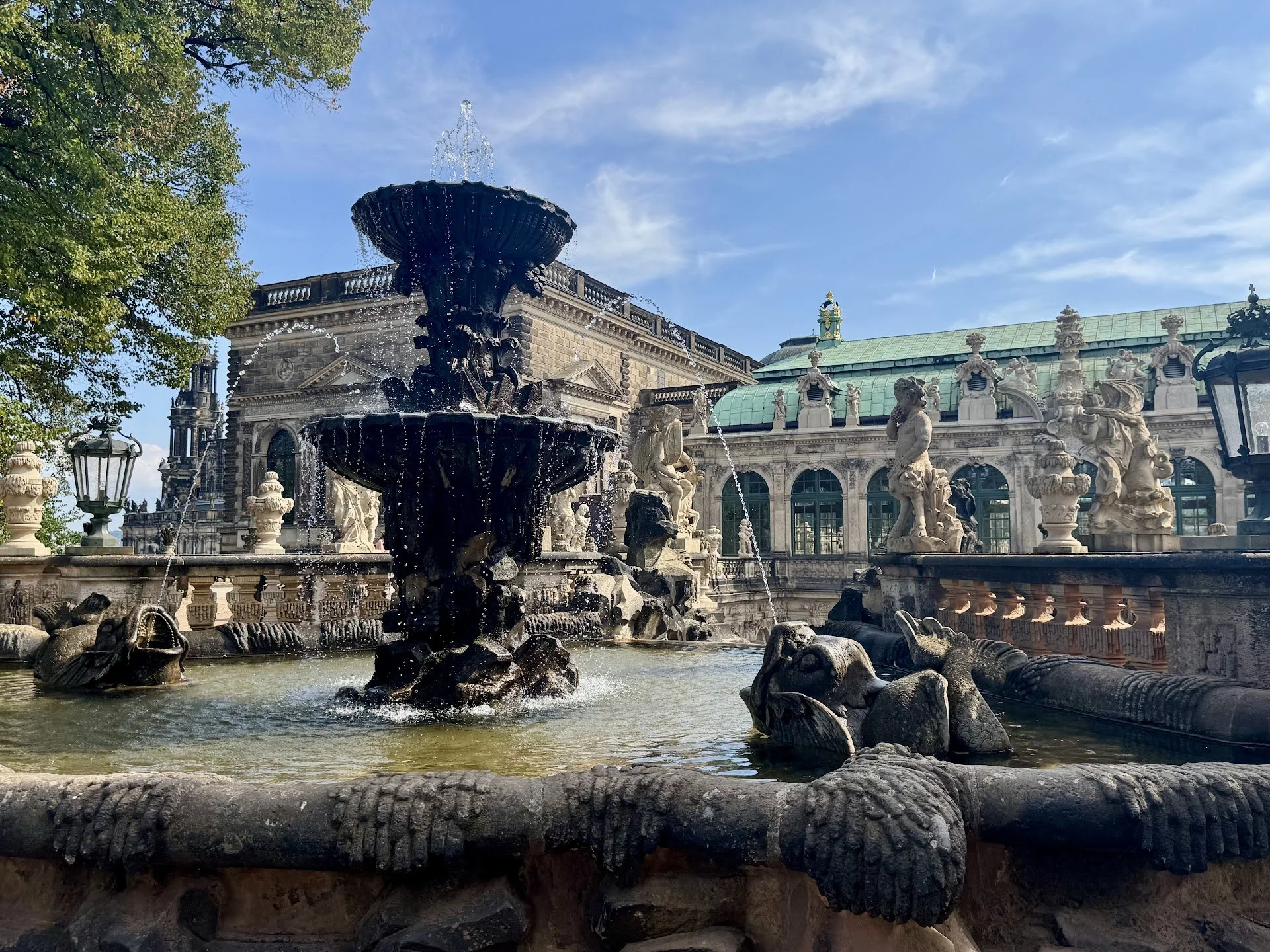
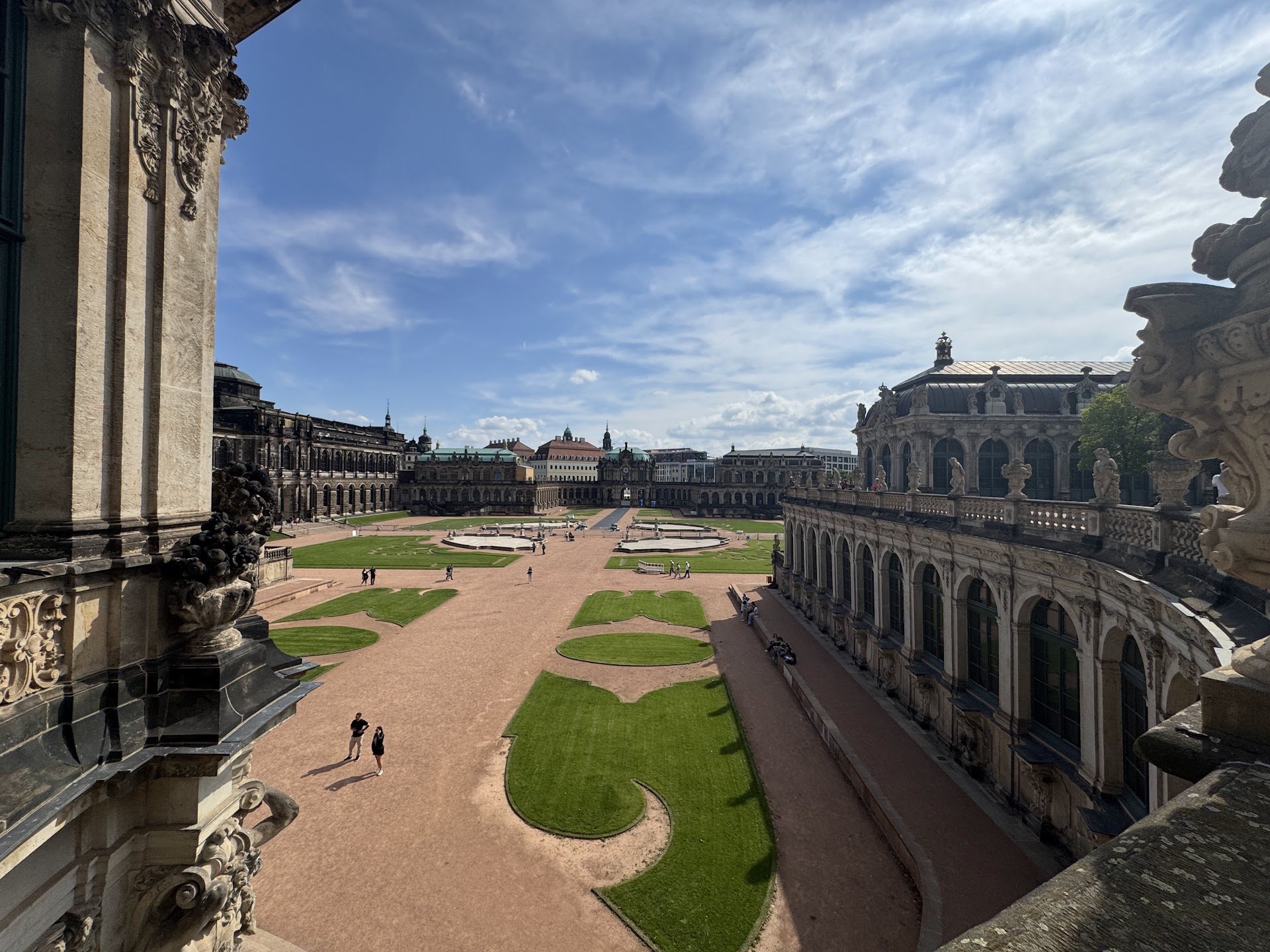
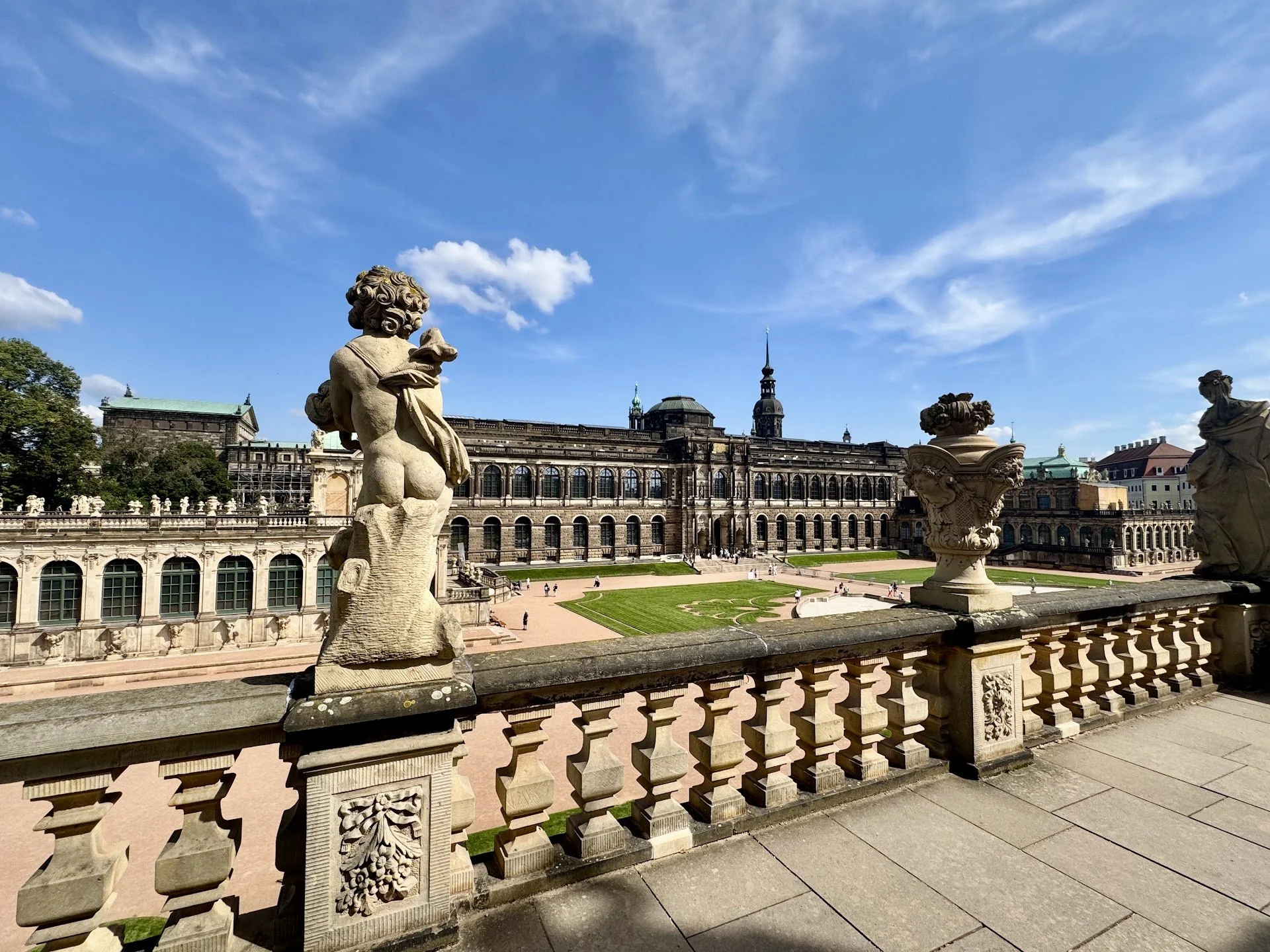
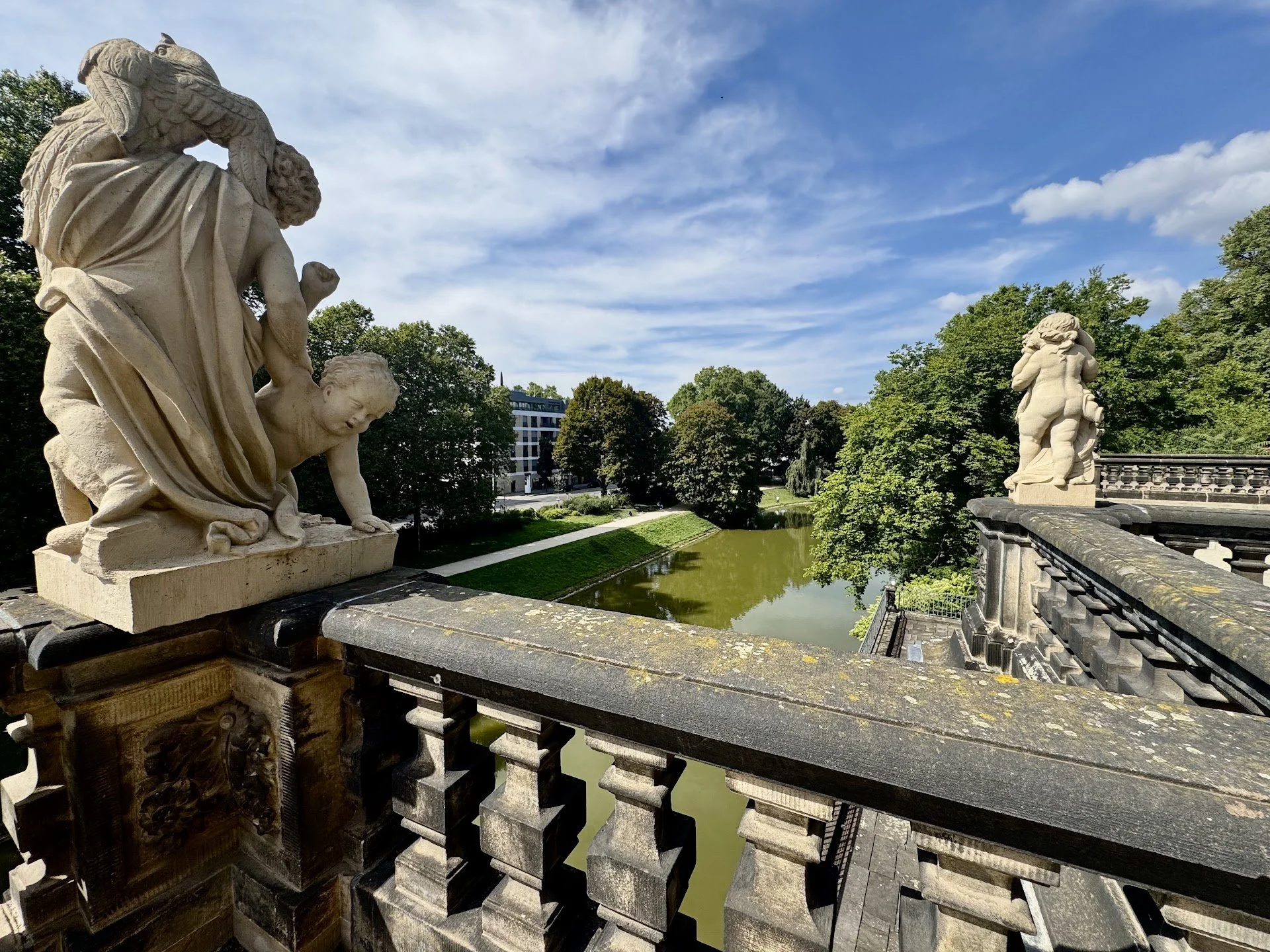
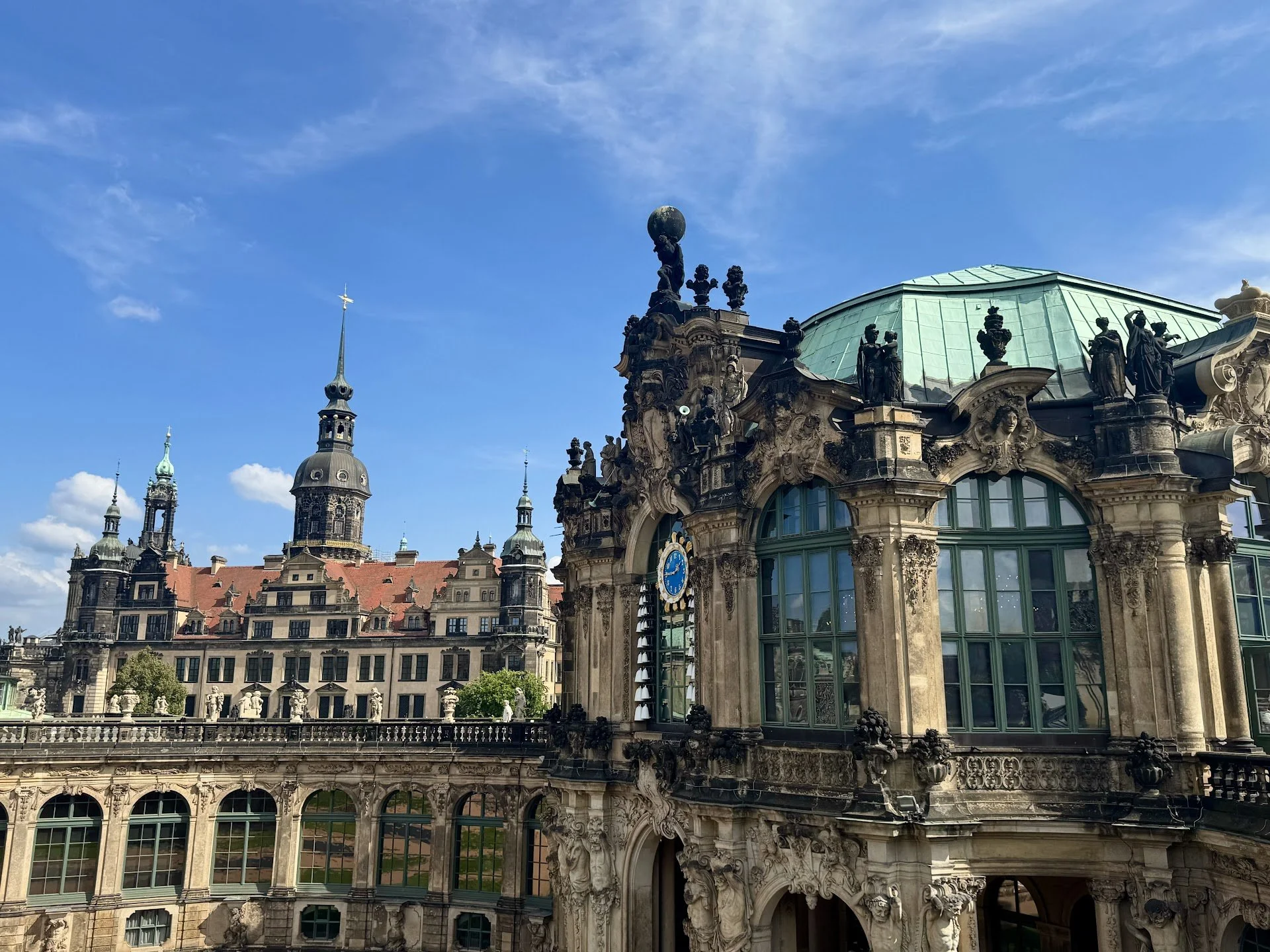
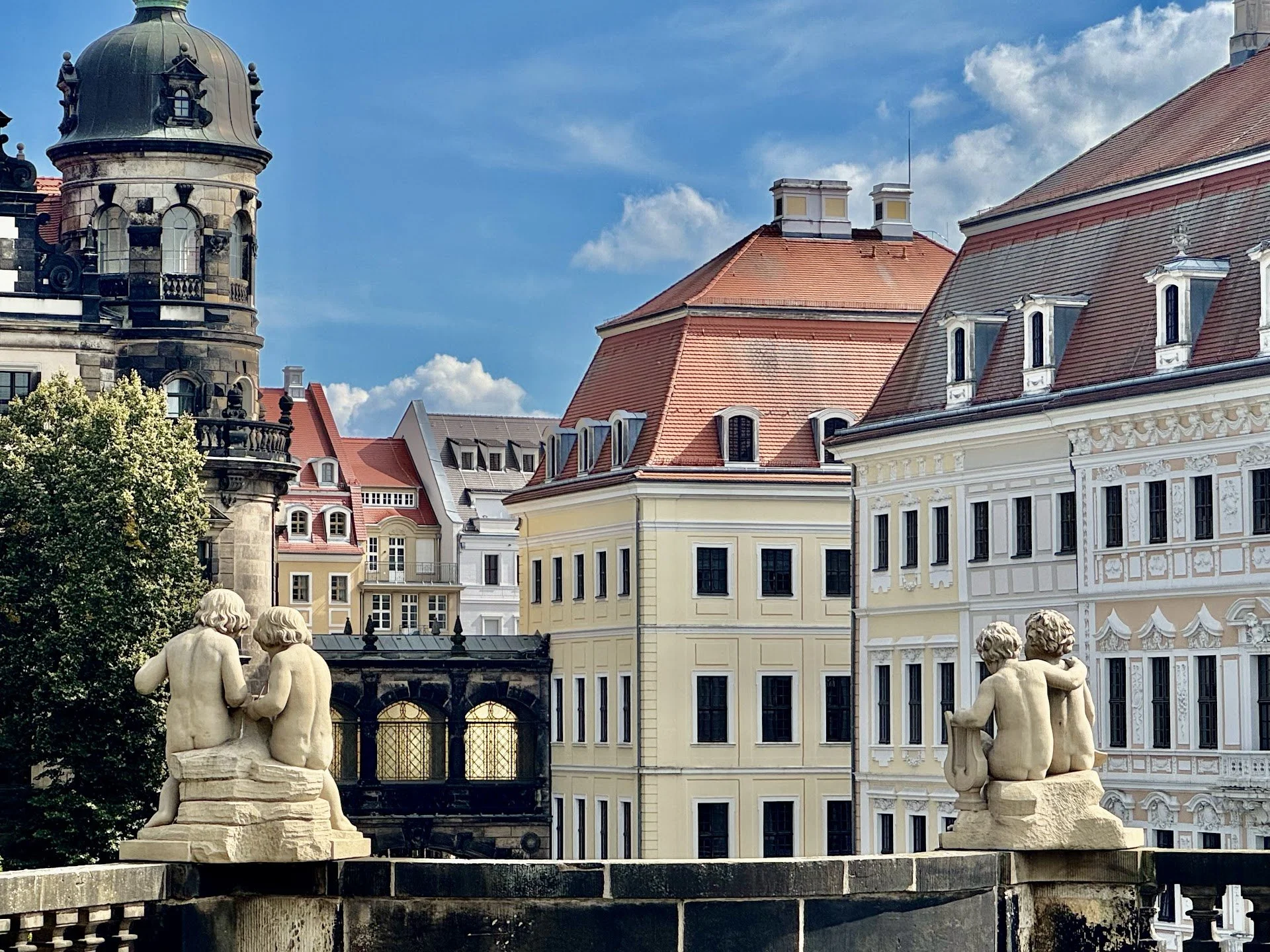
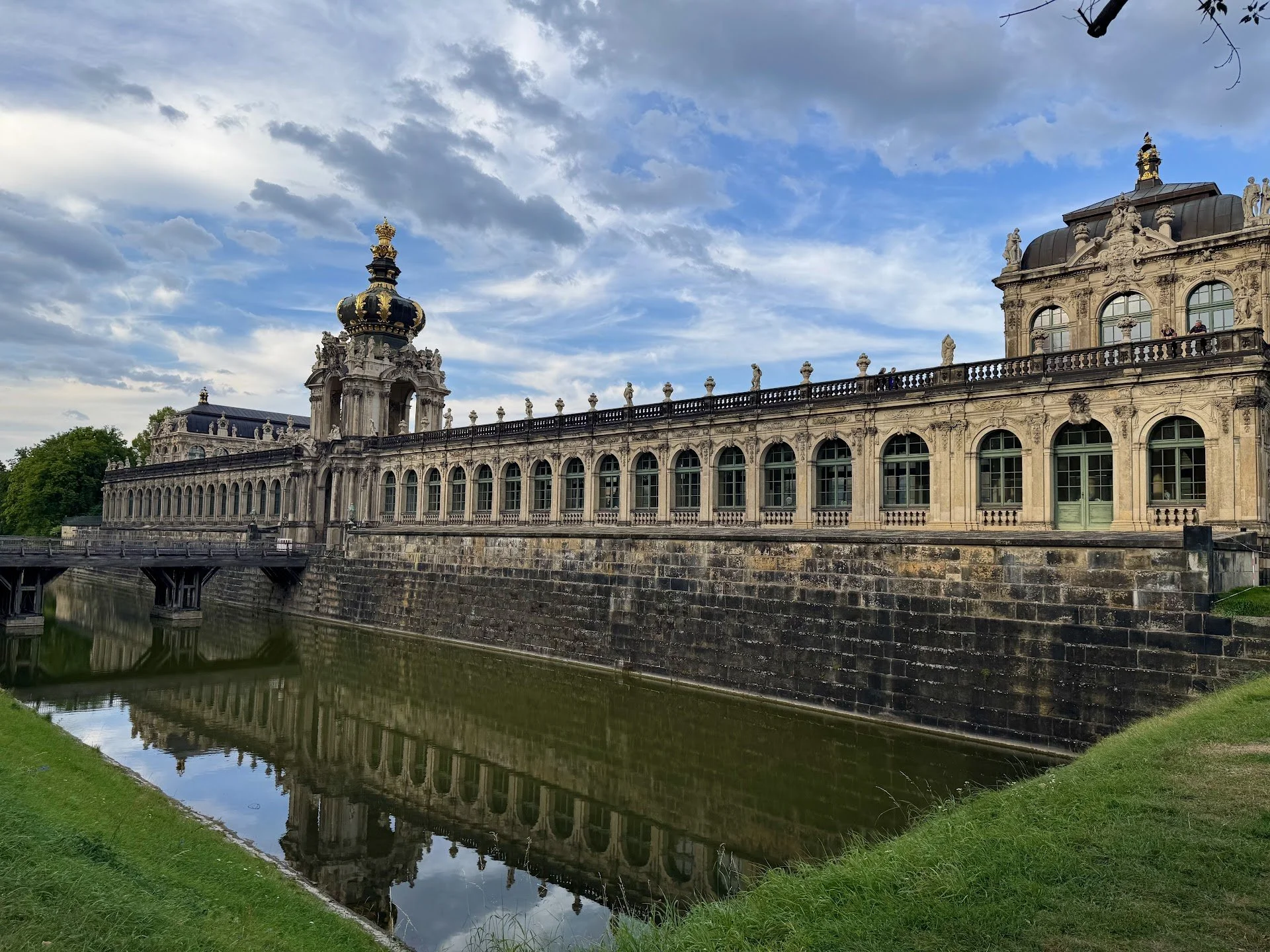
I ended the afternoon at the Zwinger Palace, one of Dresden’s most striking Baroque landmarks. Even without entering the museums inside, the courtyard itself was worth visiting. The formal gardens, reflecting pools, fountains, and surrounding architecture felt grand without feeling inaccessible.
Where I Ate: A Memorable Gluten-Free Meal in Dresden, Germany
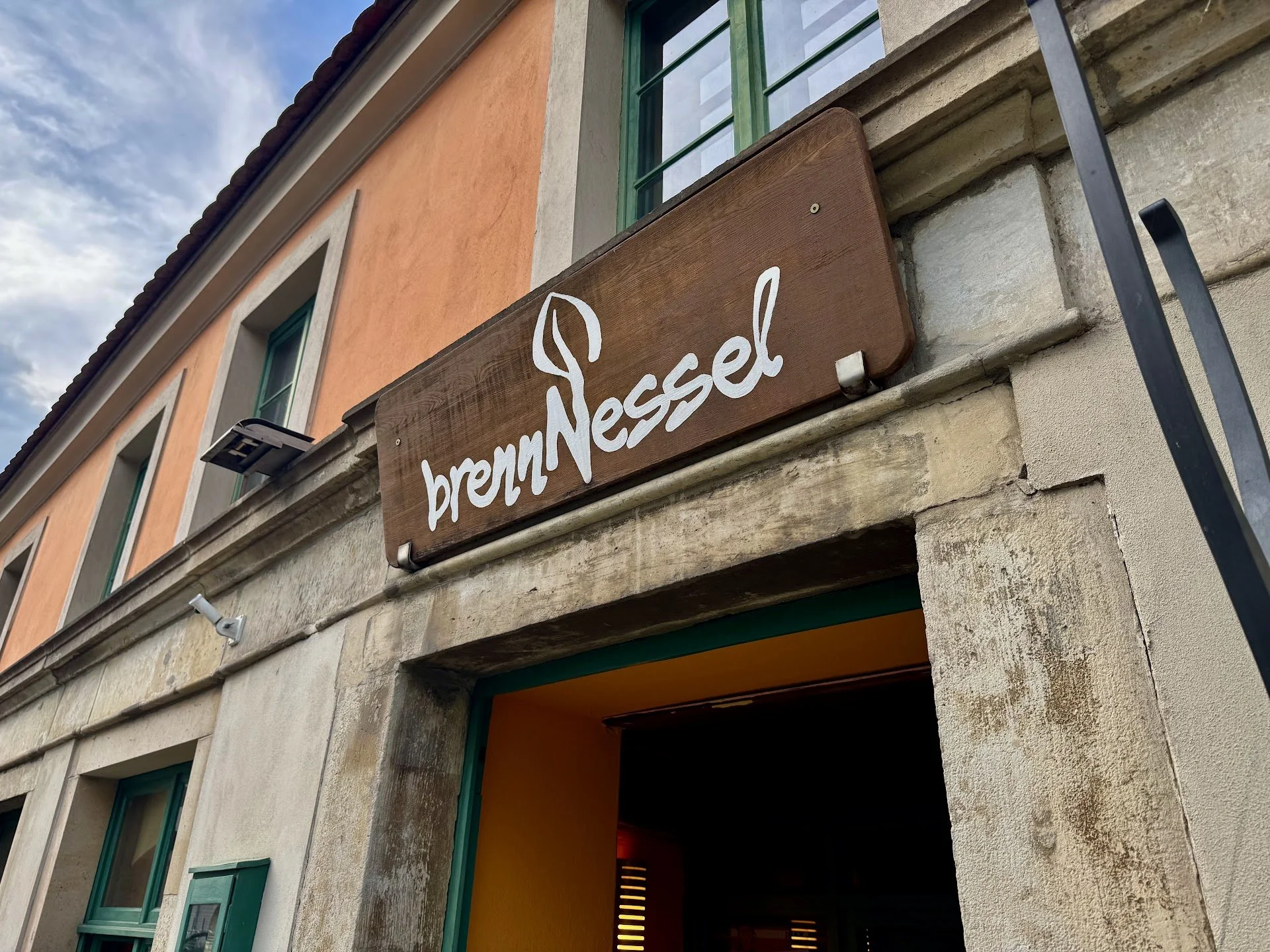
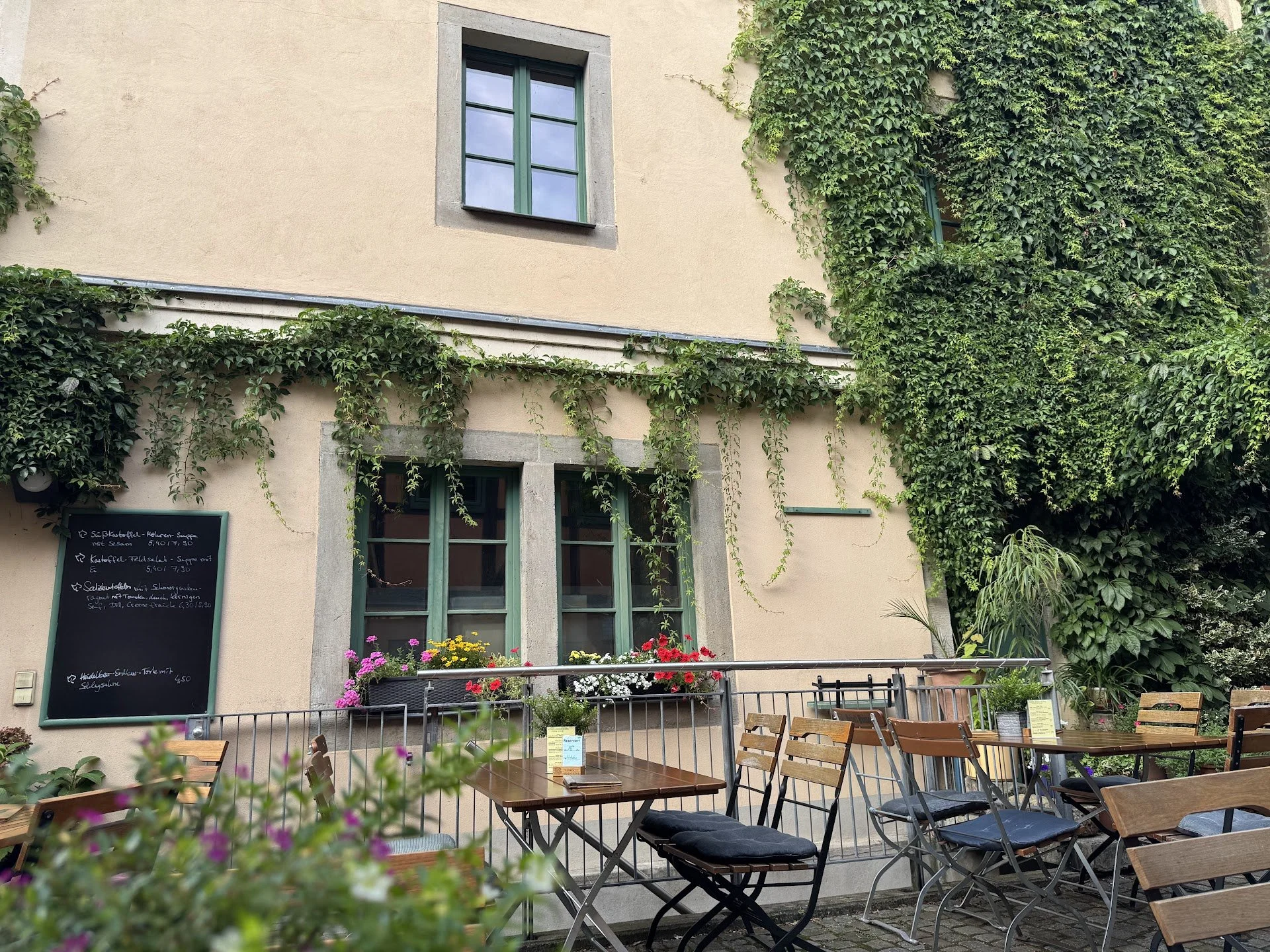
With only one evening in Dresden, I had time for just one dinner, but it ended up becoming one of the more memorable meals of the trip. I ate at Restaurant brennNessel, located slightly outside the busiest tourist areas. The atmosphere immediately felt more local and relaxed than many of the restaurants surrounding Neumarkt. The menu focuses heavily on vegetarian dishes, with strong vegan and gluten-free options built around seasonal ingredients.
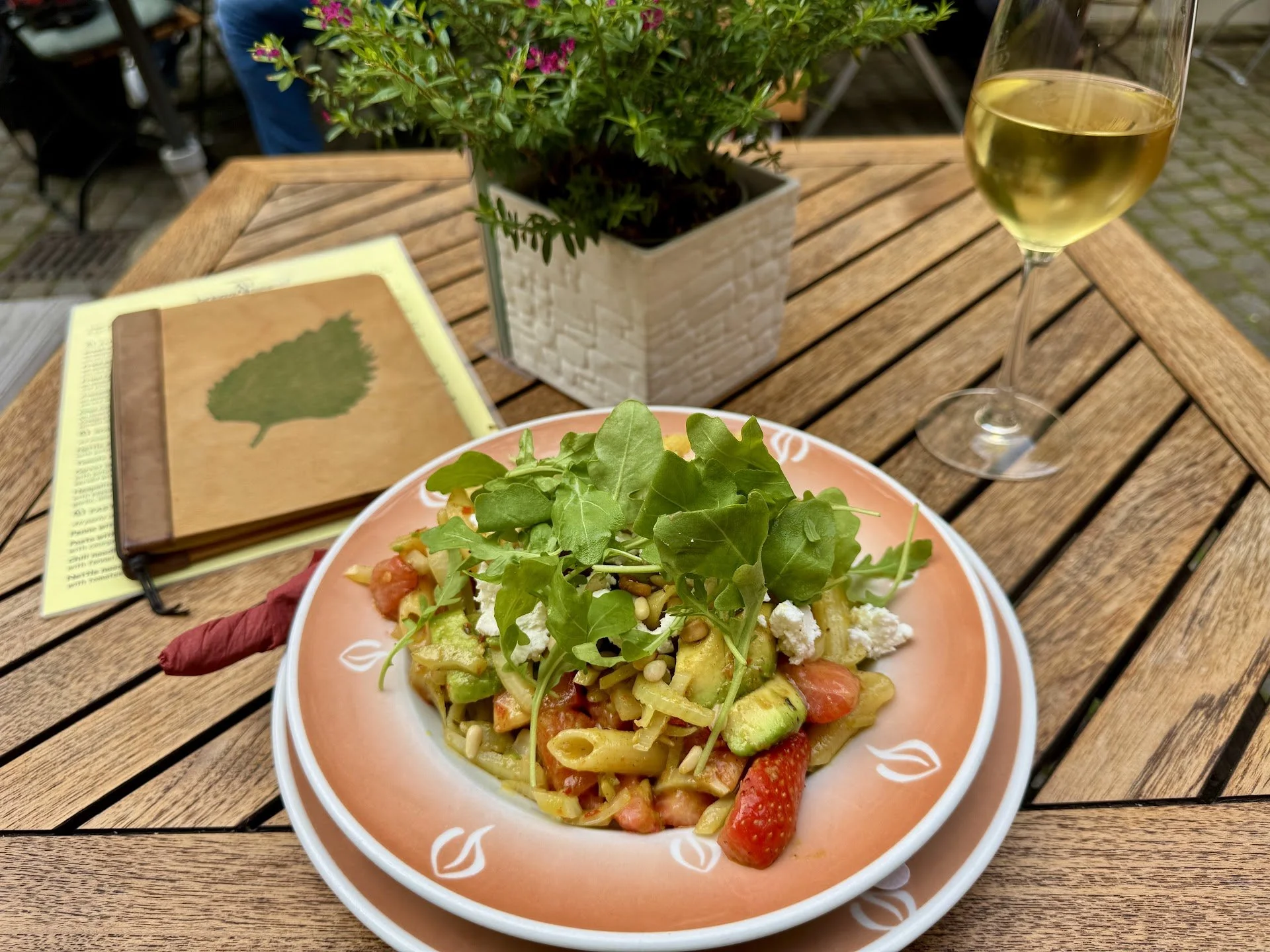
One habit I developed throughout the trip was asking restaurant staff what they personally recommended whenever I couldn’t decide. In this case, every single person pointed me toward the Chili Noodles with Avocado.
They were absolutely right.
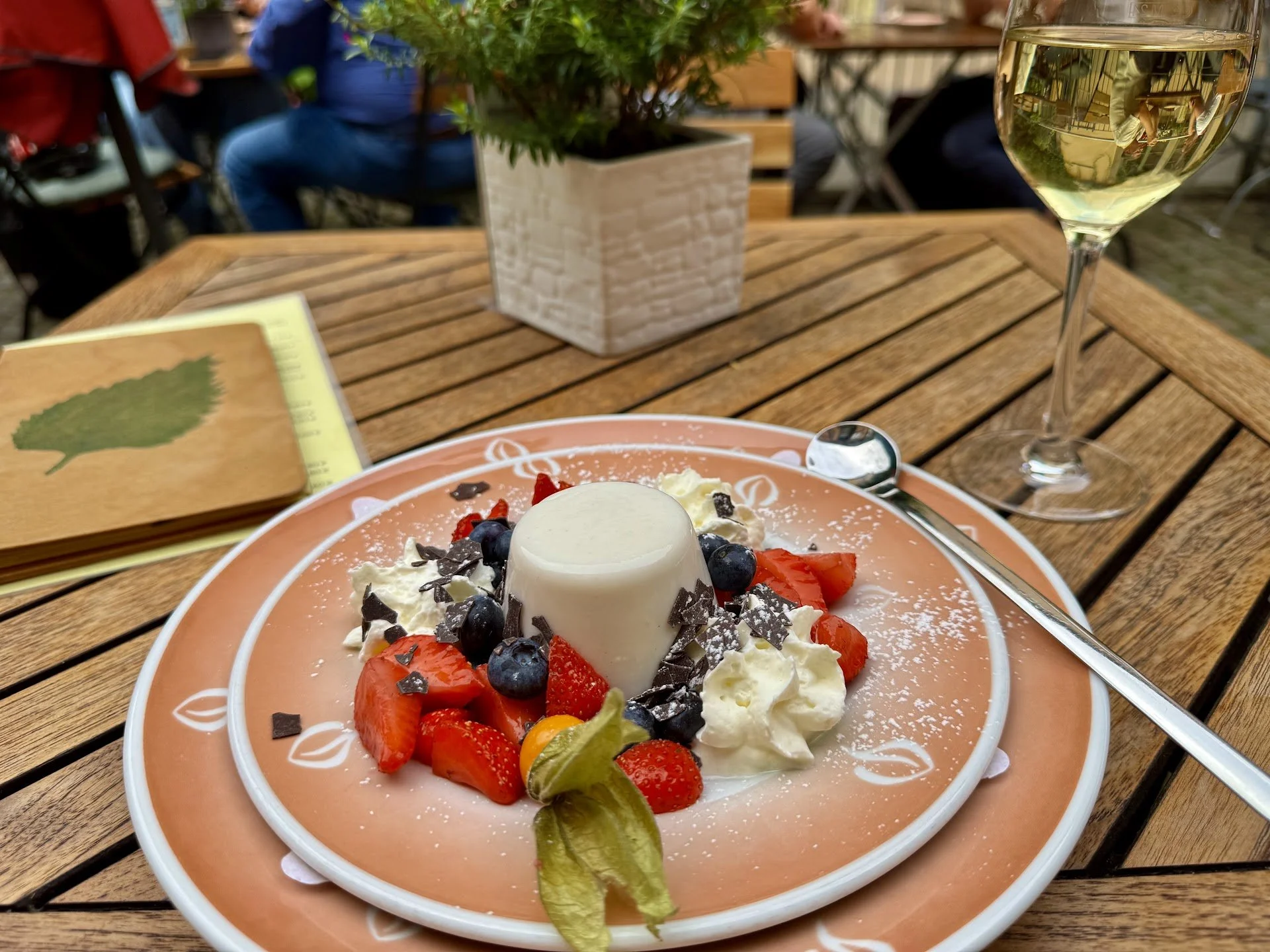
I also ordered the Lemongrass Panna Cotta for dessert, based on their recommendations, which I regret absolutely nothing about.
If you’re looking for gluten-free dining in Dresden, I highly recommend Restaurant brennNessel. Another meal for which I would exclusively return to Europe in a heartbeat.
Final Thoughts: Dresden, Germany
Dresden ended up feeling both grand and surprisingly accessible. The city’s scale, architecture, and history create an immediate visual impact. It’s a place where resilience feels visible, not in an overly dramatic way, but woven naturally into the city itself. Even with only a short stay, Dresden left a lasting impression.
Travel Gear Reviews
-
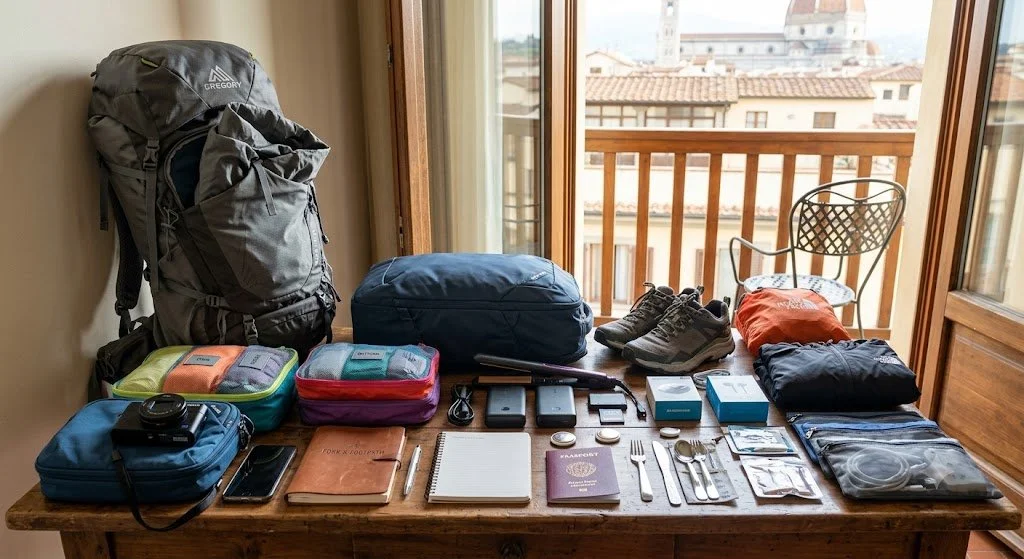
![The Ultimate Europe Packing List]()
The Ultimate Europe Packing List: Everything I Actually Used
The exact luggage, gear, footwear, technology, and clothing that survived three months of continuous solo travel.
-
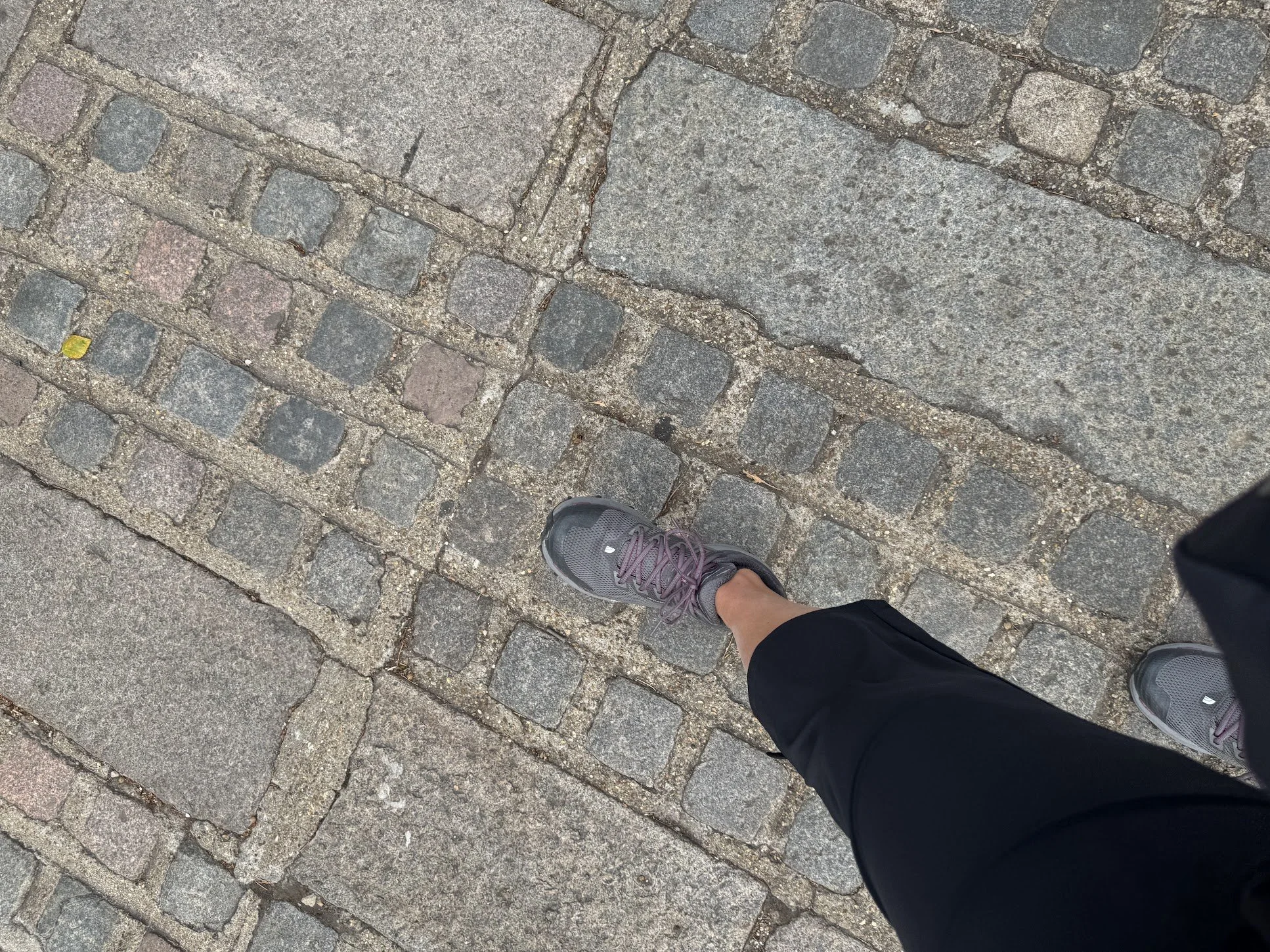
![Travel Shoes For Europe]()
The Walking Shoes That Survived Three Months of European Travel
These provided the comfort, support, waterproof protection, and versatility I needed for long days on my feet.
-
![Waterproof Travel Gear]()
Waterproof Travel Gear: Essentials That Keep You Exploring
Rain gear is one of the best investments you can make for an extended European trip. These waterproof essentials earned a permanent place on my packing list.
-
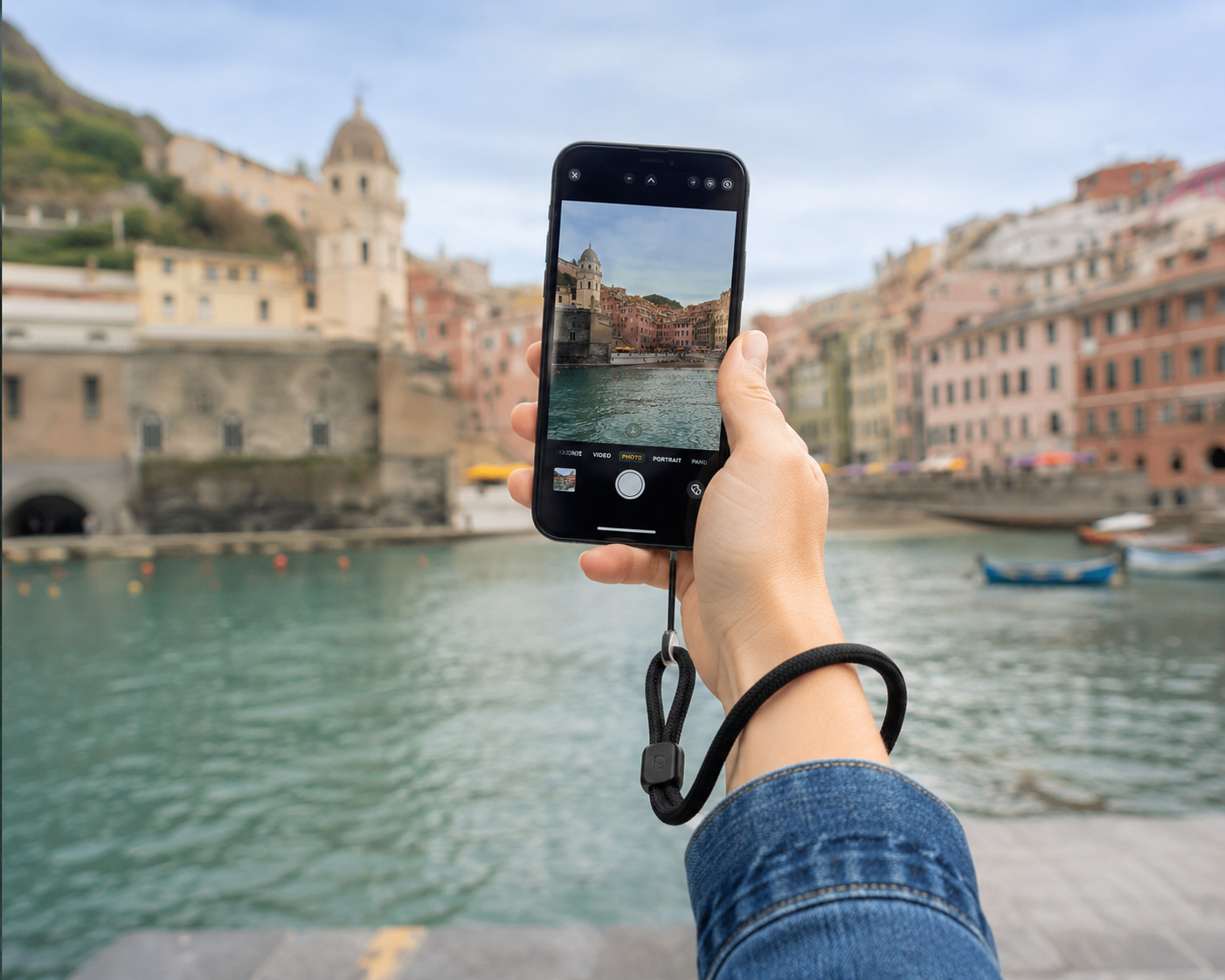
![Phone Wrist Strap]()
The Phone Wrist Strap That Helped Protect My Phone Across Europe
A simple, low-cost travel accessory provided peace of mind in crowded cities and added security throughout my three-month trip.
-
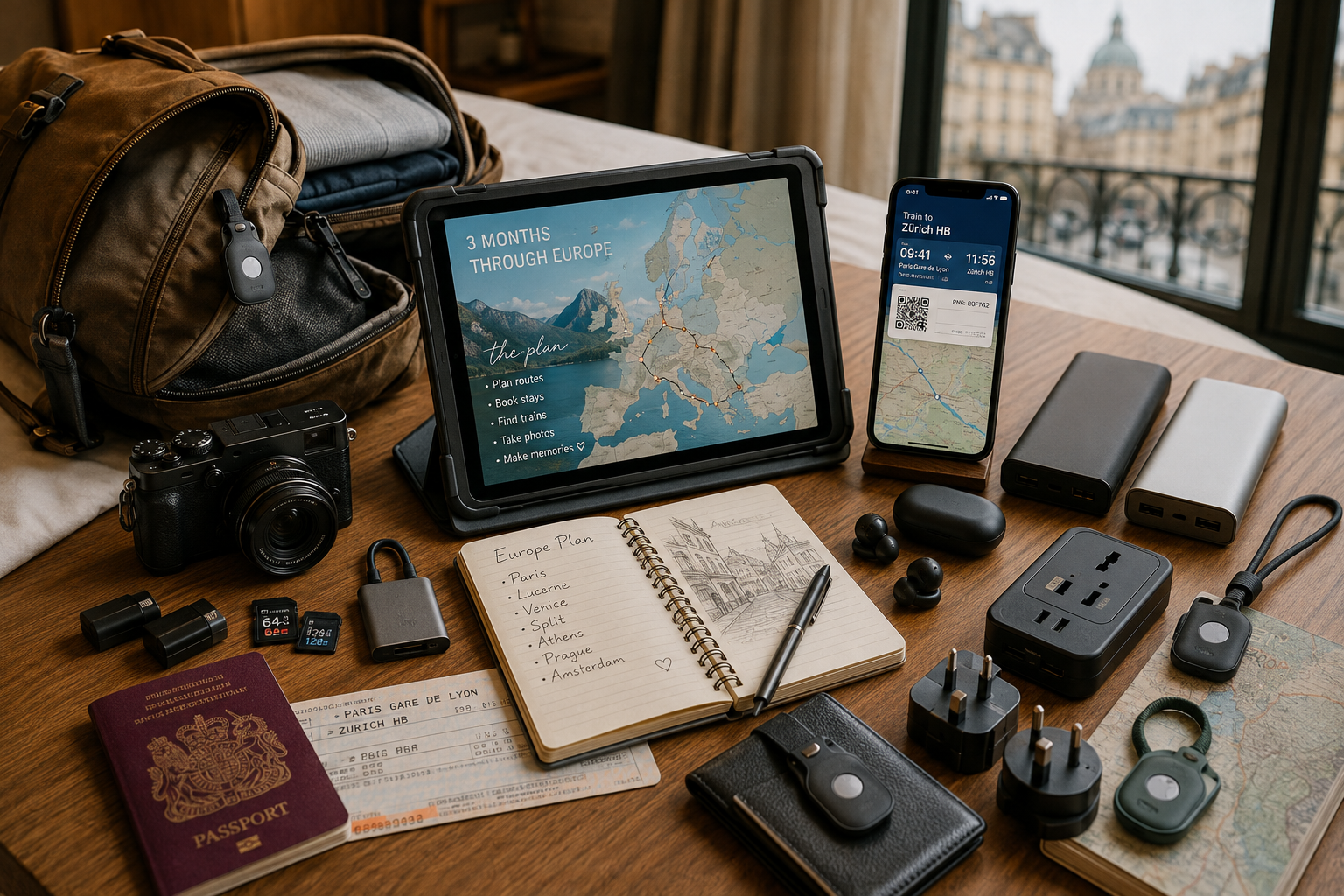
![Travel Technology]()
The Technology I Used During Three Months of Traveling Europe
The travel tech that helped me navigate, stay connected, protect my photos, and travel independently.