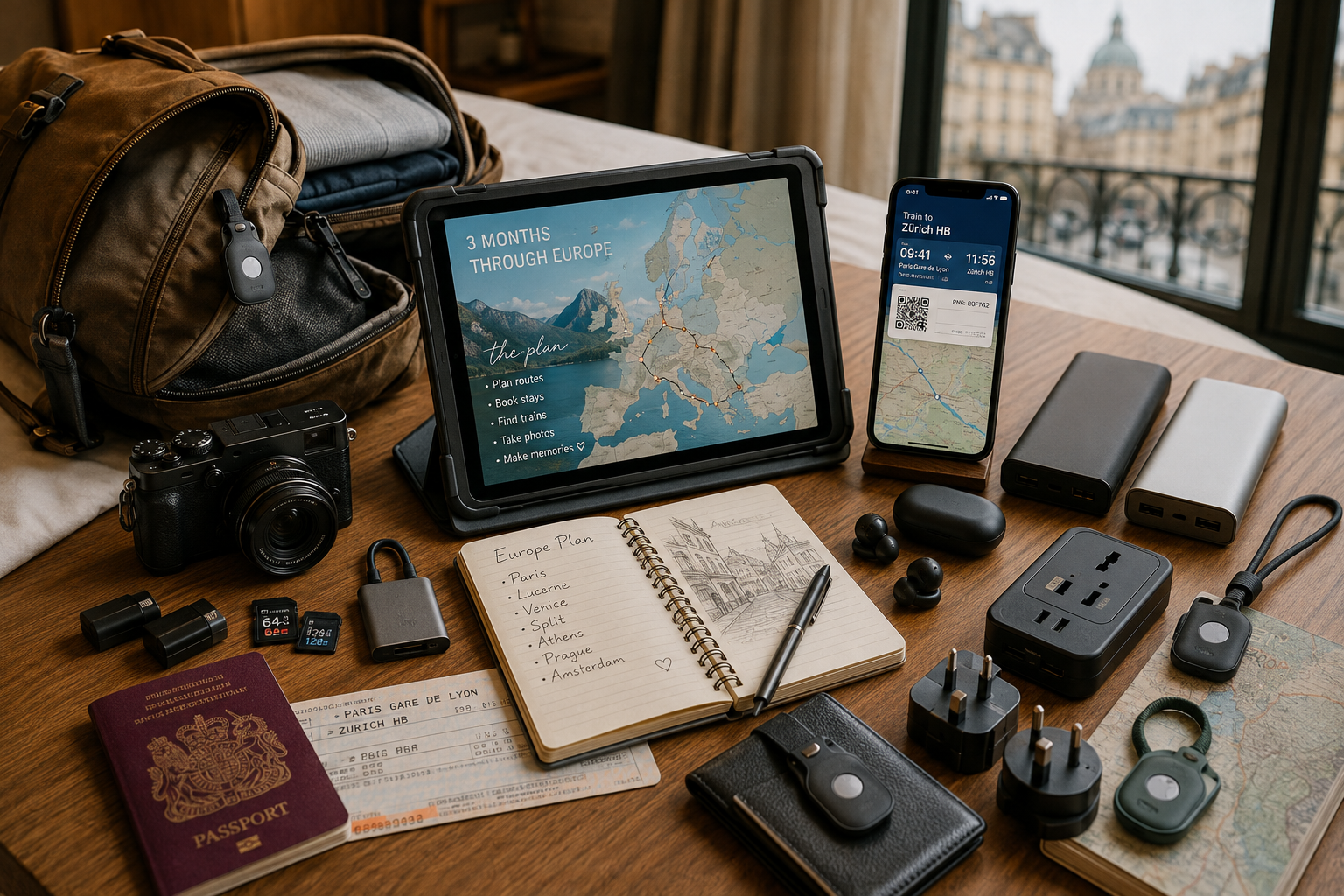
Prague Travel Guide: Stunning Views And Neighborhoods Beyond Old Town
Hillside walks, hidden gardens, and the quieter side of Prague.
Prague was one of my longer stops during this three-month solo trip through Europe—three nights and two full days—which, in the context of long-term travel, felt almost luxurious.
By this point in the trip, I had settled into a rhythm: arrive, unpack, reset, walk endlessly, repeat.
But Prague felt different before I even arrived. It was one of the cities people mentioned most often when I told them where I was going. Everyone seemed to have a Prague story or a strong opinion about how beautiful it was supposed to be.
Travel has a way of complicating expectations, though. Sometimes cities with very little hype become unforgettable, while places with enormous reputations struggle to fully land. Weather, timing, energy, pacing, and even your own mindset shape the experience more than guidebooks ever can.
Prague firmly belonged in the “high expectations” category for me, and I was curious to see how it would unfold.
This guide covers where I stayed, how I spent two full days exploring Prague’s neighborhoods and viewpoints, and why some of my favorite moments happened outside the city’s busiest areas.
Some links in this post may be affiliate links, which means I may earn a small commission if you book through them—at no additional cost to you. I only share places and services I personally used or genuinely enjoyed during my trip. Read the full disclosure policy.
Prague, Czech Republic Overview
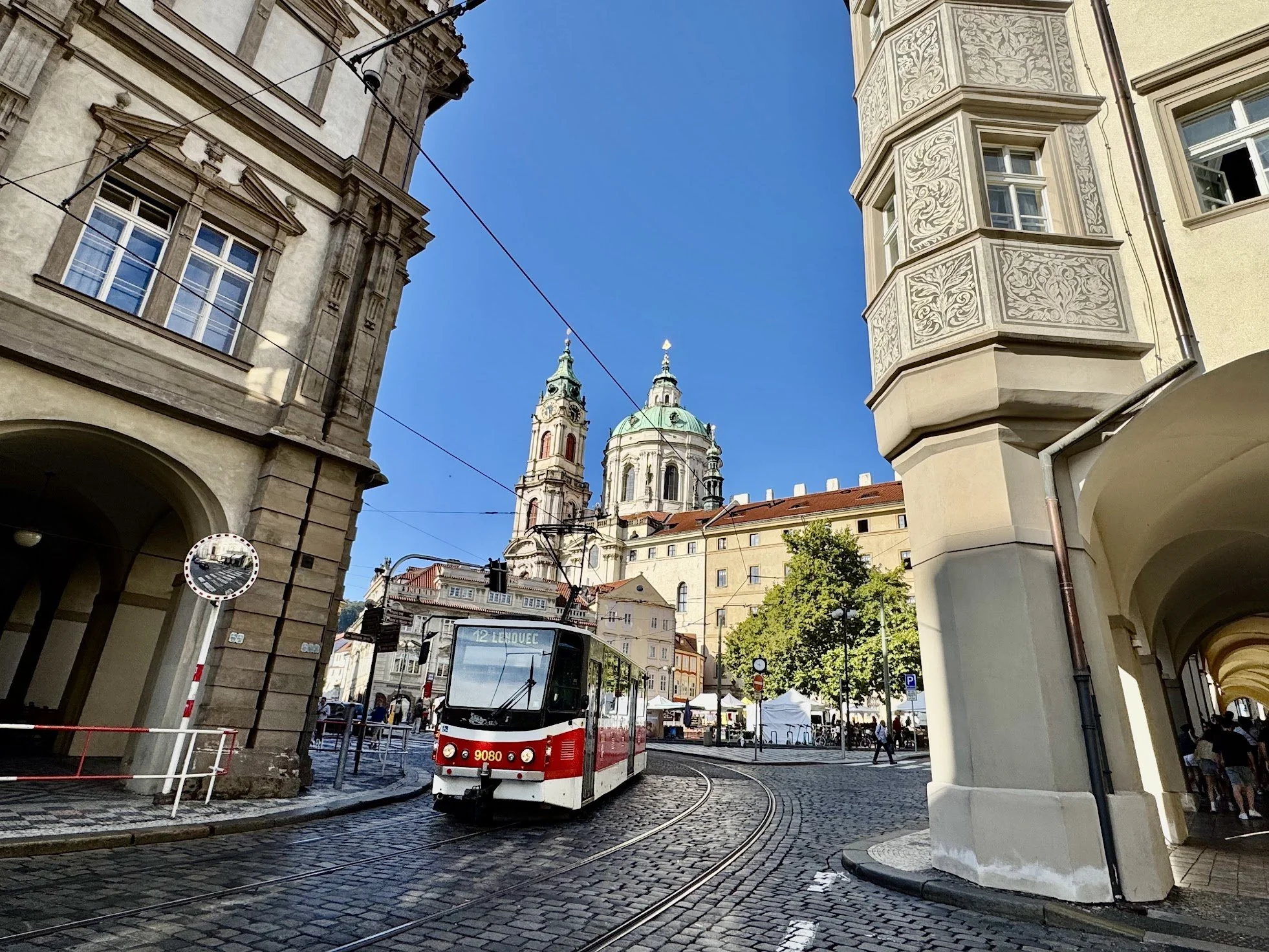
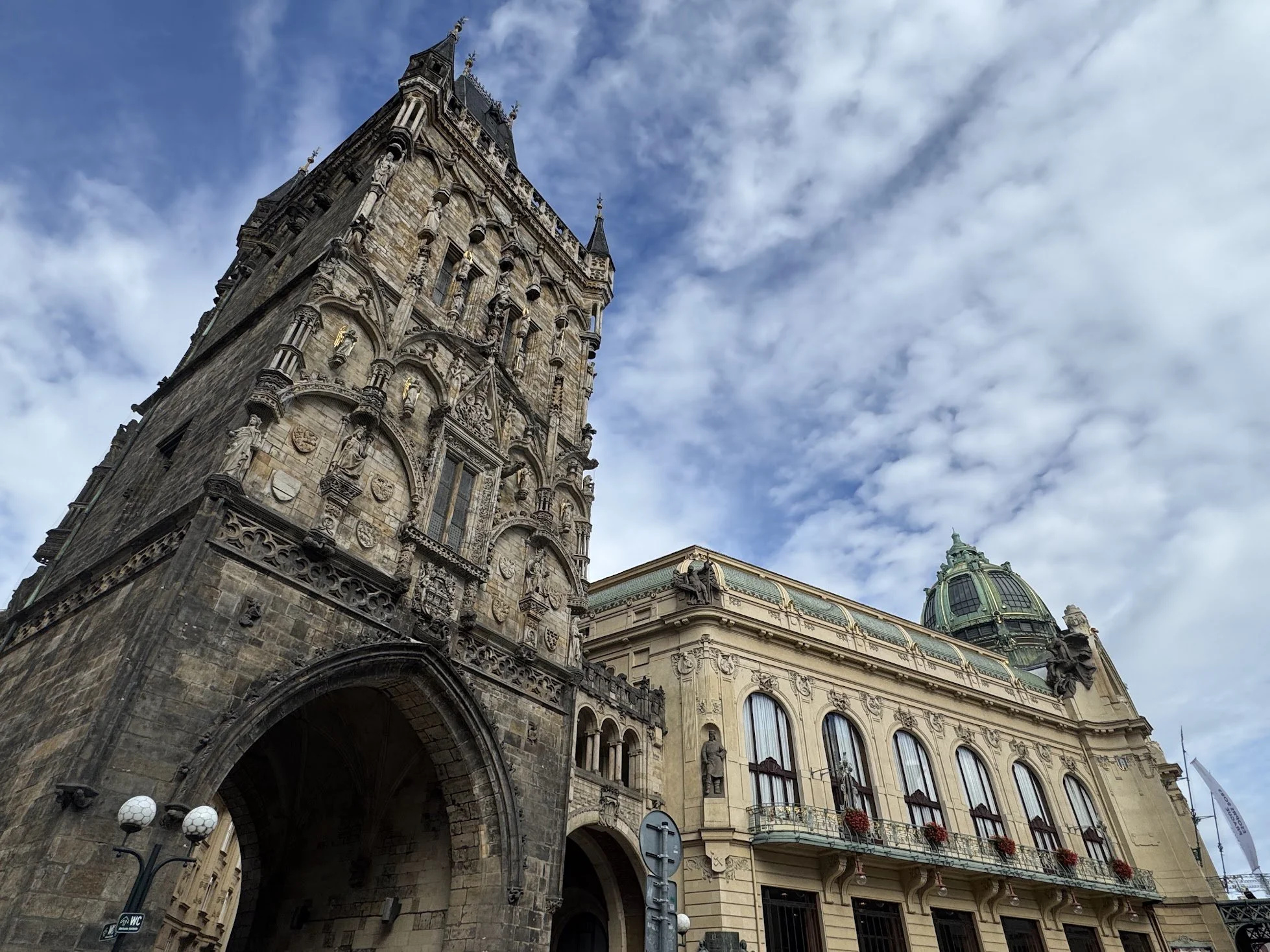
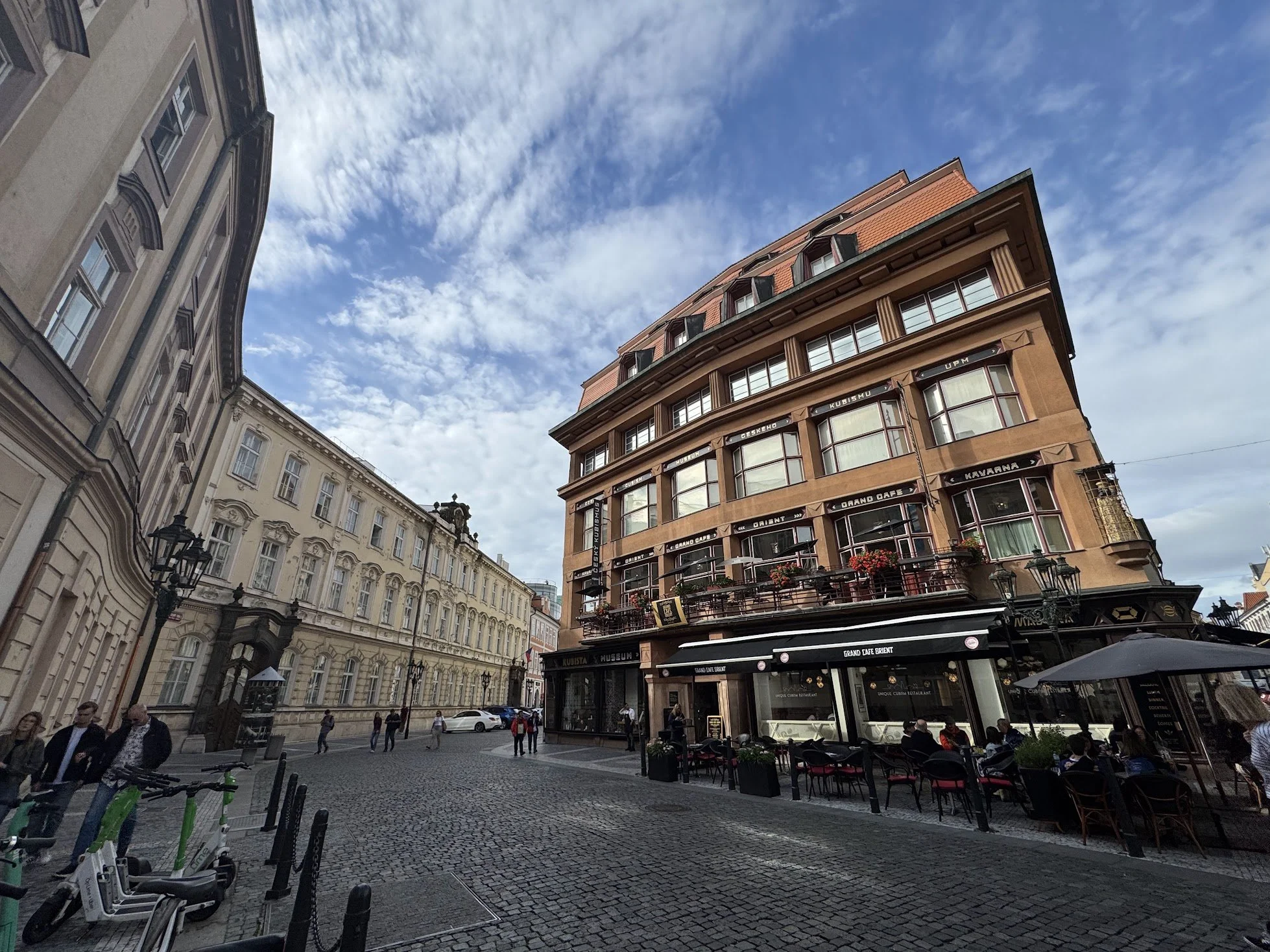
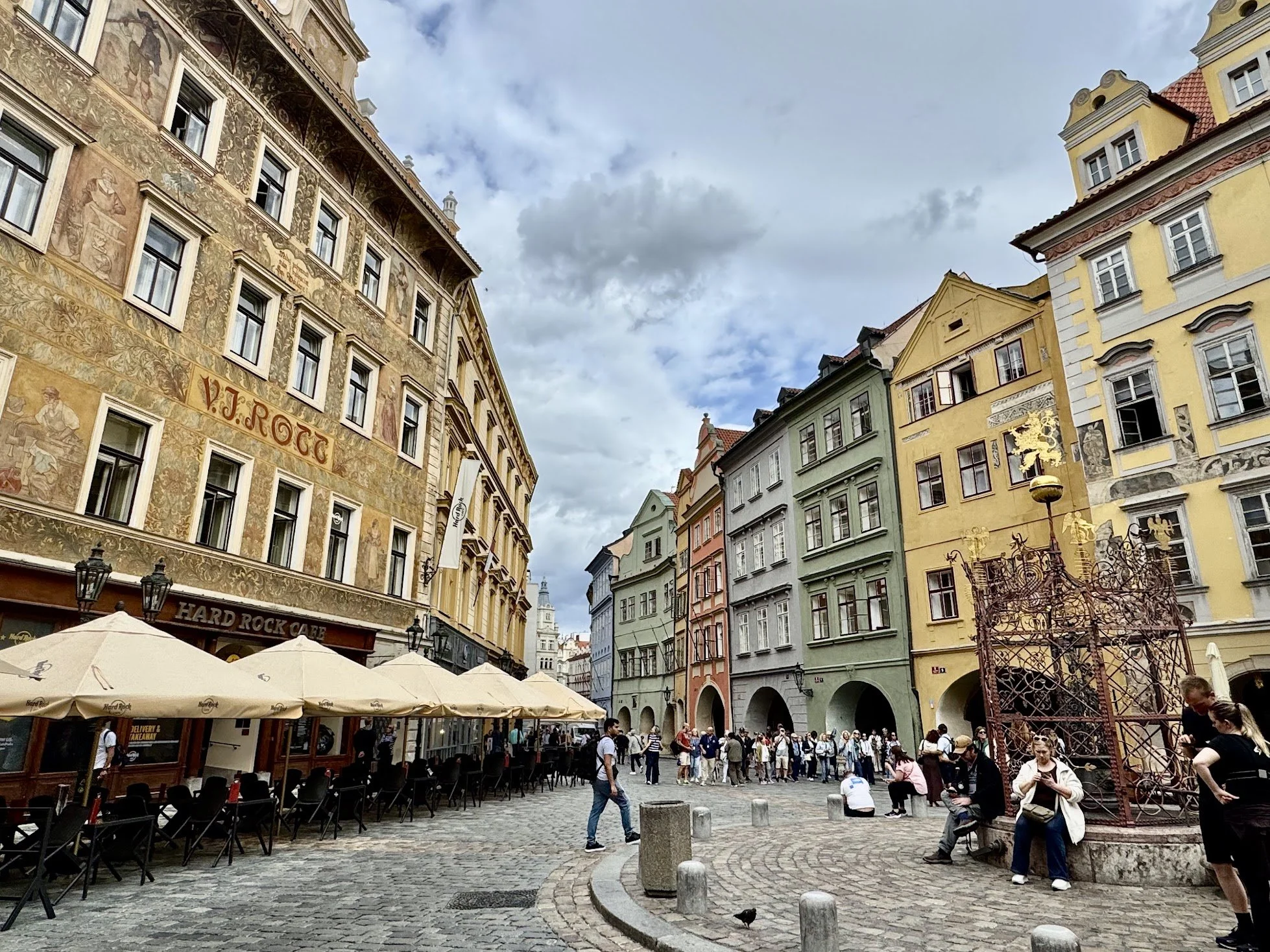
Prague, the capital of Czech Republic, sits along the Vltava River and is often referred to as the “City of a Hundred Spires.” Compared to the grand open squares of Dresden, Prague felt denser, hillier, and more layered from the start. Gothic towers, baroque domes, red rooftops, bridges, gardens, and castle views unfold constantly as you move through the city.
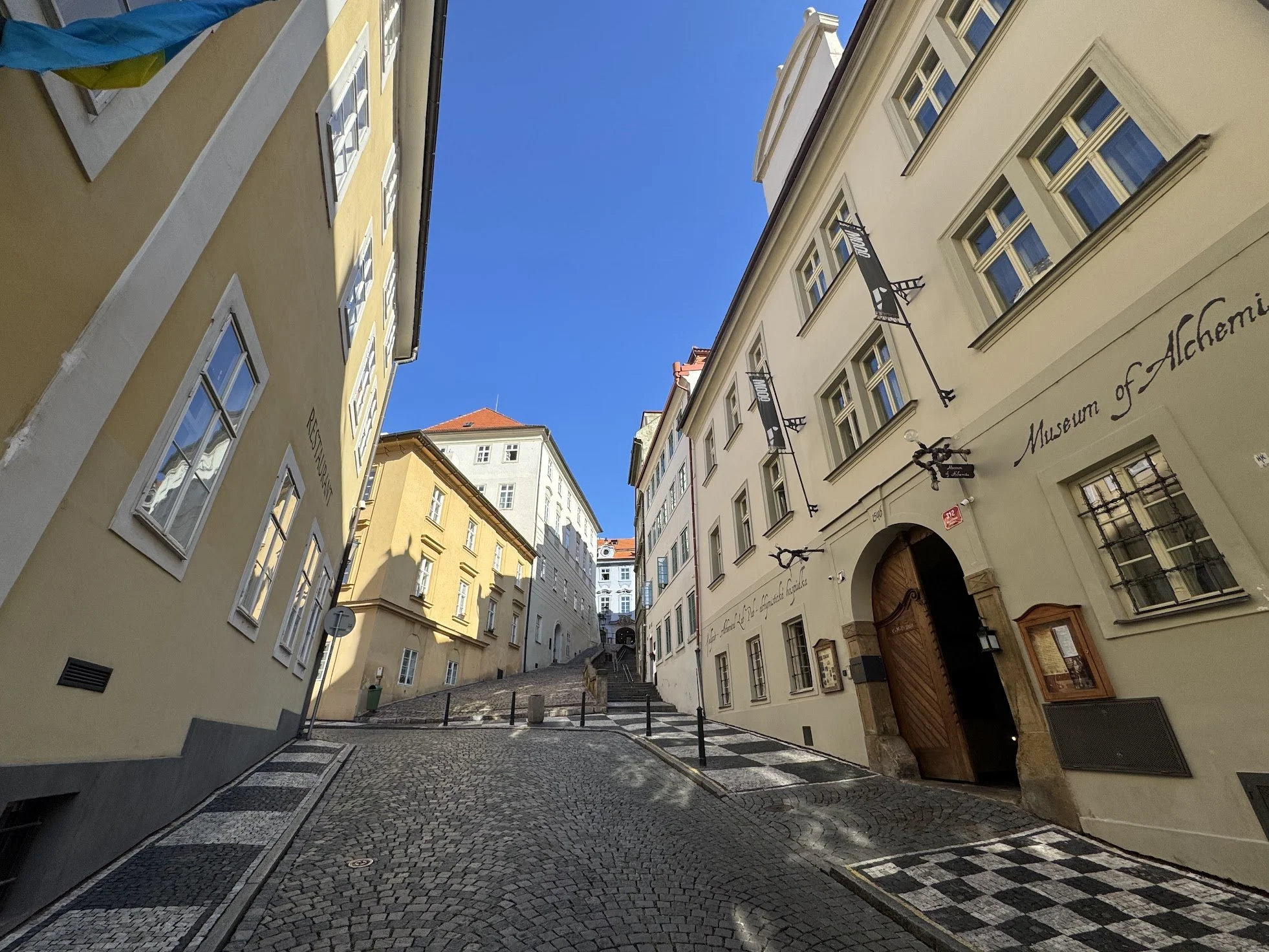
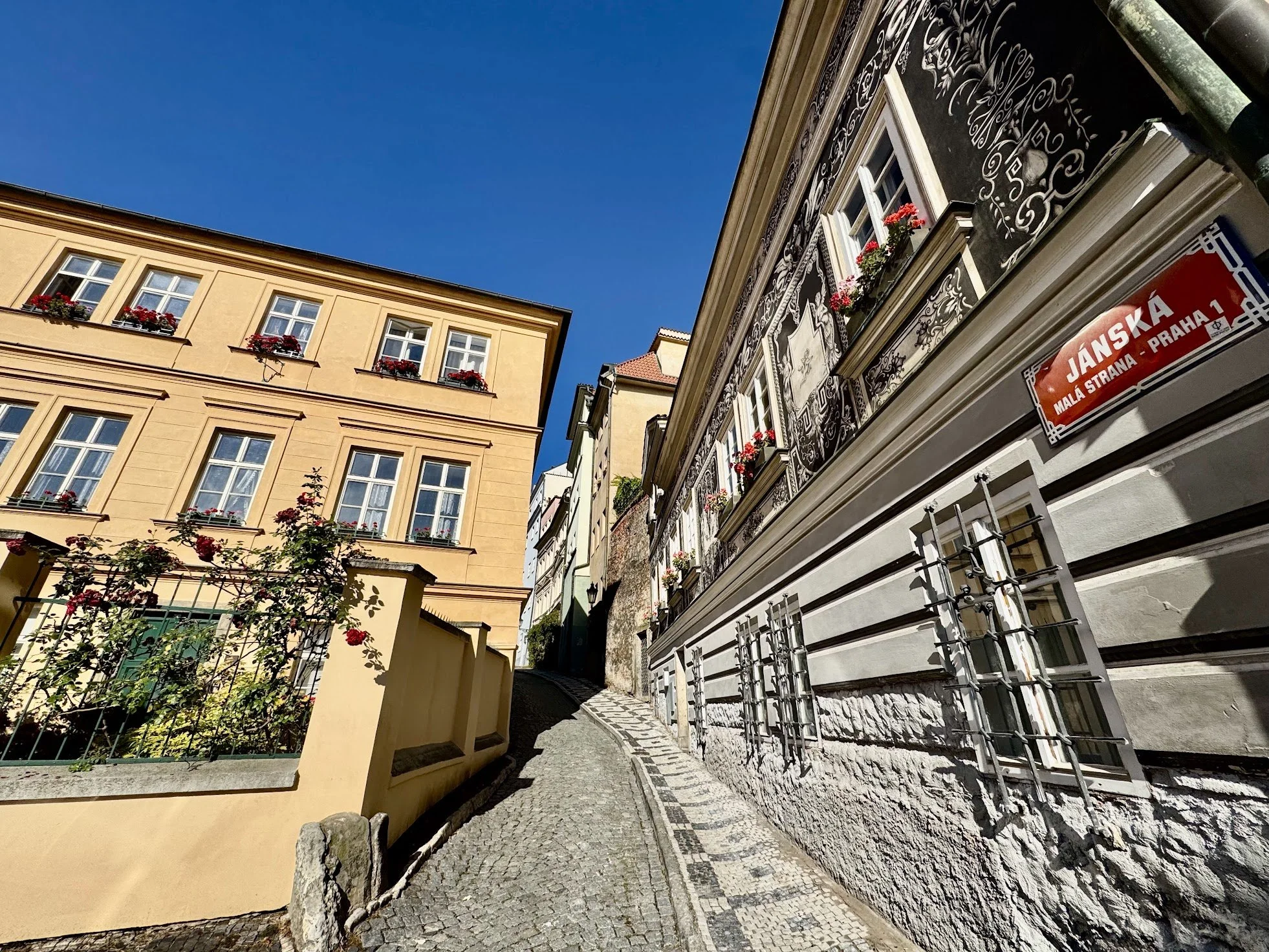
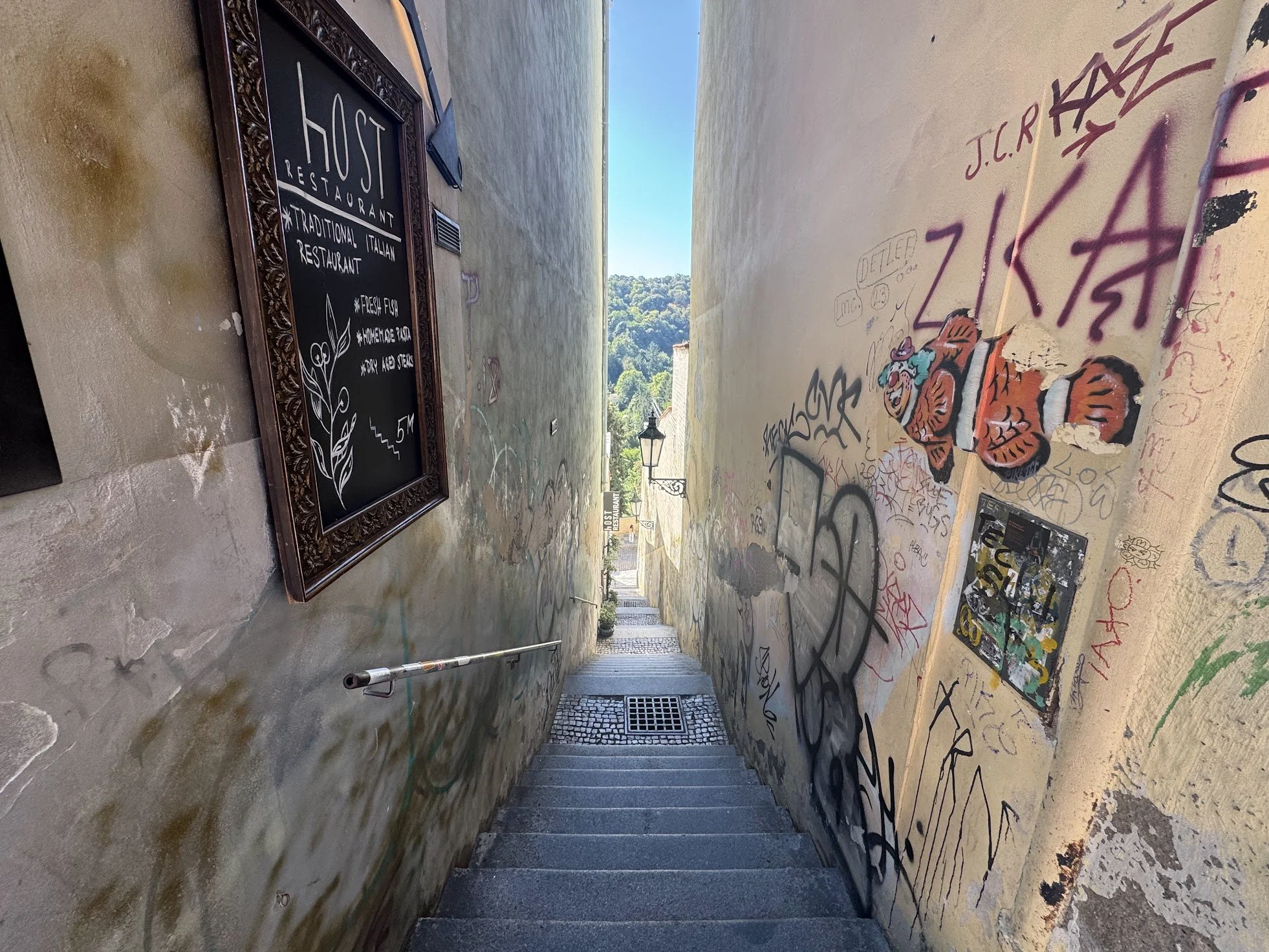
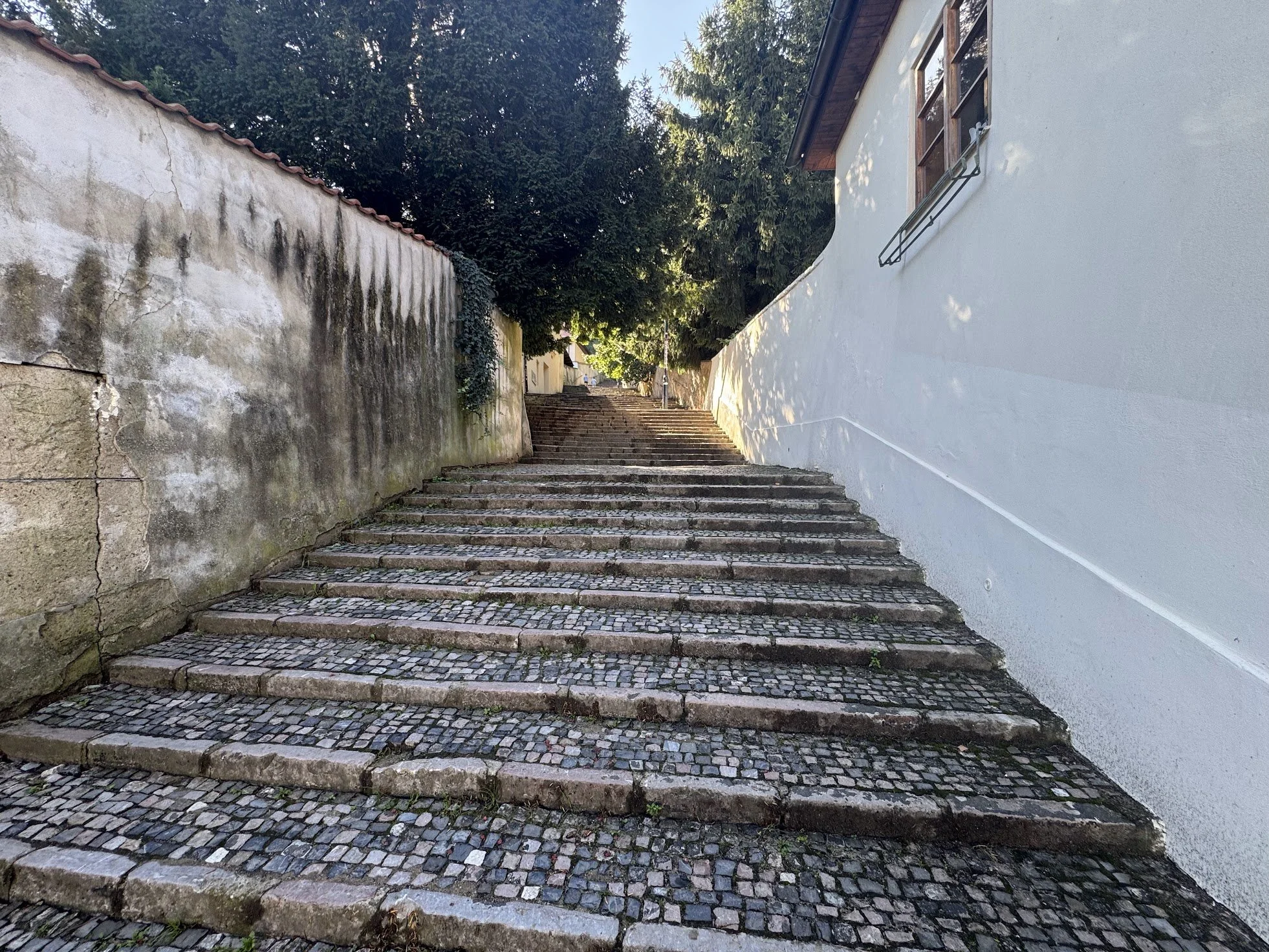
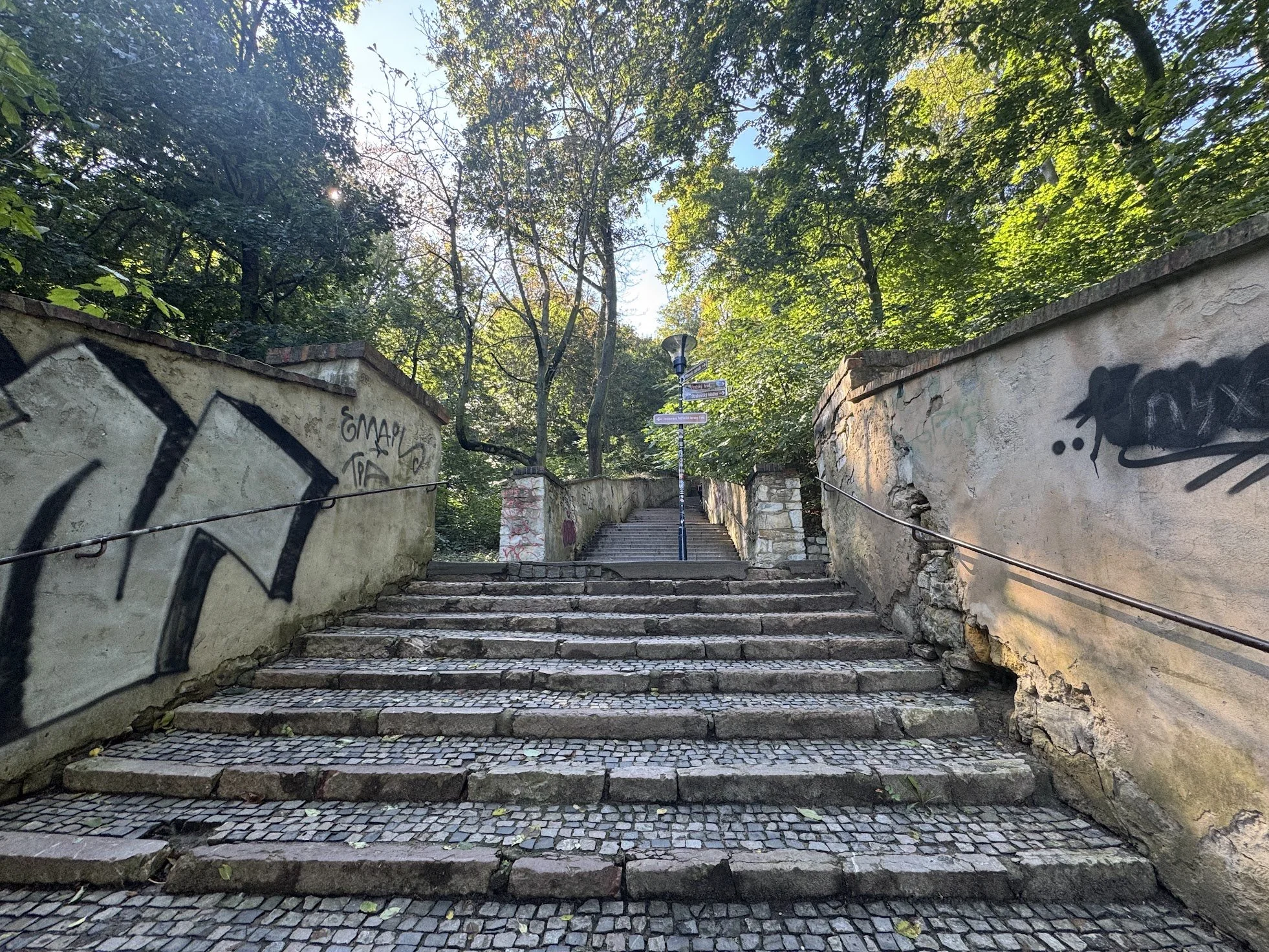
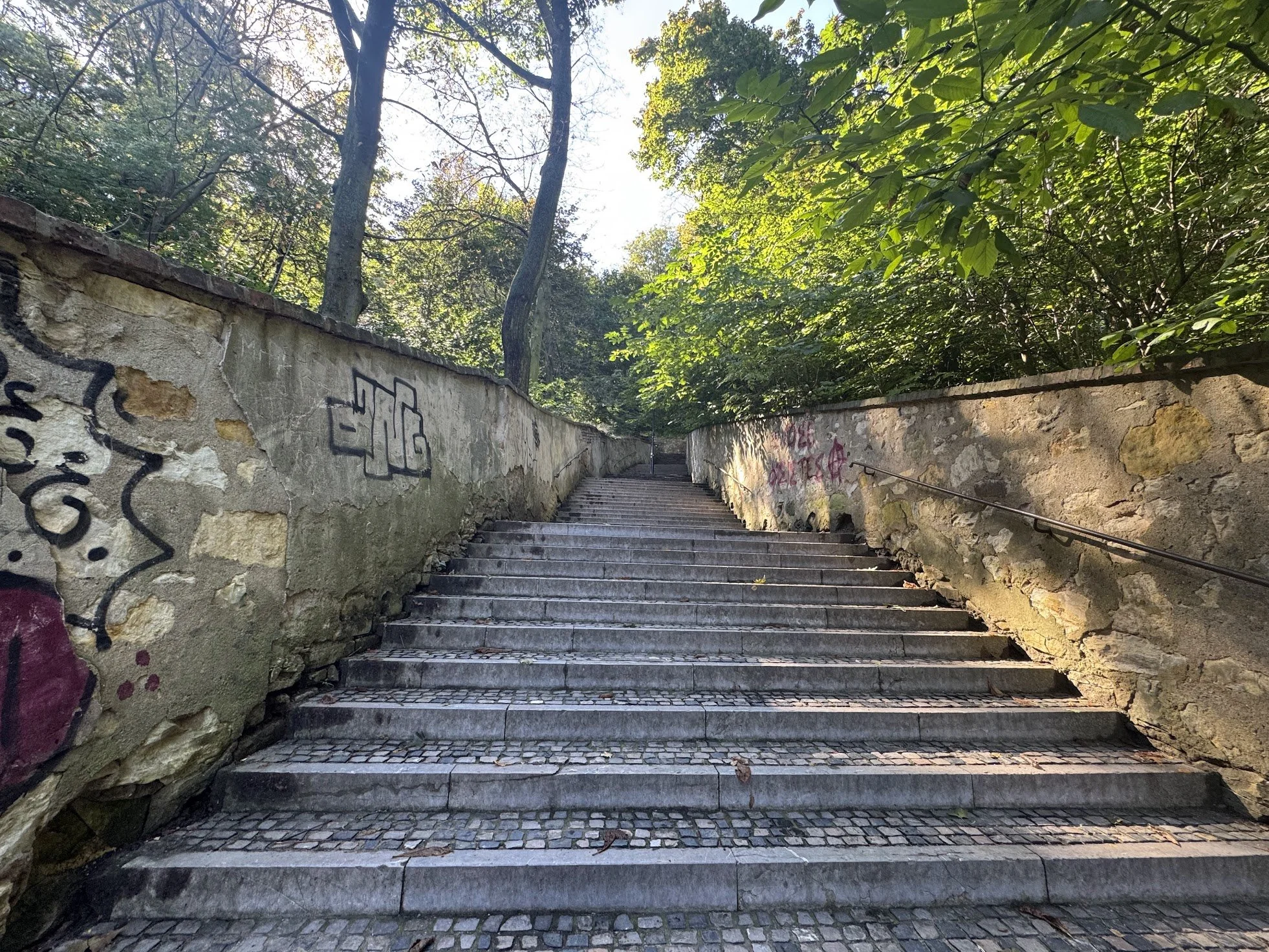
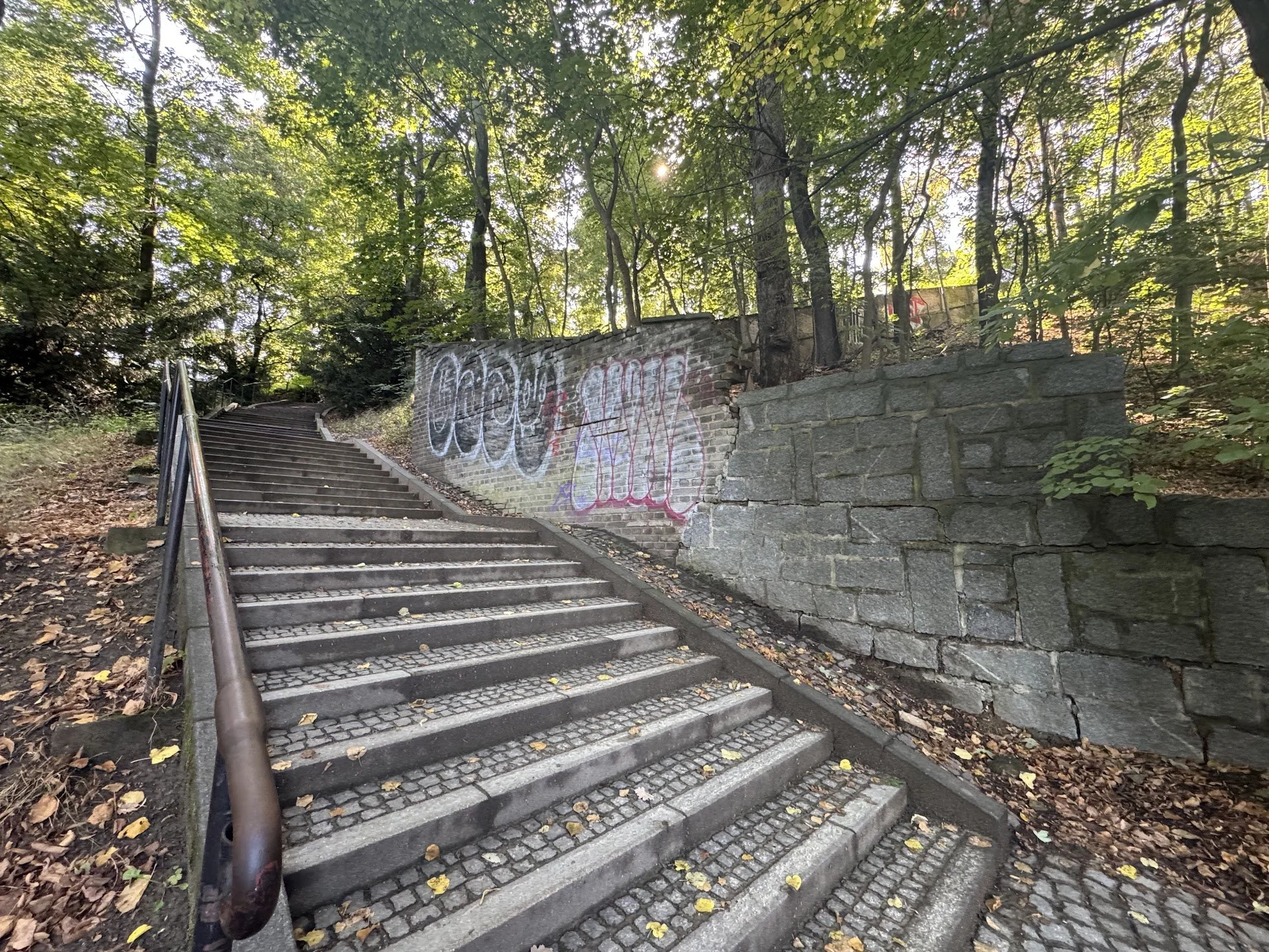
Prague is also far more physical than many visitors may expect. The city is incredibly walkable, but it is not remotely flat. Between castle approaches, hillside parks, staircases, and long stretches of cobblestone streets, Prague quietly turns into a workout. Thankfully, the views usually make the climbs worthwhile.
Where I Stayed In Prague, Czech Republic: Malá Strana / Lesser Town
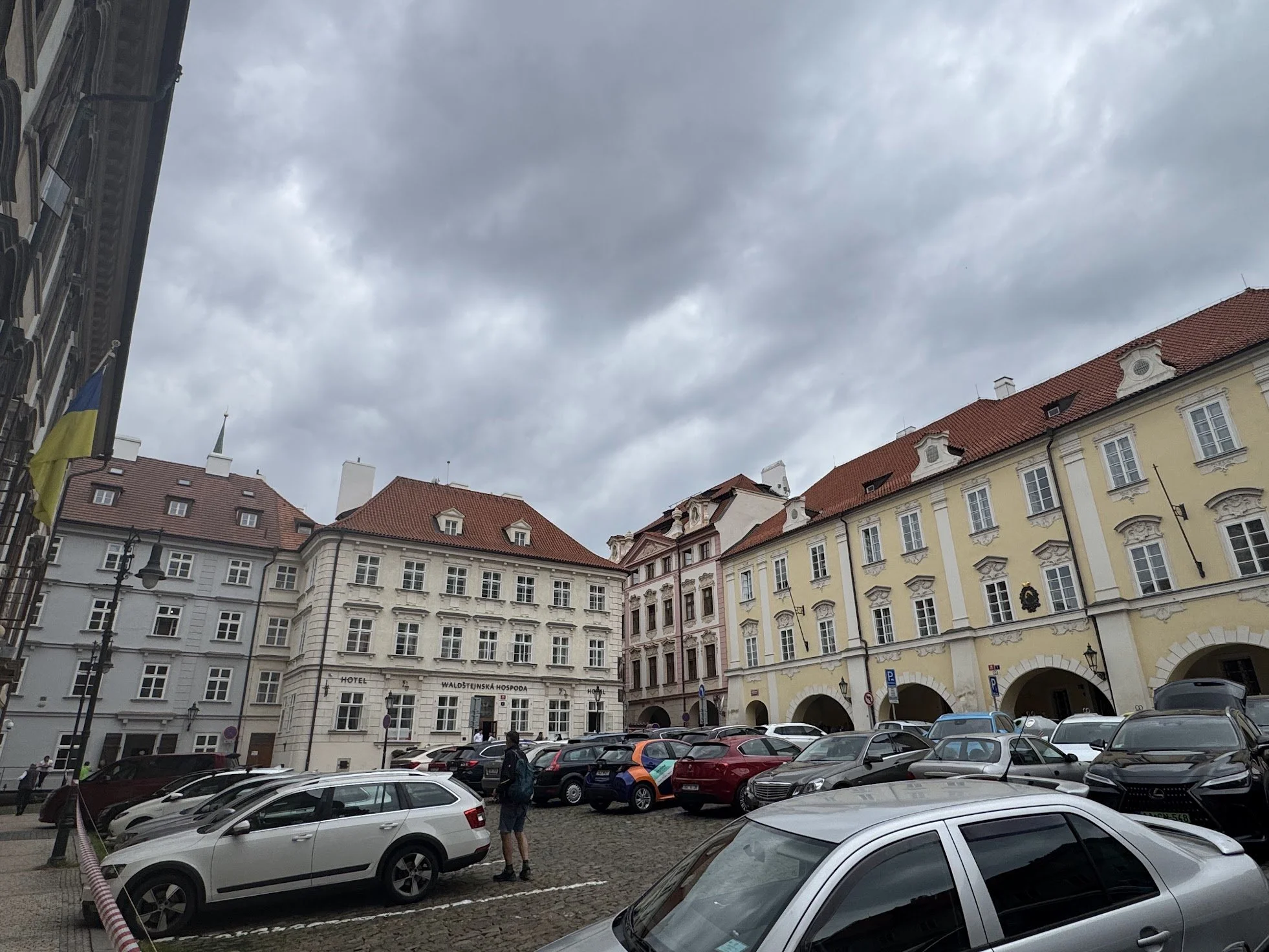
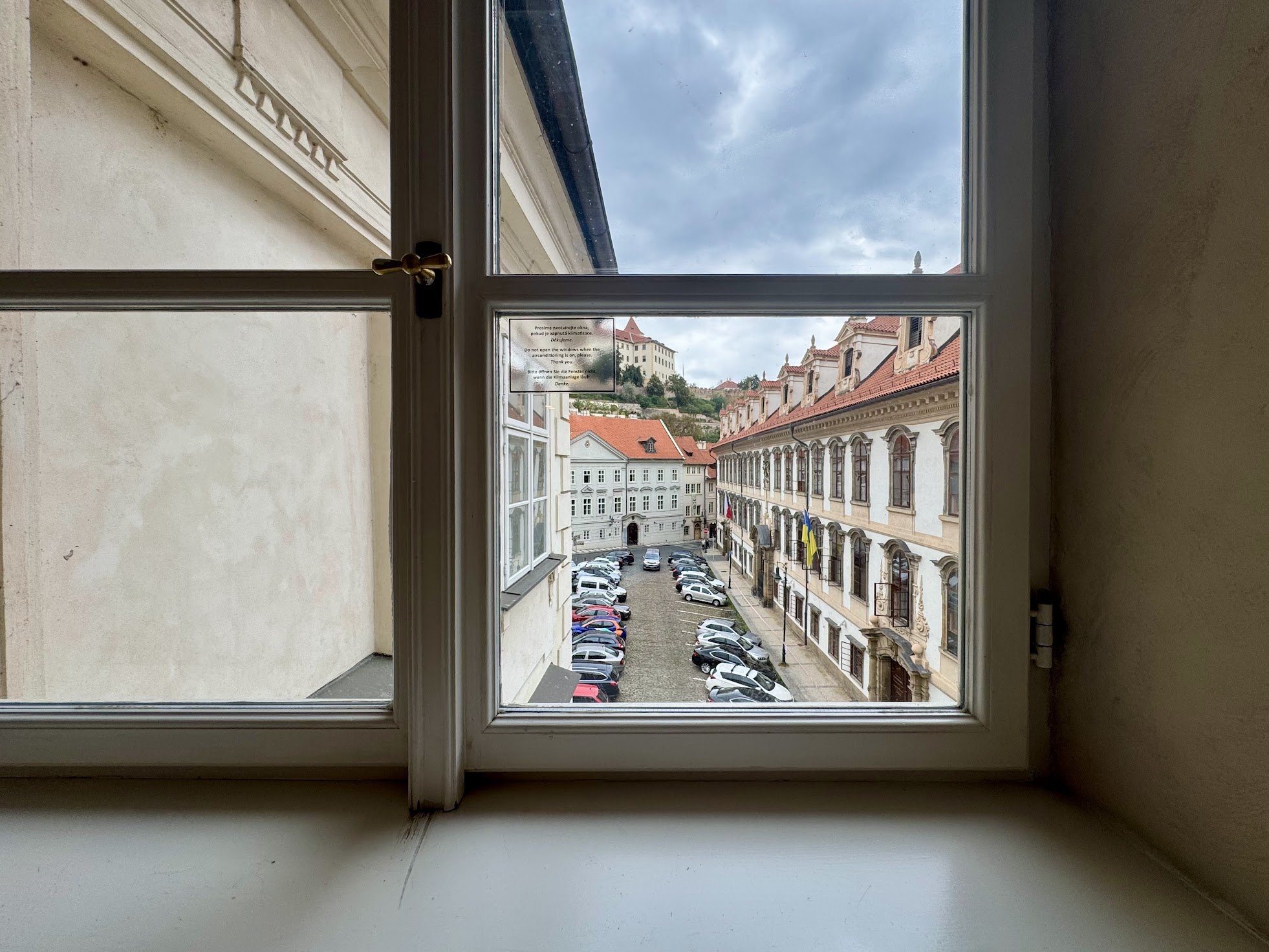
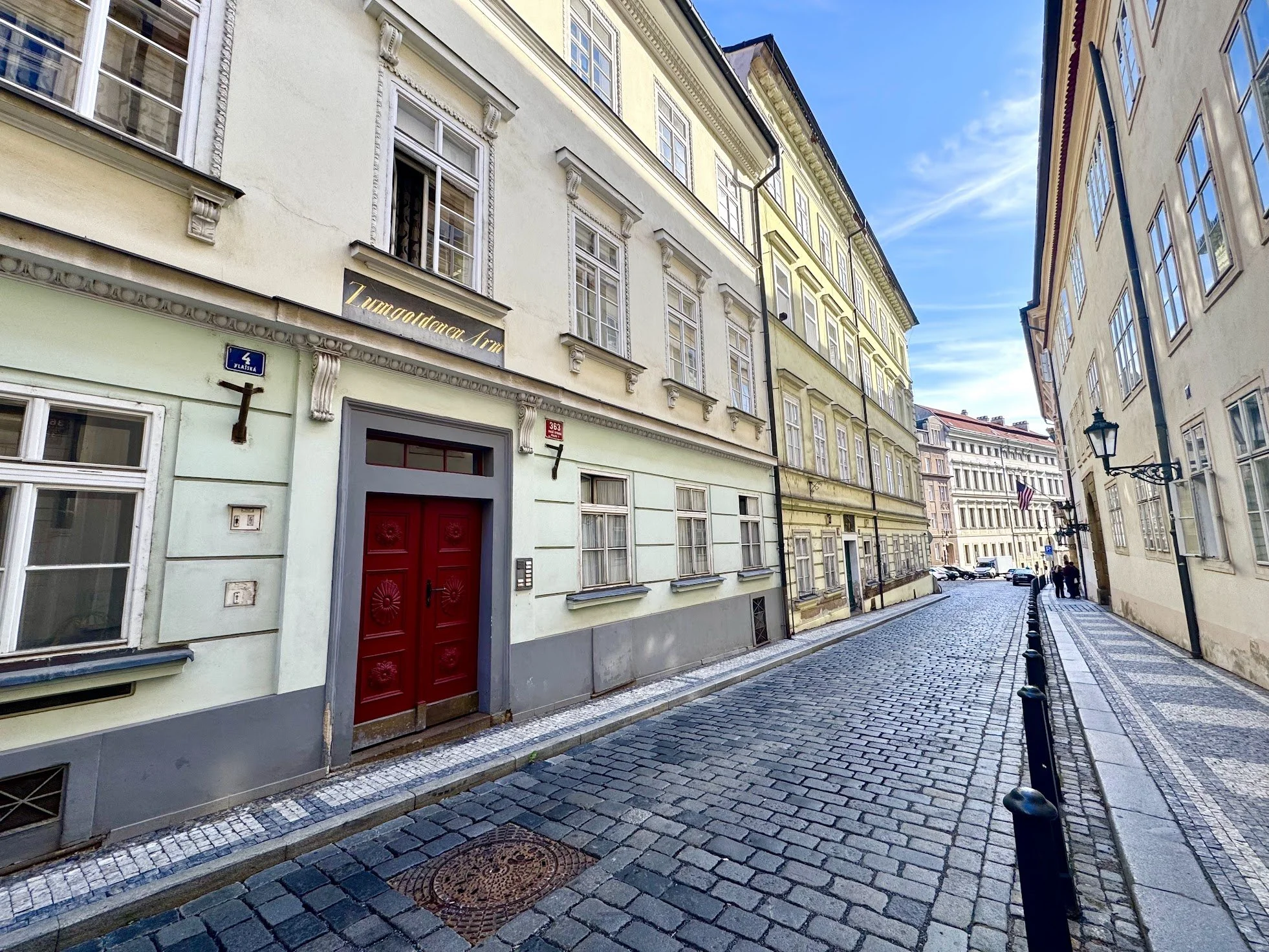
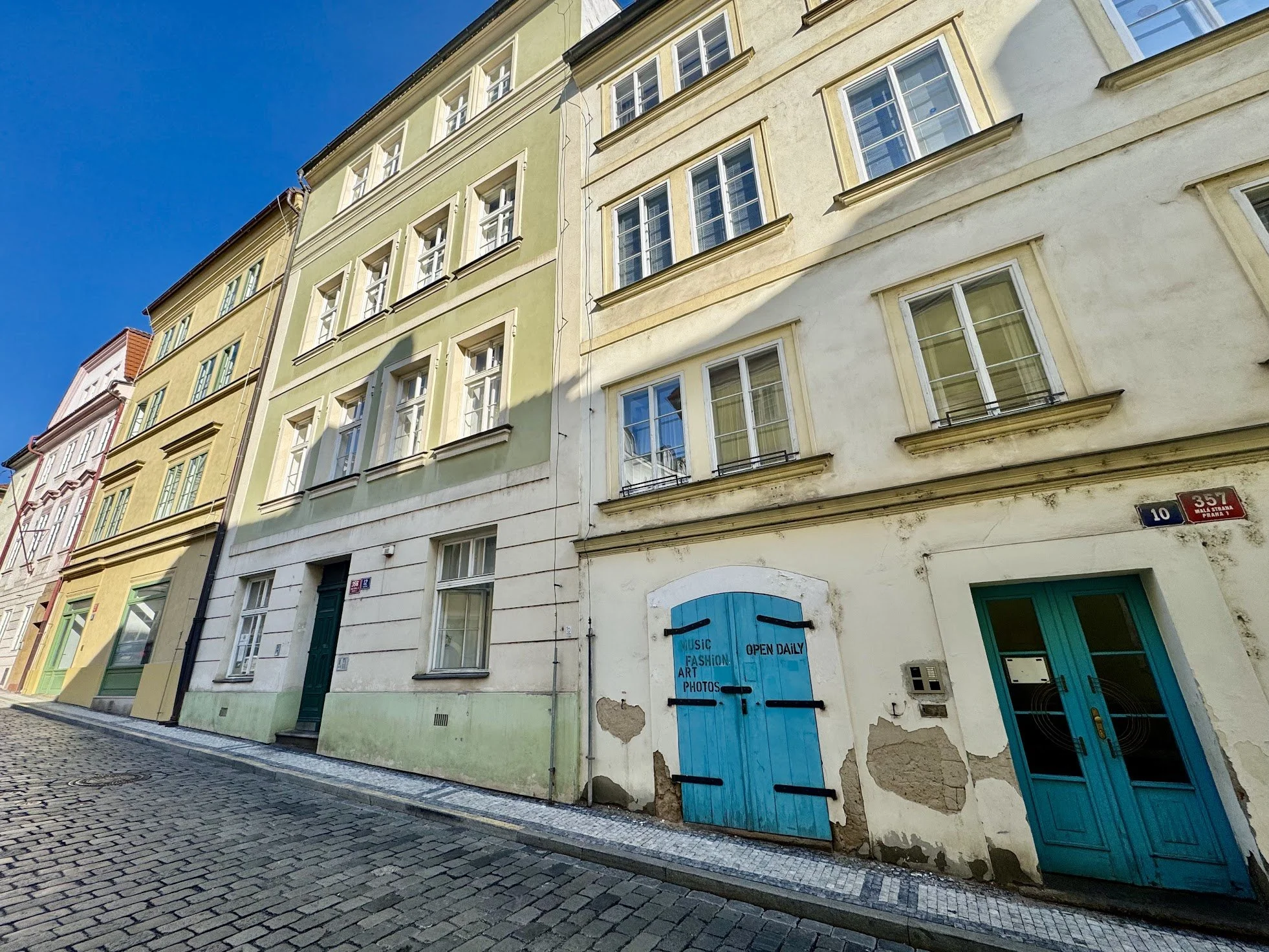
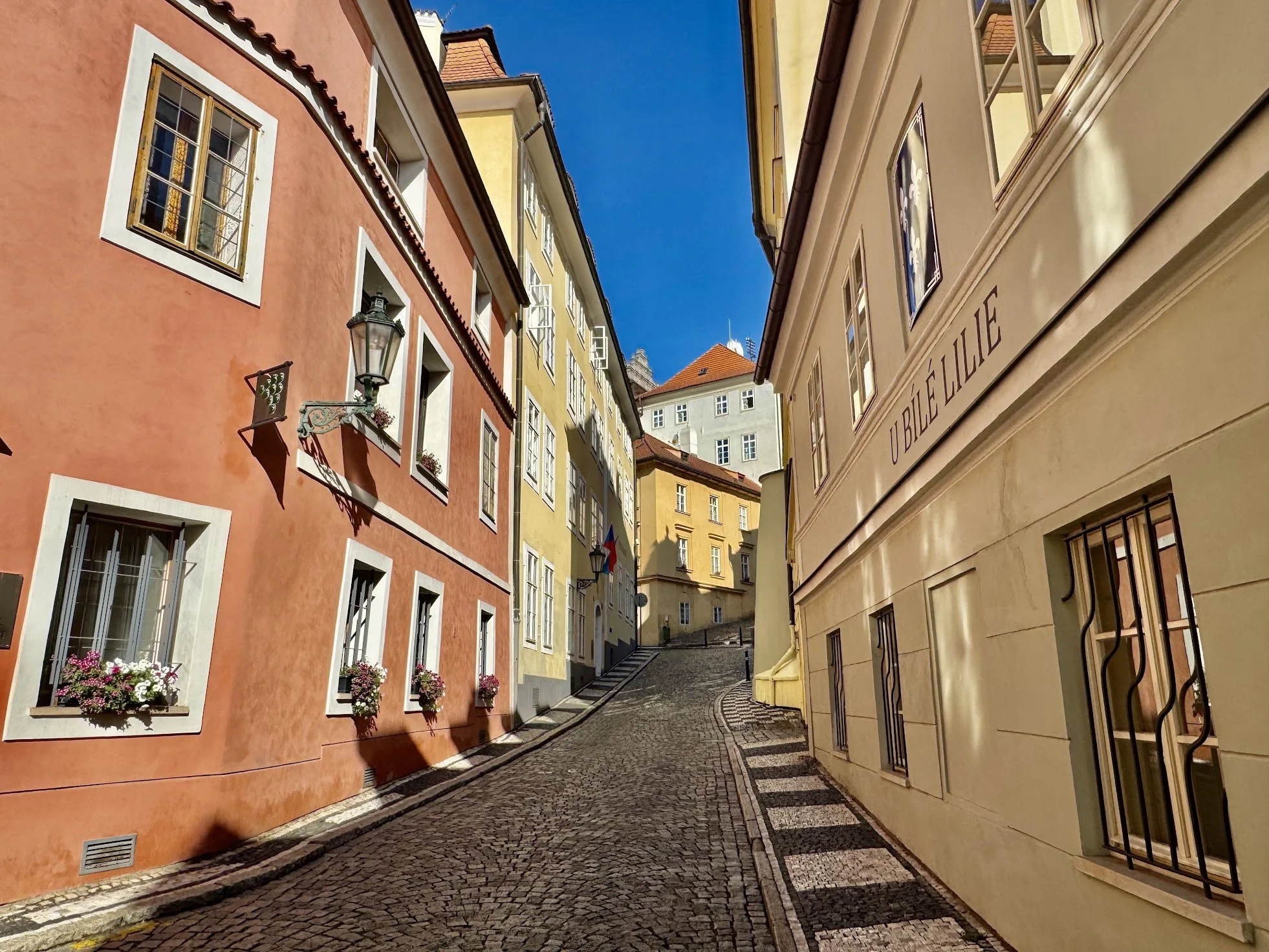
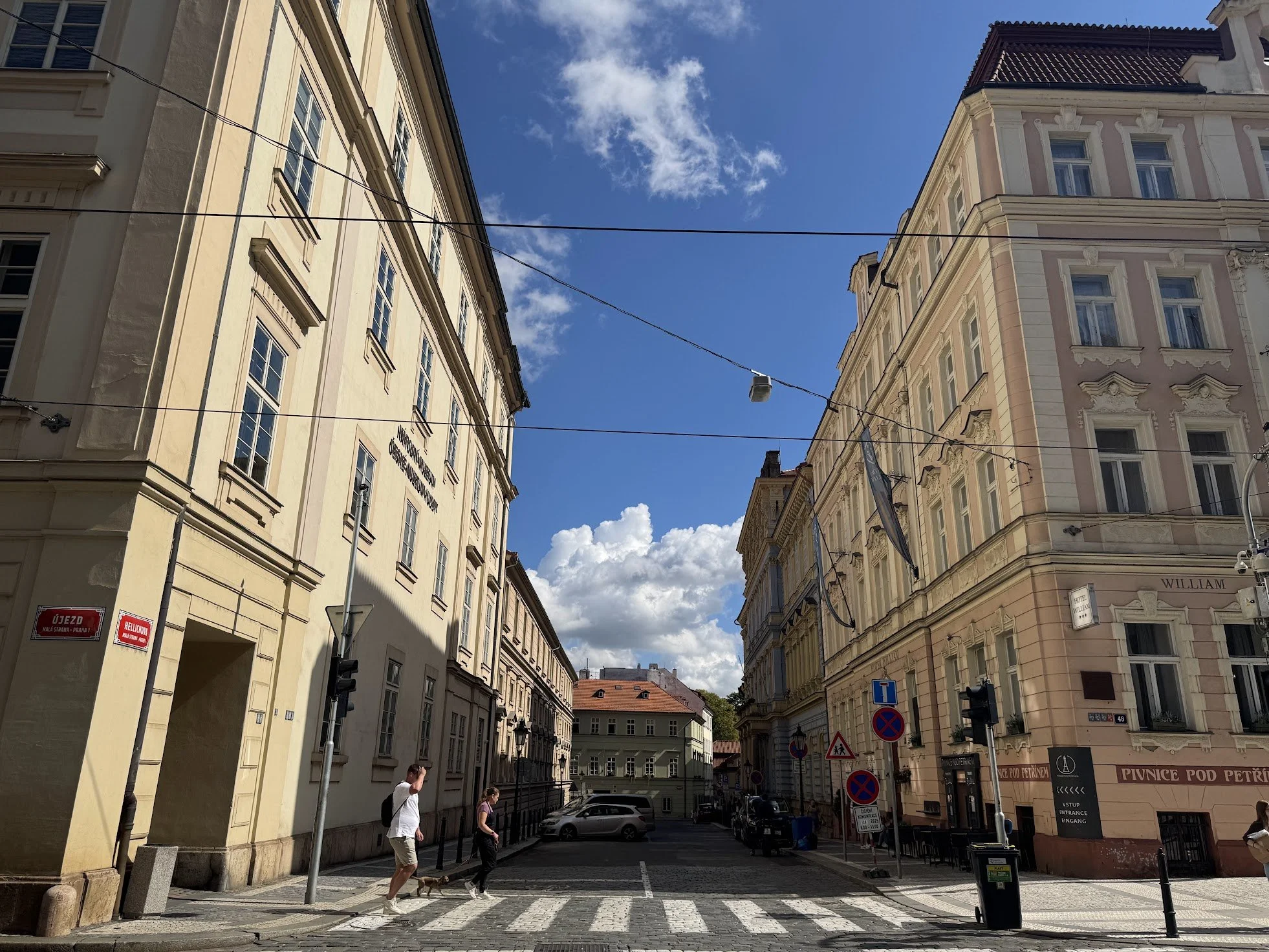
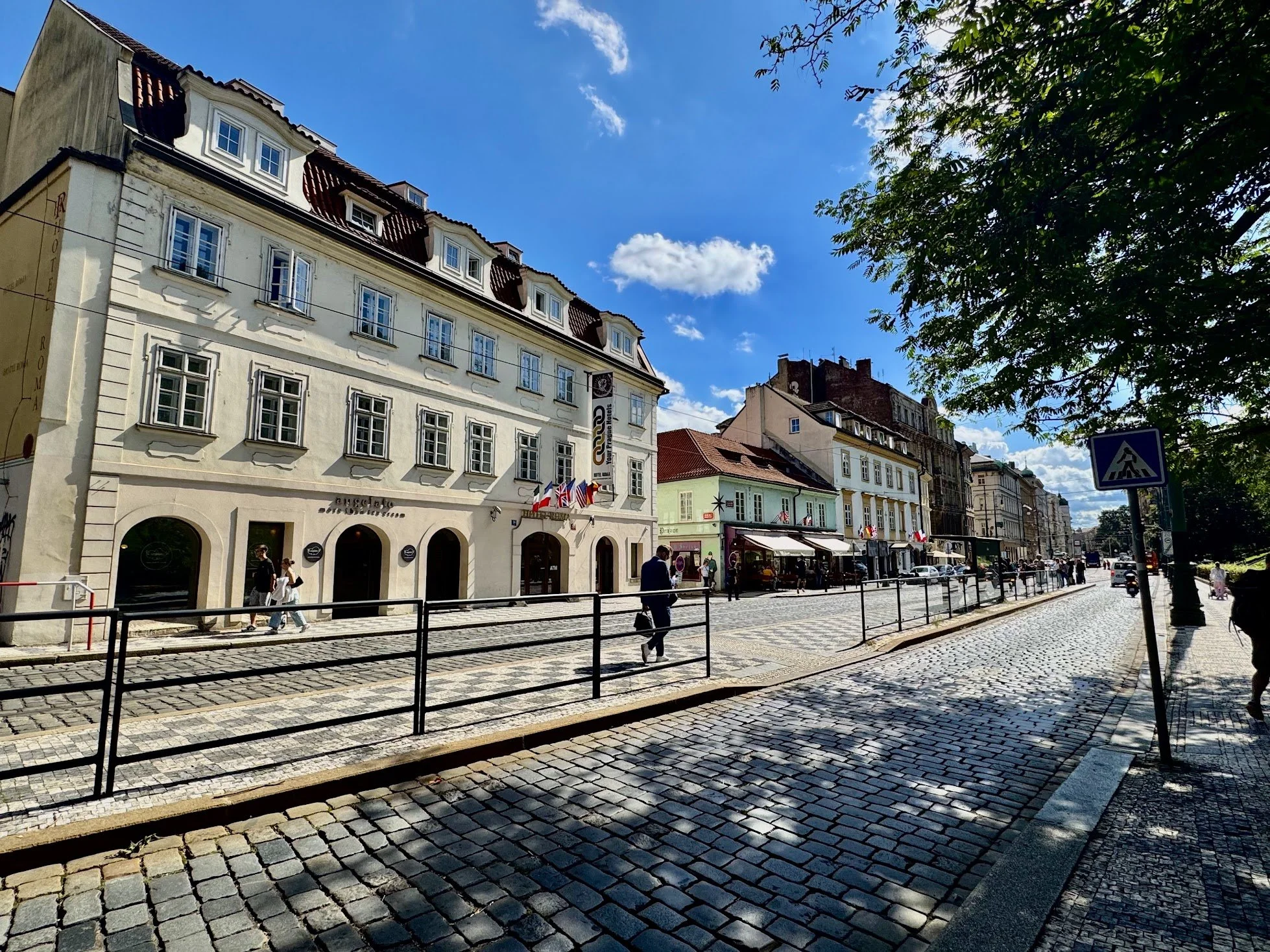
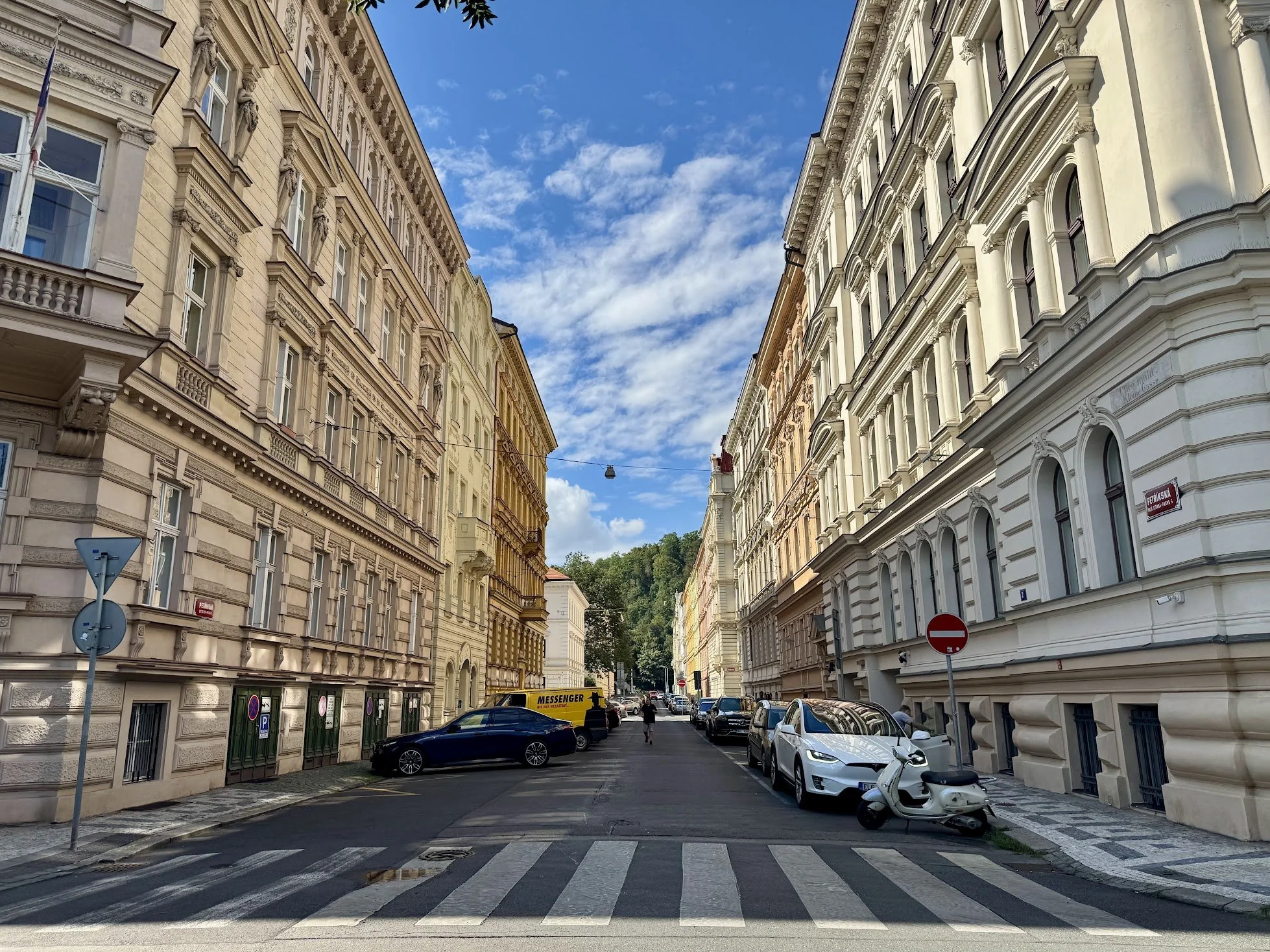
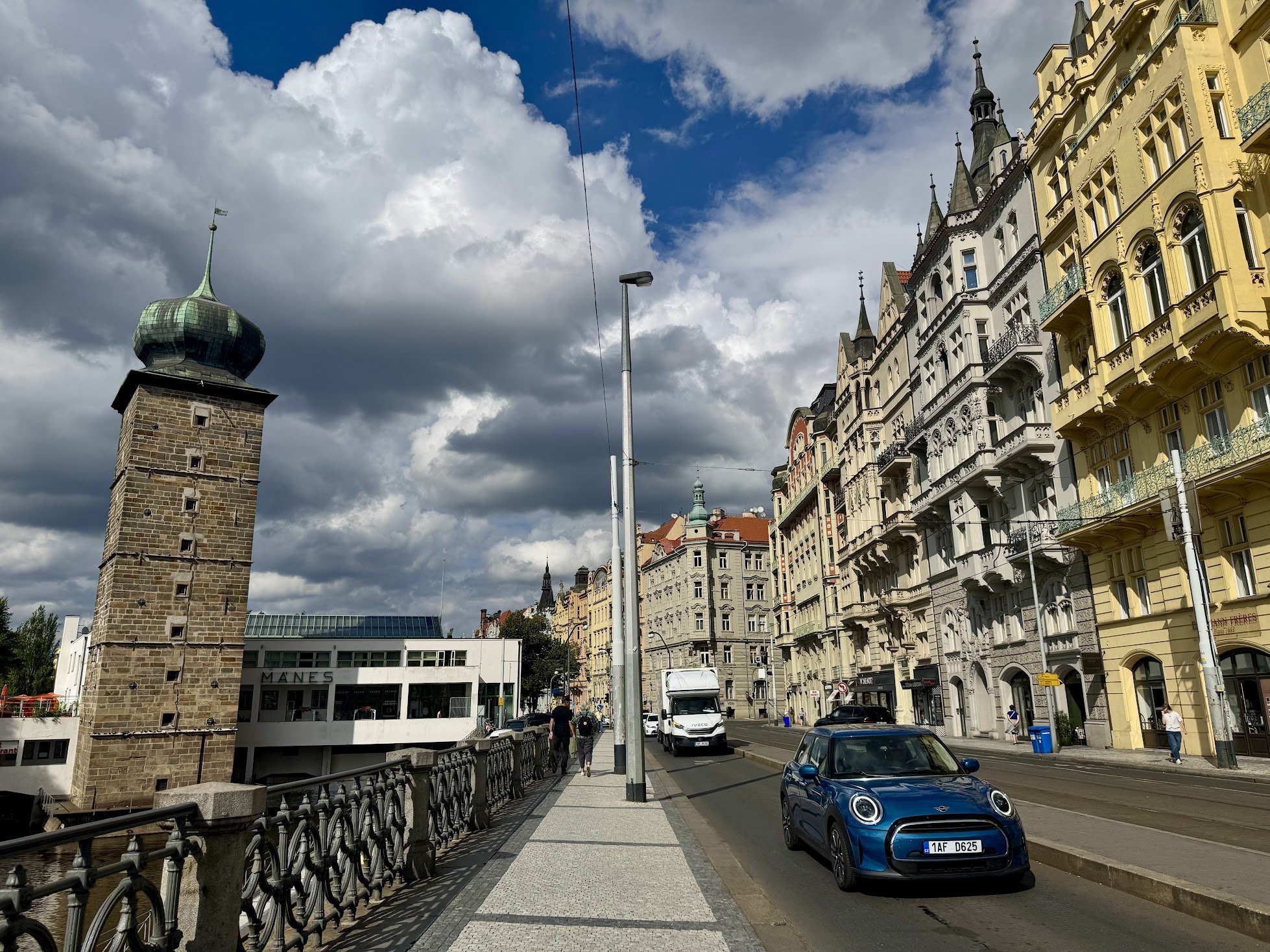
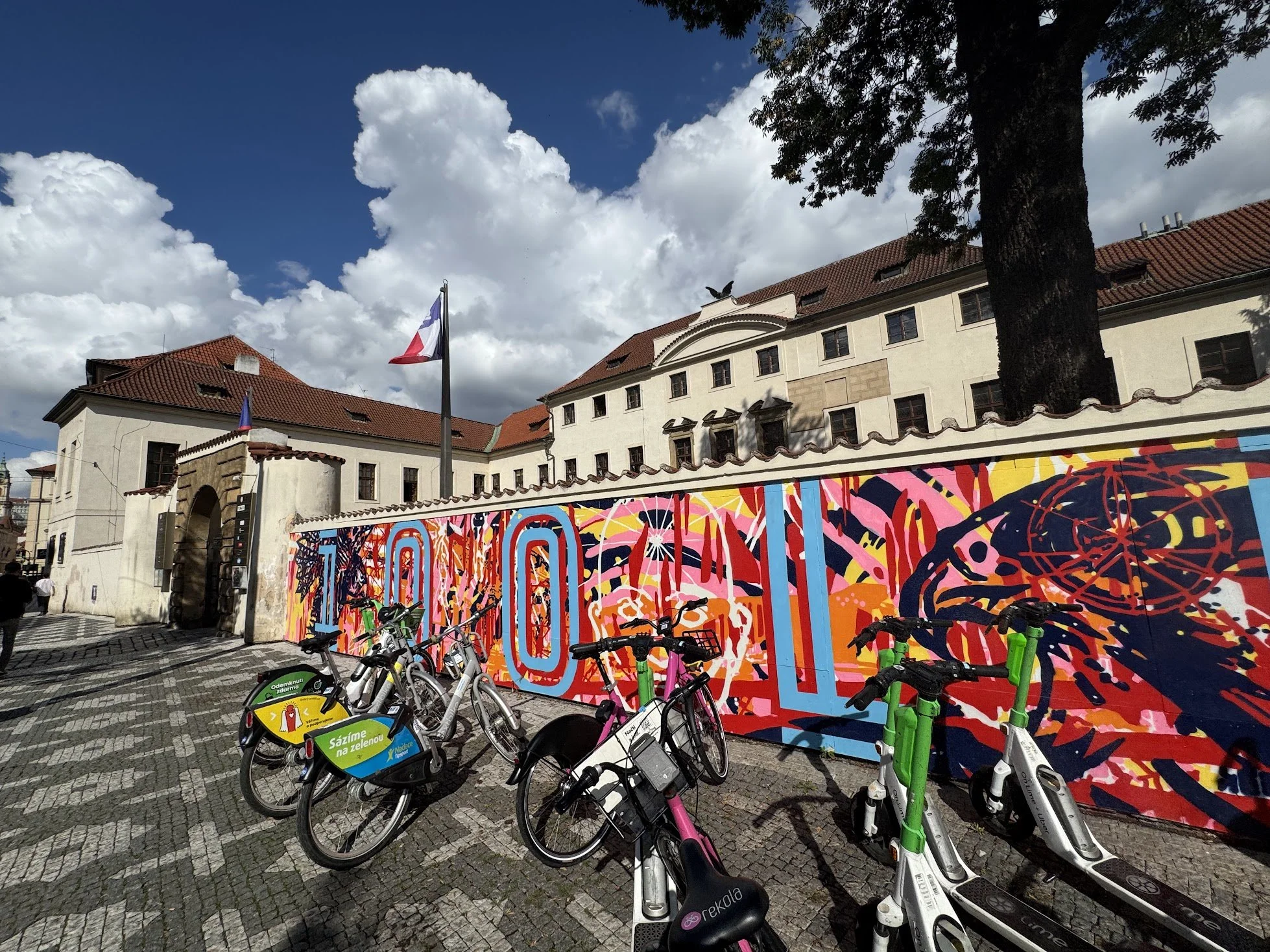
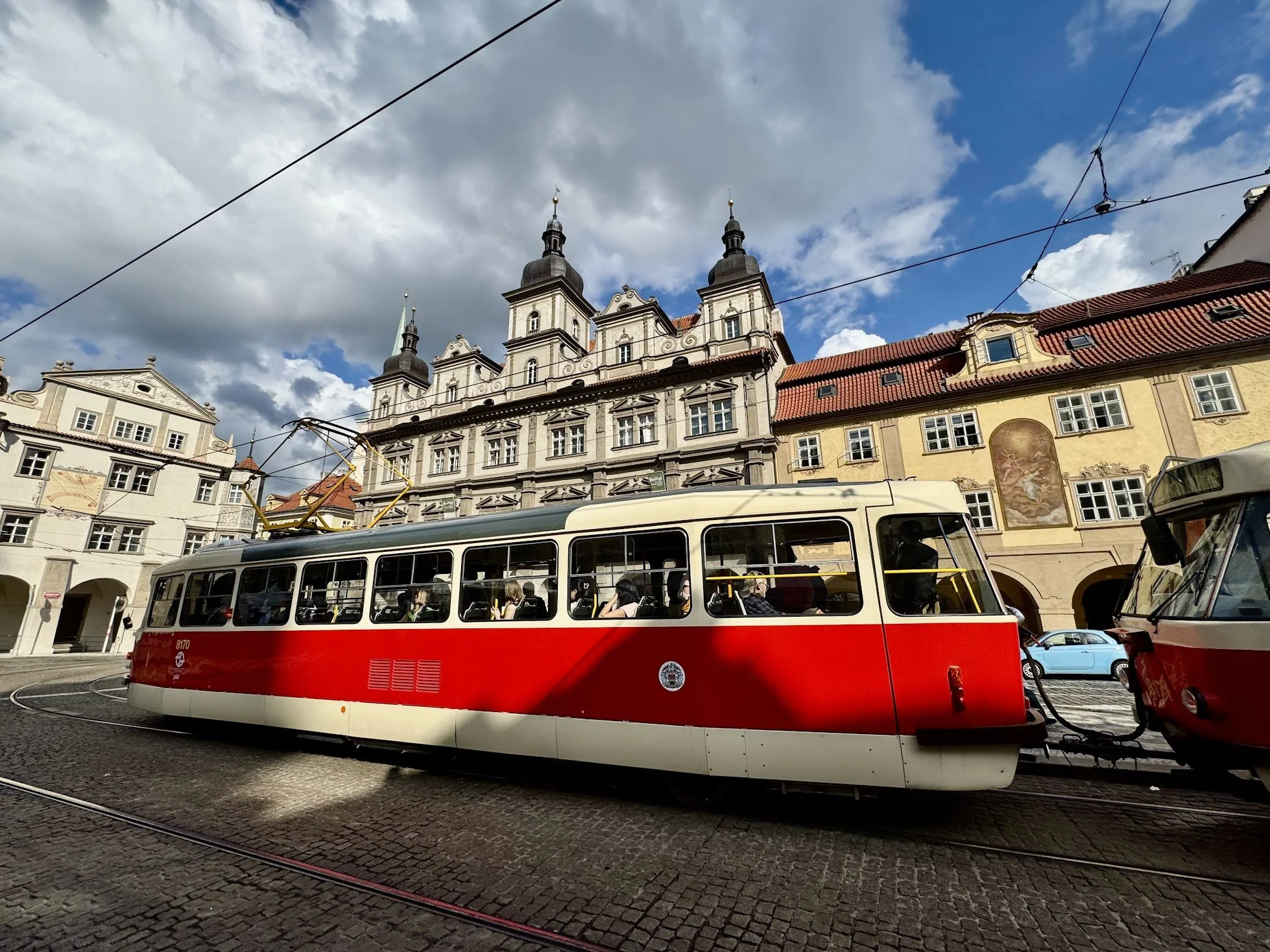
I stayed in Malá Strana, the historic neighborhood tucked beneath Prague Castle on the west side of the river. Compared to the busier energy of Old Town, Malá Strana felt quieter, calmer, and slightly more residential while still remaining within walking distance of nearly everything I wanted to see.
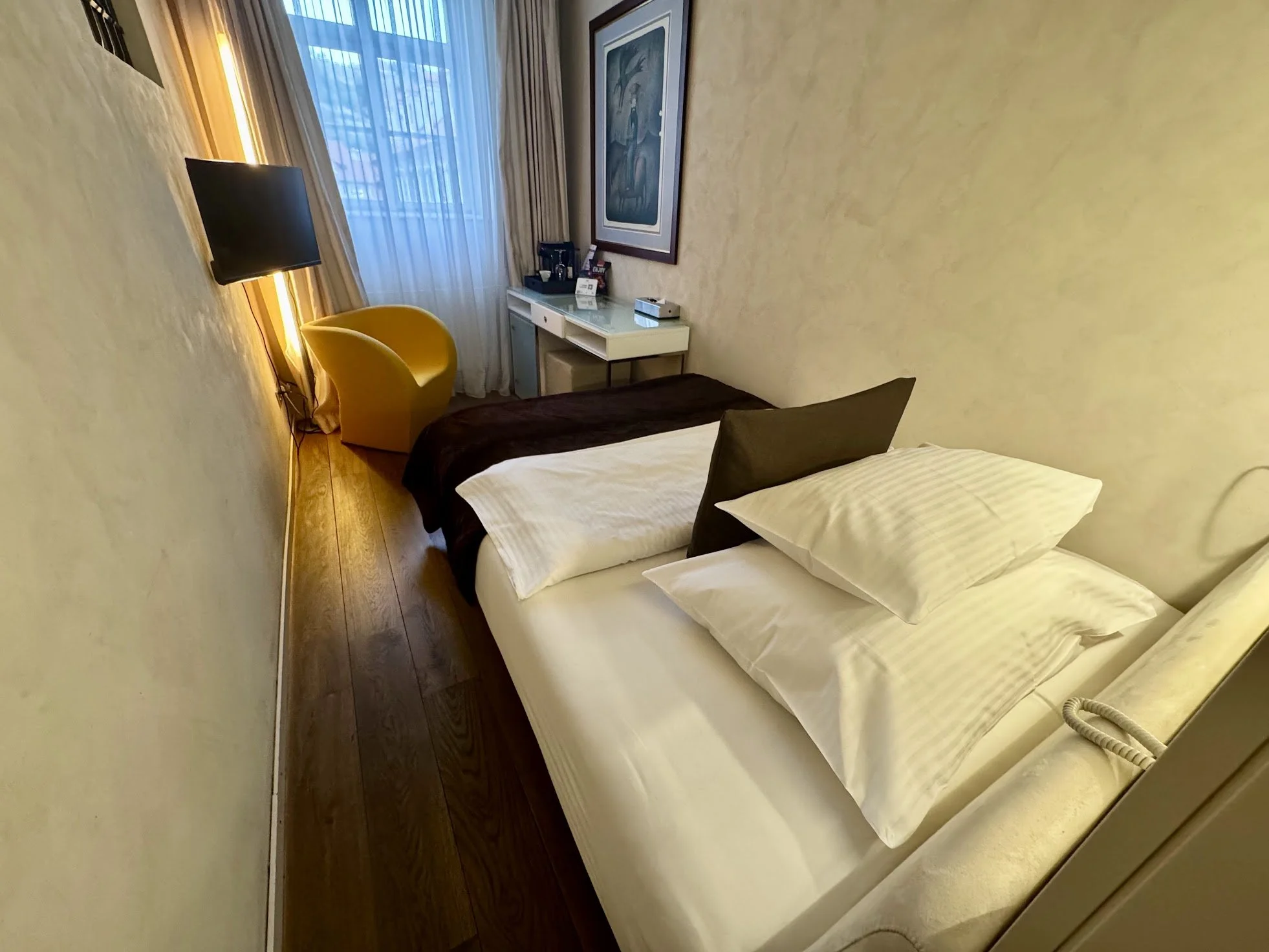
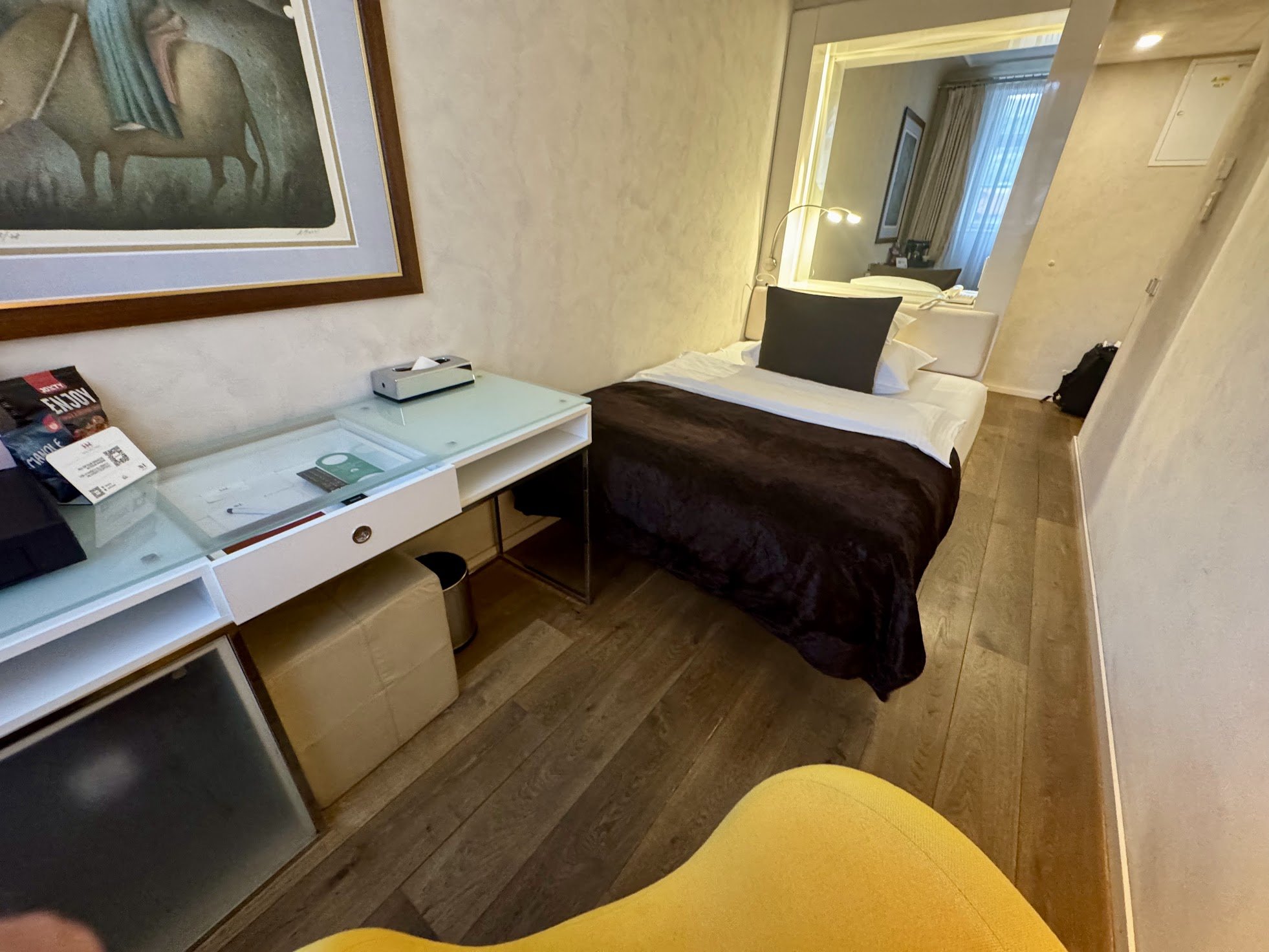
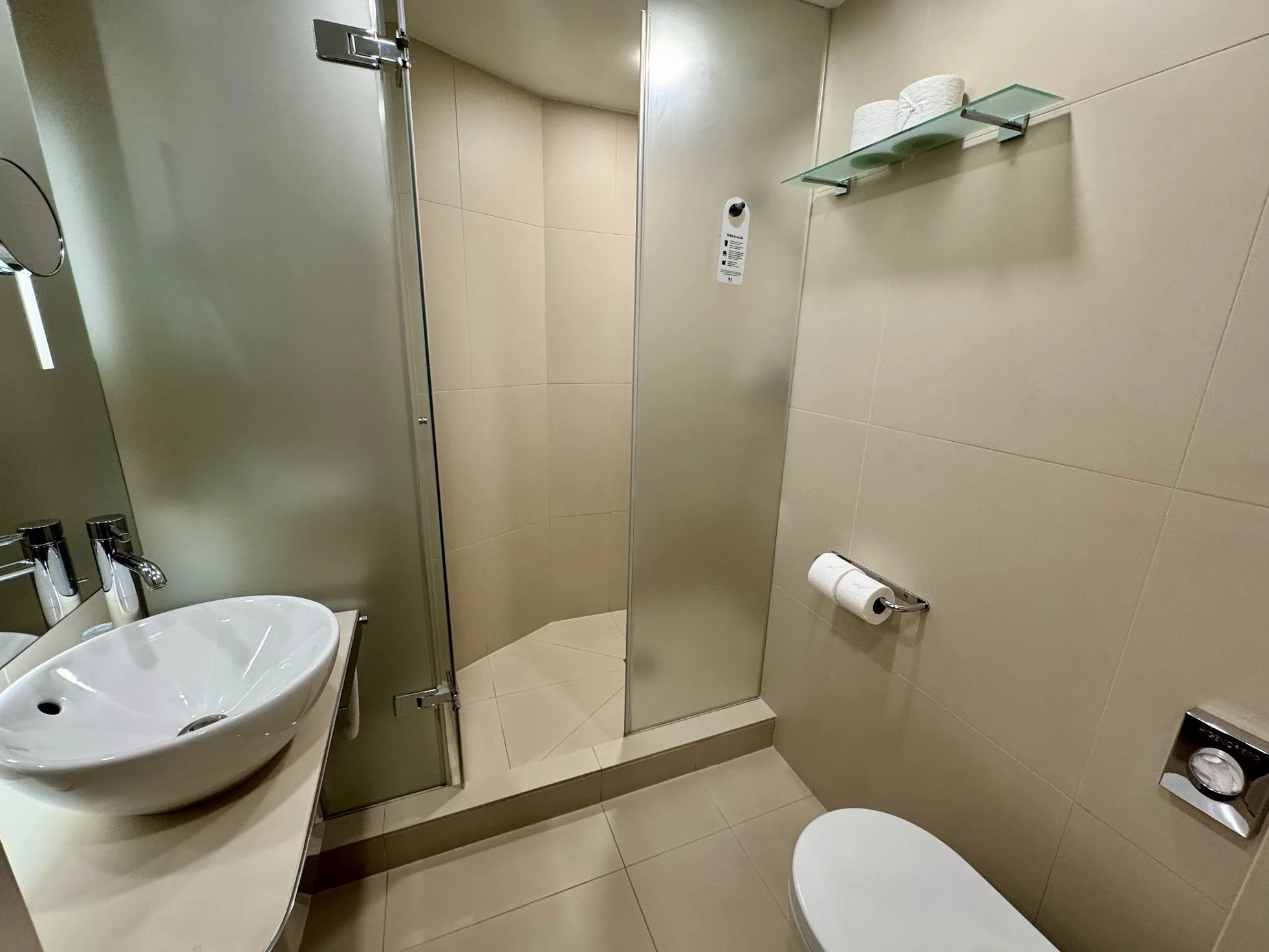
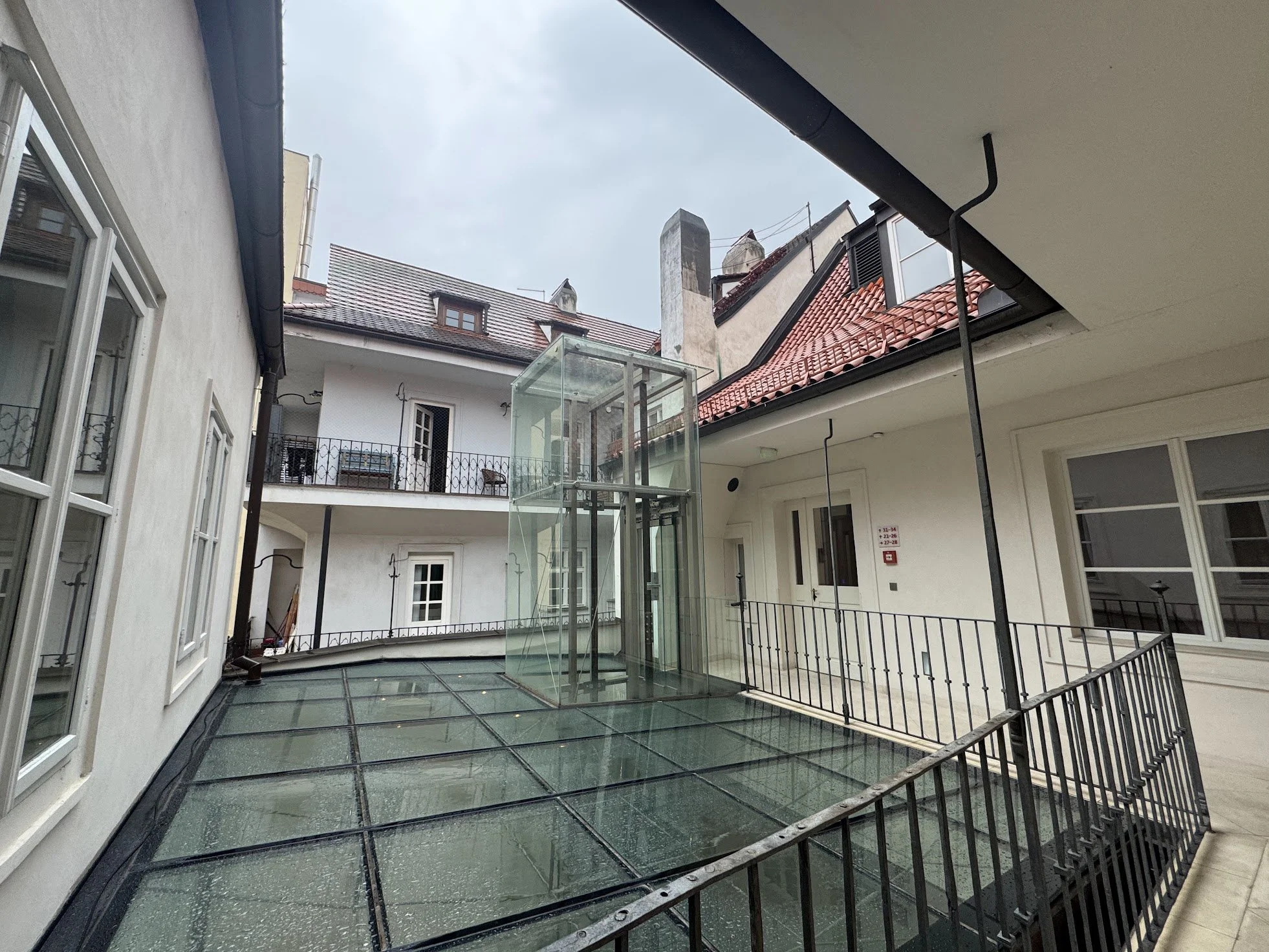
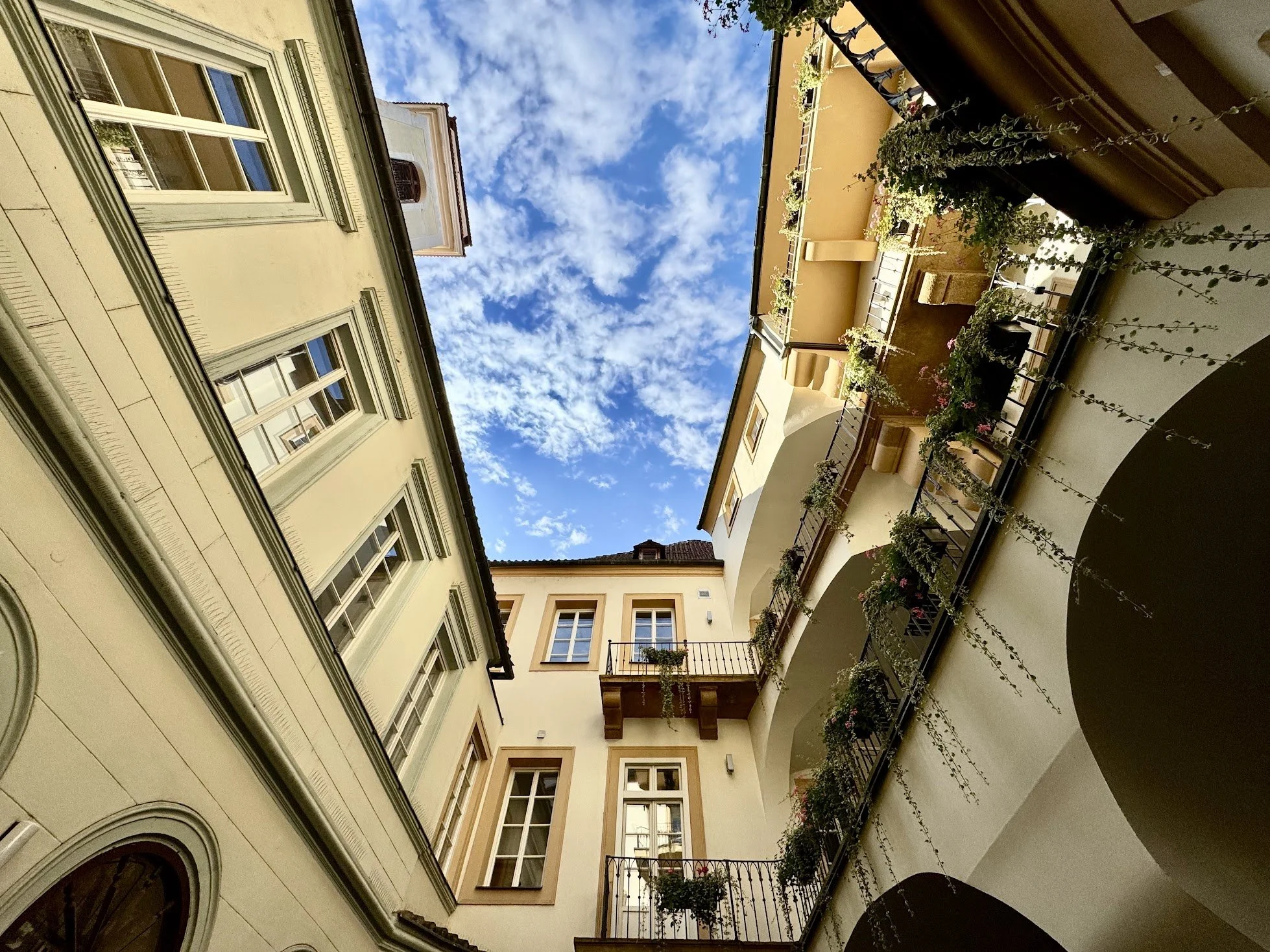
I stayed at Hotel Three Storks, a boutique hotel housed inside a building dating back to the 14th century. The hotel blended modern interiors with subtle historic details in a way that felt comfortable rather than overly themed. My Superior Single Room was compact but well-designed, and after weeks of near-constant movement, having a calm, functional space to return to each evening mattered more than I expected. Breakfast each morning included a generous buffet with eggs, fruit, breads, pastries, coffee, juices, and continental options, which was a reliable and easy way to start long walking days.
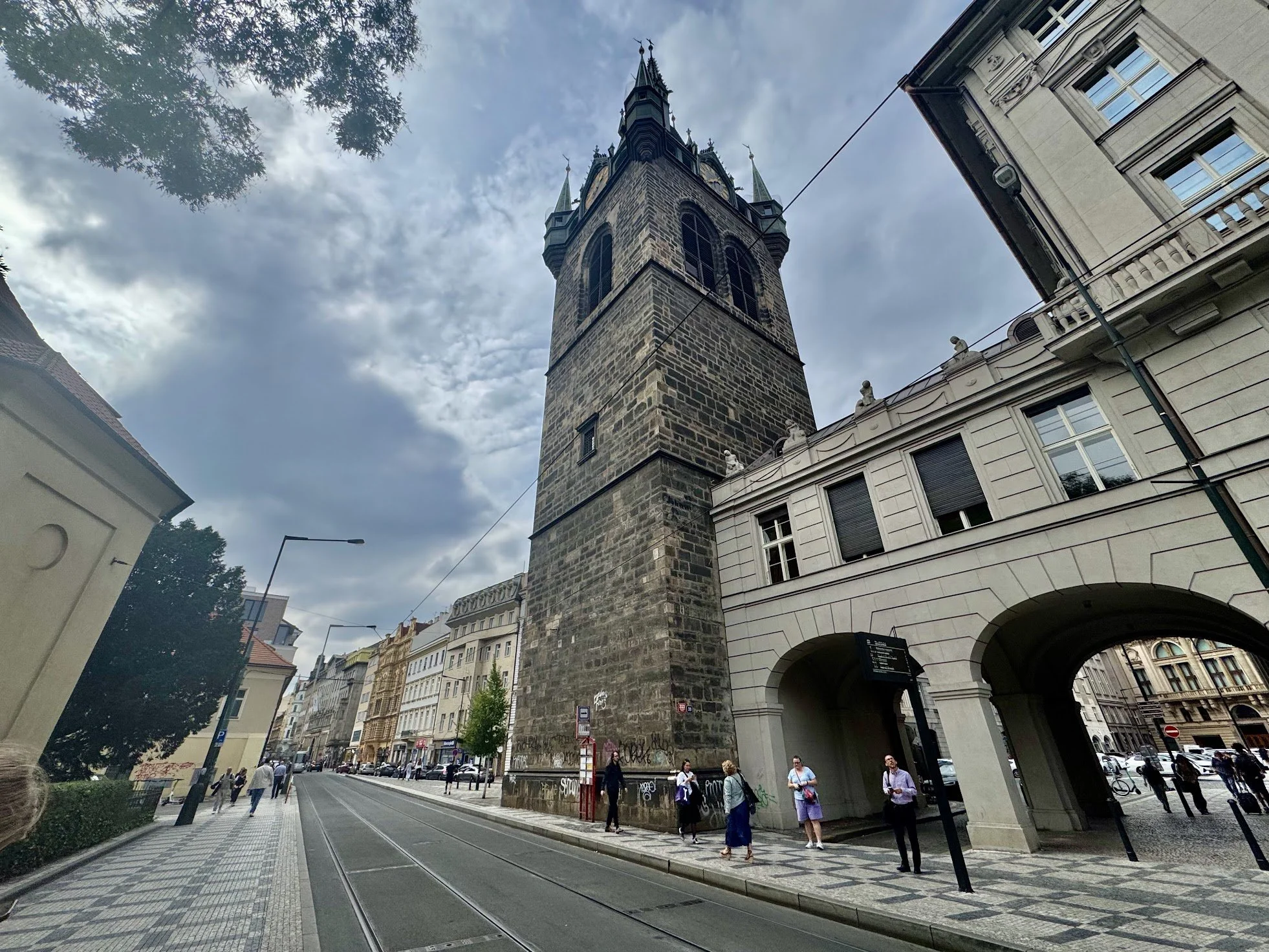
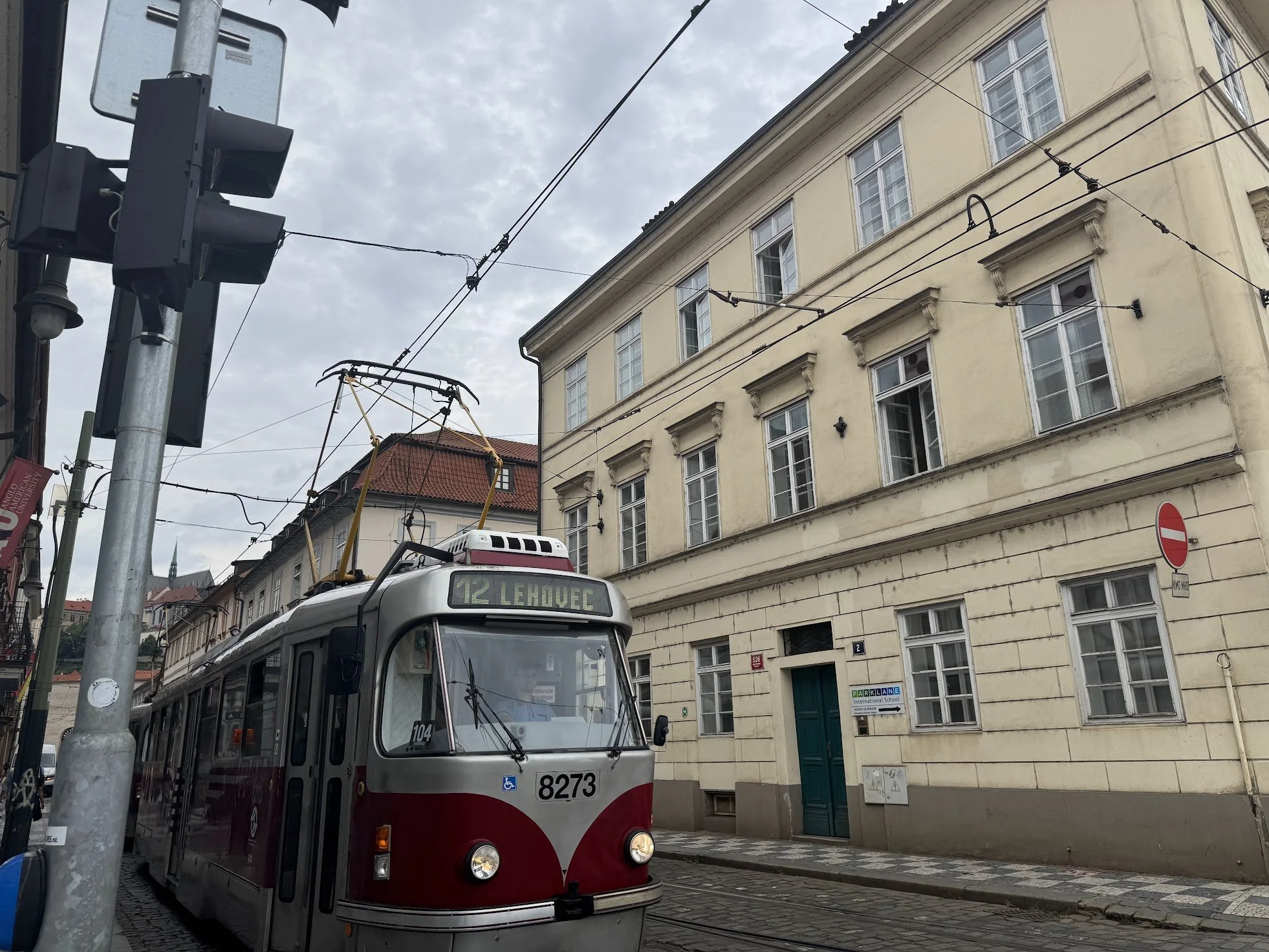
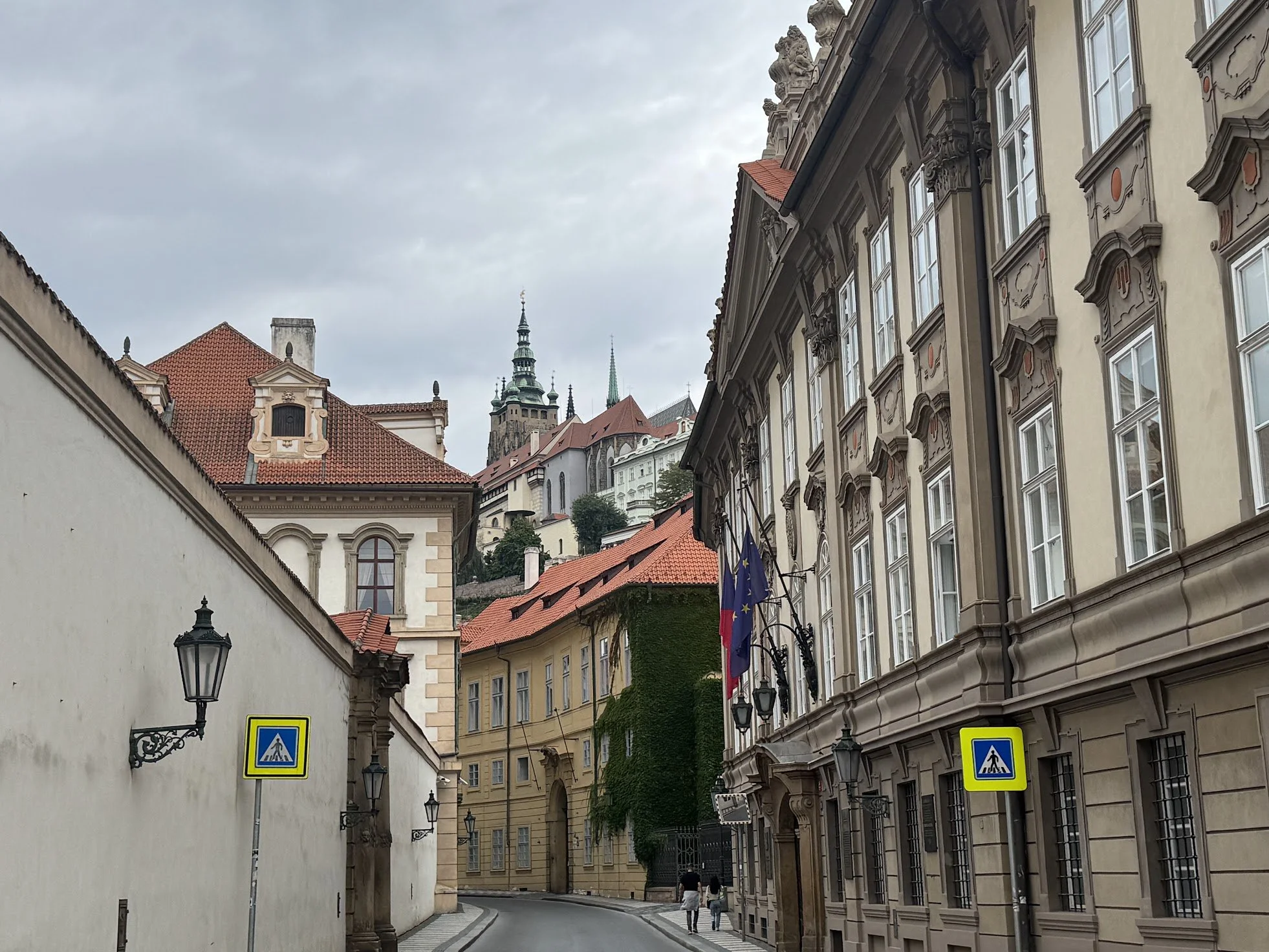
How I Spent My Time in Prague, Czech Republic: Steep Climbs, Sweeping Views, and Neighborhoods Worth Wandering
If you’ve read some of my earlier posts, you probably already know my arrival routine by now. Whenever possible, I like to walk from the train station to my hotel—even when carrying 75lbs of luggage. By the time I arrive, I’m usually overheated, disheveled, and desperately in need of a shower before doing anything else.
Prague followed the same pattern.
After getting settled and figuring out my dinner plan for the evening, I headed out for a short walk through Malá Strana before calling it an early night. With two full days ahead of me, Prague felt like a city I could settle into a little more gradually instead of trying to conquer immediately.
The next morning, I was up early and ready to explore.
Prague Castle & Hradčany Square
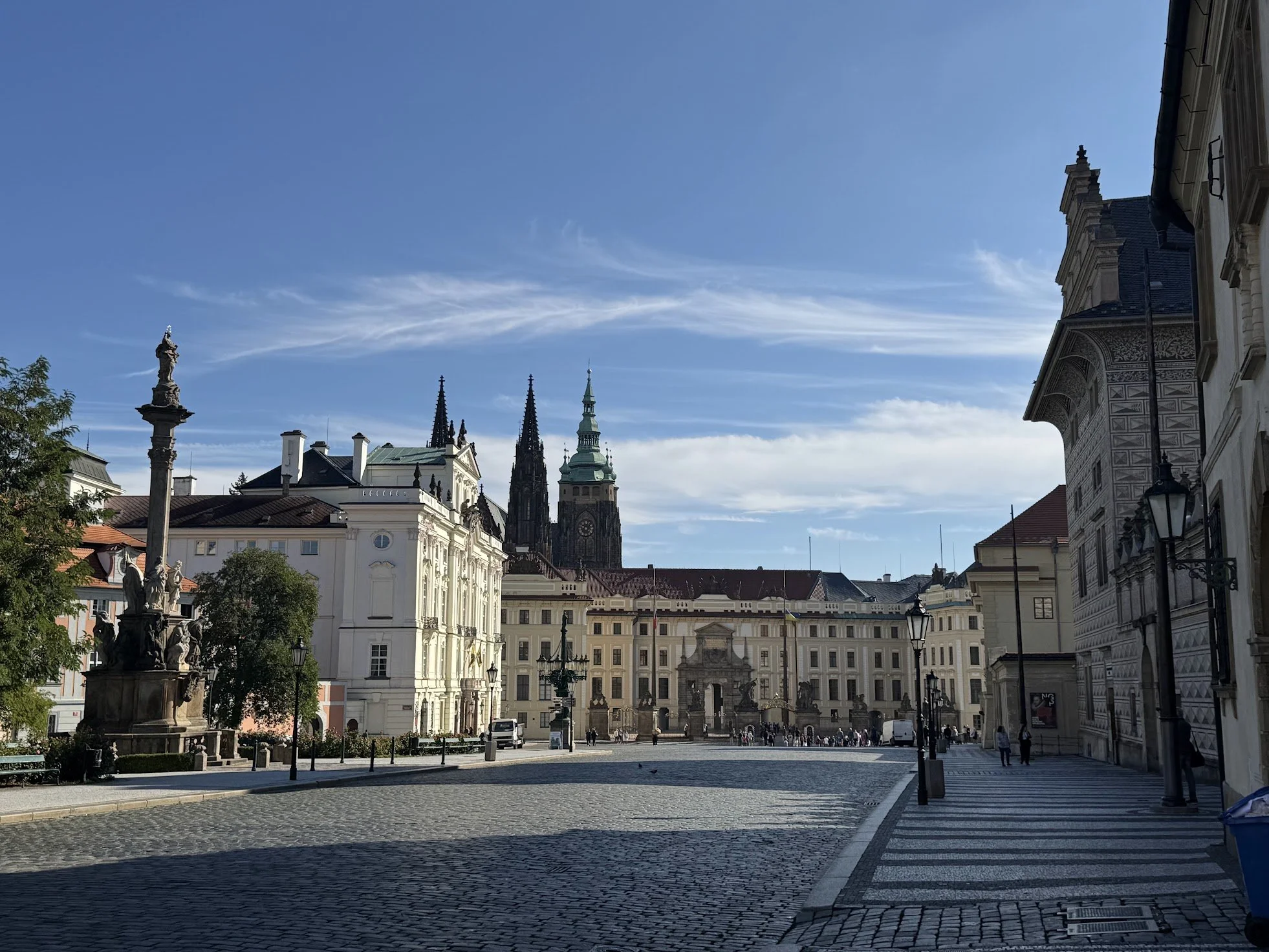
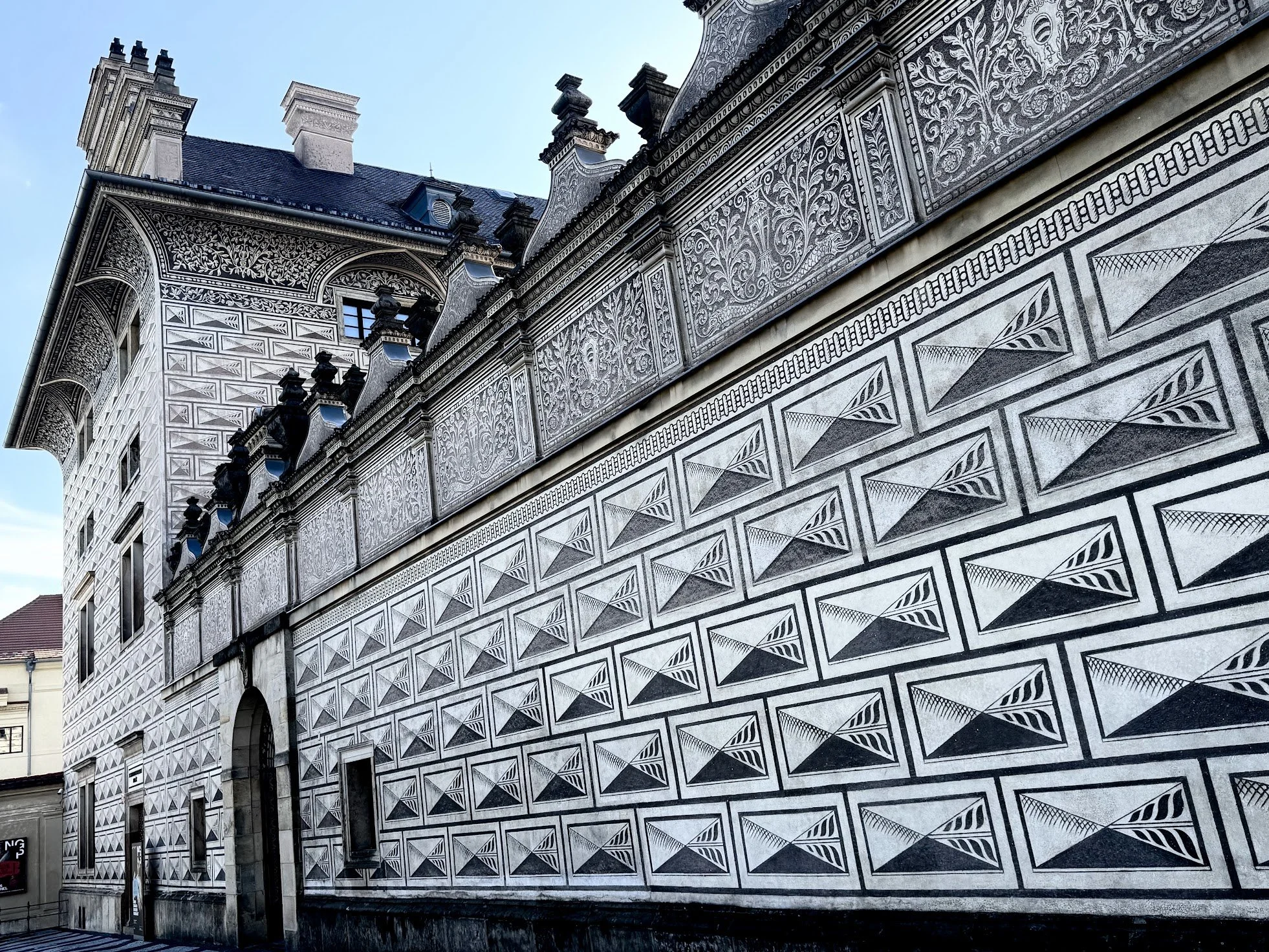
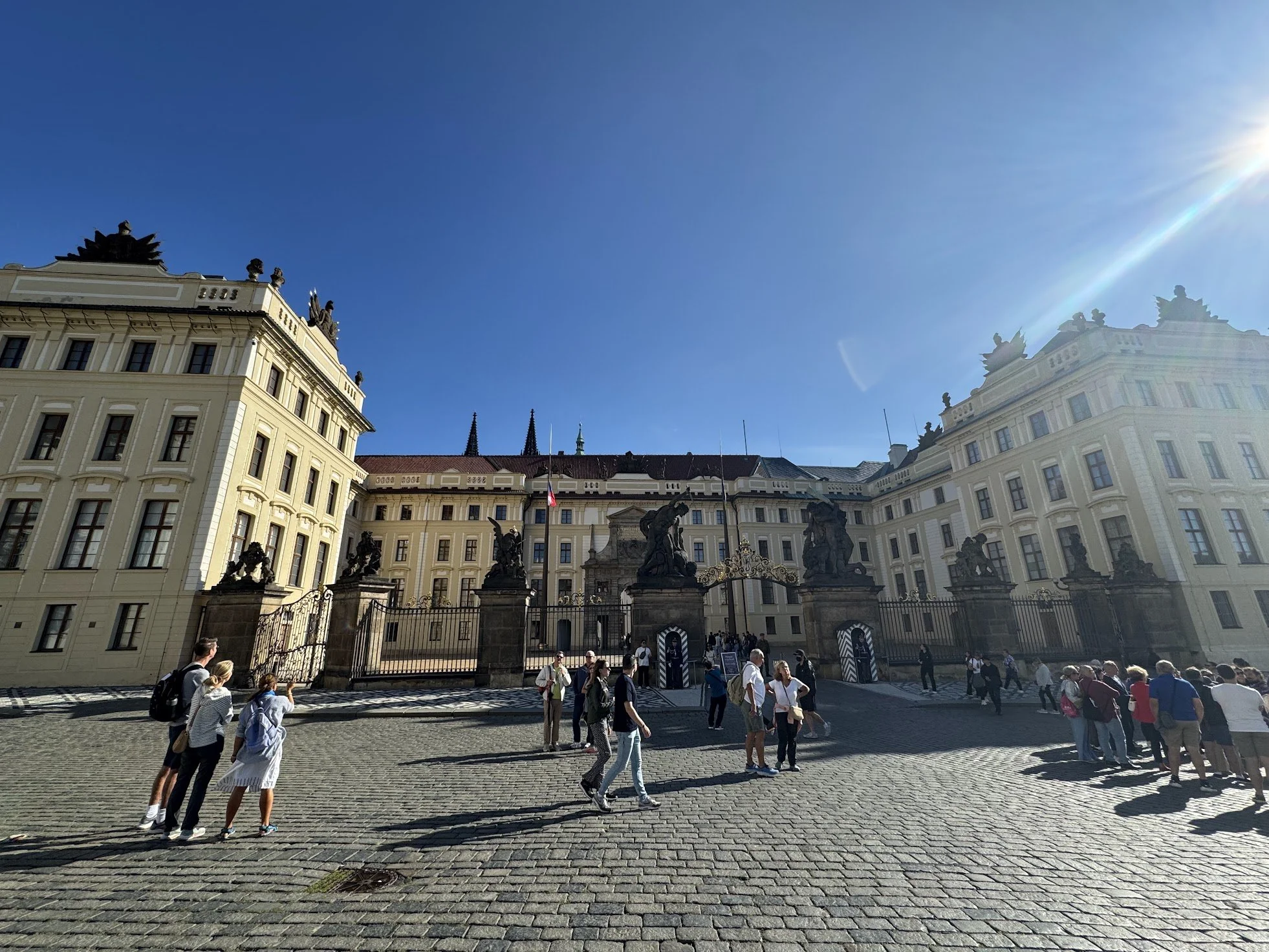
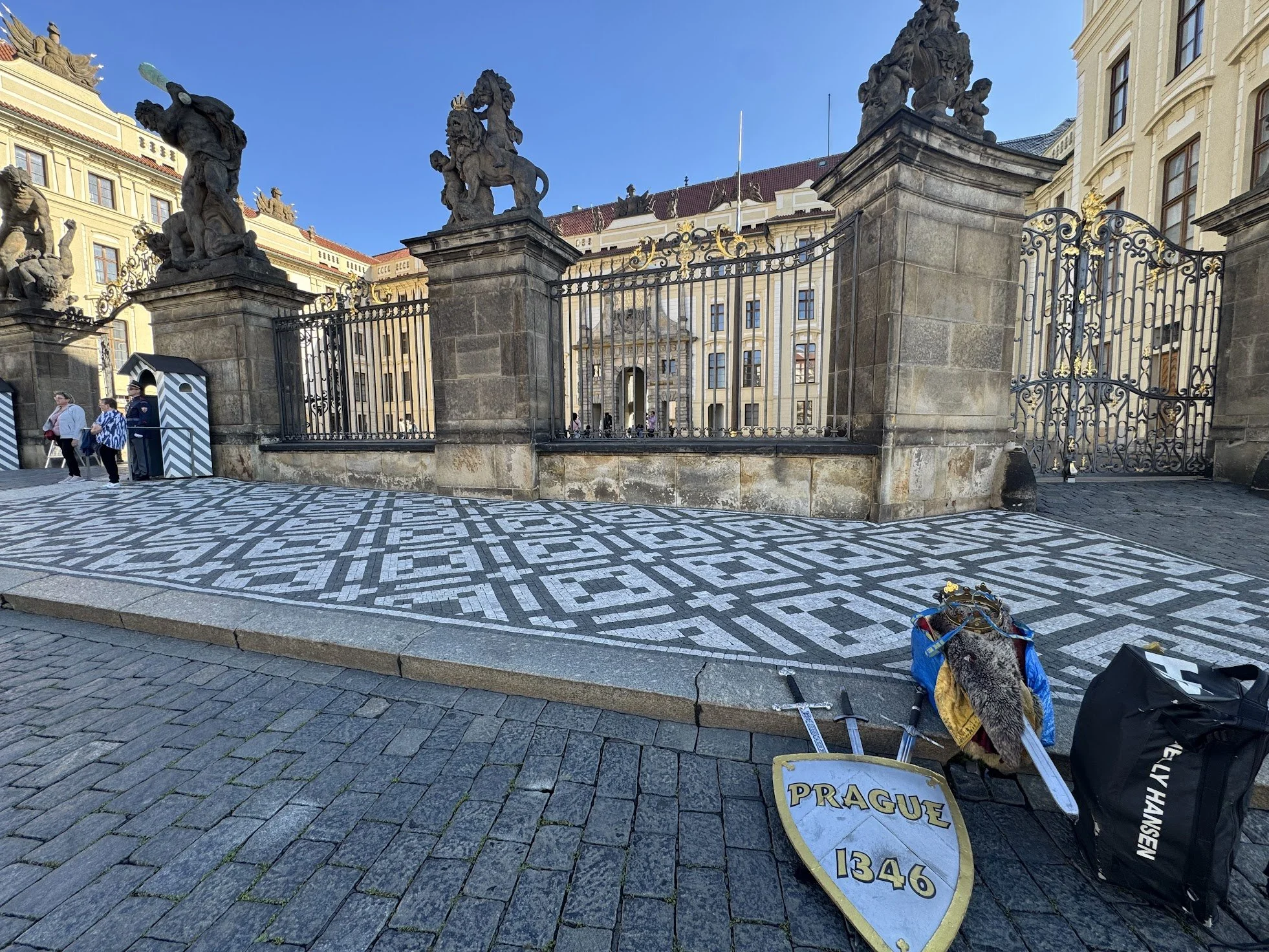
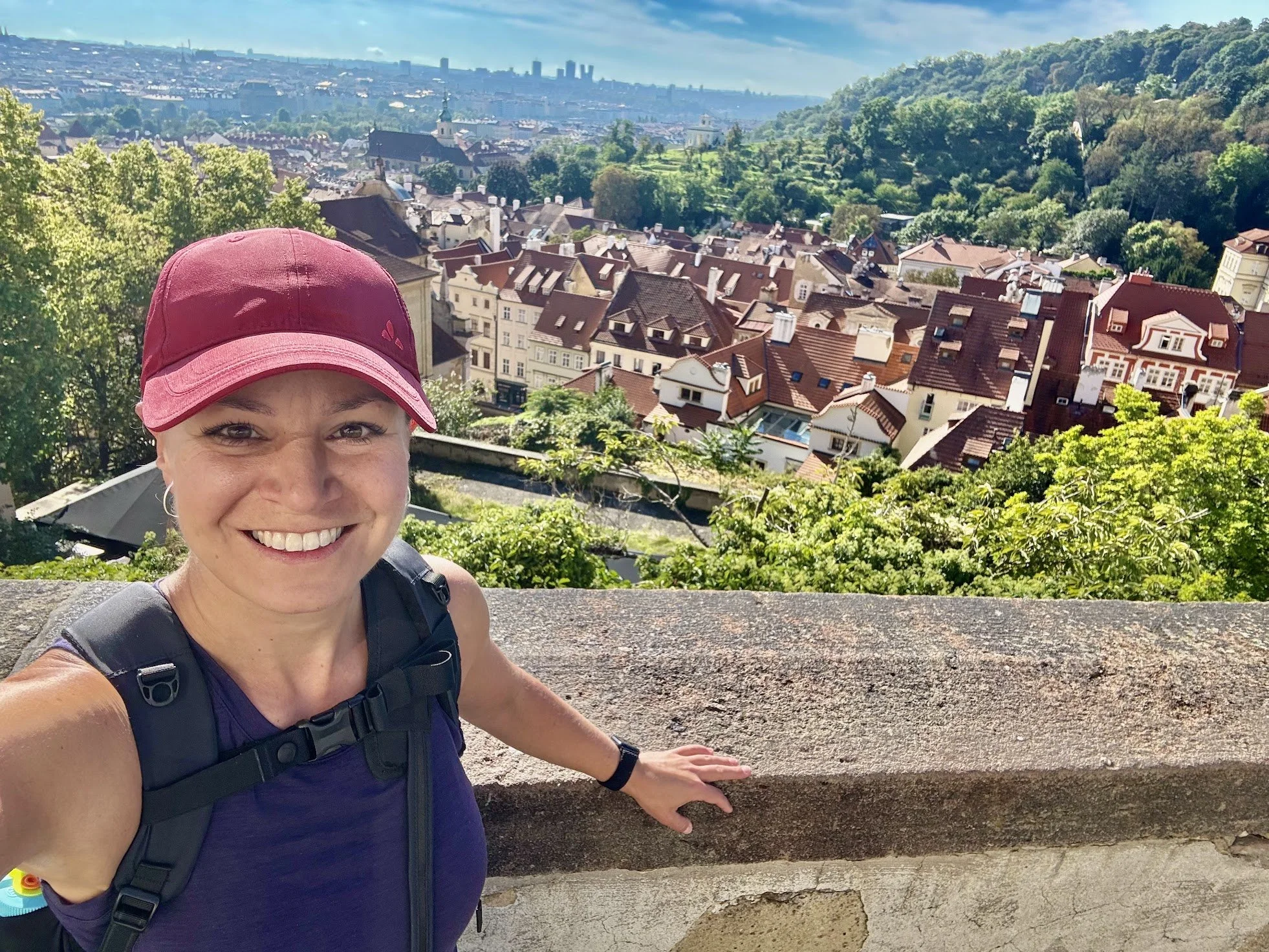
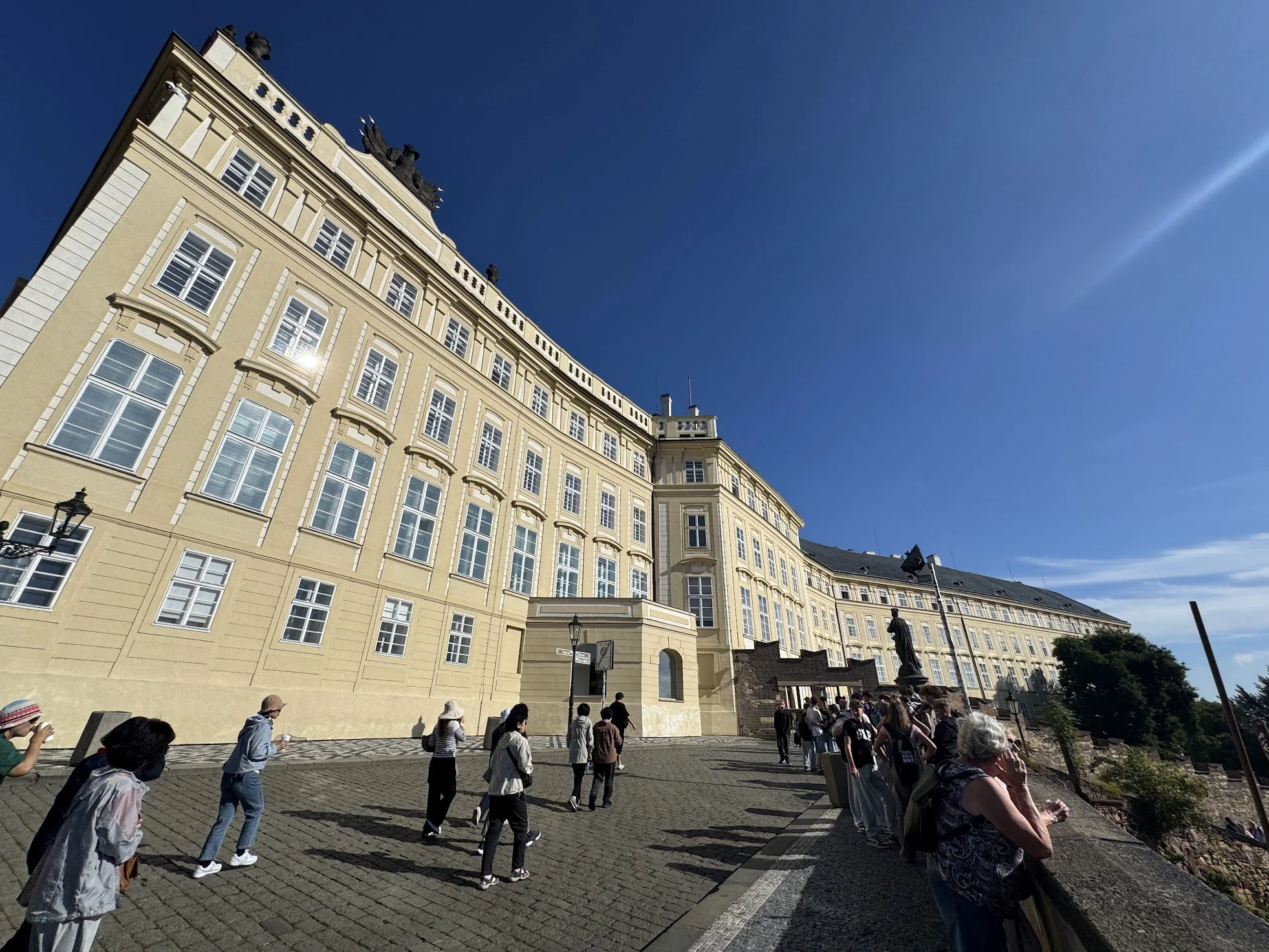
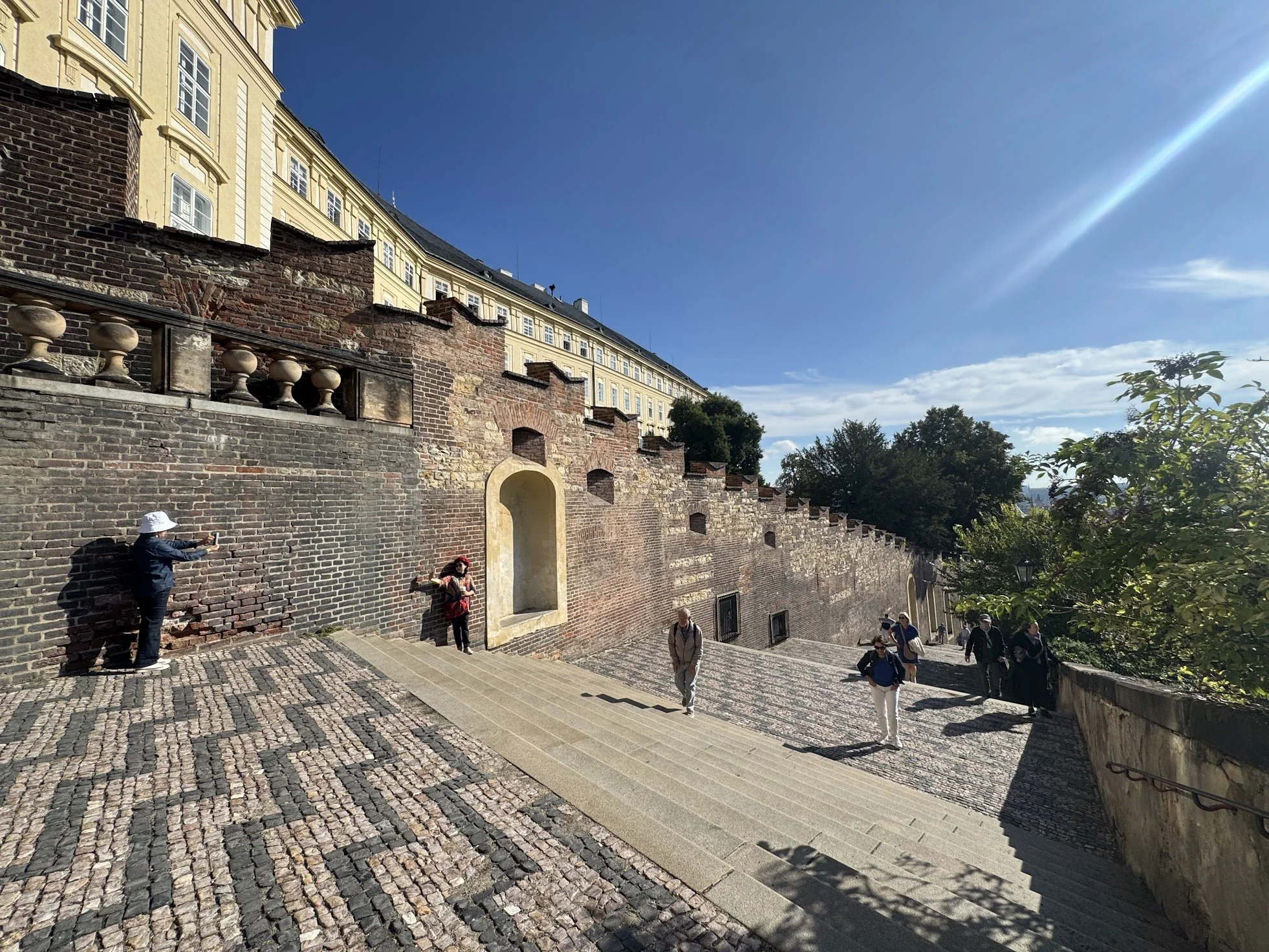
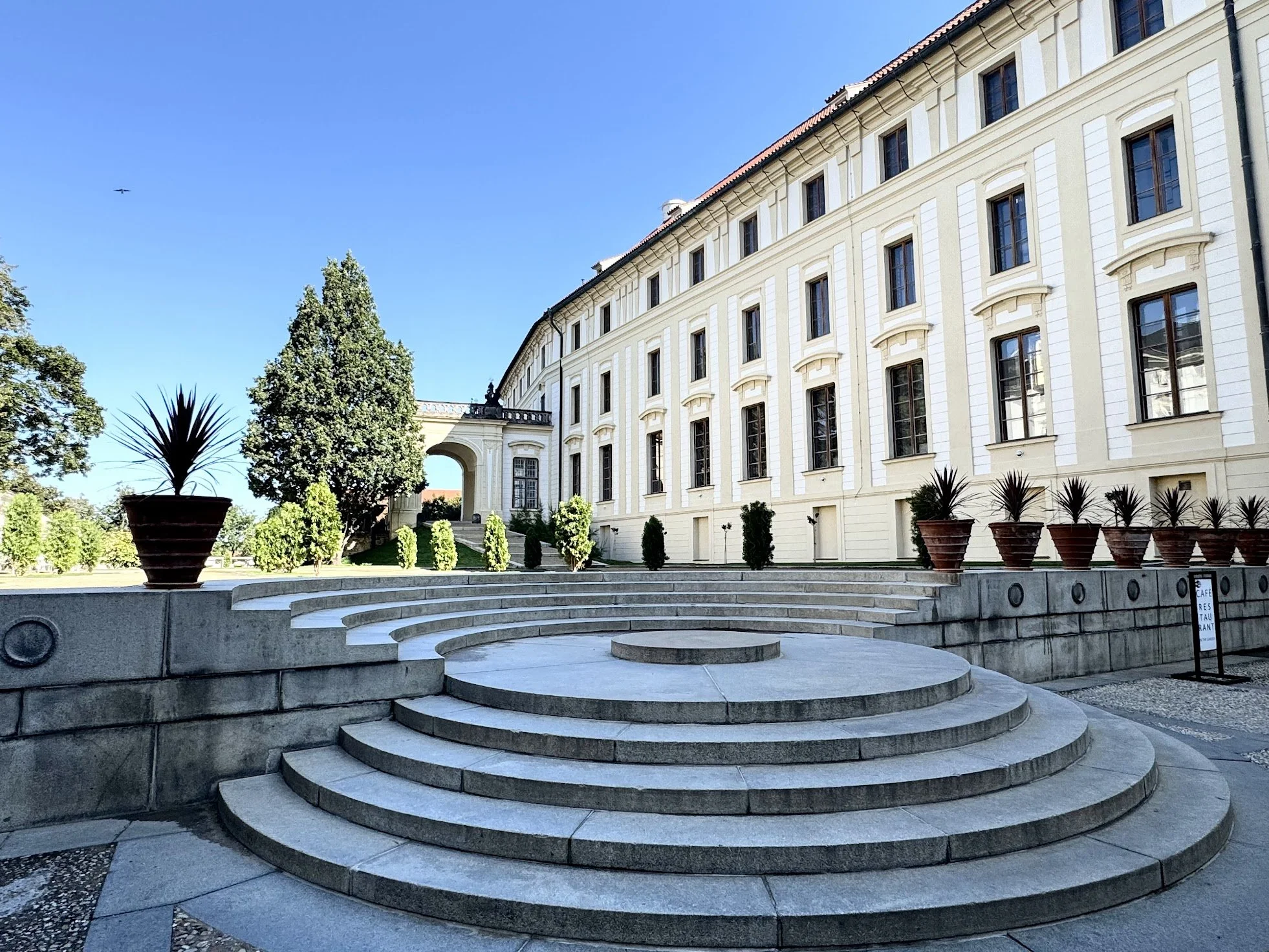
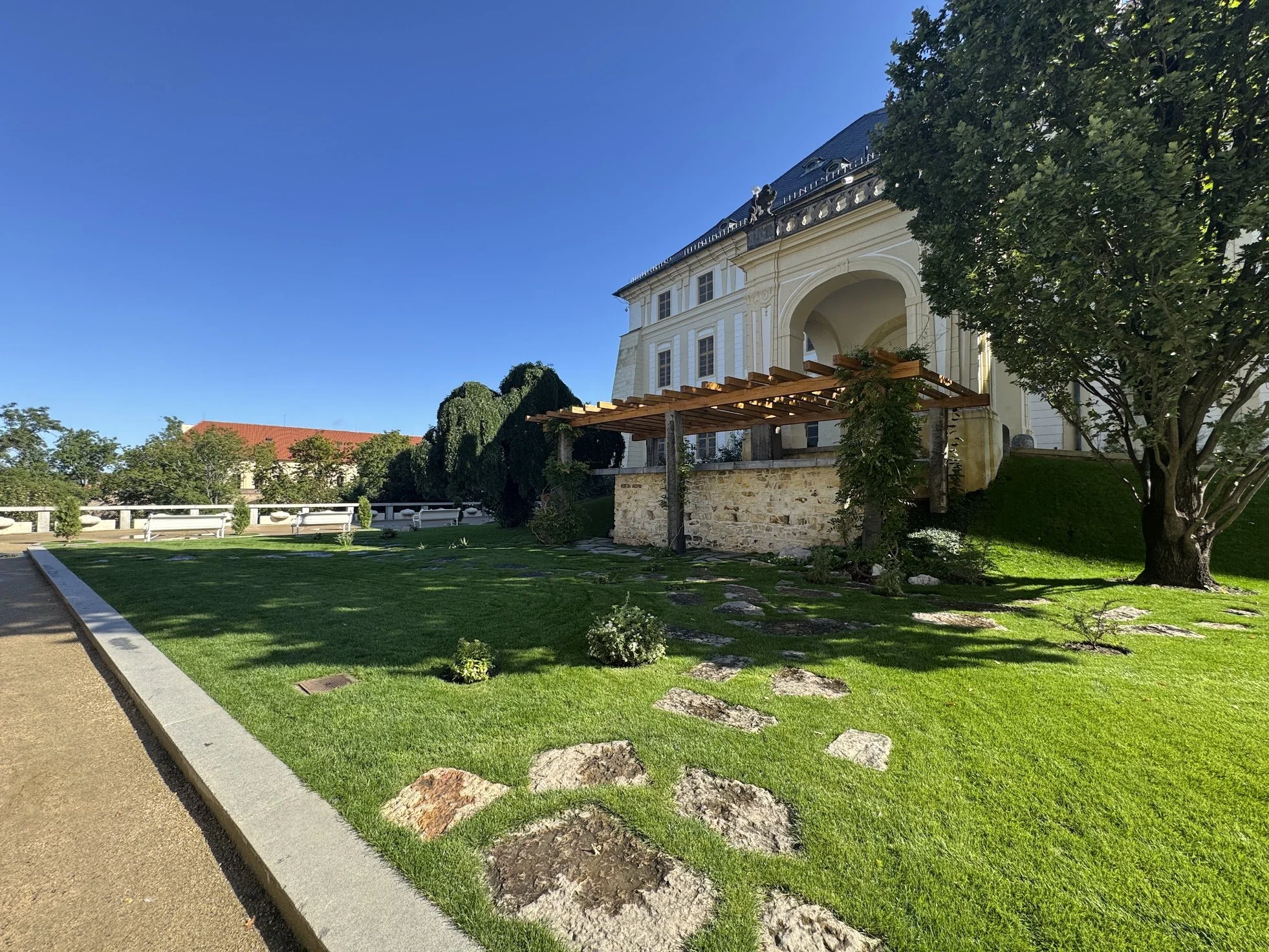
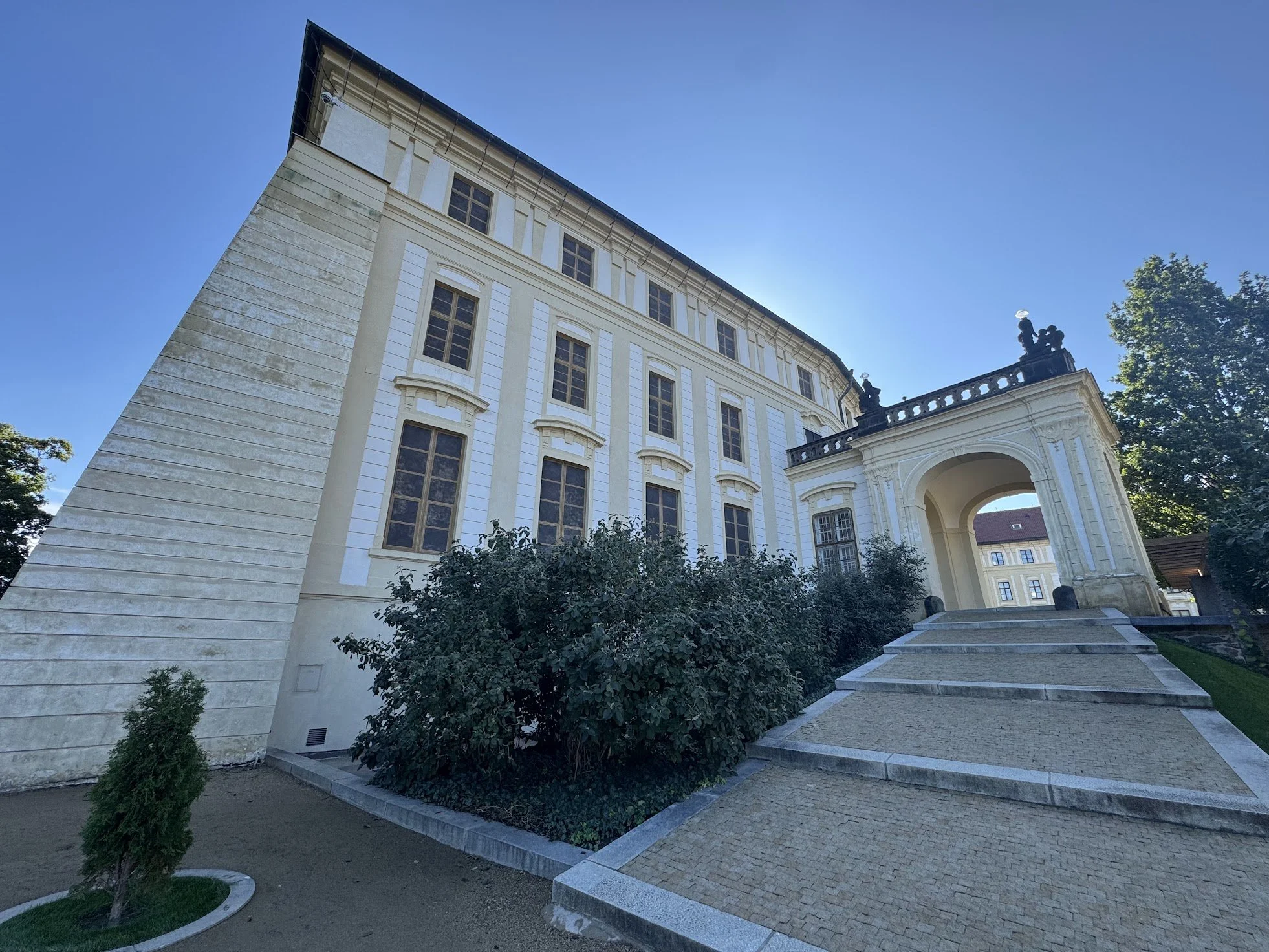
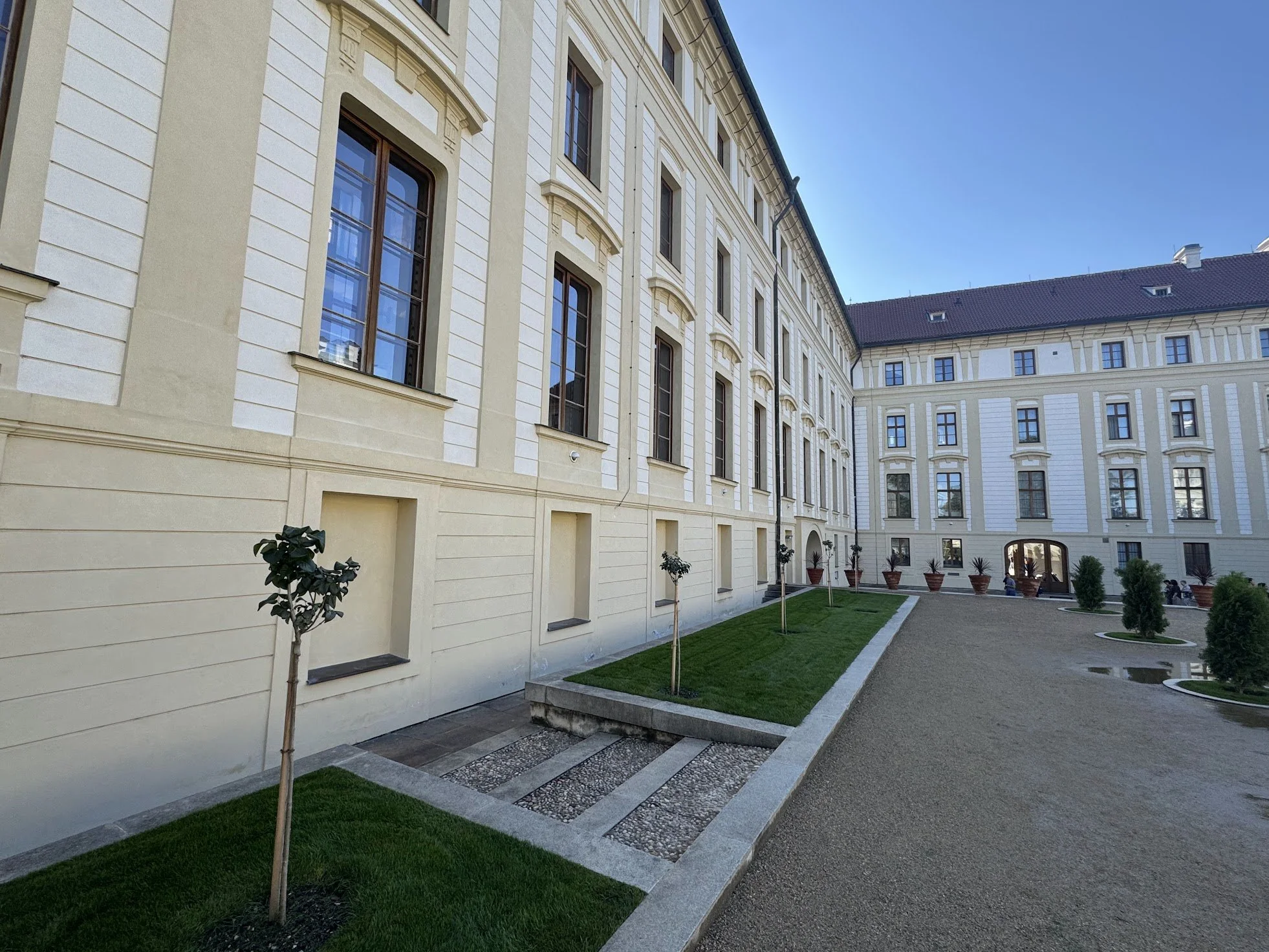
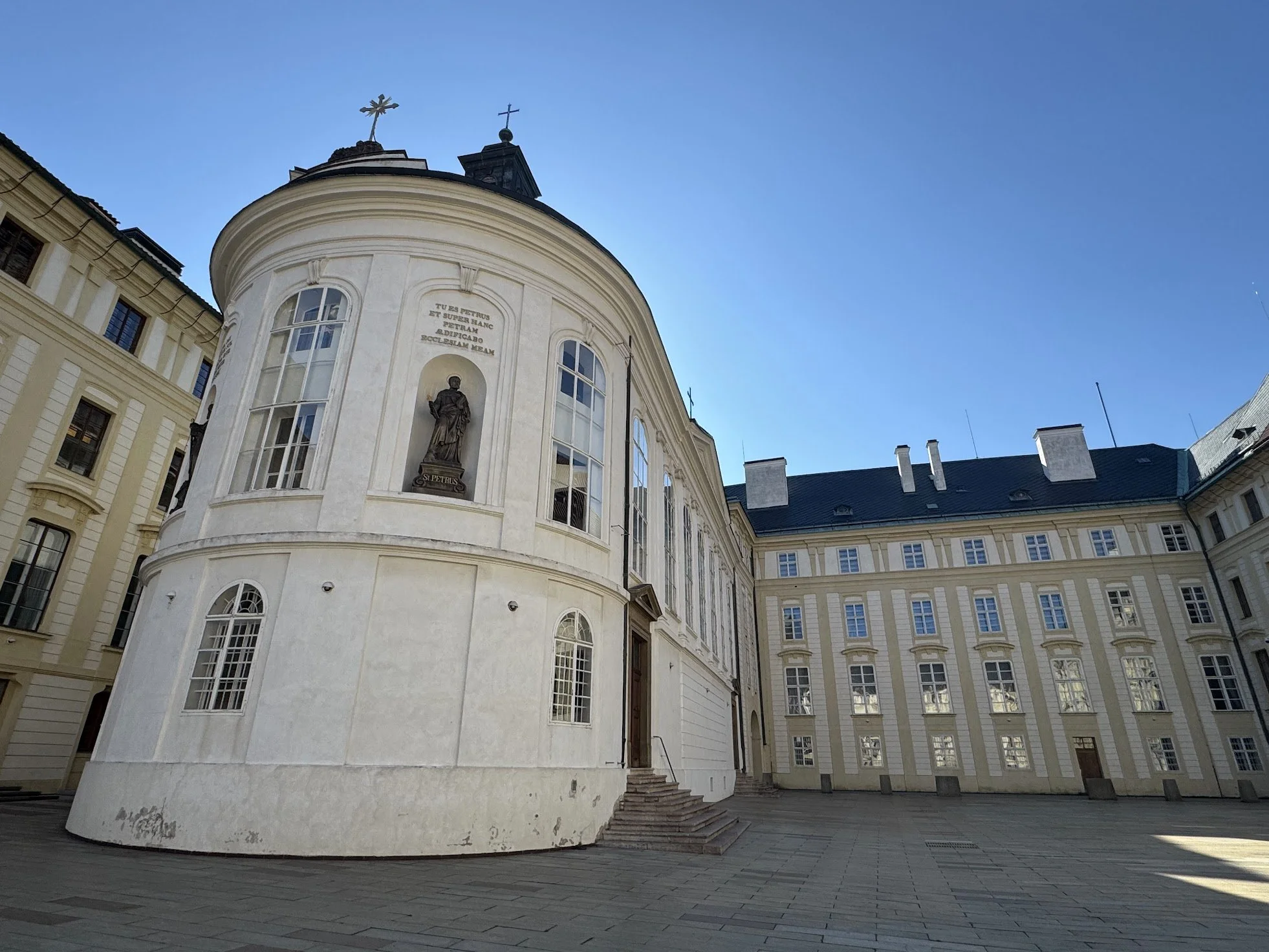
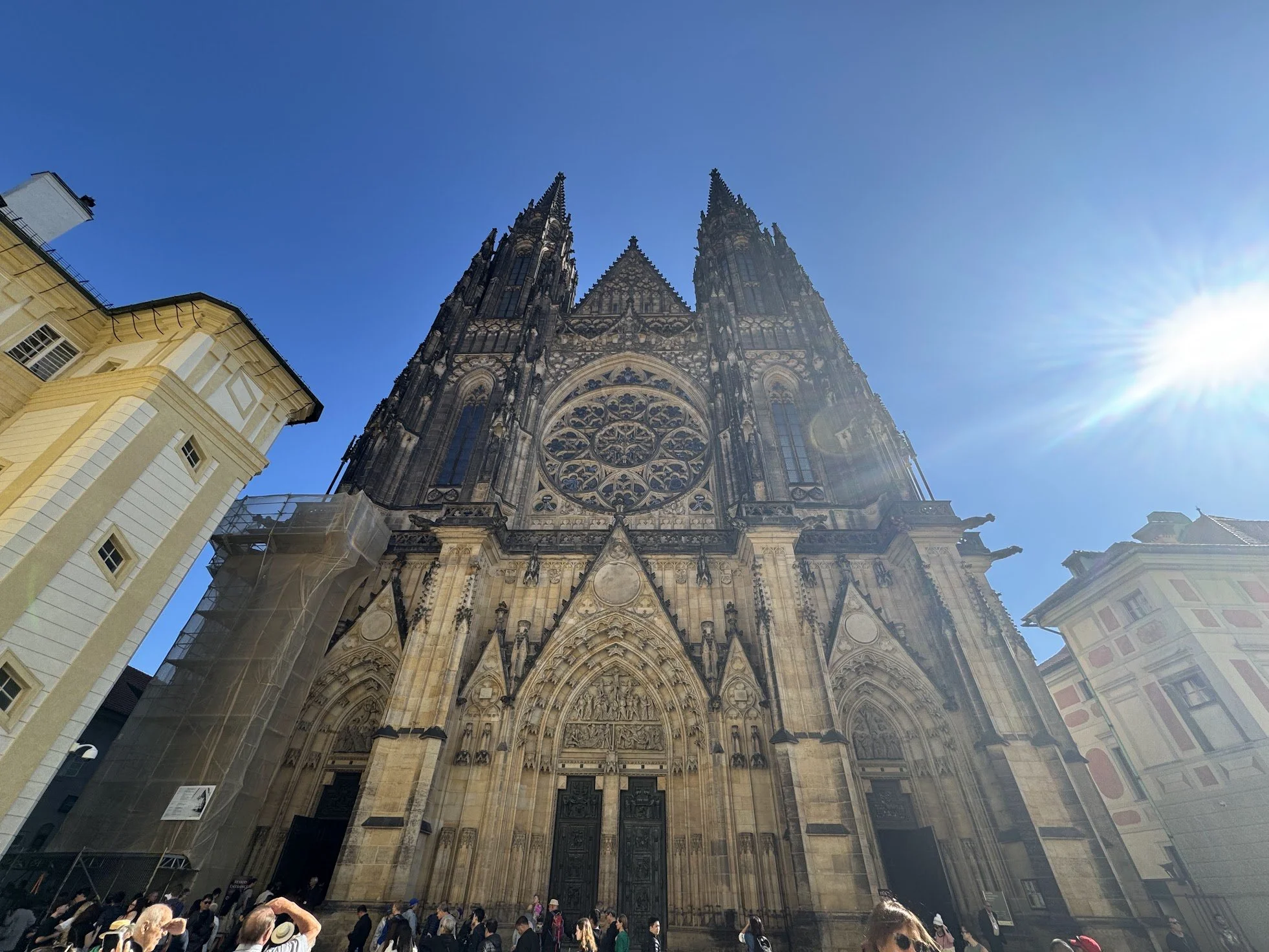
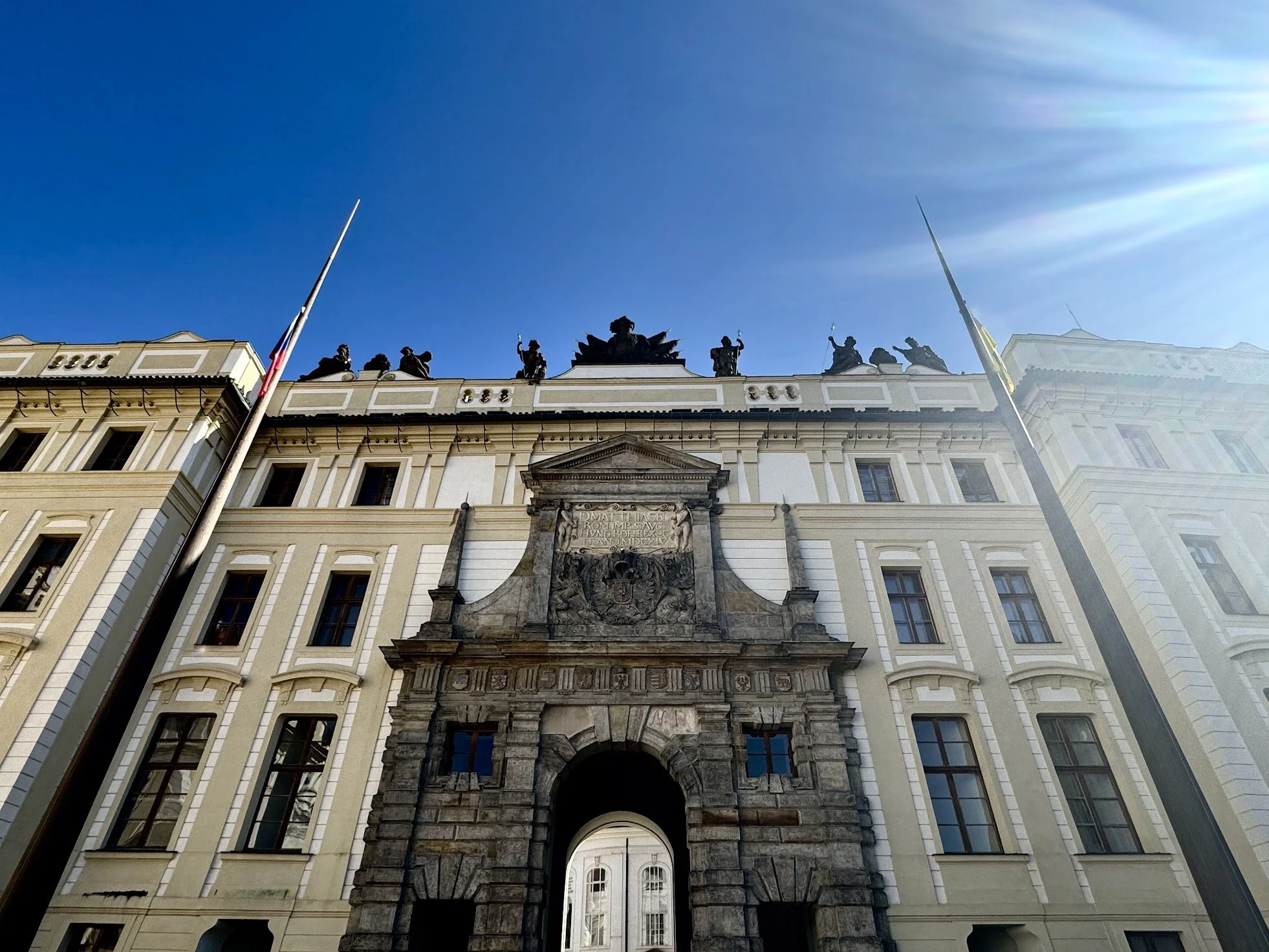
I started in Hradčany Square, the large ceremonial entrance area leading into Prague Castle. The scale of the complex becomes obvious almost immediately. Between the courtyards, cathedral towers, security lines, and constant movement of tour groups, the area can feel overwhelming at first. But as a solo traveler, I found it relatively easy to slip between crowds and move at my own pace.
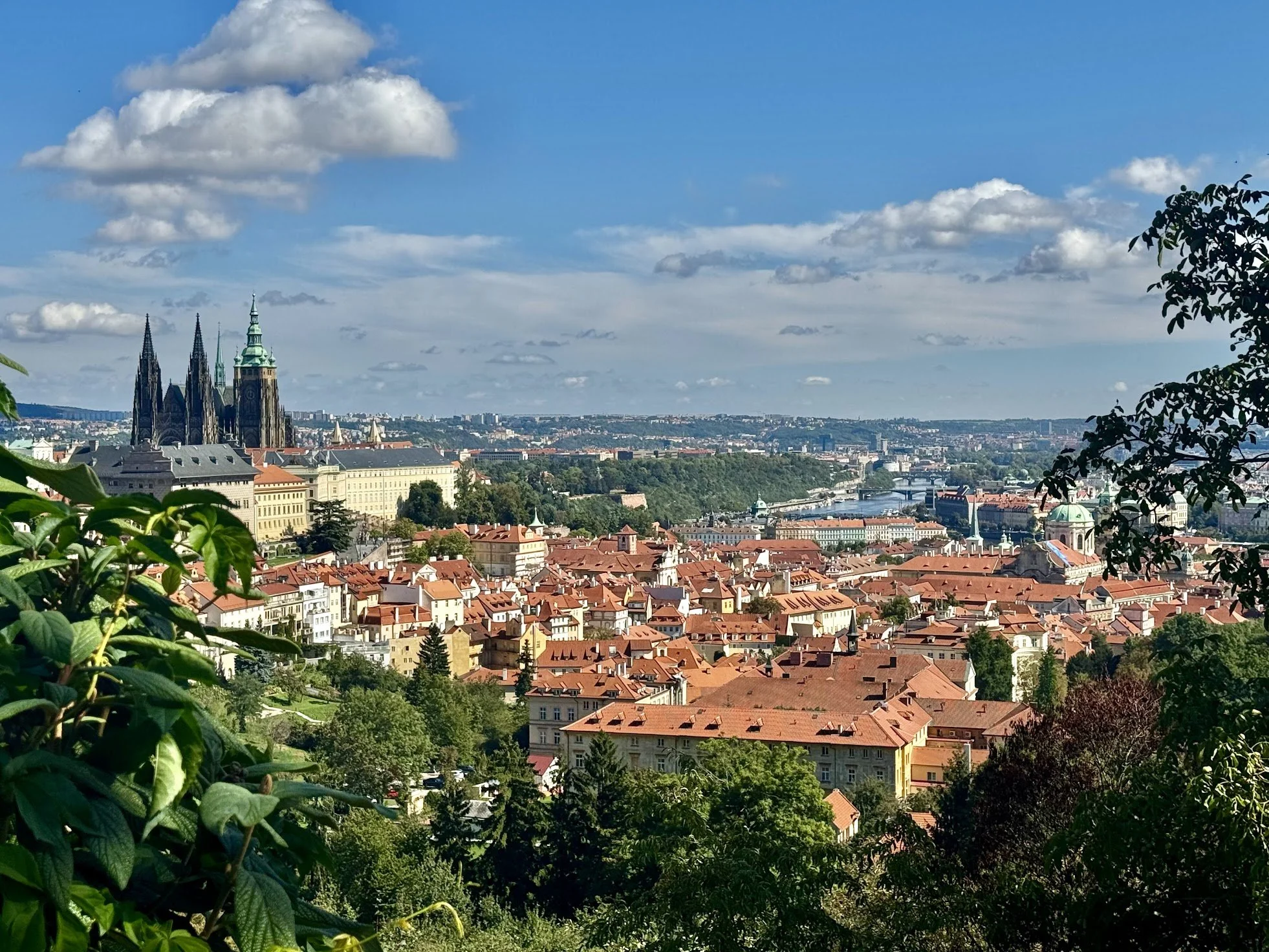
From the square, there are sweeping views overlooking Prague’s rooftops and riverbanks, giving you an immediate sense of how layered and expansive the city really is. Inside the castle complex, I spent time around St. Vitus Cathedral, whose Gothic towers dominate the skyline from nearly every direction in the city.
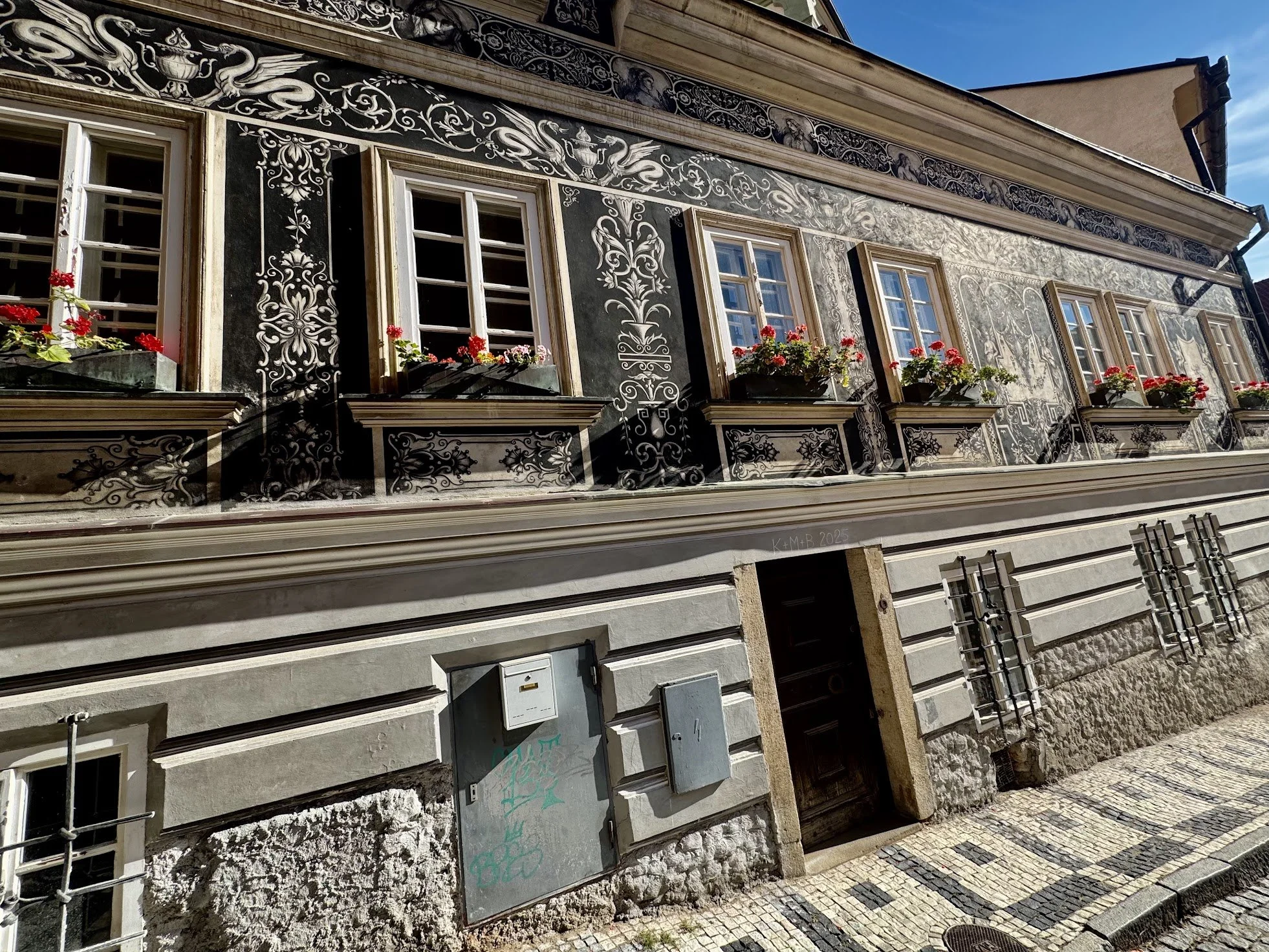
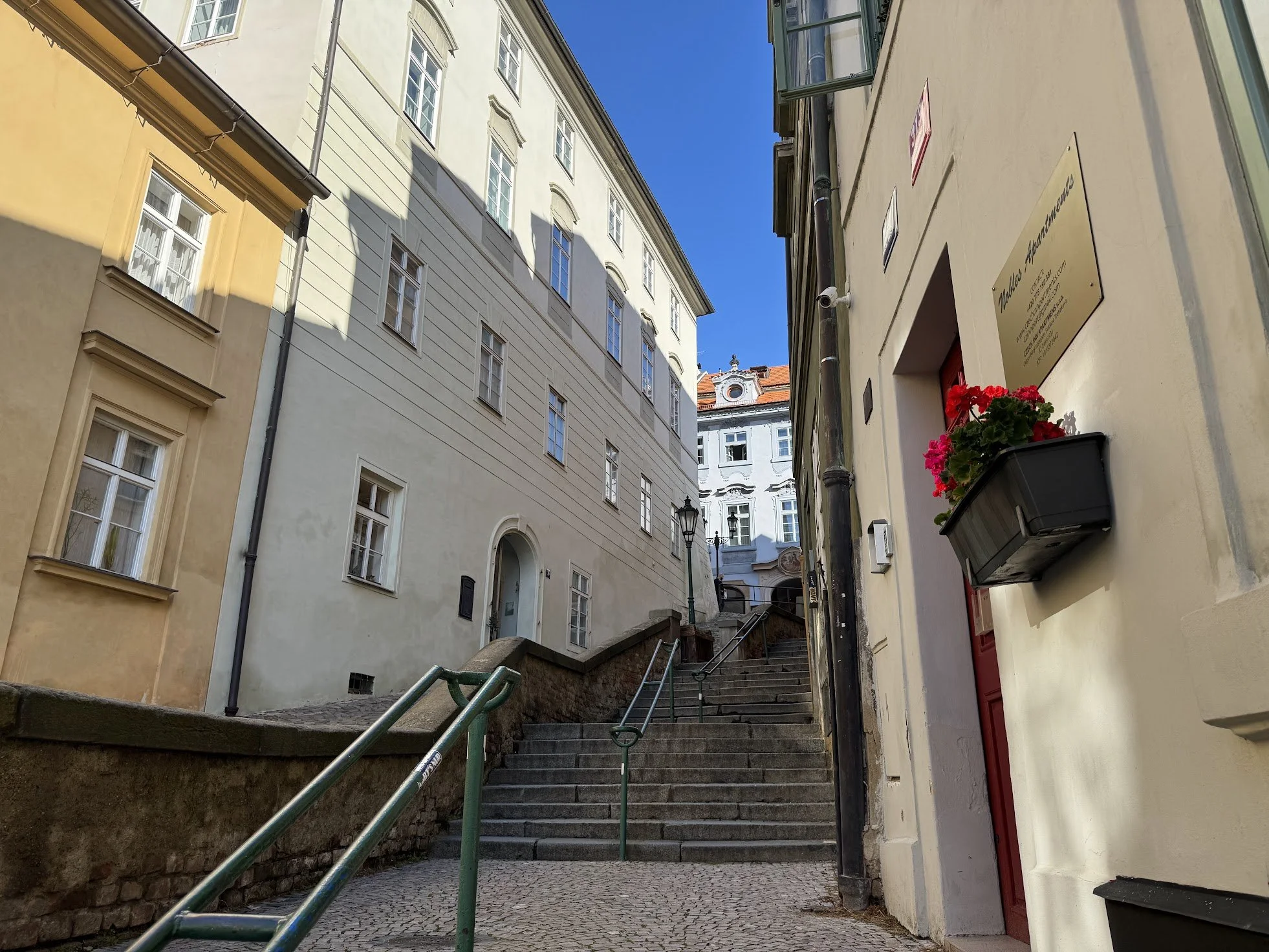
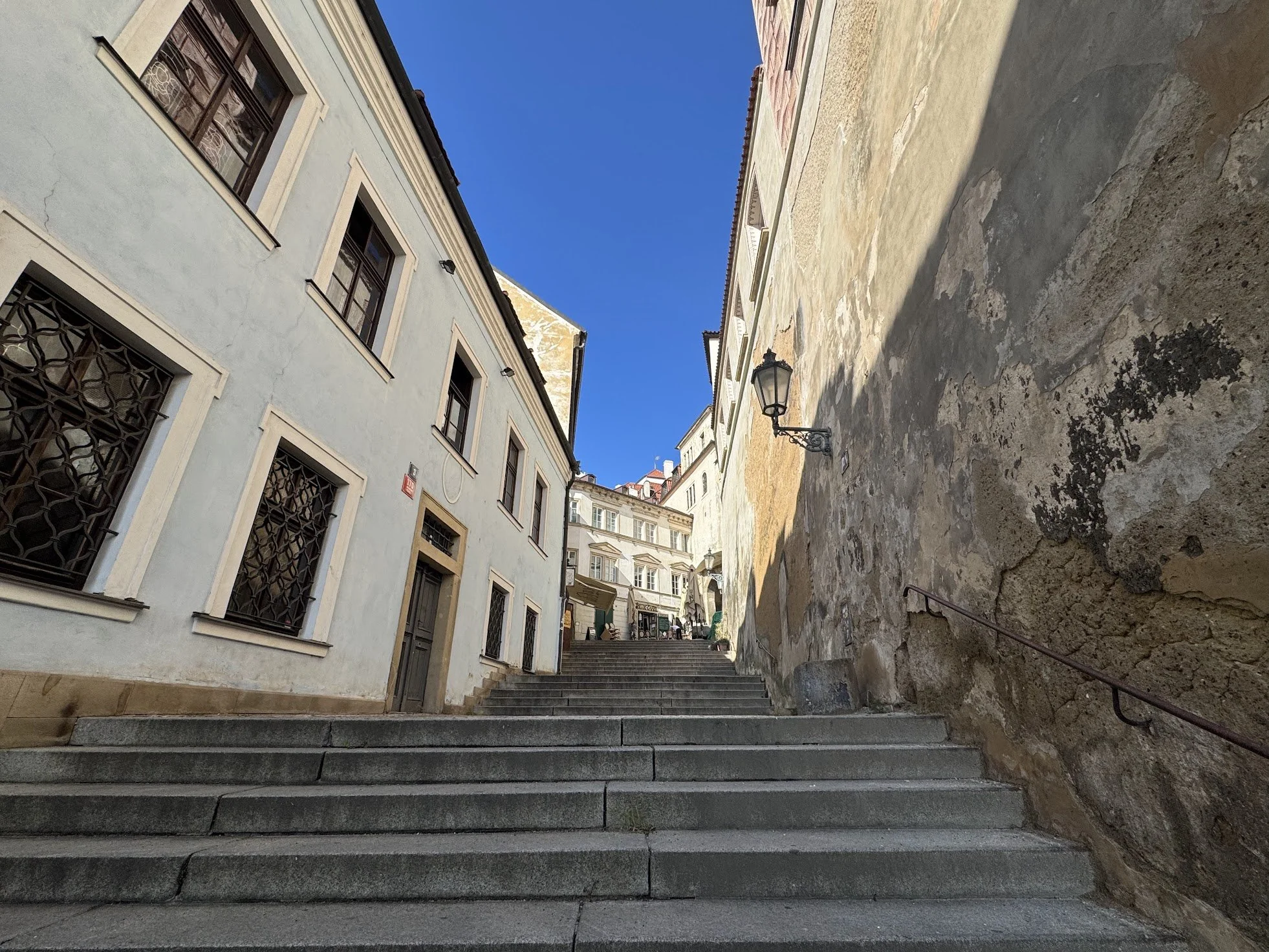
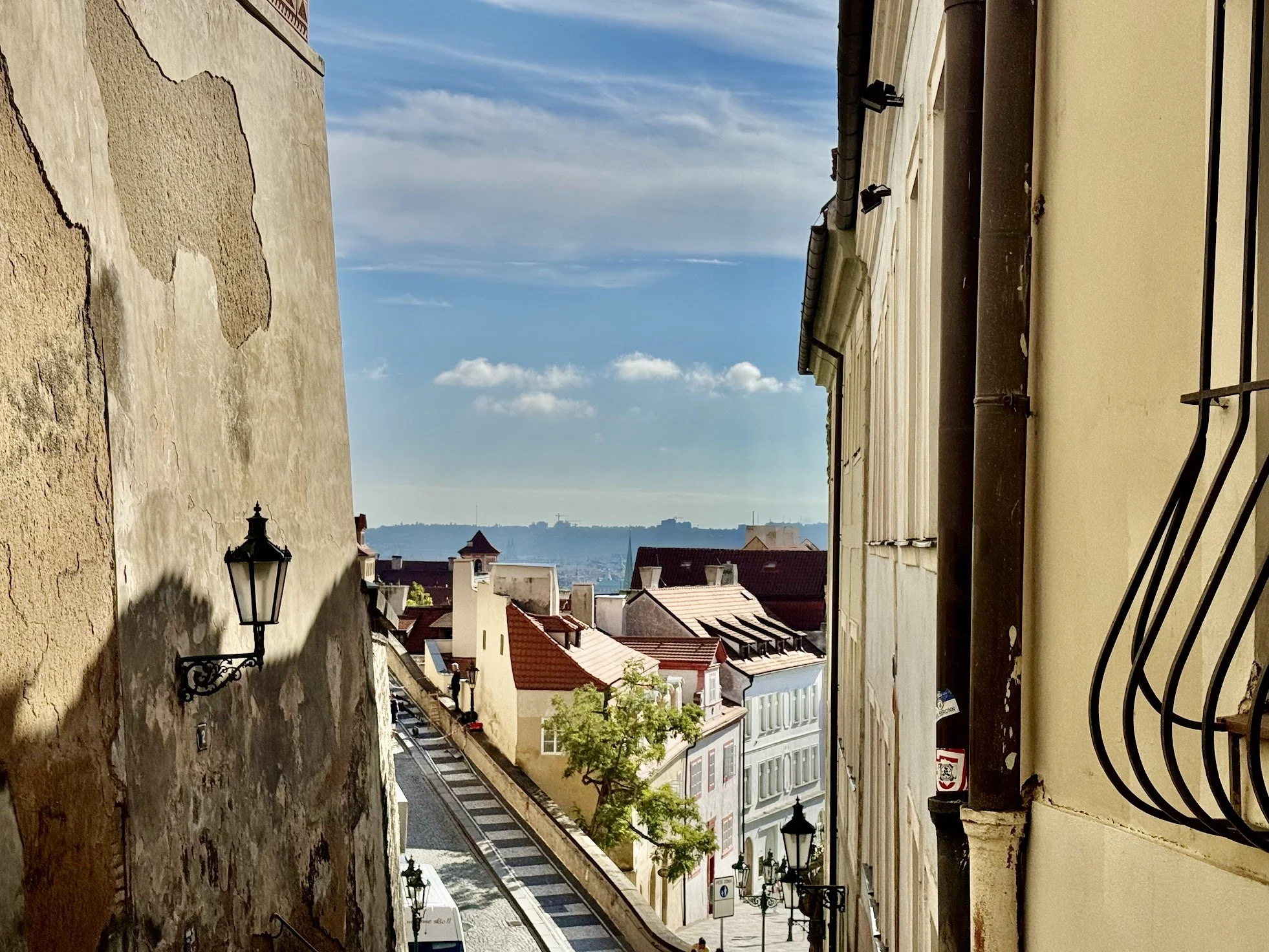
Petřín Hill & Strahov Monastery
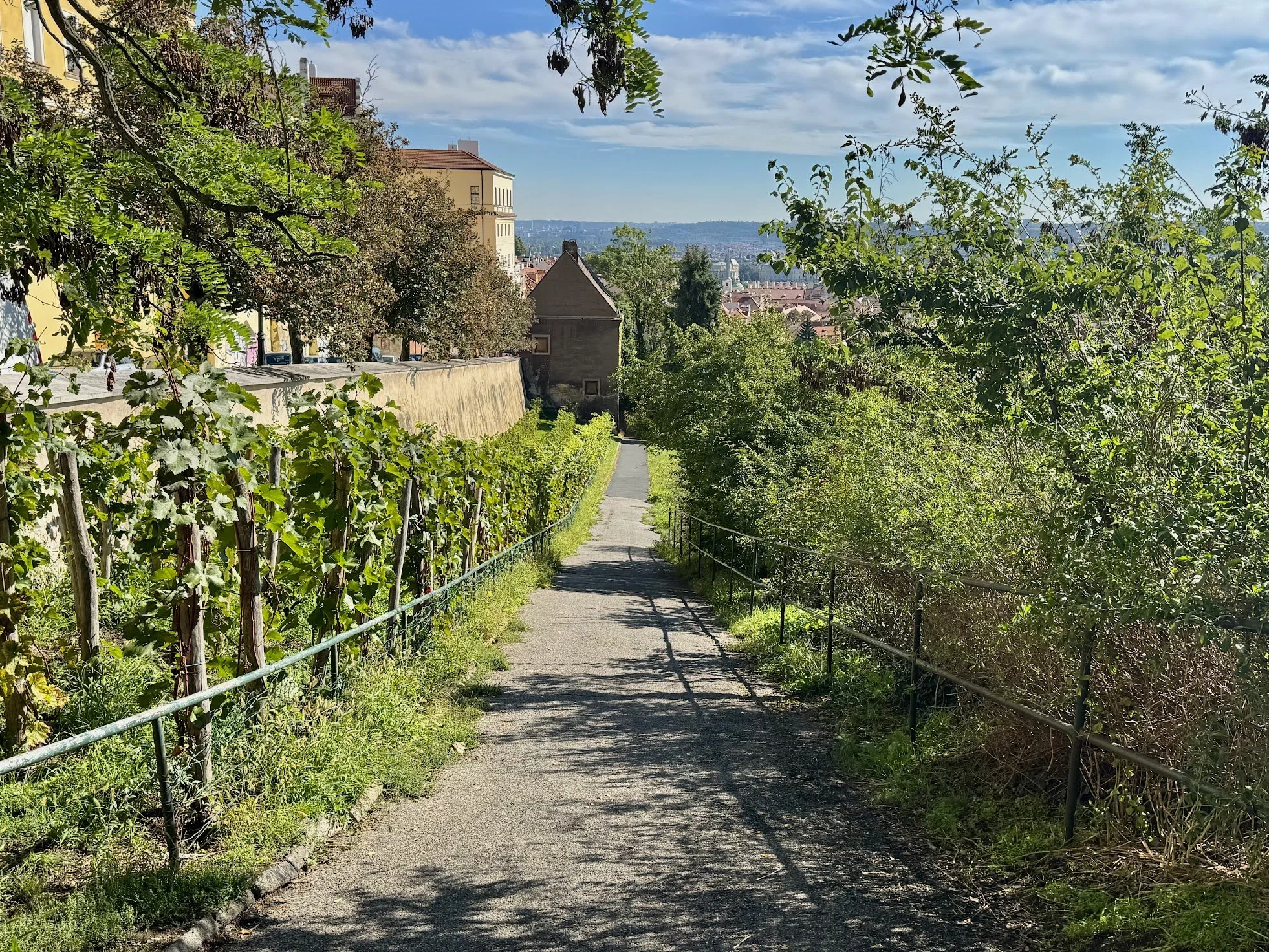
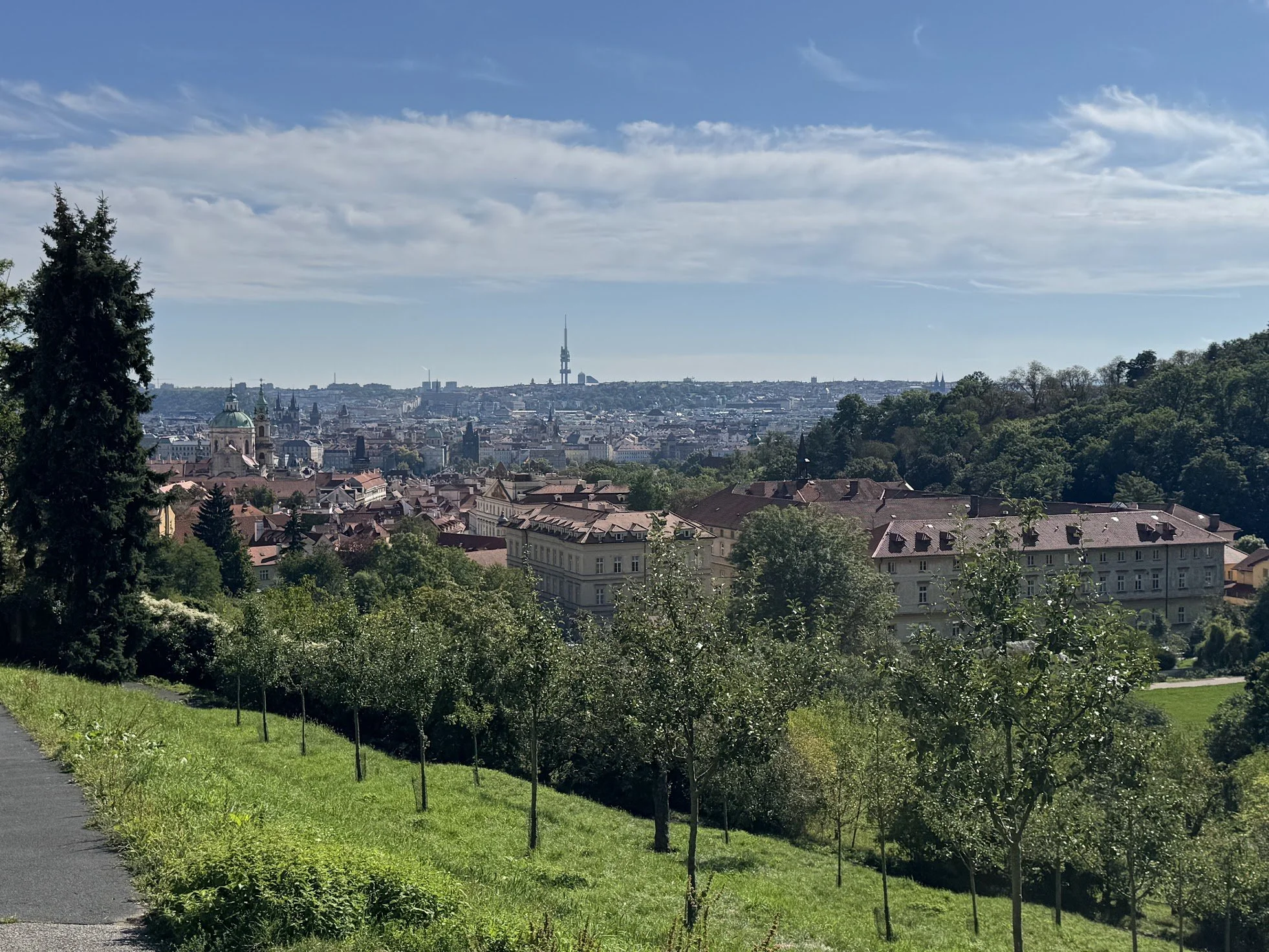
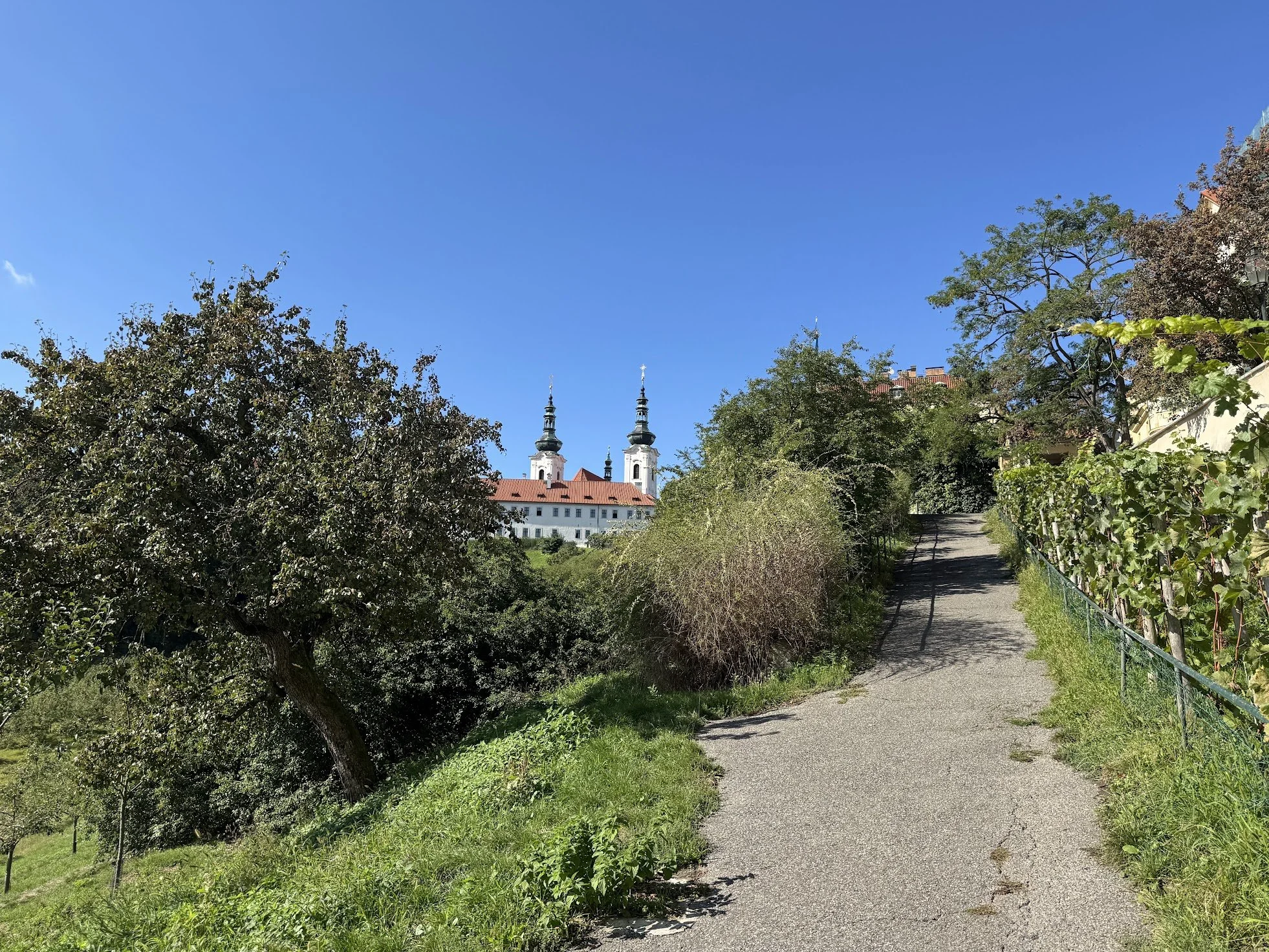
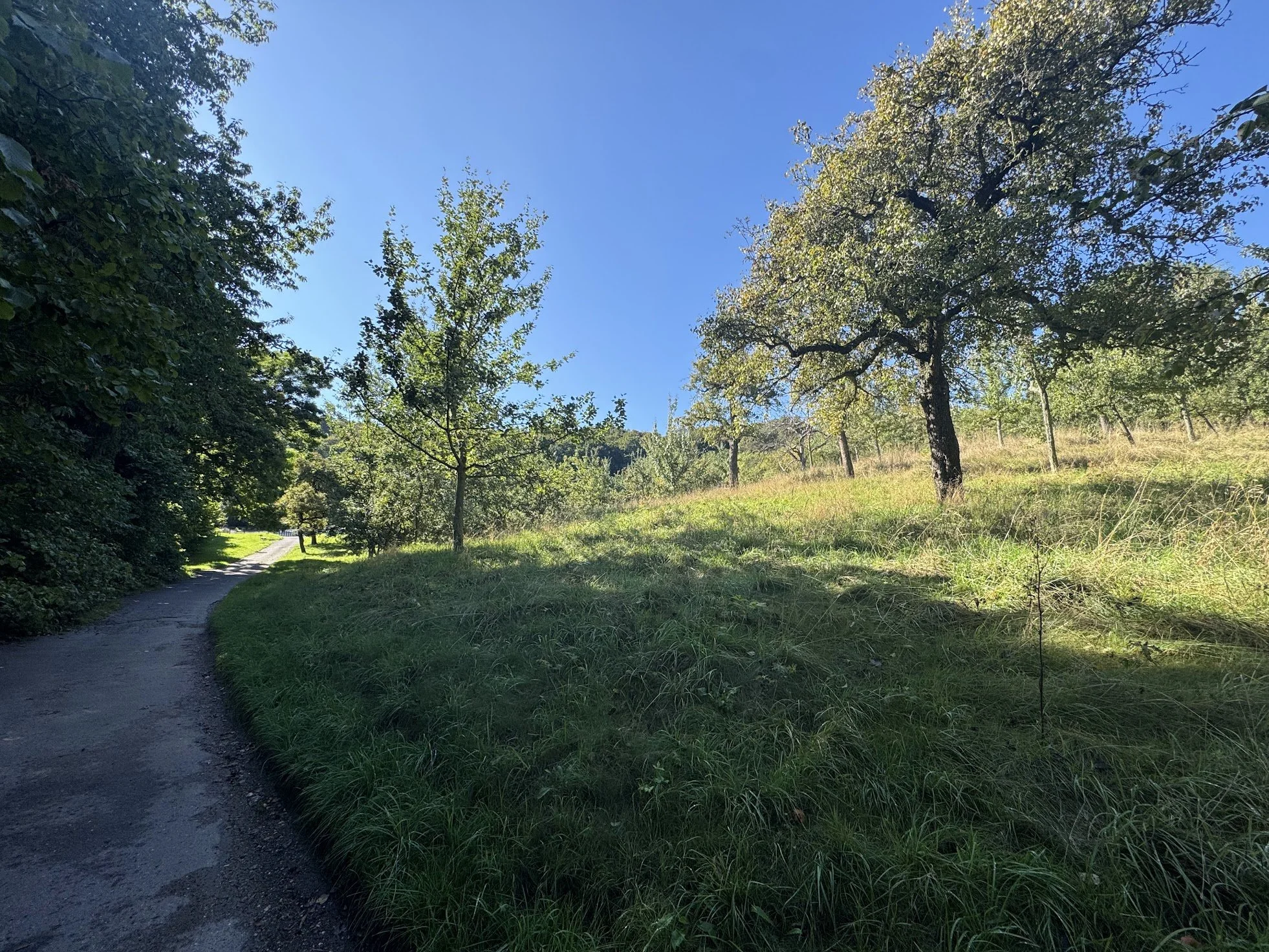
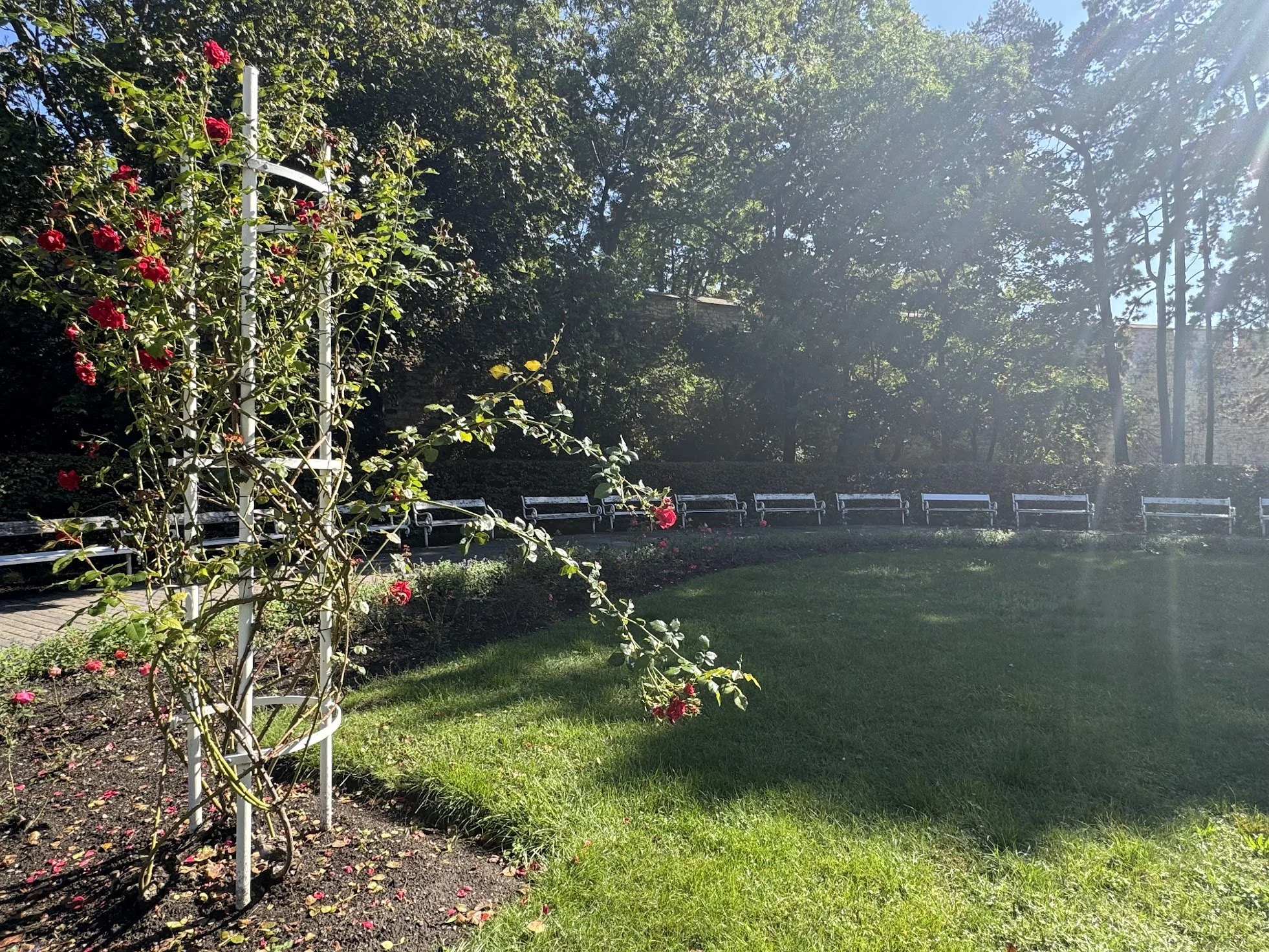
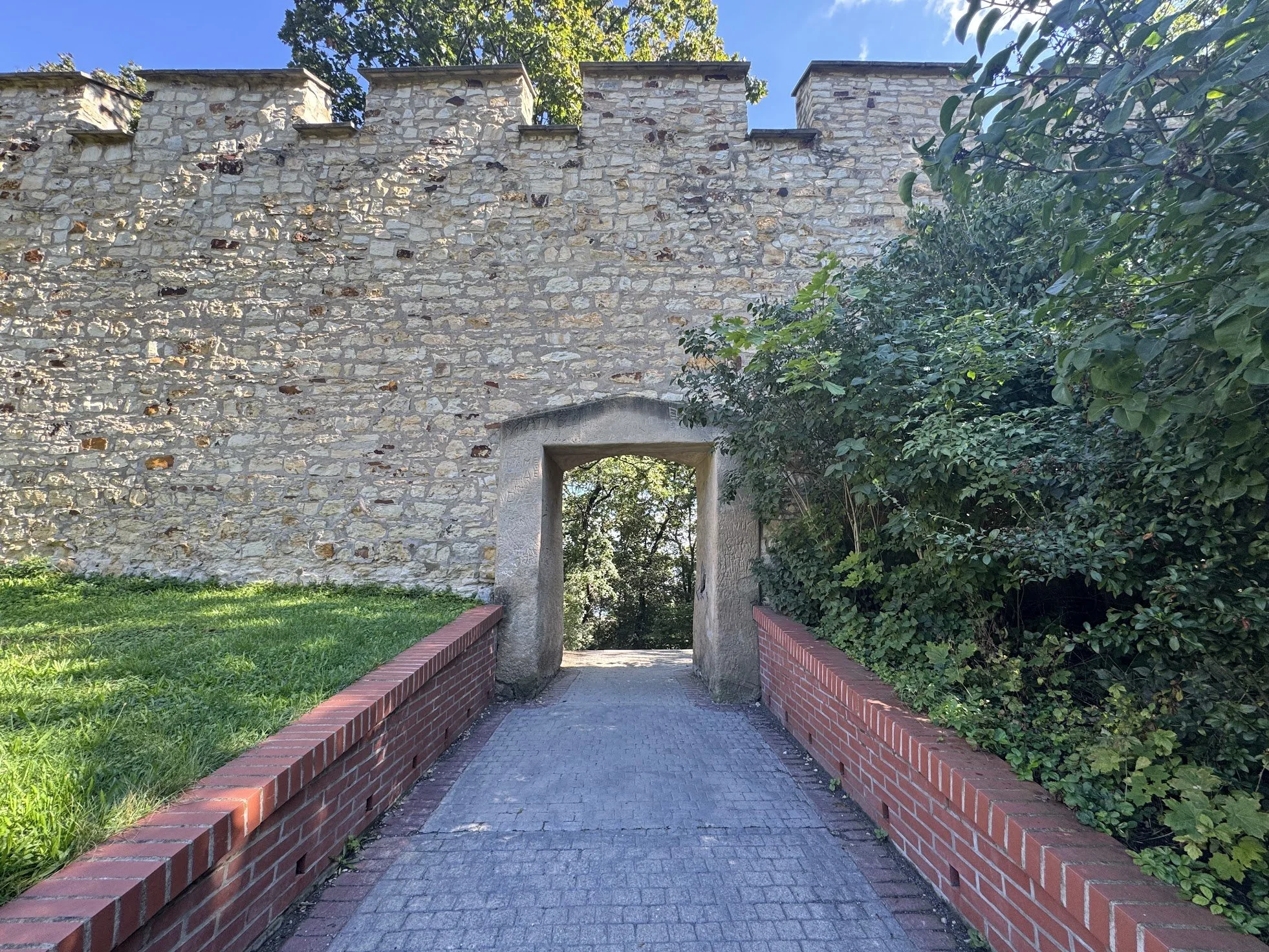
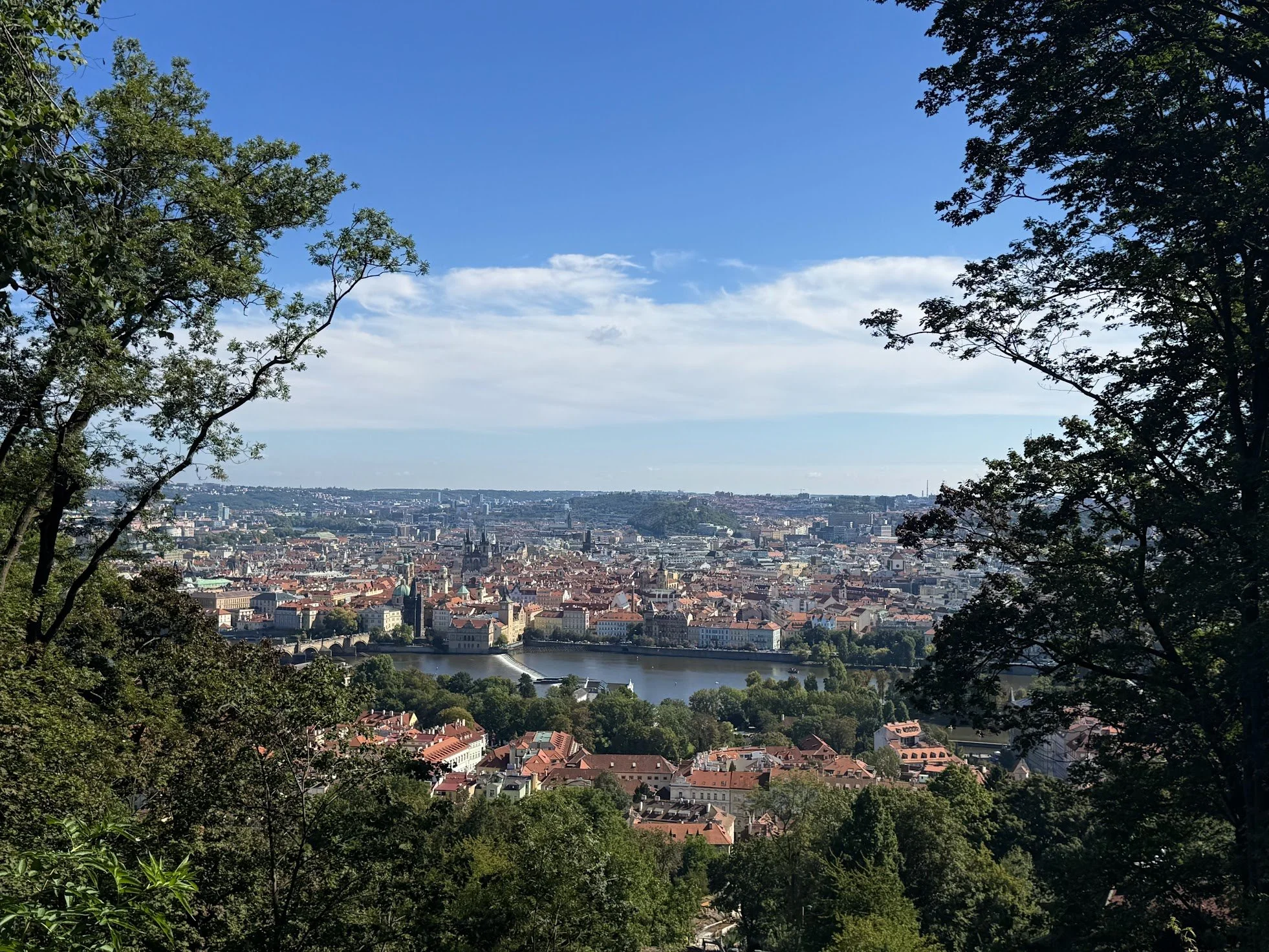
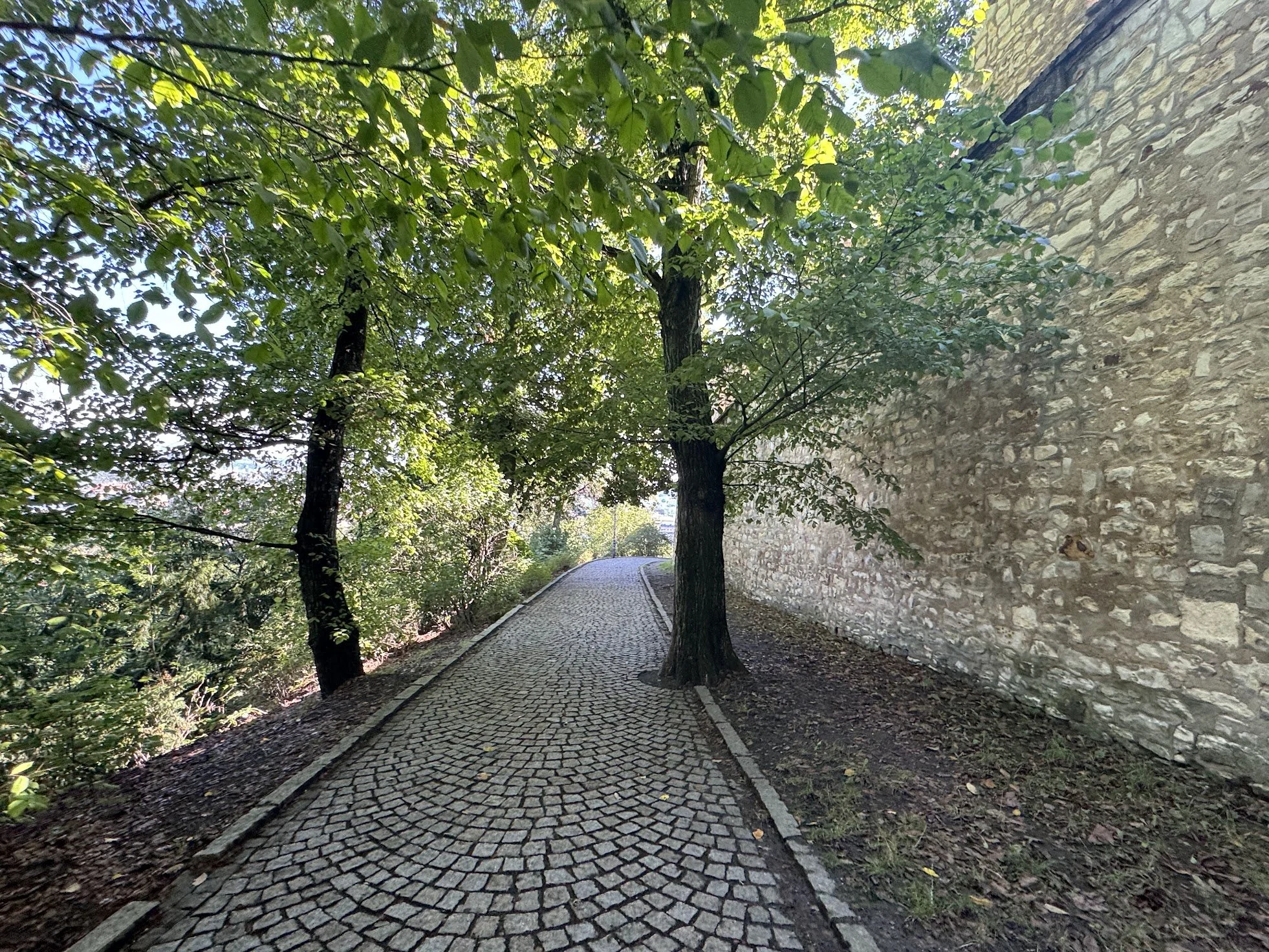
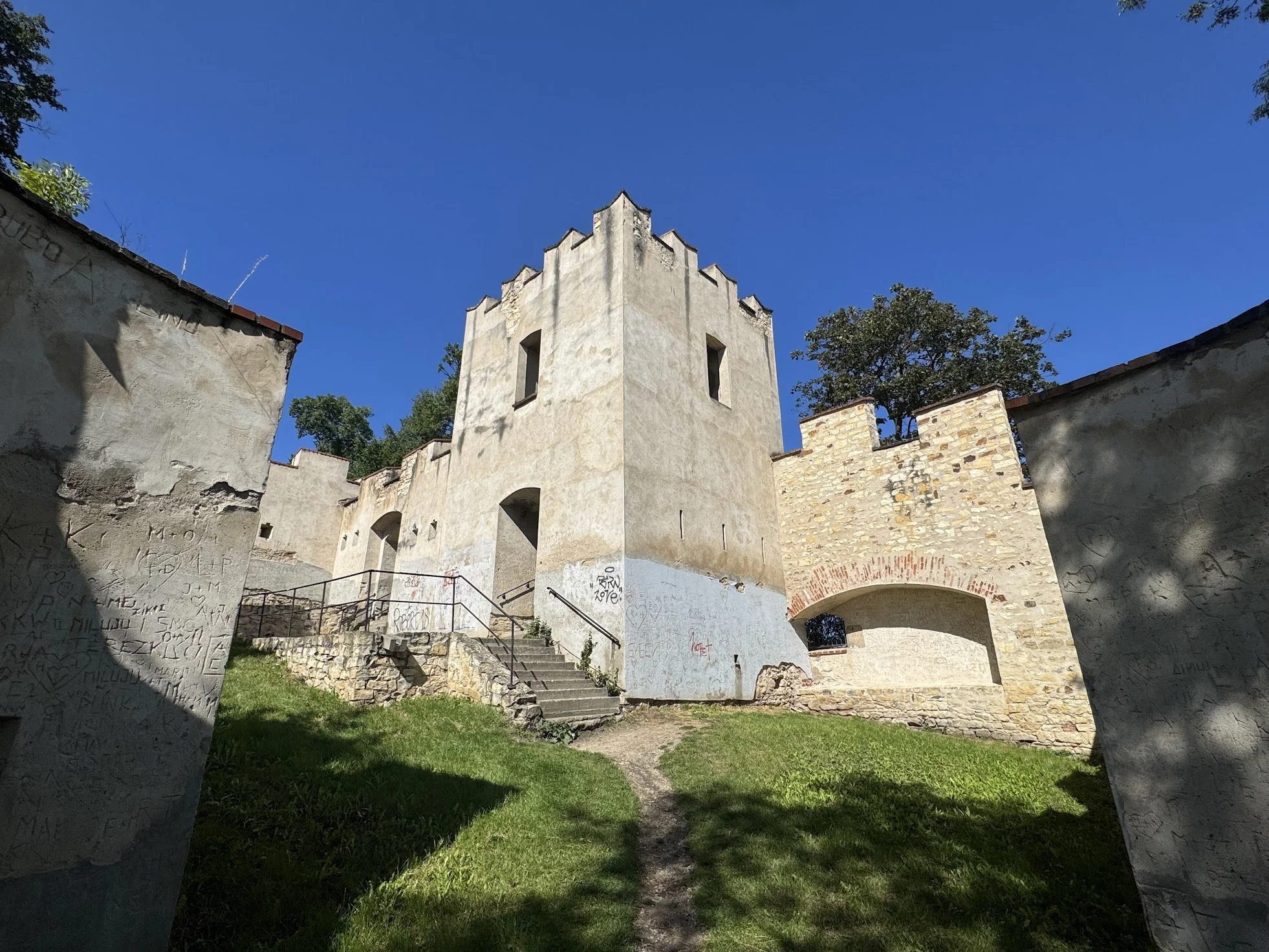
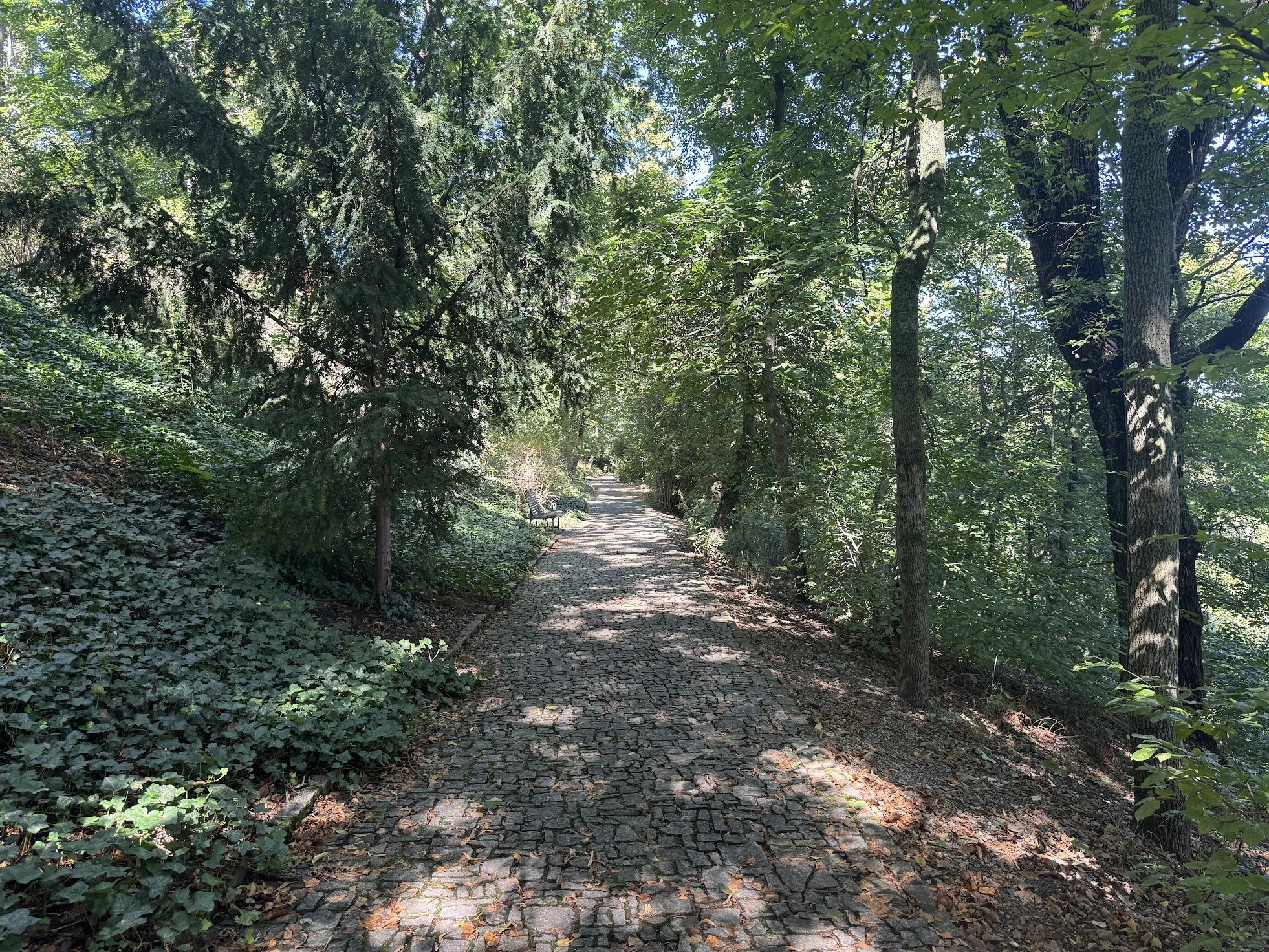
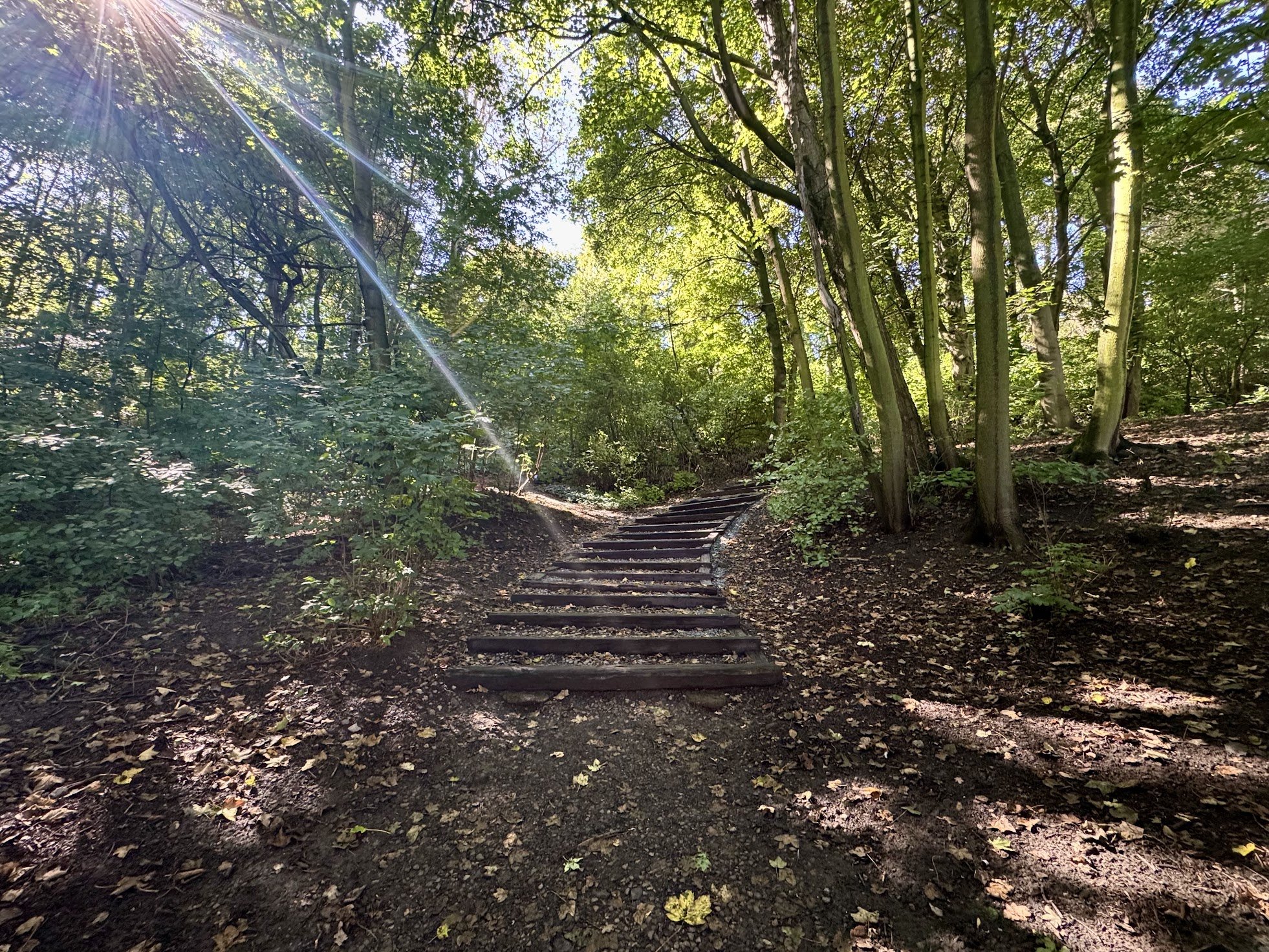
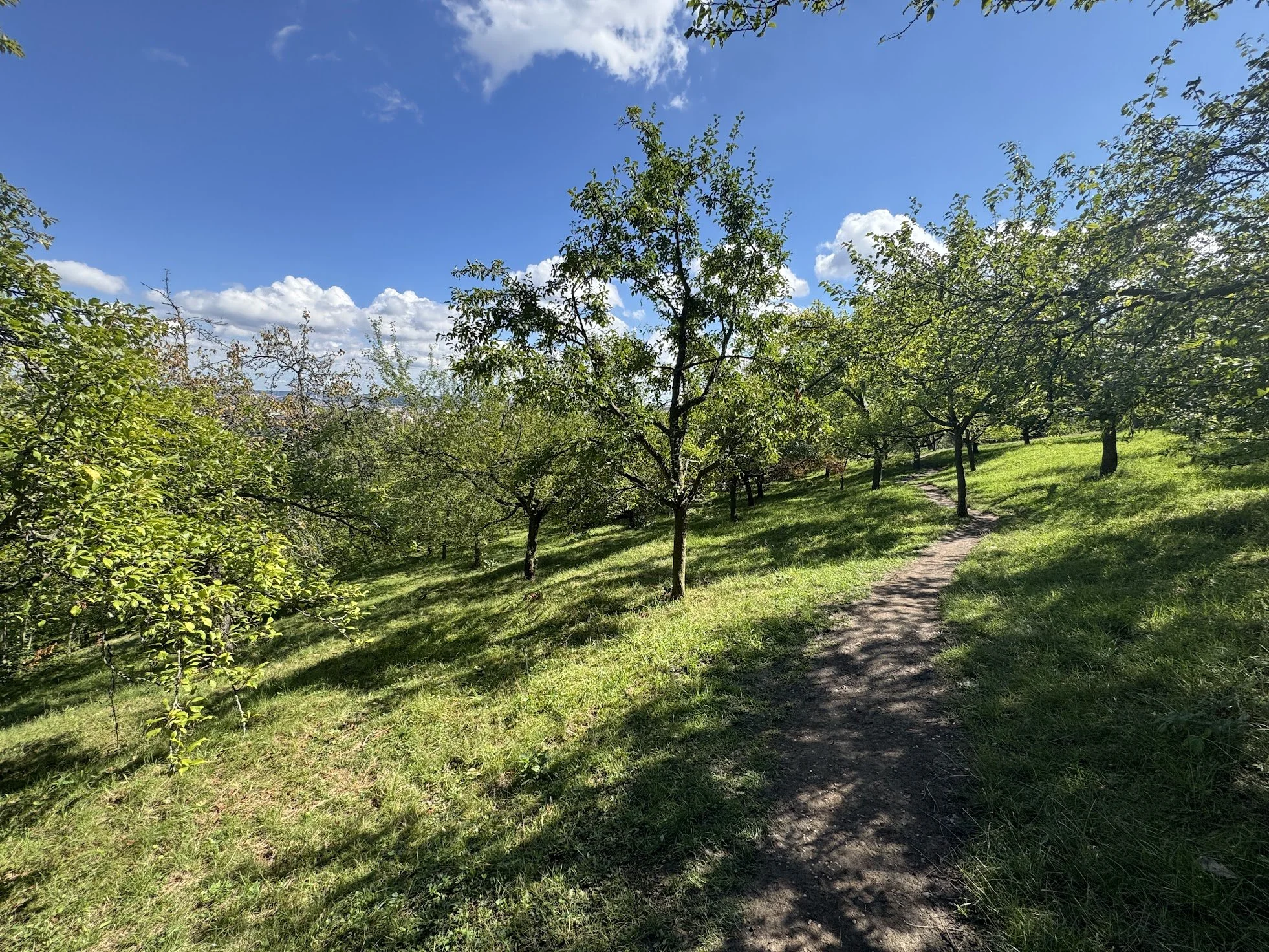
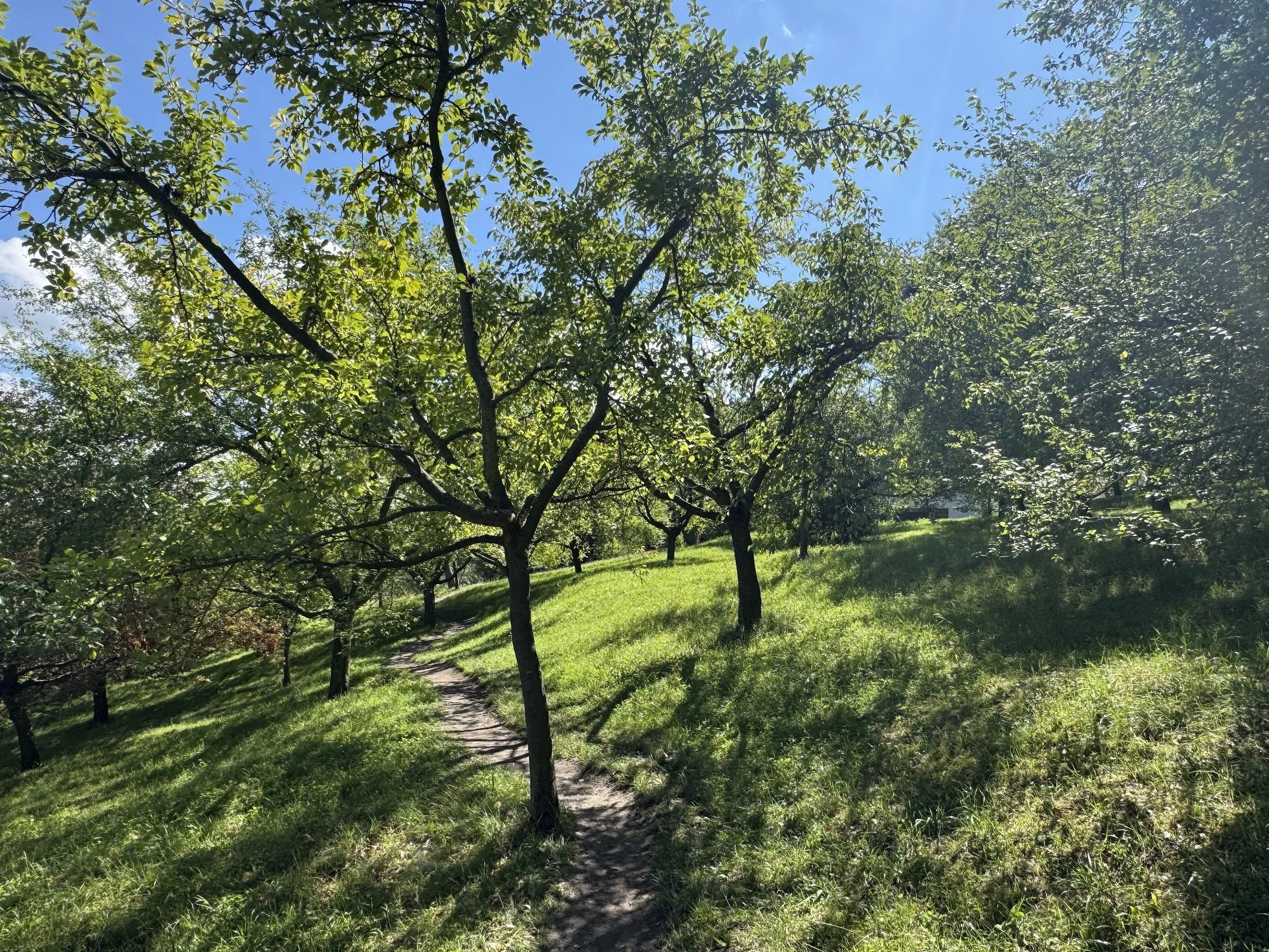
From the castle area, I wandered into Petřín Gardens, which ended up becoming one of my favorite parts of Prague. The park stretches across Petřín Hill with winding walking paths, wooded sections, gardens, orchards, and long uphill climbs that gradually reveal sweeping views back over the city.
To be clear: the hills in Prague are very real.
At times, the city feels less like “casual wandering” and more like an extended incline workout disguised as sightseeing. Still, the payoff is worth it.
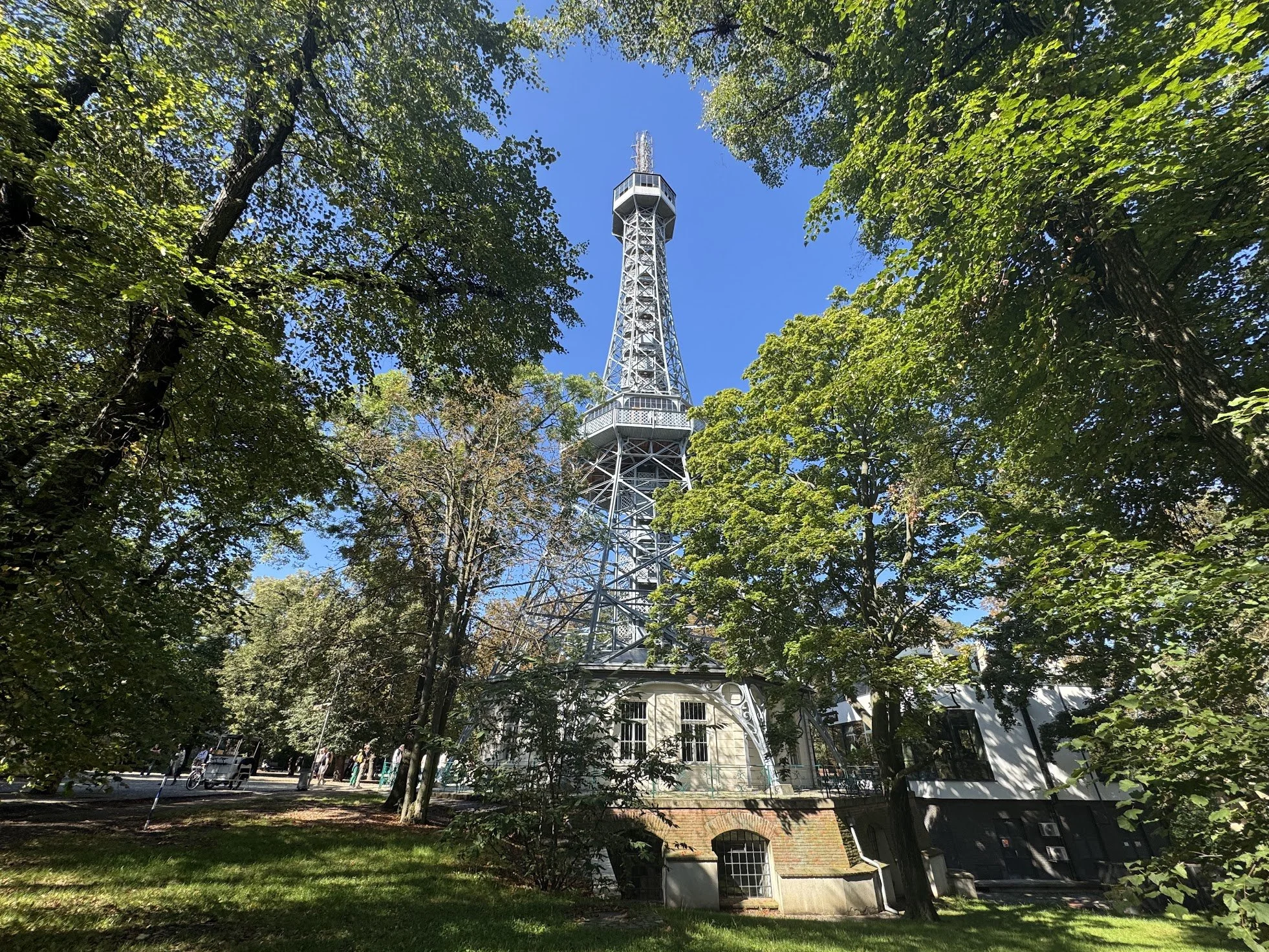
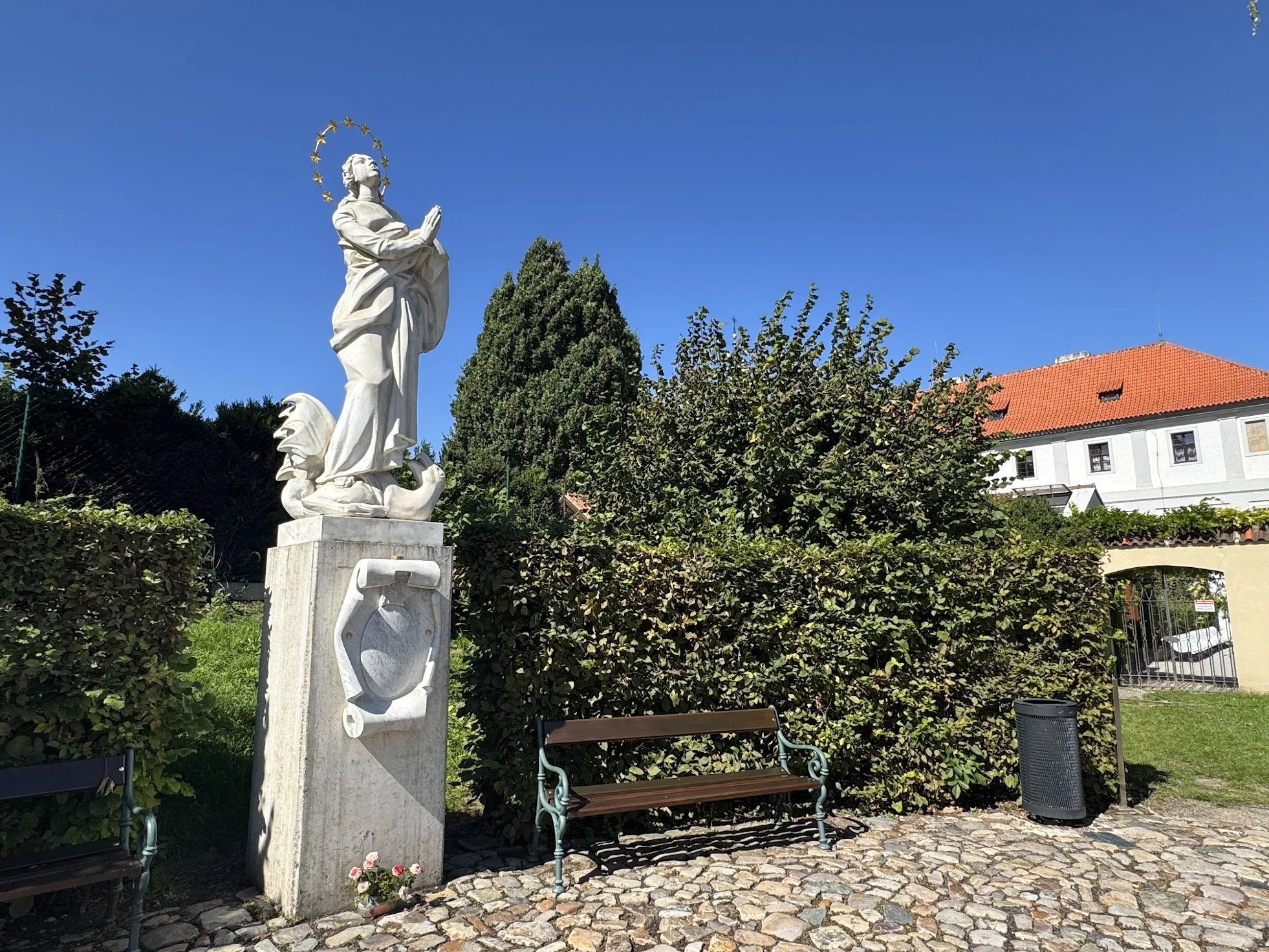
At the top sits the Petřín Lookout Tower, an Eiffel Tower-inspired observation tower overlooking the city. Throughout the park, there are quieter corners, benches, gardens, and shaded paths that make the entire area feel calmer than the busy castle district nearby.
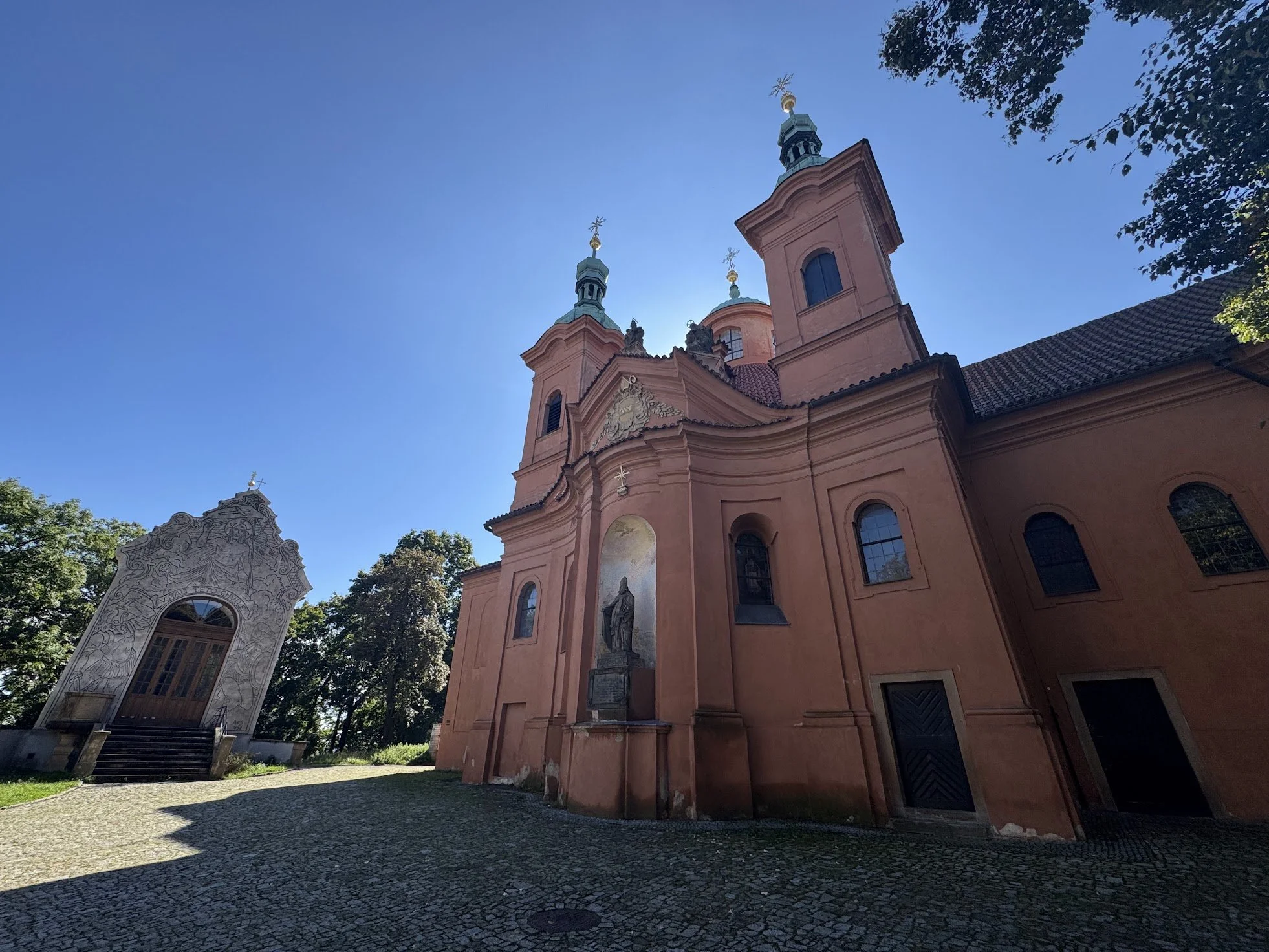
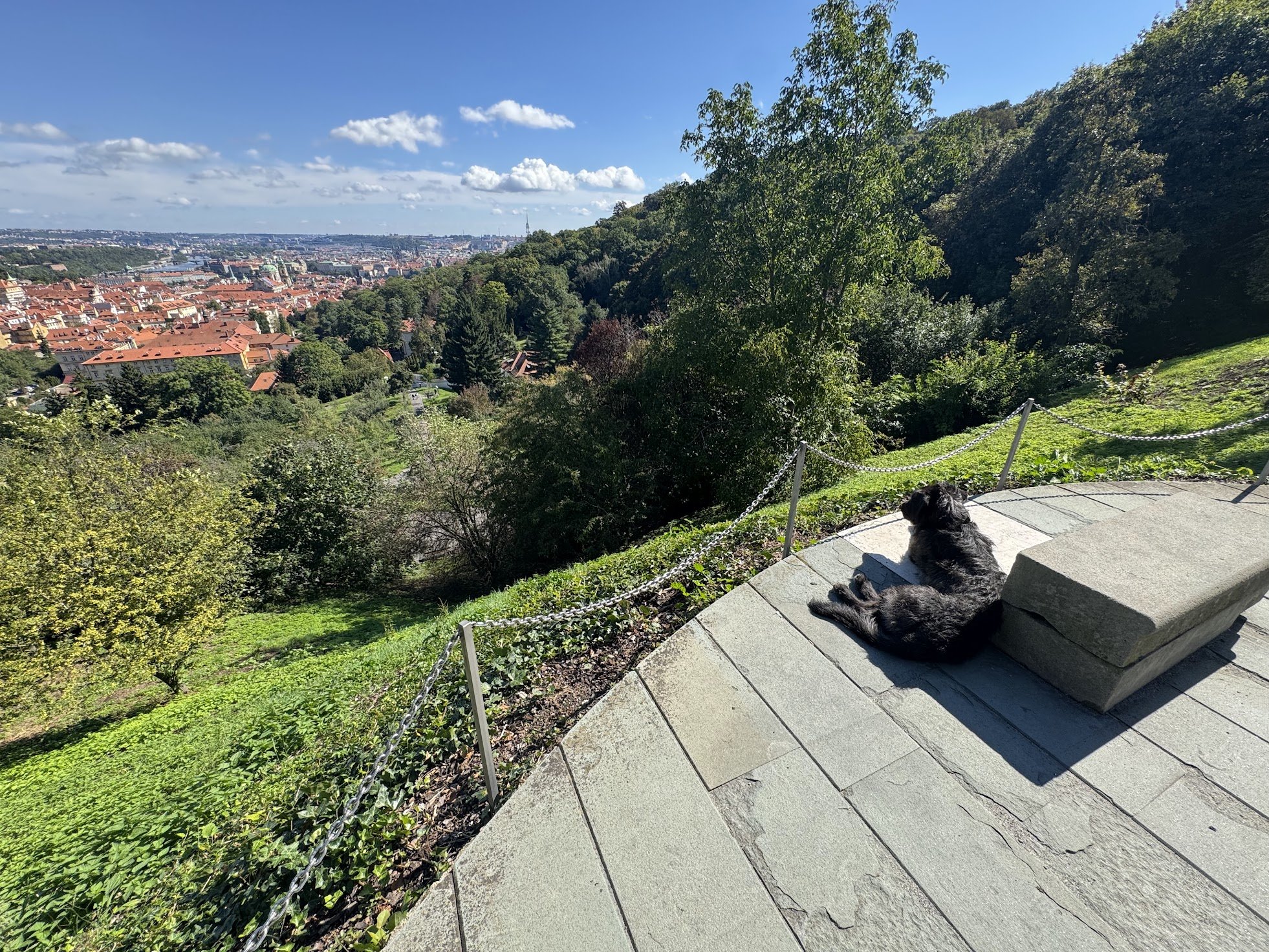
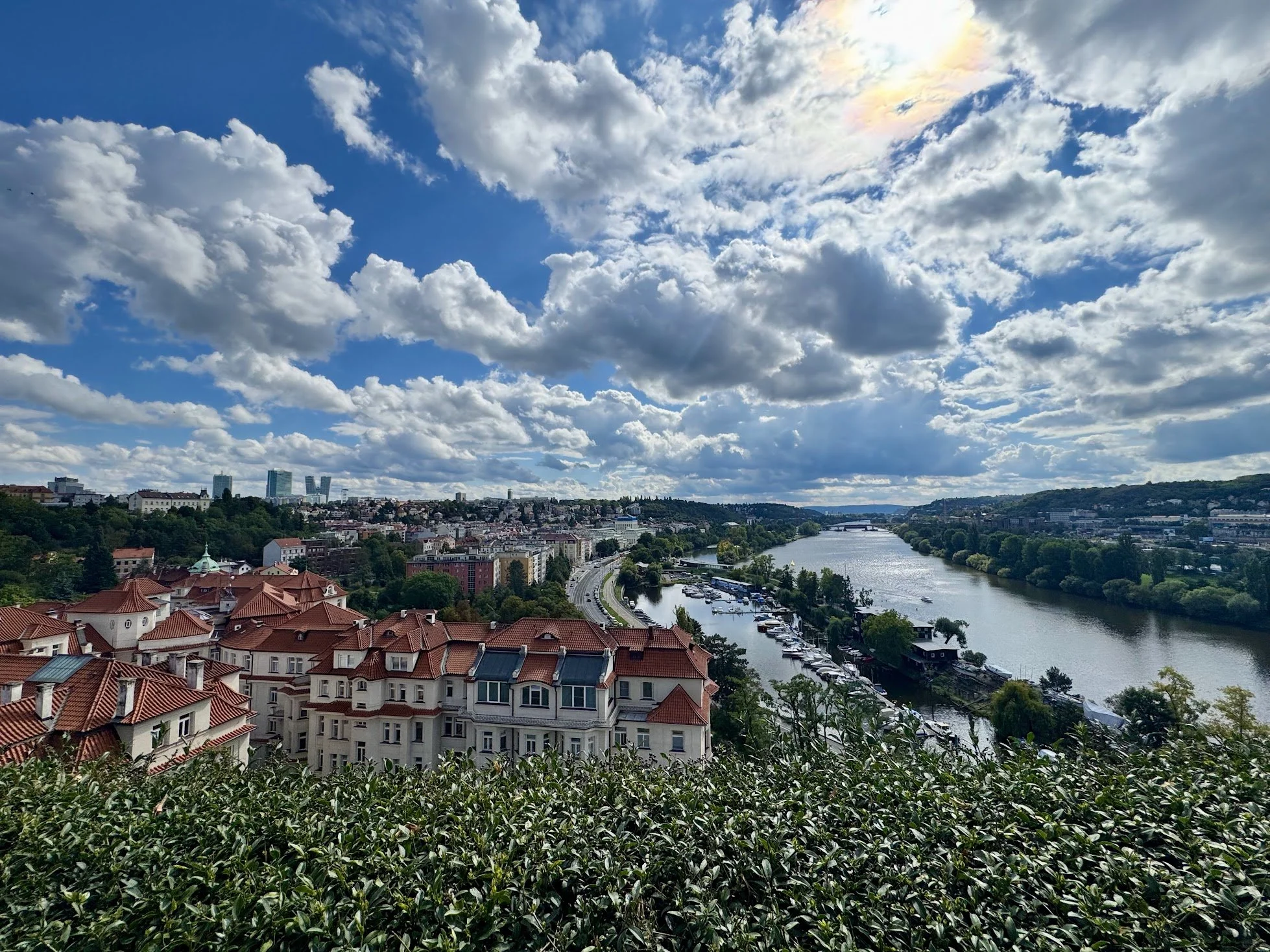
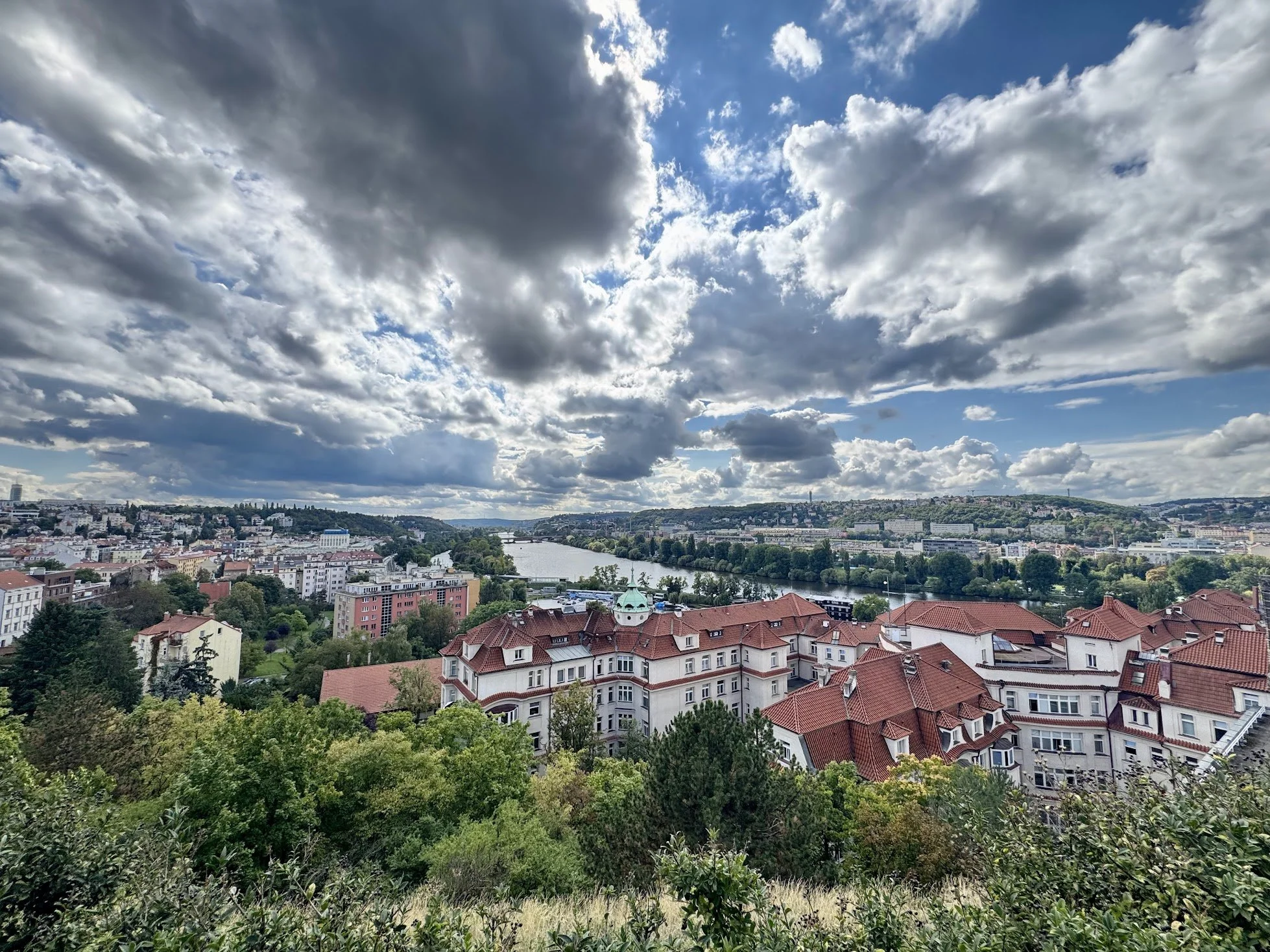
Not far away, I also stopped at the gardens surrounding Strahov Monastery, which offered some of the most peaceful panoramic views in the city. Overlooking the rooftops, river, and castle skyline, the area felt more reflective than many of Prague’s larger viewpoints.
Vyšehrad & Riverside Walking
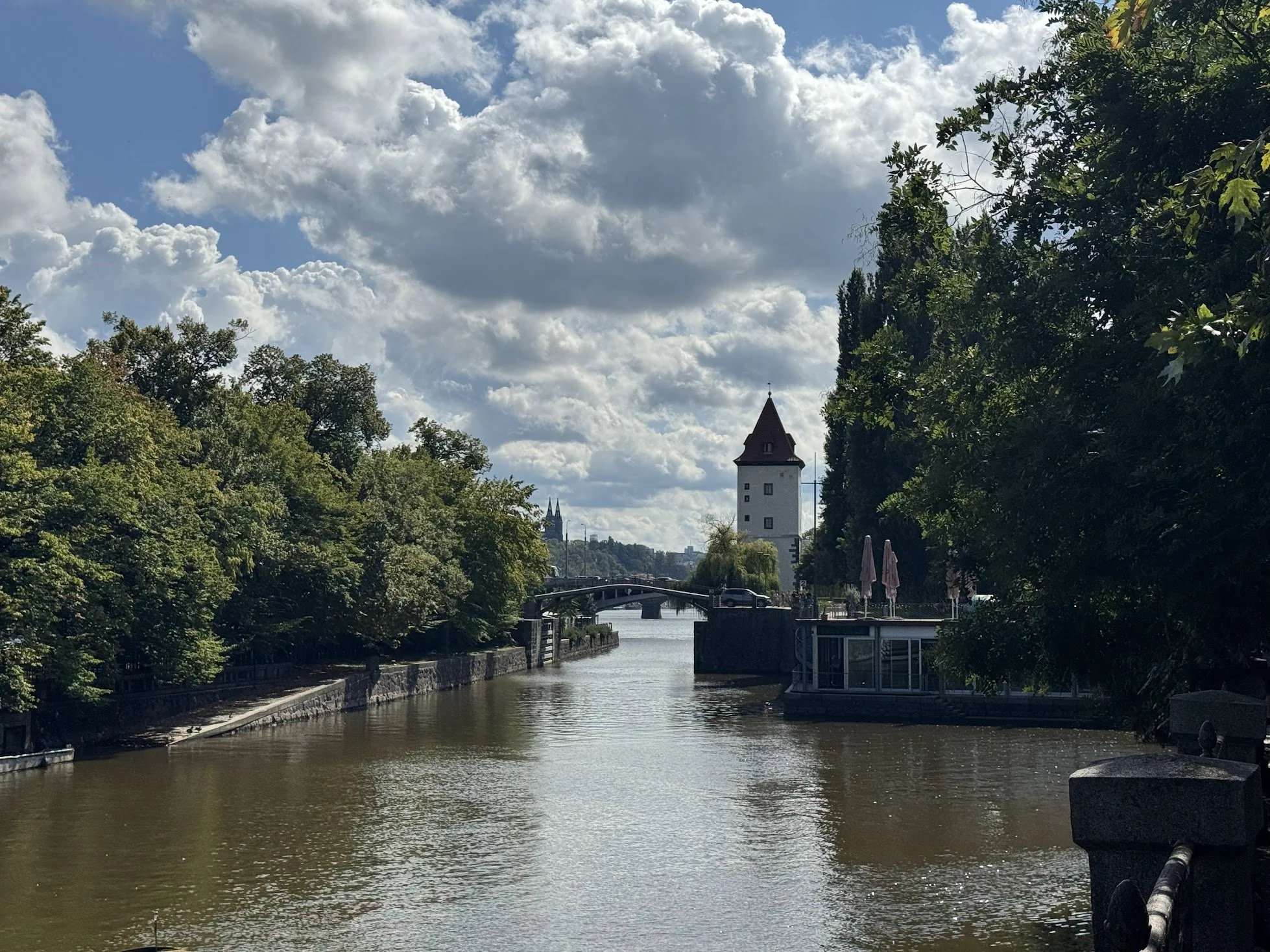
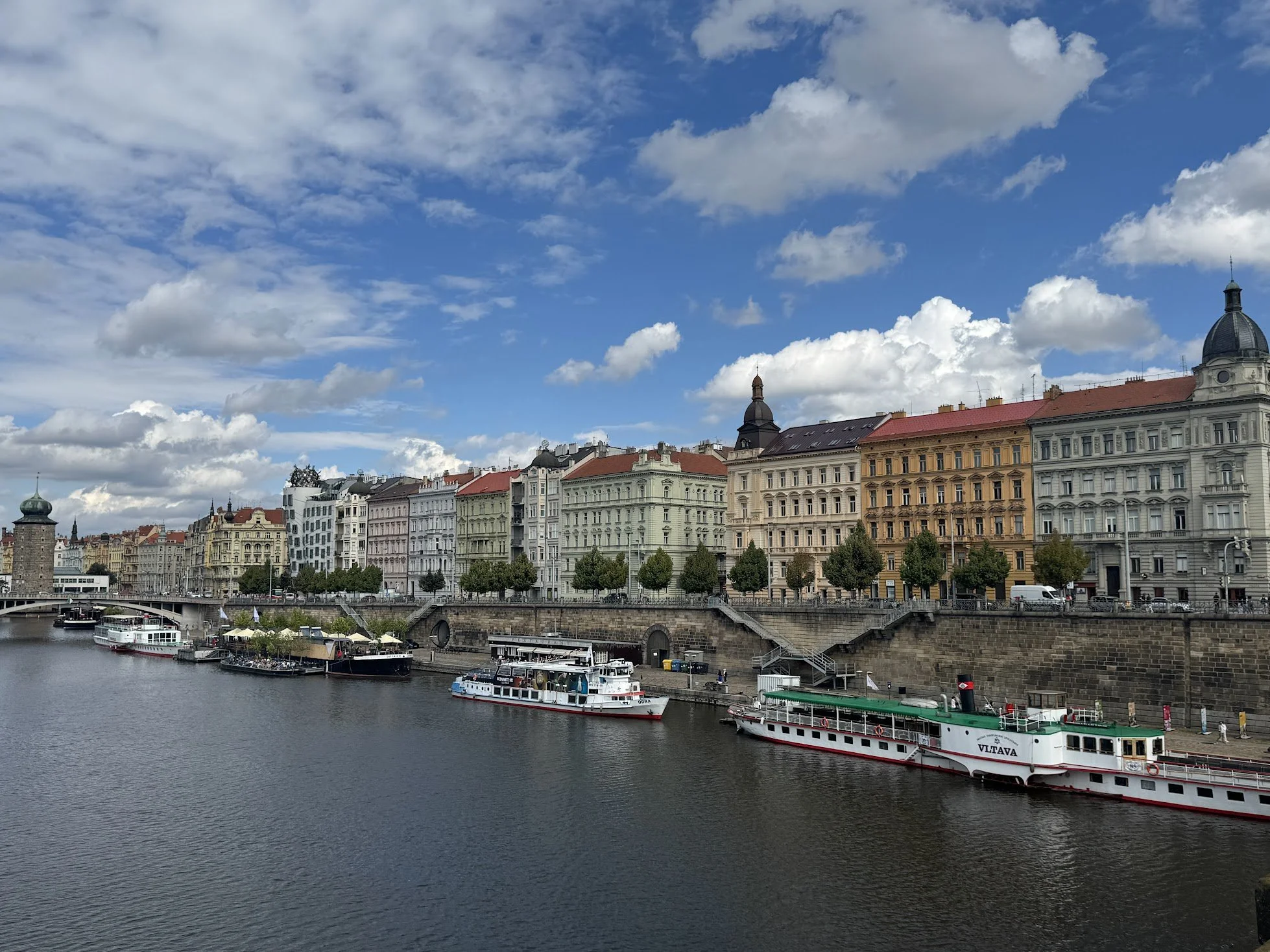
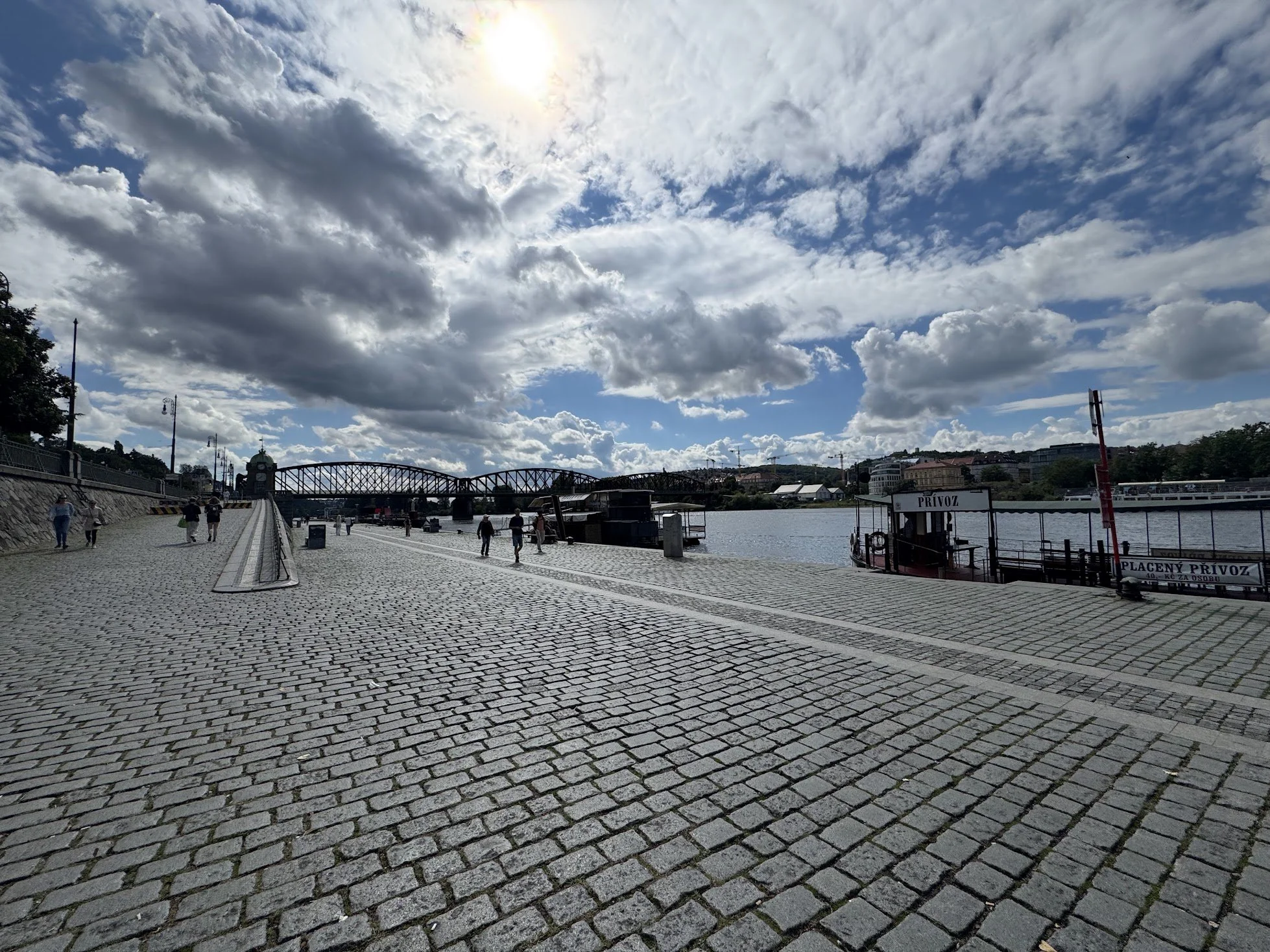
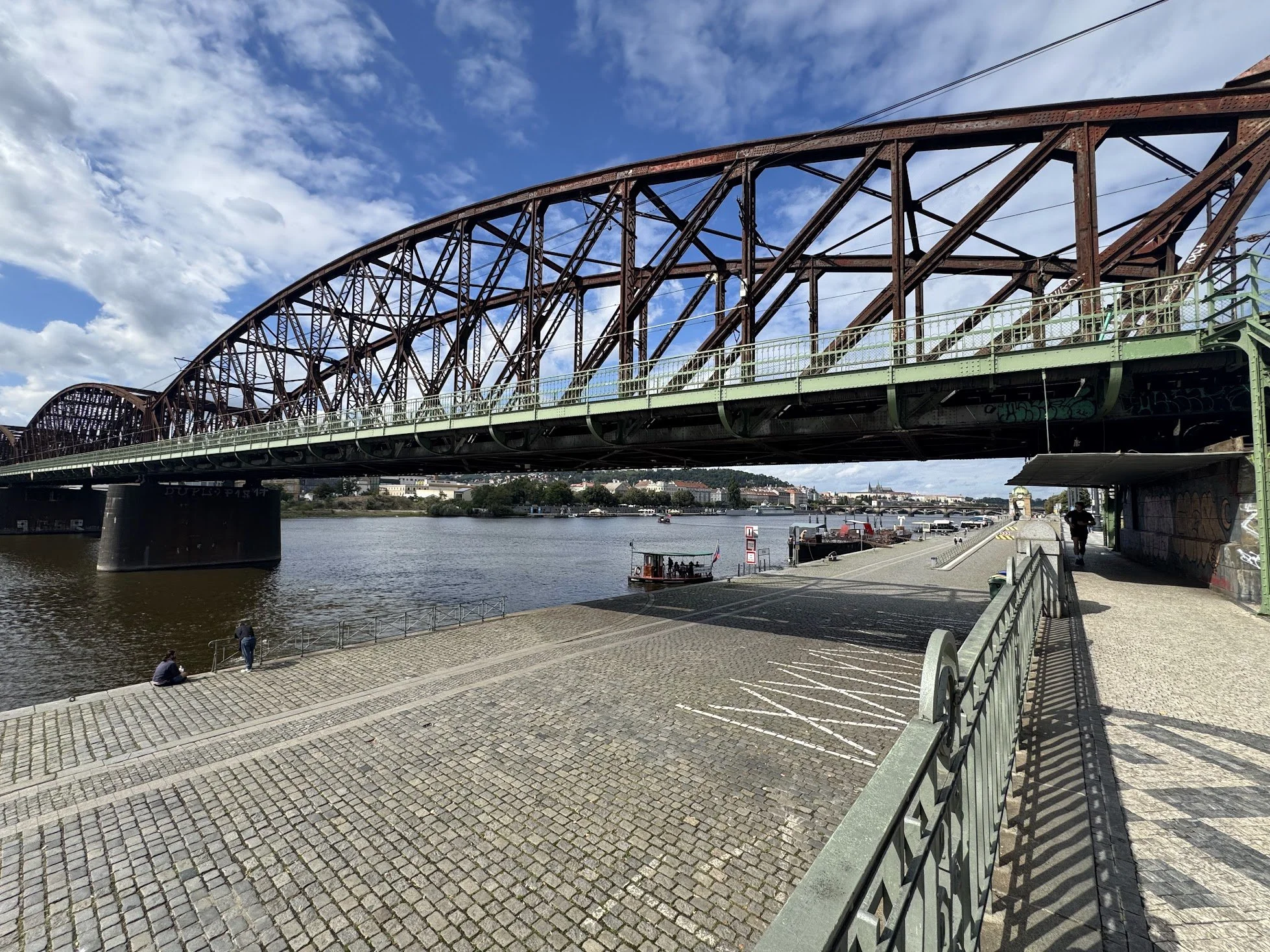
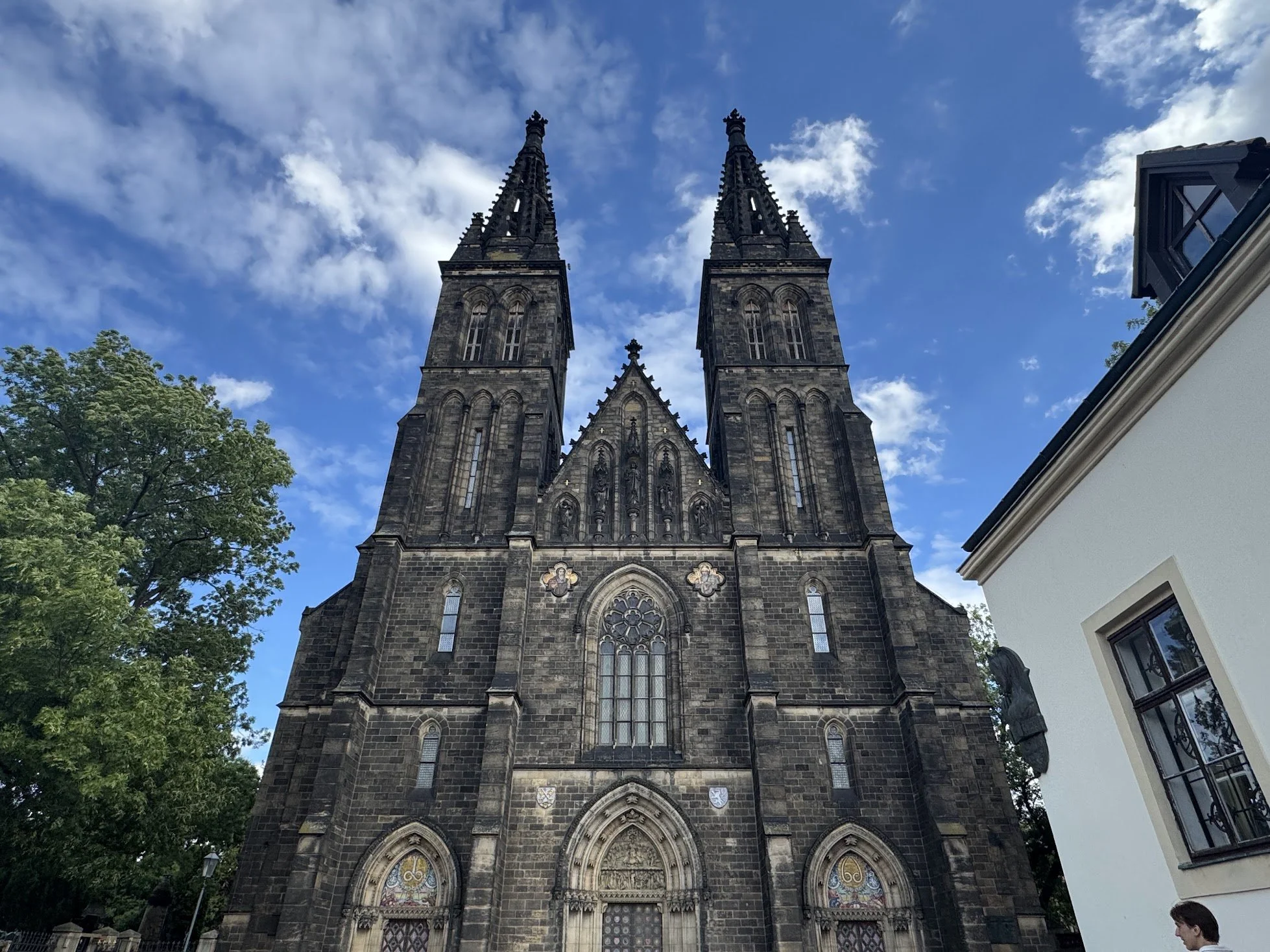
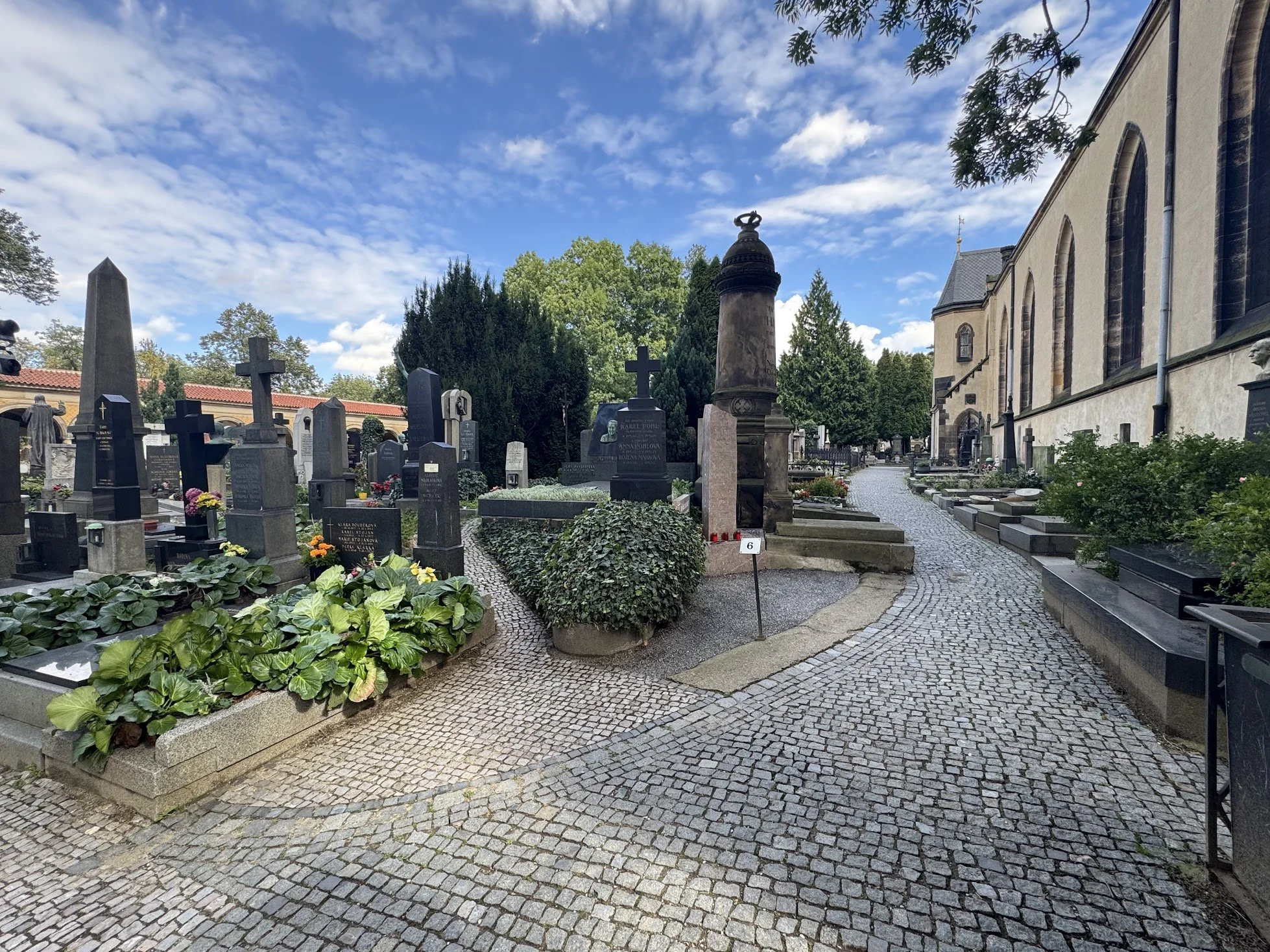
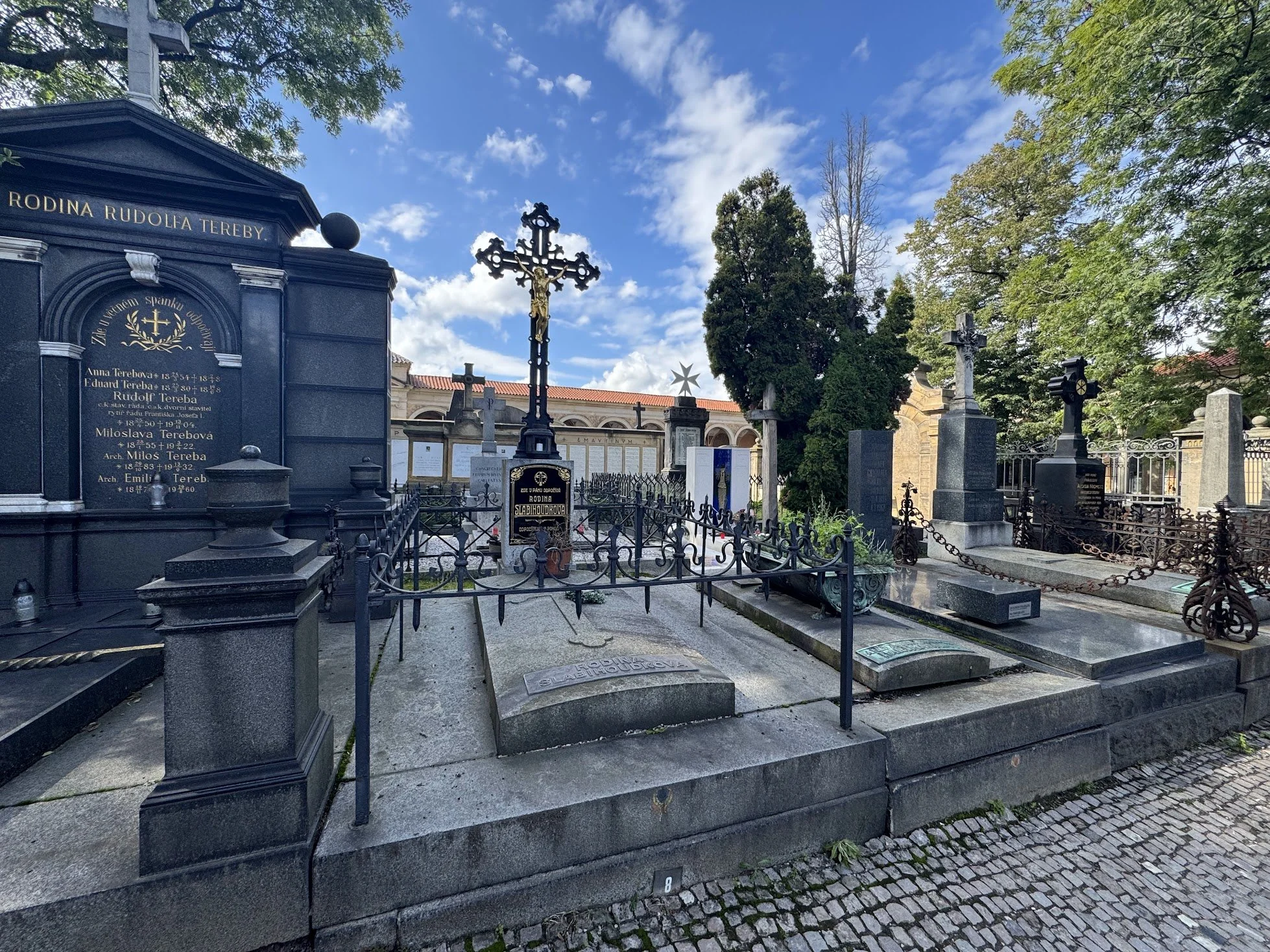
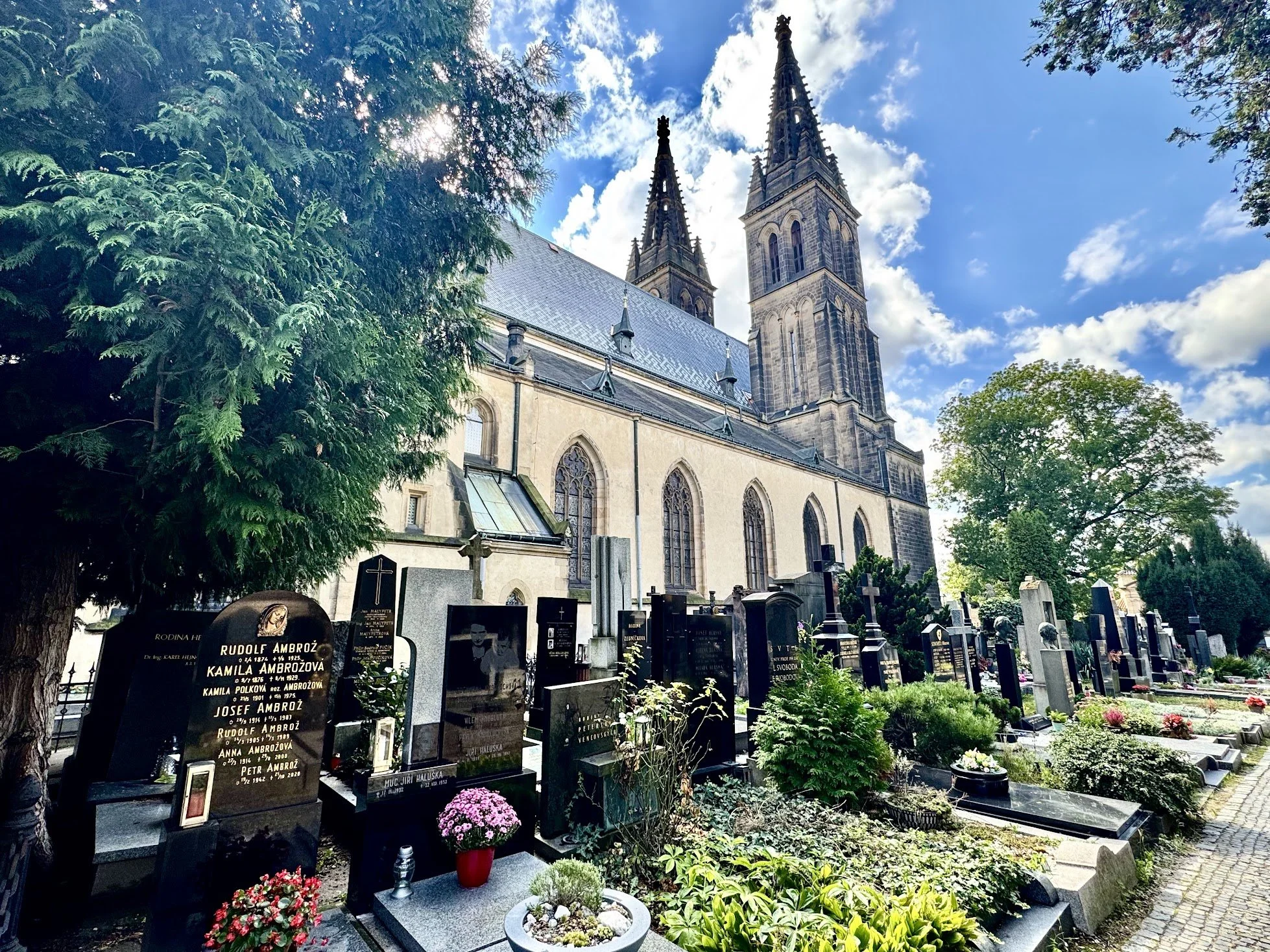
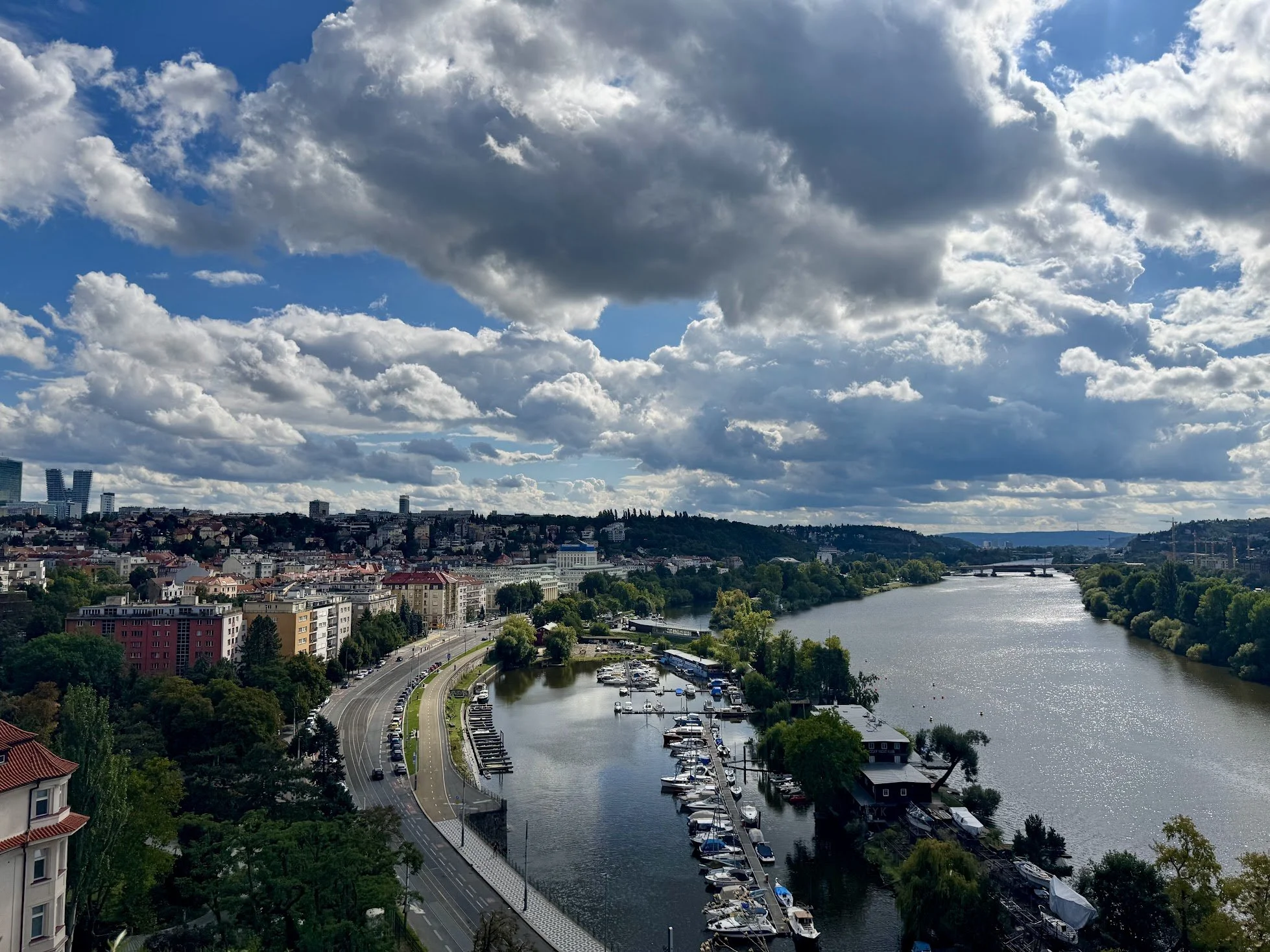
Later that day, I followed the river south toward Vyšehrad, a historic fortress complex perched above the Vltava River. The atmosphere was less about crowds and landmarks and more about open green spaces, walking paths, viewpoints, and everyday life unfolding around the city’s history. Within the grounds are the Basilica of St. Peter and St. Paul and the Vyšehrad Cemetery, where many notable Czech figures are buried.
What stood out most, though, were the views back across Prague itself. By this point in the trip, I had realized that some of my favorite moments consistently happened slightly outside the busiest tourist centers.
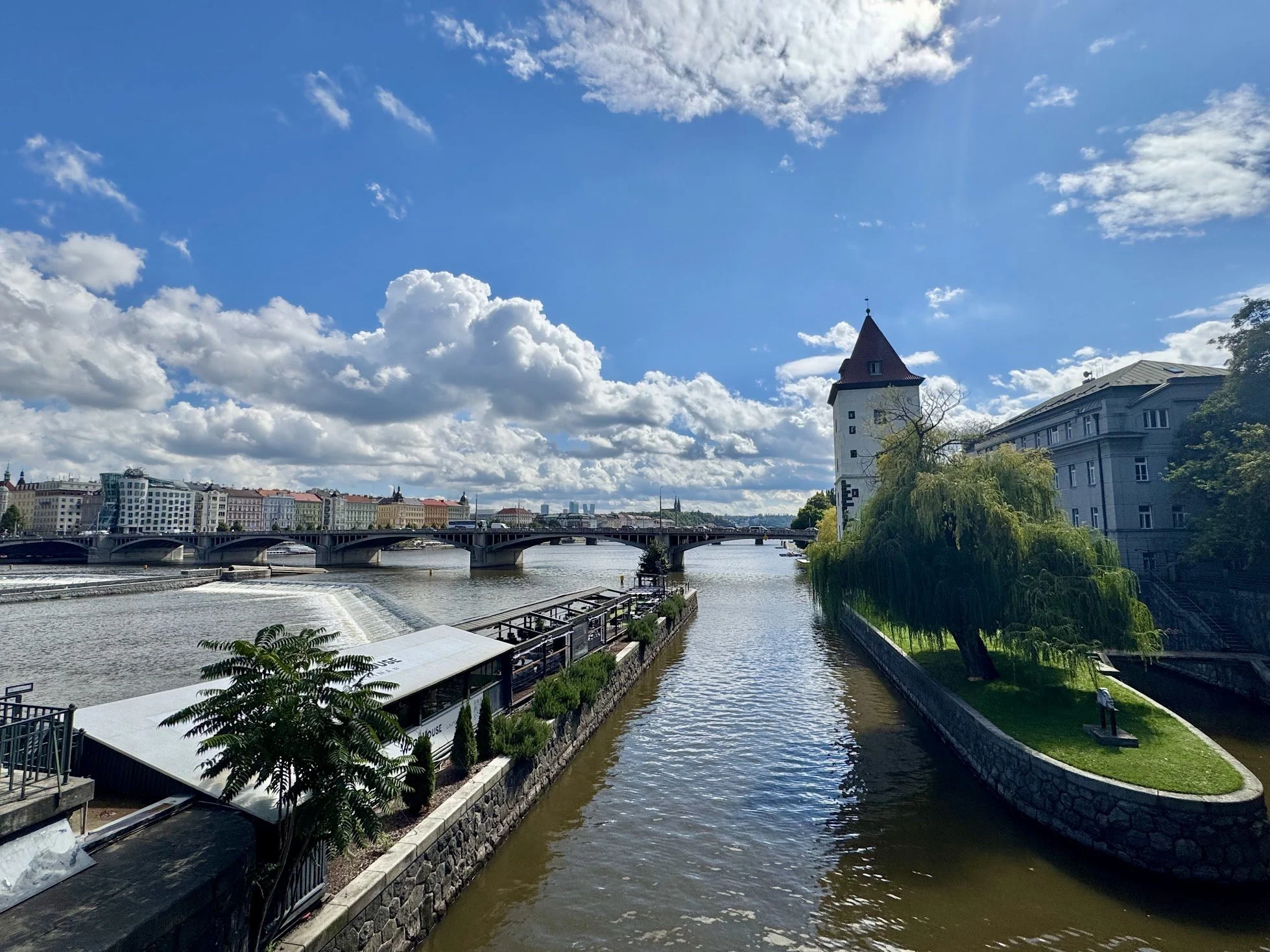
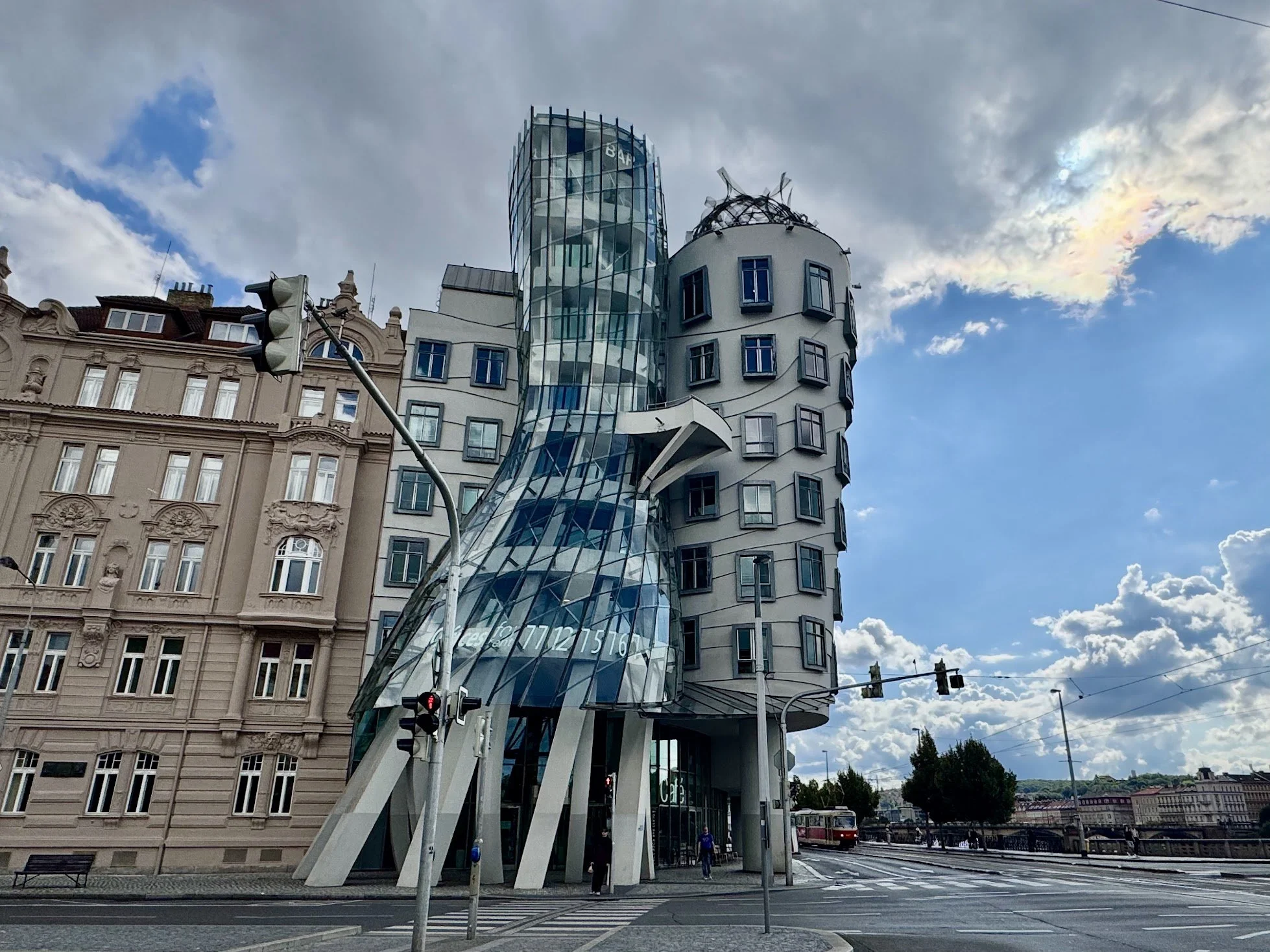
On the walk back north along the river, I stopped at the Dancing House, one of Prague’s most recognizable modern landmarks. After so many days surrounded by Gothic towers, Baroque facades, and medieval streets, seeing something so contemporary and sculptural along the river felt unexpectedly refreshing.
Vrtba Gardens & A Quieter Side of Prague
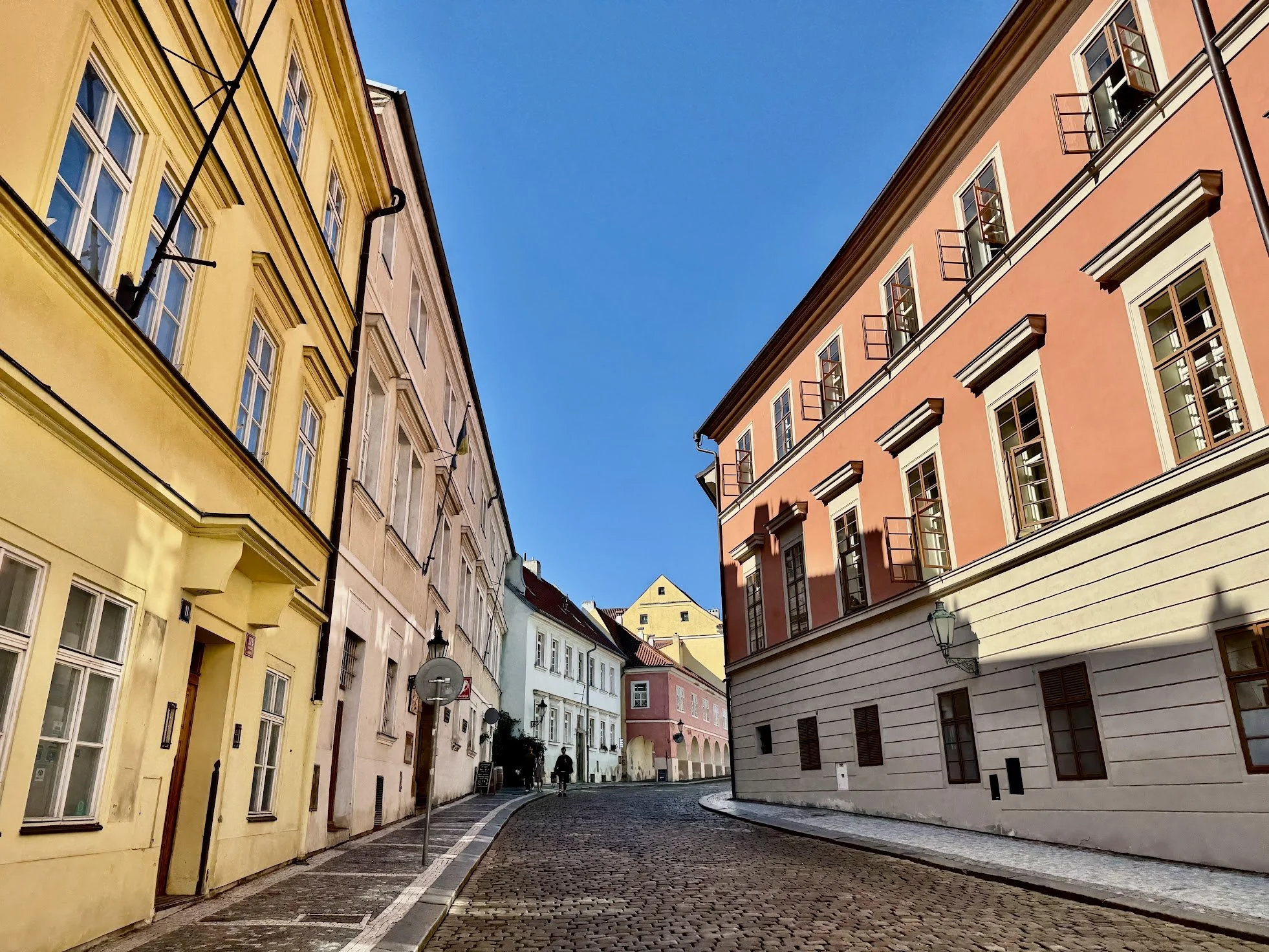
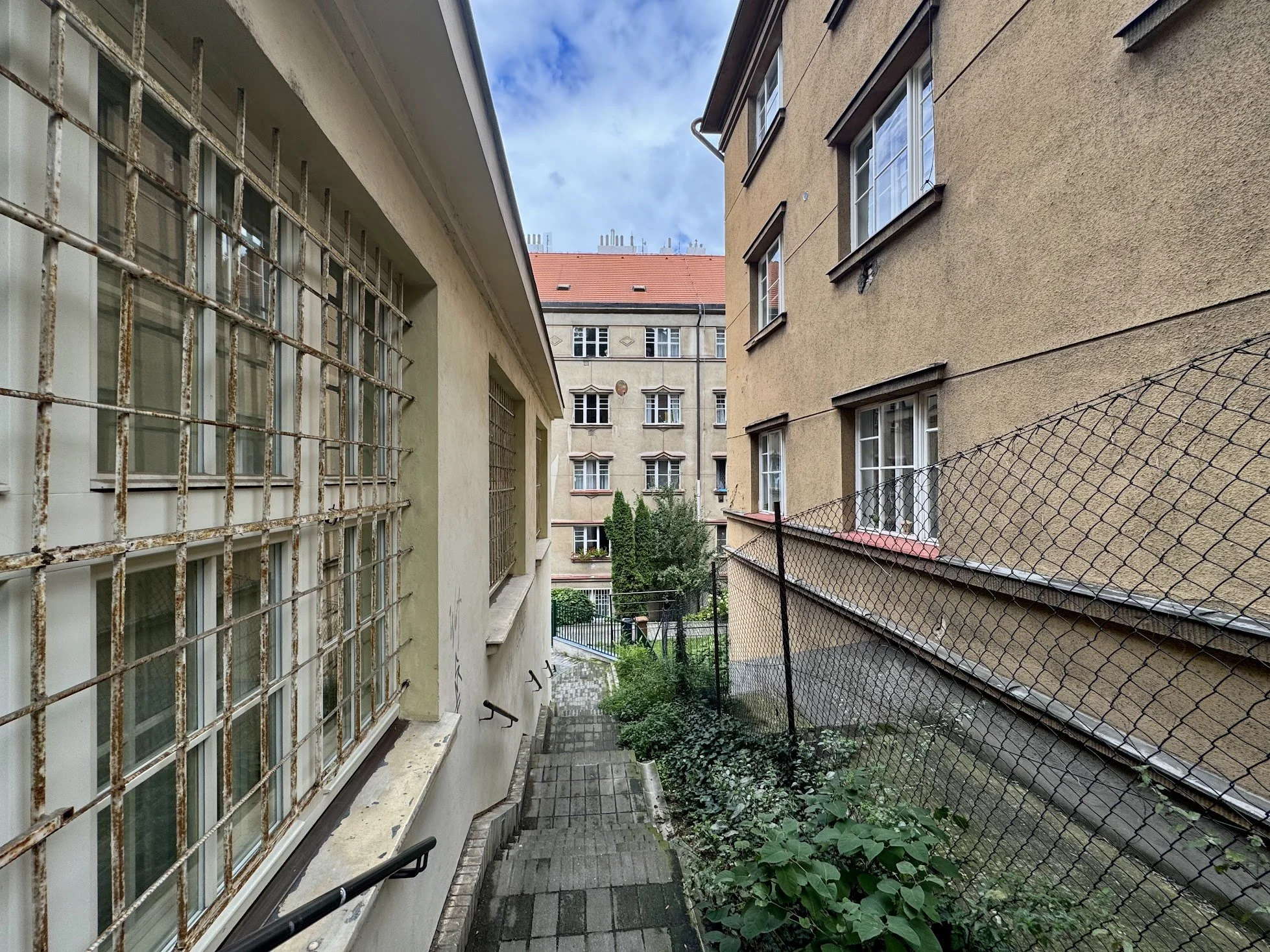
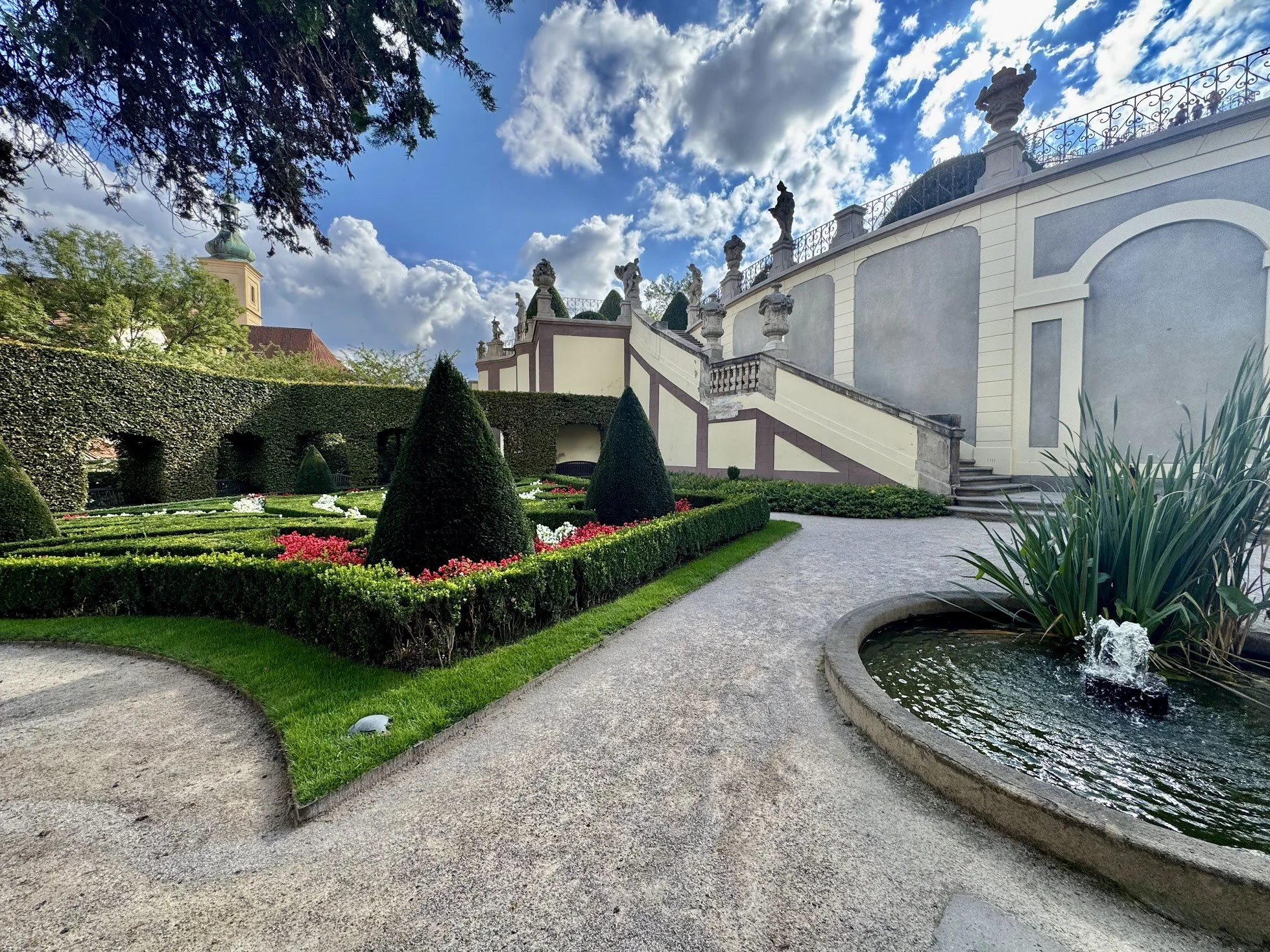
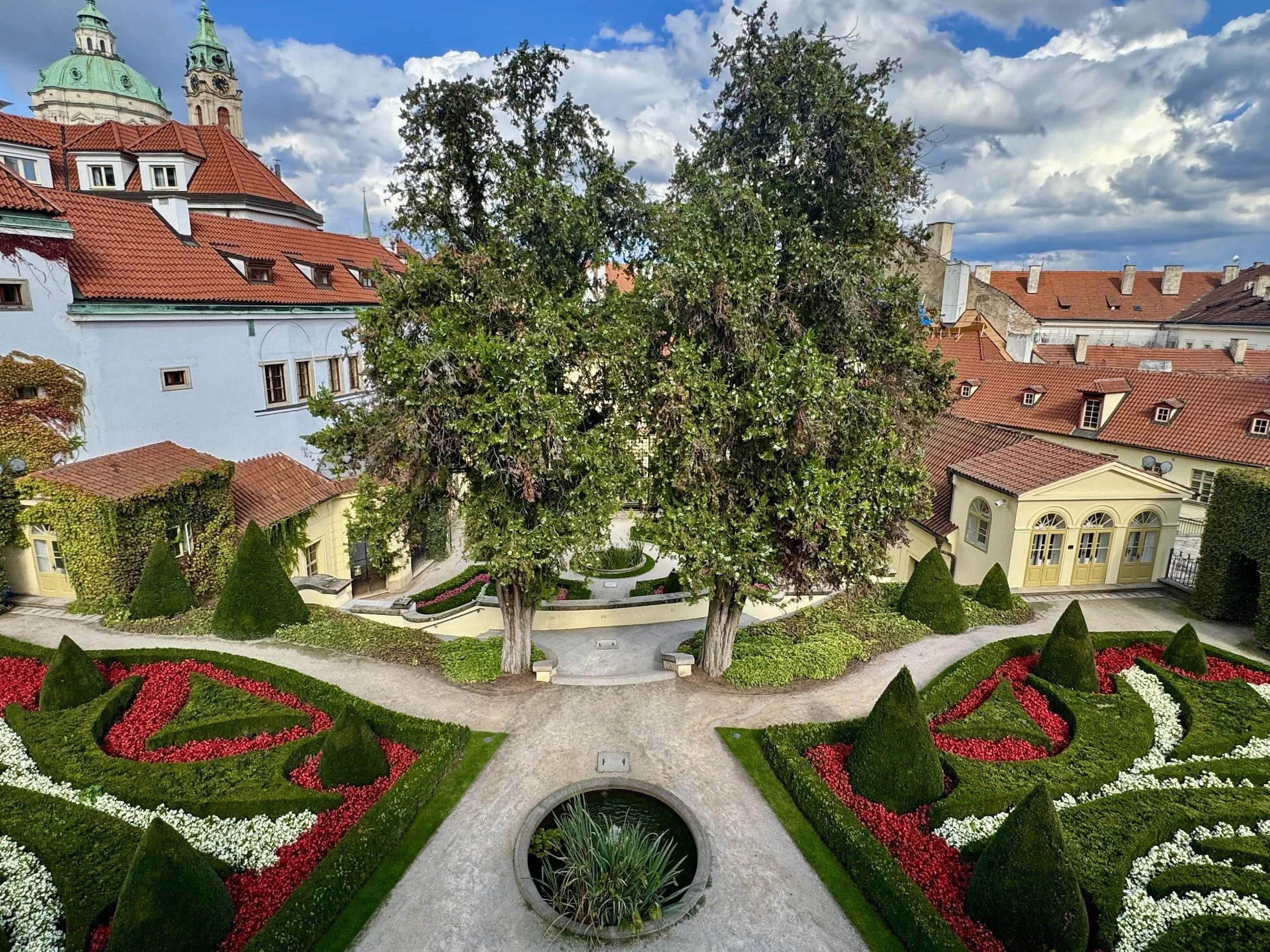
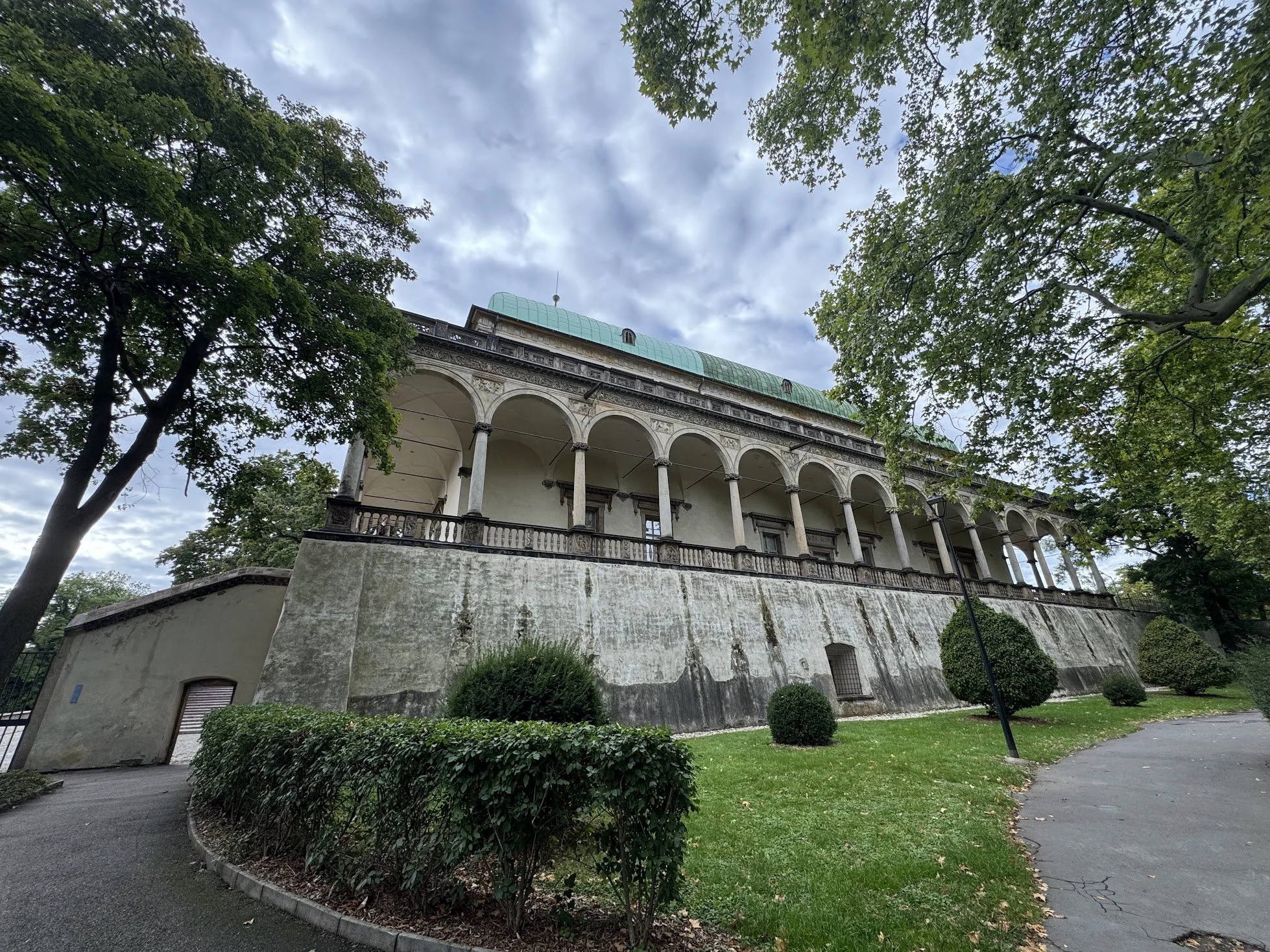
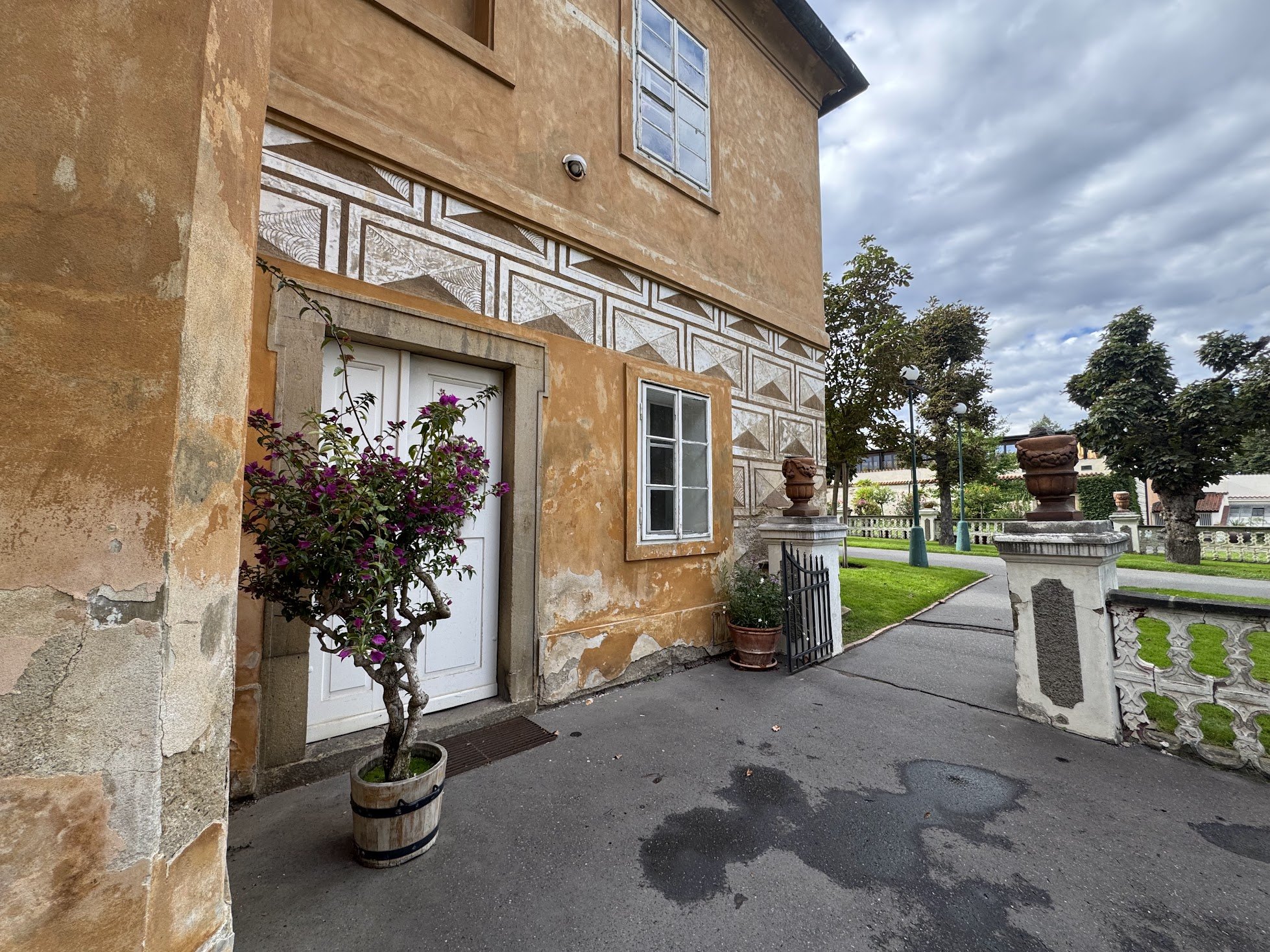
I ended that first full day at Vrtba Garden, a terraced Baroque hillside garden tucked into Malá Strana. Despite being centrally located, it felt surprisingly hidden and quiet. The garden unfolds gradually through staircases, terraces, hedges, sculptures, and elevated viewpoints overlooking the rooftops below.
Old Town
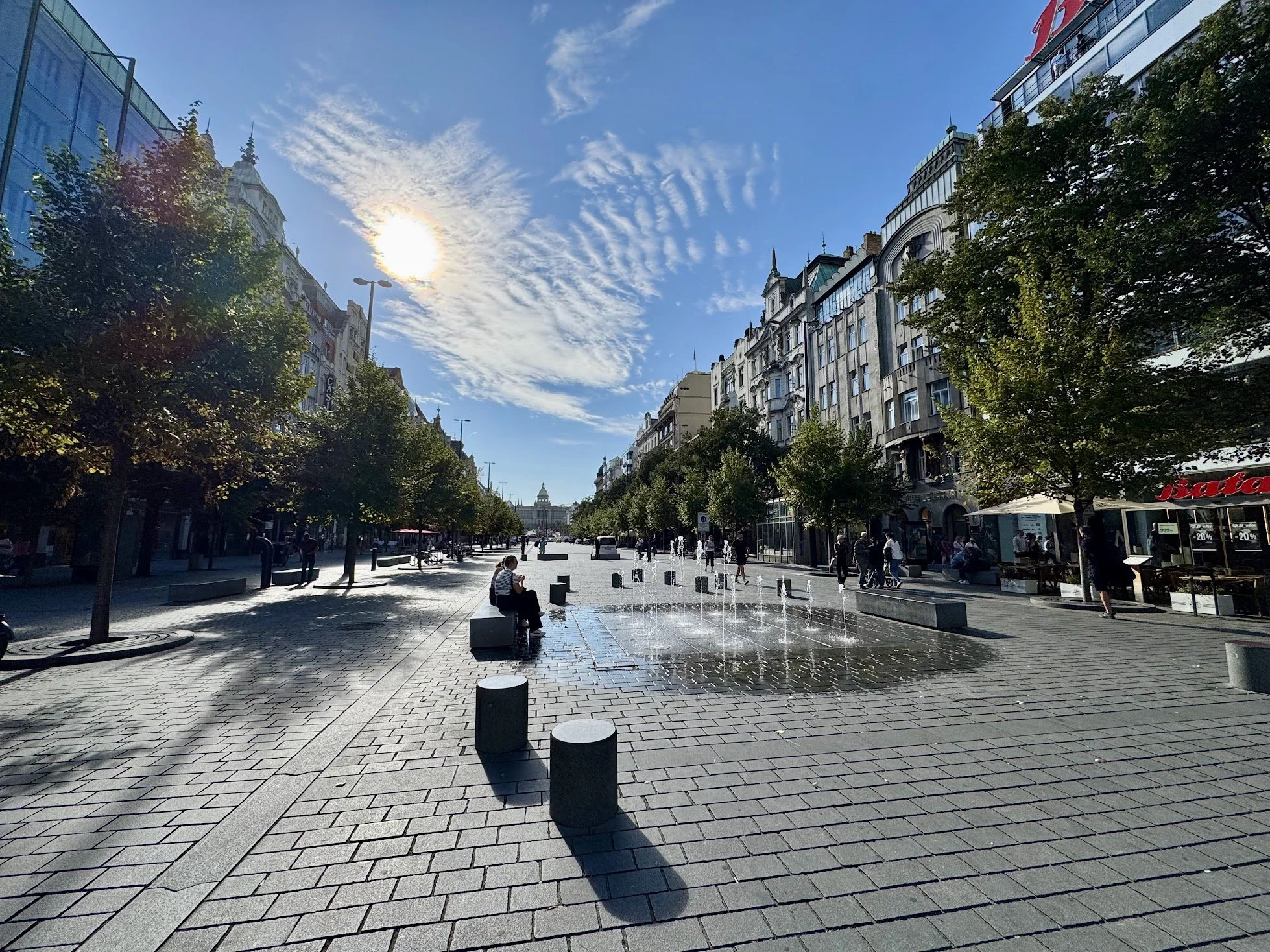
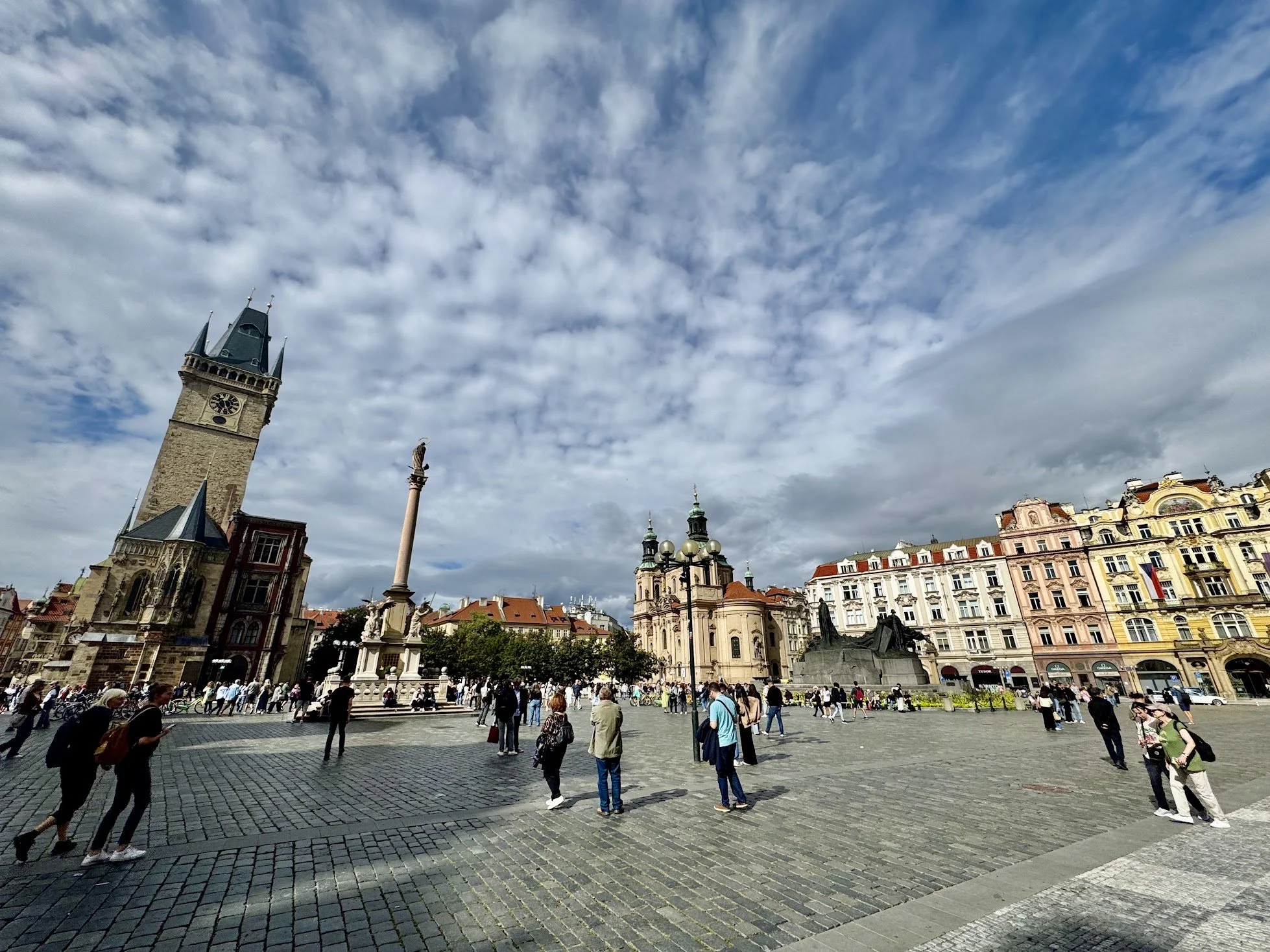
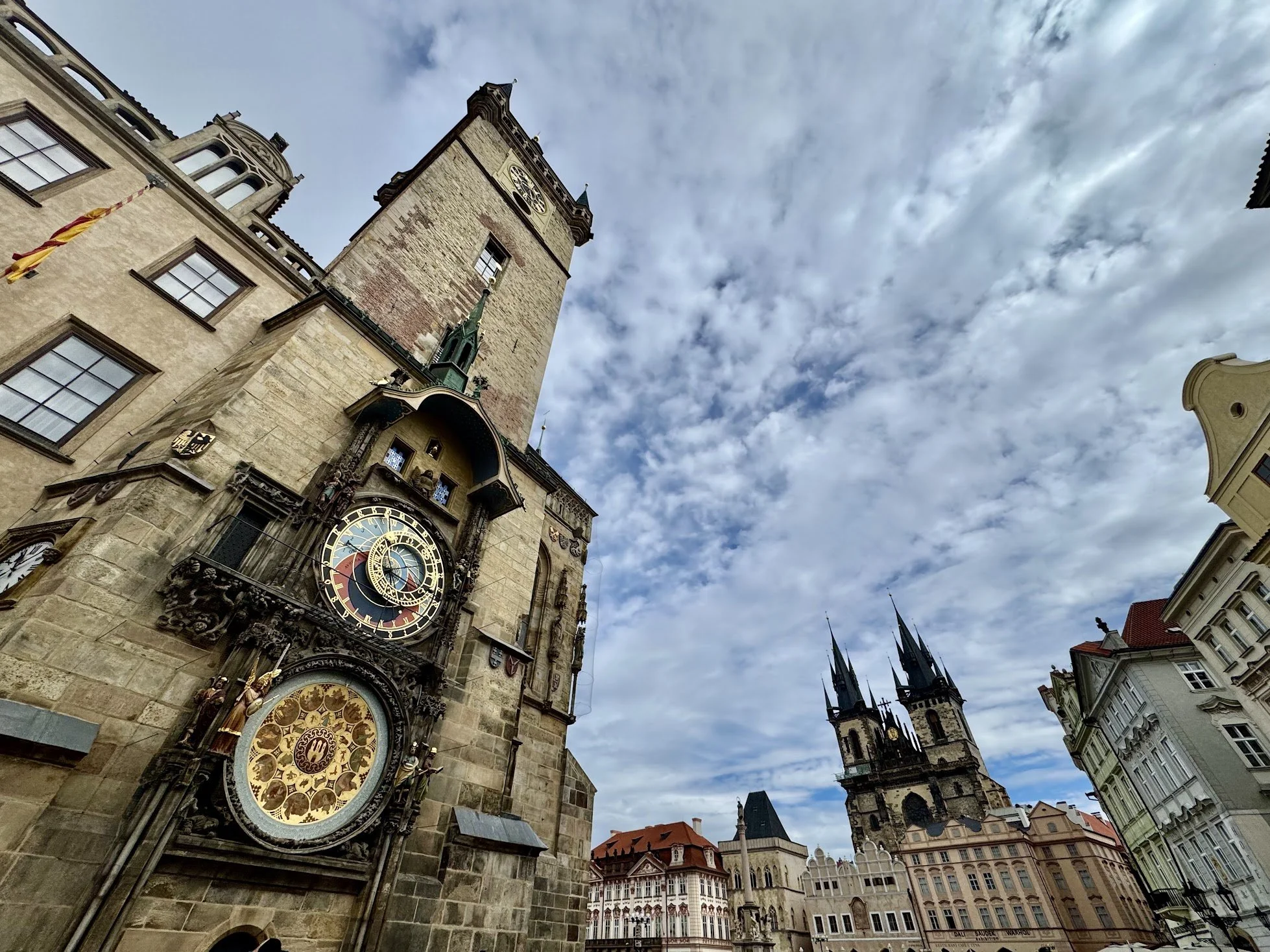
The following day began with the Rick Steves Prague City Walk, which provided a more structured overview of Prague’s historic center, including Old Town Square, the Prague Astronomical Clock, and the Charles Bridge. The Astronomical Clock, first installed in 1410, remains one of Prague’s most famous landmarks, drawing crowds every hour to watch its mechanical procession.
That said, Prague and much of central Europe also seemed to exist in a perpetual state of scaffolding during my trip. Several monuments and buildings were partially covered or under restoration, which became a good reminder that flexibility is simply part of traveling through Europe. Sometimes you walk a long distance toward a famous landmark only to find yourself staring at tarps and fencing instead.
Fortunately, Prague still had plenty to offer beyond the obvious landmarks.
Karlín, Žižkov, Letná & Dejvice
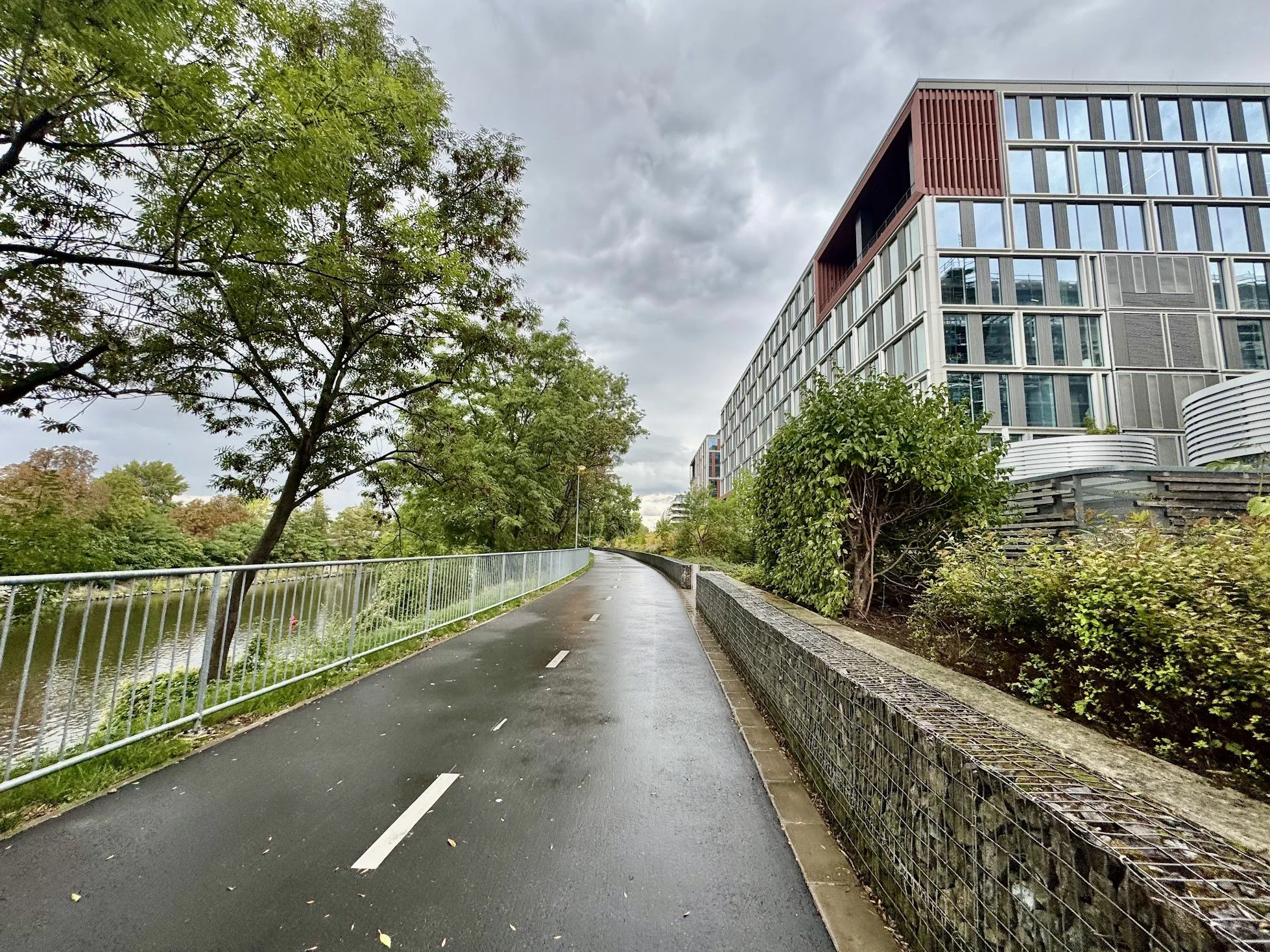
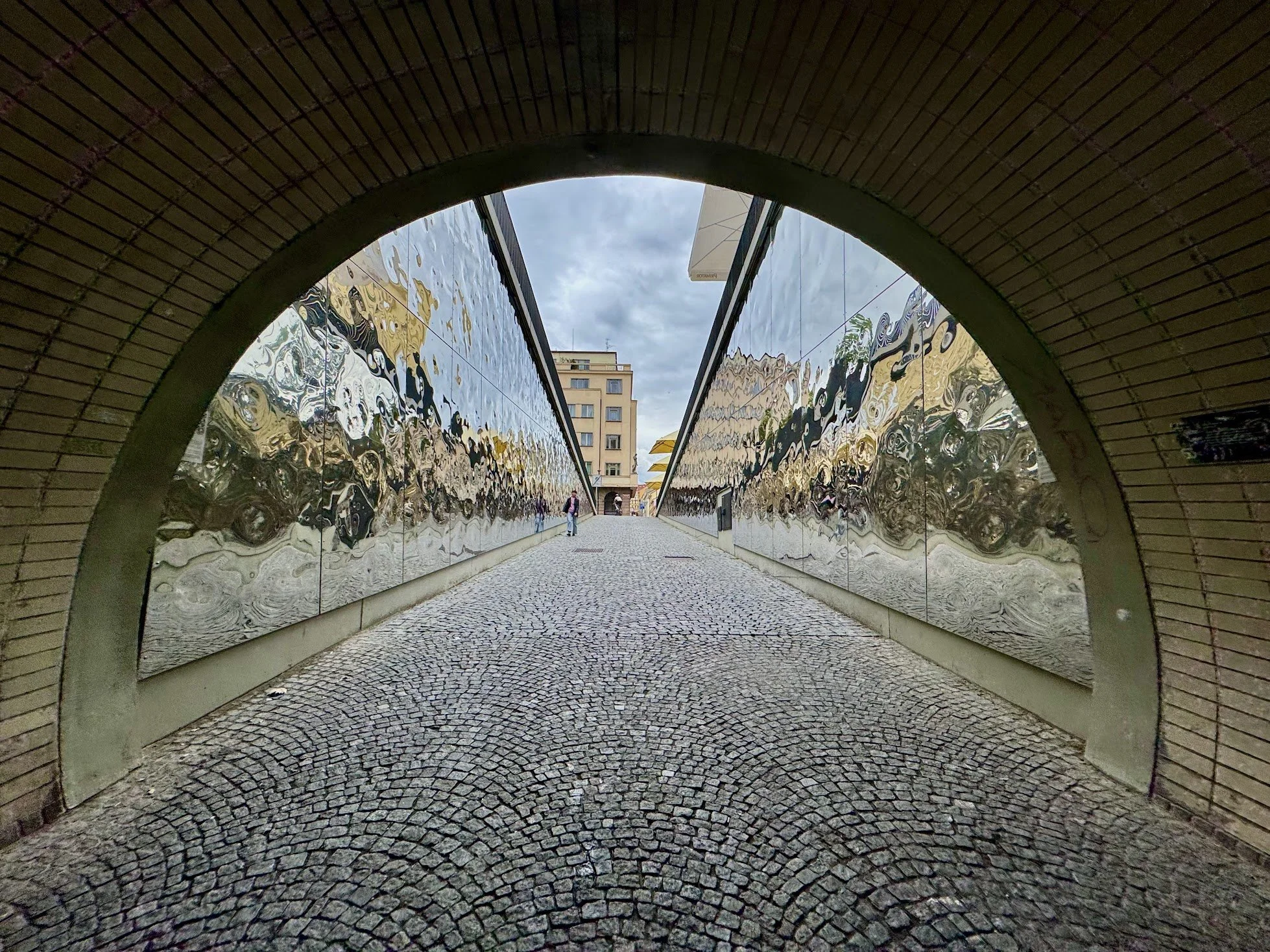
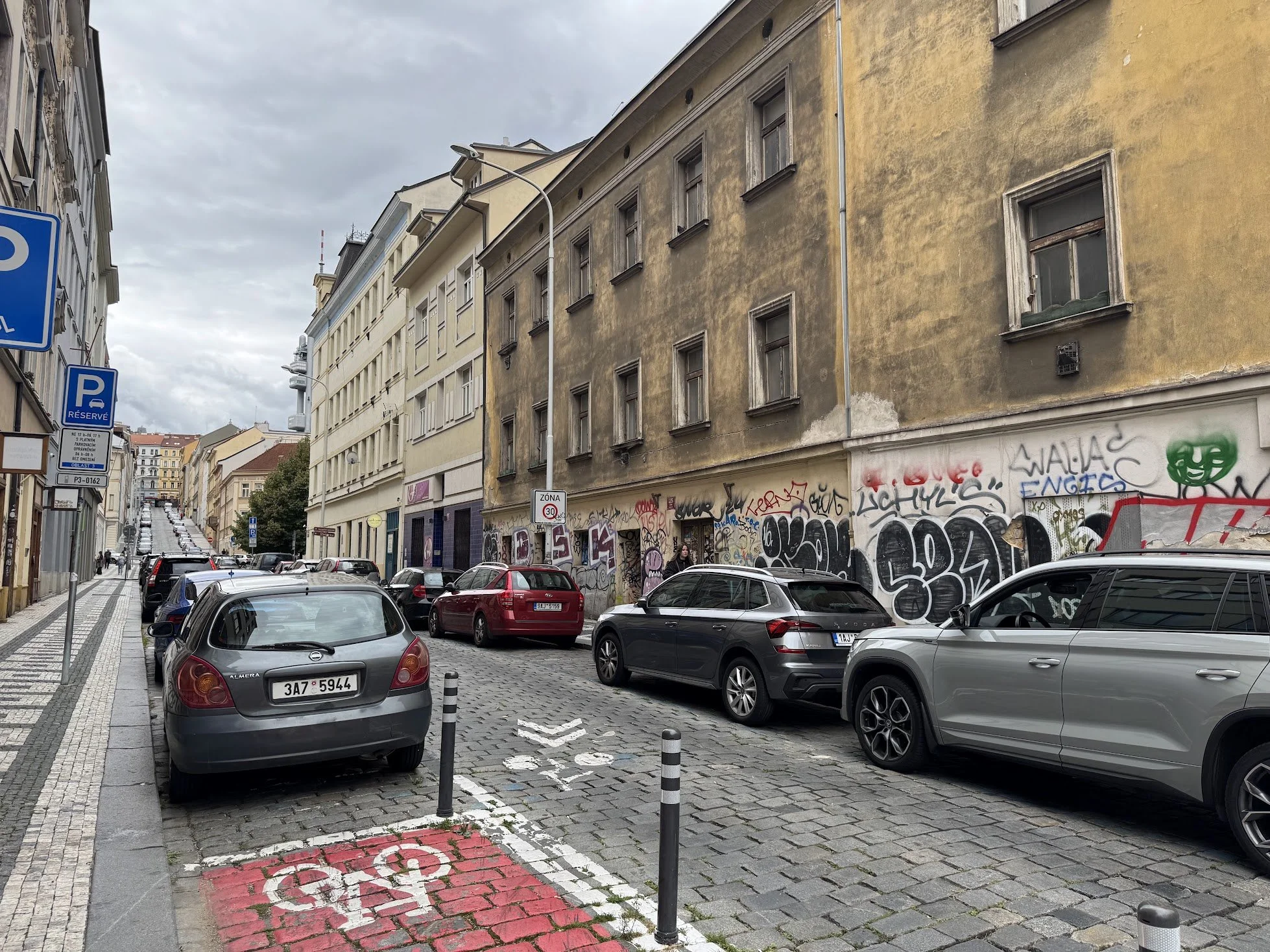
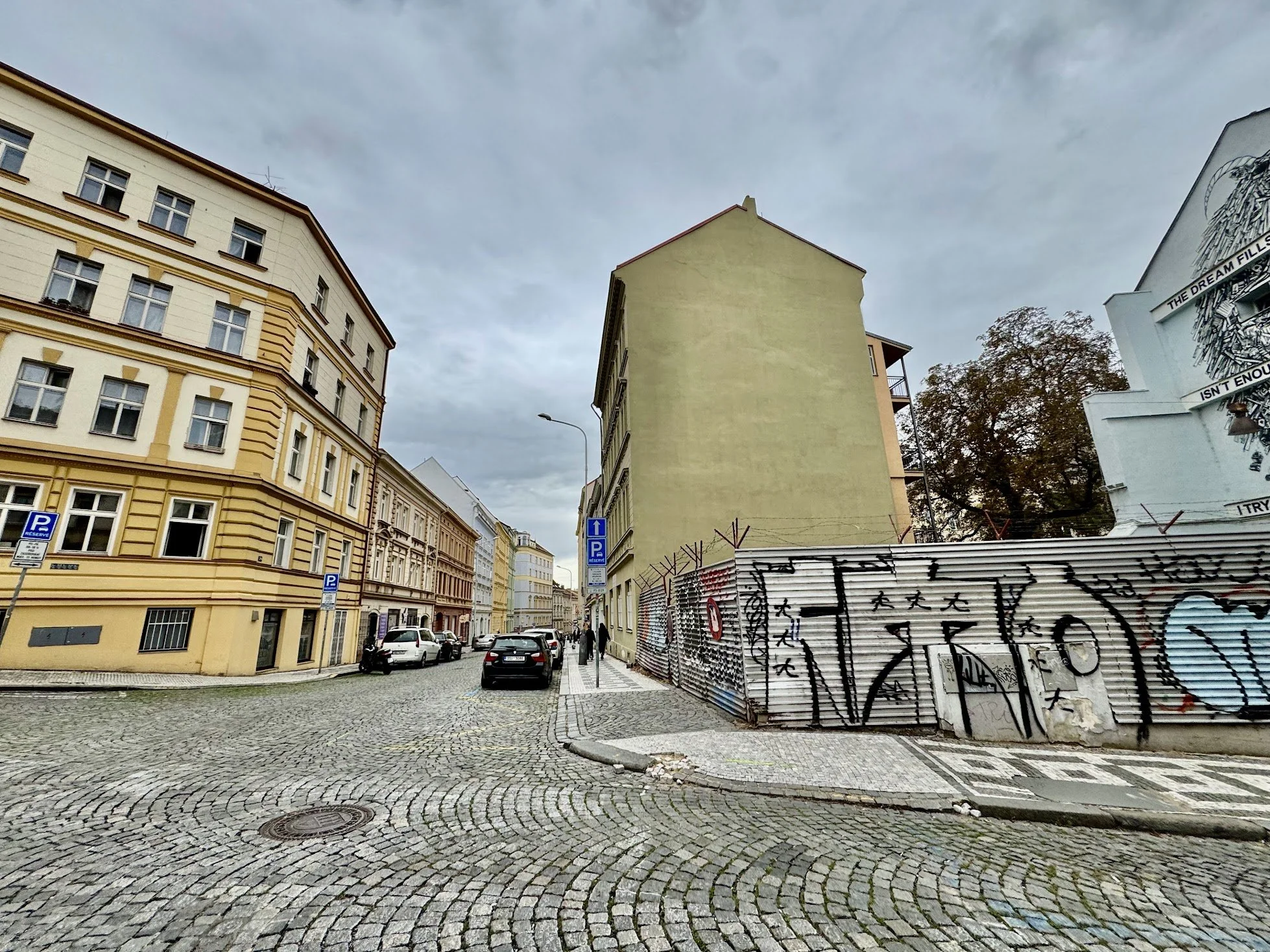
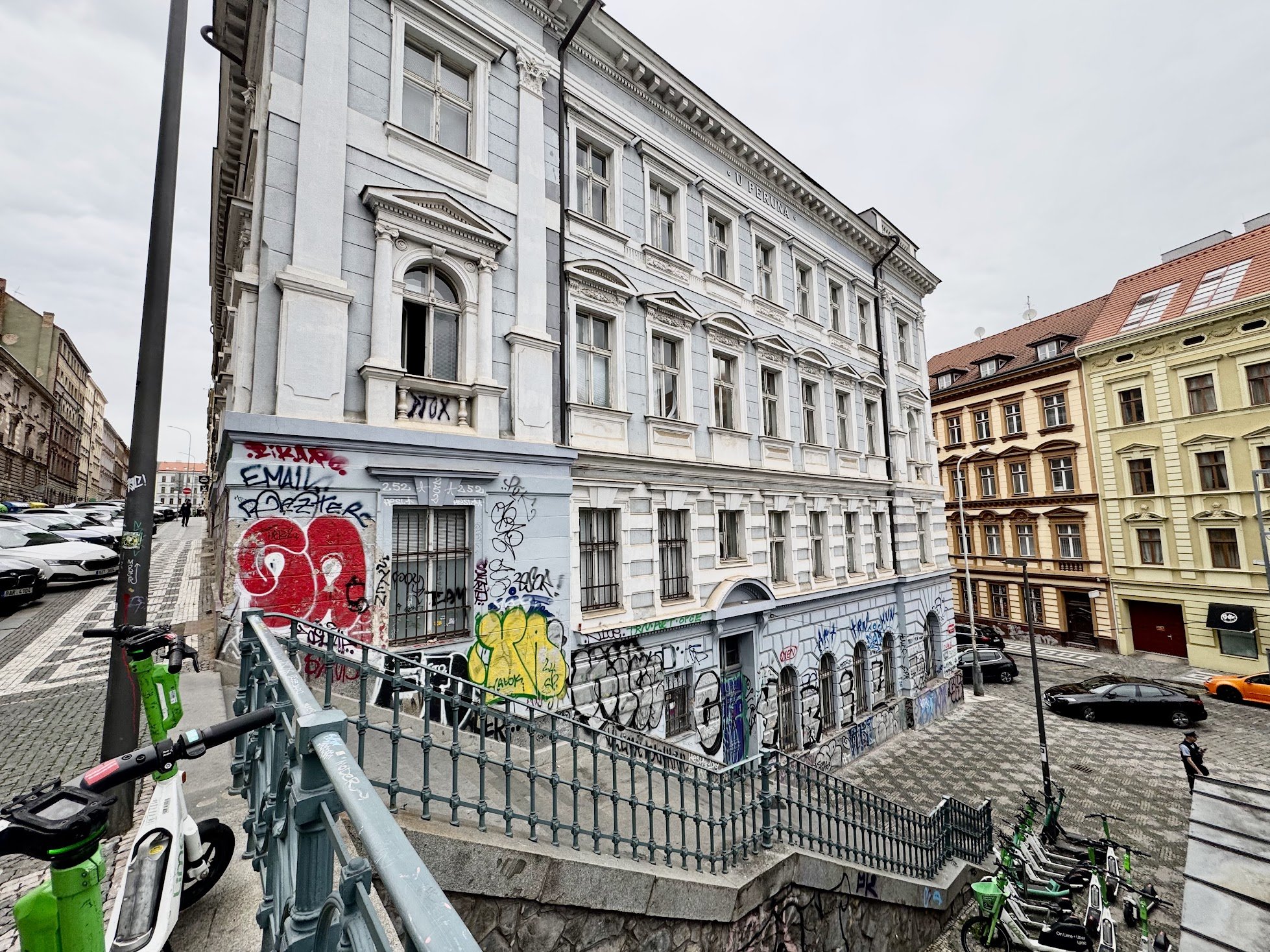
Some of my favorite parts of Prague were the neighborhoods beyond the historic core. I spent time wandering through Karlín, Žižkov, amd Dejvice.
Karlín felt modern and creative, full of cafés, offices, and newer energy. Žižkov felt more residential and alternative, known for its pubs, local bars, and the unmistakable Žižkov Television Tower rising above the skyline.
From there, I crossed into Letná Park via the Čech Bridge, where wide-open viewpoints overlook Prague’s bridges and Old Town skyline. Nearby, Chotek Gardens felt noticeably quieter and more understated—a peaceful green corridor connecting the castle district with surrounding neighborhoods.
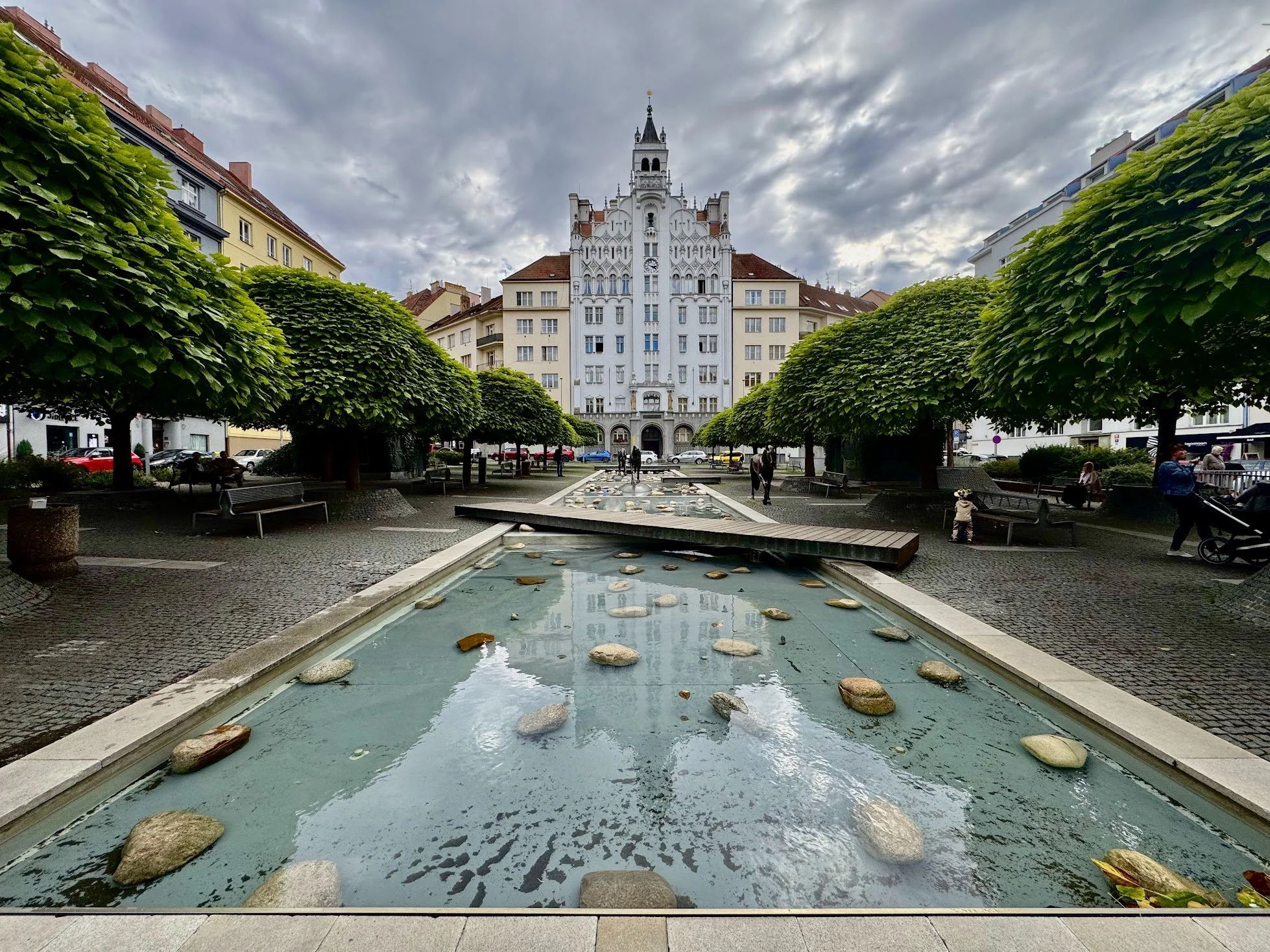
Finally, I explored Dejvice, a relaxed university-centered neighborhood that felt more local and everyday than much of central Prague.
Where I Ate: Gluten-Free Dining in Prague, Czech Republic
Finding gluten-free food in Prague required slightly more planning than some of my earlier stops, but I still found several excellent options throughout the city.
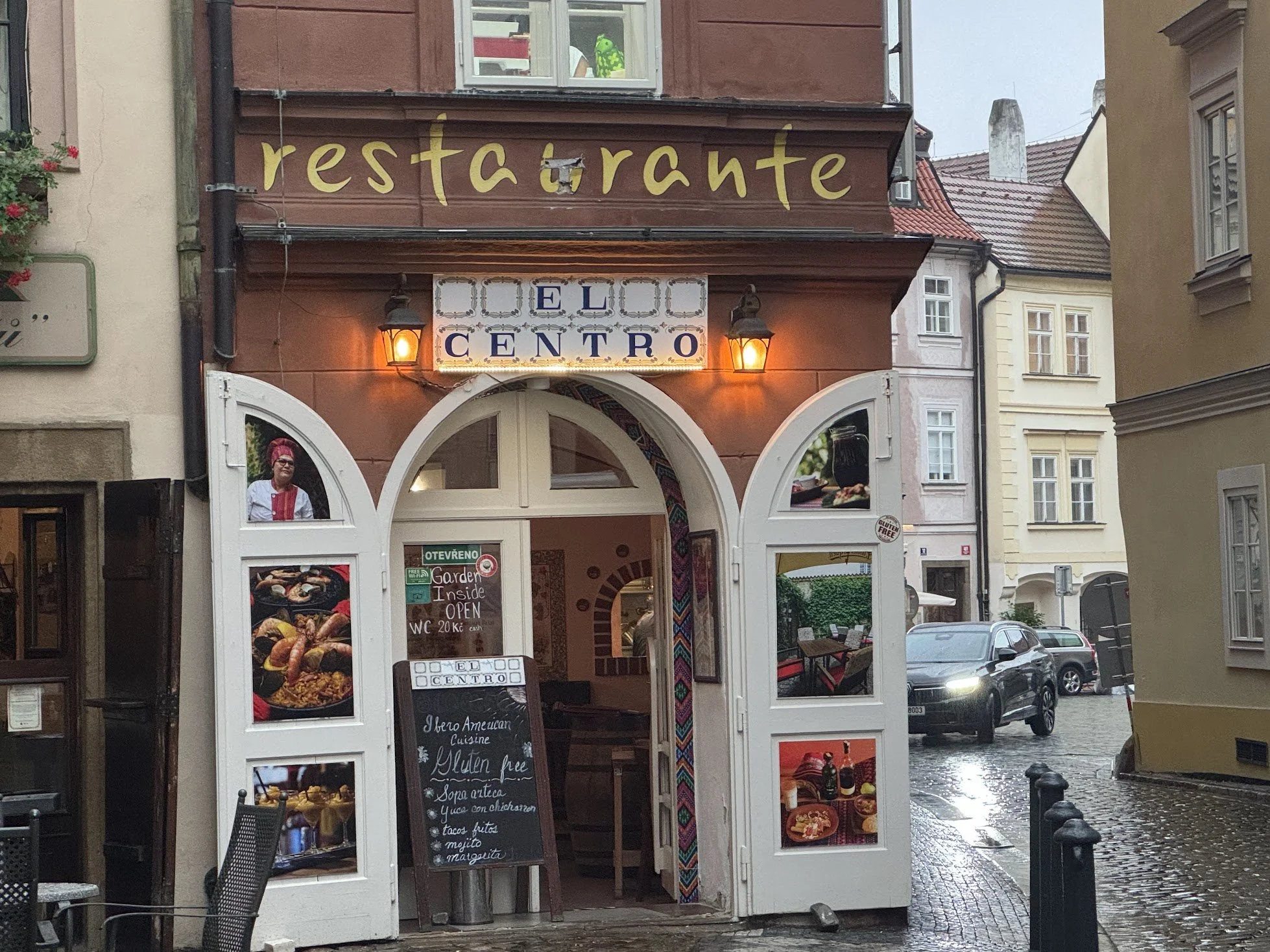
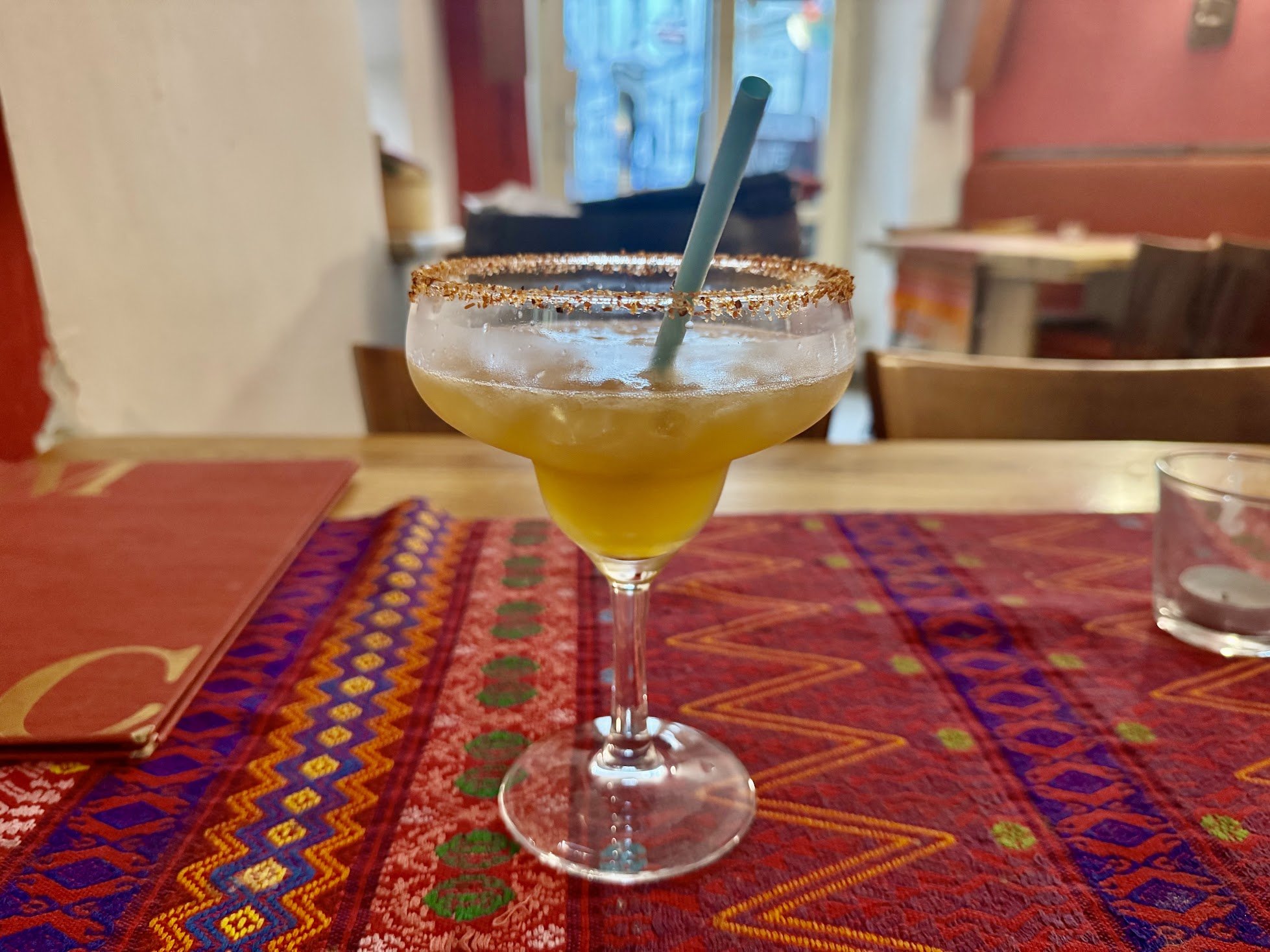
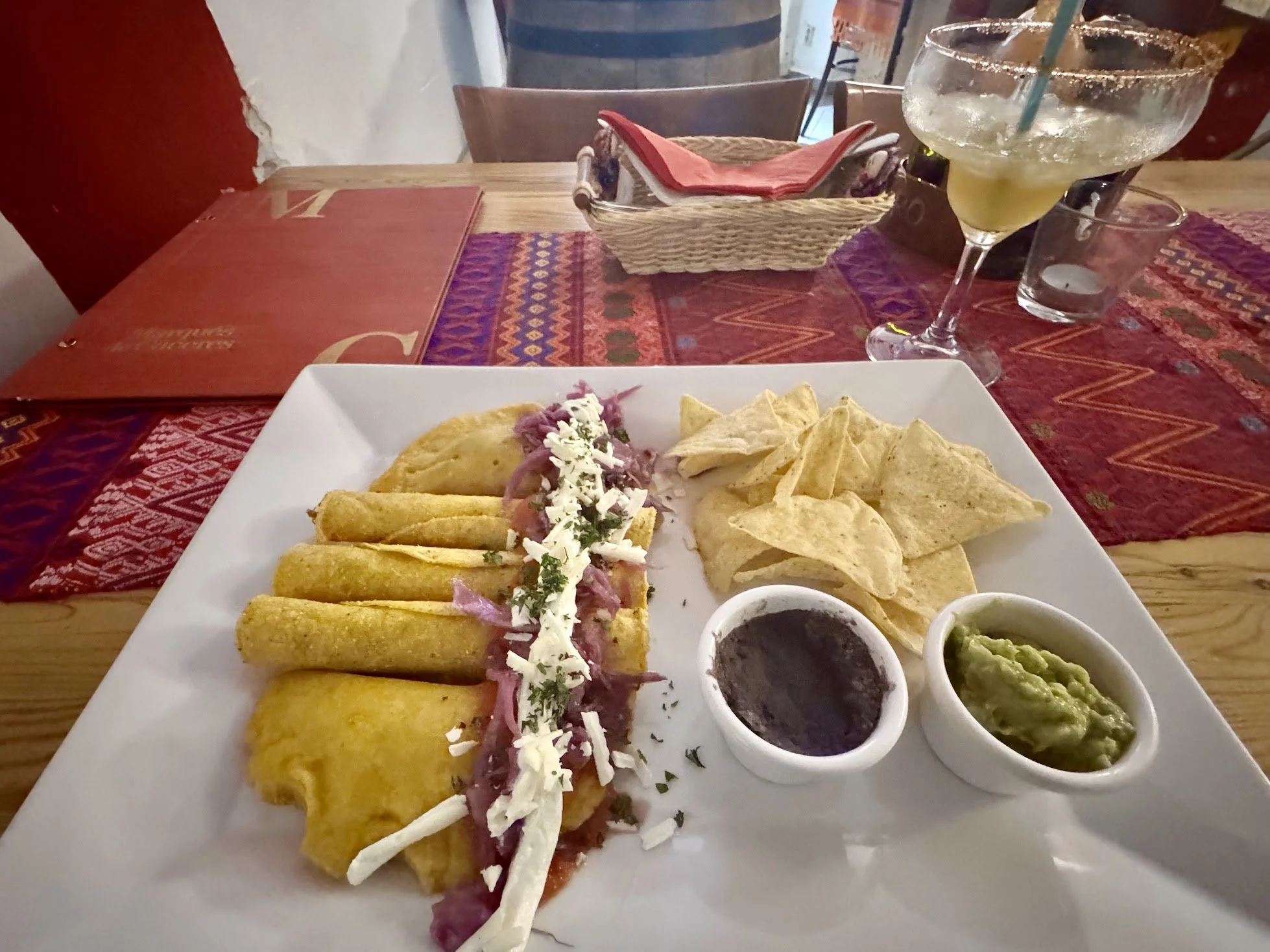
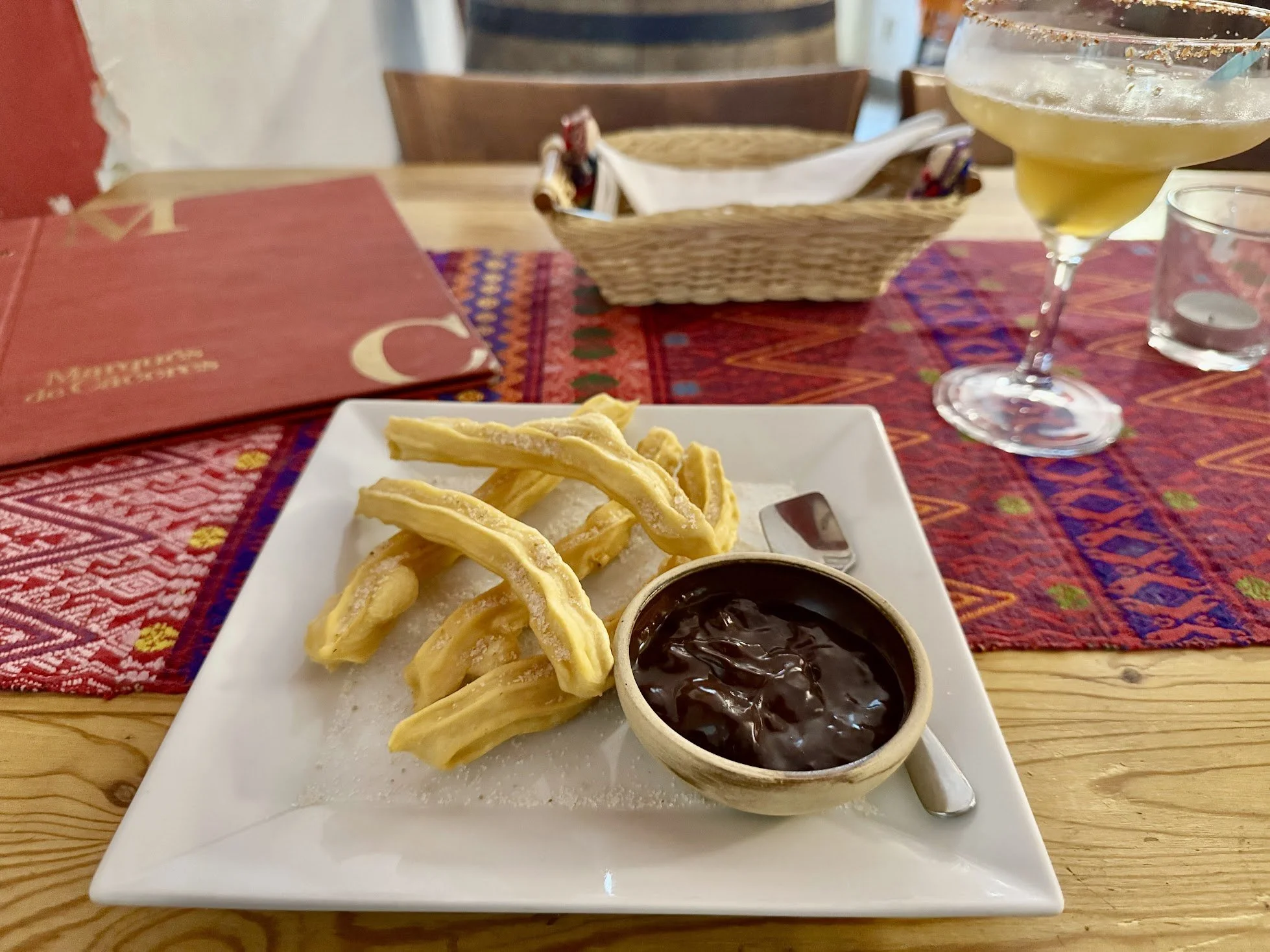
On my first evening, I walked to El Centro, a lively Latin American-inspired restaurant where I ordered gluten-free empanadas, tacos, churros with chocolate sauce, and a margarita. It was exactly the comfort-food energy I needed after a long travel day.
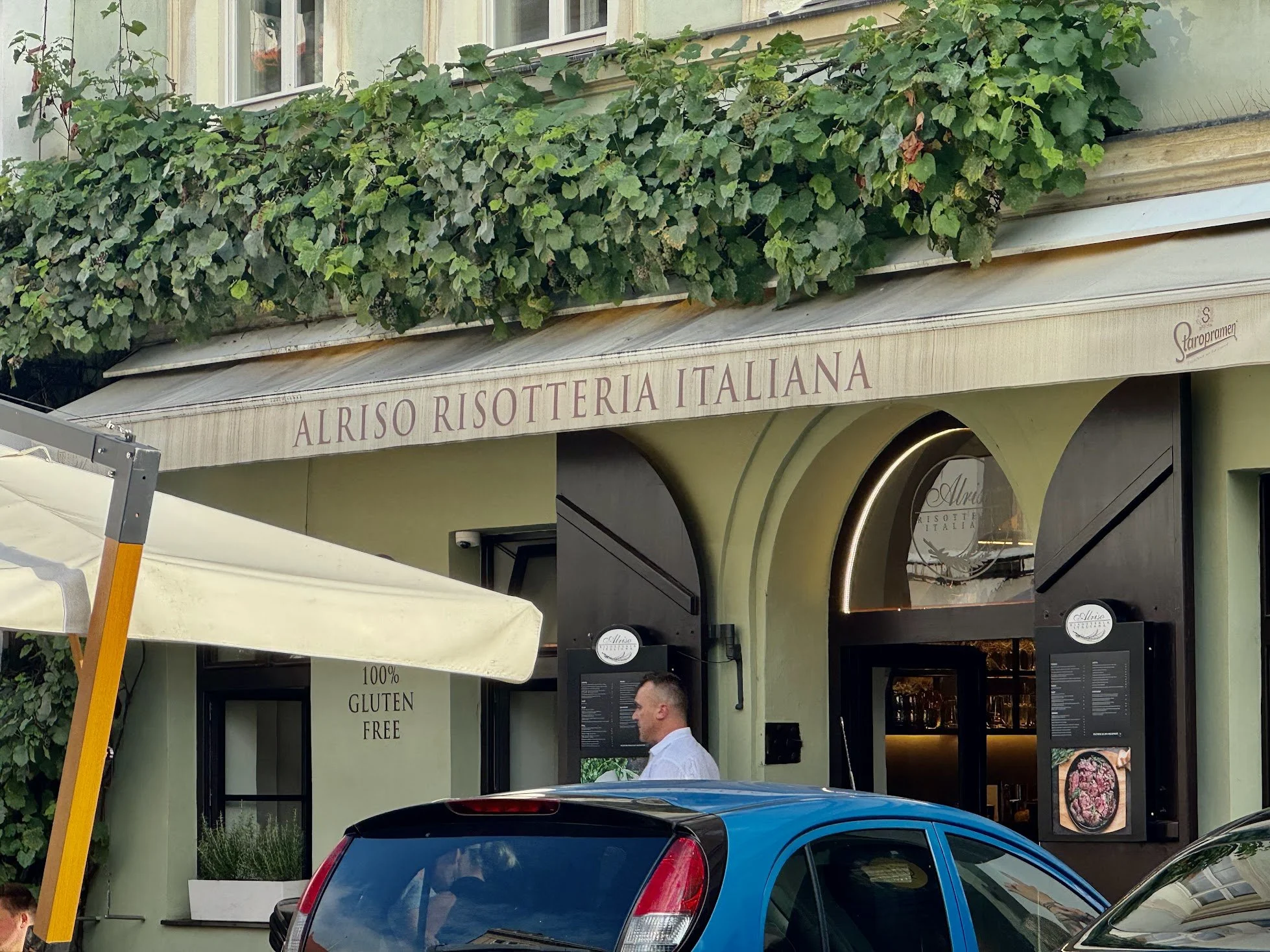
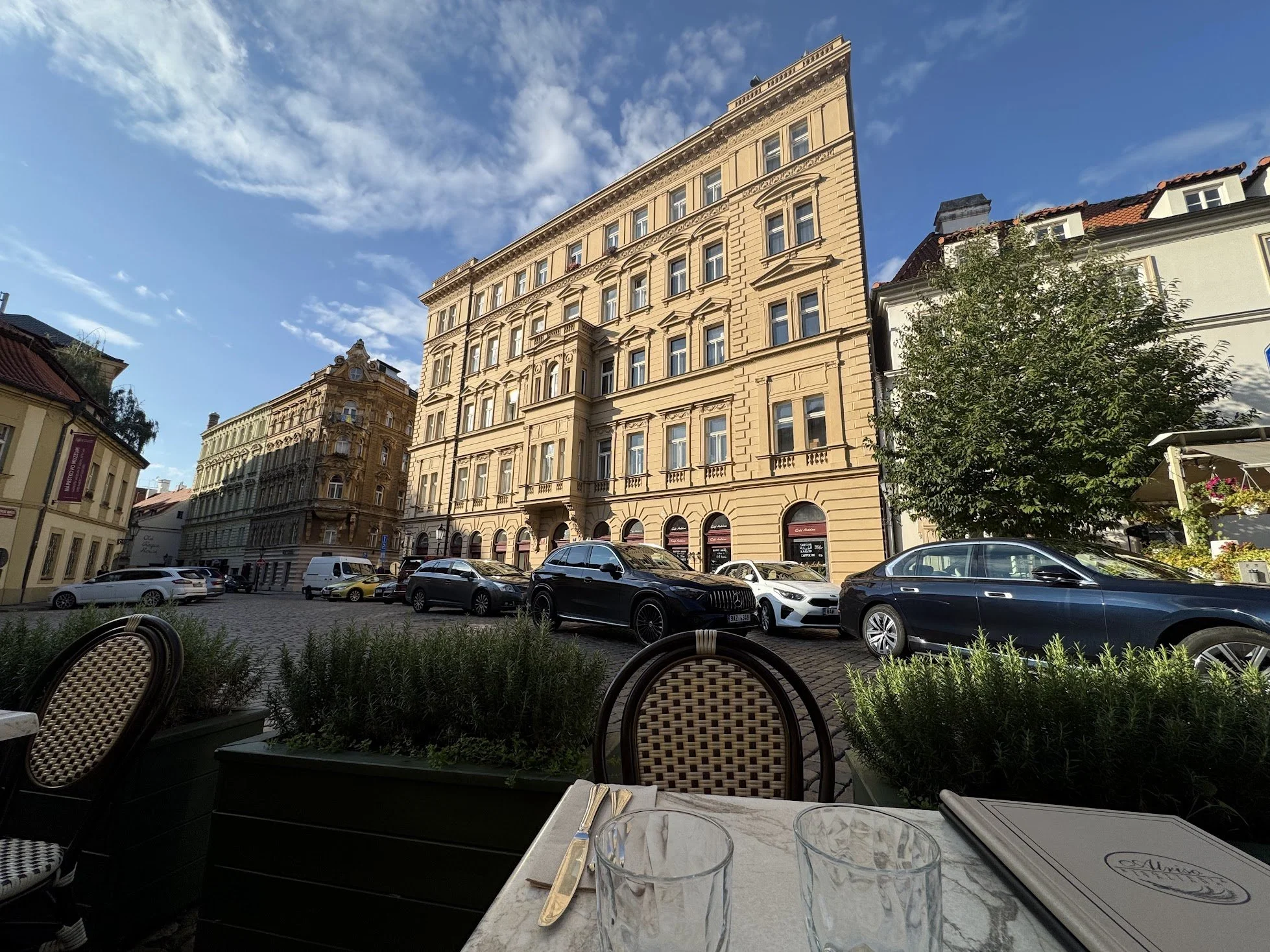
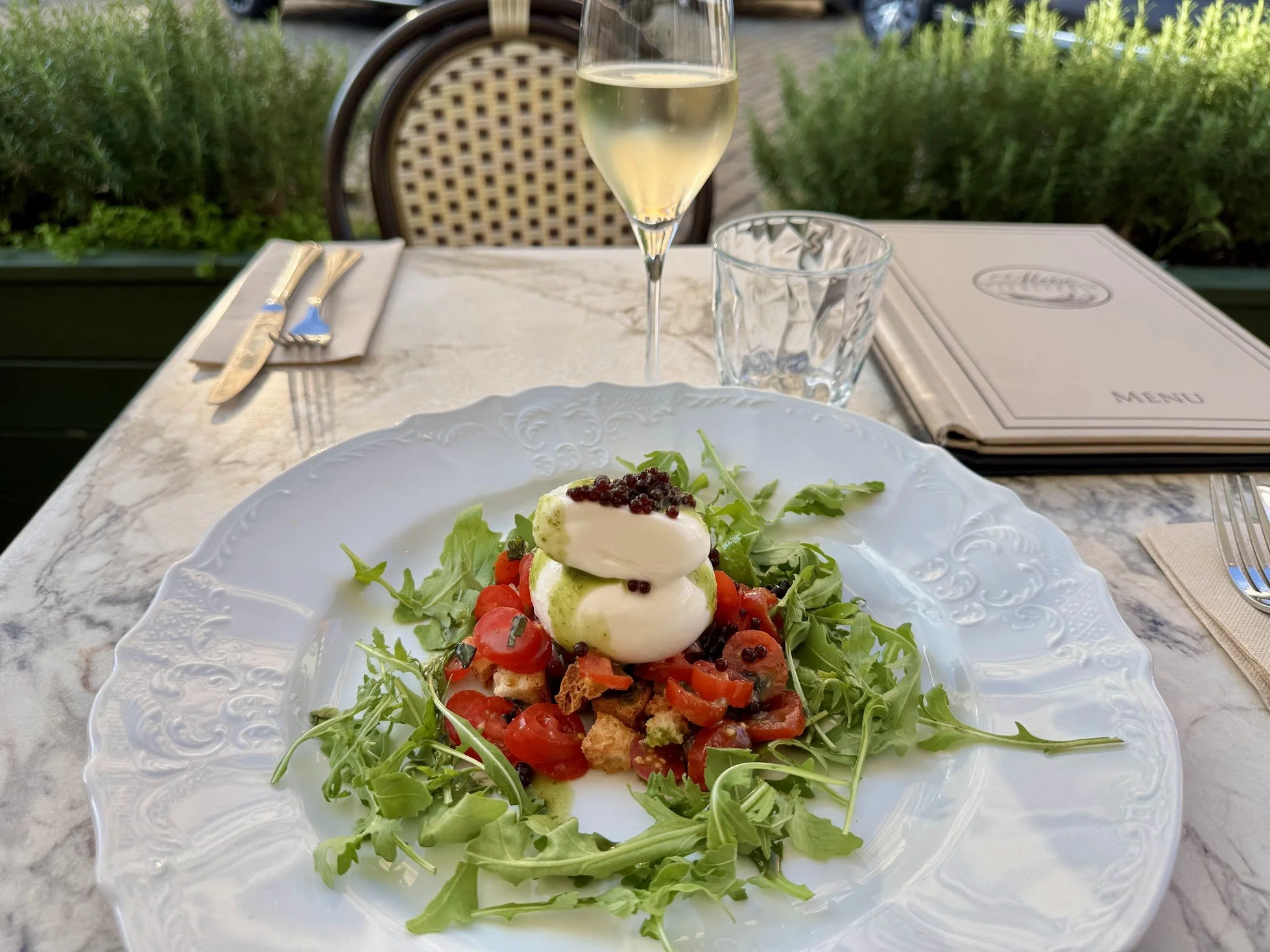
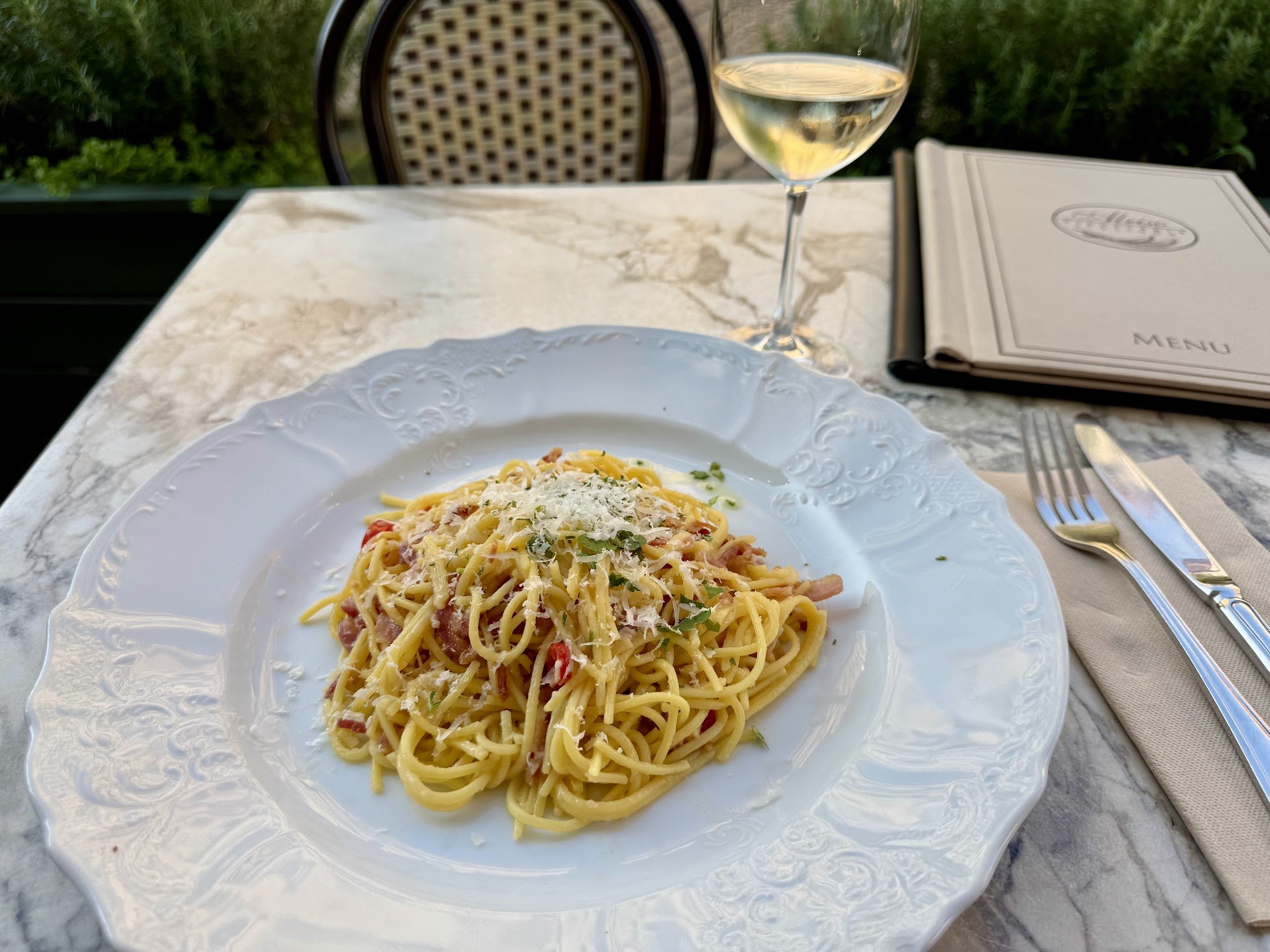
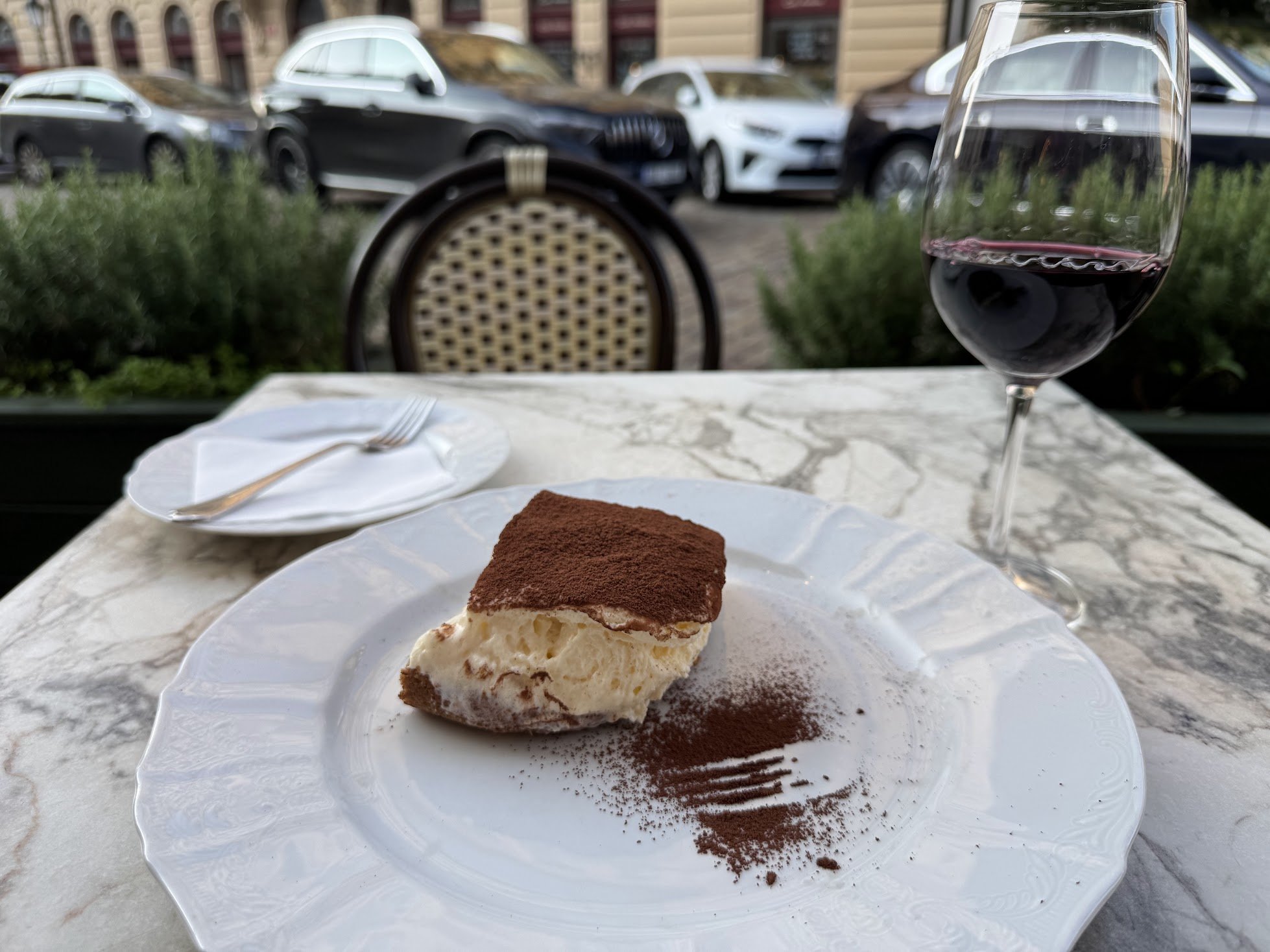
The following evening, I had dinner at Alriso Risotteria Italiana, a fully gluten-free Italian restaurant in Old Town specializing in risotto, pasta, and desserts. The meal was beyond delicious, and I highly recommend!
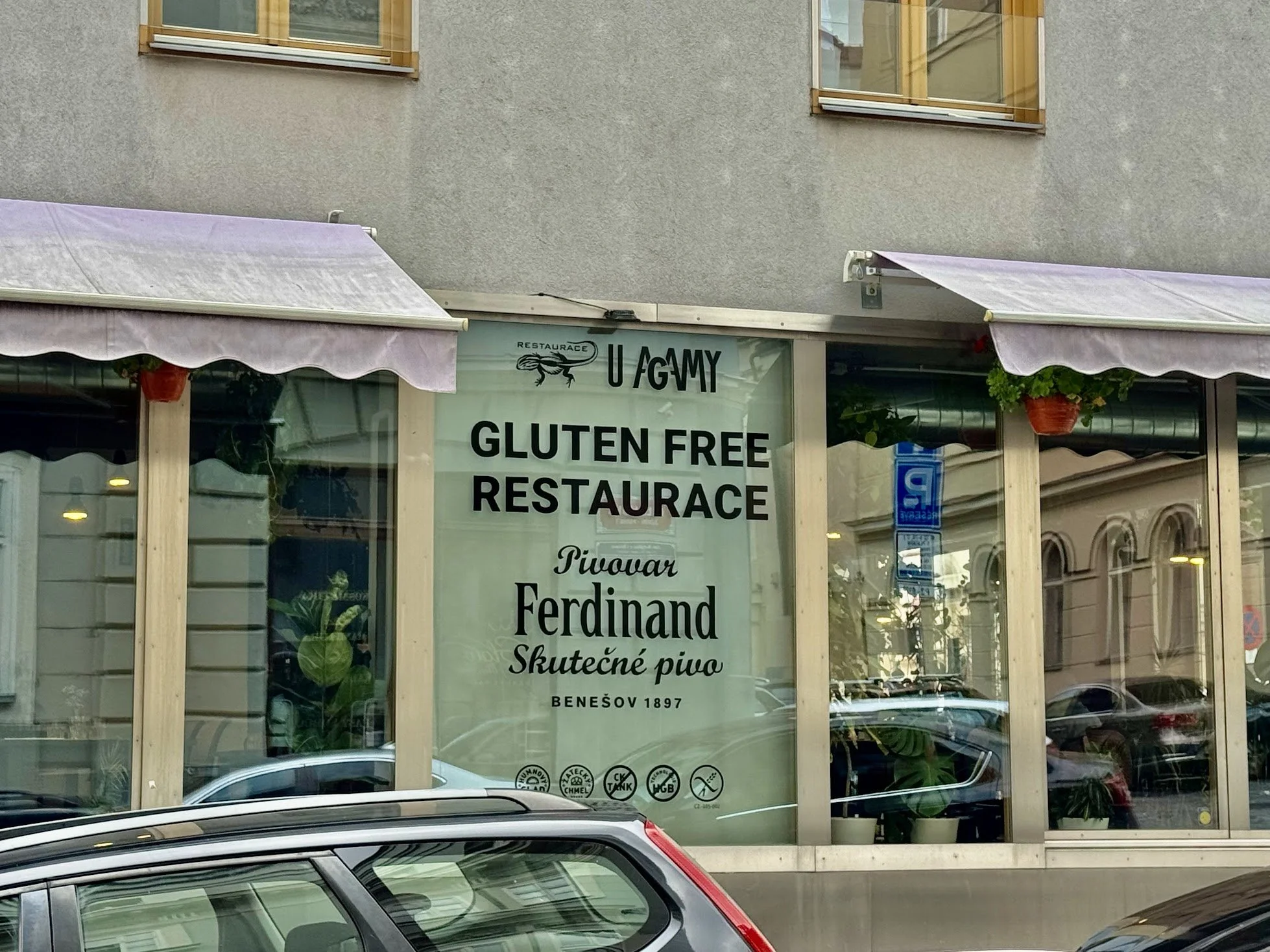
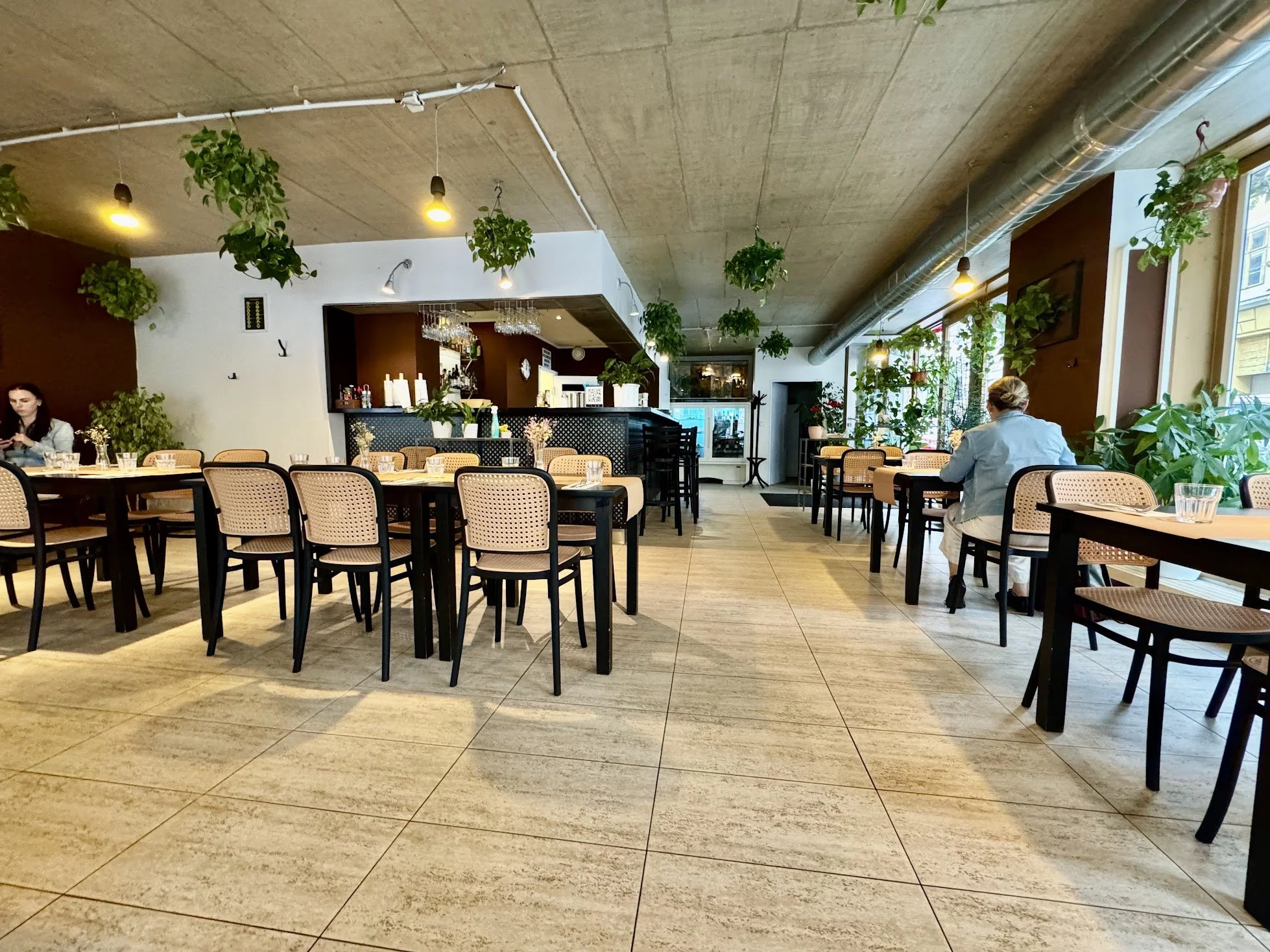
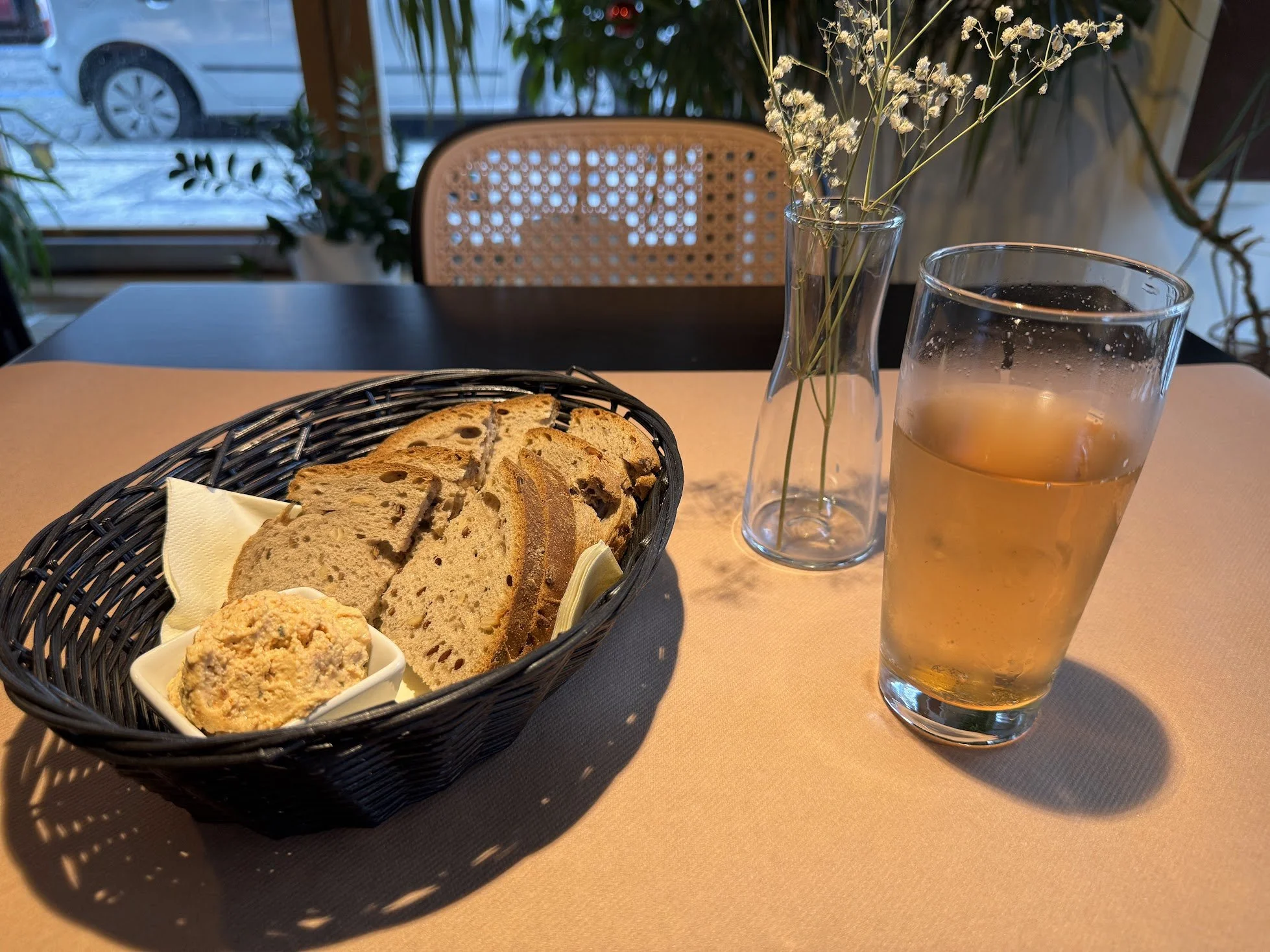
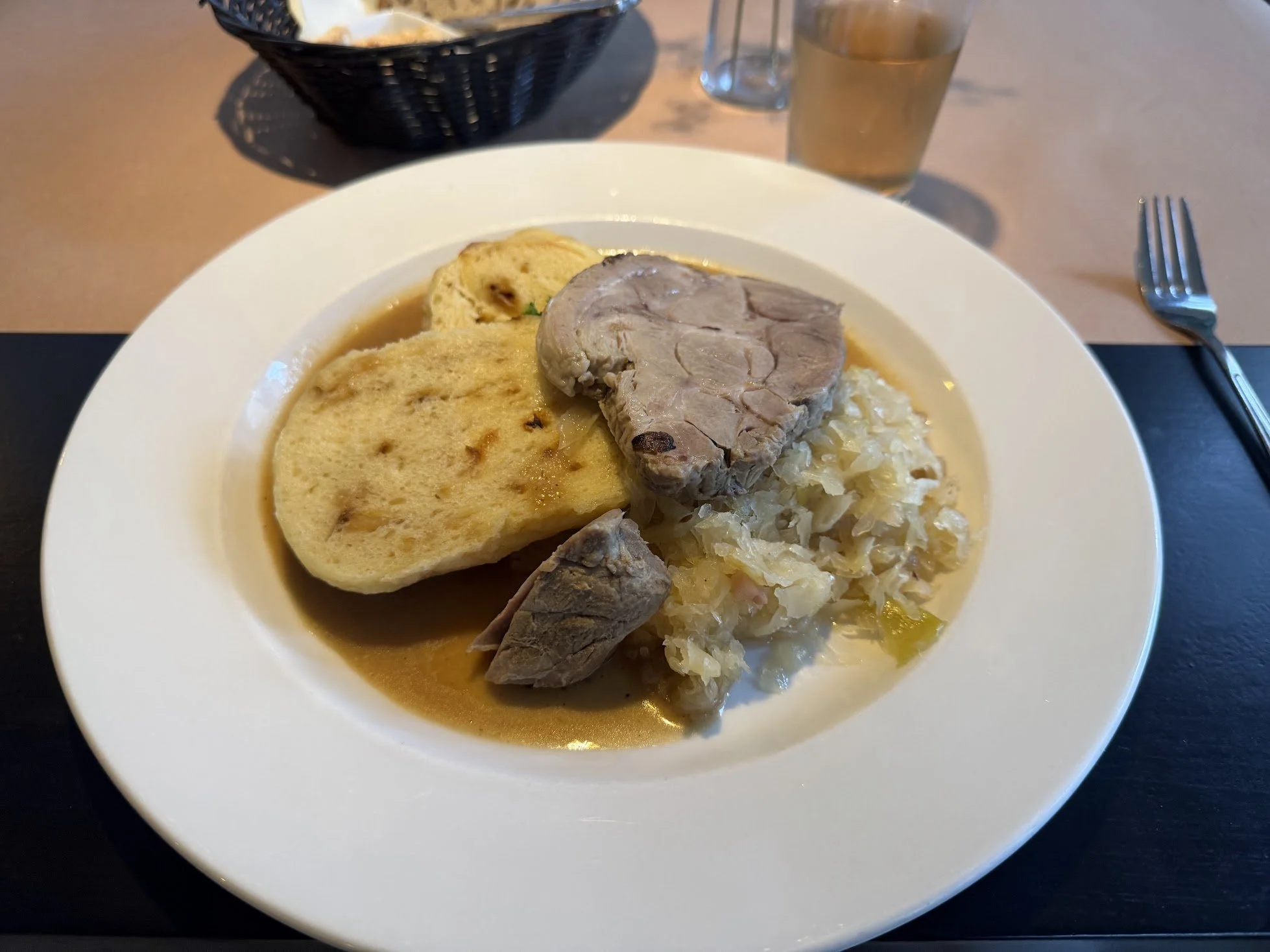
One of my most memorable meals, though, came from Restaurace U Agamy in Žižkov, where I had a fully gluten-free version of traditional Czech cuisine. Finding gluten-free dumplings in Prague felt borderline miraculous.
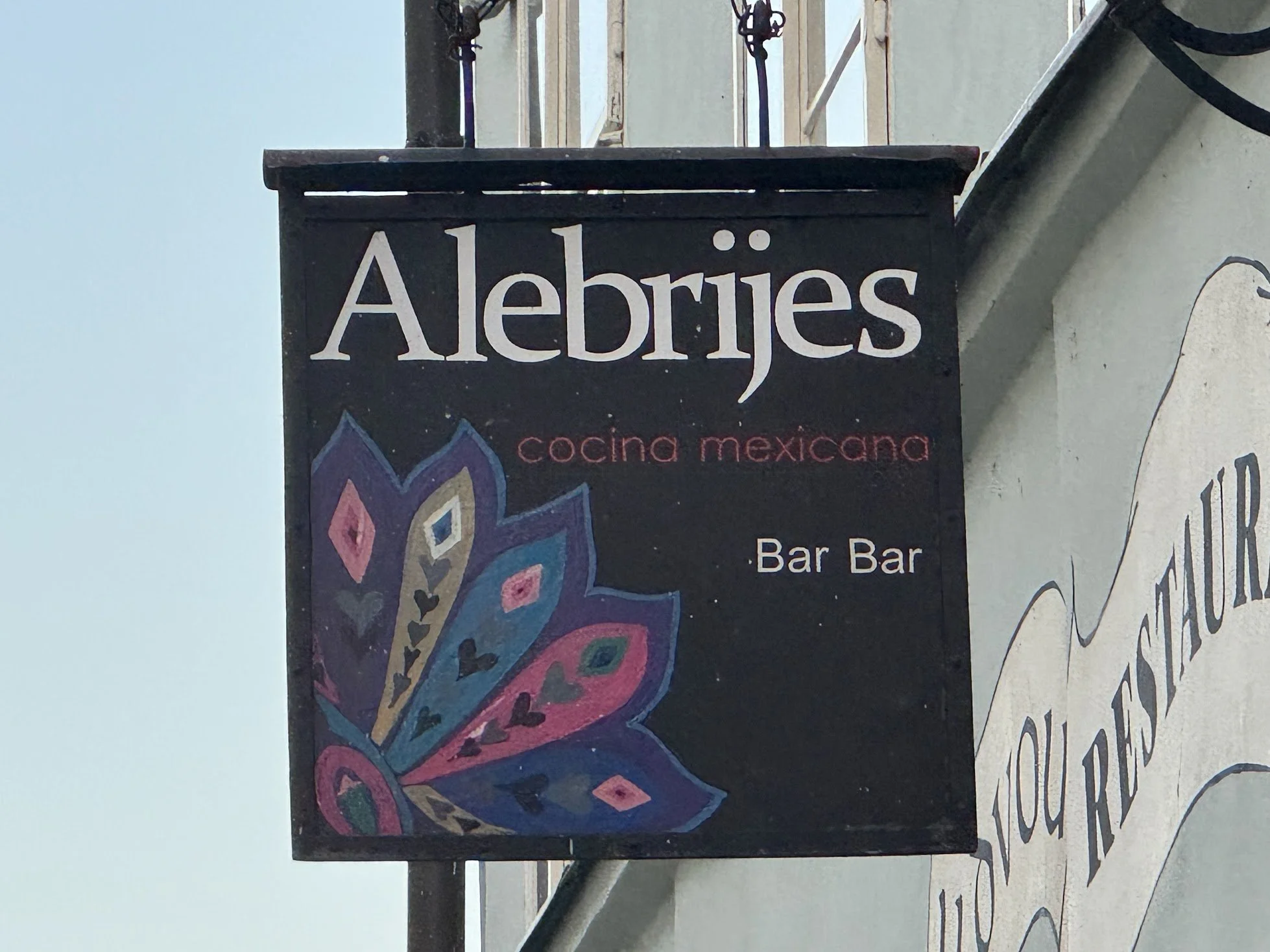
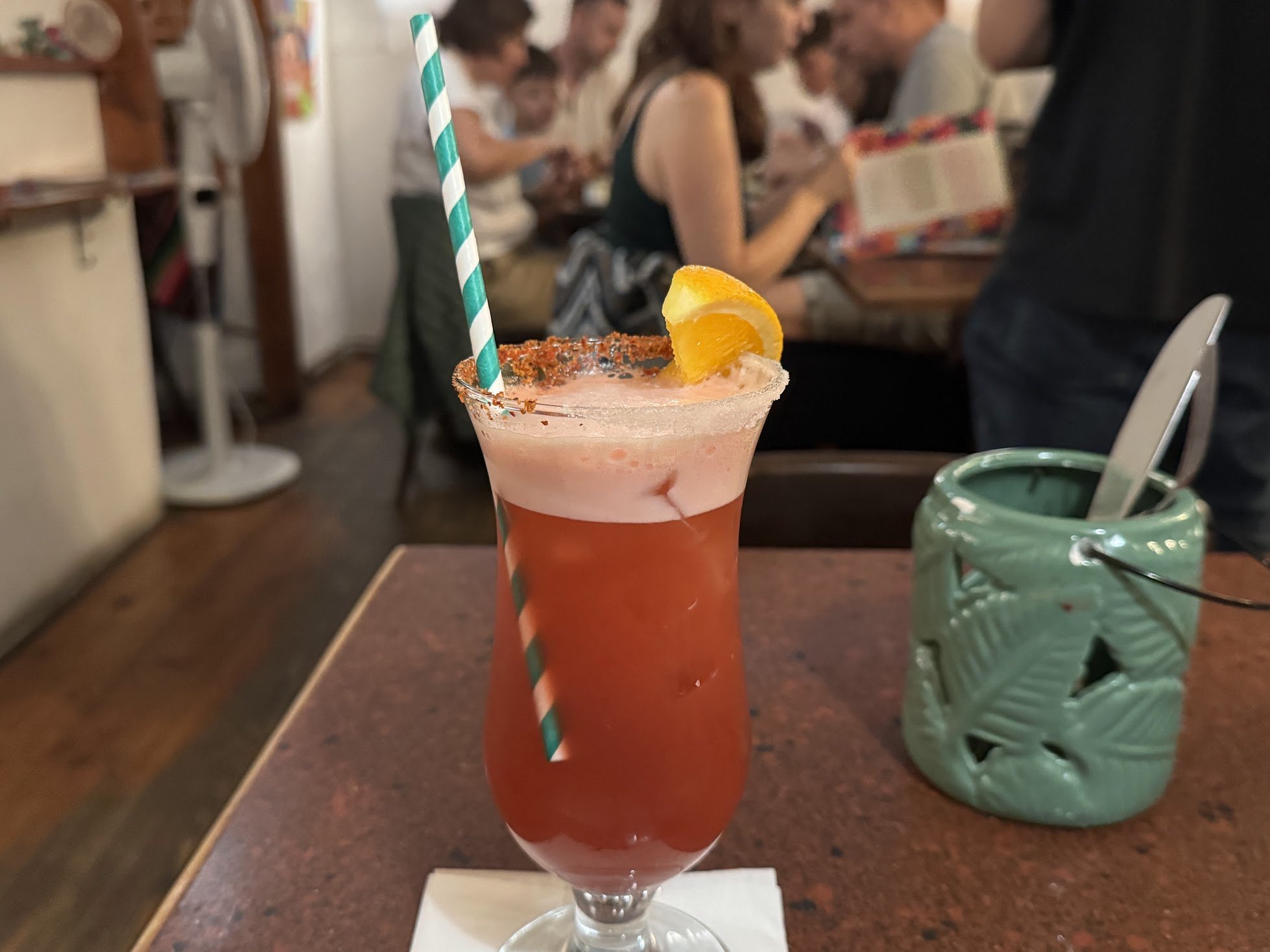
I ended my final evening at Alebrijes (La Casa Azteca), a colorful Mexican restaurant near the city center with excellent tacos, cocktails, and an energetic atmosphere.

Final Thoughts: Prague, Czech Republic
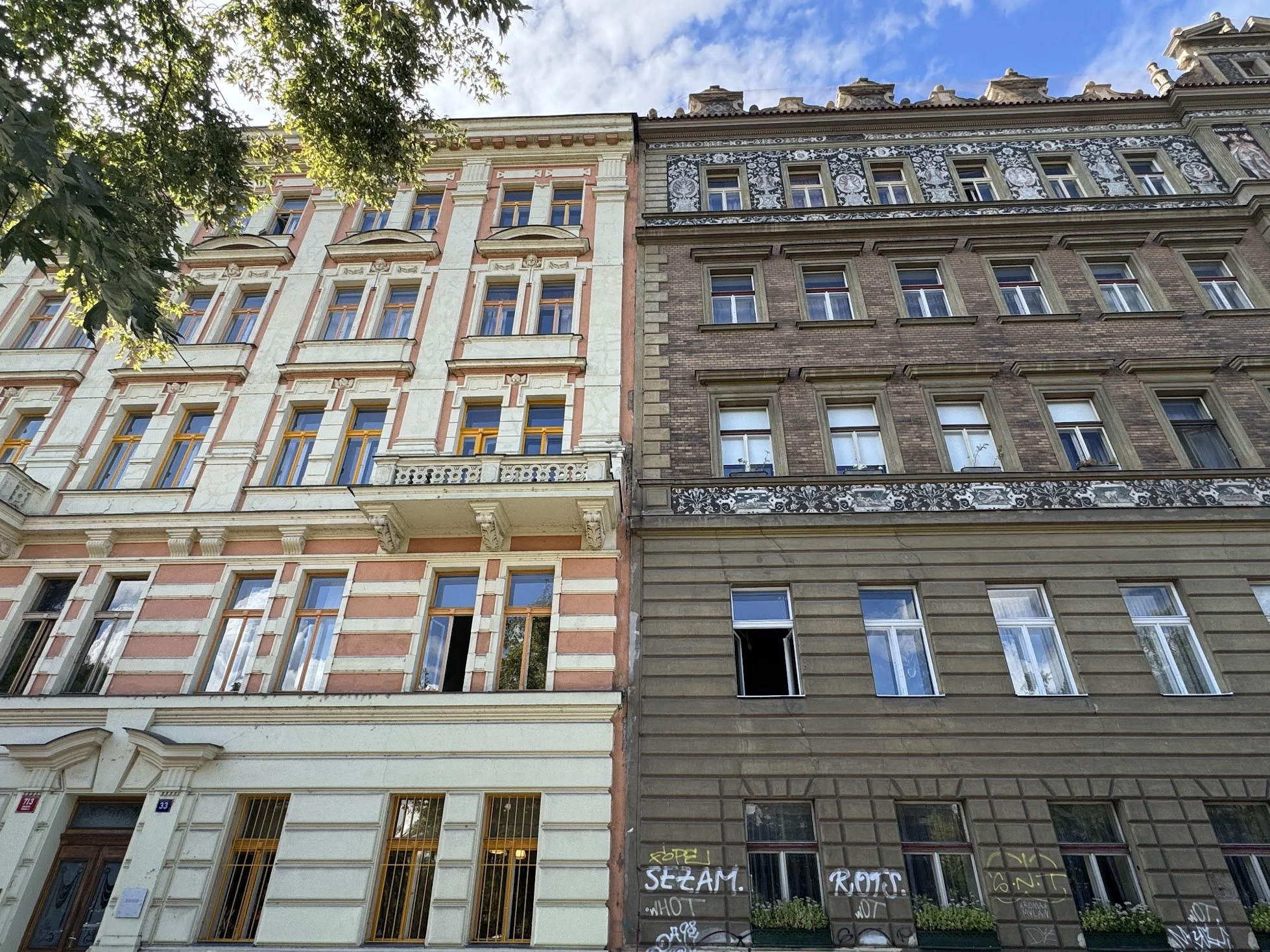
Prague somehow manages to feel both cinematic and approachable at the same time. Yes, the castles, bridges, towers, and river views are stunning. But what stayed with me most were the hillside gardens, residential side streets, and the feeling of discovering parts of the city beyond its most photographed landmarks. For me, Prague landed somewhere between high expectations and quieter surprises, and that balance made the experience even better.
Travel Gear Reviews
-
![The Ultimate Europe Packing List]()
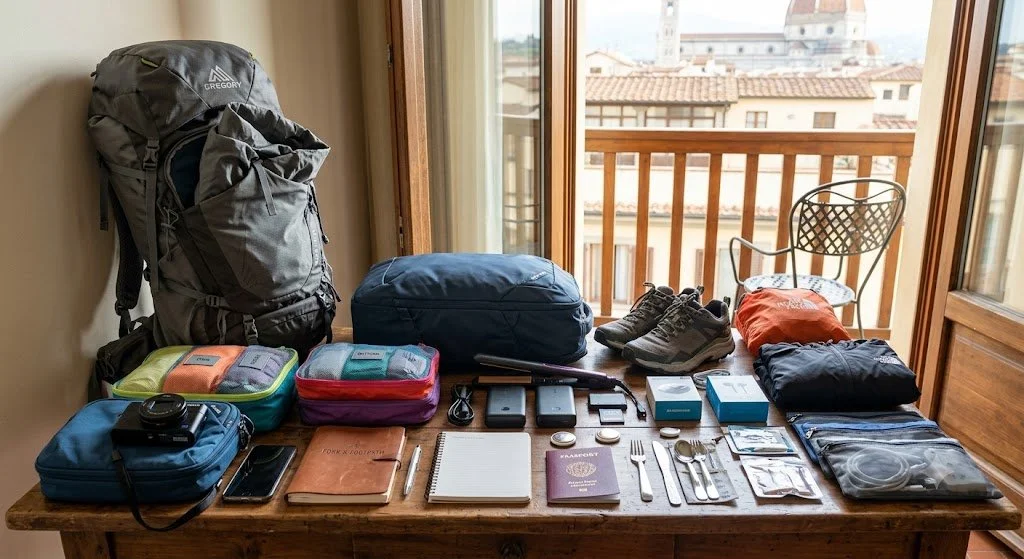
The Ultimate Europe Packing List: Everything I Actually Used
The exact luggage, gear, footwear, technology, and clothing that survived three months of continuous solo travel.
-
![Travel Shoes For Europe]()
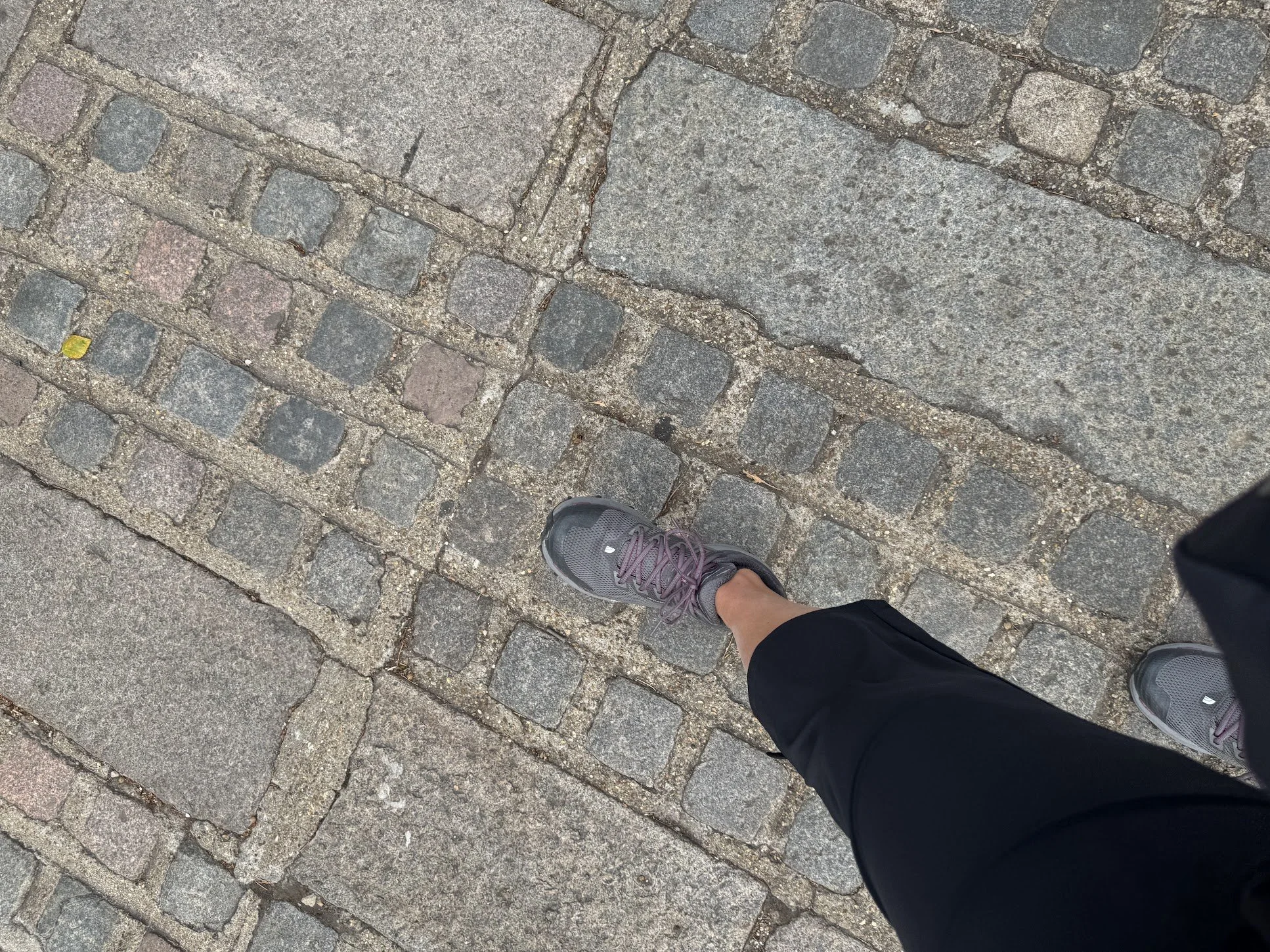
The Walking Shoes That Survived Three Months of European Travel
These provided the comfort, support, waterproof protection, and versatility I needed for long days on my feet.
-
![Waterproof Travel Gear]()
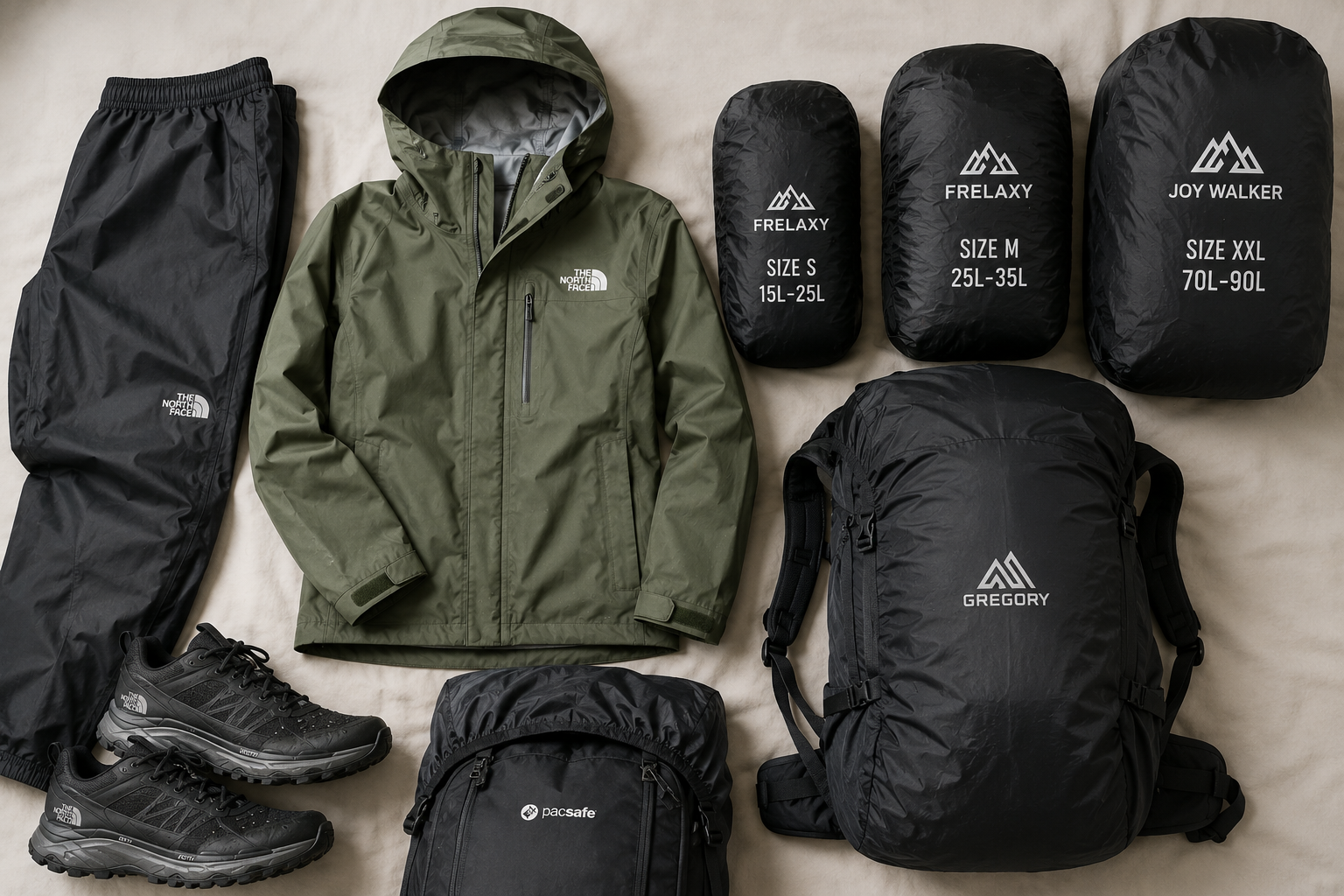
Waterproof Travel Gear: Essentials That Keep You Exploring
Rain gear is one of the best investments you can make for an extended European trip. These waterproof essentials earned a permanent place on my packing list.
-
![Phone Wrist Strap]()
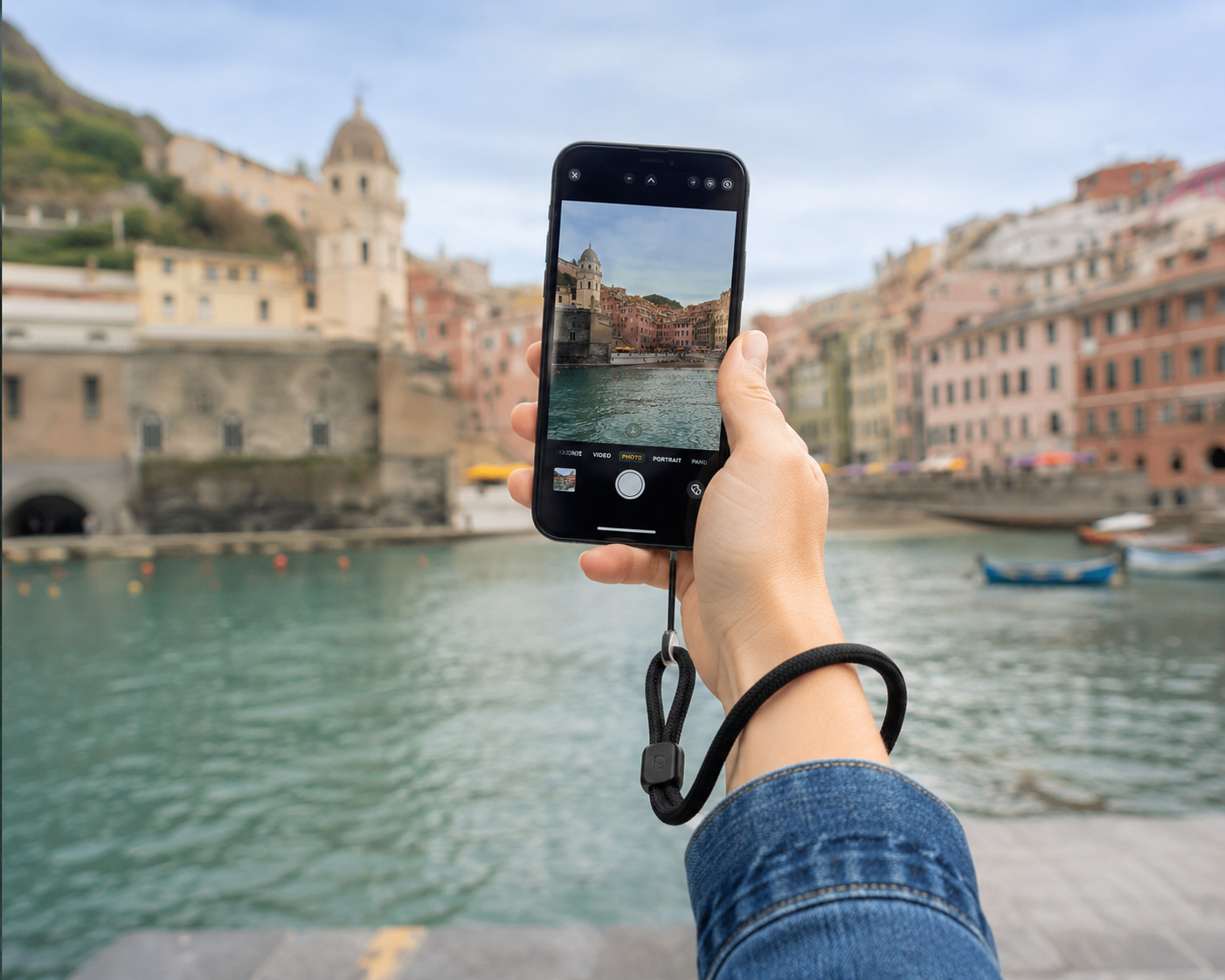
The Phone Wrist Strap That Helped Protect My Phone Across Europe
A simple, low-cost travel accessory provided peace of mind in crowded cities and added security throughout my three-month trip.
-
![Travel Technology]()
The Technology I Used During Three Months of Traveling Europe
The travel tech that helped me navigate, stay connected, protect my photos, and travel independently.