Erfurt Travel Guide: A Quiet Pause Between Bigger Cities
Finding calm, character, and a slower rhythm in the heart of Germany.
I chose Erfurt mostly for practical reasons. While planning my three-month solo trip through Europe, it appeared on the map as a logical midpoint between Cologne and Dresden, and it is a smaller city where I hoped I could slow down a little after major cities like London, Paris, and Amsterdam.
On paper, Erfurt looked charming and manageable. Thankfully, it delivered exactly that. Erfurt immediately felt calmer and more grounded. The city’s medieval core gave it a warmth and intimacy that reminded me a bit of Bruges. It became one of those places that quietly exceed expectations—not because of dramatic attractions or nonstop activity, but because of how pleasant it feels simply to be there.
This guide covers where I stayed, how I spent my time exploring Erfurt’s historic center, and why it became one of the most unexpectedly calming stops of my trip.
Some links in this post may be affiliate links, which means I may earn a small commission if you book through them—at no additional cost to you. I only share places and services I personally used or genuinely enjoyed during my trip. Read the full disclosure policy.
Erfurt, Germany Overview
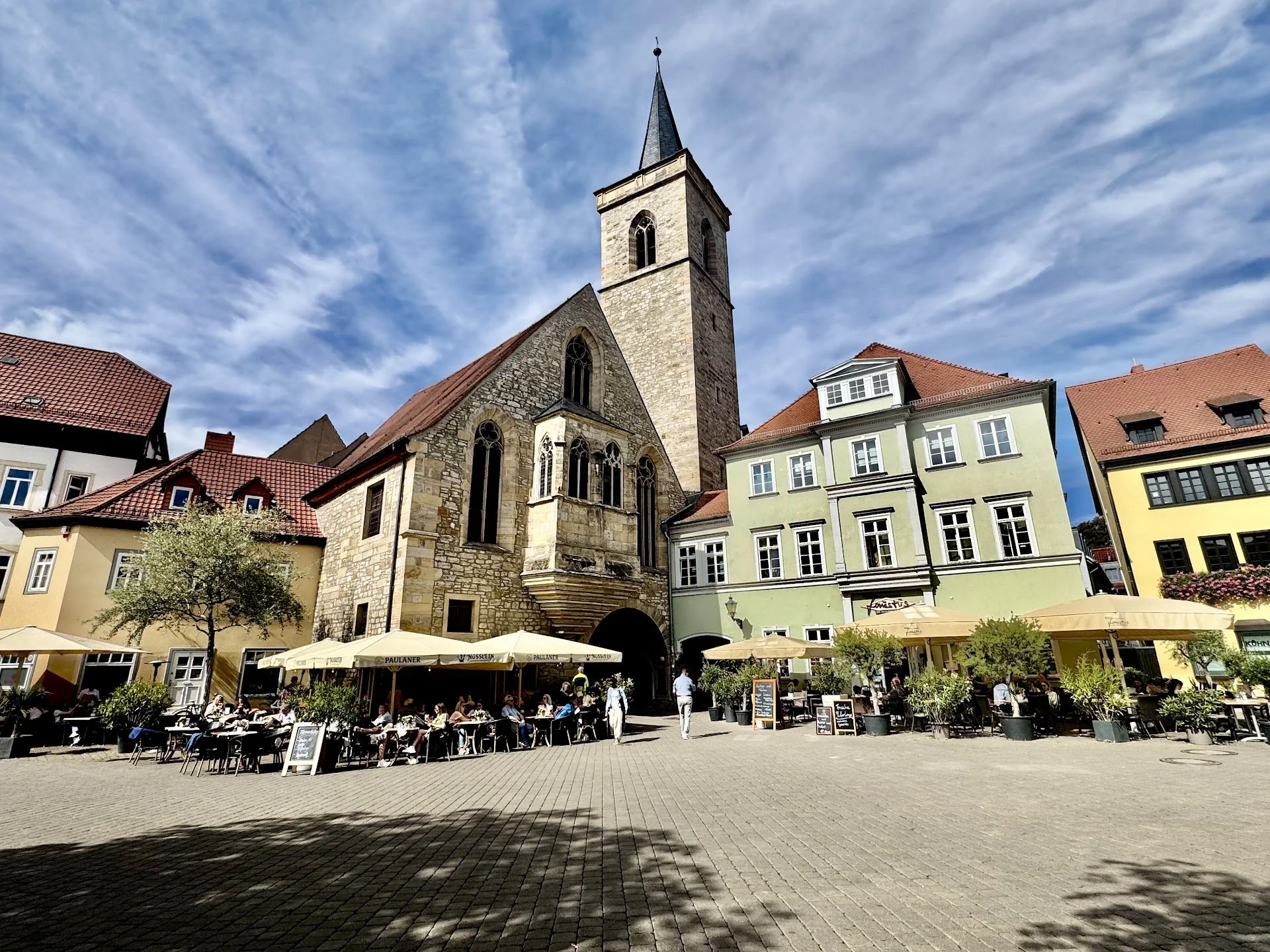
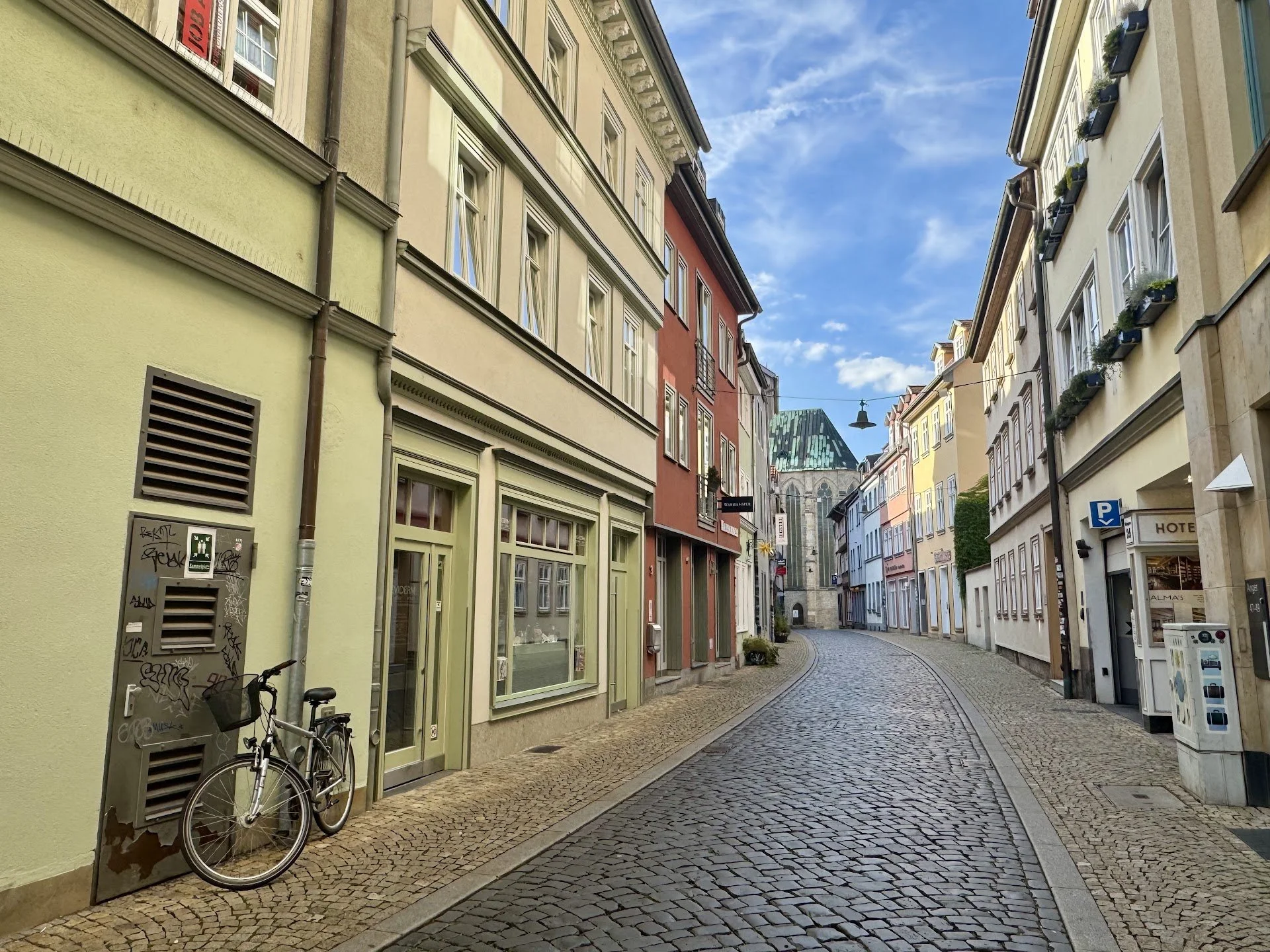
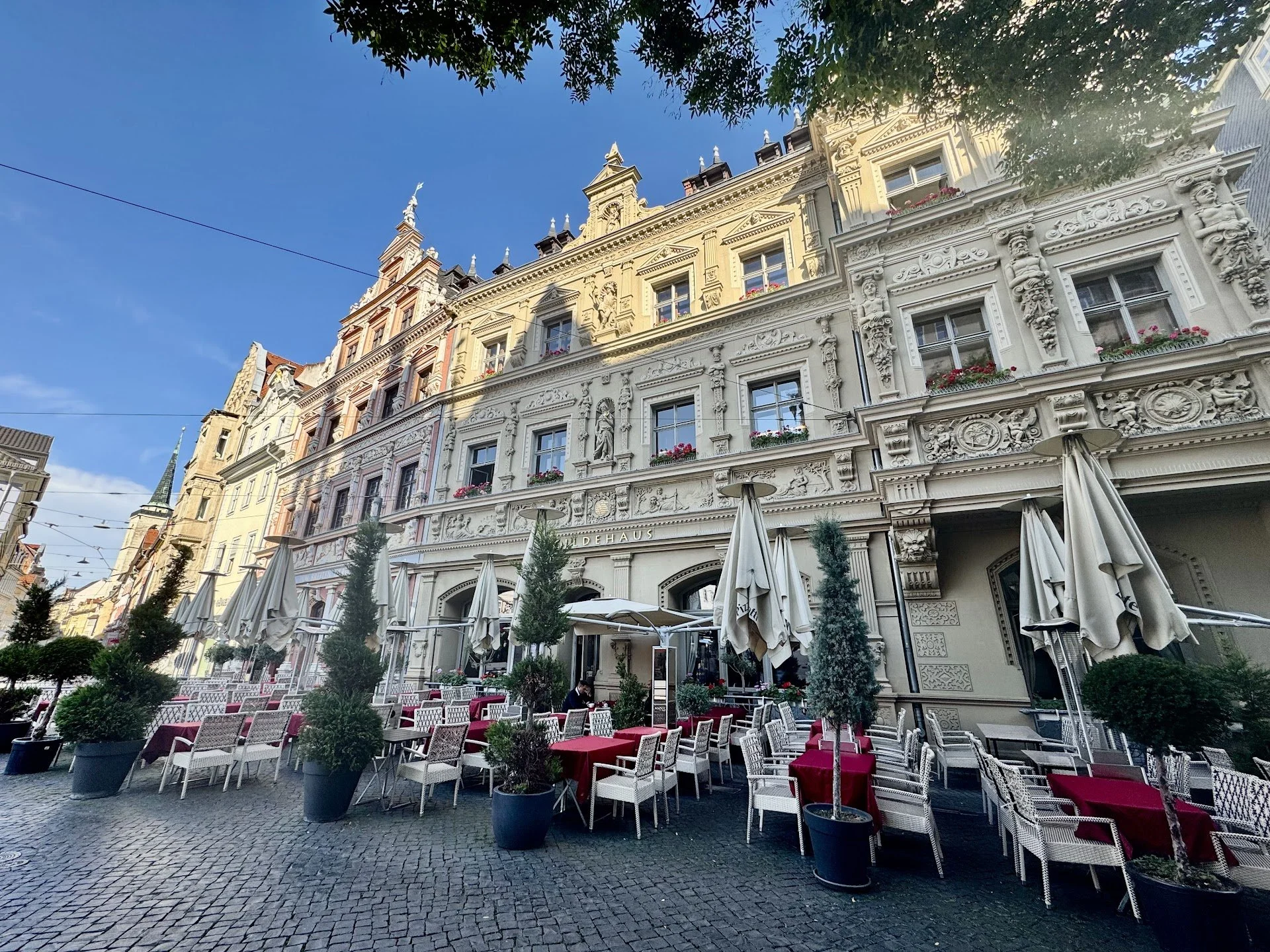
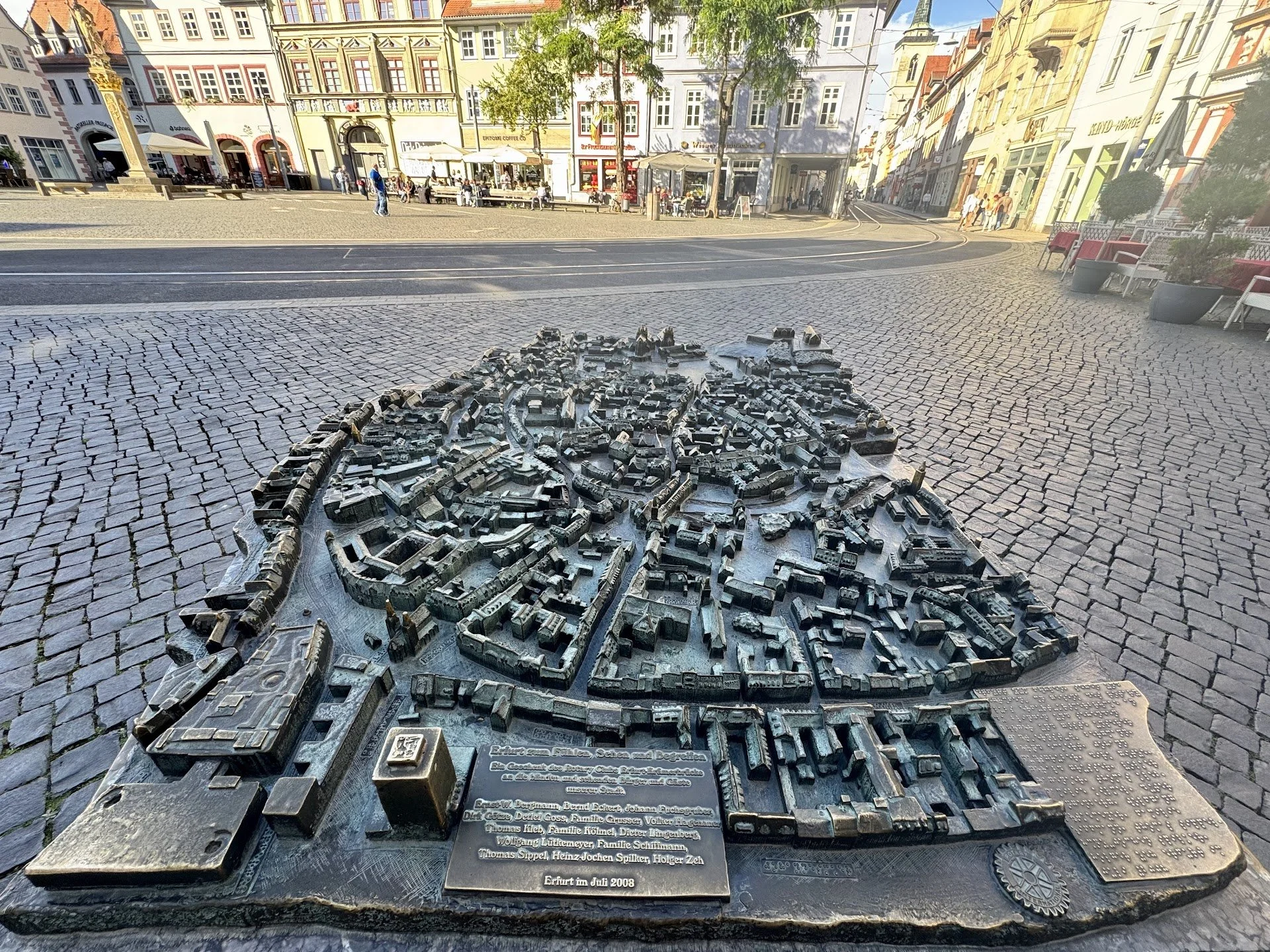
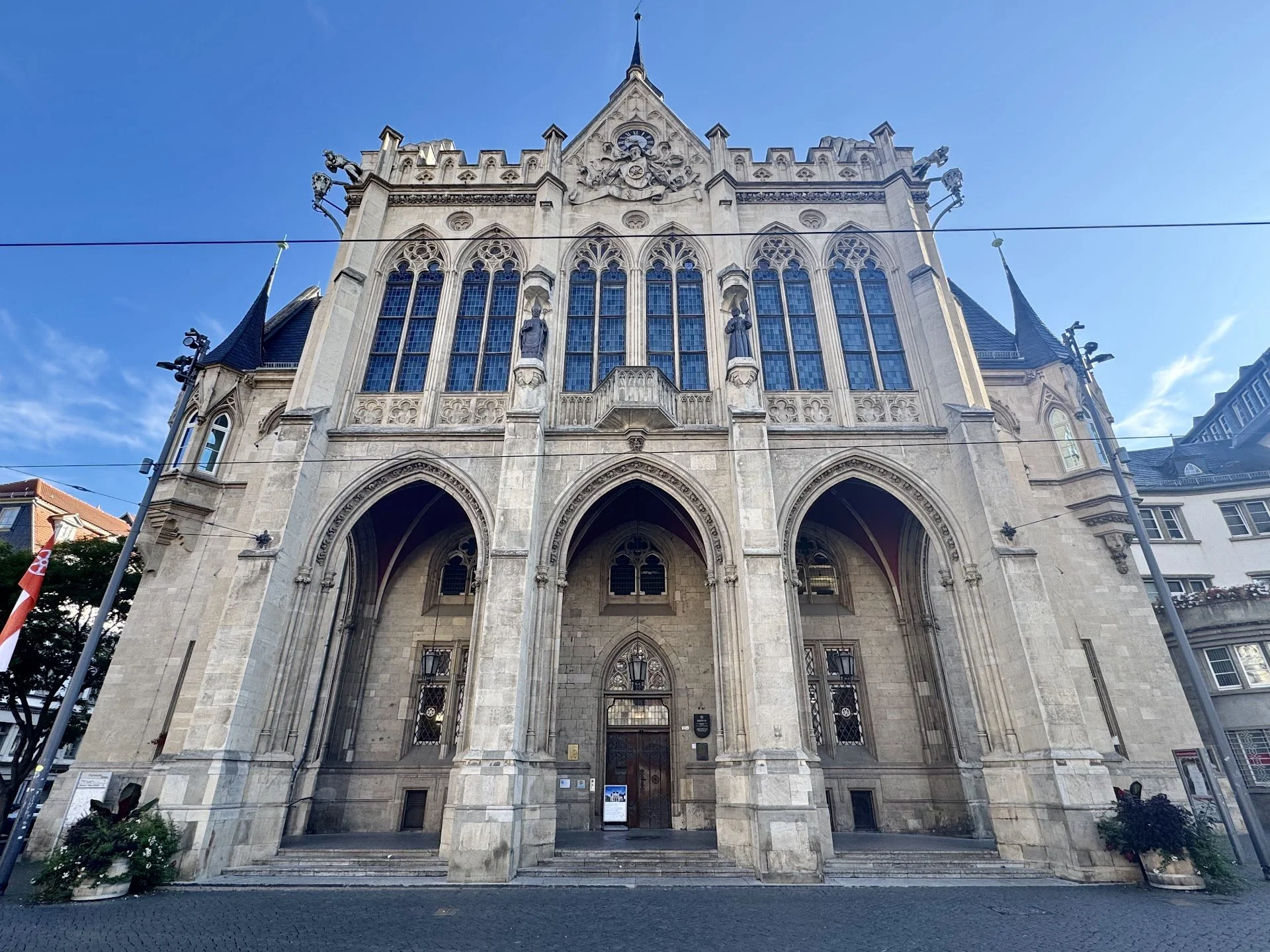
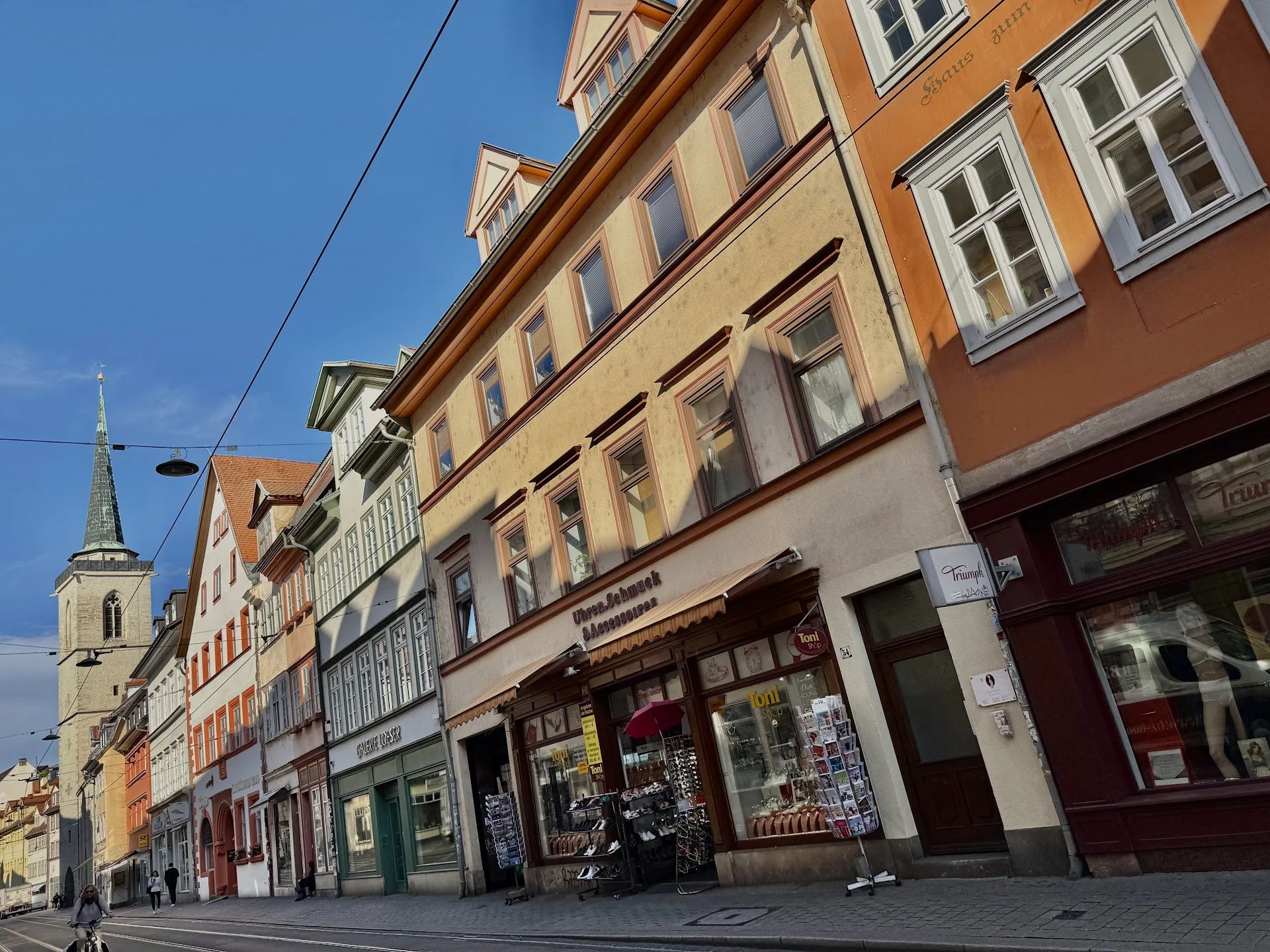
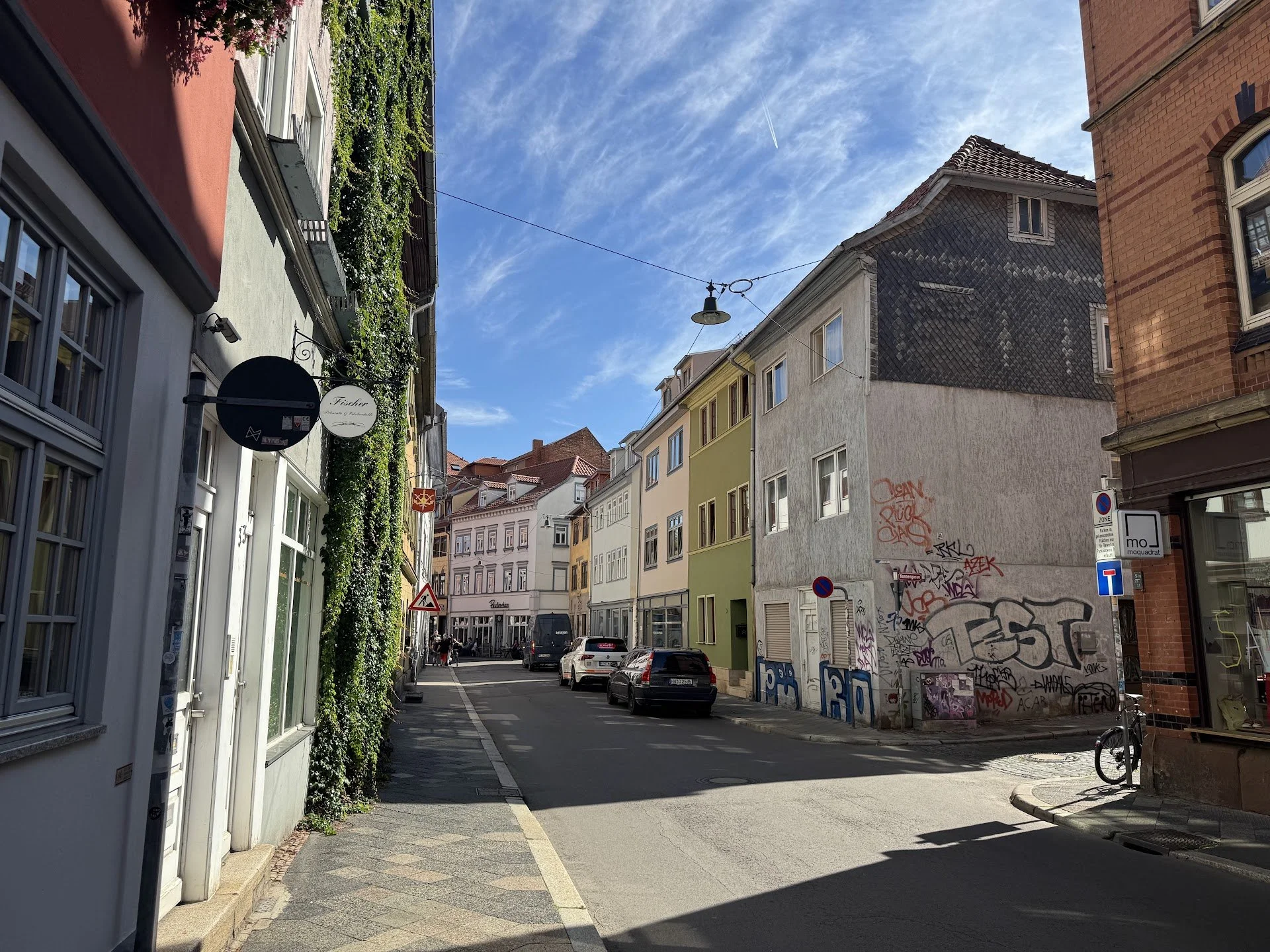
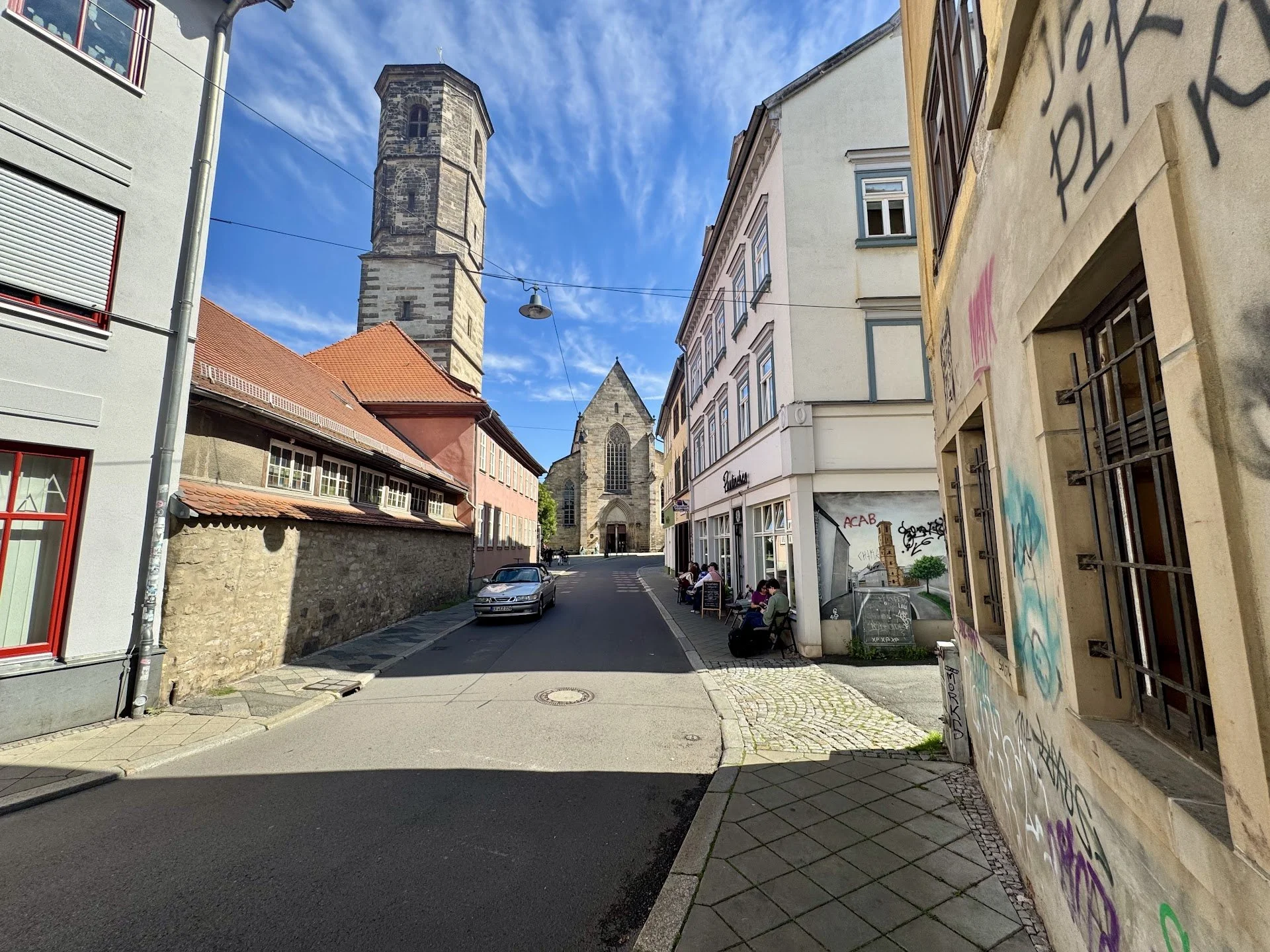
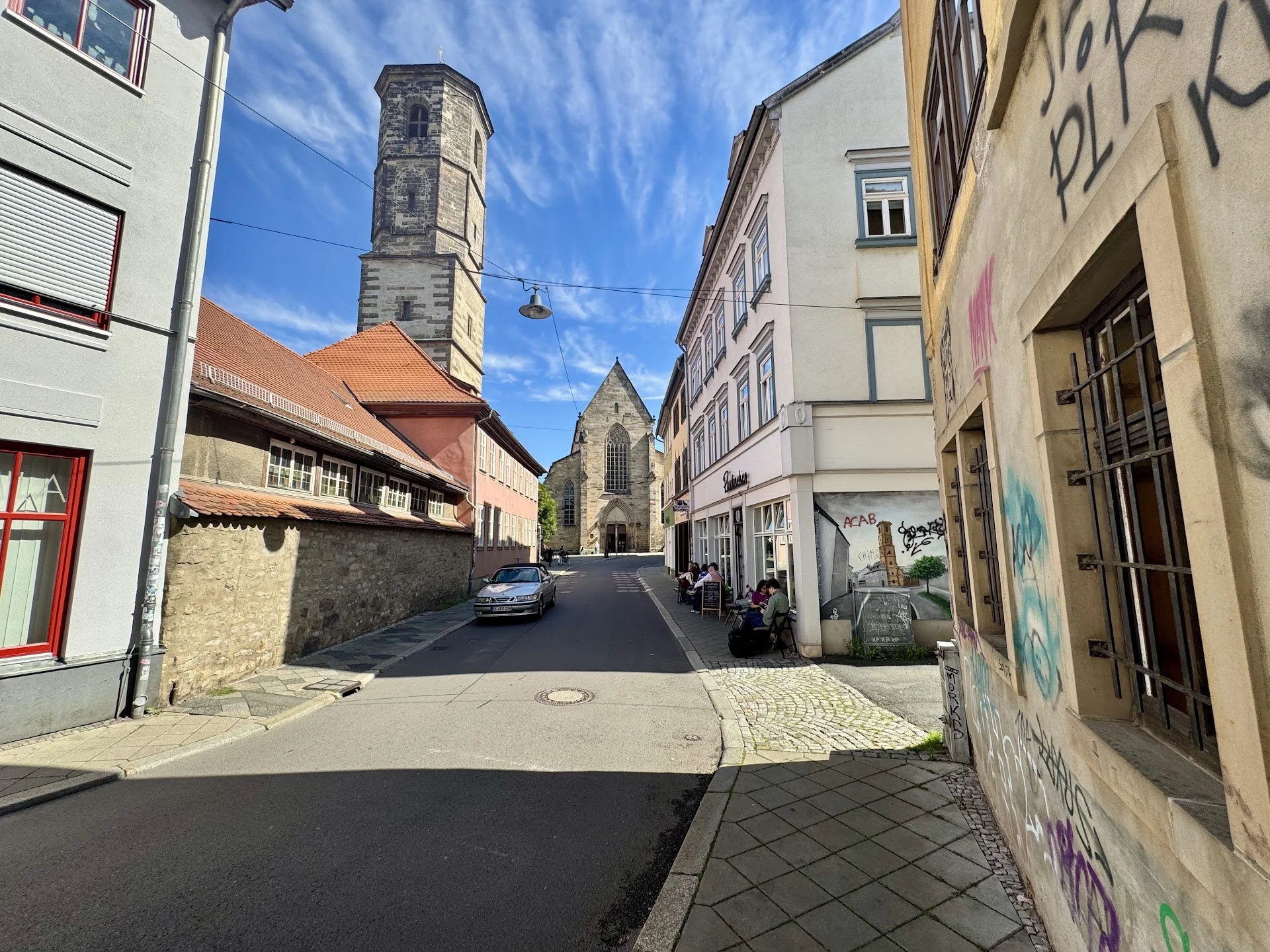
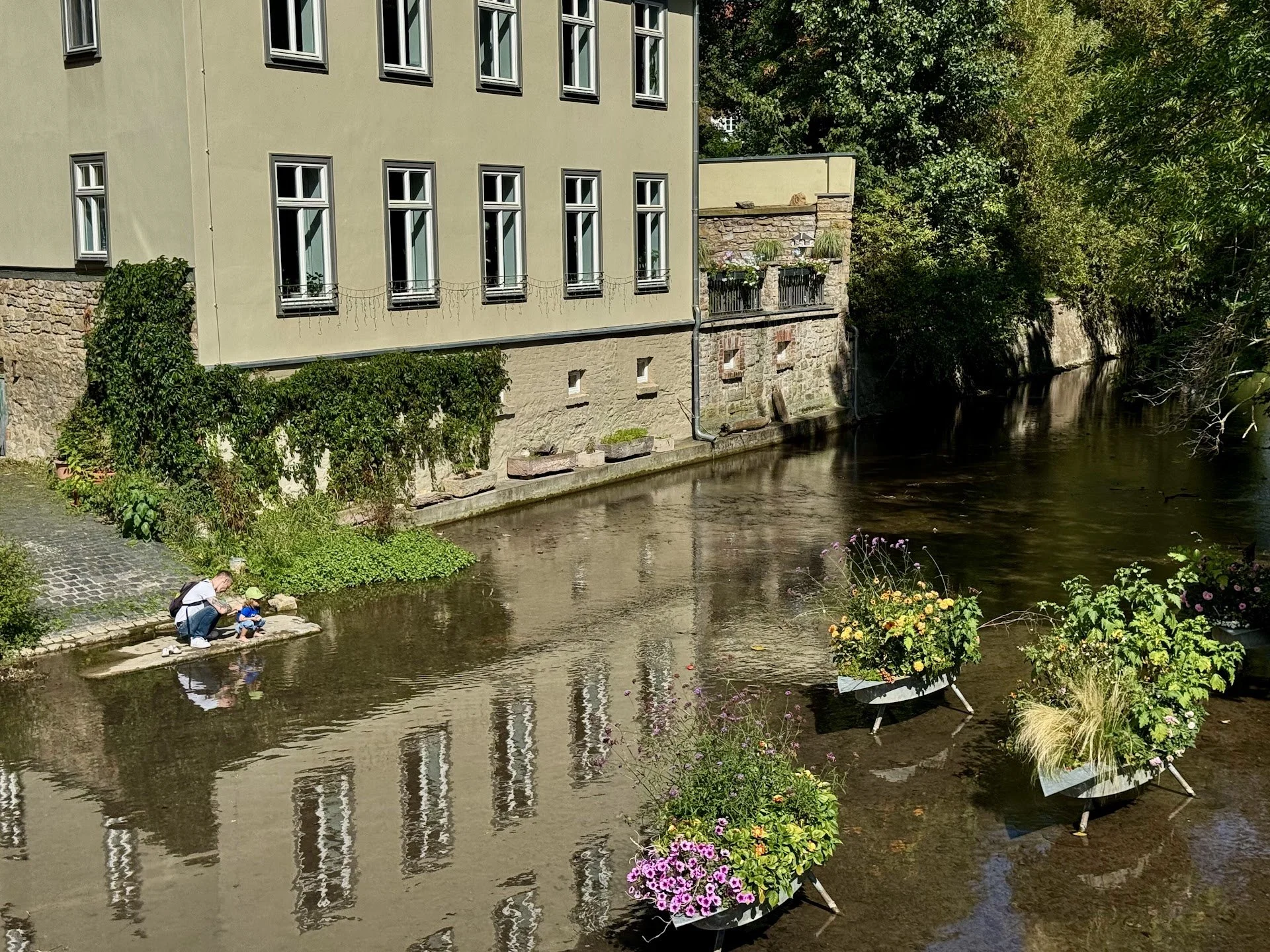
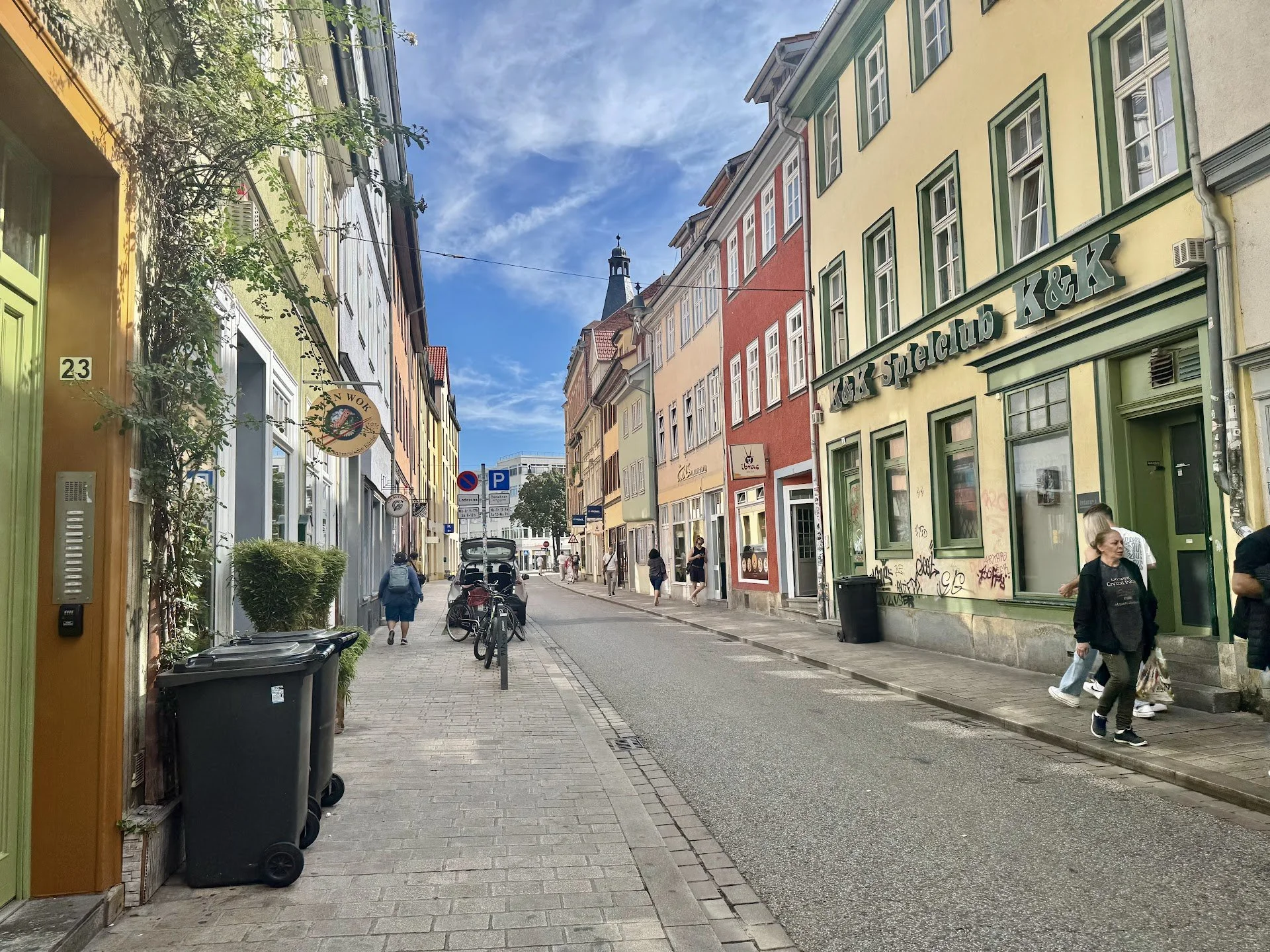
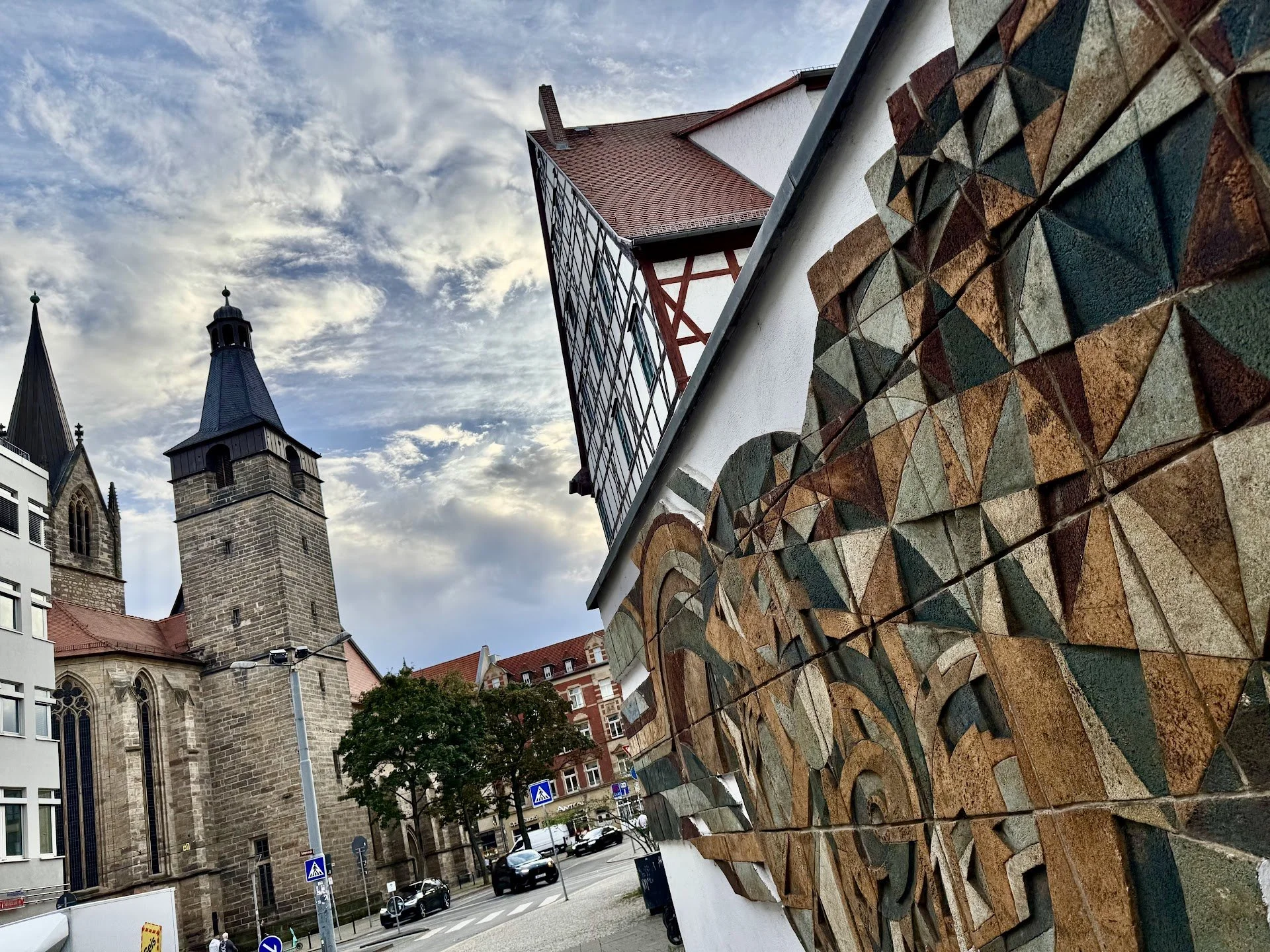
Erfurt is the capital of the German state of Thuringia, located along the Gera River in central Germany. Compared to Cologne’s layered urban energy, Erfurt felt smaller, quieter, and noticeably less crowded. The city’s medieval center remains remarkably intact, with narrow streets, half-timbered buildings, church towers, and public squares that feel preserved without becoming overly touristy.
I visited in early fall, when daytime temperatures were mild and evenings felt crisp enough for a light jacket. The weather made long walks especially enjoyable and added to the overall feeling that Erfurt was a place best experienced at an unhurried pace.
Where I Stayed In Erfurt, Germany: Old Town / Anger
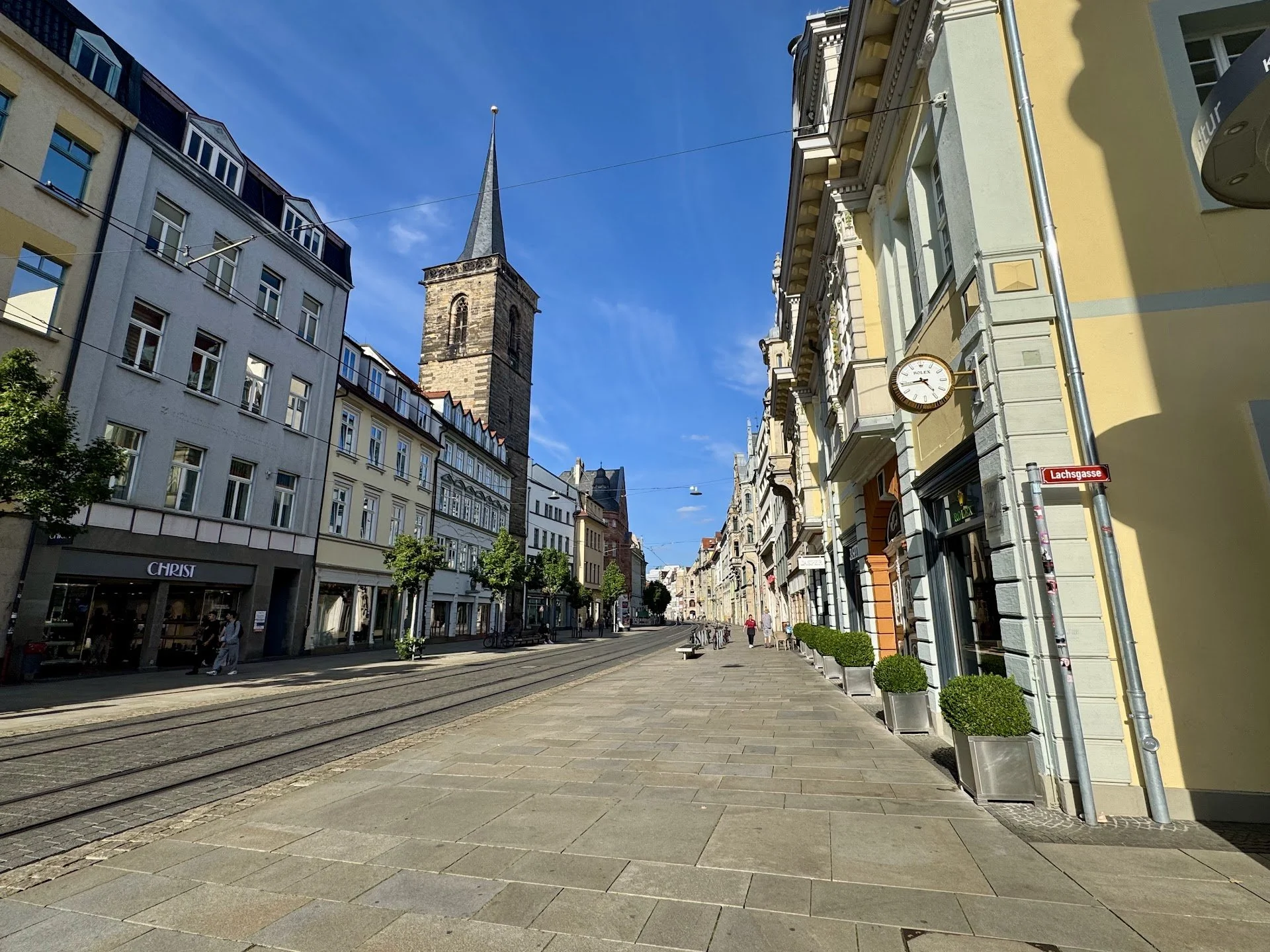
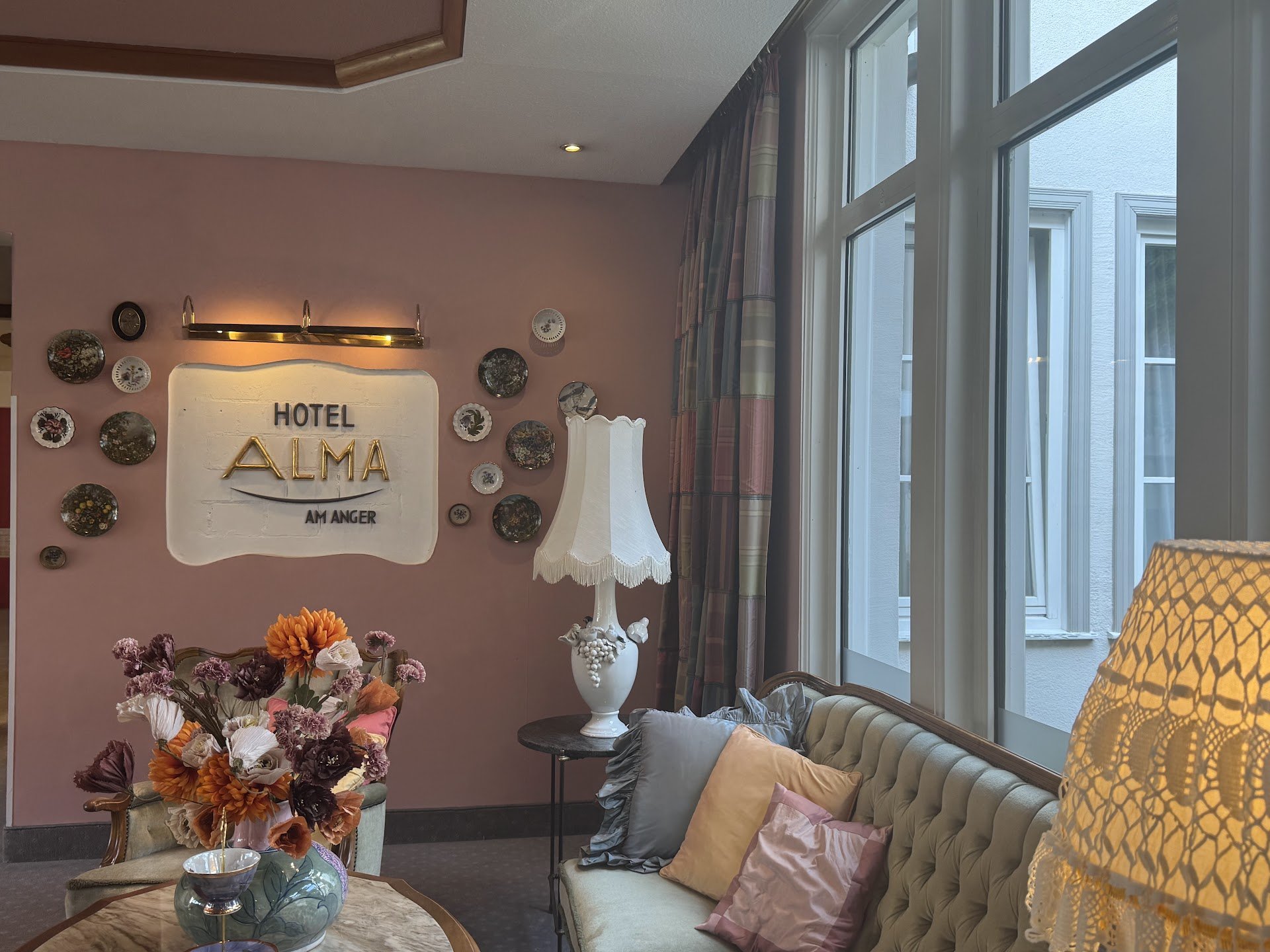
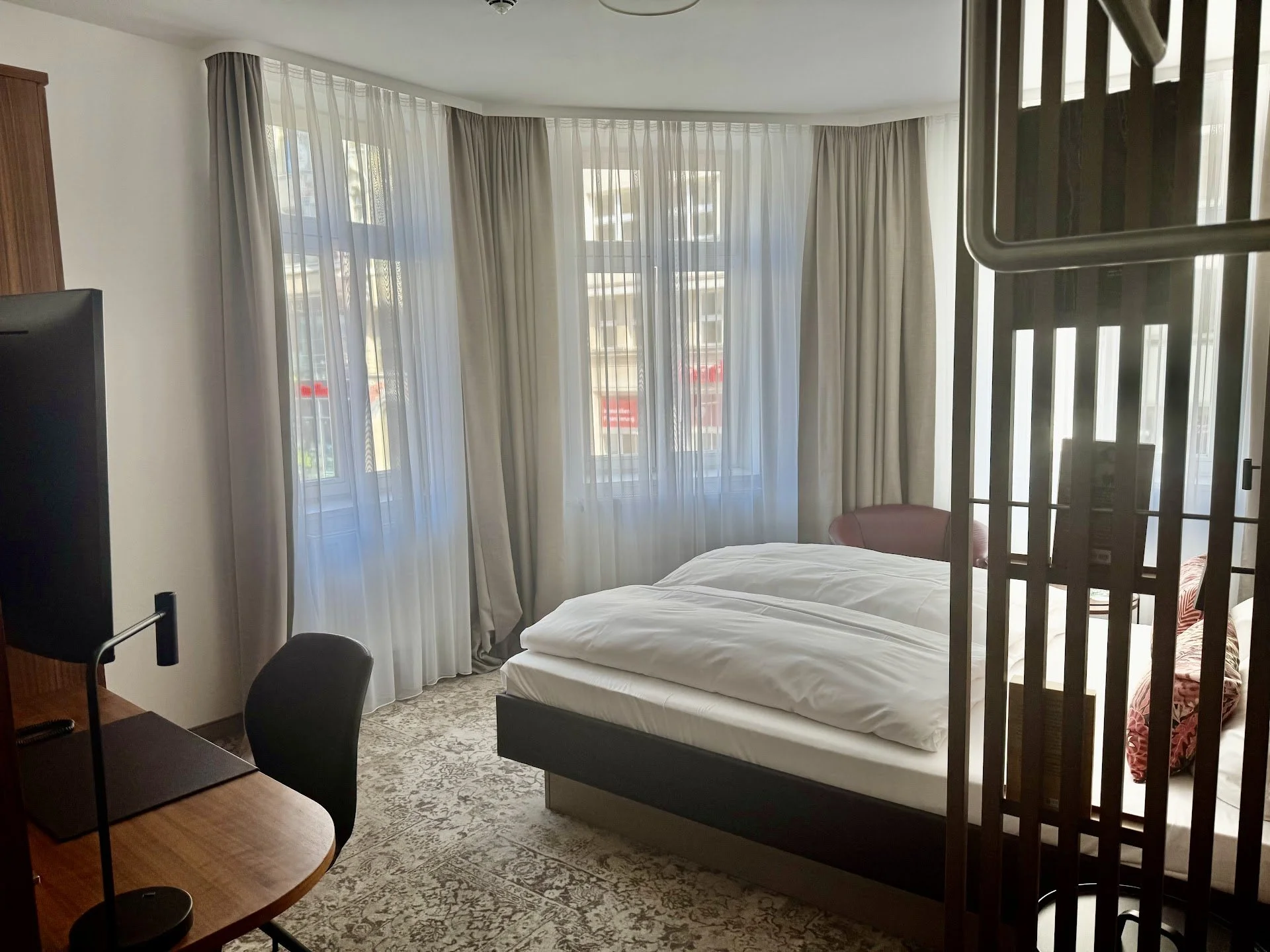
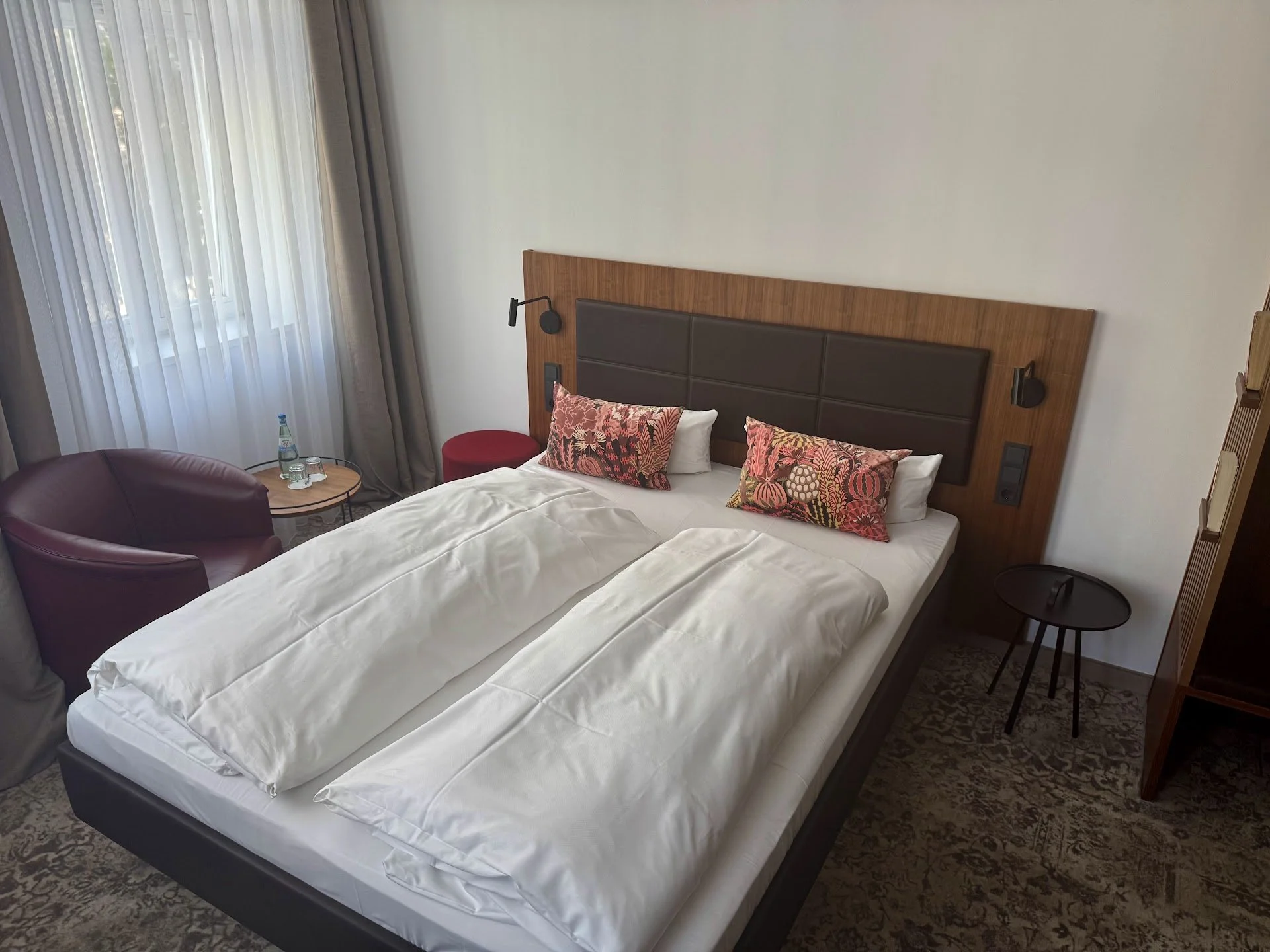
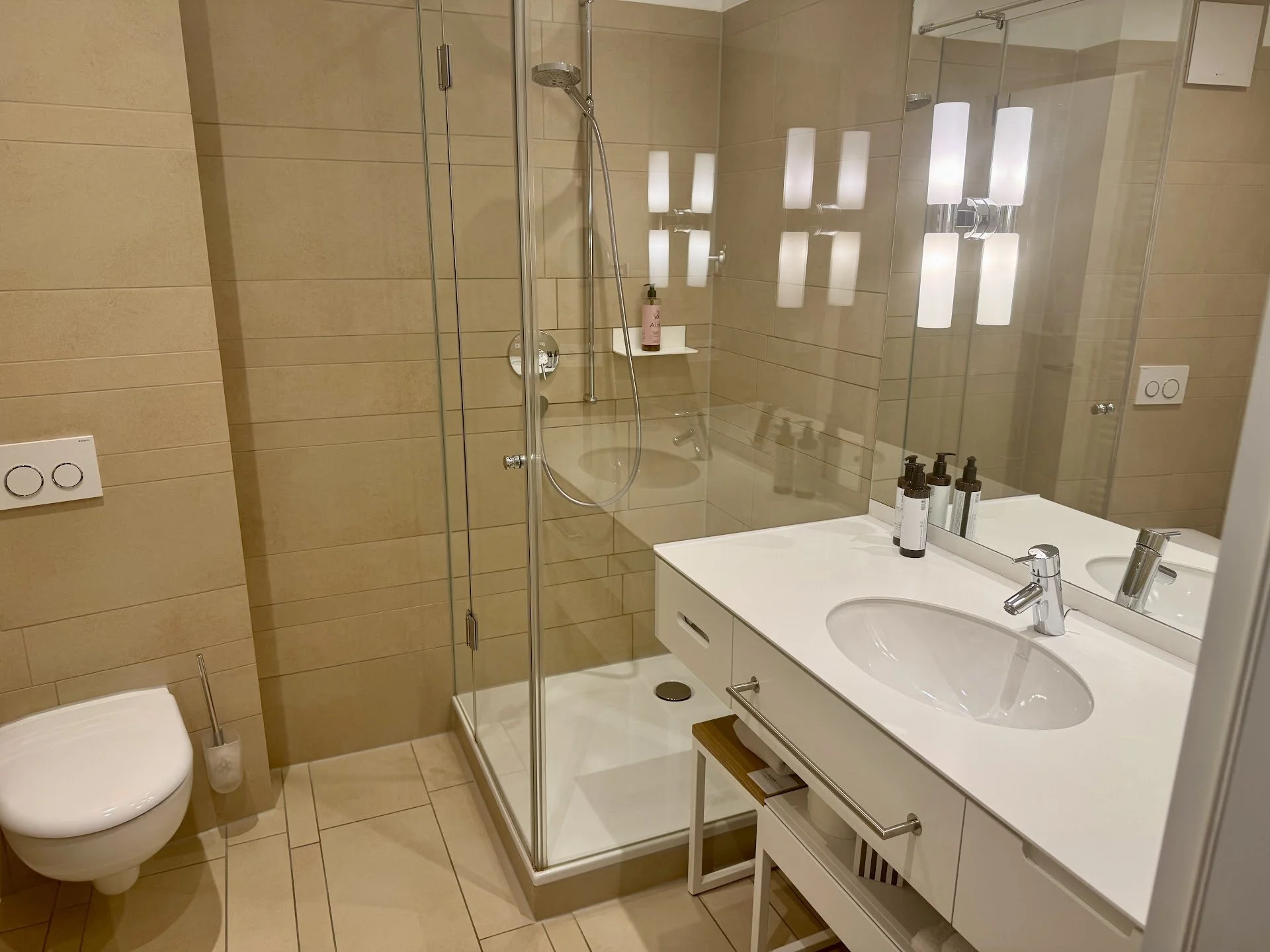
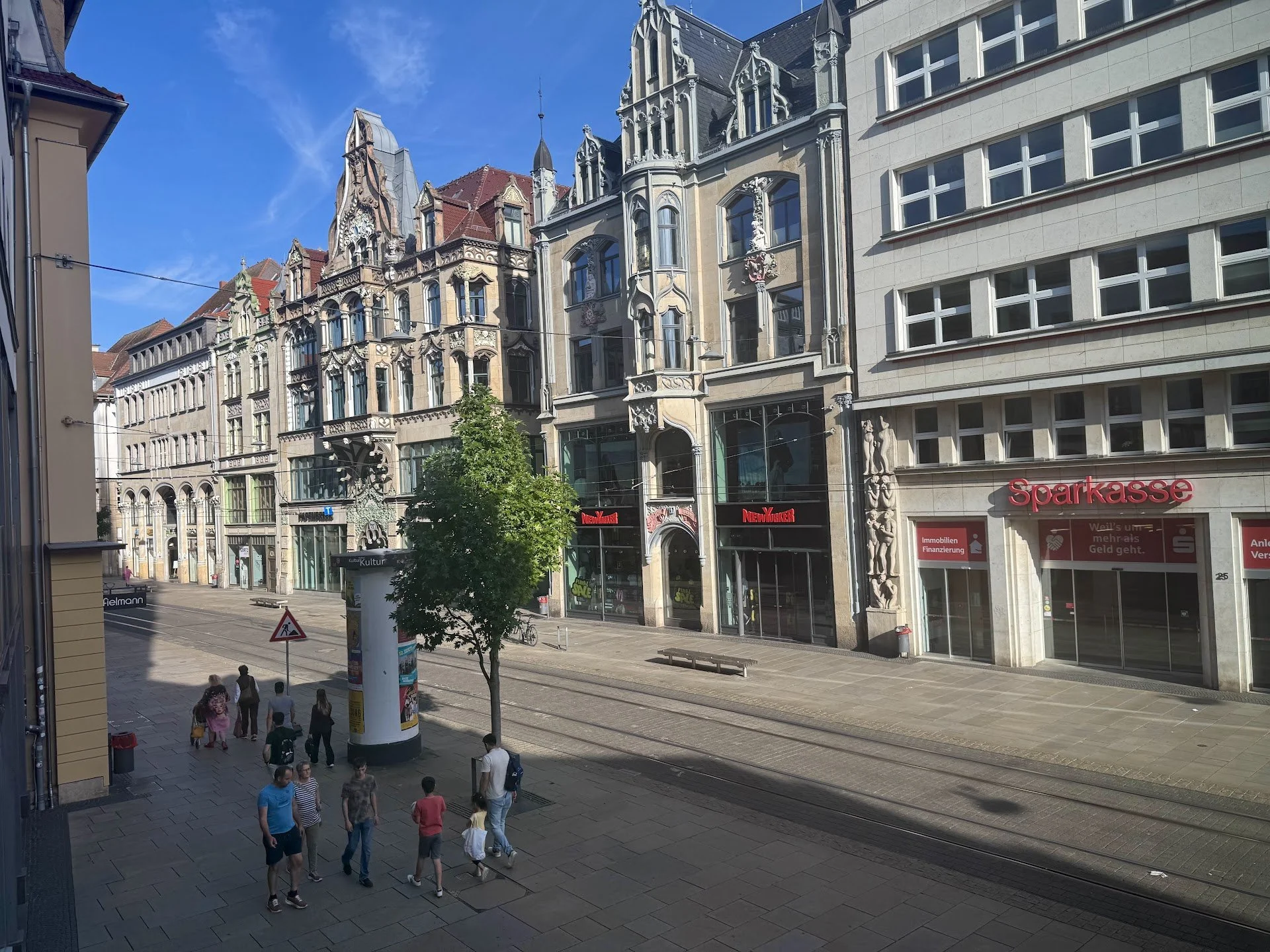
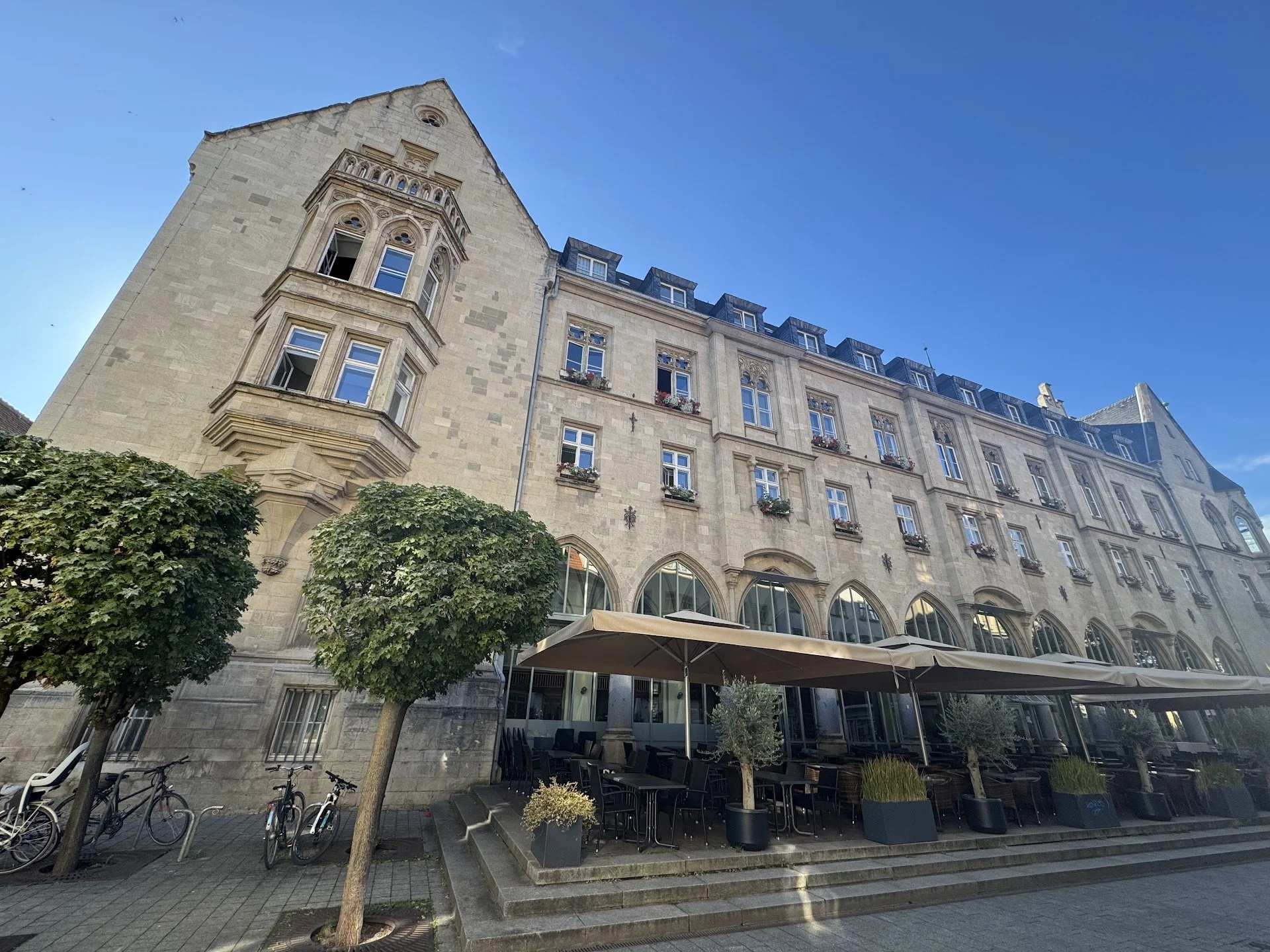
I stayed at Hotel ALMA am Anger, located along Erfurt’s main pedestrian boulevard in the Anger district. The location ended up being ideal. It was about a ten-minute walk from the train station while still placing me within easy walking distance of the city’s medieval core.
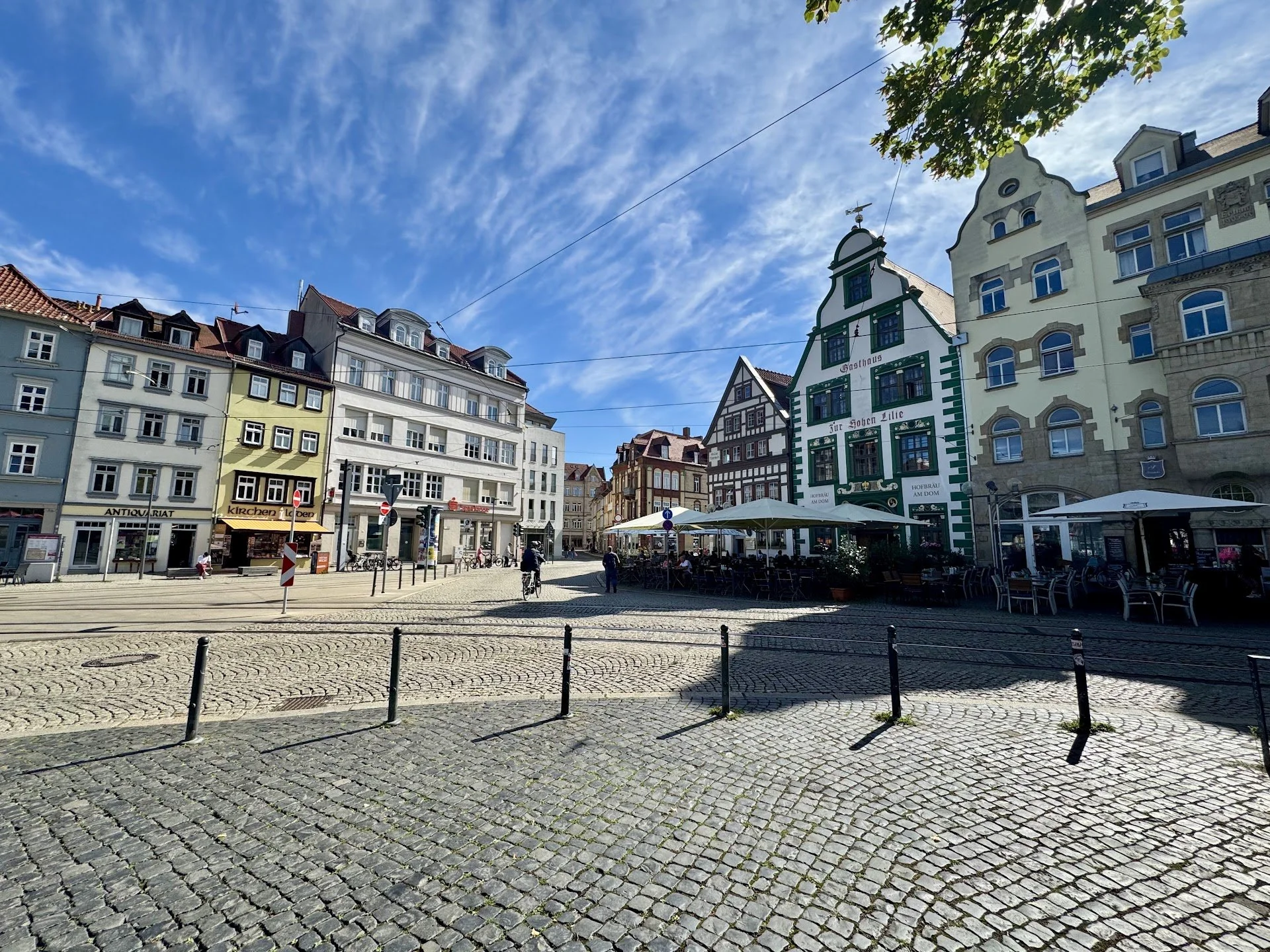
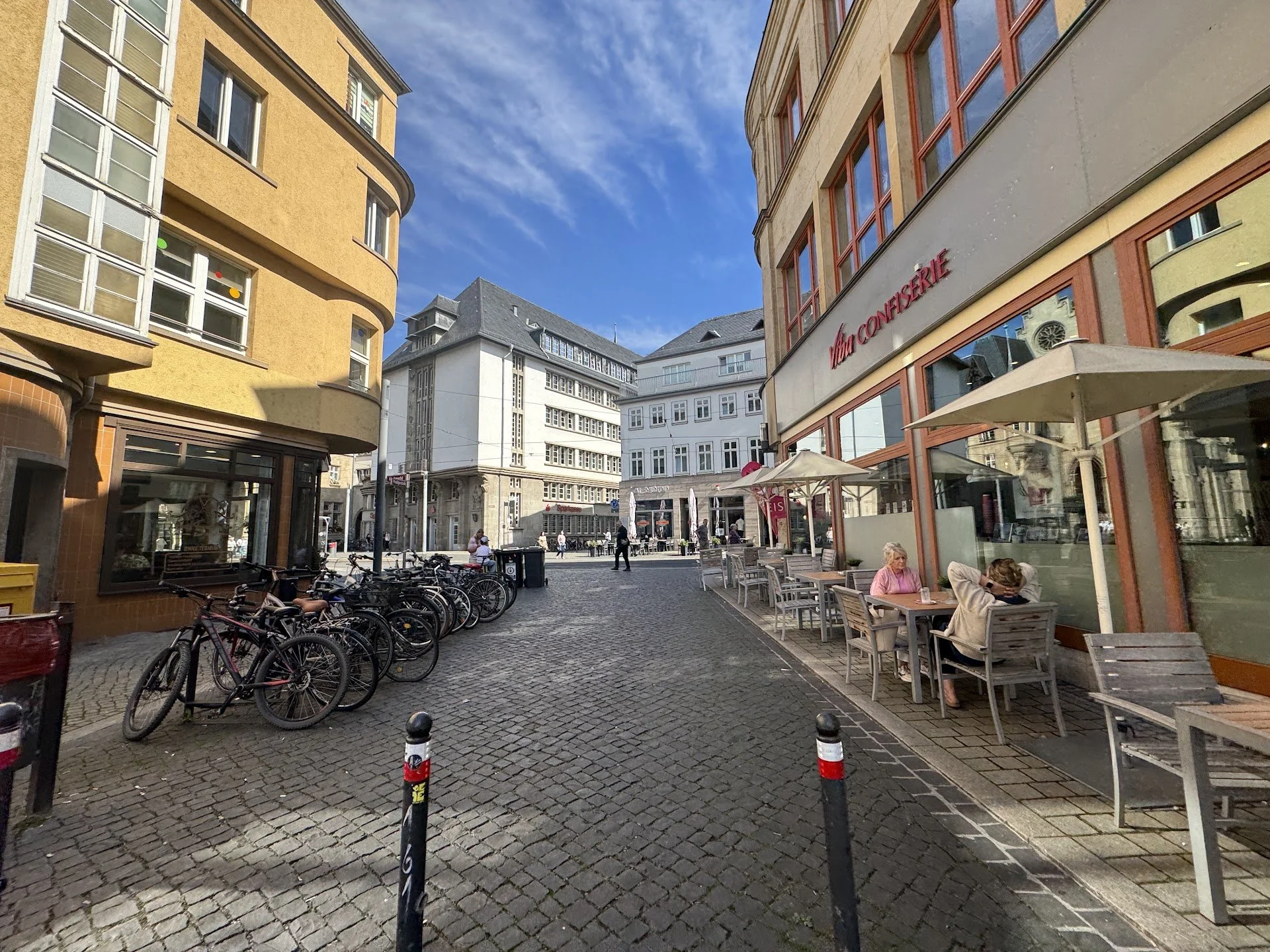
Anger itself felt like a transition point between modern everyday life and historic Erfurt. Trams moved through the boulevard, locals shopped and gathered at cafés, and within just a few minutes of walking, the streets narrowed into quieter historic corridors leading toward Domplatz and the Krämerbrücke.
My Superior Room was surprisingly spacious for a European hotel room, with large windows overlooking the pedestrian street below. During the day, the room filled with natural light, while the evenings became noticeably quieter without feeling disconnected from the city.
After Cologne, the overall calmness of Erfurt felt especially welcome.
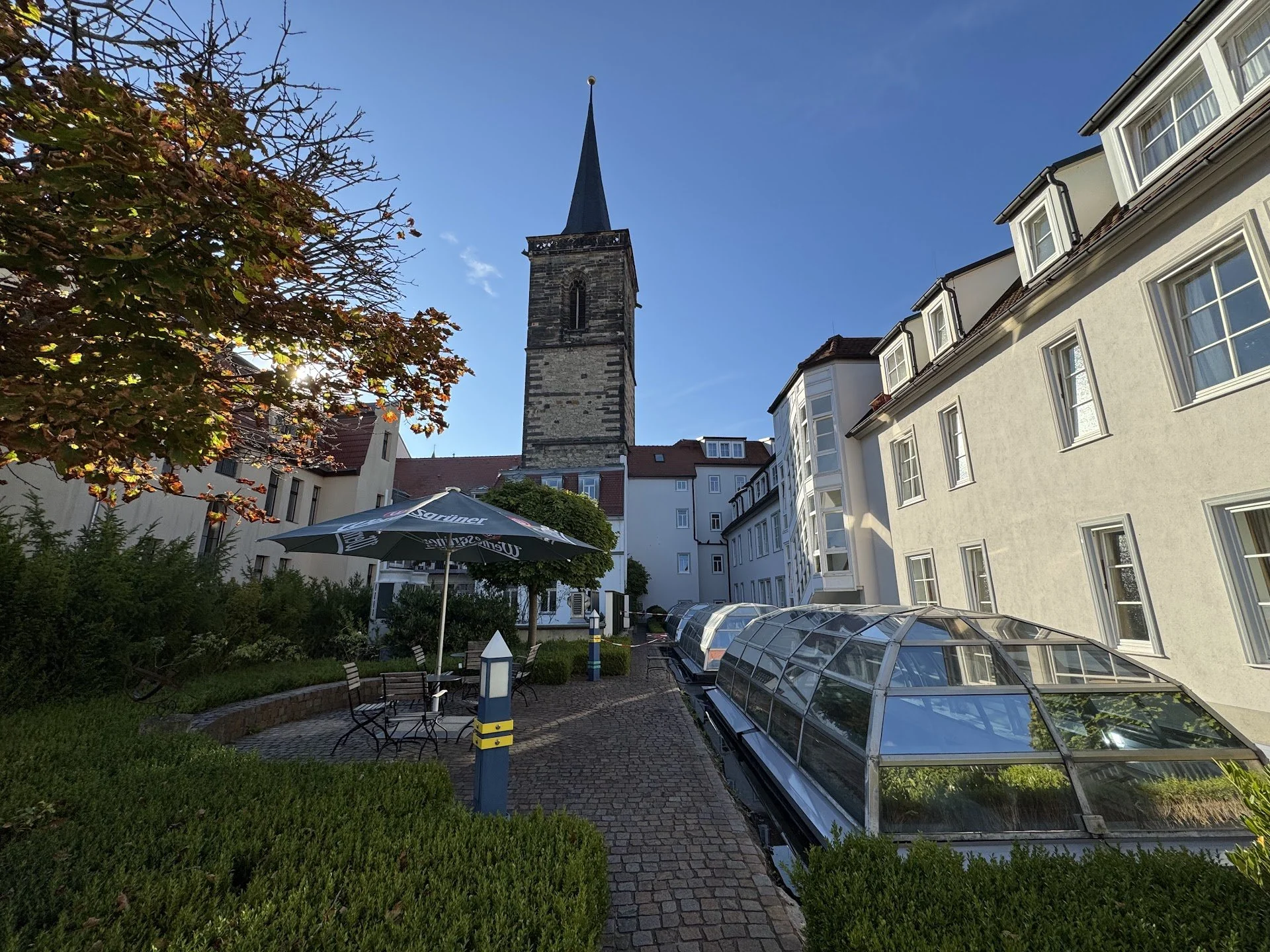
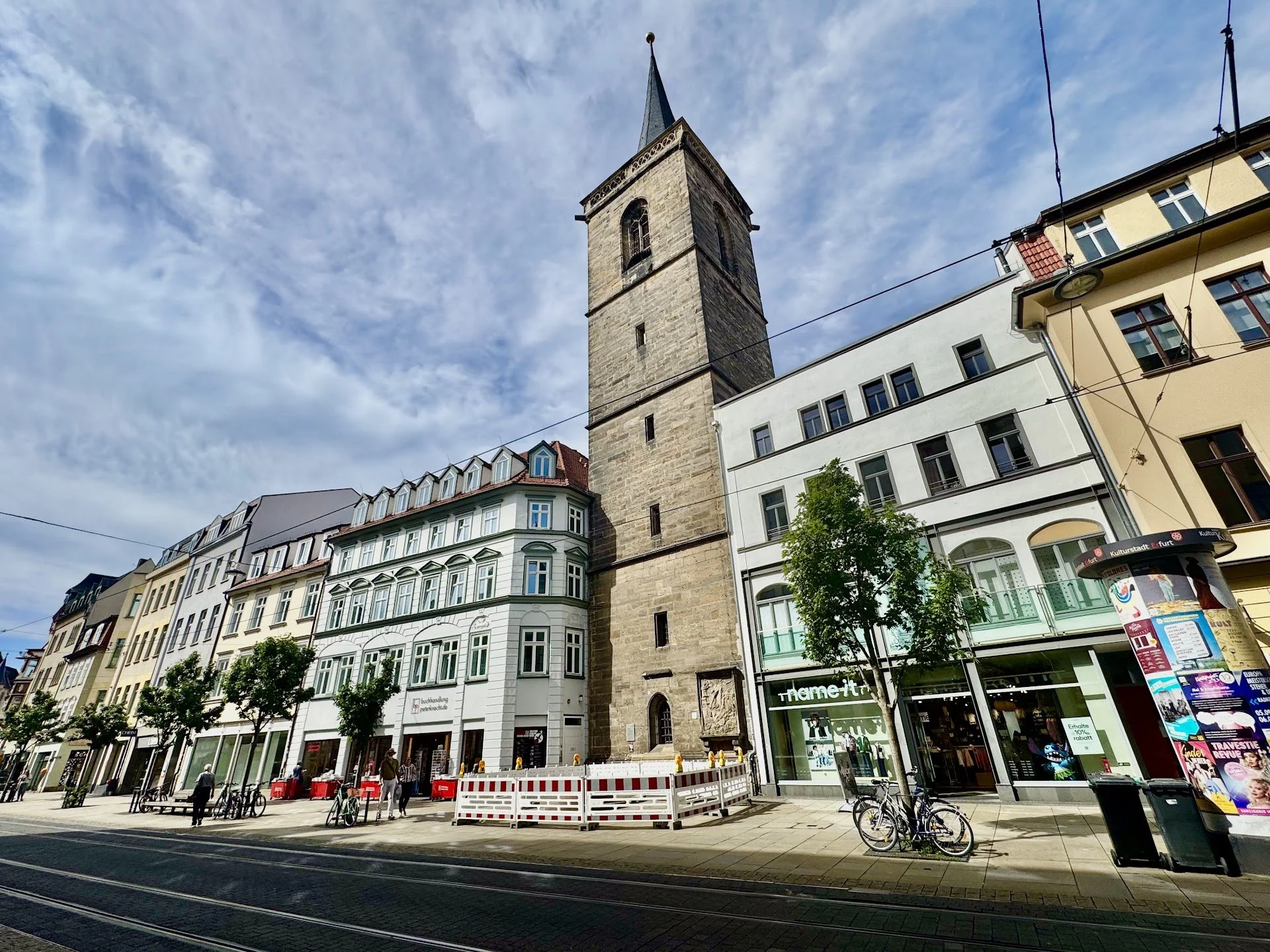
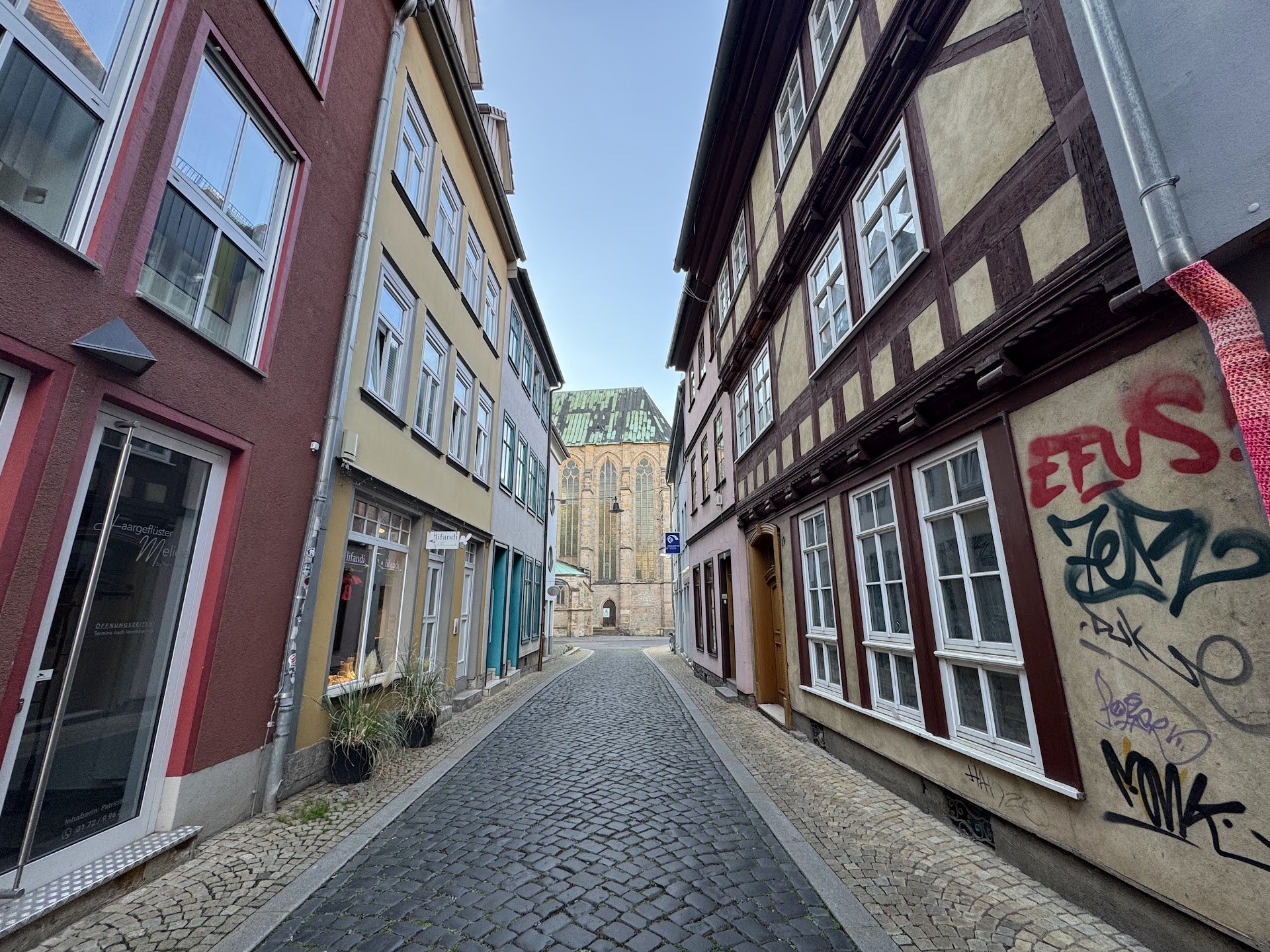
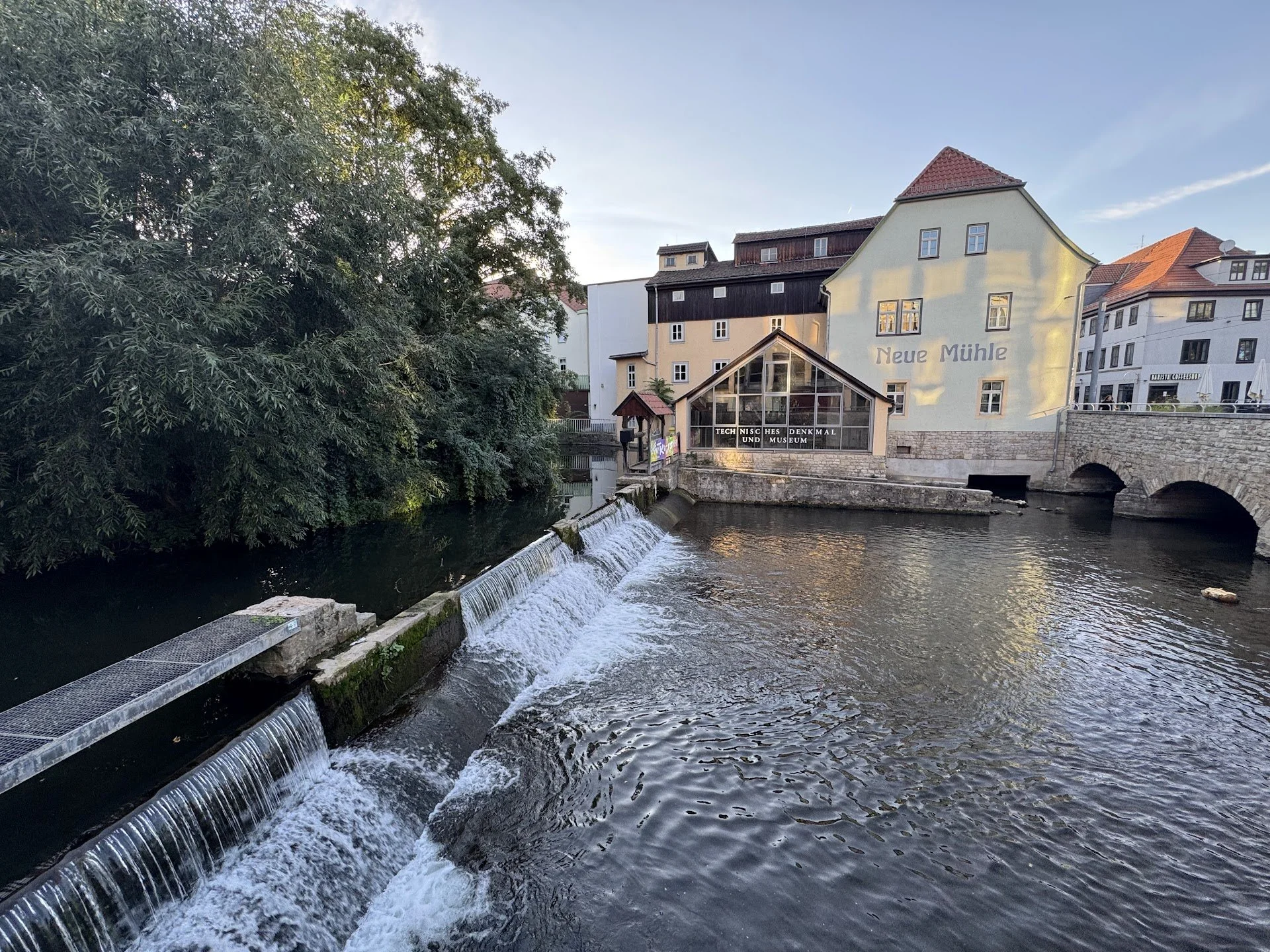
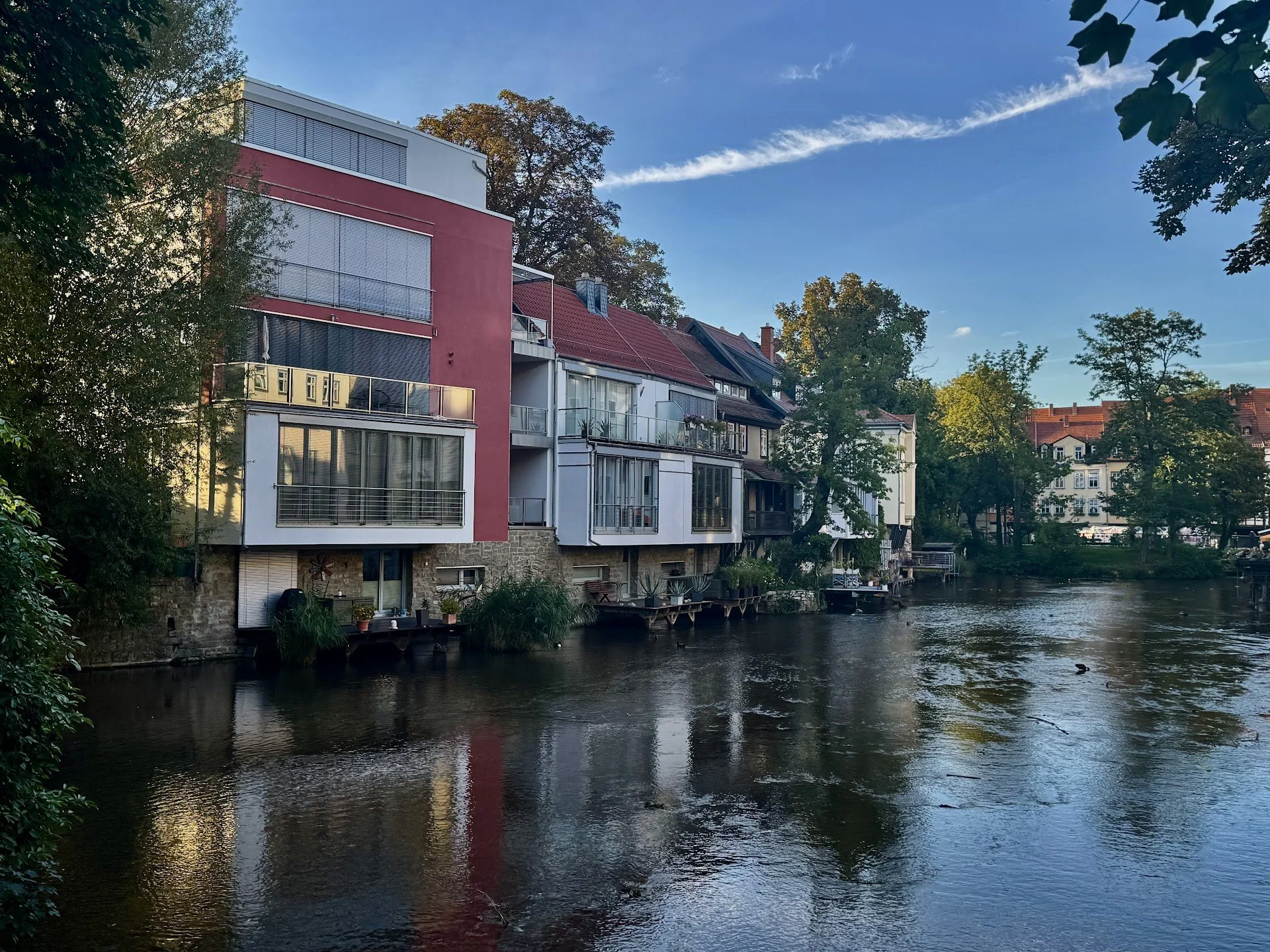
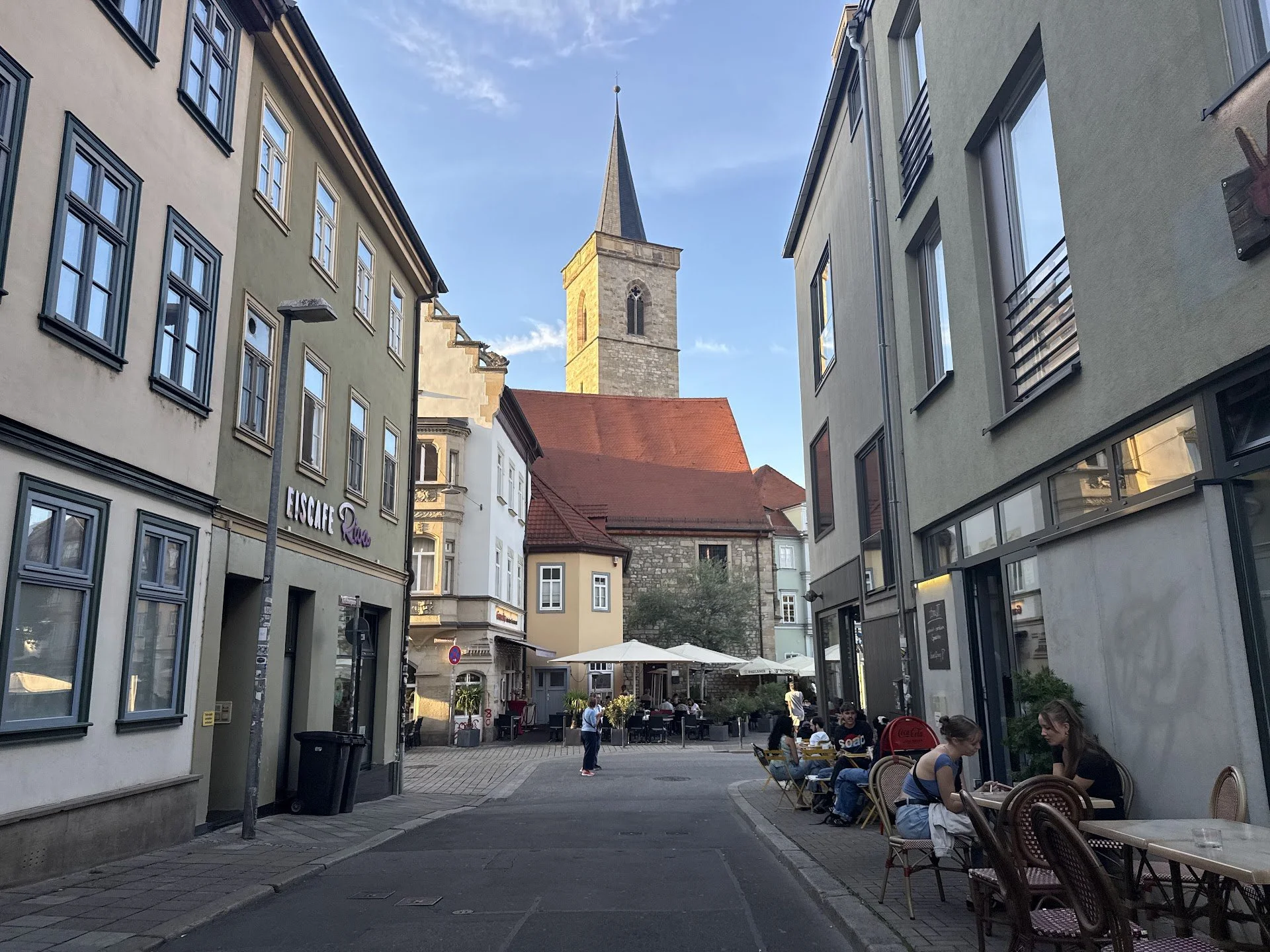
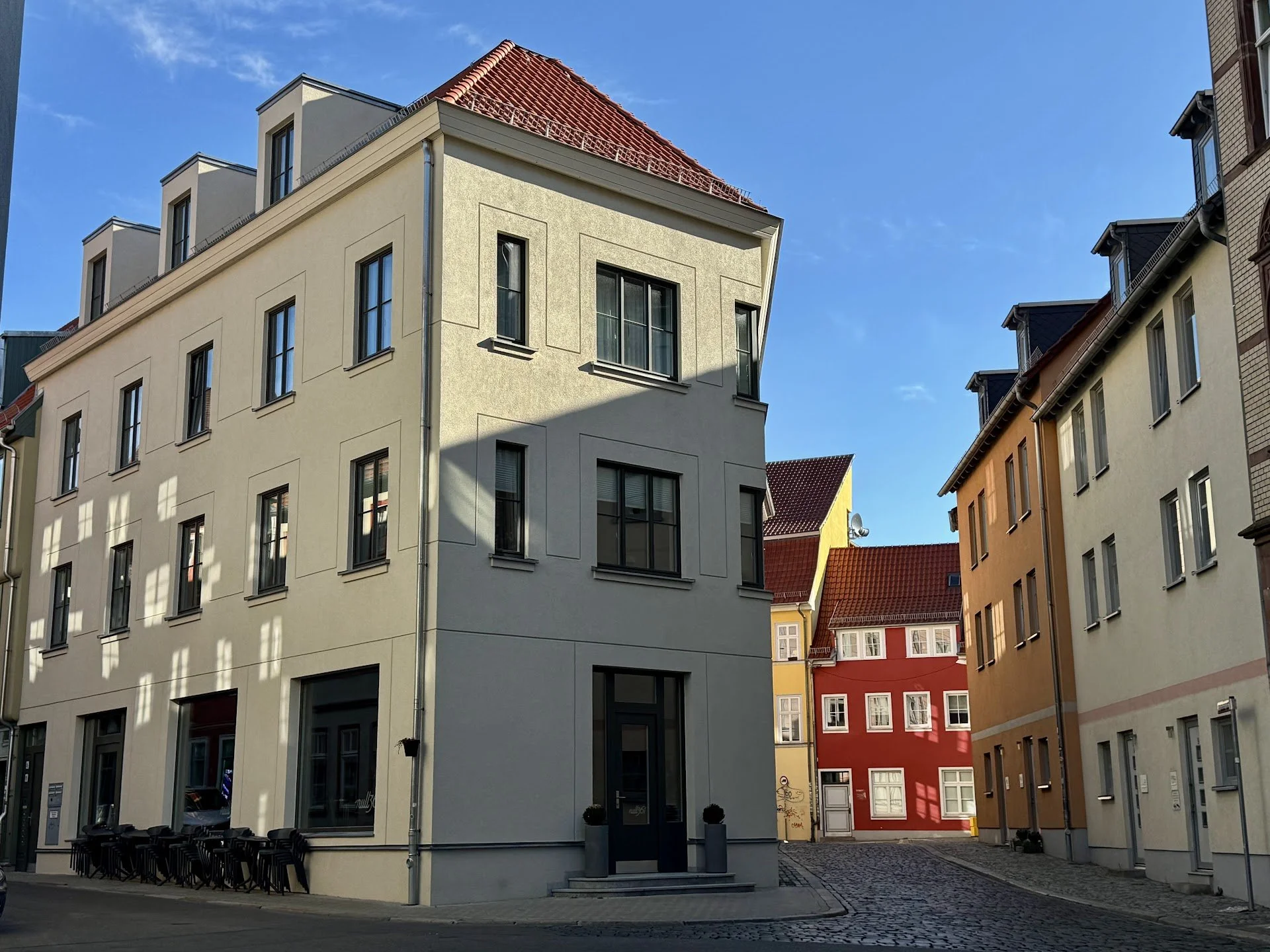
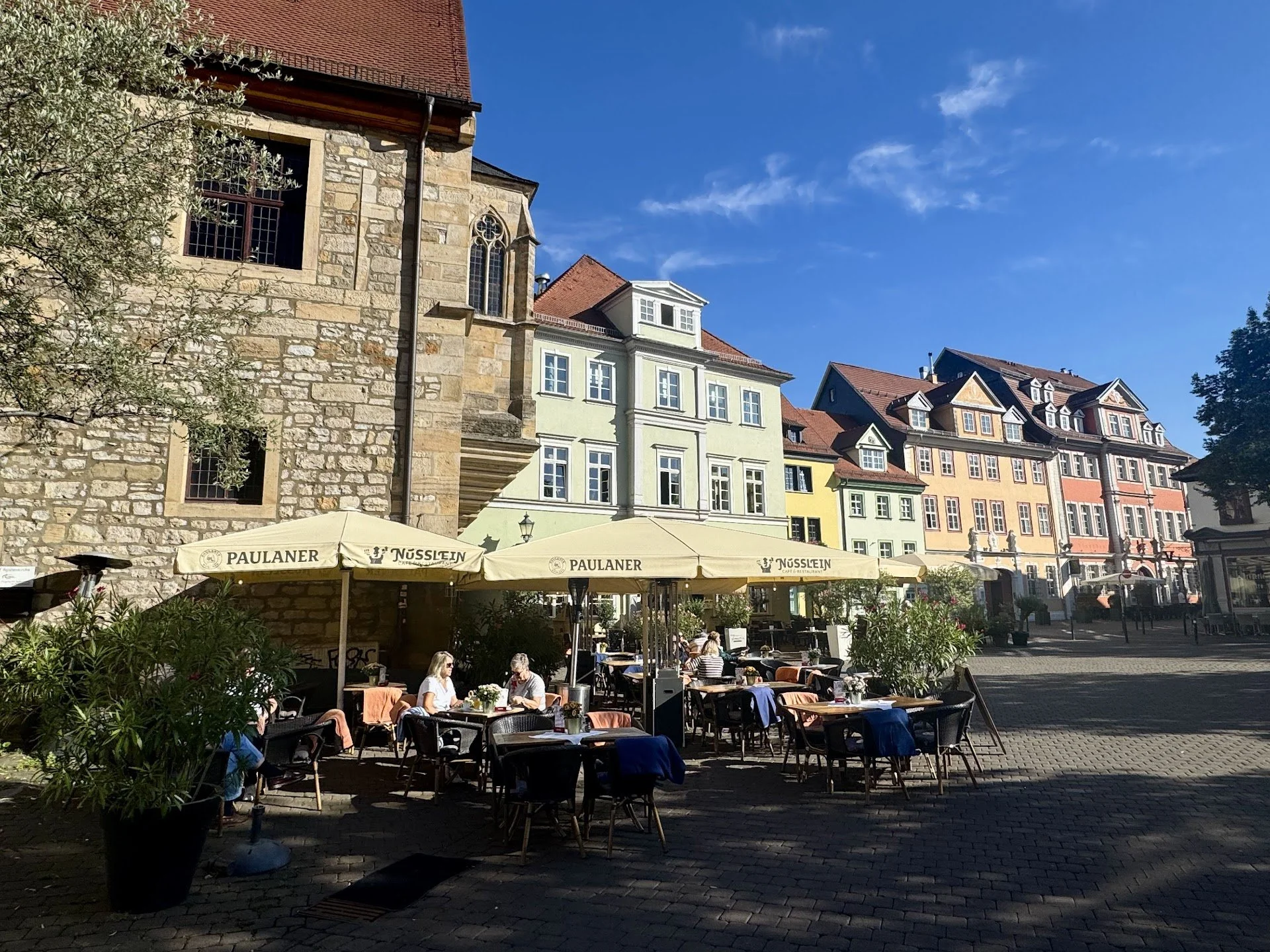
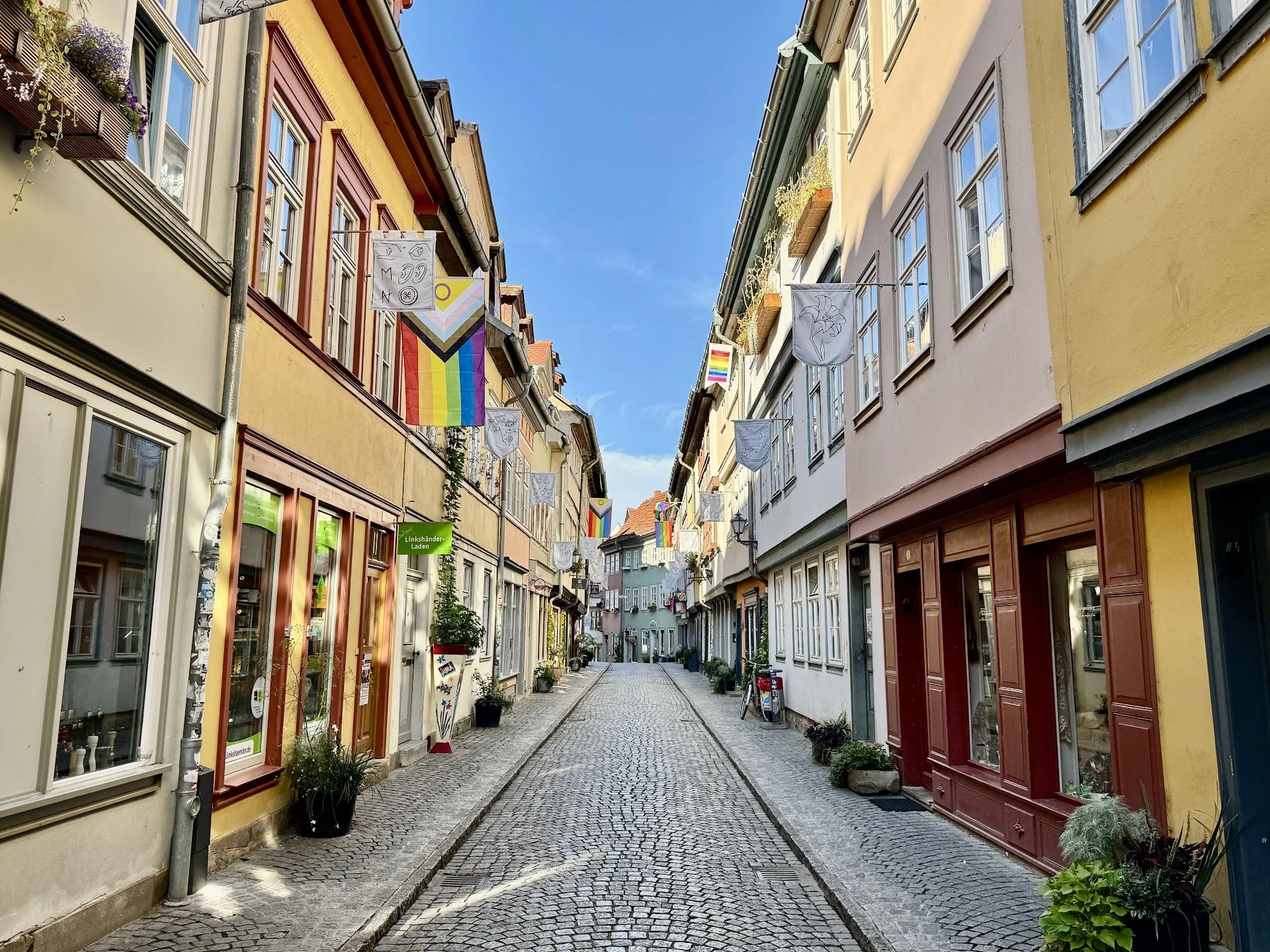
How I Spent My Time in Erfurt, Germany: Cathedral Views, Medieval Streets, and Slowing Down
I arrived in the afternoon on a beautiful day and spent the evening settling in, walking a bit, and getting my bearings before dinner. The next morning, I started early. I only had one full day in Erfurt, but unlike some earlier stops on the trip, I no longer felt pressure to move at maximum speed. Erfurt naturally encouraged a slower approach.
Domplatz & Petersberg Citadel
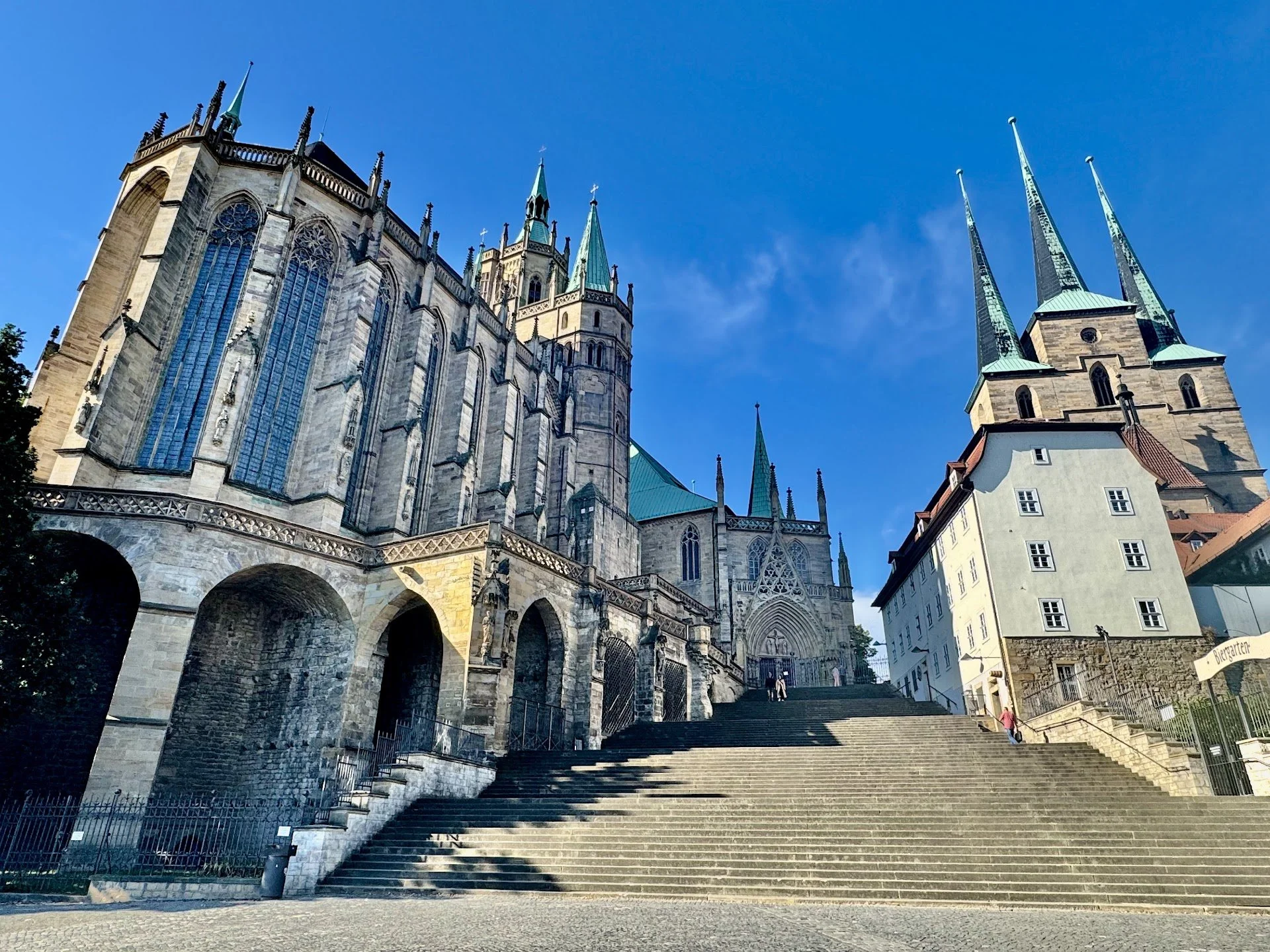
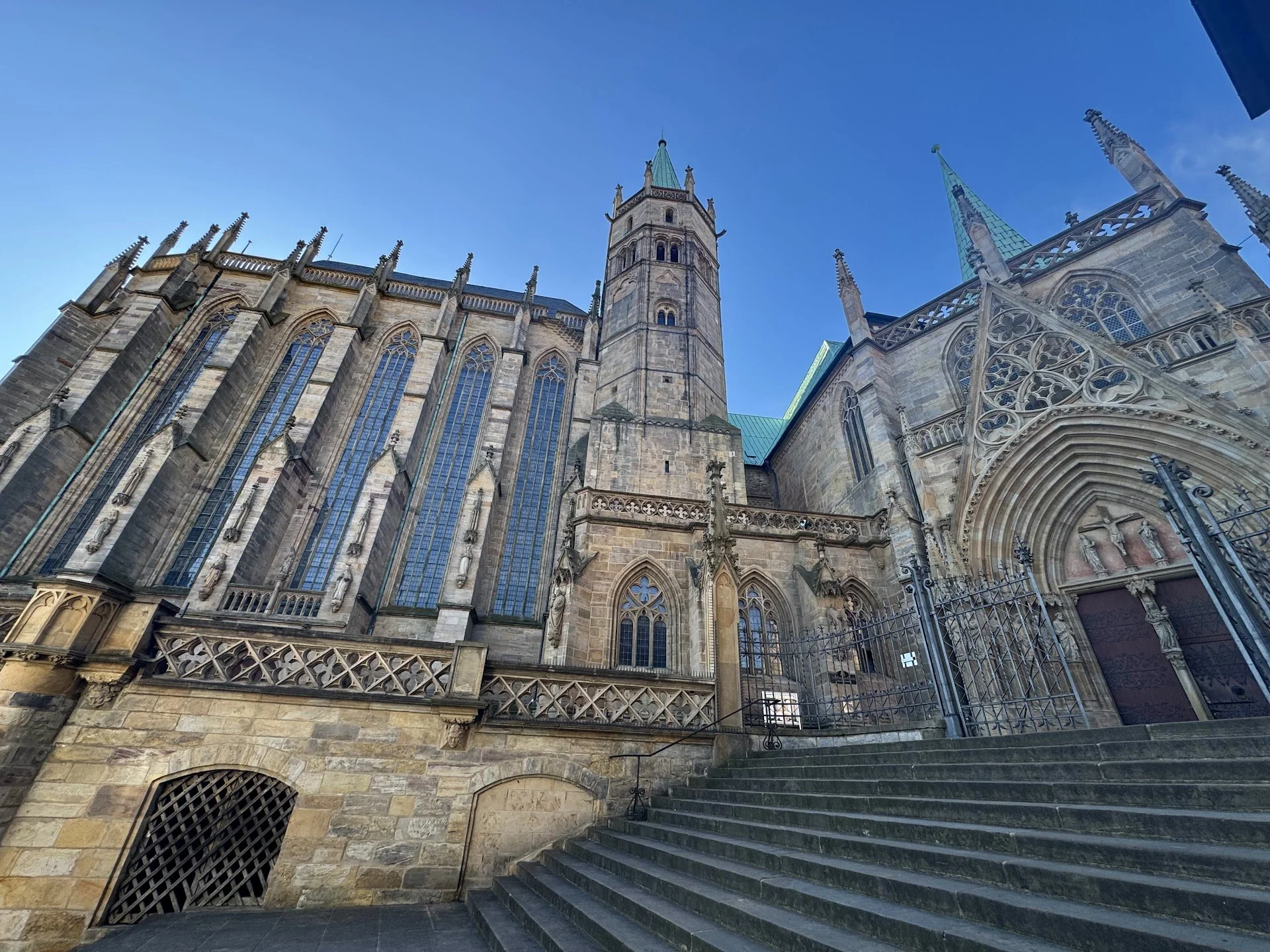
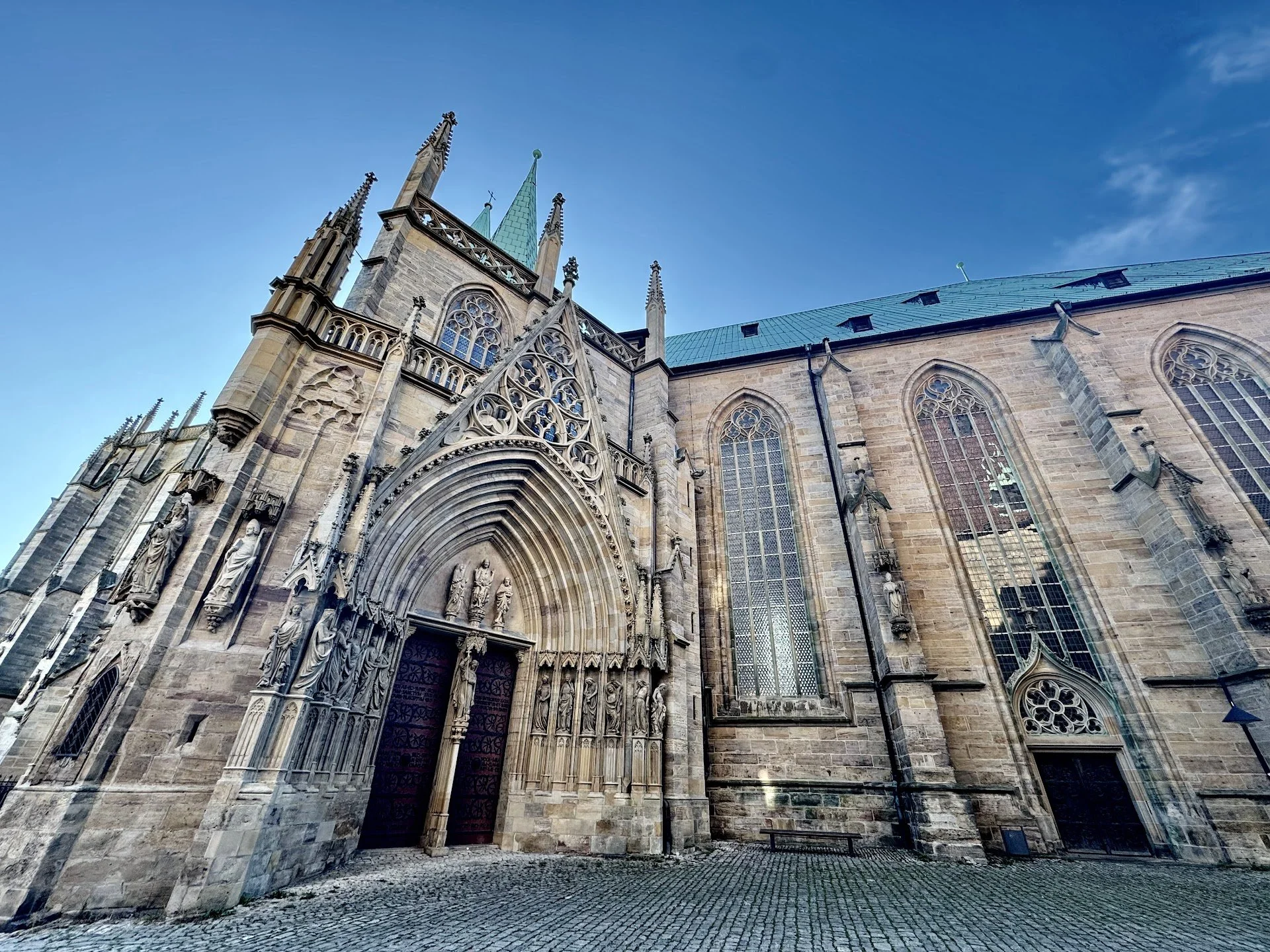
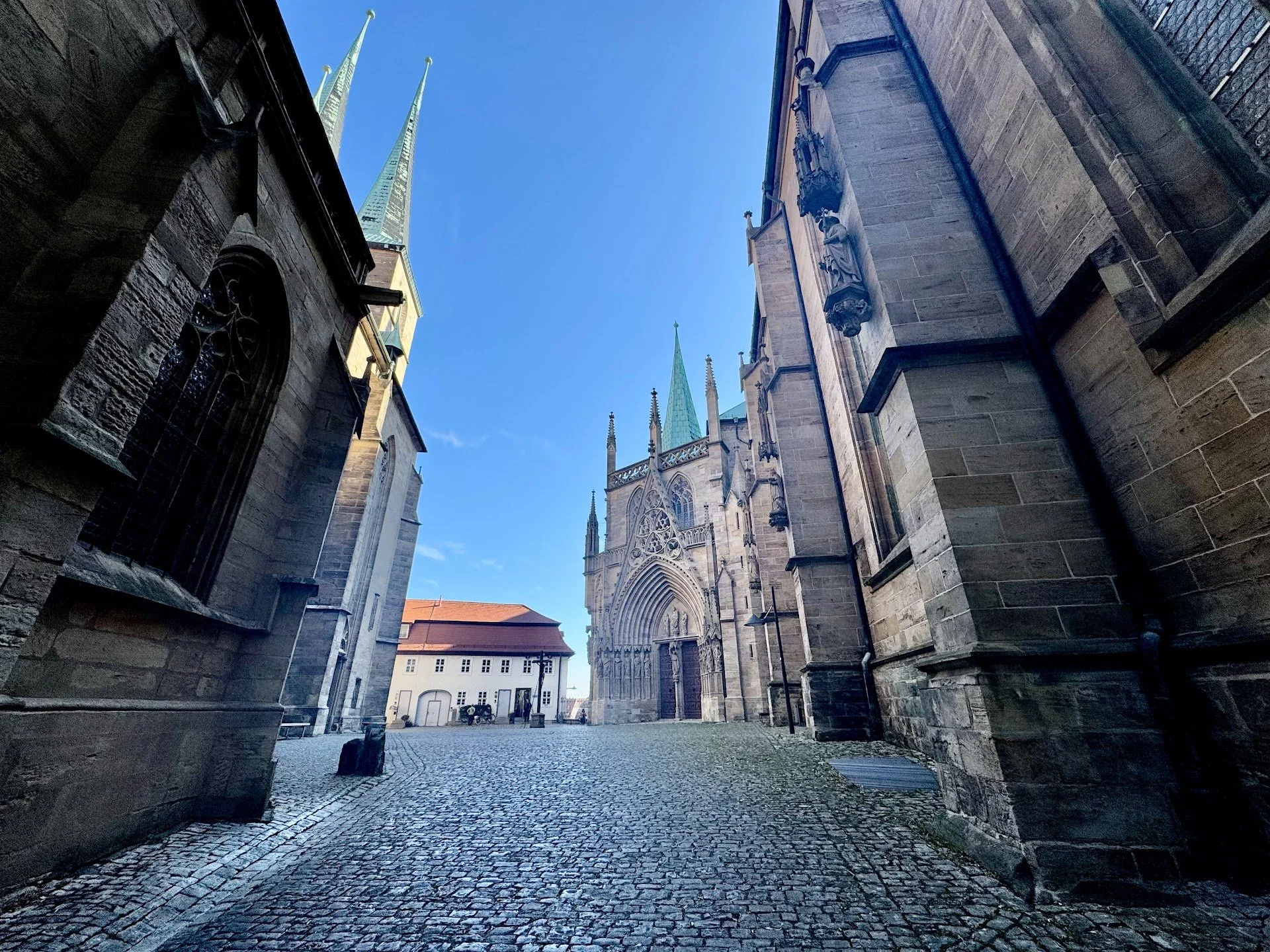
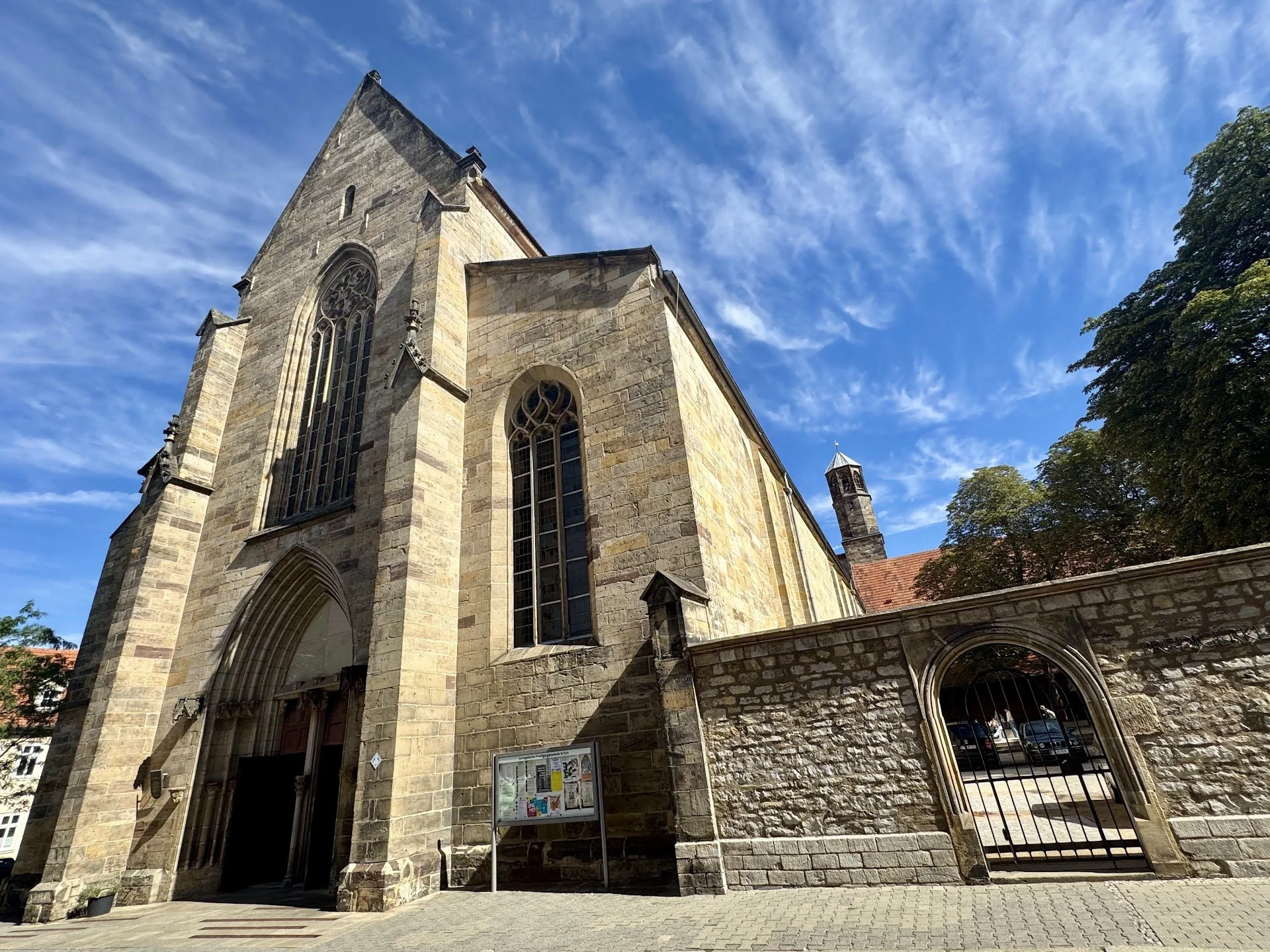
My first stop was Domplatz, the city’s main historic square and one of the most visually striking spaces in Erfurt. The square is anchored by both Erfurt Cathedral (also known as St Mary's Cathedral) and St. Severus Church, which sit elevated above the city on a massive stone staircase. The scale of the space becomes immediately apparent when you arrive.
Domplatz has served as a gathering place for centuries, hosting markets, festivals, and public events dating back to medieval times. Even without a major event taking place, the square carries a sense of history that feels deeply embedded in the city itself.
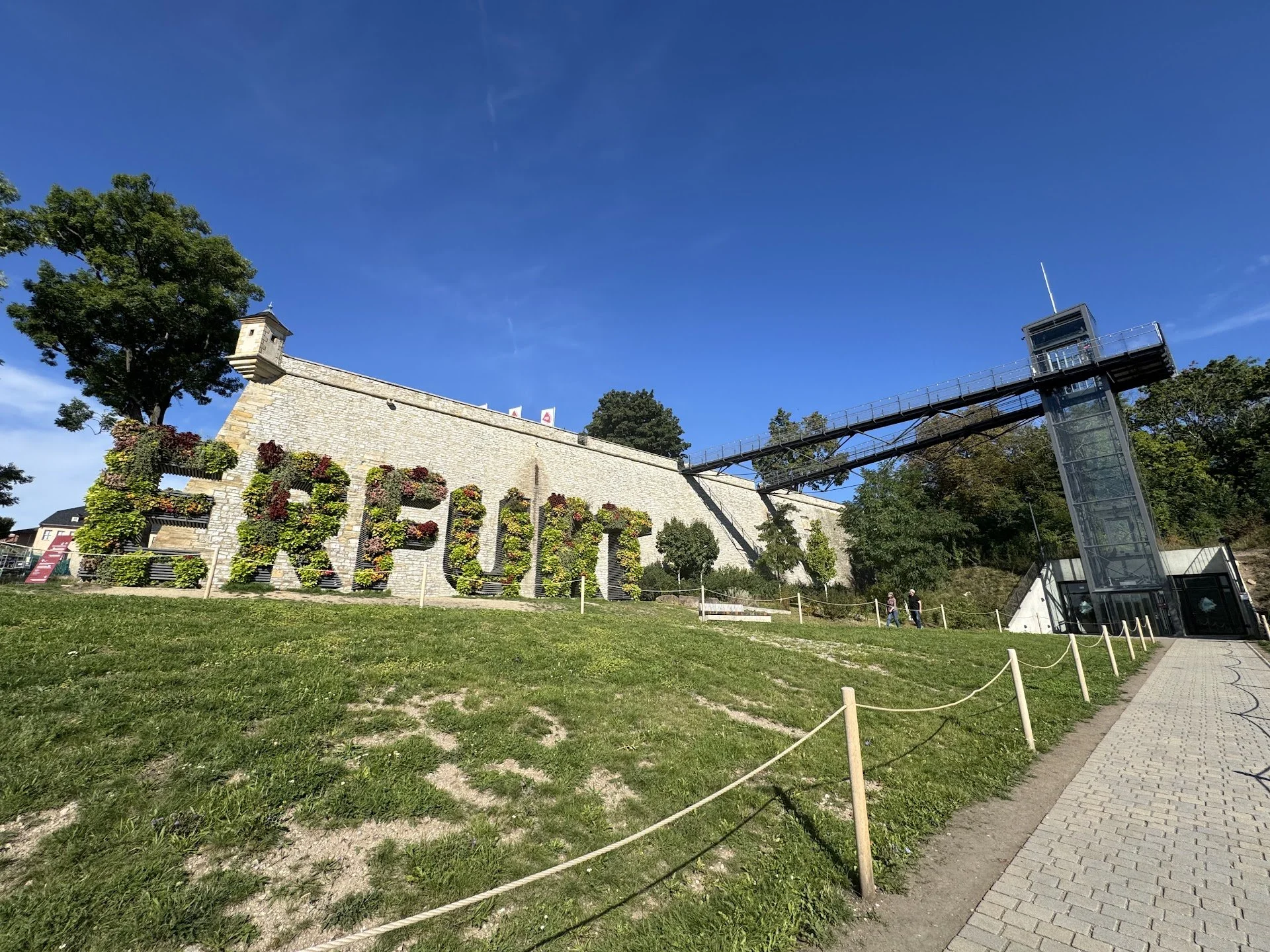
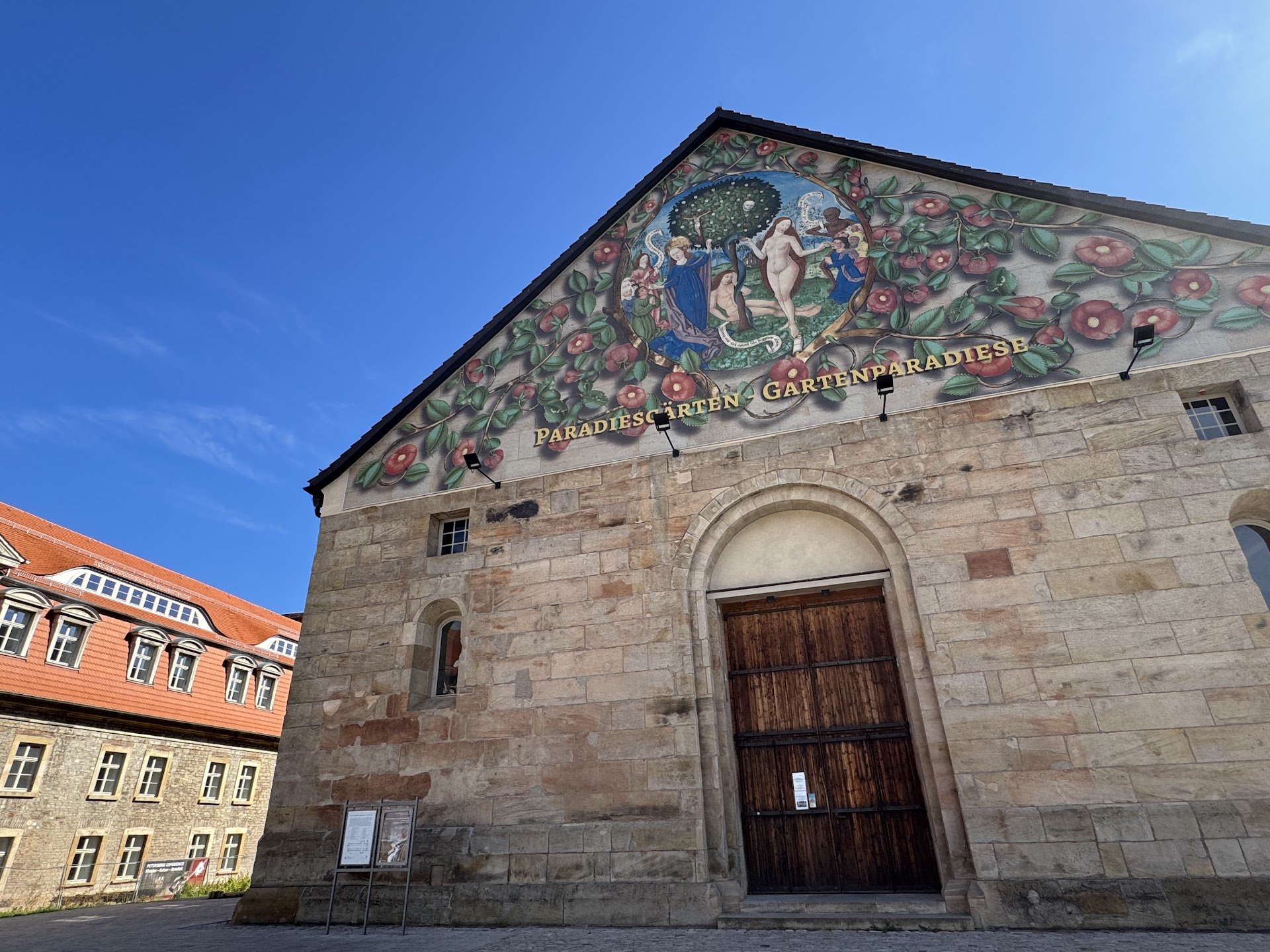
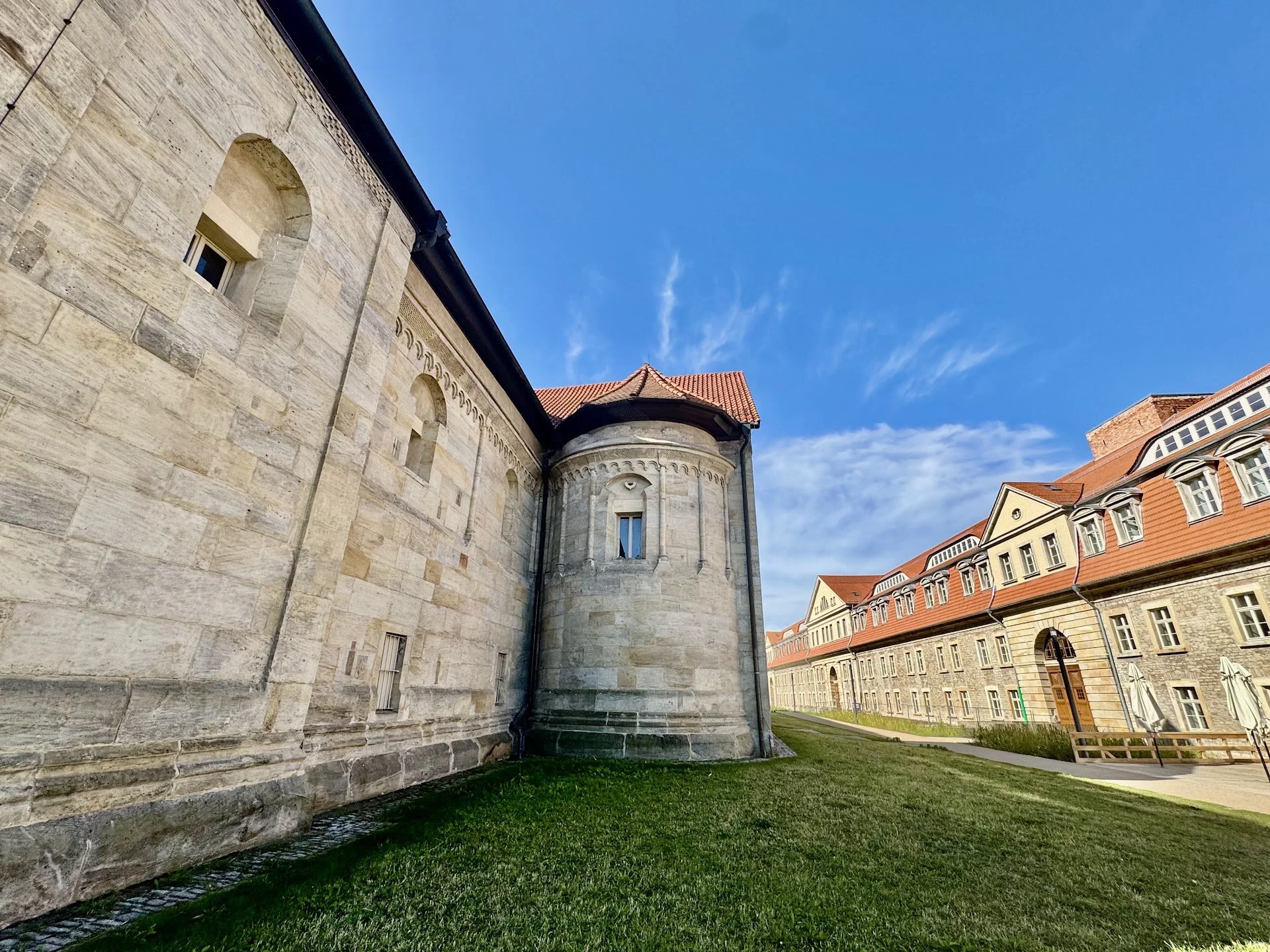
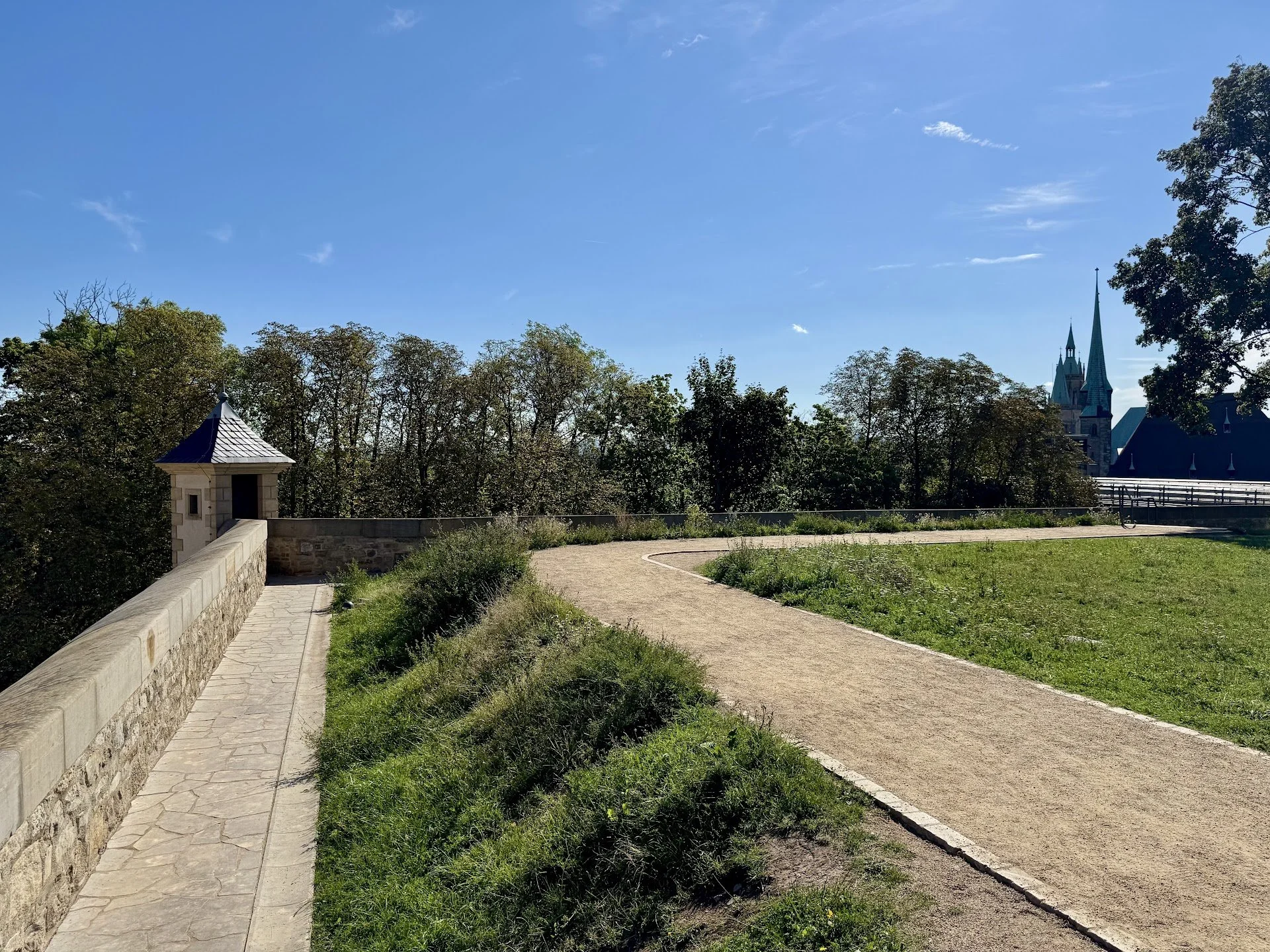
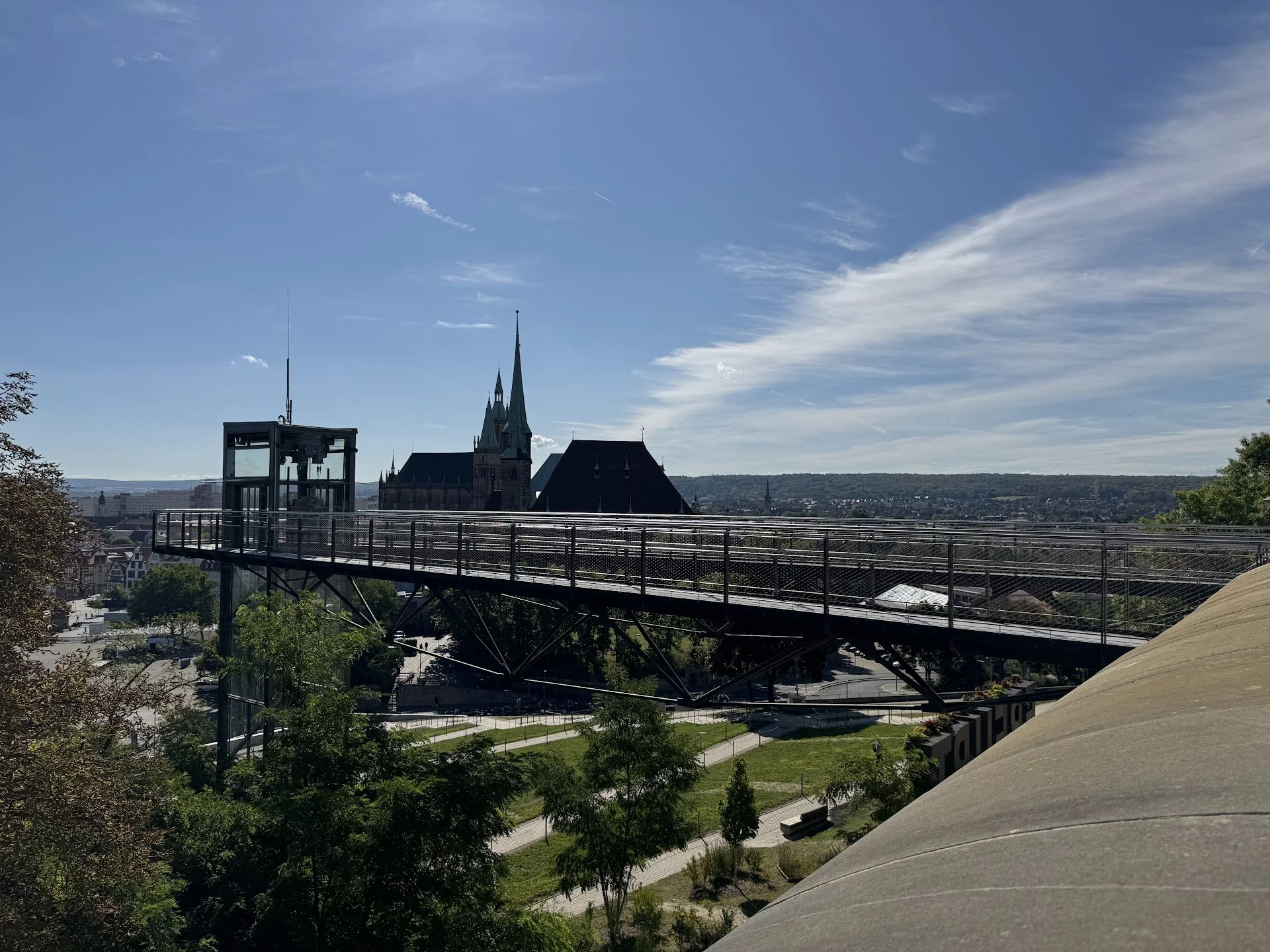
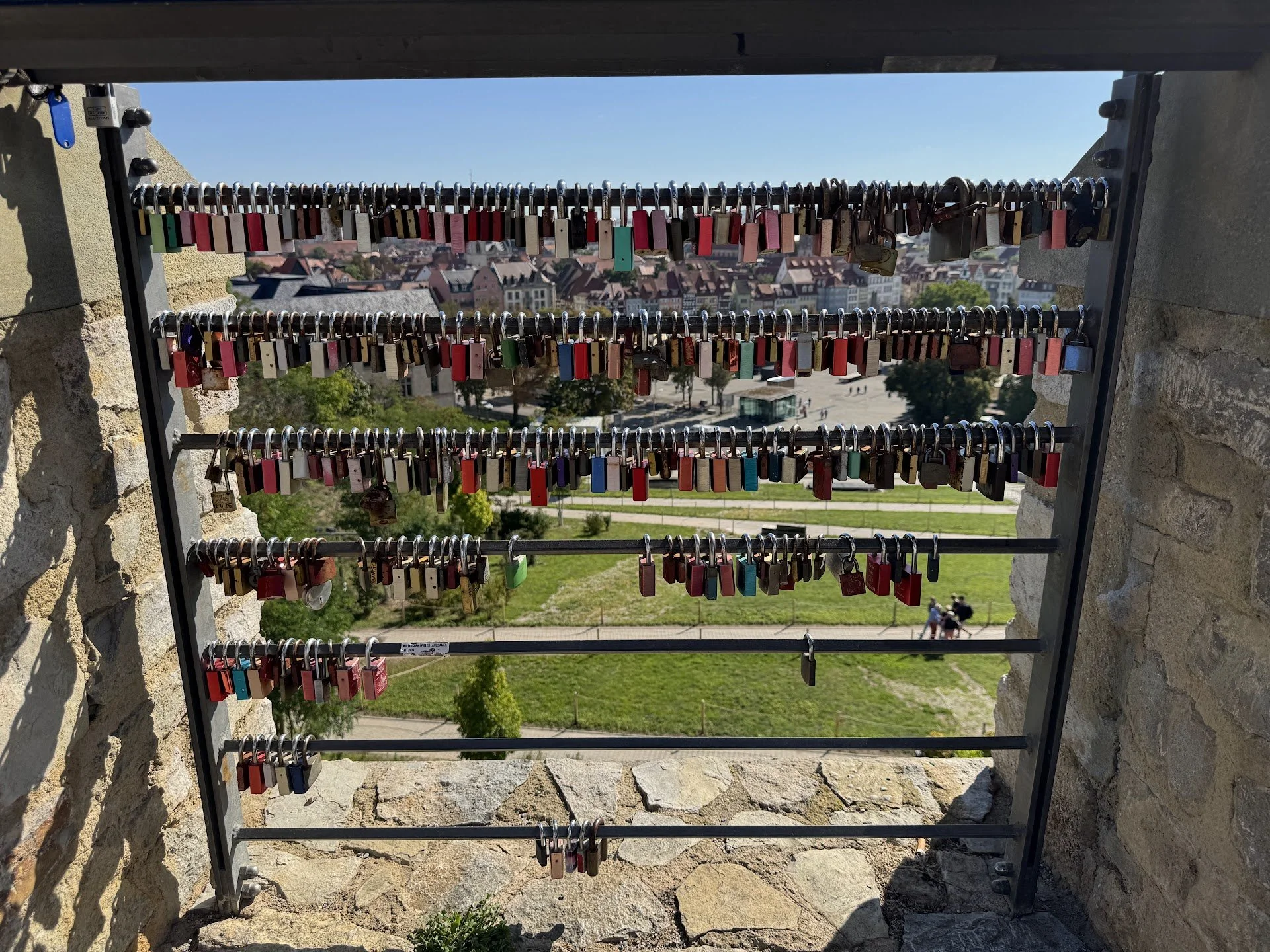
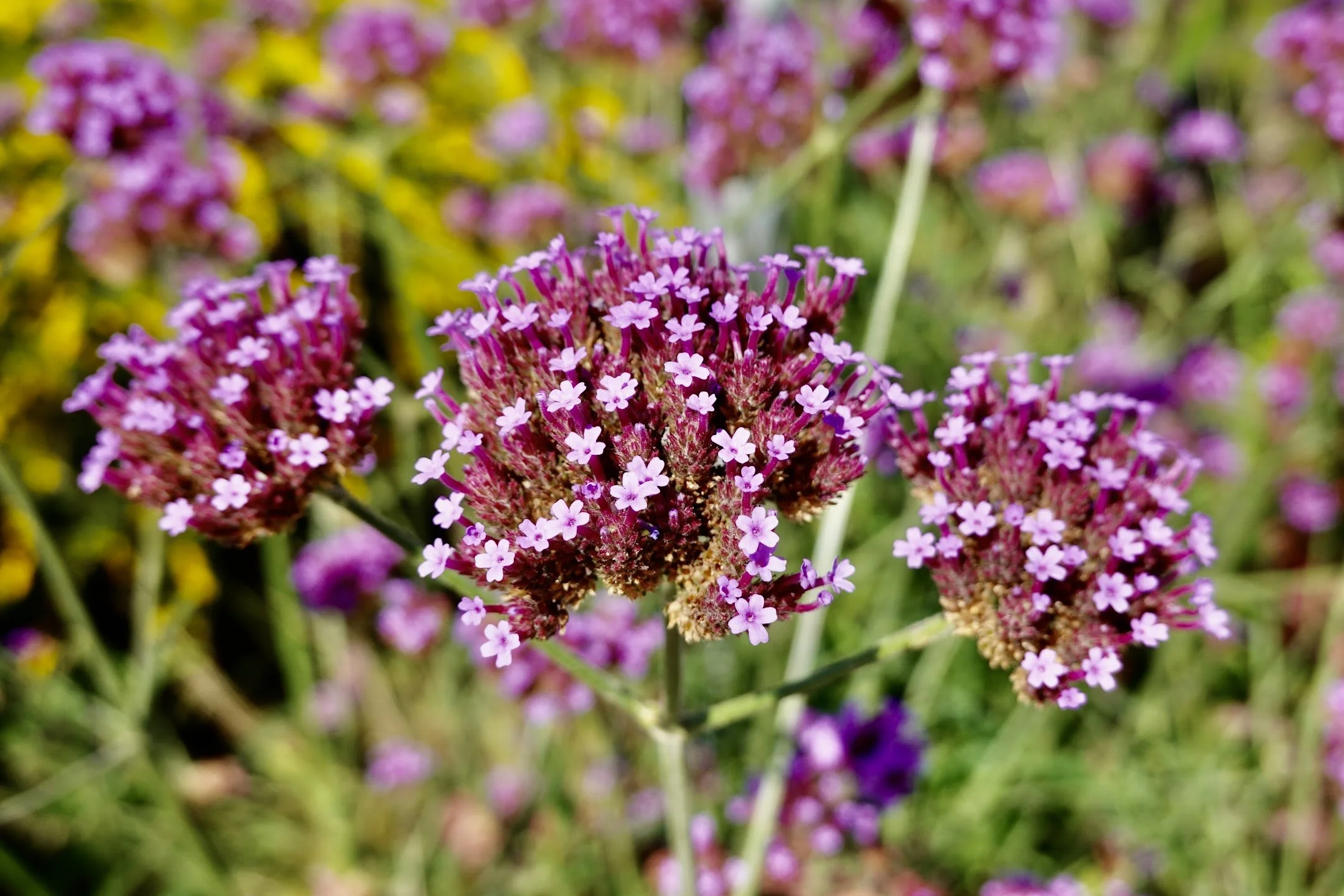
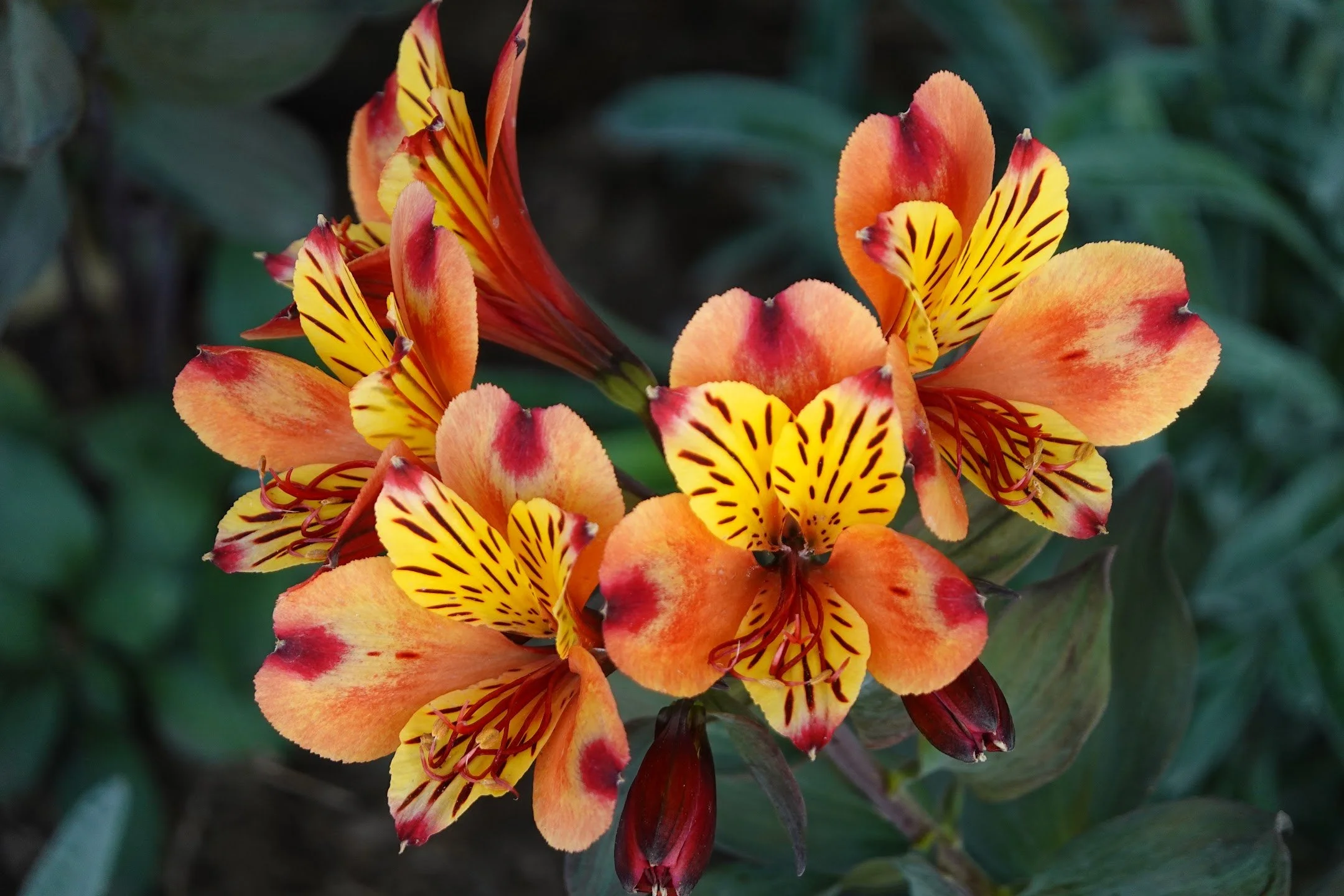
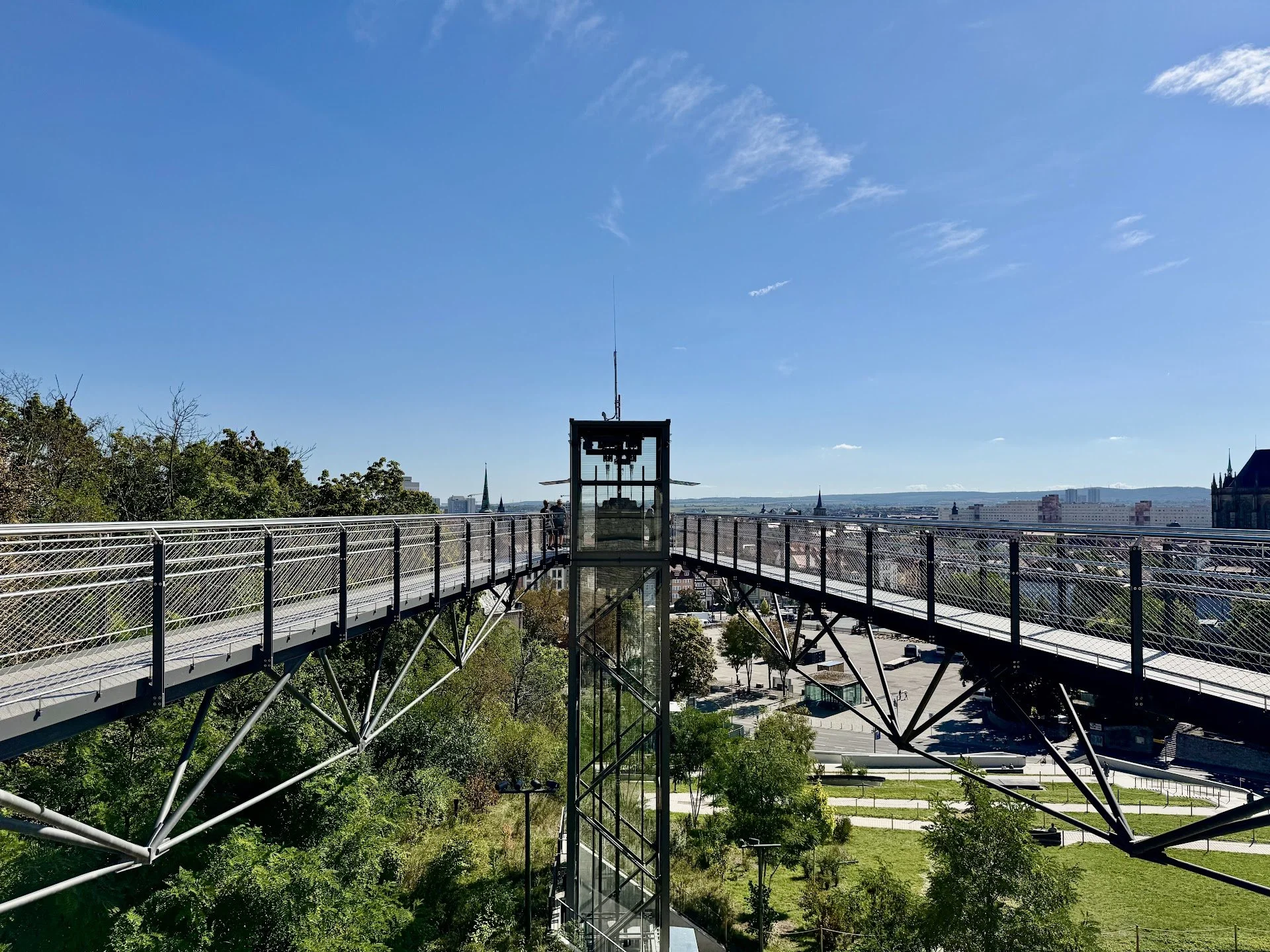
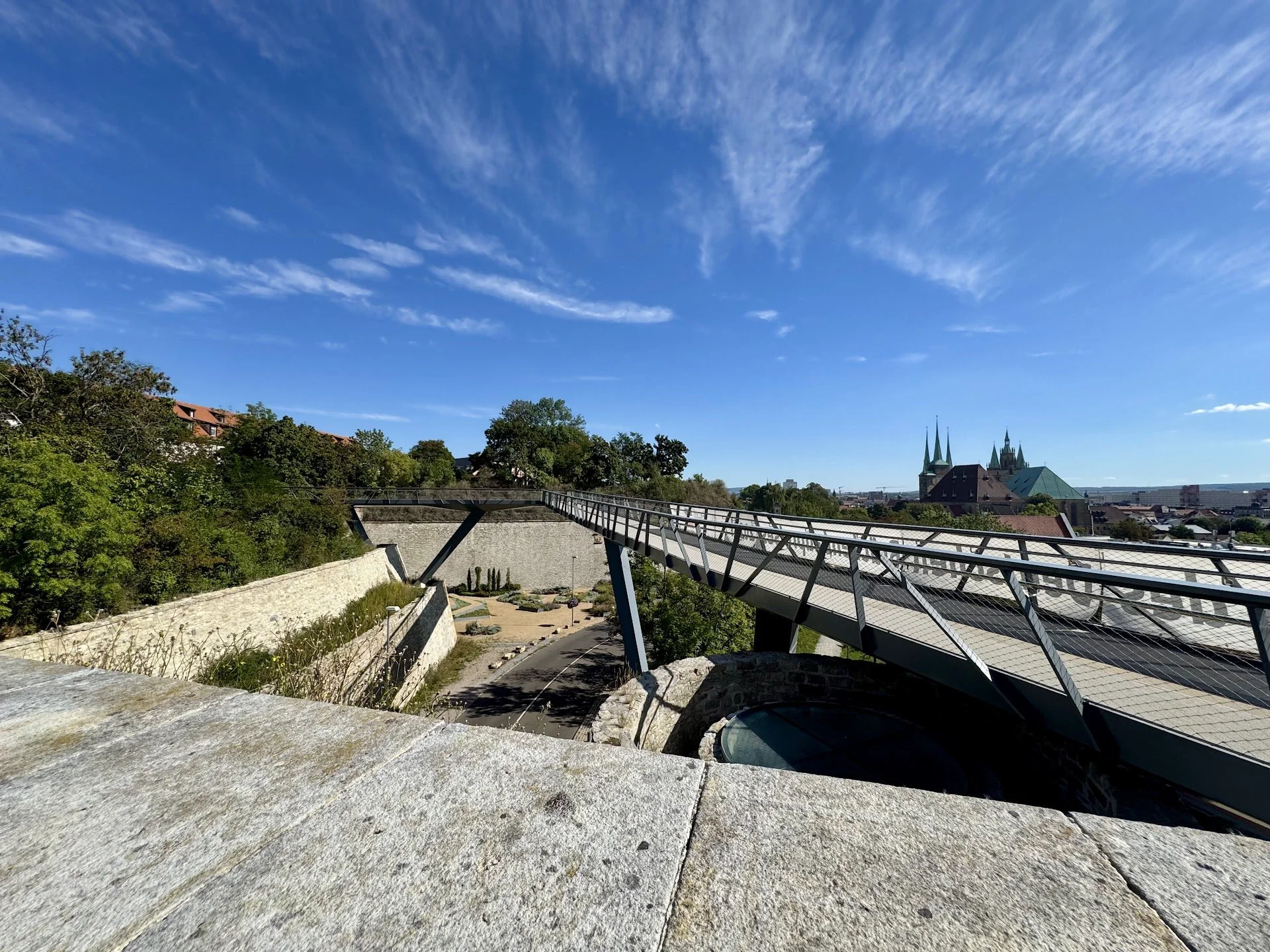
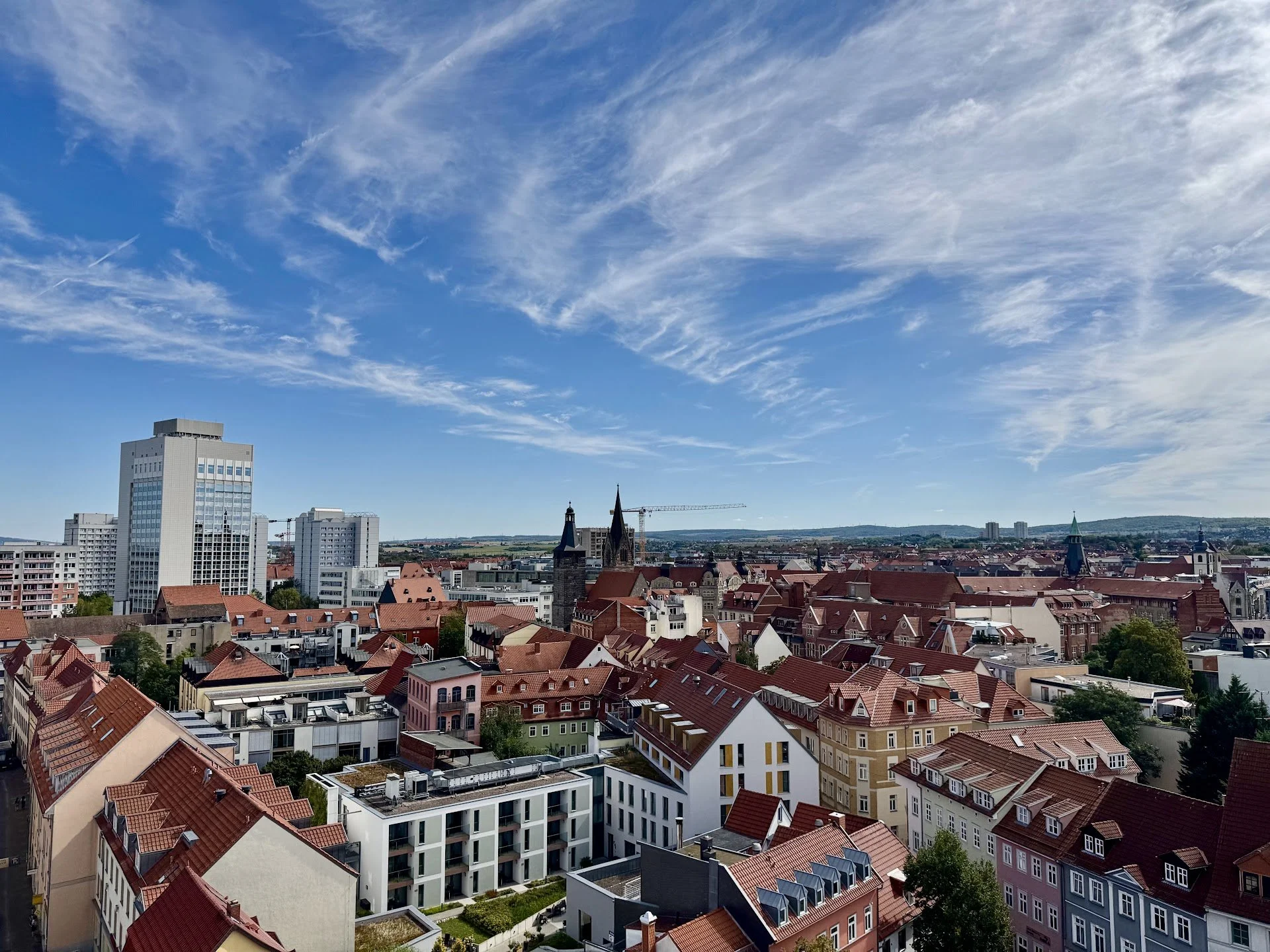
From there, I walked uphill to Petersberg Citadel, one of Europe’s best-preserved Baroque fortresses. The citadel offered a completely different perspective of the city: quiet walking paths, green spaces, thick stone walls, and panoramic views across Erfurt’s rooftops. Some of the elevated walkways tested my mild fear of heights a bit, but the views were absolutely worth it.
Krämerbrücke: The Heart of Erfurt
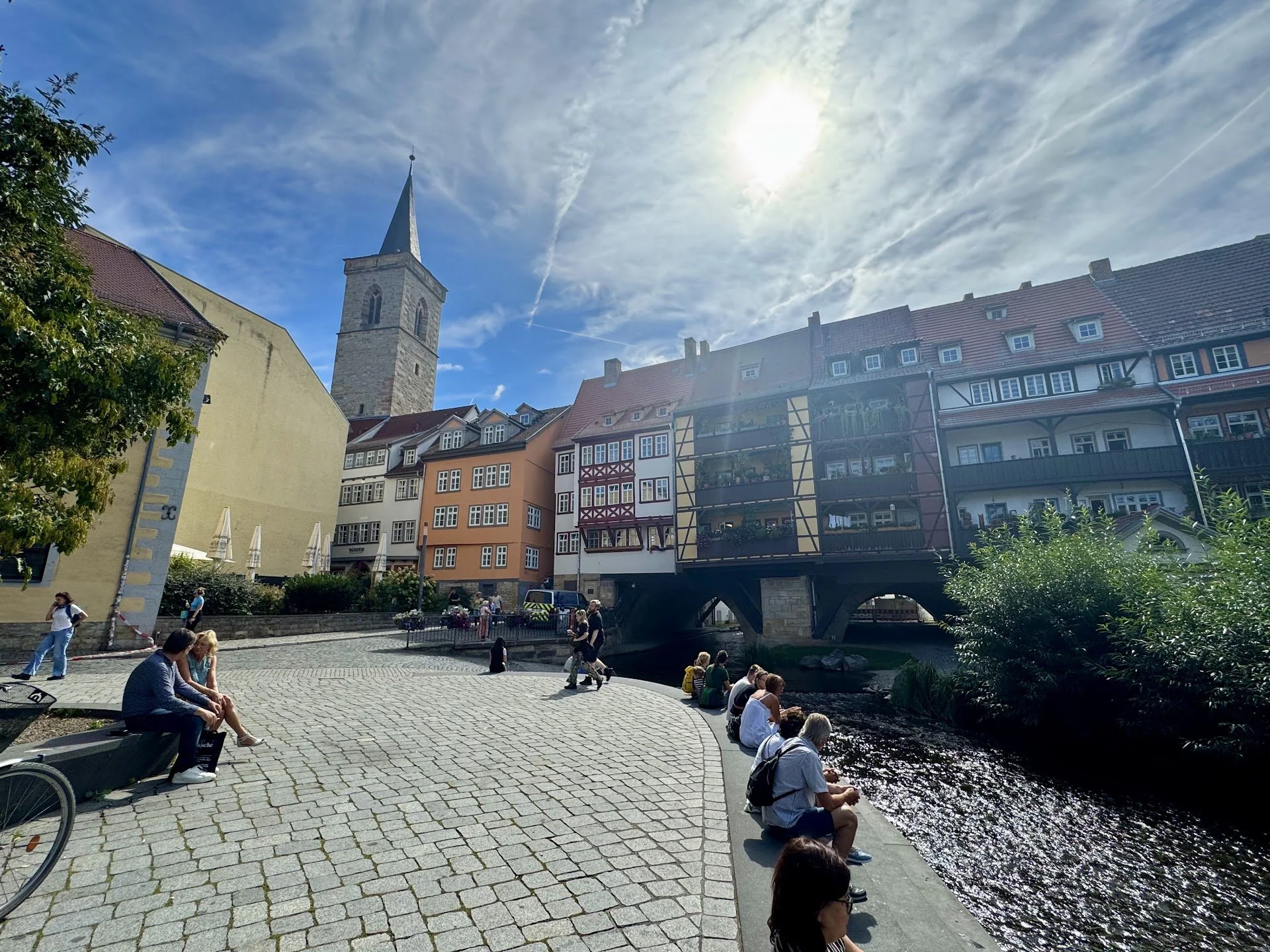
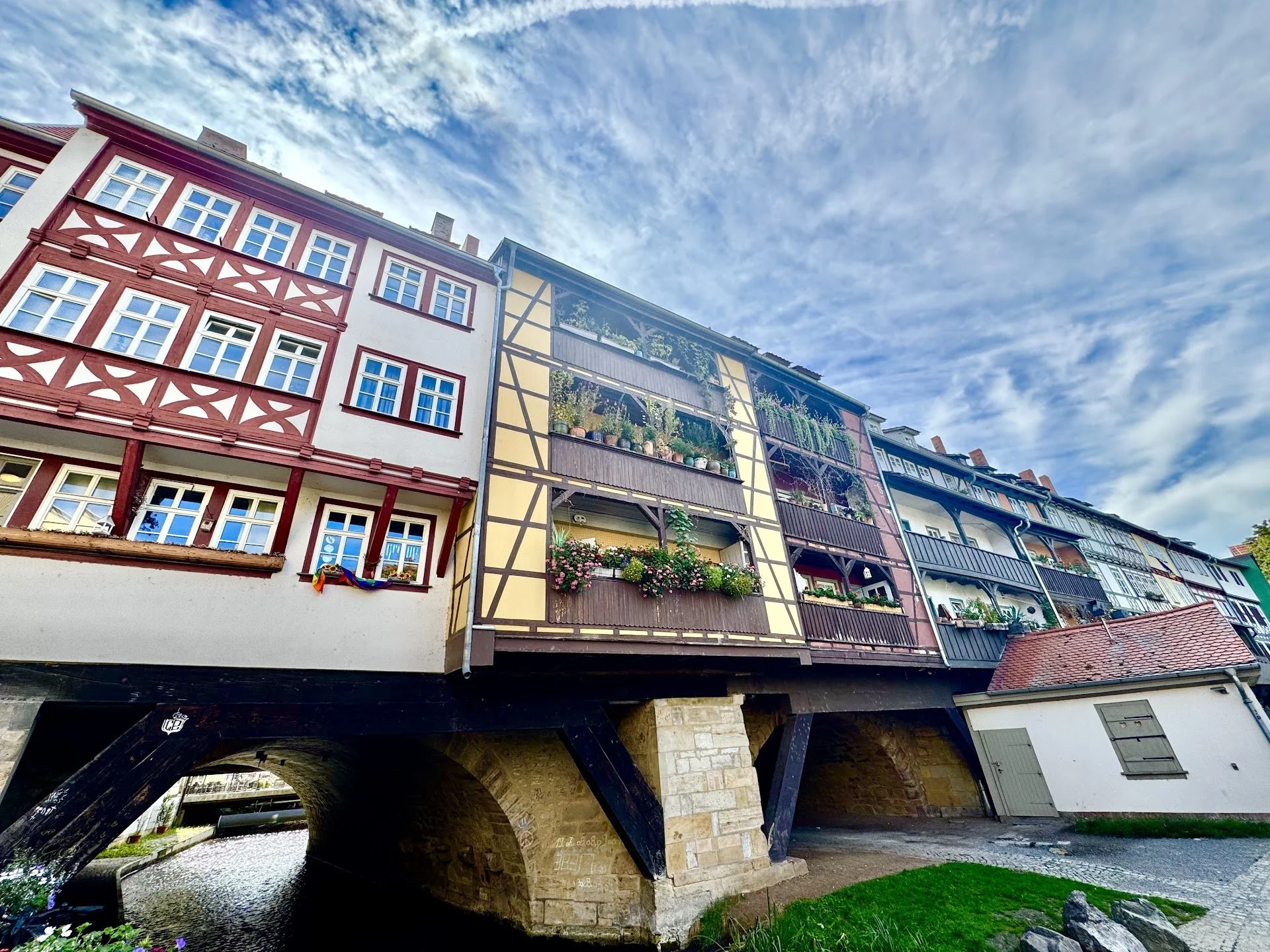
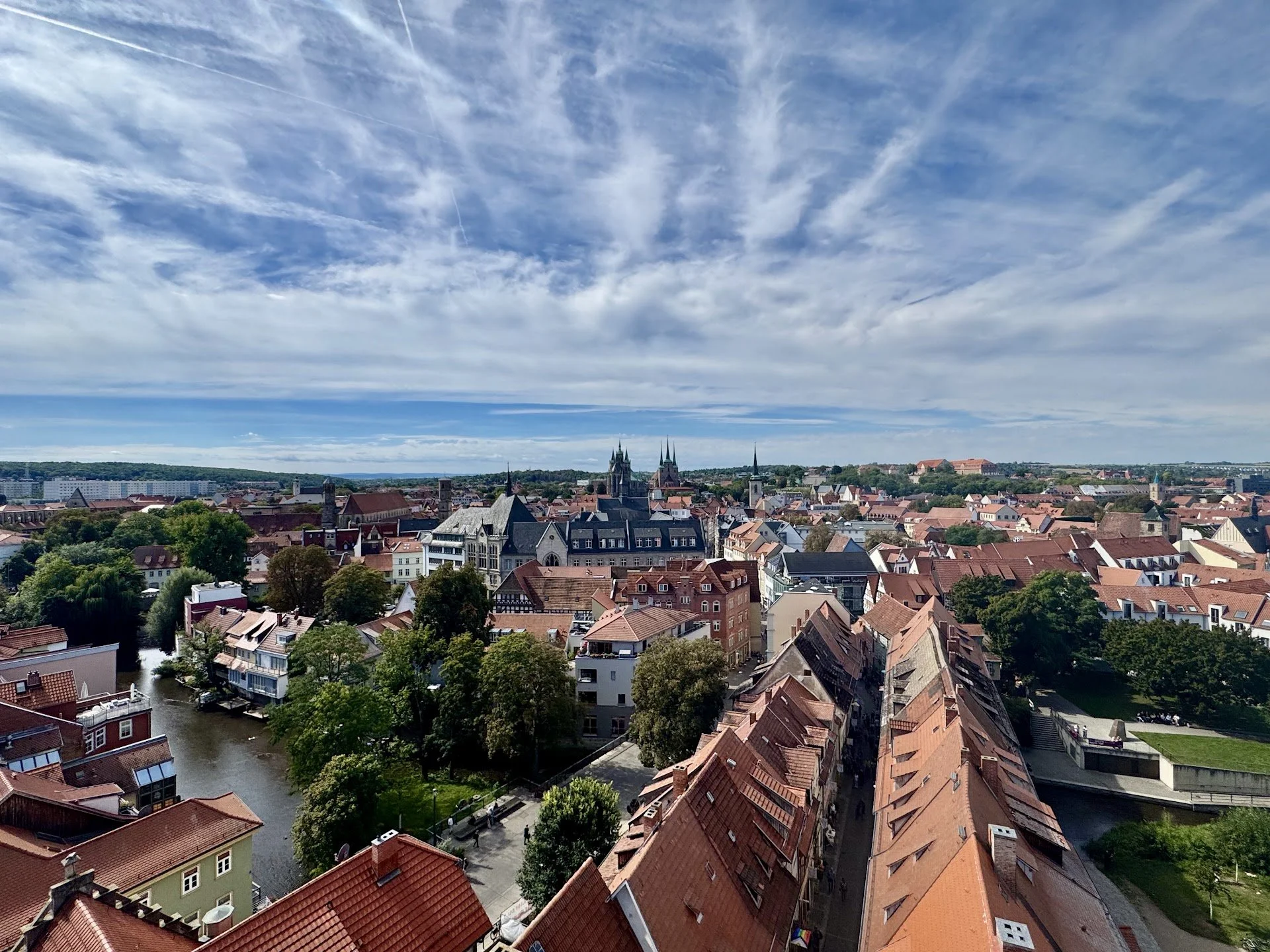
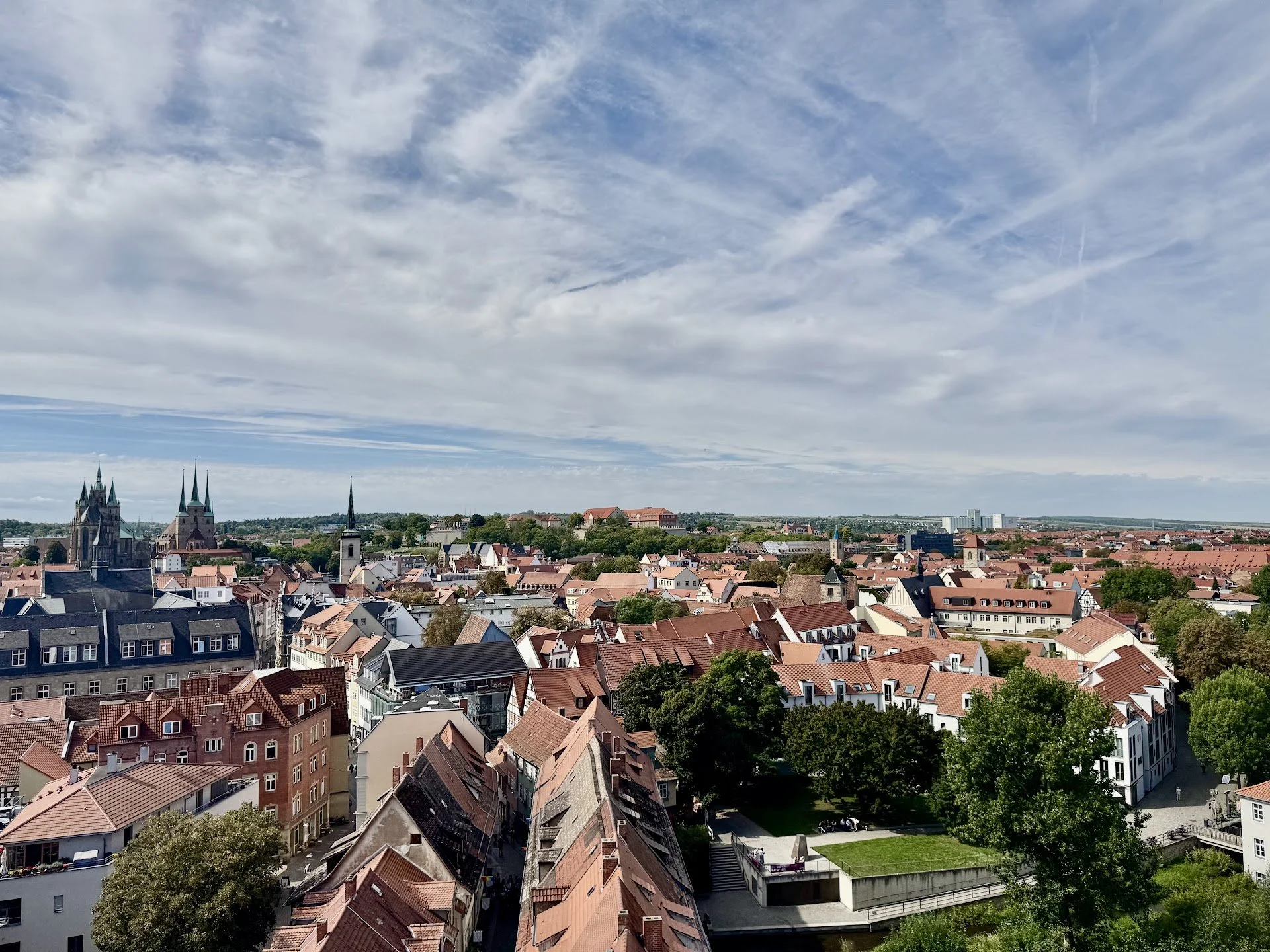
From Petersberg Citadel, I made my way toward the Krämerbrücke (also known as Merchants’ Bridge)—Erfurt’s most recognizable landmark and one of the most unusual bridges in Europe. Dating back to the 14th century, the bridge is lined on both sides with half-timbered buildings that remain fully inhabited today. Small shops, galleries, and artisan spaces operate inside many of the buildings, making the bridge feel less like a tourist attraction and more like a functioning part of the city.
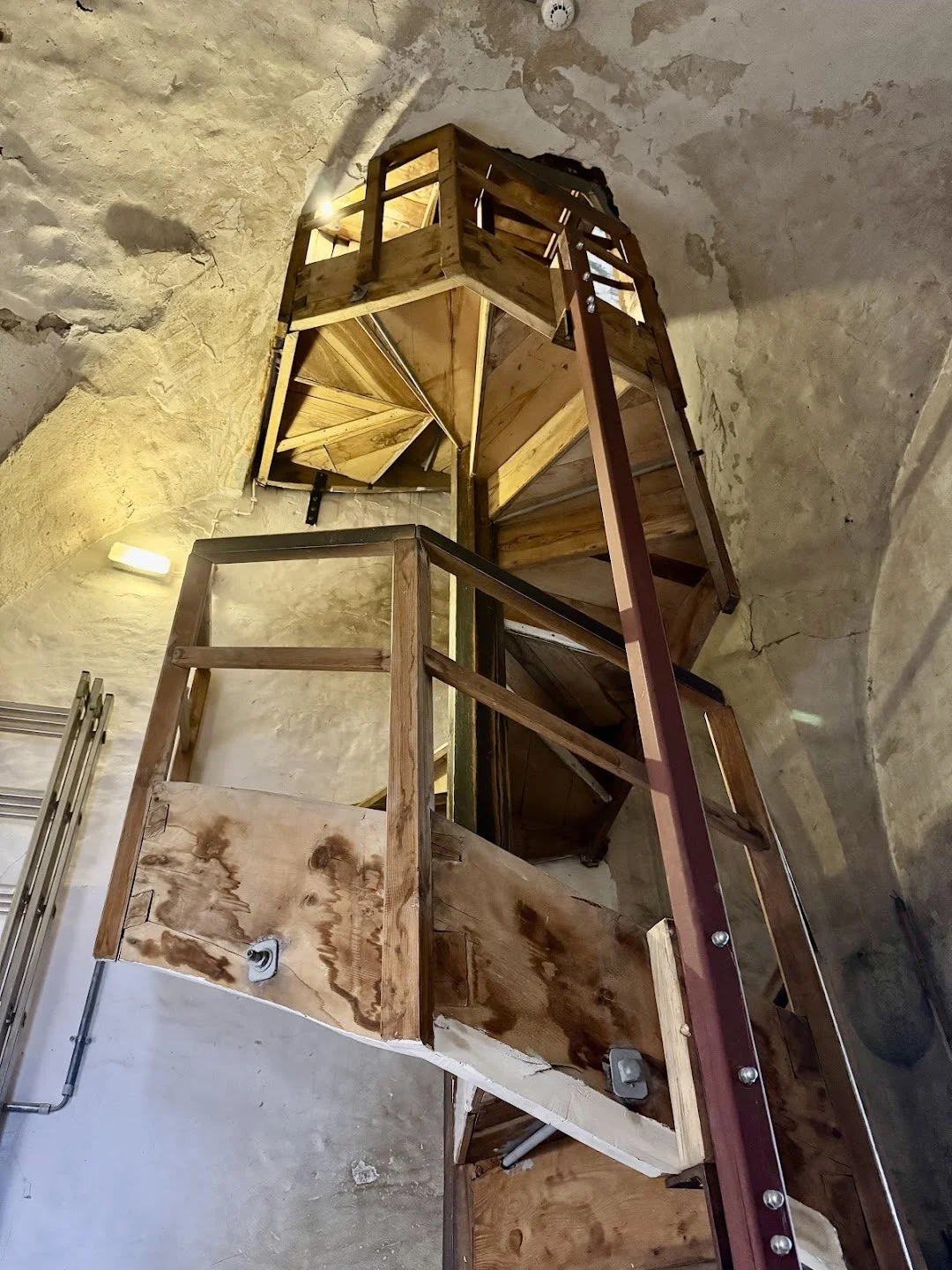
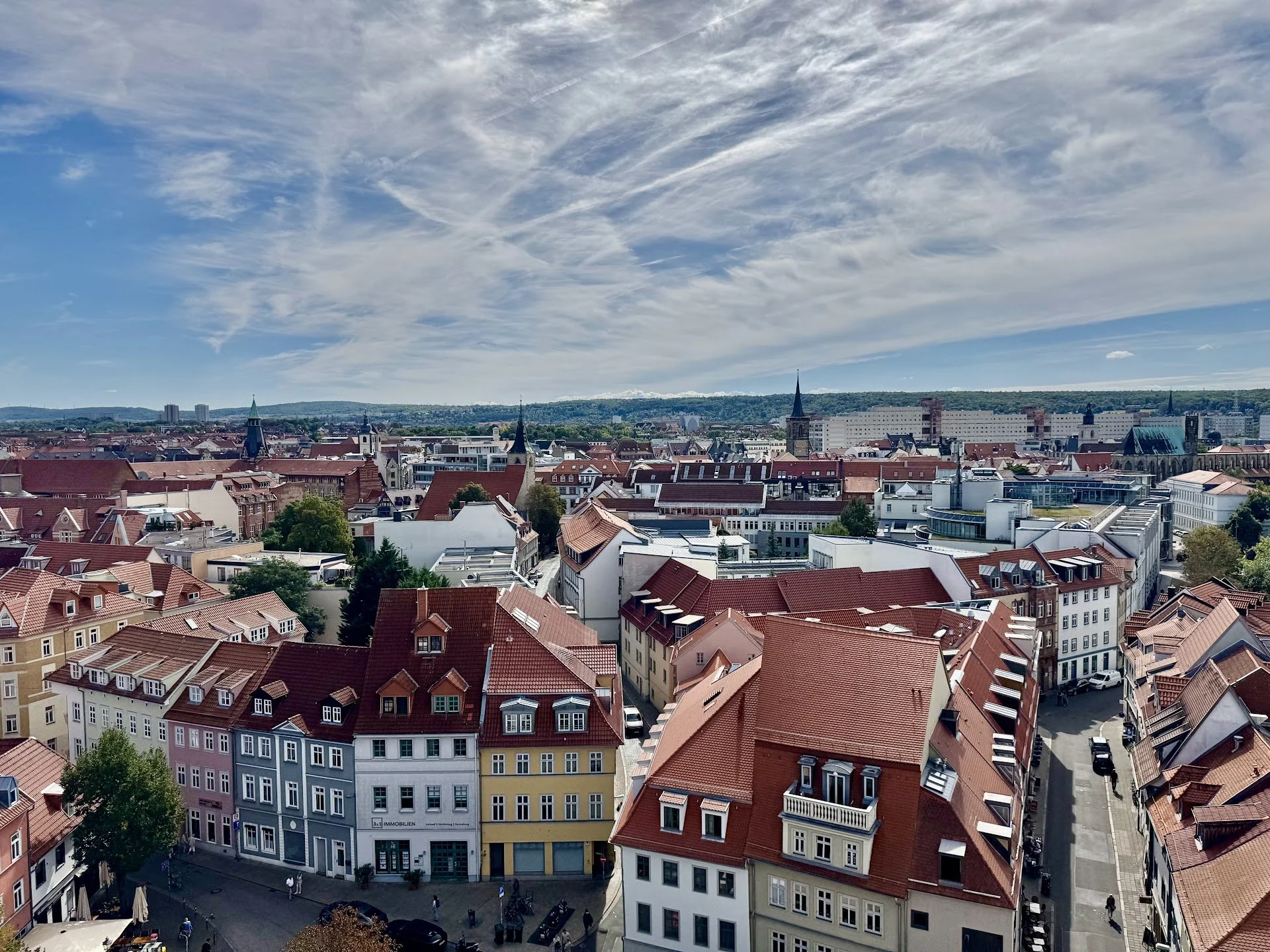
At the eastern entrance sits Ägidienkirche (also known as St. Aegidien Church), a small church integrated directly into the bridge structure itself. If it’s open while you’re visiting, I absolutely recommend climbing the tower for views over the bridge and Old Town. That said, the staircase is narrow, steep, and not particularly forgiving for anyone uncomfortable with heights or enclosed spaces. I’m still not entirely sure whether going up or coming back down was worse.
Where I Ate: Gluten-Free Dining in Erfurt, Germany
Erfurt ended up being another pleasantly manageable stop for gluten-free dining.
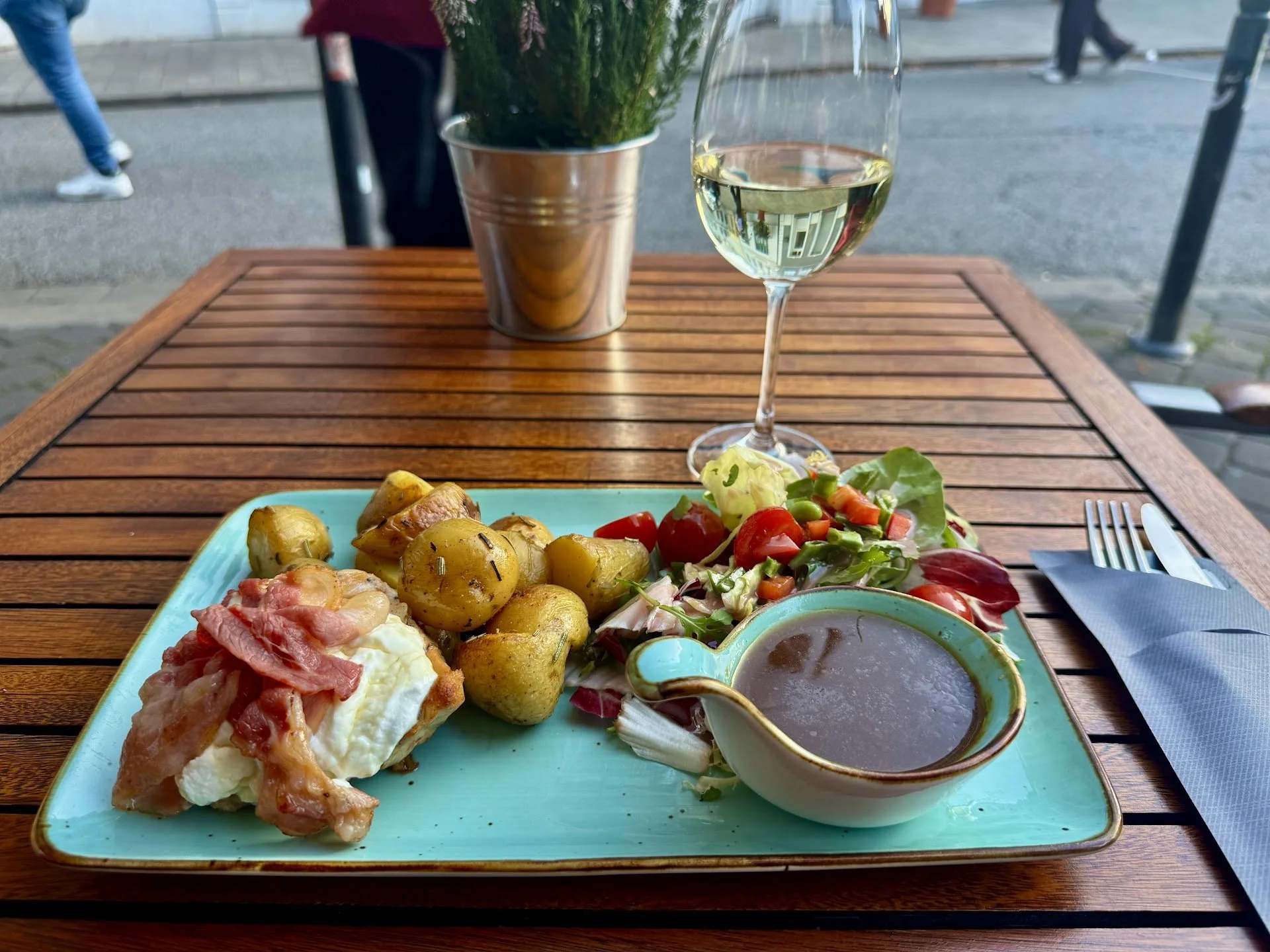
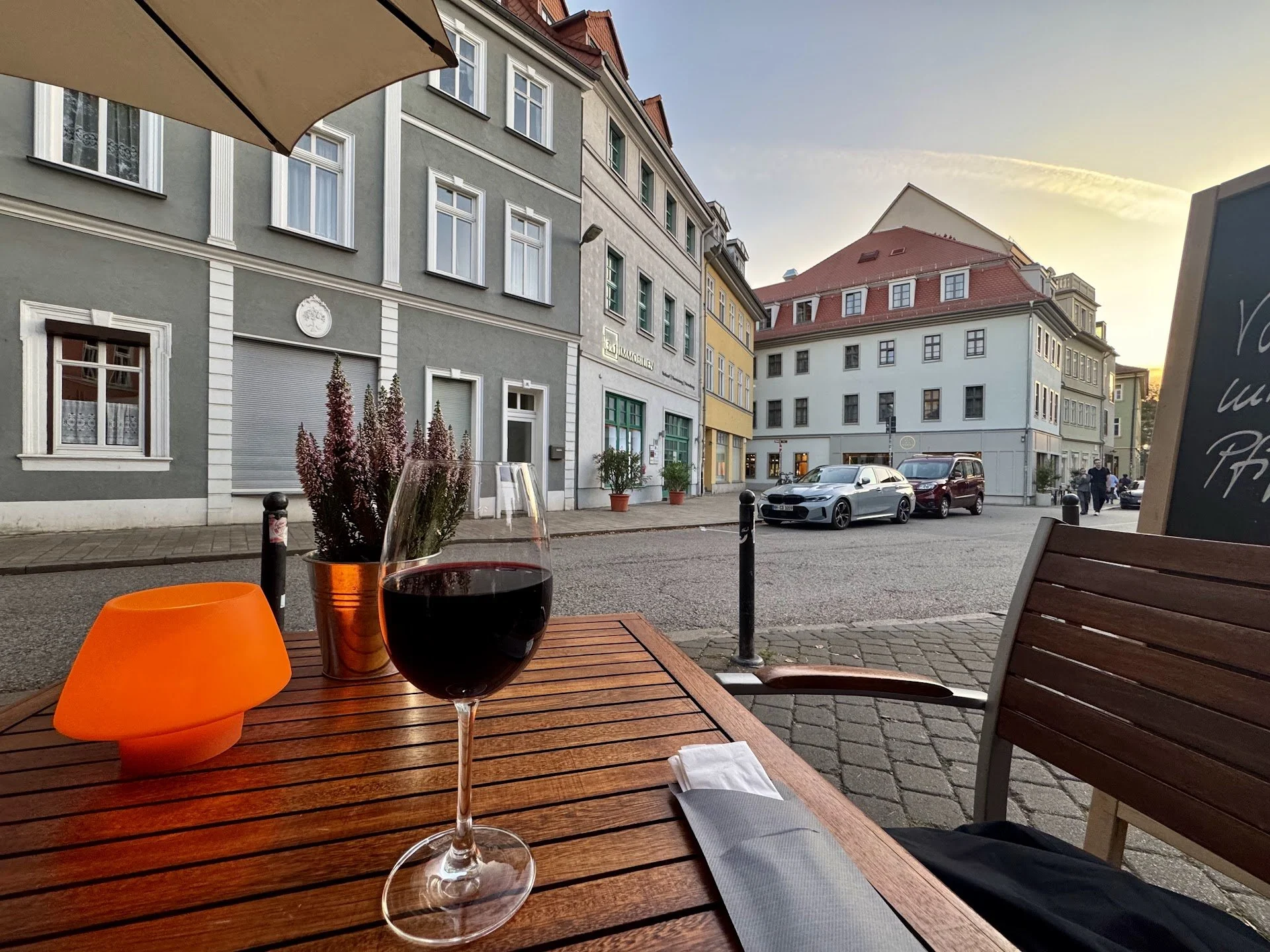
On my first evening, I had dinner at Zum Wenigemarkt 13, a cozy restaurant located near the eastern side of Krämerbrücke in one of the city’s most atmospheric squares. The restaurant specializes in traditional Thuringian cuisine, with hearty regional dishes served in a warm, tavern-like setting. Although the servers spoke limited English, the incredibly kind German patrons seated beside me stepped in to help translate parts of the menu and answer questions. It was one of those small travel moments that reminds you how generous people can be.
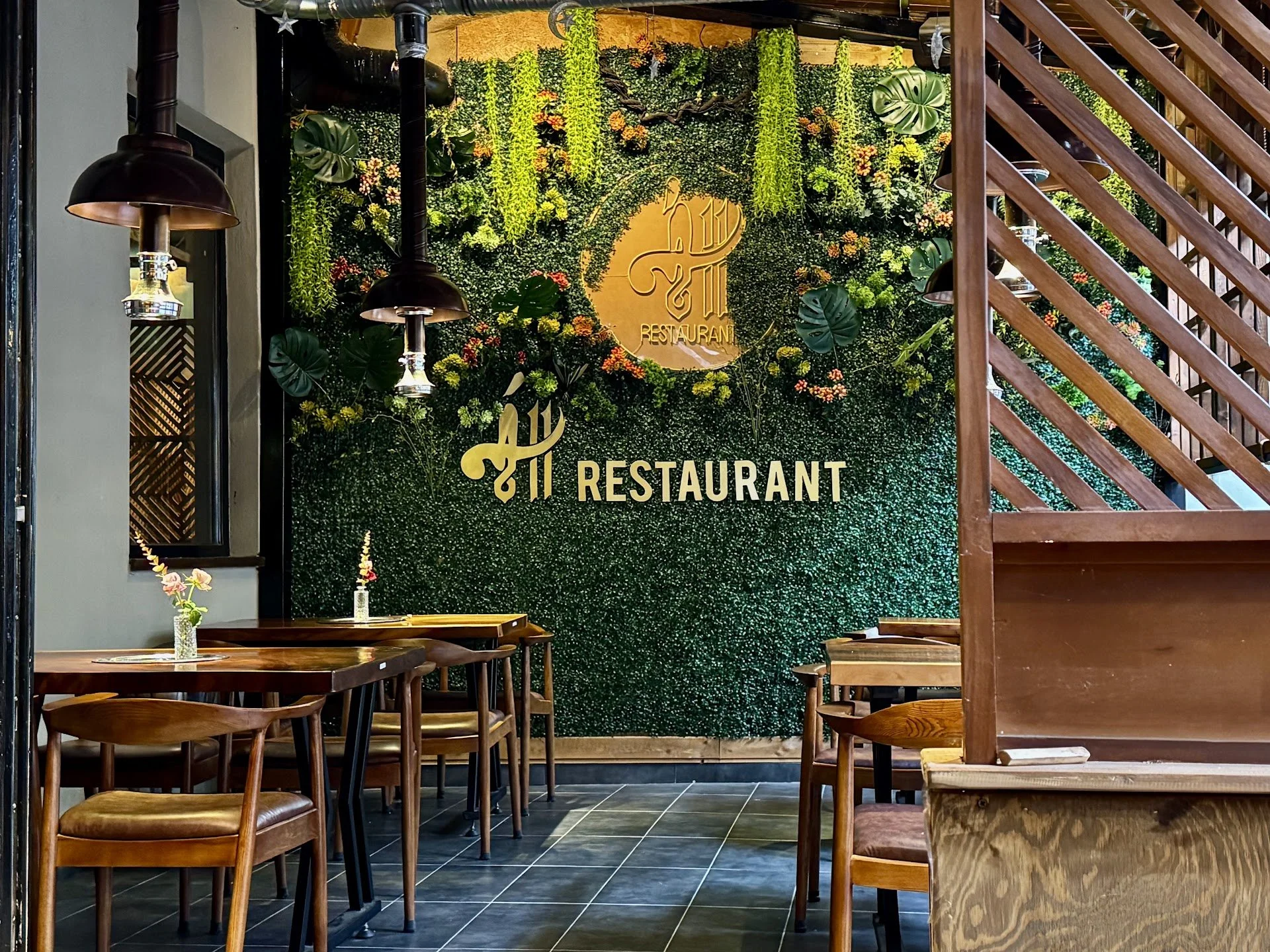
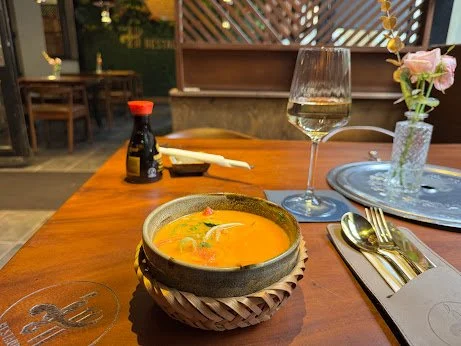
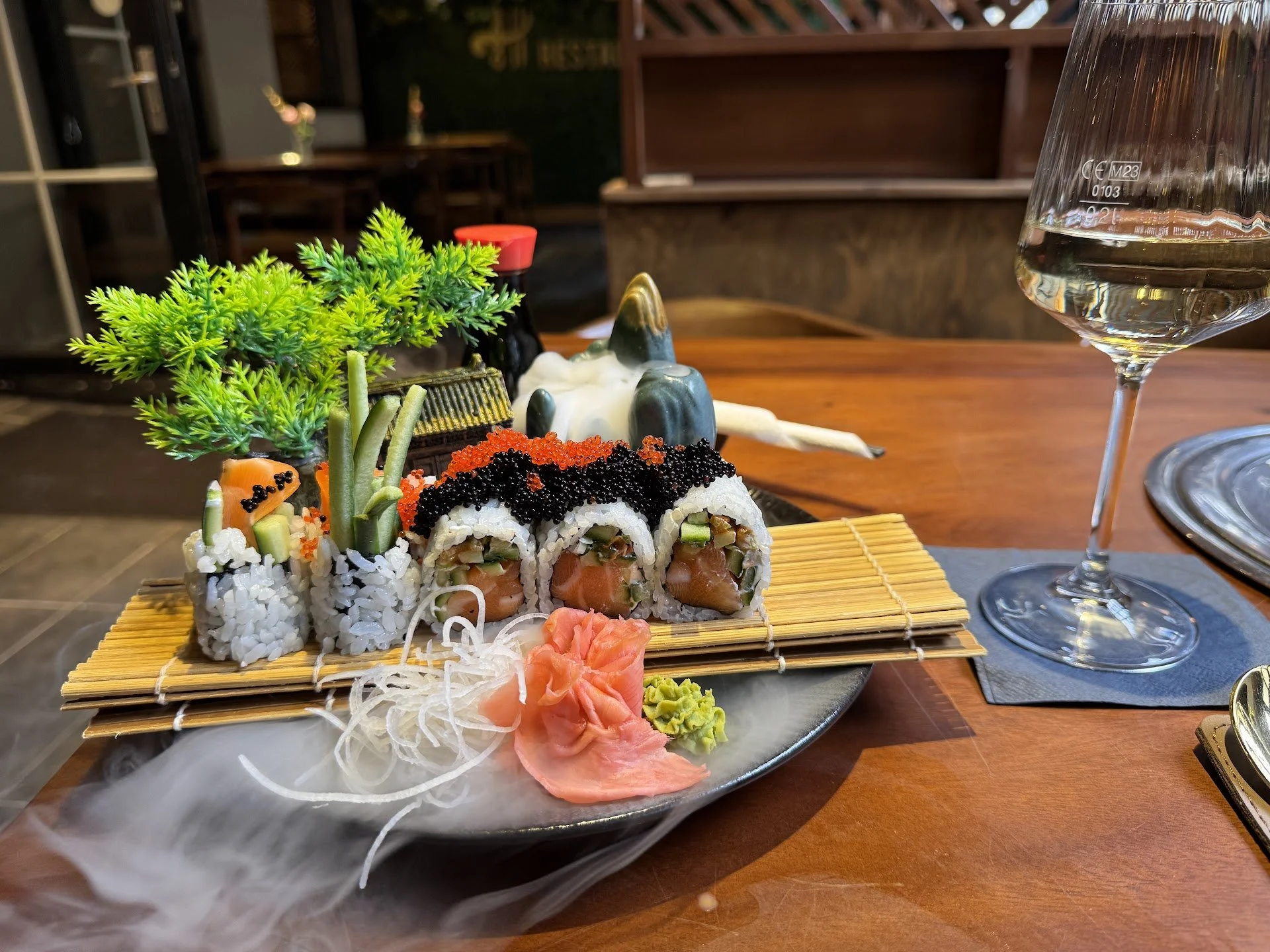
The following evening, I opted for something lighter at A11 Restaurant, a modern Asian fusion restaurant just outside the main pedestrian areas. After several heavier German meals, the shift toward sushi, noodle dishes, and fresher flavors felt like exactly the right choice.
Final Thoughts: Erfurt, Germany
After larger cities, crowded tourist centers, and the physical exhaustion that finally caught up with me in Cologne, Erfurt offered something calmer: enough space to simply enjoy where I was without constantly feeling pulled toward the next thing. It’s not a city that demands attention, and that’s part of what makes it so memorable.
Travel Gear Reviews
-
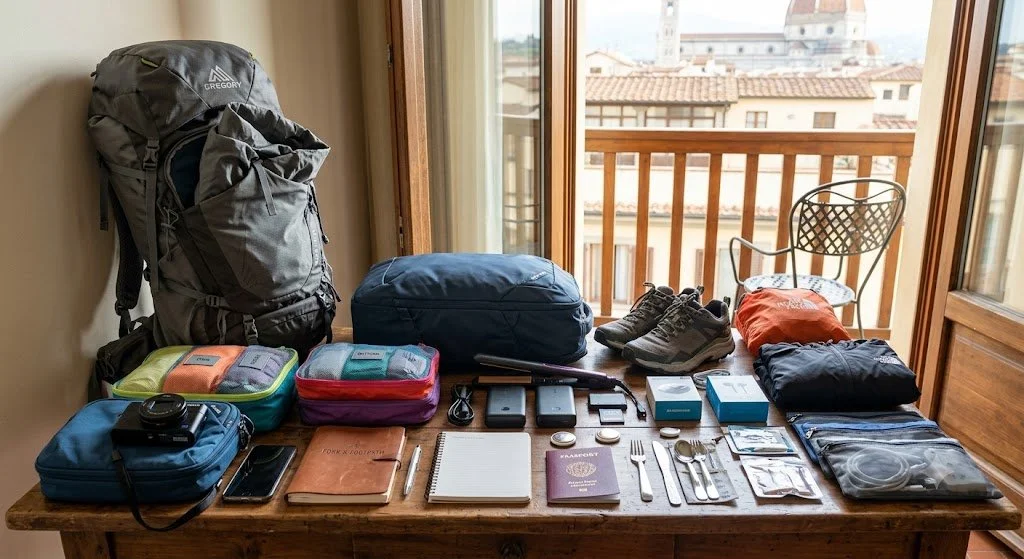
![The Ultimate Europe Packing List]()
The Ultimate Europe Packing List: Everything I Actually Used
The exact luggage, gear, footwear, technology, and clothing that survived three months of continuous solo travel.
-
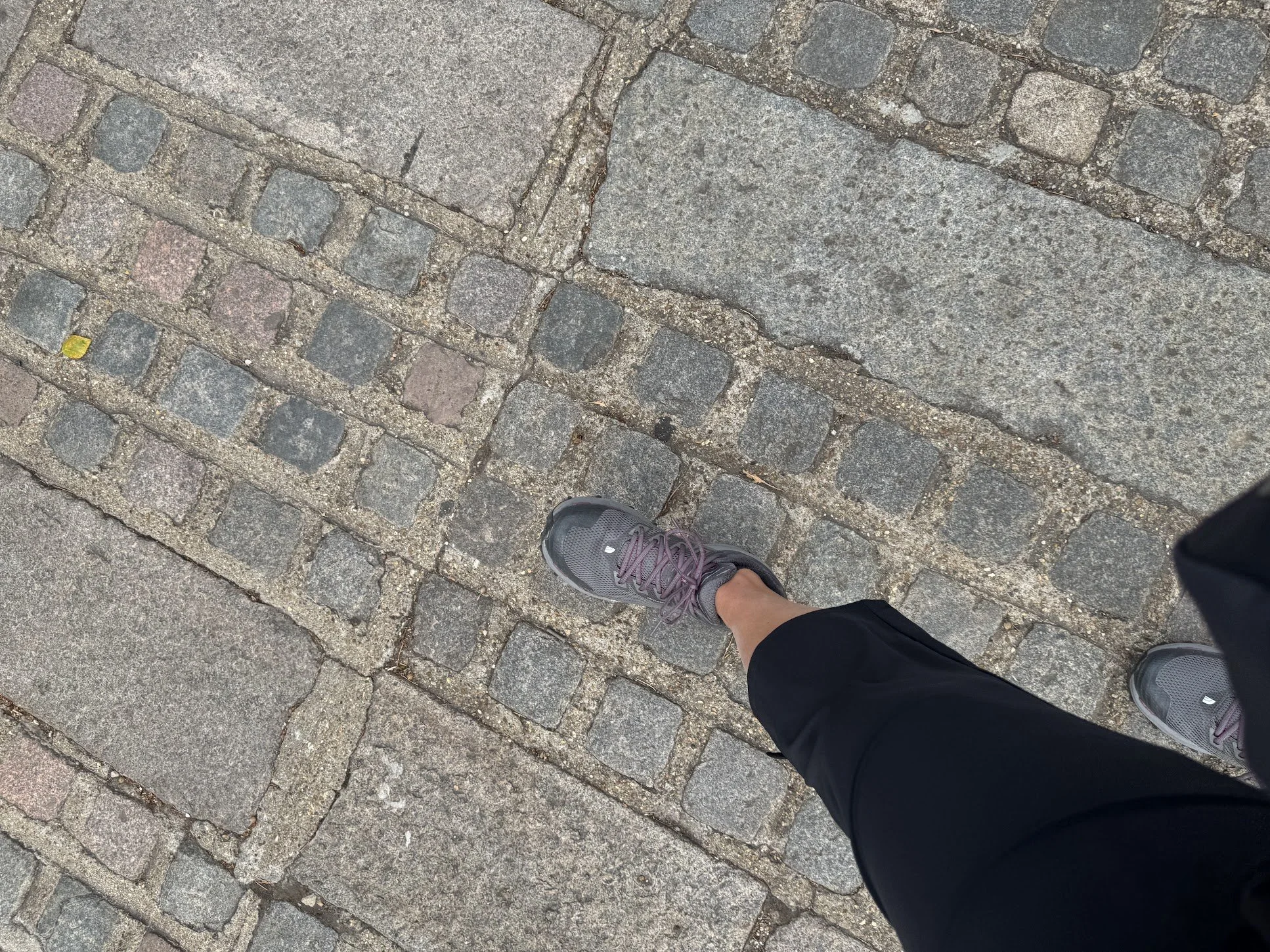
![Travel Shoes For Europe]()
The Walking Shoes That Survived Three Months of European Travel
These provided the comfort, support, waterproof protection, and versatility I needed for long days on my feet.
-
![Waterproof Travel Gear]()
Waterproof Travel Gear: Essentials That Keep You Exploring
Rain gear is one of the best investments you can make for an extended European trip. These waterproof essentials earned a permanent place on my packing list.
-
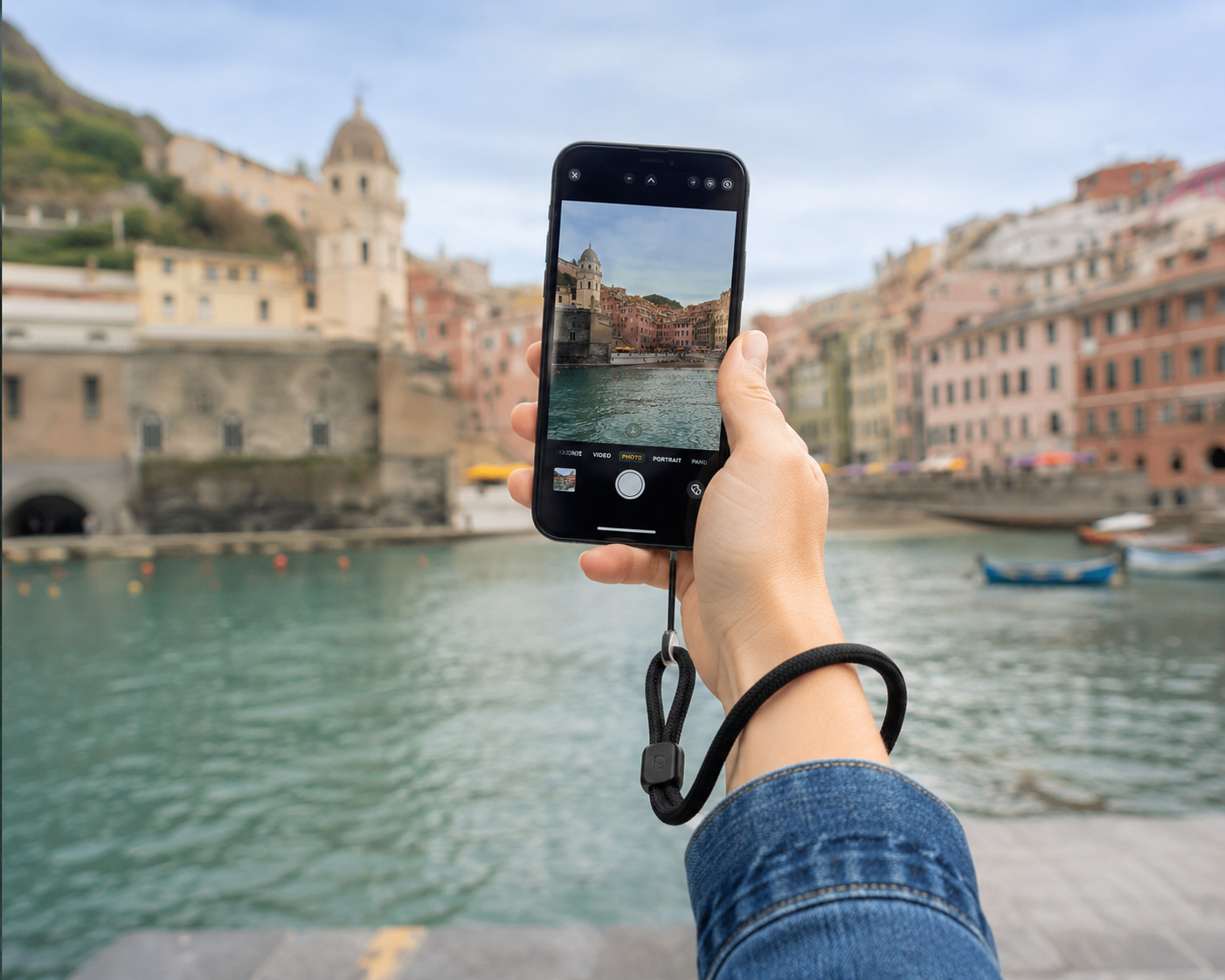
![Phone Wrist Strap]()
The Phone Wrist Strap That Helped Protect My Phone Across Europe
A simple, low-cost travel accessory provided peace of mind in crowded cities and added security throughout my three-month trip.
-
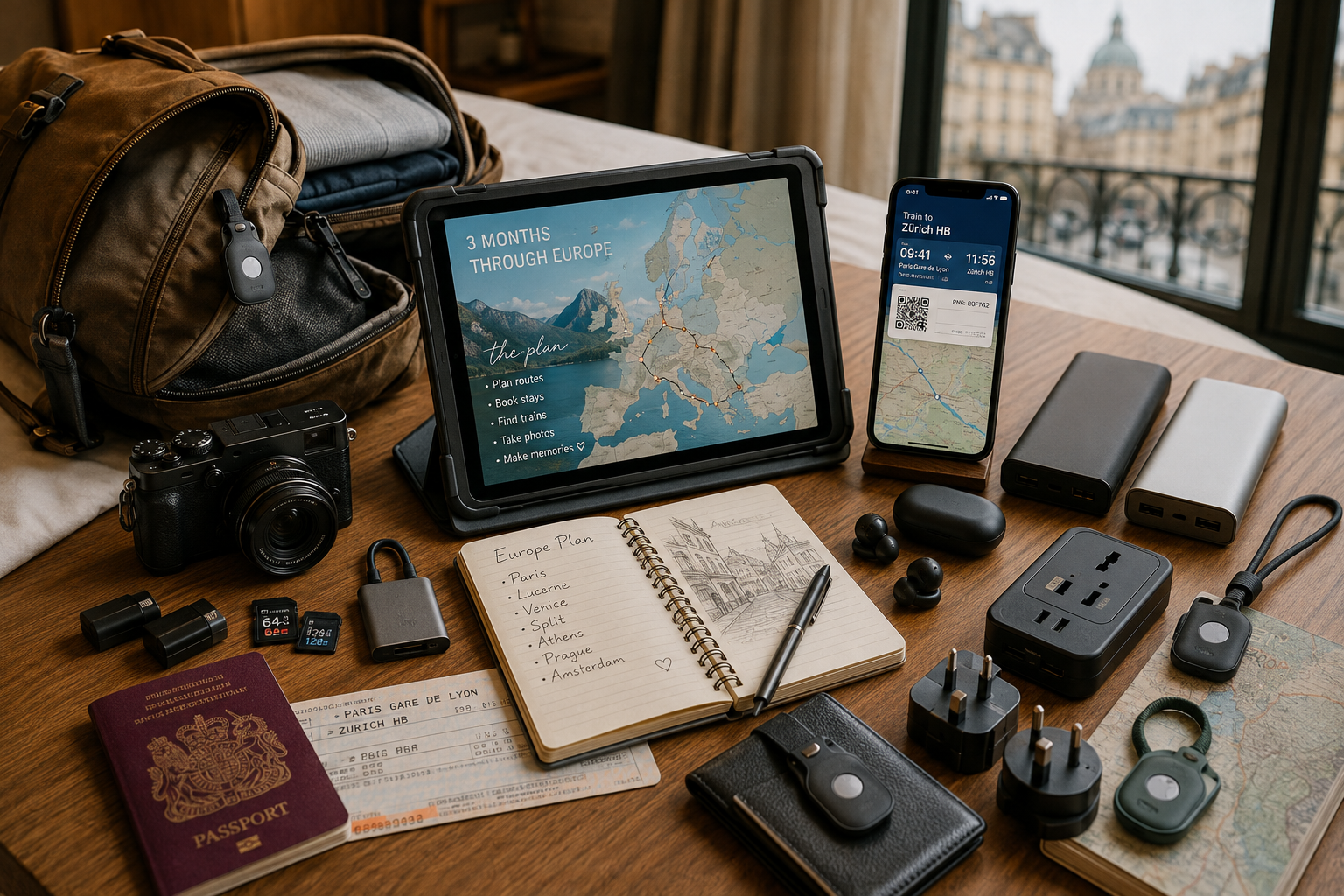
![Travel Technology]()
The Technology I Used During Three Months of Traveling Europe
The travel tech that helped me navigate, stay connected, protect my photos, and travel independently.