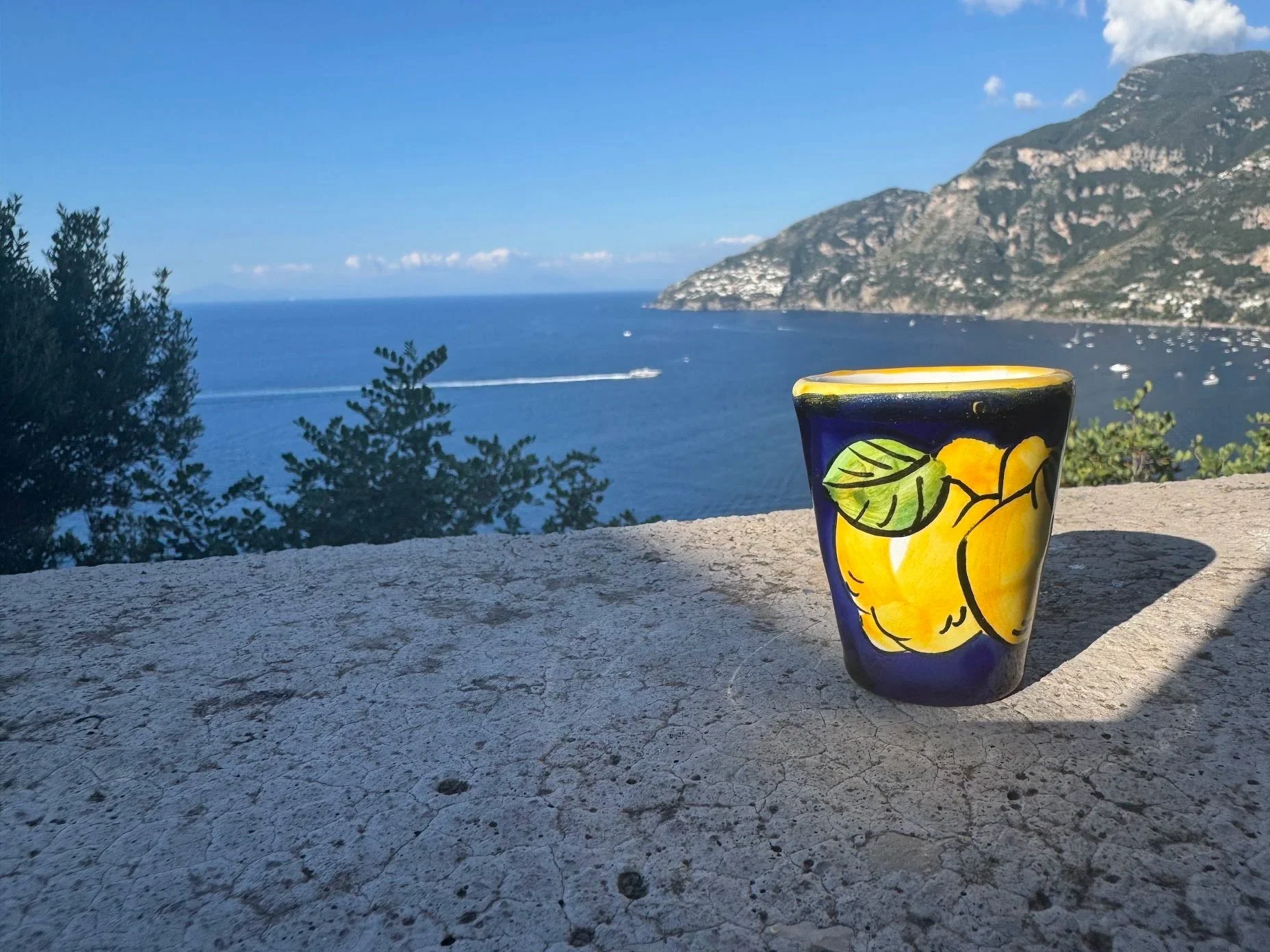
Naples Travel Guide: Three Days in Italy's Most Divisive City
Where to stay, what to do, and whether Naples deserves a place on your Italy itinerary.
If there's one city in Italy that sparks strong opinions, it's Naples. Before my trip, nearly everyone I spoke with either loved it or couldn't wait to leave. After spending three days there, I can honestly say I understand both perspectives.
Naples was unlike anywhere else I visited during my three months traveling through Europe. It was loud, chaotic, gritty, and at times completely overwhelming. It was also my gateway to some of my favorite experiences in southern Italy, including day trips to Procida and the Amalfi Coast, along with some excellent gluten-free pizza.
To be fair, I didn't spend as much time exploring Naples itself as I had planned. I had booked a walking tour for my first morning (a strategy I always recommend when visiting a new city), but it was canceled at the last minute. Instead, I found myself staying close to my hotel near the train station and ferry terminal, an area that isn't exactly the best introduction to Naples.
I also couldn't help but wonder if my timing played a role. I had arrived directly from Venice, a city that completely captivated me. Comparing anywhere to Venice is probably unfair.
By the time I boarded my train to Salerno a few days later, I was emotionally drained. The experience of navigating Naples Centrale was one of the most stressful moments of my entire trip, and I remember texting my boyfriend with tears in my eyes, "I can't wait to leave Naples, and I'm never coming back."
Looking back, though, I realize that first impressions don't tell the whole story. While Naples itself challenged me, it also served as the perfect base for exploring some incredible destinations nearby. And despite the rocky start and exit, I'd return. But I would return with different expectations and a better understanding of what makes Naples such a fascinating, unforgettable city.
In this guide, I share where I stayed, how I spent my time, my day trips to Procida Island and the Amalfi Coast, and my favorite gluten-free dining experiences in Naples.
Some links in this post may be affiliate links, which means I may earn a small commission if you book through them—at no additional cost to you. I only share places and services I personally used or genuinely enjoyed during my trip. Read the full disclosure policy.
Arriving in Naples, Italy
Not all of my travel guides include an "Arriving In" section, but Naples earned one.
Before arriving, I had read that Italian train conductors could be a bit... assertive. My train from Venice to Naples confirmed that stereotype.
I was traveling with a Eurail Pass and had already activated it before boarding, as required. When the conductor first checked my ticket and seat reservation, everything was fine.
About an hour later, he returned and asked to see my ticket again. As I opened the Eurail app, I accidentally tapped the activation toggle, briefly deactivating my pass before immediately switching it back on. Unfortunately, he saw it happen.
He insisted I hadn't activated my pass before boarding and began explaining that I could be fined €50. I tried to explain that he had already checked my ticket earlier in the journey, but he denied it. The passenger sitting next to me spoke very little English and hadn't been there for the first ticket check, so he couldn't help.
Thankfully, after a few tense minutes, the conductor seemed to realize it had been an honest mistake and let me off with a stern lecture instead of a fine.
That was my introduction to Naples. Things only became more interesting from there.
As I've mentioned in several of my travel guides, I almost always walk from the train station to my accommodations whenever it's practical. According to Google Maps, my B&B was only about a 10-minute walk from Napoli Centrale, so despite carrying nearly 75 pounds of luggage, I figured it would be an easy walk.
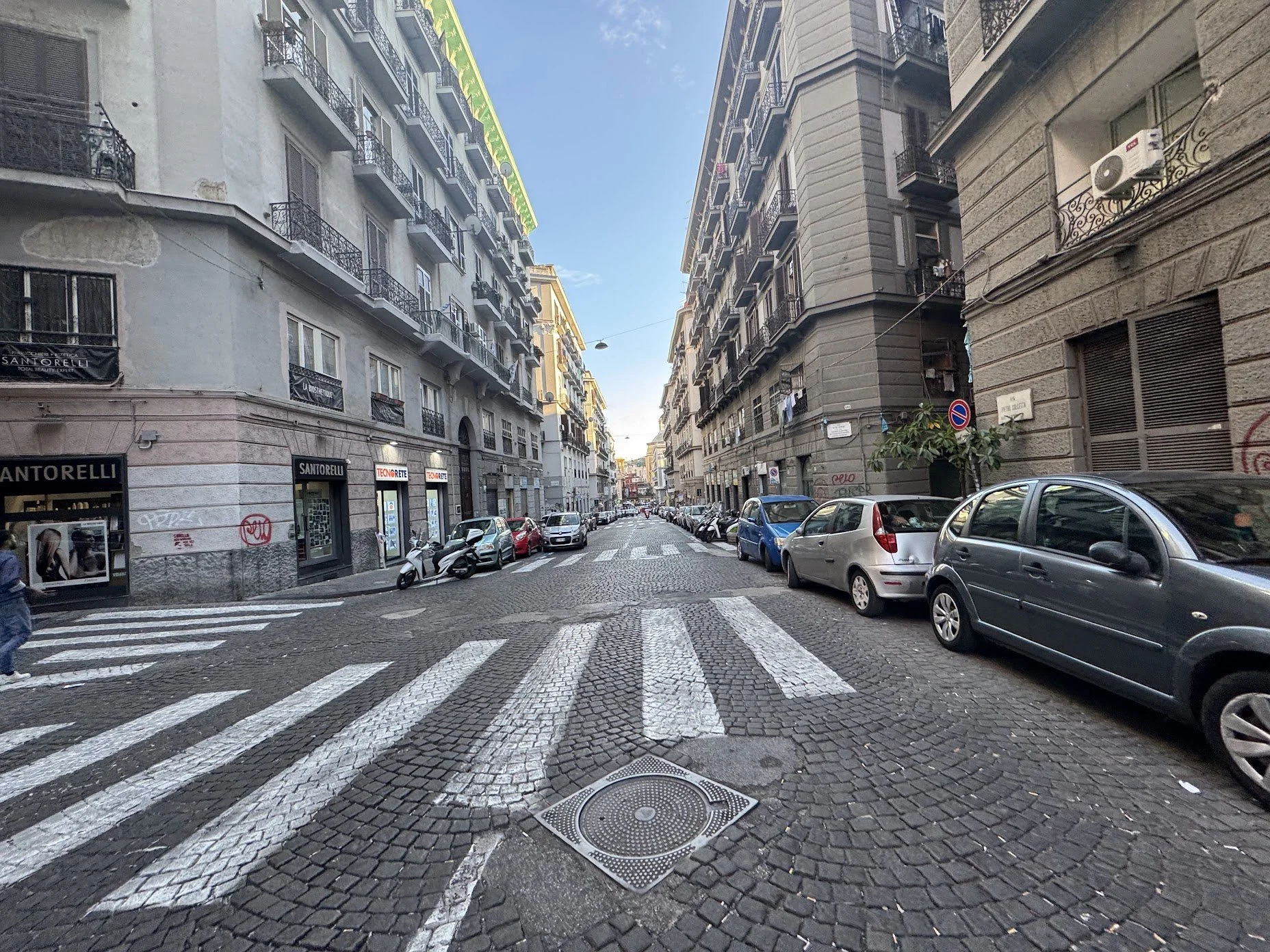
Throughout my trip, Google Maps had consistently routed me along busy, well-traveled streets. This time, however, it led me through a maze of narrow alleyways and quiet side streets that immediately put me on alert. The area around Napoli Centrale is busy and energetic, and as I wandered farther from the main roads, I found myself becoming increasingly aware of my surroundings.
Oddly enough, carrying two oversized backpacks gave me a strange sense of confidence.
I joked to myself that I looked more like a turtle than a tourist. If someone wanted to knock me over, they were welcome to try, but they were also going to have a hard time getting me back up again.
Had I been walking with just a handbag, I probably would have felt much more vulnerable. But something about clearly looking like a long-term traveler, slowly making my way to my accommodation, made me feel less like a target and more like someone simply trying to get where she needed to go.
Eventually, I made it to my B&B.
Finding the entrance, however, turned out to be an adventure all its own.
Naples, Italy Overview
Located along the Bay of Naples in southern Italy, Naples is one of the country's oldest and most vibrant cities. It's known as the birthplace of pizza, a gateway to the Amalfi Coast and nearby islands, and a UNESCO World Heritage Site with more than 2,500 years of history.
Naples is also one of Italy's most polarizing destinations. Some travelers fall in love with its energy, authenticity, and incredible food, while others find it noisy, chaotic, and overwhelming.
For me, Naples wasn't a destination where I lingered in piazzas or wandered aimlessly through picturesque streets. Instead, it became an excellent base for exploring southern Italy. From here, I took day trips to the quieter island of Procida and the stunning Amalfi Coast.
If you're expecting the polished elegance of Florence or the romantic canals of Venice, Naples may come as a surprise. It's a city with rough edges, heavy traffic, constant motion, and a personality all its own. But that's also part of its appeal. Naples feels unapologetically authentic and unlike anywhere else I visited in Italy.
Whether Naples becomes one of your favorite destinations or simply a memorable stop along the way, it's a city that leaves an impression.
Where I Stayed in Naples: B&B Borbone
For my three nights in Naples, I stayed at B&B Borbone, located on the eastern edge of Naples' historic center, about a 10-minute walk from Napoli Centrale train station and within walking distance of the ferry terminal. For anyone planning day trips to Procida, Capri, or the Amalfi Coast, the location is incredibly convenient.
Finding it, however, was another story.
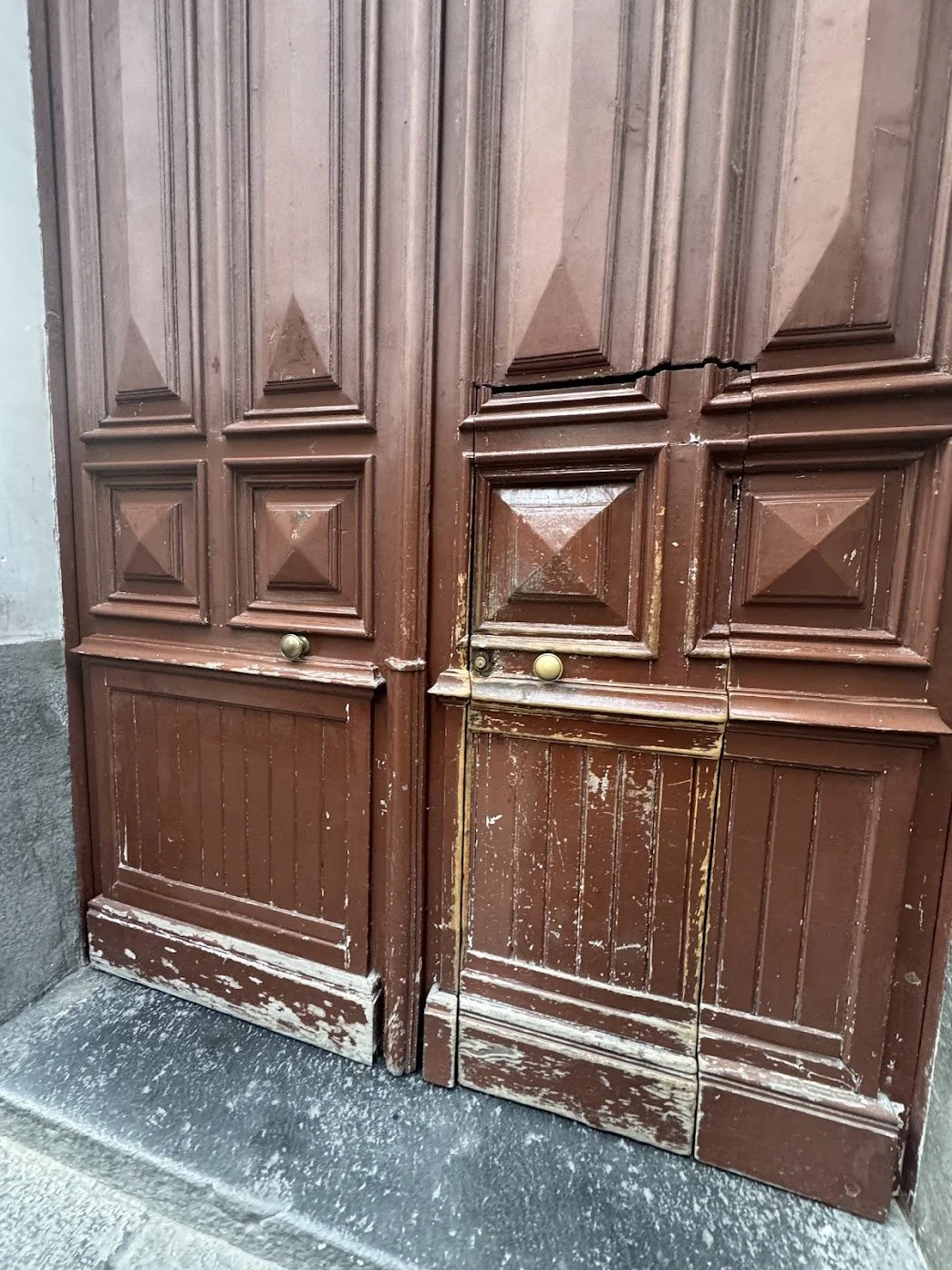
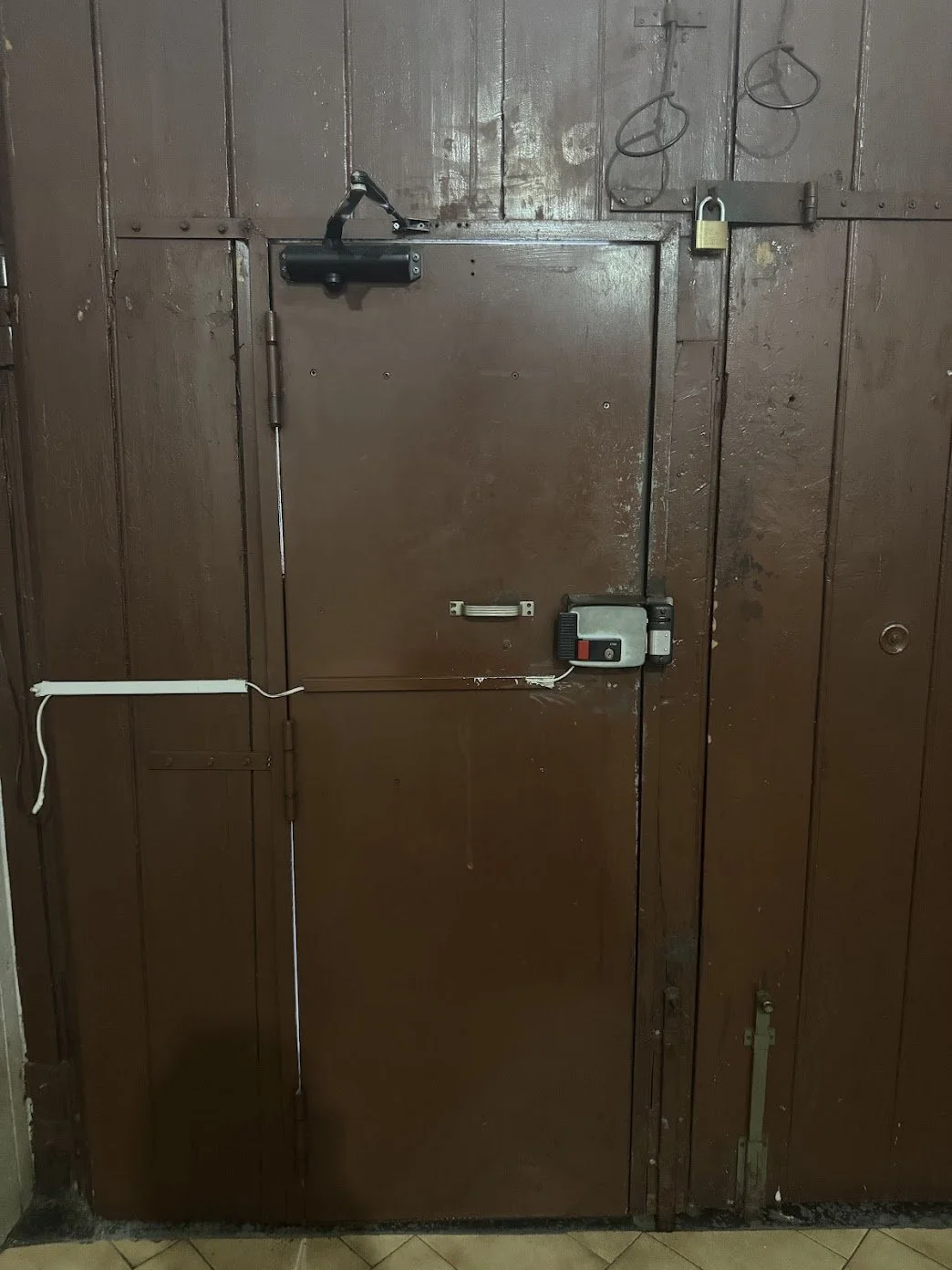
After my already eventful arrival in Naples, Google Maps led me to the correct building, but I couldn't find the entrance. I circled the block several times, asked a few people for directions, and eventually sent the hotel a message on WhatsApp. Unfortunately, I never received a response. About 20 minutes later, I finally found what looked like an ordinary residential door, which turned out to be the correct entrance.
If you're traveling with a large backpack like I was, be prepared for another challenge: entryways can be surprisingly narrow. I actually had to remove my backpack just to squeeze through.
Inside, the building felt more like an office than a hotel. Since I'd already received instructions for a self-check-in, I used the provided code to enter, found my room key waiting for me, and settled in.
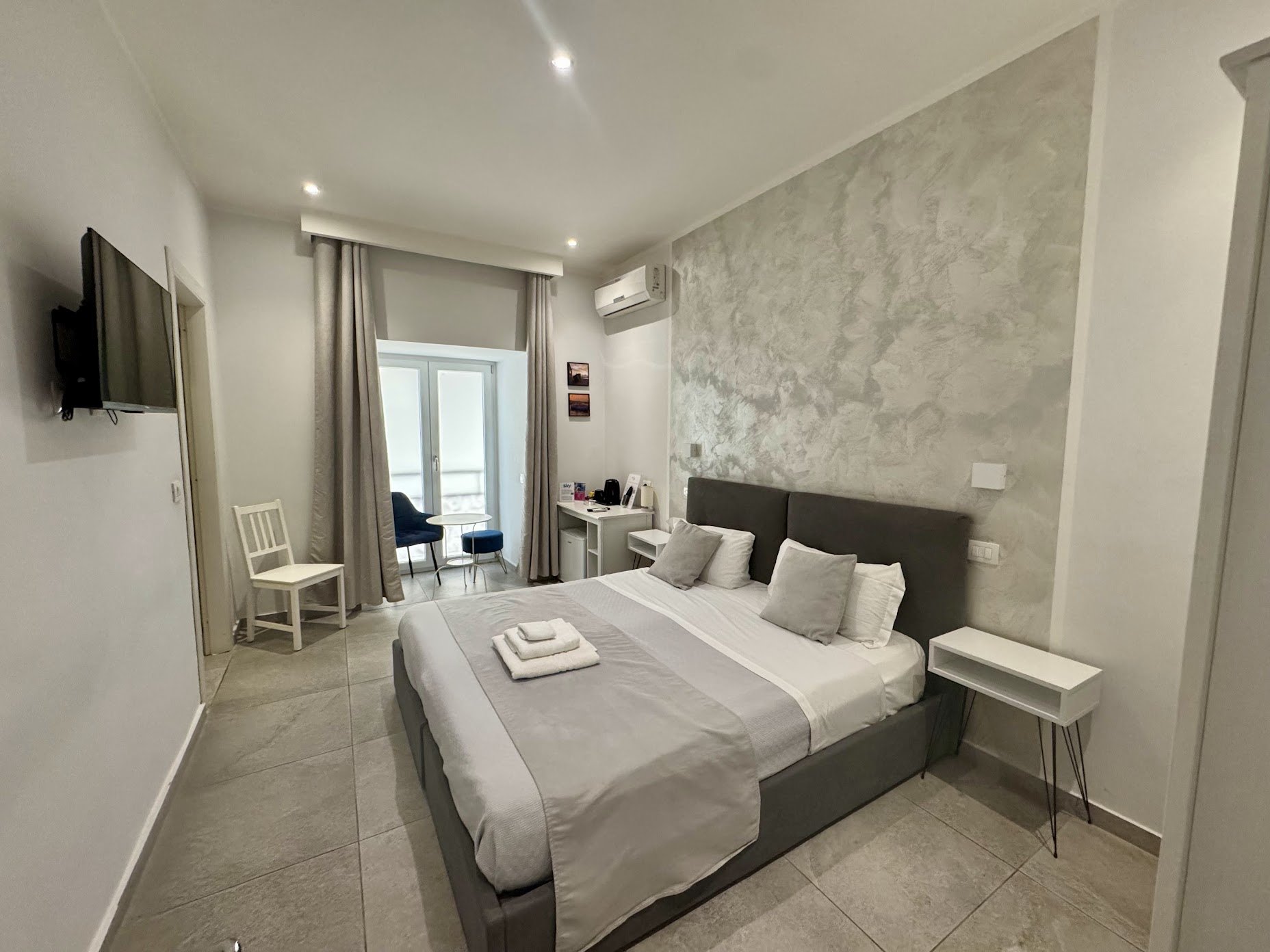
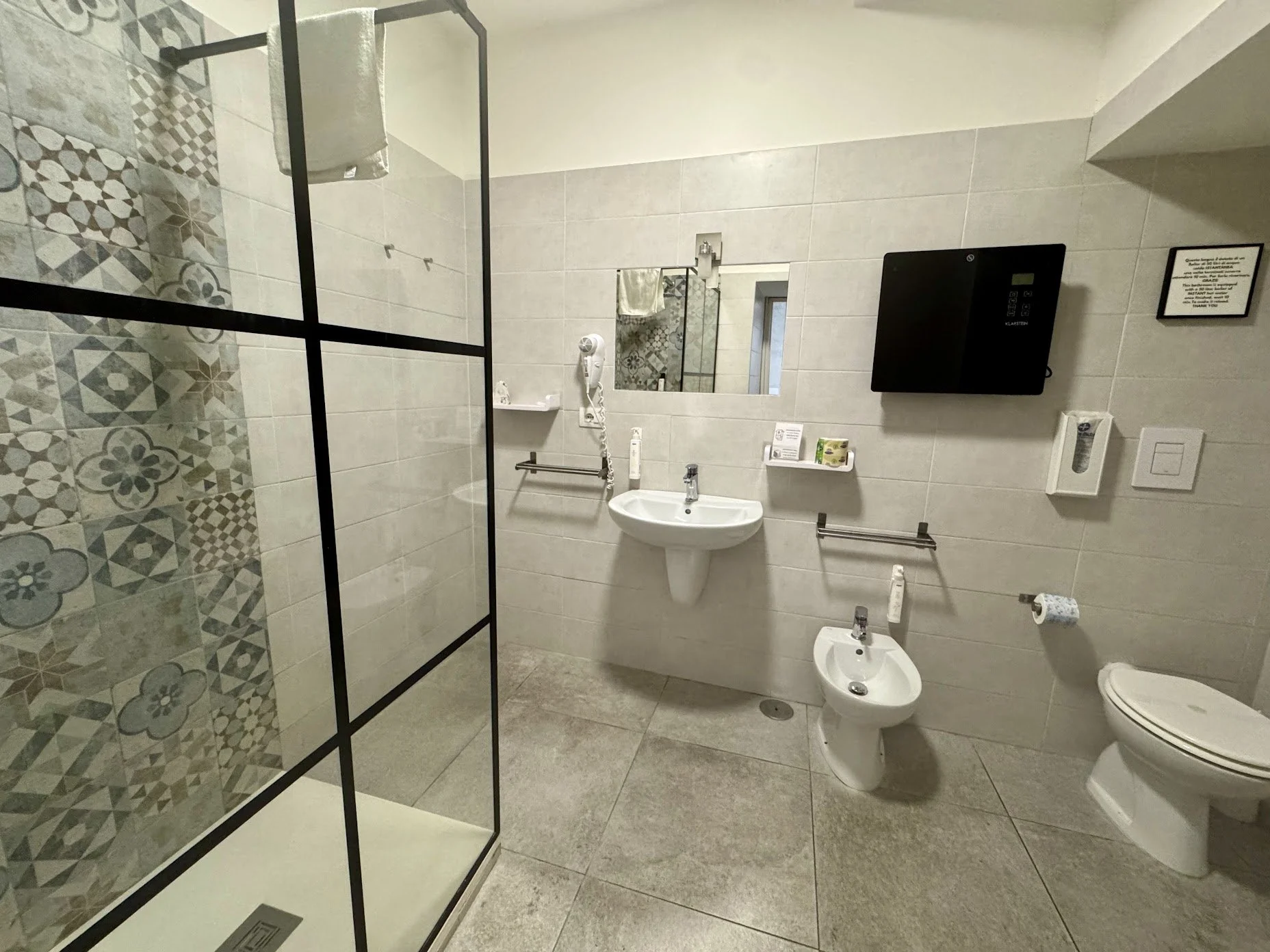
The room itself was simple but perfectly adequate. It included air conditioning, a private bathroom, a wardrobe, a mini refrigerator, and a Nespresso machine, which is everything I needed after long days of sightseeing. It wasn't luxurious, but it was comfortable enough for a few nights.
The biggest drawback was the noise.
During my stay, what appeared to be a large family occupied most of the other rooms. The walls were extremely thin, and I could hear conversations, doors opening and closing, and even notification sounds from neighboring phones well into the night. I contacted the manager more than once, but unfortunately the noise continued.
One pleasant surprise was breakfast. For just €7 each morning, the hotel offered a simple breakfast and was wonderfully accommodating of my gluten-free diet. They provided individually packaged gluten-free muffins each day. So many, in fact, that I packed the extras to take with me for lunch during my day trips.
The neighborhood around the hotel also deserves a mention. While it's undeniably convenient, especially if you're arriving by train or planning ferry excursions, it isn't the most picturesque part of Naples. The area around the train station feels busier and grittier than neighborhoods like Chiaia or Vomero. That said, it also feels authentic, and I appreciated how easy it was to reach both the train station and the ferry terminal on foot.
Would I stay there again? Probably, but mostly because of the location.
If you're looking for an affordable base with easy access to Napoli Centrale and the ferry port, B&B Borbone is a practical choice. Just be prepared for a no-frills experience, bring earplugs in case your neighbors are noisy, and don't be surprised if finding the entrance is your first adventure in Naples.
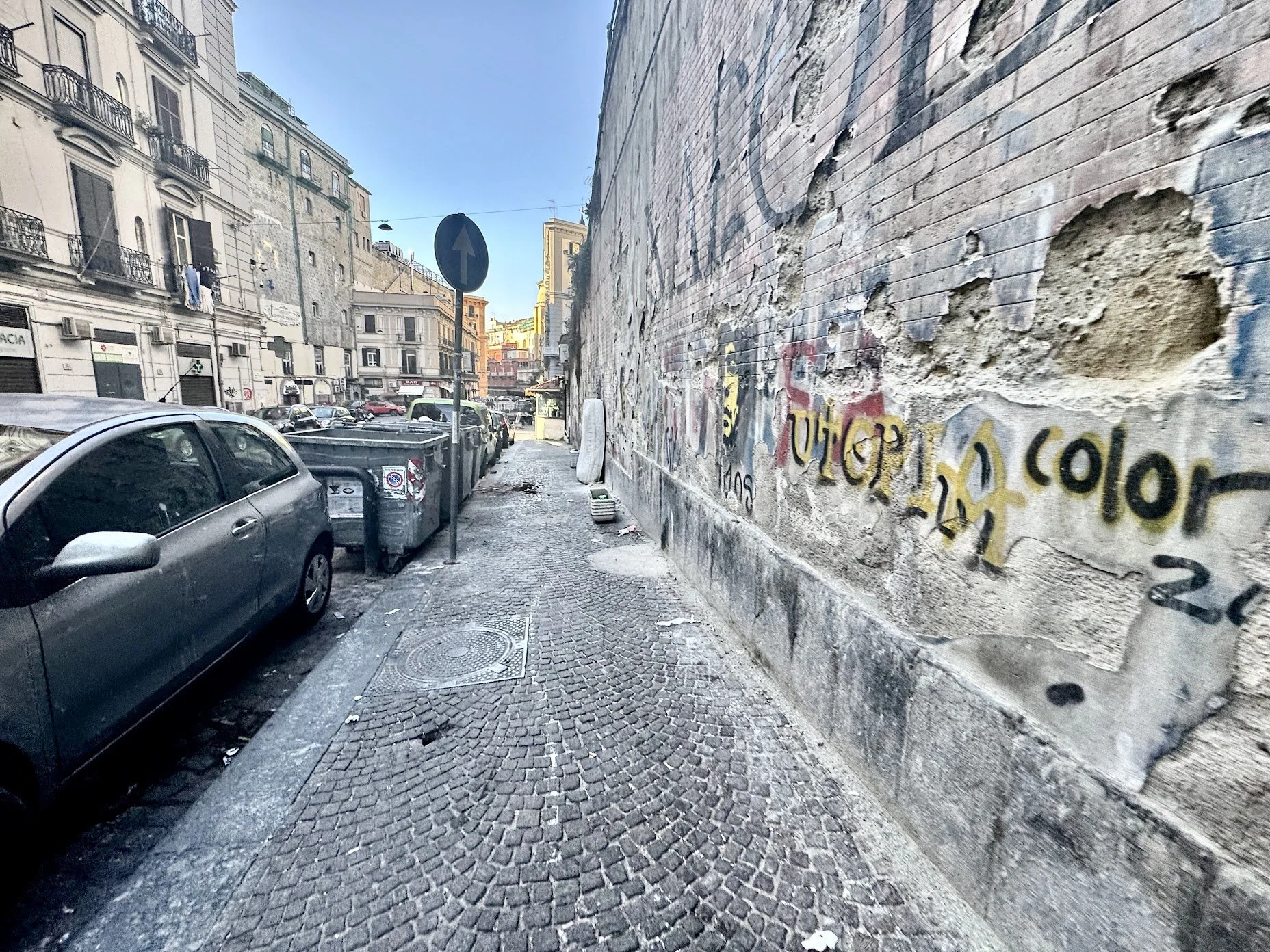
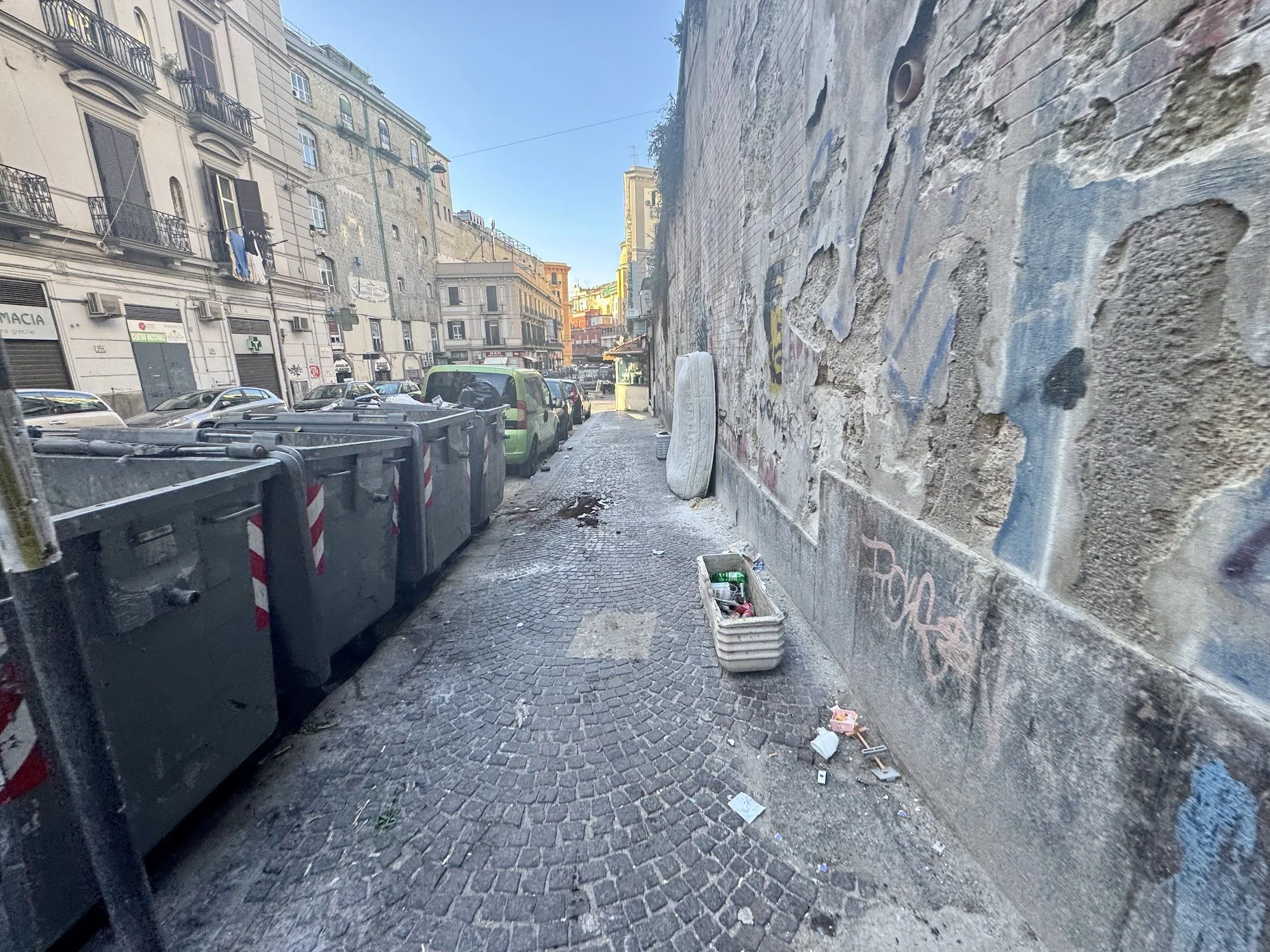
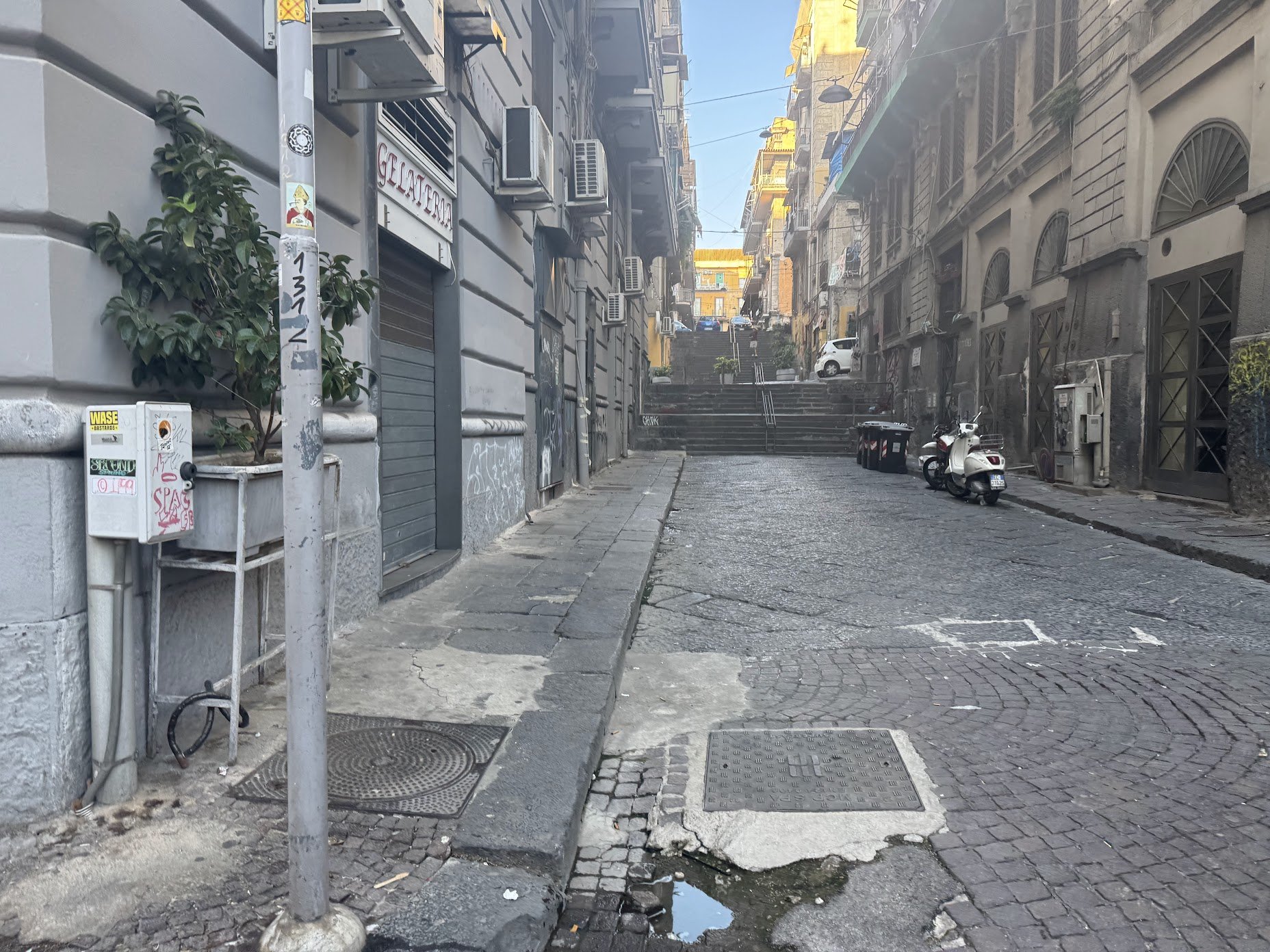
How I Spent My Time in Naples: Day Trips To Procida Island & The Amalfi Coast
When I planned my time in Naples, I expected to spend my first day exploring the city on foot. I had booked a walking tour, hoping to learn more about Naples beyond my first impressions.
Then, while eating breakfast that morning, I checked my email and discovered the tour had been canceled the night before.
So I did what every traveler eventually learns to do—I pivoted.
I took advantage of one of Naples' biggest strengths: its location. The city is an excellent base for exploring southern Italy, with easy access to nearby islands, the Amalfi Coast, Pompeii, and other popular destinations.
Over the next two days, I visited Procida and the Amalfi Coast. Looking back, they ended up being the highlights of my time in Naples.
Day Trip: Procida
When researching Naples, almost everyone recommended taking a ferry to Capri. While I'm sure it's beautiful, I had a feeling it would be a little too crowded for my travel style.
Instead, I chose Procida.
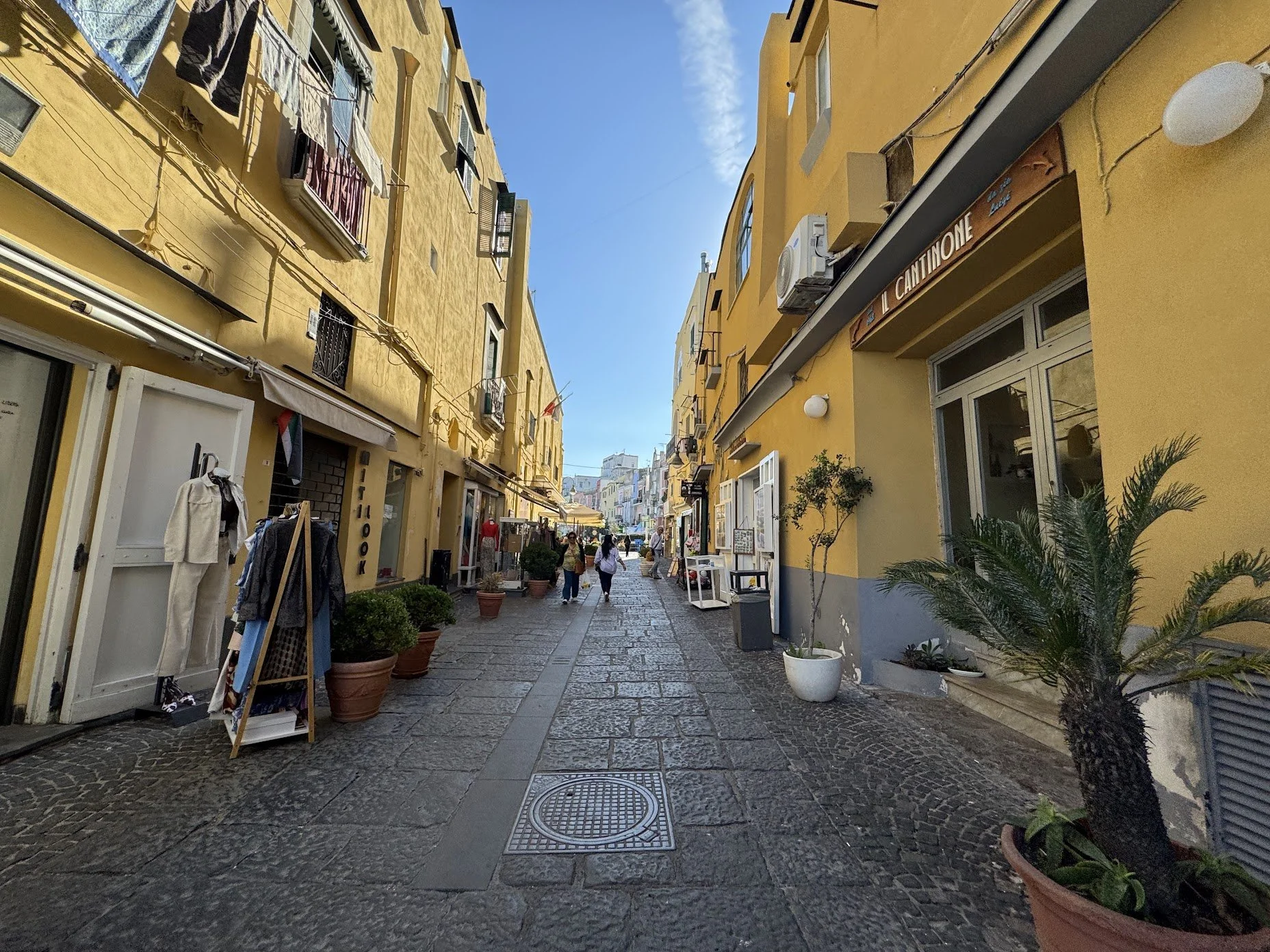
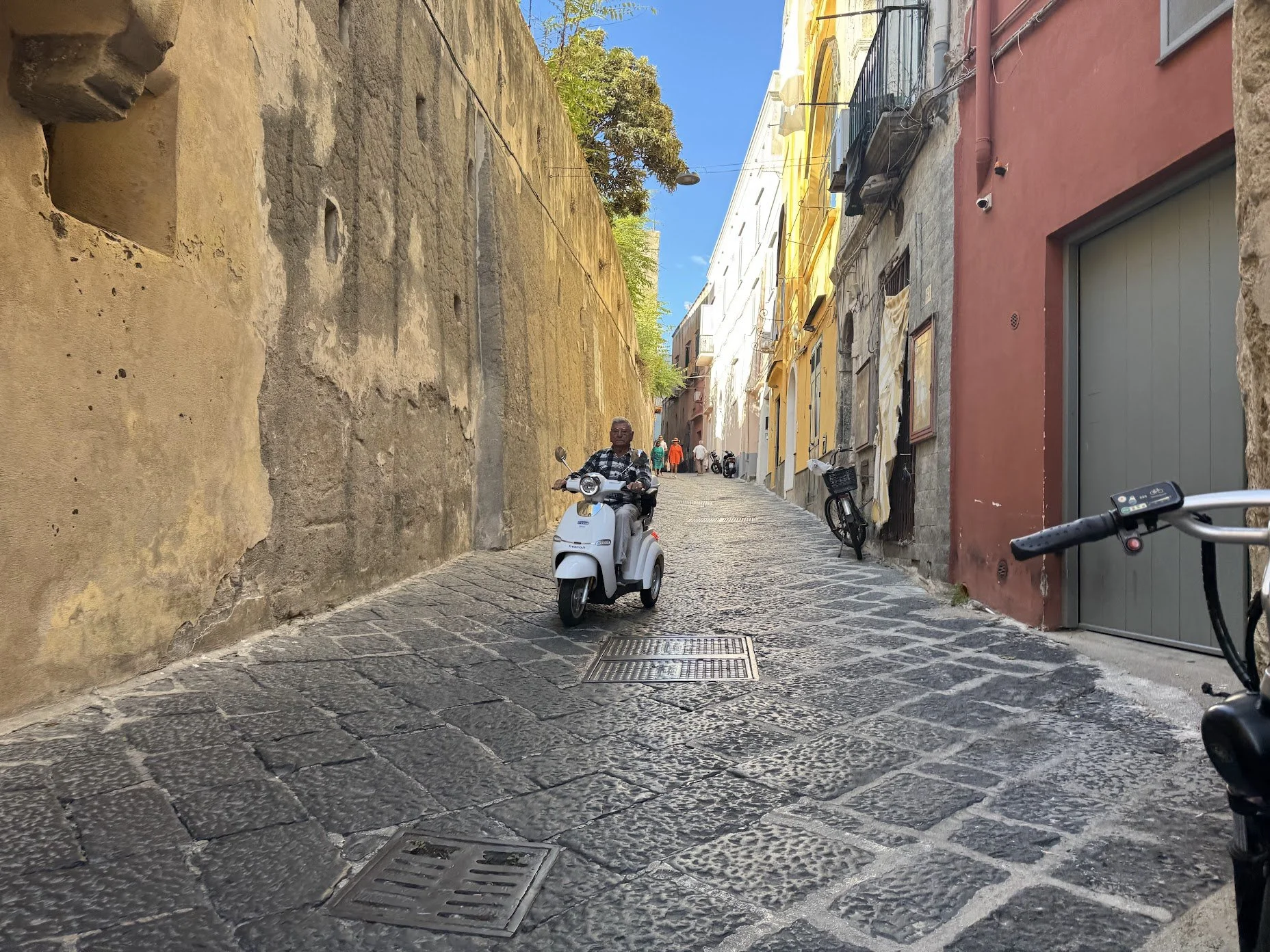
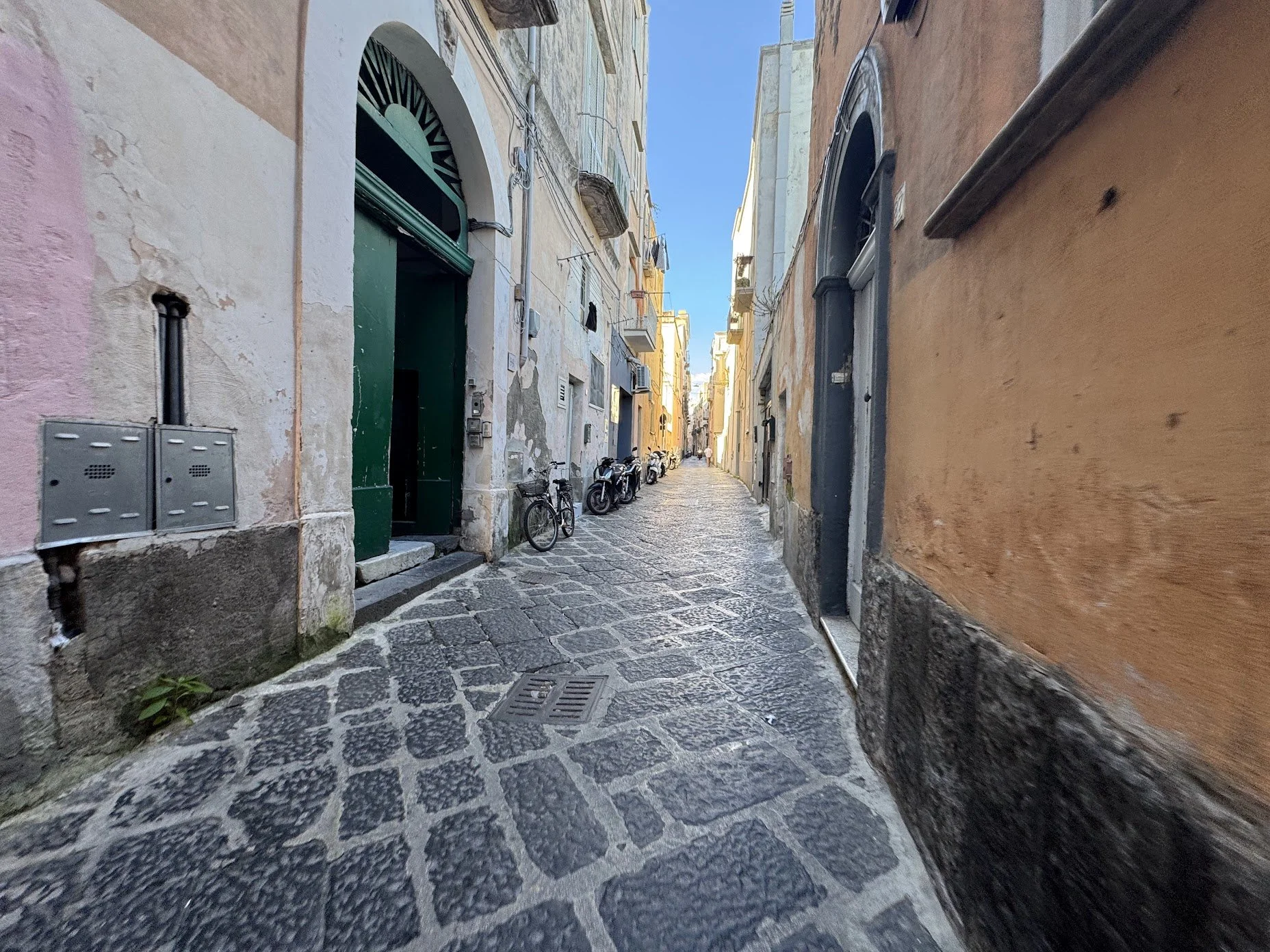
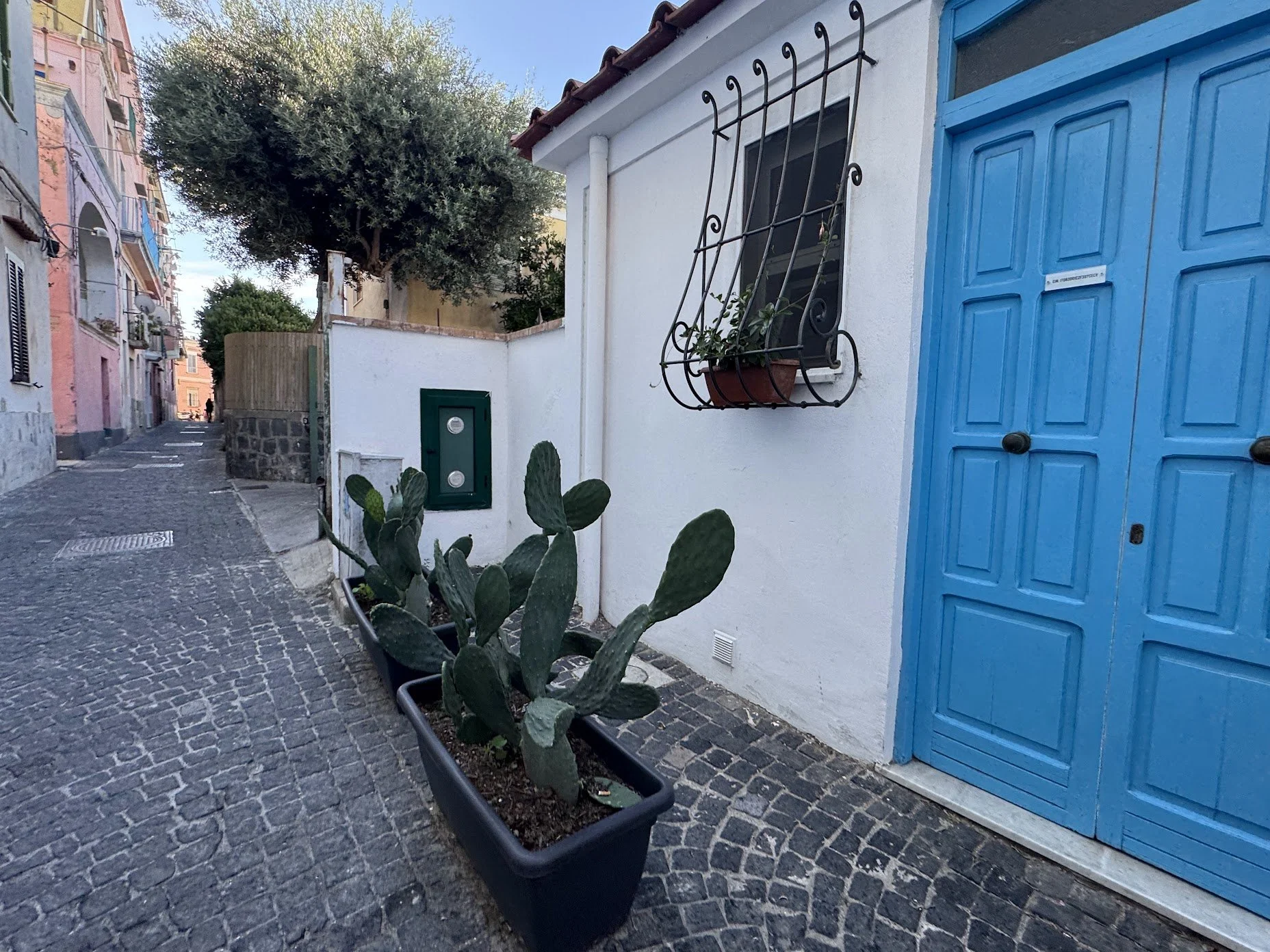
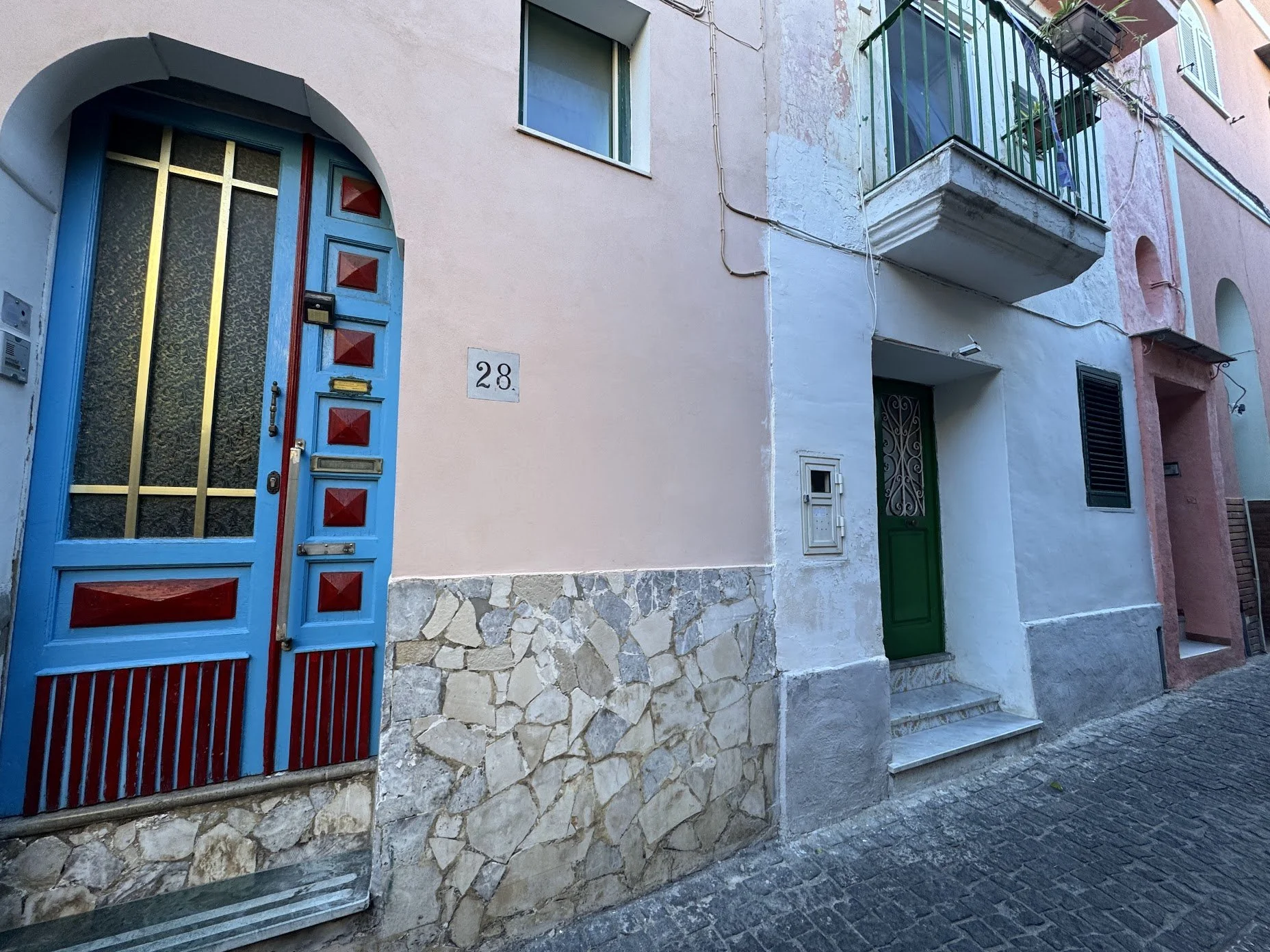
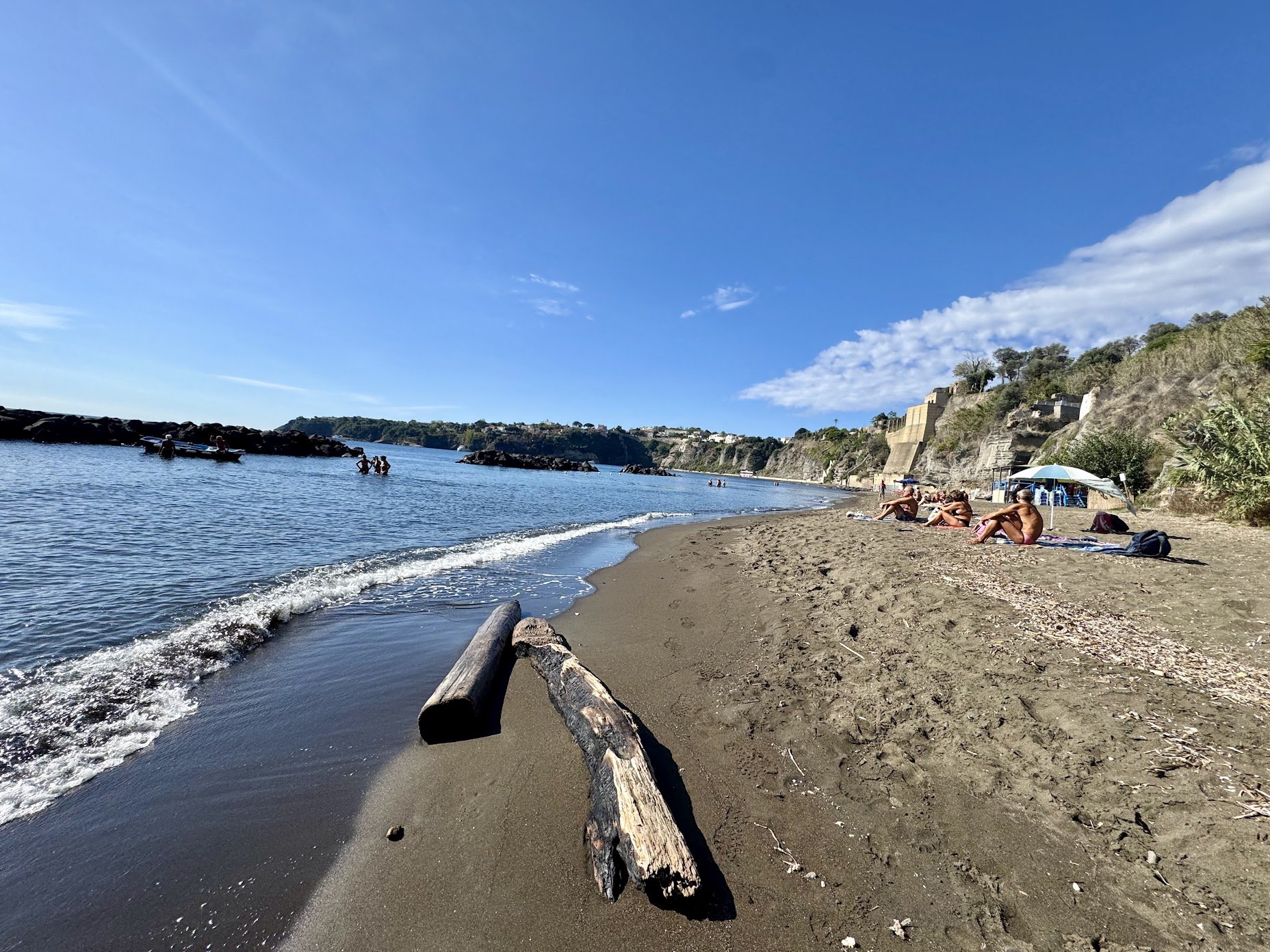
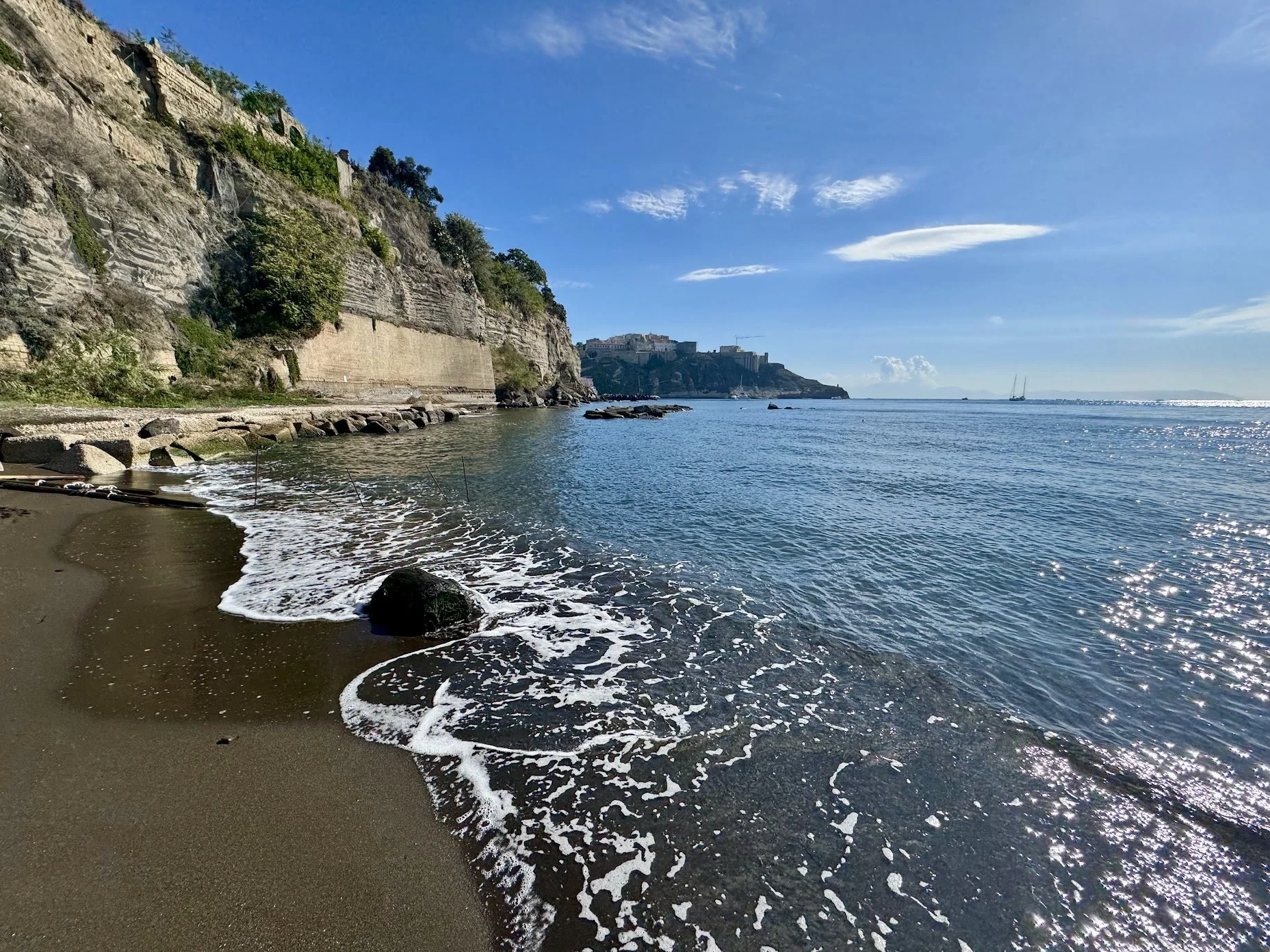
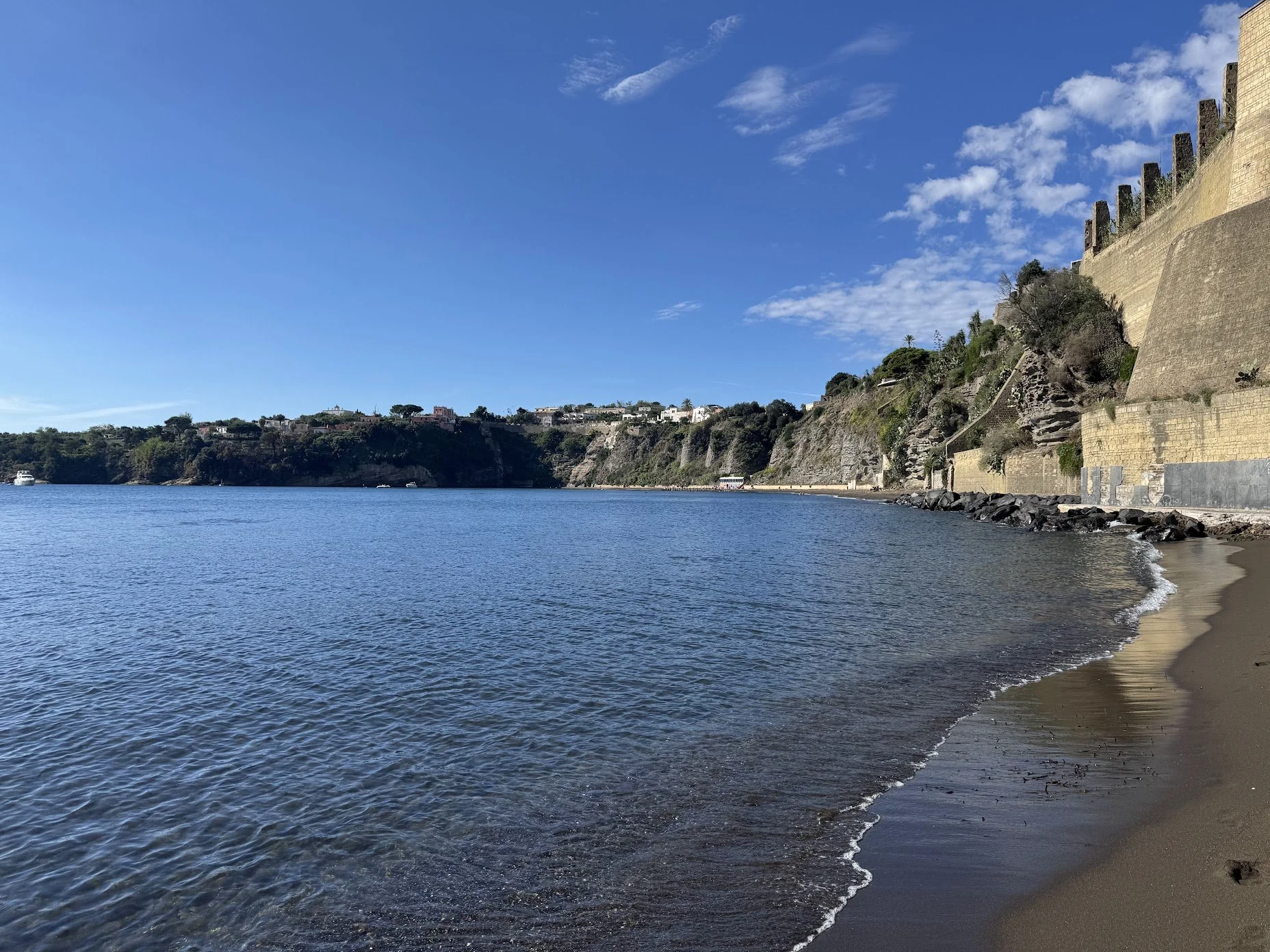
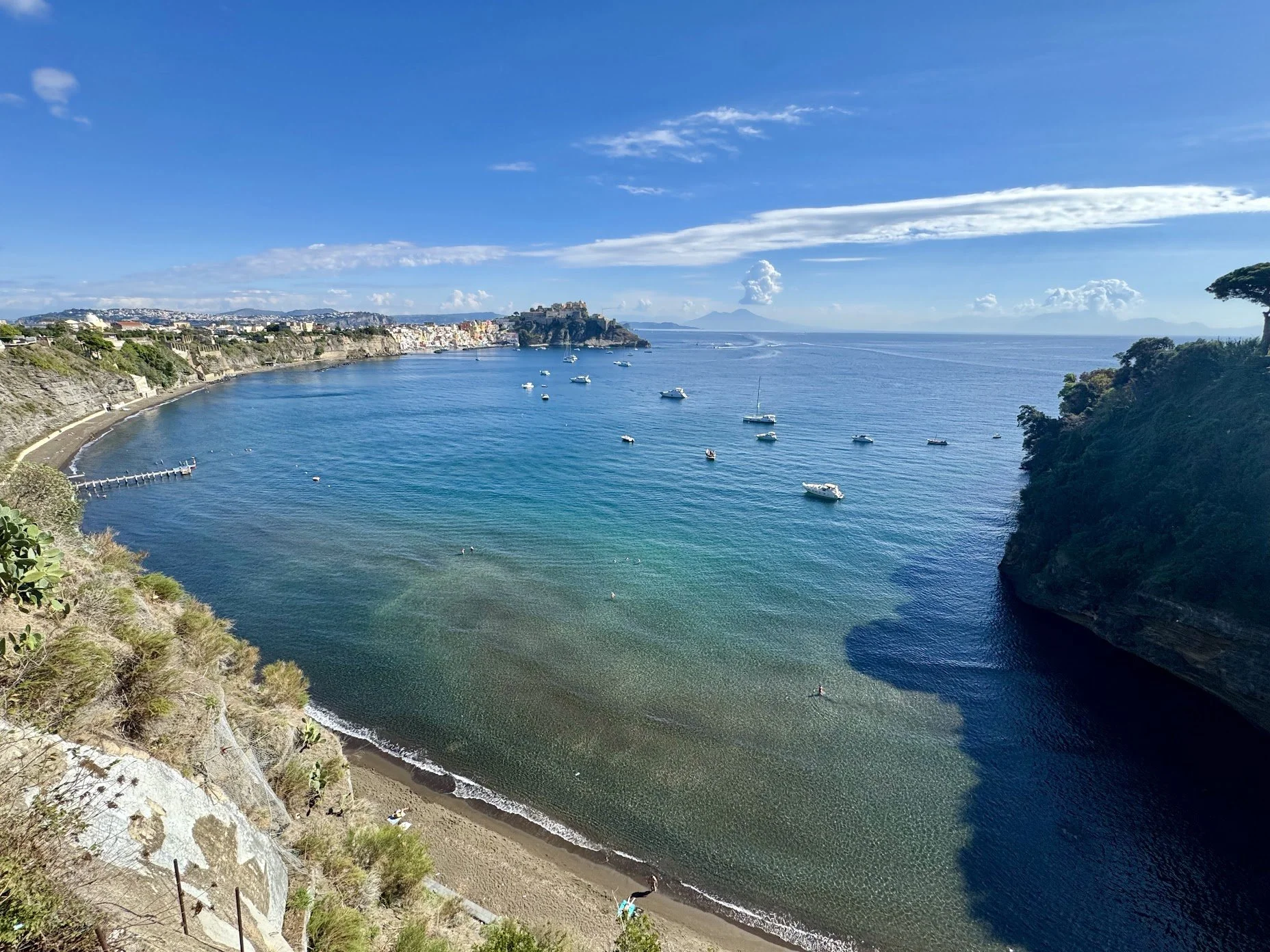
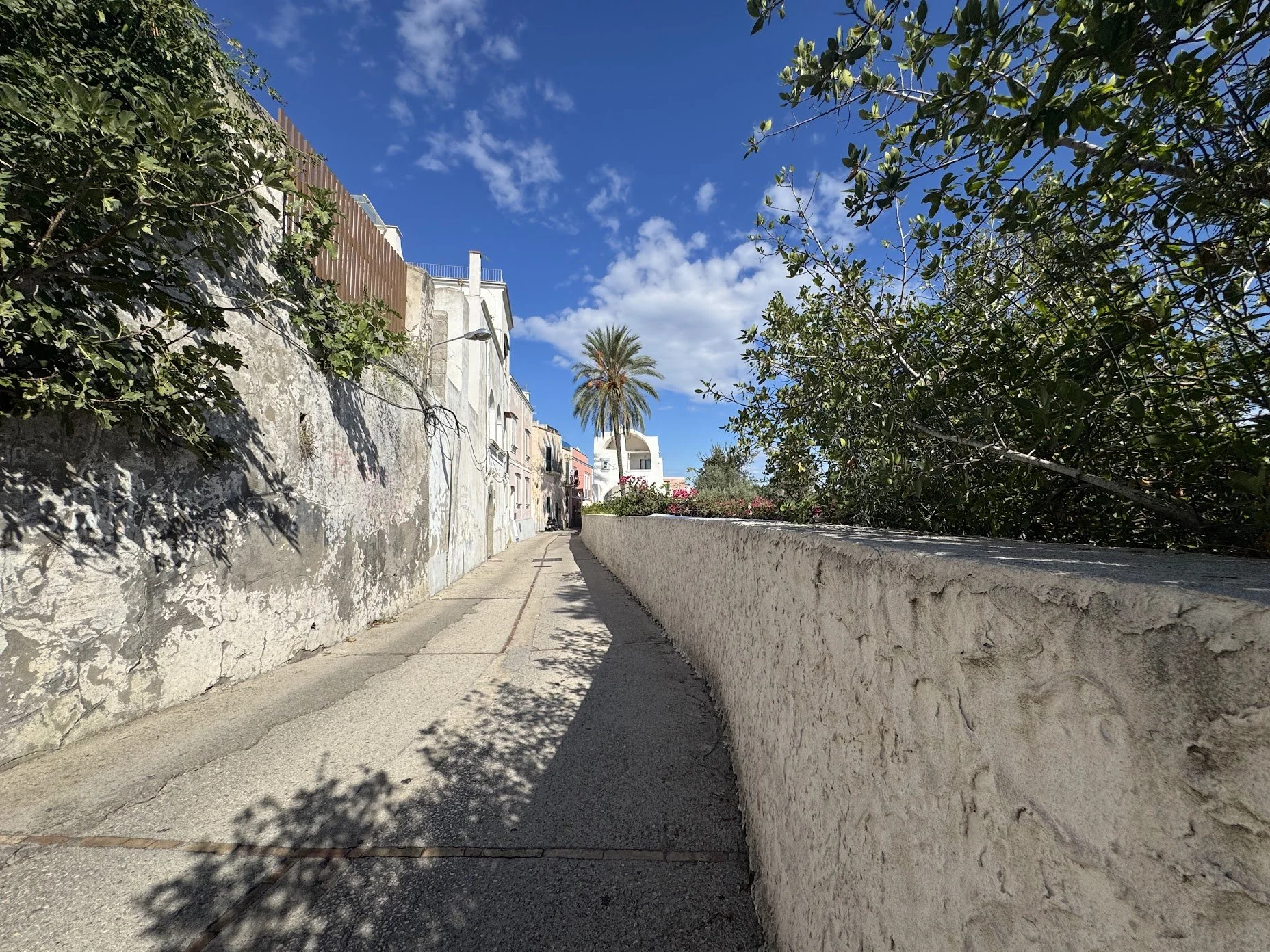
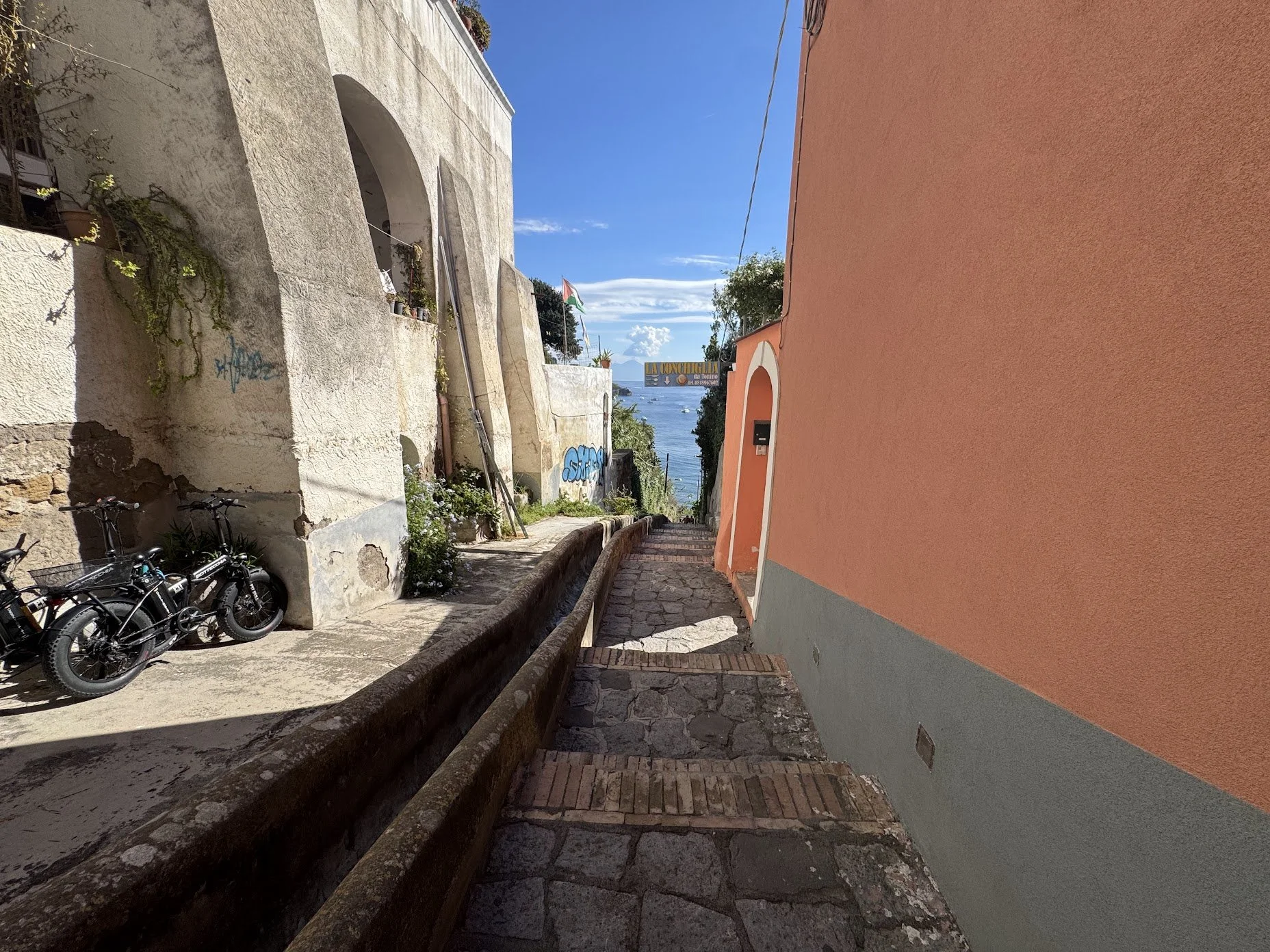
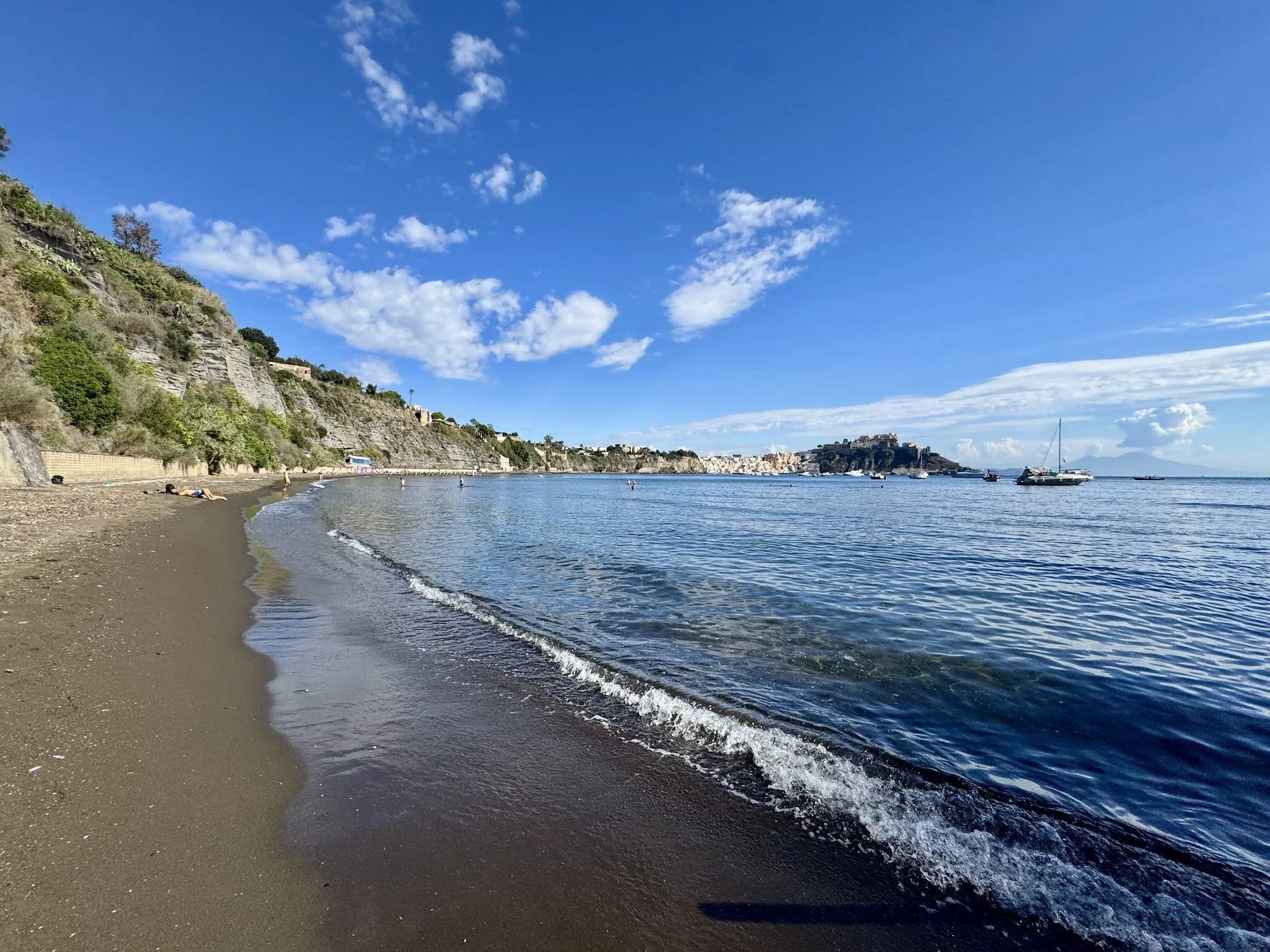
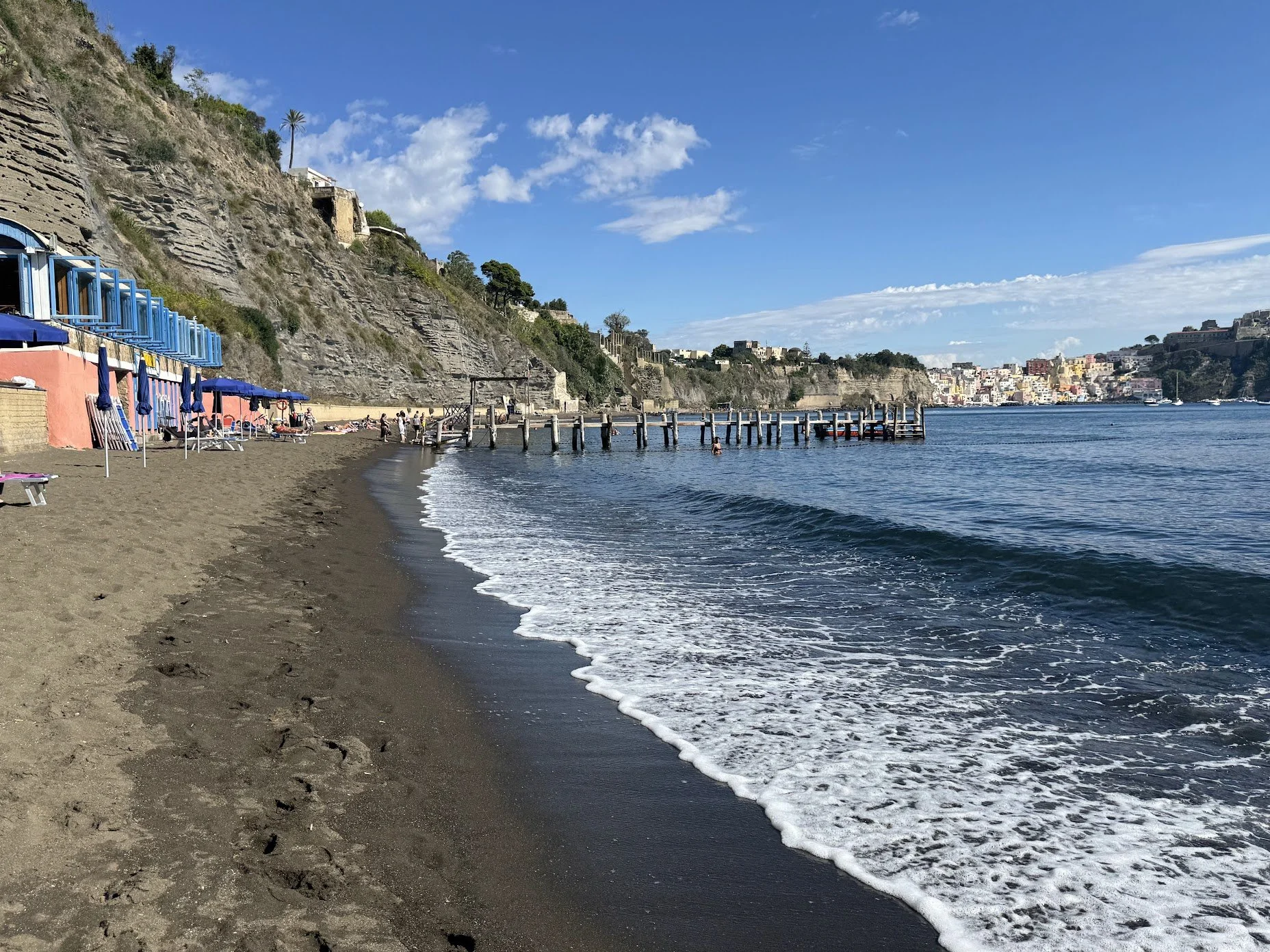
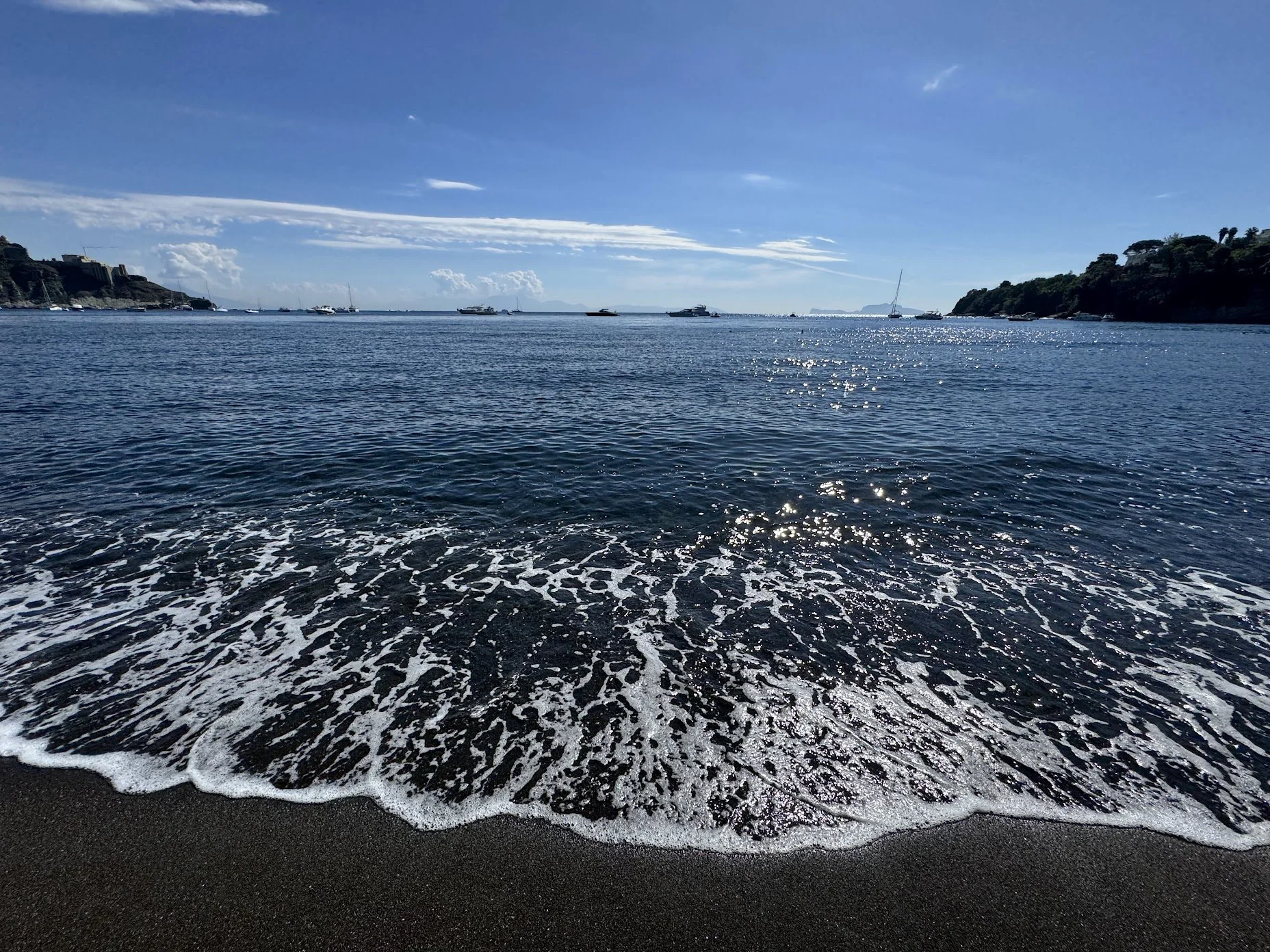
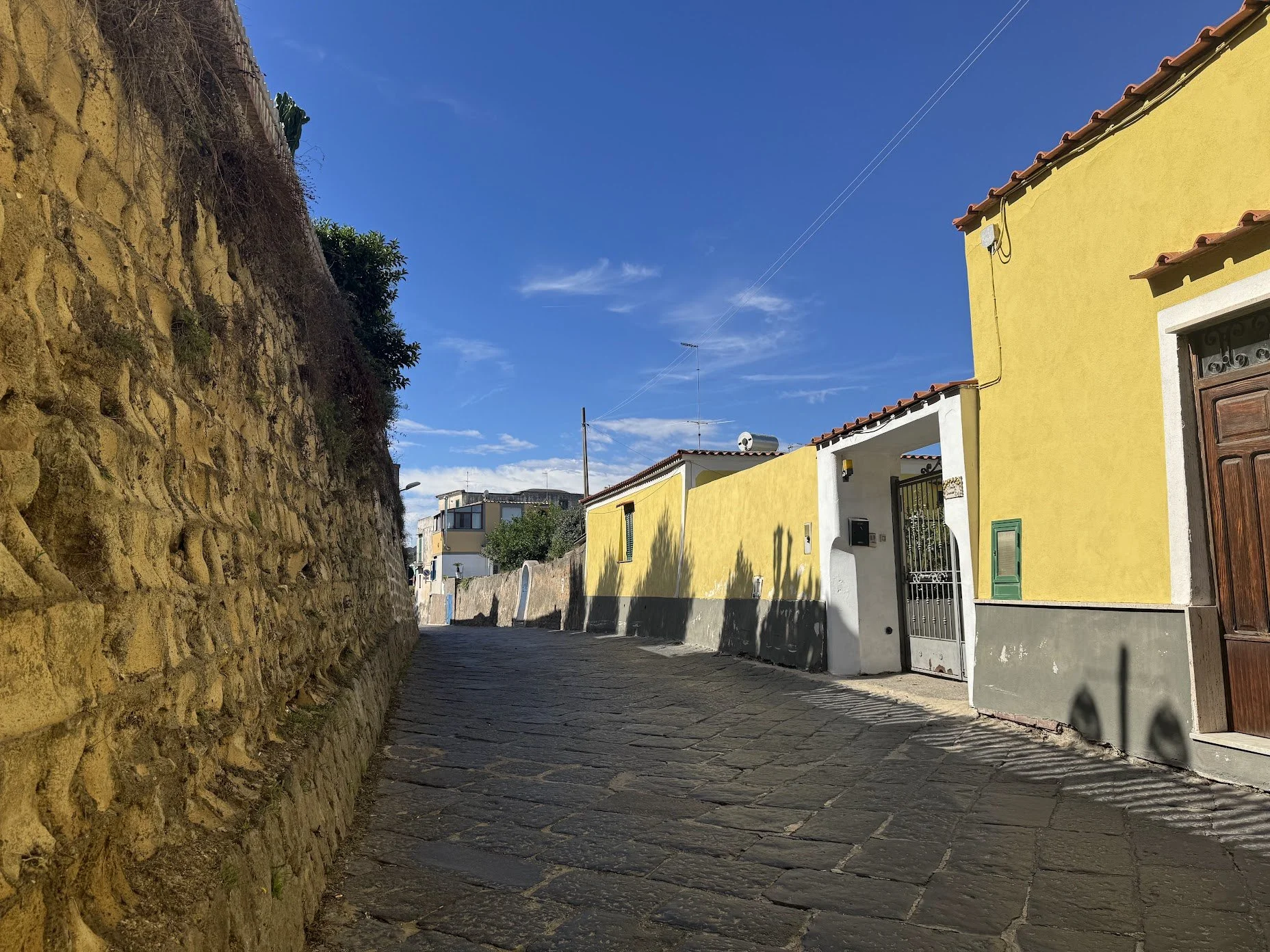
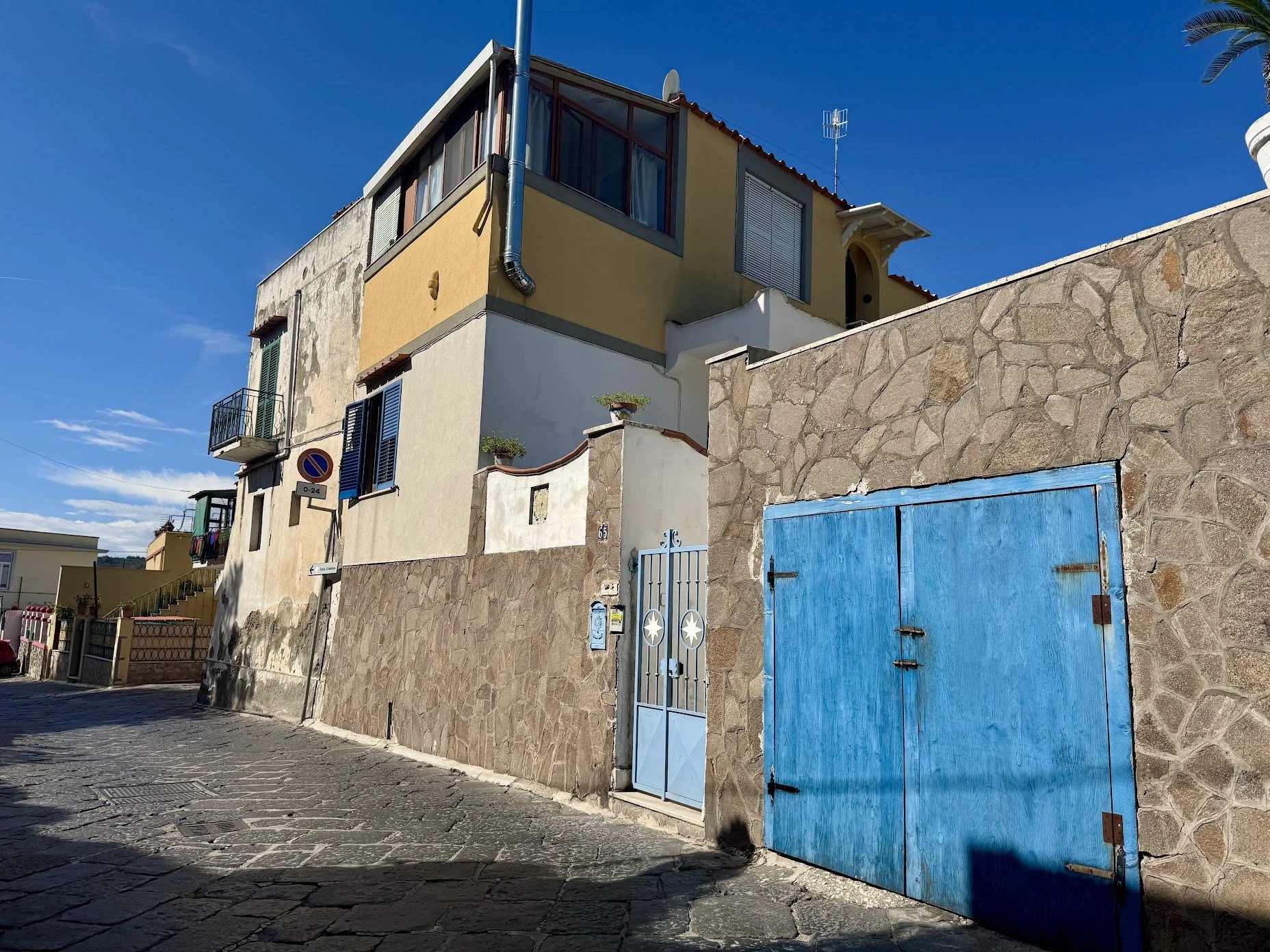
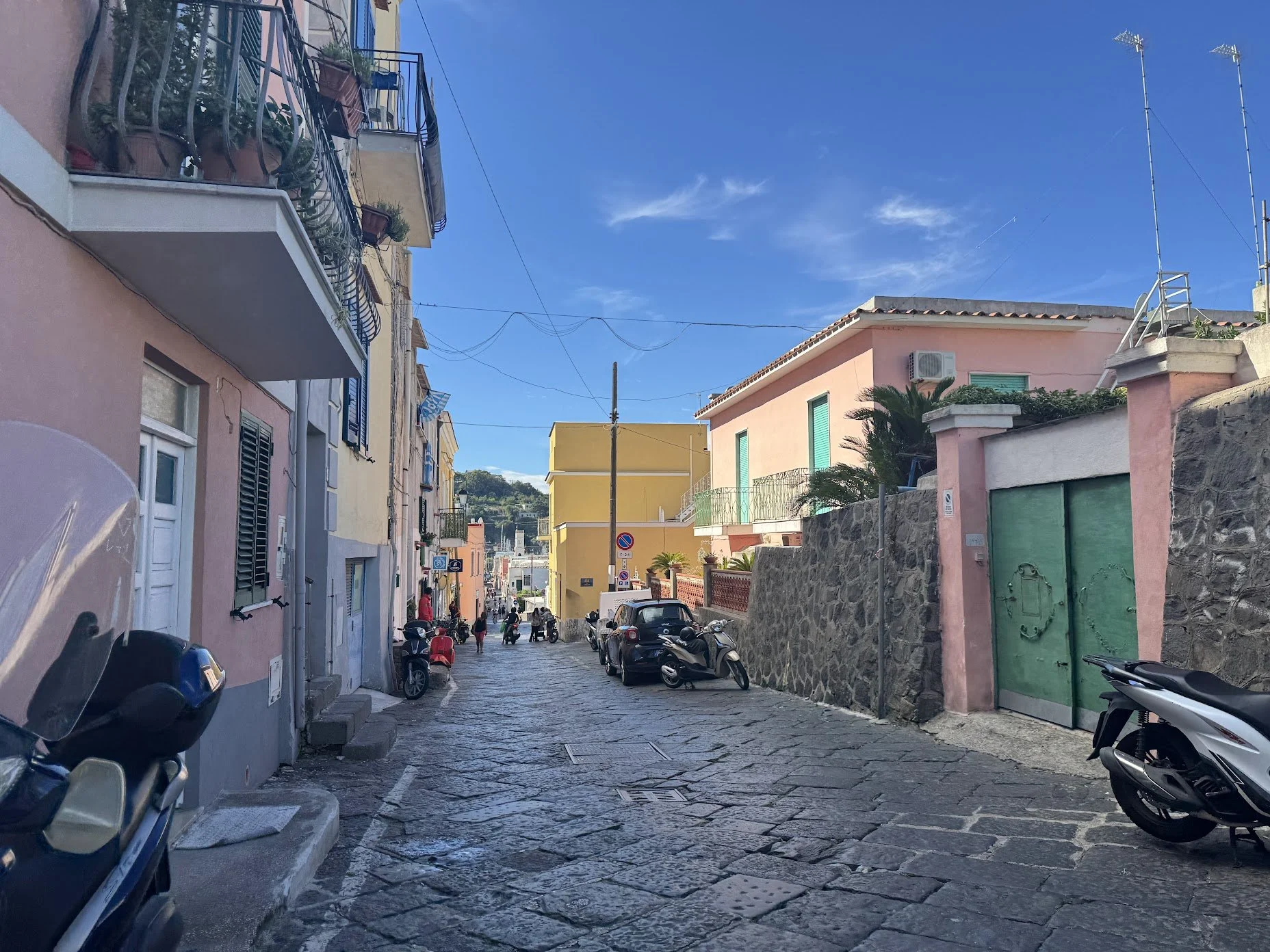
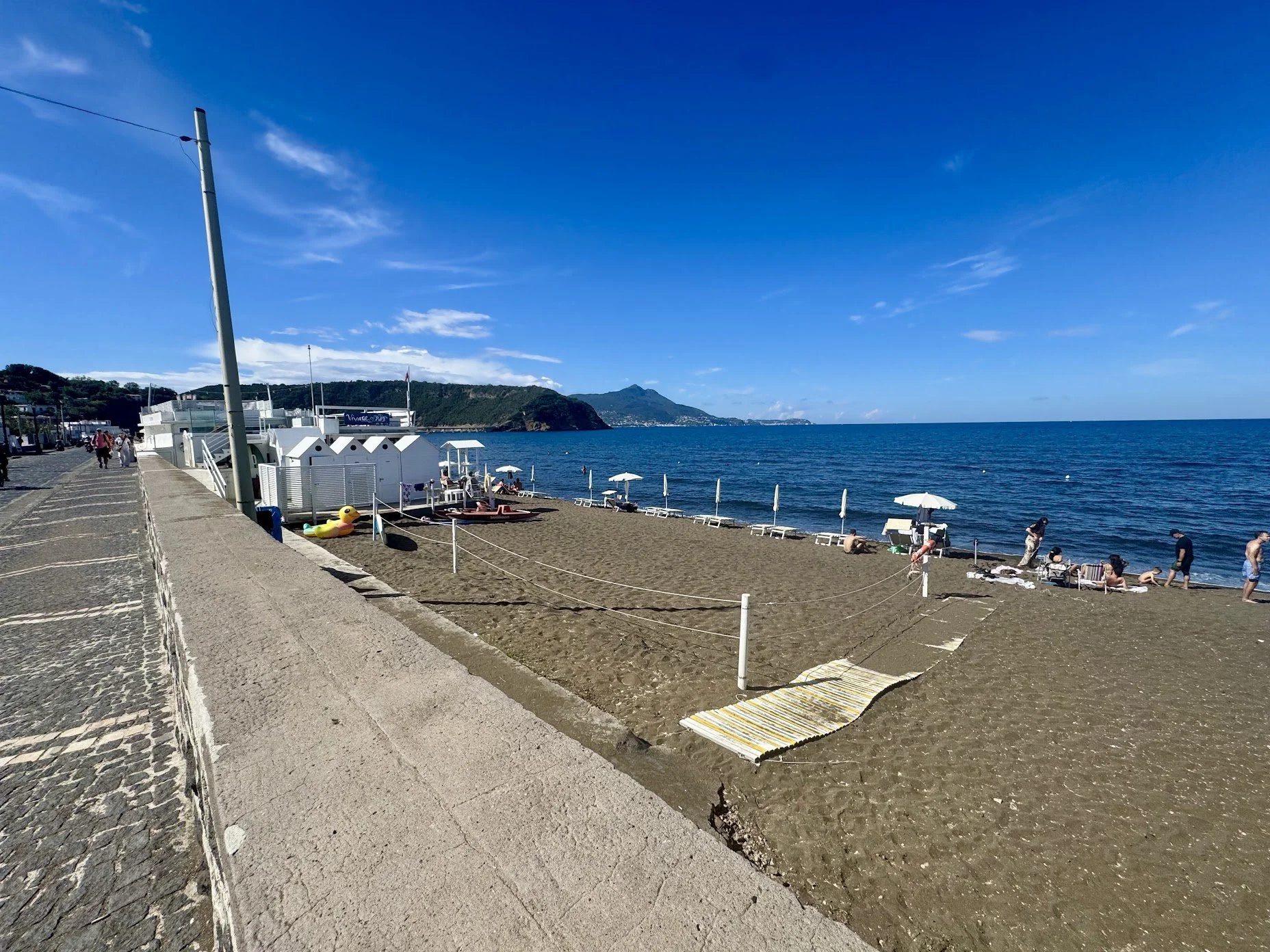
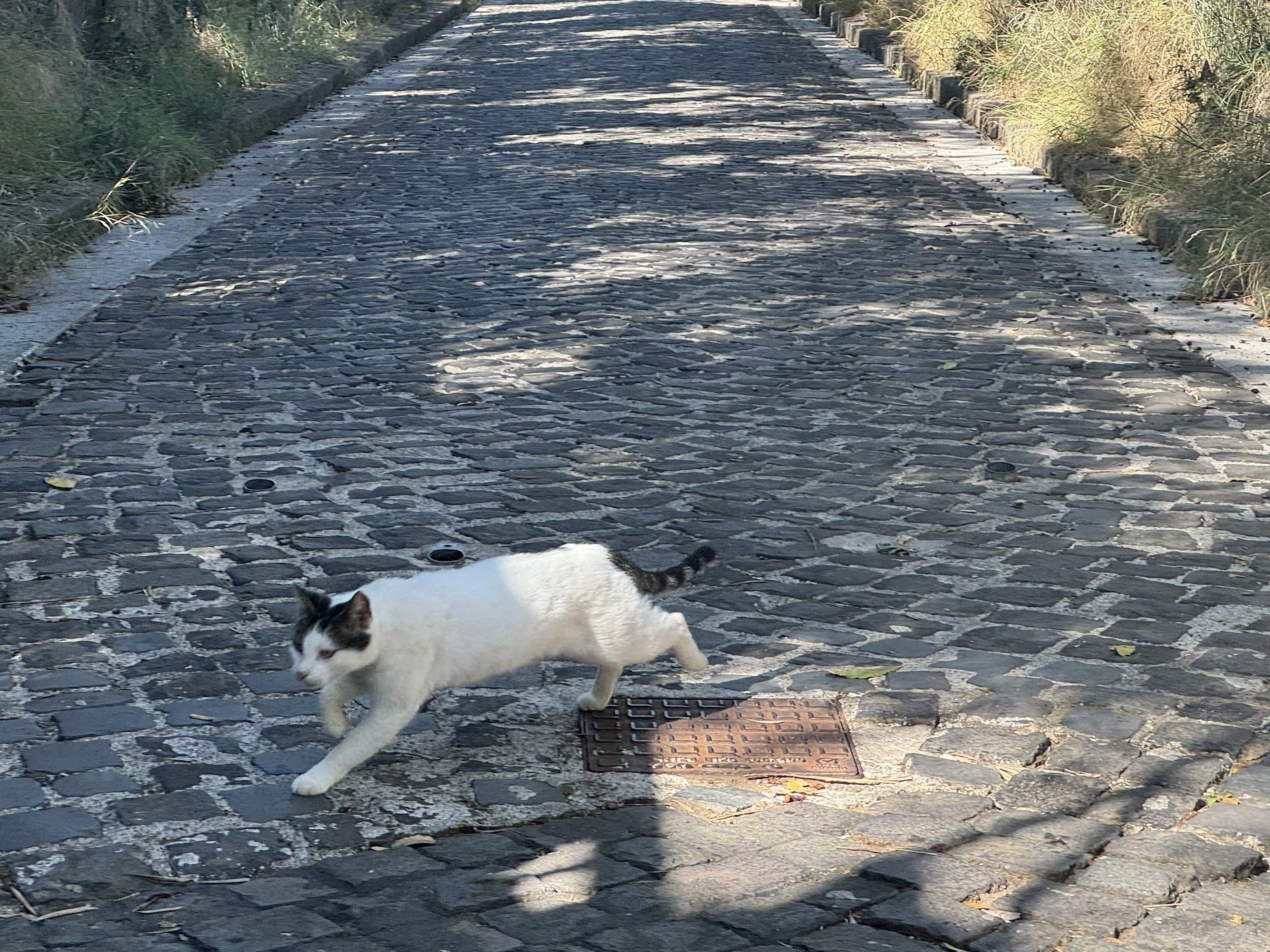
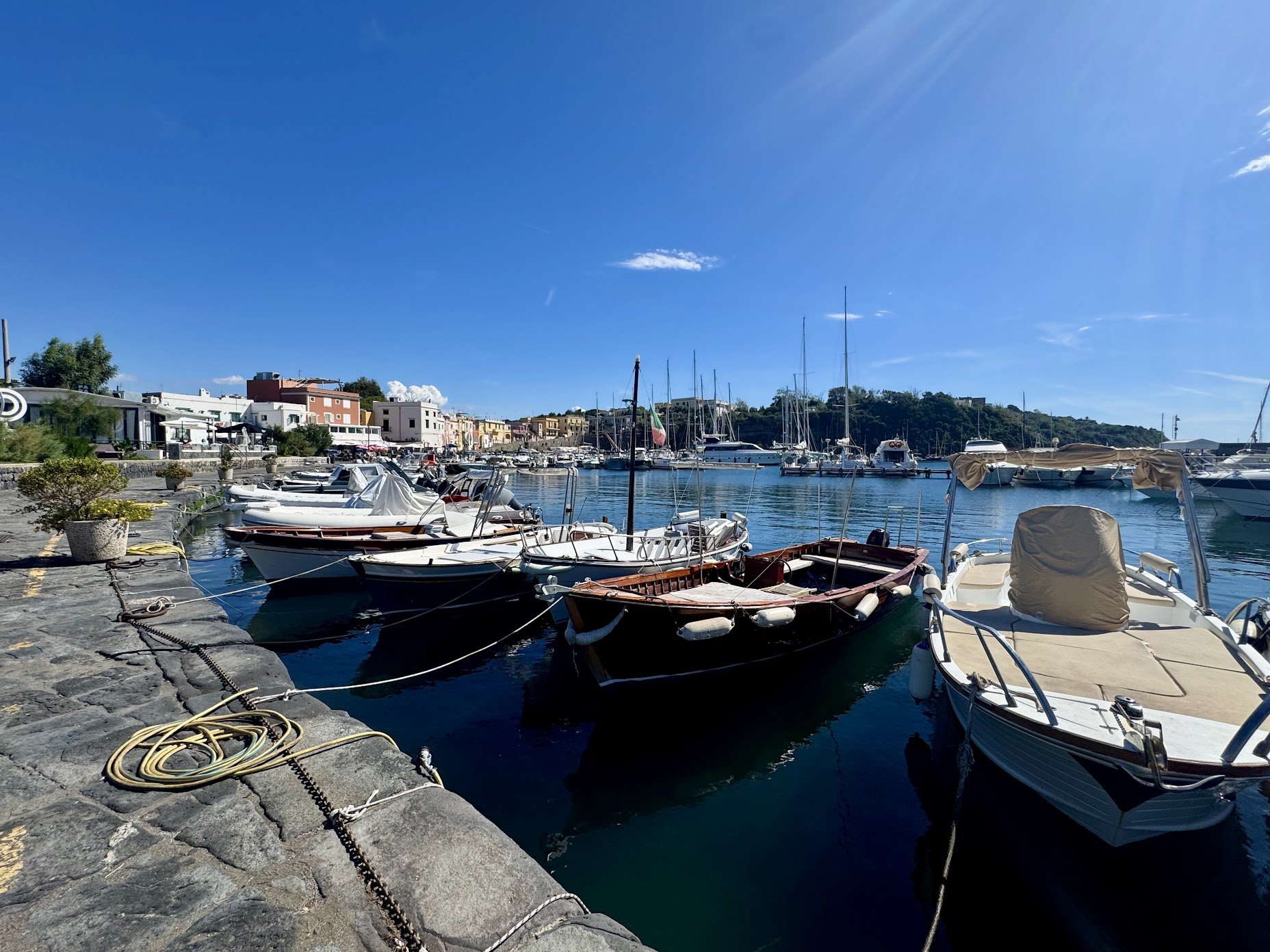
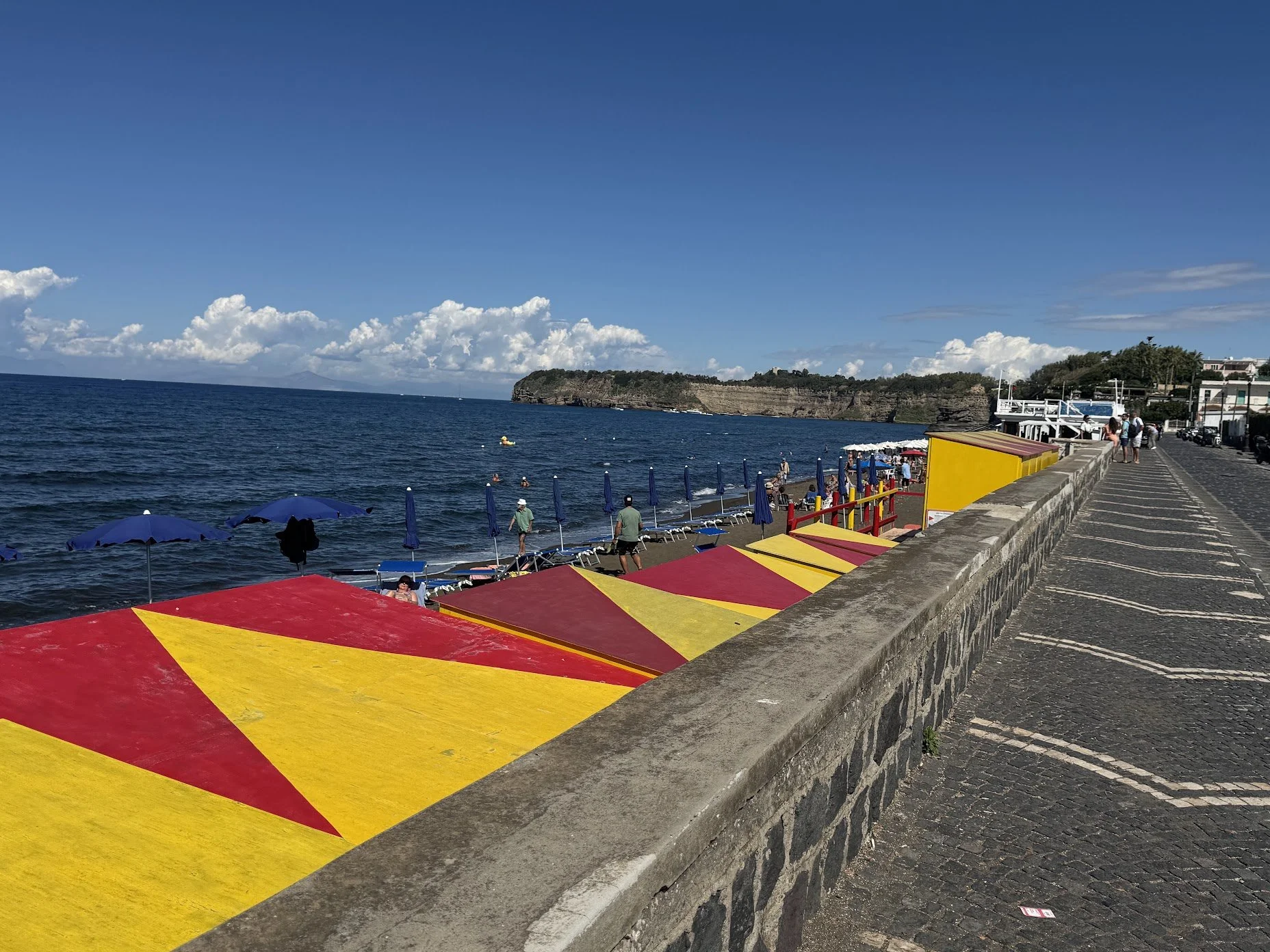
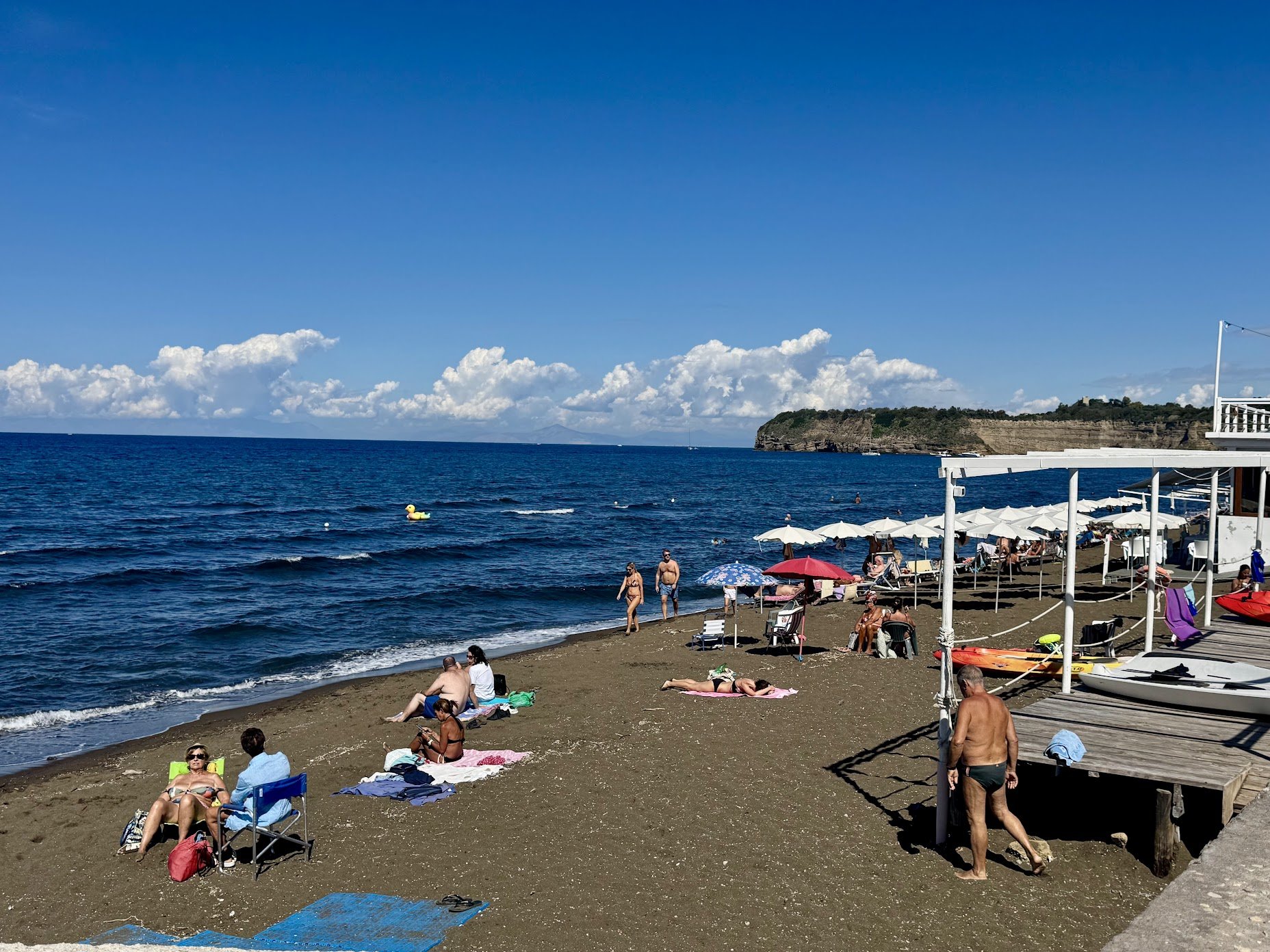
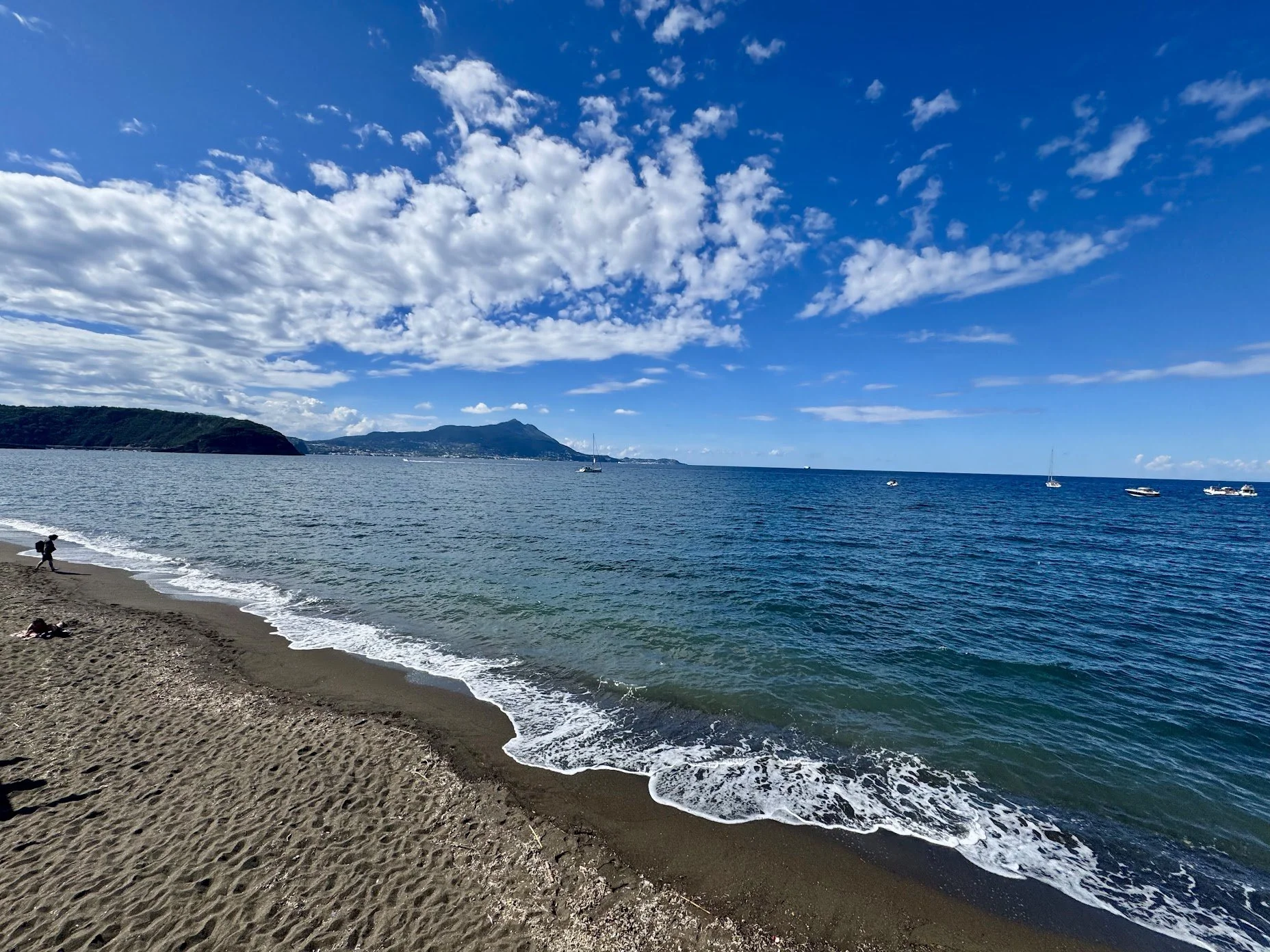
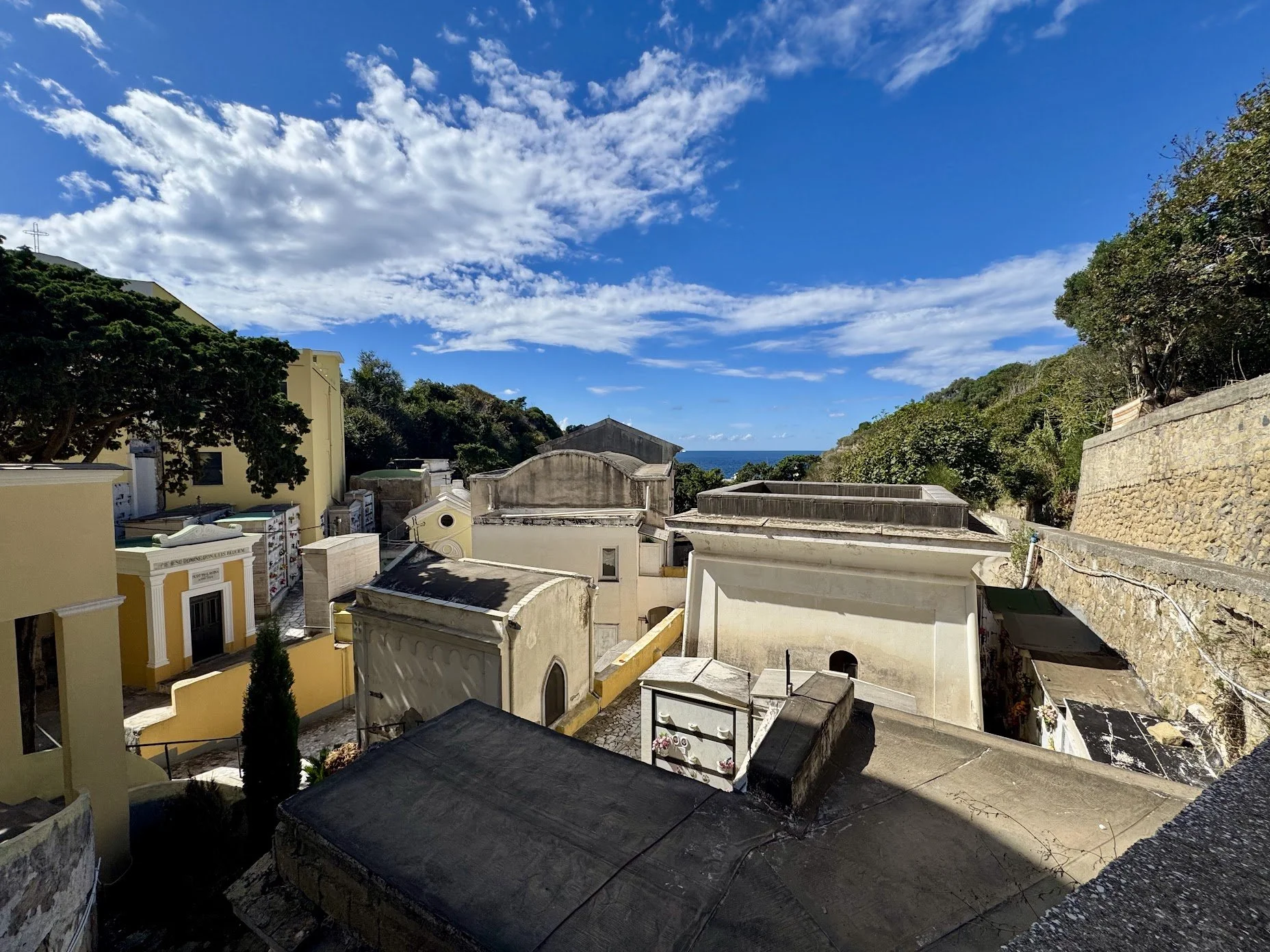
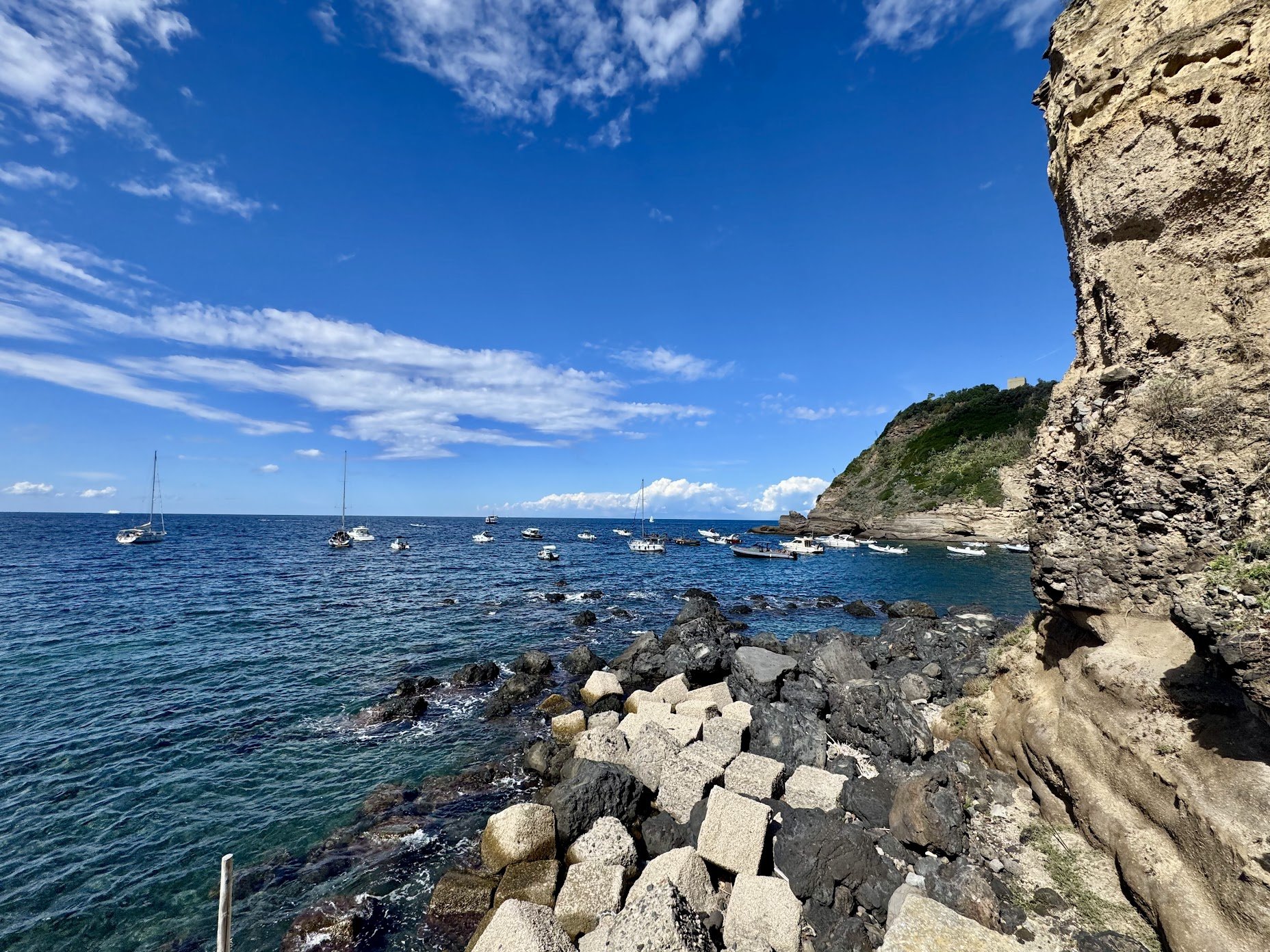
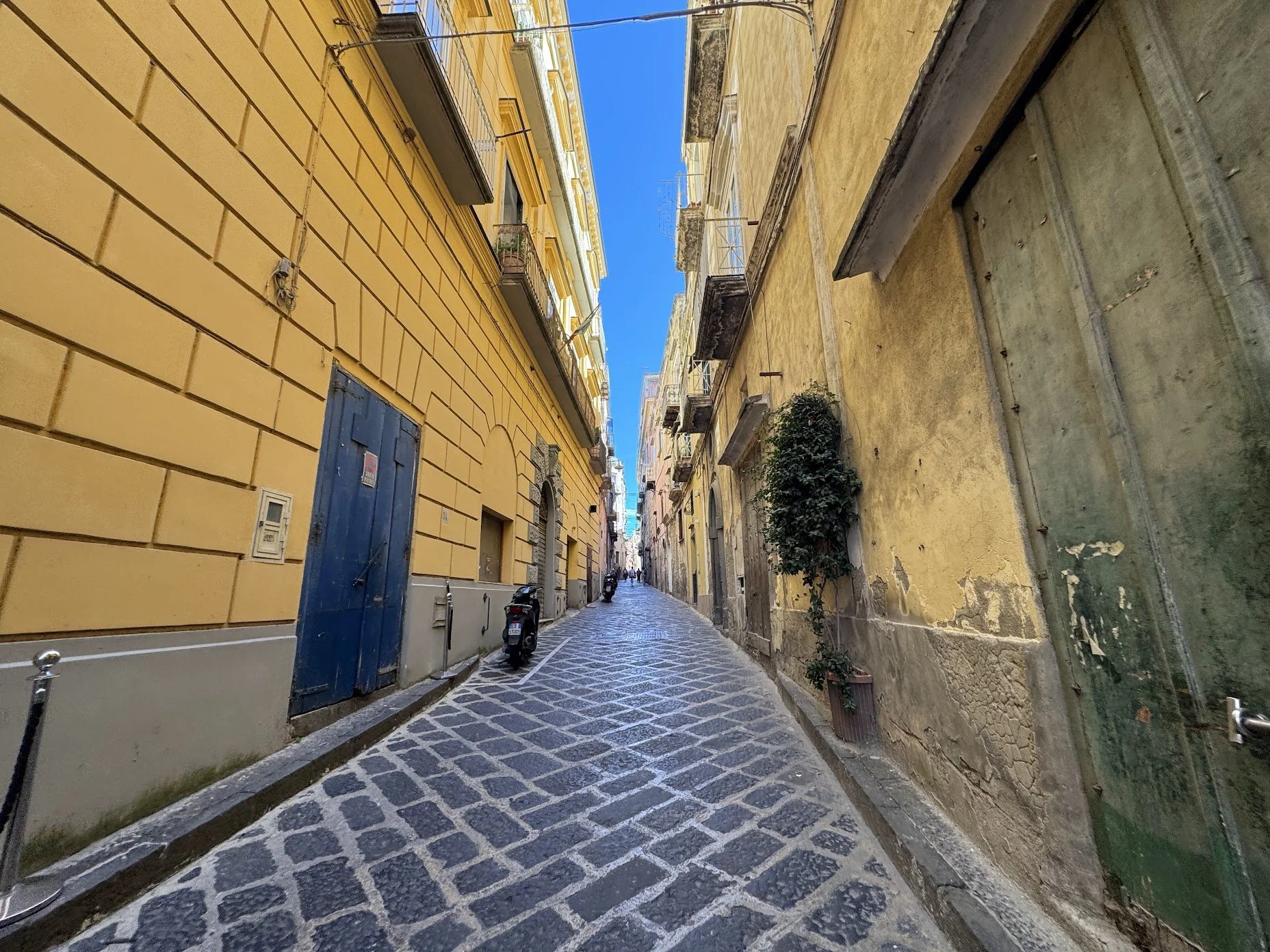
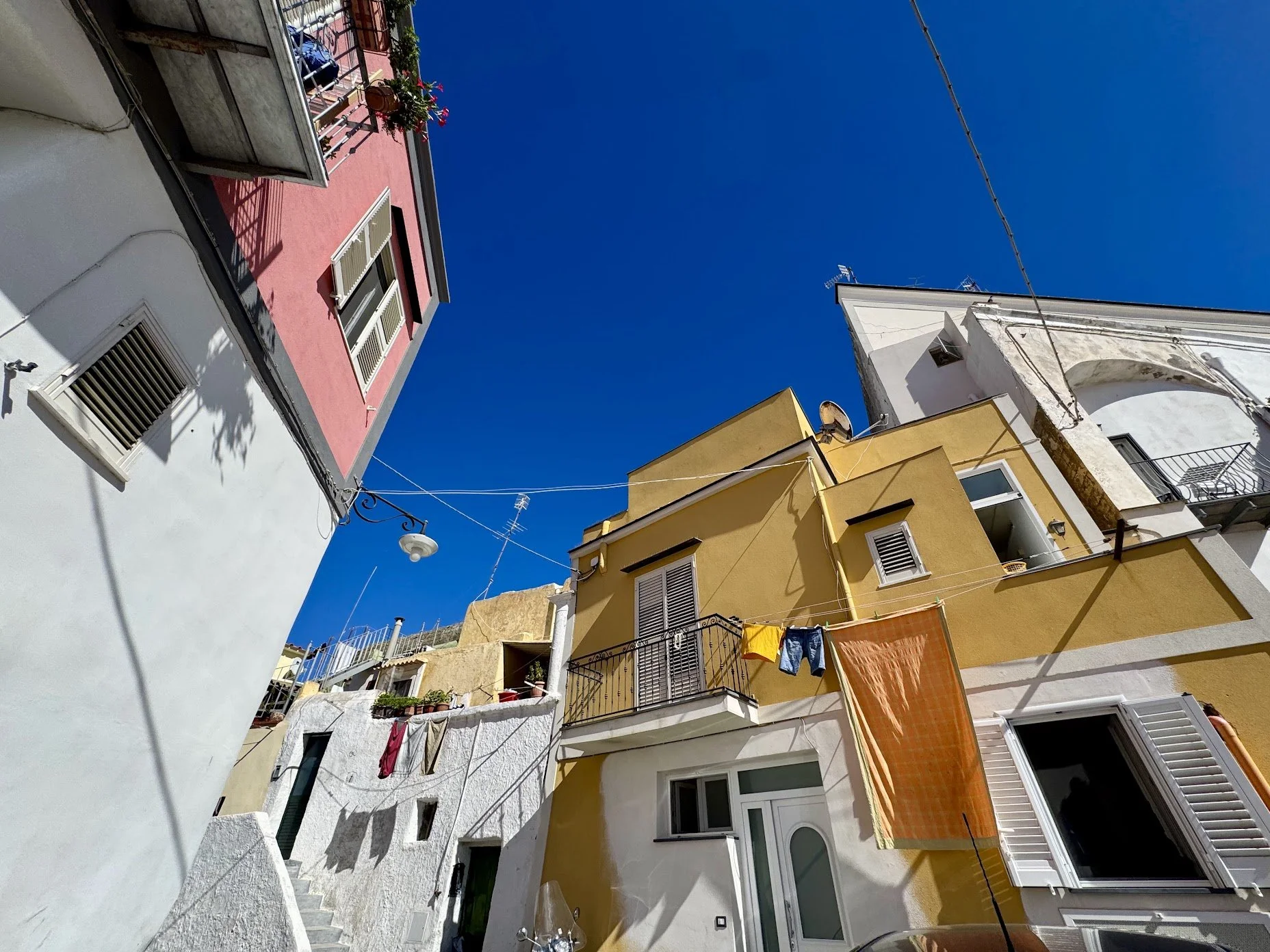
The smallest inhabited island in the Bay of Naples, Procida feels quieter, slower, and more authentic than many of Italy's better-known destinations. With colorful fishing villages, volcanic sand beaches, scenic viewpoints, and charming streets, it turned out to be exactly the kind of day trip I needed.
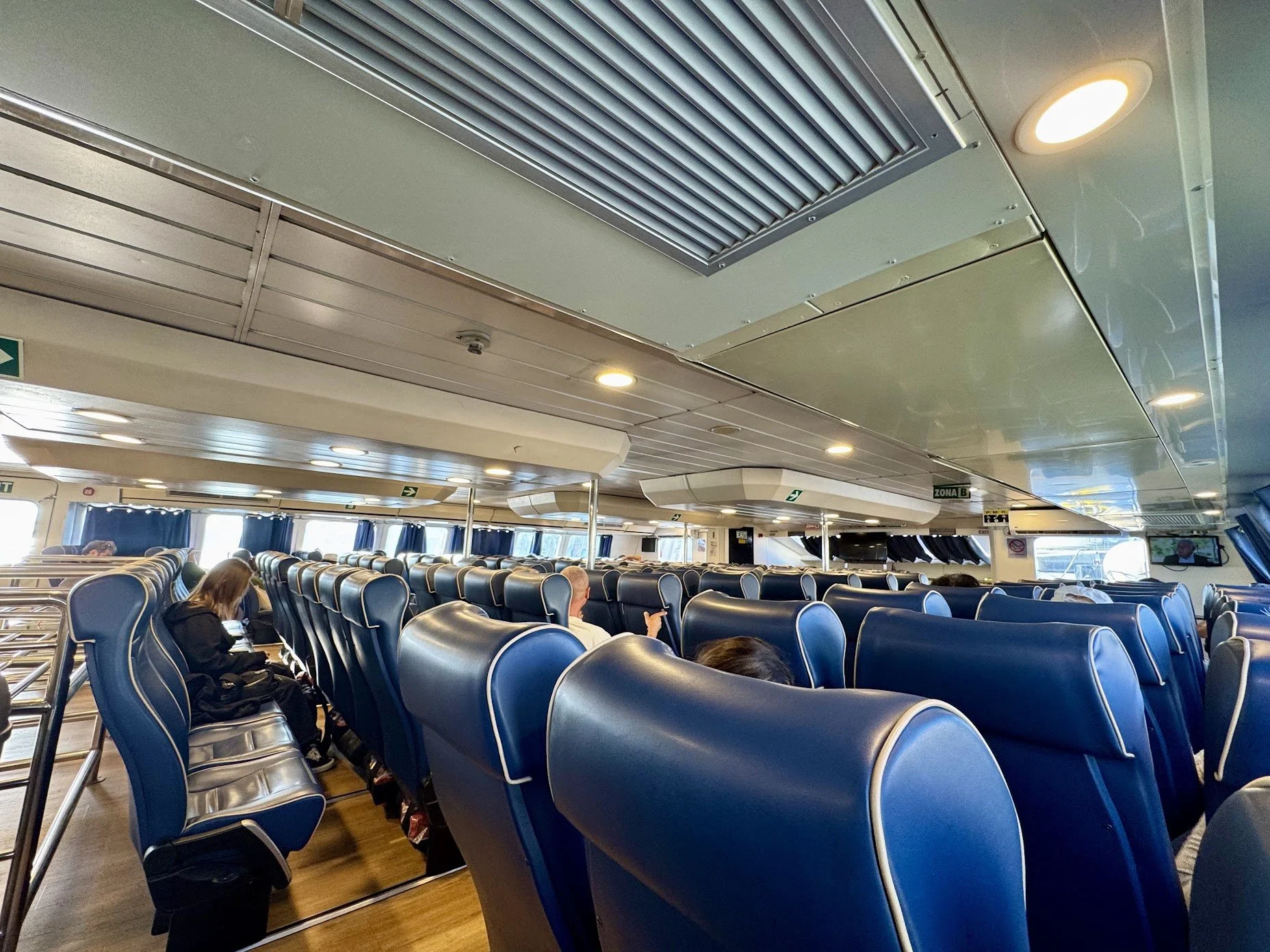
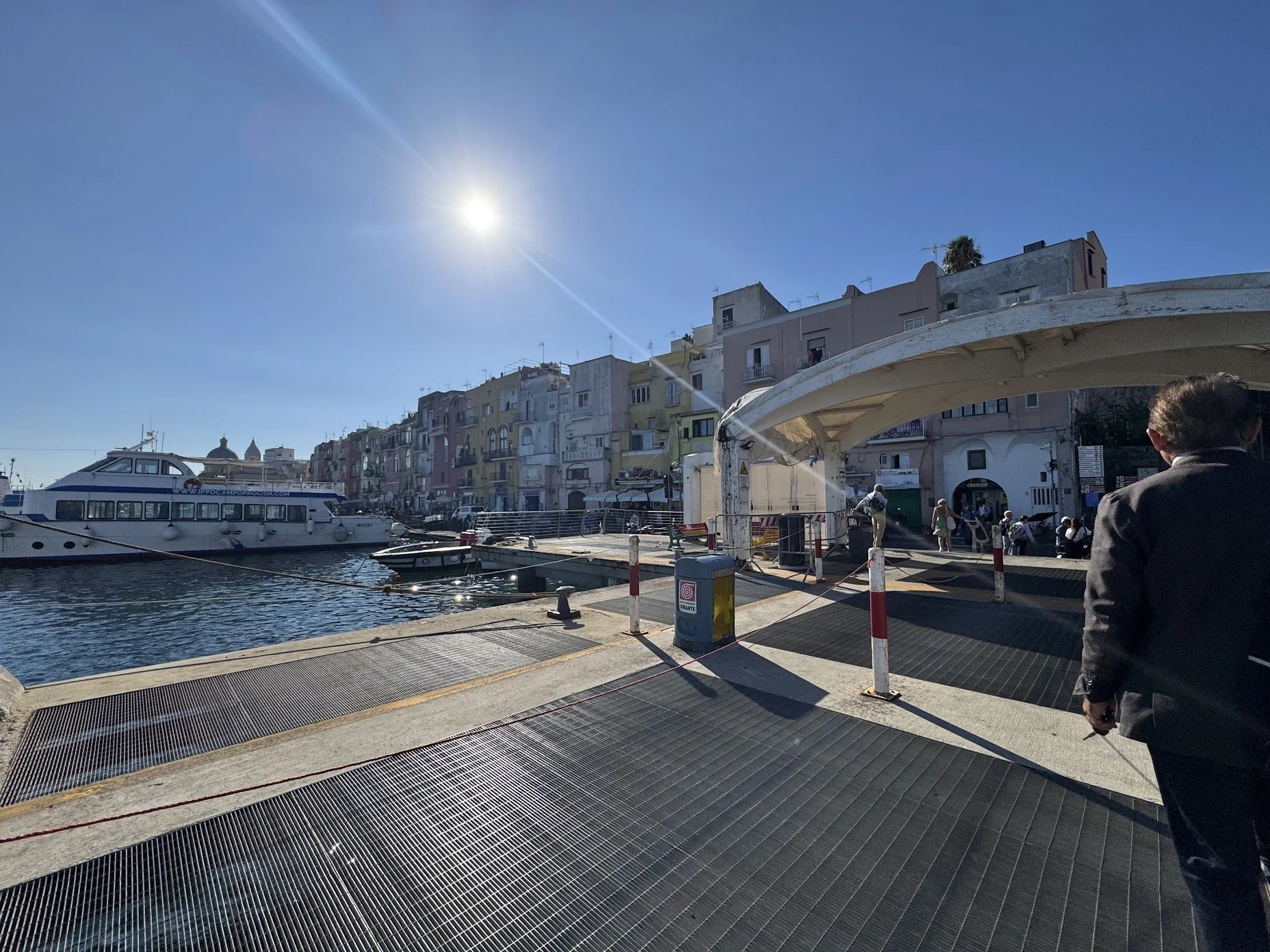
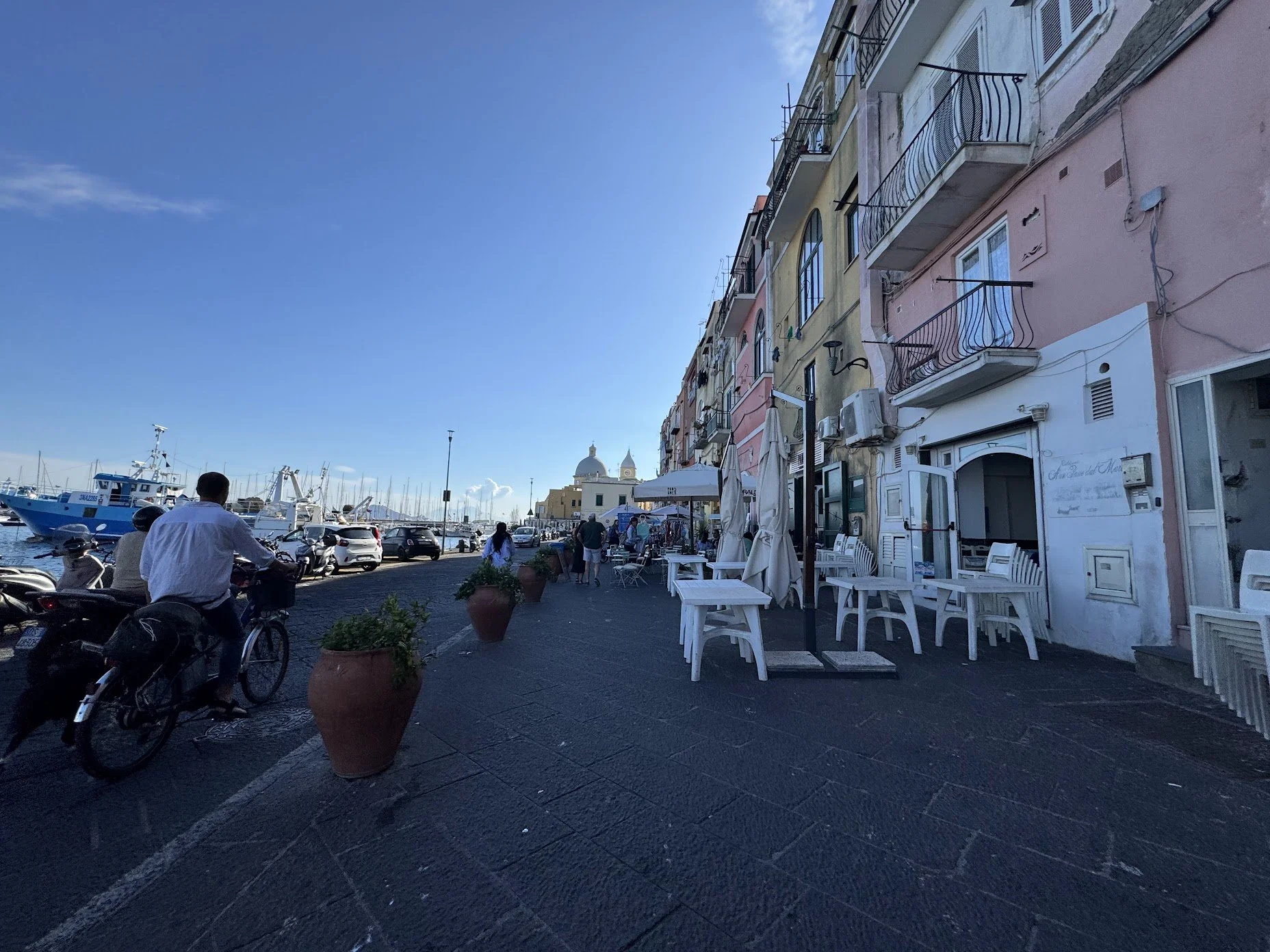
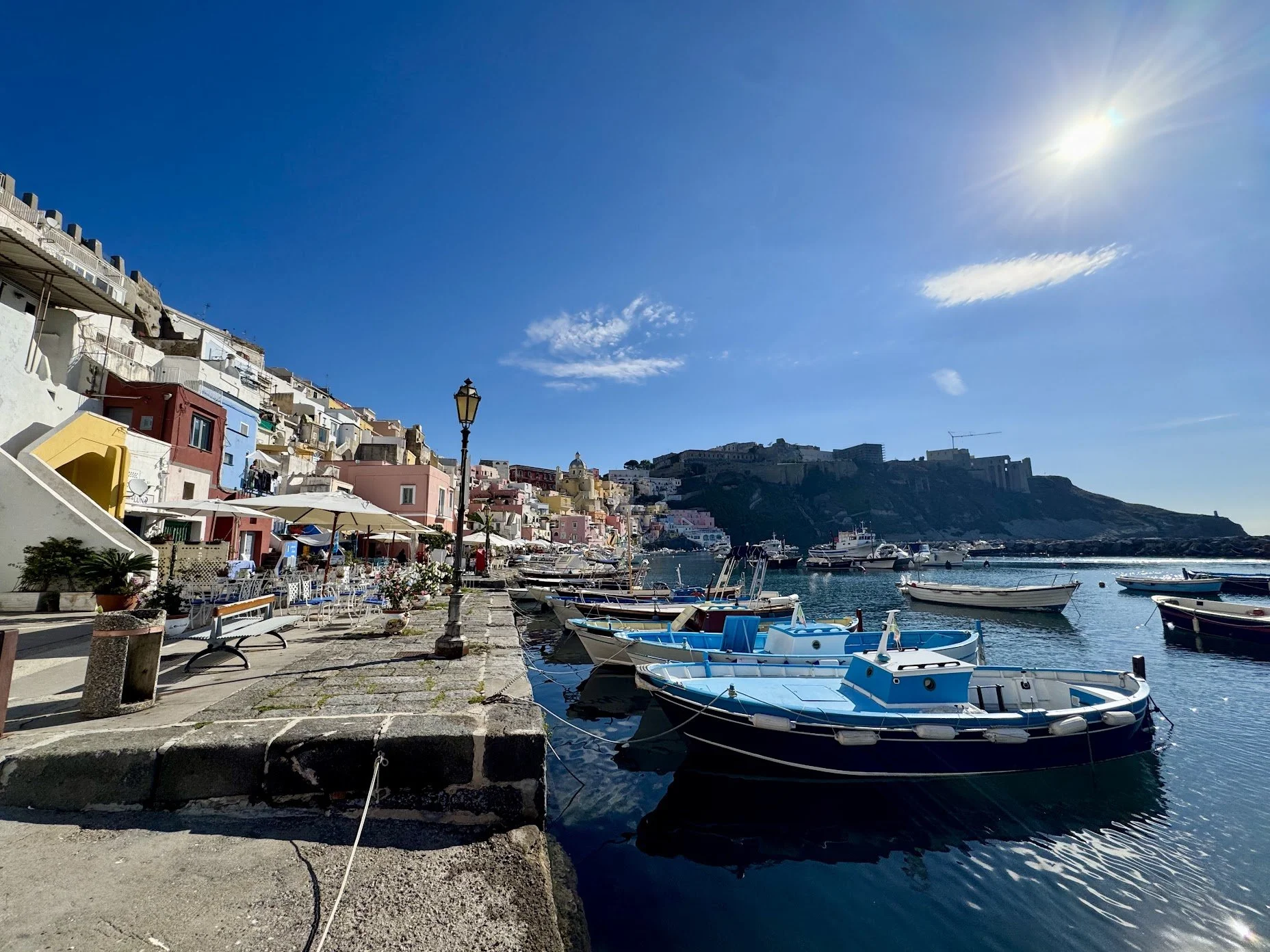
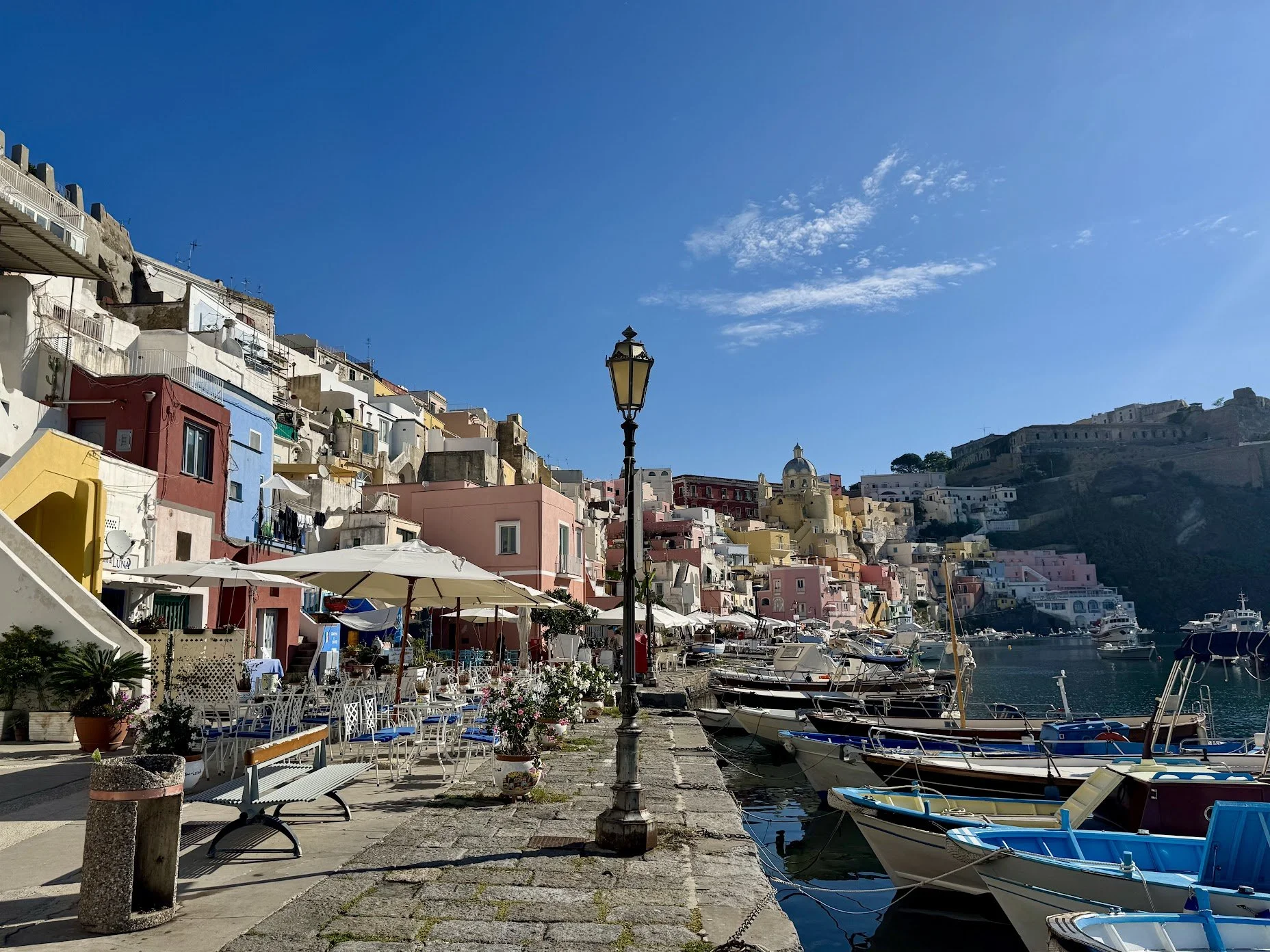
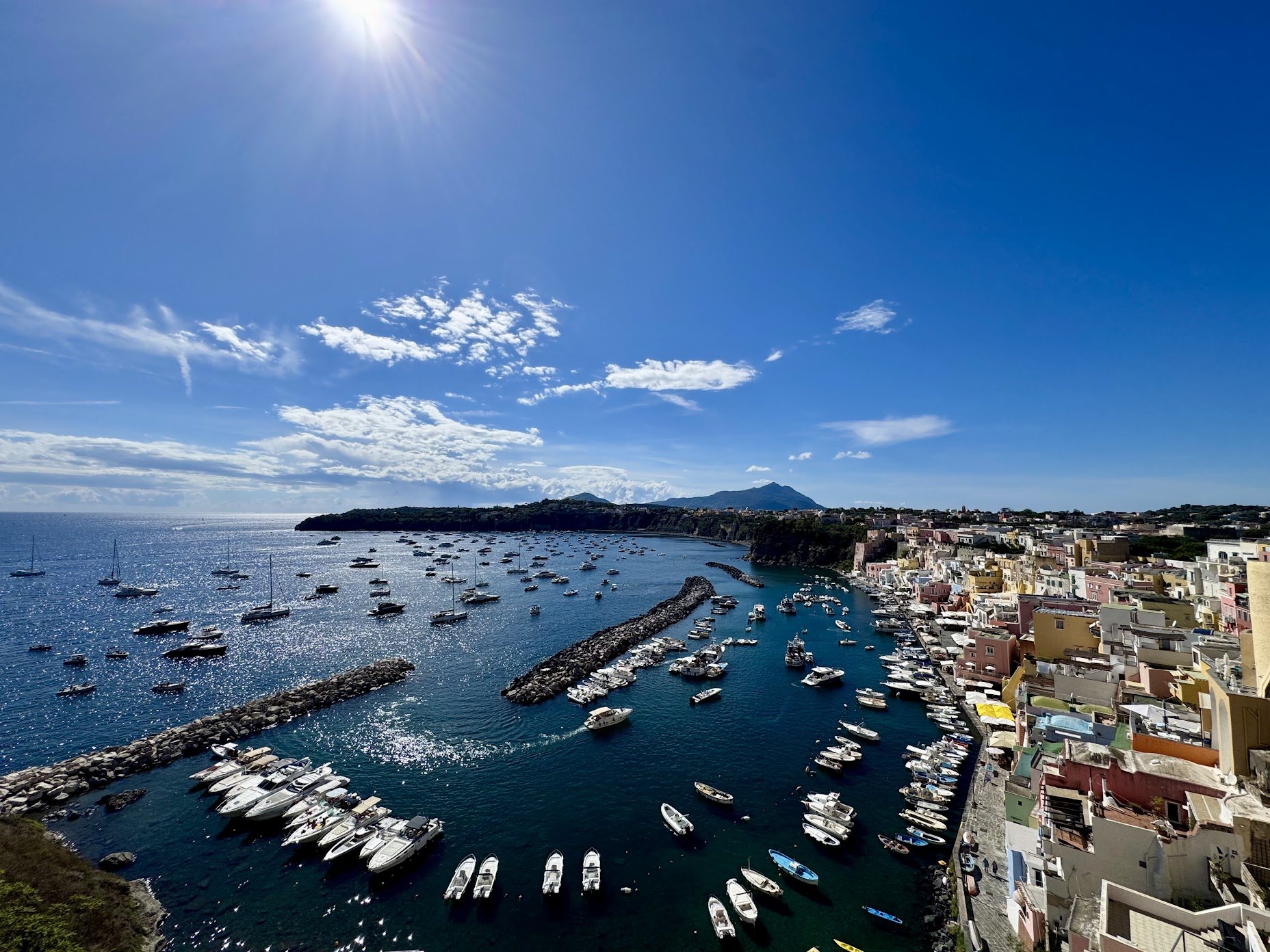
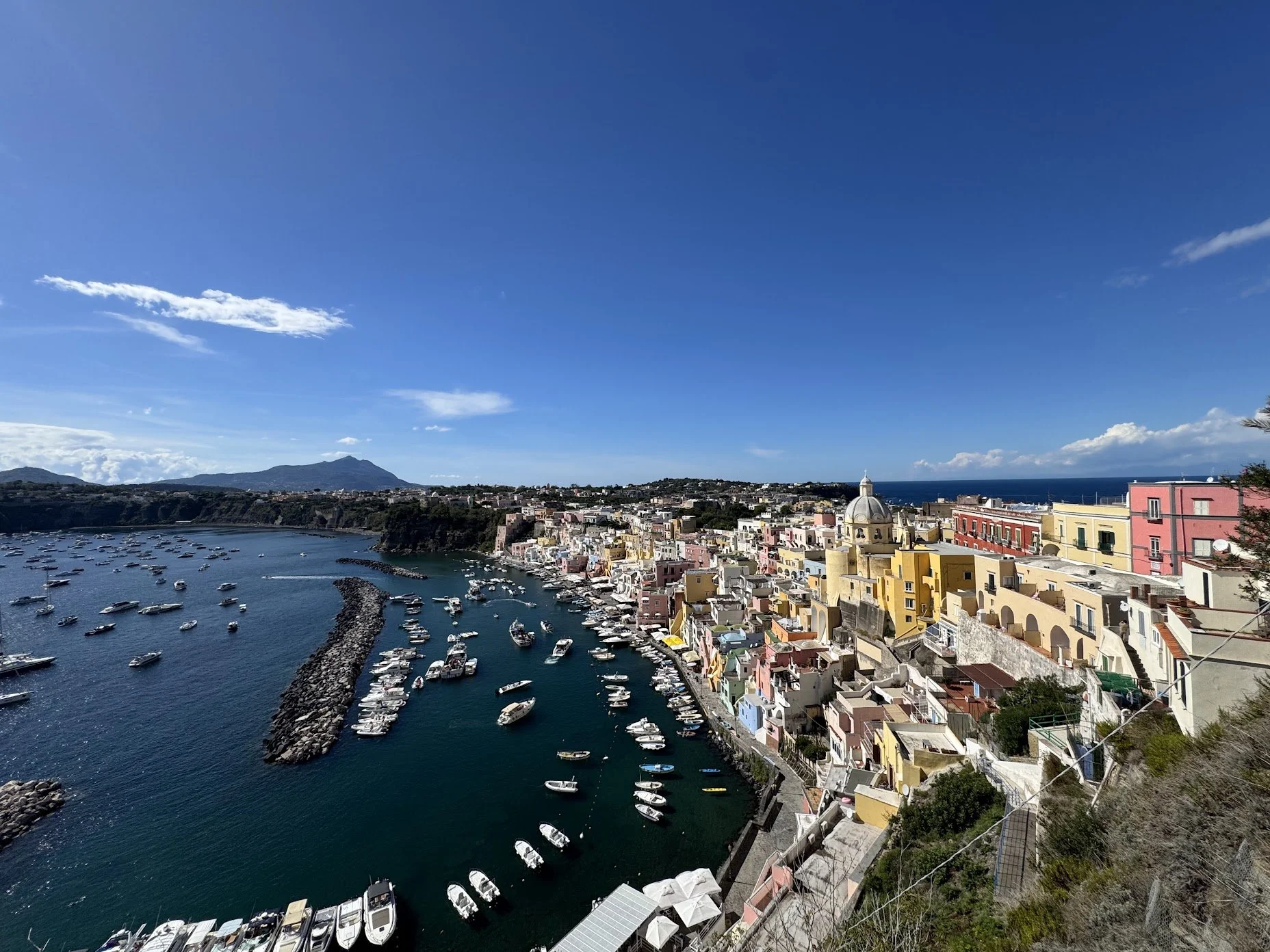
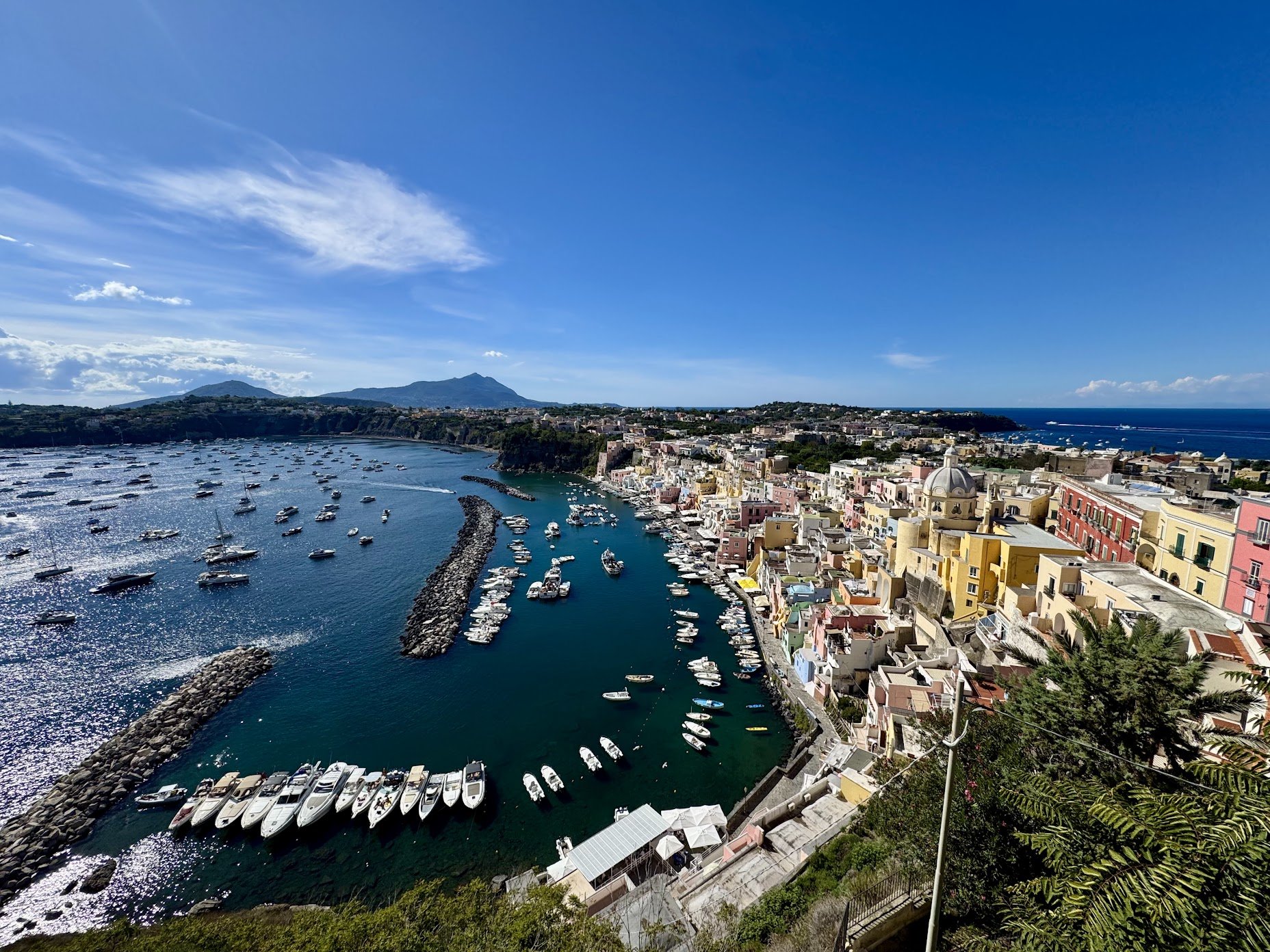
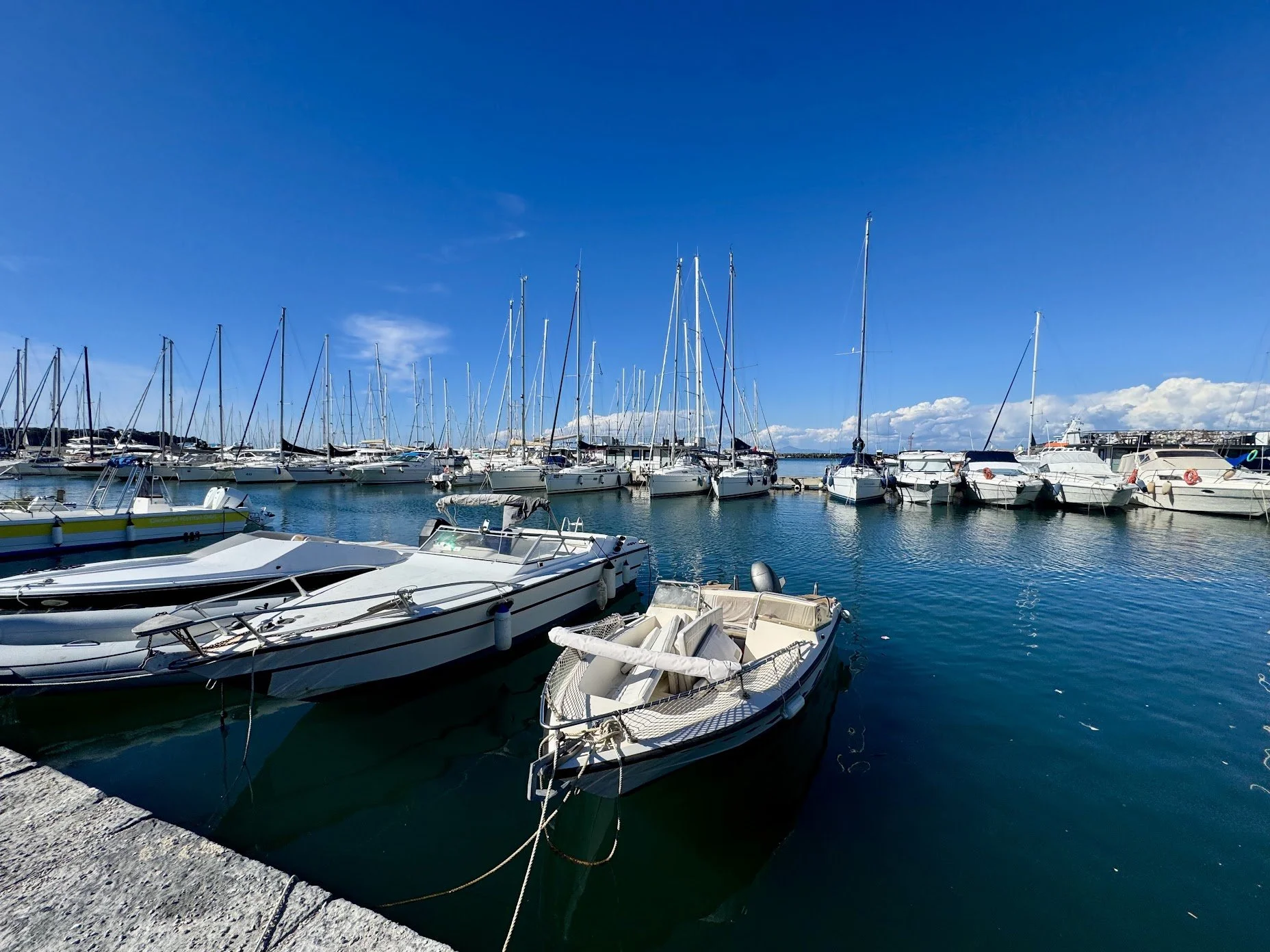
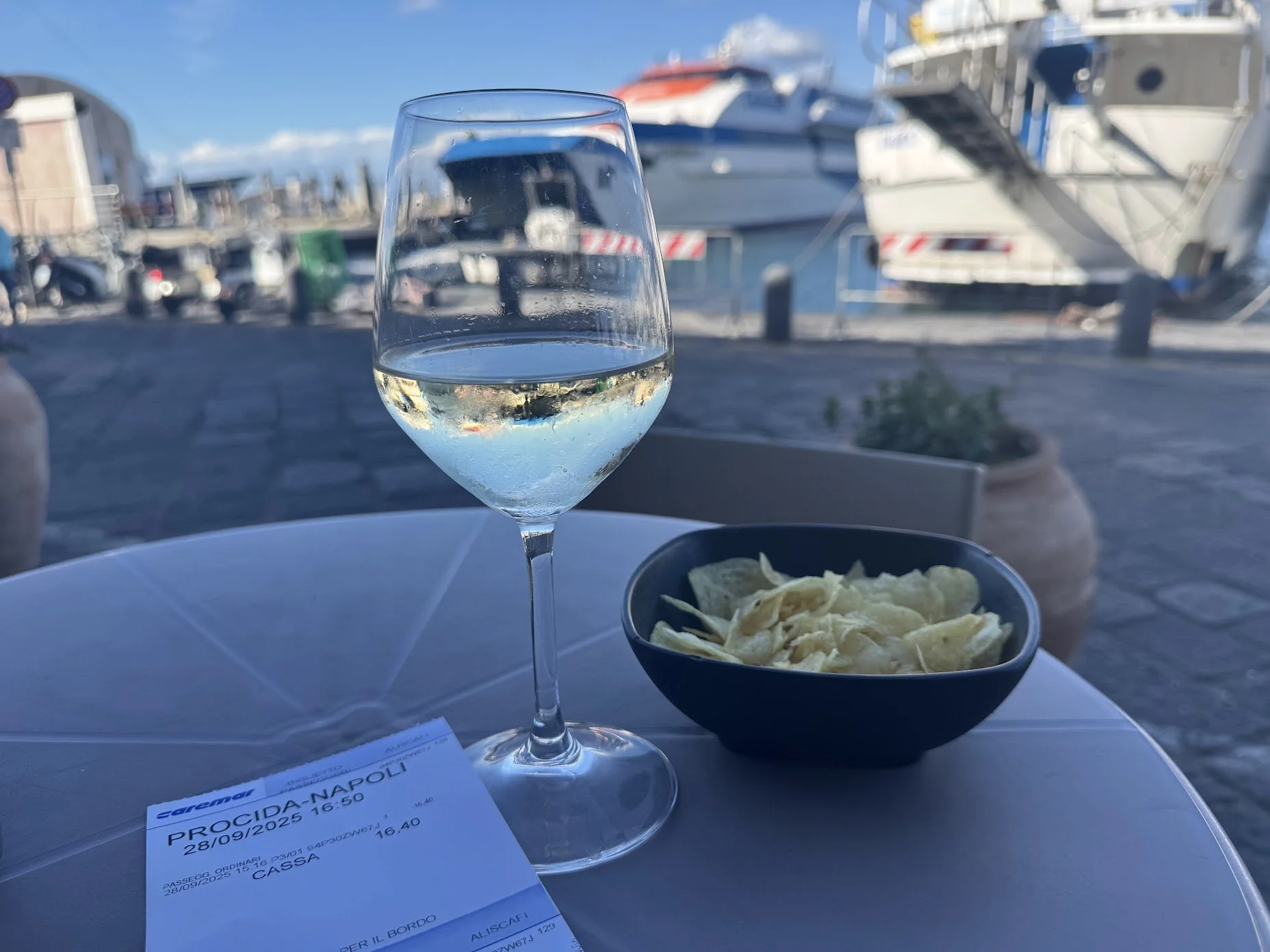
Getting there couldn't have been easier. I walked about 20 minutes from my hotel to the ferry terminal, purchased a ticket for the next available hydrofoil, and about 35 minutes later I was stepping off the boat in Marina Grande, Procida's colorful waterfront lined with pastel buildings, cafés, restaurants, and small shops. It's a beautiful first impression and the perfect place to orient yourself before exploring the island.
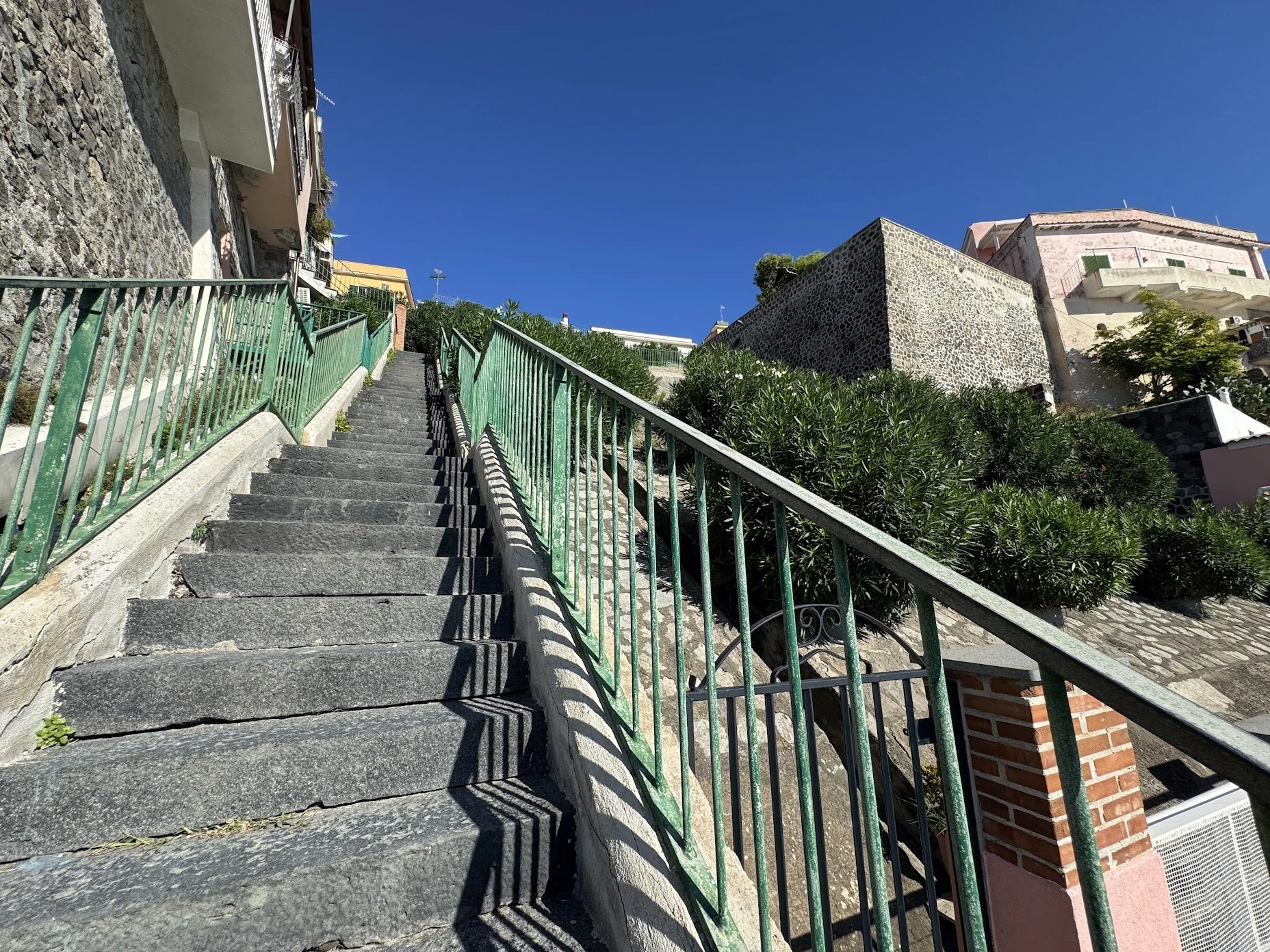
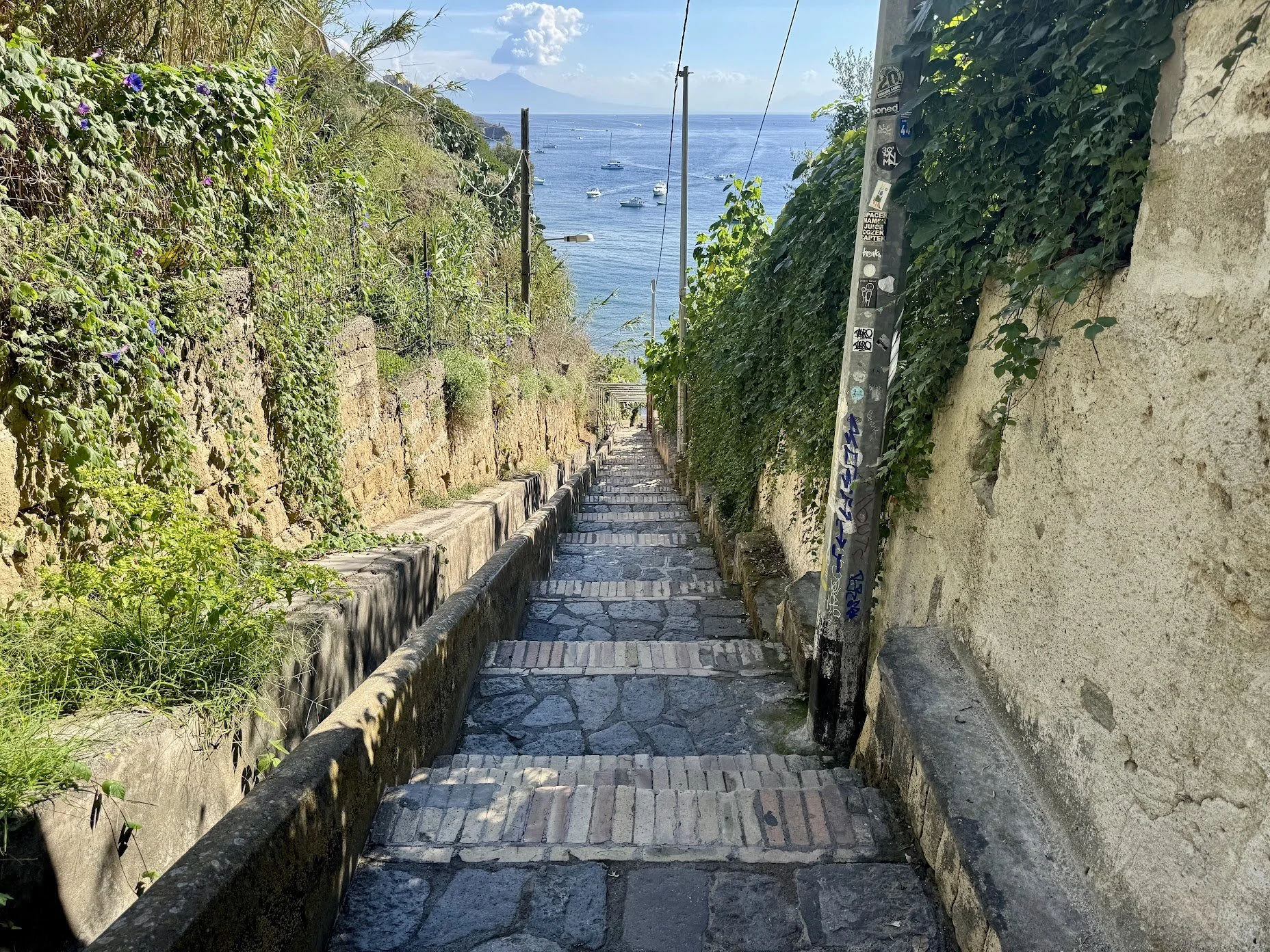
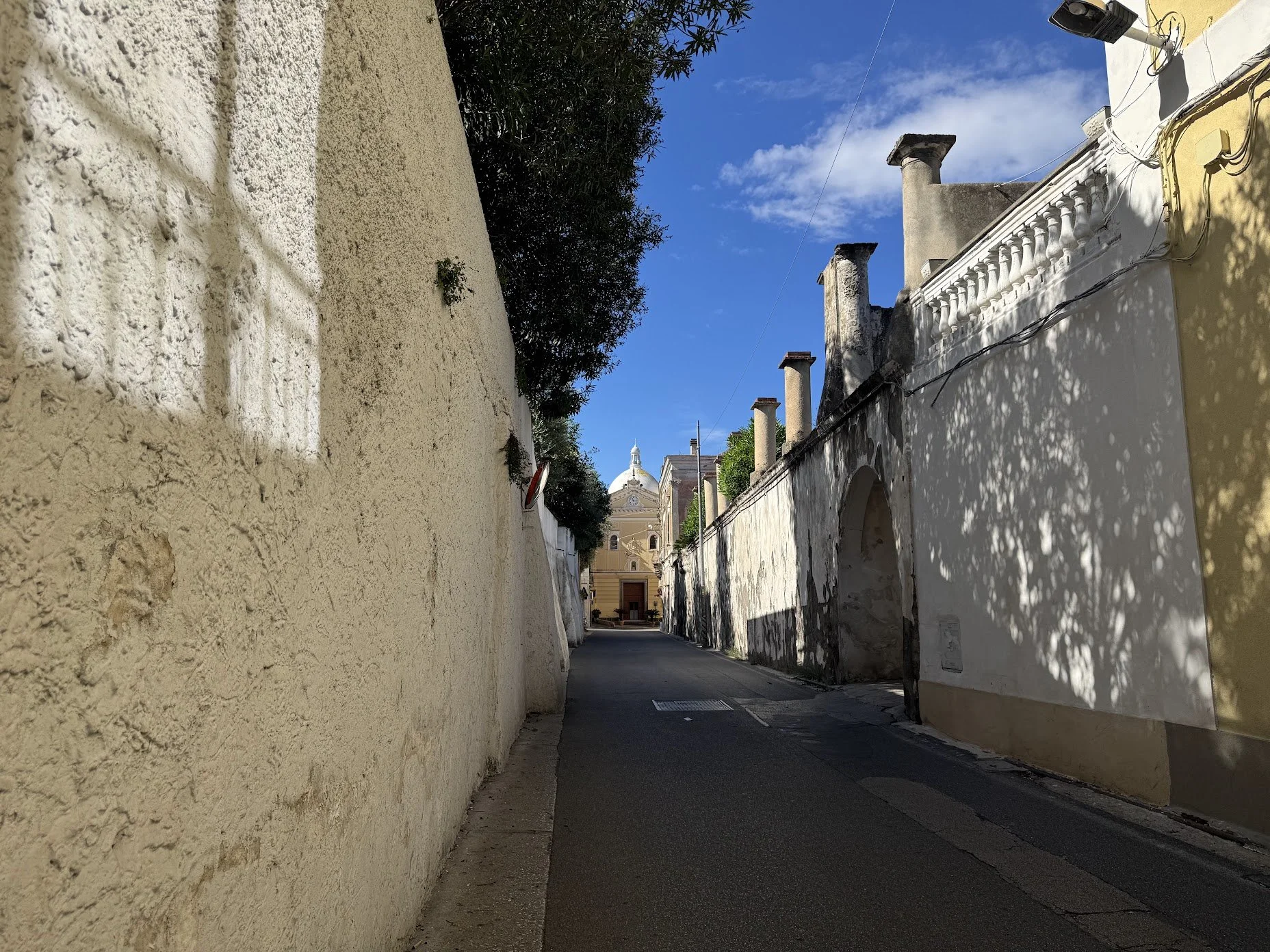
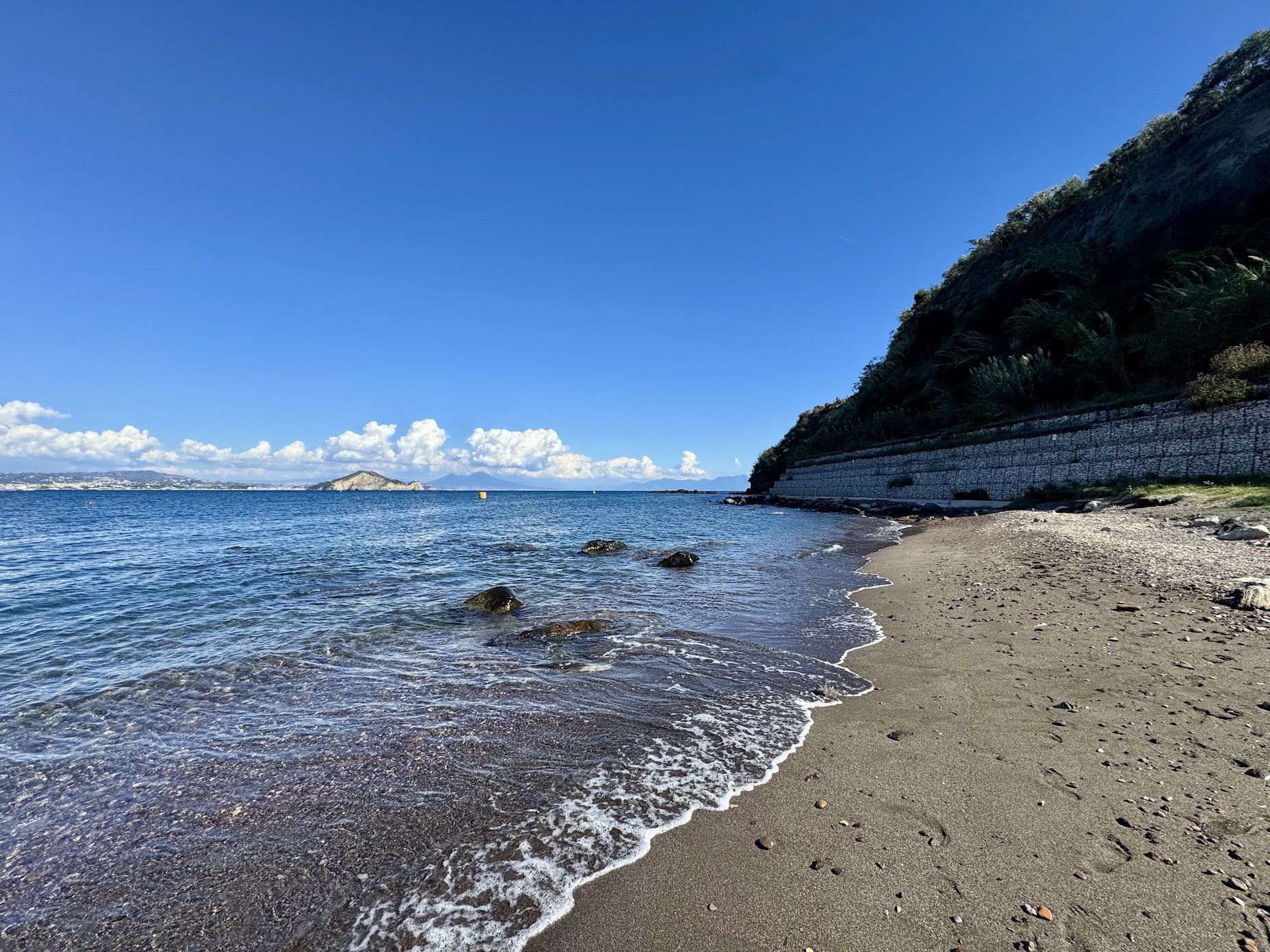
One of the things I loved most about Procida was how many beaches you can walk between in a single day. During my visit, I walked more than 11 miles exploring the island's colorful neighborhoods, scenic viewpoints, and volcanic sand beaches. That said, be prepared for a lot of walking. Many of Procida's roads are narrow and don't have sidewalks, so you'll often be sharing the road with cars, scooters, and pedestrians. It can feel a bit precarious at times, but if you're comfortable walking and don't mind paying attention to traffic, it's a rewarding way to experience the island.
Piazza Marina Grande: The heart of the ferry port and one of the liveliest areas on the island. Colorful buildings line the waterfront, with cafés and restaurants overlooking the harbor.
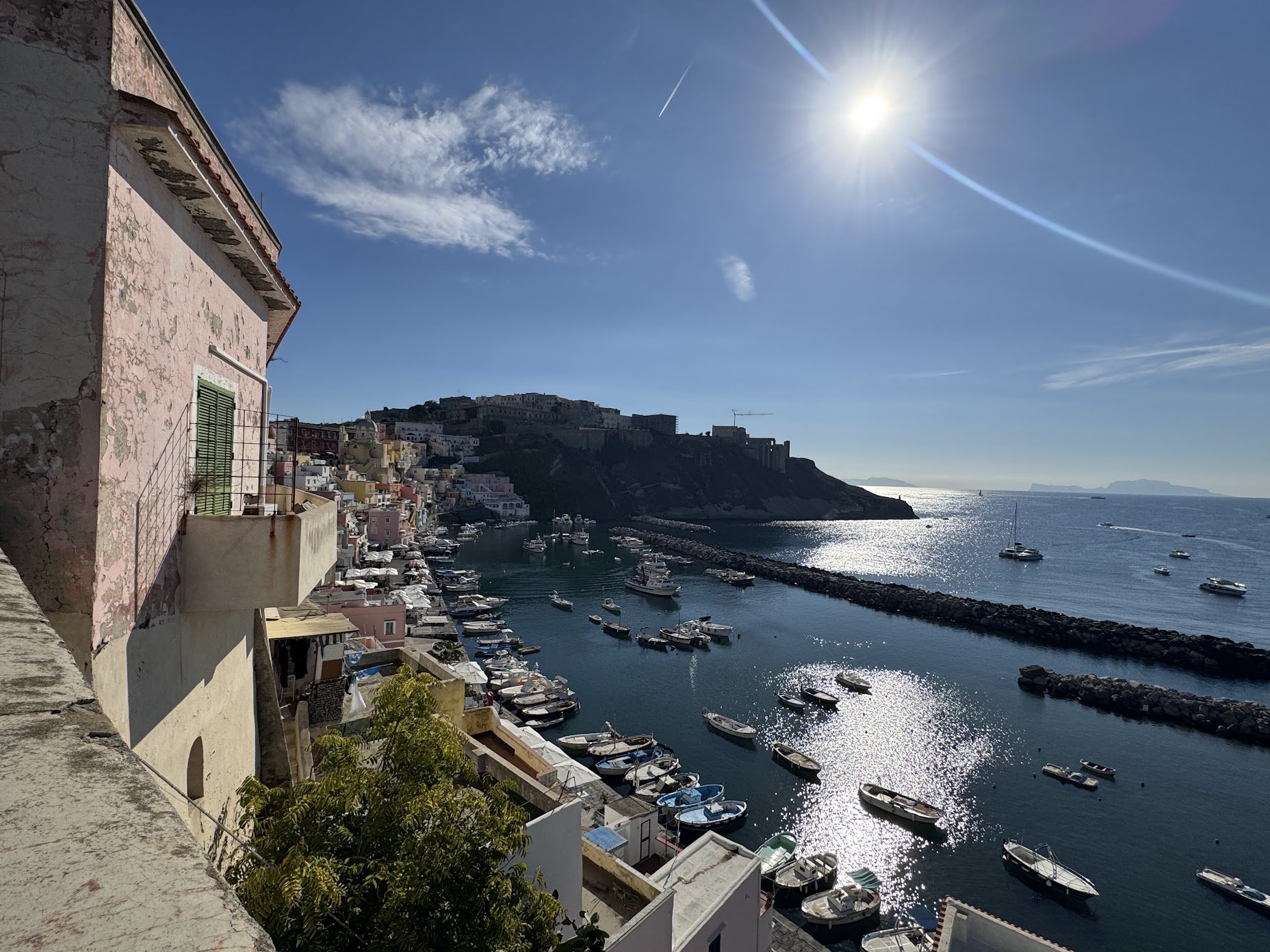
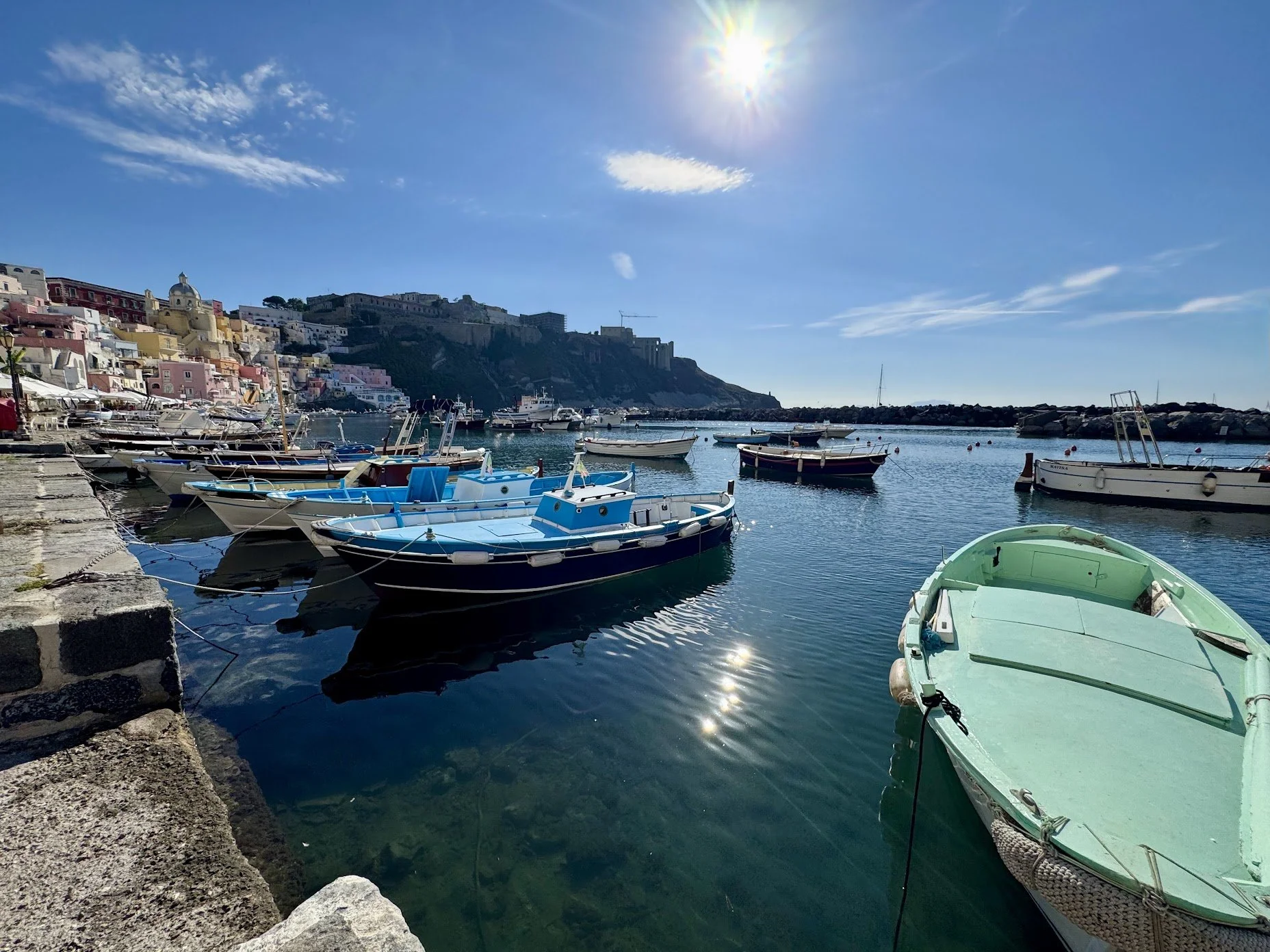
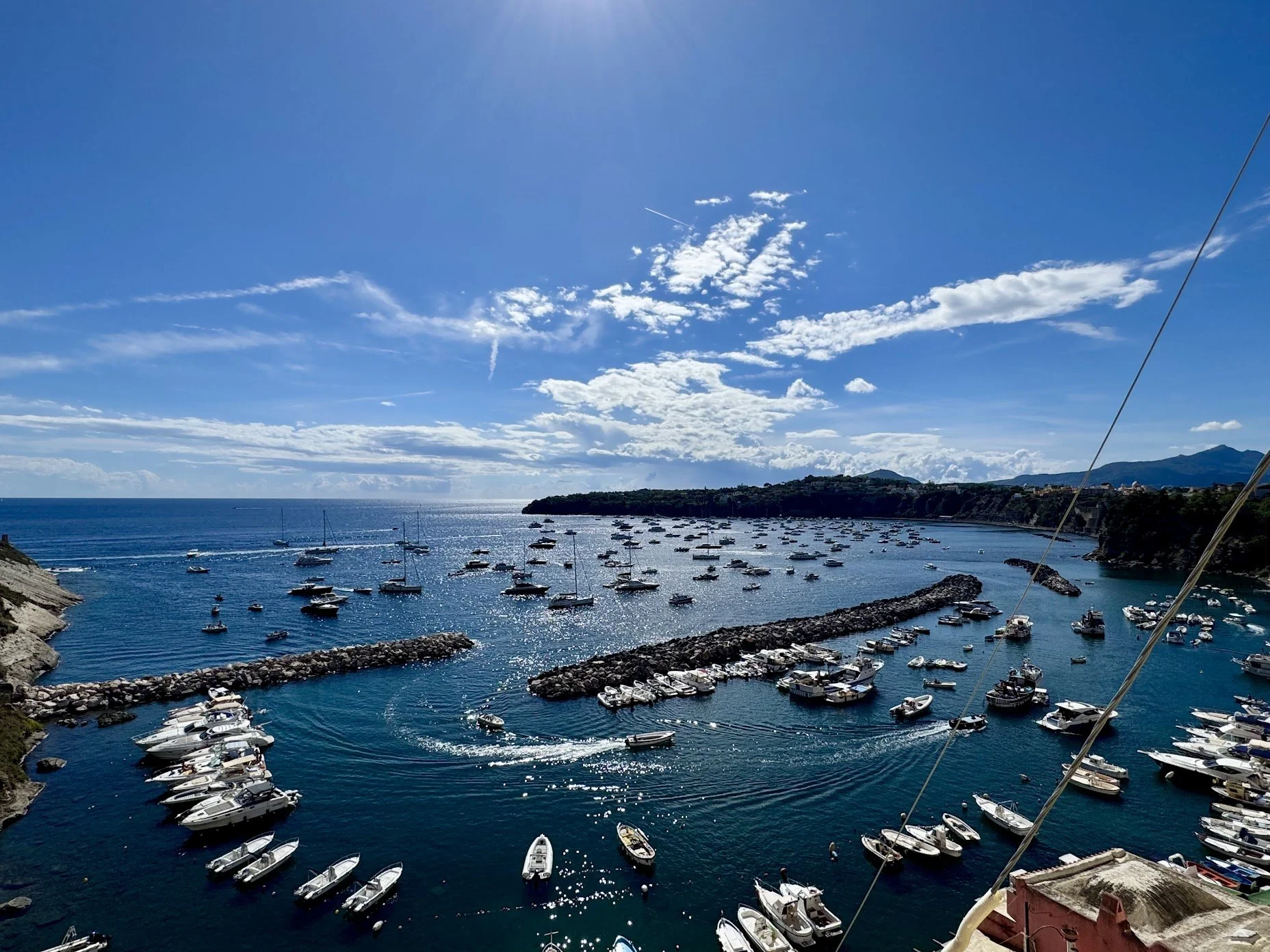
Marina di Corricella: Without question, the most picturesque part of Procida. This charming fishing village is famous for its pastel-colored homes stacked along the hillside and waterfront restaurants overlooking the harbor. It feels worlds away from the busier ports of Naples.
Borgo di Terra Murata: Perched on the island's highest point, Terra Murata is Procida's oldest neighborhood. The narrow streets, historic buildings, and quiet atmosphere are a sharp contrast to the waterfront below, while the views across the Bay of Naples are some of the best on the island.
Palazzo d'Avalos: Dominating the skyline above Terra Murata is Palazzo d'Avalos, a former royal palace that later served as a prison for nearly two centuries. Although the interior isn't always open to visitors, it's an impressive landmark and an important part of Procida's history.
Belvedere Elsa Morante: One of the island's most scenic viewpoints, overlooking Marina di Corricella and the colorful fishing village below. It's one of the best places for panoramic photos.
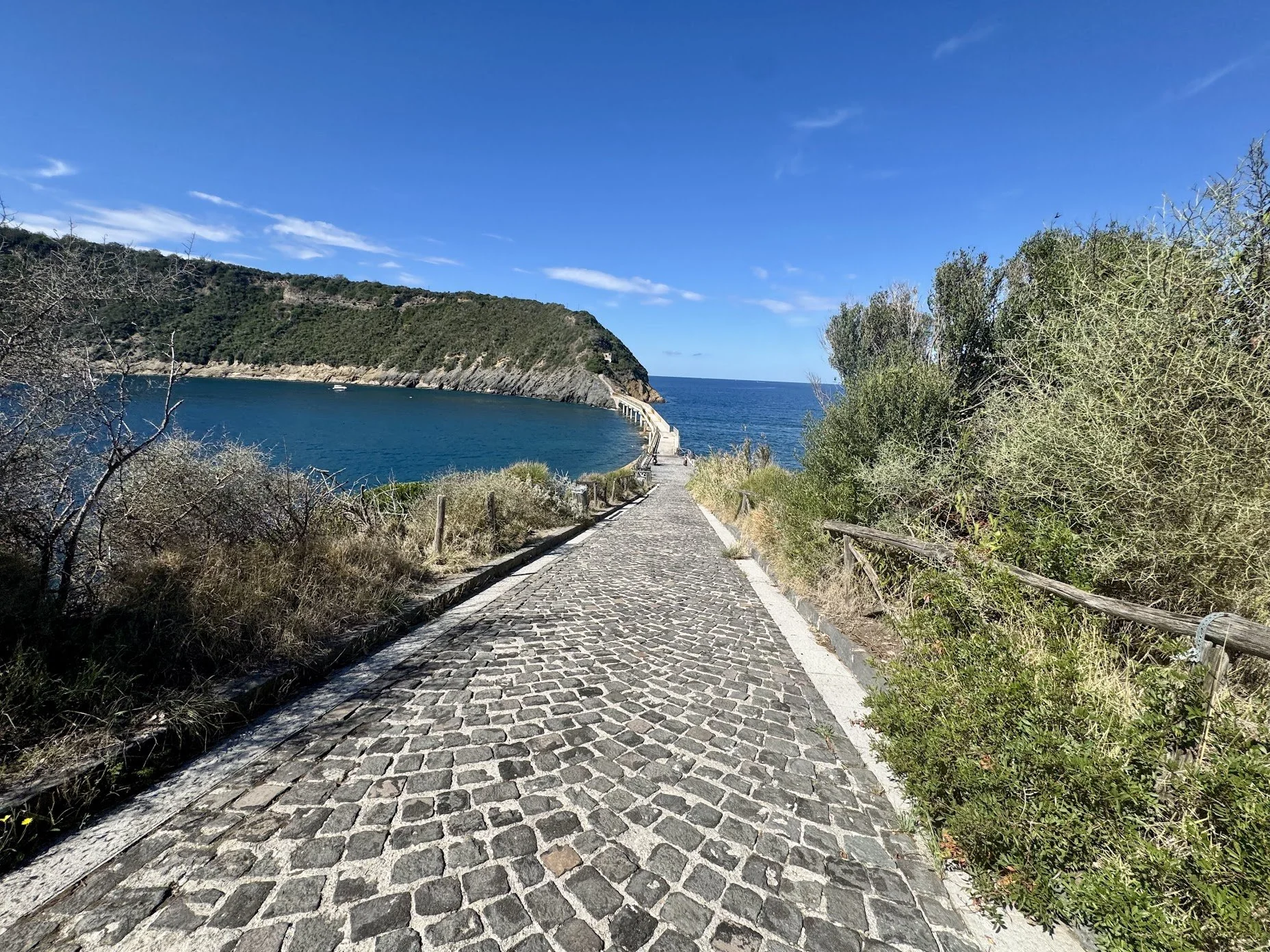
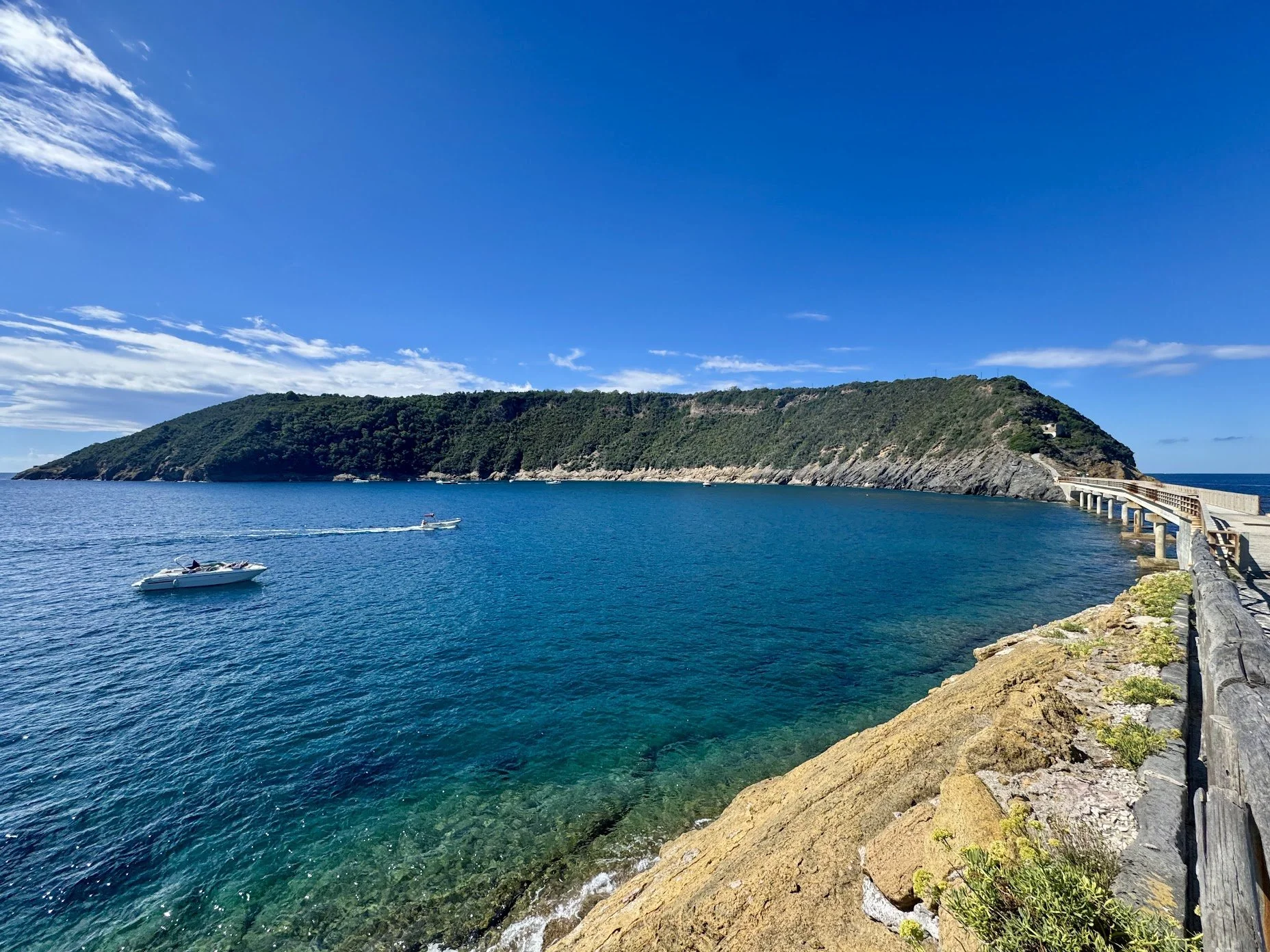
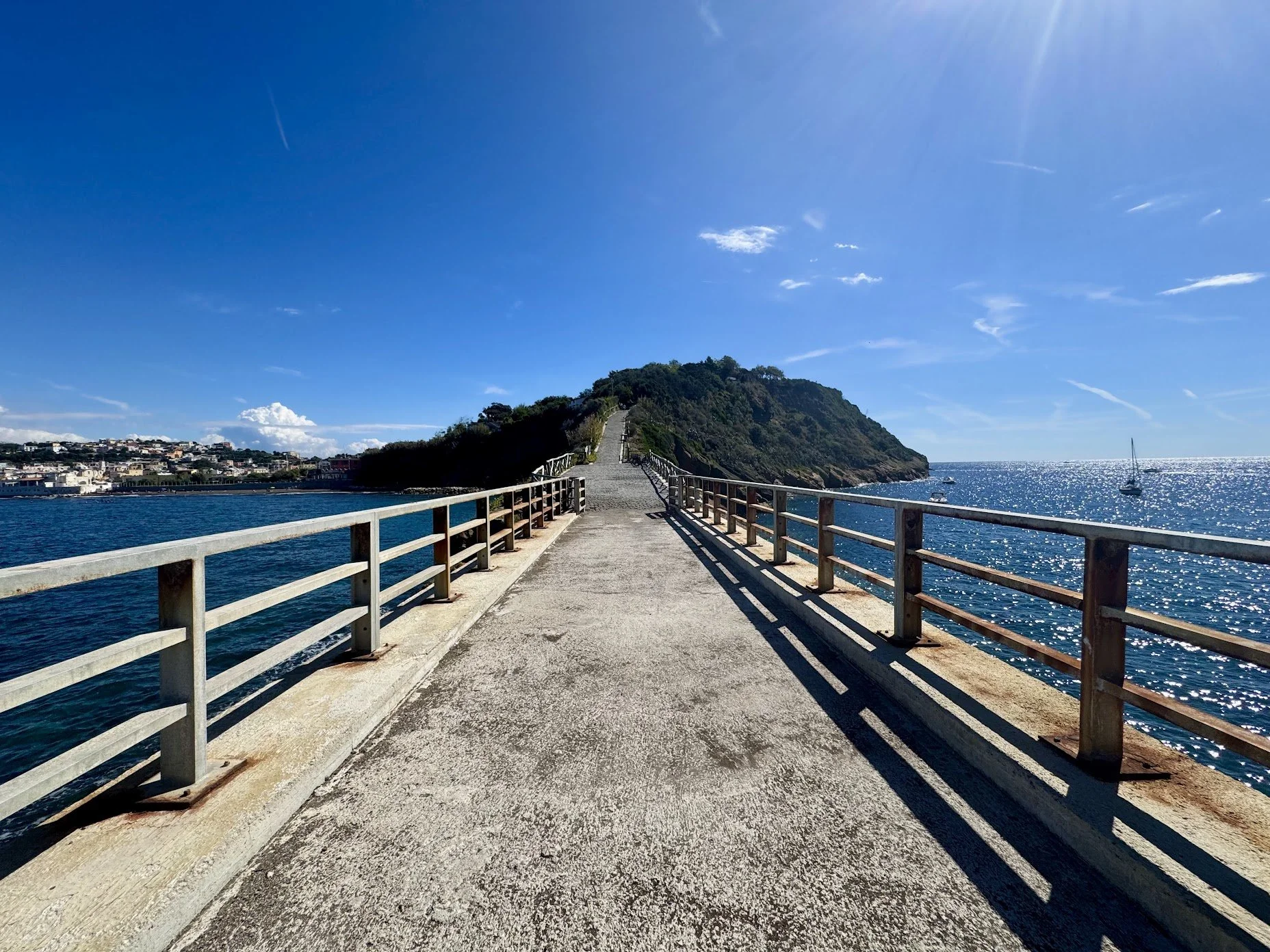
Ponte di Vivara: A pedestrian bridge connects Procida with the small protected island of Vivara, a nature reserve known for its walking trails, wildlife, and coastal scenery. Even if you don't explore the reserve itself, the views from the bridge are worth the walk.
Marina di Procida: Another waterfront area where fishing boats and ferries come and go, offering a quieter look at daily life on the island.
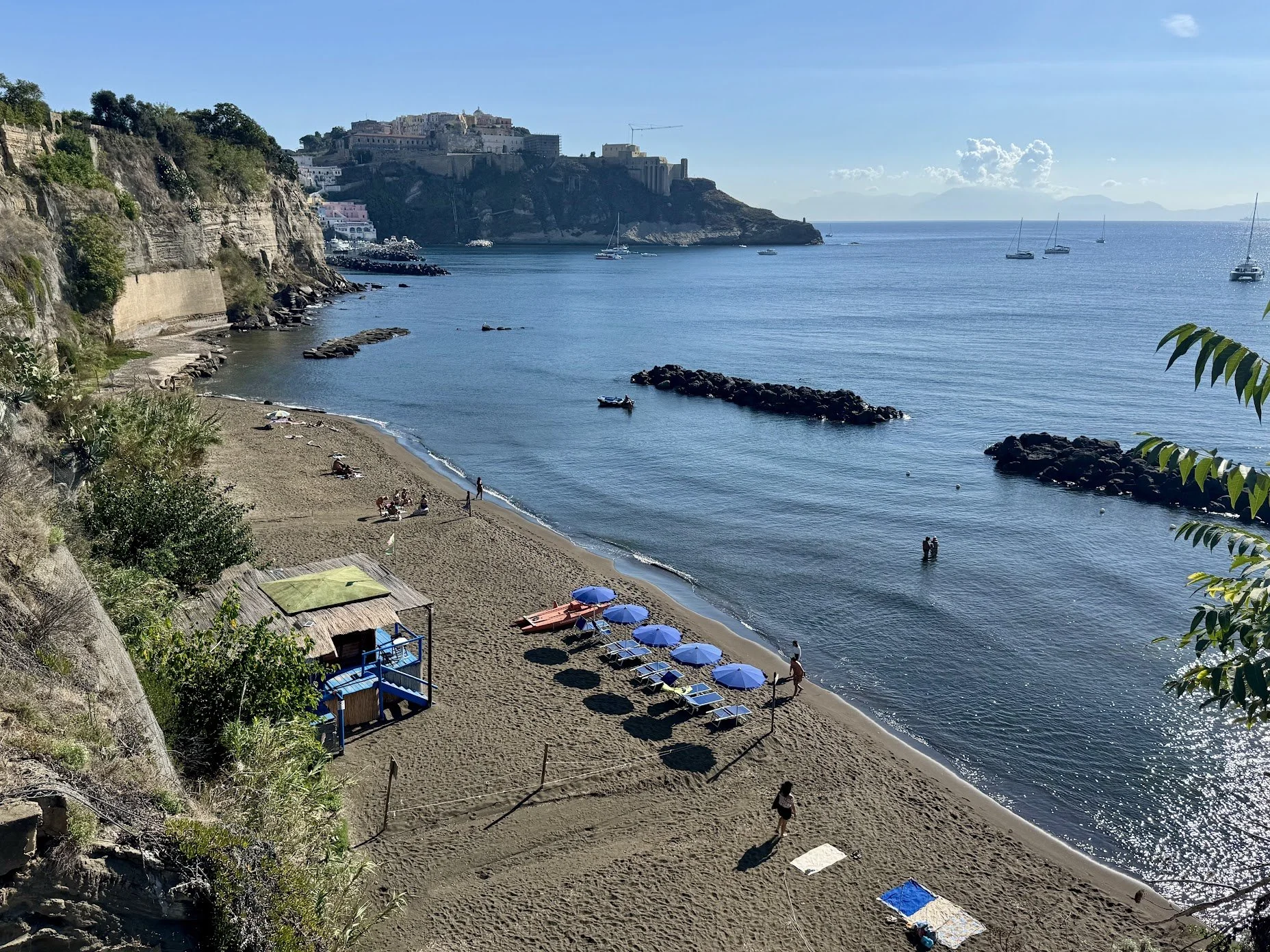
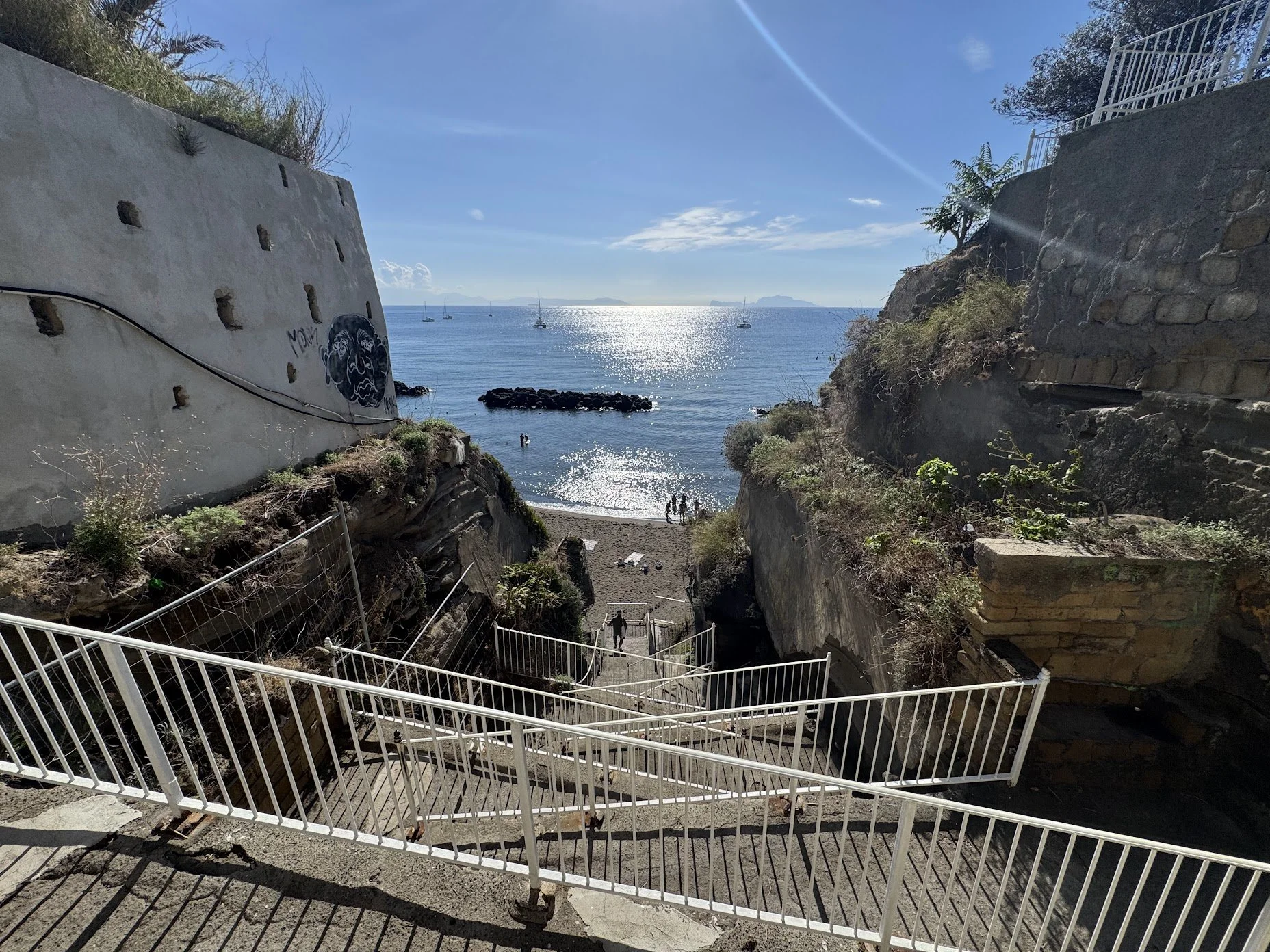
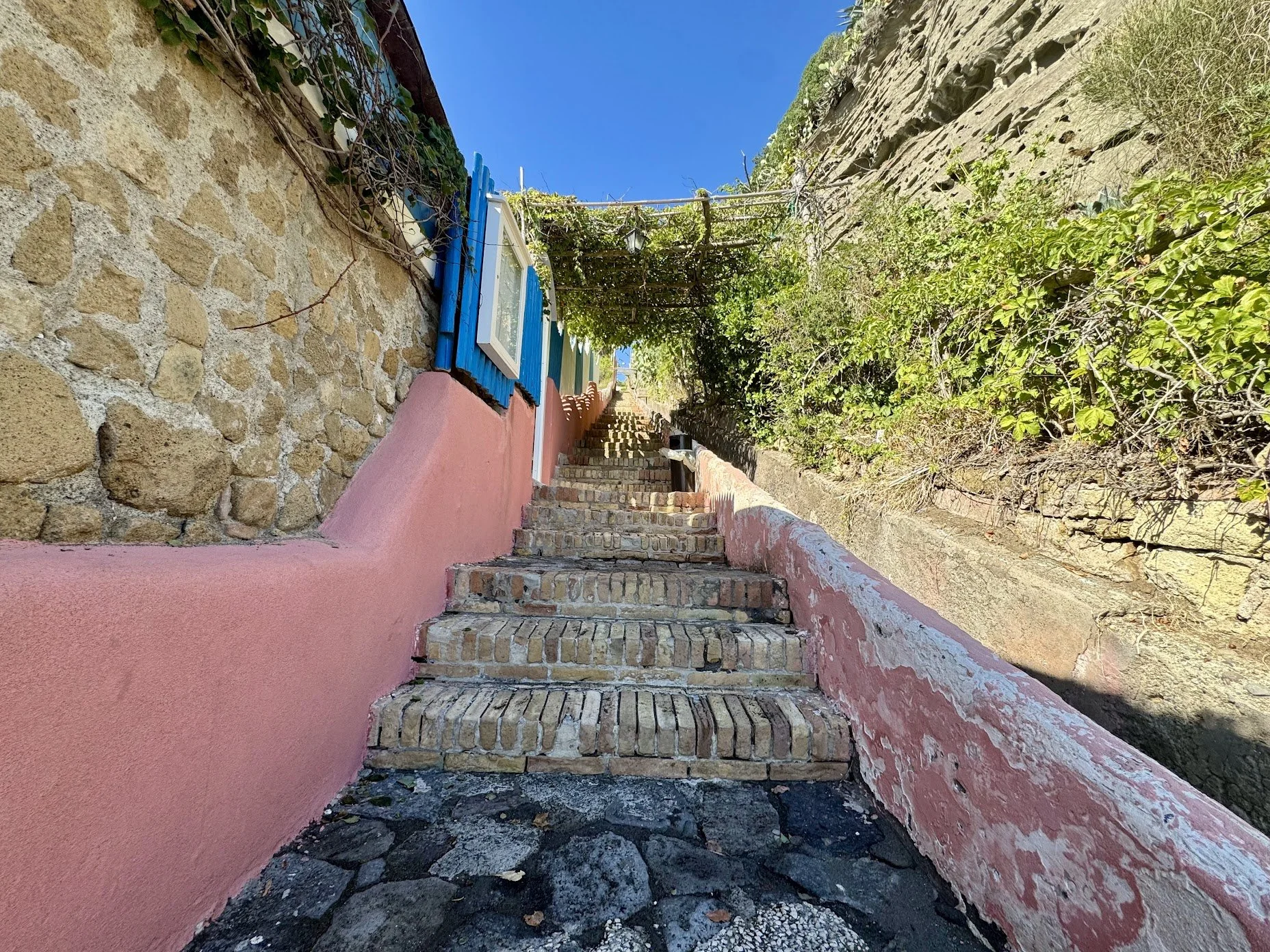
Spiaggia della Chiaia: Reached by a long staircase, this peaceful black sand beach offers beautiful views back toward Terra Murata and Marina di Corricella.
Spiaggia di Ciraccio: One of the island's largest beaches, known for its volcanic sand, dramatic sea stacks, and wide-open shoreline. It's a great place to relax or spend a few hours swimming.
Spiaggia del Postino (Pozzo Vecchio Beach): This quiet cove became famous after appearing in the film Il Postino. It's smaller than some of the other beaches but has a peaceful atmosphere.
Spiaggia della Chiaiolella: Located near Marina Chiaiolella, this is Procida's largest and most popular beach. The calm water makes it an ideal place for swimming, and there are several restaurants nearby.
Spiaggia della Silurenza: Just a short walk from the ferry terminal, this small beach is convenient if you're looking for a quick swim before or after your ferry.
Spiaggia della Lingua: A small beach near Marina Grande with nice views back toward the harbor and passing boats.
Spiaggia di Via dei Bagni: A quieter stretch of shoreline that offers another opportunity to enjoy the island's volcanic coastline away from the busiest areas.
If you're deciding between Capri and Procida, my recommendation depends on the type of trip you're looking for. Capri is famous for luxury shopping, upscale hotels, and dramatic scenery. Procida offers a slower pace, fewer crowds, and a more authentic glimpse of everyday island life. For me, Procida was the perfect choice.
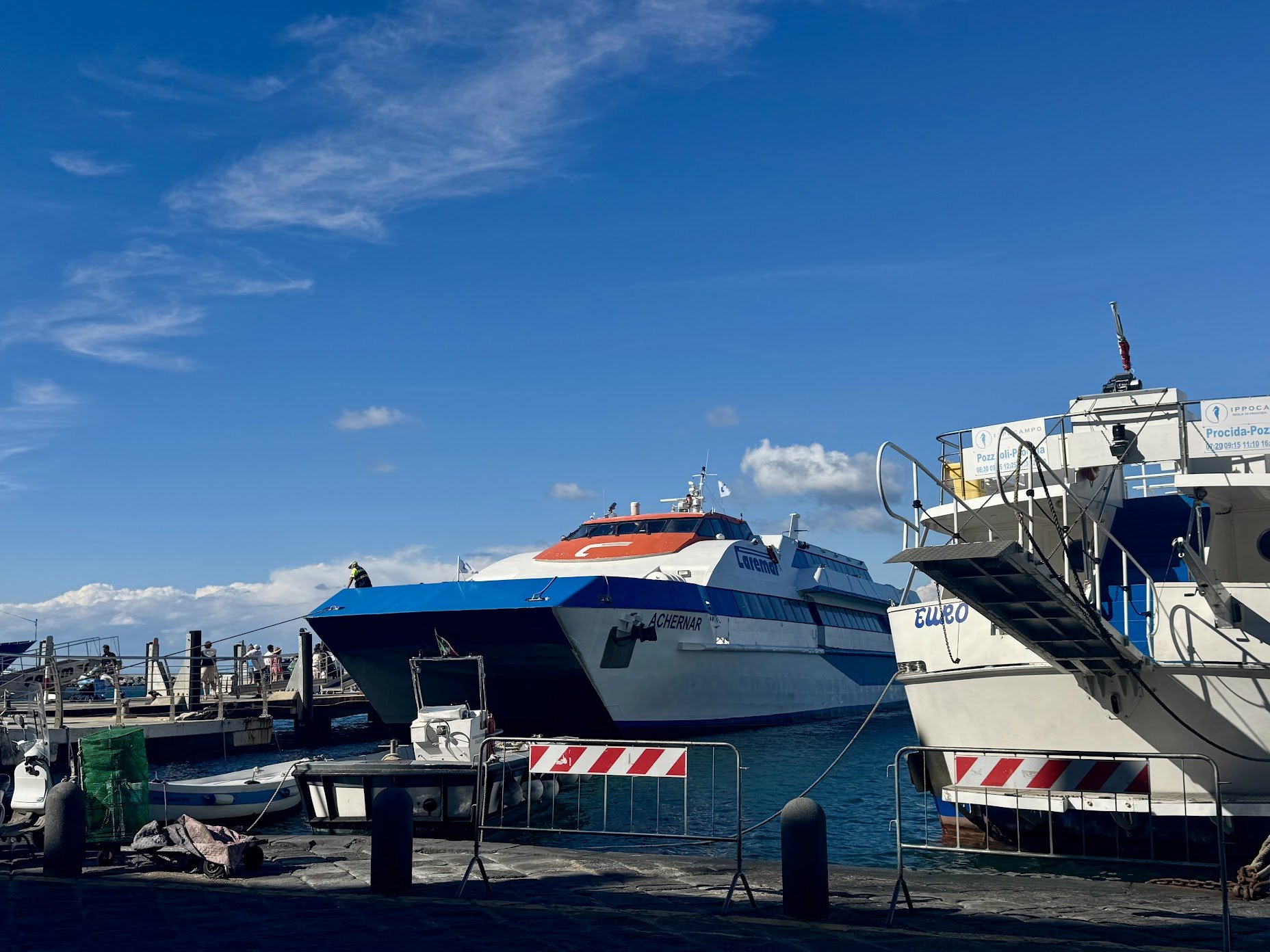
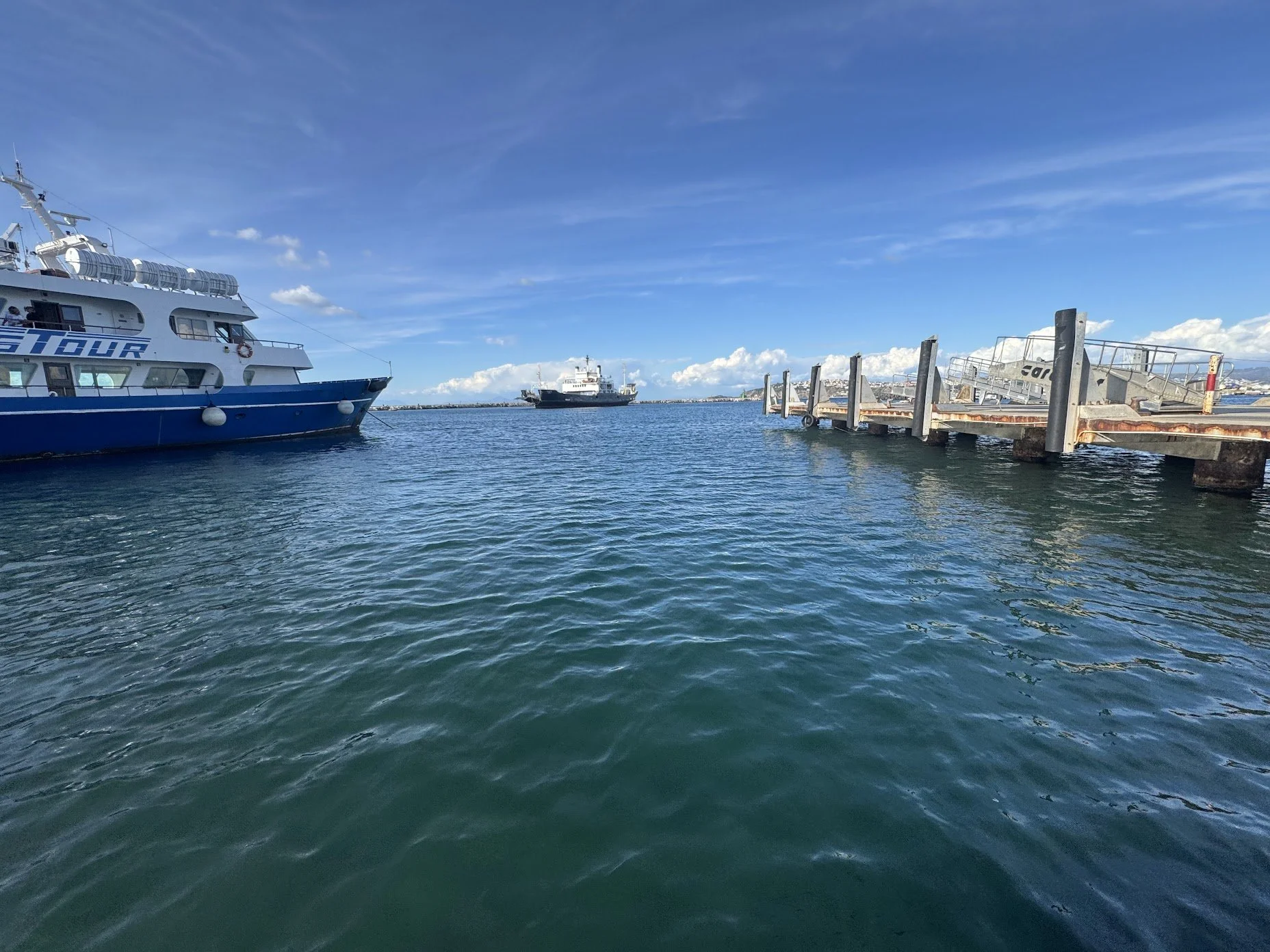
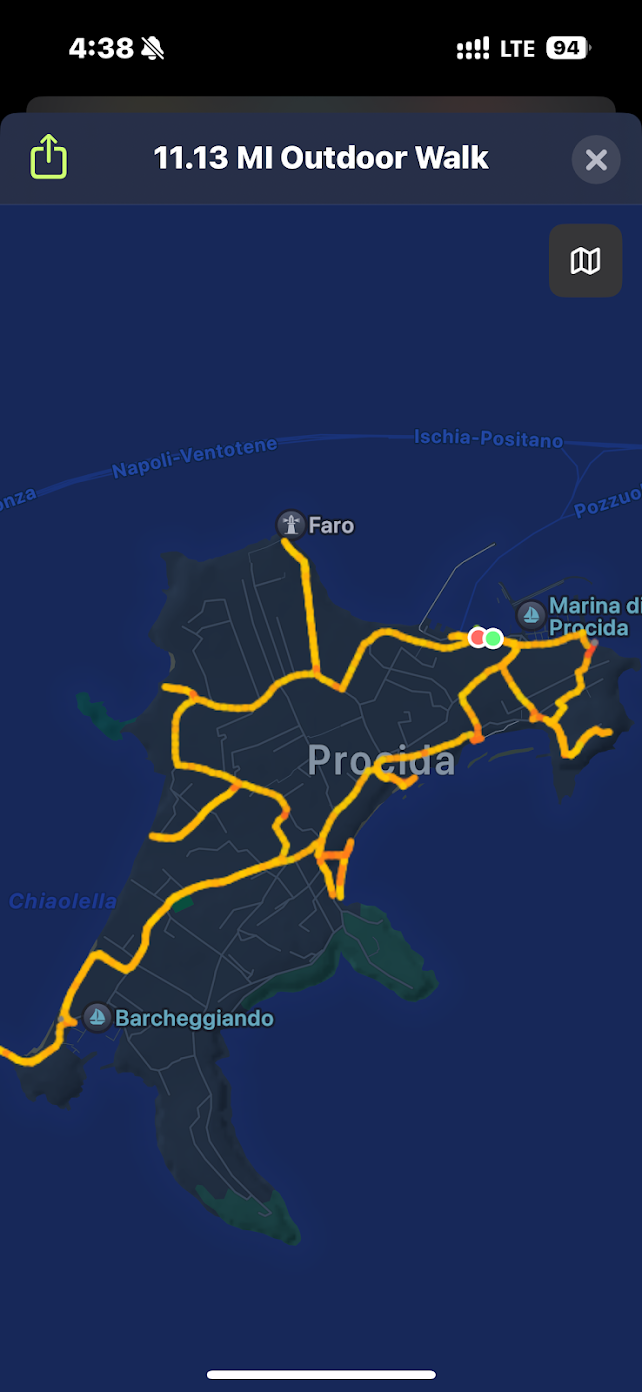
Day Trip: The Amalfi Coast
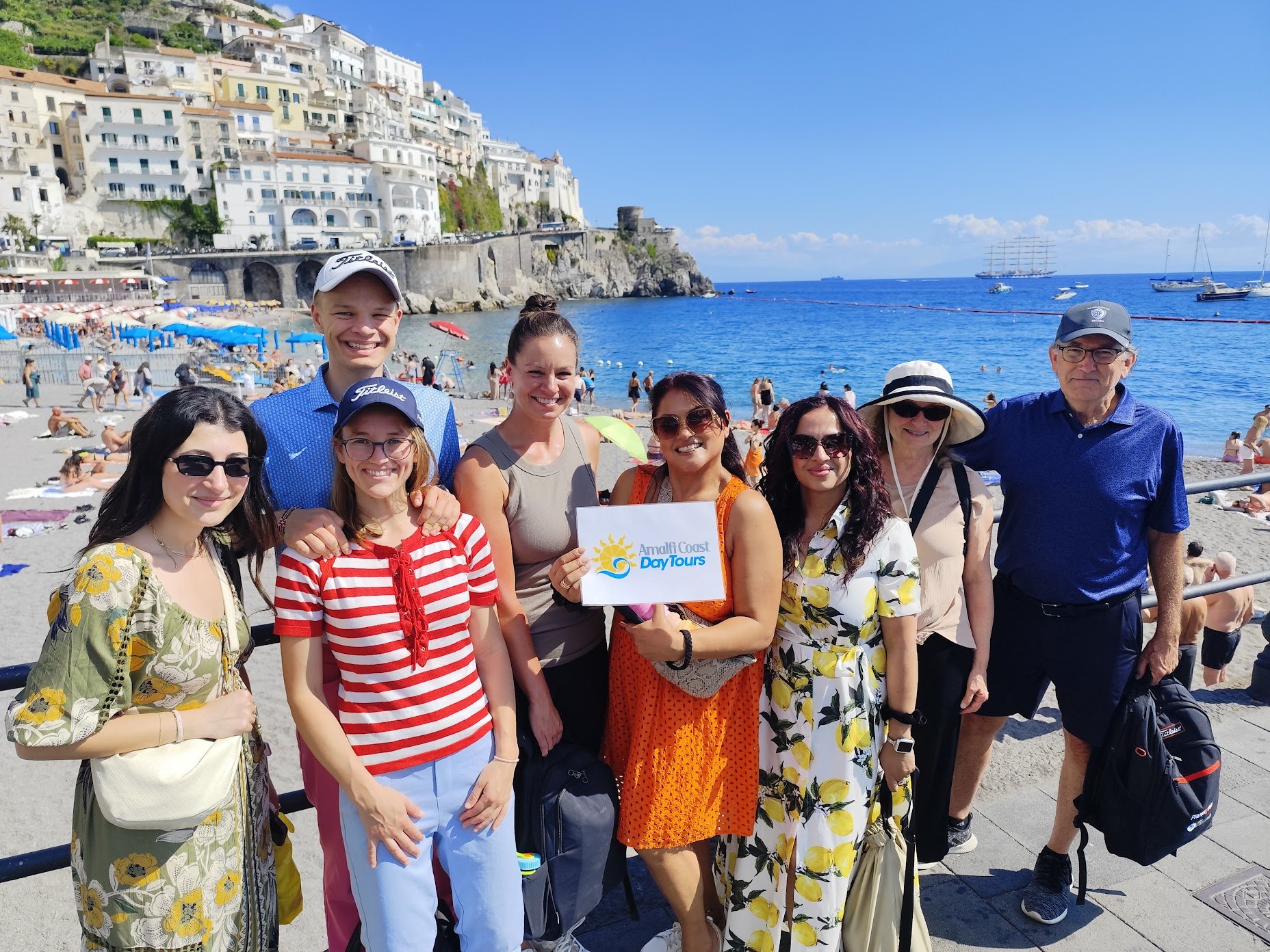
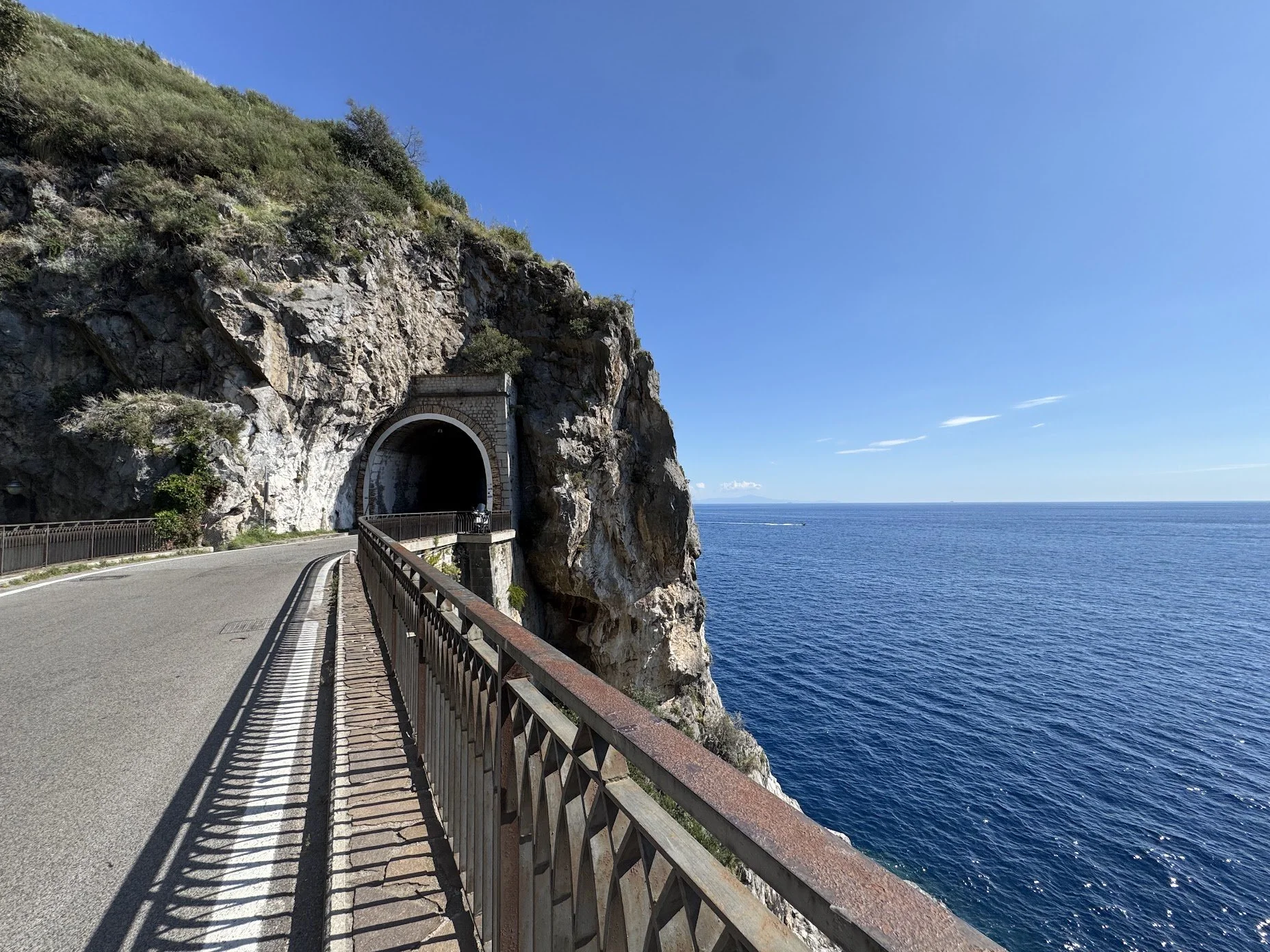
My second day trip was a guided tour of the Amalfi Coast. I debated trying to navigate the coast using public transportation, but ultimately decided a small-group tour would be the most efficient way to visit multiple towns in a single day.
The tour departed from Naples and included one-hour stops in Ravello, Amalfi, and Positano. While an hour isn't nearly enough time to fully experience each destination, it was enough to get a feel for the unique personality of each town.
Ravello
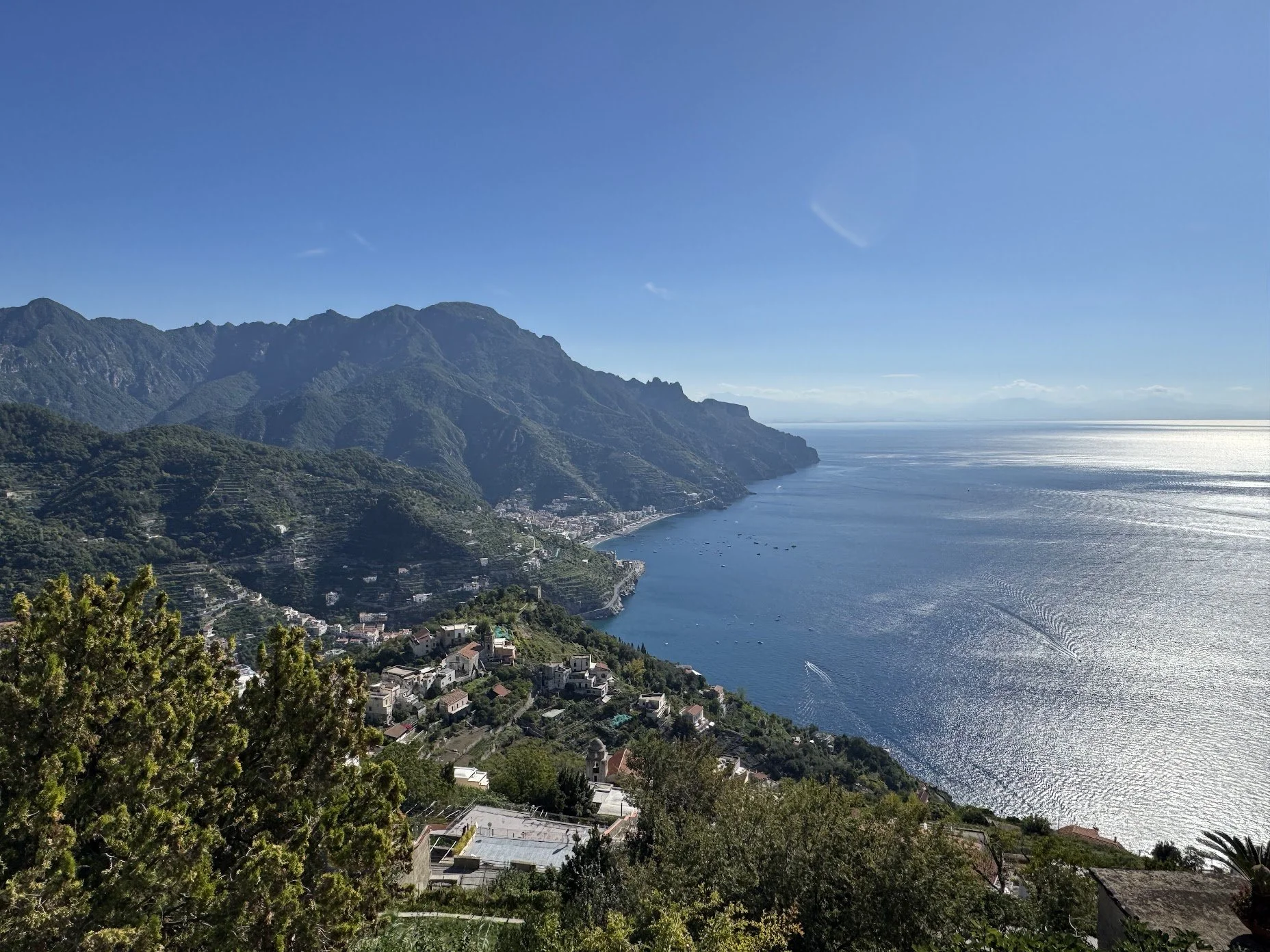
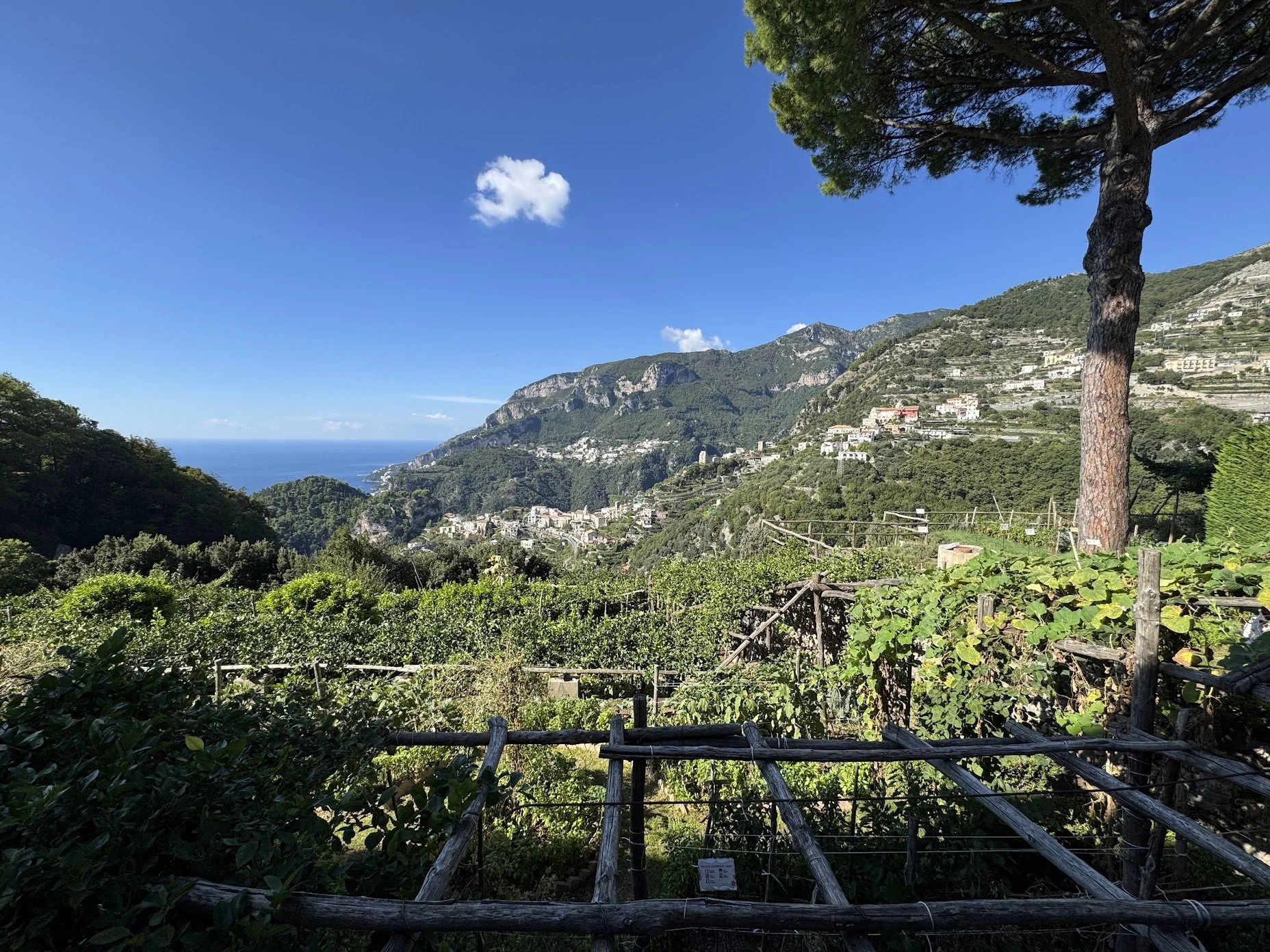
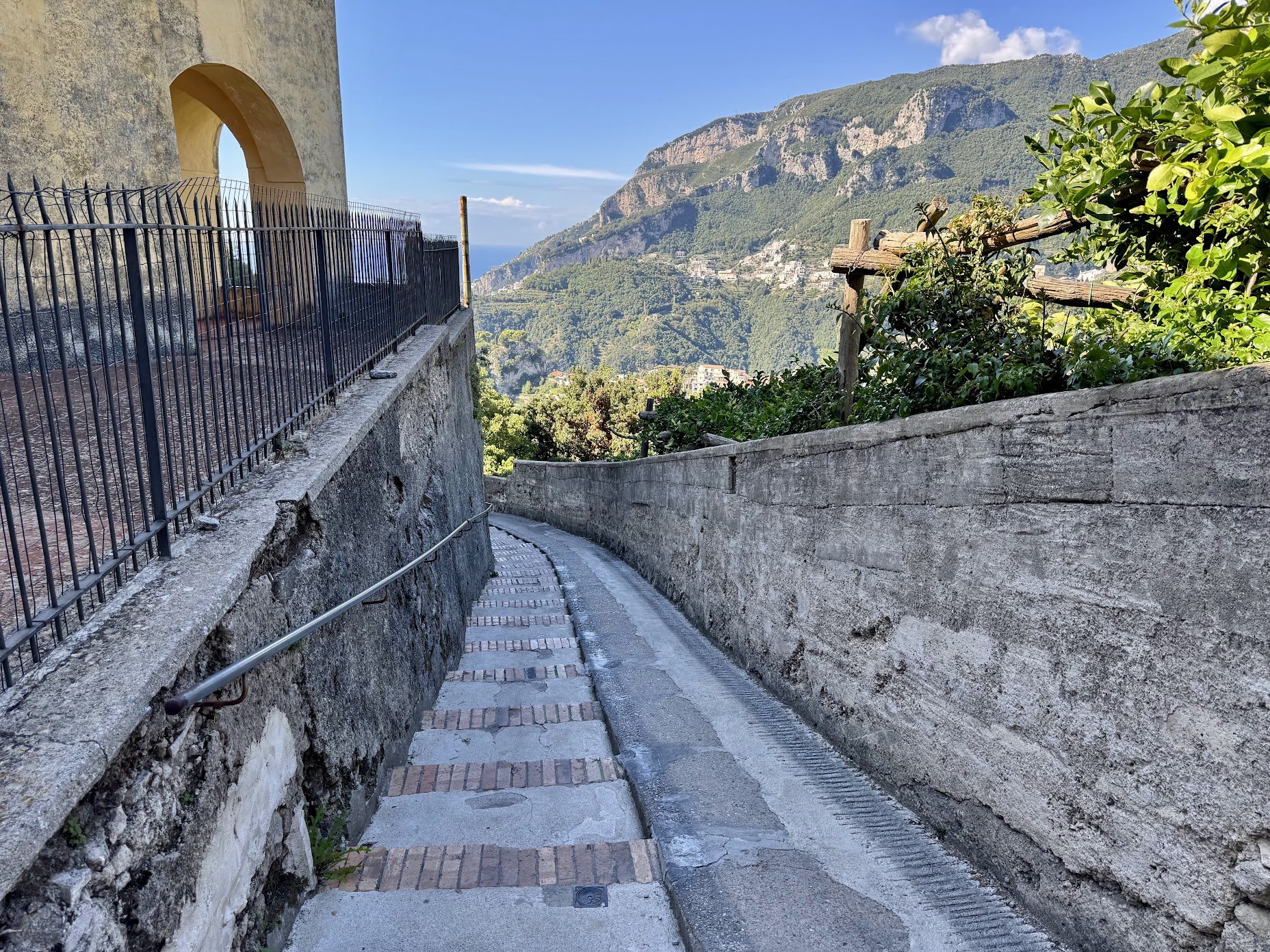
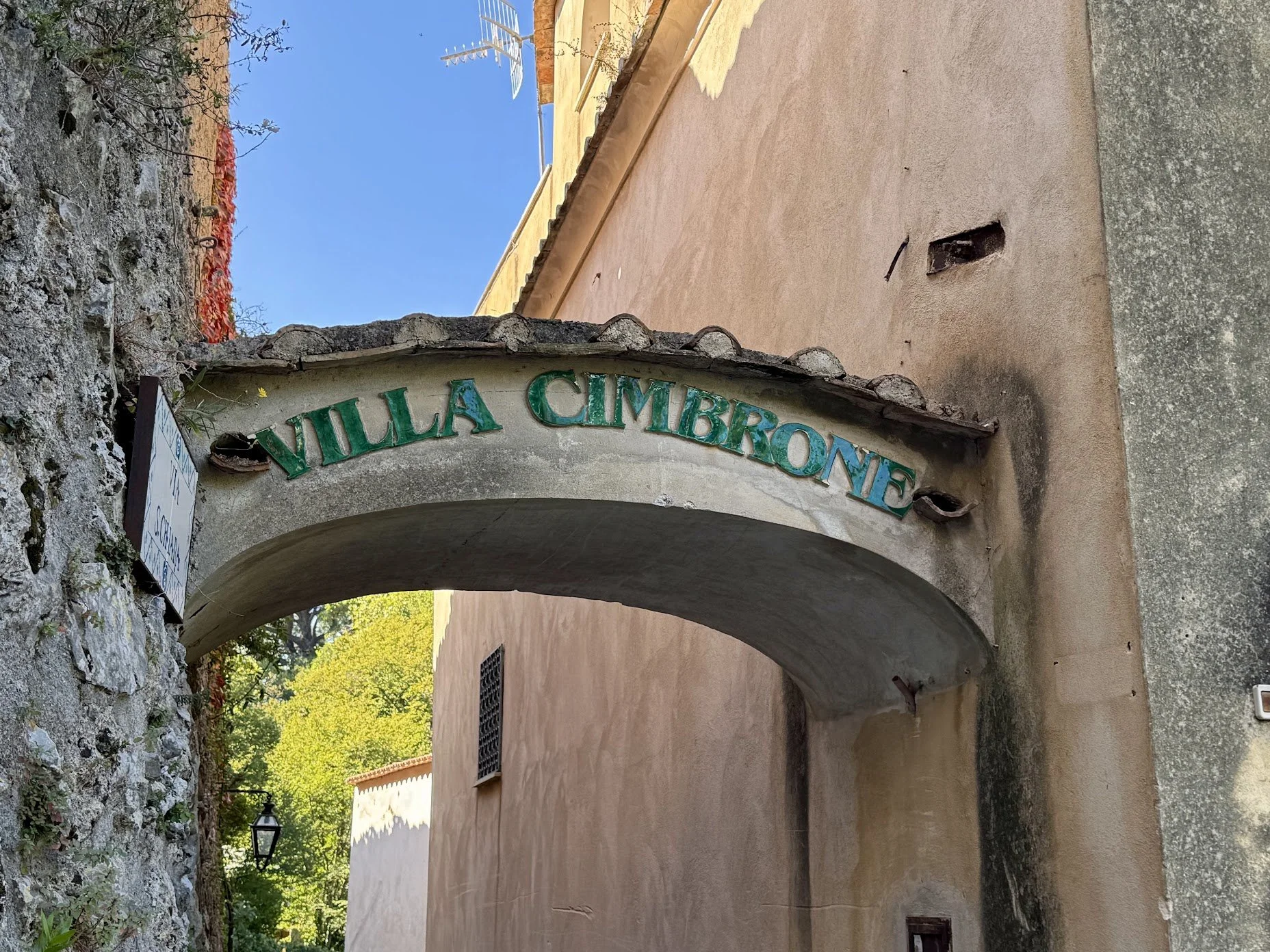
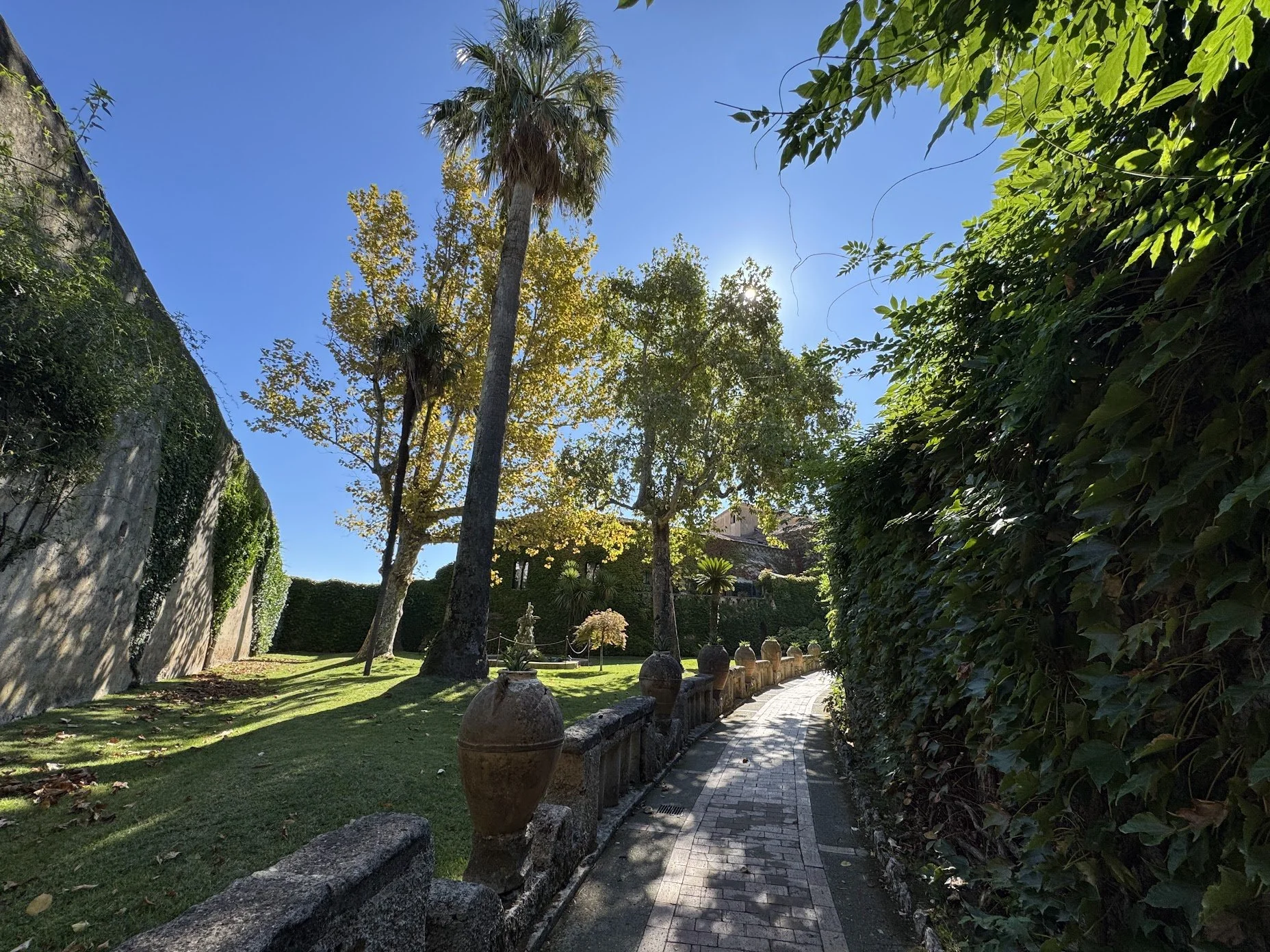
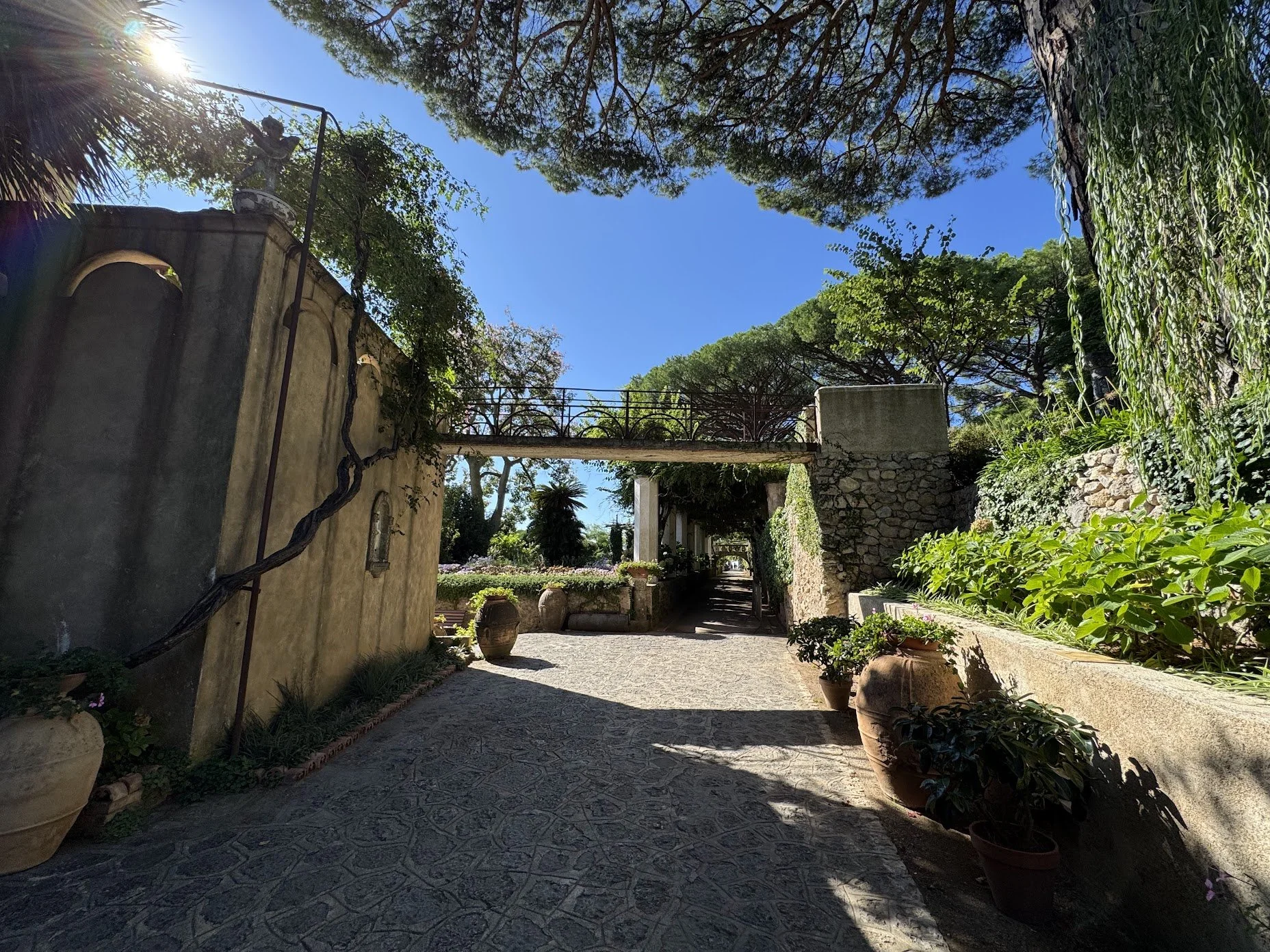
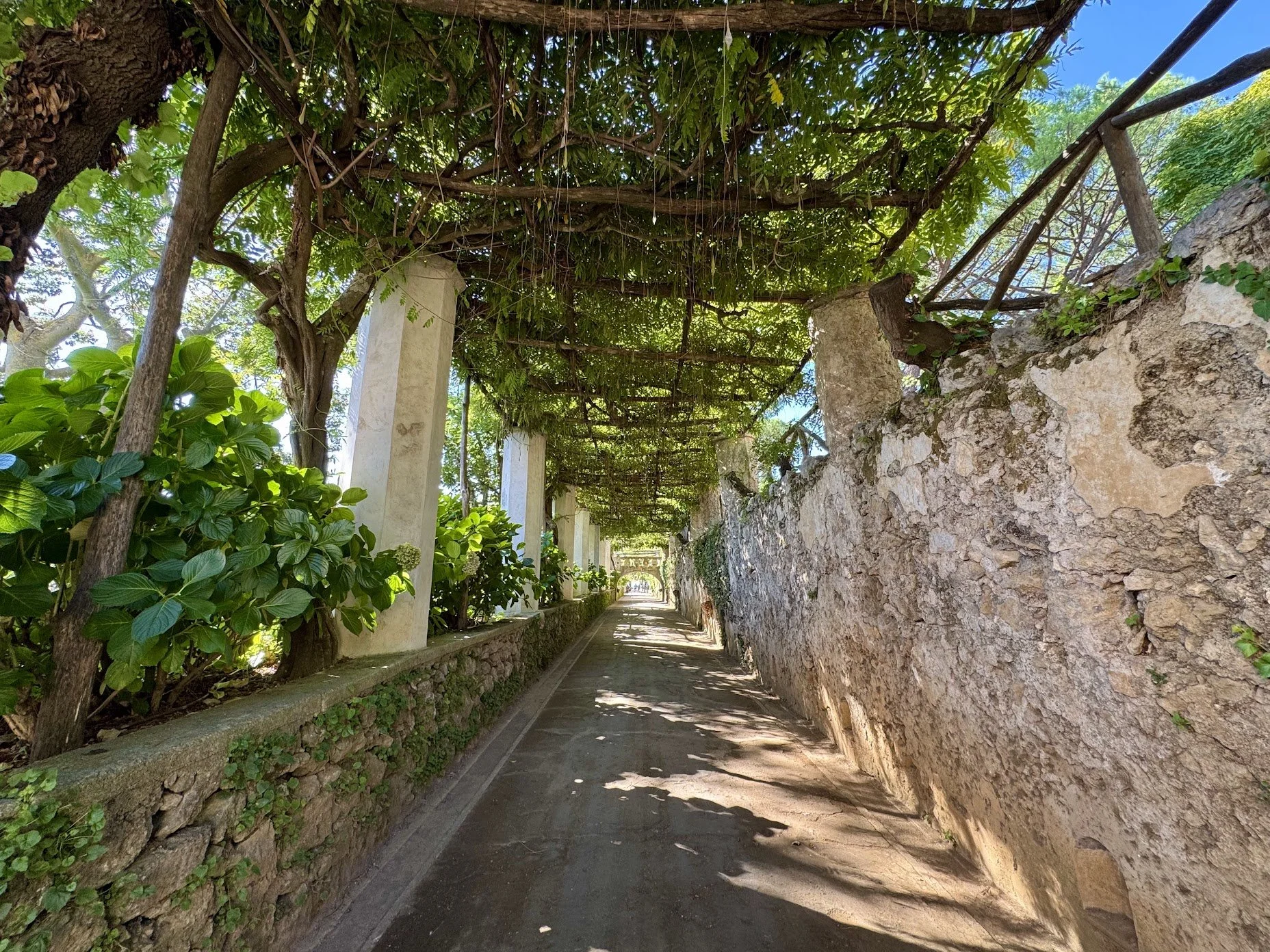
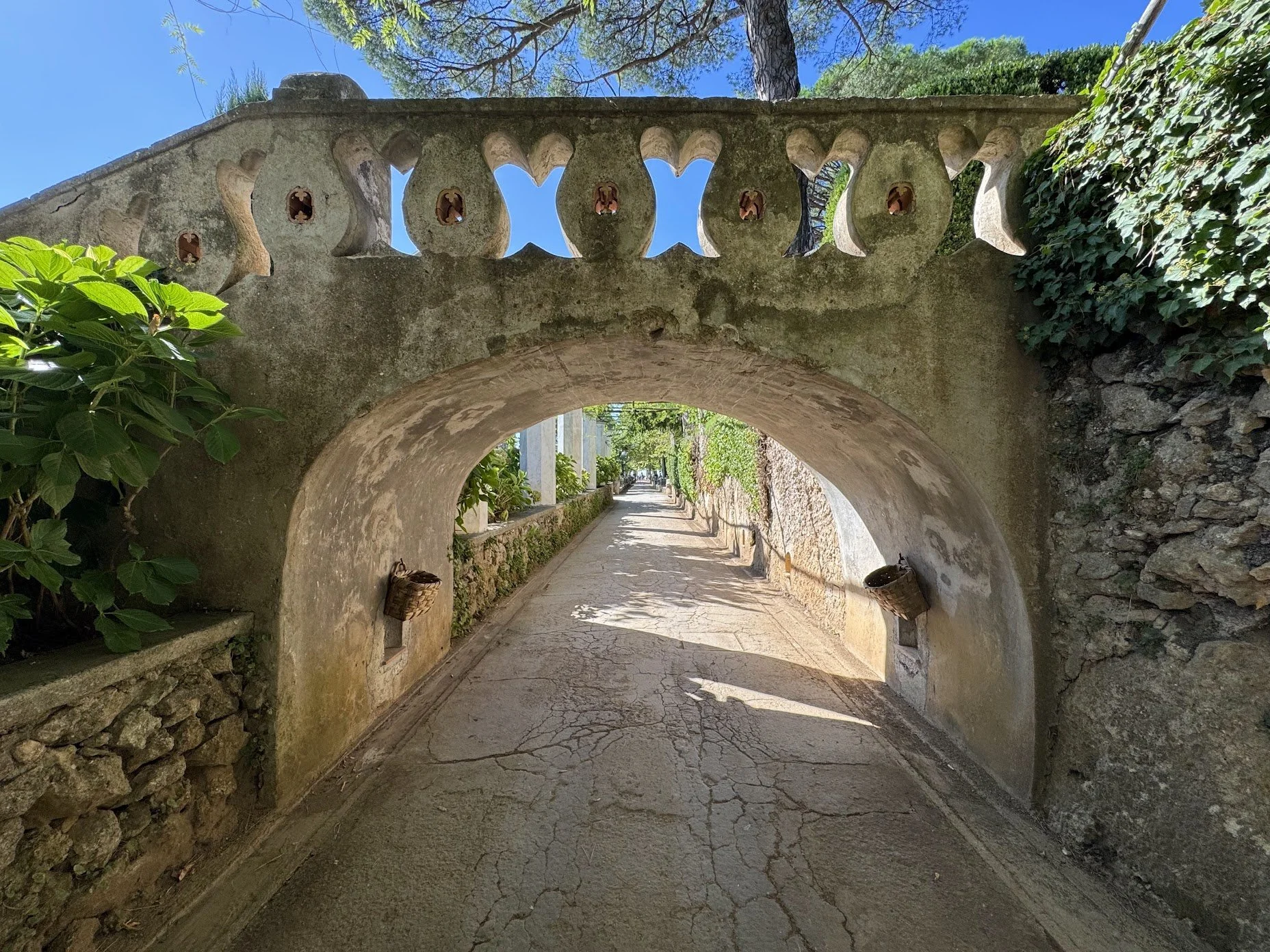
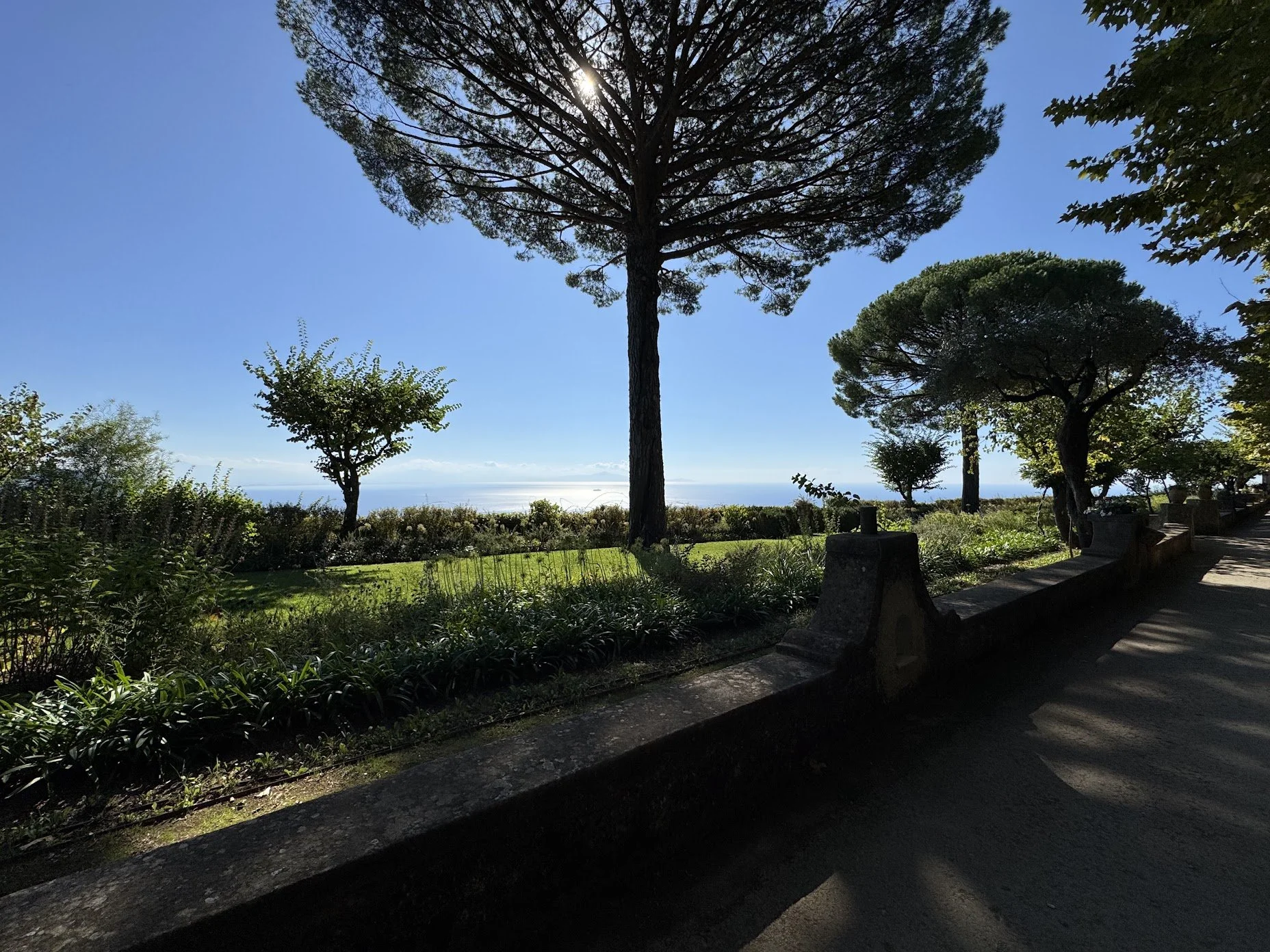
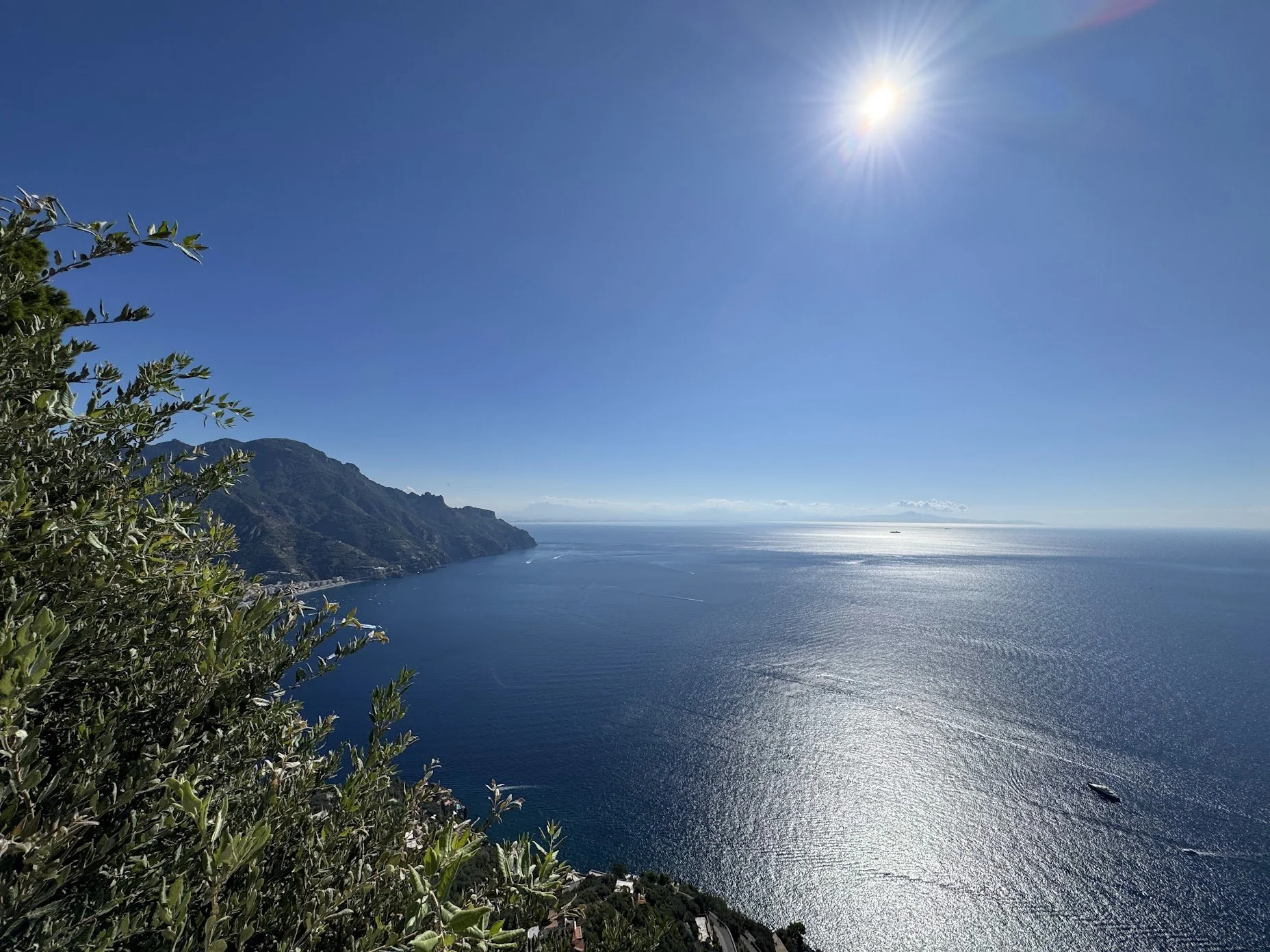
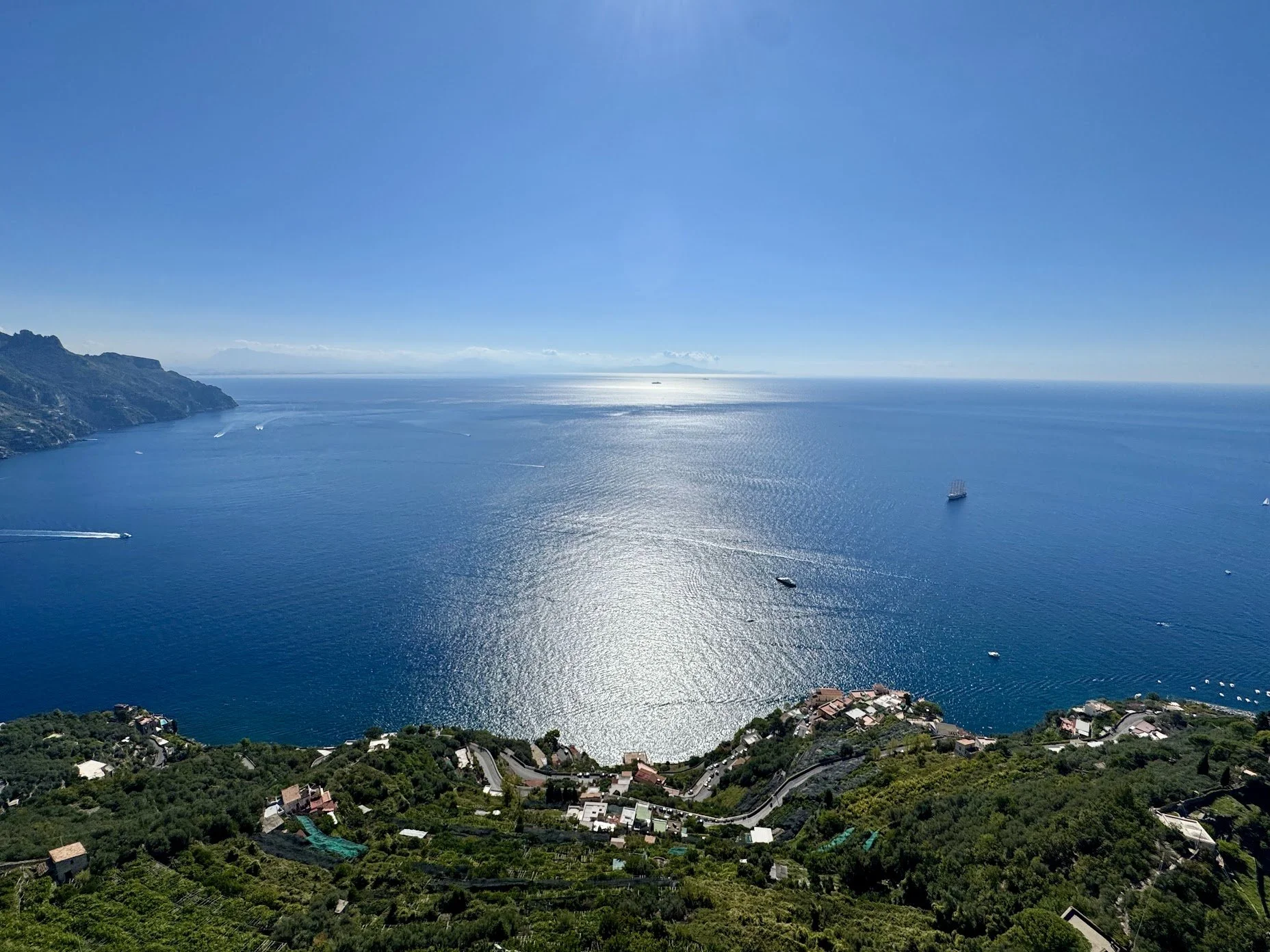
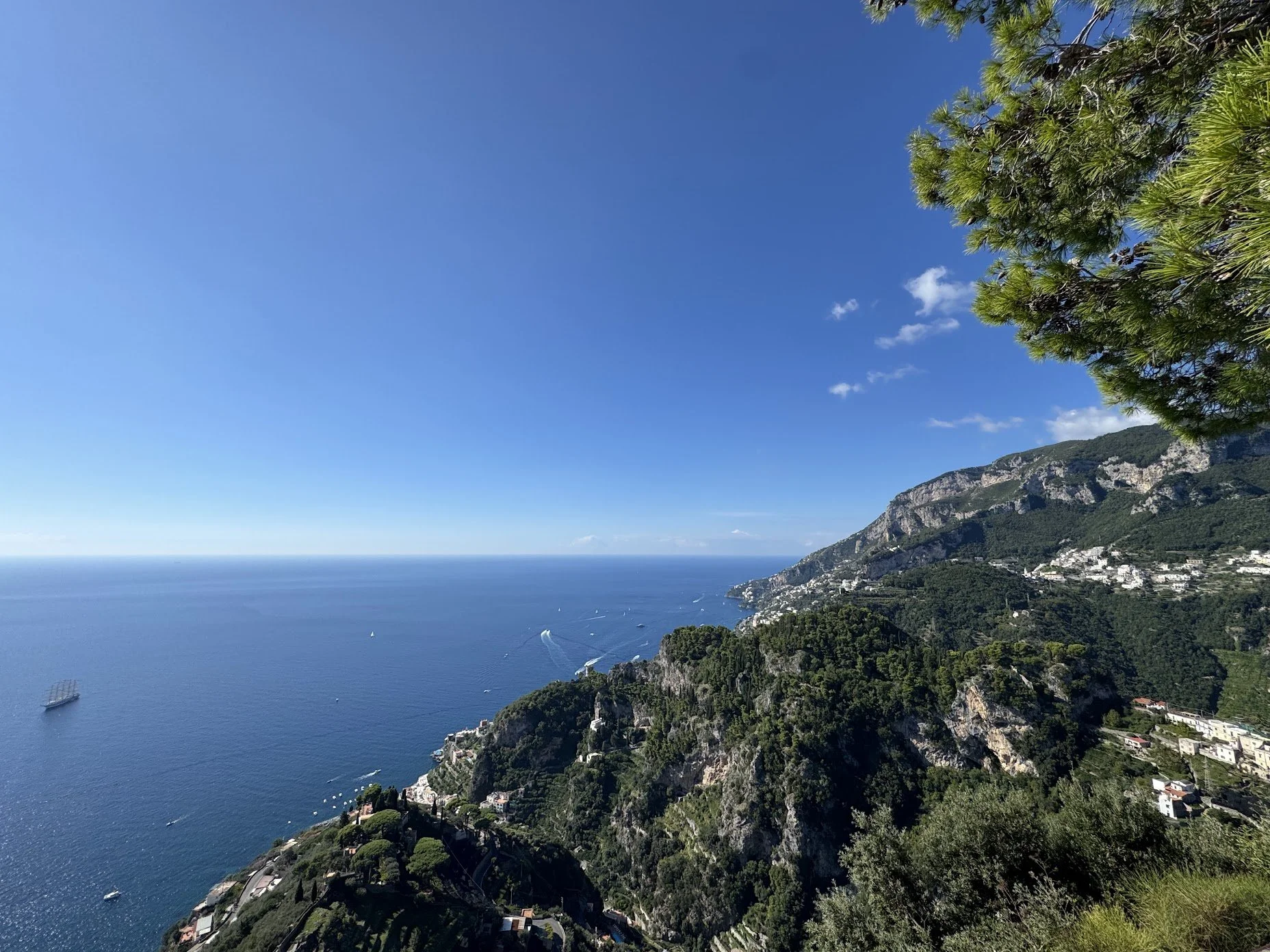
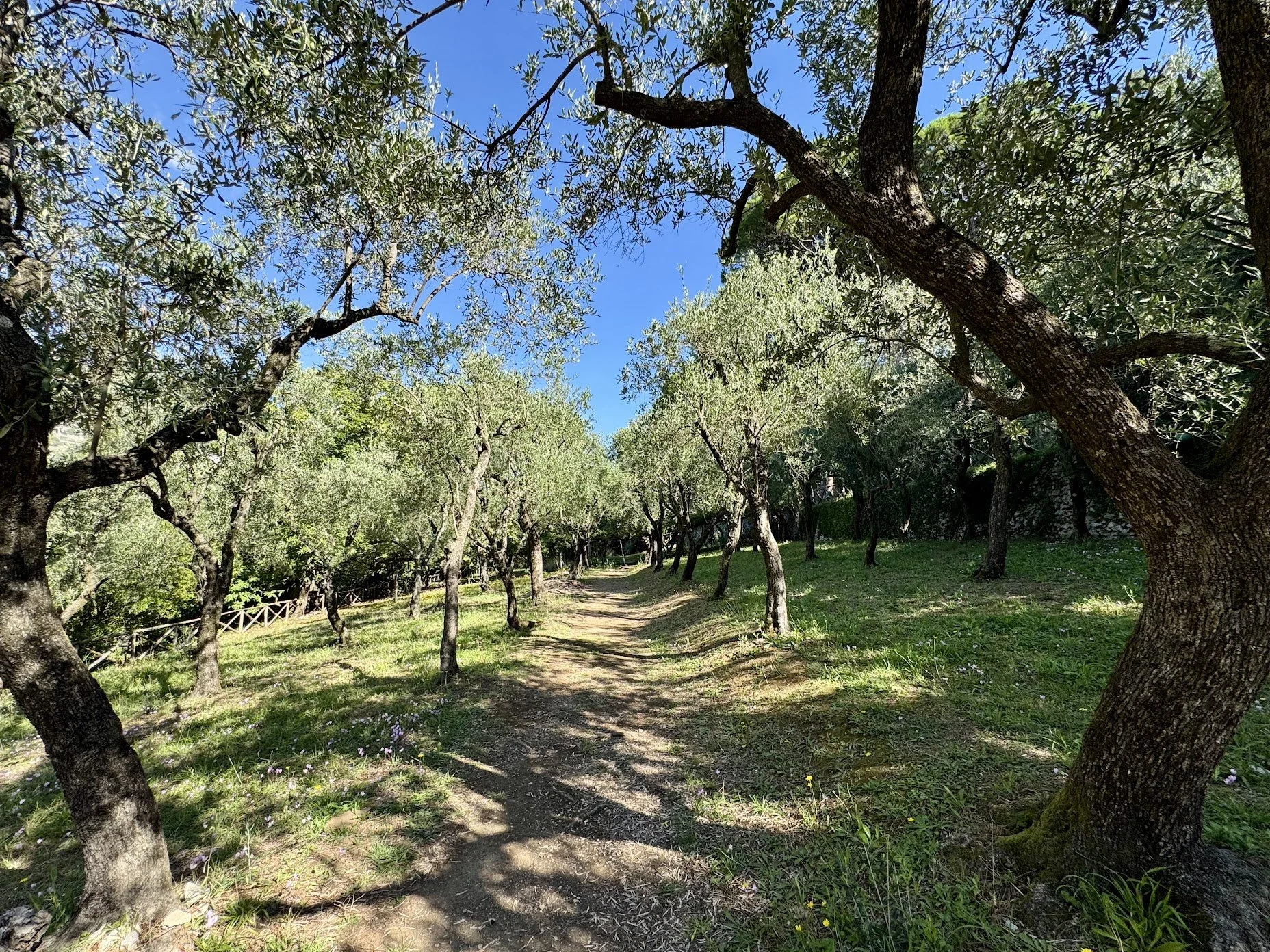
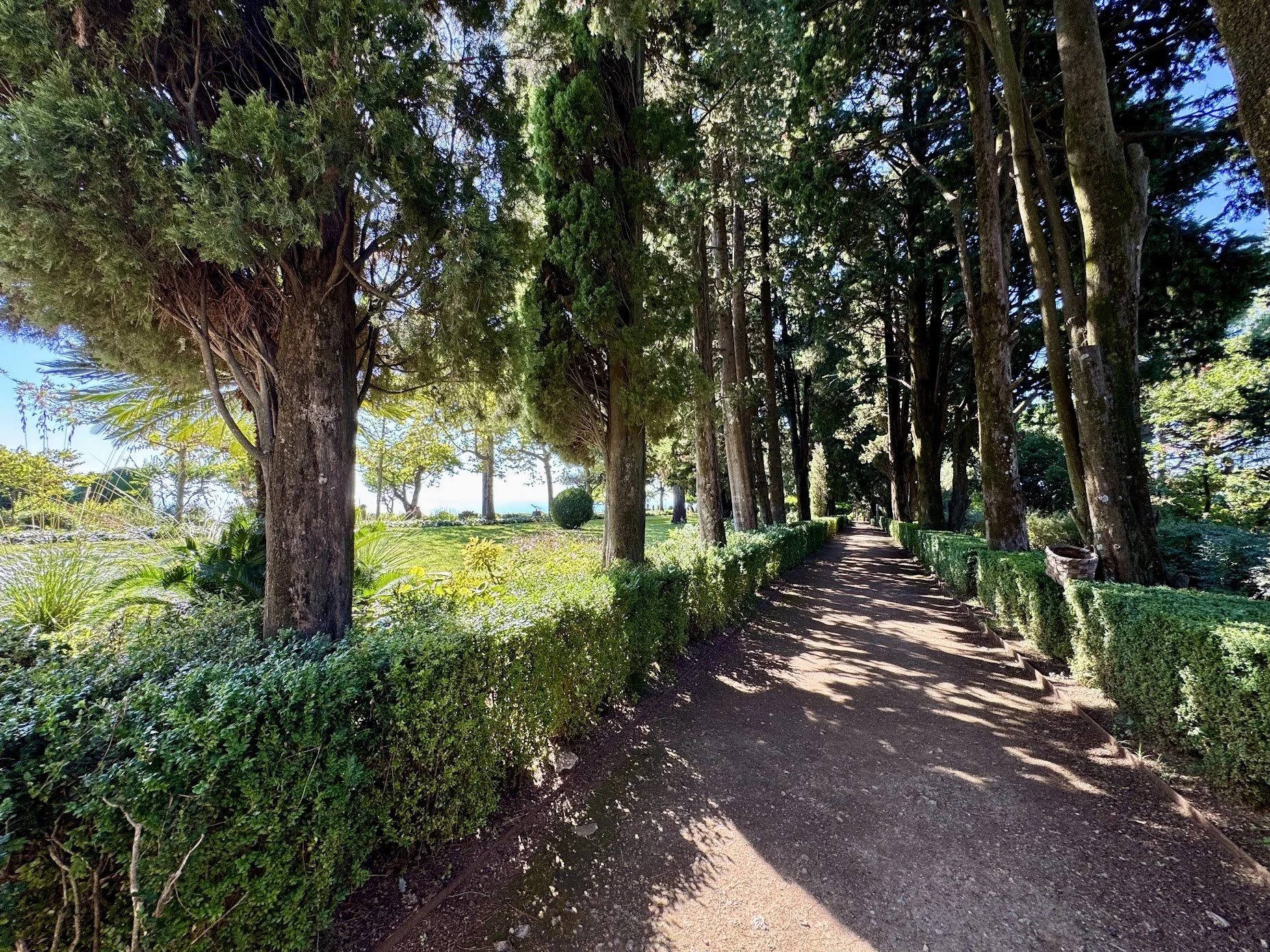
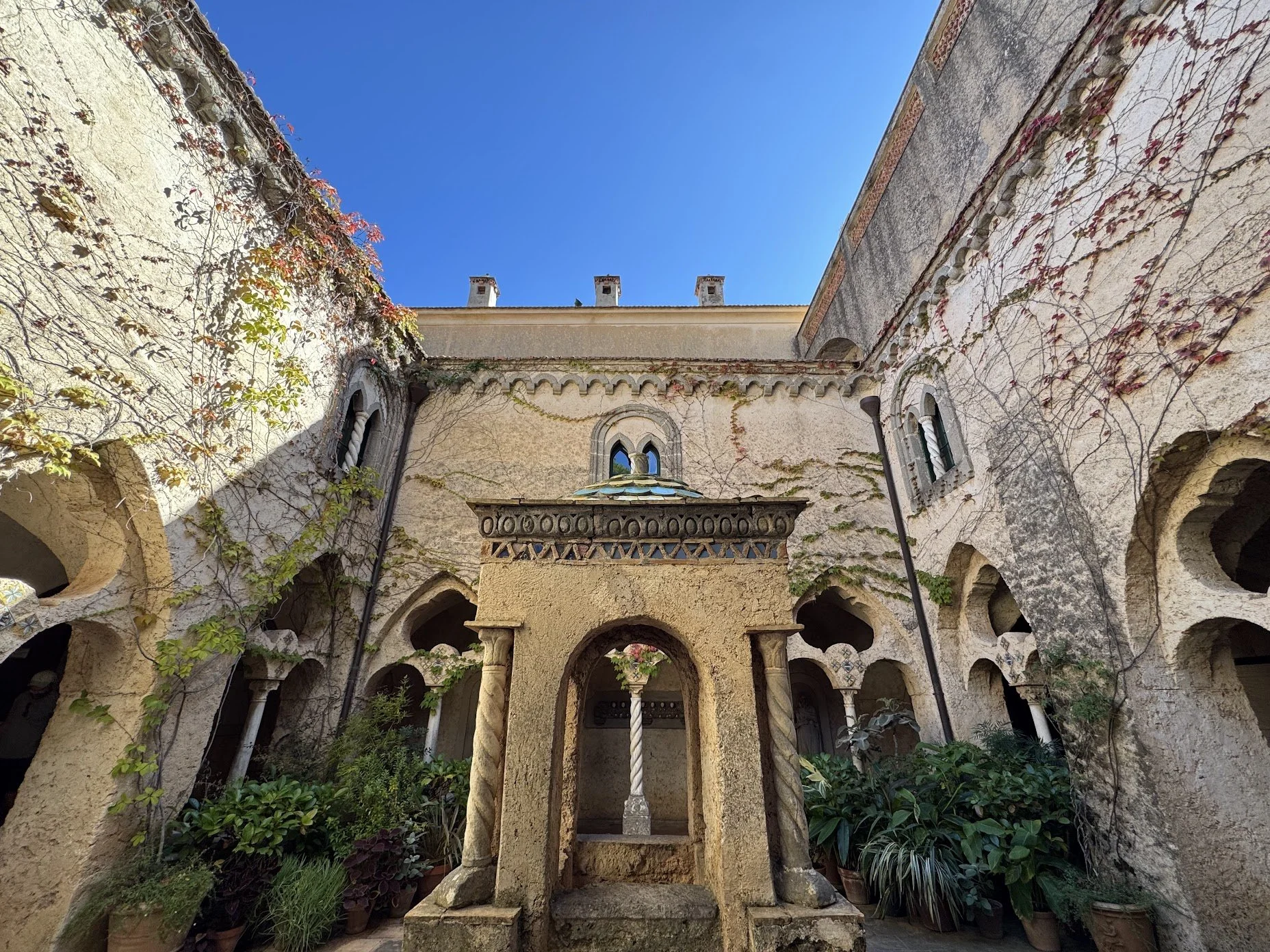
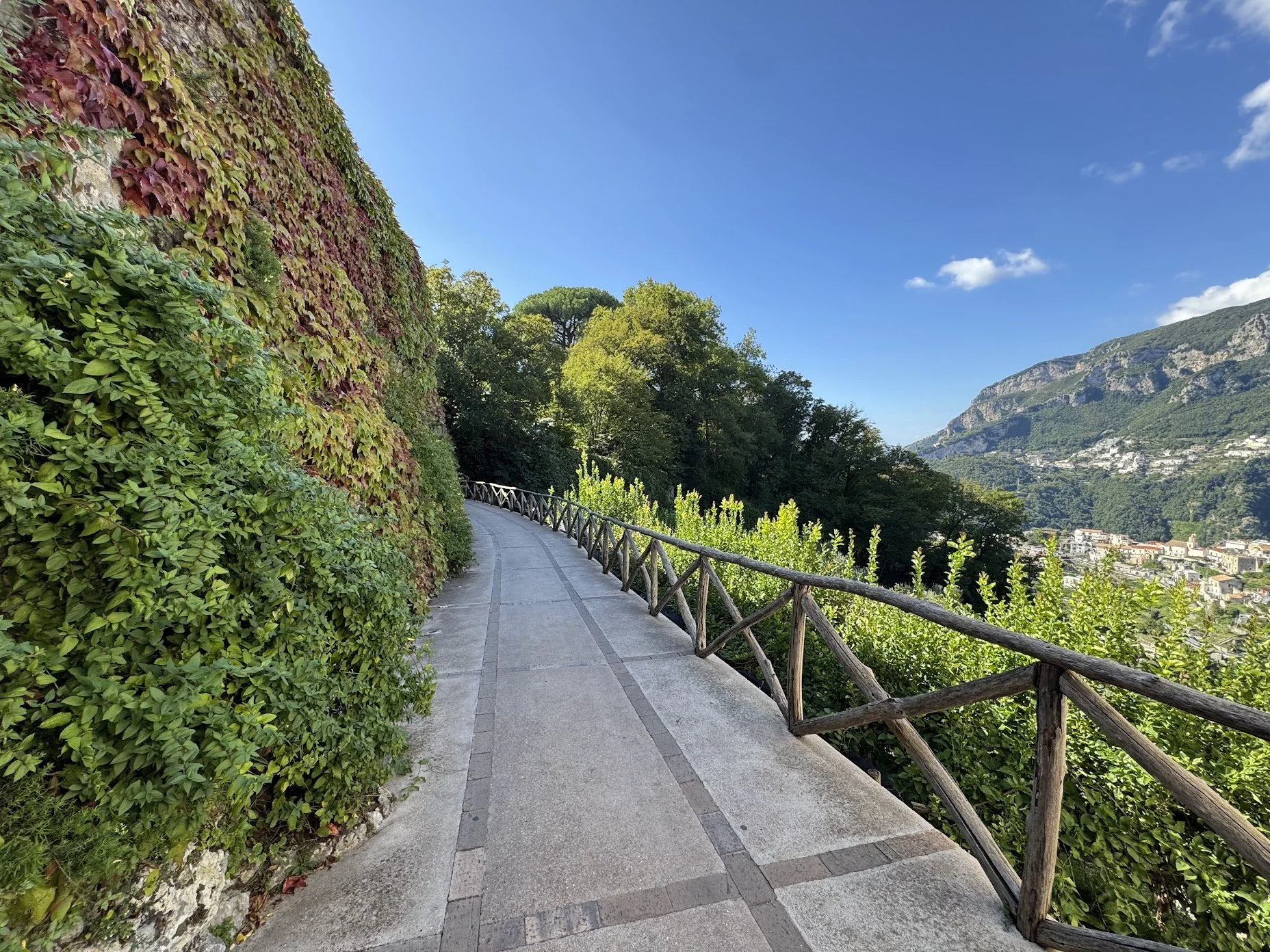
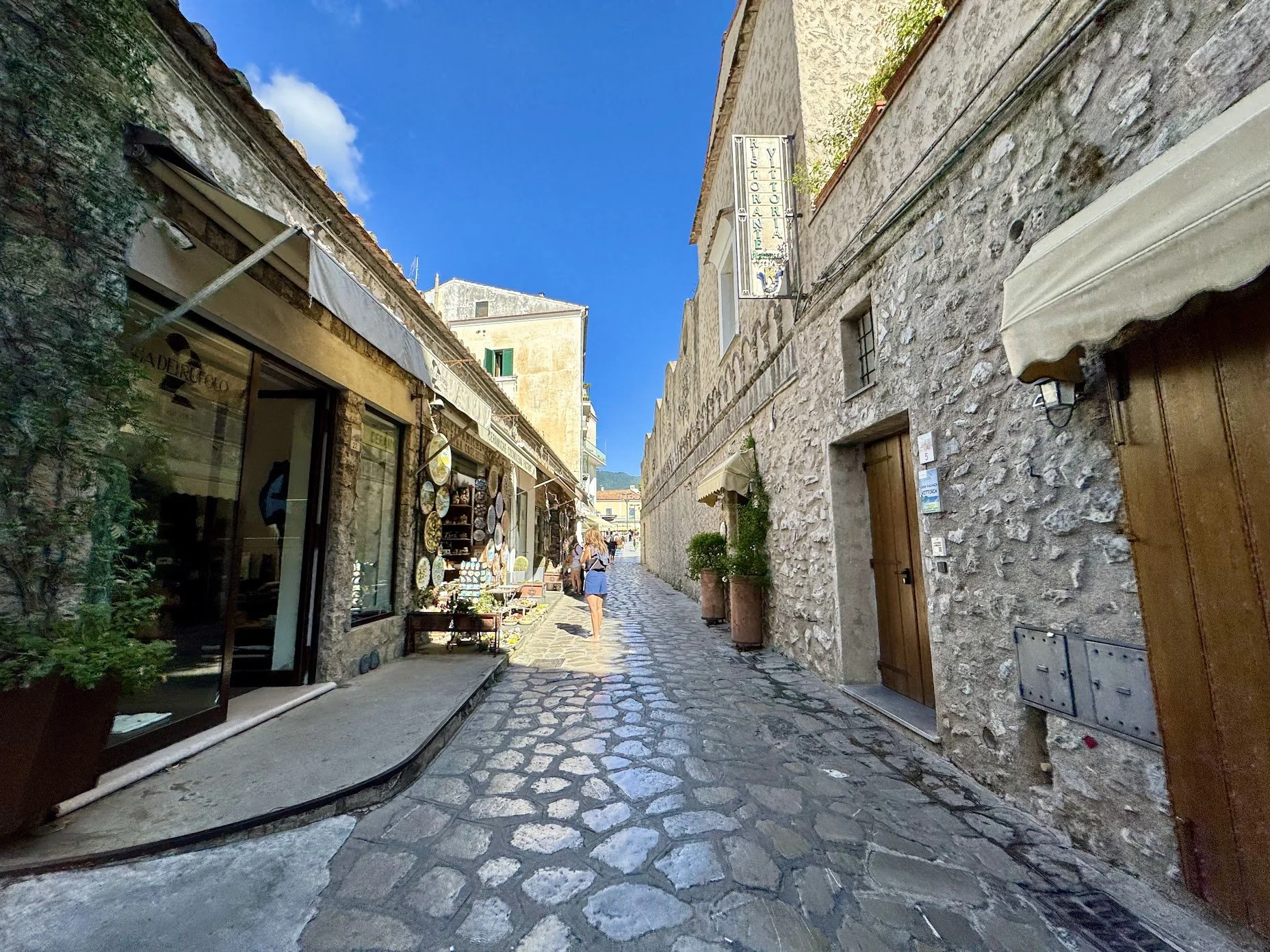
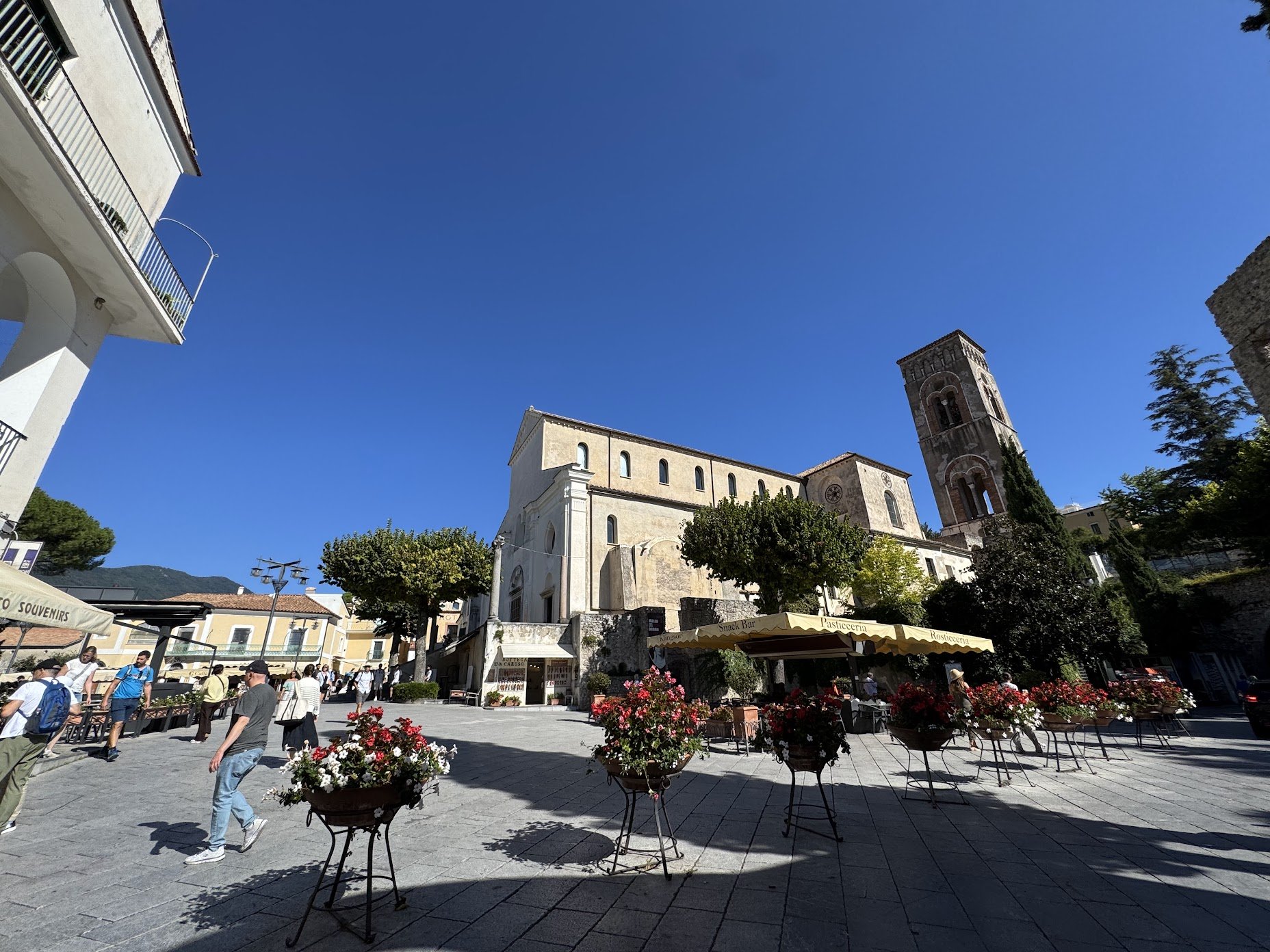
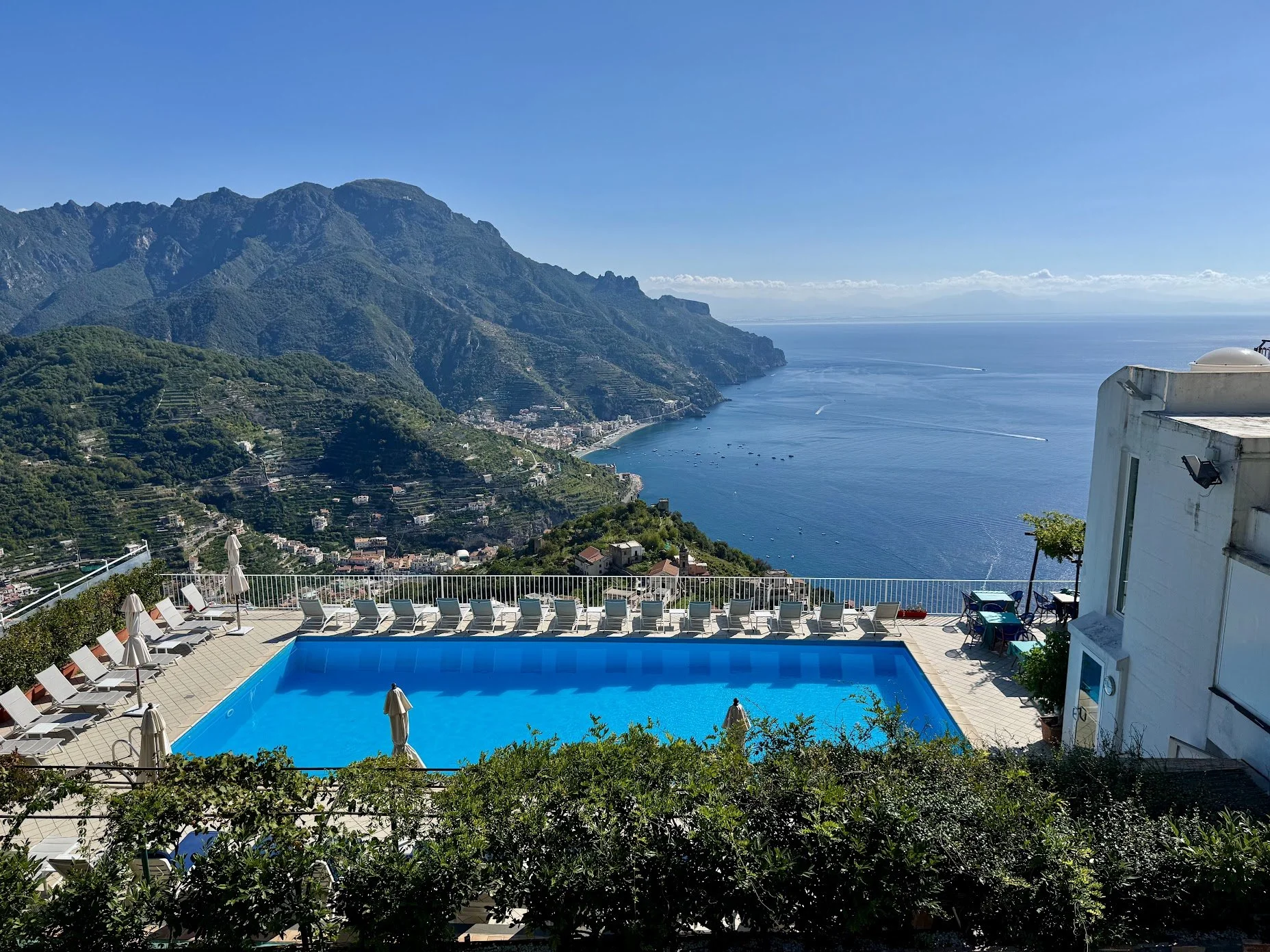
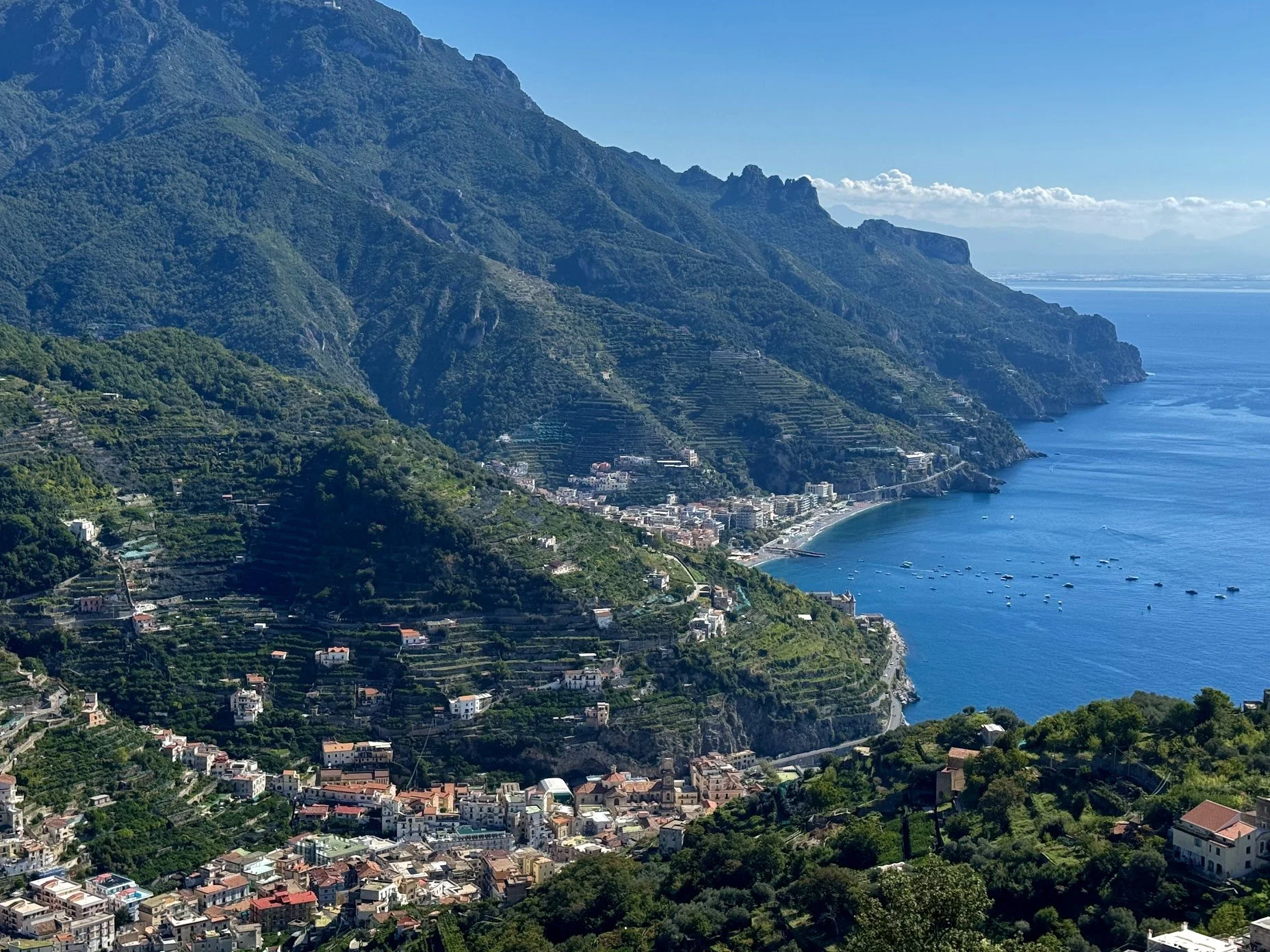
Perched high above the coastline, Ravello quickly became my favorite stop of the day. Rather than lingering in the main square, I headed straight for Villa Cimbrone and its famous Terrace of Infinity. The walk through Ravello's quiet streets was almost as enjoyable as the destination itself, and the panoramic views over the Amalfi Coast were some of the most spectacular I saw during my time in Italy.
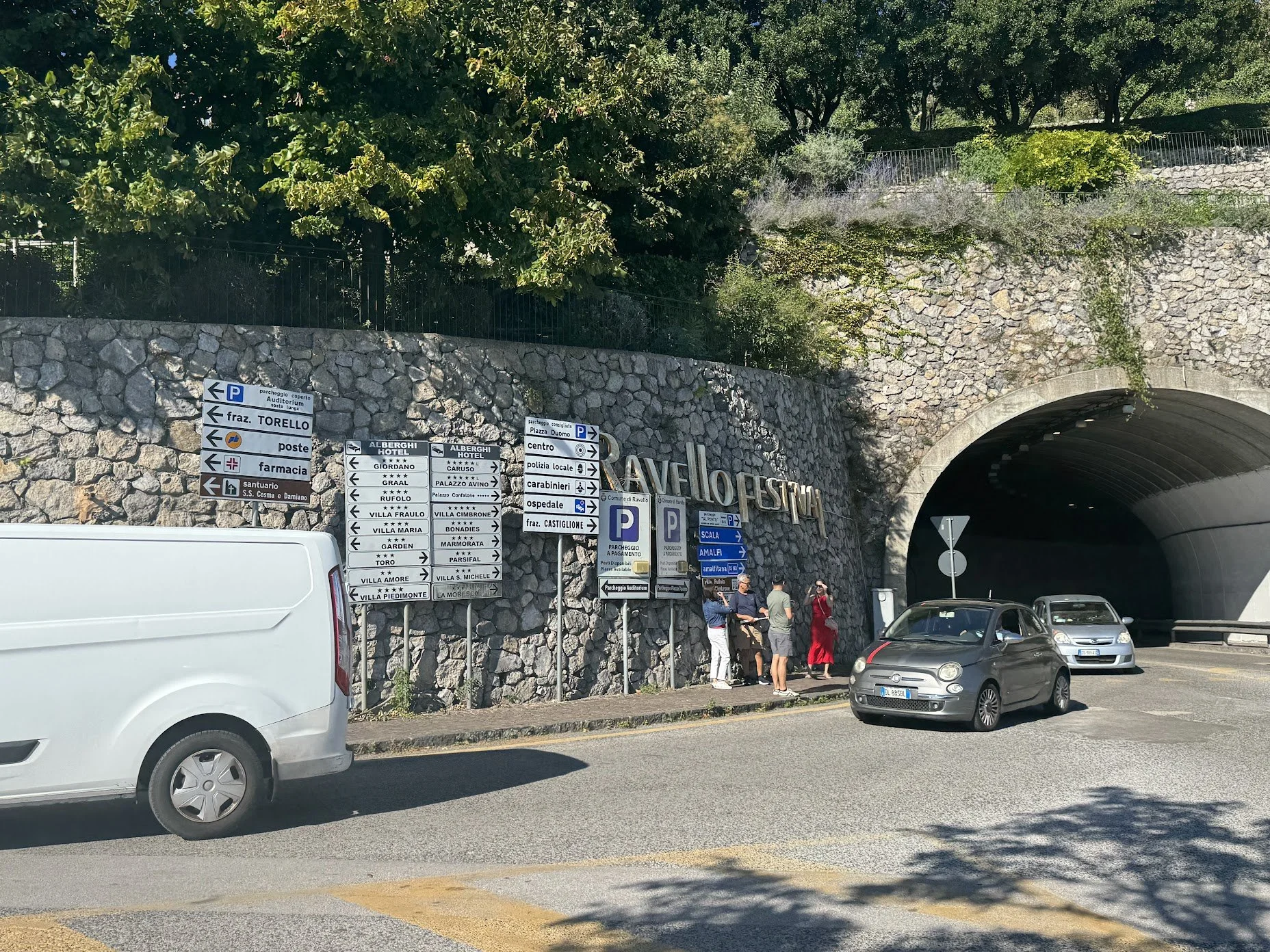
Amalfi
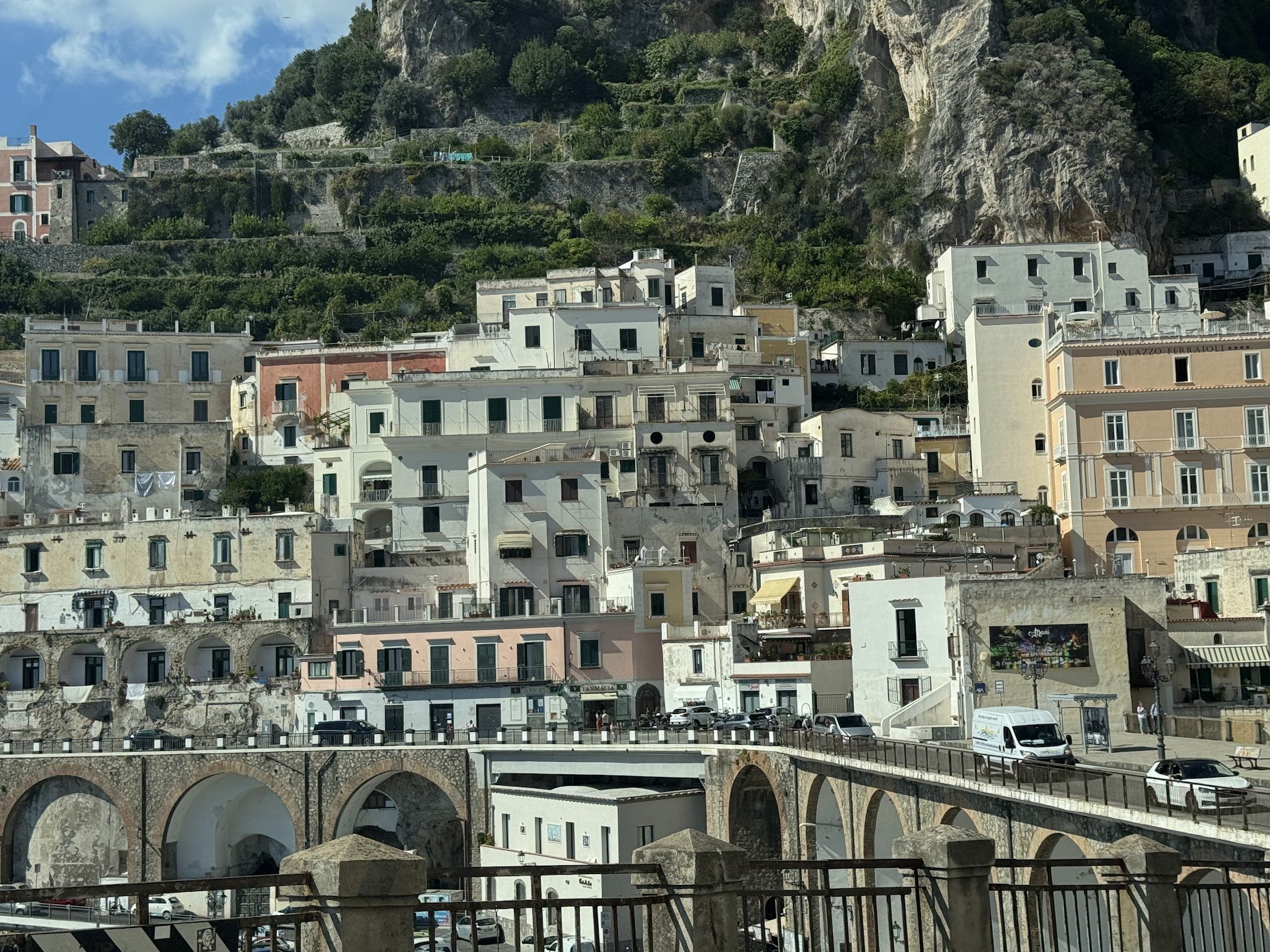
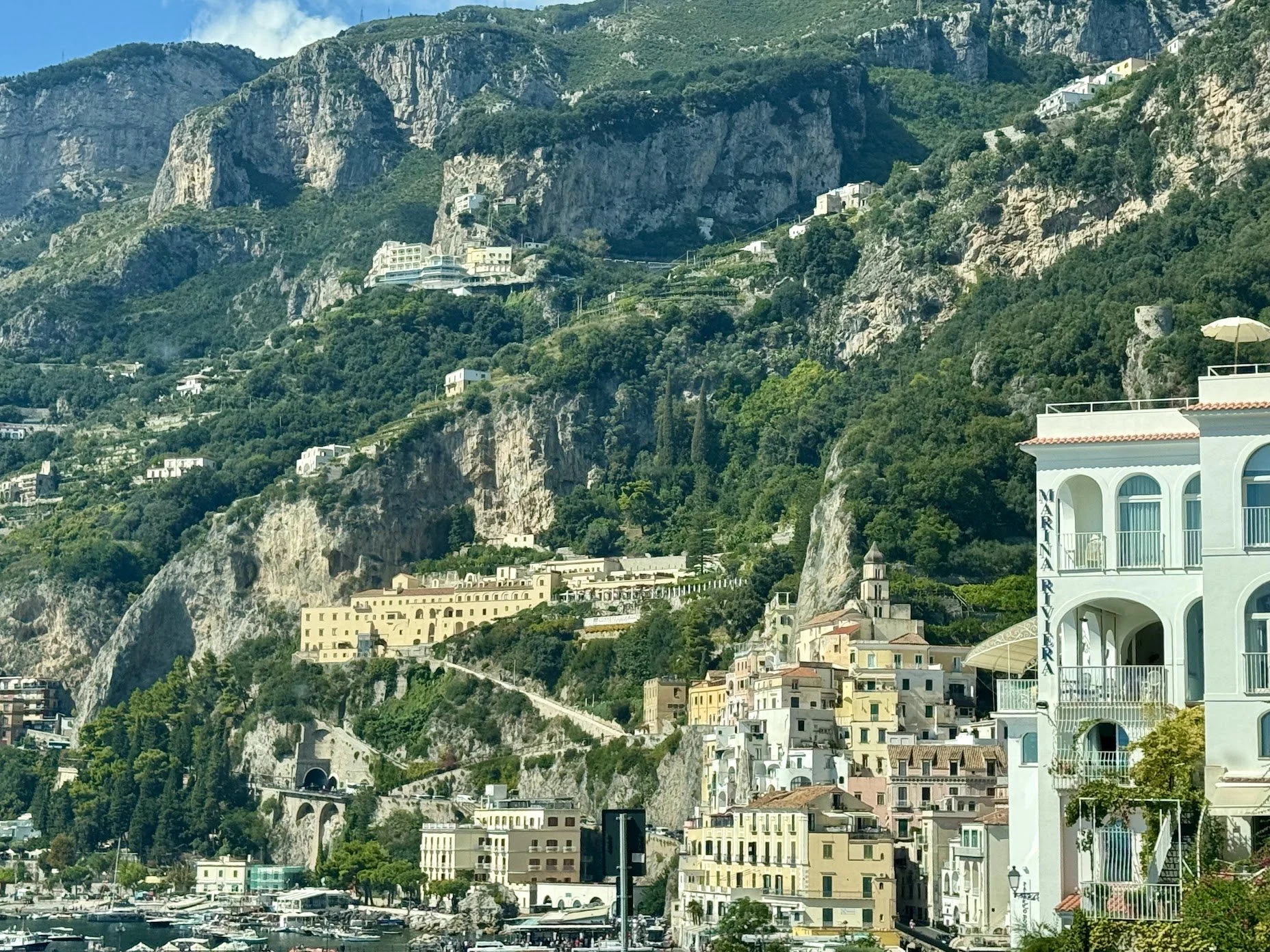
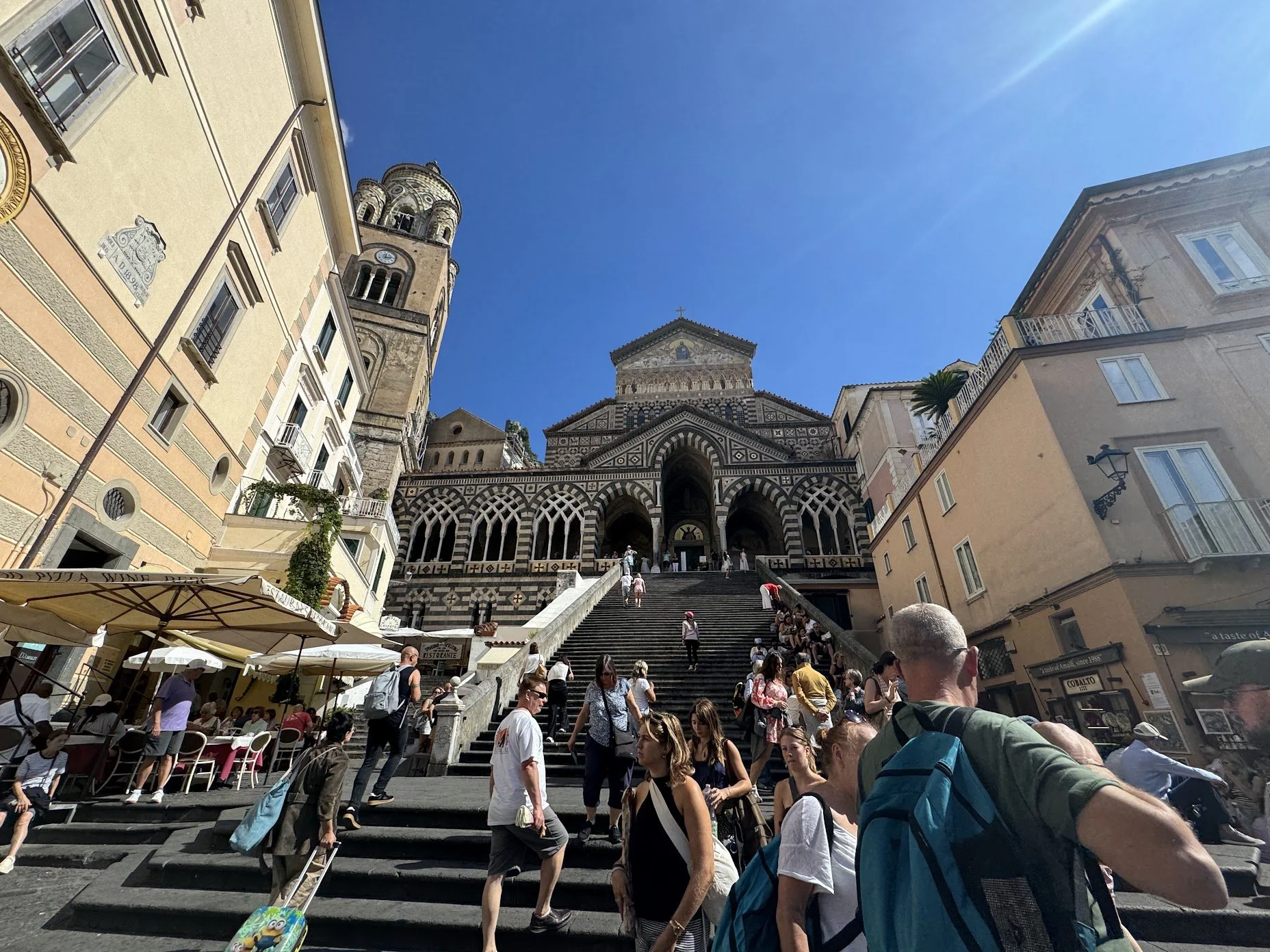
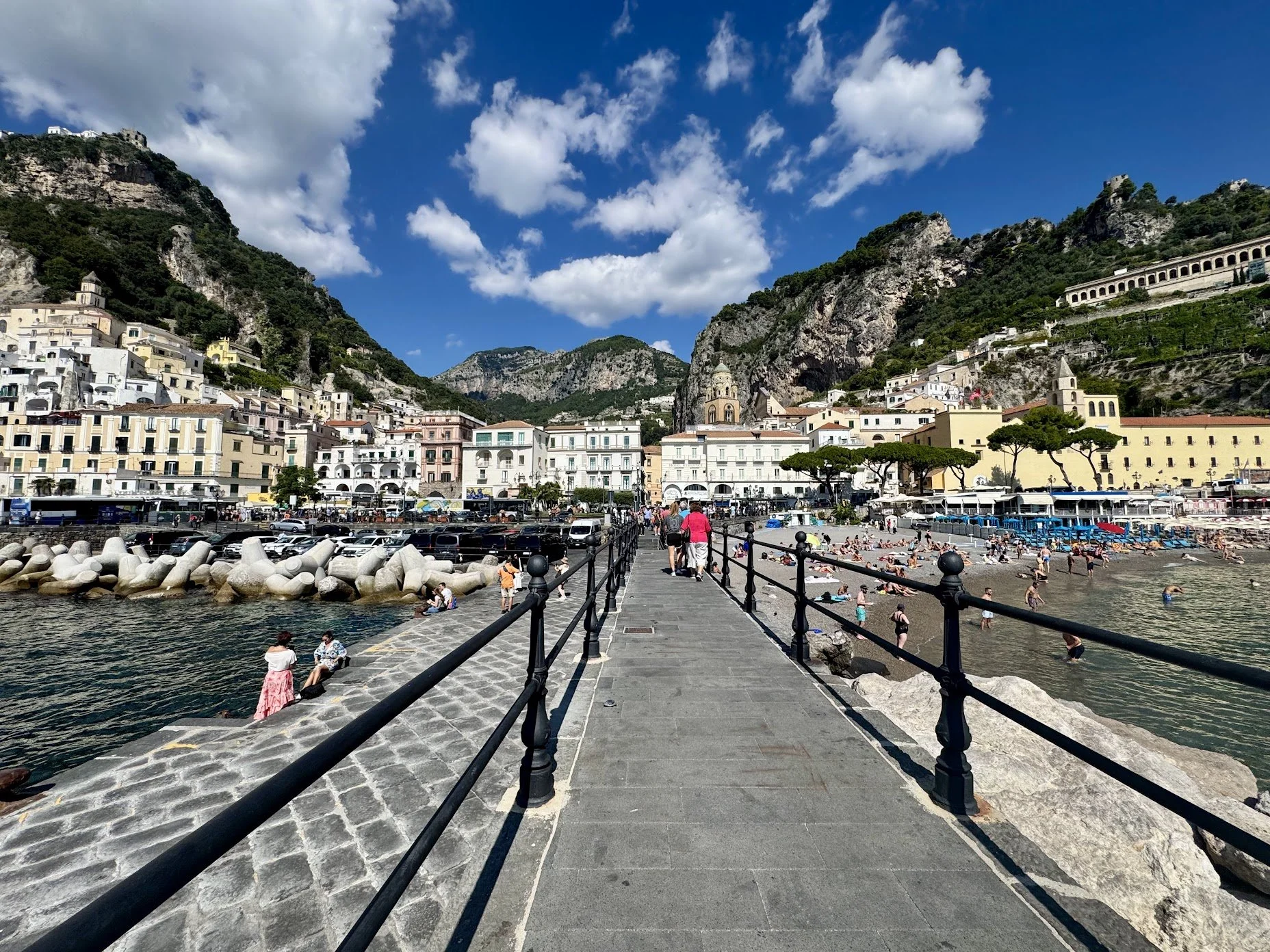
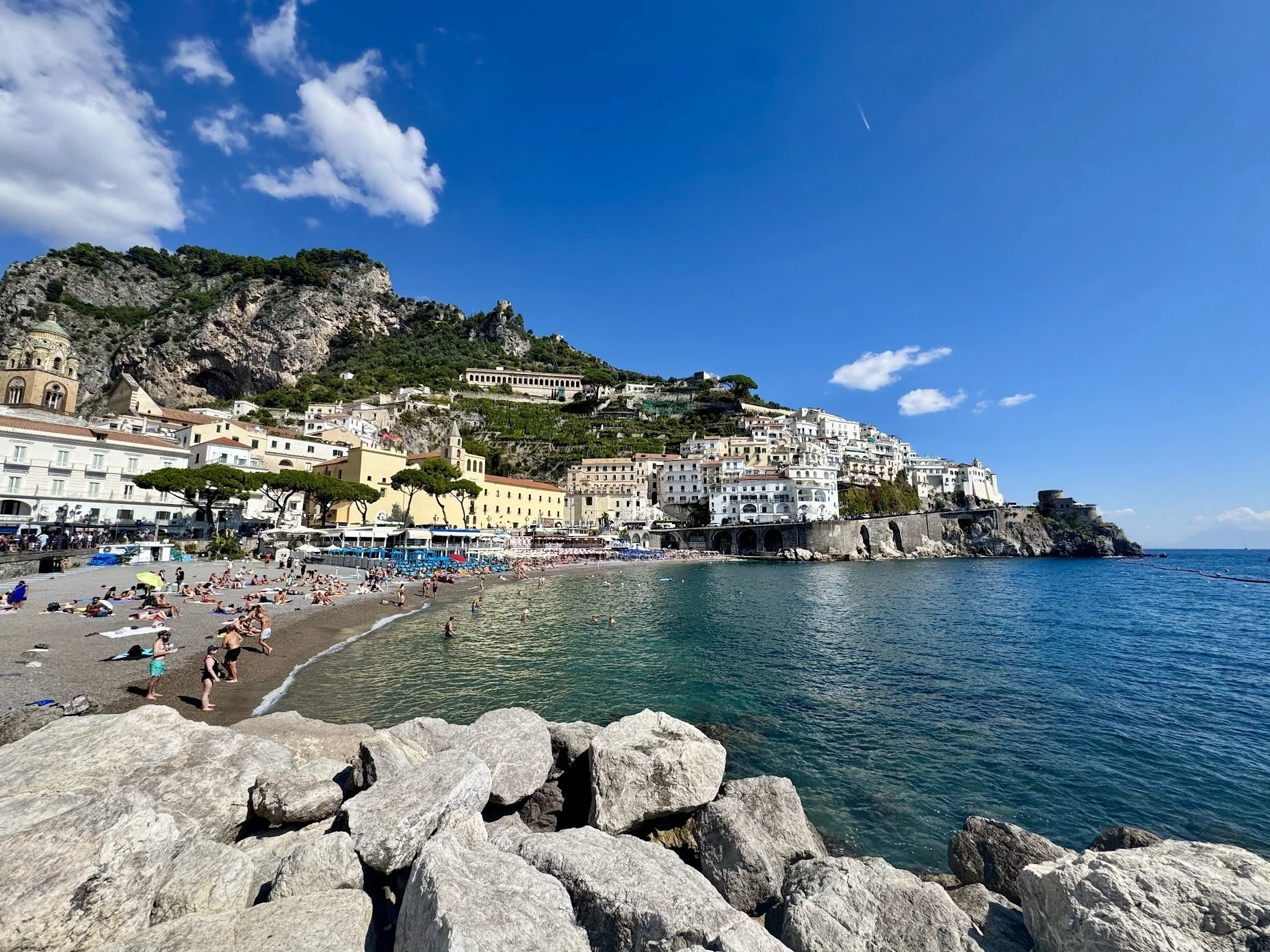
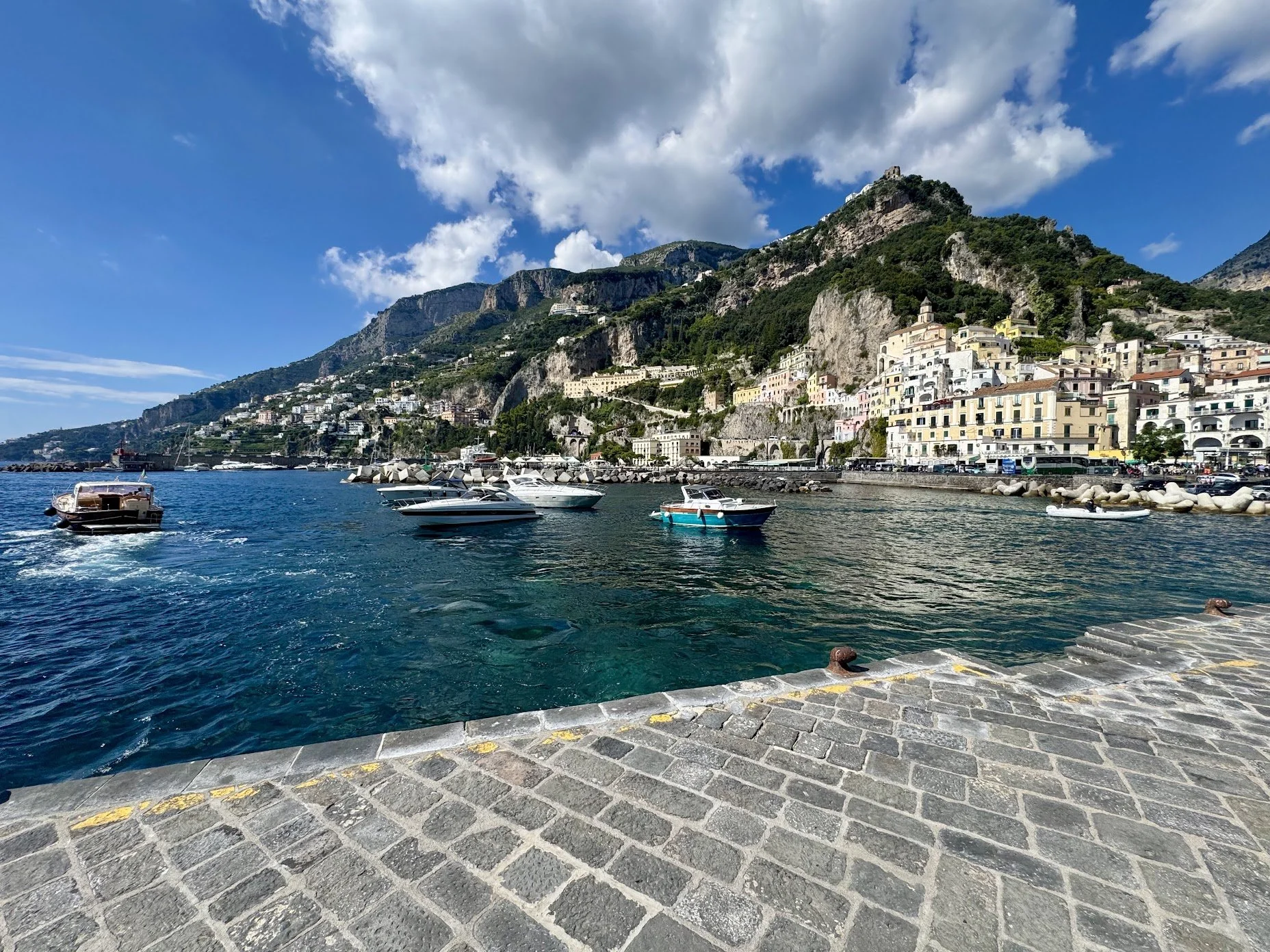
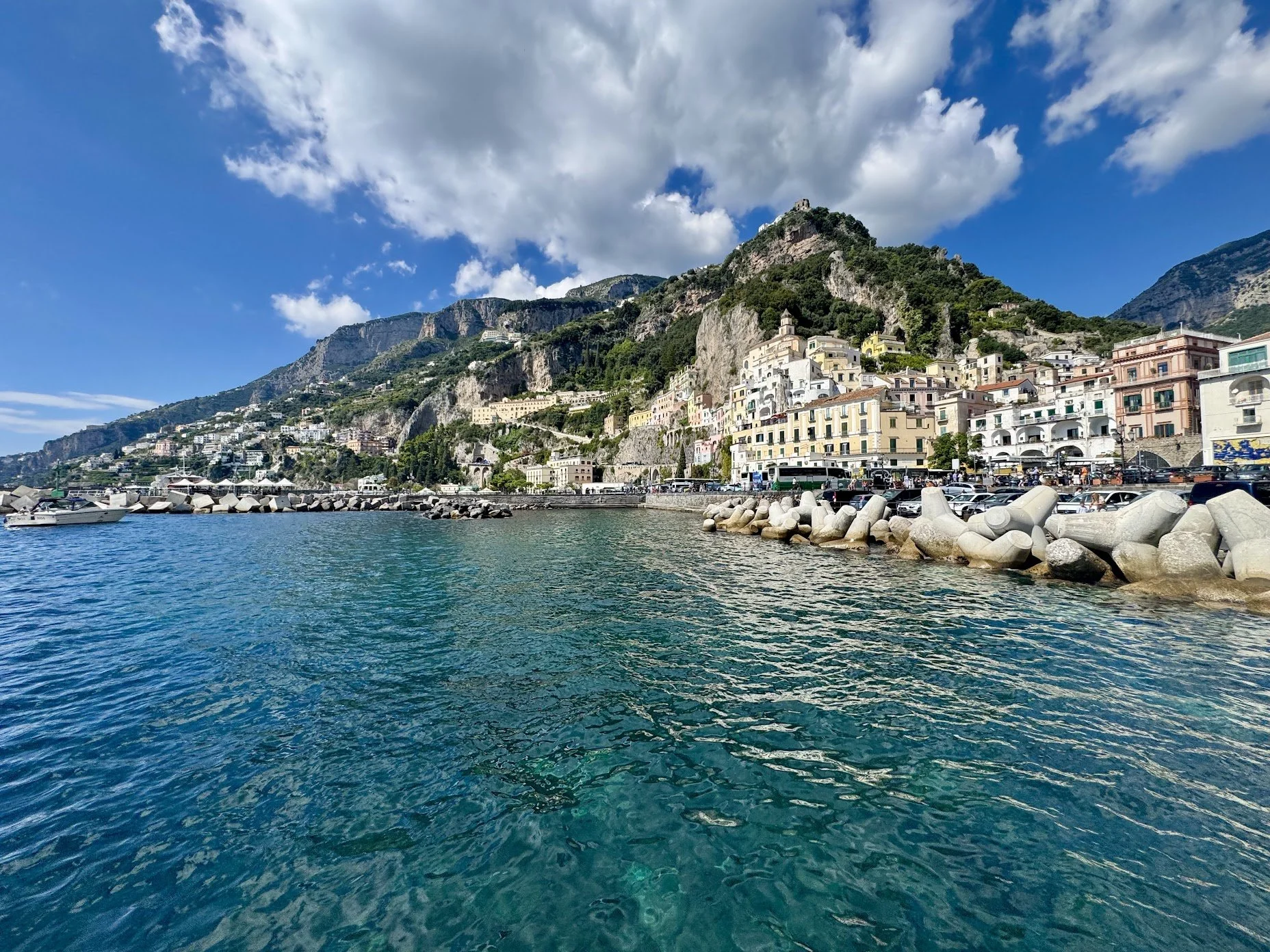
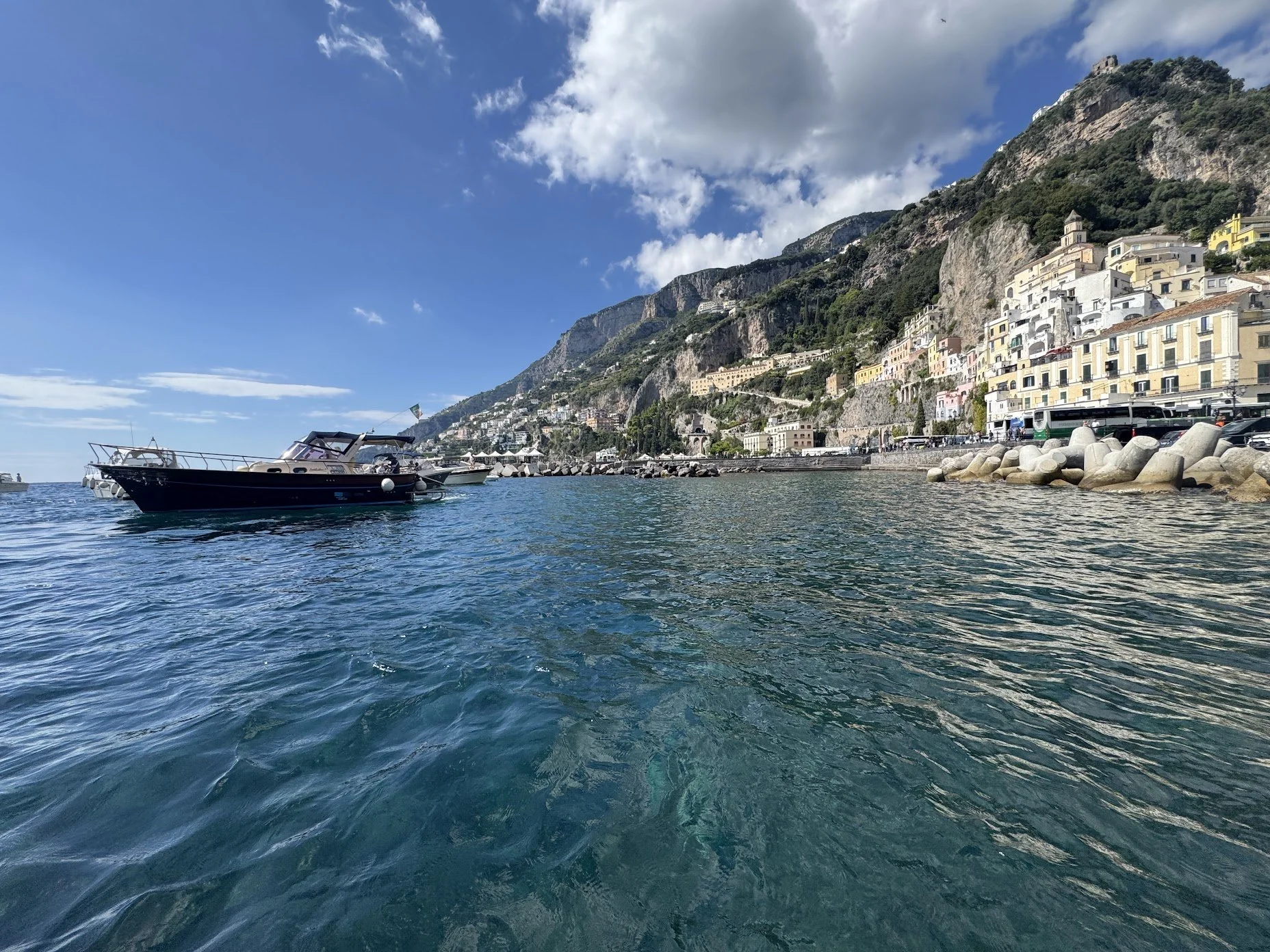
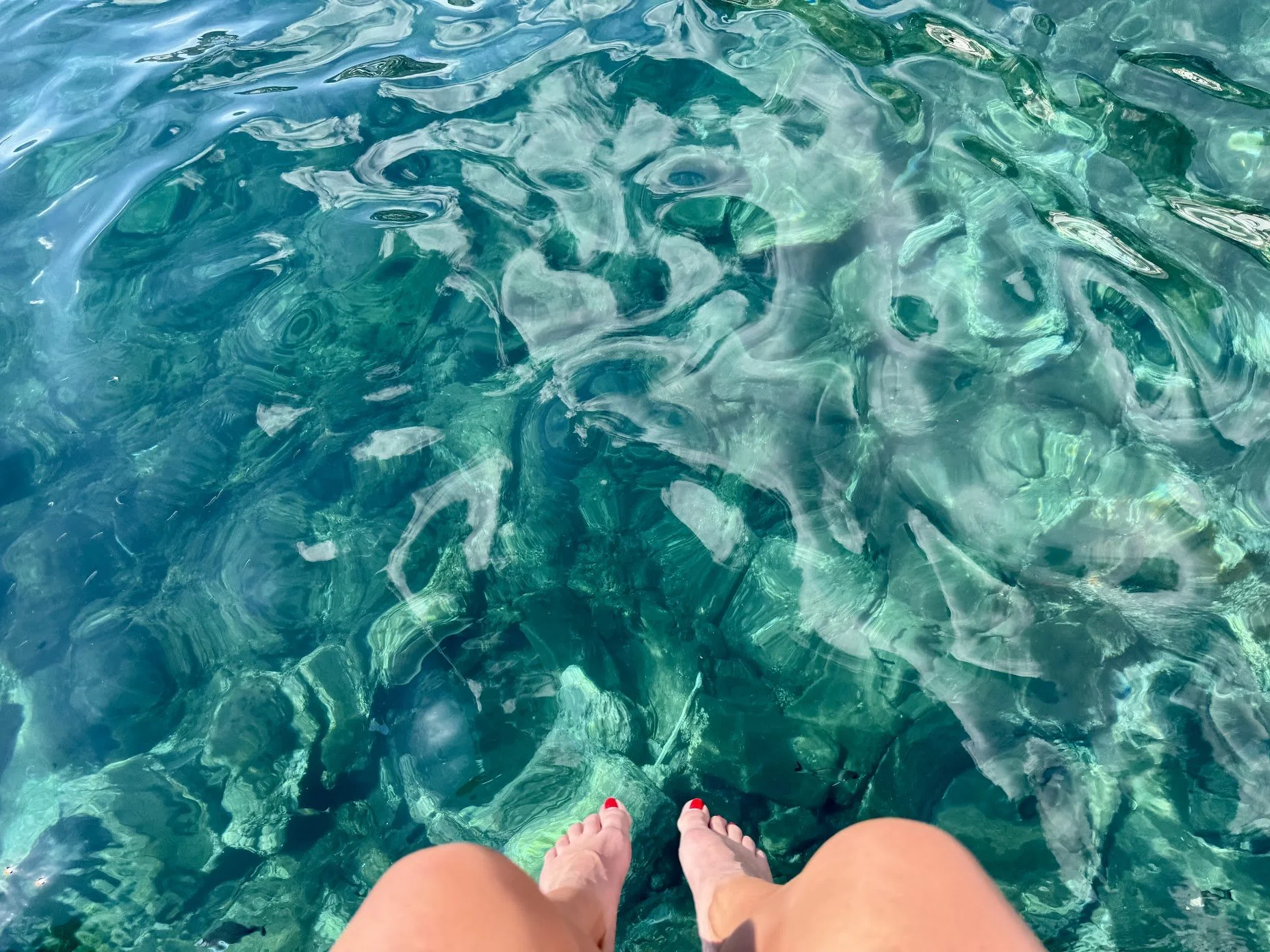
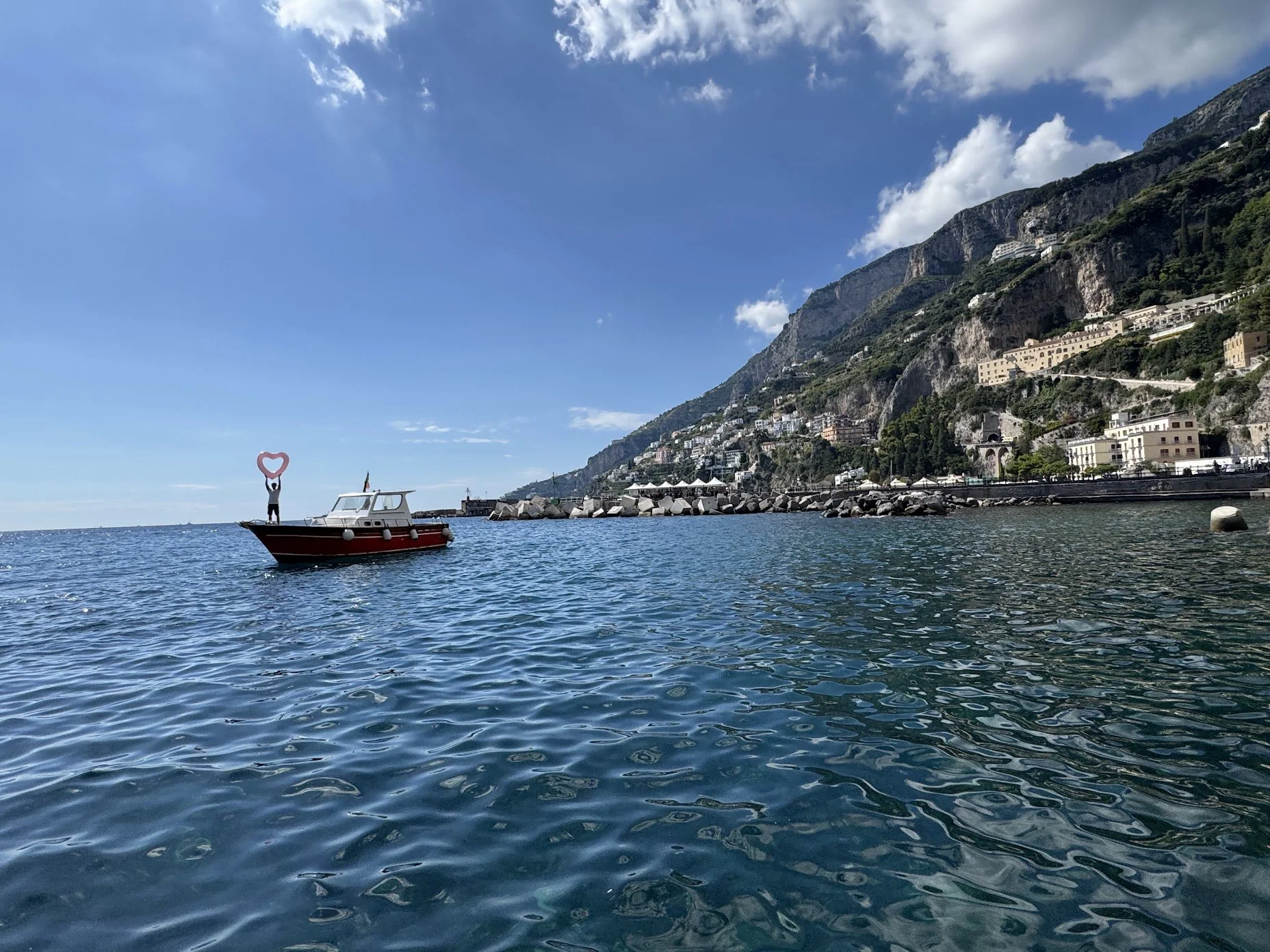
Amalfi was every bit as lively as I expected. After walking through Piazza del Duomo and admiring the impressive cathedral, I escaped the crowds and found a quiet spot along the waterfront. Watching fishing boats, ferries, and beachgoers against the backdrop of dramatic cliffs gave me a chance to slow down and appreciate the town from a different perspective.
Positano
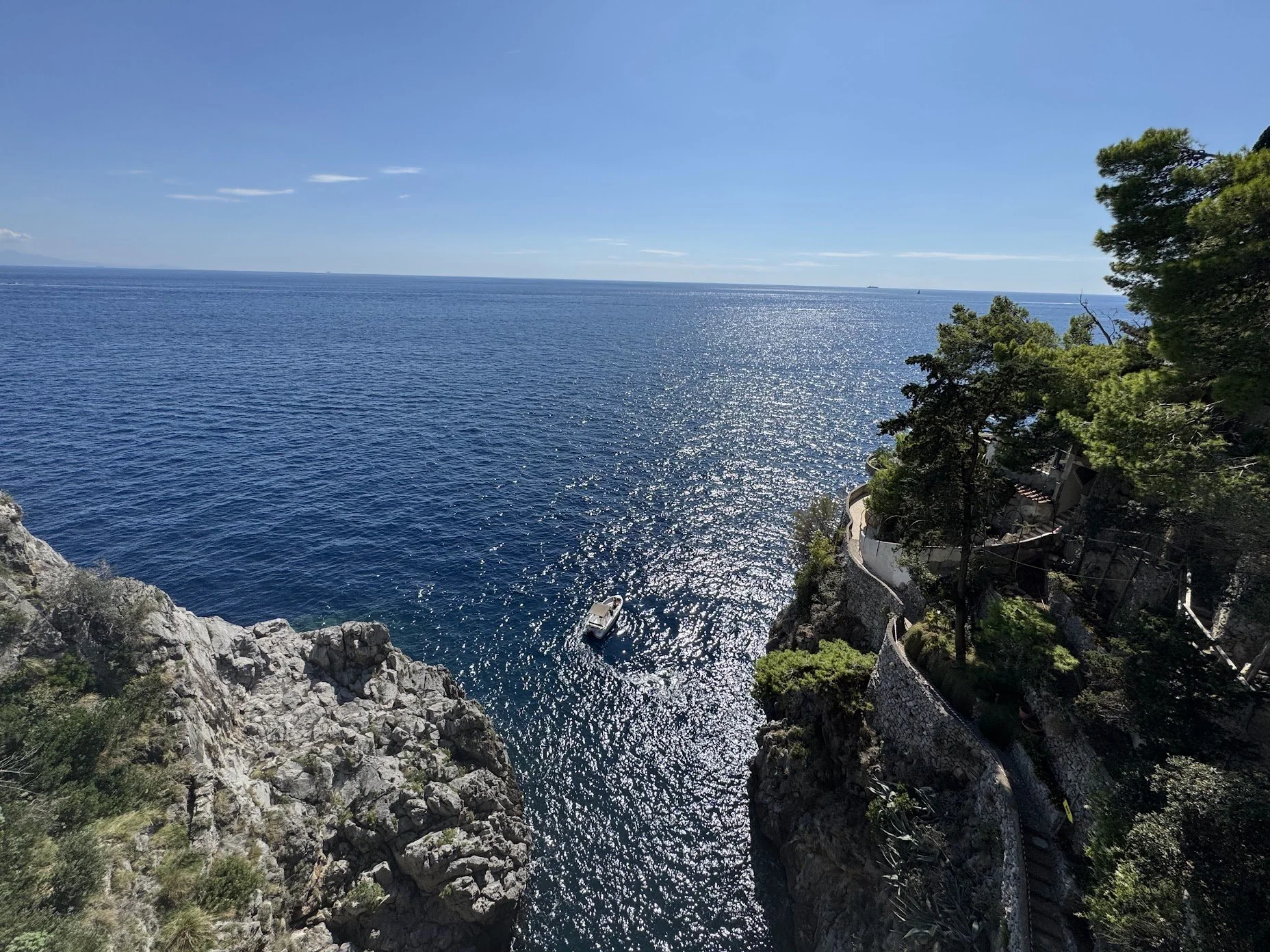
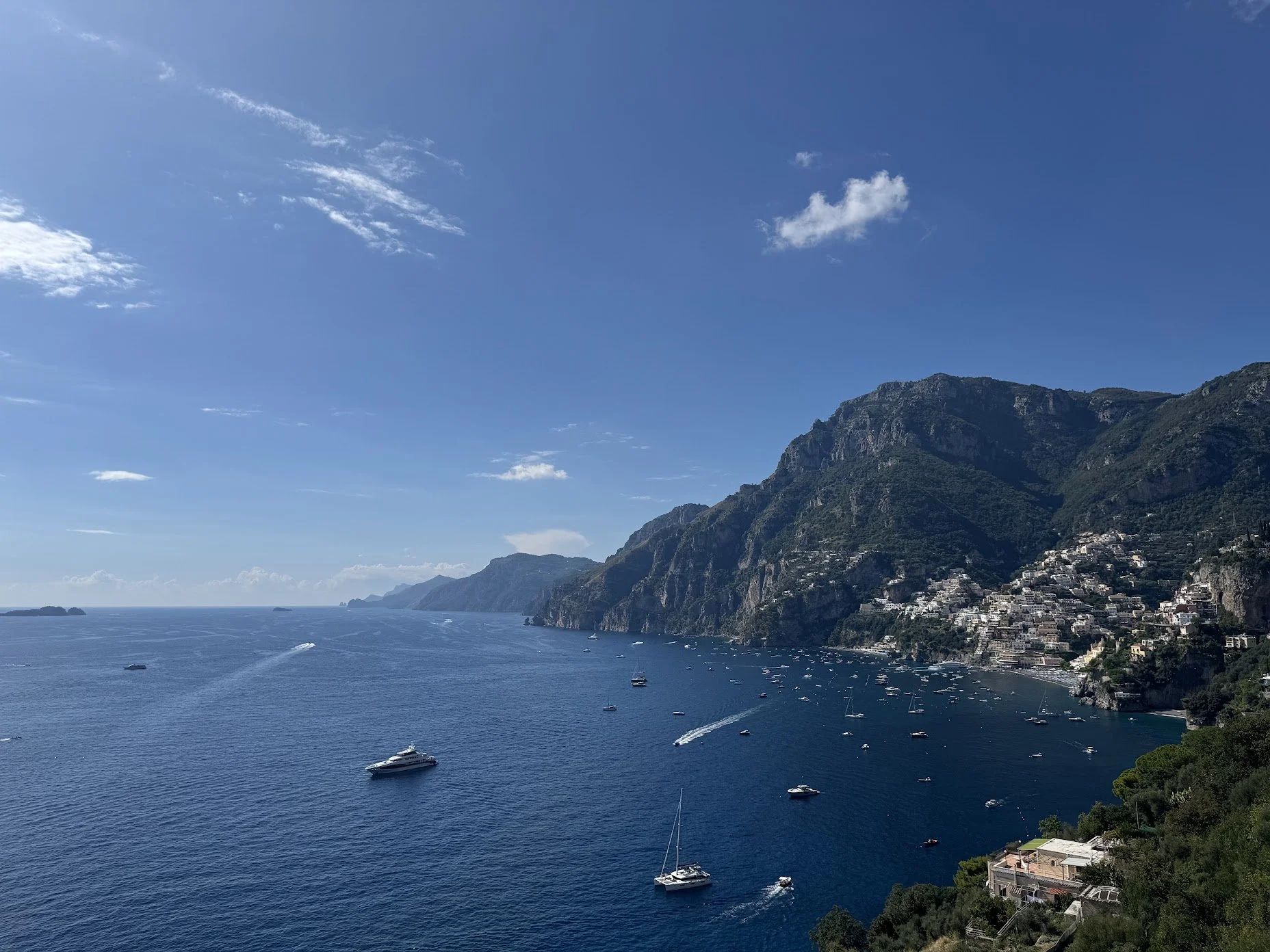
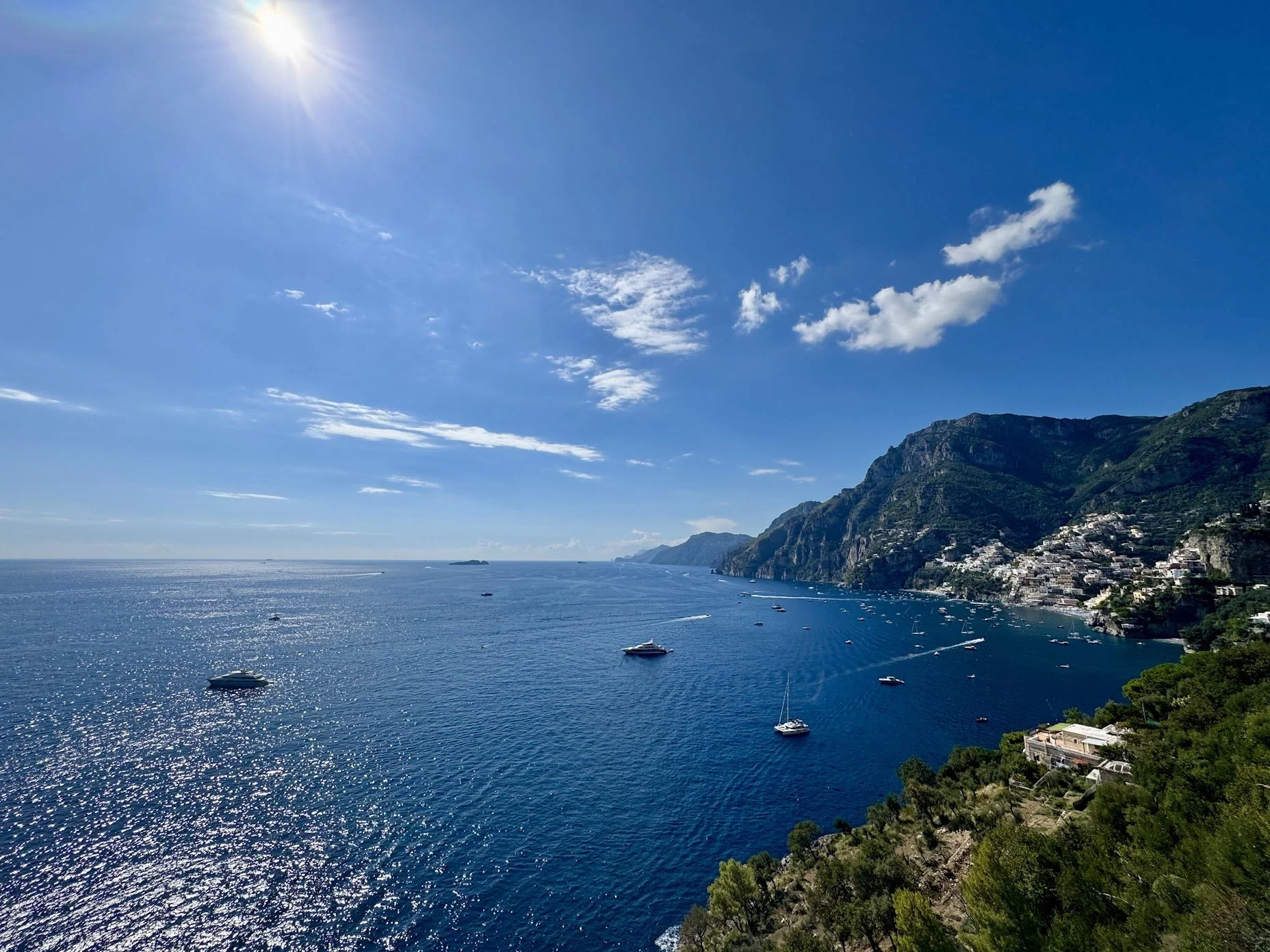
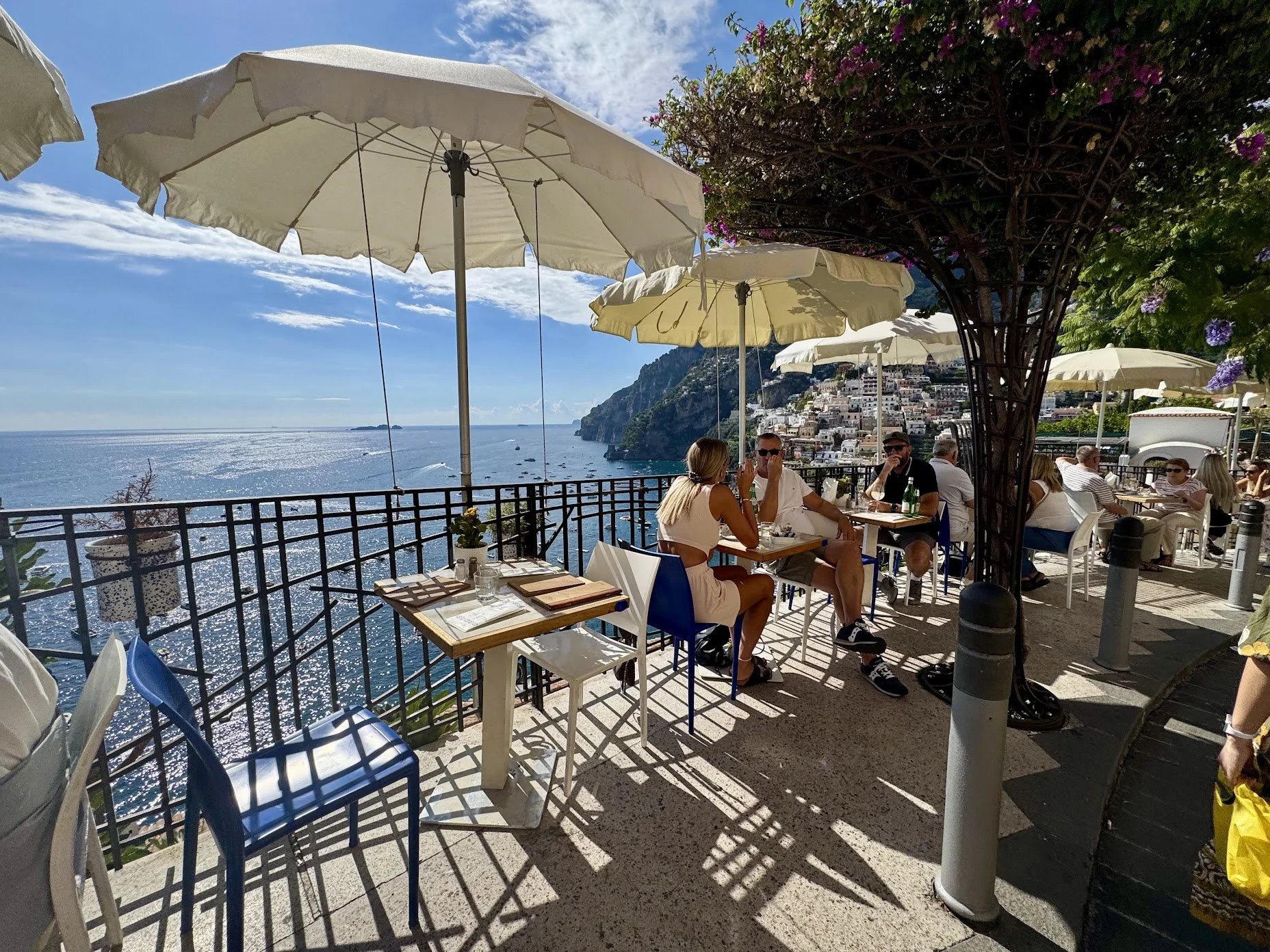
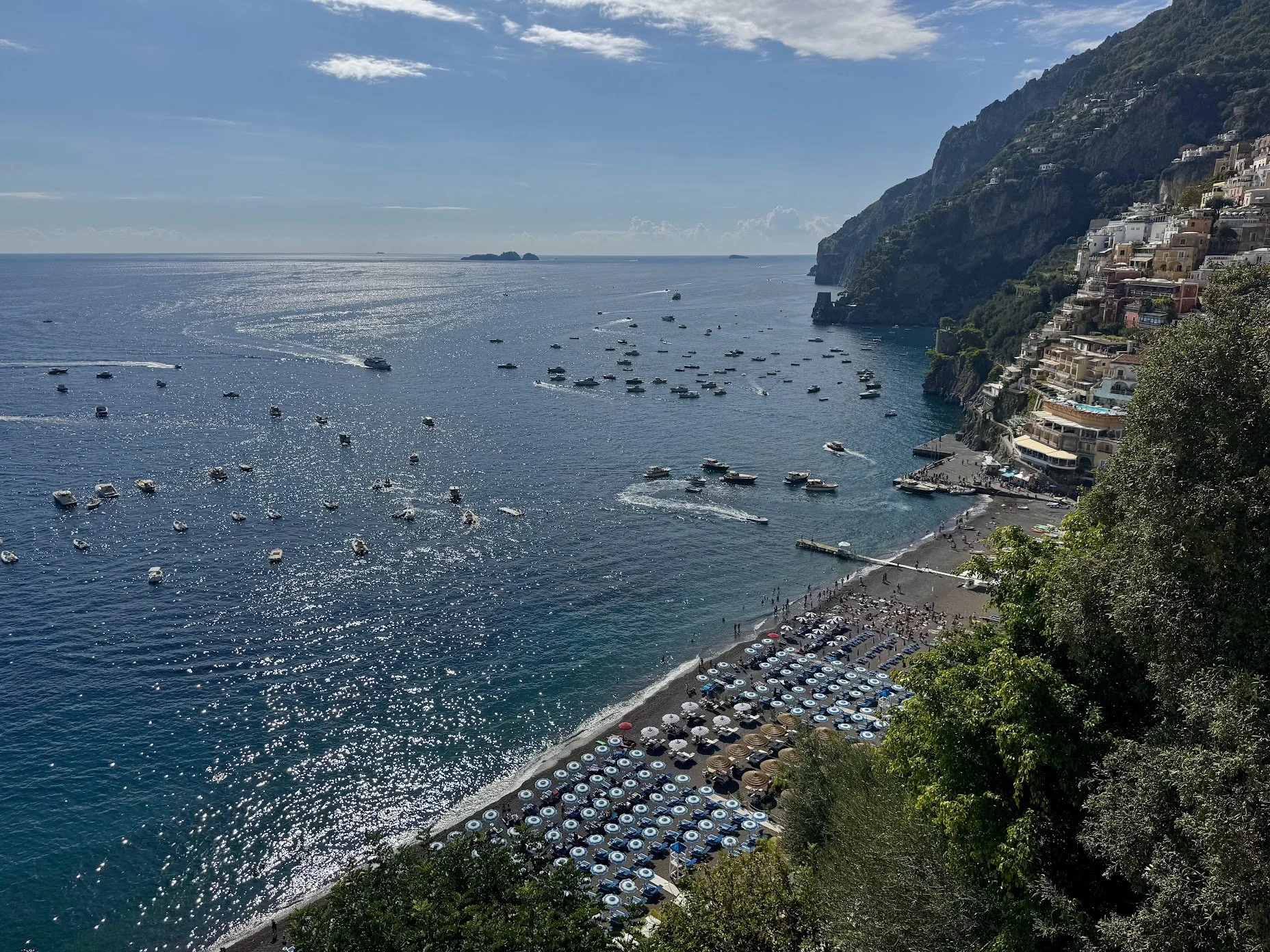
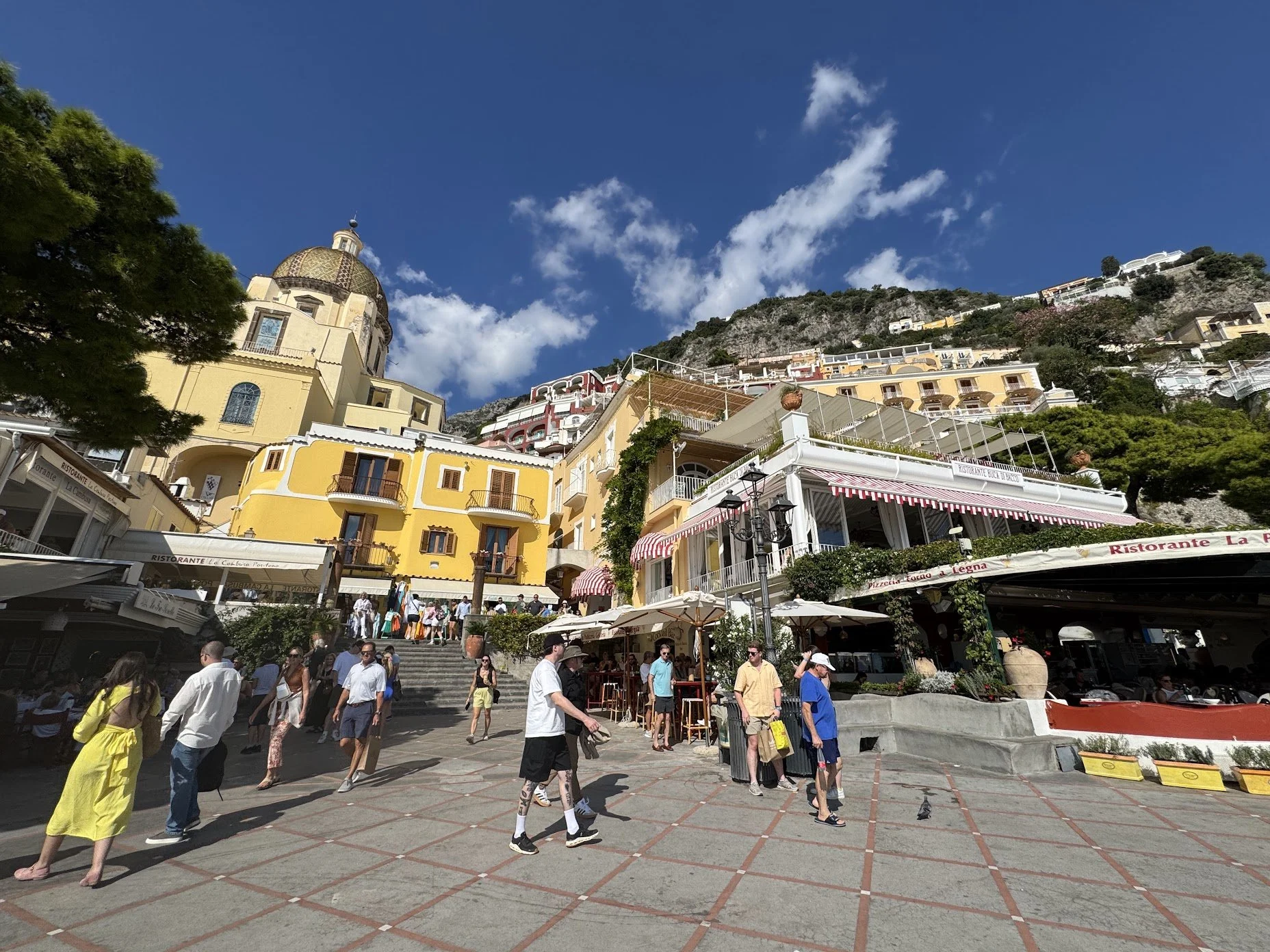
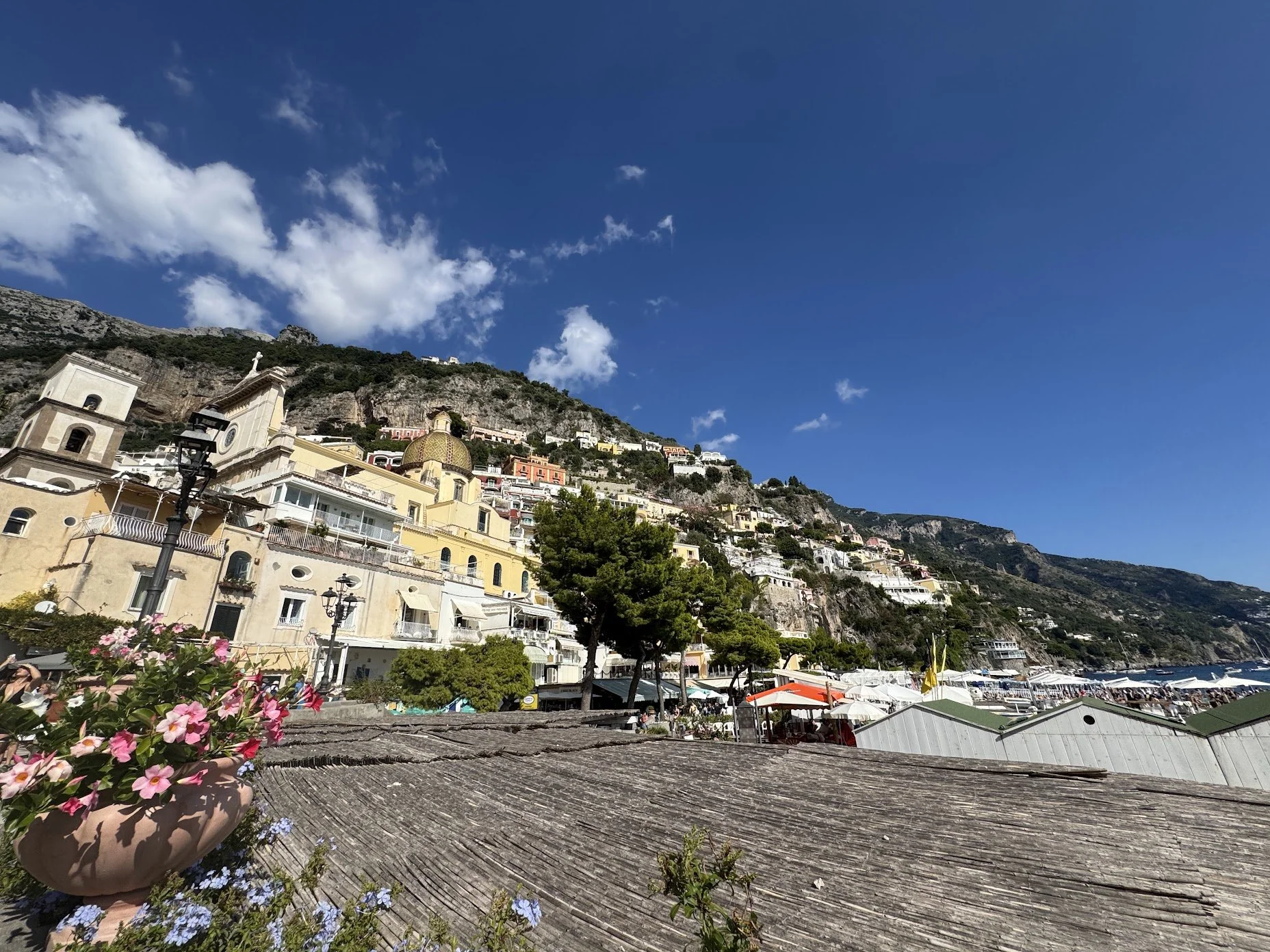
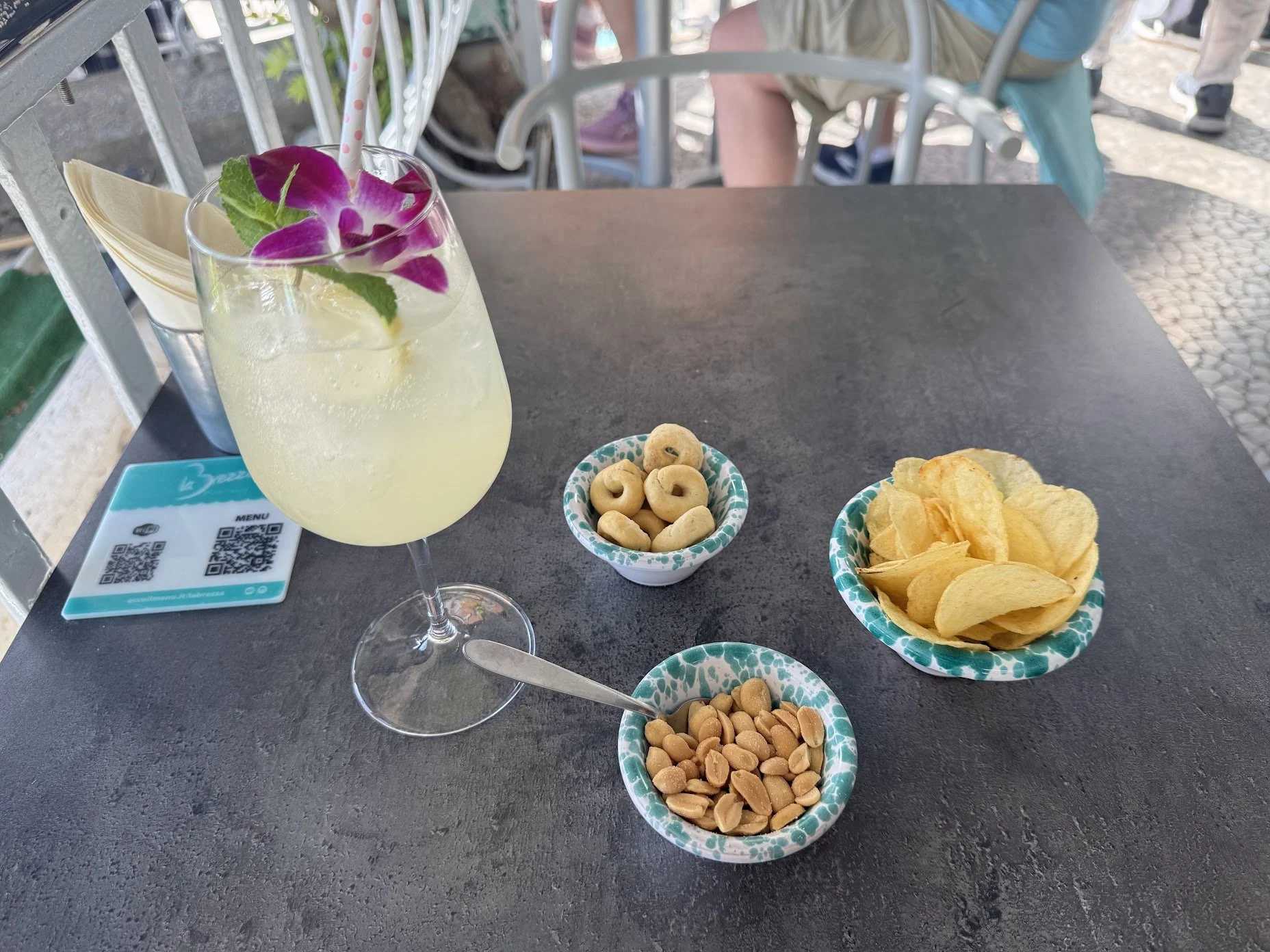
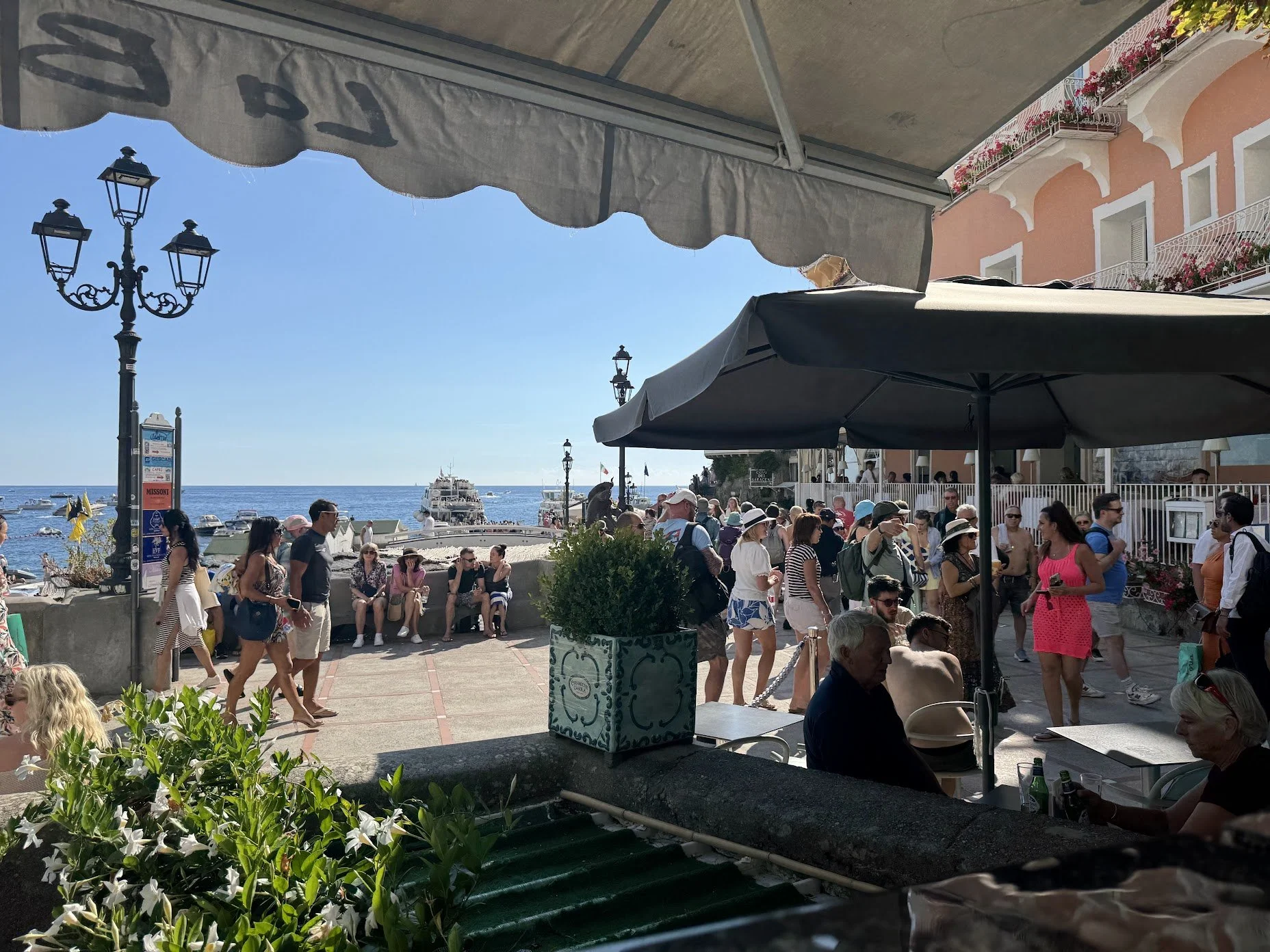
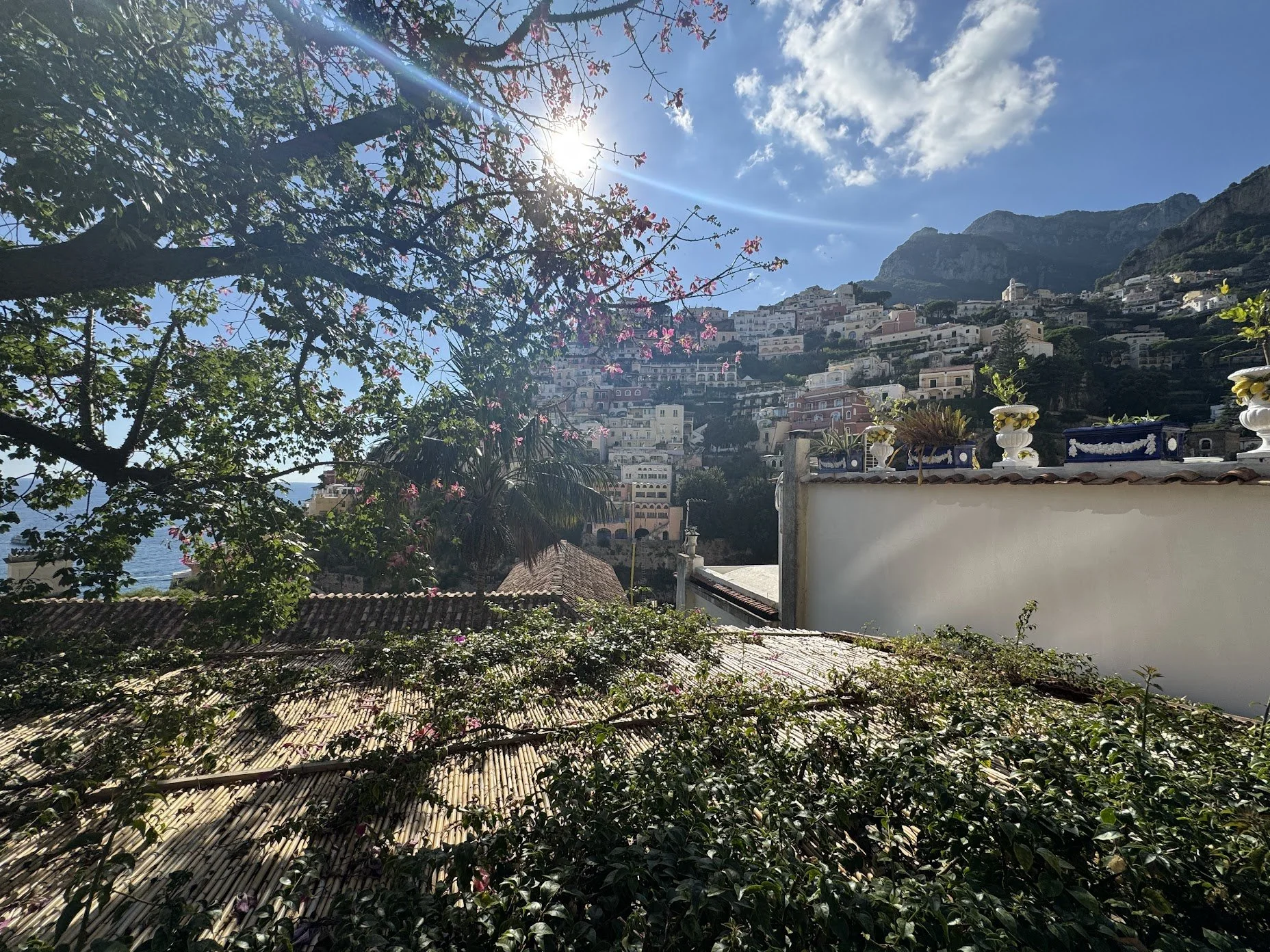
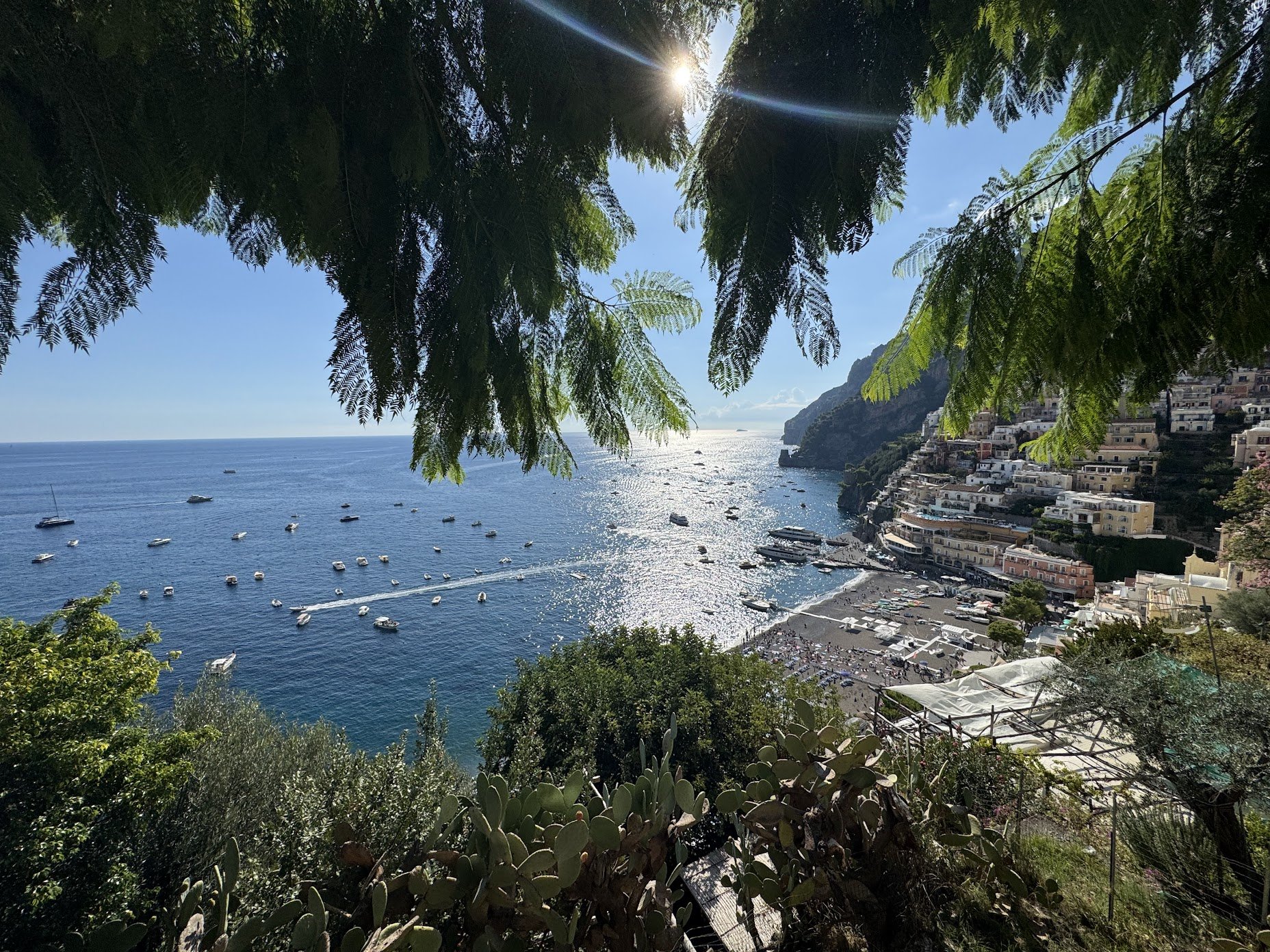
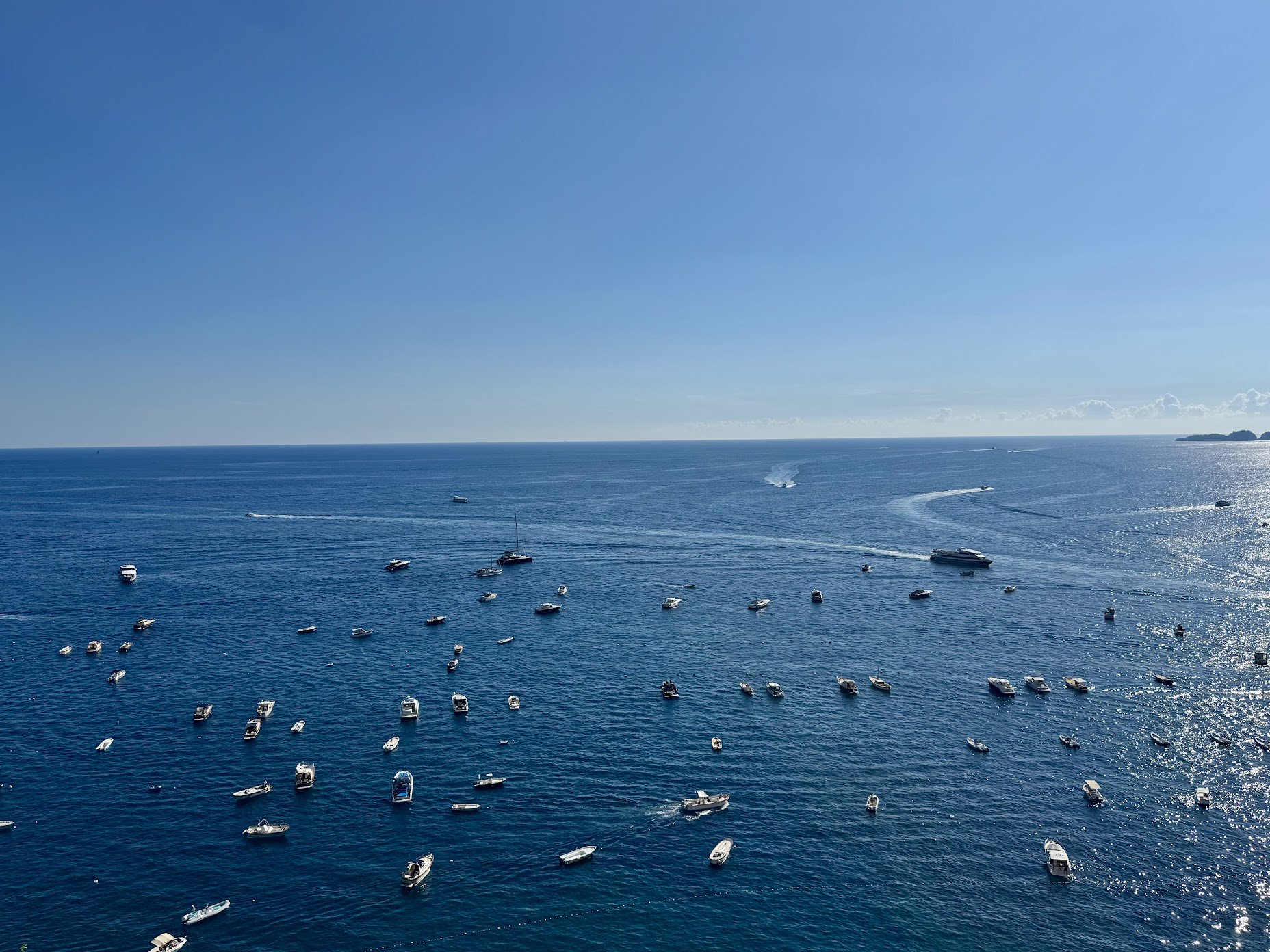
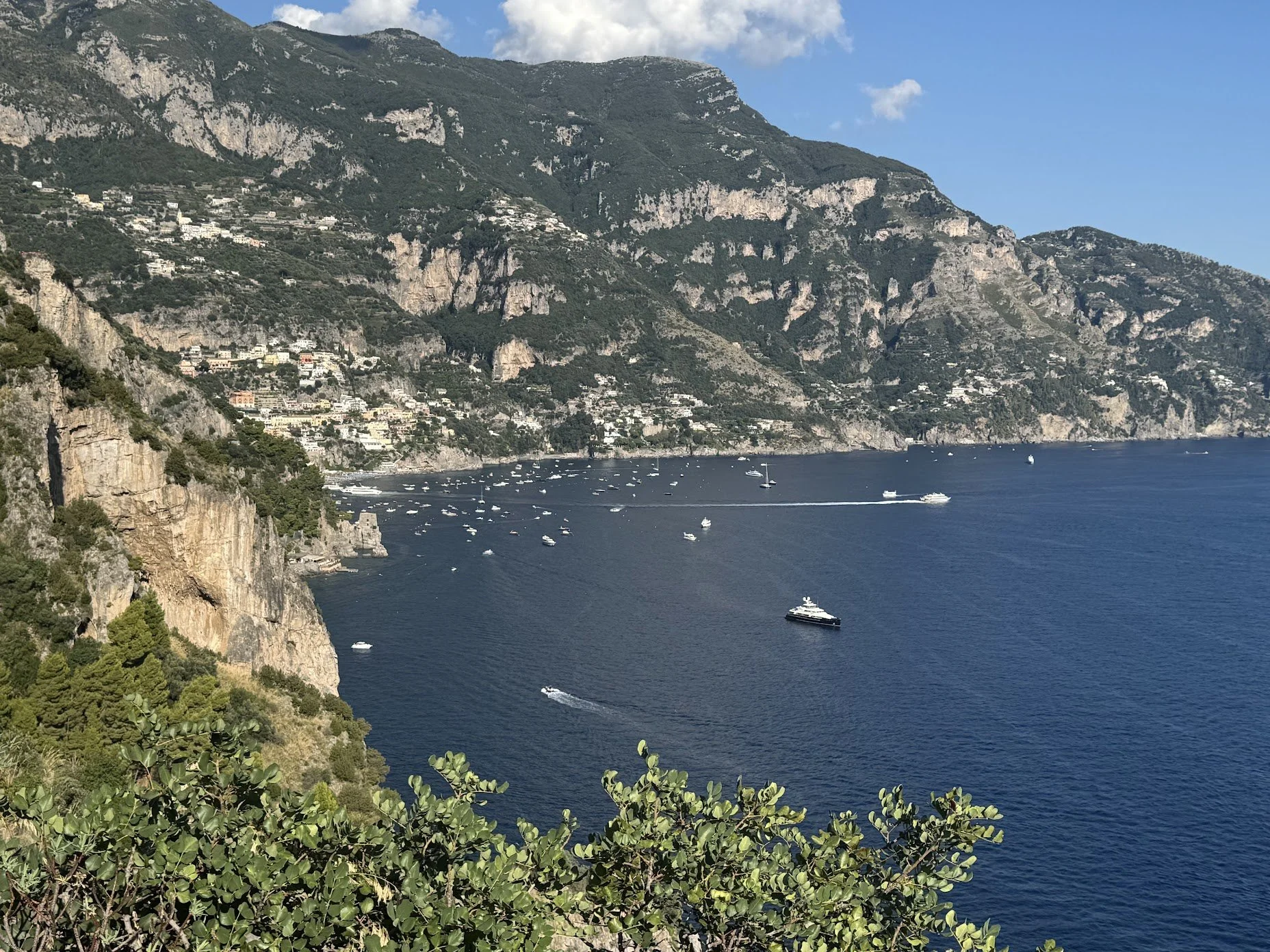
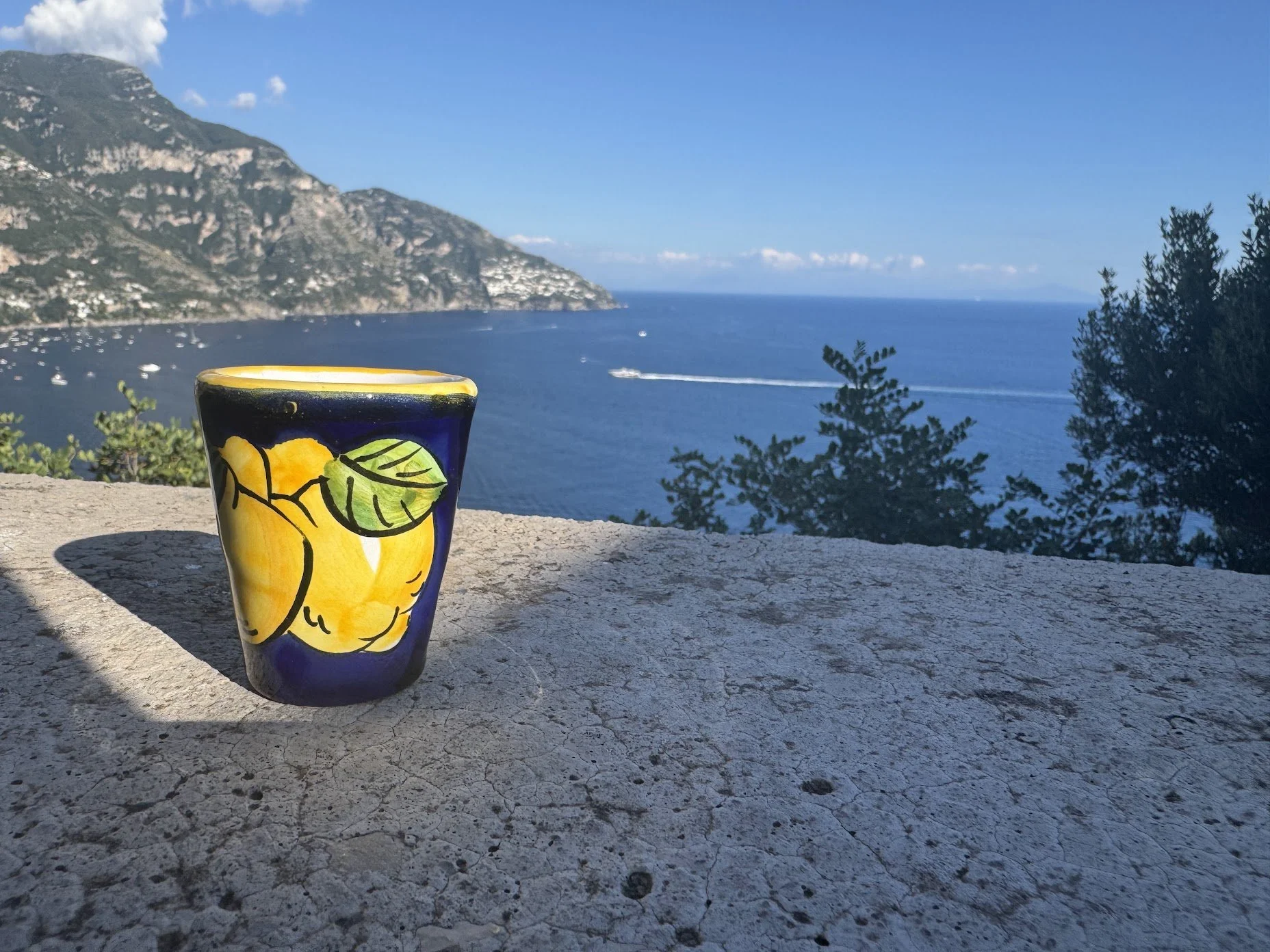
Positano is undeniably beautiful, but it was also the busiest place I visited on the Amalfi Coast. The steep staircases leading down to the beach were packed with visitors, and the climb back up in the afternoon heat was every bit as challenging as I'd anticipated. Instead of trying to squeeze in more sightseeing, I ordered a Hugo Spritz near the harbor and watched the endless stream of ferries deliver even more visitors.
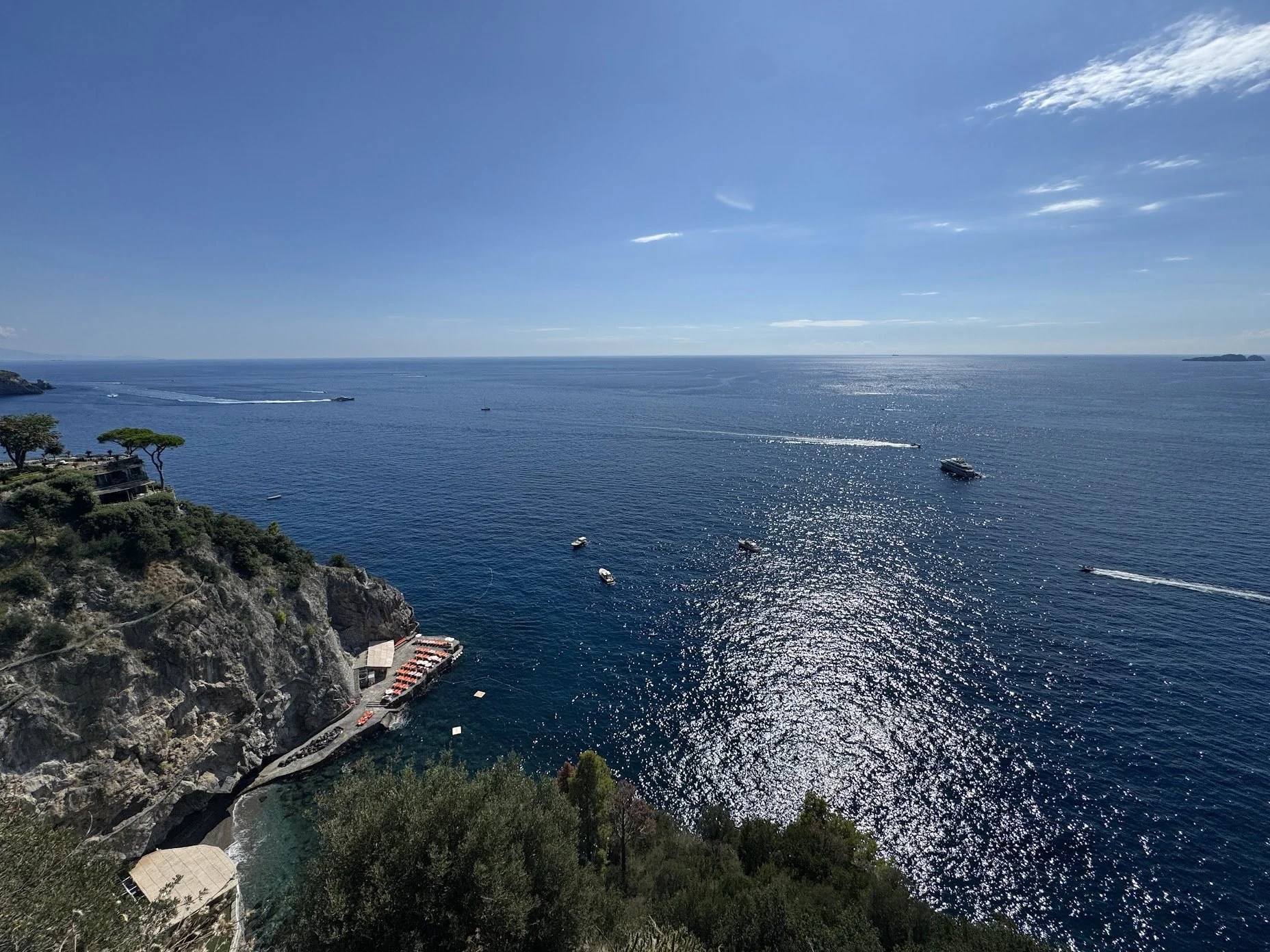
Even though Positano wasn't my favorite stop, there's no denying the views are incredible. Looking down from above at the colorful buildings tumbling toward the sea is one of the Amalfi Coast's most iconic scenes.

Where I Ate: Gluten-Free Dining in Naples, Italy
After the day I'd had, all I wanted on my first evening in Naples was a great gluten-free pizza and a glass of wine. Unfortunately, things didn't quite go according to plan.
After my stressful train ride, challenging walk from the station, and frustrating hotel check-in, I set off in search of what I'd read was one of the best places for gluten-free pizza in Naples. It was about 6:00 p.m. when I arrived, only to learn, rather emphatically, that they didn't open until 7:30.
Normally, I would have happily wandered around and waited.
But after everything that had happened that day, I simply didn't have it in me. I walked back toward my hotel, stopped at a small neighborhood market, picked up some sliced meat, cheese, and a bottle of wine, and called it a night.
Thankfully, my second attempt was much more successful.
Pizzeria Trianon da Ciro
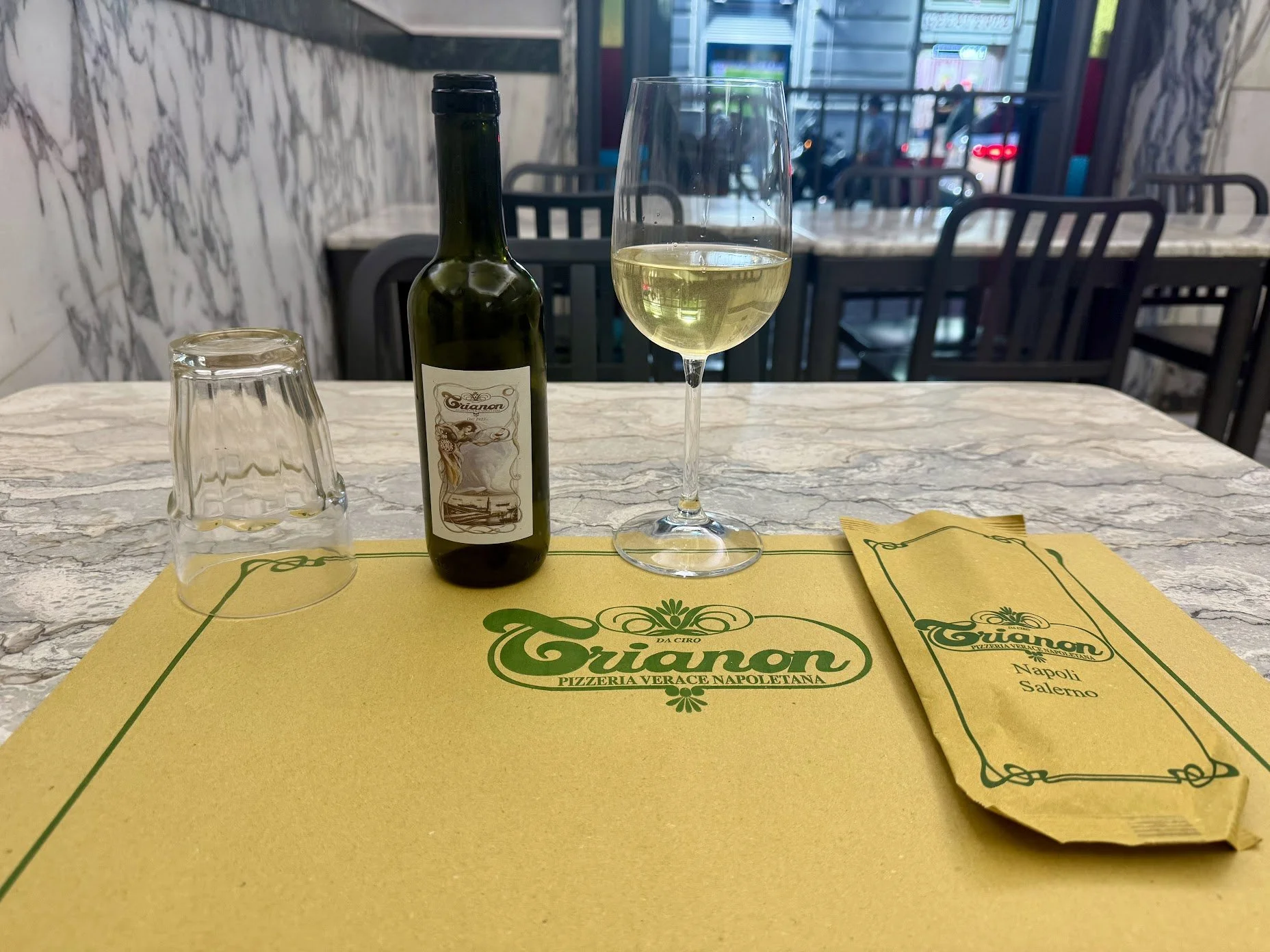
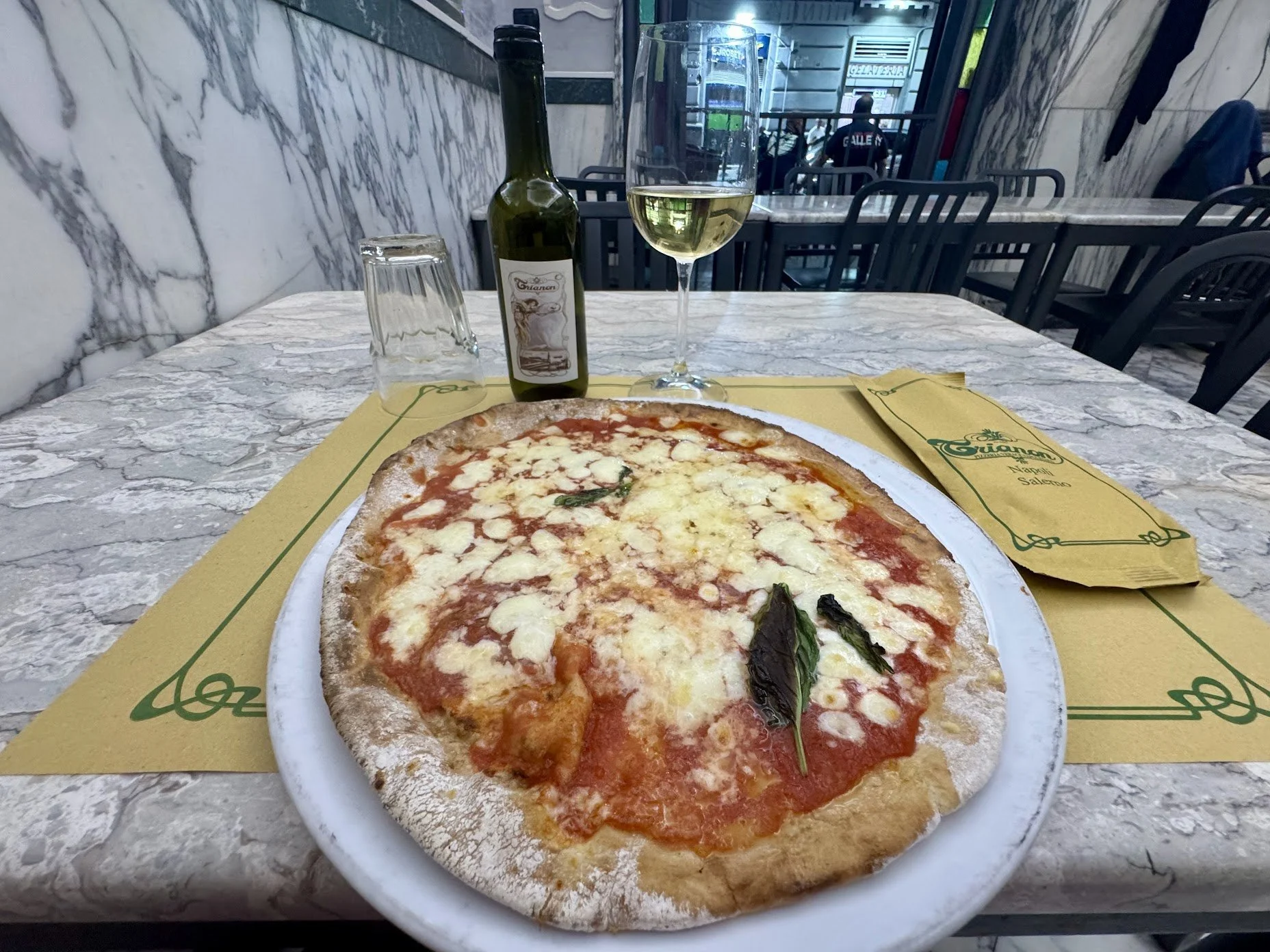
The following evening, I discovered Pizzeria Trianon da Ciro, just a short walk from my hotel, and it ended up becoming my go-to restaurant in Naples.
The restaurant isn't fancy, but that's part of its charm. The gluten-free Neapolitan pizza was excellent, the portions were generous, and the staff made me feel genuinely welcome. I enjoyed it so much that I returned the following night, and the host even let me take a bottle of wine back to my hotel after dinner.
If you're traveling gluten-free and staying near Napoli Centrale, I wouldn't hesitate to recommend it. As an added bonus, there's a popular gelato shop directly across the street if you're looking for dessert afterward.
My dining experiences in Naples were very different from the leisurely meals I enjoyed in Venice, but in the end, I found exactly what I'd been hoping for: authentic Neapolitan pizza that I could safely enjoy without gluten.

Final Thoughts: Naples, Italy
Naples wasn't my favorite city in Italy.
It was the most chaotic, the most overwhelming, and at times the most stressful place I visited during my three months traveling through Europe. My arrival was rocky, my first impression wasn't great, and even by the time I boarded my train to Salerno, I wasn't sure I'd ever want to return.
But time has a funny way of changing perspective.
Looking back, I realize I was judging Naples against every other place I'd already visited, especially Venice, which had completely captured my heart. Naples isn't trying to be Venice. It's louder, grittier, faster paced, and far less polished. It's a city with rough edges, and that's exactly what many people love about it.
More importantly, Naples gave me access to some of my favorite experiences in southern Italy. Wandering the colorful streets of Procida, standing on the Terrace of Infinity in Ravello, watching ferries arrive in Amalfi, and sipping a Hugo Spritz in Positano are memories I'll always associate with this part of Italy. I also found some excellent gluten-free pizza and discovered that sometimes the best travel experiences happen when your original plans fall apart.
Would I return? Yes, but I'd do it differently. I'd stay in a different neighborhood, spend more time exploring Naples itself, and use the city once again as a base for discovering everything the Bay of Naples has to offer.
If you're looking for a perfectly polished destination, Naples may not be for you. But if you're willing to embrace a little unpredictability, keep an open mind, and venture beyond your first impression, you may discover that Naples has far more to offer than it first lets on.
Travel Gear Reviews
-
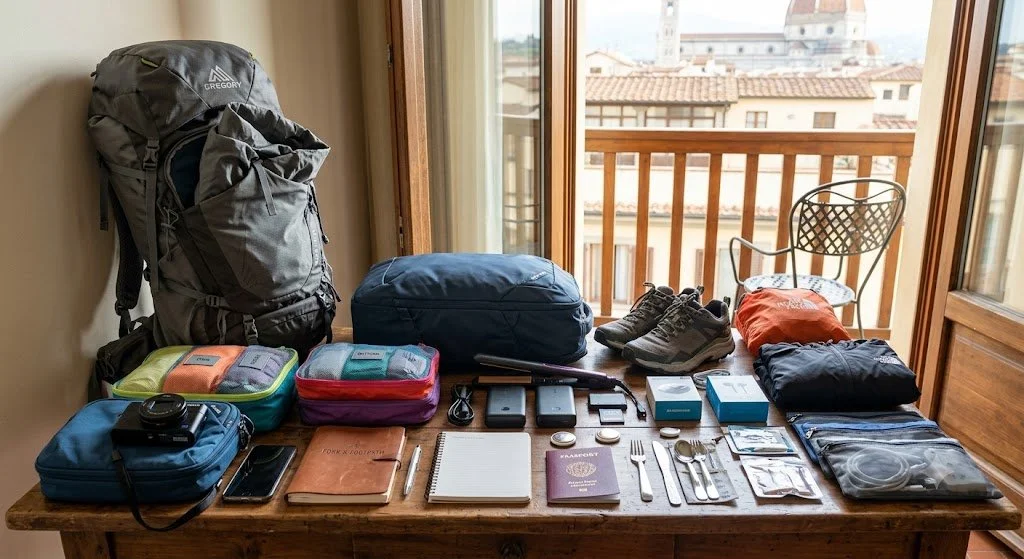
![The Ultimate Europe Packing List]()
The Ultimate Europe Packing List: Everything I Actually Used
The exact luggage, gear, footwear, technology, and clothing that survived three months of continuous solo travel.
-
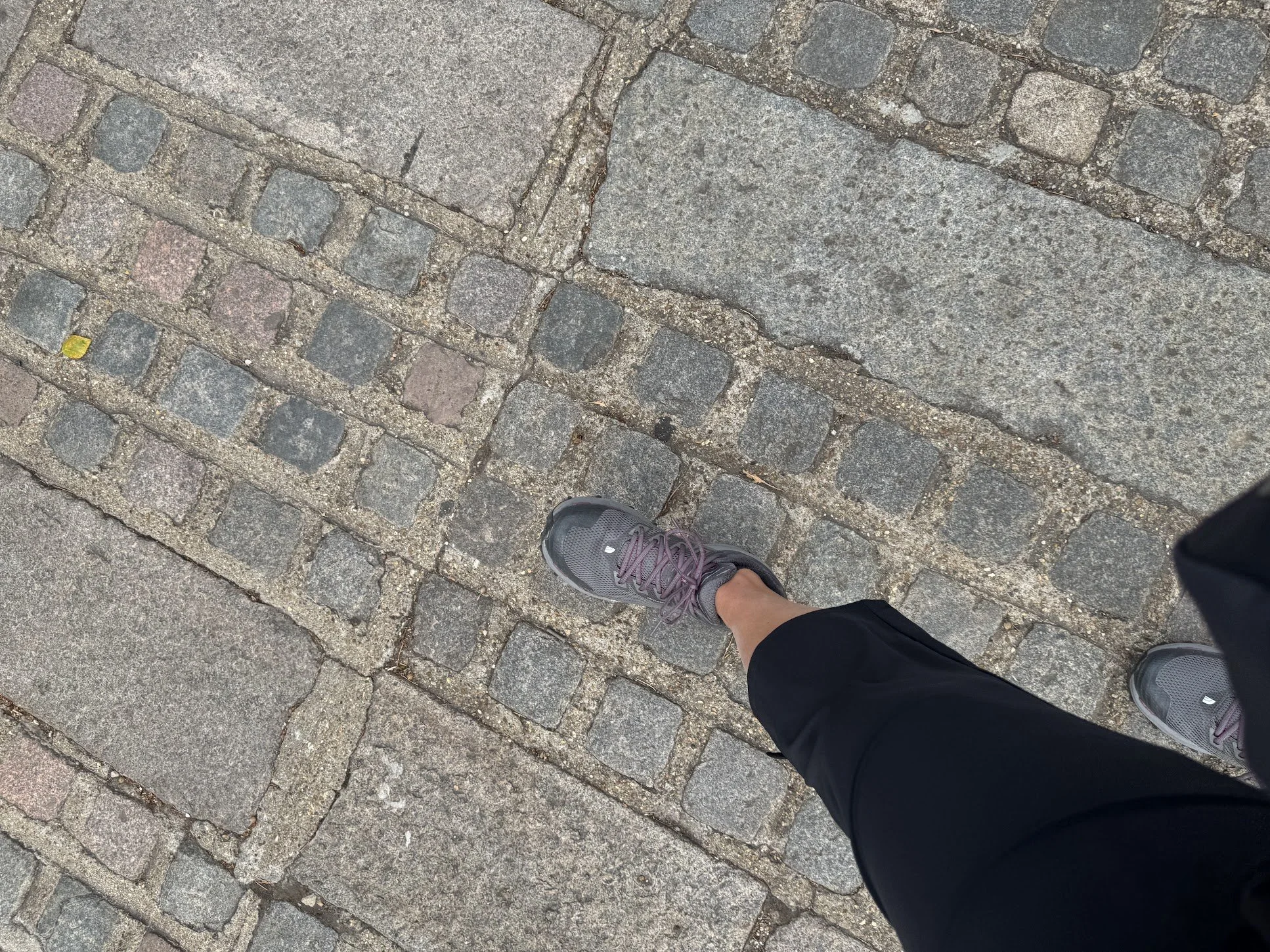
![Travel Shoes For Europe]()
The Walking Shoes That Survived Three Months of European Travel
These provided the comfort, support, waterproof protection, and versatility I needed for long days on my feet.
-
![Waterproof Travel Gear]()
Waterproof Travel Gear: Essentials That Keep You Exploring
Rain gear is one of the best investments you can make for an extended European trip. These waterproof essentials earned a permanent place on my packing list.
-
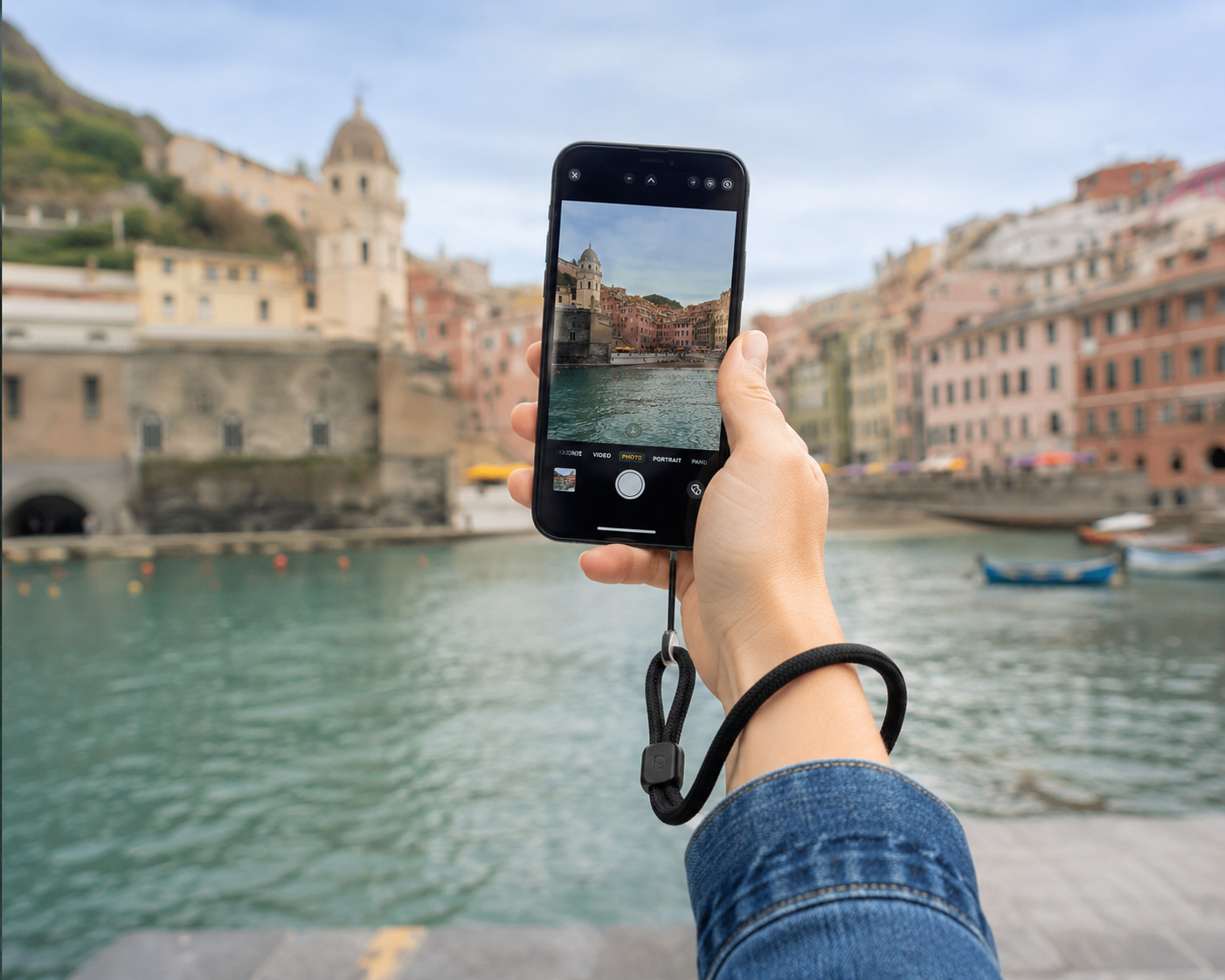
![Phone Wrist Strap]()
The Phone Wrist Strap That Helped Protect My Phone Across Europe
A simple, low-cost travel accessory provided peace of mind in crowded cities and added security throughout my three-month trip.
-
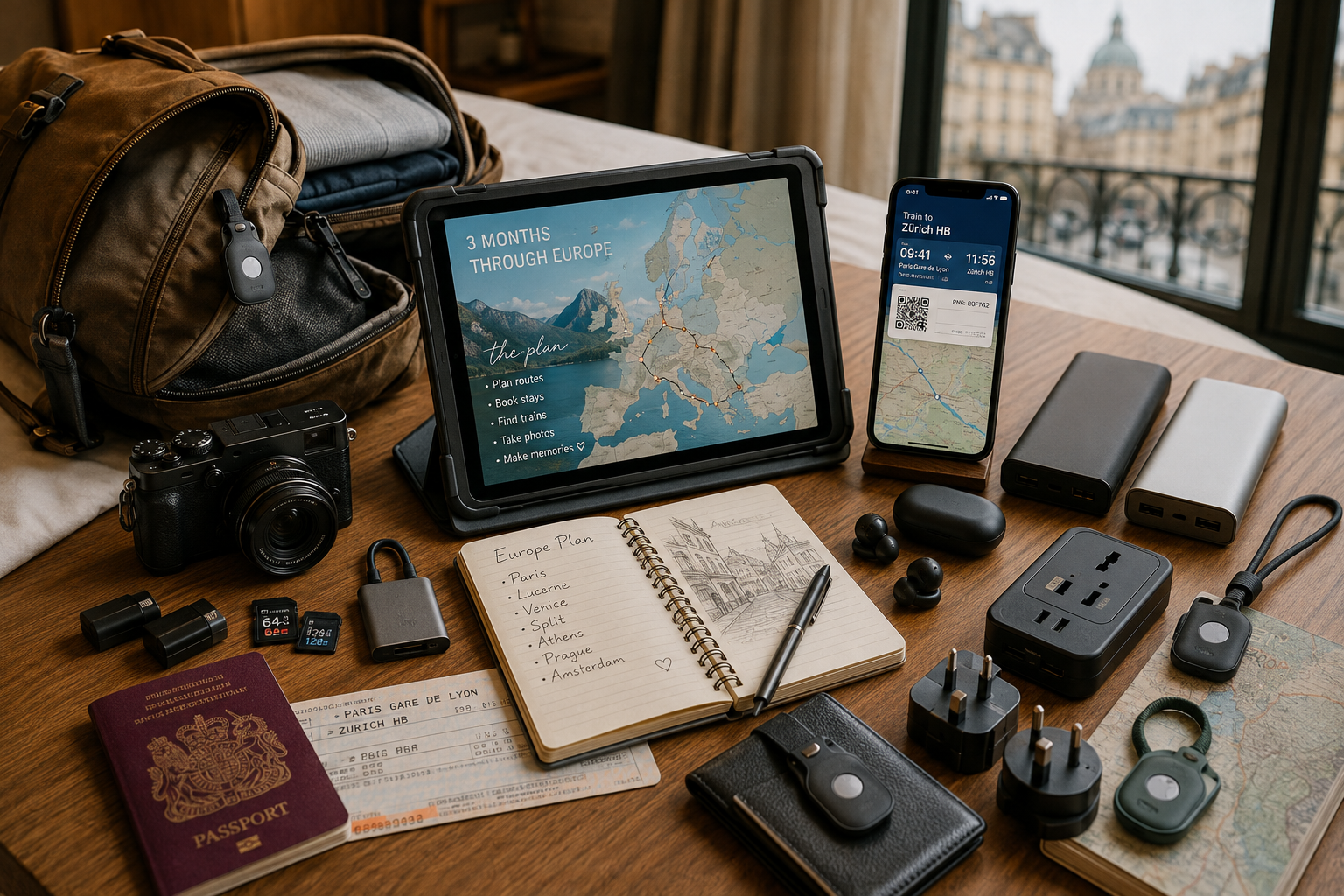
![Travel Technology]()
The Technology I Used During Three Months of Traveling Europe
The travel tech that helped me navigate, stay connected, protect my photos, and travel independently.