Venice Travel Guide: Exploring Beyond the Crowds
A maze of waterways, quiet neighborhoods, and a city that feels incredibly unique.
What could I possibly say about Venice that hasn't already been said?
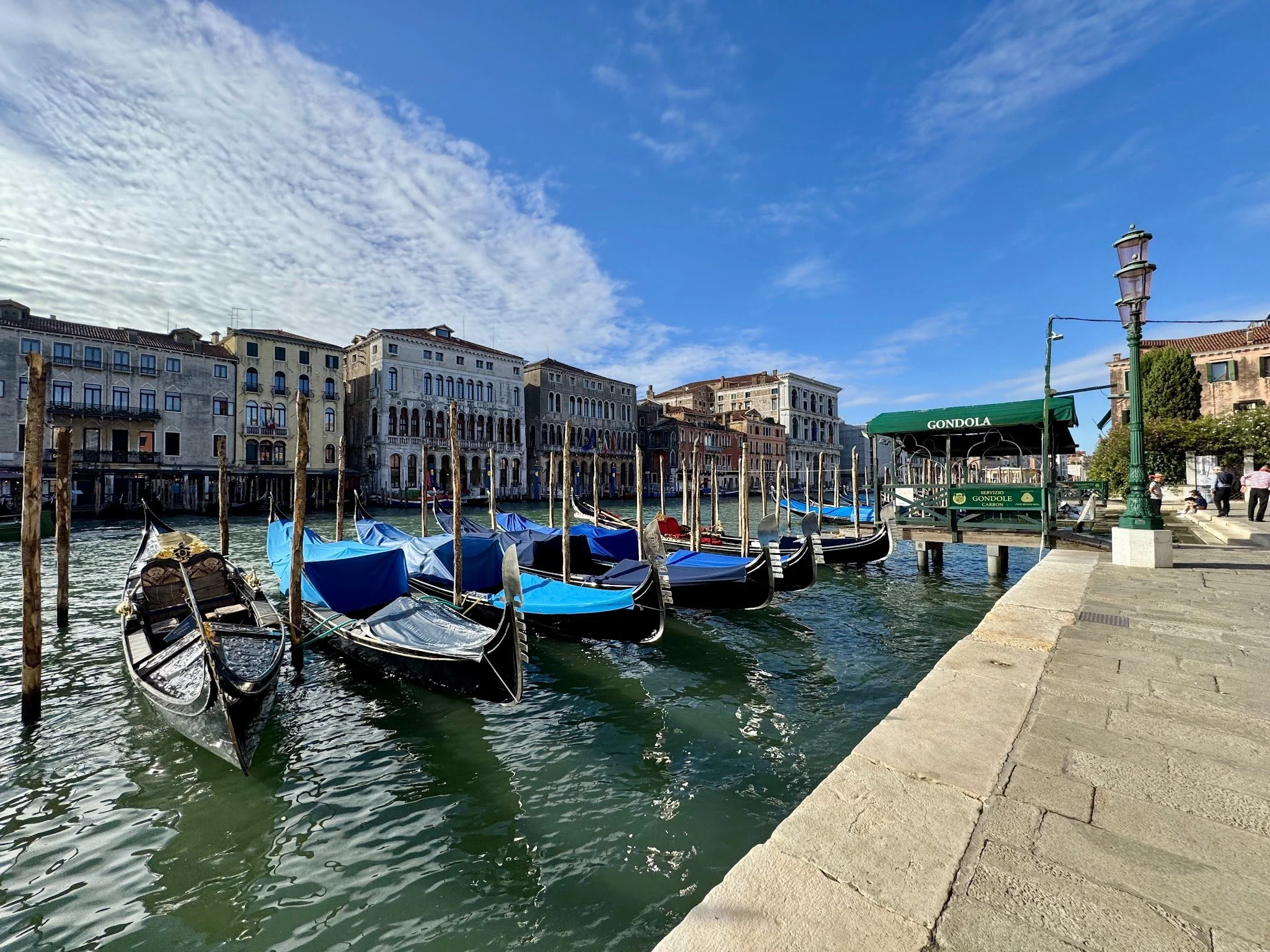
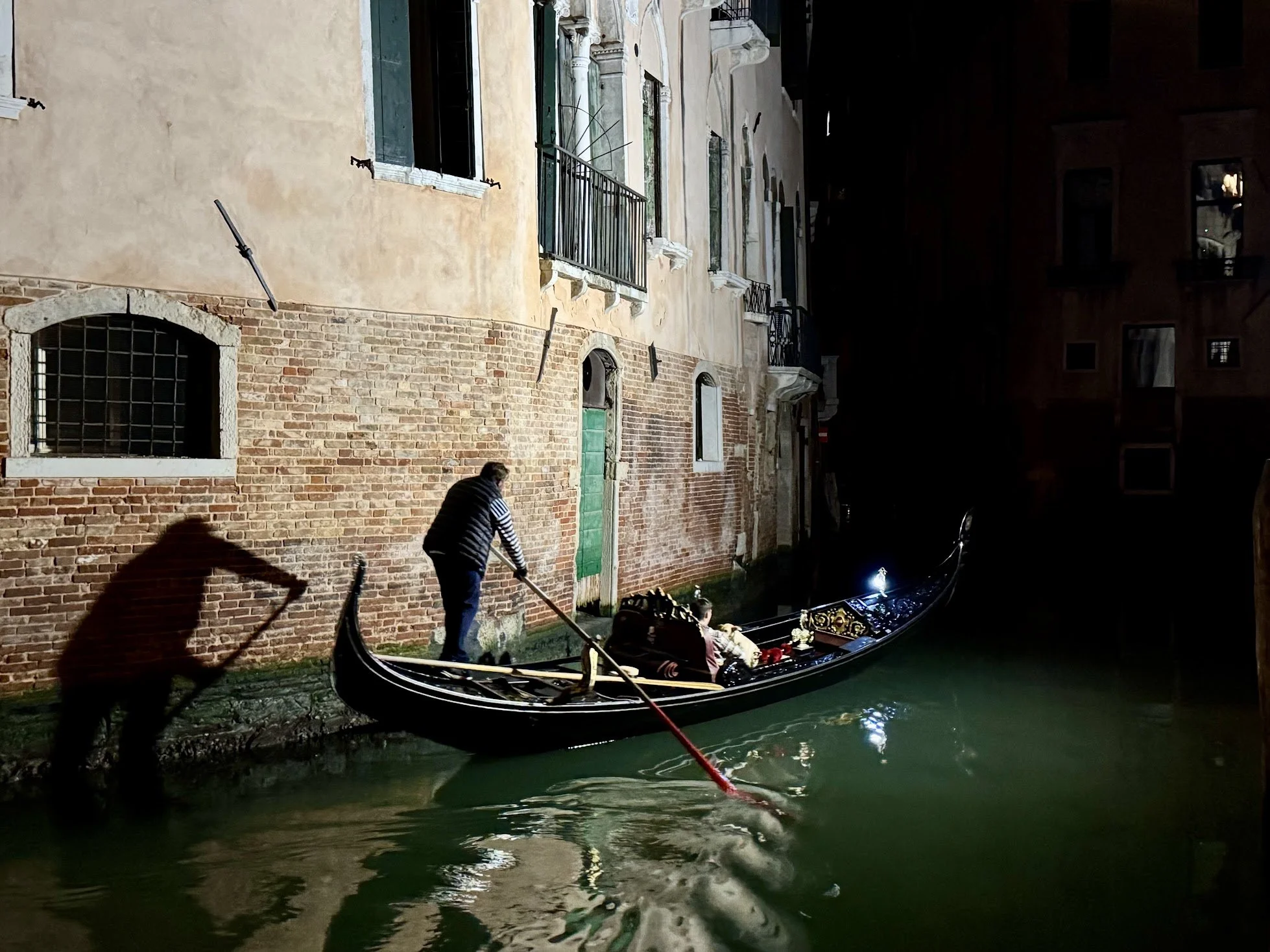
Before leaving for Europe, I created a detailed itinerary for my parents, including a brief overview of each destination. For Venice, I wrote: “With no roads, transportation happens by foot or boat, including the iconic gondolas and vaporettos.”
At the time, it was simply a sentence in a travel document. Looking back, it's funny that I didn't fully appreciate what it meant.
If you've read any of my previous travel guides, you know I'm a walker. Throughout this trip, I've rarely taken taxis, rideshares, or public transportation. Given the choice, I'll almost always walk through neighborhoods and explore a city at street level.
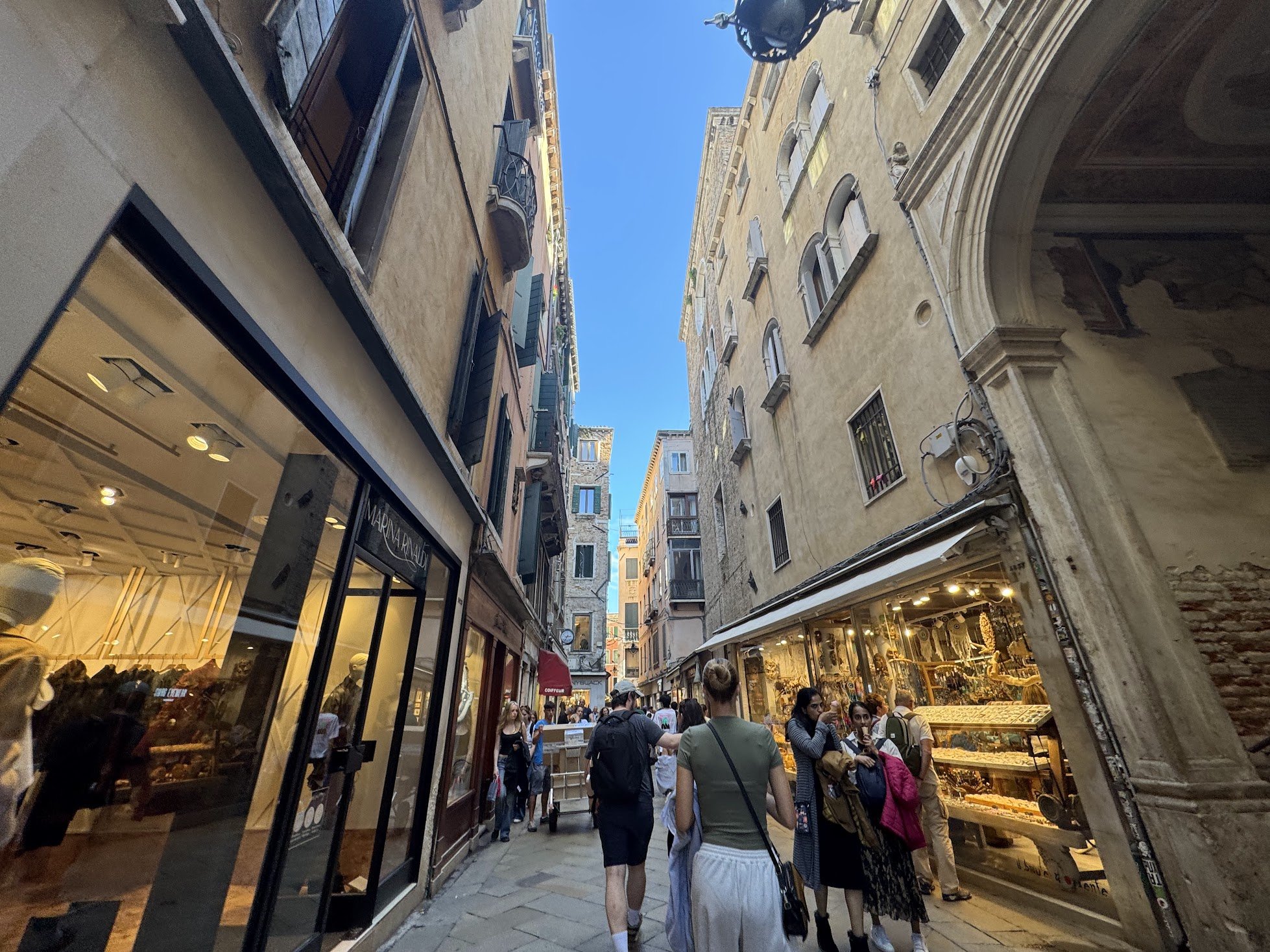
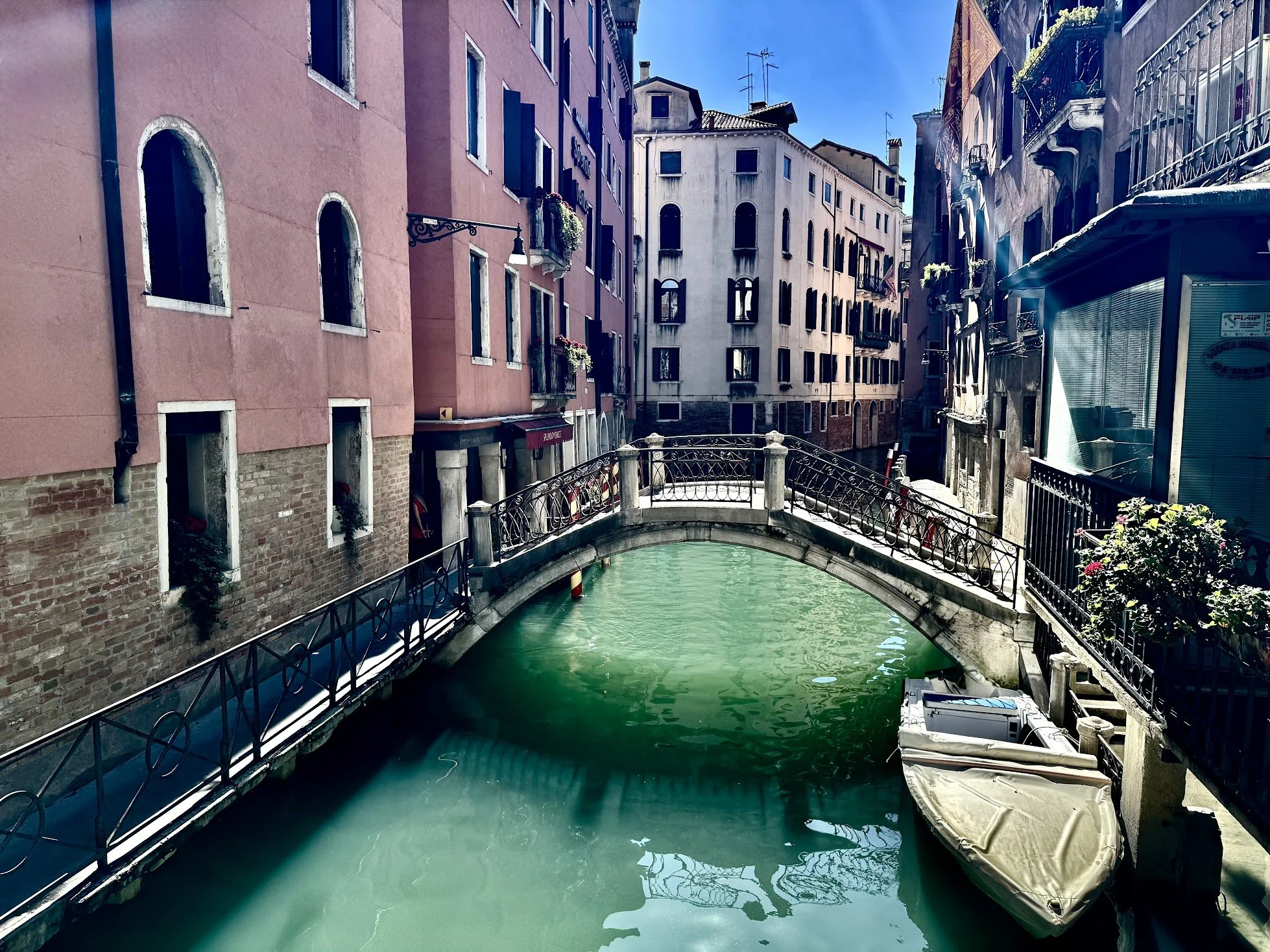
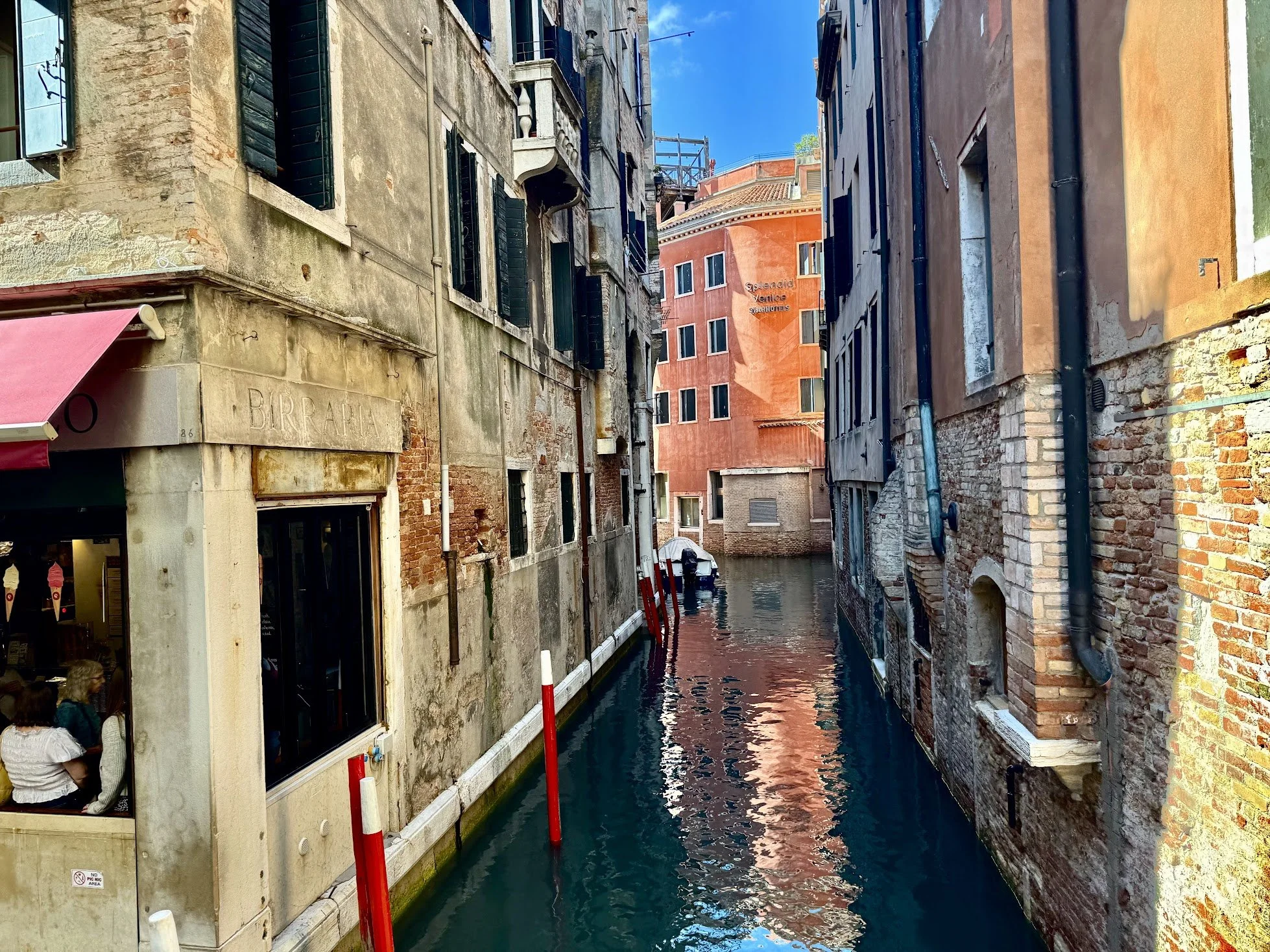
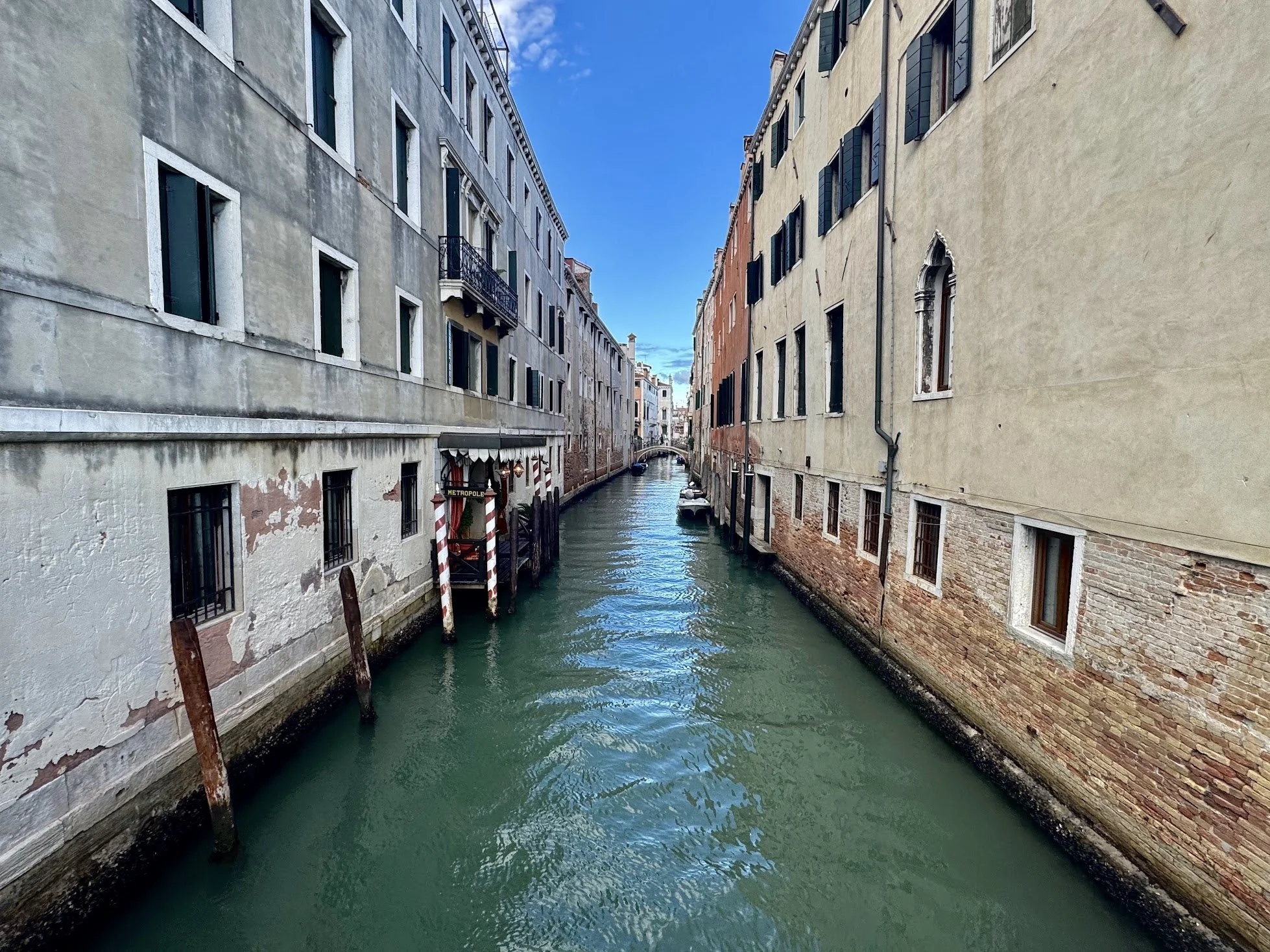
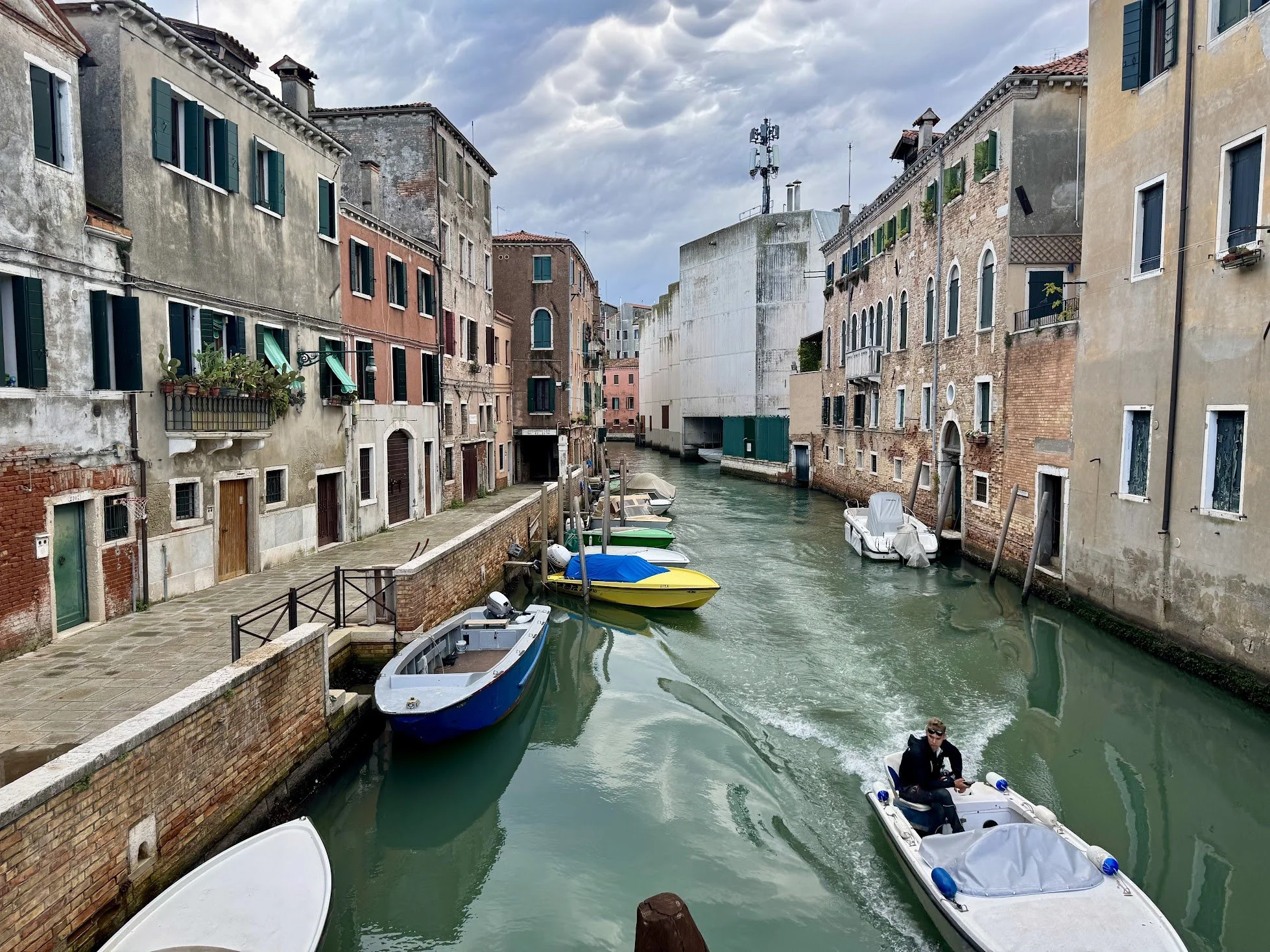
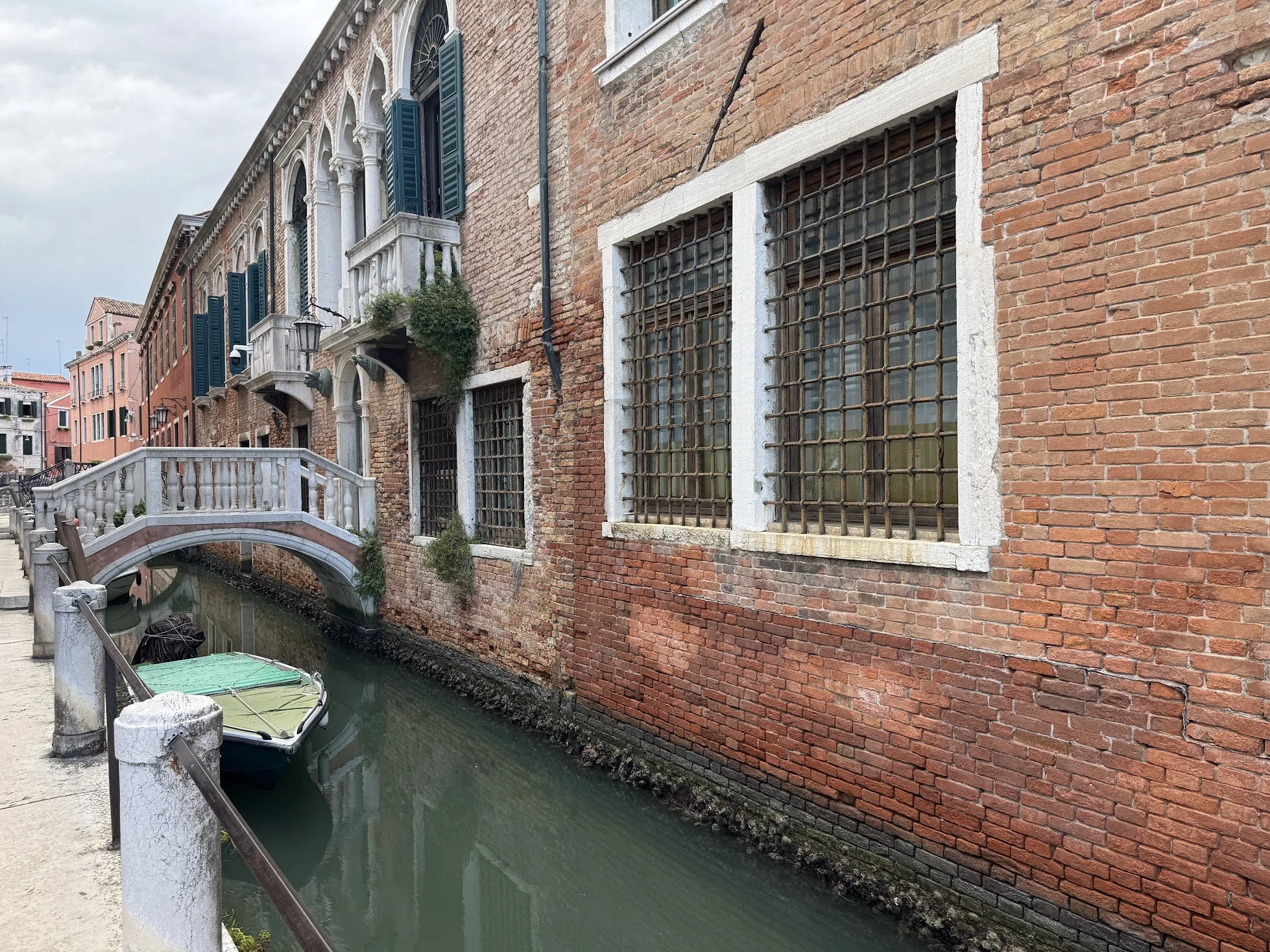
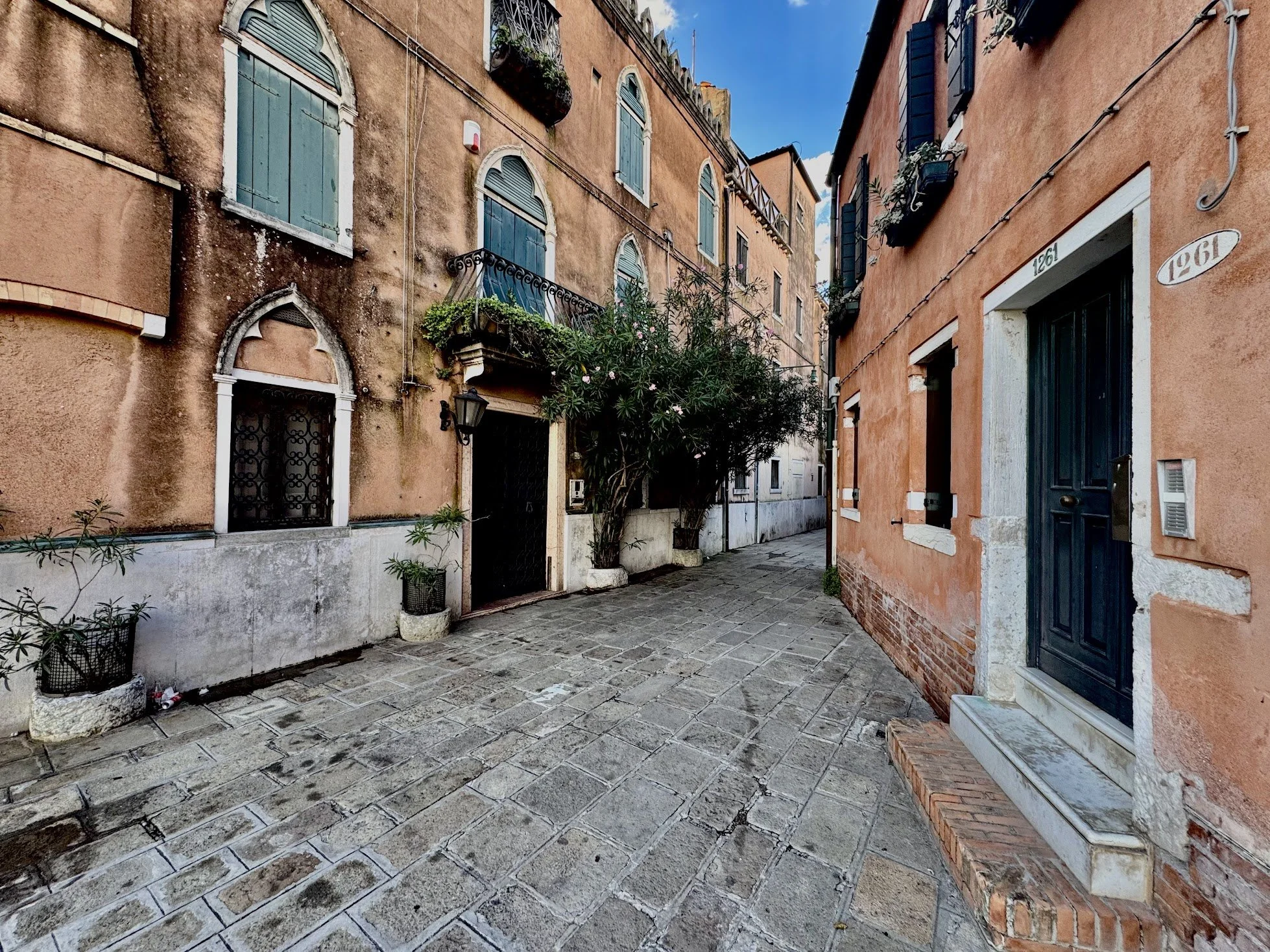
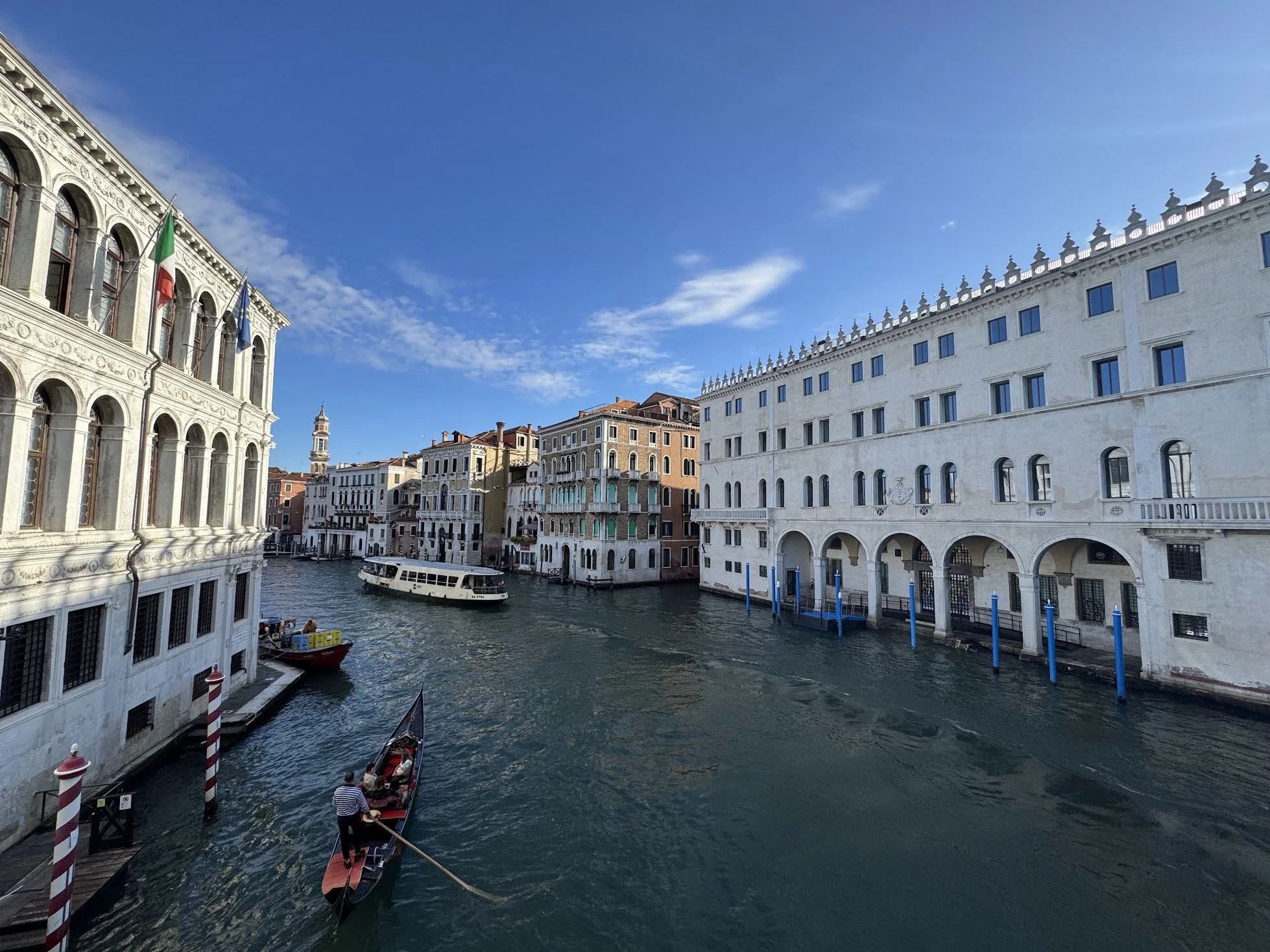
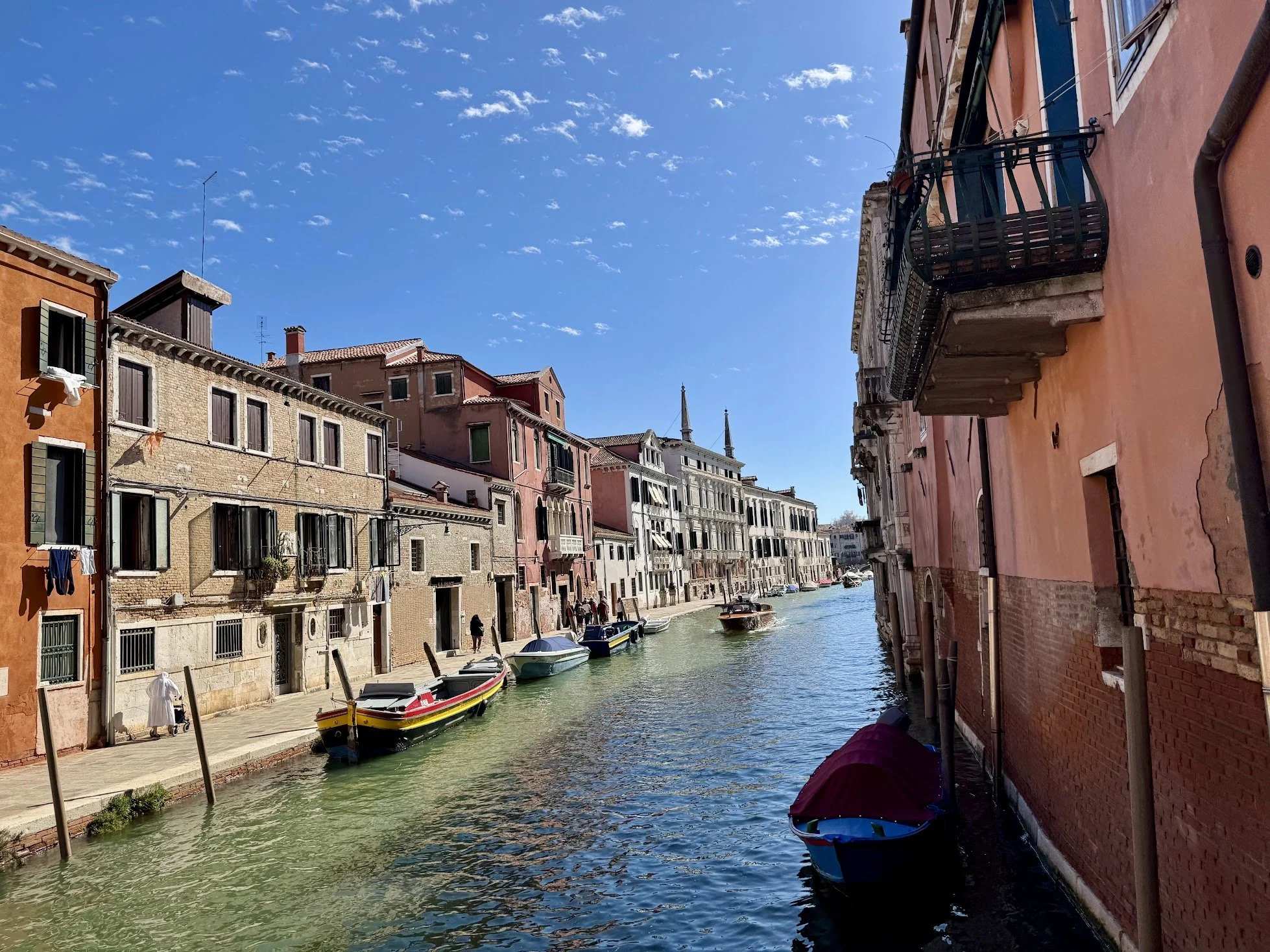
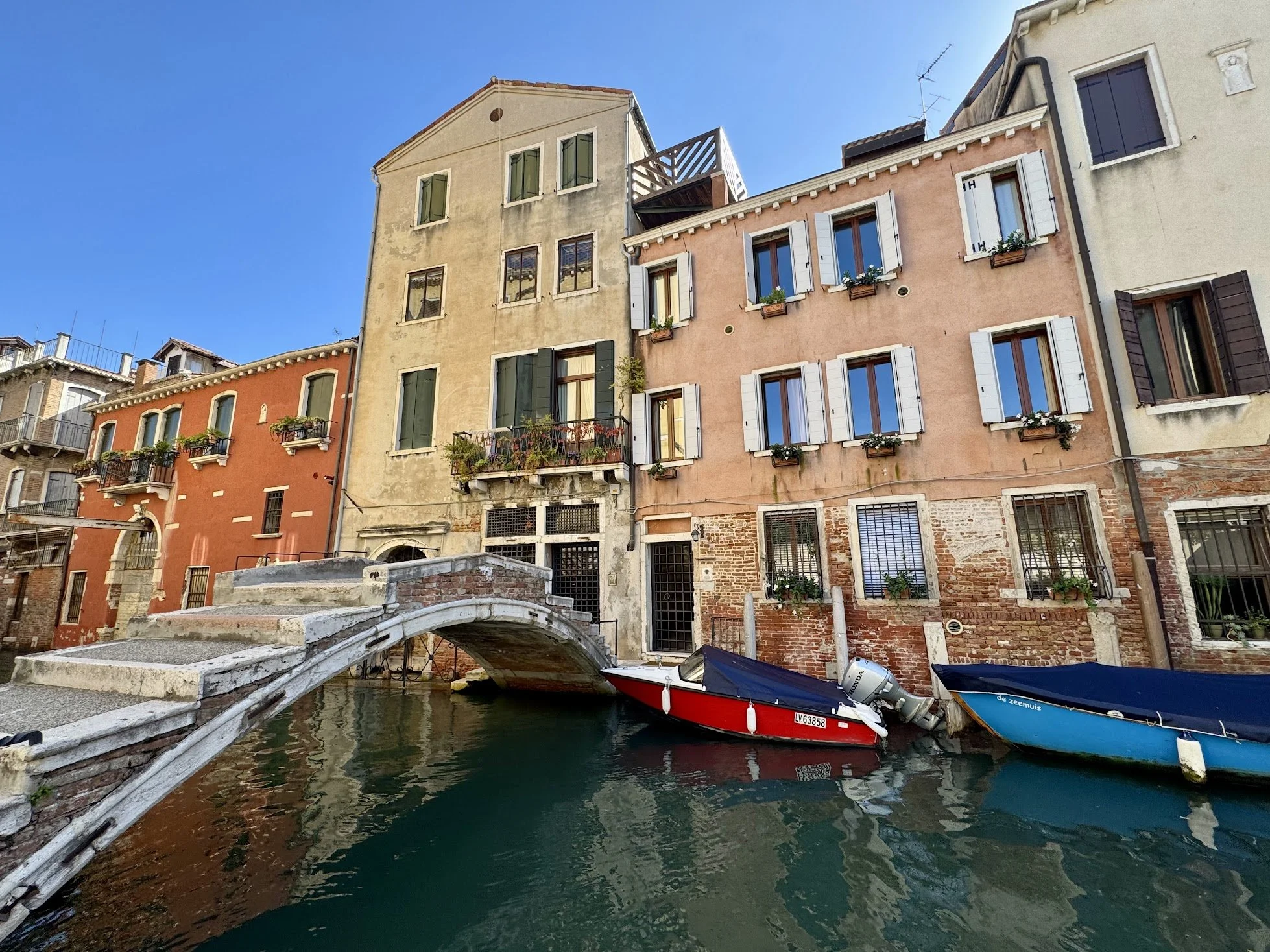
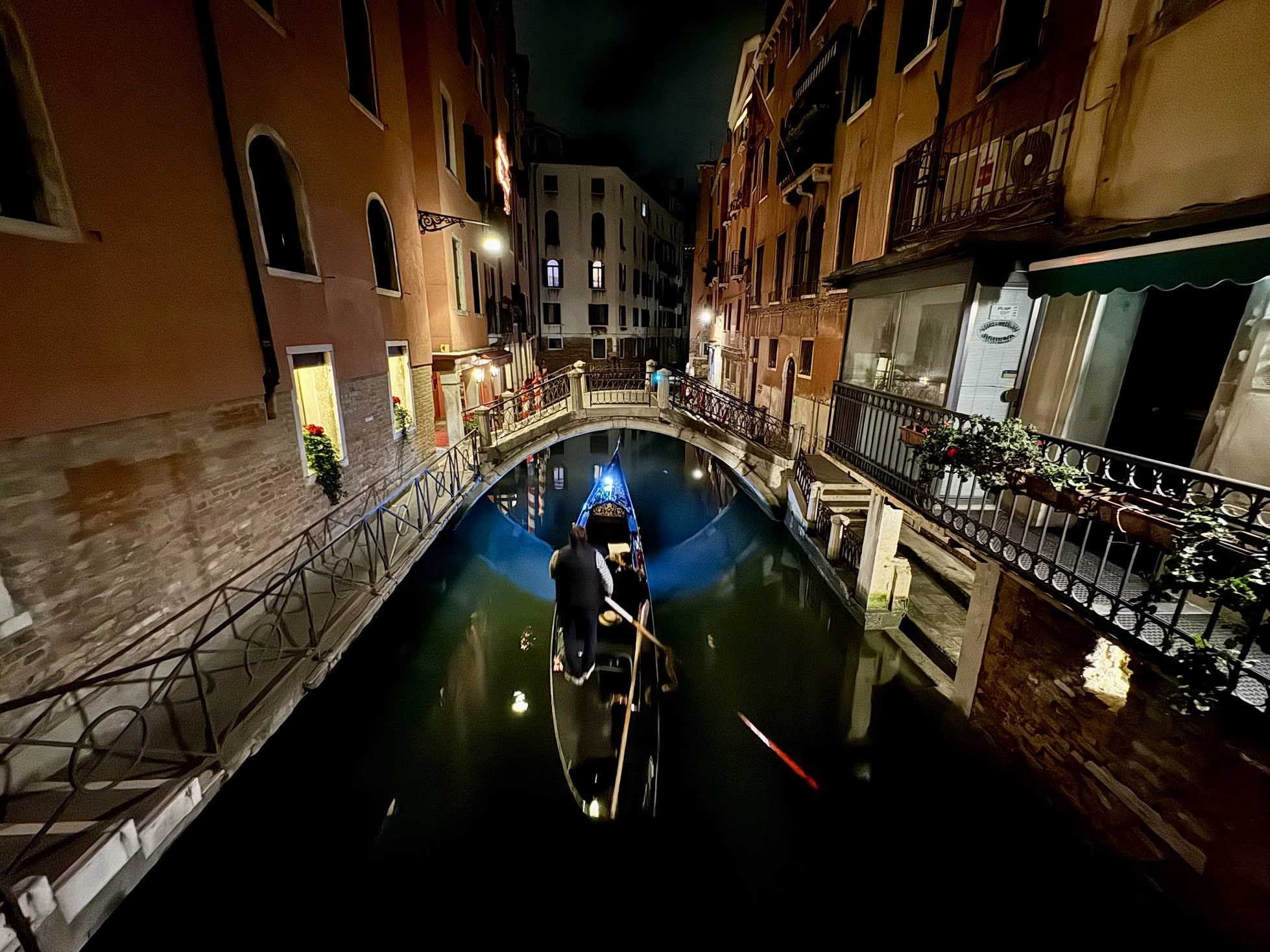
Until Venice, I hadn't thought much about the fact that every city I'd visited offered space to spread out. My walks took me through parks, across large squares, along riverfronts, and down wide boulevards. Venice was different. The city felt like a maze of narrow passageways, bridges, and canals where one turn quickly led to another. More than once, I felt less like I was walking through a city and more like I was moving through a series of interconnected hallways.
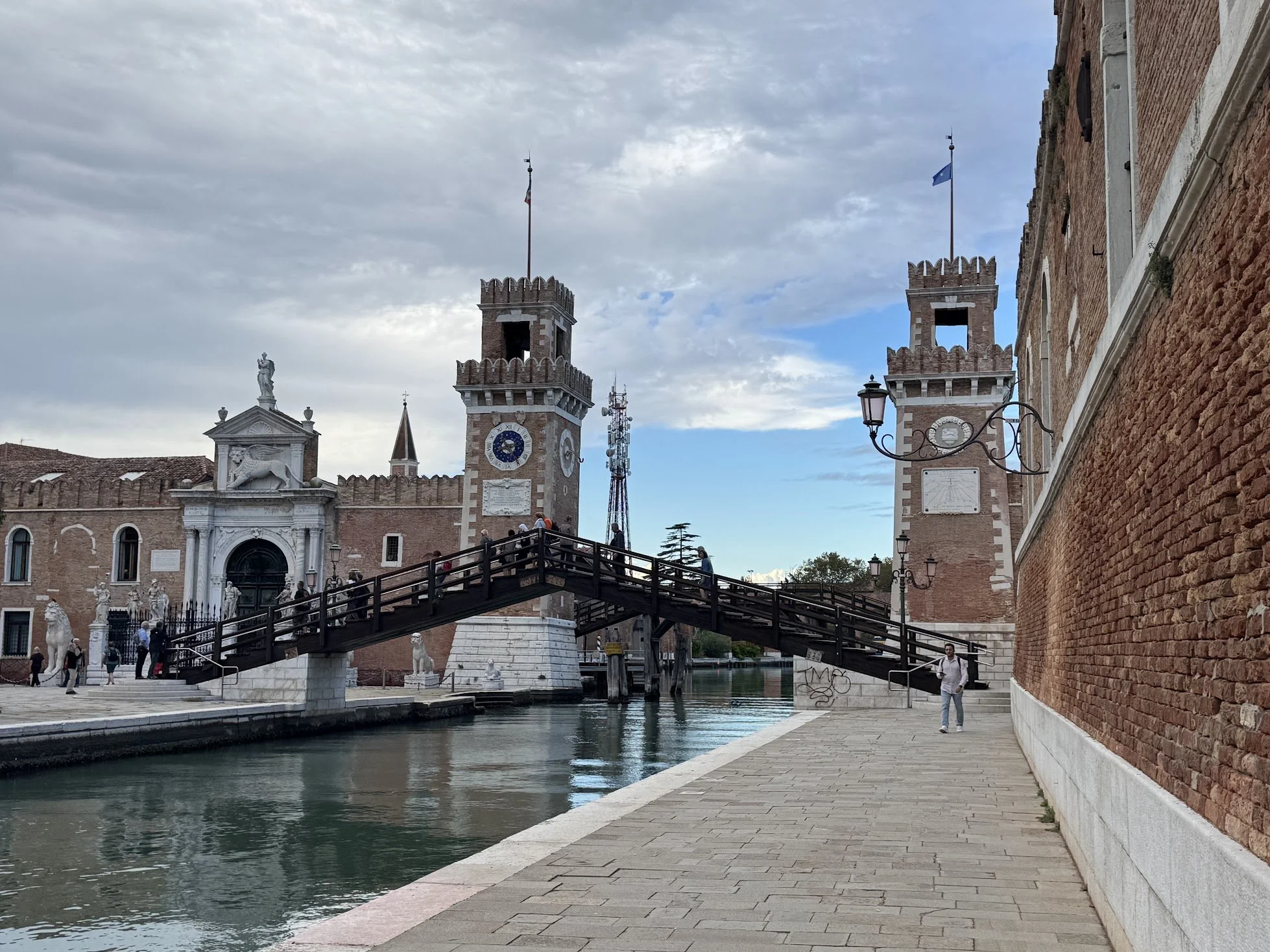
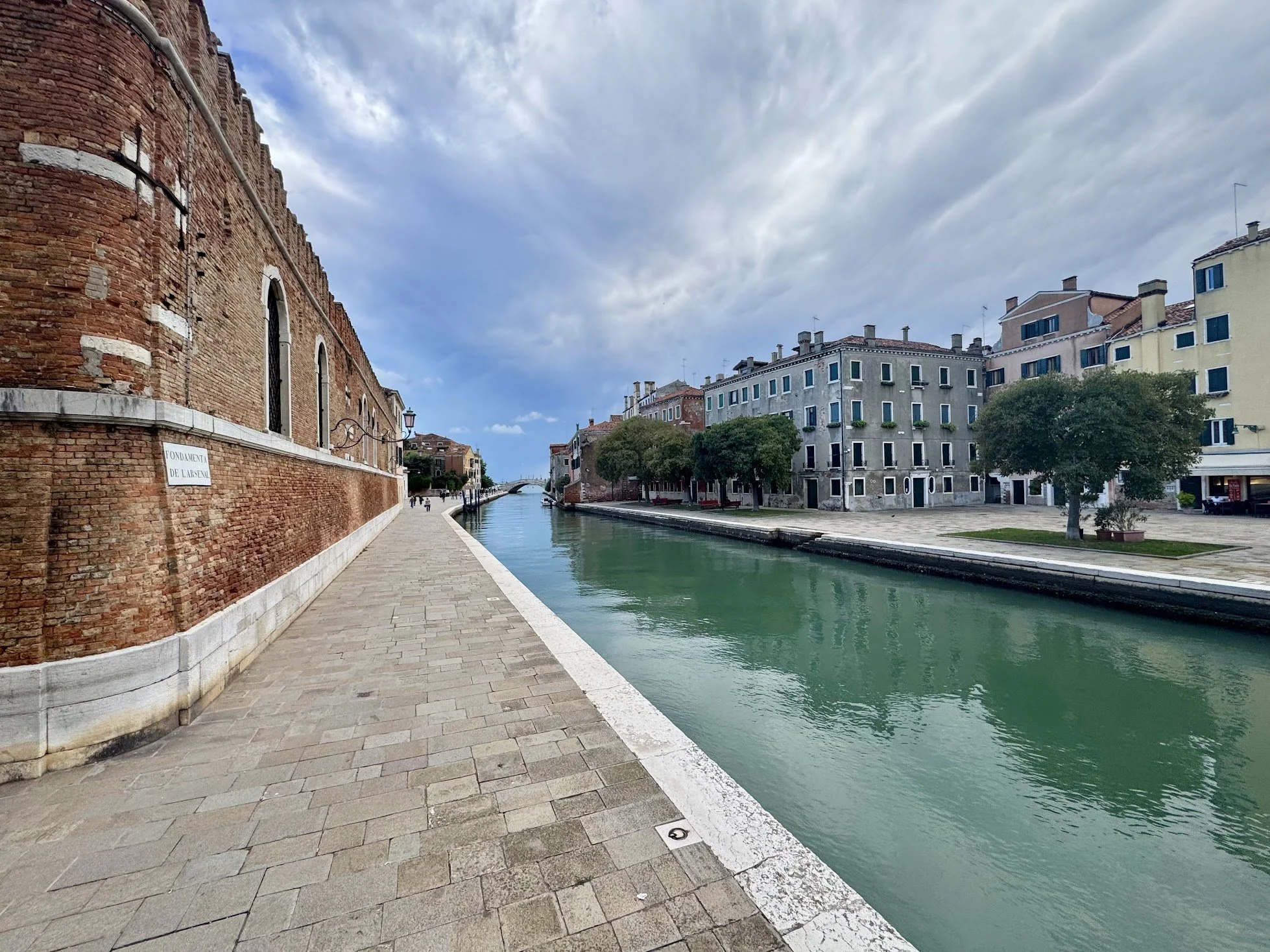
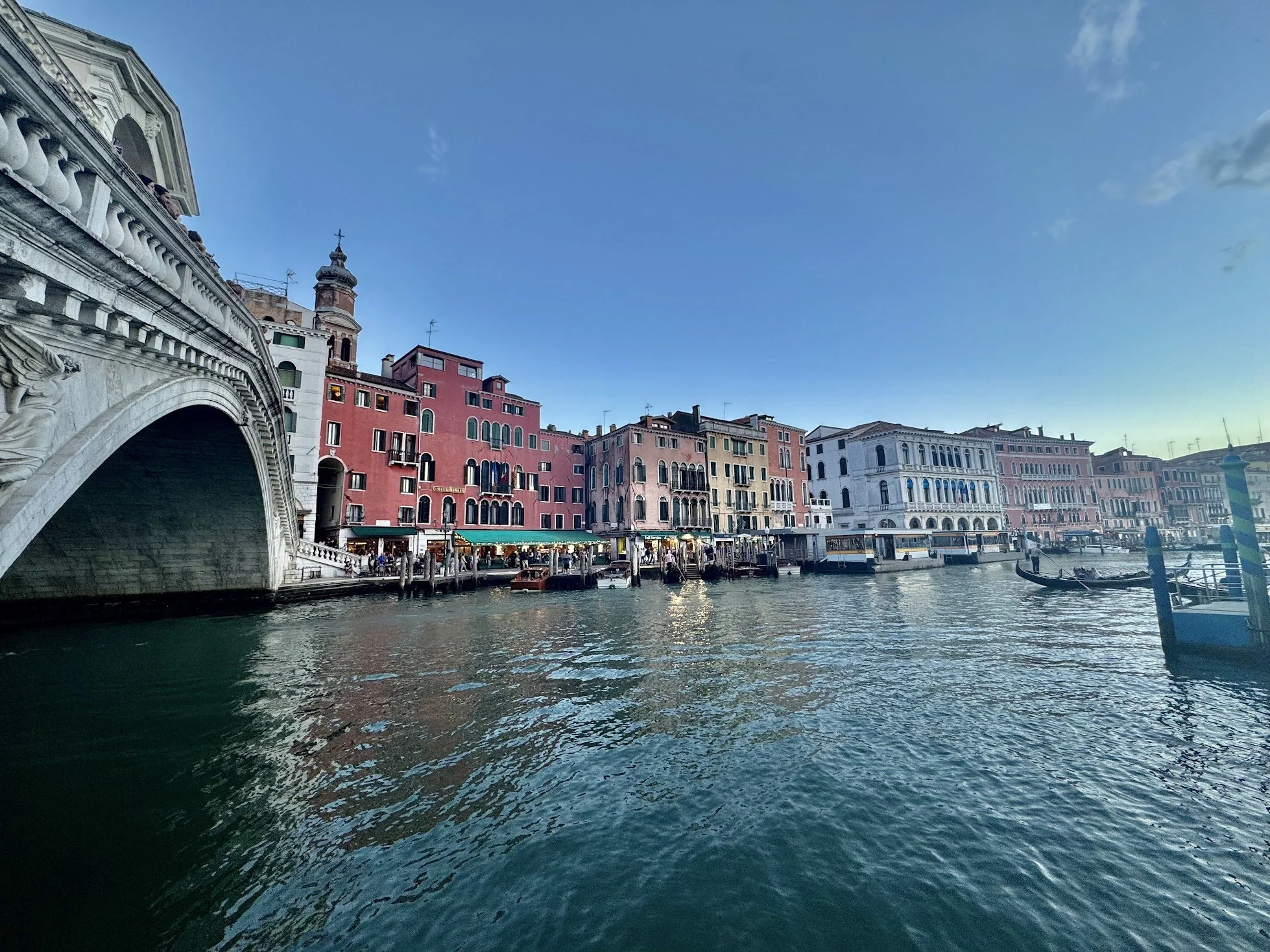
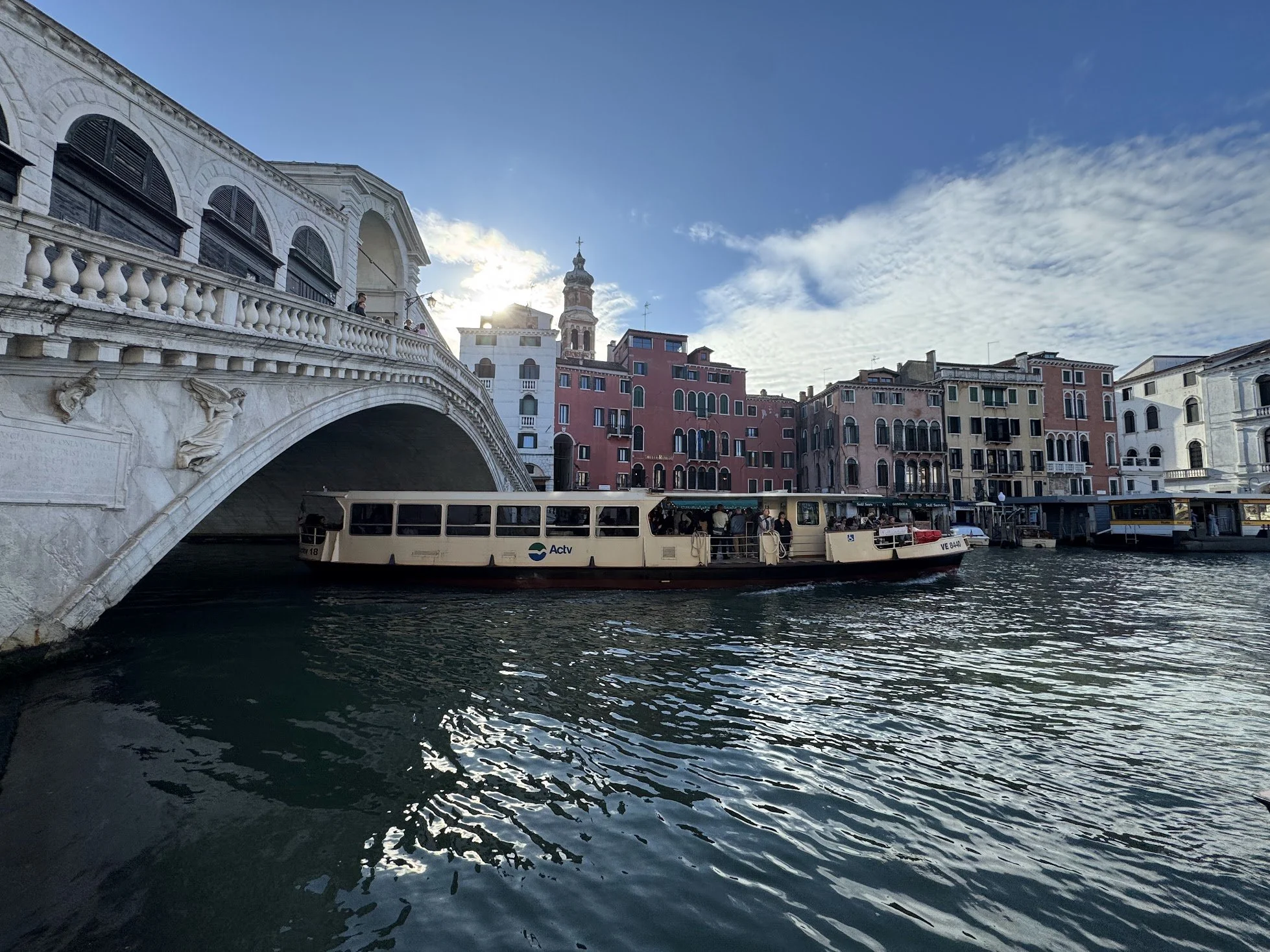
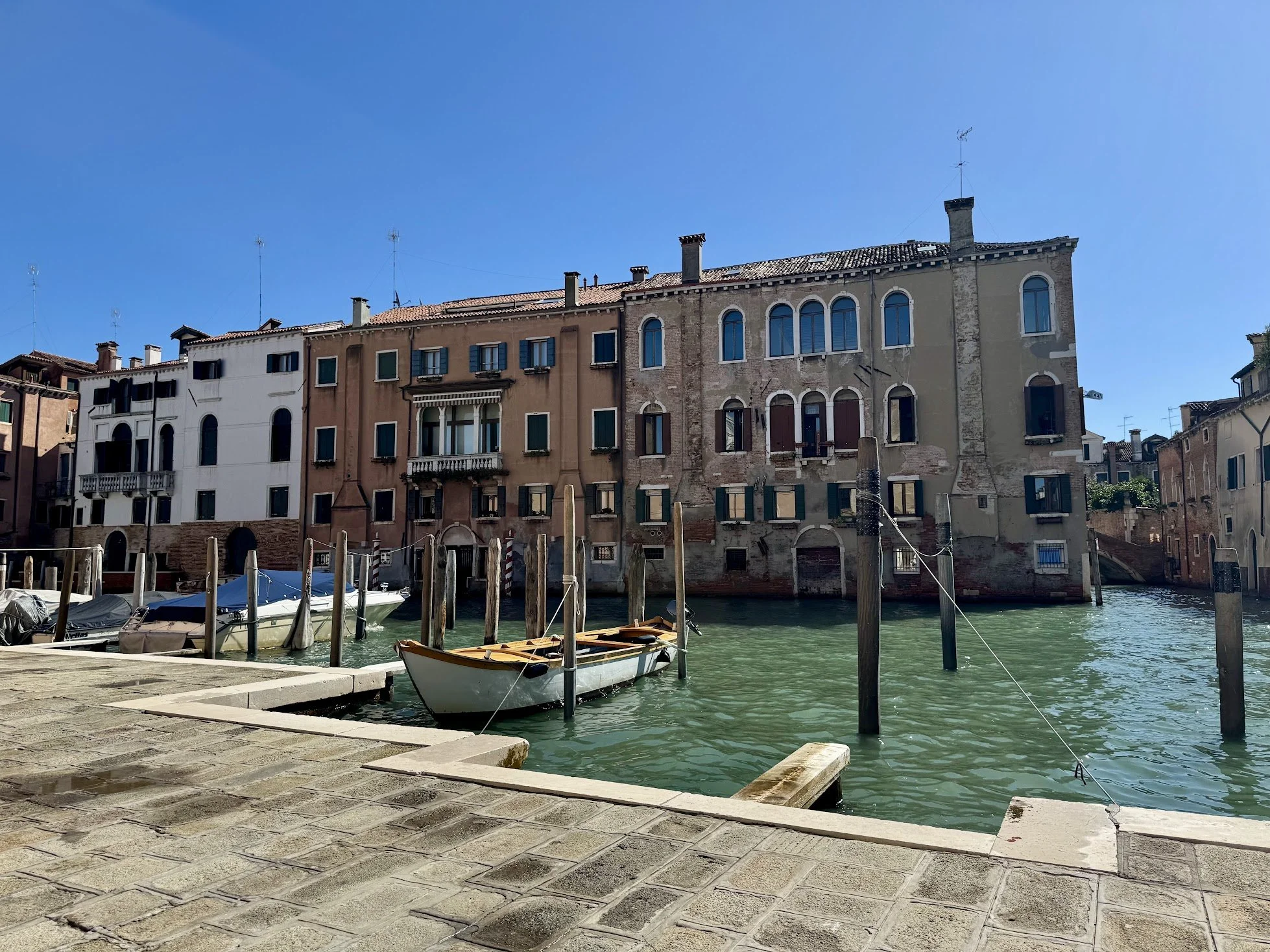
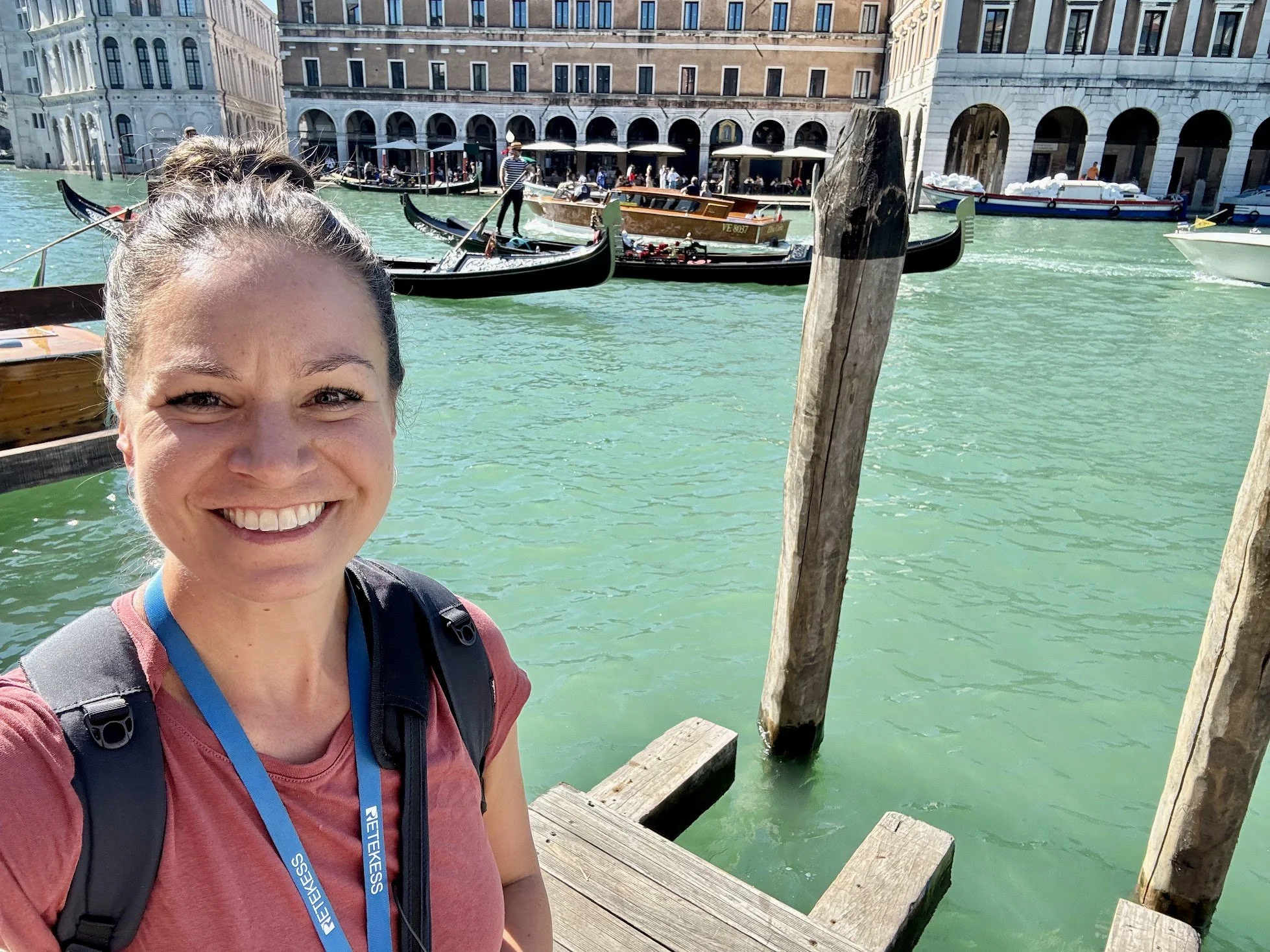
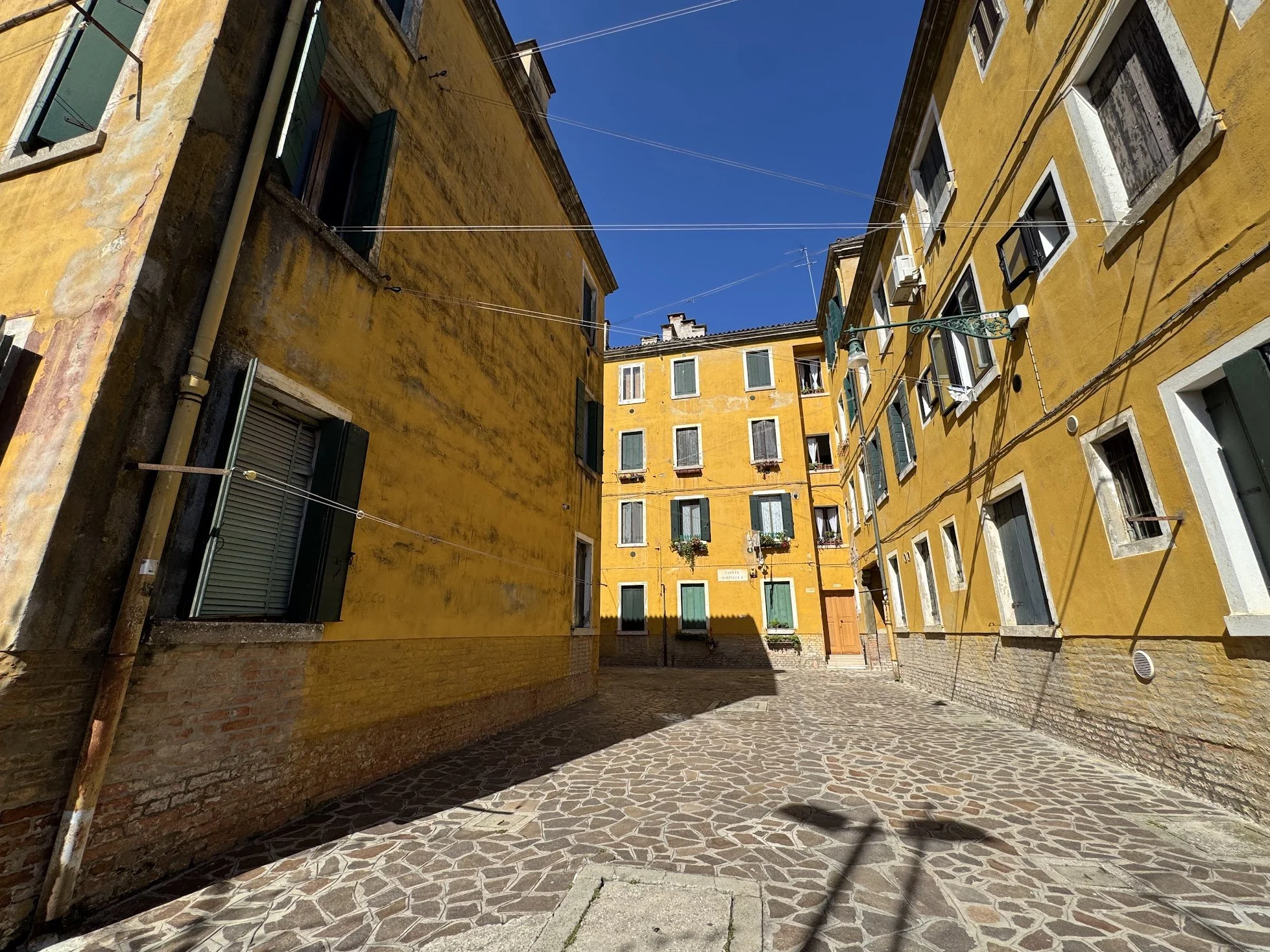
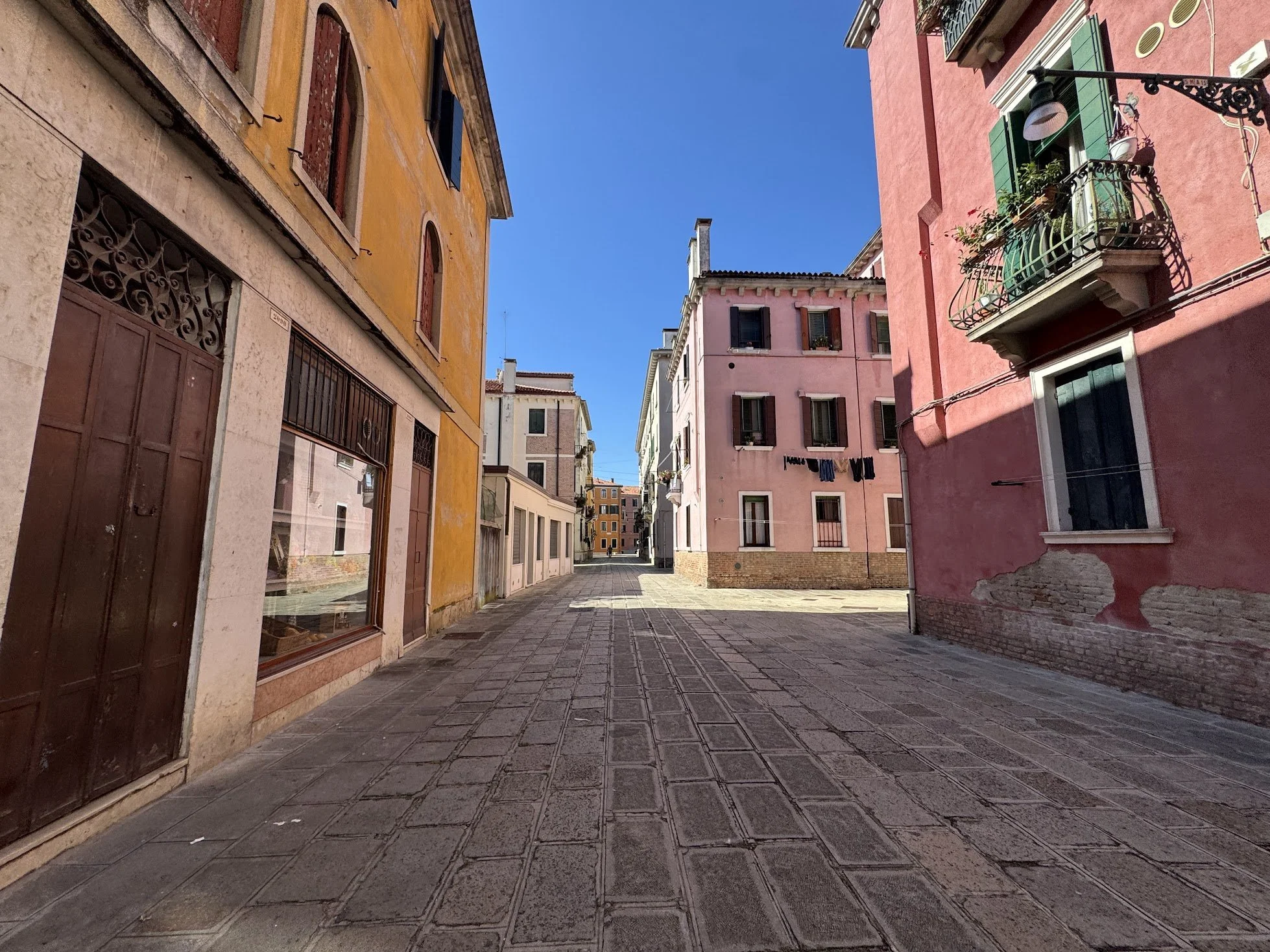
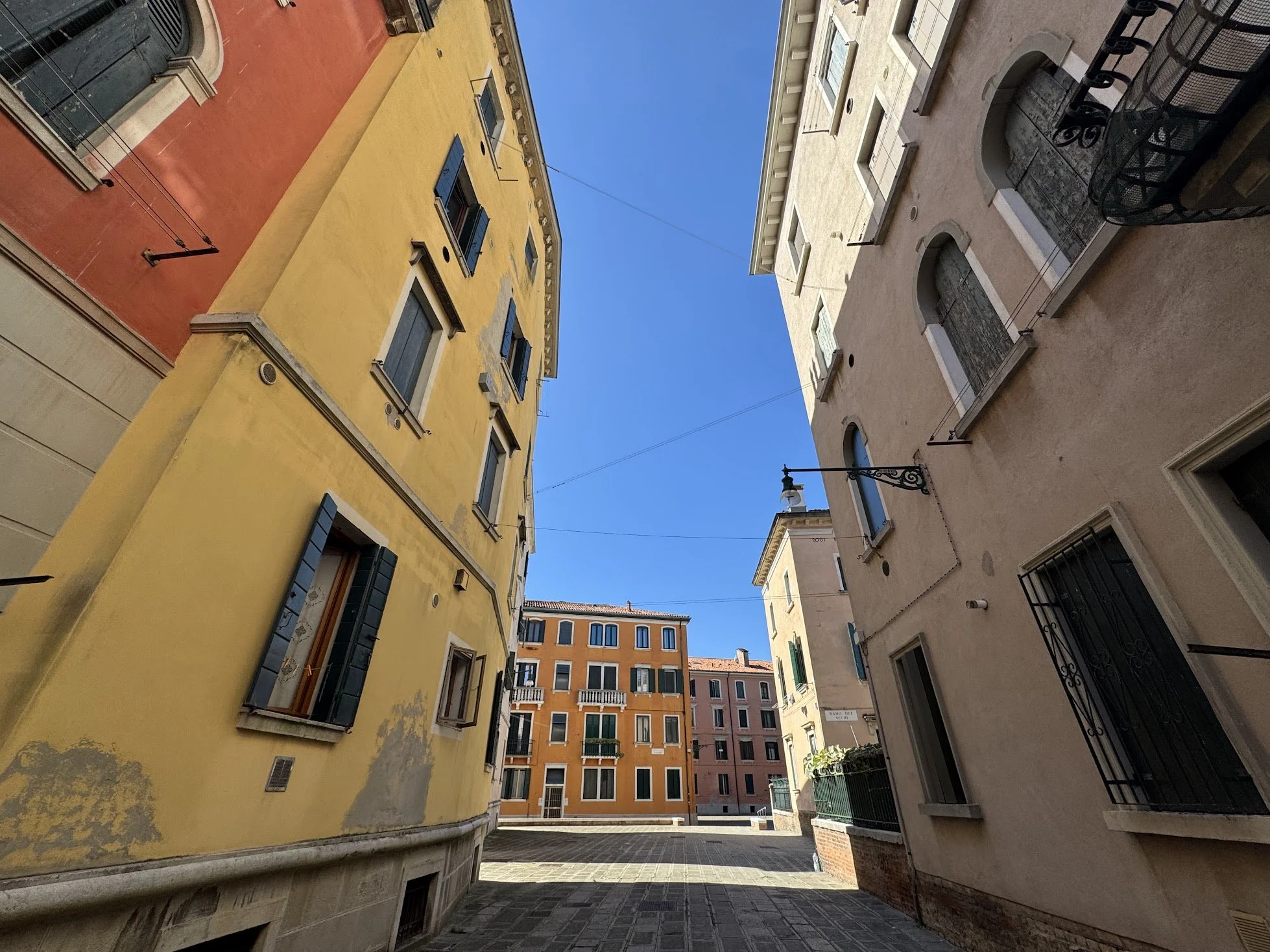
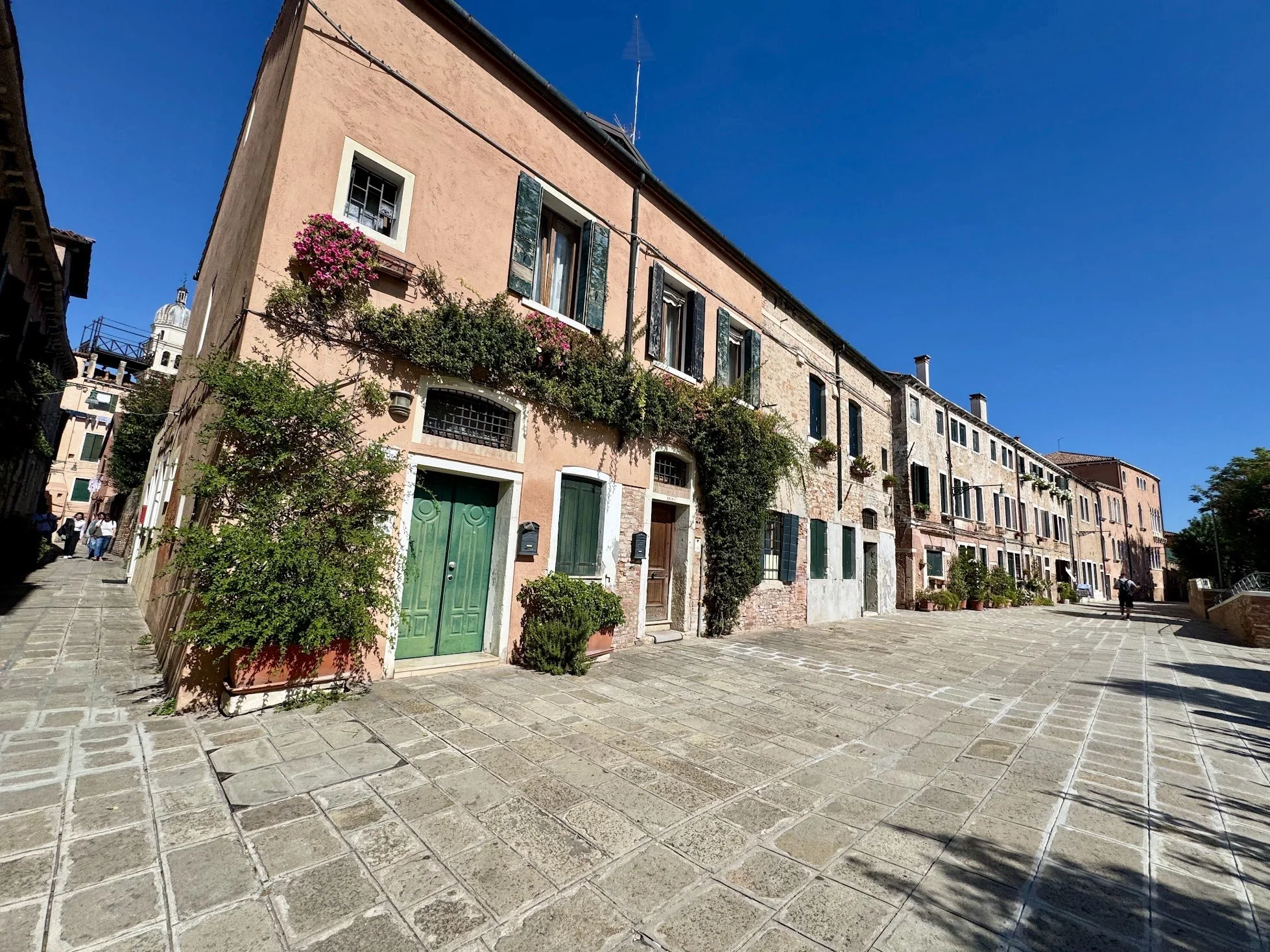
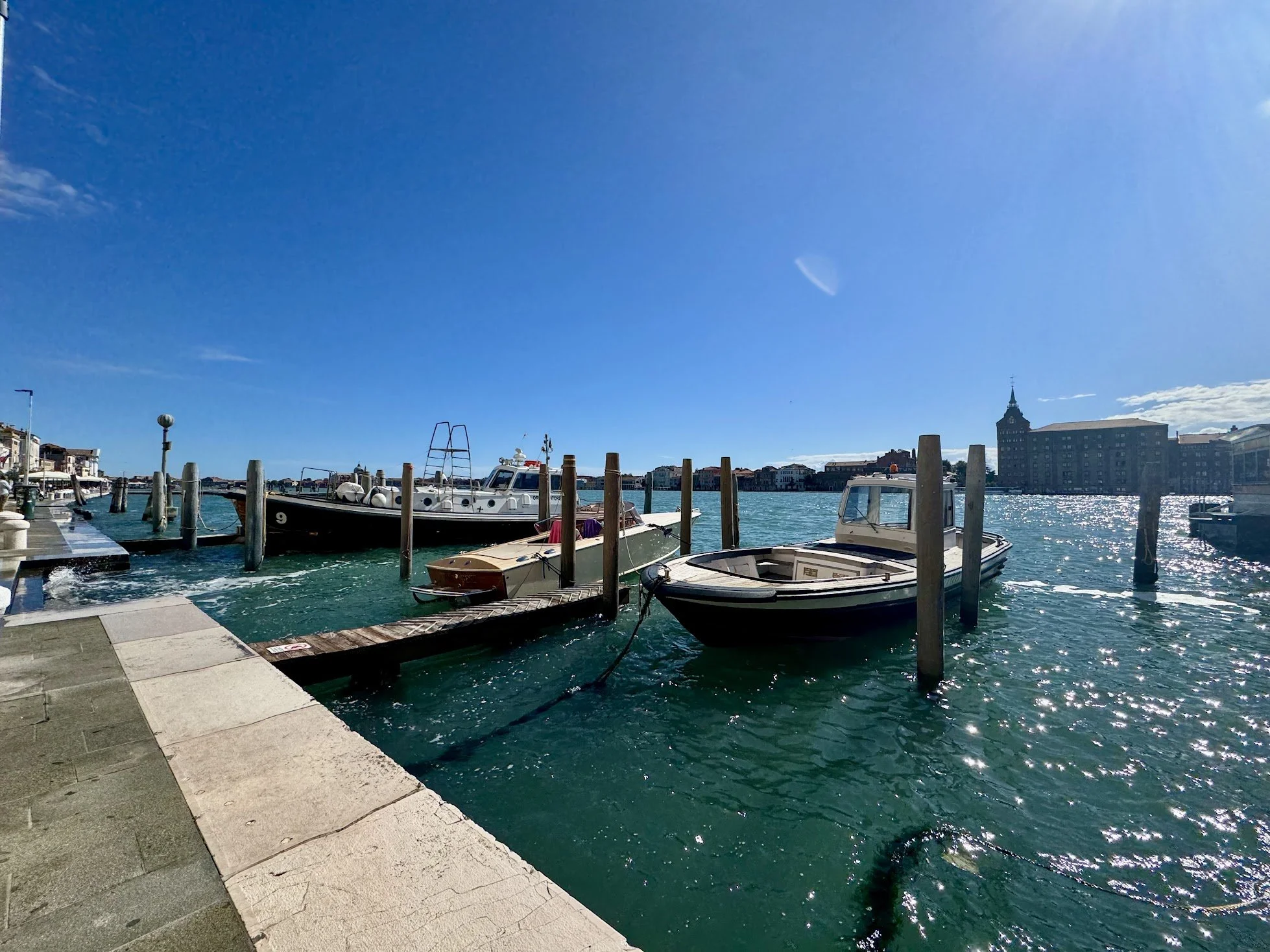
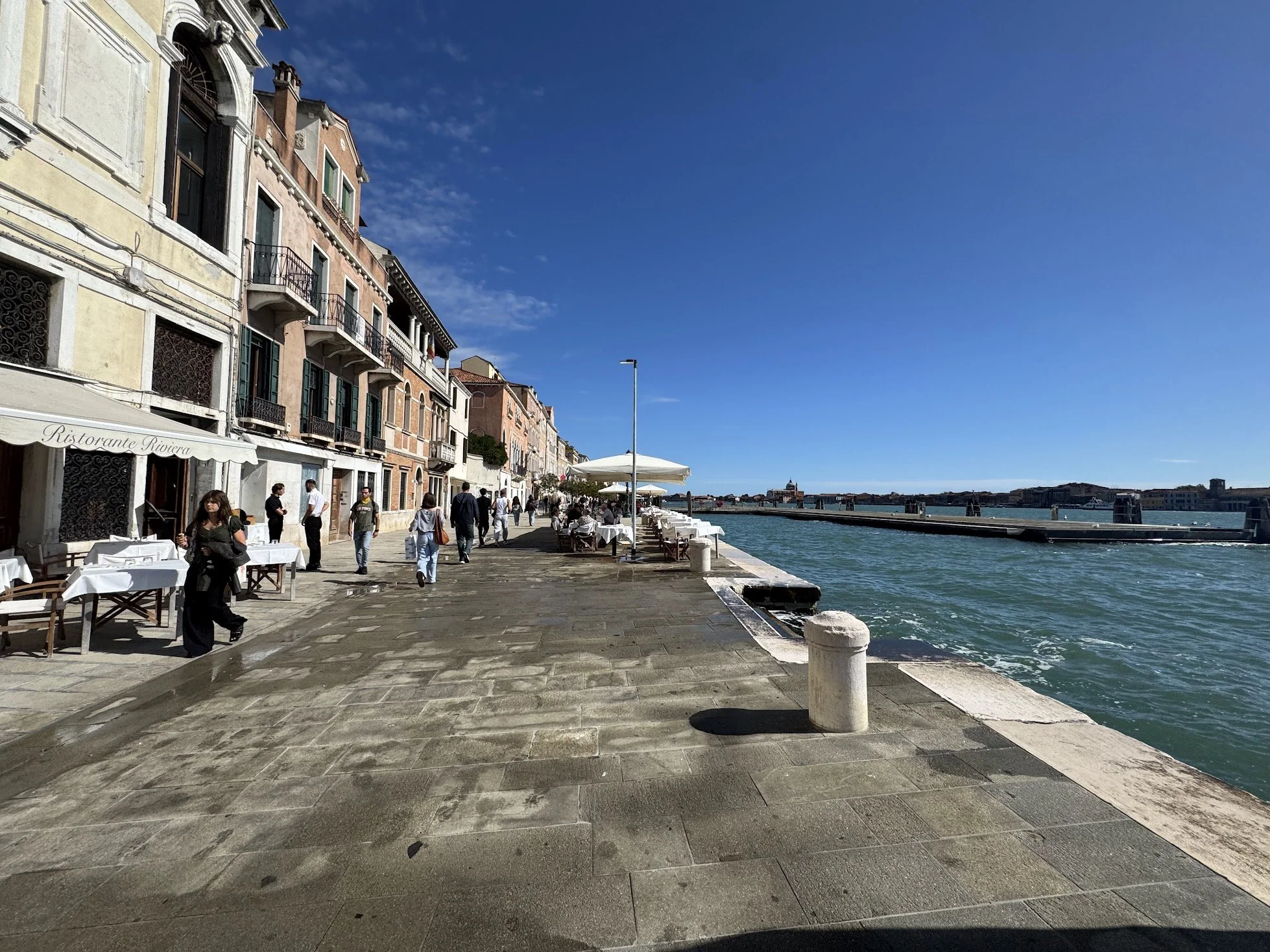
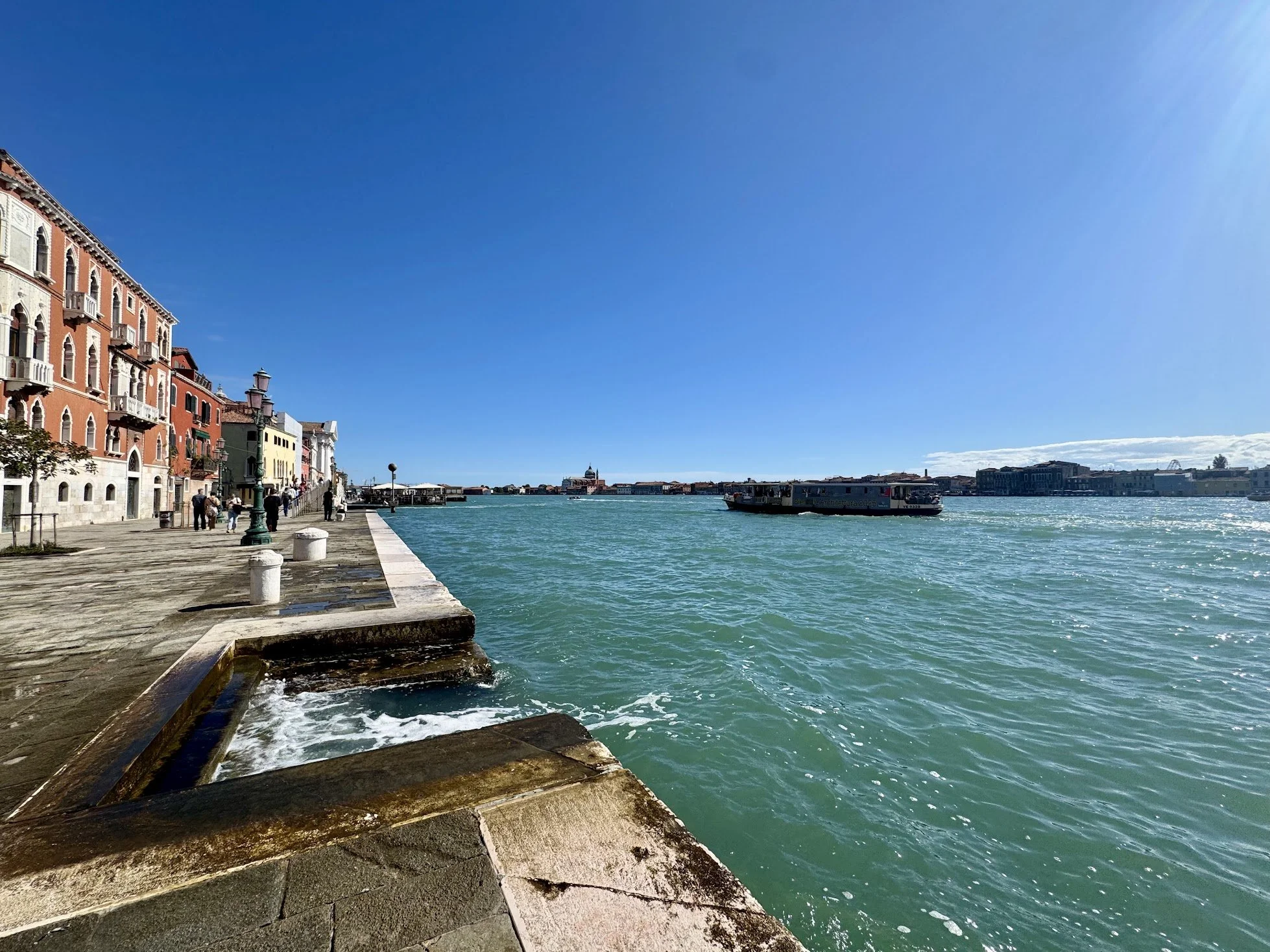
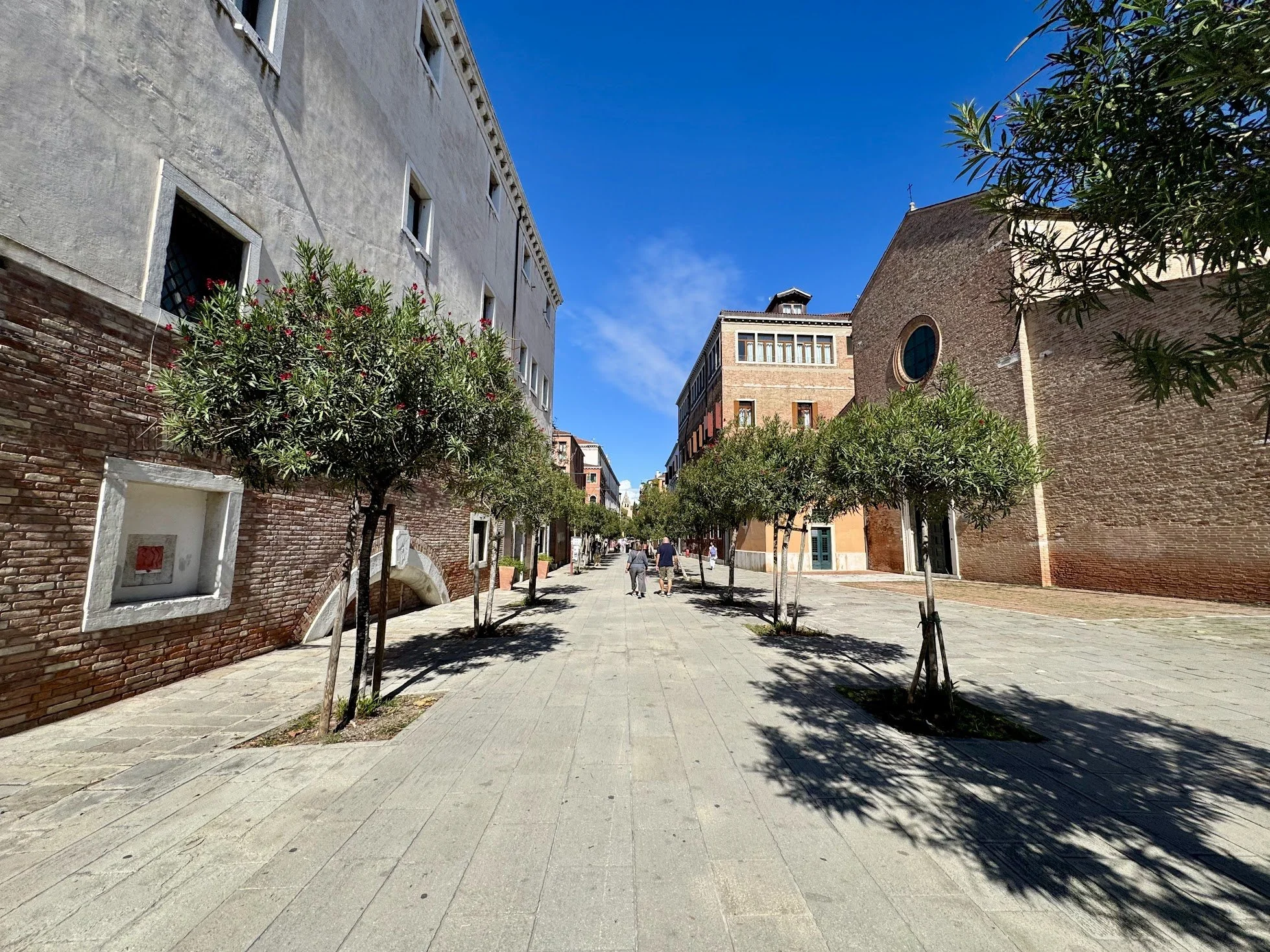
At first, it was a little disorienting. But as I wandered farther from St. Mark's Square and the Rialto area, I began finding the version of Venice that resonated with me: residential neighborhoods, quiet waterfront promenades, local parks, and corners of the city where daily life seemed to unfold at a slower pace.
Venice was everything I expected and nothing like I imagined.
This guide covers where I stayed, how I spent my time, a memorable day trip into the Dolomites, and some of my favorite gluten-free dining experiences in Venice.
Some links in this post may be affiliate links, which means I may earn a small commission if you book through them—at no additional cost to you. I only share places and services I personally used or genuinely enjoyed during my trip. Read the full disclosure policy.
Arriving In Venice, Italy
Not all of my travel guides include an arrival story, but Venice's arrival does.
On a rainy morning in Ljubljana, I double-checked my travel details and realized I wasn't taking a bus to Venice after all. Instead, my confirmation instructed me to wait outside the bus station for a van pickup. As a solo traveler, that gave me pause. I reread the reservation more than once, wondering if I had somehow booked the wrong thing or missed an important detail. I tried to convince myself that I had booked a legitimate form of transportation and wasn't about to climb into a random van headed toward another country.
Soon, other travelers showed up at the same spot. When the driver arrived, he was friendly and reassuring, which put me at ease. It was one of those solo travel moments when you start to question your judgment, then just decide to trust the process.
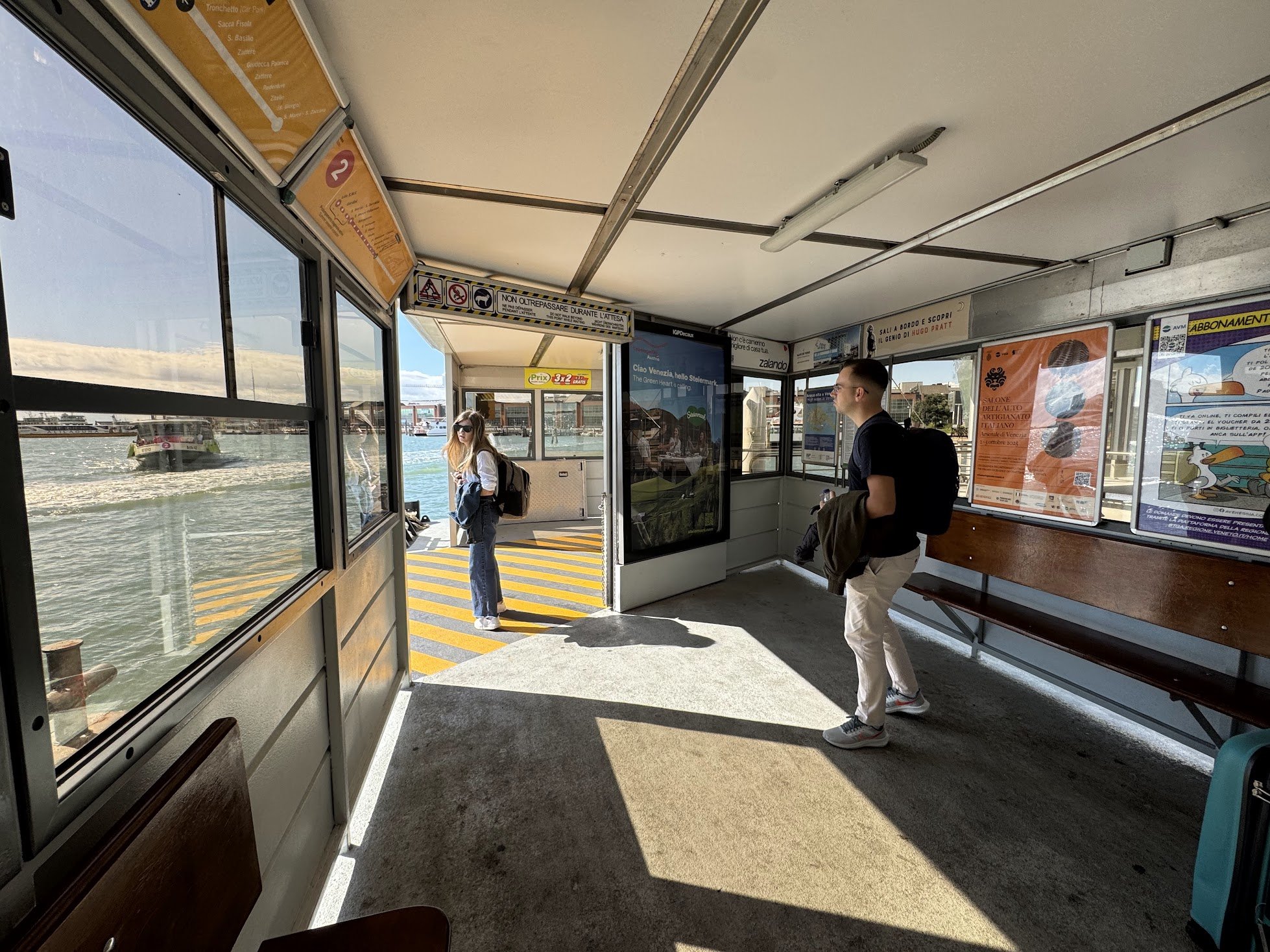
The ride itself was uneventful, but as we approached Venice, I started talking with the couple sitting next to me and quickly realized I had no idea how to get from the drop-off point to my hotel. We were left near the ferry system, which felt a little intimidating when there wasn't an attendant around to answer questions. Sensing my confusion, they took me under their wing, explained how everything worked, and helped me figure out which direction I needed to go. By the time we said goodbye, they had pointed me toward my hotel, given me a hug, and transformed what could have been a stressful arrival into one of my favorite travel memories.
I quickly learned what many first-time visitors find out: Venice is hard to navigate at first. Cell service was spotty, Google Maps didn’t always work, and even offline maps weren’t perfect. Everywhere I looked, people were stopping, turning around, and retracing their steps. I was doing the same.
Venice, Italy Overview
Venice is built across more than 100 small islands in a lagoon on Italy’s northeastern coast. Originally settled by refugees fleeing invasions during the decline of the Roman Empire, it grew into one of the most powerful maritime republics in history. Between the 9th and 15th centuries, Venice became a major hub for trade between Europe and the East, accumulating immense wealth and influence. This prosperity funded the construction of its palaces, churches, and public spaces, many of which still define the city today.
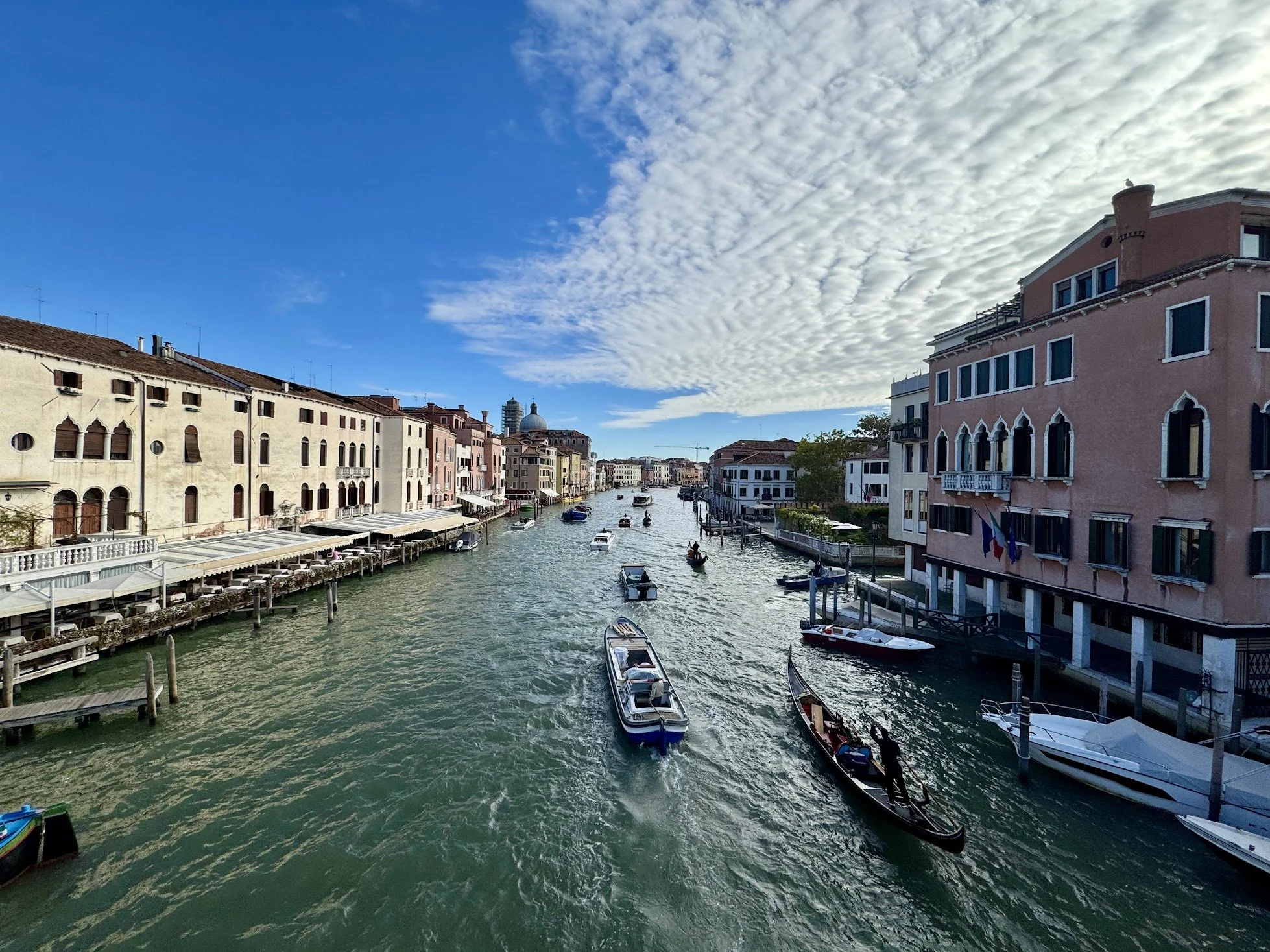
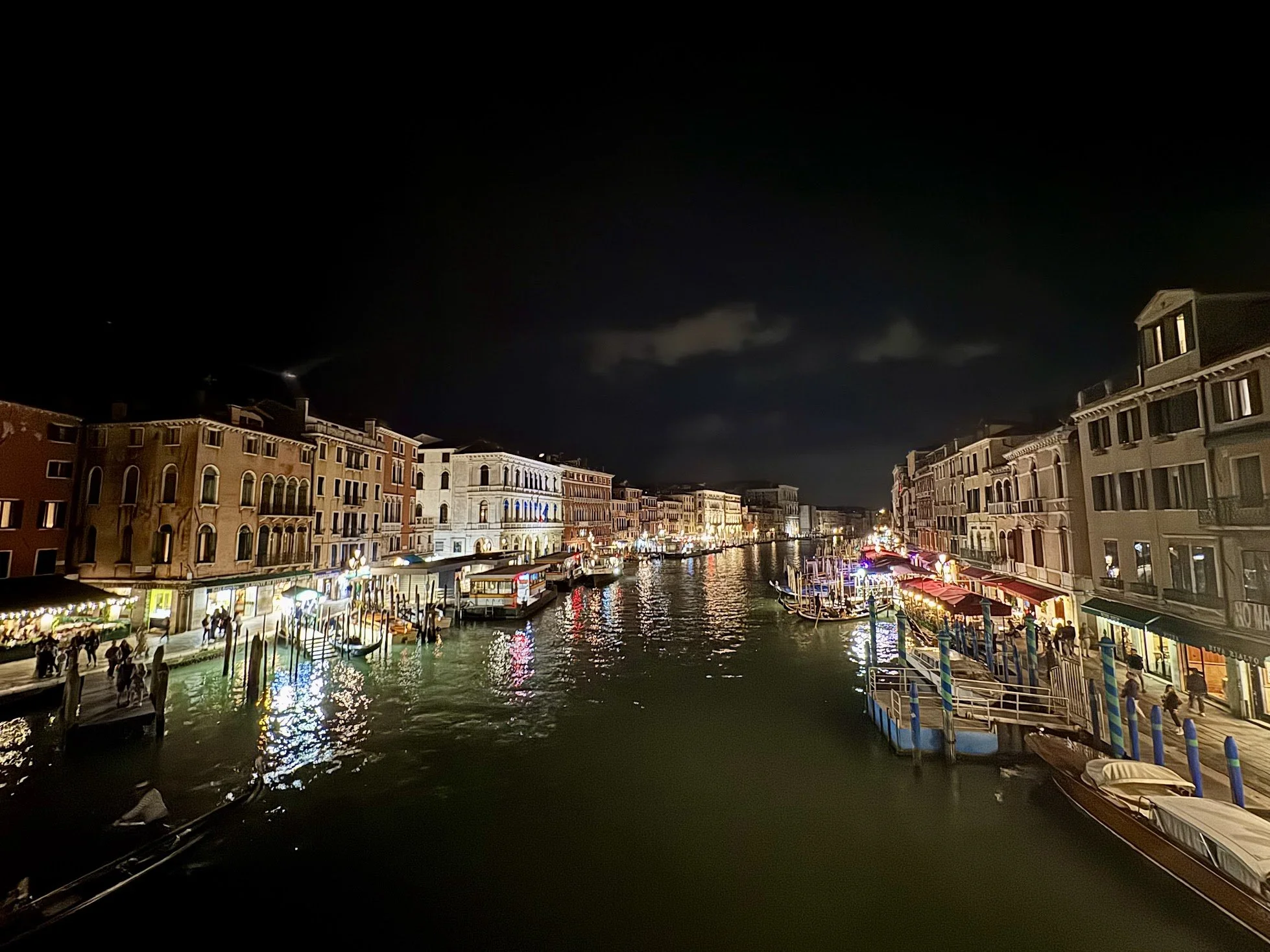
While its political and economic power eventually declined, Venice remained an important cultural center. Today, it is known for its canals, architecture, and unique urban layout, where waterways function much like streets. Beyond landmarks like St. Mark’s Square and the Grand Canal, Venice is also a city shaped by residential neighborhoods, local businesses, and daily life.
I visited Venice in late September, when daytime temperatures were comfortable for walking and outdoor dining. The weather was generally mild, although occasional rain showers reminded me that autumn was beginning to settle in. Compared to the summer months, the temperatures felt much more manageable for exploring the city on foot, while evenings were cool enough for a light jacket.
Where I Stayed In Venice, Italy: San Marco
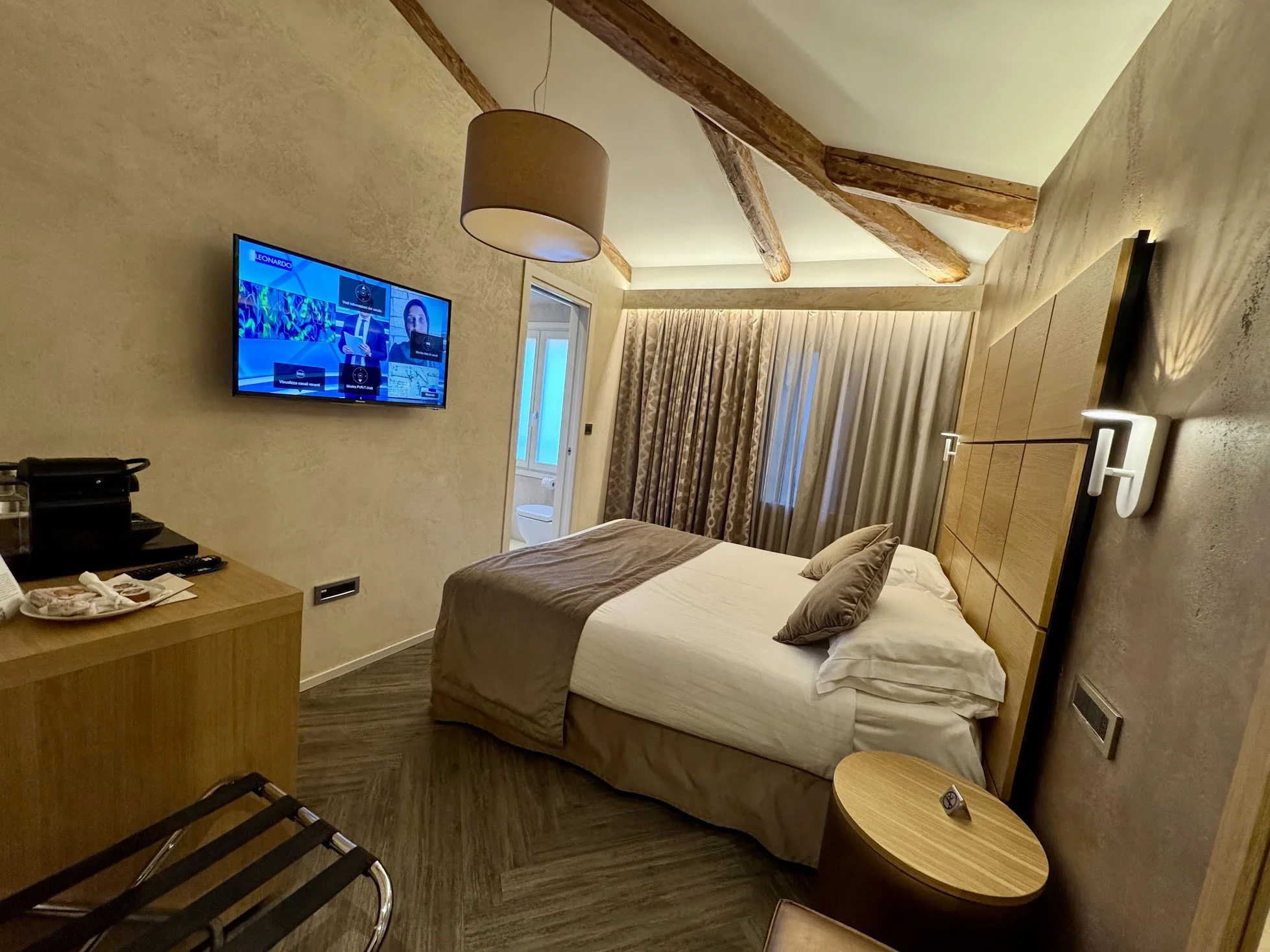
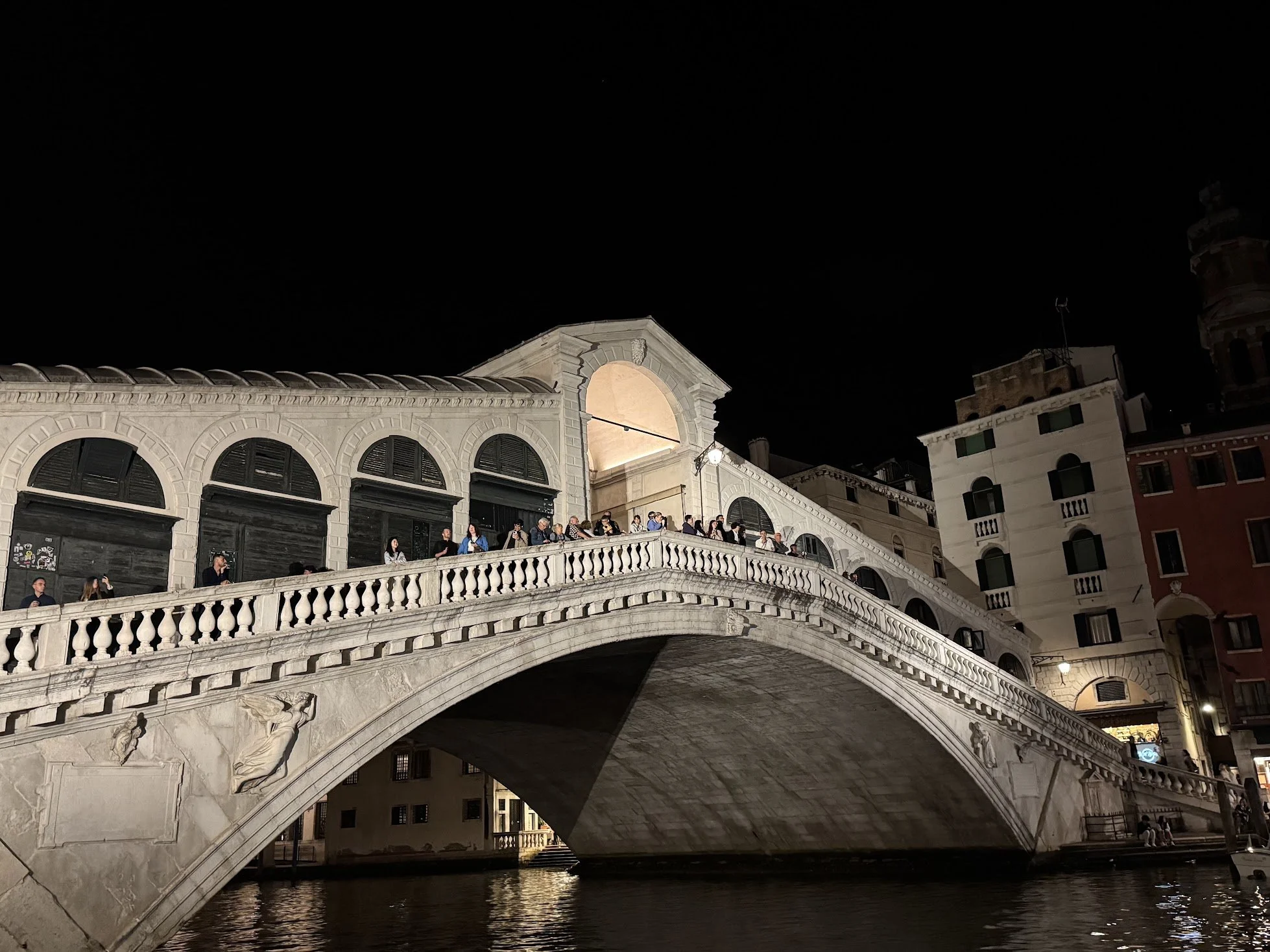
I stayed at the Rosa Salva Hotel in the San Marco district, a central location within walking distance of many of Venice’s most recognizable landmarks. Situated just a few minutes from St. Mark’s Square and midway between St. Mark’s and the Rialto Bridge, it made exploring the city on foot easy.
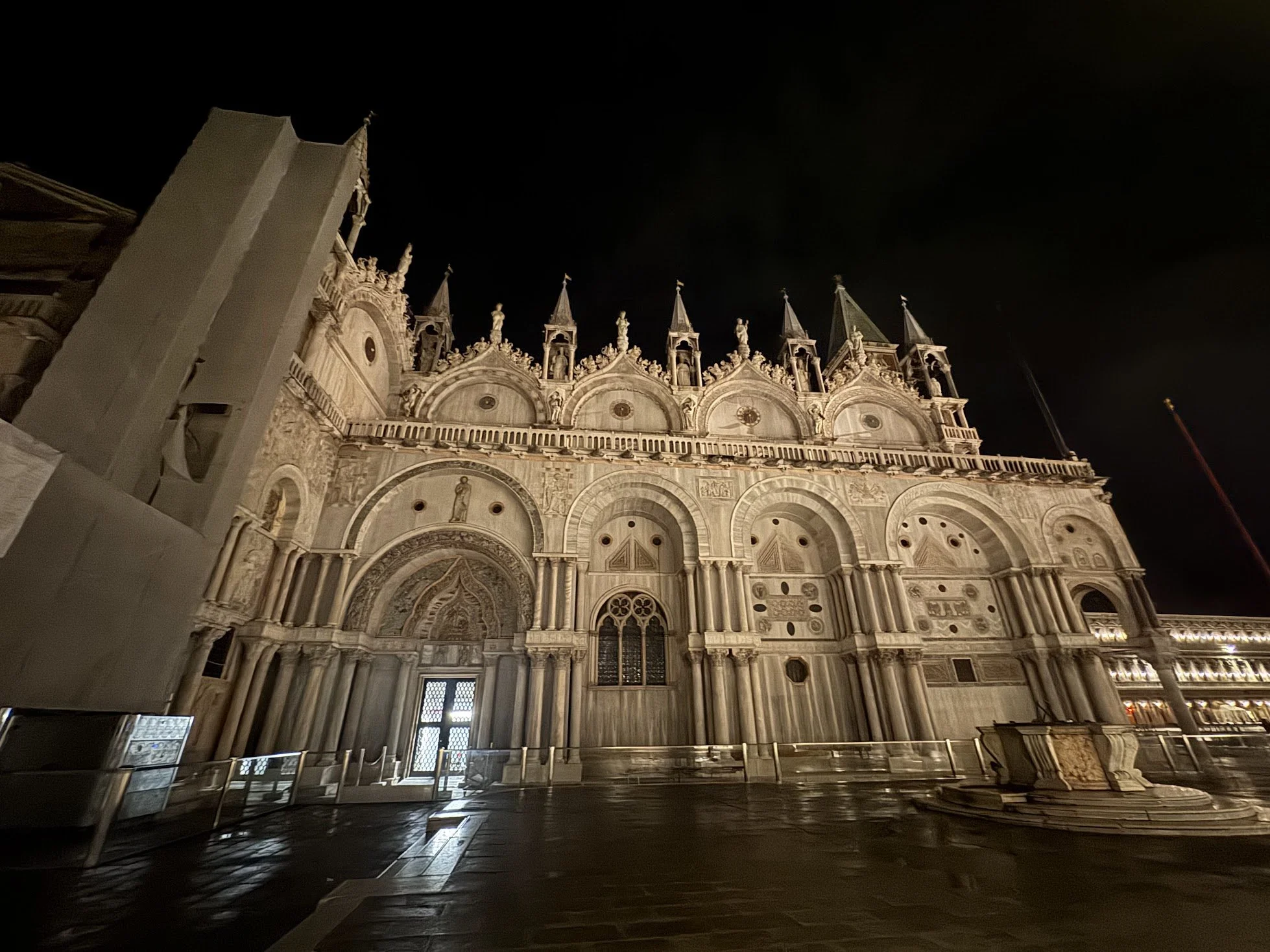
San Marco is Venice’s historic center and one of its busiest areas, home to St. Mark’s Basilica, the Doge’s Palace, and parts of the Grand Canal. Despite this, the hotel sits on a quieter side street, offering a welcome break from the crowds.
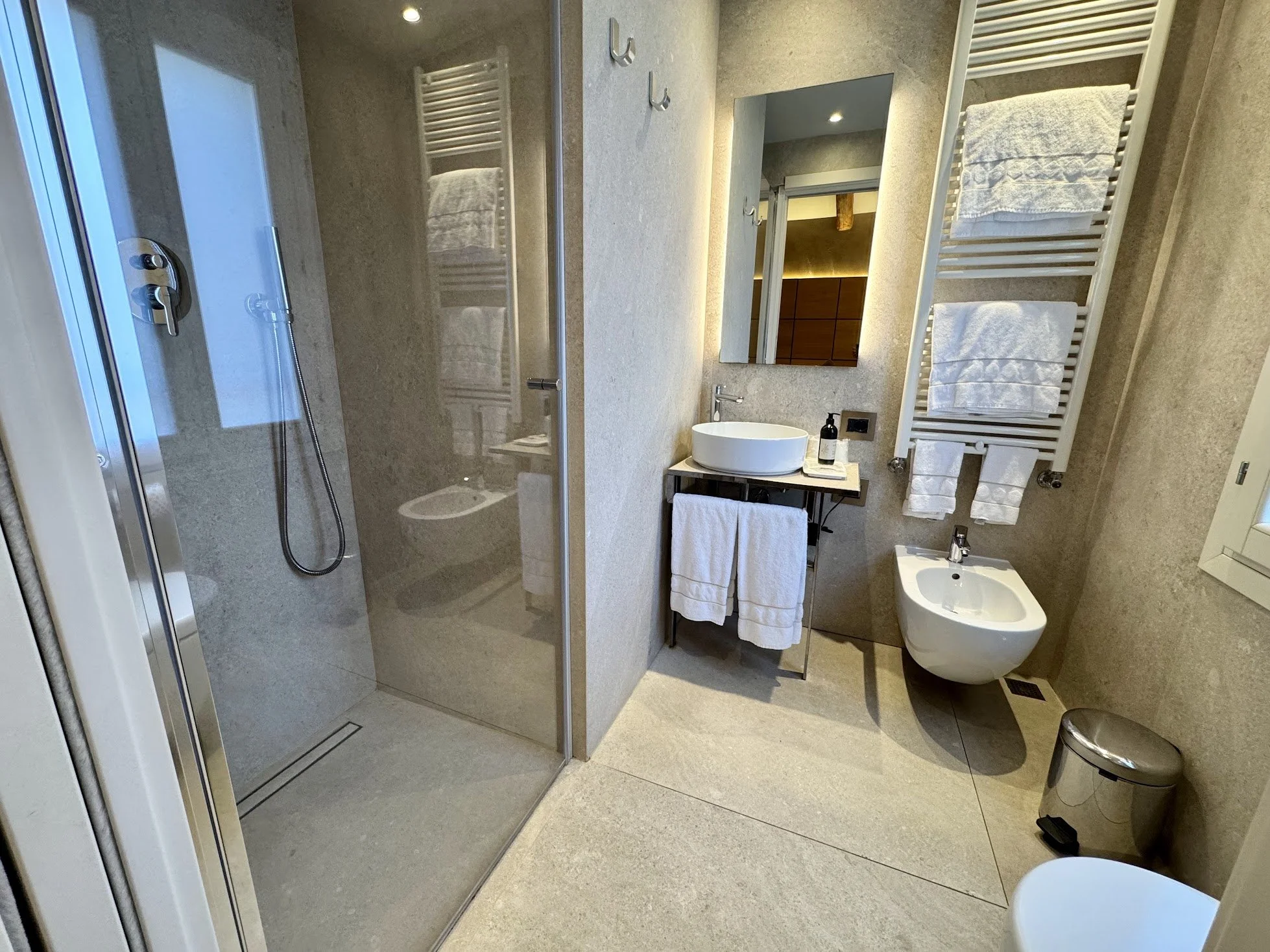
My Comfort Double Room was spacious and modern, with everything I needed: strong air conditioning, reliable Wi-Fi, and blackout curtains. It was the perfect place to recharge after long days of walking. If you want a central and comfortable base, this hotel is a great choice.
How I Spent My Time in Venice, Italy: Neighborhood Walks and a Day in the Dolomites
Venice was one of those cities where I arrived with a loose plan and spent much of my time simply wandering. While the major landmarks are undeniably impressive, some of my favorite moments came from walking beyond the busiest areas and exploring neighborhoods where daily life felt more visible.
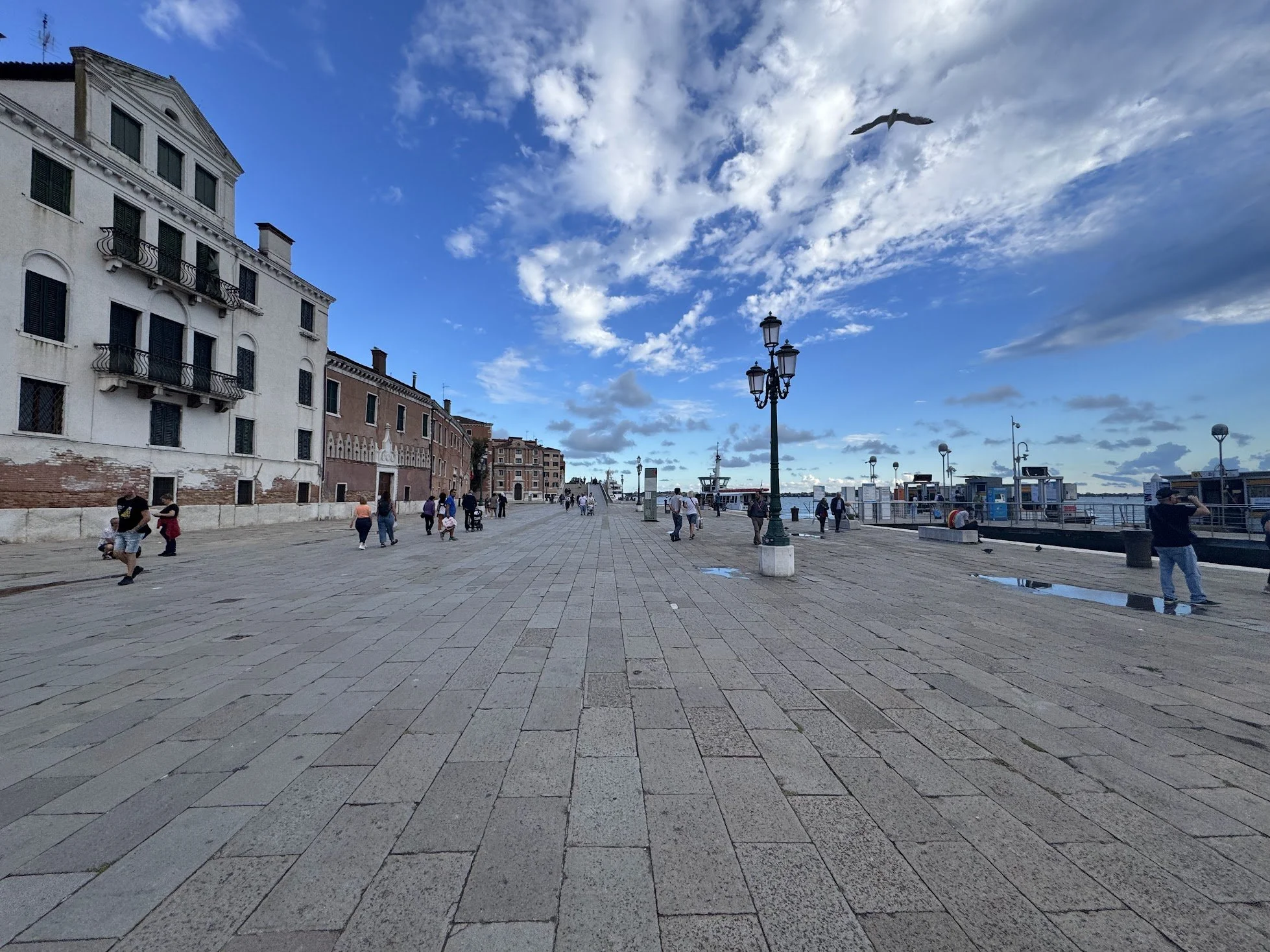
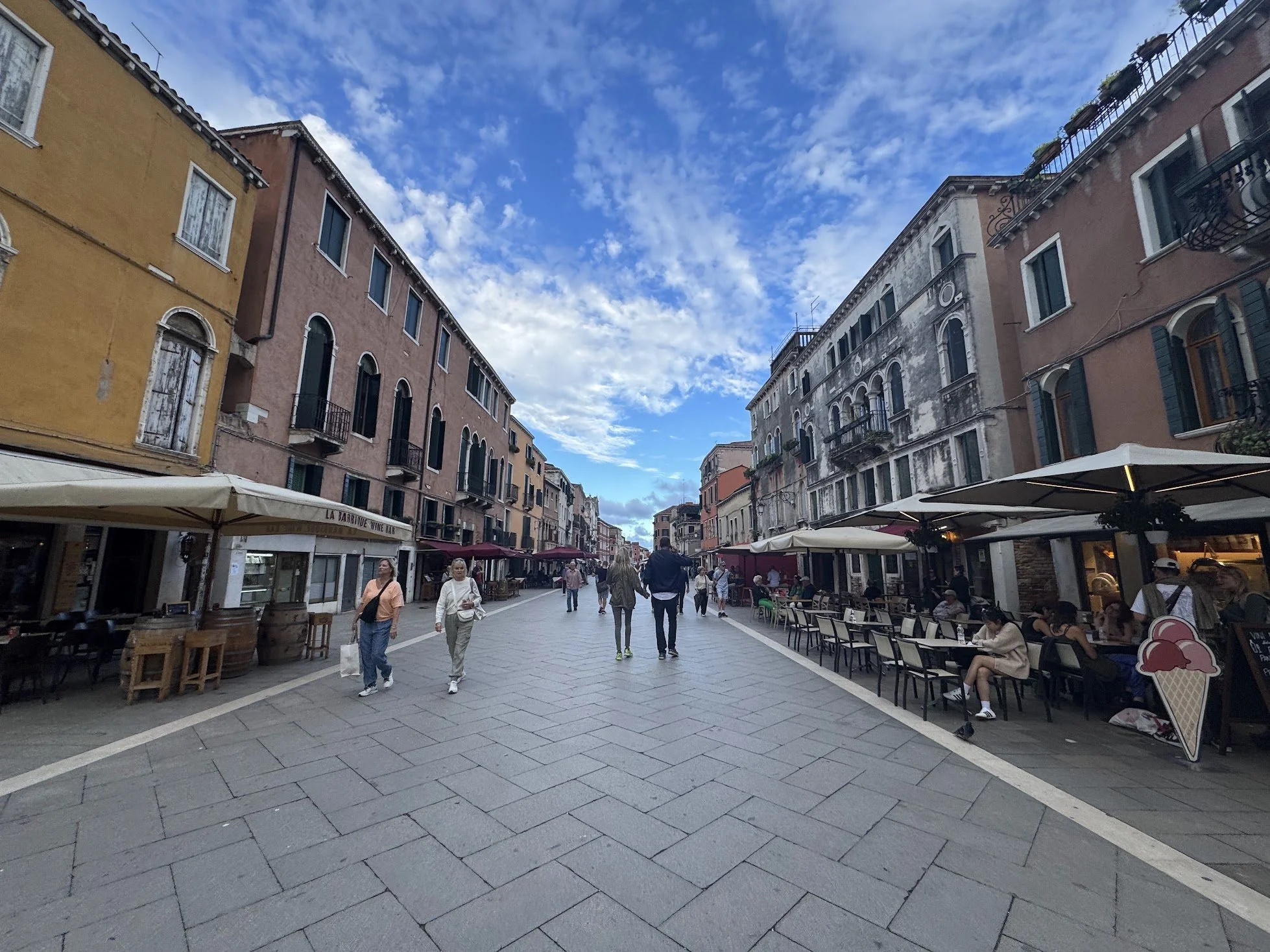
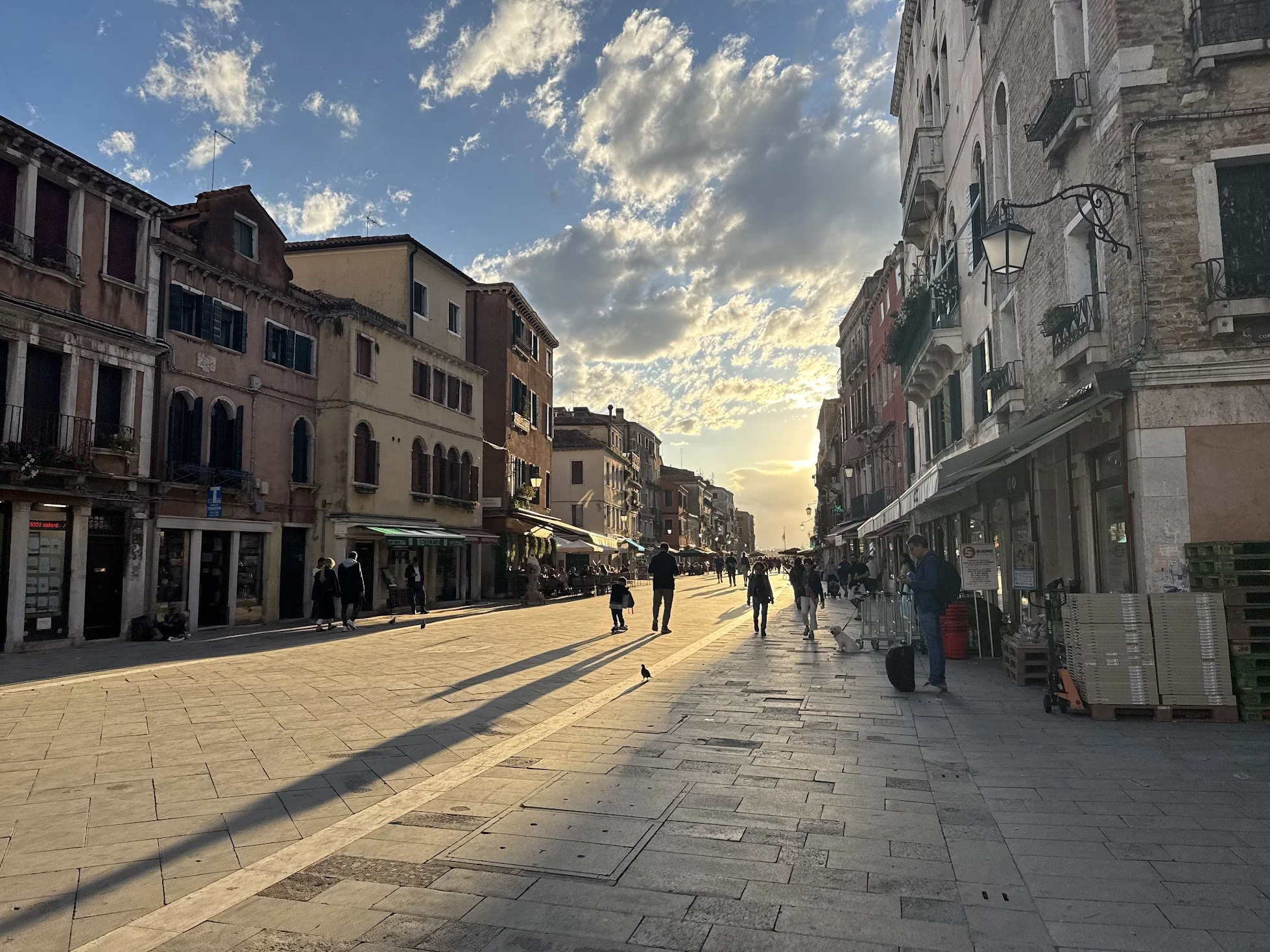
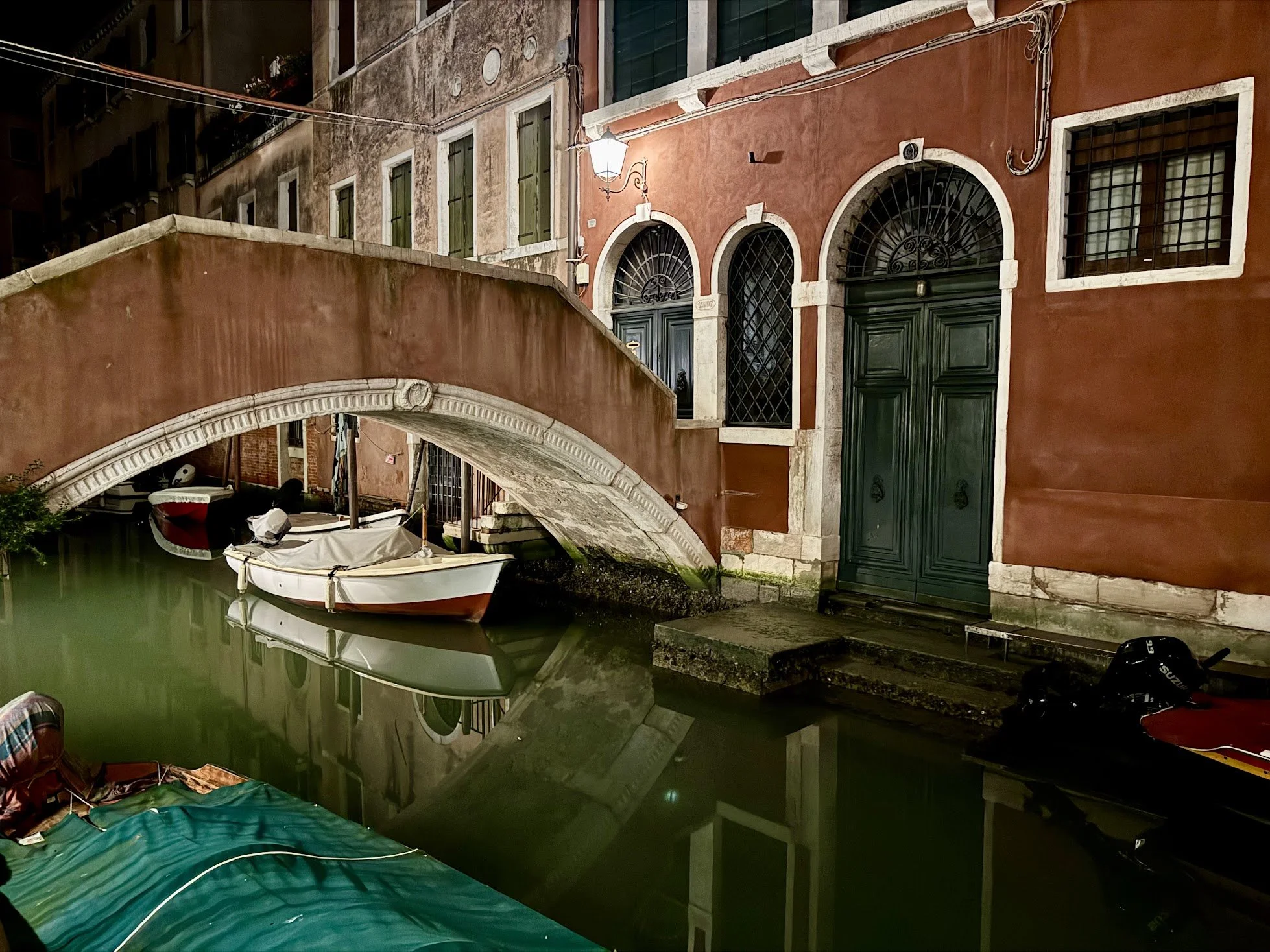
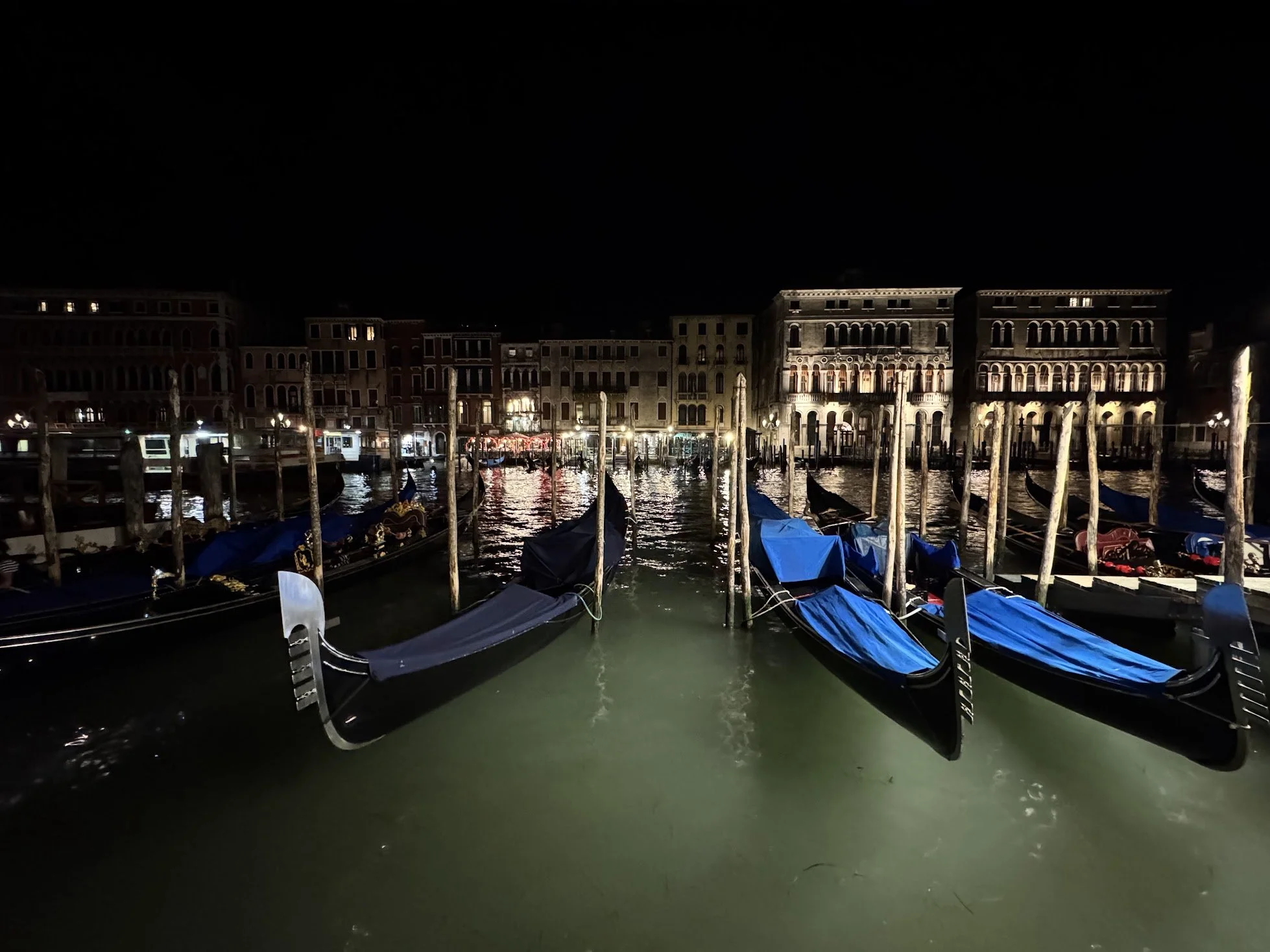
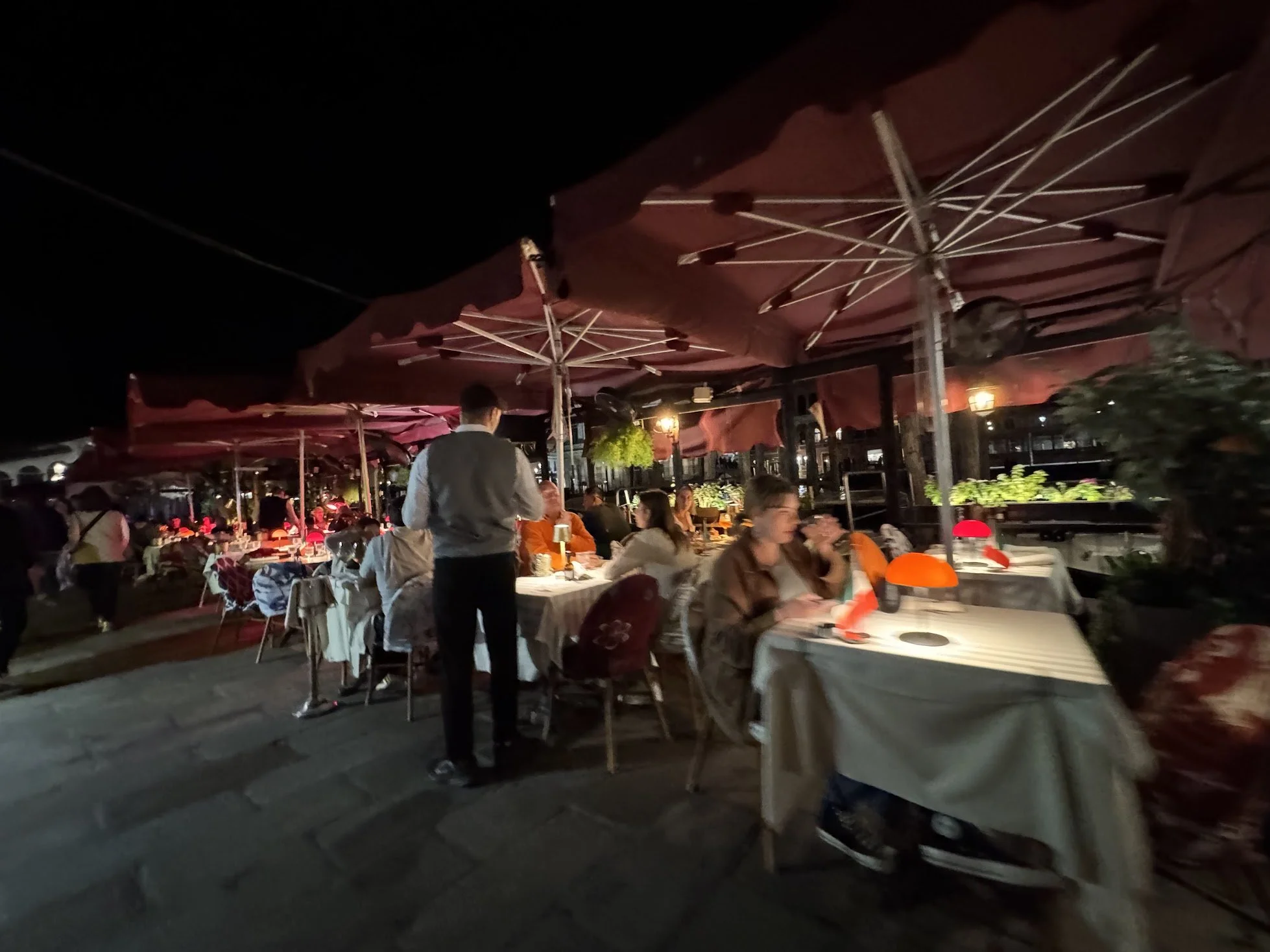
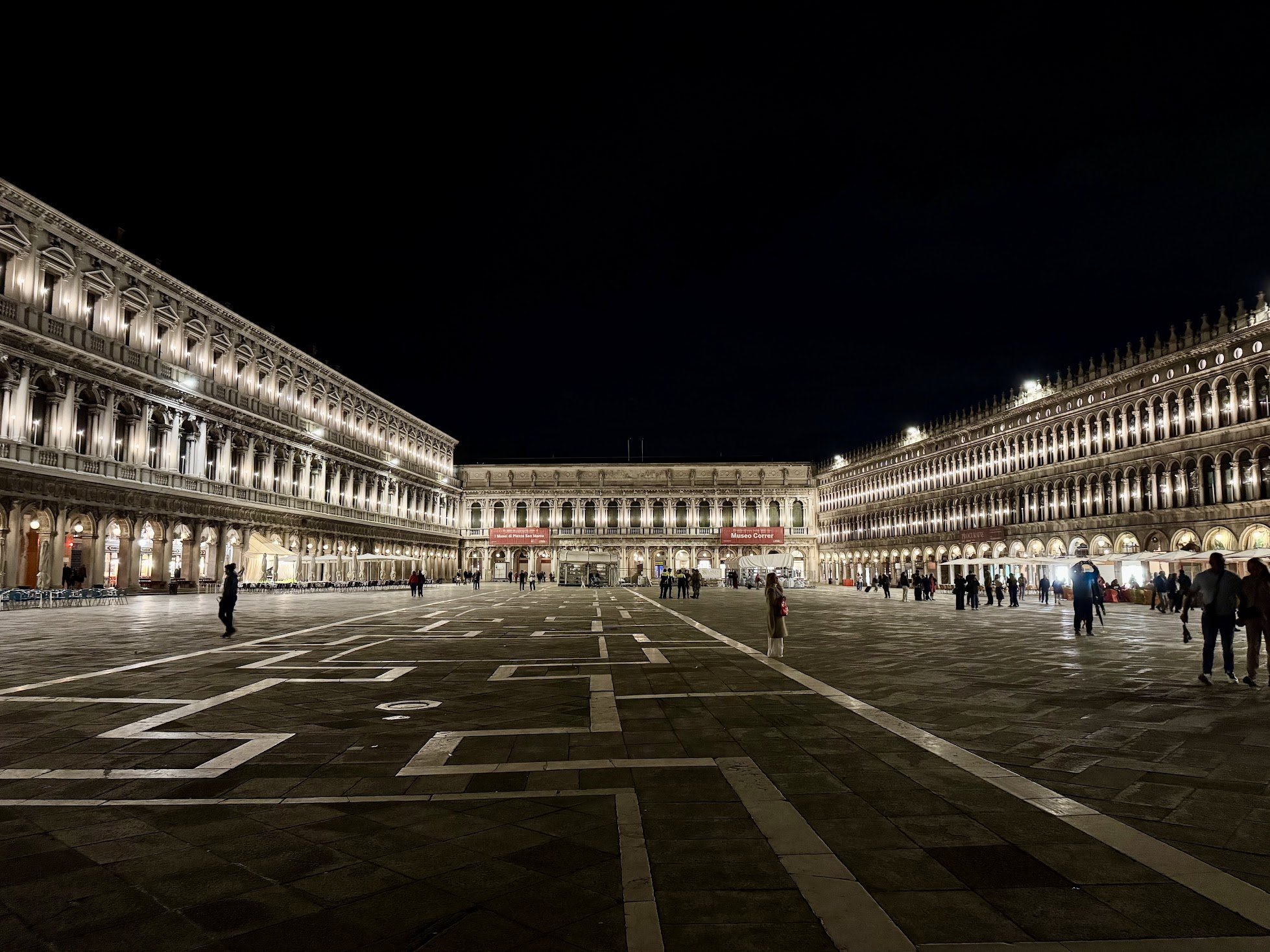
During the day, some parts of Venice are packed with people, especially near St. Mark's Square, the Rialto Bridge, and the main tourist spots. But by evening, most day-trippers have left, and the city feels different. The farther I walked from the famous sights, the quieter it got. I found residential neighborhoods, local cafés, waterfront walks, and a side of Venice that felt far from the usual crowds.
Walking Beyond St. Mark's Square
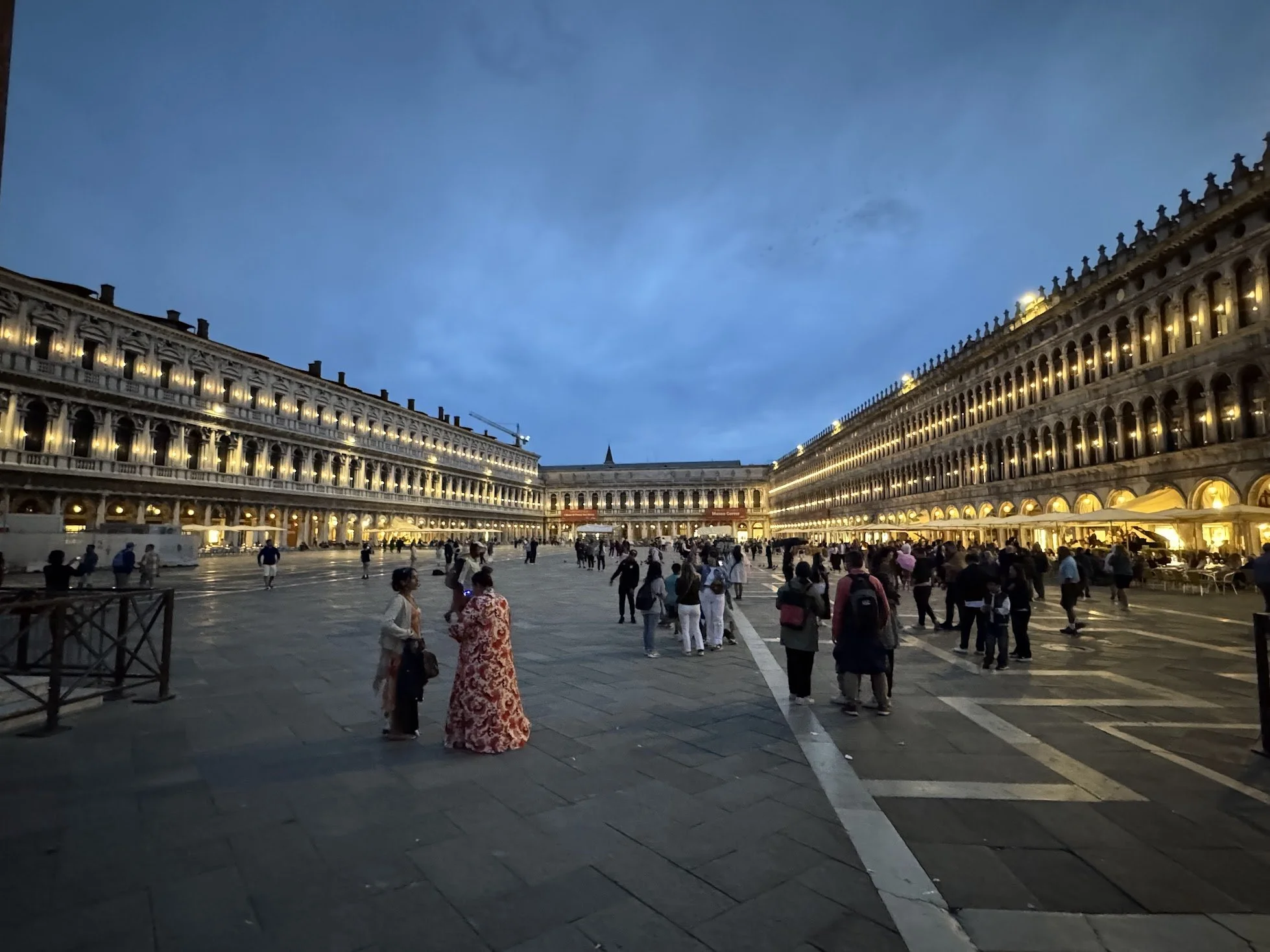
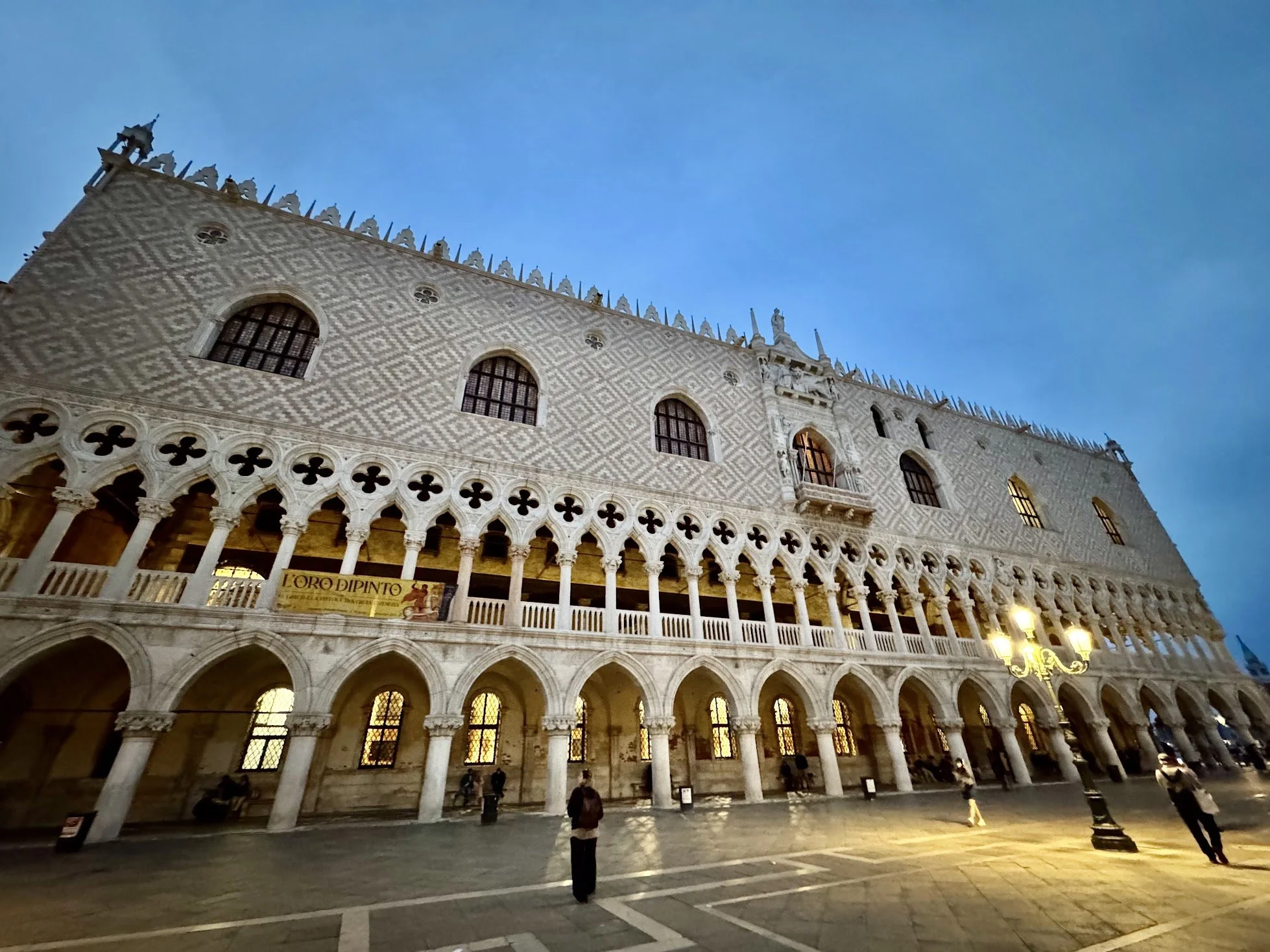
After settling into my hotel, I had a few hours before dinner and set out to explore on foot. Like many visitors, I began in San Marco, home to St. Mark's Square, St. Mark's Basilica, and the Doge's Palace. It was busy, energetic, and exactly what most people picture when they think of Venice.
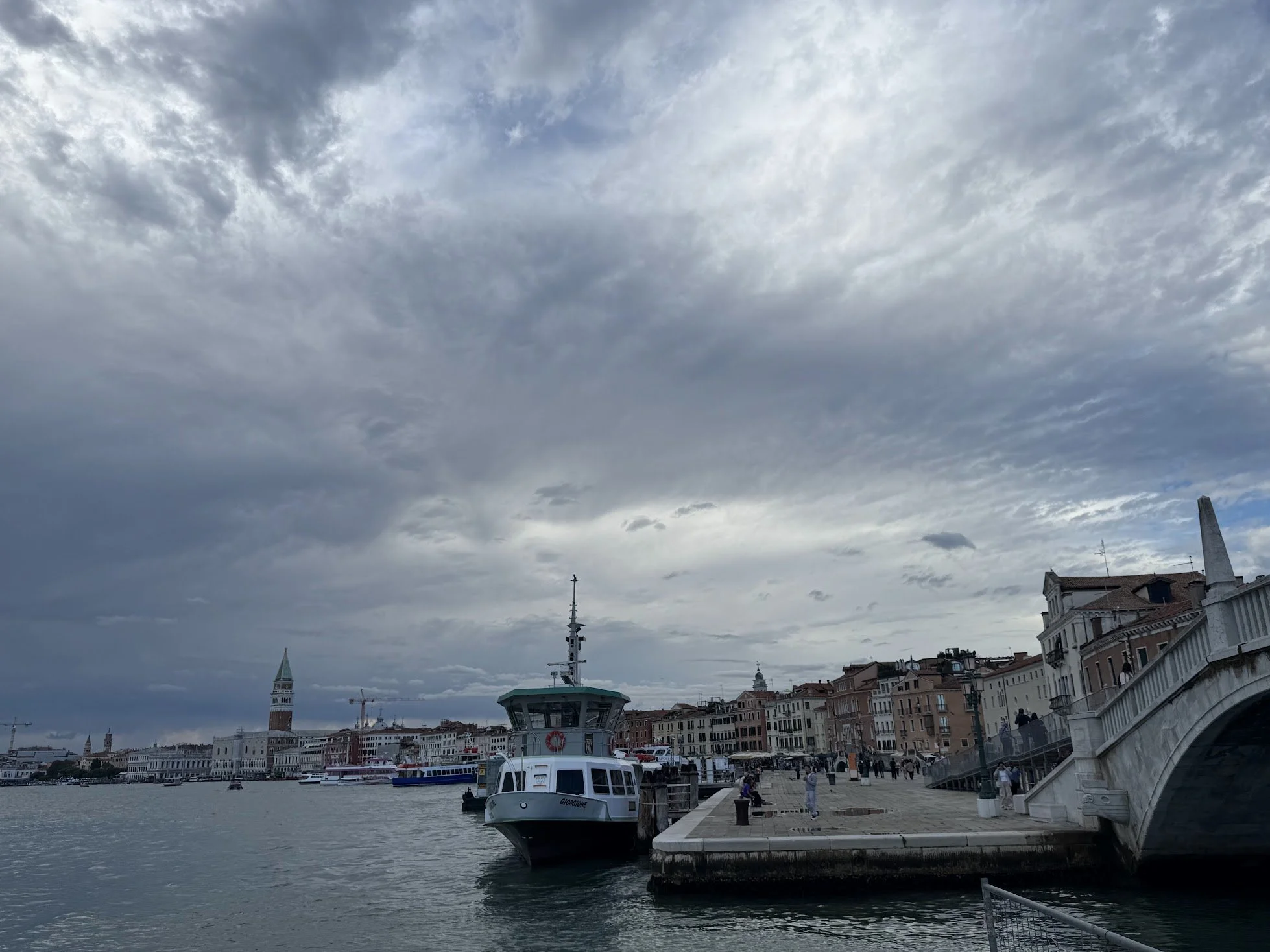
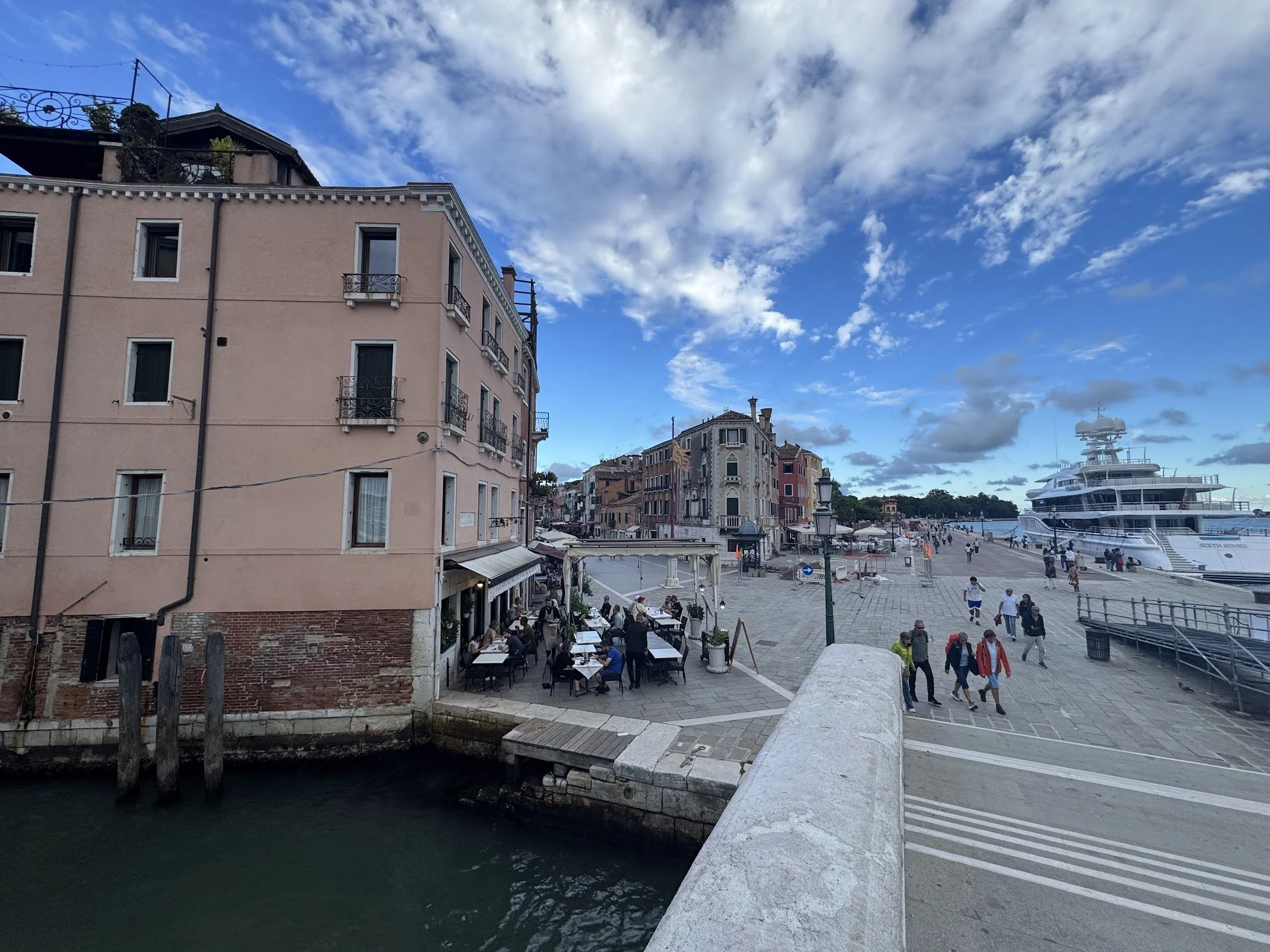
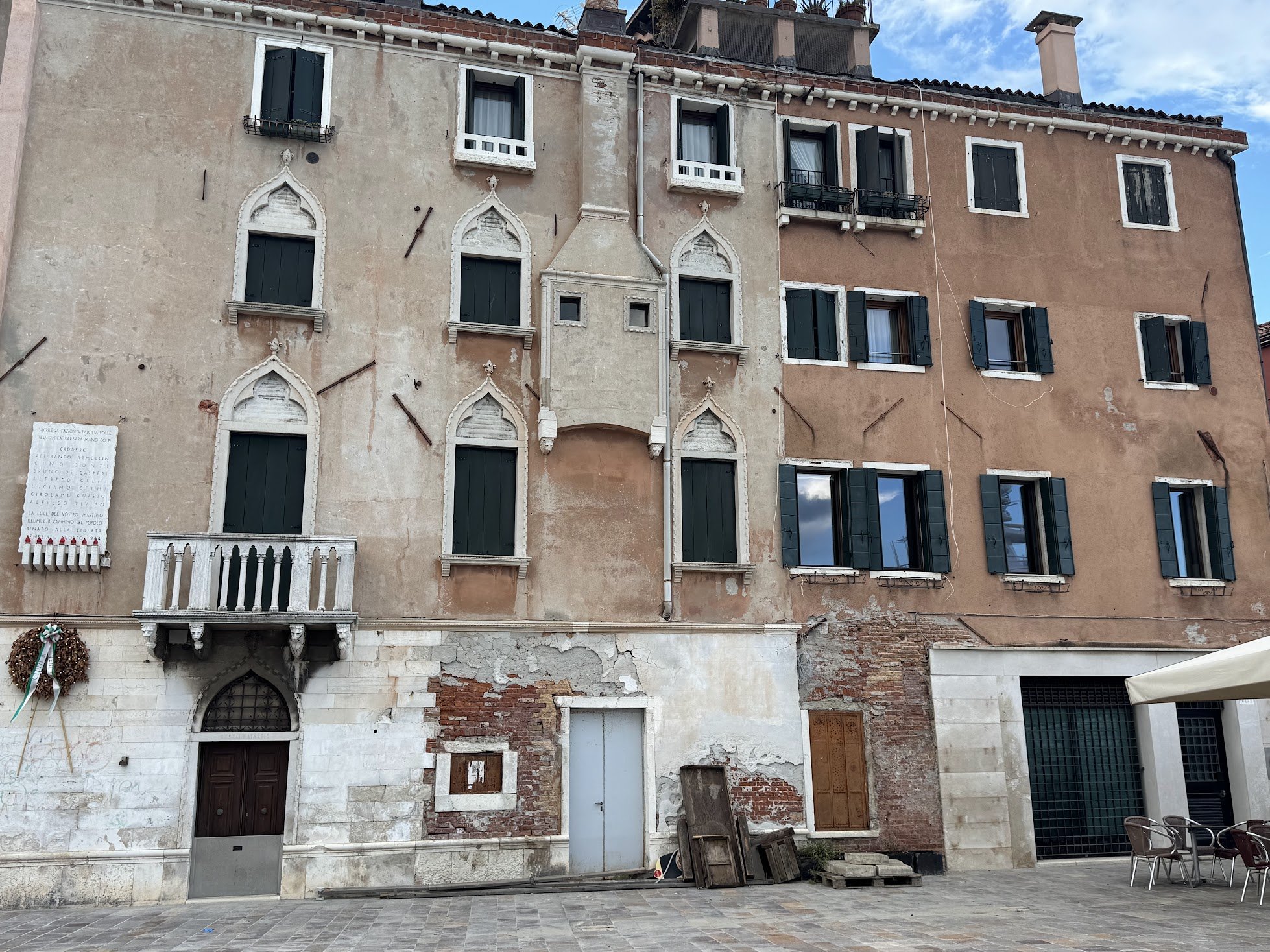
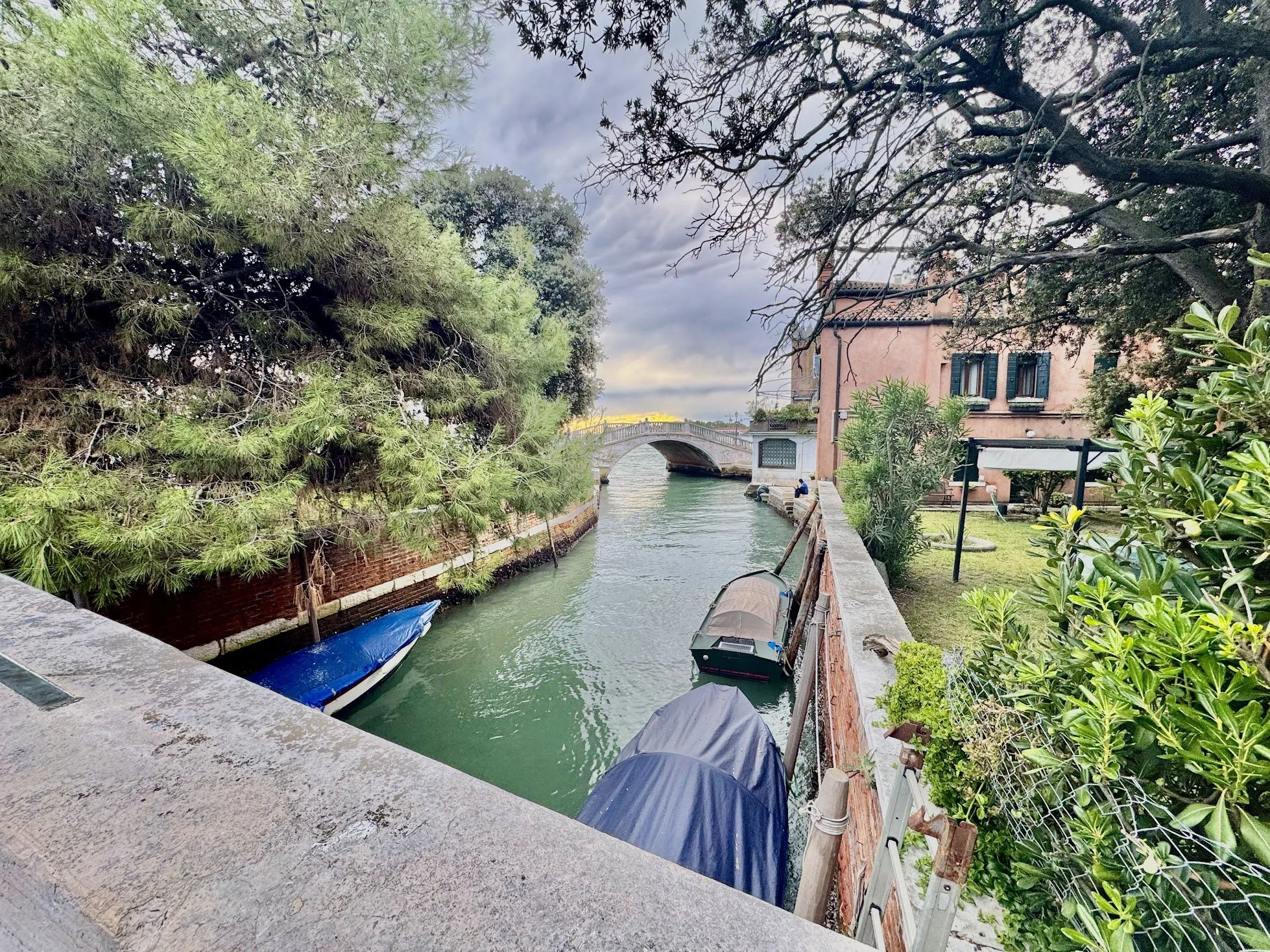
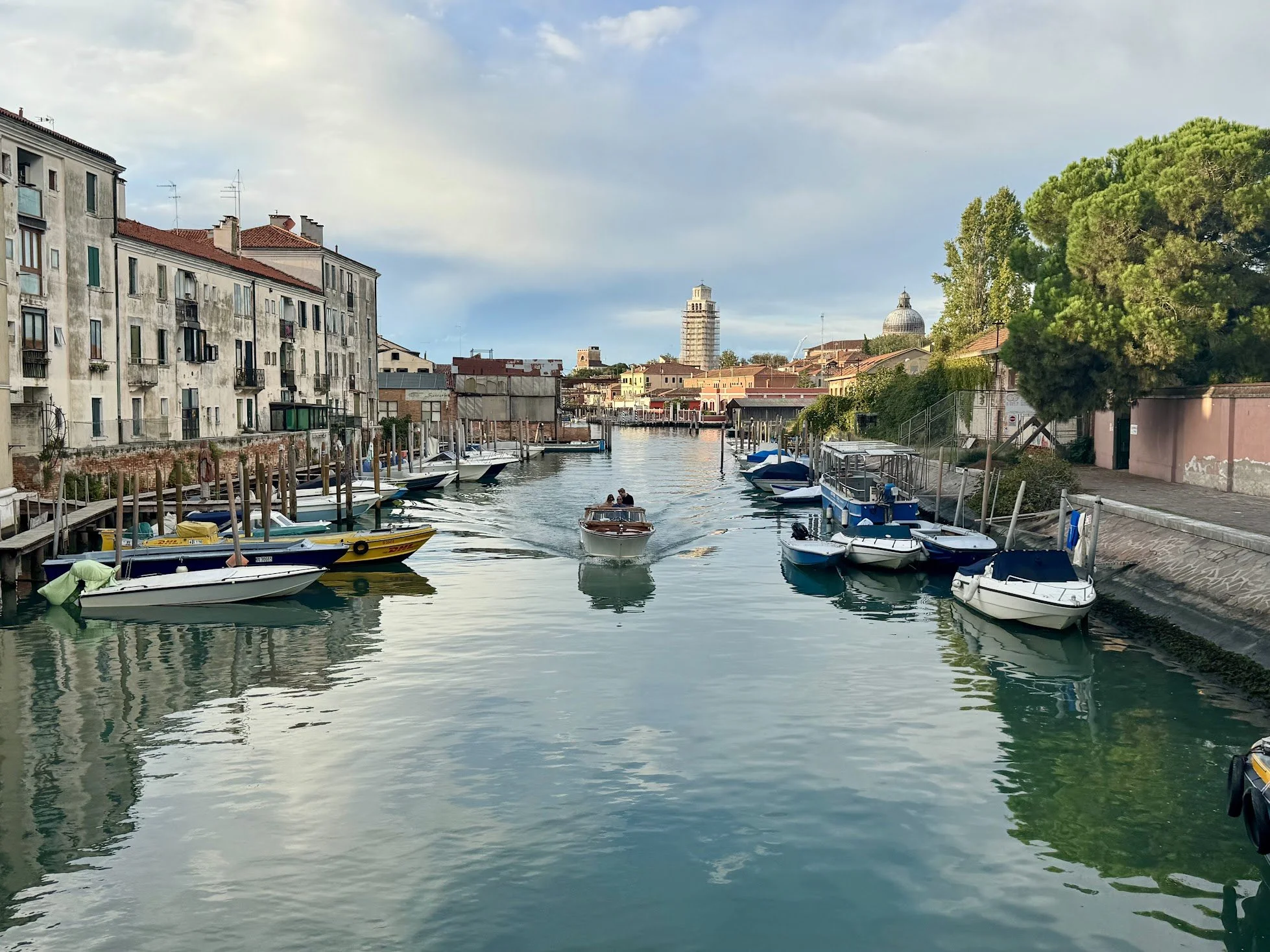
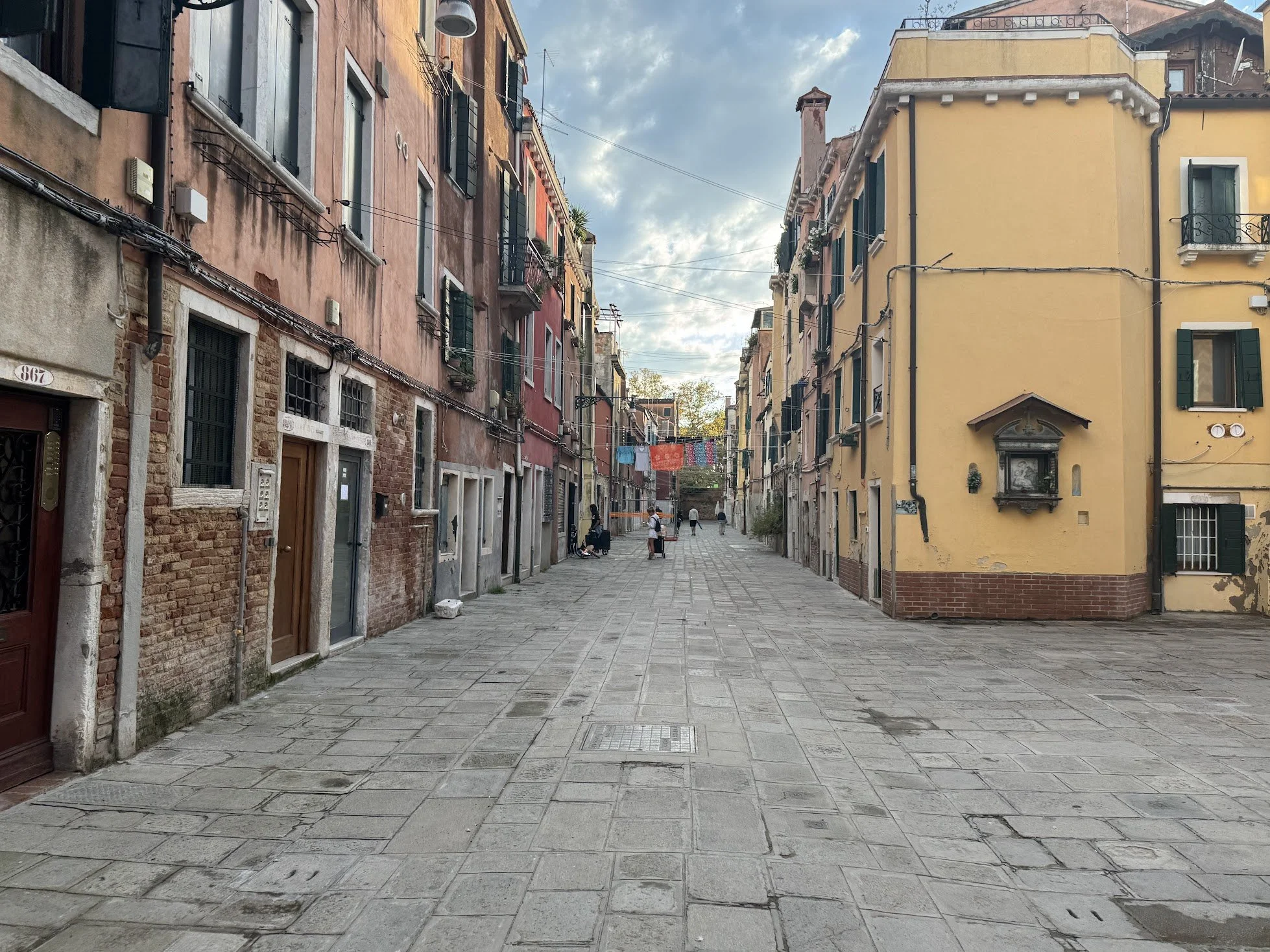
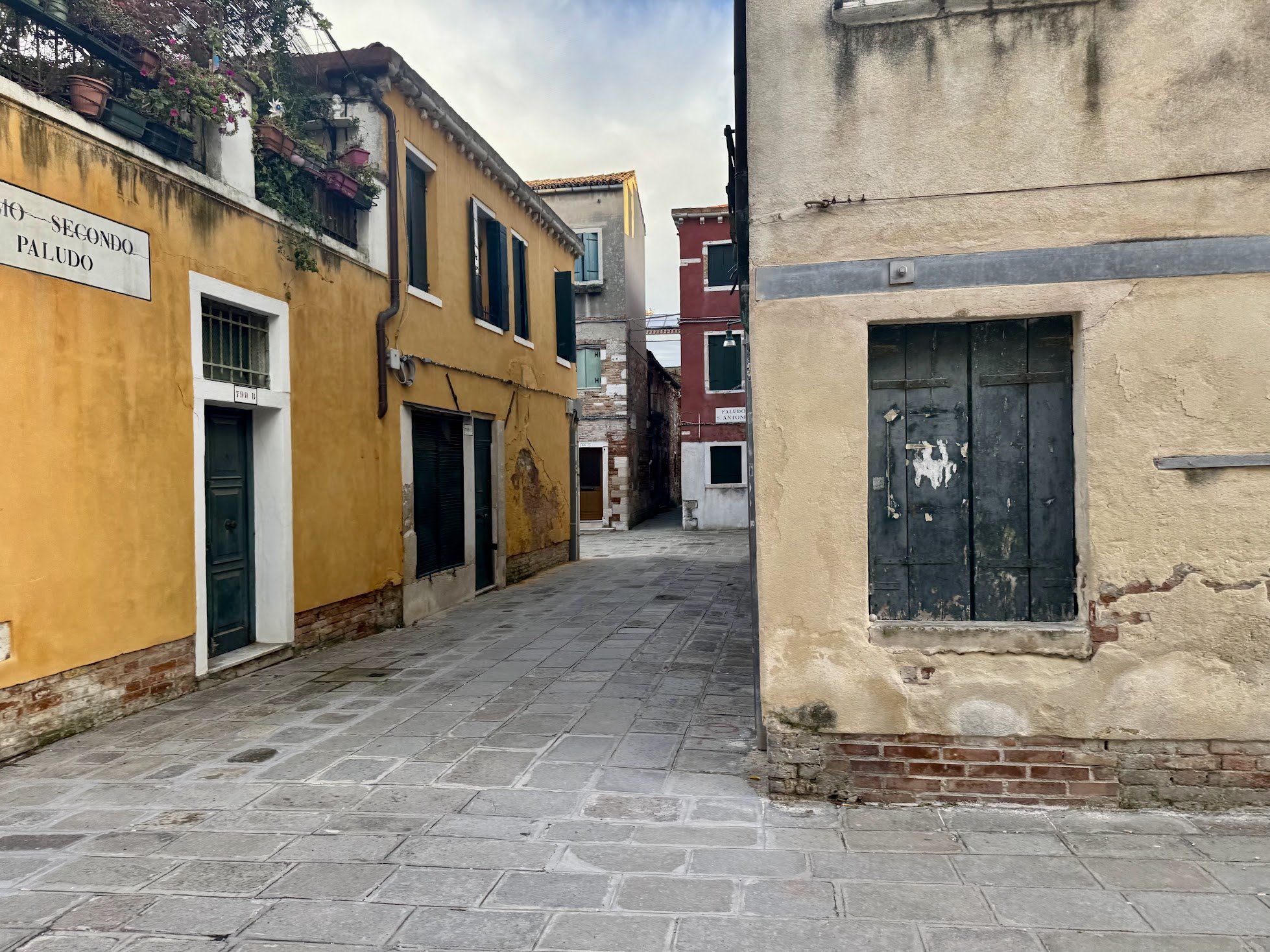
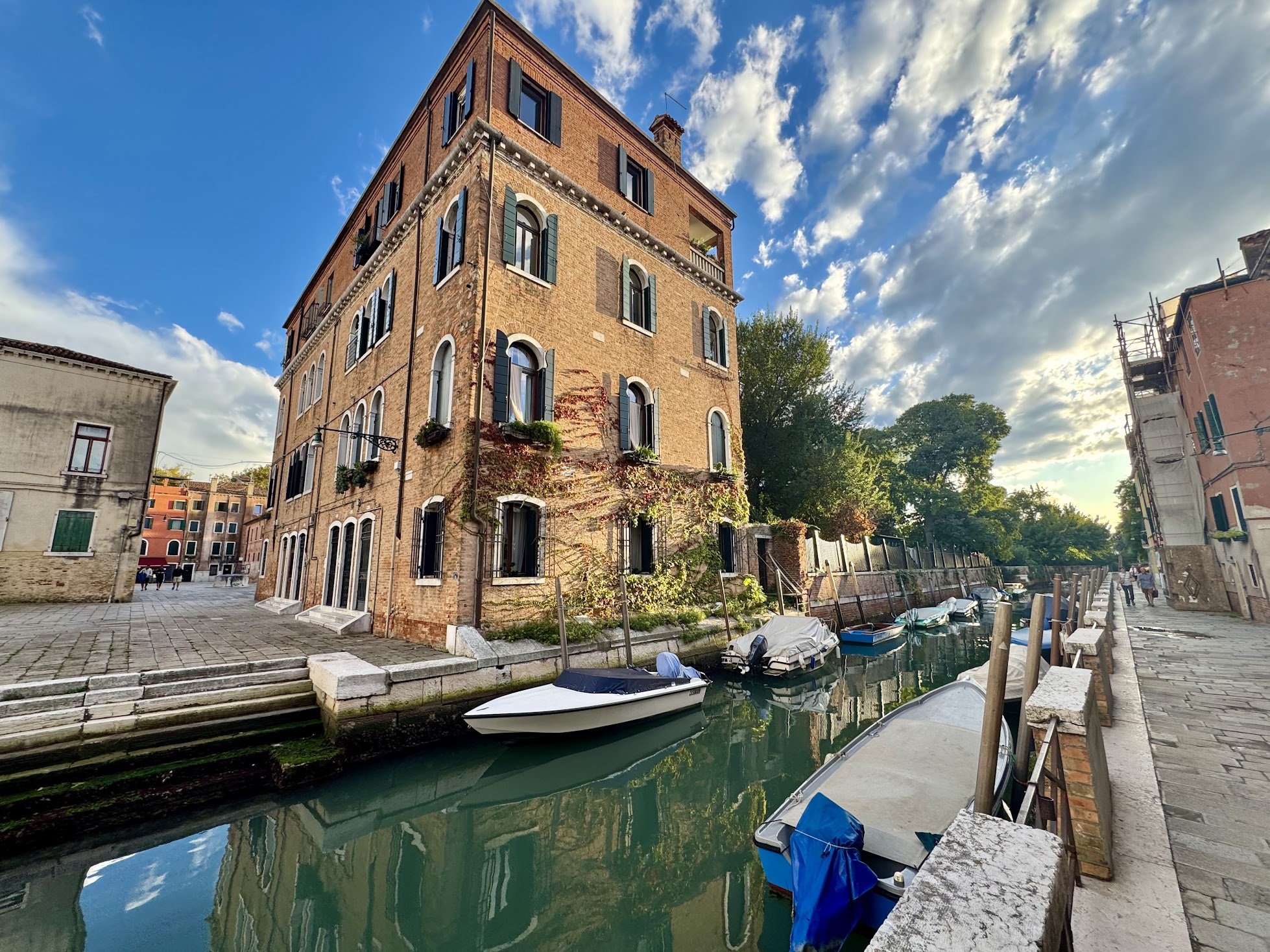
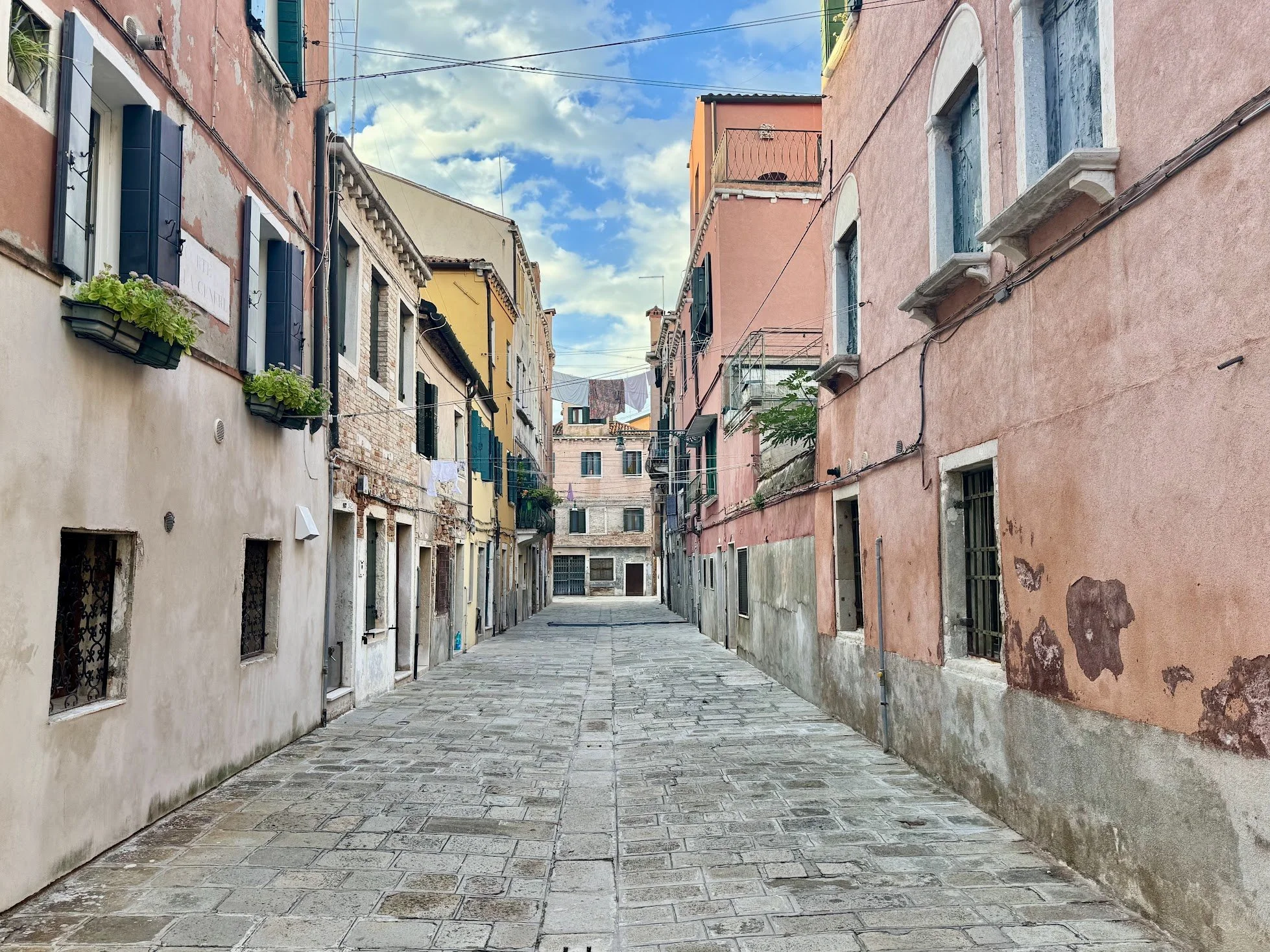
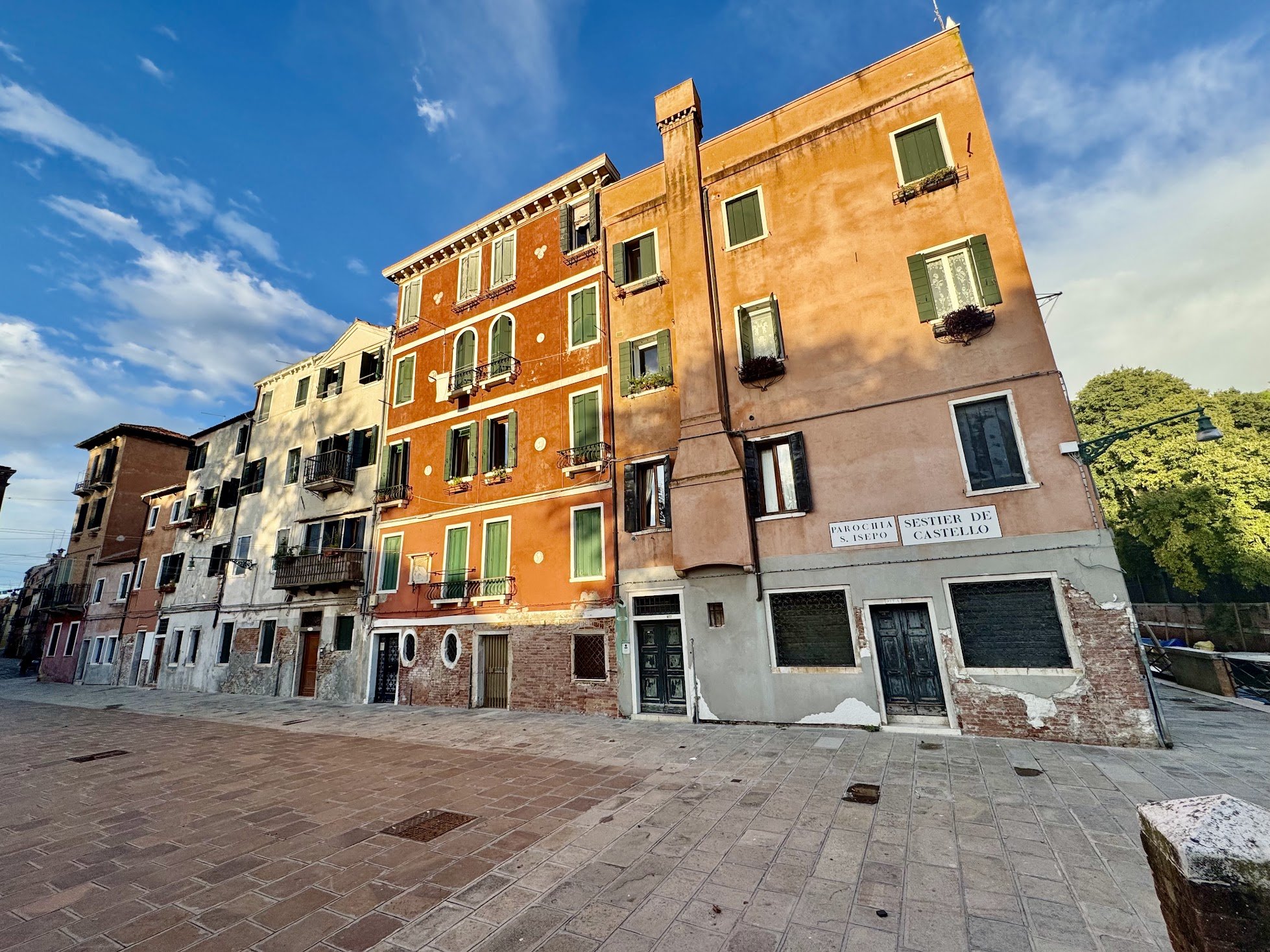
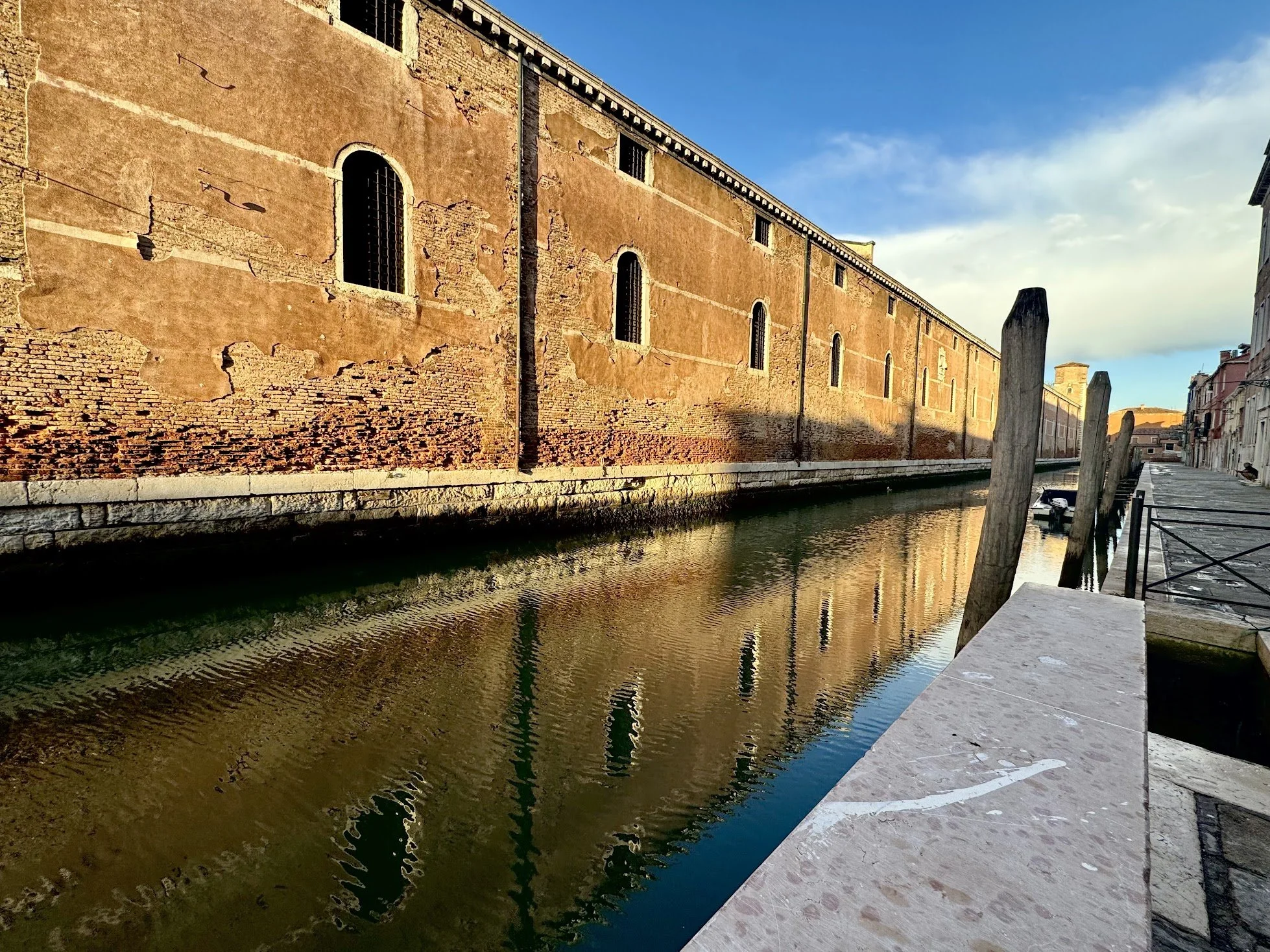
I wandered through San Polo and into Castello, gradually leaving the largest crowds behind. San Polo felt more residential and local, while Castello became one of my favorite neighborhoods in the city. The farther east I walked, the quieter things became. Residents chatted outside their homes, laundry hung from upper-story windows, and daily life seemed to take precedence over tourism.
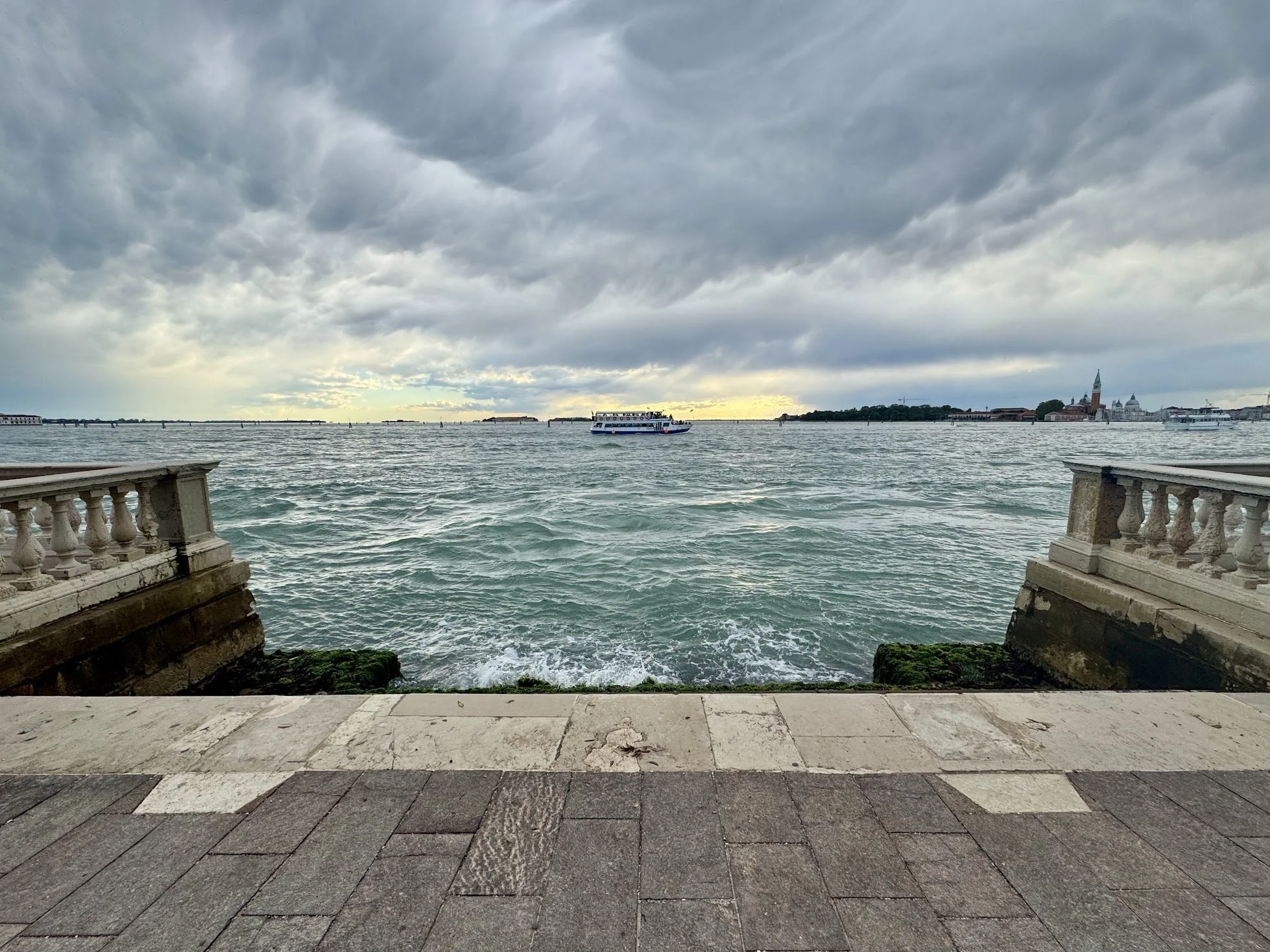
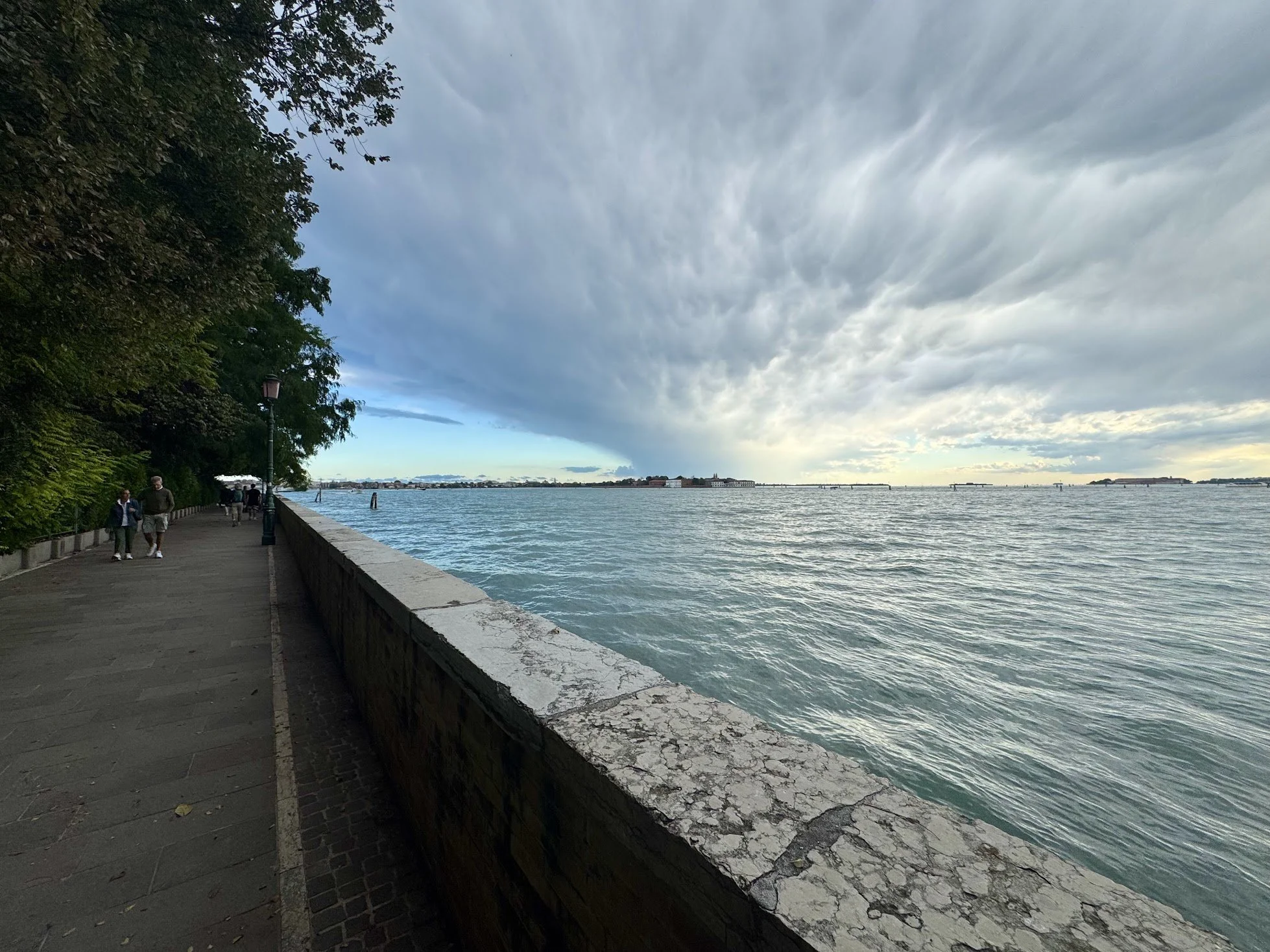
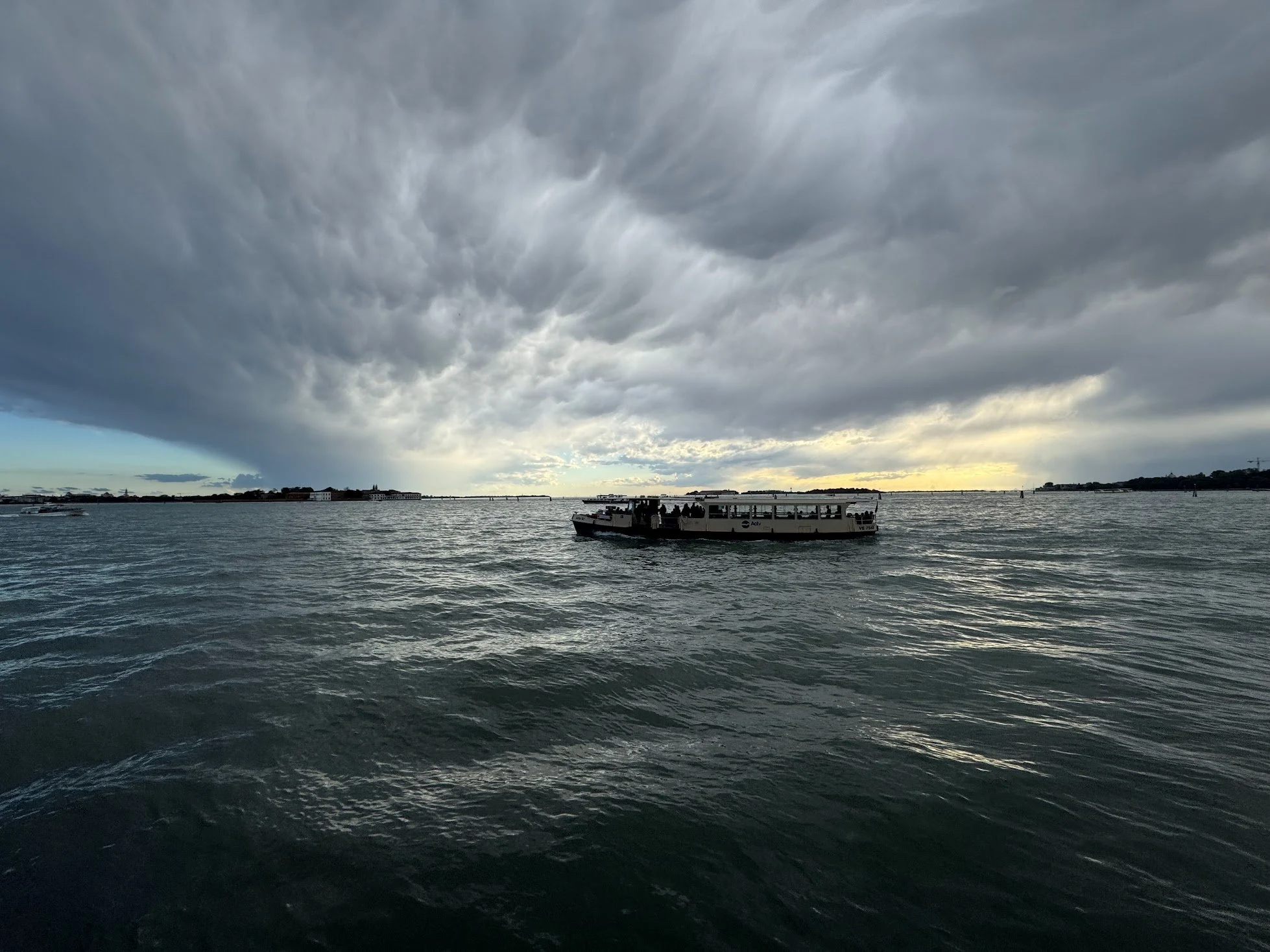
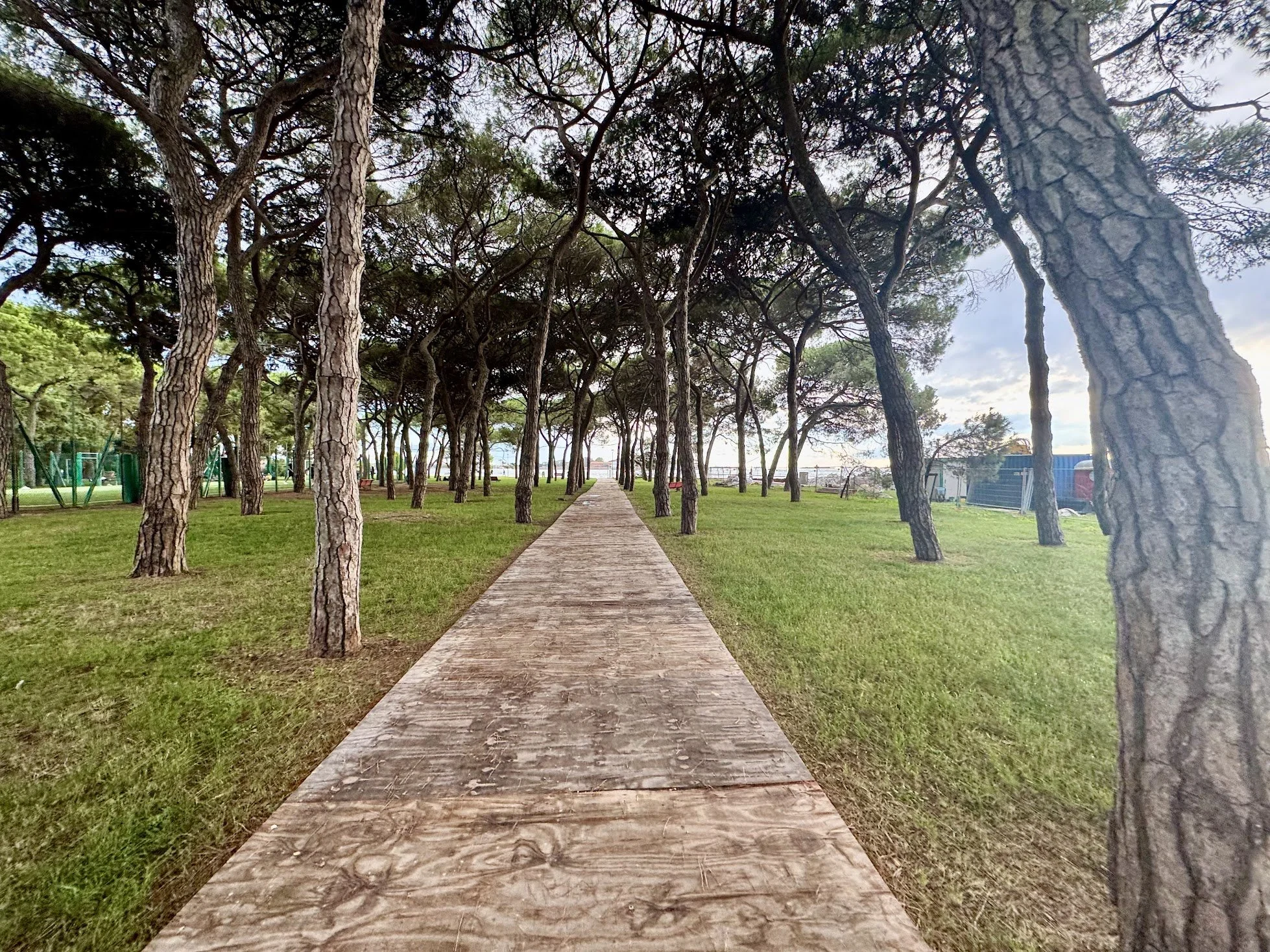
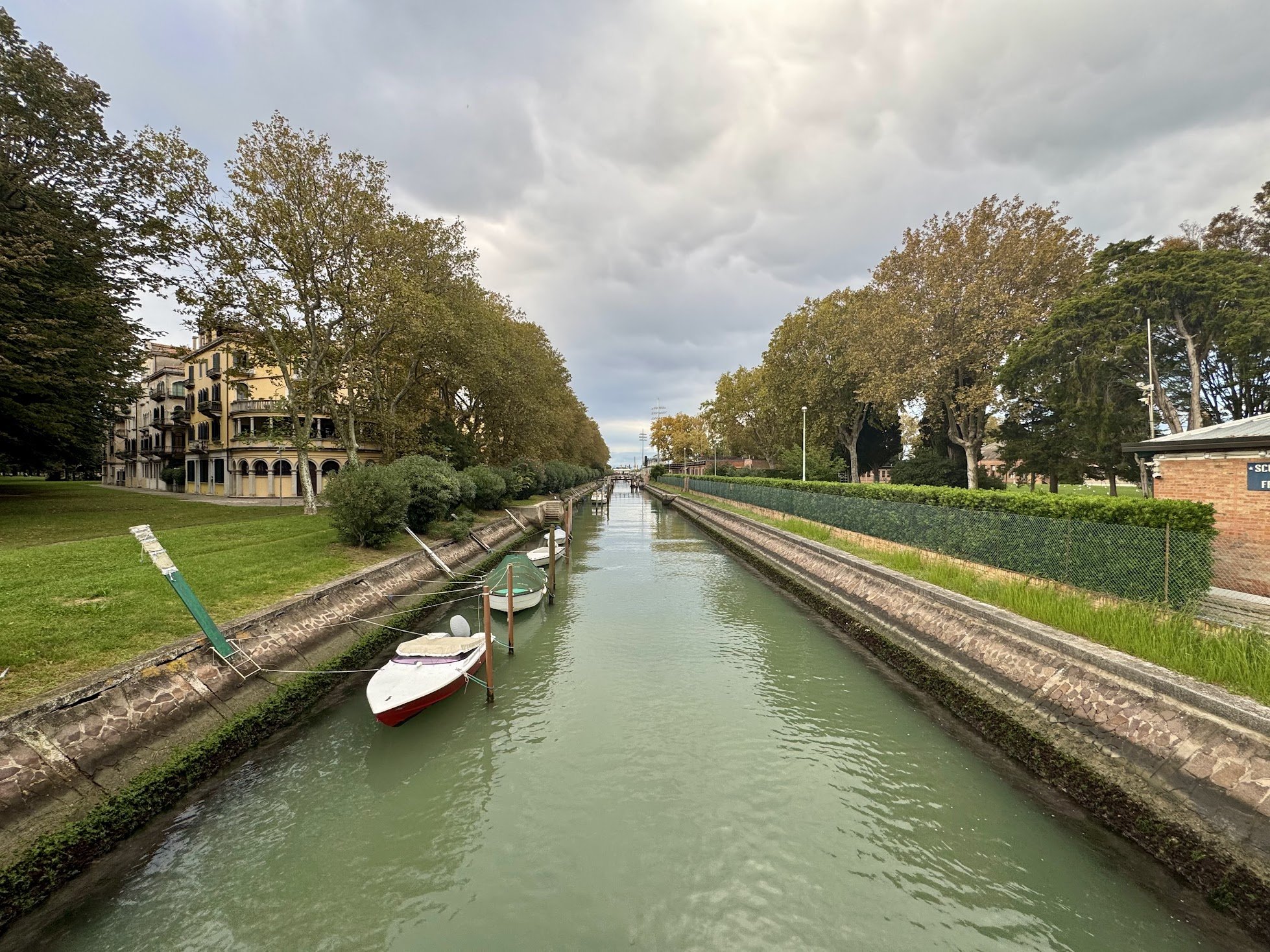
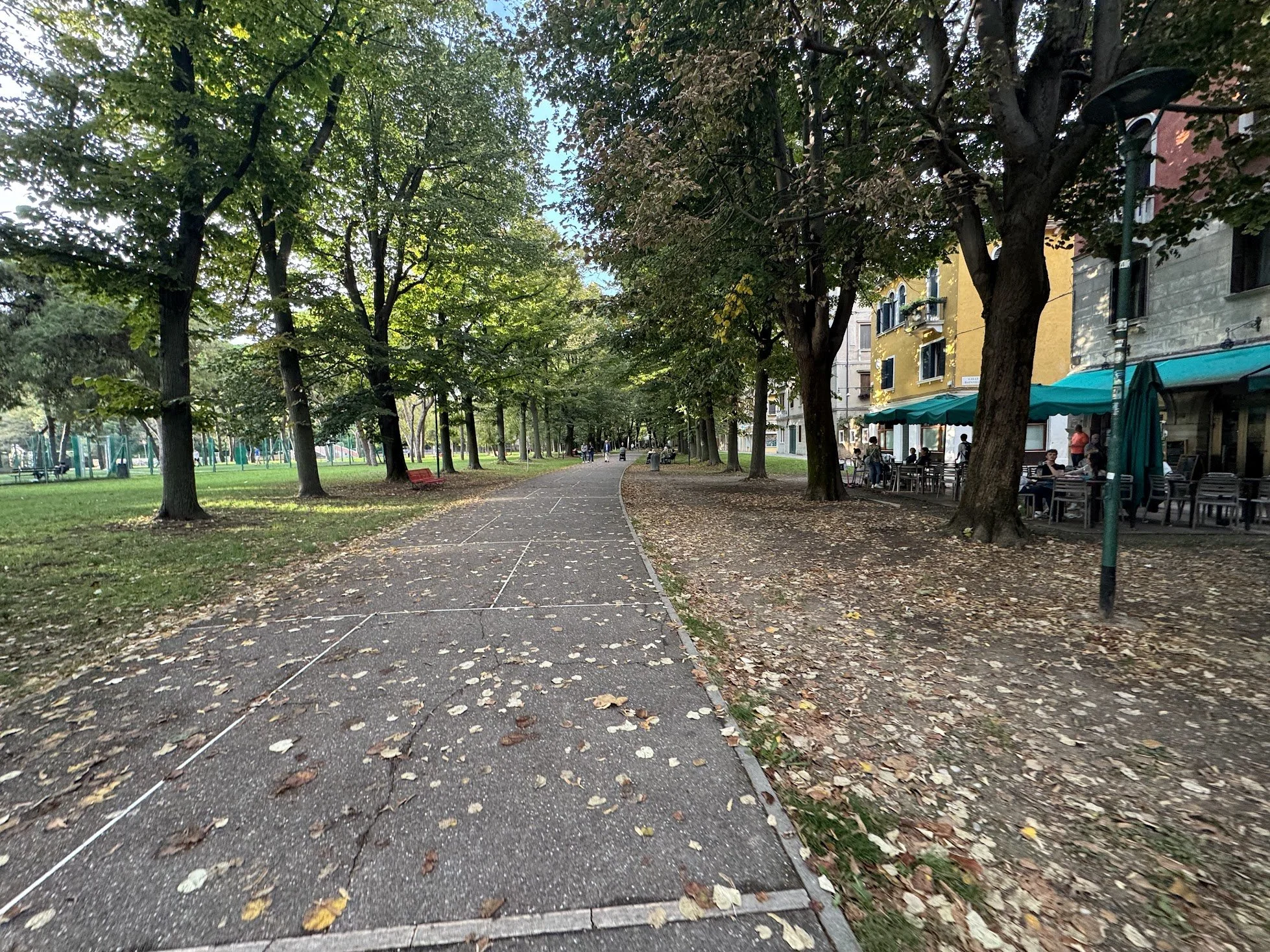
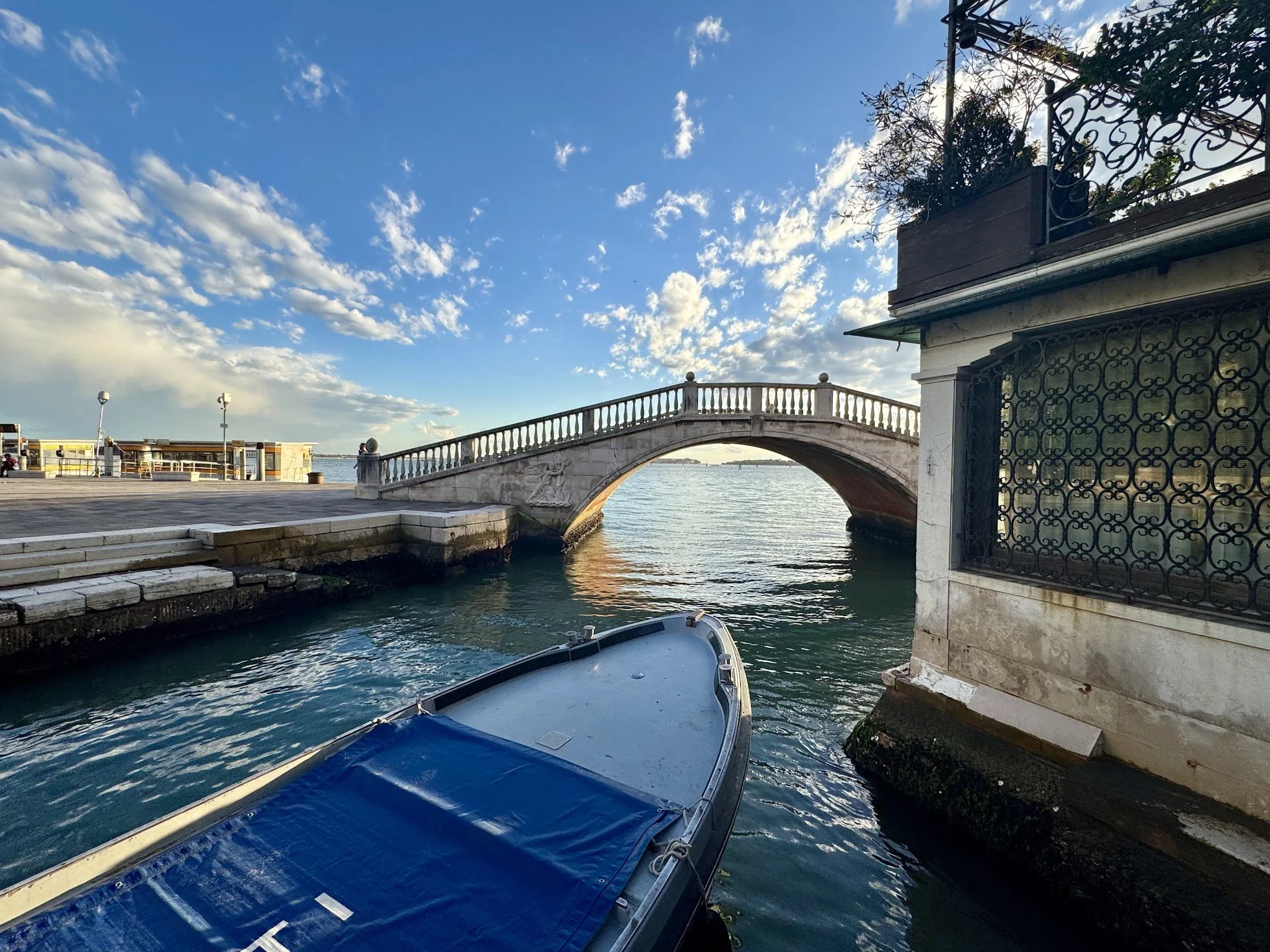
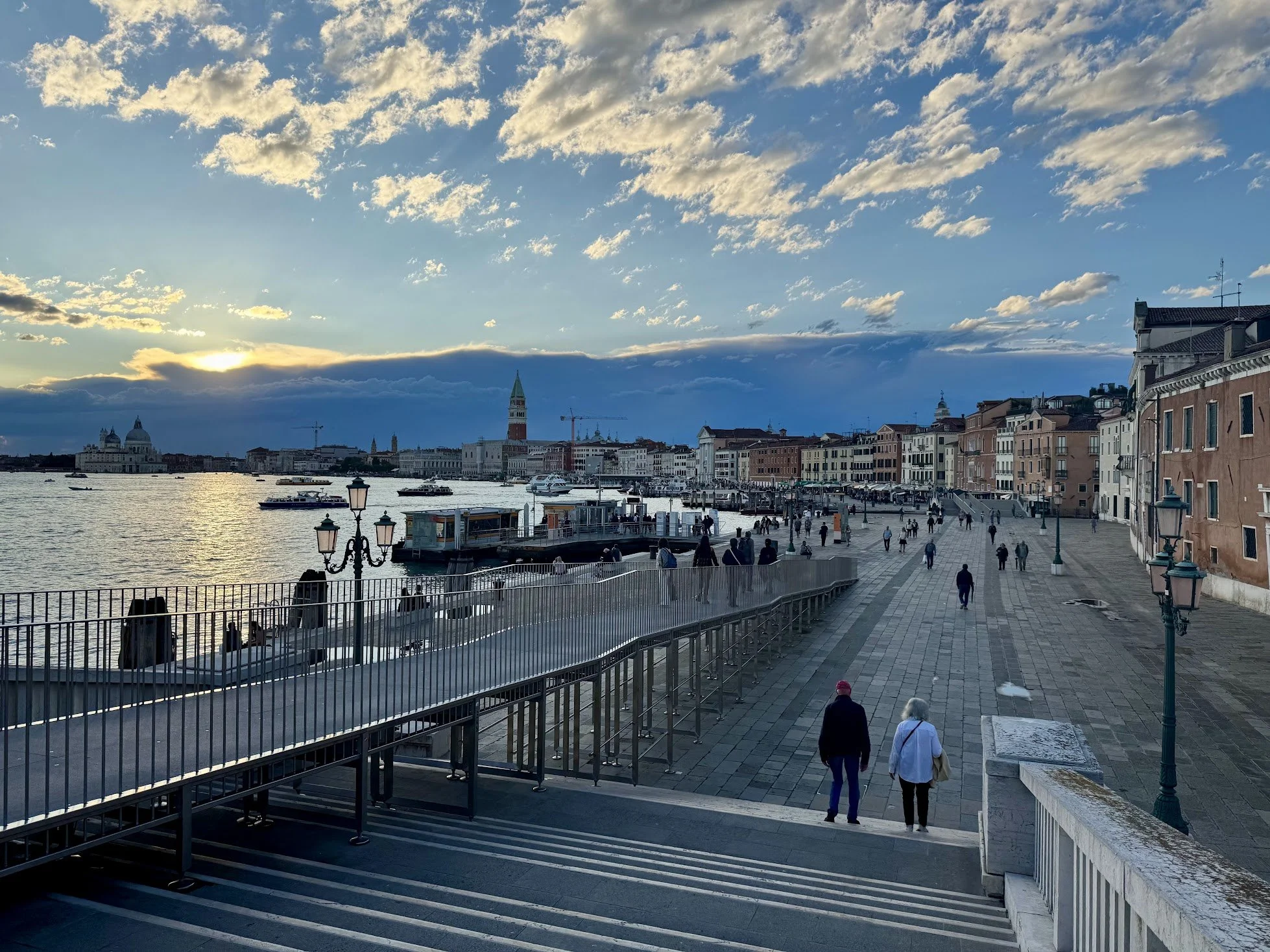
Eventually, I made it to Sant'Elena on the eastern edge of Venice. After a day spent winding through narrow paths, bridges, and canals, it was refreshing to find open waterfront views, green spaces, and a more residential feel.
The Jewish Ghetto and Cannaregio
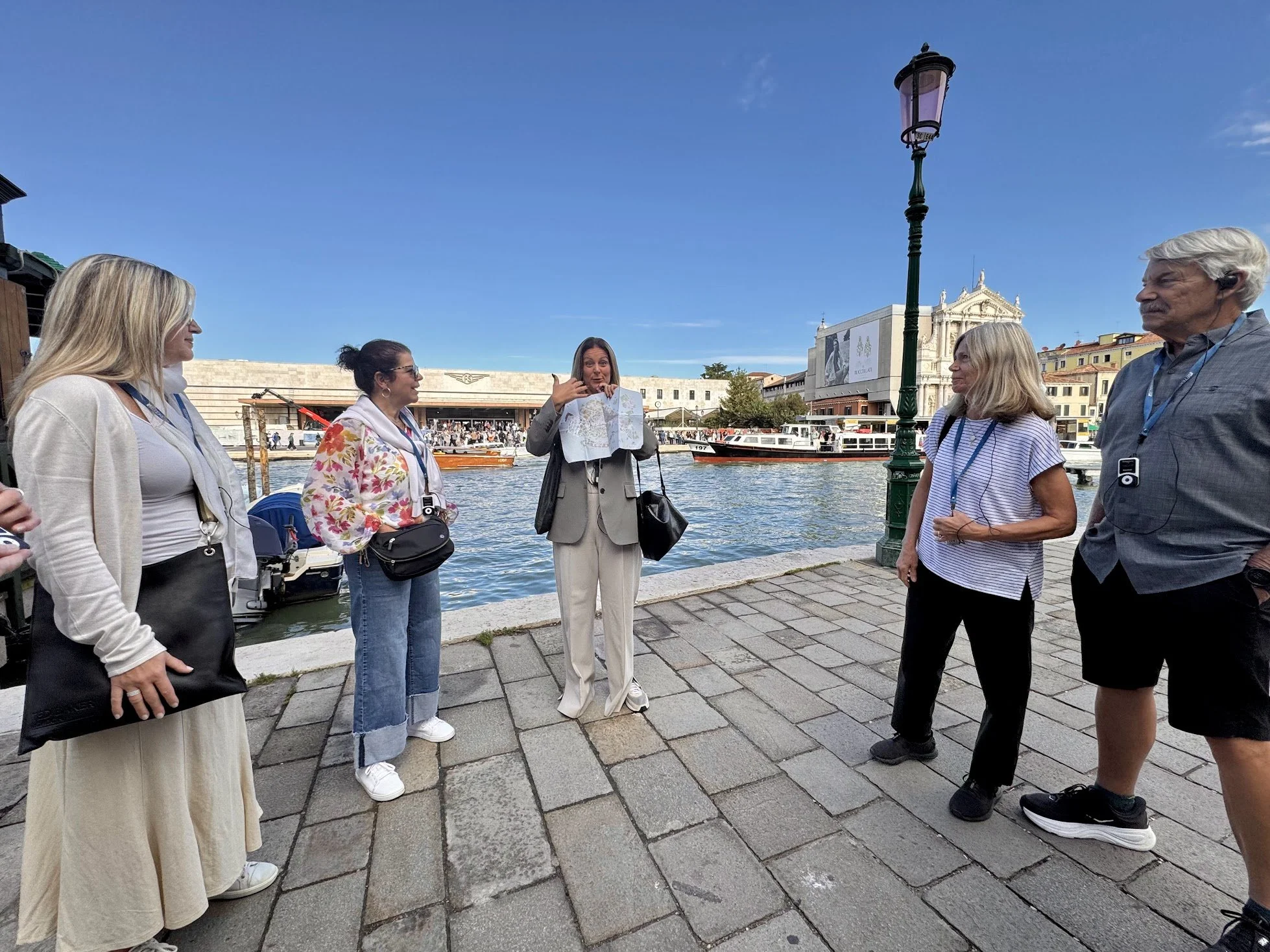
The following day, I joined a walking tour focused on Venice's Jewish Ghetto and the surrounding Cannaregio district.
Established in 1516, the Jewish Ghetto is considered the first officially designated Jewish ghetto in the world. Walking through the neighborhood provided a different perspective on Venice's history, one that extends far beyond canals, churches, and grand palaces.
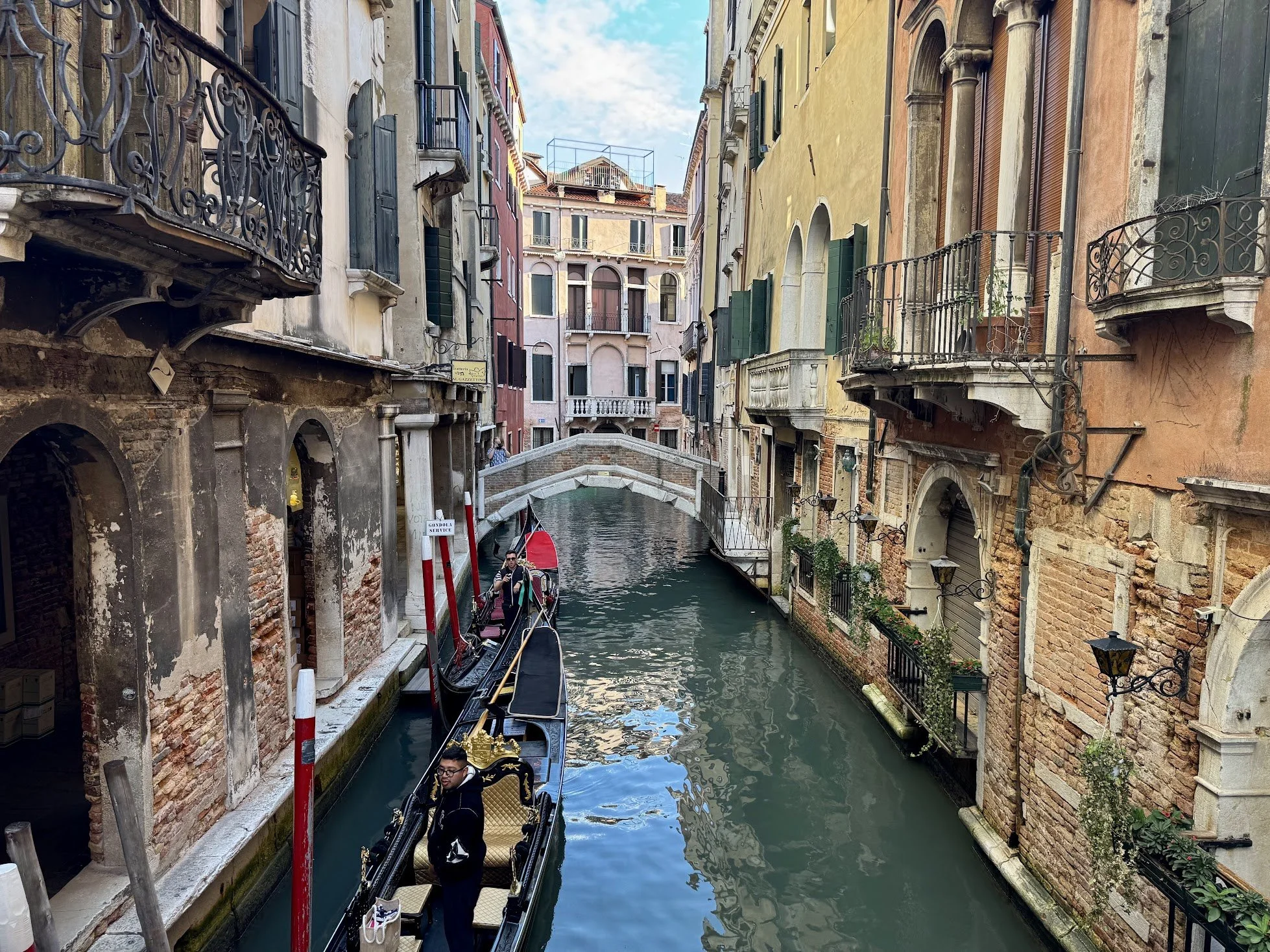
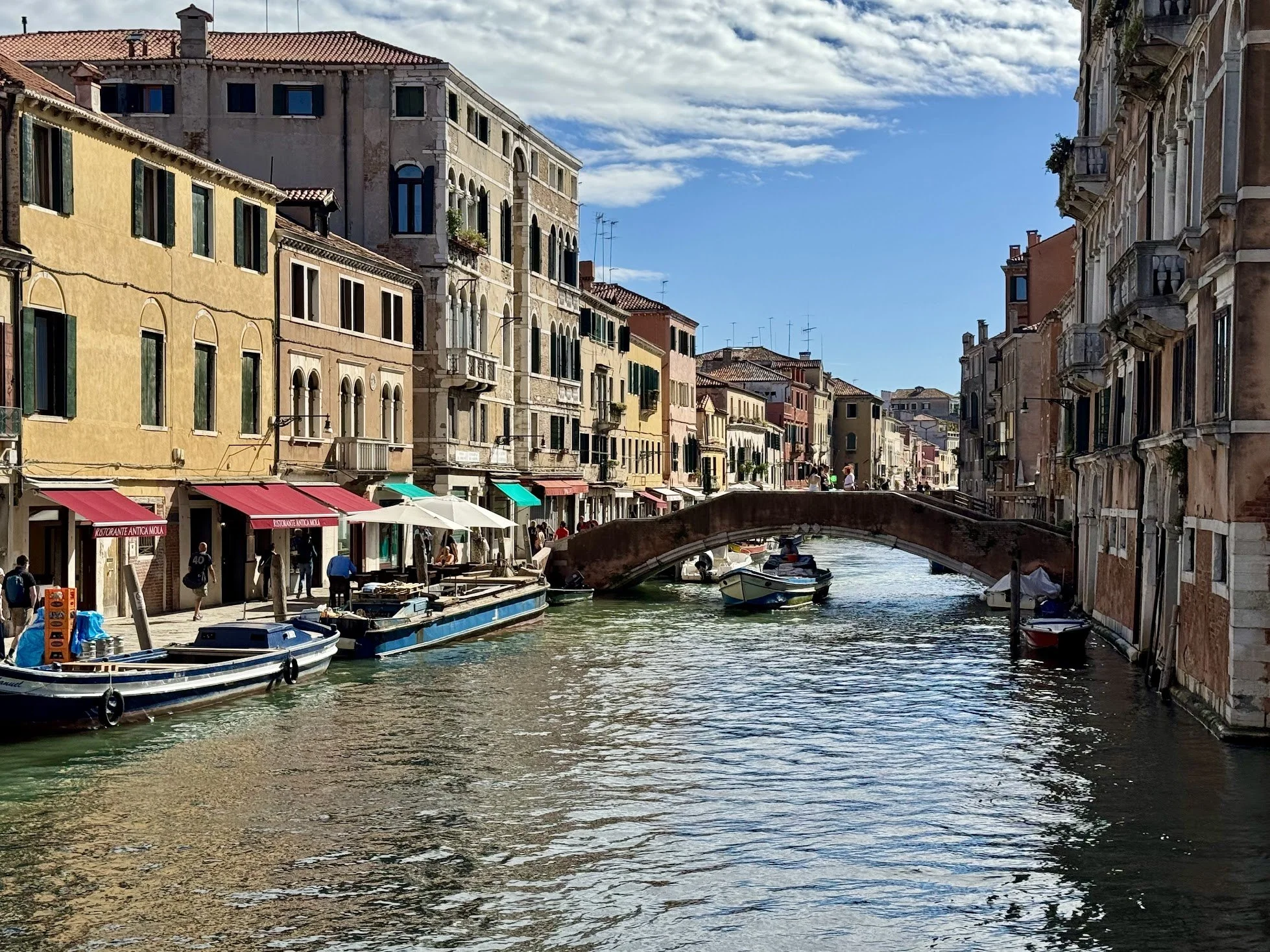
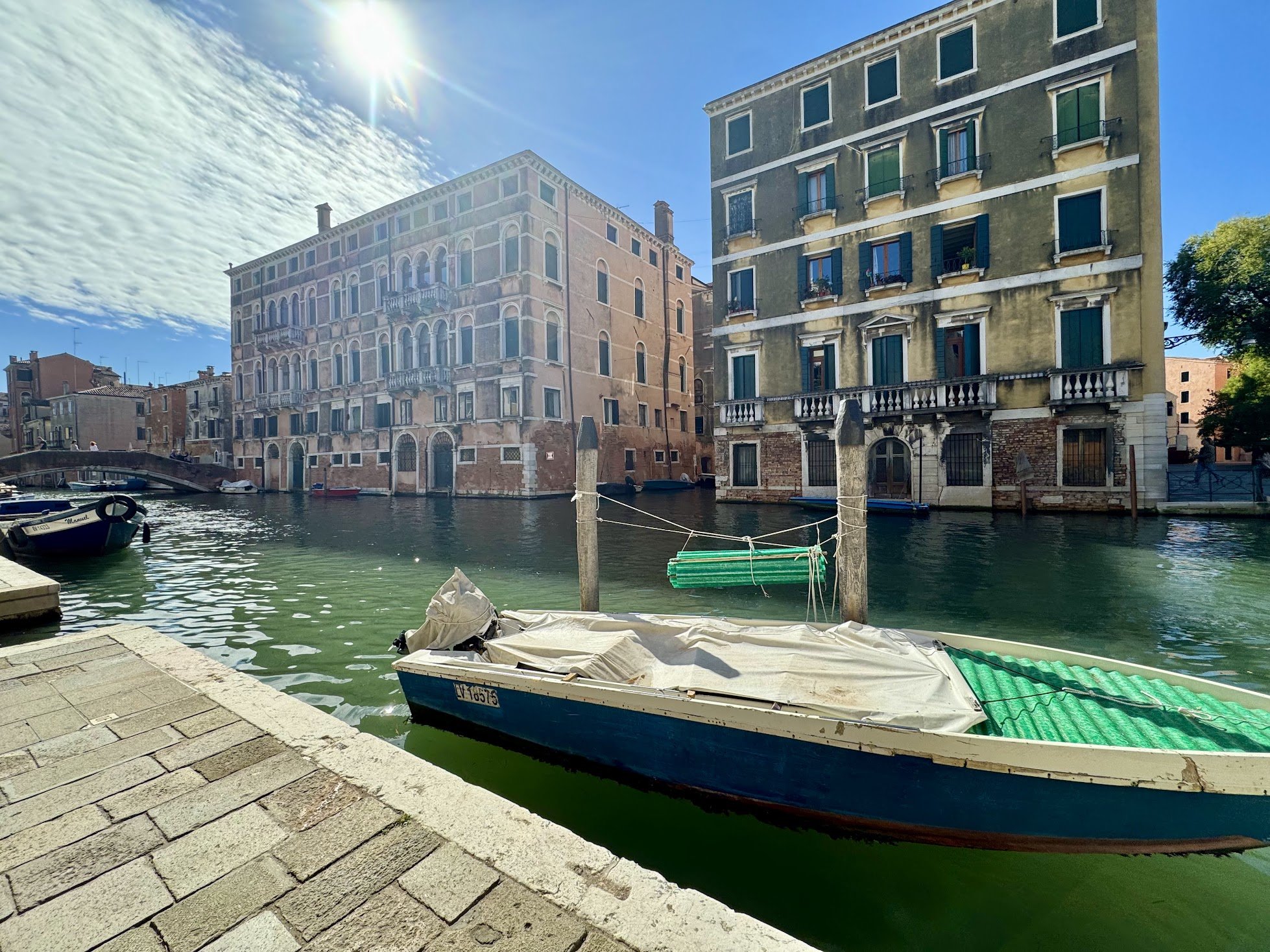
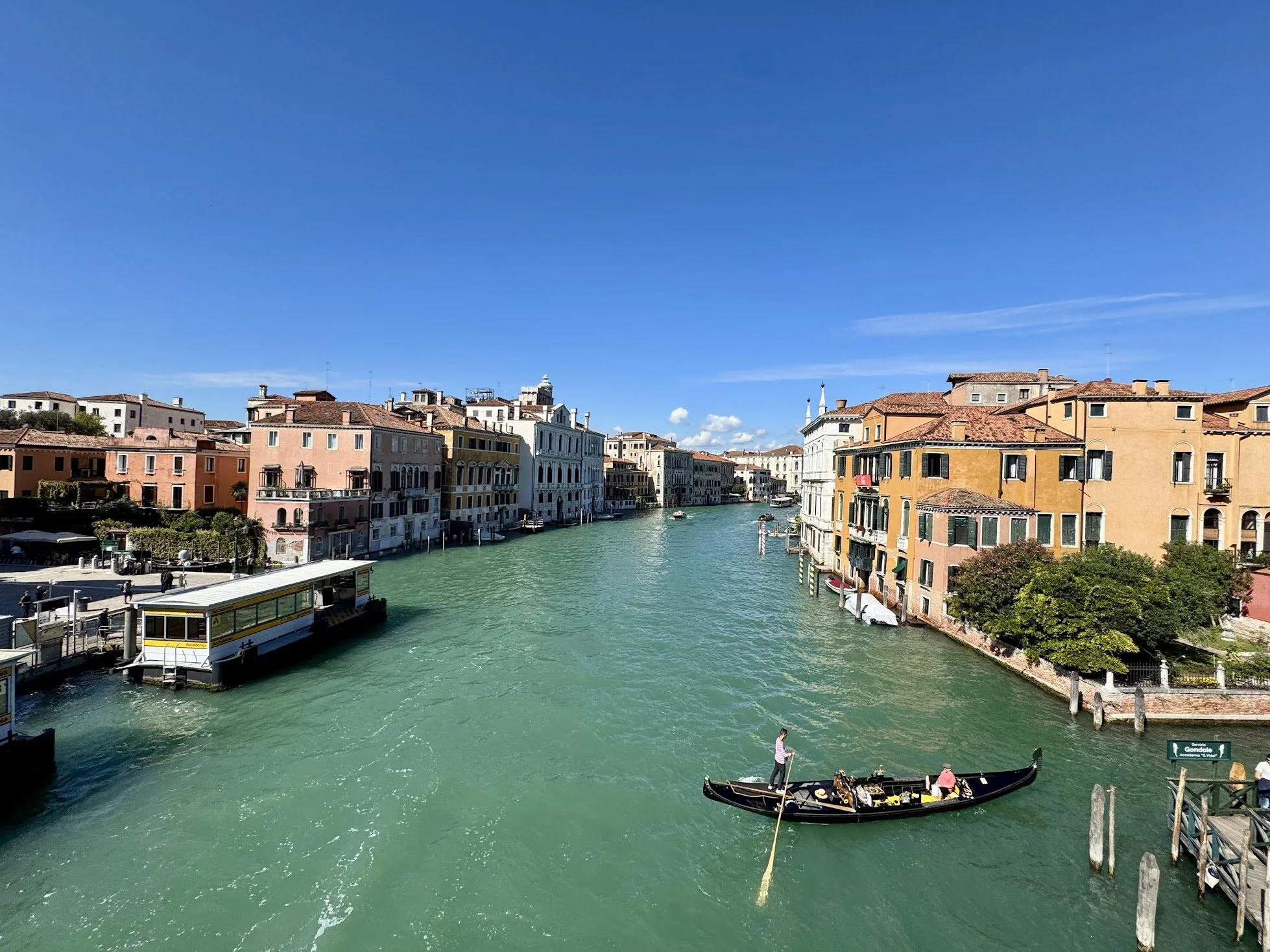
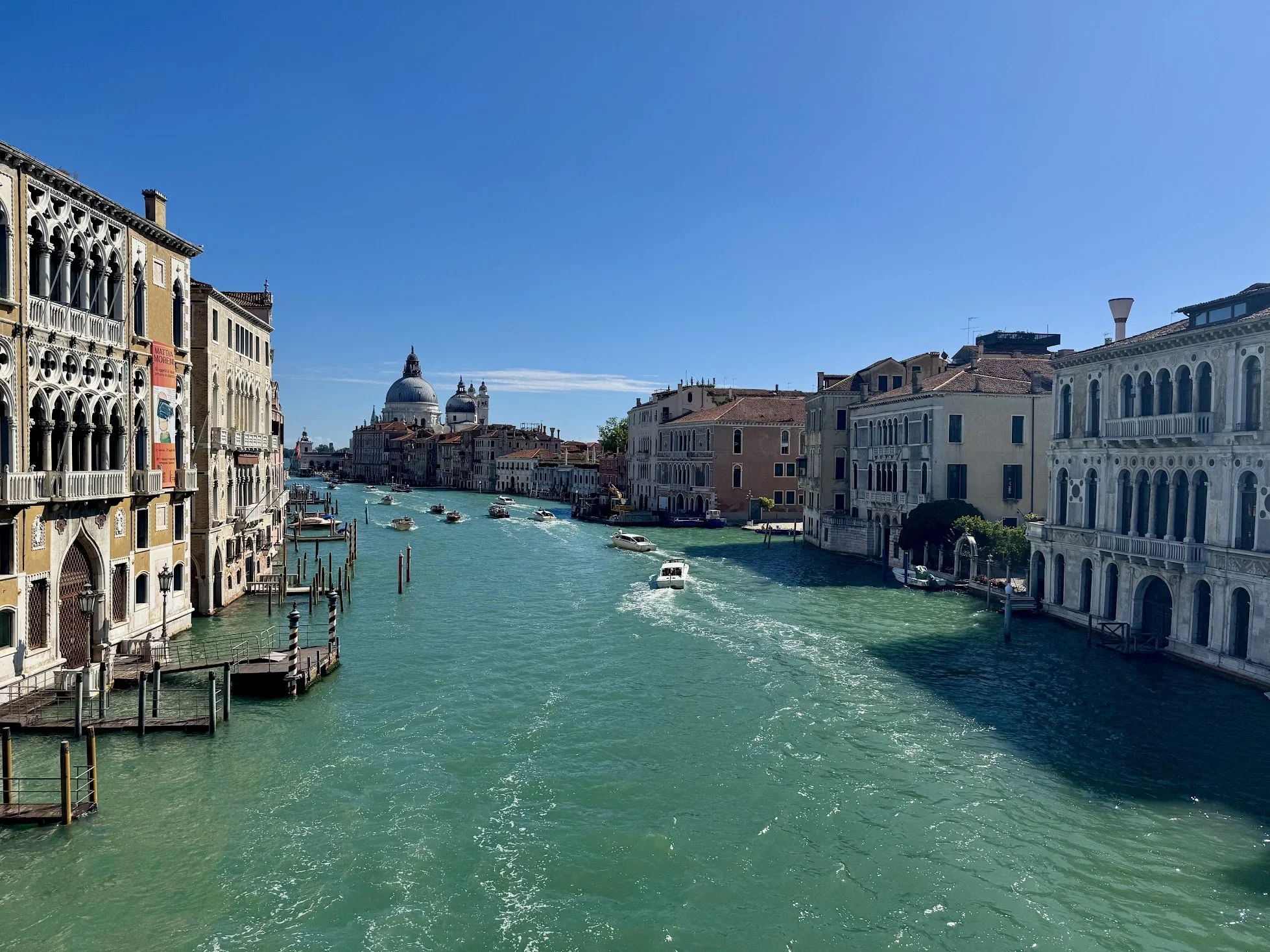
The tour continued through Cannaregio, one of Venice's largest residential areas. Many people pass through there on their way from the train station to the city center, but I thought it was one of the most interesting neighborhoods. The wider canals, quiet streets, local cafés, and slower pace gave me a real look at daily Venetian life, which felt very different from the busy areas near St. Mark's Square.
Dorsoduro
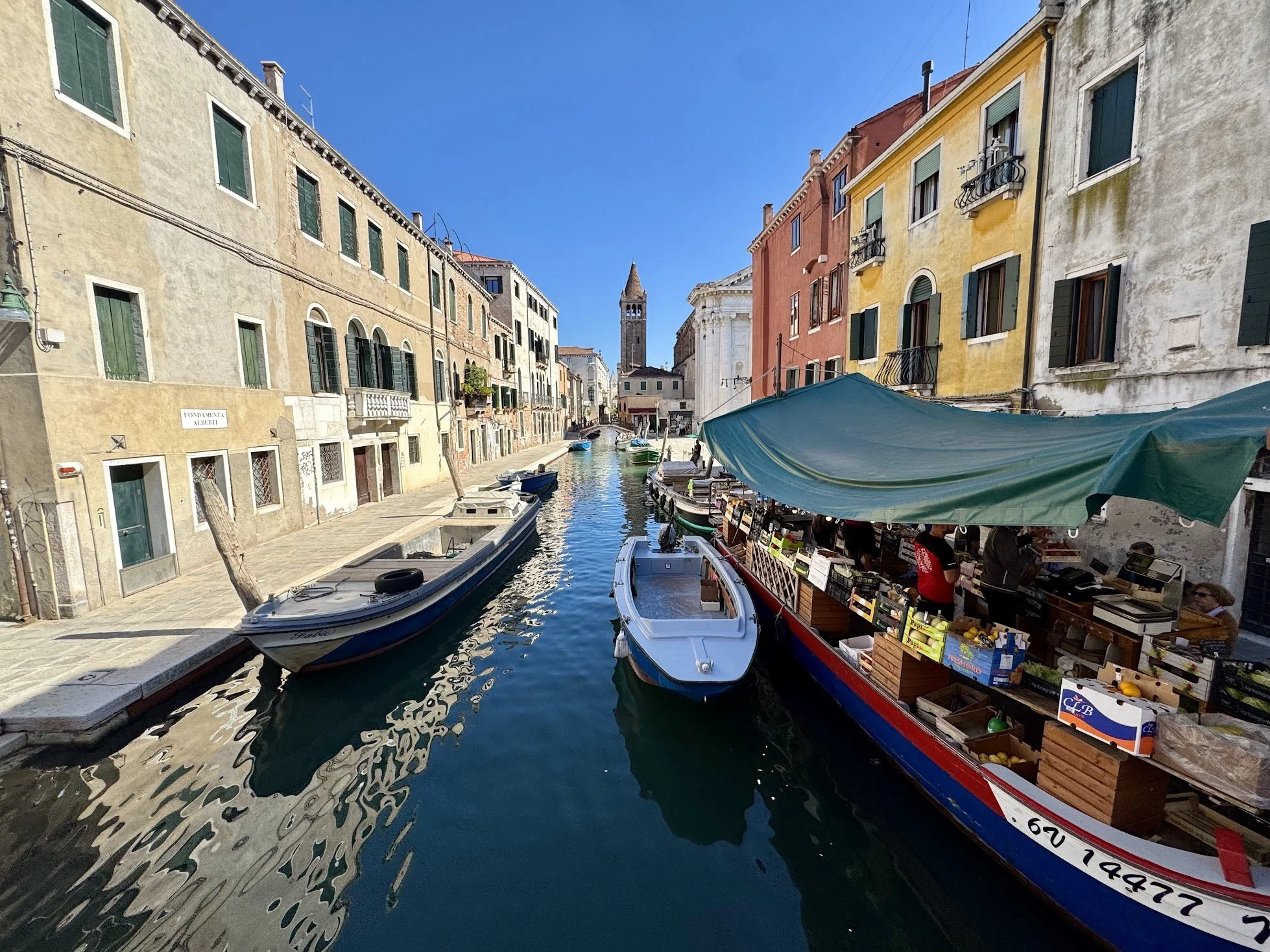
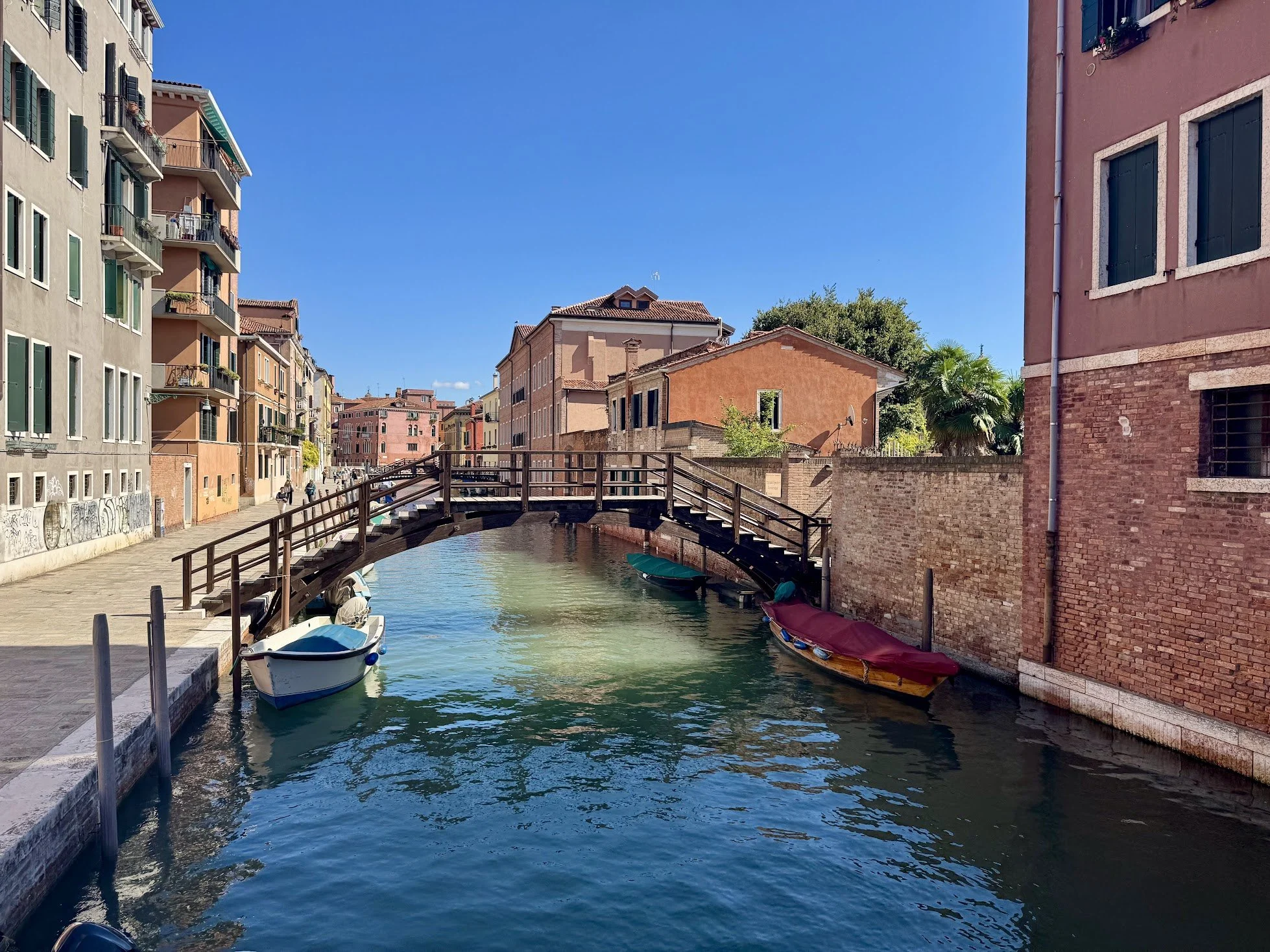
After the tour, I kept exploring on my own and visited both San Marco and Dorsoduro. While San Marco is home to many of Venice's most recognizable landmarks, including St. Mark's Square and St. Mark's Basilica, I found myself drawn to Dorsoduro. It is one of Venice's six historic districts and is home to both Ca' Foscari University and IUAV University, giving parts of the neighborhood a noticeably different energy than the city's more tourist-focused areas. Alongside its museums, galleries, canals, and waterfront promenades, you'll find students heading to class, neighborhood cafés, and quieter residential streets that make the district feel more connected to everyday life. The combination of cultural attractions, local activity, and a slower pace made it one of my favorite areas to explore on foot.
A Day Trip to the Dolomites, Cortina, and Lake Braies
One of the highlights of my time in Venice was a full-day excursion into the Dolomites.
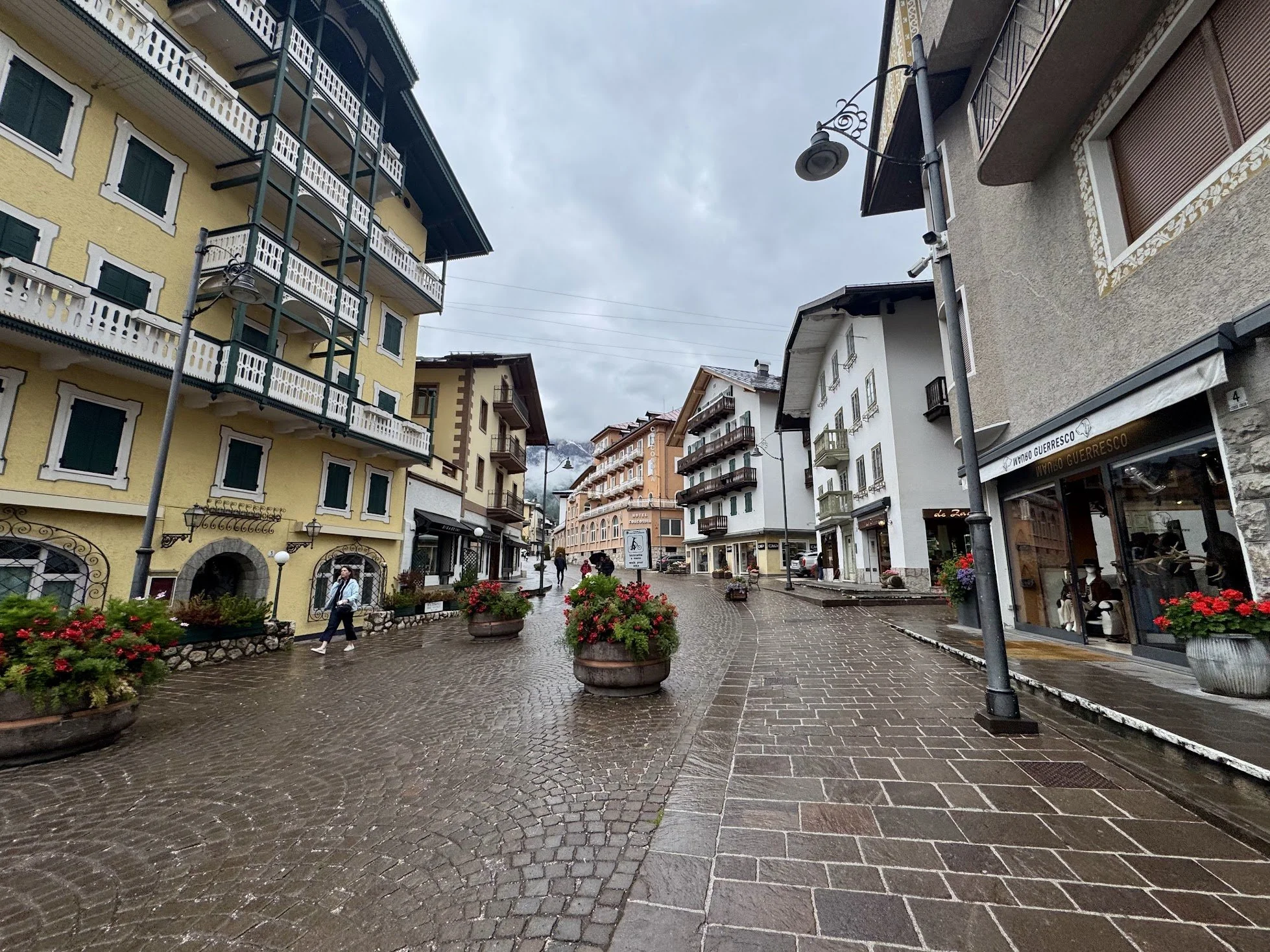
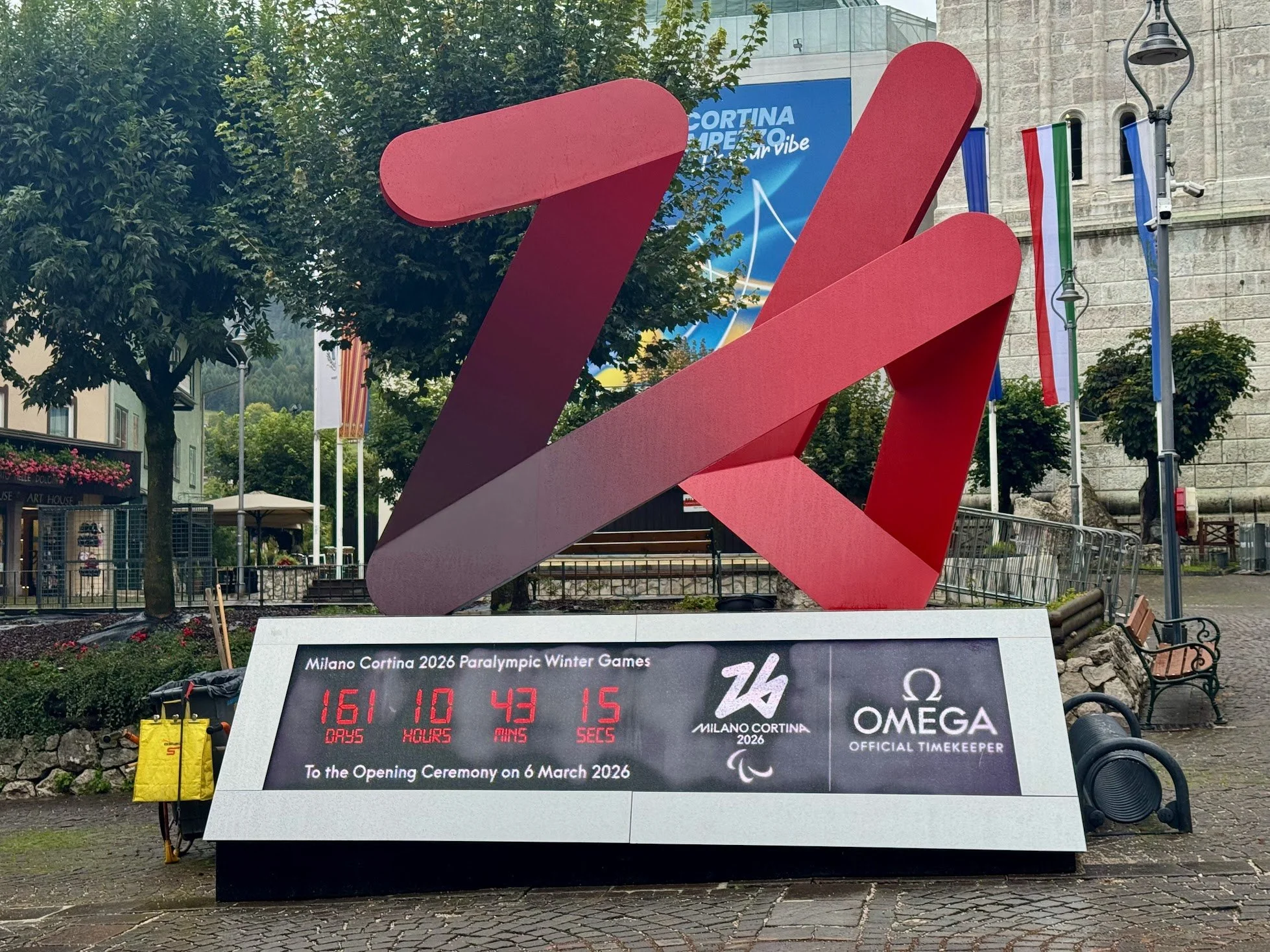
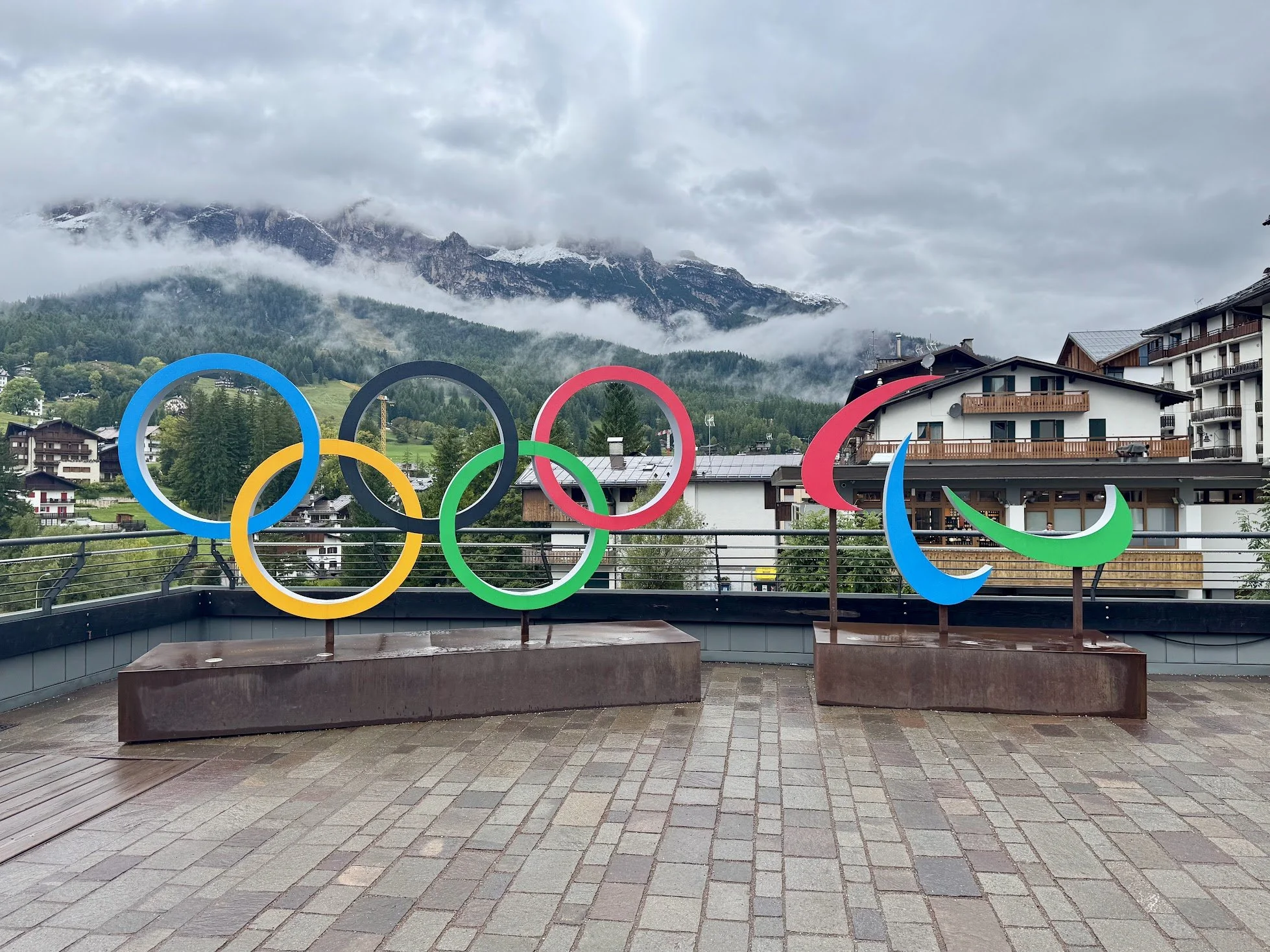
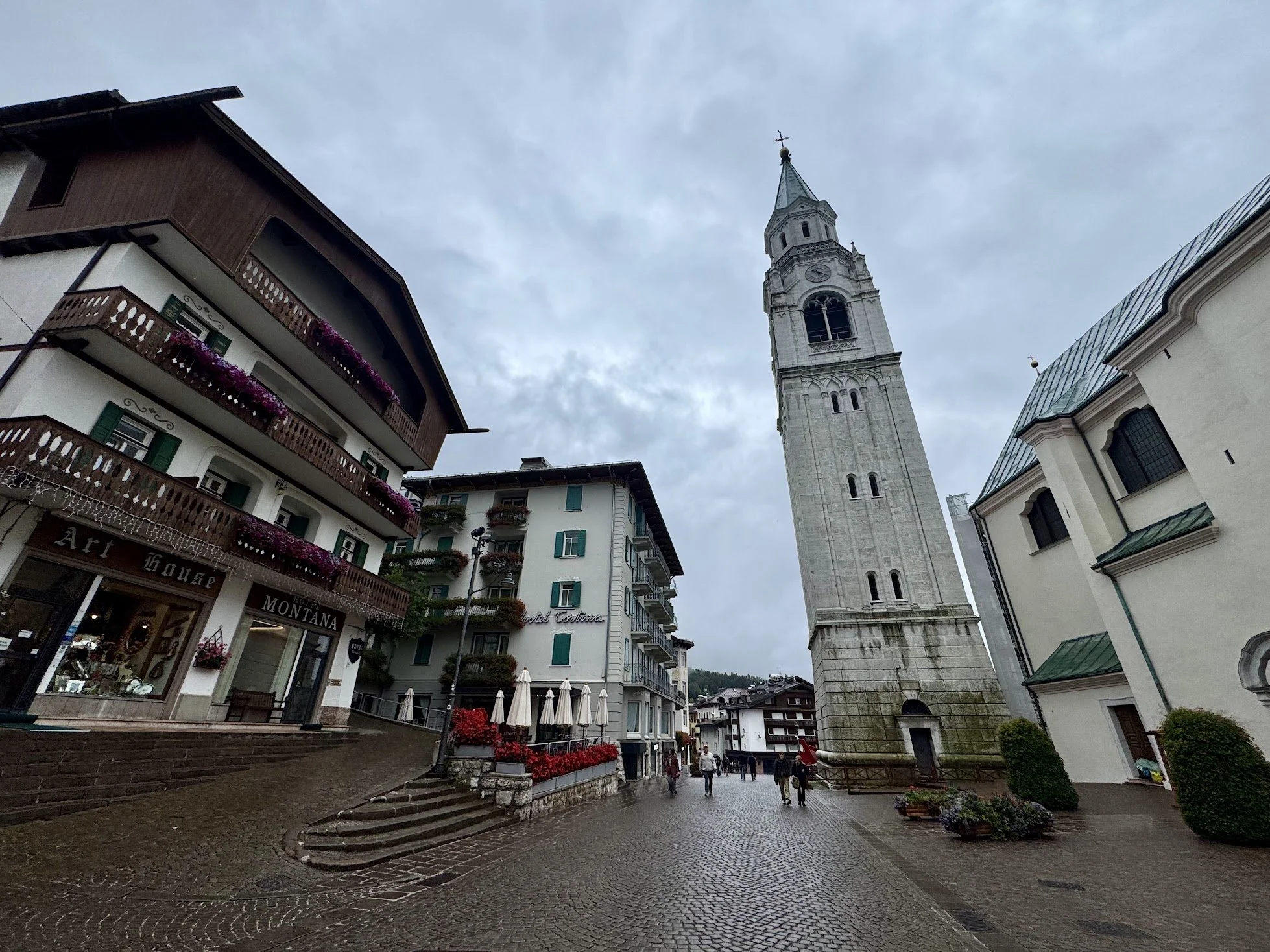
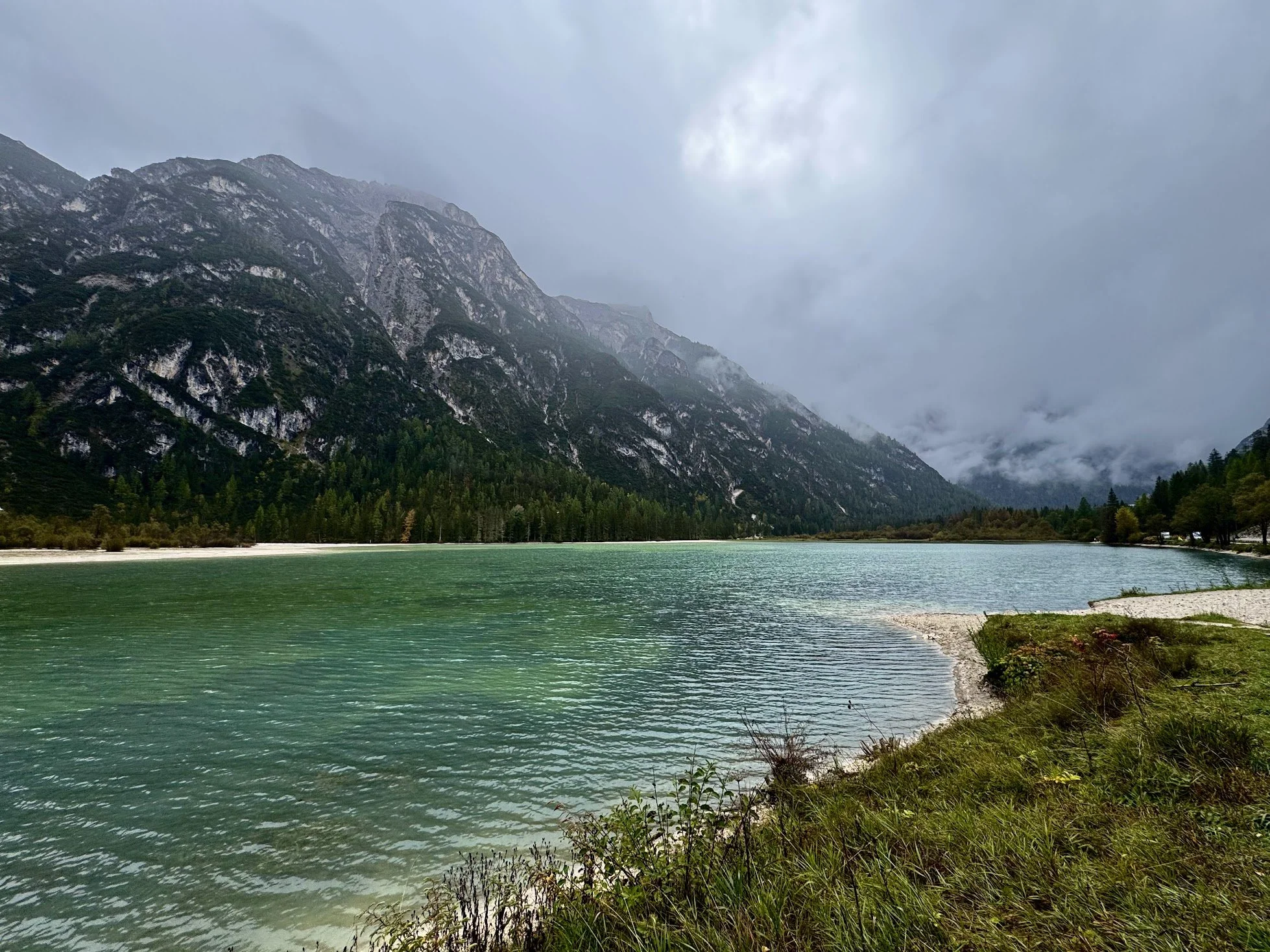
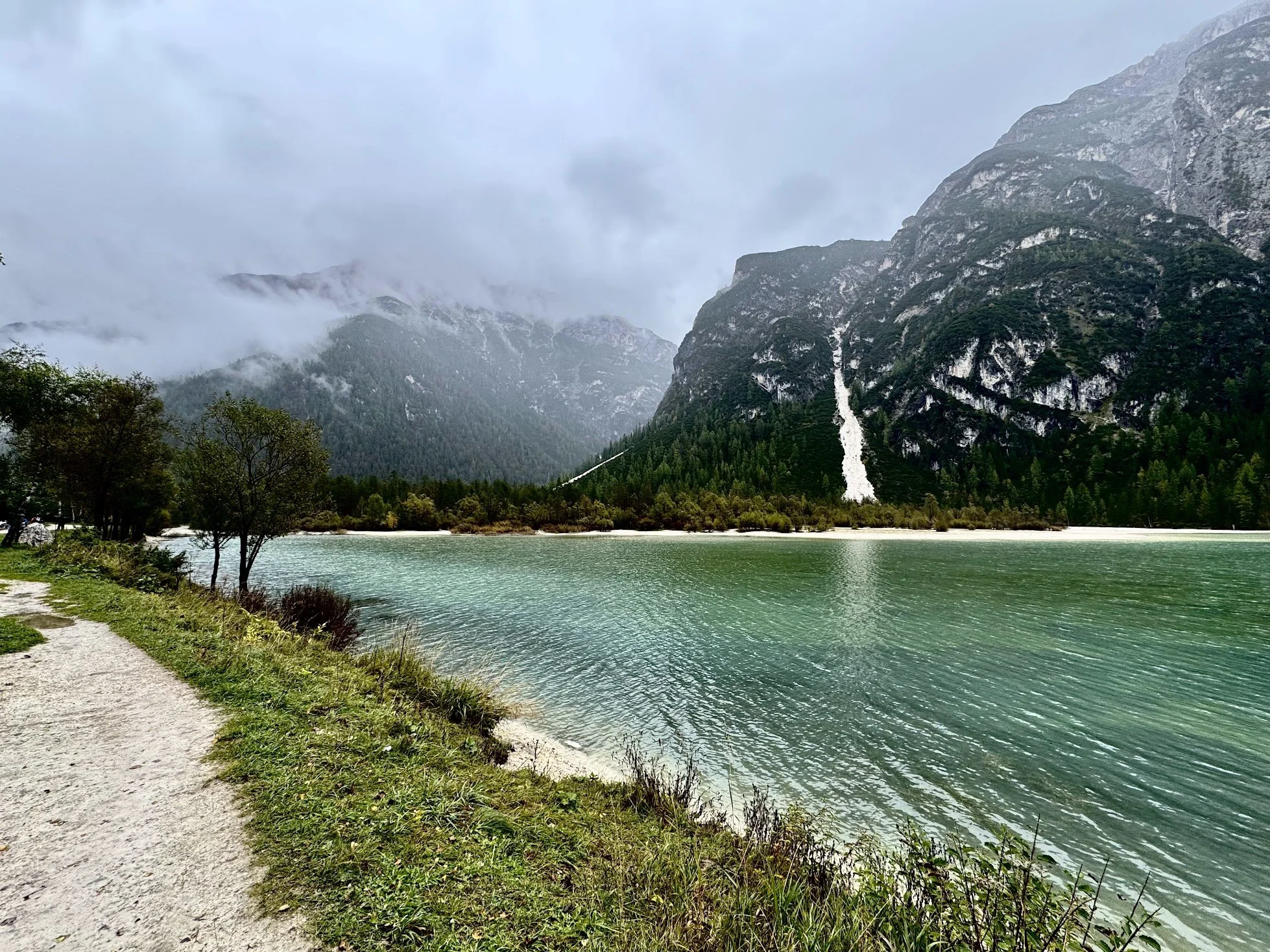
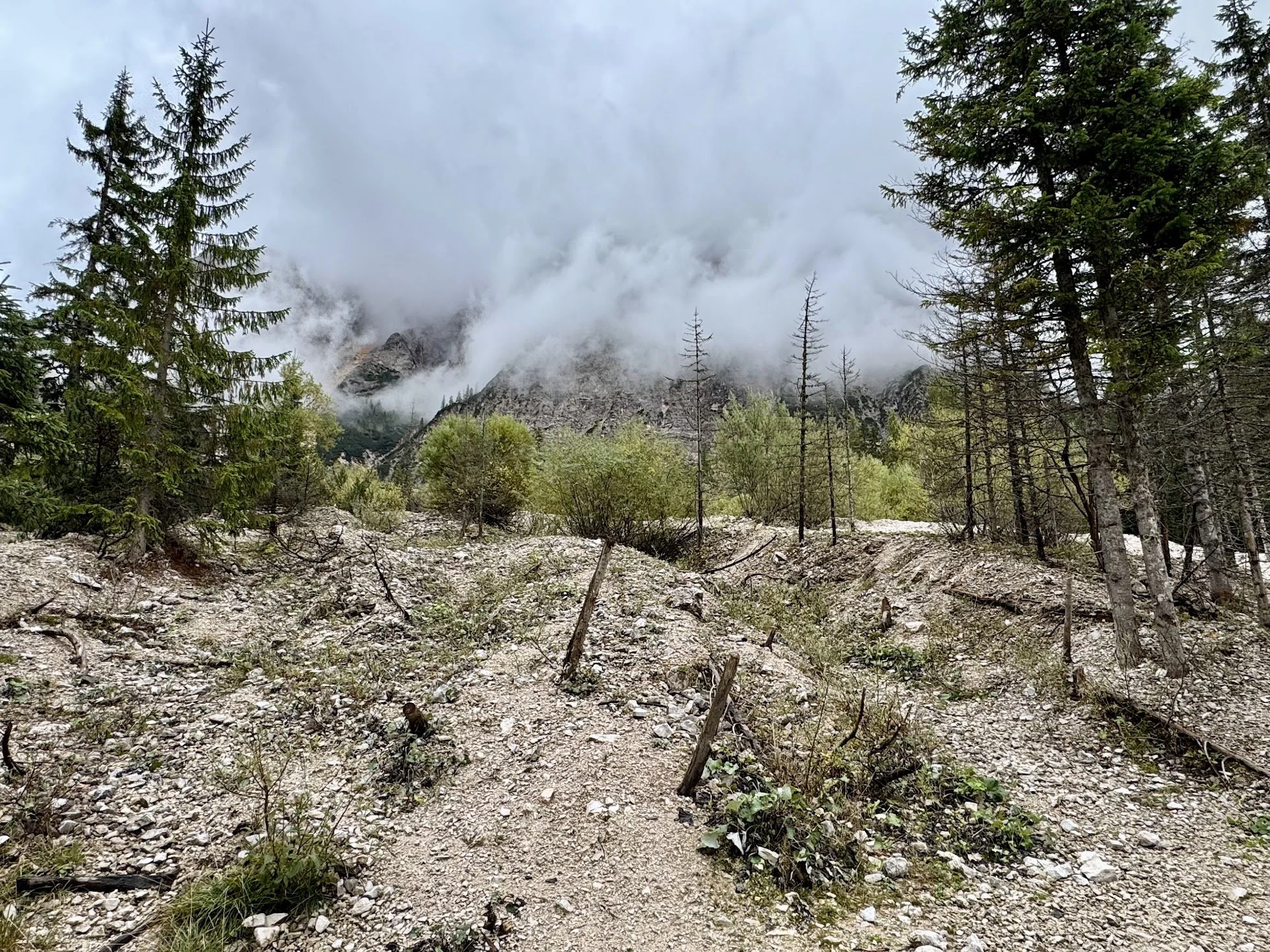
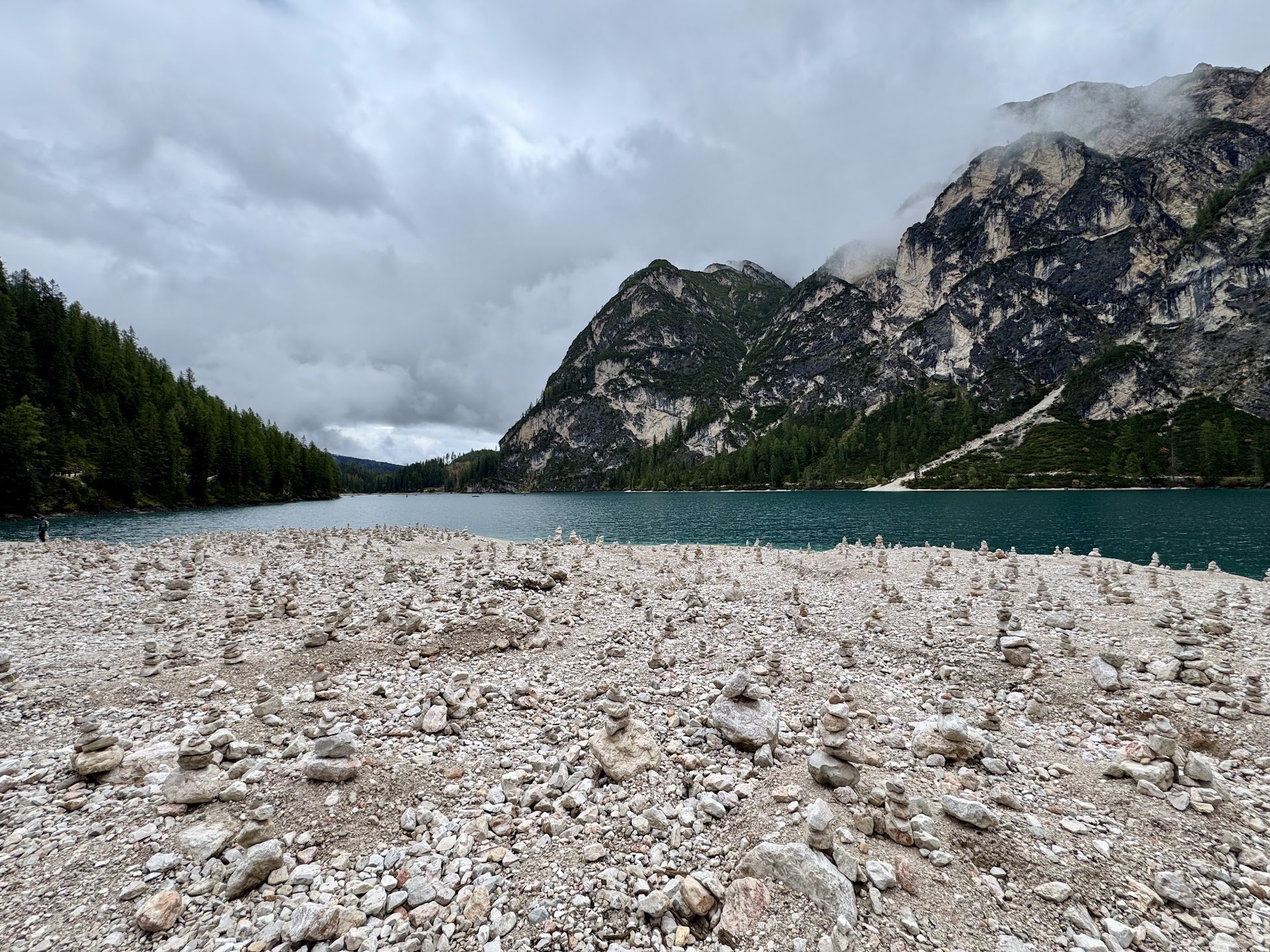
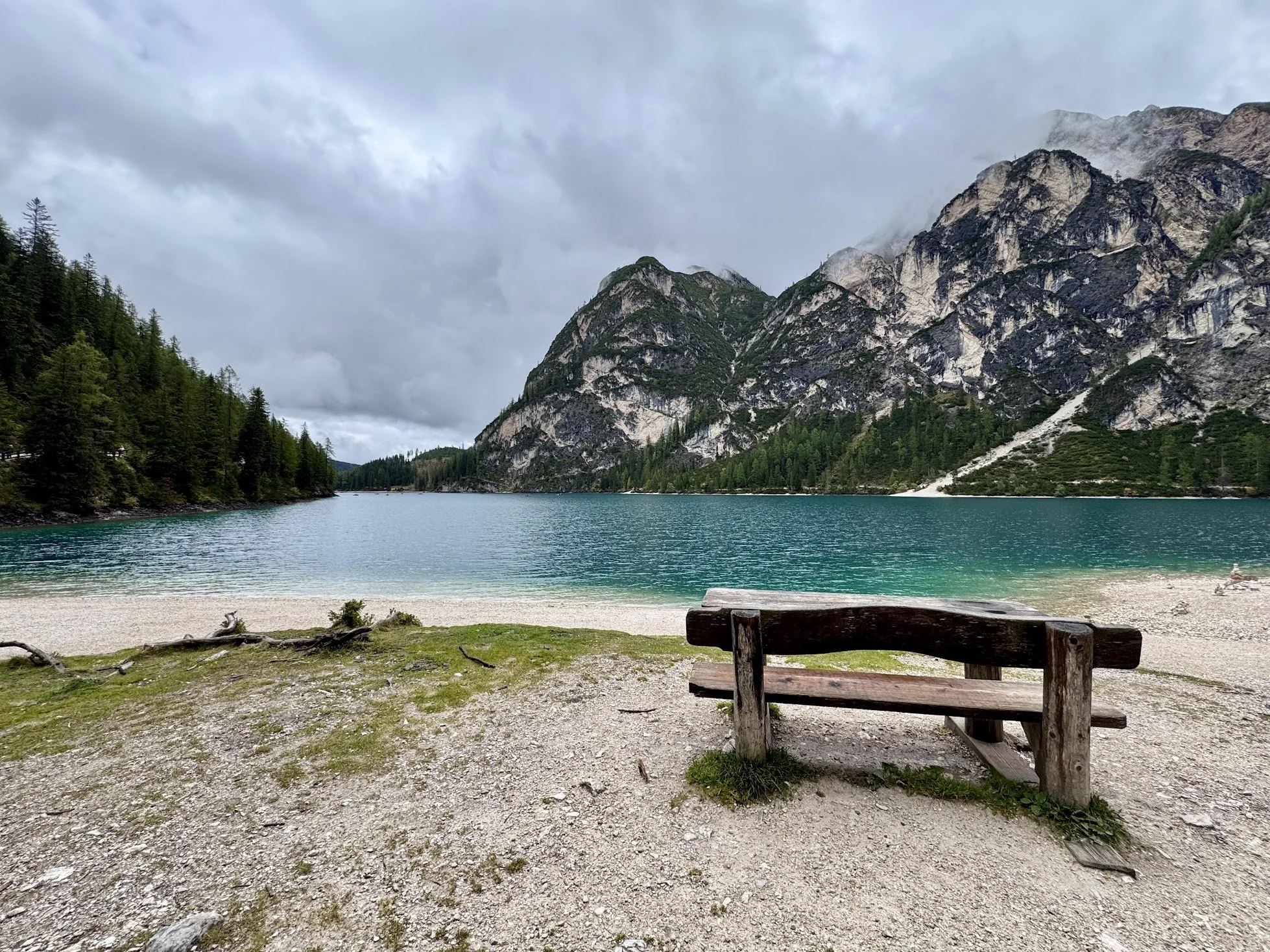
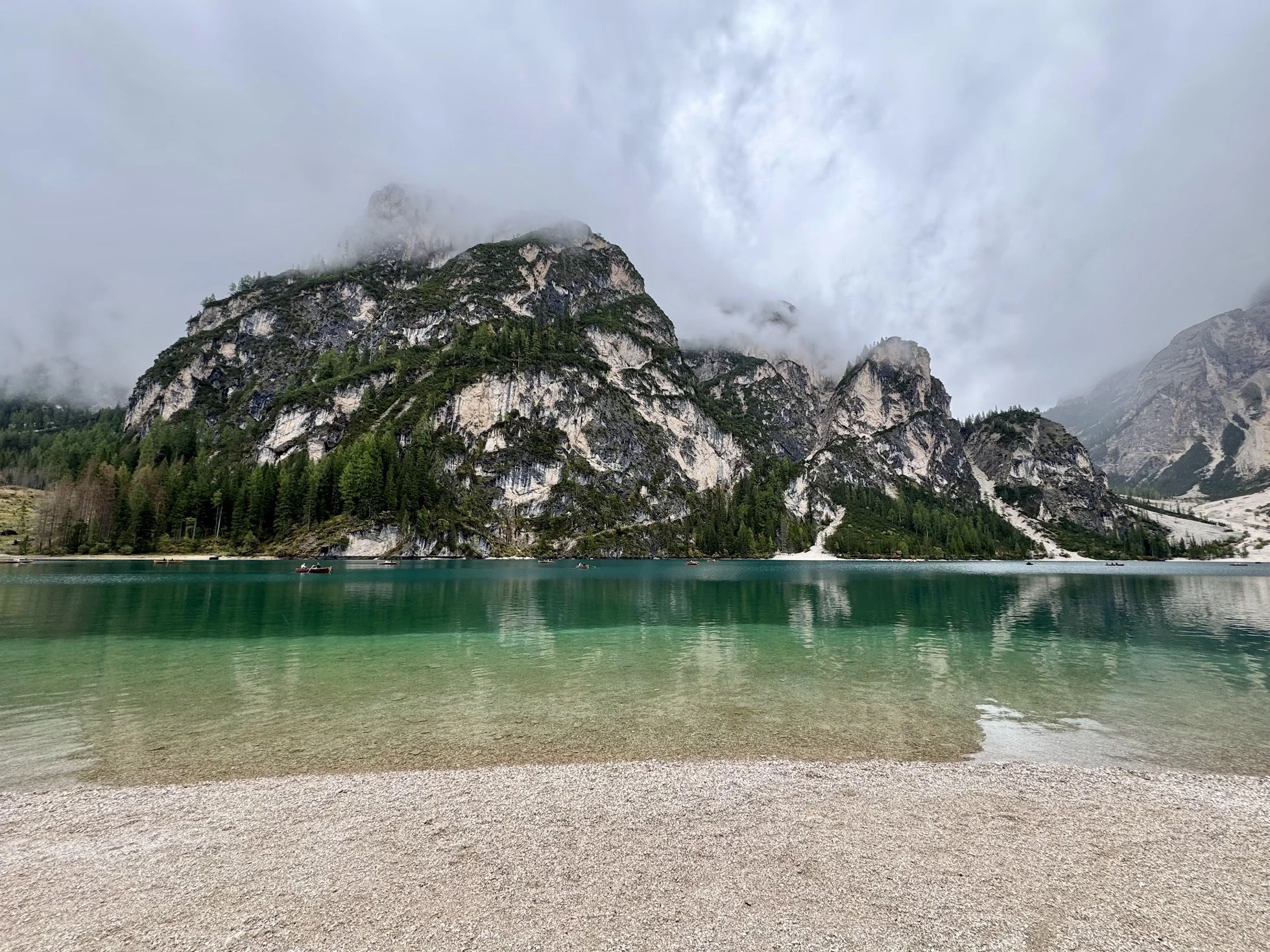
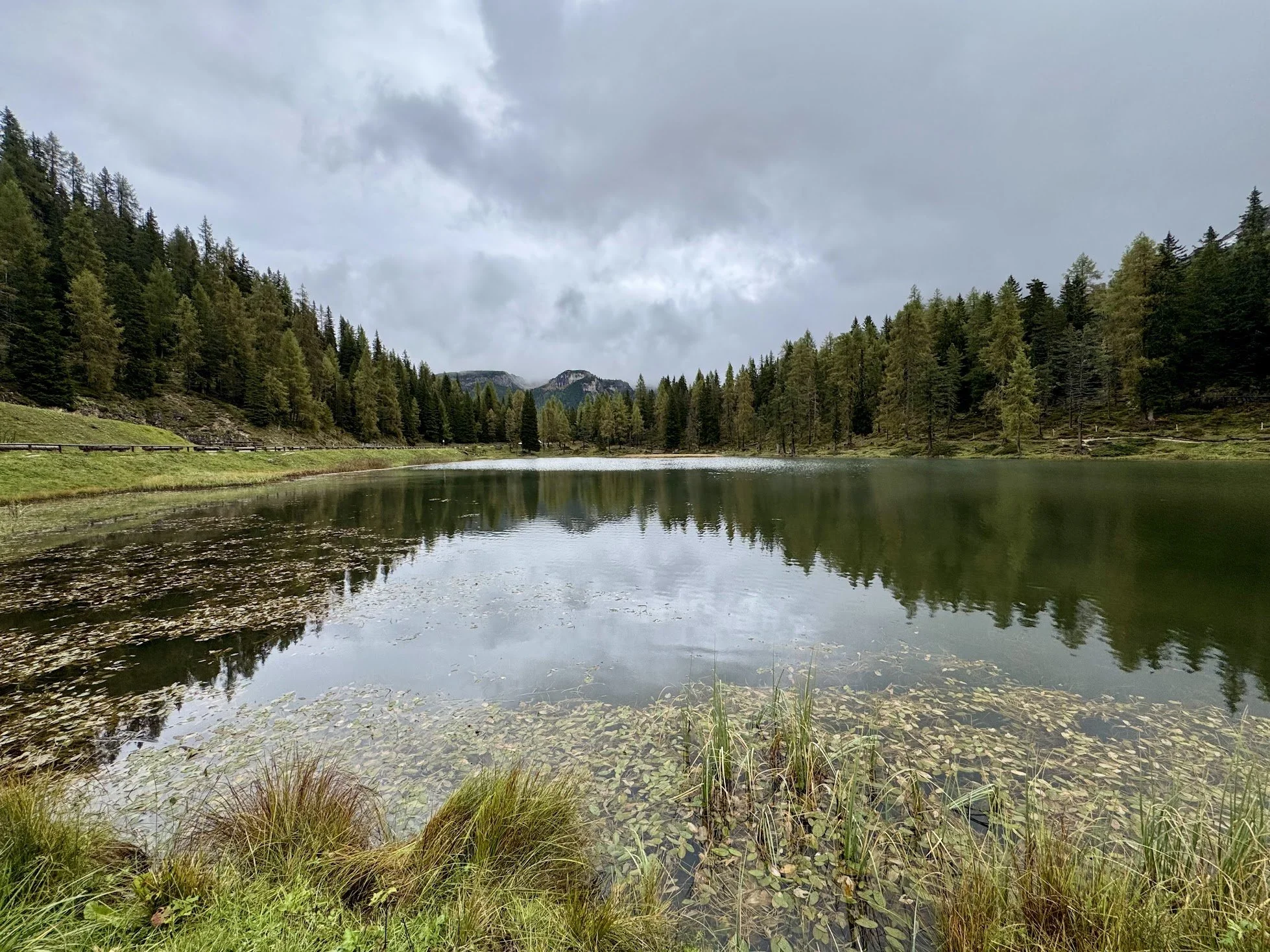
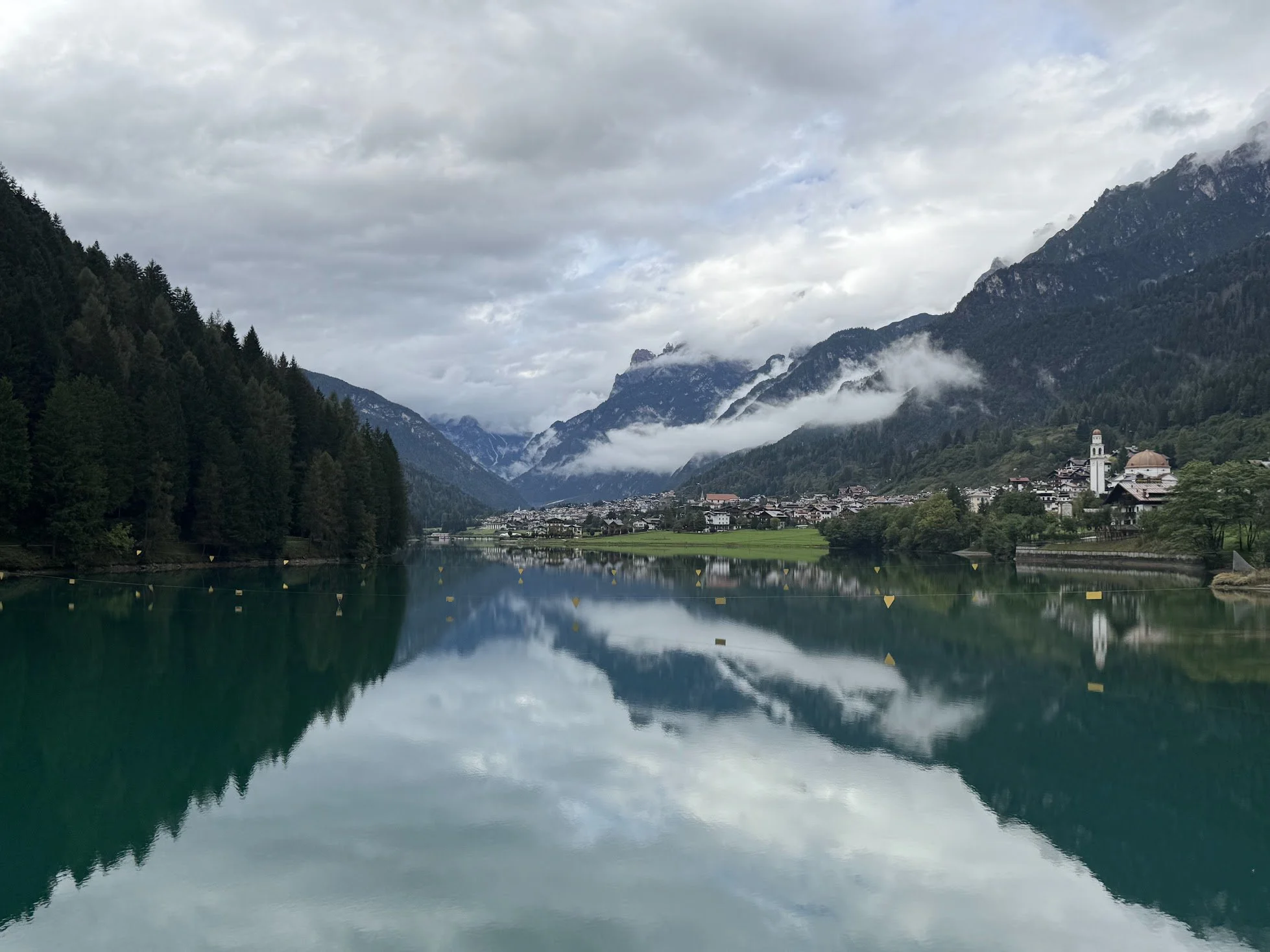
After several days among canals, bridges, and narrow old streets, seeing the mountains was a big change. We traveled north through alpine valleys and small villages until we reached Cortina d'Ampezzo, a well-known mountain town that will host the 2026 Winter Olympics. While we were there, we could already see preparations for the Games all around.
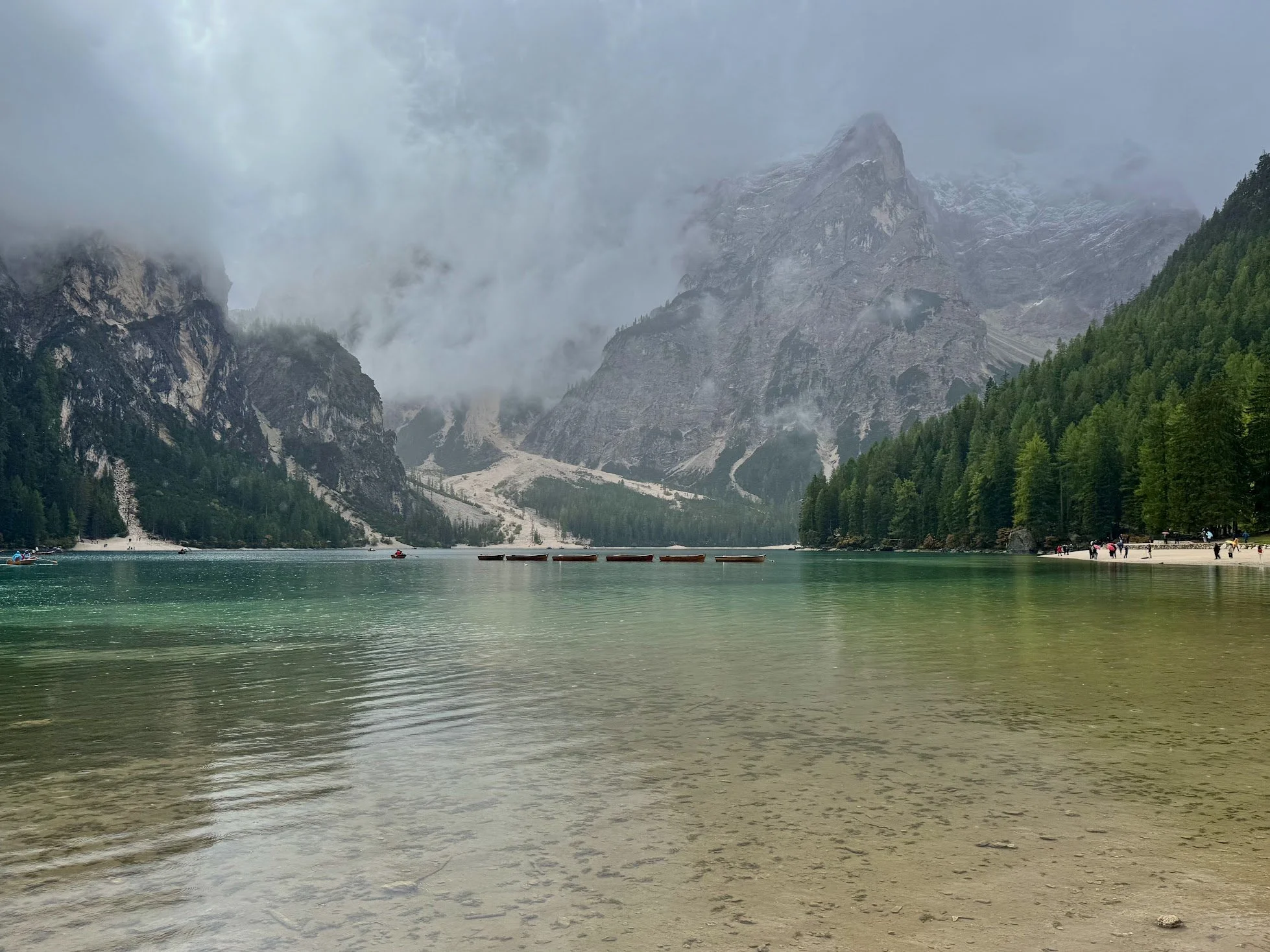
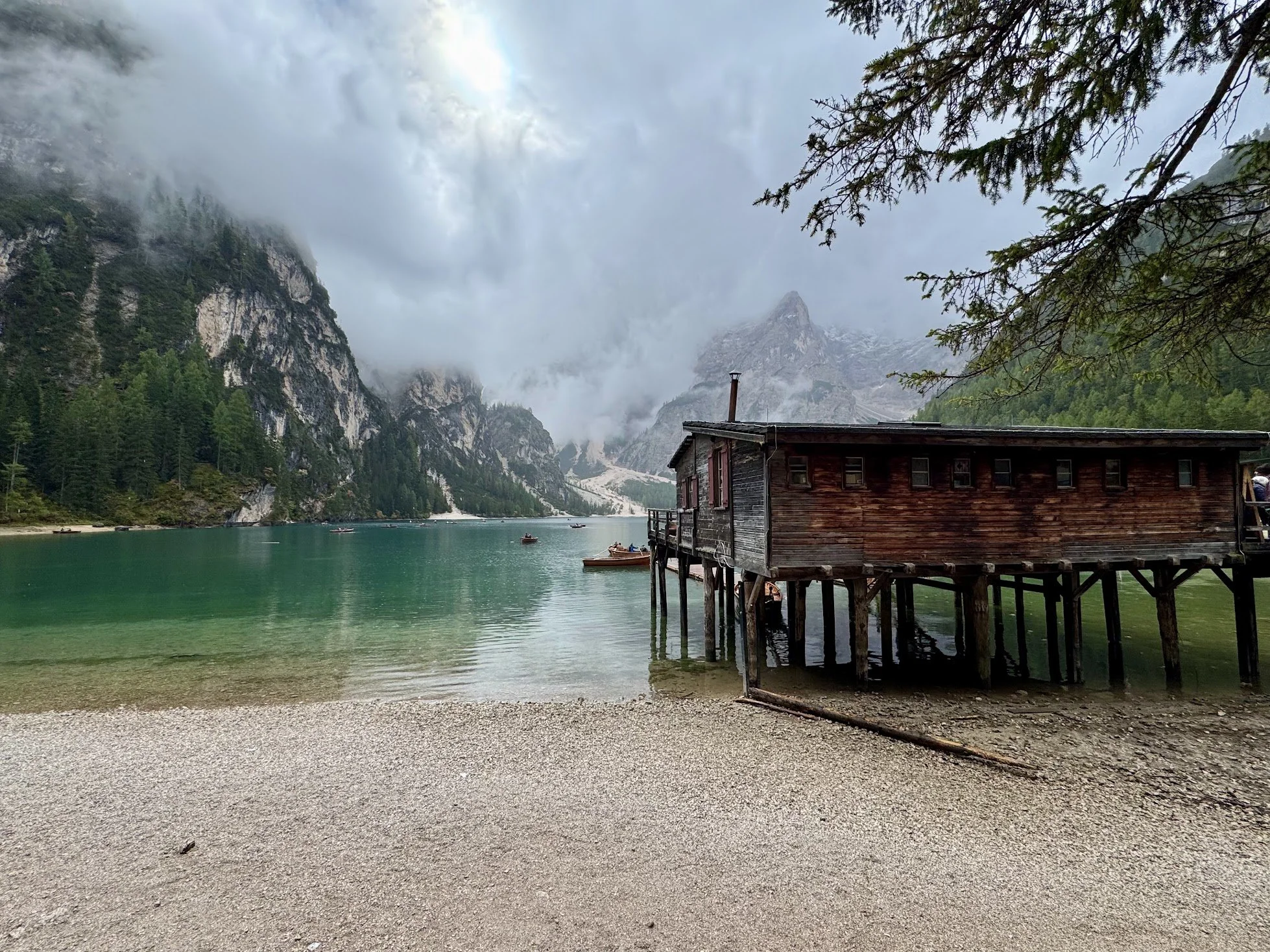
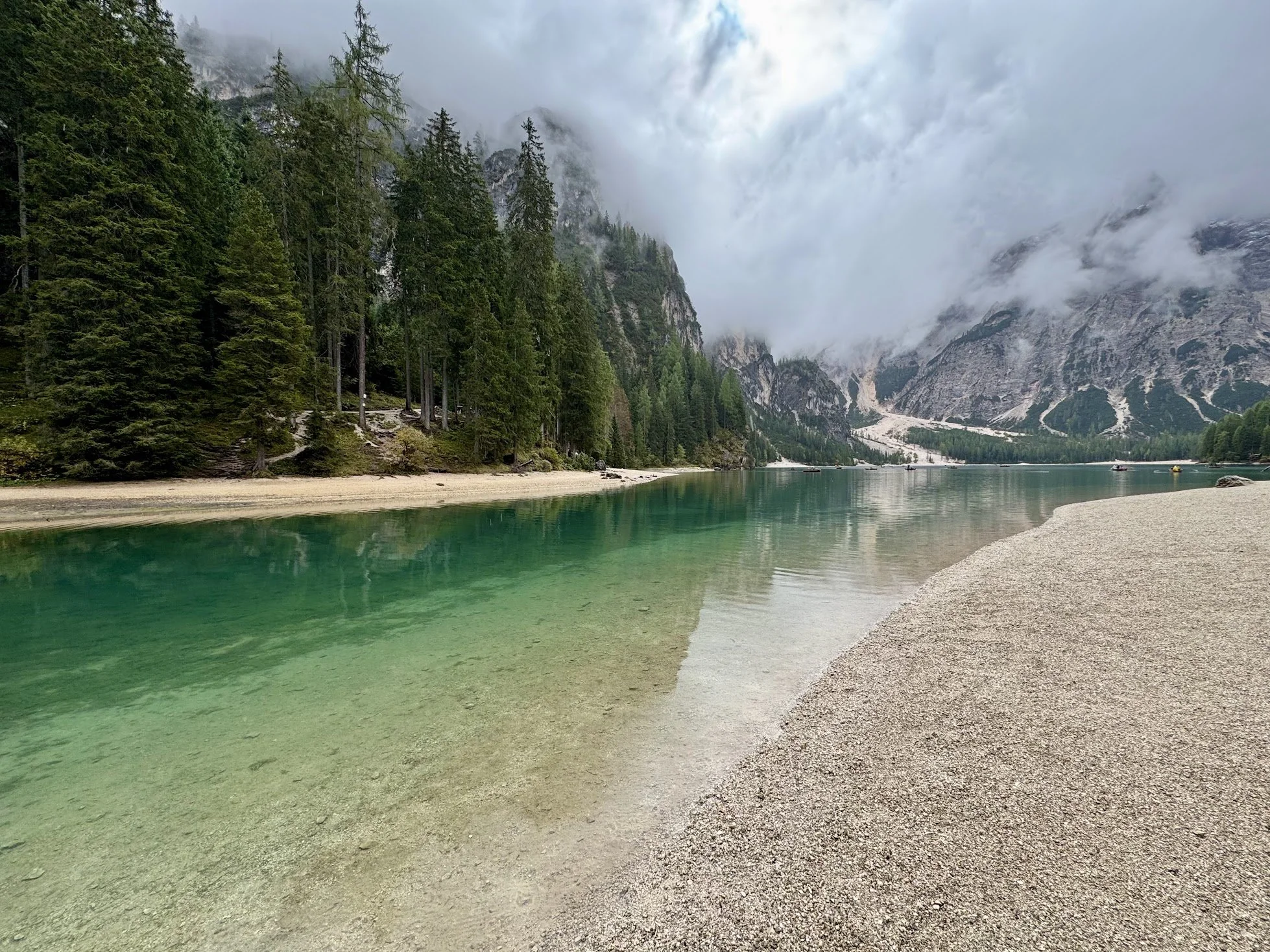
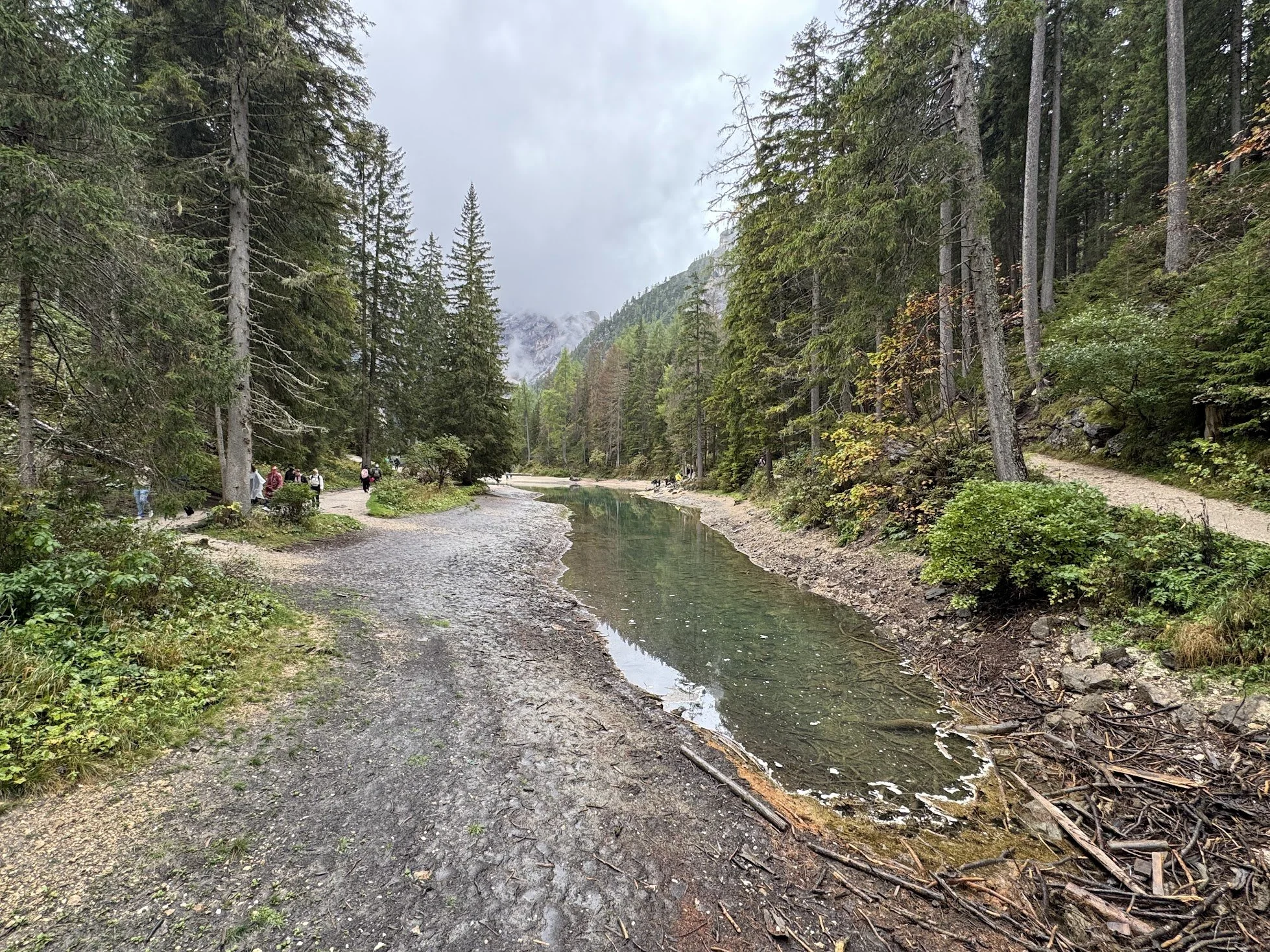
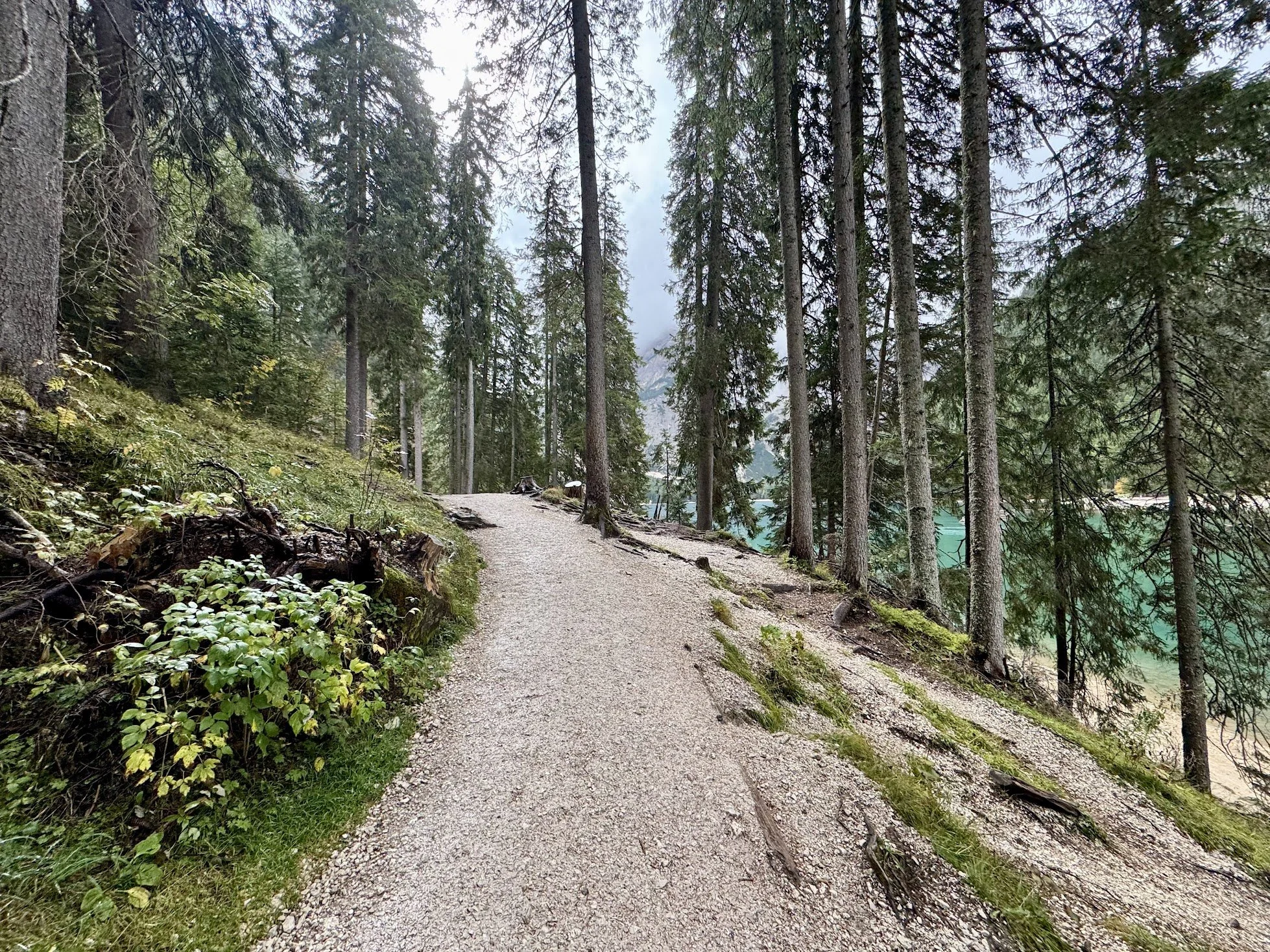
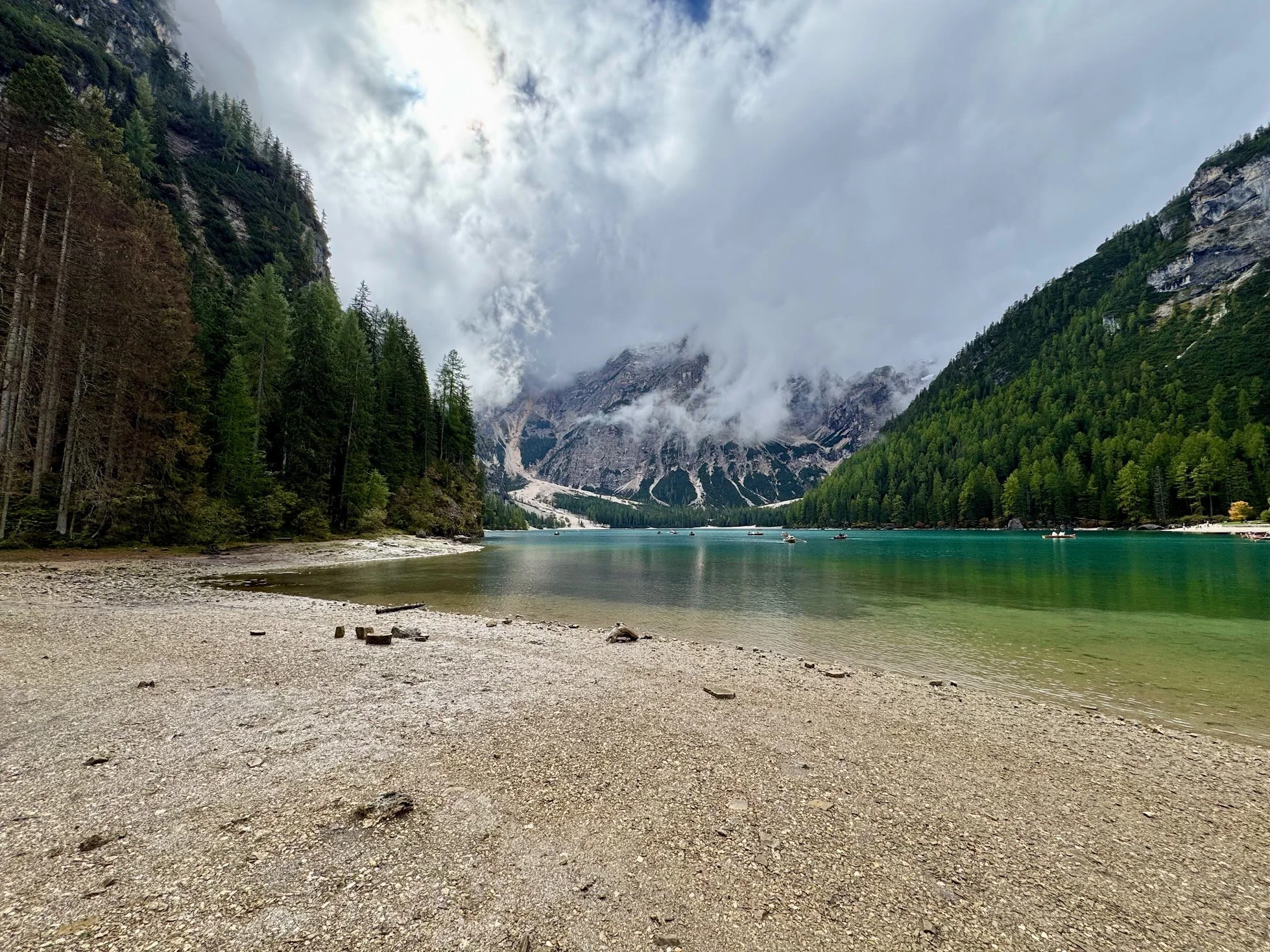
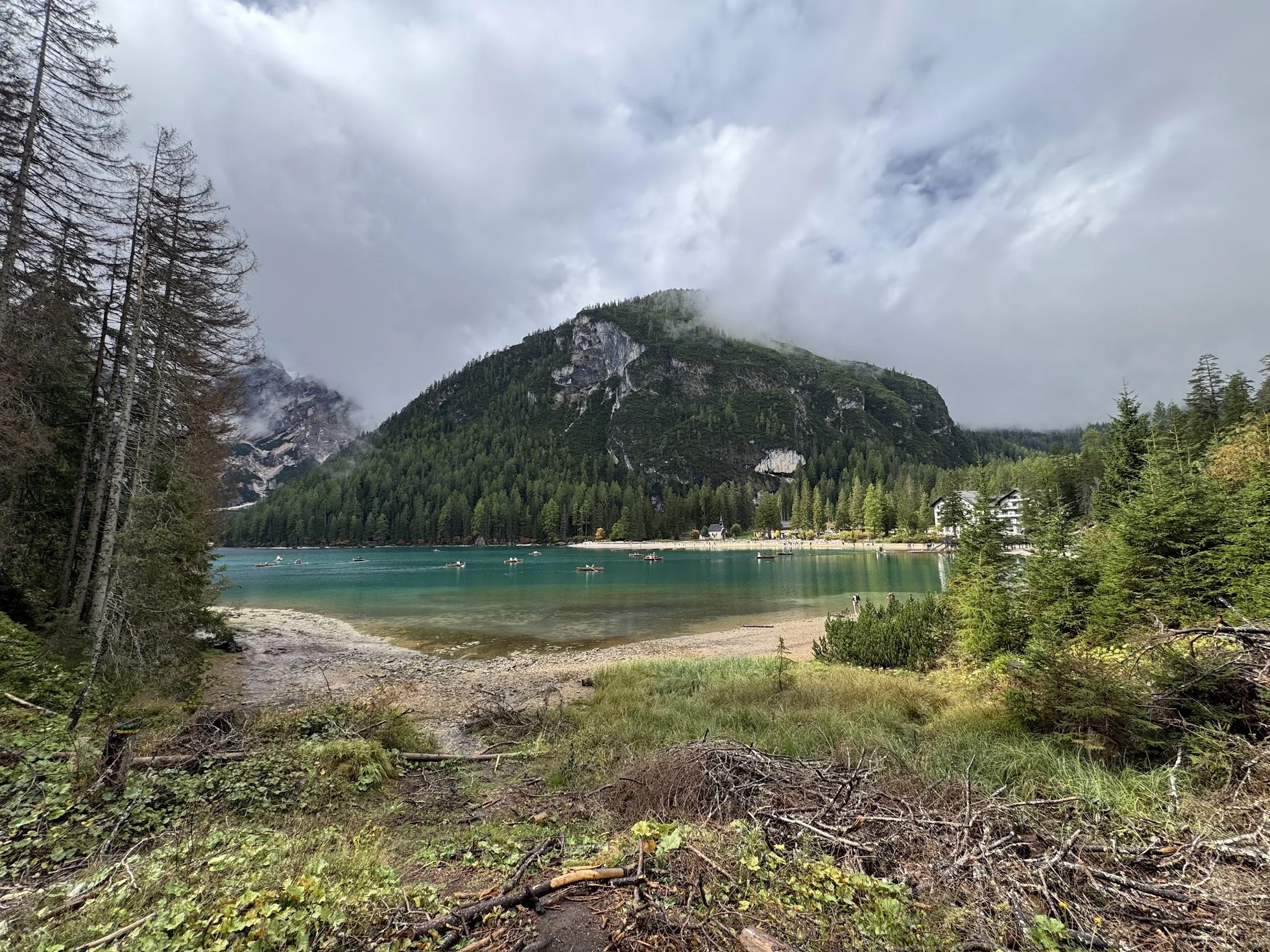
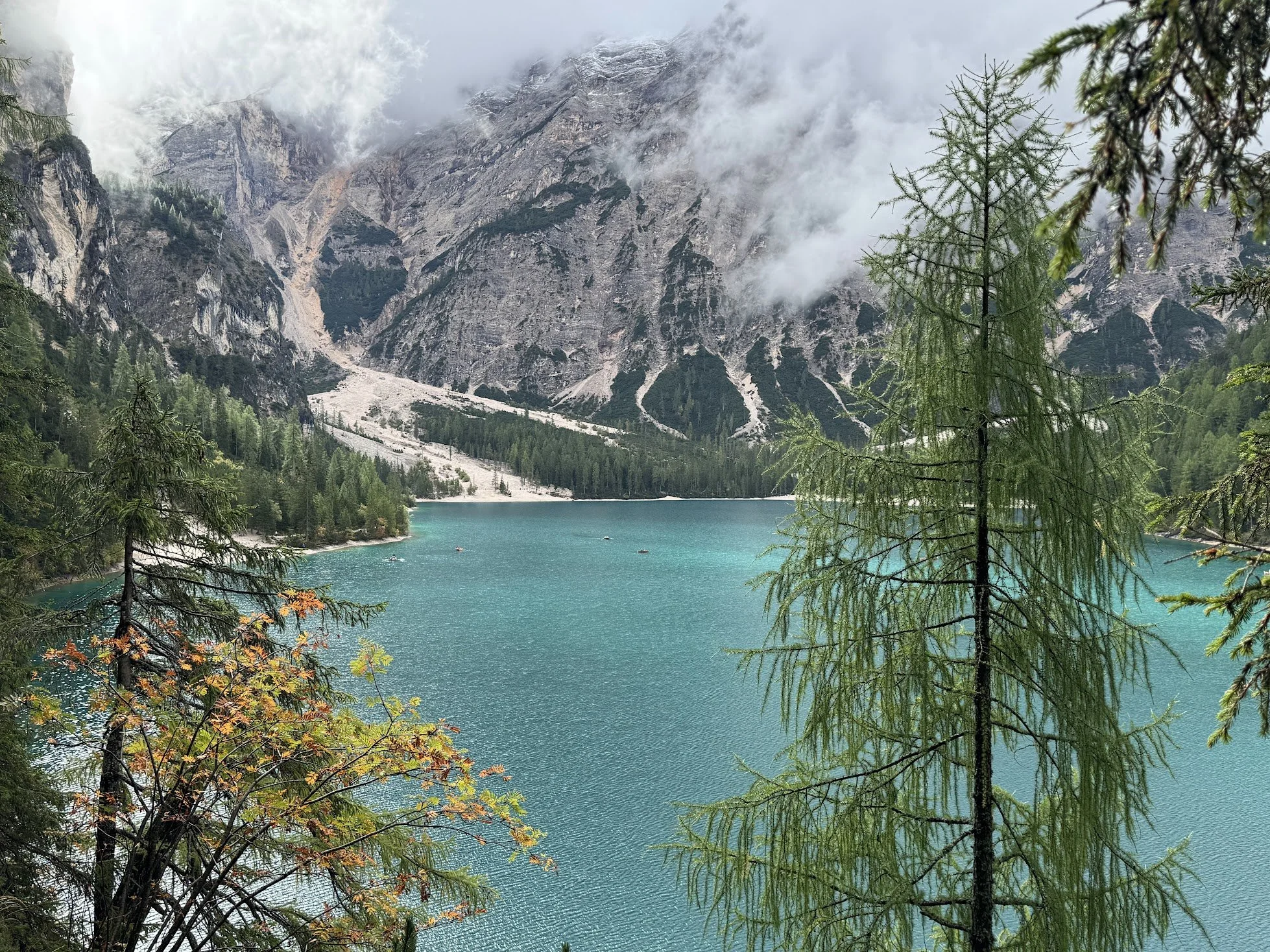
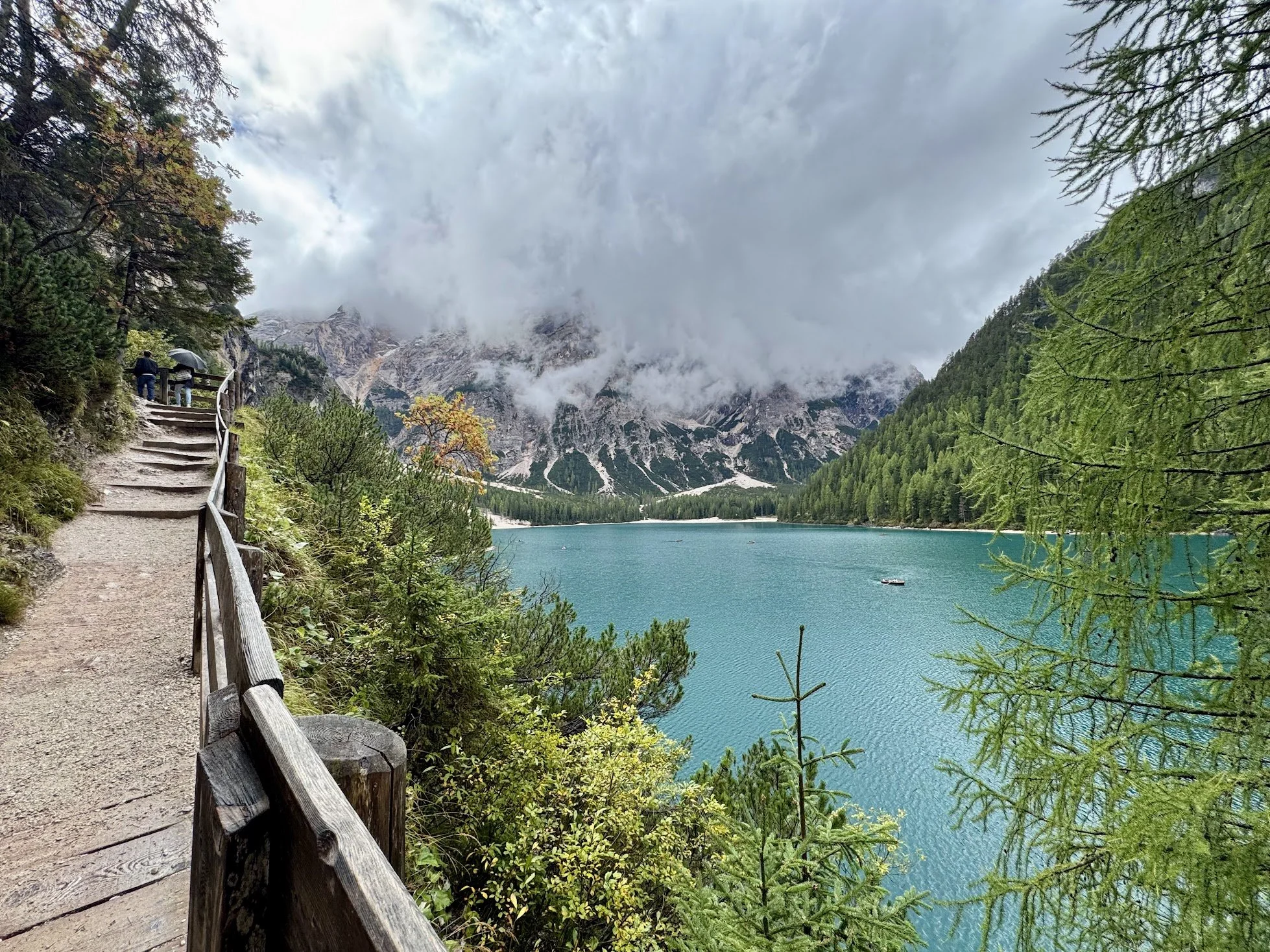
The best part of the day was visiting Lake Braies. With steep mountains and thick forests all around, the lake’s turquoise water looked almost unreal. Walking along the shore was a nice break from city sightseeing and let me see a totally different side of northern Italy.
It was a long day, but the big difference between Venice and the Dolomites made the trip unforgettable. Not many places let you see such a unique city and stunning mountain scenery all in one trip.

Where I Ate: Gluten-Free Dining in Venice, Italy
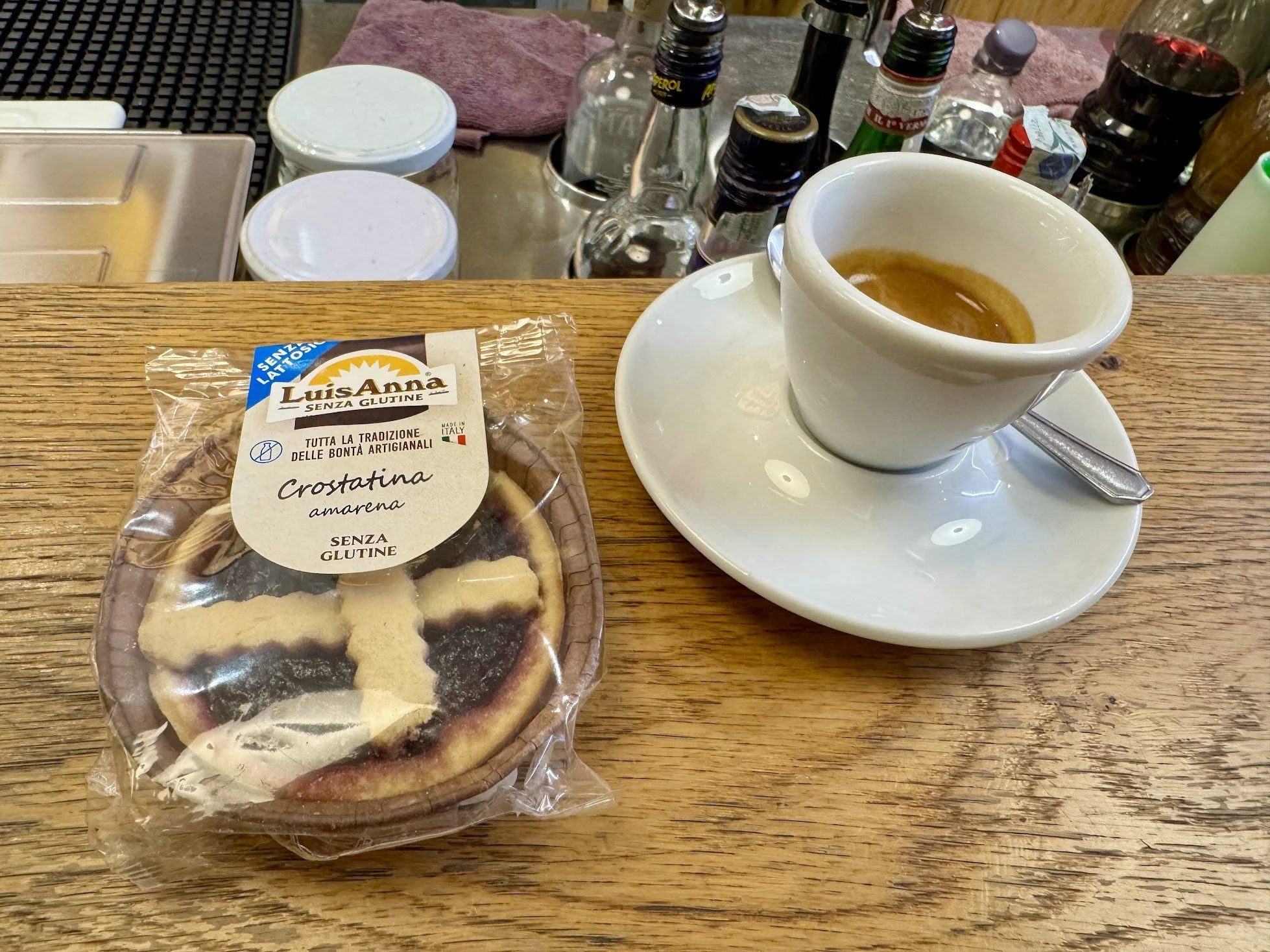
One thing that really surprised me about traveling in Italy was how easy it was to eat gluten-free. Unlike many other countries, gluten-free options are common there. Italy has a high rate of celiac disease and a strong system to support people who need a gluten-free diet.
The Italian Celiac Association (AIC) has played a major role in educating restaurants, hotels, and food service providers about celiac disease and cross-contamination. Many restaurants participate in AIC training programs, and it is common to find gluten-free menus, dedicated preparation areas, and staff who understand the difference between a dietary preference and a medical necessity.
It’s always important to ask questions and check how food is prepared, but I found restaurant staff in Italy to be knowledgeable, helpful, and aware of celiac disease. For gluten-free travelers, Italy is one of the easiest and most enjoyable places in Europe to eat with confidence.
Vineria all’Amarone
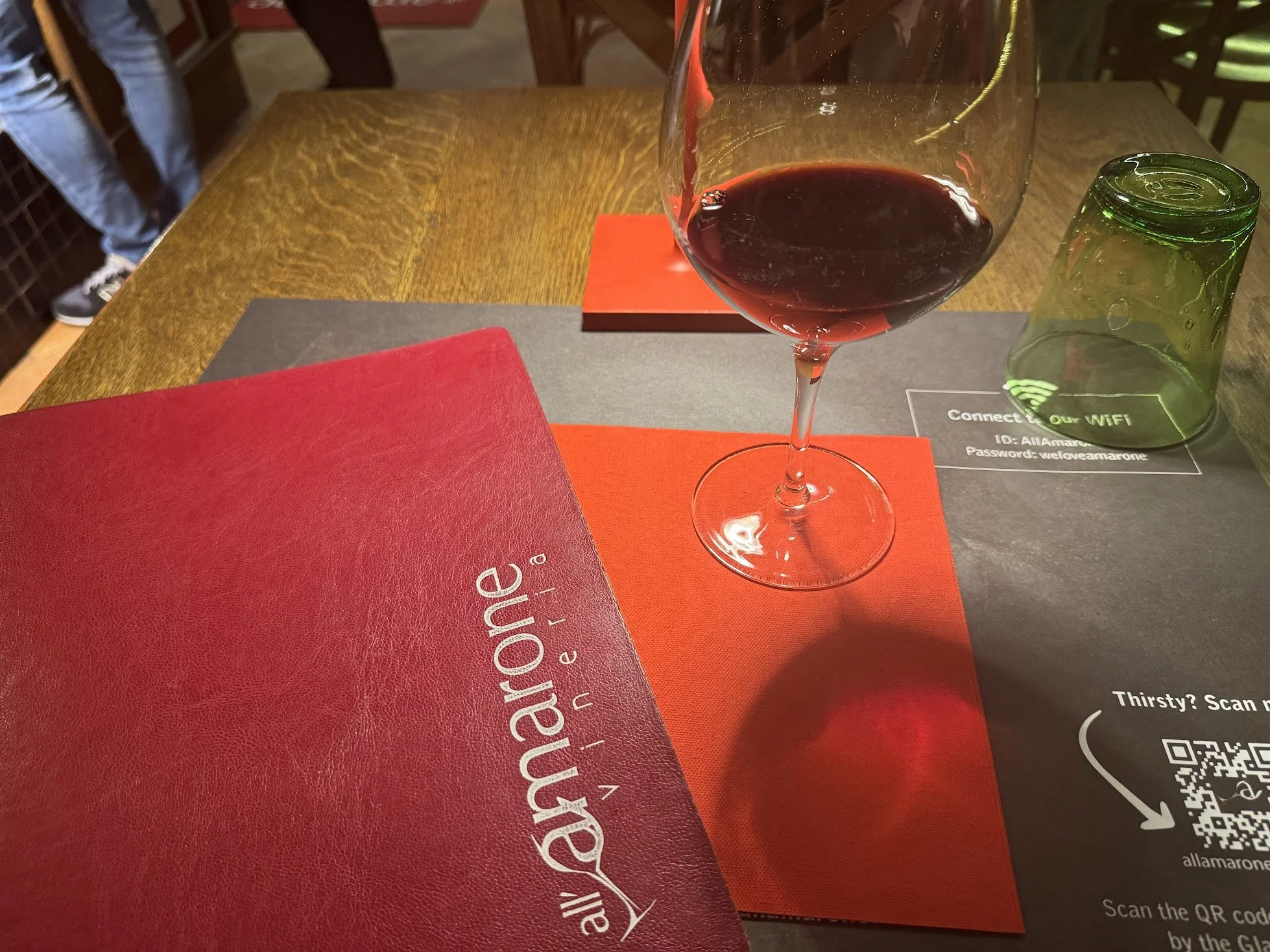
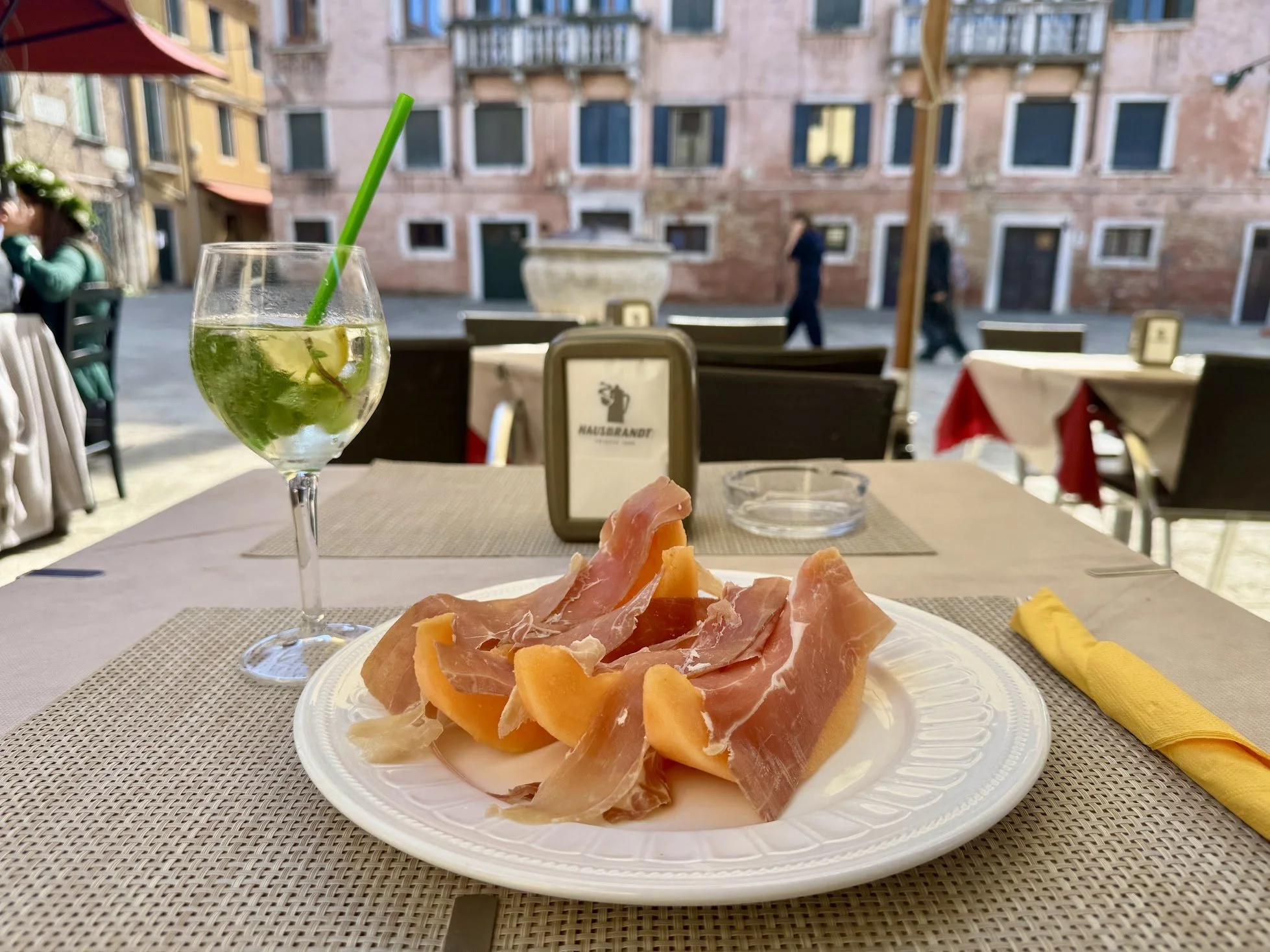
One of my favorite finds in Venice was Vineria all'Amarone, a wine bar hidden in the San Polo district near the Rialto. They have a great selection of Italian wines, especially Amarone from the nearby Valpolicella region, and I got to try wines I hadn’t found anywhere else. The wine was excellent, the staff was friendly, and the place felt lively but not too crowded. I liked it so much I went back more than once. If you want to visit, it’s best to make a reservation, especially in the evening when it gets busy.
Frary’s
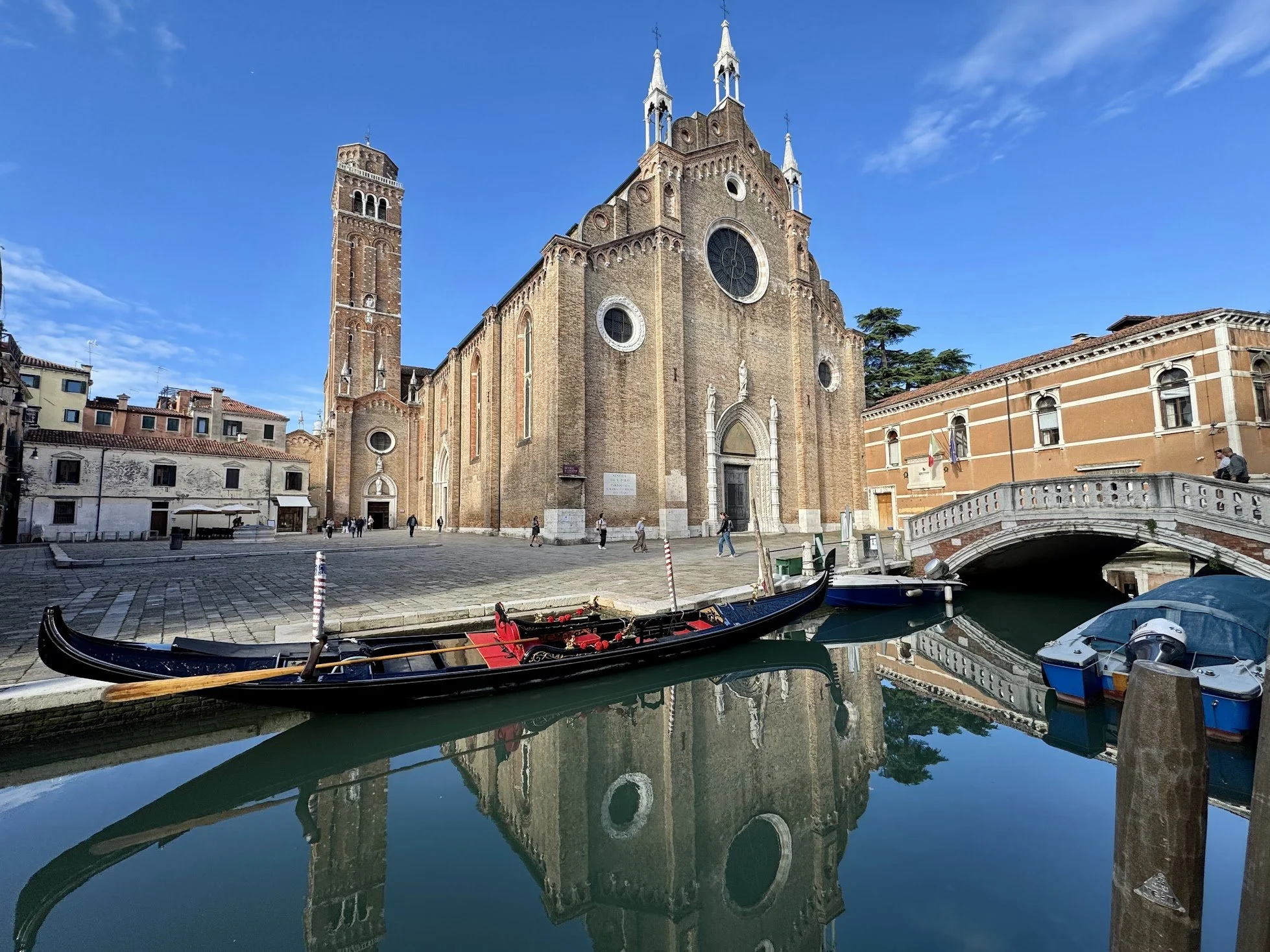
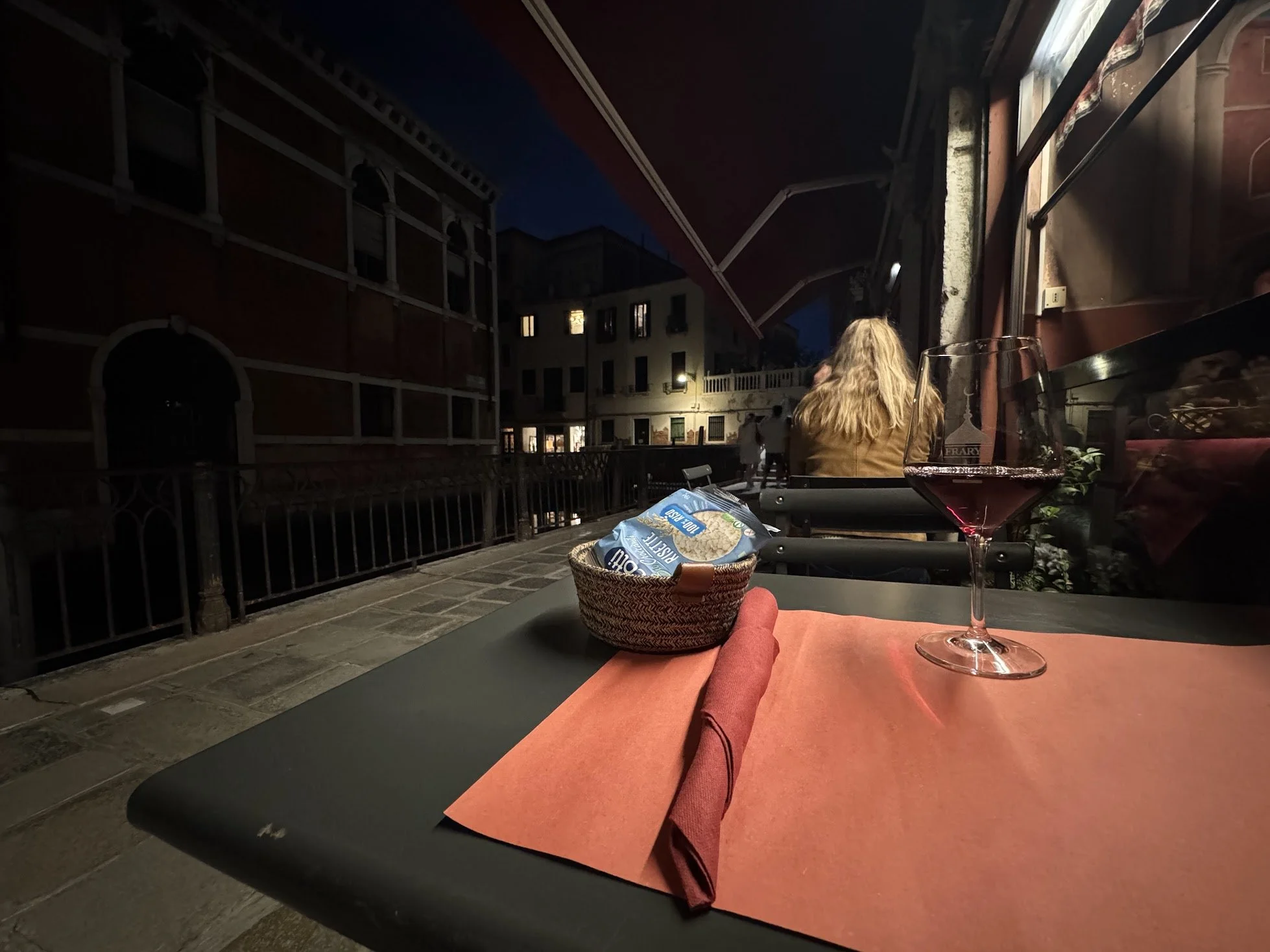
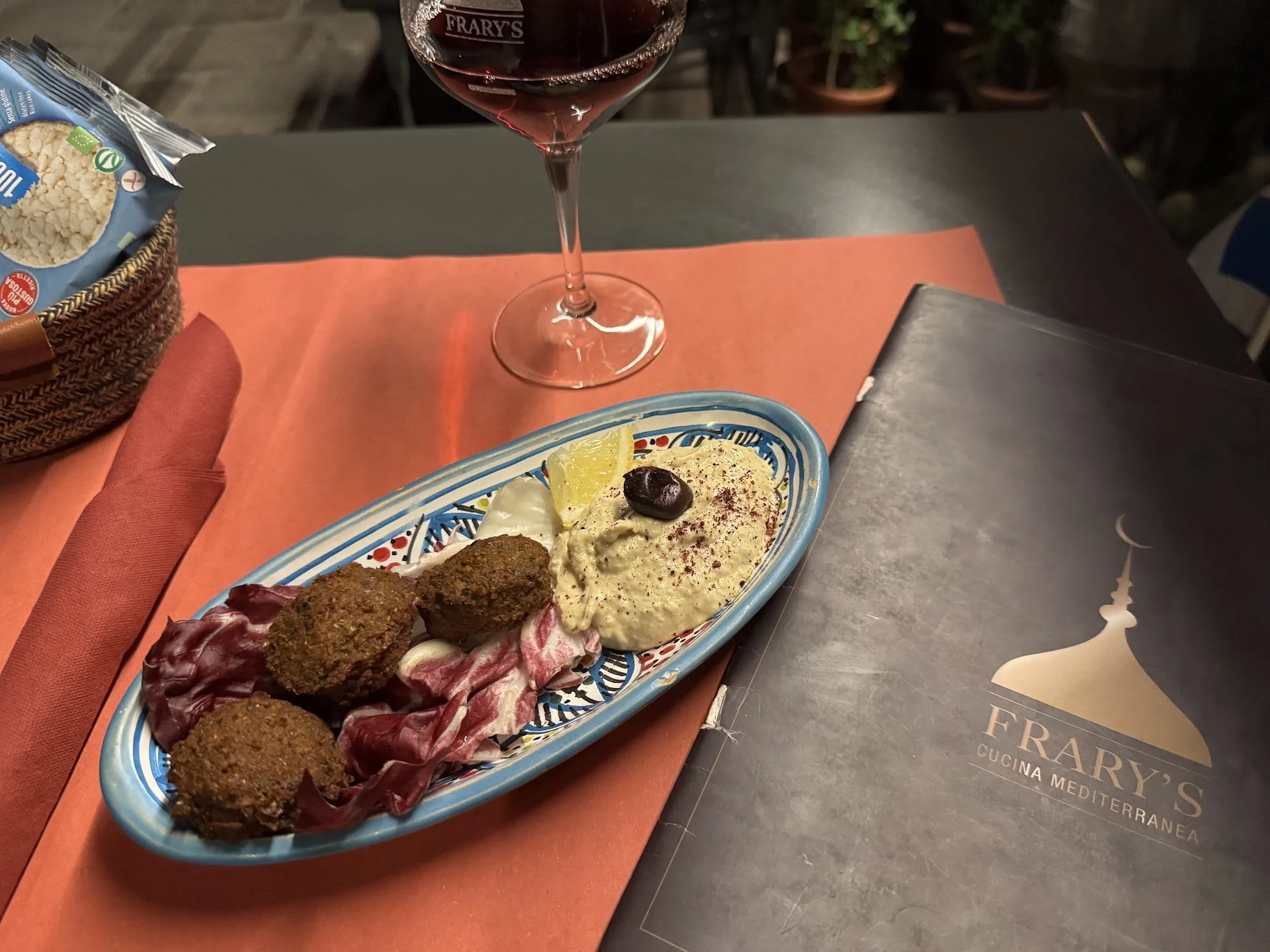
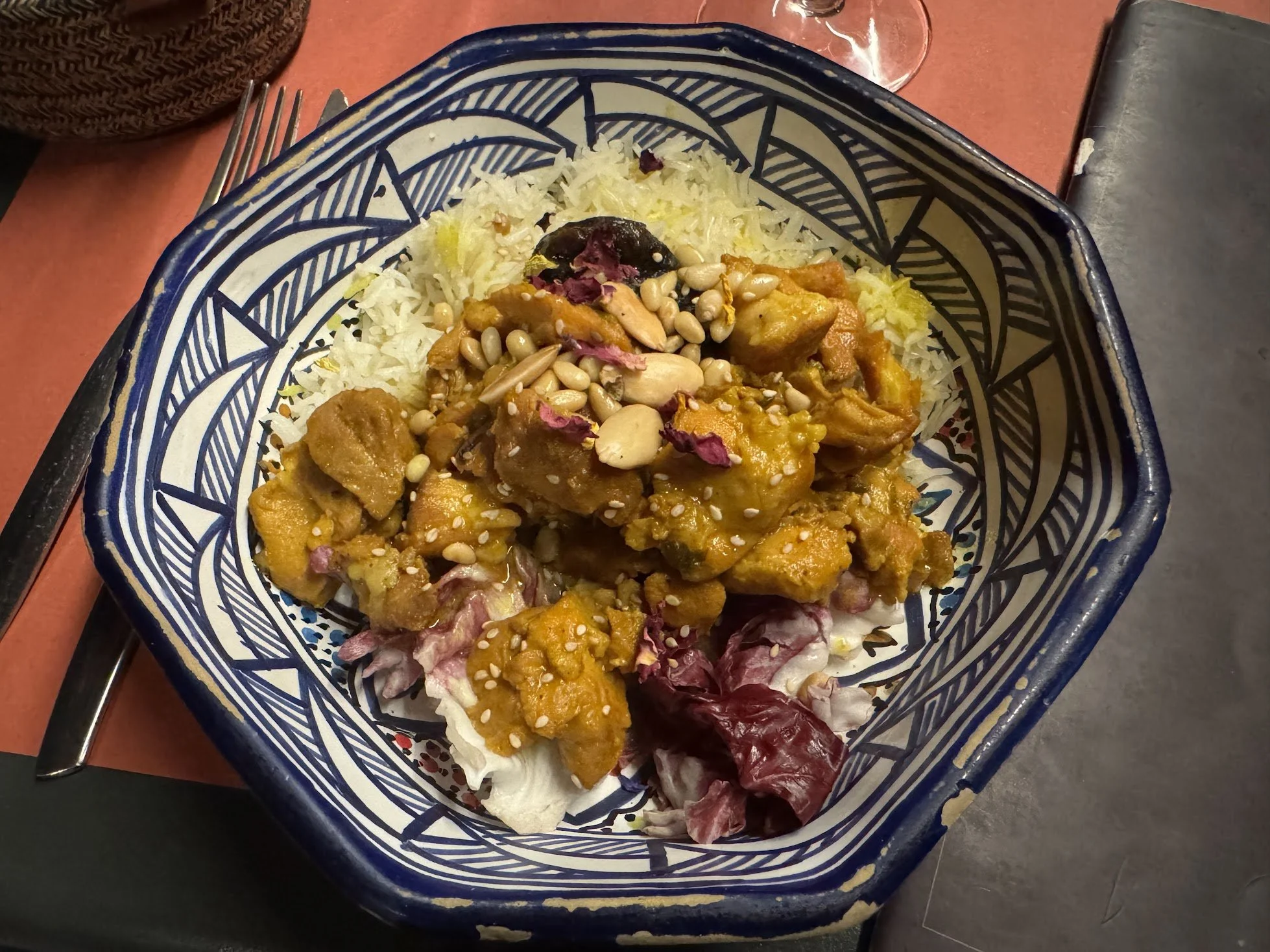
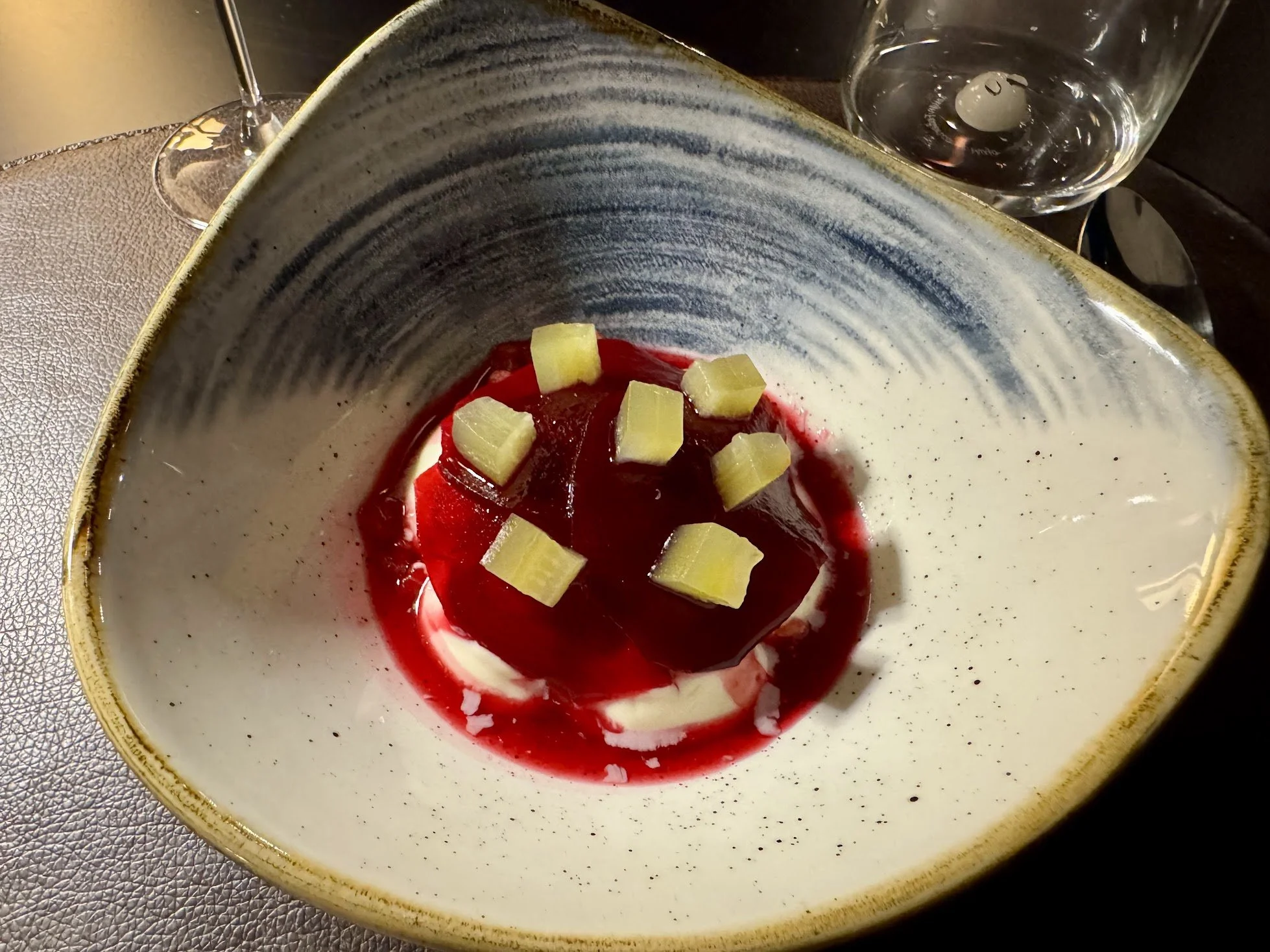
One of my most memorable meals in Venice was at Frary's, a small restaurant in the San Polo district overlooking a canal near the Basilica dei Frari. Frary's draws inspiration from Venice's historic trade routes to the eastern Mediterranean, so the menu includes Greek, Middle Eastern, Lebanese, and North African dishes. It’s a great choice for gluten-free travelers, as they’re part of the Italian Celiac Association (AIC) program and have clearly marked menu items. The staff is aware of celiac disease and cross-contamination. The cozy setting, tasty food, and break from the usual pasta and pizza make Frary's a great pick for anyone looking for a safe, gluten-free meal and a different taste of Venice.
Sestante
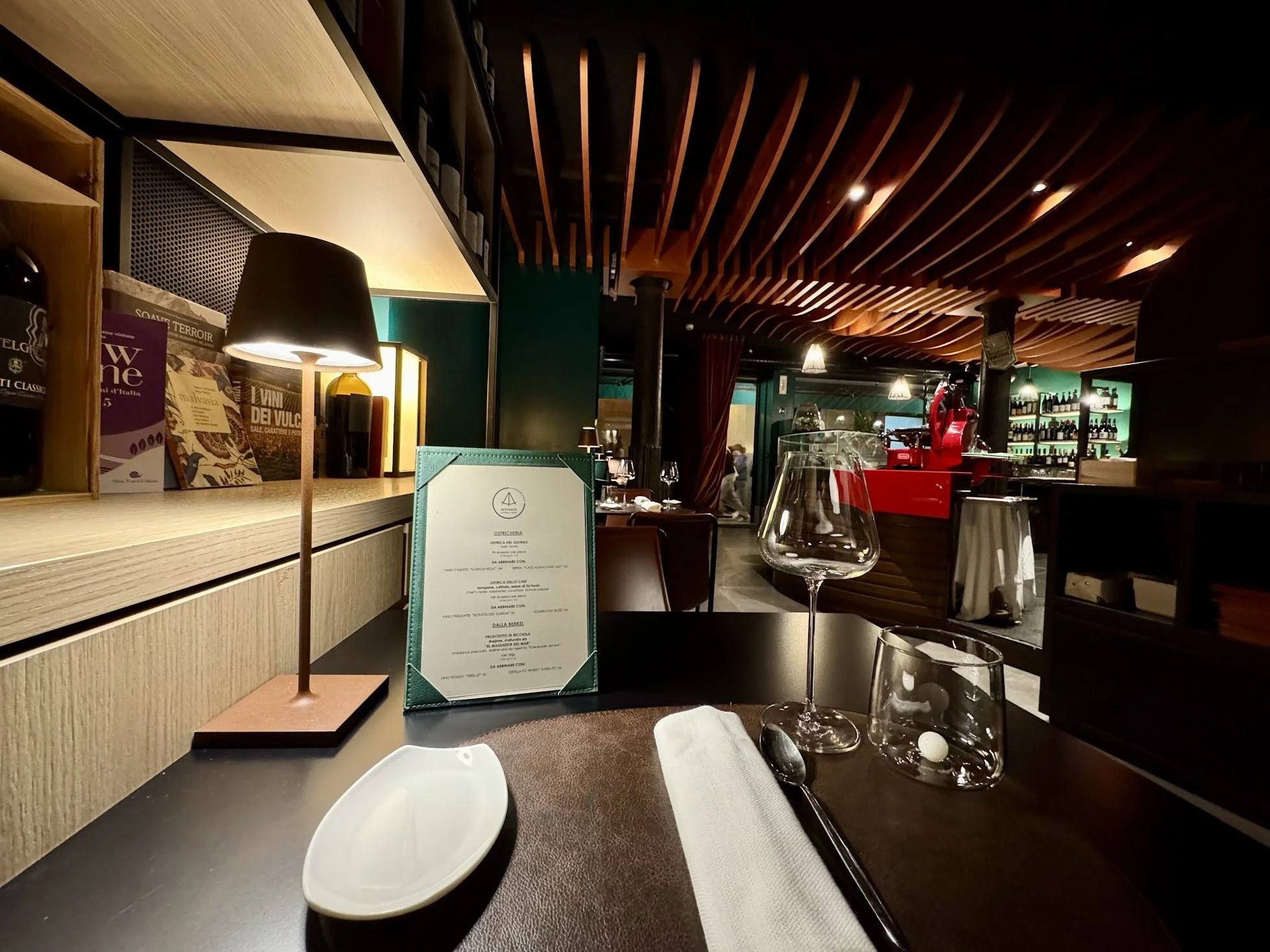
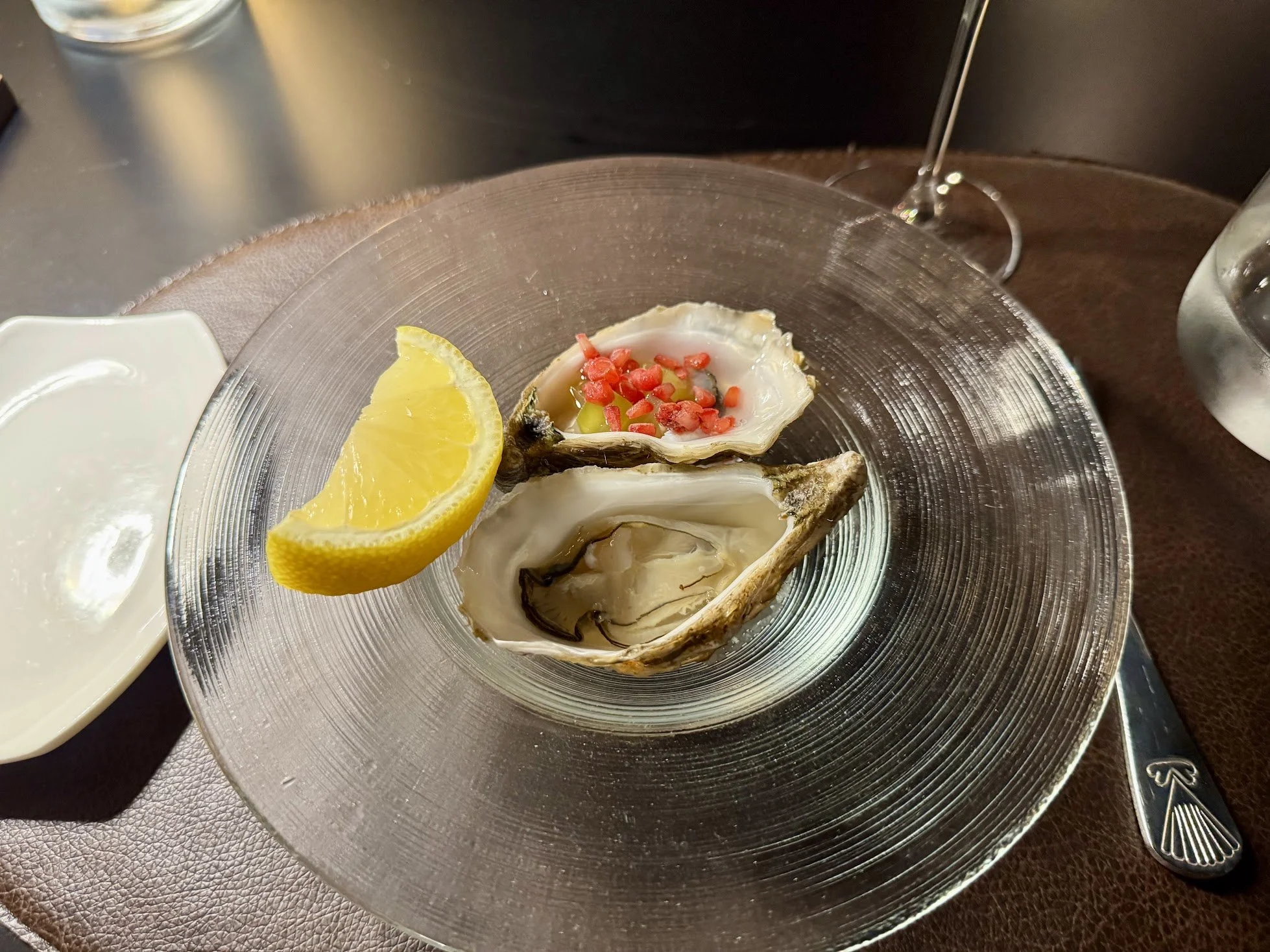
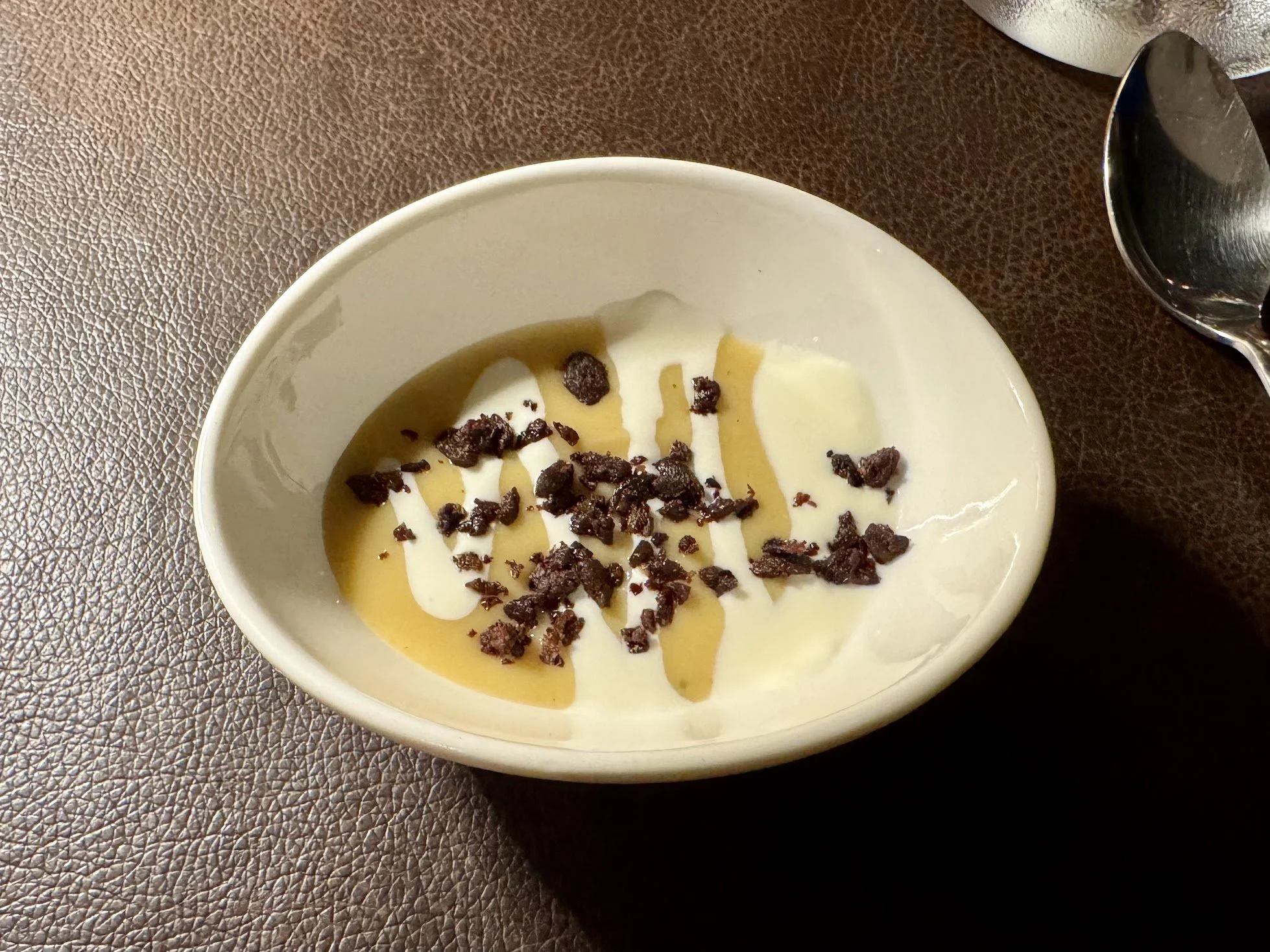
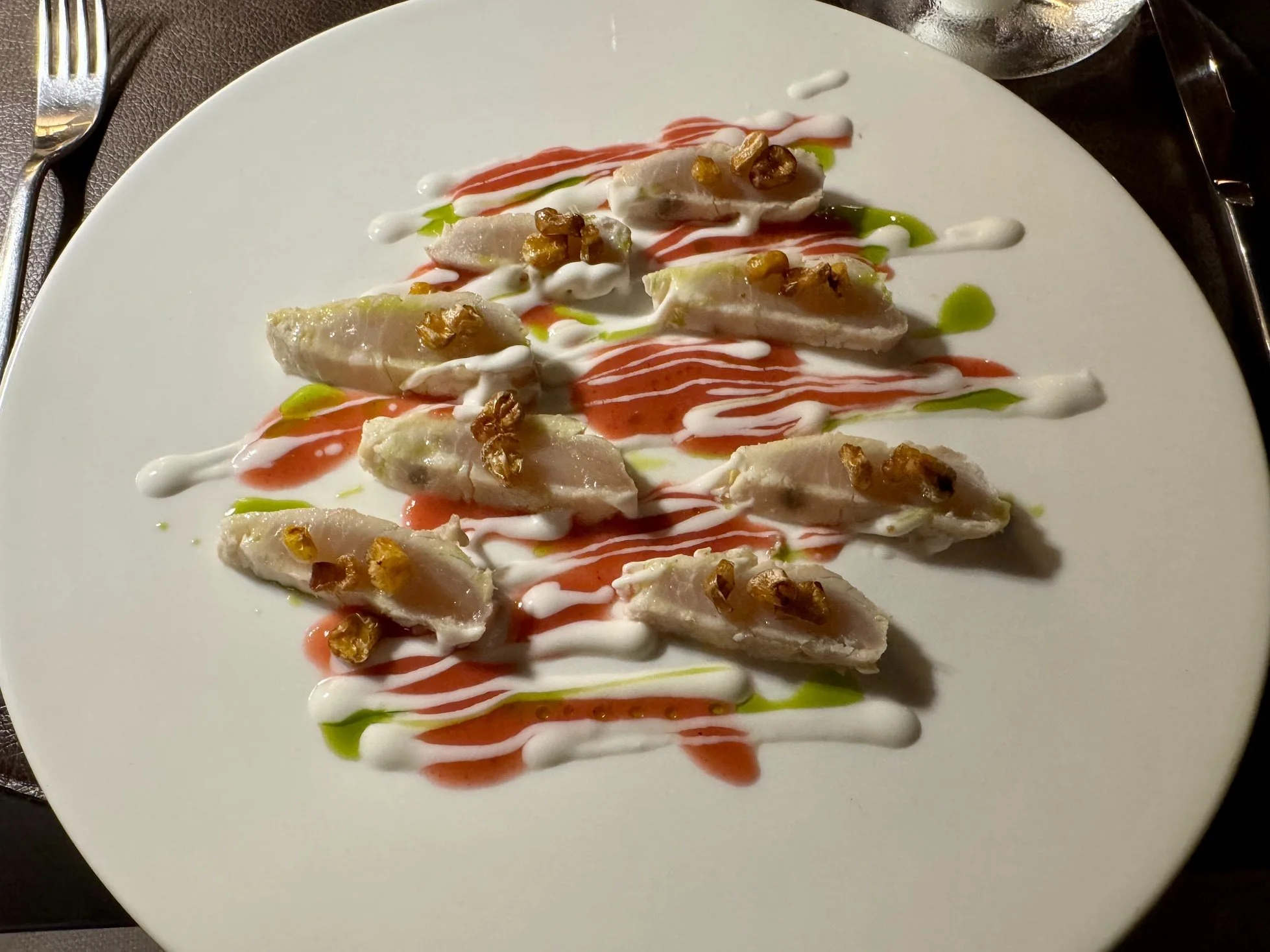
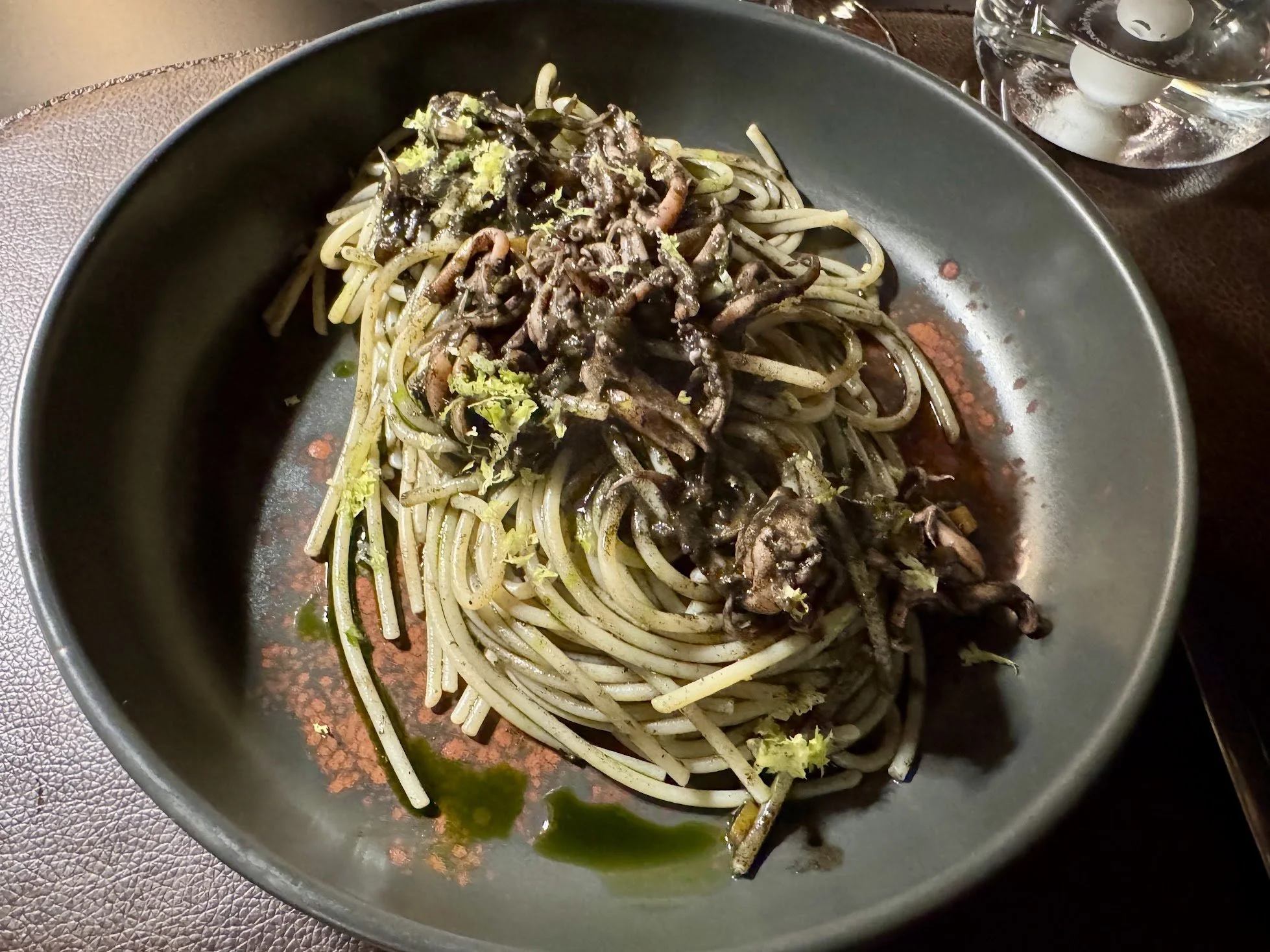
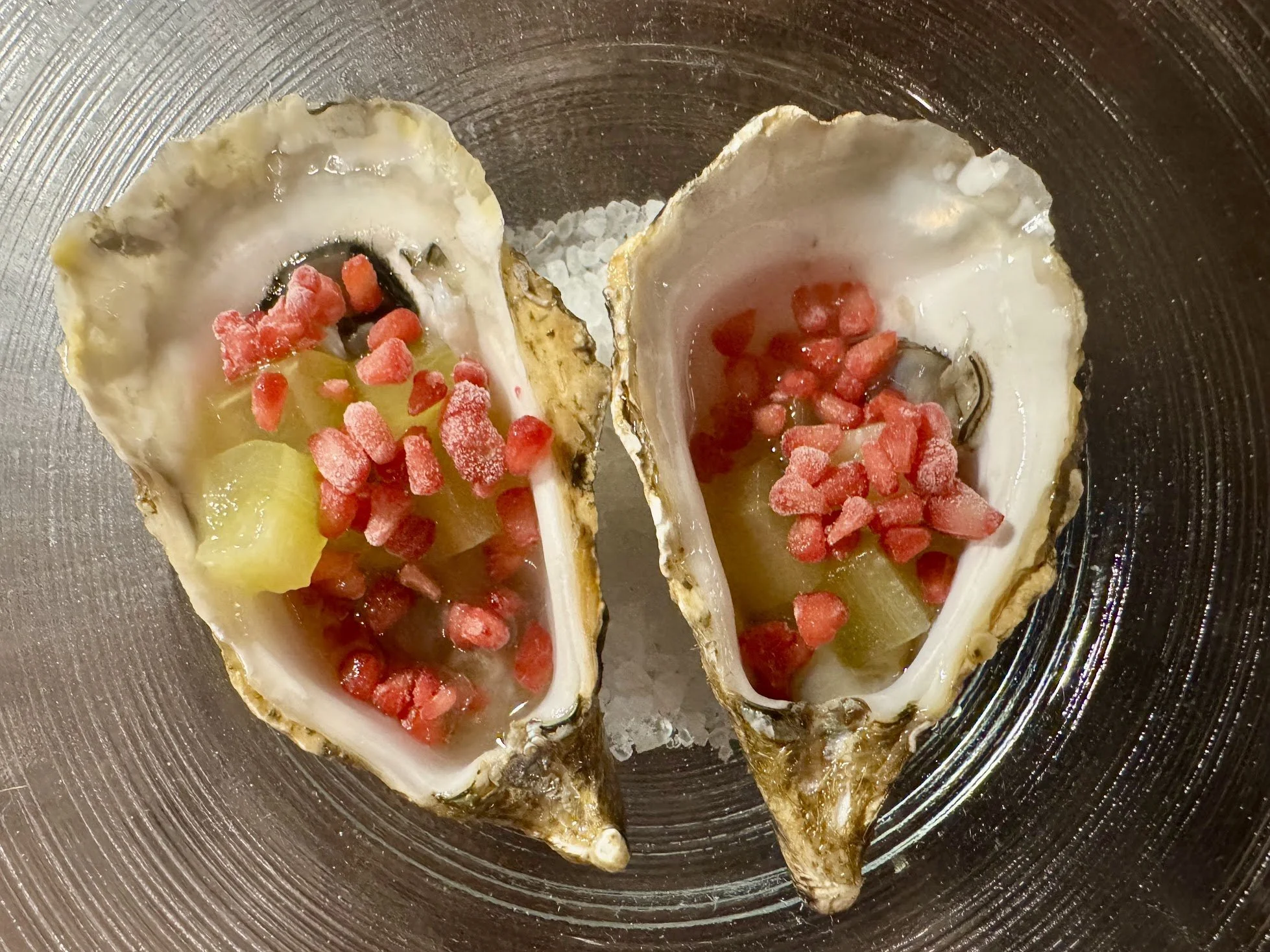
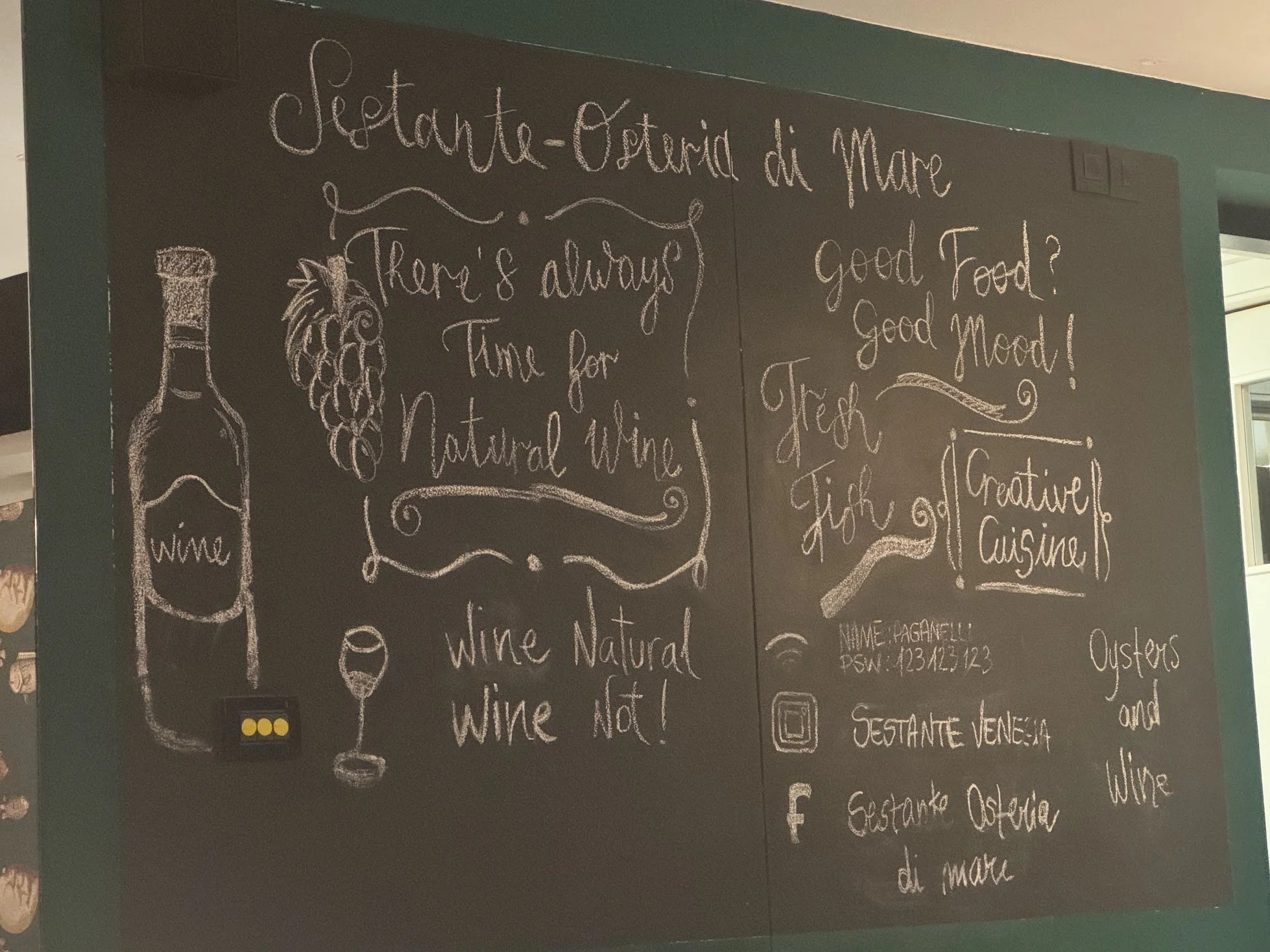
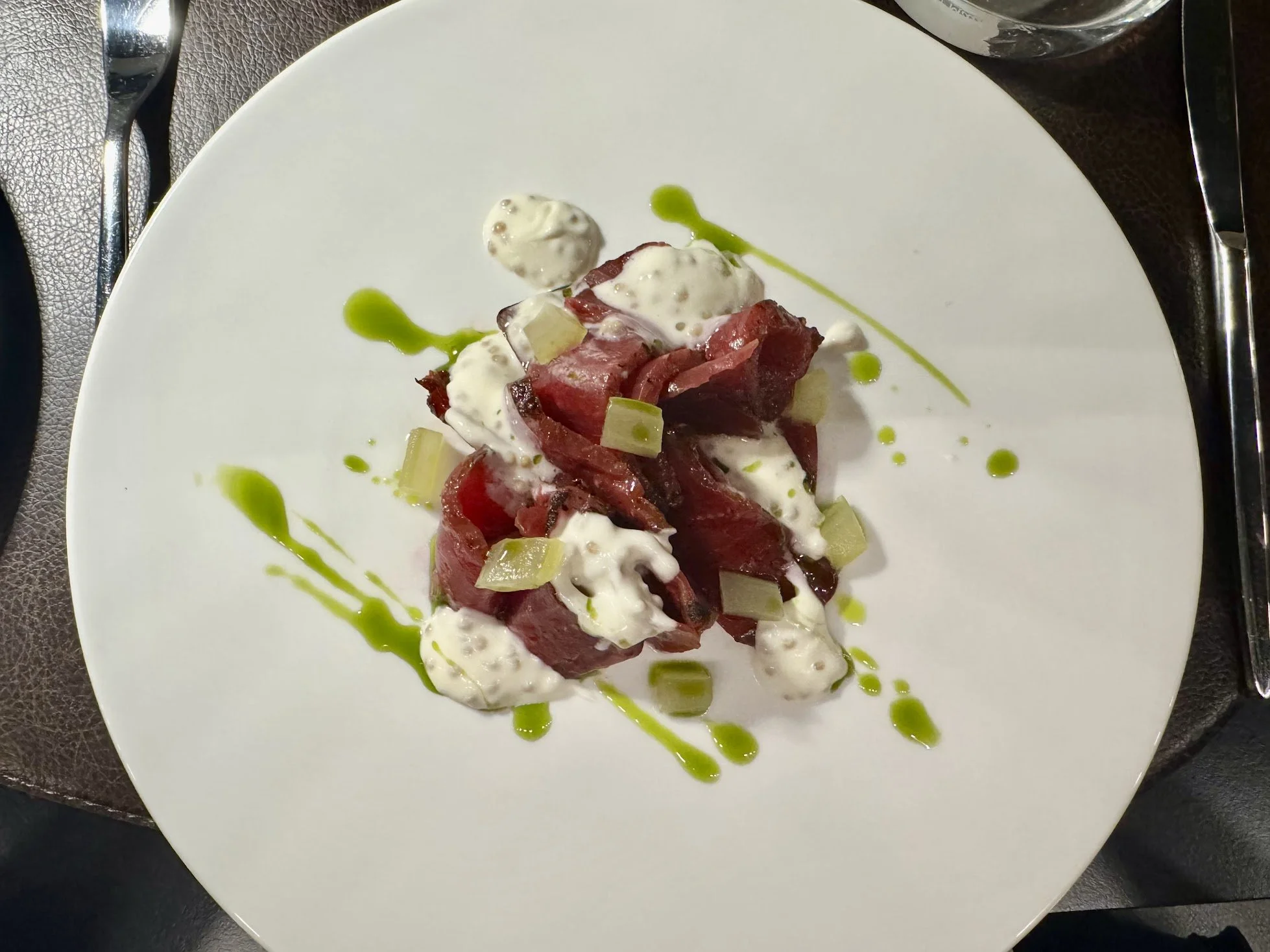
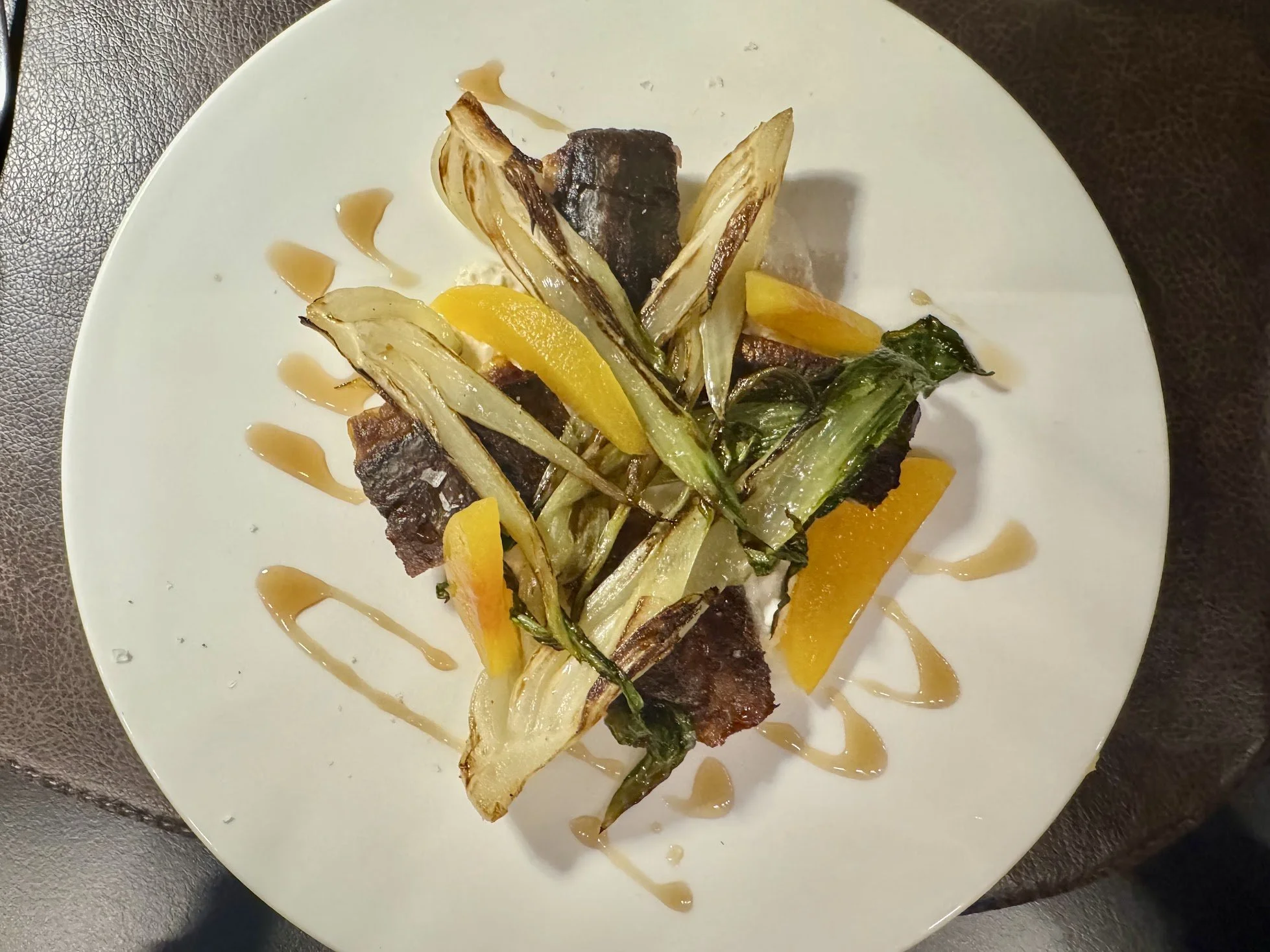
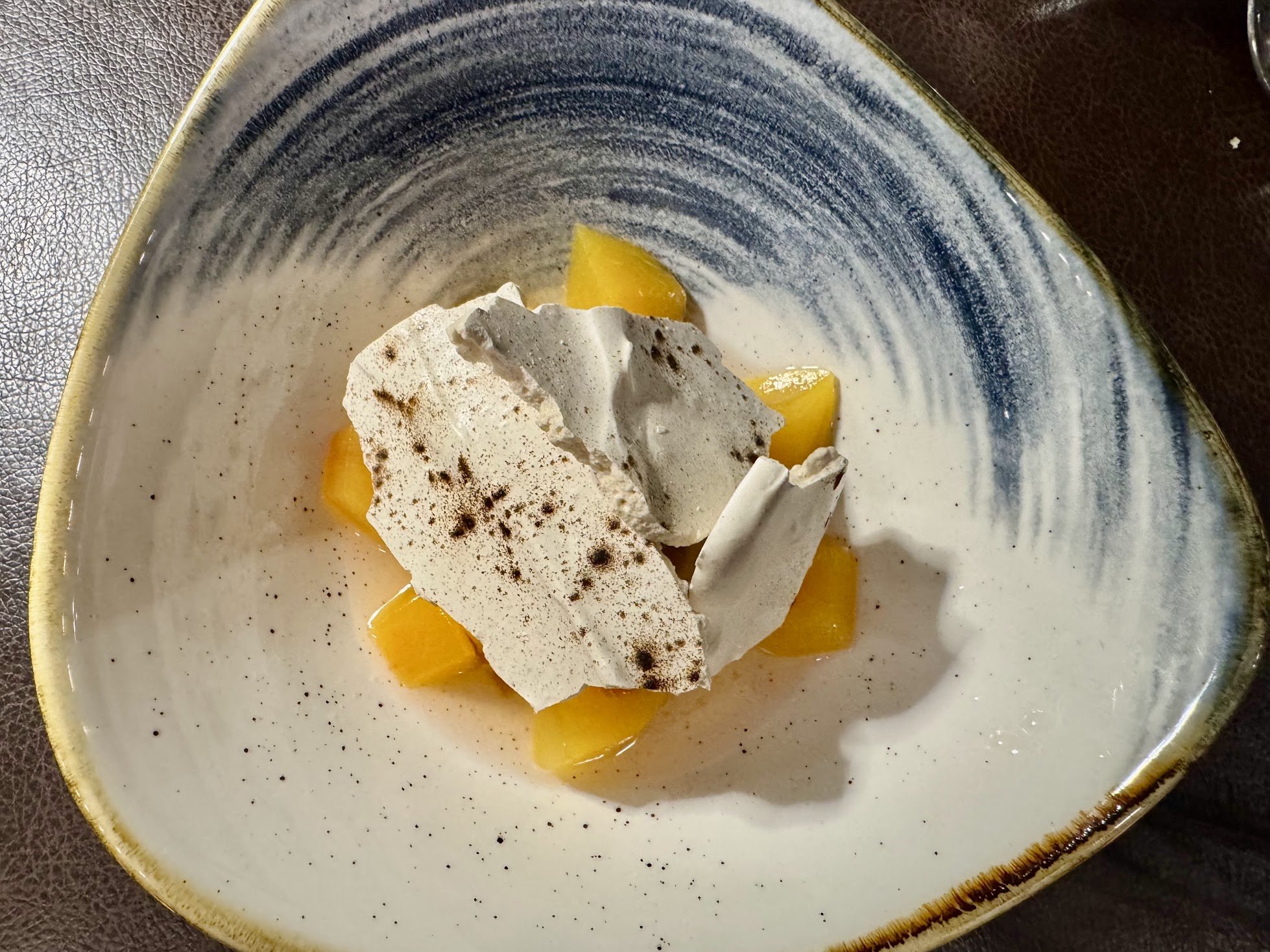
One of my best meals in Venice was at Sestante - Osteria di Mare, a seafood restaurant in the Castello district. I liked it so much I went back the next night. The staff understood gluten-free dining and made it easy to order safely. I tried different dishes each time, but the oysters were so good I had them both nights. The service made the meal even better—one server was also a sommelier and paired wines with each course, making the experience feel special. With great seafood, careful attention to gluten-free needs, excellent wine pairings, and a friendly atmosphere, Sestante became one of my favorite places in Venice. I highly recommend it to other travelers with celiac disease.
Final Thoughts: Venice, Italy
Venice was different from any other place I visited in Europe. I usually like to explore cities by taking long walks, so at first, Venice was a challenge. Venice can also feel overwhelming, especially in the busiest areas during the day. But if you give it time and get away from the crowds, you’ll find a quieter, more personal side of the city. My favorite moments weren’t about the big landmarks. They happened while wandering through neighborhoods like Cannaregio and Dorsoduro, finding local places, and enjoying some of the best meals of my trip.
Travel Gear Reviews
-
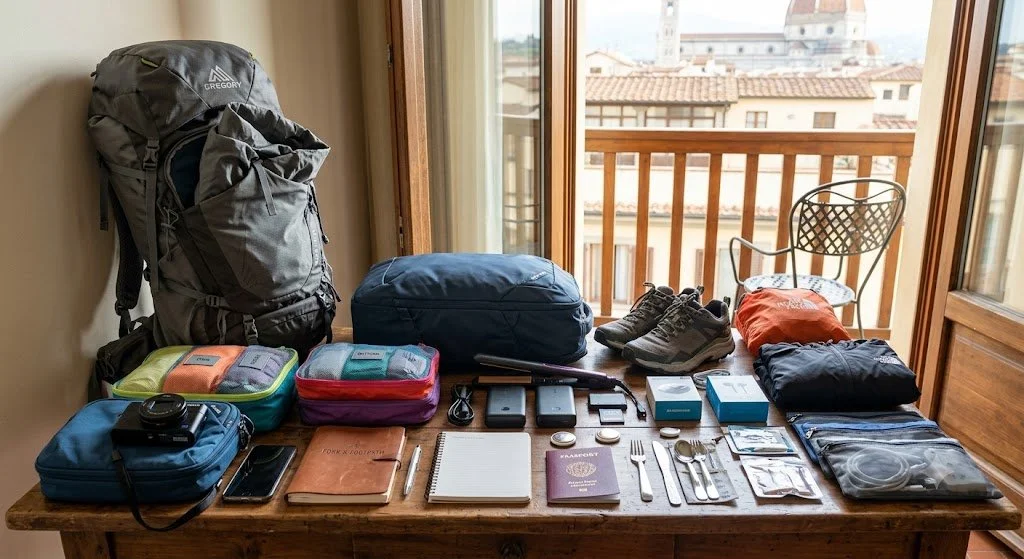
![The Ultimate Europe Packing List]()
The Ultimate Europe Packing List: Everything I Actually Used
The exact luggage, gear, footwear, technology, and clothing that survived three months of continuous solo travel.
-
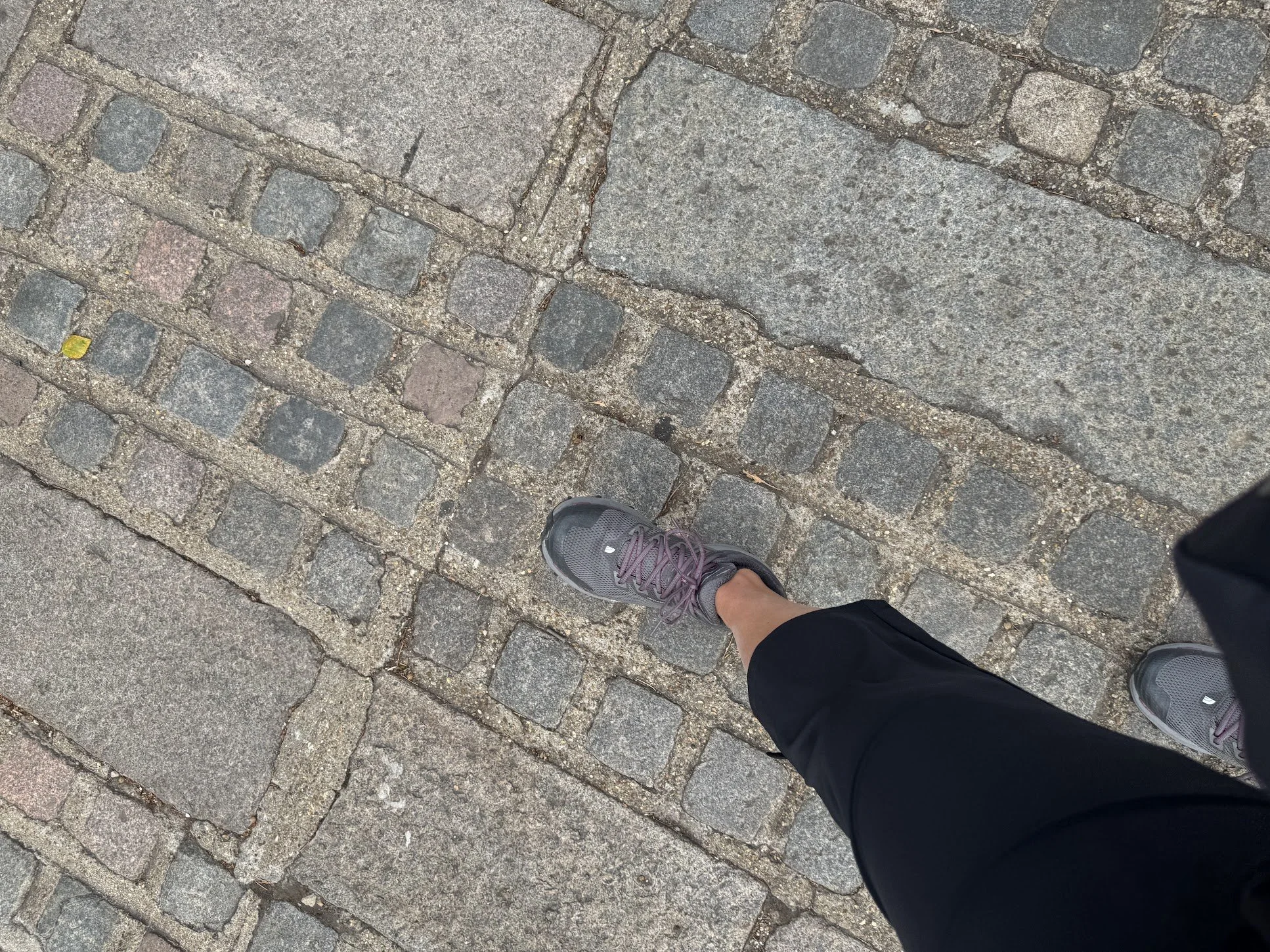
![Travel Shoes For Europe]()
The Walking Shoes That Survived Three Months of European Travel
These provided the comfort, support, waterproof protection, and versatility I needed for long days on my feet.
-
![Waterproof Travel Gear]()
Waterproof Travel Gear: Essentials That Keep You Exploring
Rain gear is one of the best investments you can make for an extended European trip. These waterproof essentials earned a permanent place on my packing list.
-
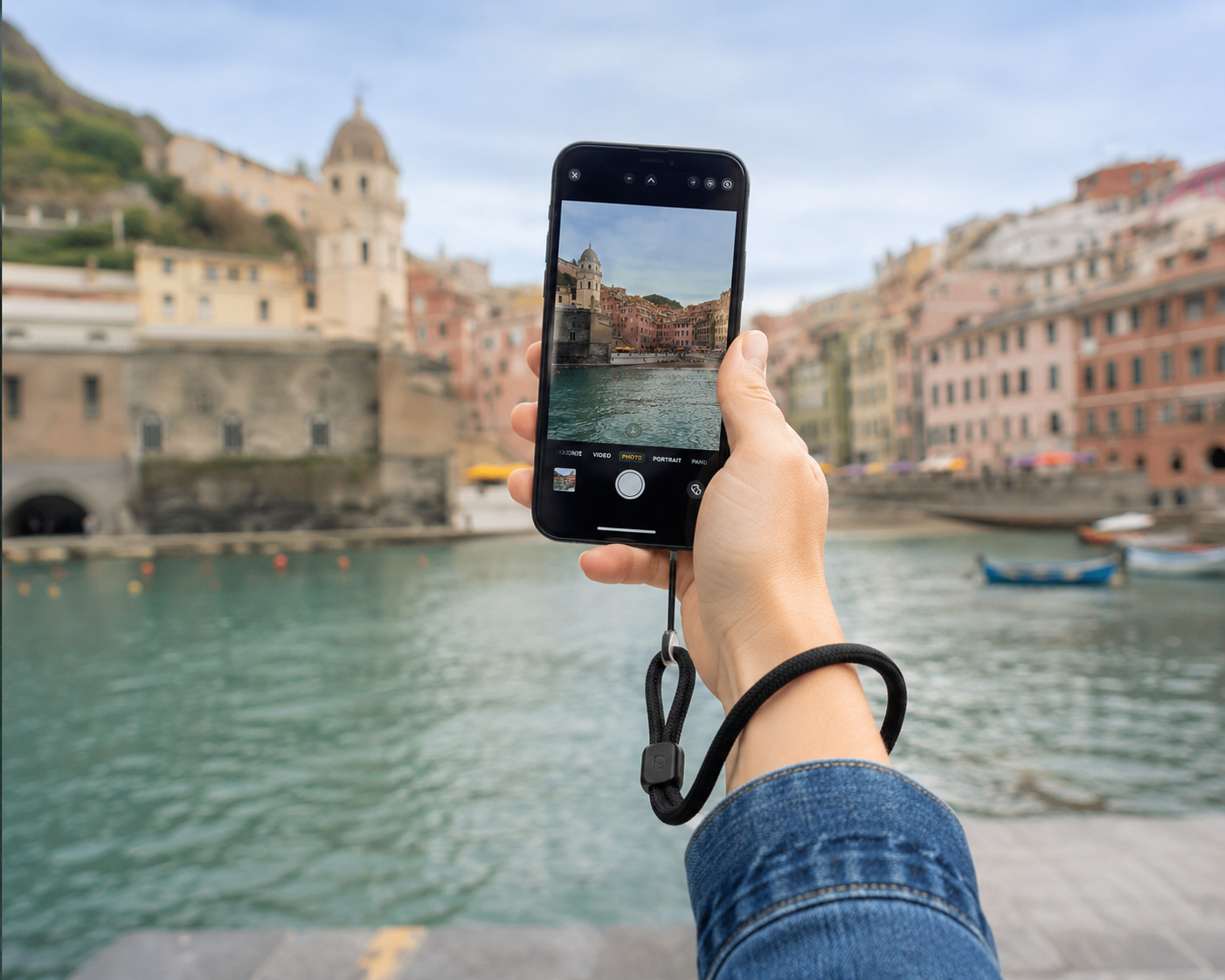
![Phone Wrist Strap]()
The Phone Wrist Strap That Helped Protect My Phone Across Europe
A simple, low-cost travel accessory provided peace of mind in crowded cities and added security throughout my three-month trip.
-
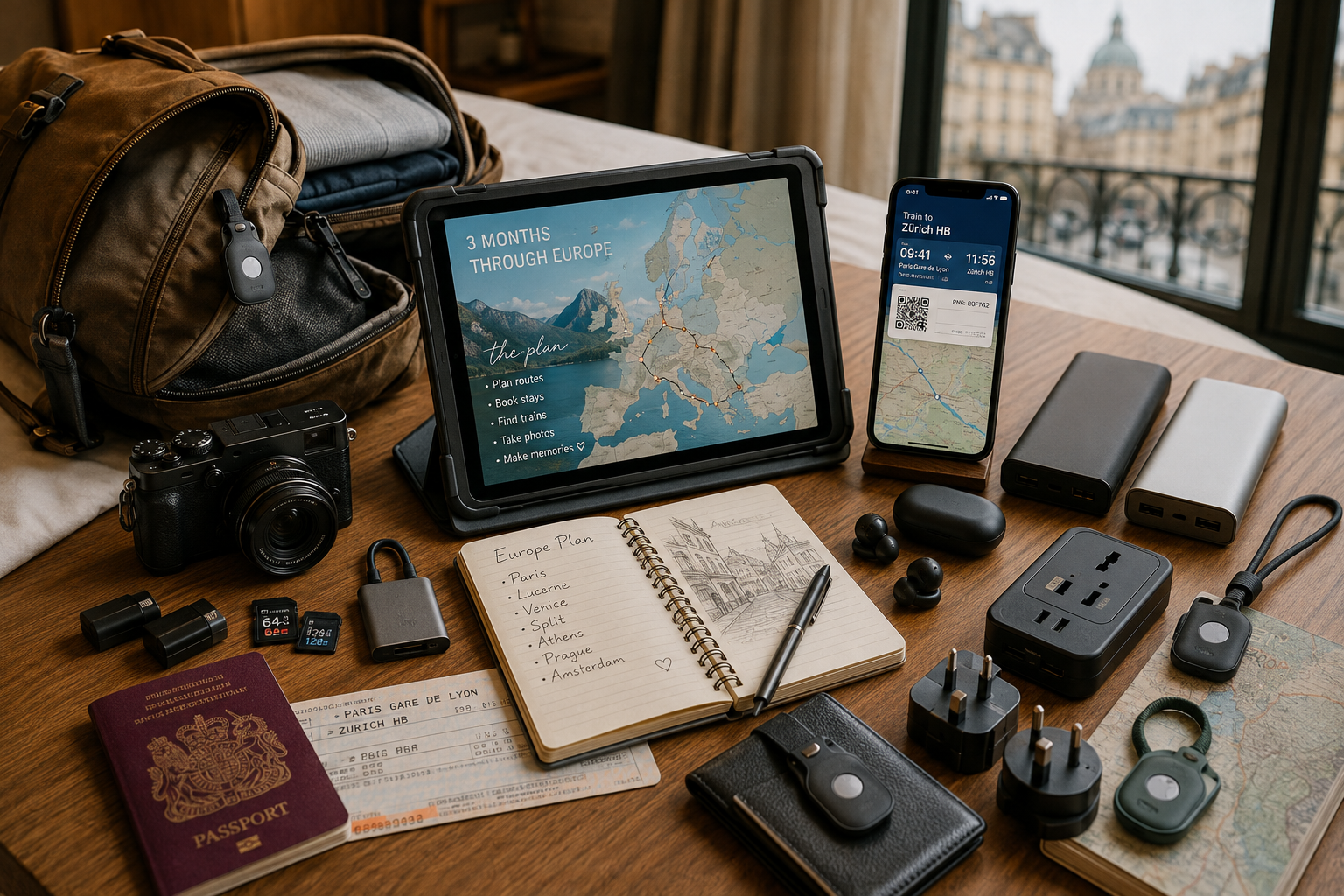
![Travel Technology]()
The Technology I Used During Three Months of Traveling Europe
The travel tech that helped me navigate, stay connected, protect my photos, and travel independently.