Vienna Travel Guide: Elegant, Historic, and Quieter Than Expected
Neighborhood walks, café culture, and learning how much location shapes a trip.
After the hills of Prague, arriving in Vienna felt different. I arrived eager to experience the city’s café culture, music, and historic architecture, fully expecting Vienna to feel lively and energetic, as many major European capitals do.
Instead, my first impression was surprisingly quiet. Part of that came down to timing. I spent my only full day in Vienna on a Sunday, when many local businesses were closed, and entire neighborhoods felt noticeably subdued.
But another major factor was location. For the first time on the trip, I realized how much where you stay can completely shape your experience of a city—not just logistically, but emotionally.
This guide covers where I stayed, how I spent my time exploring Vienna’s neighborhoods and cultural landmarks, and why I’d approach the city differently if I visited again.
Some links in this post may be affiliate links, which means I may earn a small commission if you book through them—at no additional cost to you. I only share places and services I personally used or genuinely enjoyed during my trip. Read the full disclosure policy.
Vienna, Austria Overview
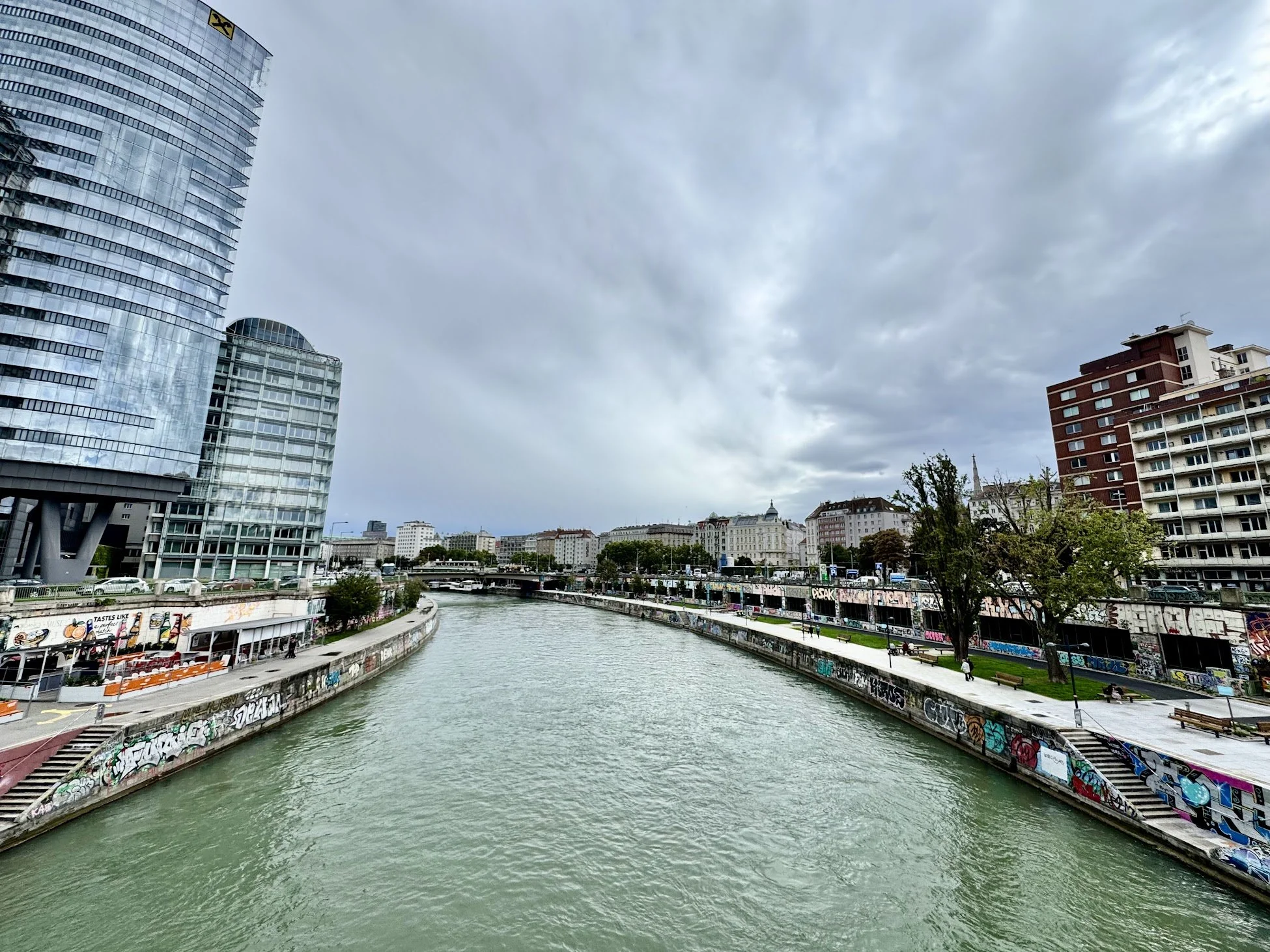
Vienna, the capital of Austria, sits along the Danube River and is known for its imperial architecture, classical music, café culture, and remarkably organized pace.
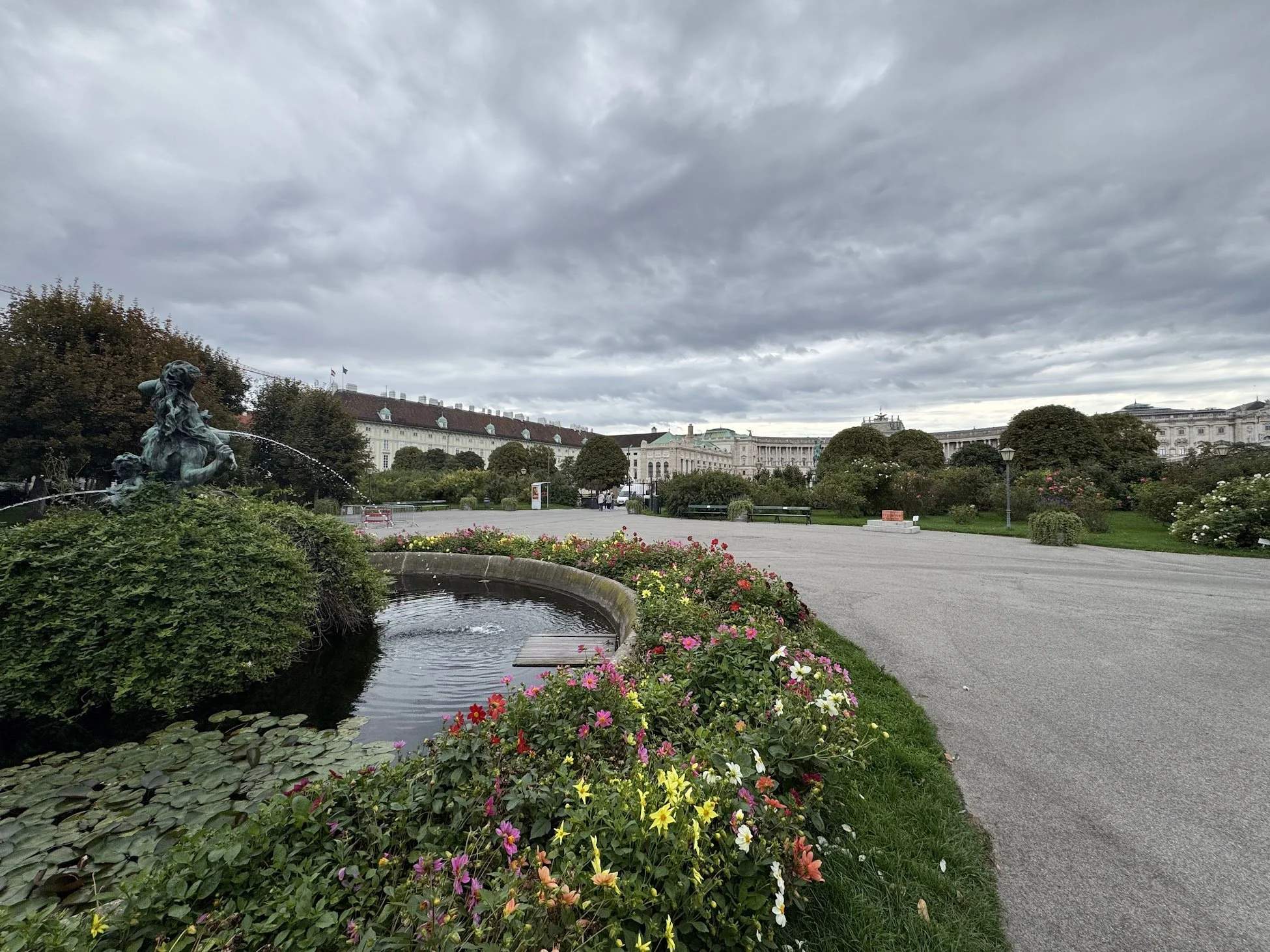
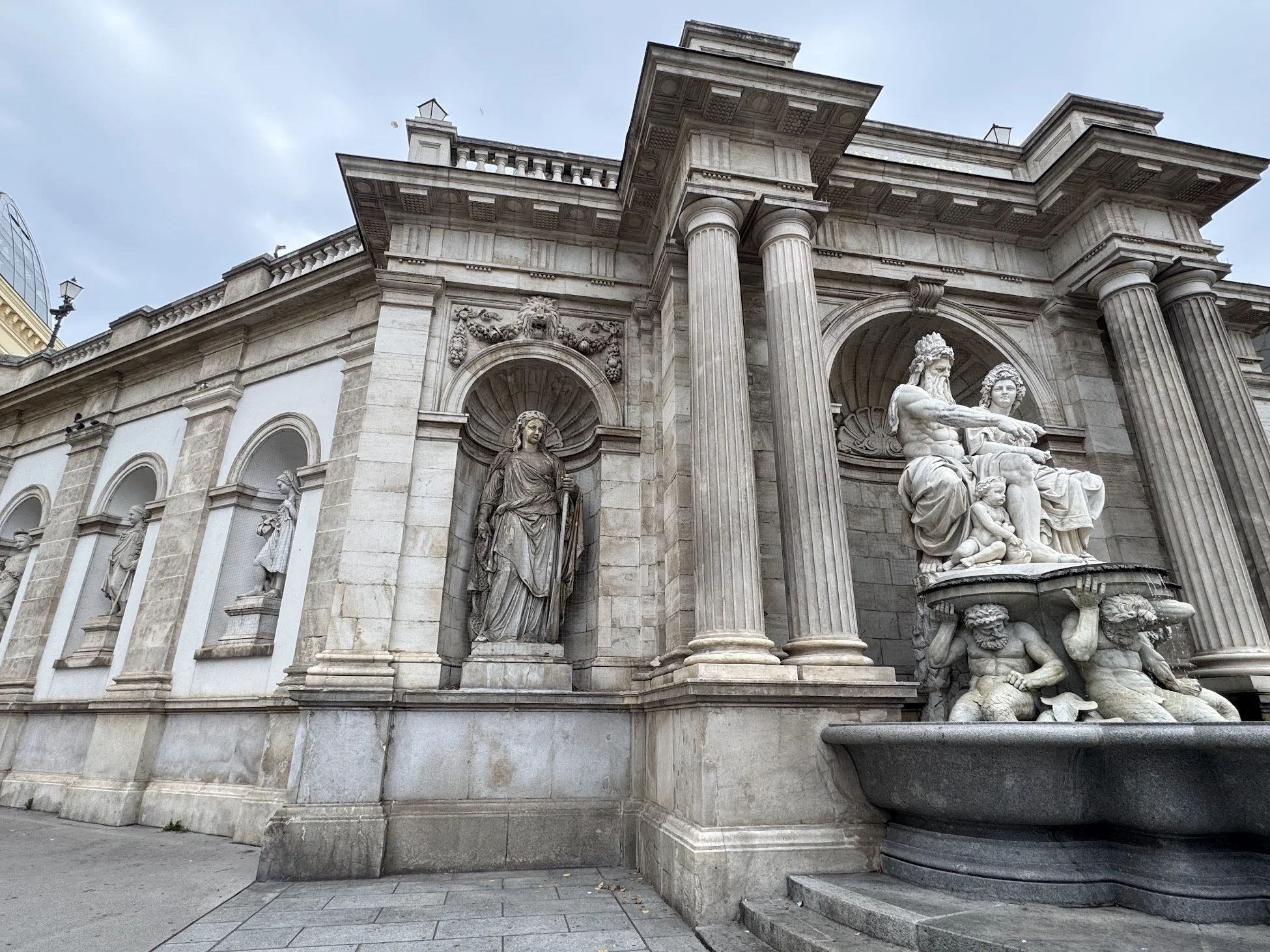
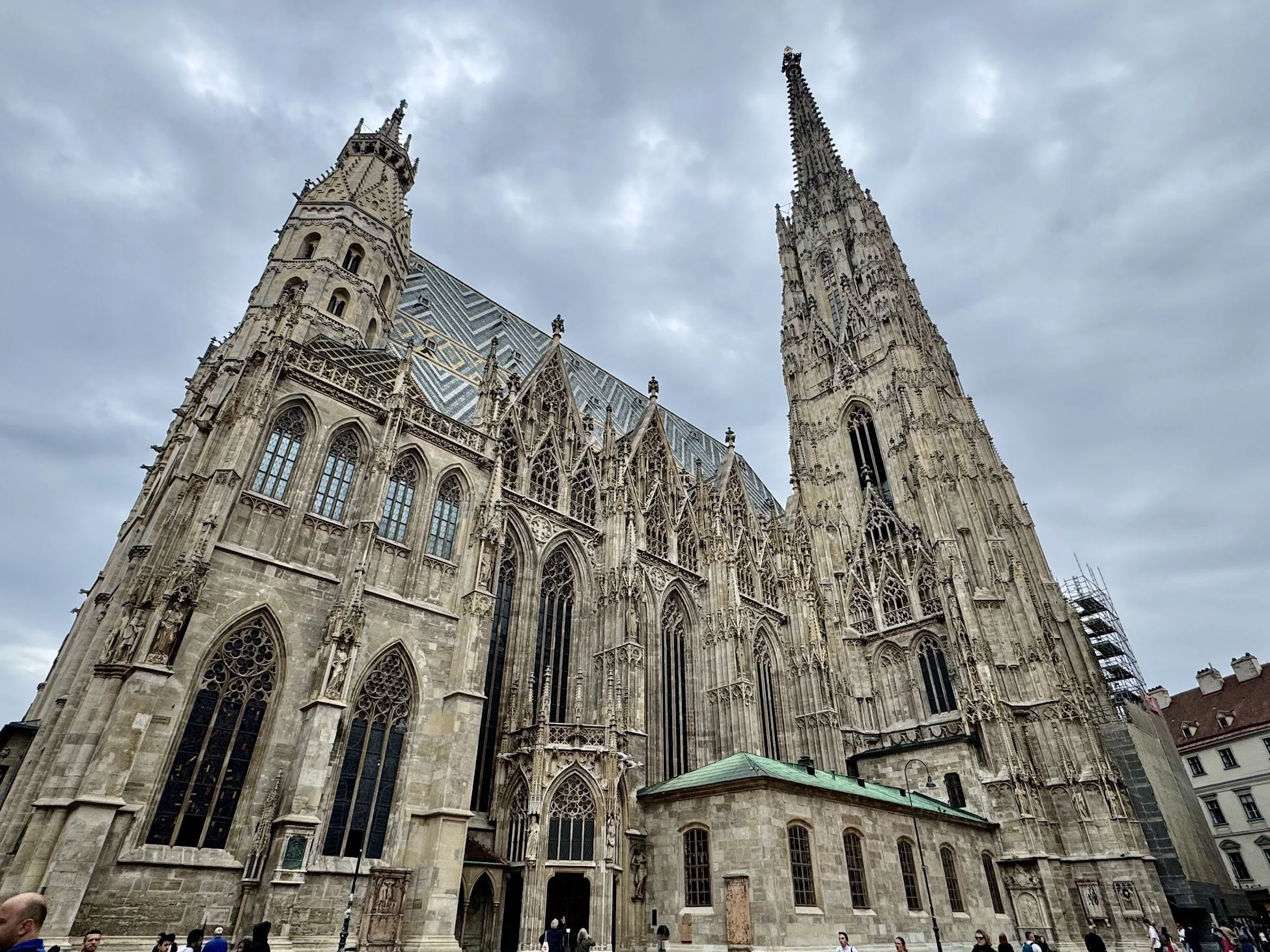
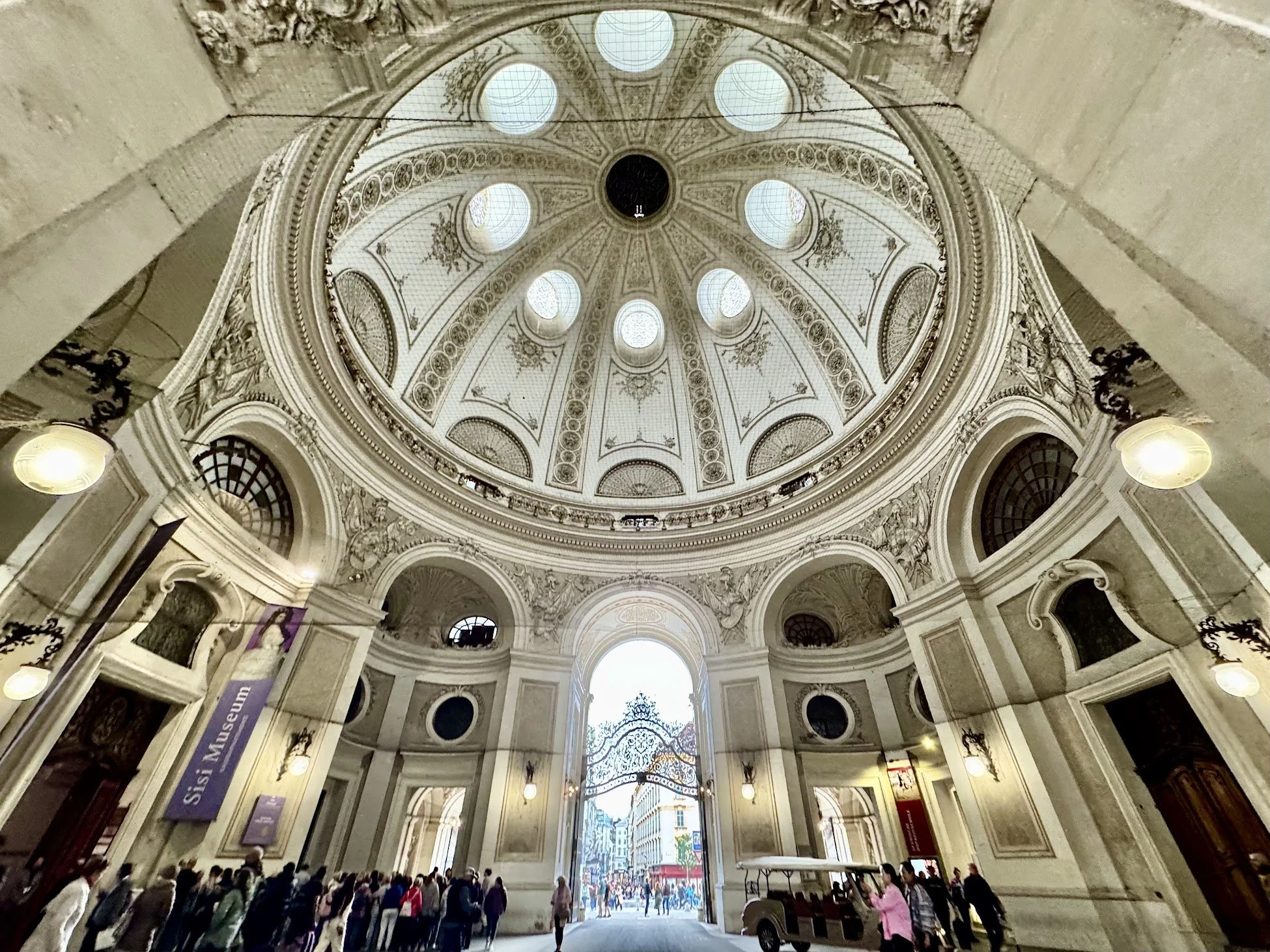
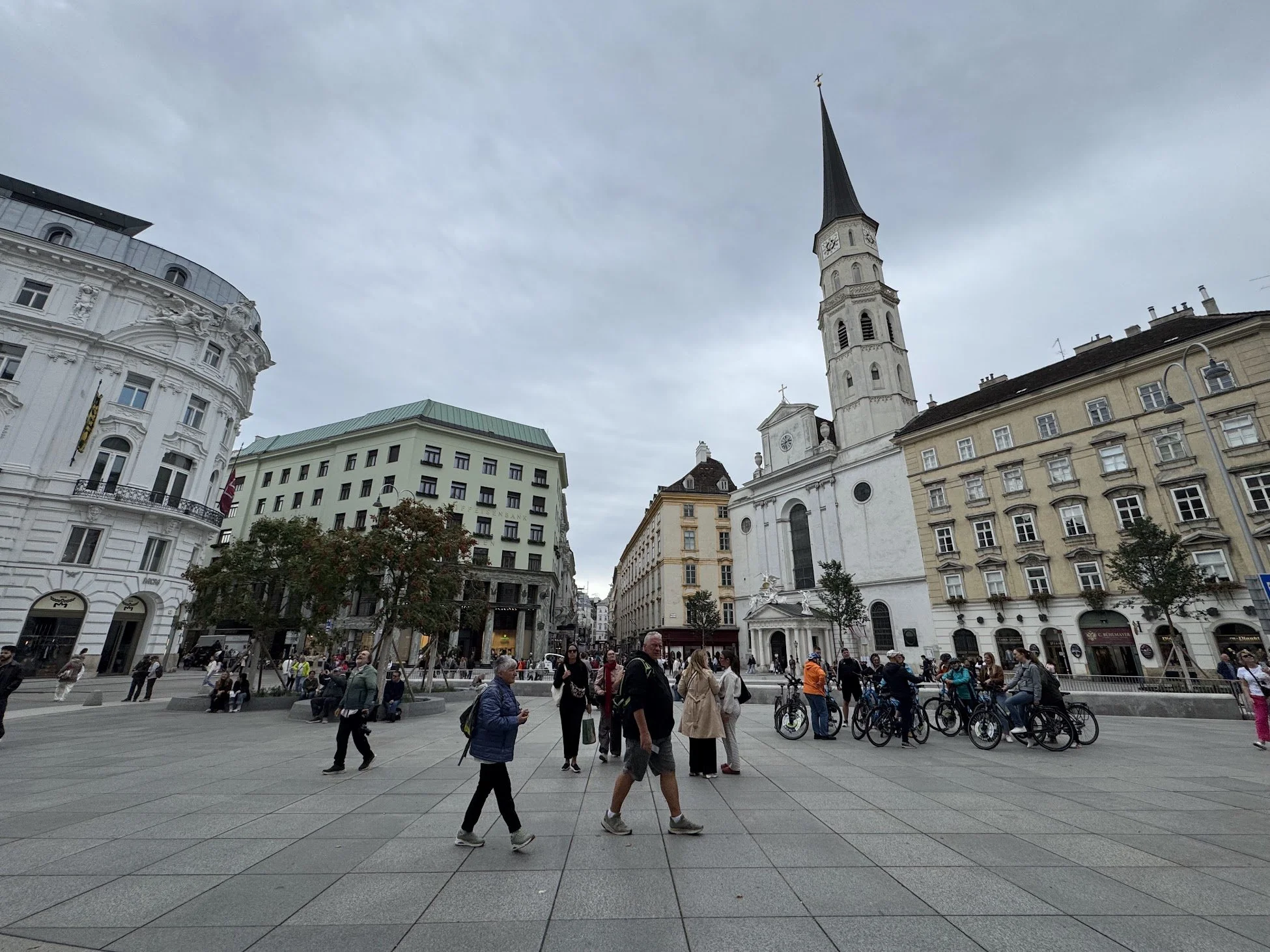
Compared to the steep hills of Prague, Vienna felt more spacious and structured from the start. Wide boulevards, elegant buildings, formal parks, and grand public spaces create a city that feels refined without becoming overwhelming. At the center is the Innere Stadt, Vienna’s historic core and a UNESCO World Heritage Site, surrounded by the Ringstrasse and anchored by landmarks like St. Stephen's Cathedral, Hofburg Palace, and the Vienna State Opera.
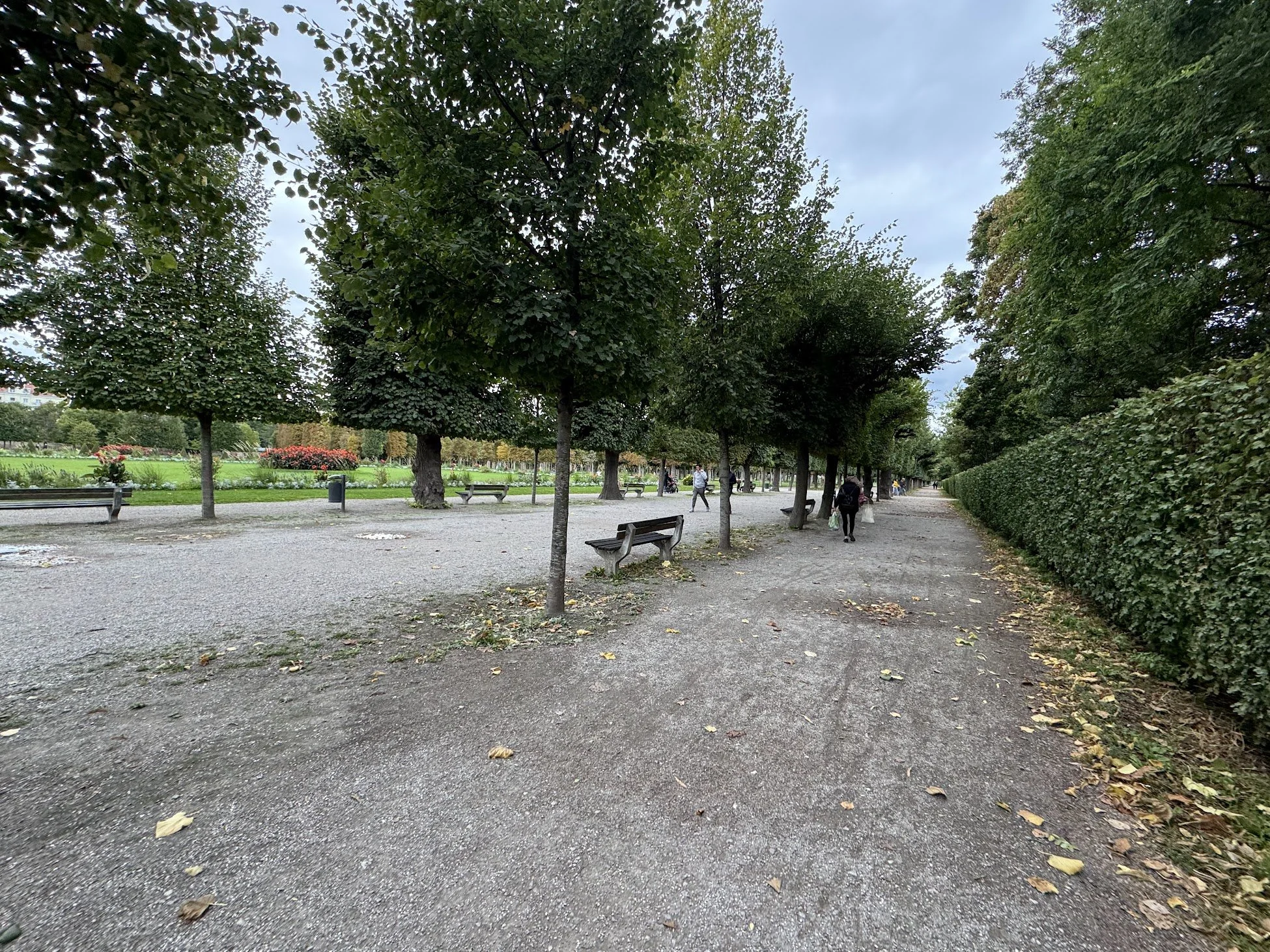
What stood out most to me, though, was how calm the city felt. Even in its busiest areas, Vienna rarely felt chaotic. The pace was slower, quieter, and more measured than many of the other major cities on my trip.
Where I Stayed In Vienna, Austria: Brigittenau
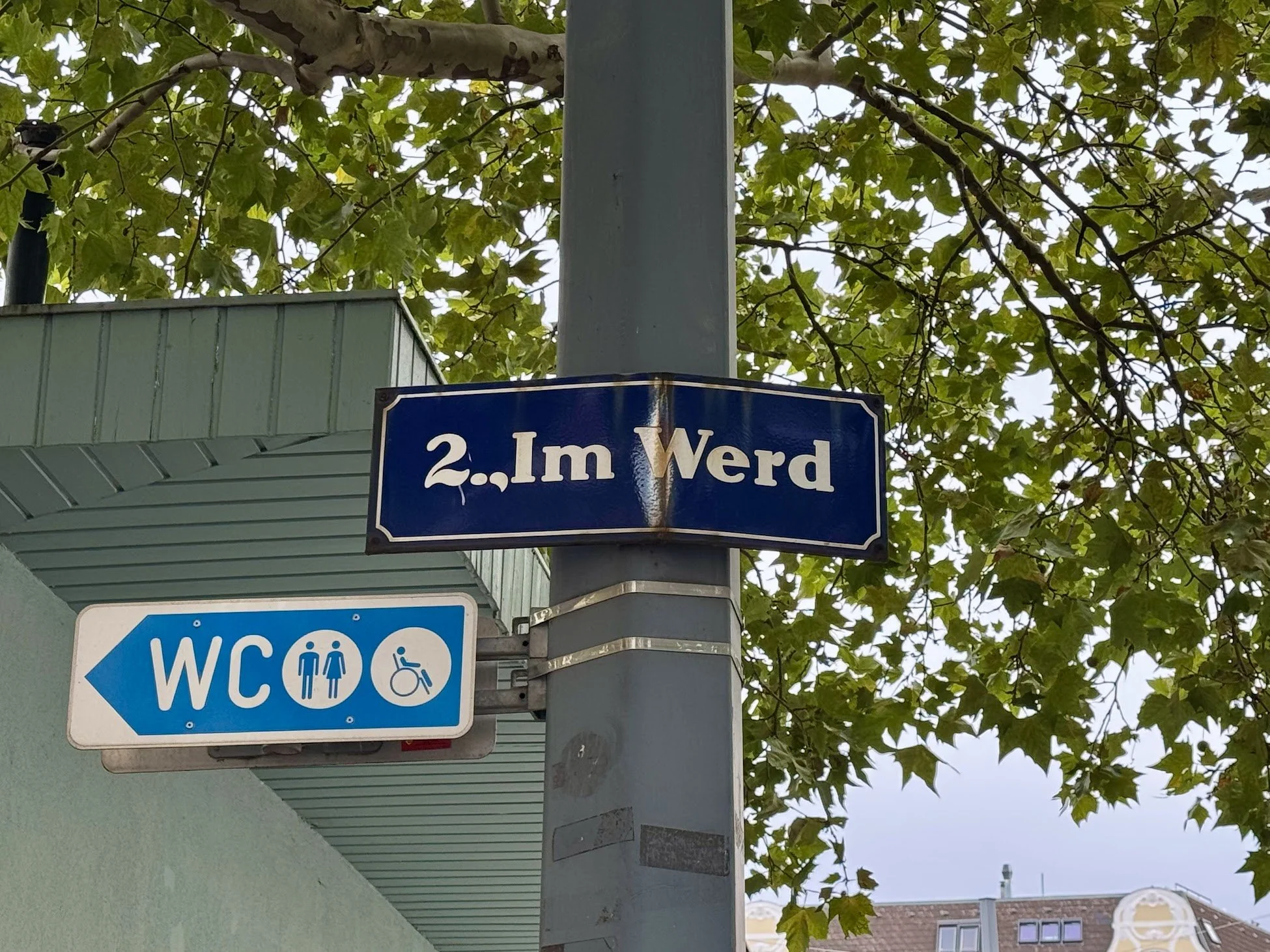
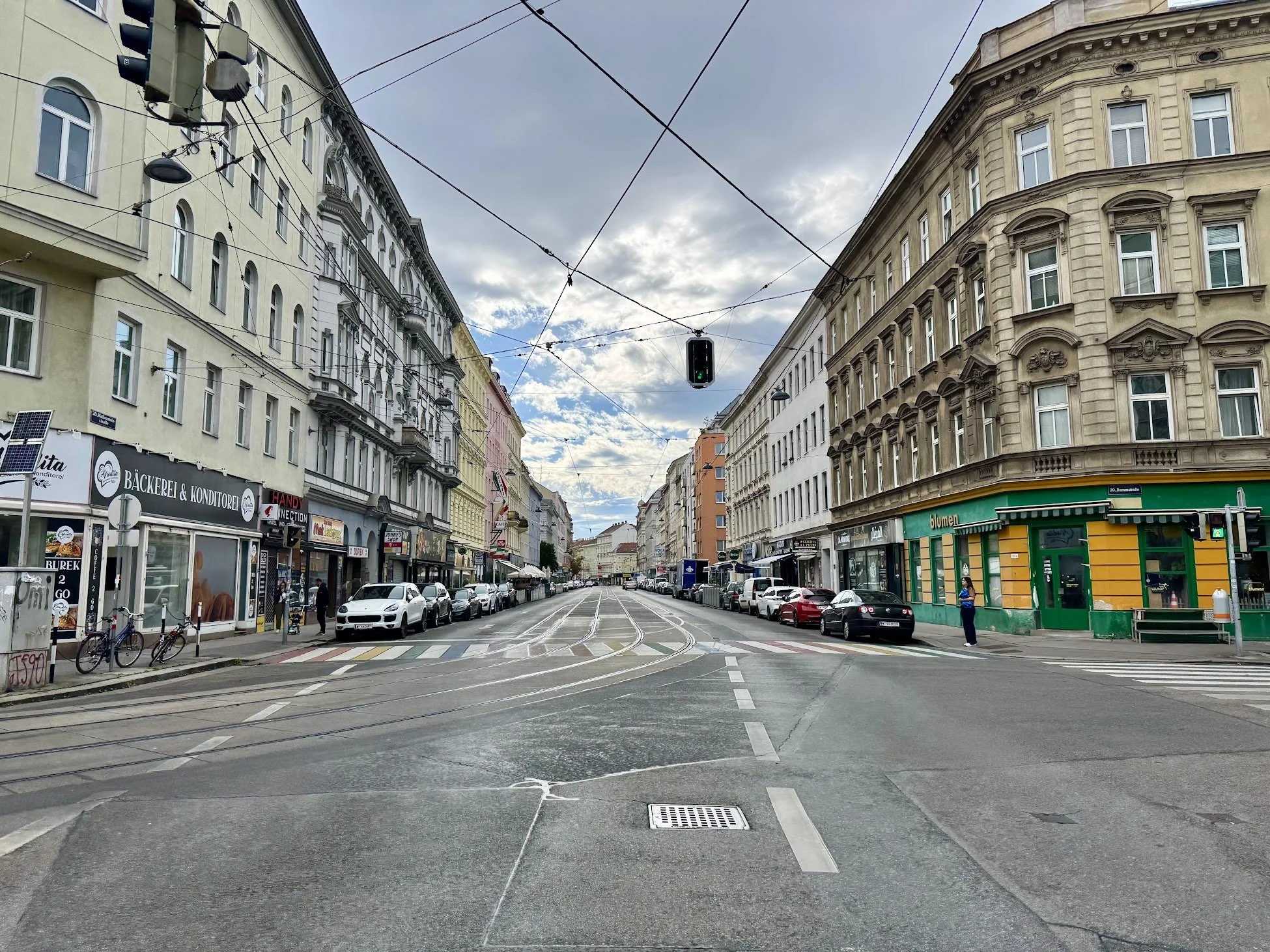
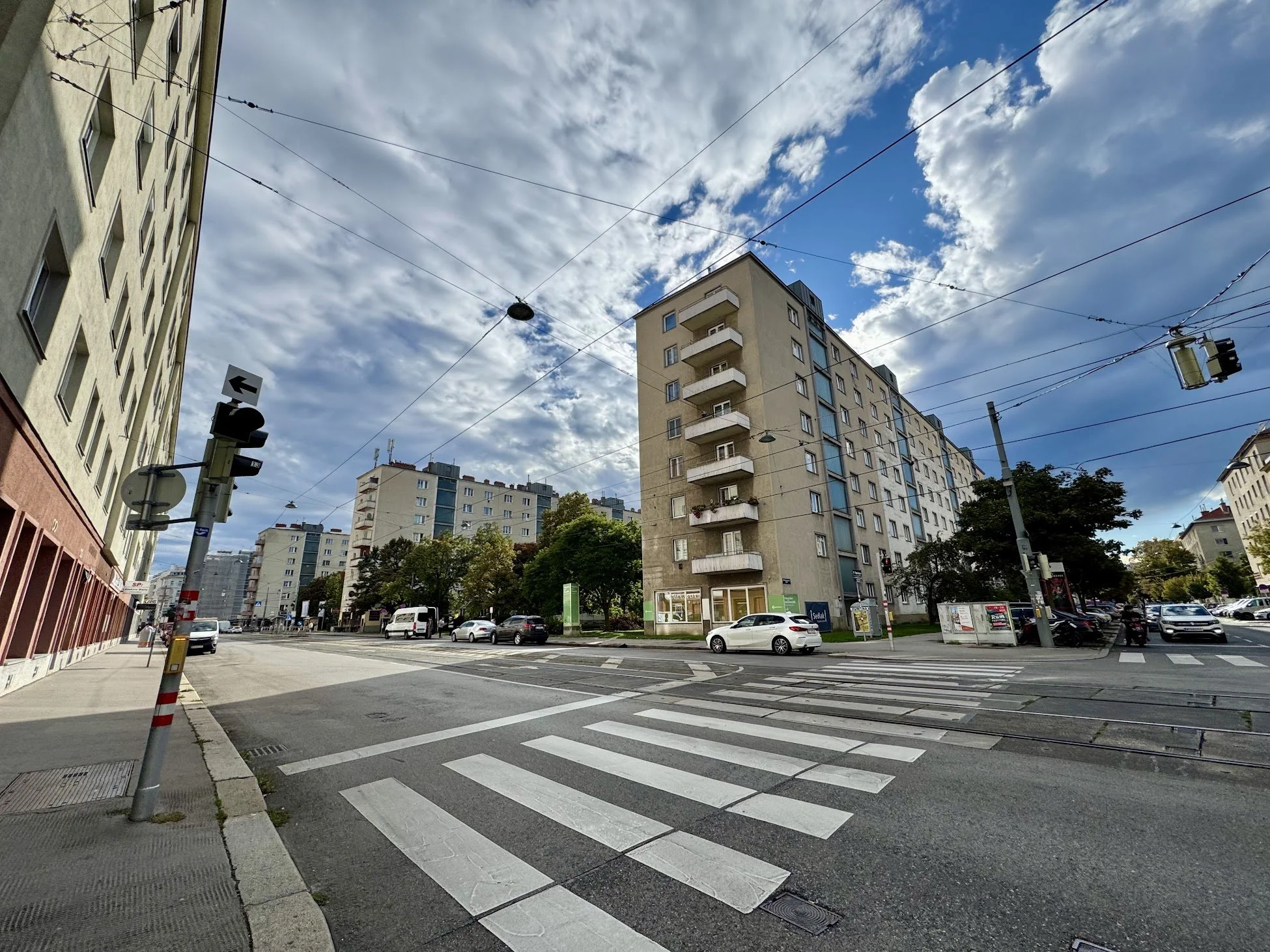
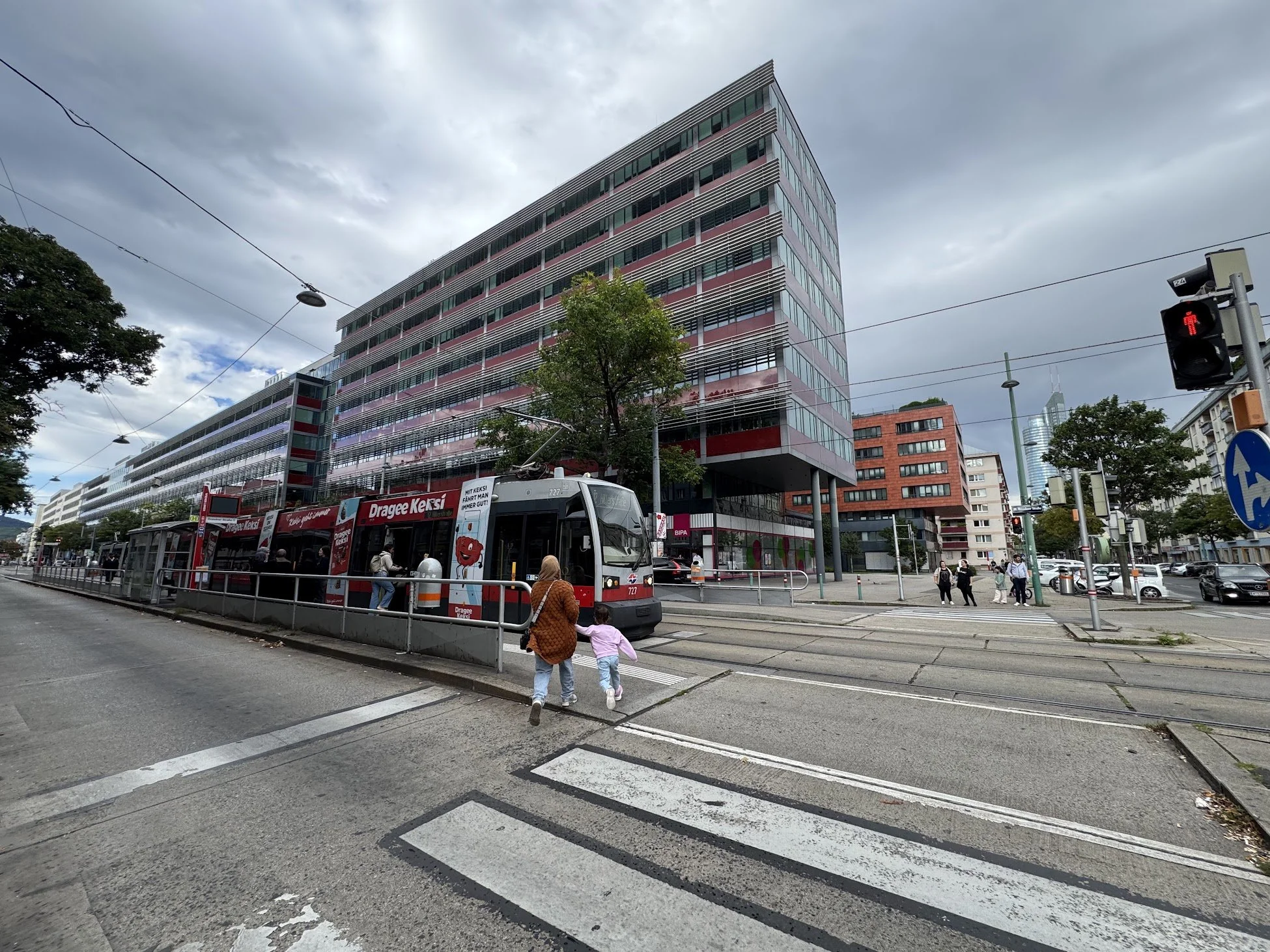
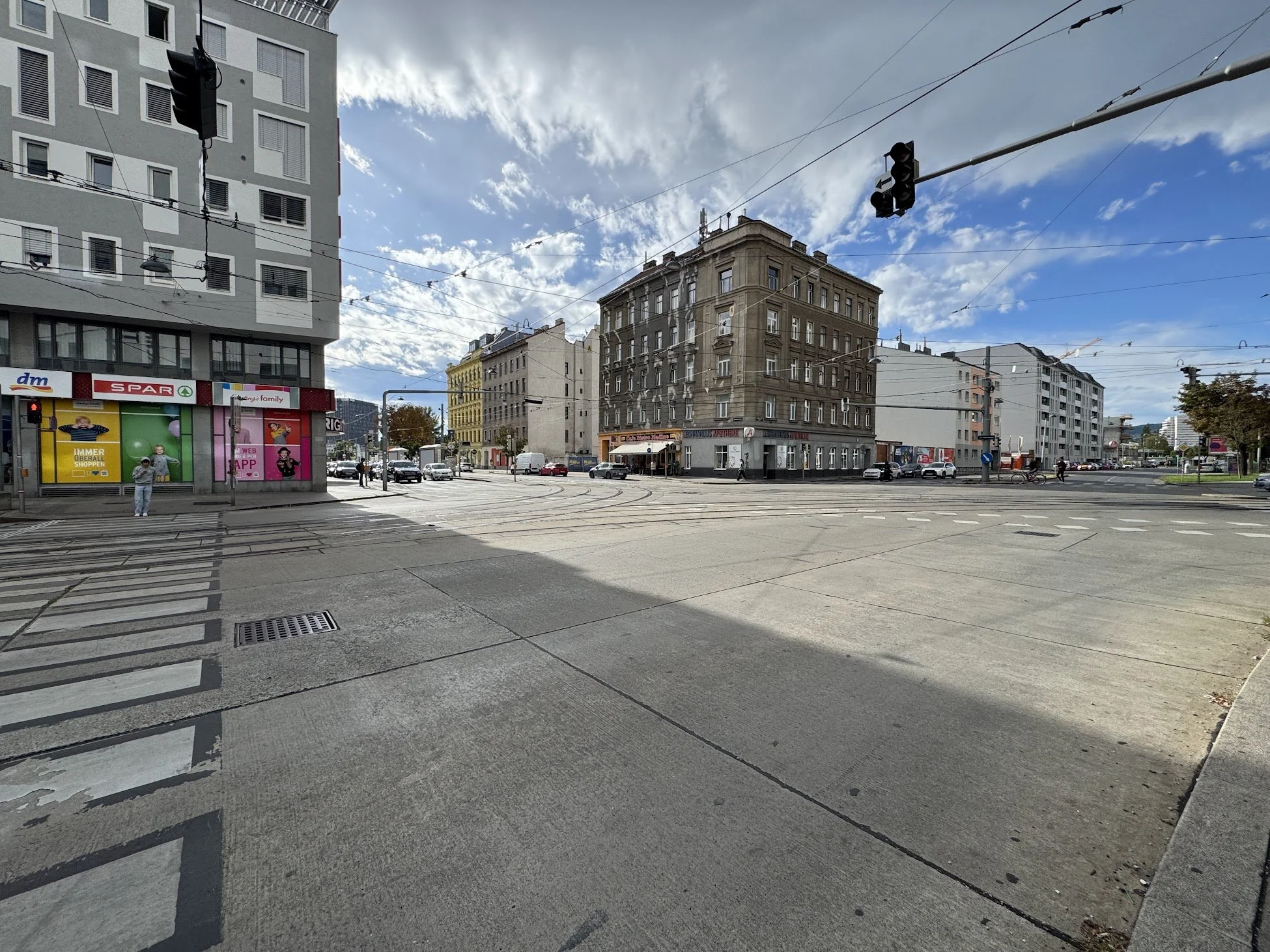
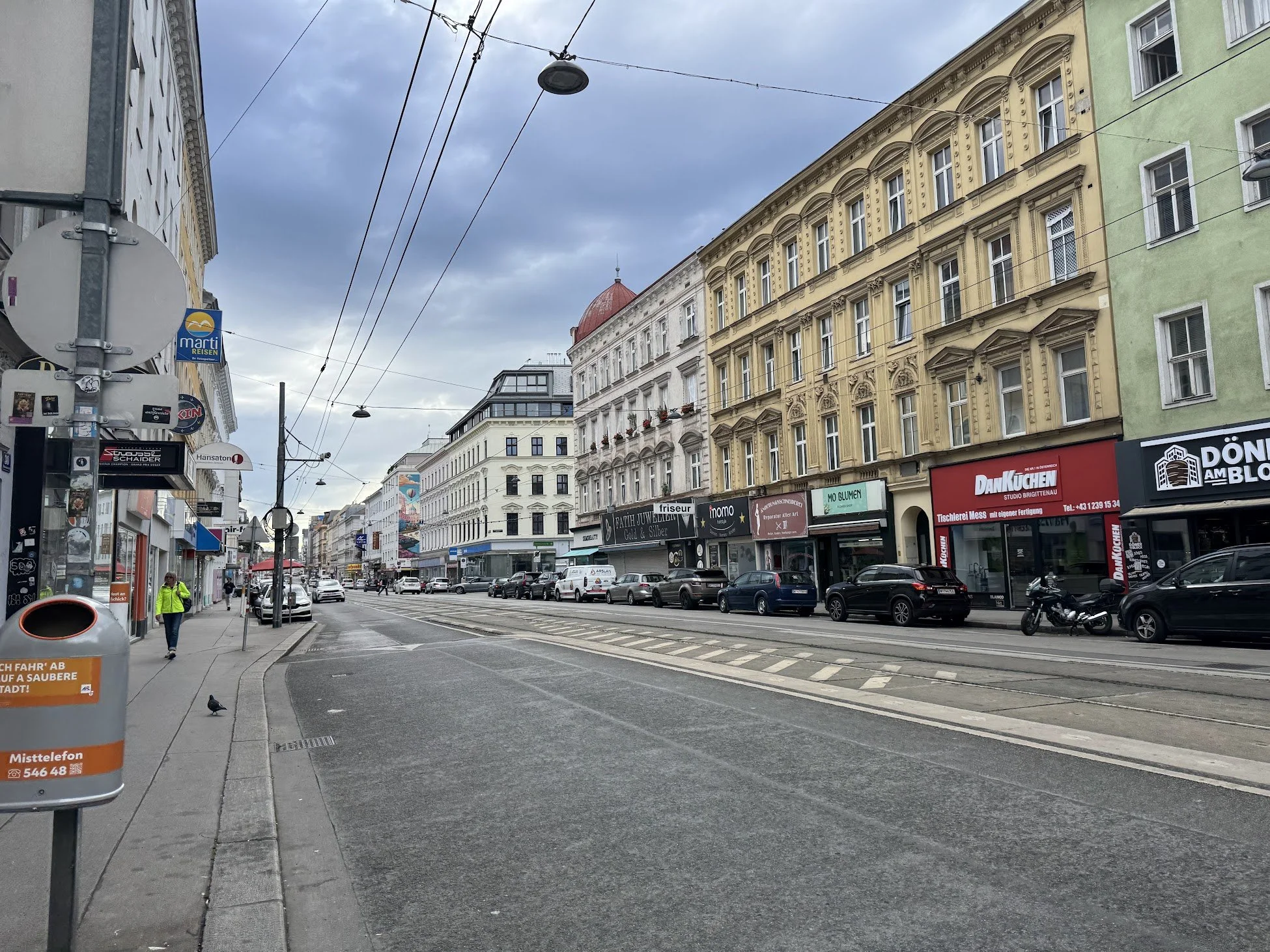
I stayed in Brigittenau, a residential district located north of the city center between the Danube River and the Danube Canal. On paper, it sounded ideal: “close to the city center.” In reality, it was about an hour’s walk to the city center.
I quickly learned that phrases like “close to the city” can mean very different things depending on the city itself and your preferred travel style. Because I prefer walking over learning a brand-new transit system every few days, the location ended up feeling much less convenient than I expected.
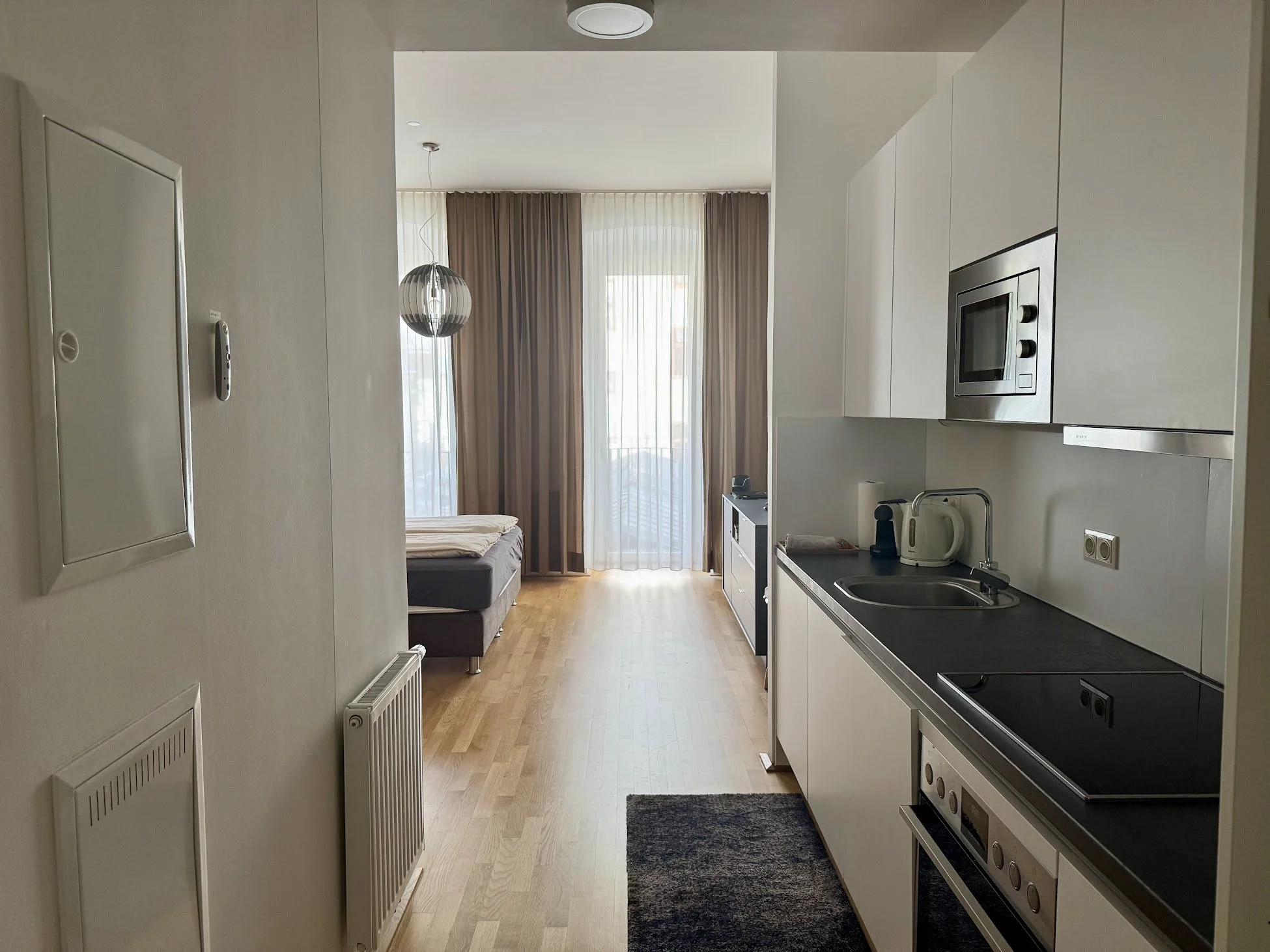
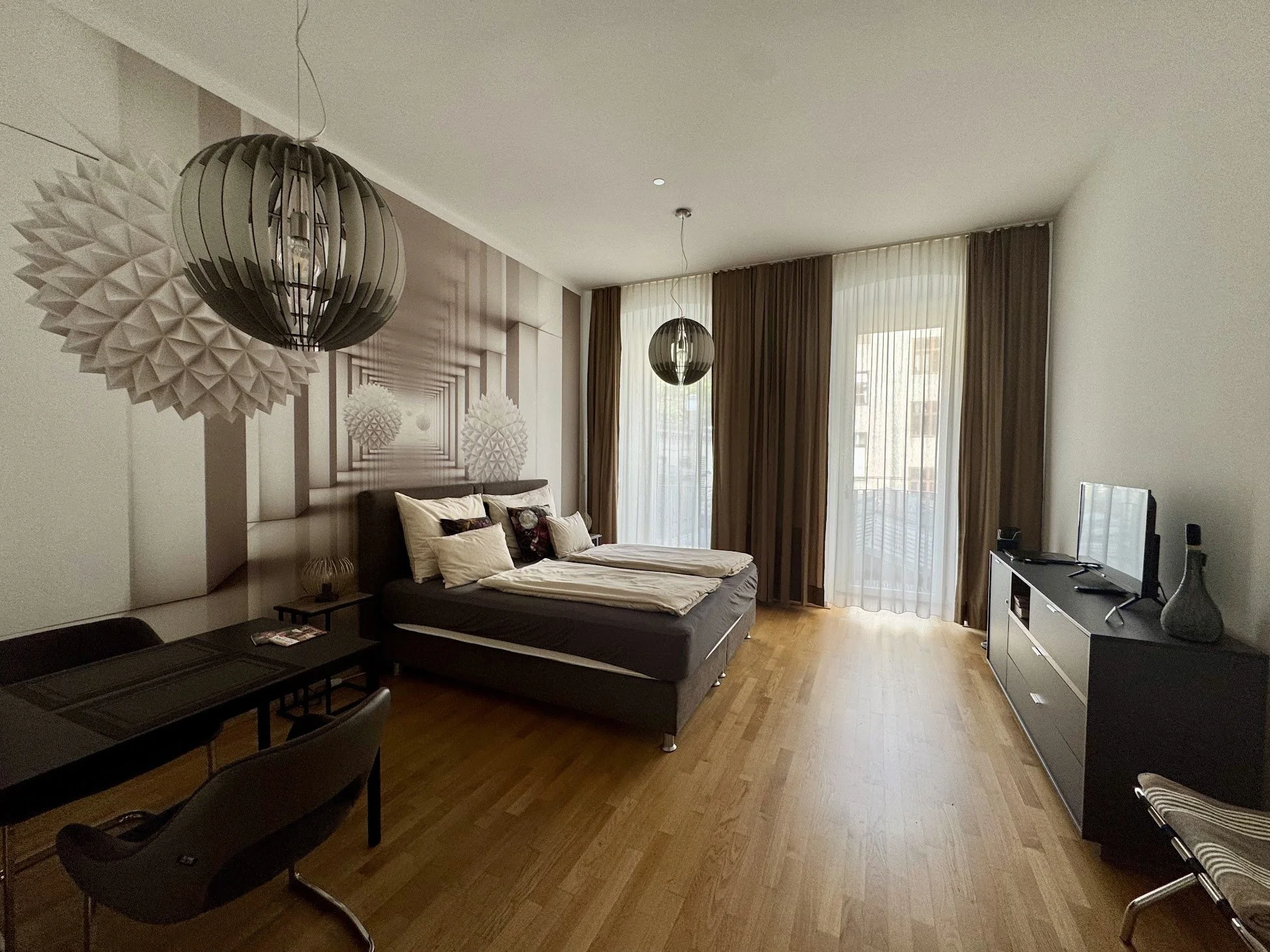
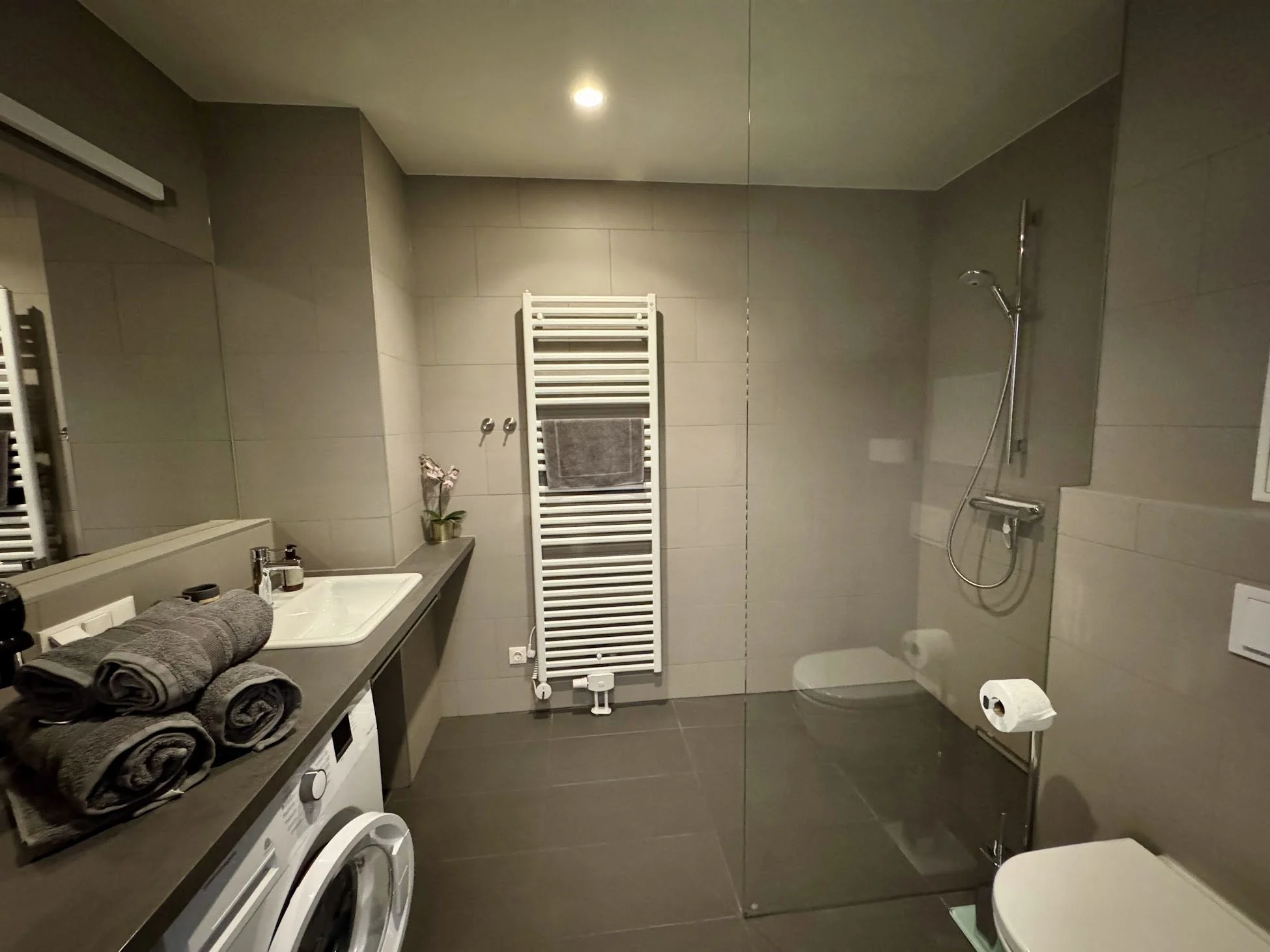
The Airbnb itself was comfortable and well-stocked, but several details didn’t quite match the listing:
“portable air conditioning” turned out to be a floor fan
the “waterfront view” wasn’t visible from the unit
the “private courtyard” was an active construction site
None of these issues was catastrophic, but together they subtly shaped how I experienced the city. Instead of casually wandering home after dinner or lingering longer in central neighborhoods, I found myself thinking more strategically about transportation, rideshares, and timing—especially at night.
It served as a good reminder that location descriptions can be technically accurate yet still feel misleading in practice.
How I Spent My Time in Vienna, Austria: Neighborhood Walks, Cultural Traditions, and Café Stops
Because Vienna felt quieter than expected, my experience there became less about nonstop sightseeing and more about gradually moving through different parts of the city.
Alsergrund, Josefstadt & Yppenplatz
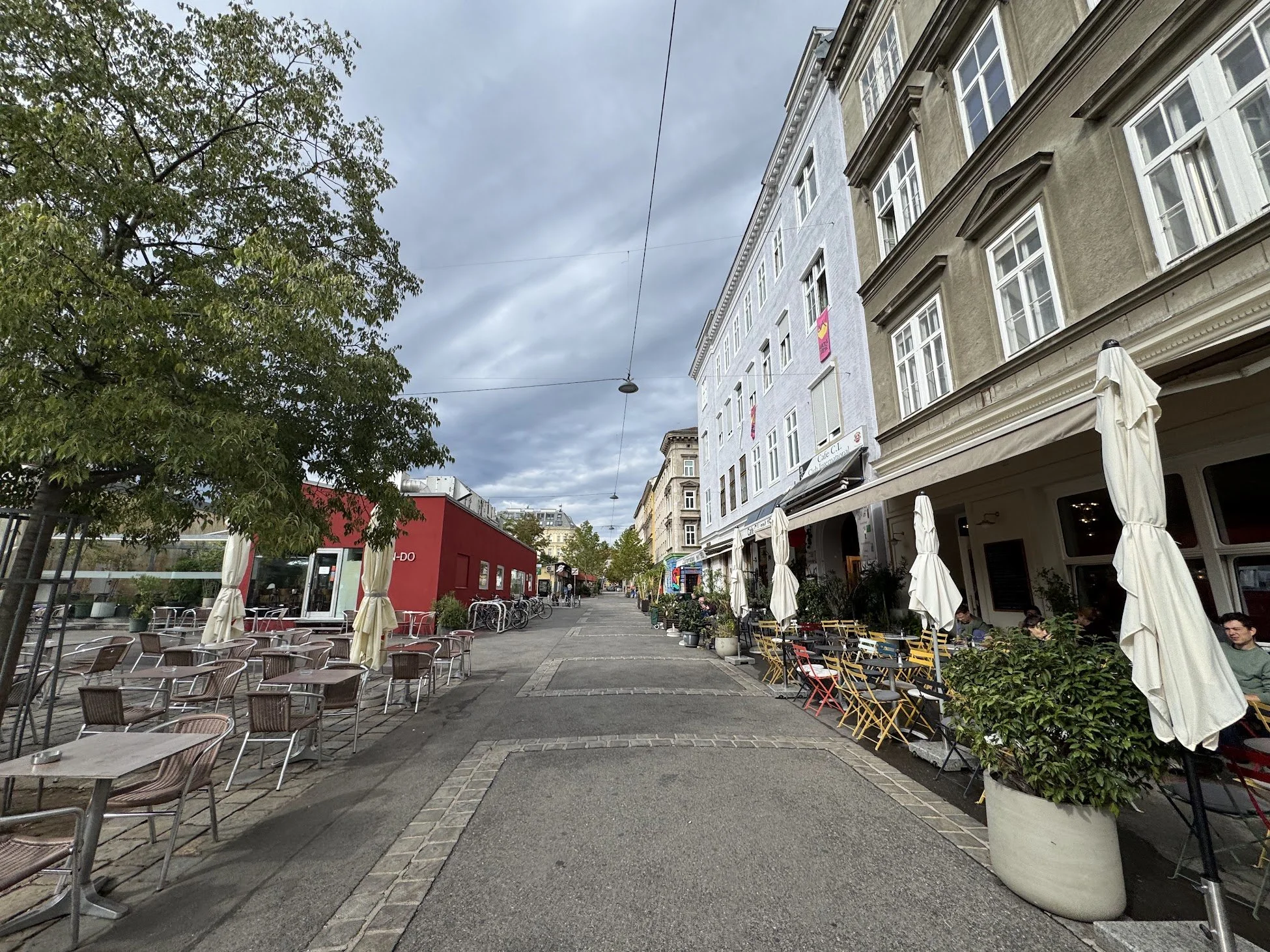
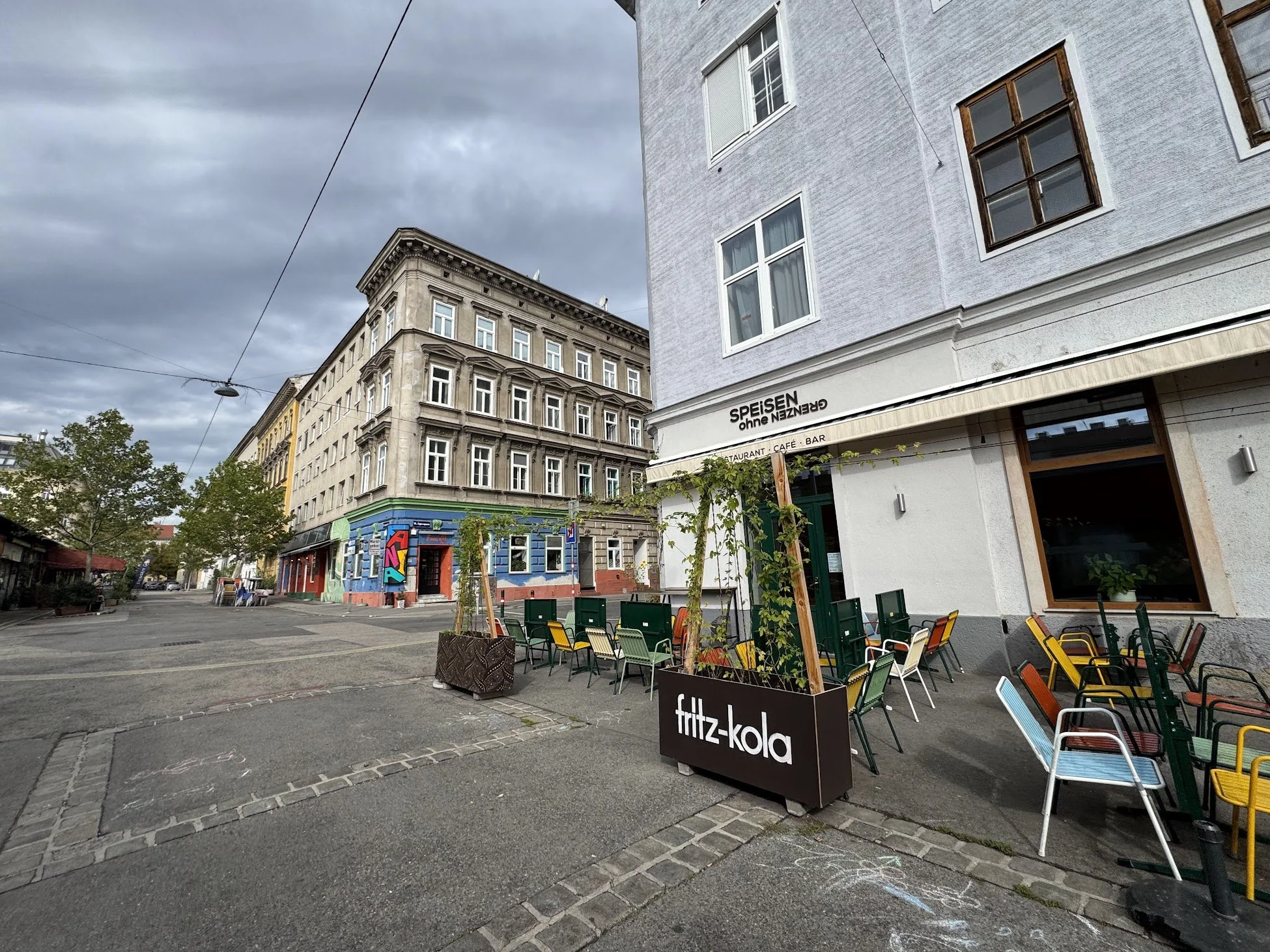
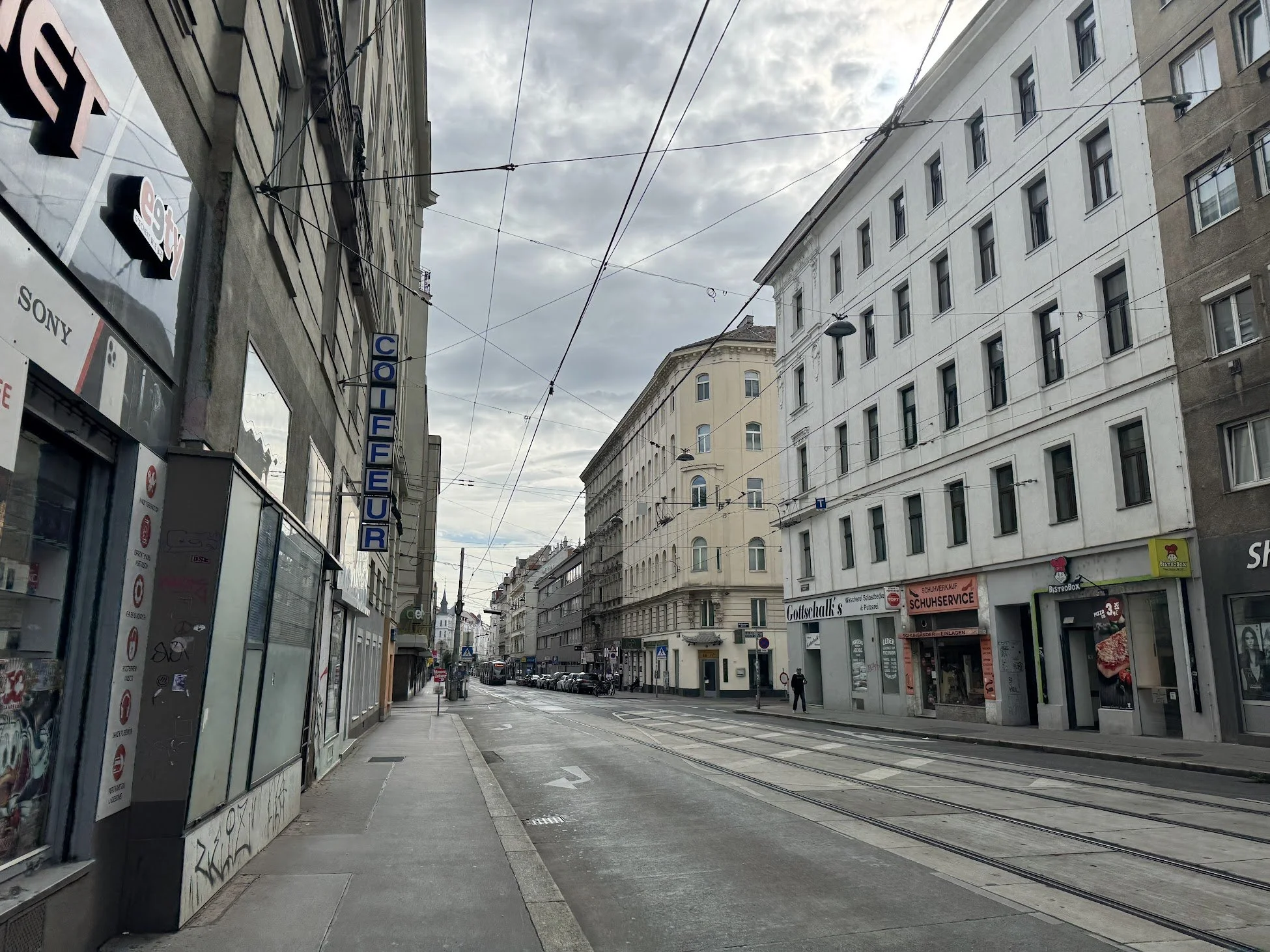
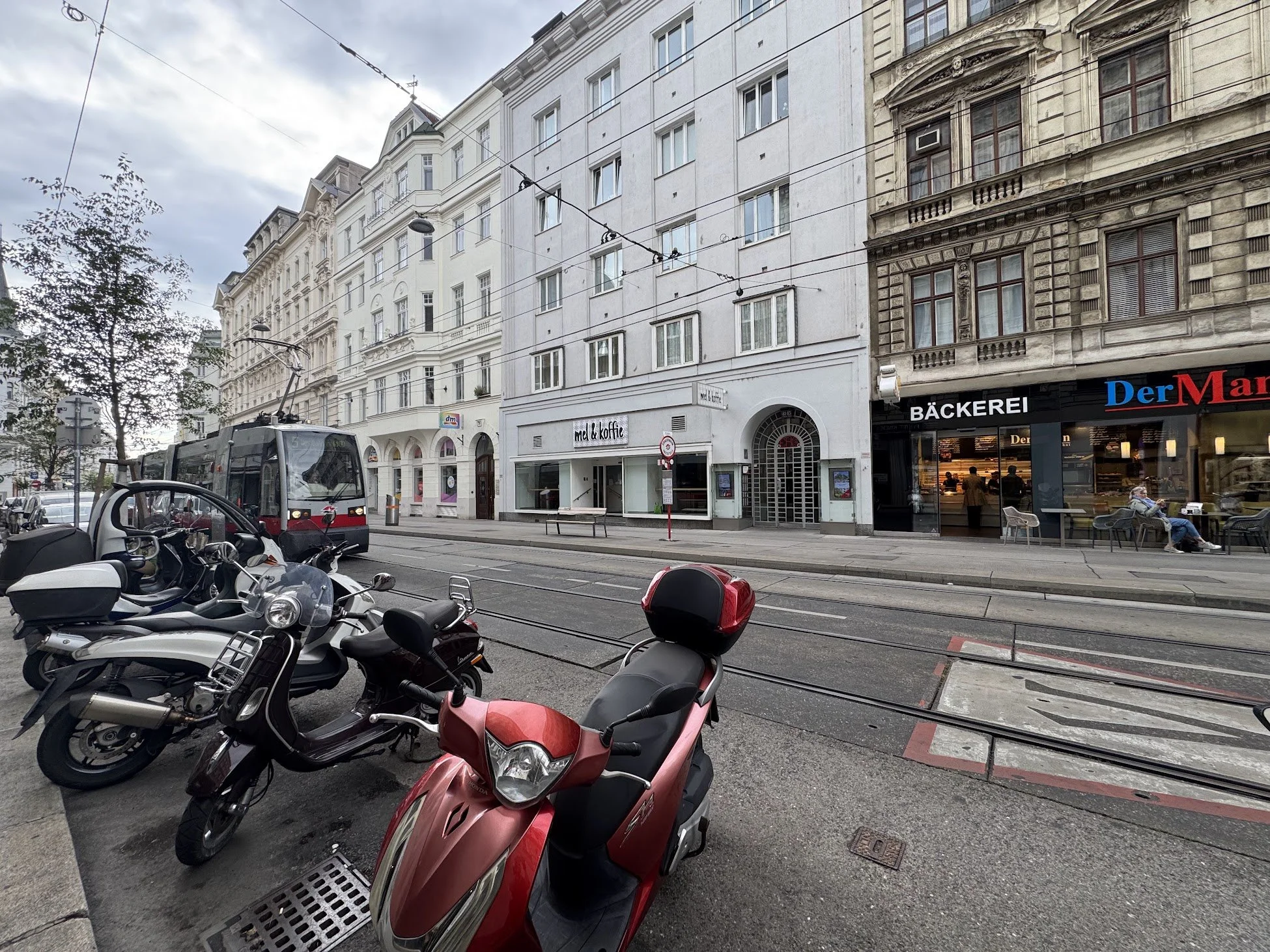
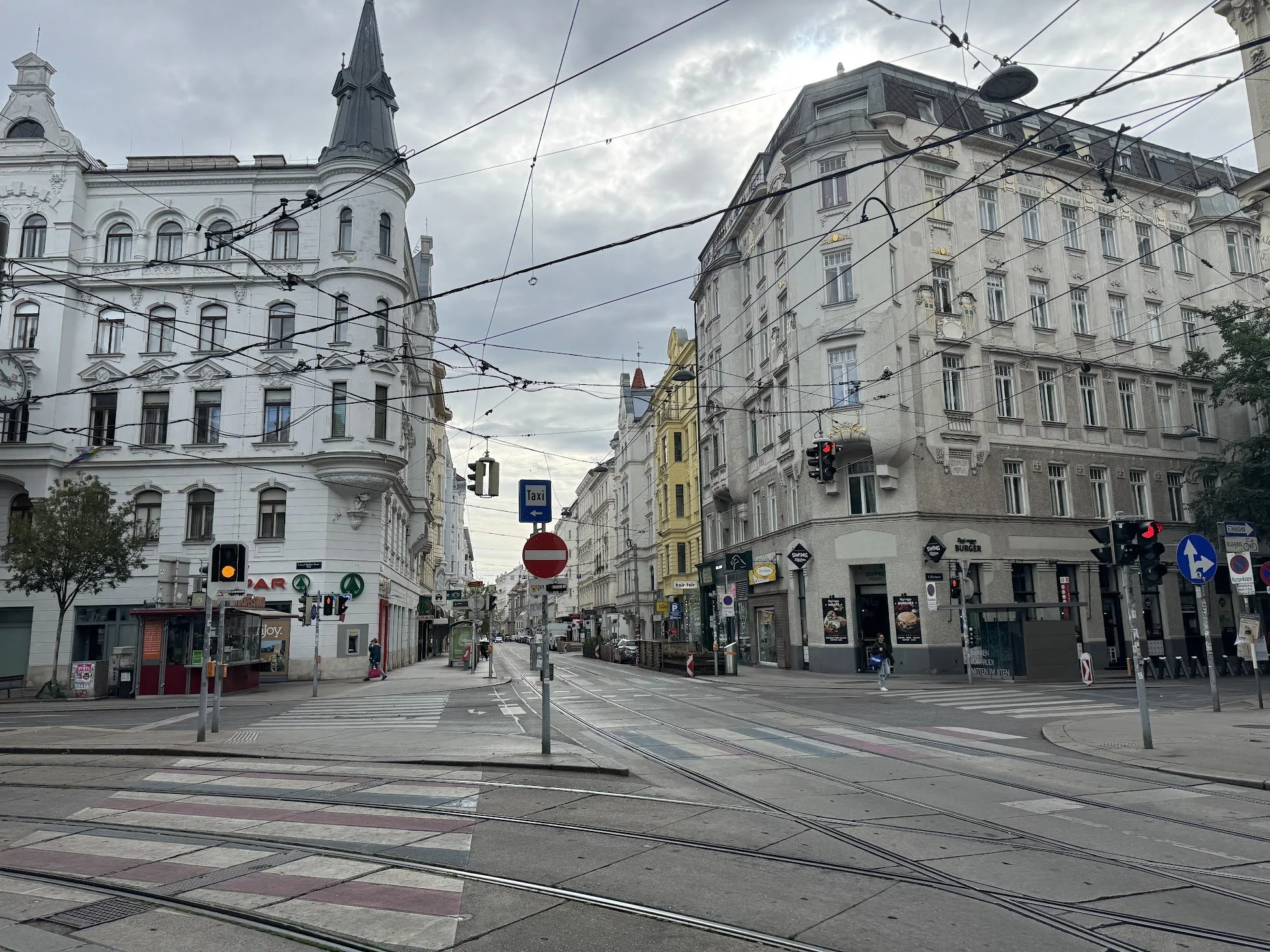
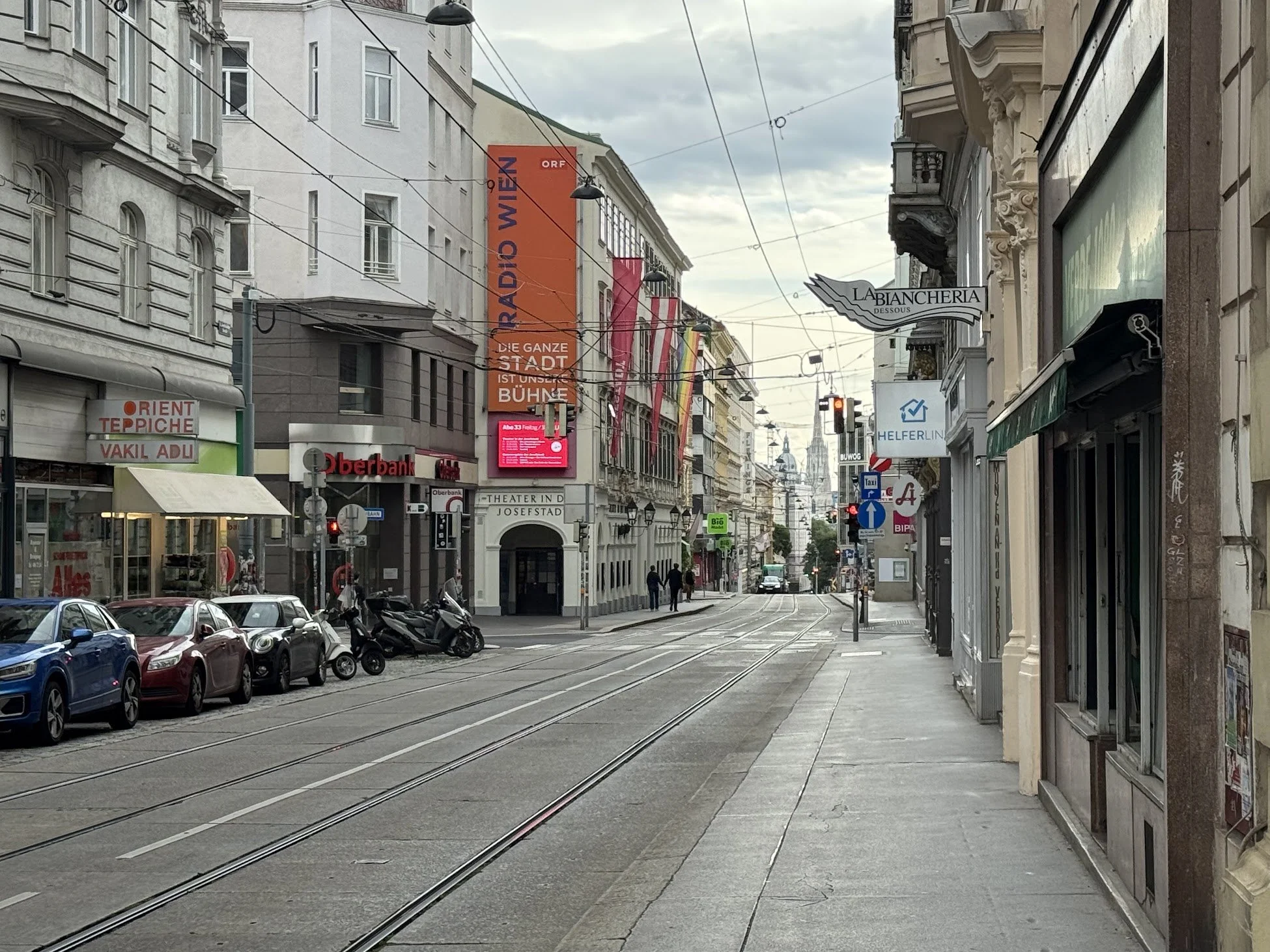
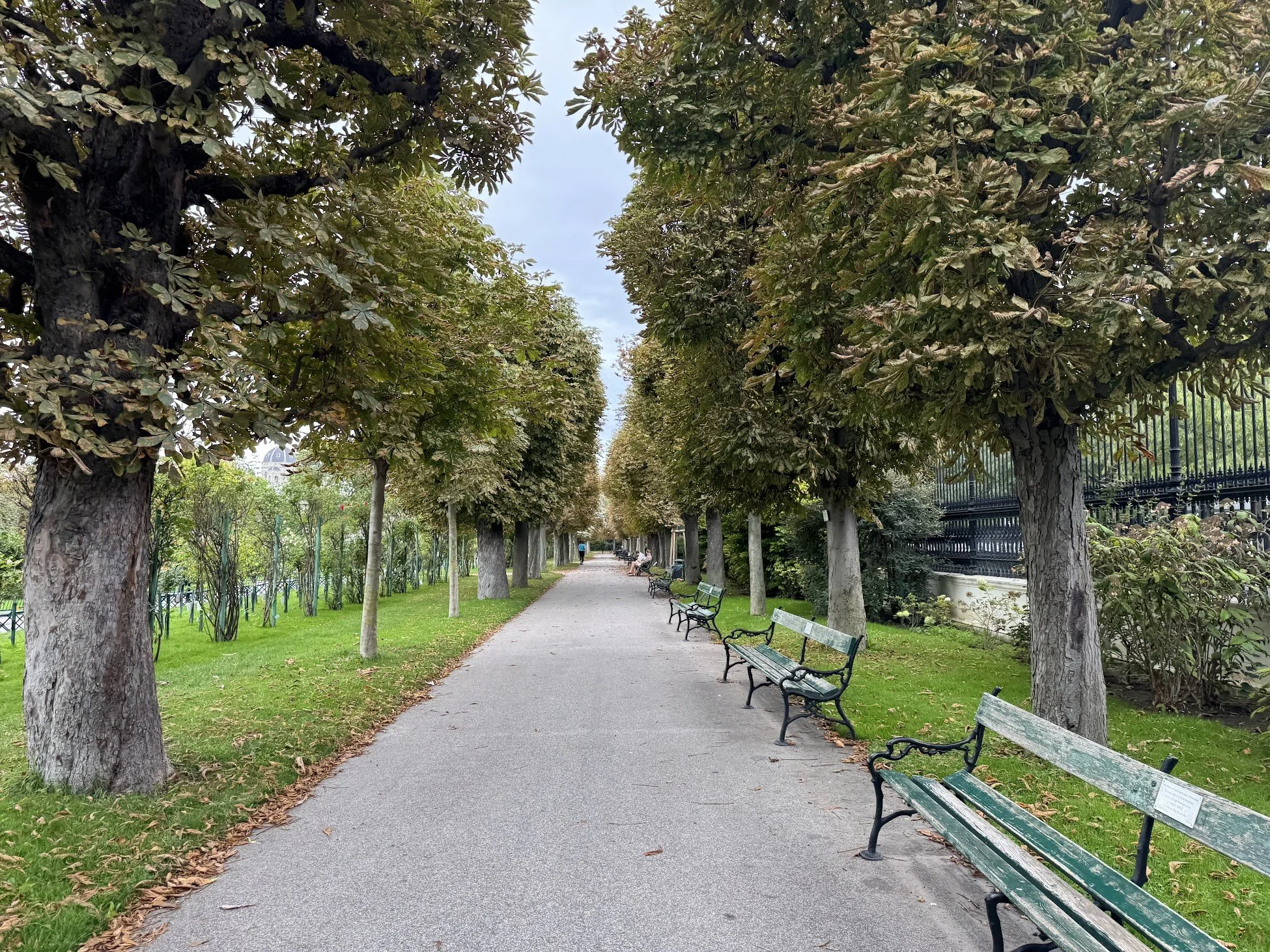
I started Sunday morning exploring neighborhoods like Alsergrund, Josefstadt, and Yppenplatz.
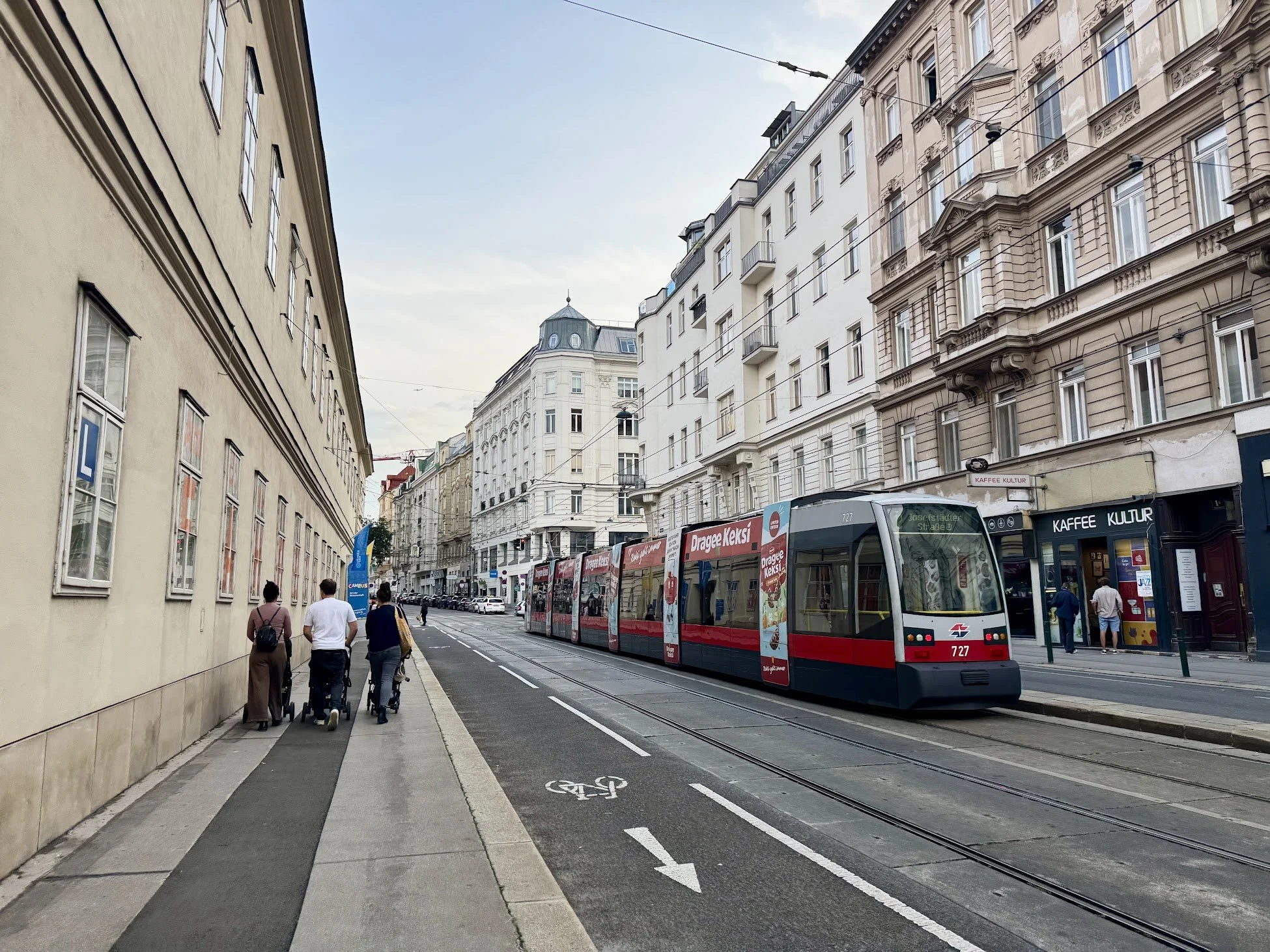
All three felt distinctly local and residential compared to Vienna’s more formal historic center. The streets were quiet, cafés opened slowly, and there were surprisingly few people out early on a Sunday morning. Yppenplatz, normally known for its markets and food scene, felt especially subdued with much of the area still closed.
At one point, I genuinely started wondering if anyone lived in Vienna.
The Spanish Riding School
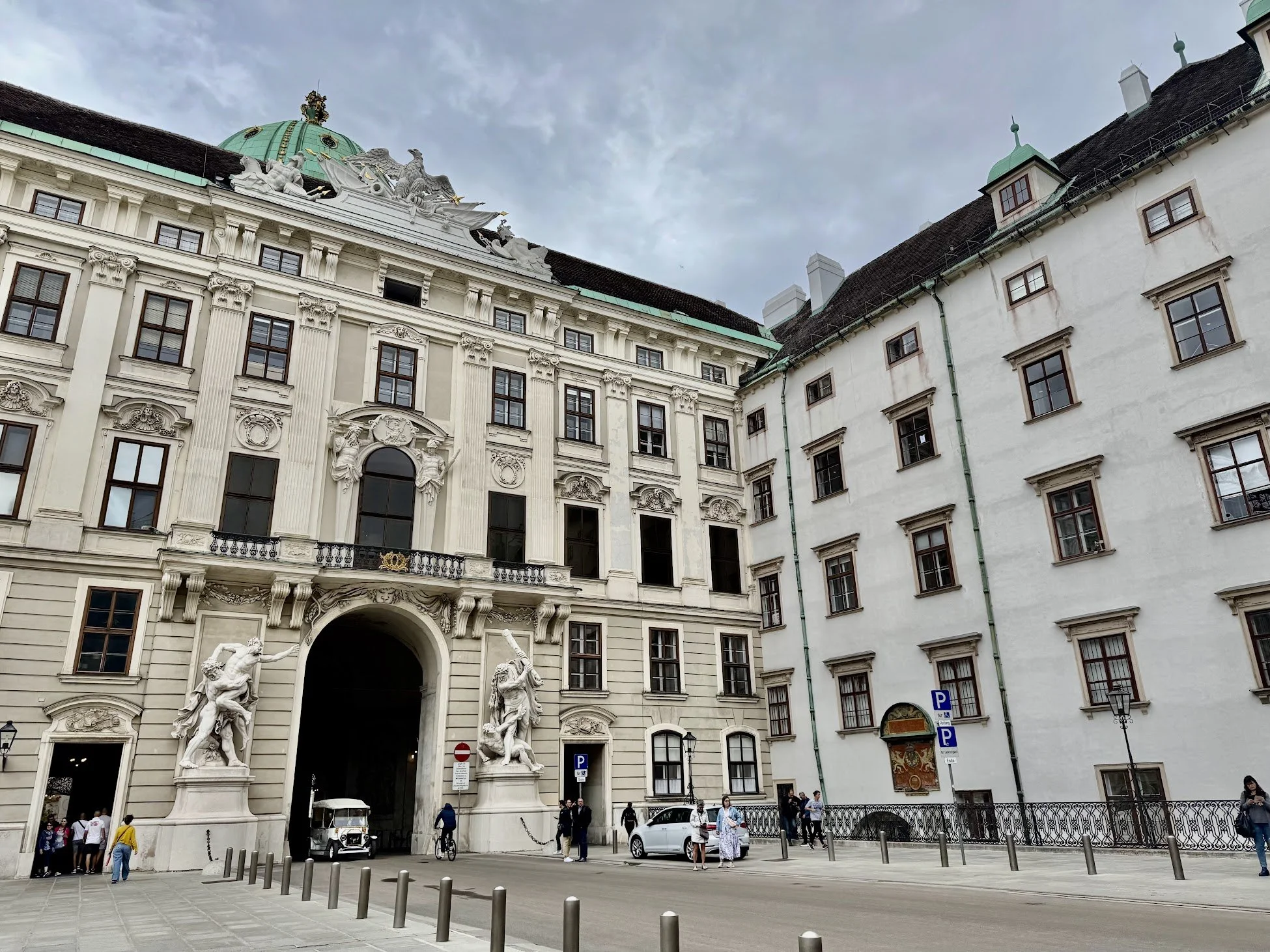
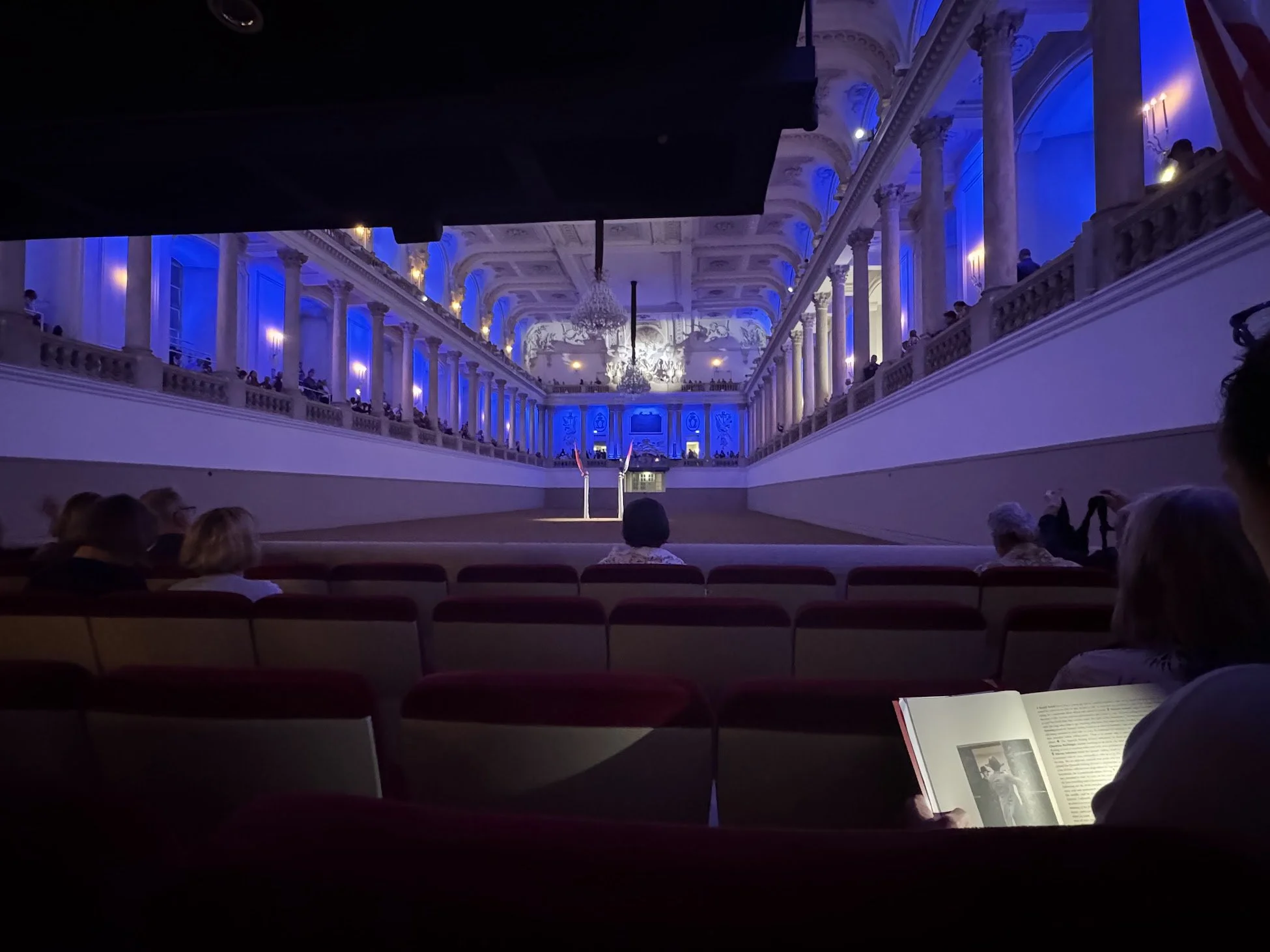
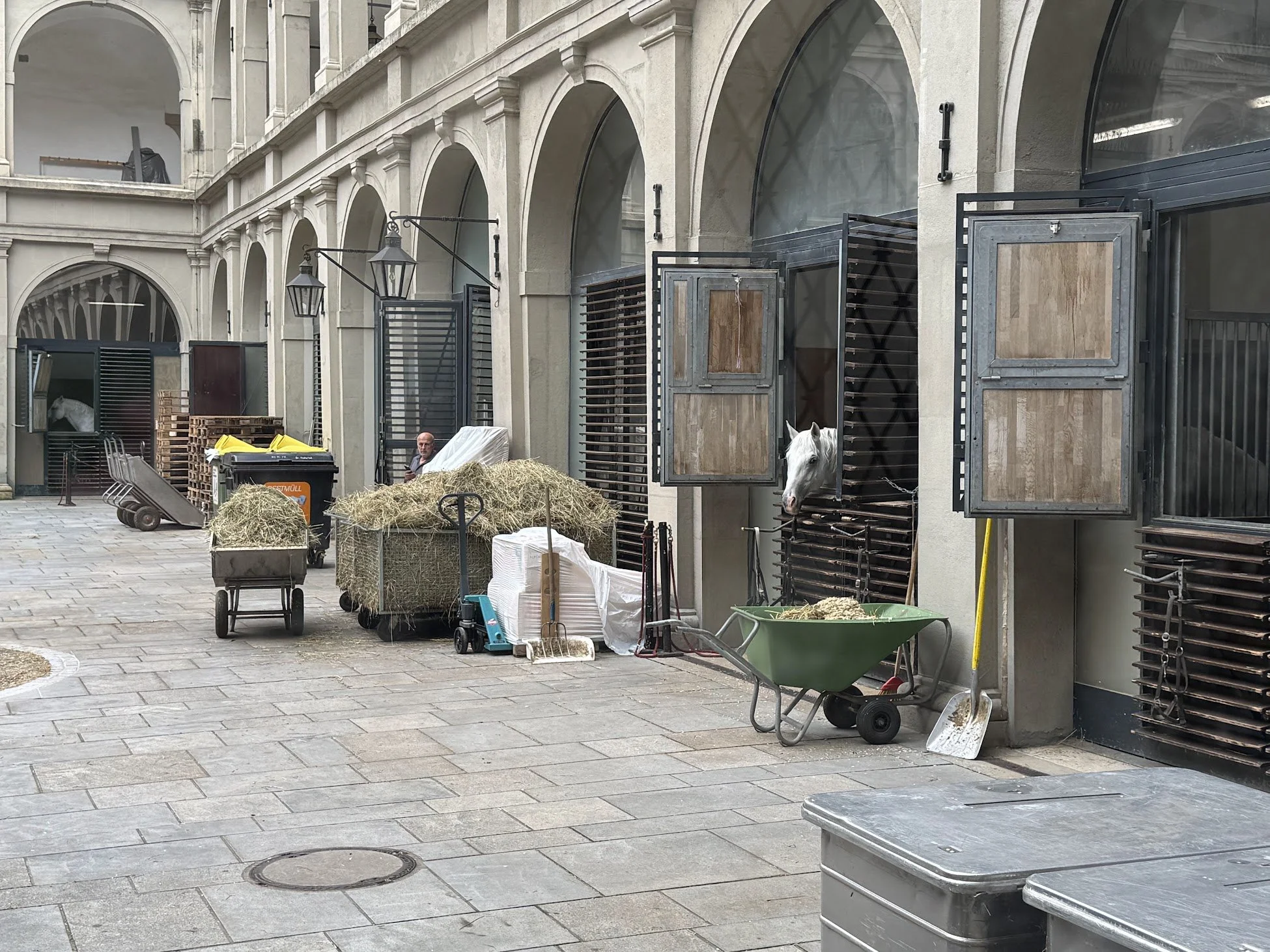
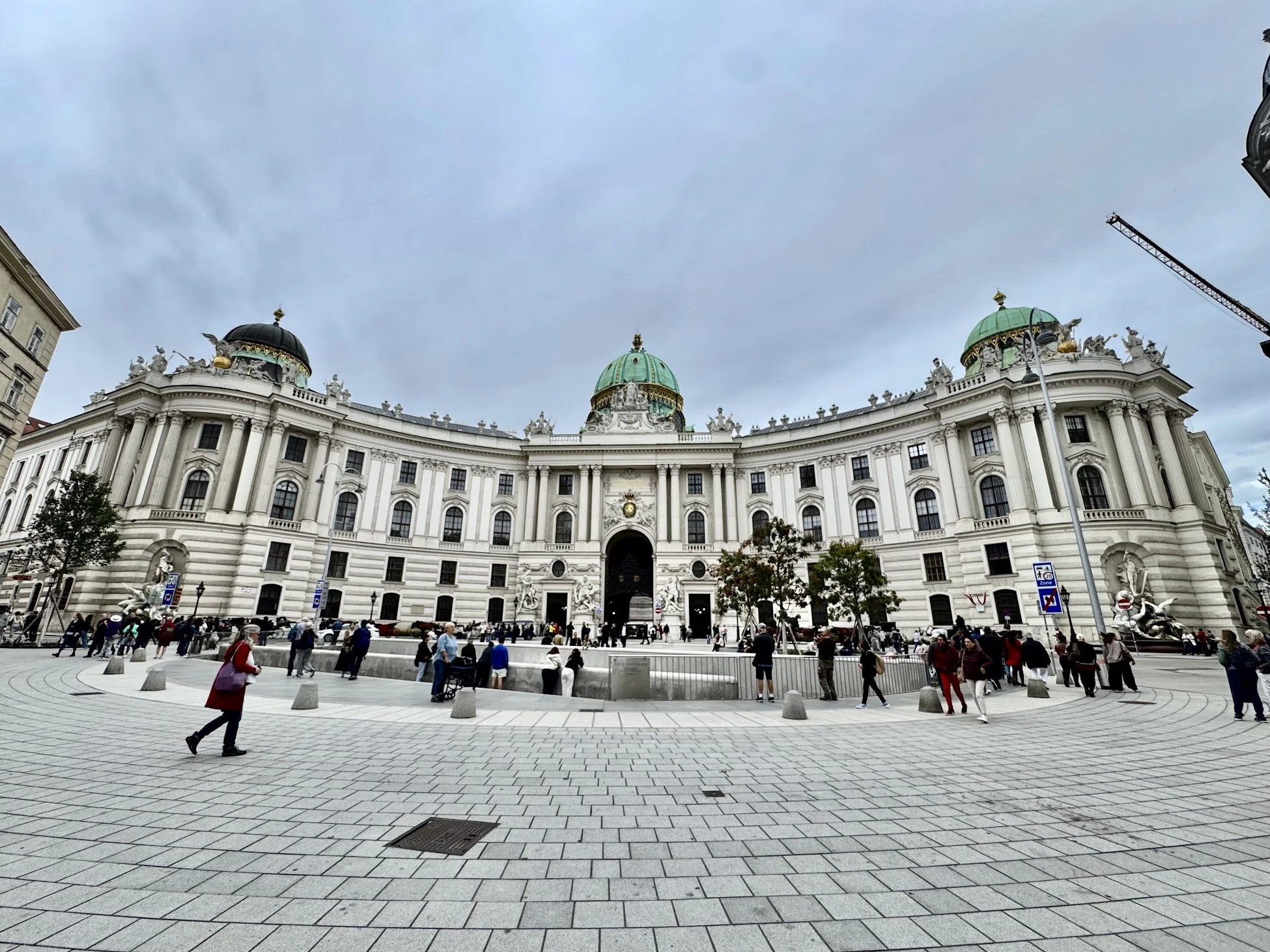
From there, I headed to one of Vienna’s most iconic experiences: the Spanish Riding School. Located within the Hofburg Palace complex, the institution is known for its Lipizzaner horses and centuries-old tradition of classical dressage, often described as the “Ballet of the White Stallions.” The performance itself was fascinating, less for its spectacle than for its precision. Every movement felt deliberate and controlled, from younger horses still in training to fully trained stallions performing highly technical routines that looked almost effortless. The ornate Baroque riding hall added another layer to the experience, reinforcing Vienna’s broader sense of tradition, ceremony, and preservation.
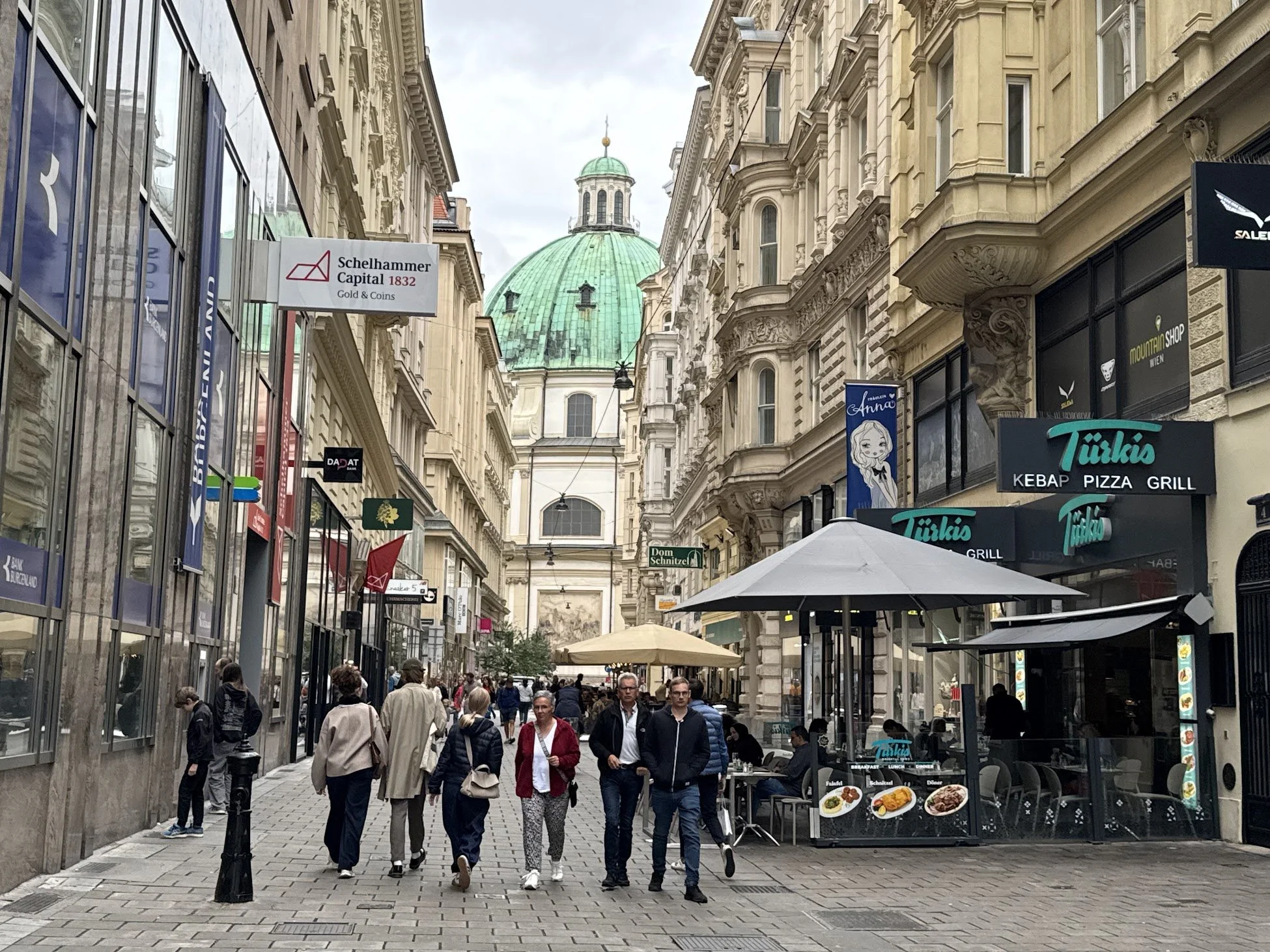
Walking Vienna’s Historic Core
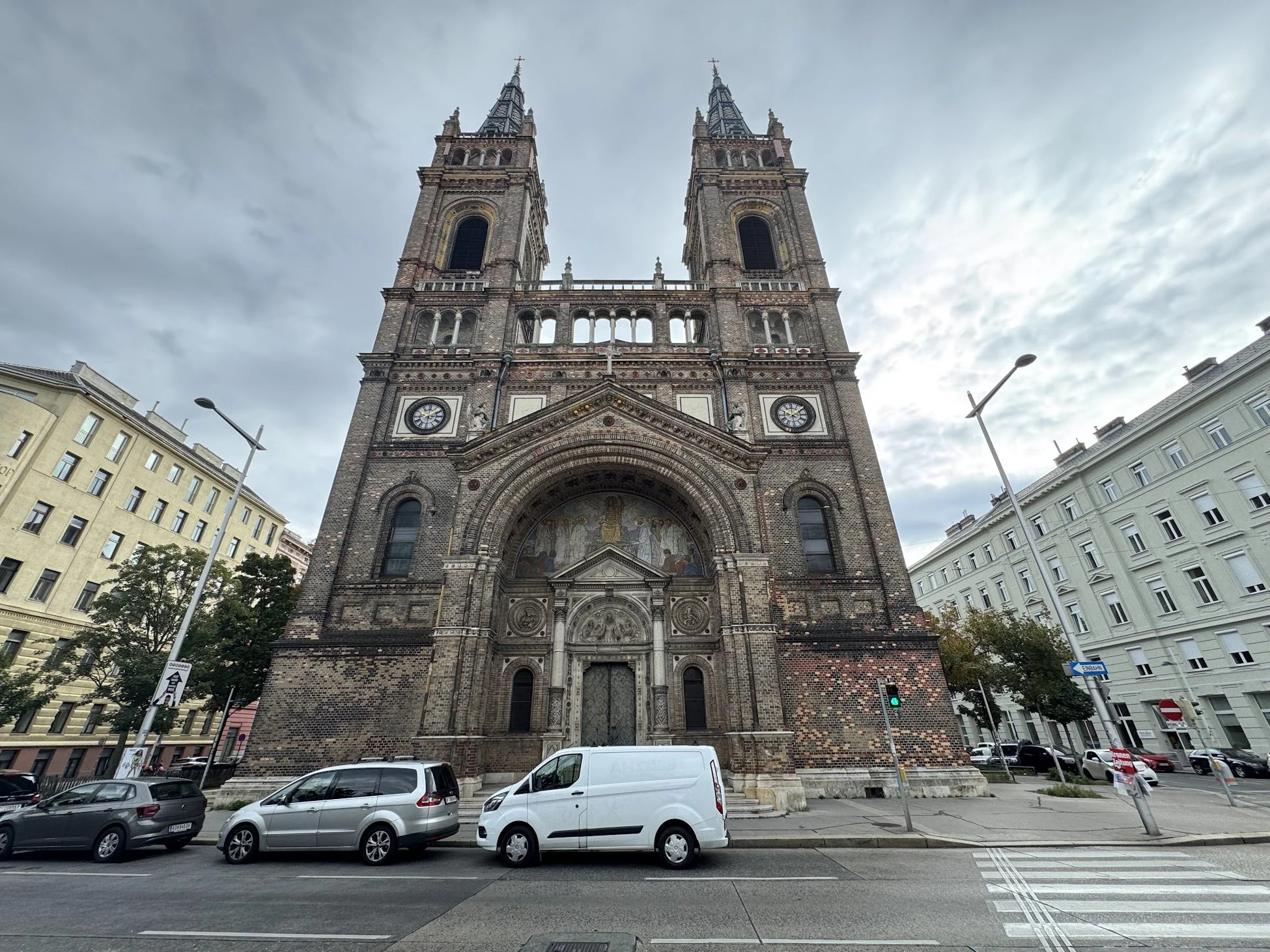
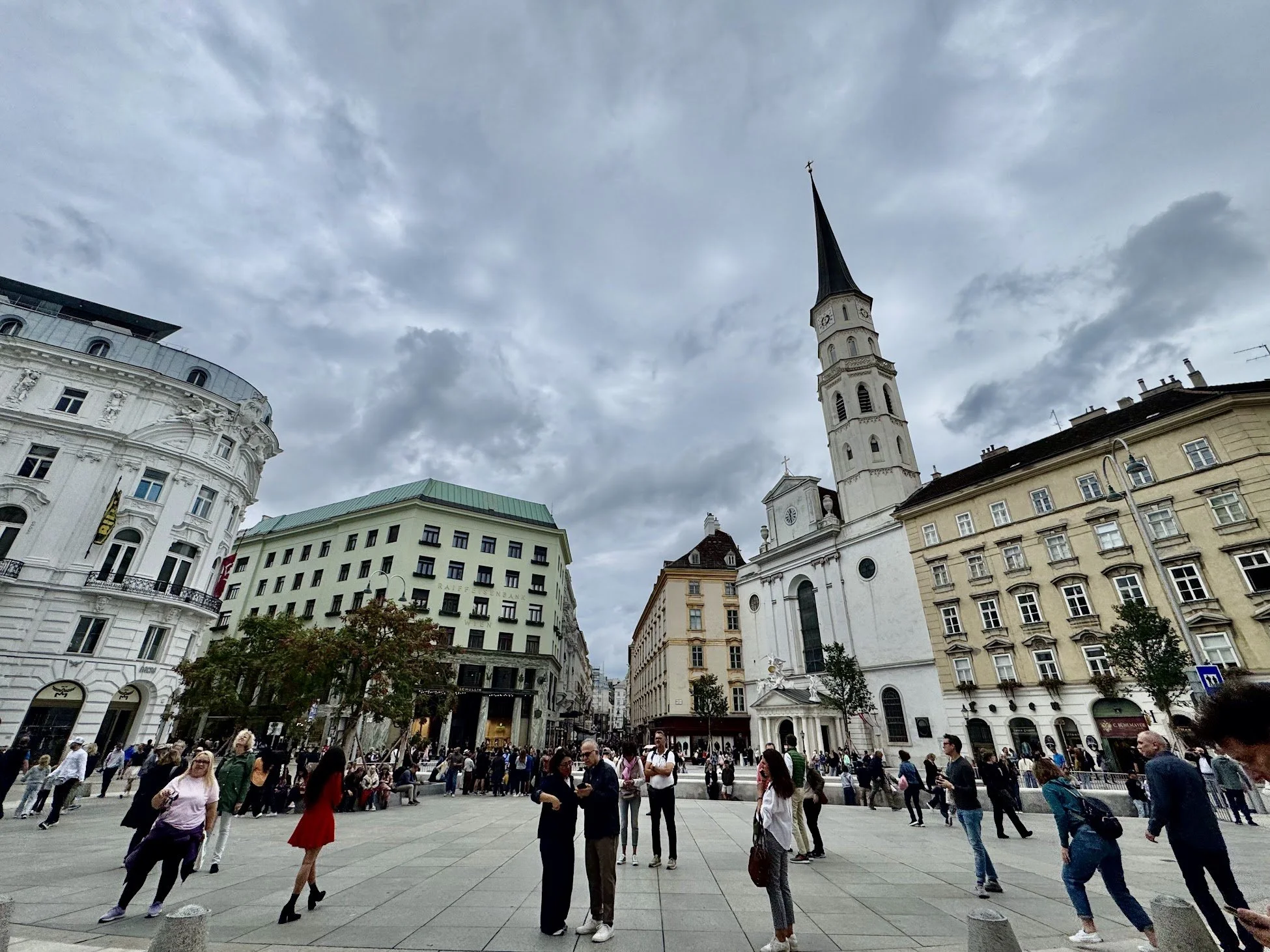
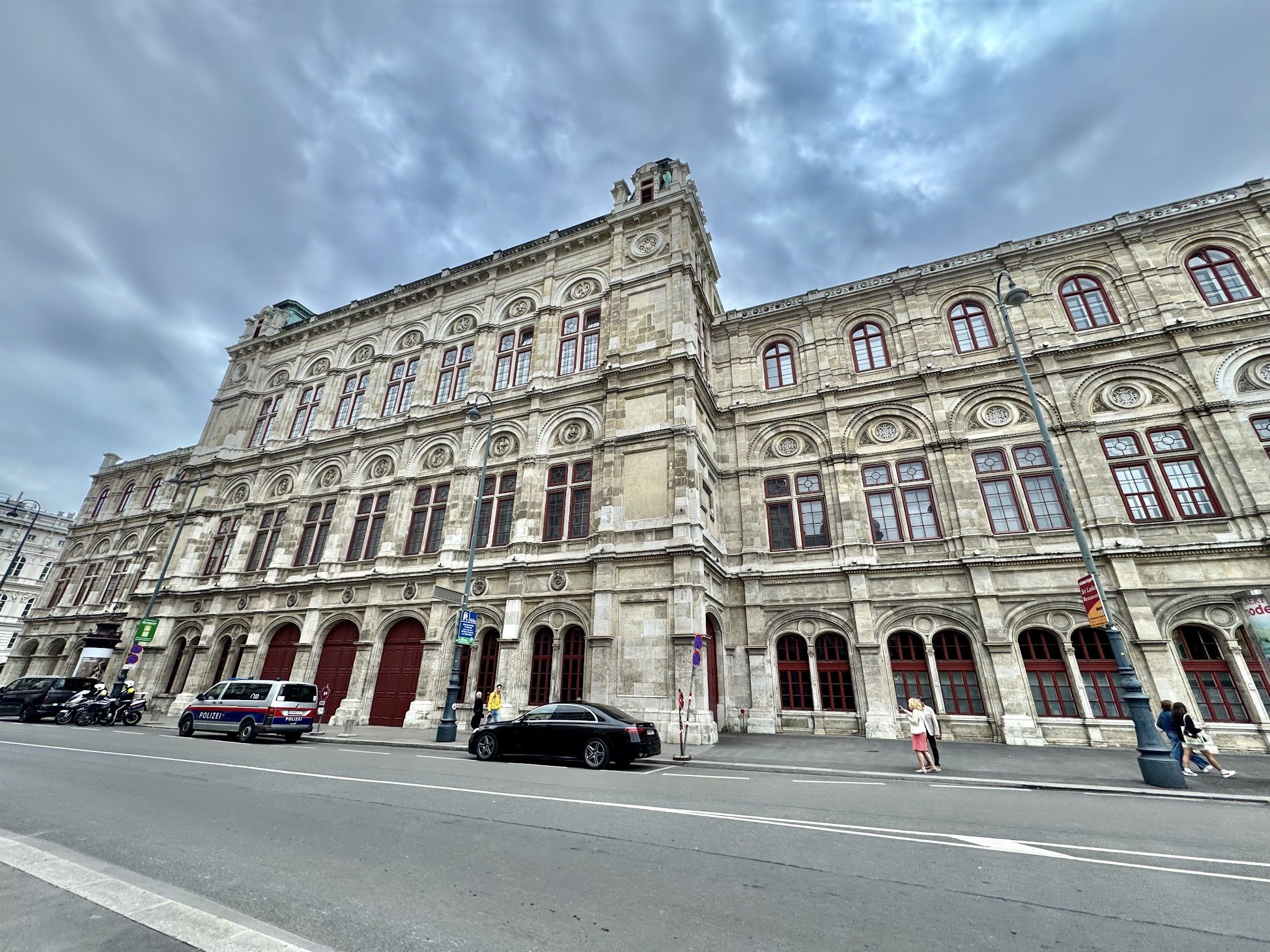
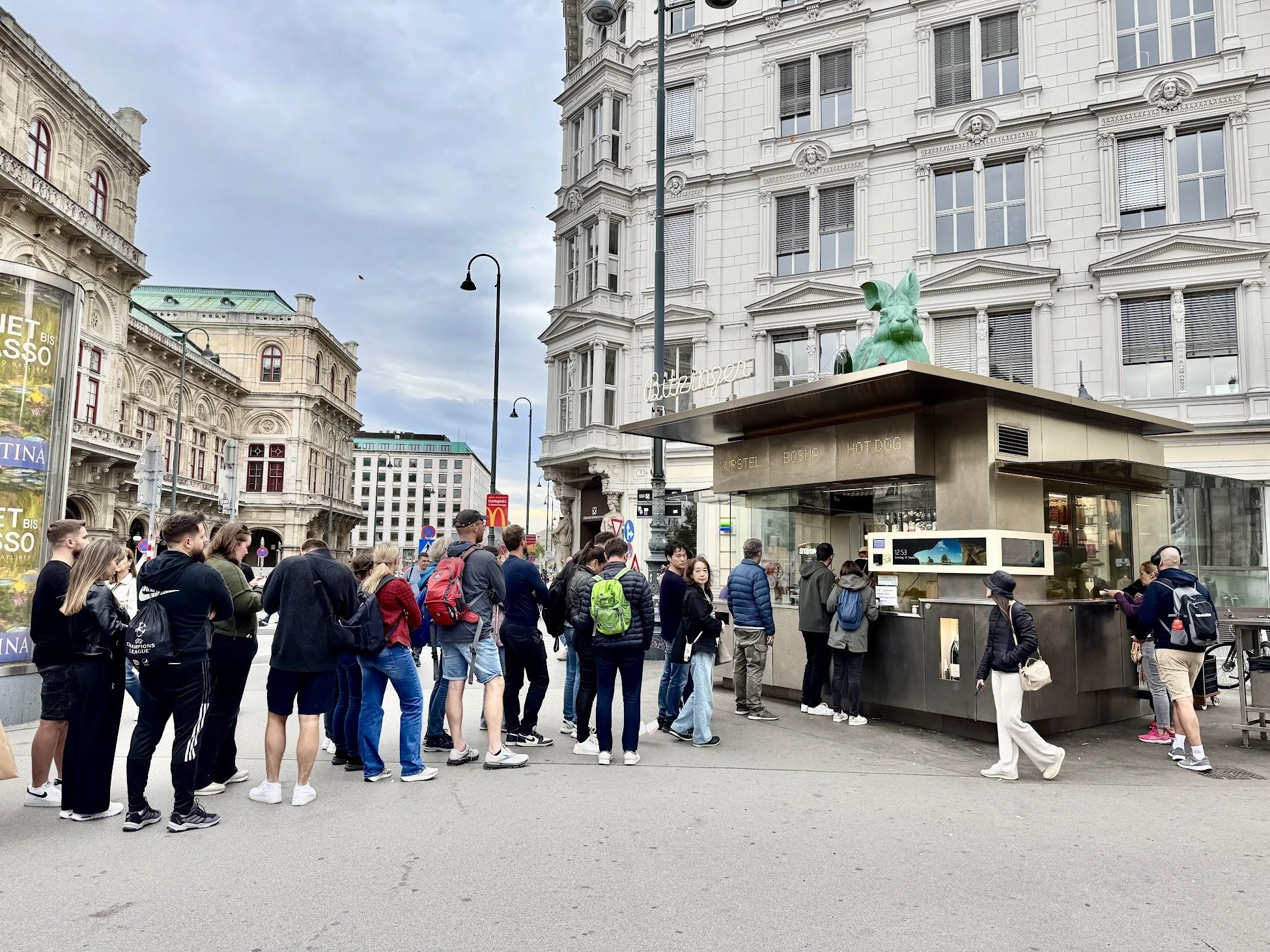
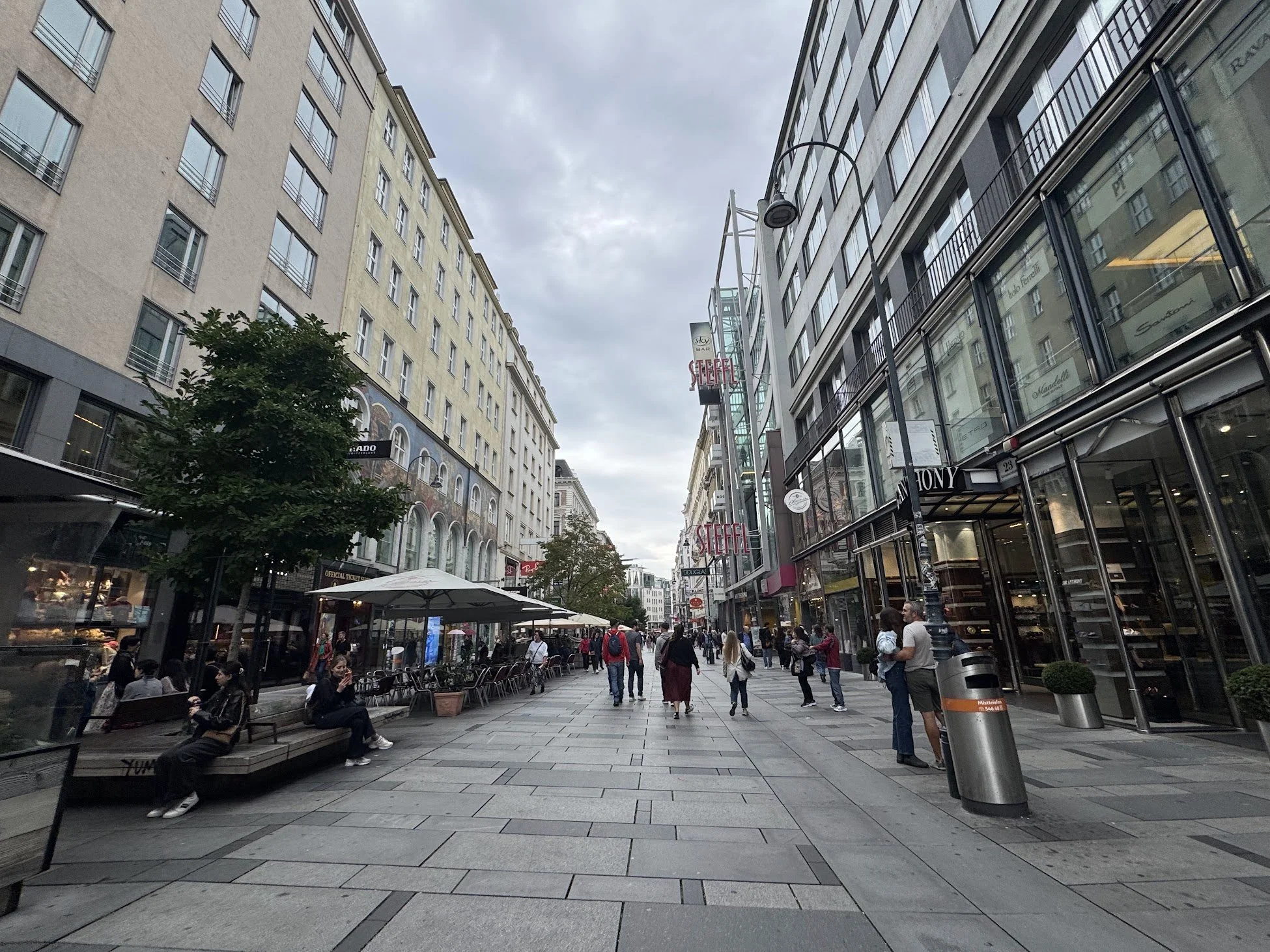
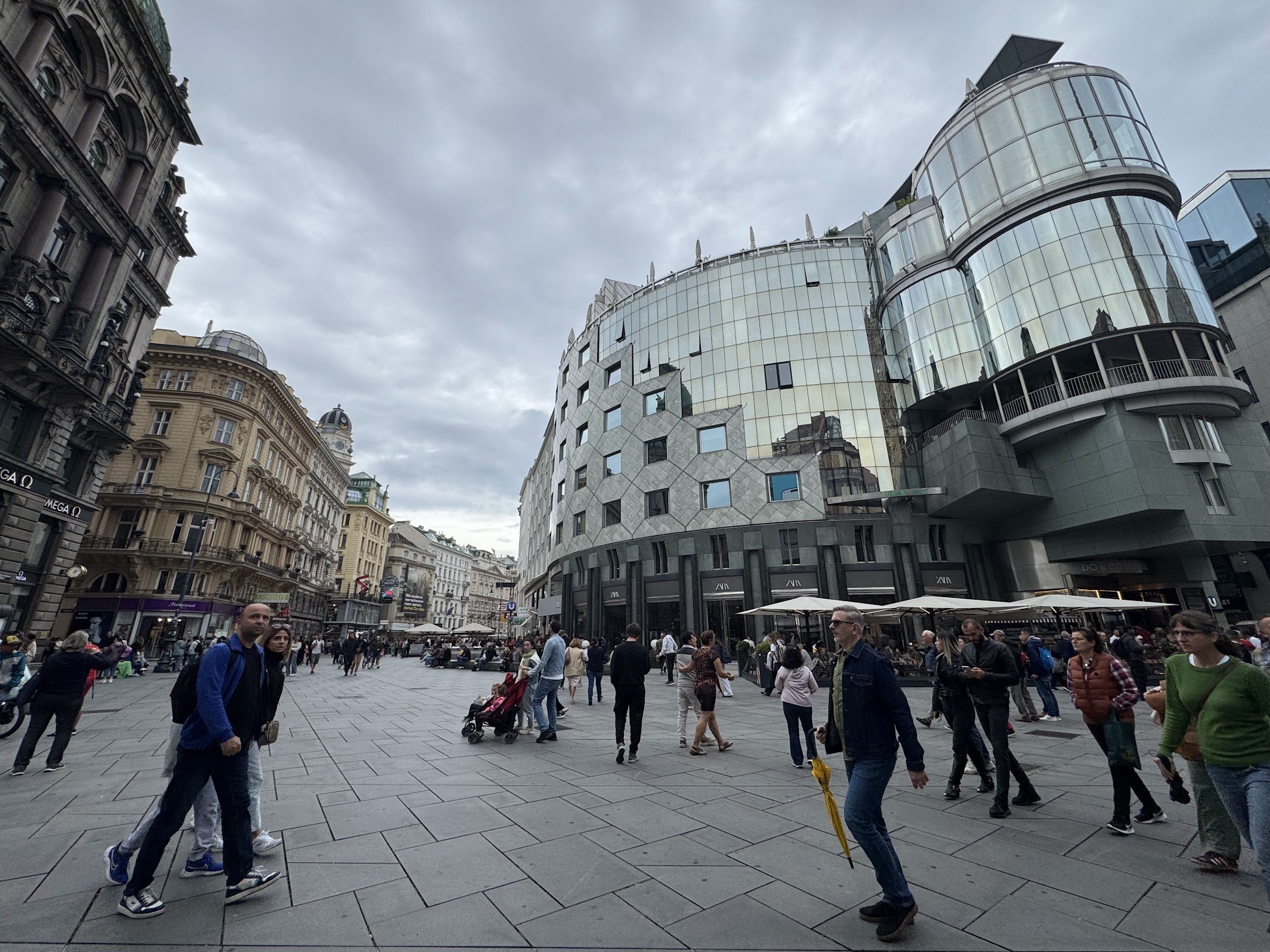
Later, I followed the Rick Steves Vienna City Walk, which ended up being one of the best ways to orient myself within the city’s historic center. The route connected many of Vienna’s major landmarks into a single logical walking path, including:
Vienna State Opera
Albertina
Stephansplatz
St. Stephen's Cathedral
St. Peter's Church
Hofburg Palace
A Concert at St. Peter’s Church
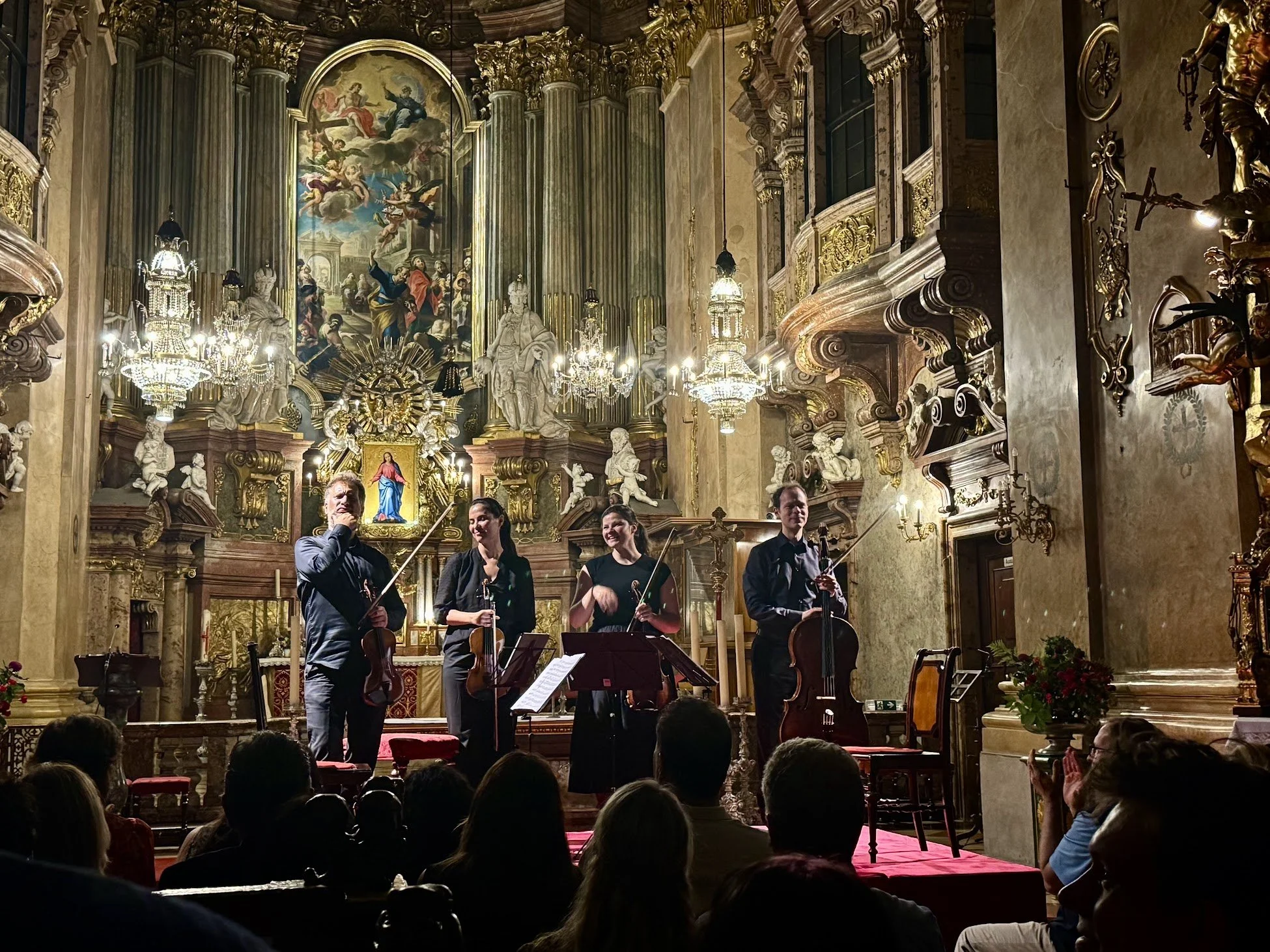
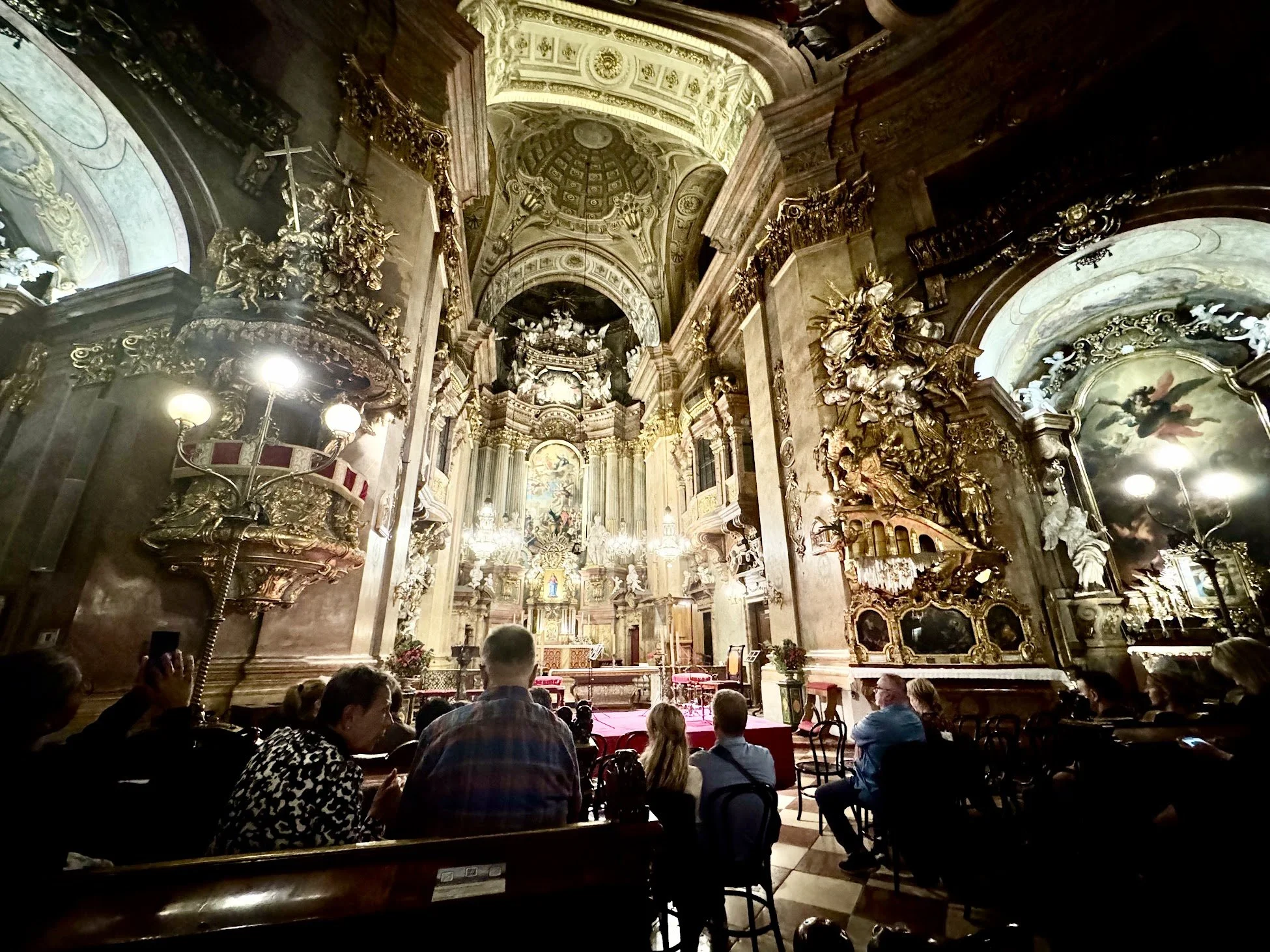
That evening, I attended a classical concert inside St. Peter's Church performed by the Classic Ensemble Vienna. A few practical notes:
The church is not air-conditioned
The seating is not especially comfortable
The restrooms are located across the street in a nearby wine bar
And yet, despite all of that, the experience still felt worthwhile. Listening to classical music inside an ornate historic church in Vienna somehow felt like an essential part of being there, even if I spent part of the performance slightly overheated and shifting uncomfortably in my seat (and the guests next to me fell asleep altogether).
Where I Ate: Gluten-Free Dining in Vienna, Austria
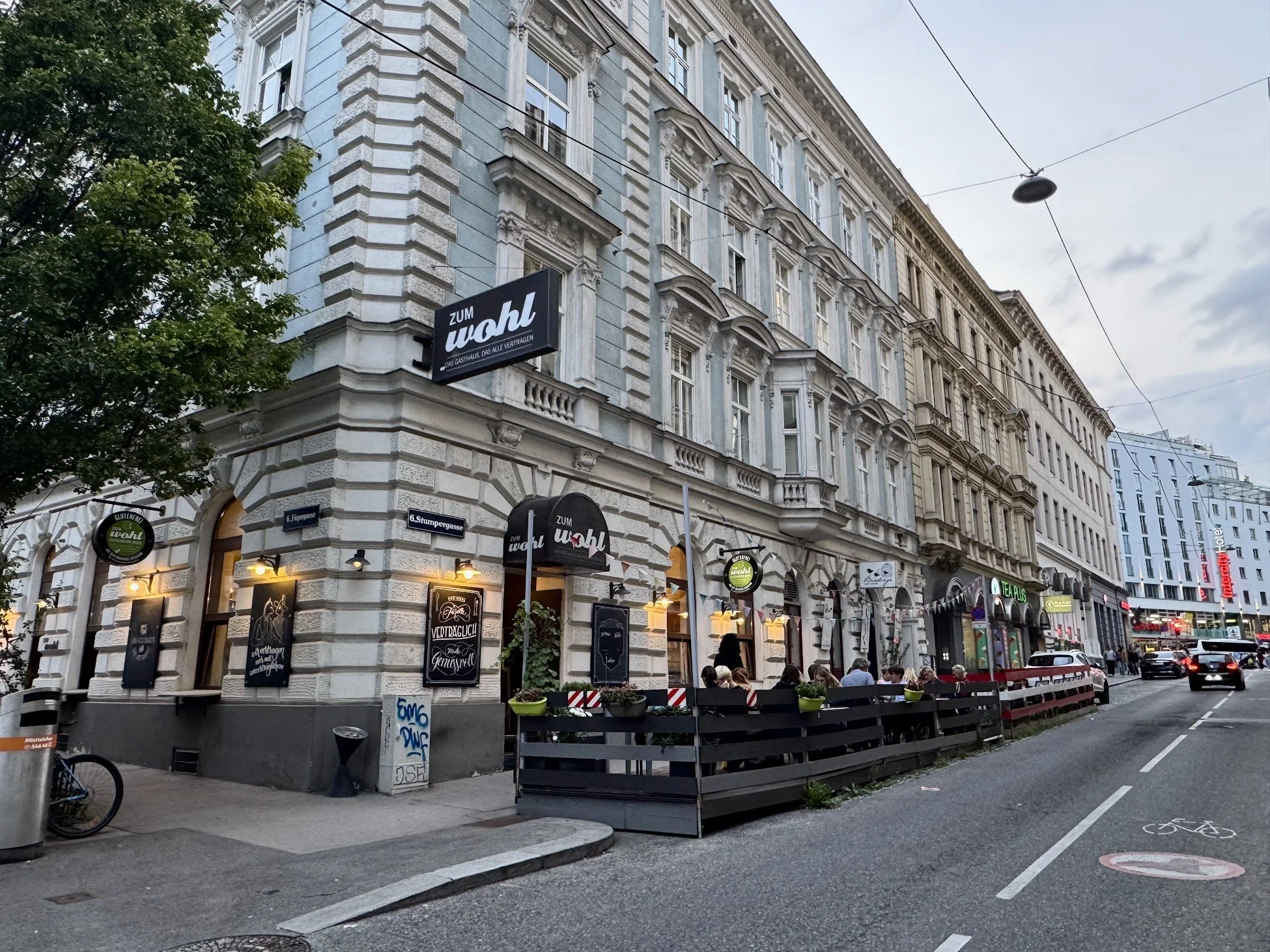
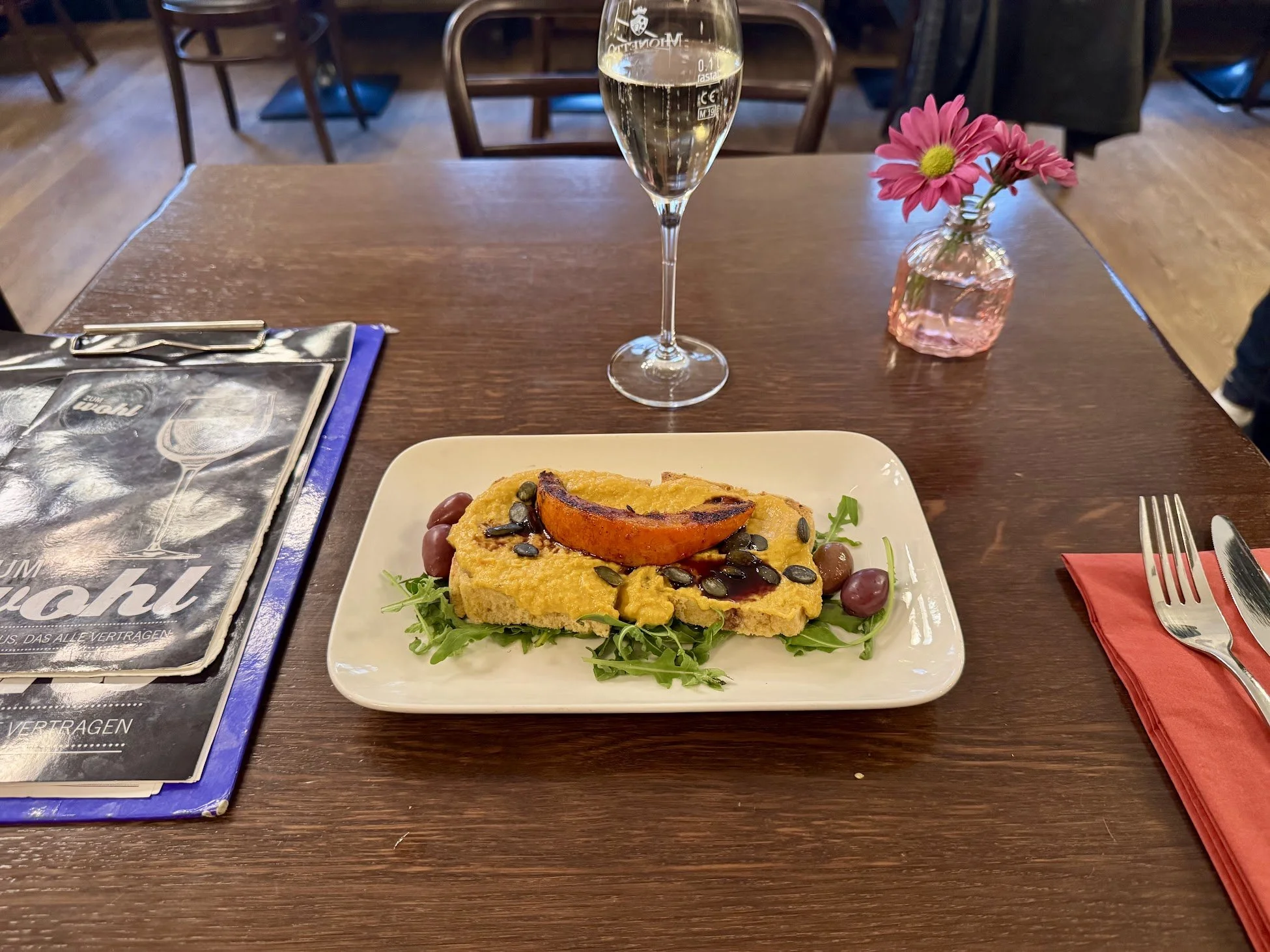
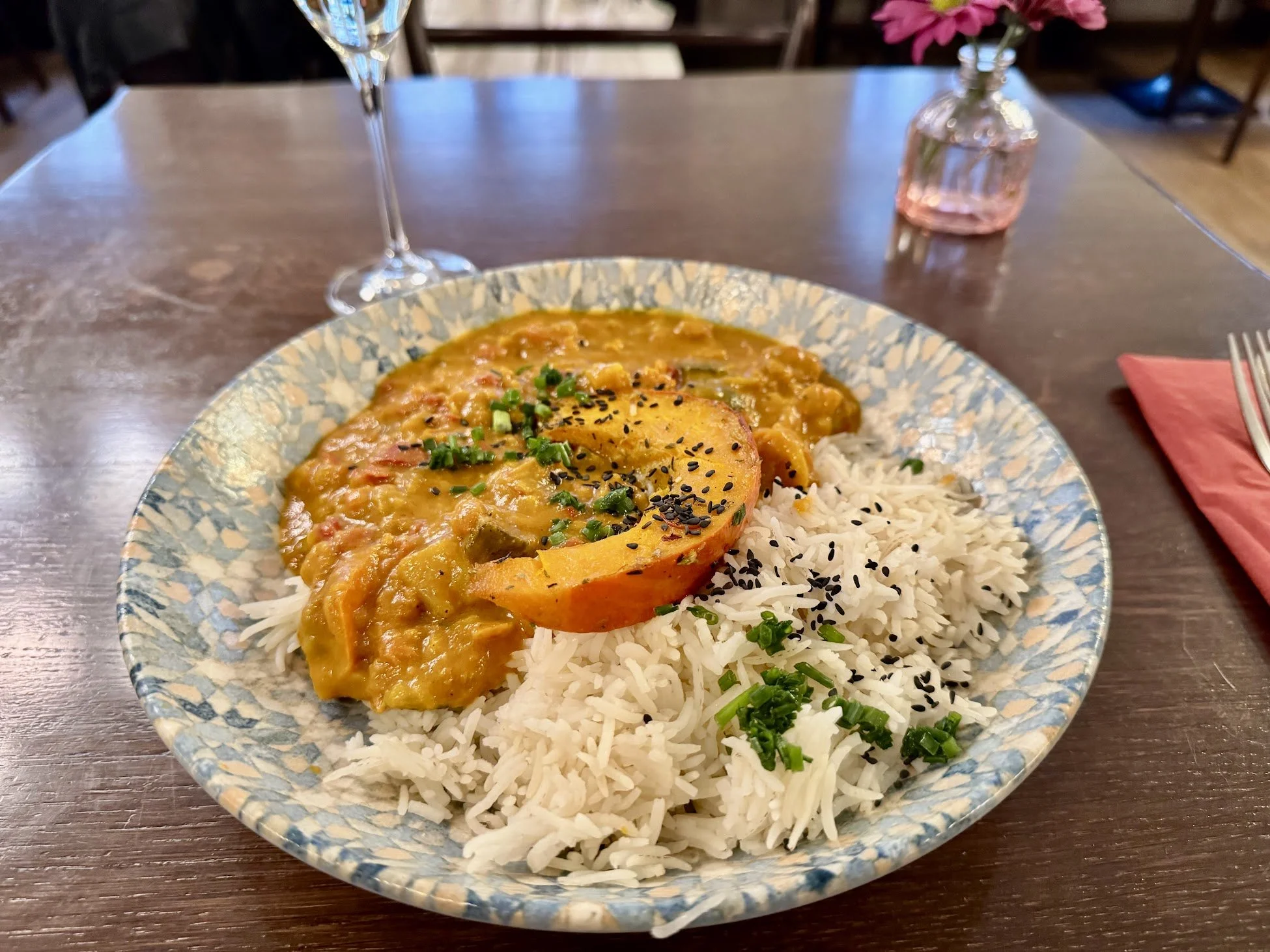
On my first evening, I walked more than an hour to Gasthaus Zum Wohlin in the Wieden district.
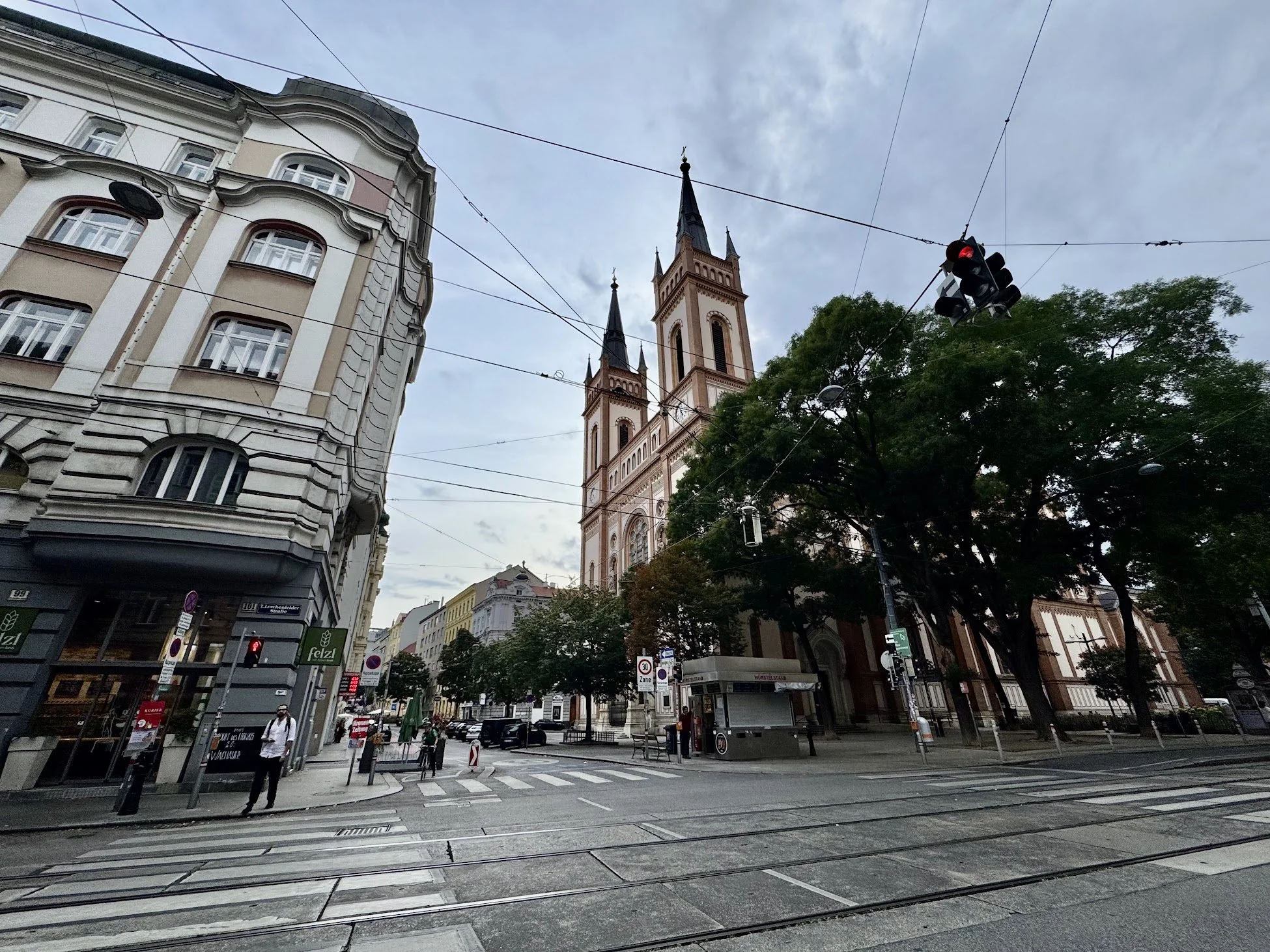
Almost immediately, I realized: this was probably the neighborhood I should have stayed in. The area felt lively without becoming chaotic, full of cafés, restaurants, and local energy while still remaining walkable to Vienna’s major landmarks.
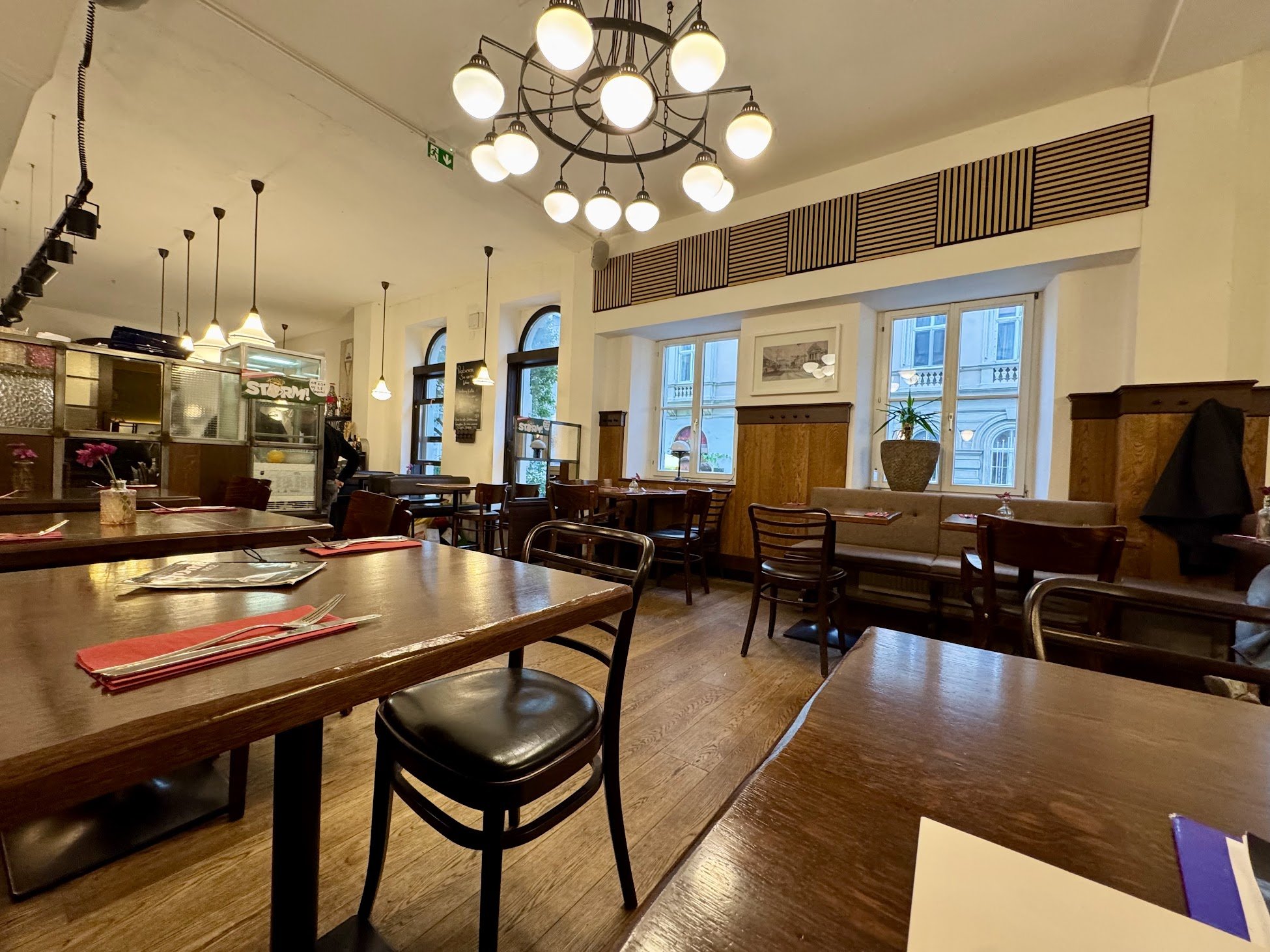
Gasthaus Zum Wohlin specializes in gluten- and lactose-free Austrian comfort food, offering dishes like schnitzel and other traditional favorites adapted for dietary restrictions. Was it the best meal of the trip? No. But the experience of walking through Wieden, and realizing how much location shapes your relationship with a city, ended up mattering more than the meal itself.
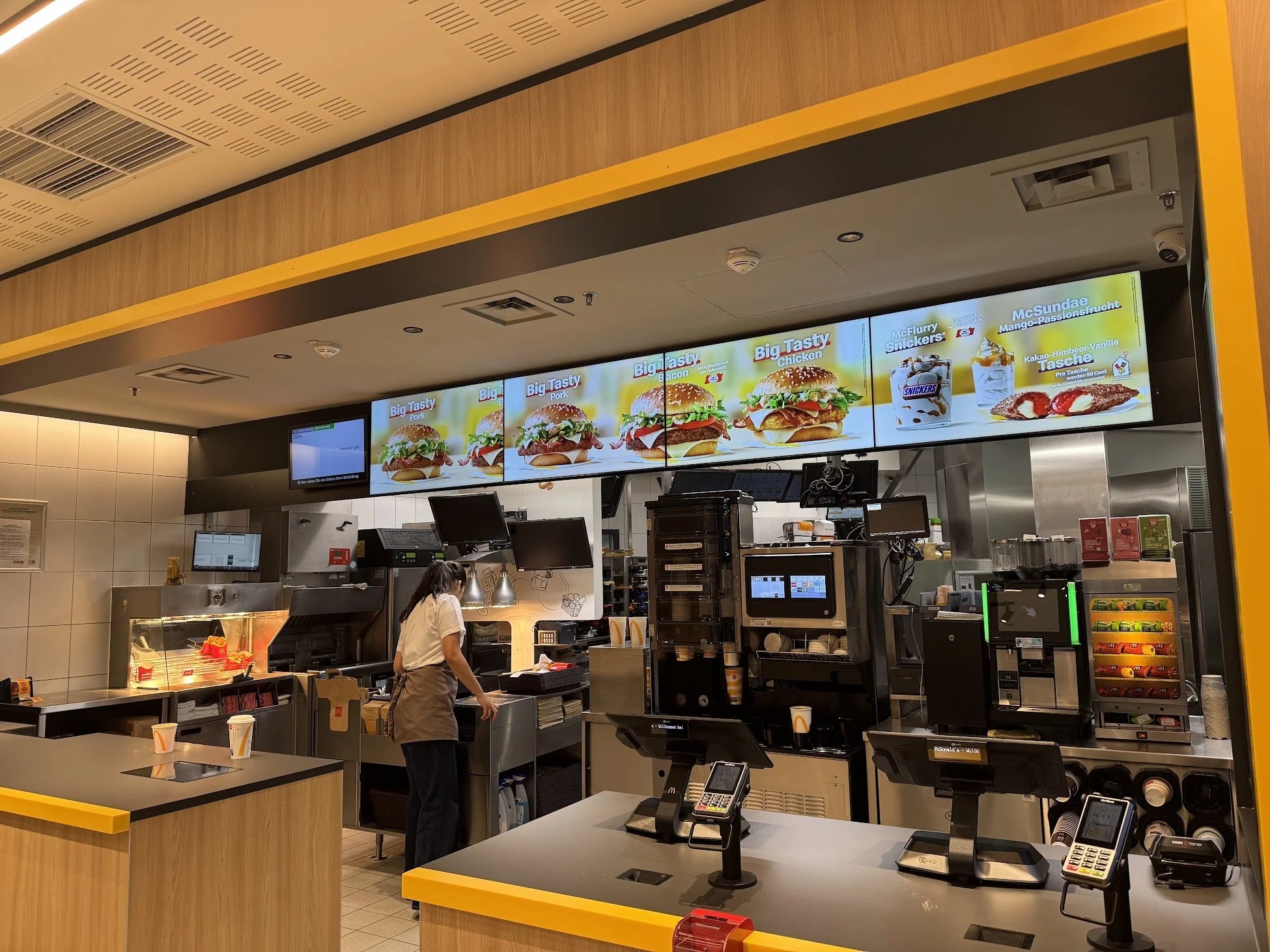
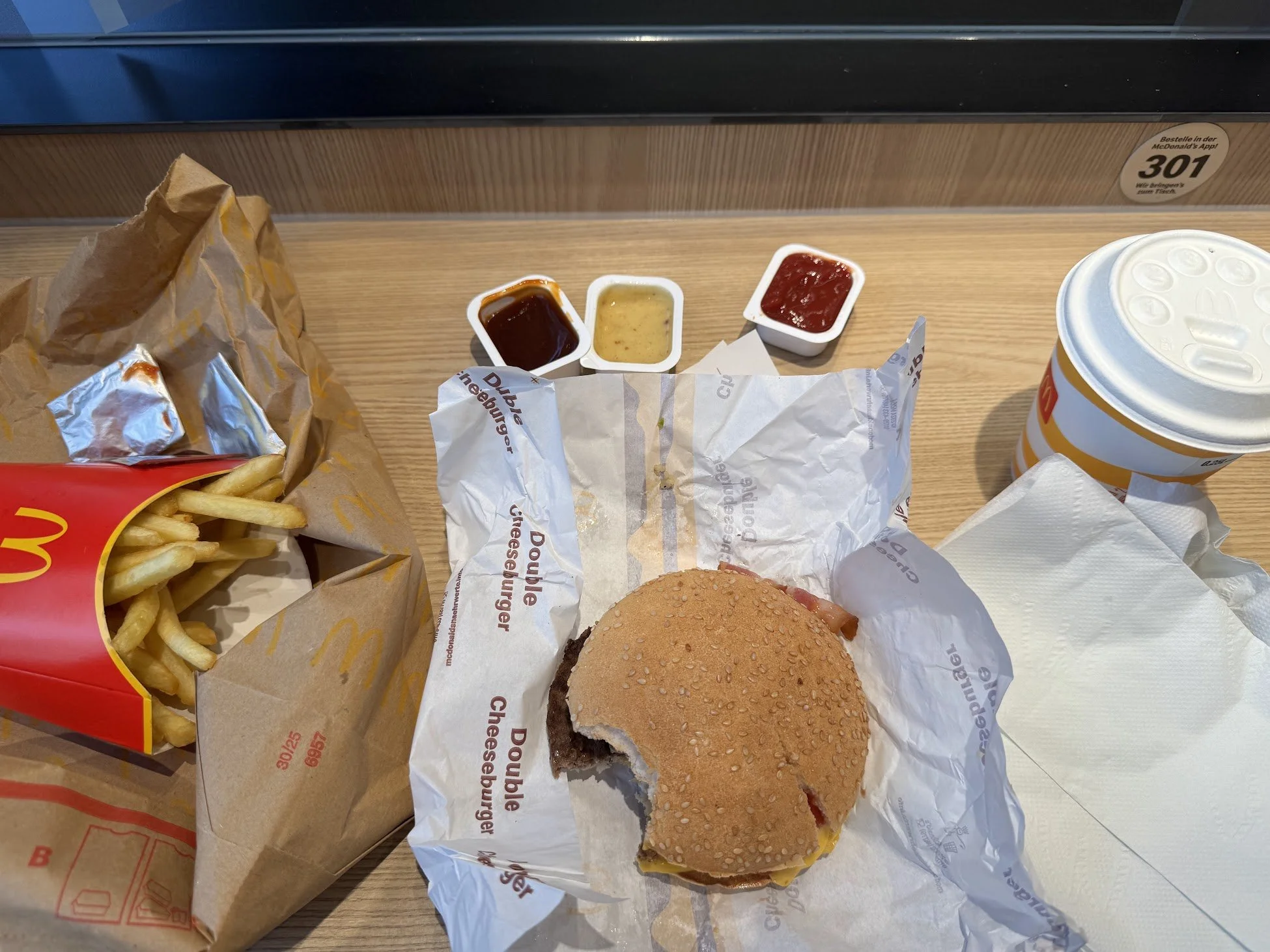
The following evening was significantly less glamorous. After a long day of walking and a tight turnaround before the concert, I opted for something fast and familiar: McDonald’s. Fortunately, this particular location offered gluten-free buns, which genuinely felt like a small victory at the time. Long-term travel has a way of making even very ordinary “comforts” feel surprisingly meaningful.
Final Thoughts: Vienna, Austria
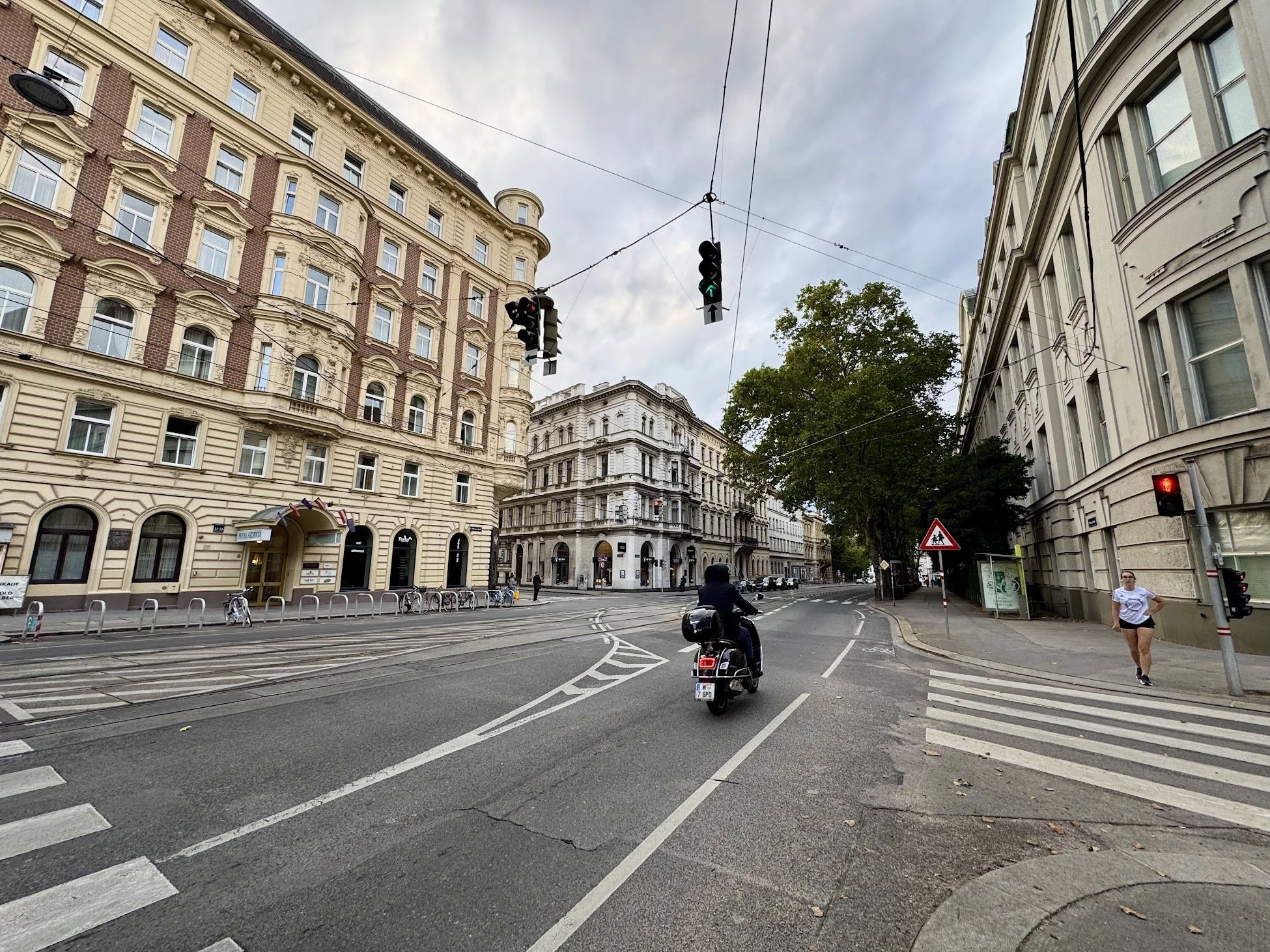
Vienna is undeniably elegant. The city feels thoughtful, historic, and composed in a way that never becomes overwhelming. But for me, Vienna also became a reminder that travel experiences are shaped as much by timing and location as by the landmarks themselves.
If I visited Vienna again, I would absolutely stay closer to the city center, likely somewhere in Wieden or another neighborhood within easier walking distance of the Innere Stadt.
I also would have planned my timing differently. Experiencing Vienna primarily on a Sunday meant encountering a quieter, more subdued version of the city. While that had its own charm, I suspect Vienna reveals itself differently when cafés are busy, markets are open, and more everyday energy is visible throughout the neighborhoods.
I didn’t dislike Vienna. If anything, I think I experienced a quieter version of it than I had expected.
Travel Gear Reviews
-
![The Ultimate Europe Packing List]()
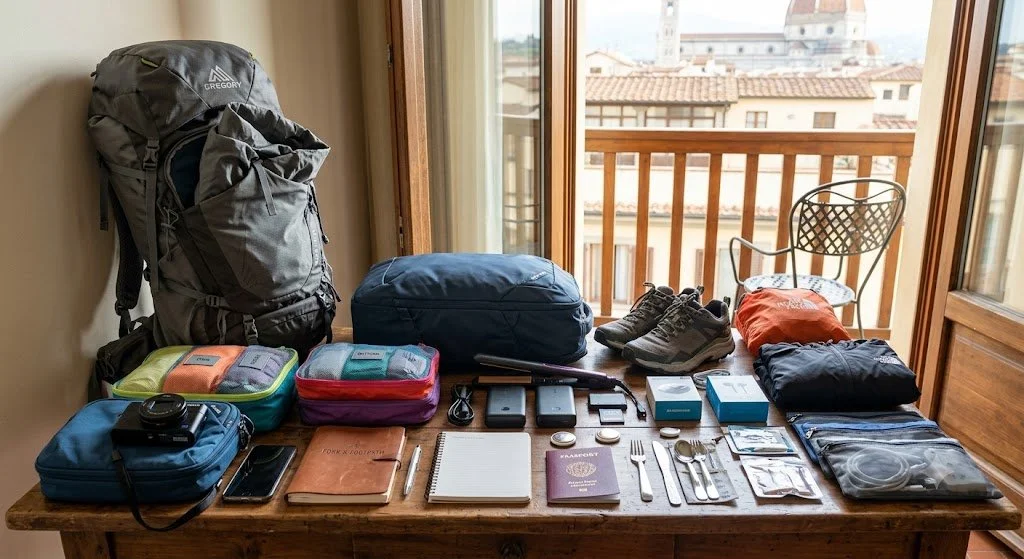
The Ultimate Europe Packing List: Everything I Actually Used
The exact luggage, gear, footwear, technology, and clothing that survived three months of continuous solo travel.
-
![Travel Shoes For Europe]()
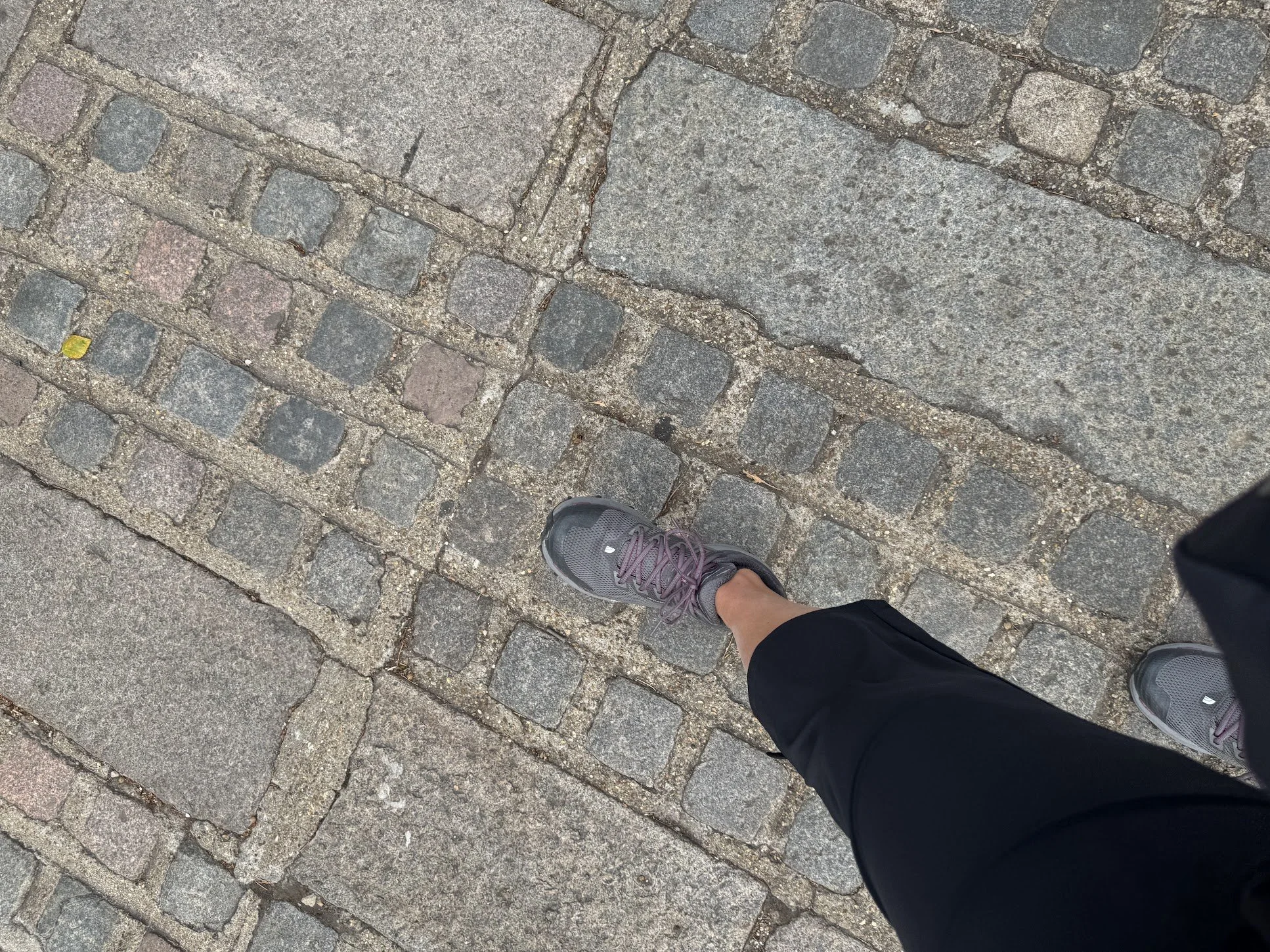
The Walking Shoes That Survived Three Months of European Travel
These provided the comfort, support, waterproof protection, and versatility I needed for long days on my feet.
-
![Waterproof Travel Gear]()
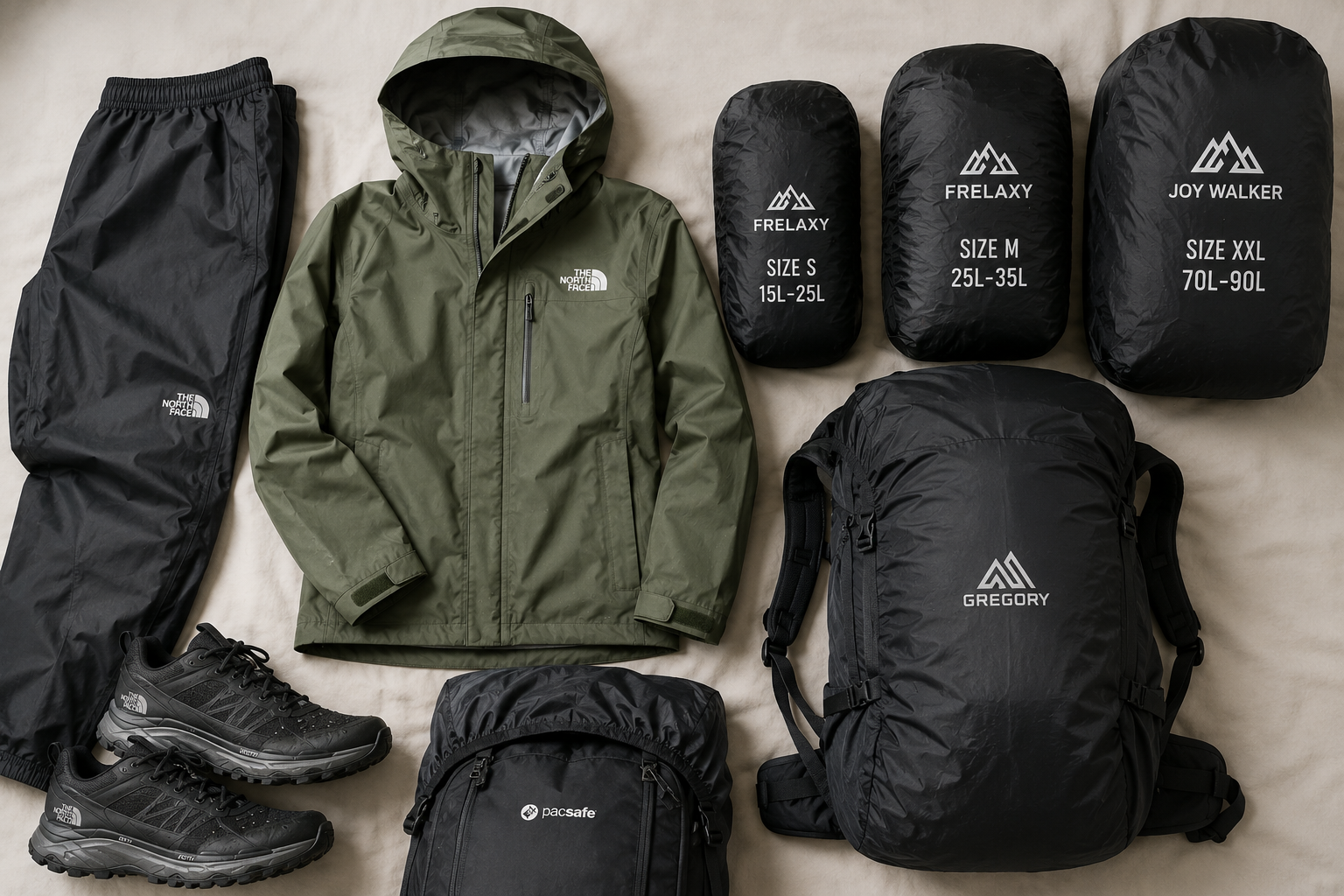
Waterproof Travel Gear: Essentials That Keep You Exploring
Rain gear is one of the best investments you can make for an extended European trip. These waterproof essentials earned a permanent place on my packing list.
-
![Phone Wrist Strap]()
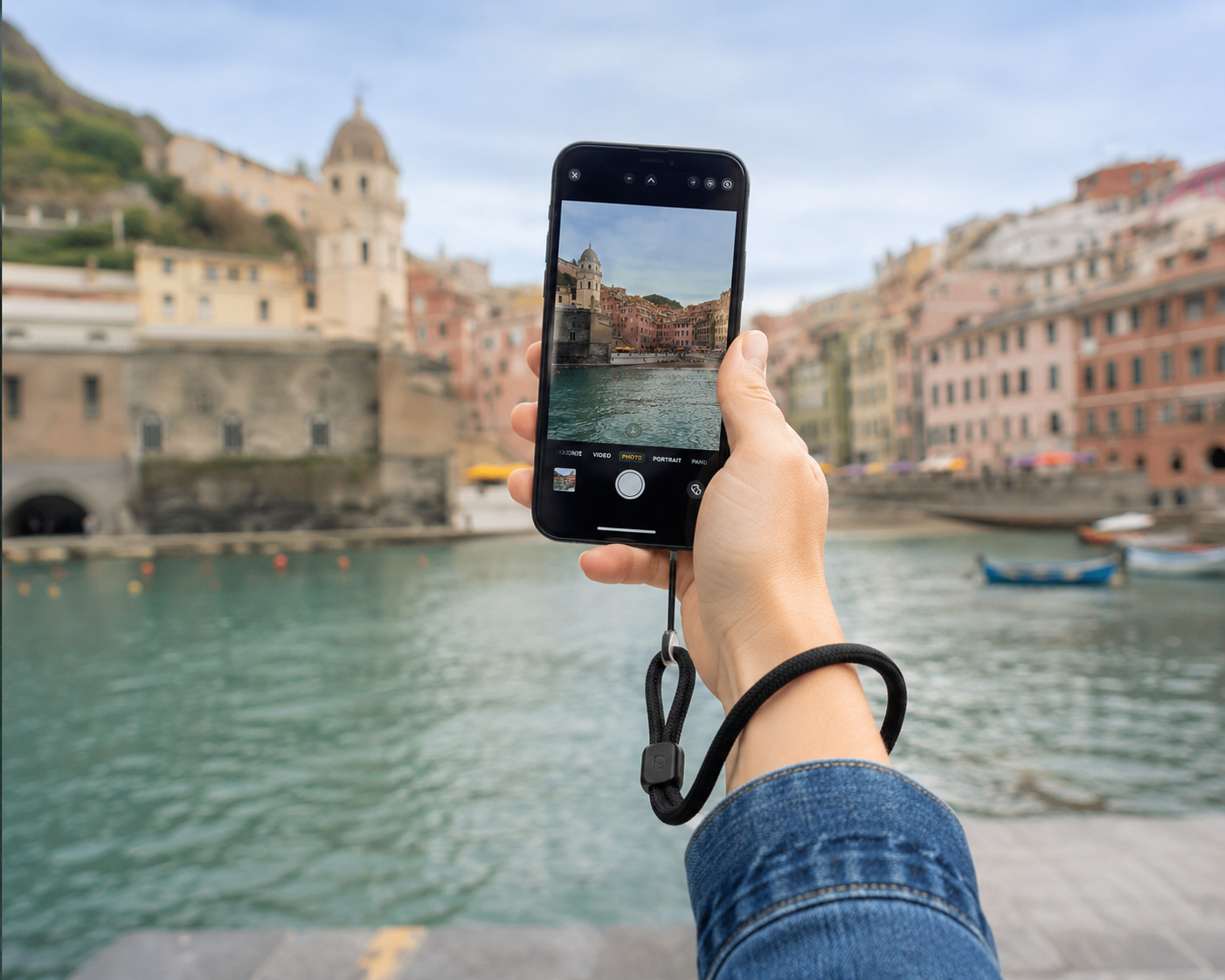
The Phone Wrist Strap That Helped Protect My Phone Across Europe
A simple, low-cost travel accessory provided peace of mind in crowded cities and added security throughout my three-month trip.
-
![Travel Technology]()
The Technology I Used During Three Months of Traveling Europe
The travel tech that helped me navigate, stay connected, protect my photos, and travel independently.