London Travel Guide: A Gentle Start to Solo Travel
A slower way to explore the city—without trying to do everything.
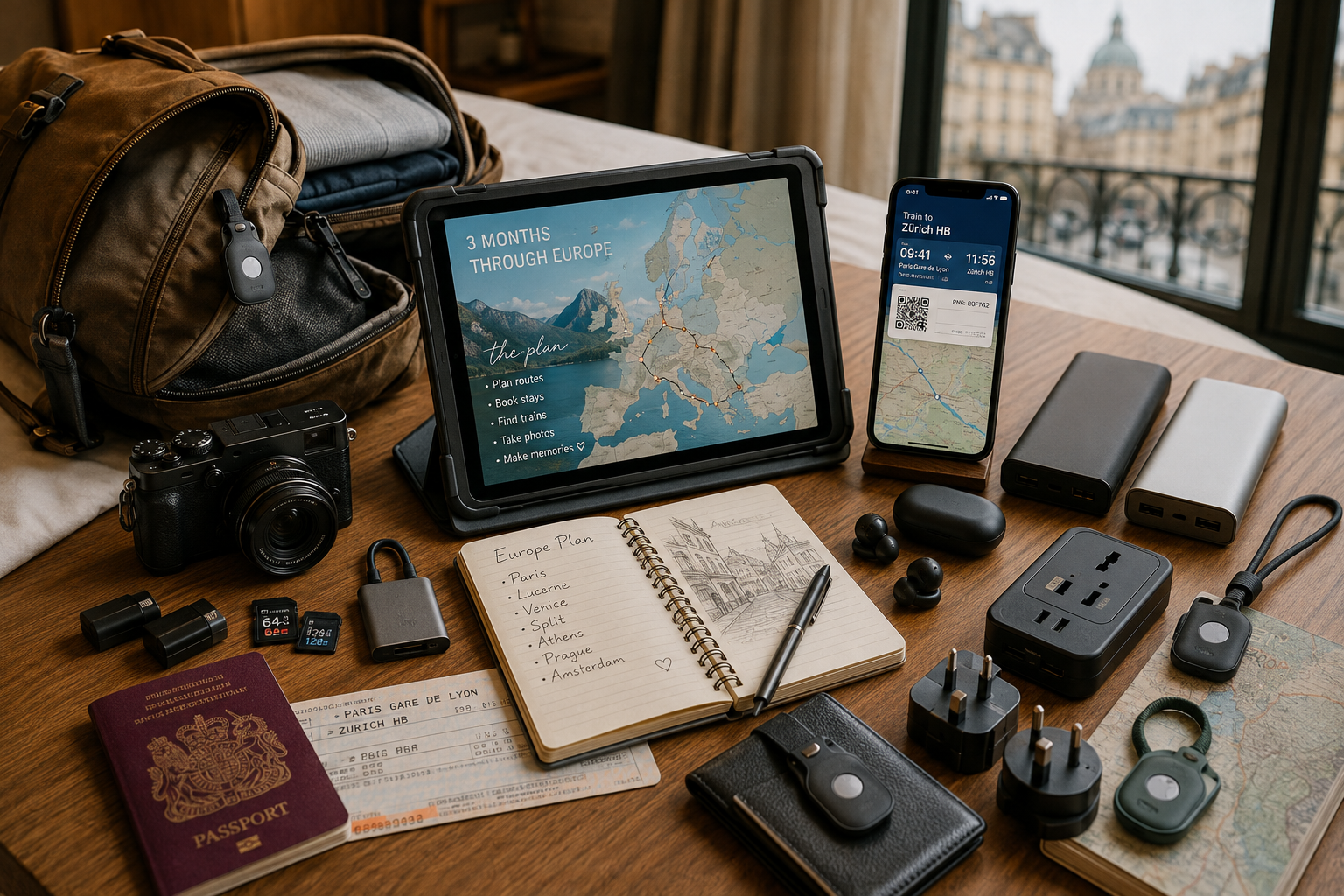
When I planned my three-month solo journey across Europe in 2025, I intentionally chose London as my starting point. It turned out to be the perfect place to ease into long-term travel. London offered familiarity and flexibility, without pressure.
I had studied in London years earlier, which gave me confidence navigating the city, and permission to take the first few days slowly if I needed to. Beginning in an English-speaking country removed a layer of early travel stress. And between the walkability and abundance of gluten-free dining options (I have Celiac disease and am allergic to gluten), it was easy to settle in quickly.
Instead of trying to see everything, I focused on what felt realistic: a few neighborhoods, long walks, and meals I could trust. If you’re planning your own trip, especially as a starting point for something longer, choosing a first destination that feels manageable rather than overwhelming can make a big difference.
This guide covers where I stayed, how I explored the city at a slower pace, and what made navigating London, especially with dietary restrictions, feel manageable from the start.
Some links in this guide may be affiliate links, which means I may earn a small commission if you book through them—at no additional cost to you. I only share places and services I personally used or genuinely enjoyed during my trip. Read the full disclosure policy.
London, England Overview
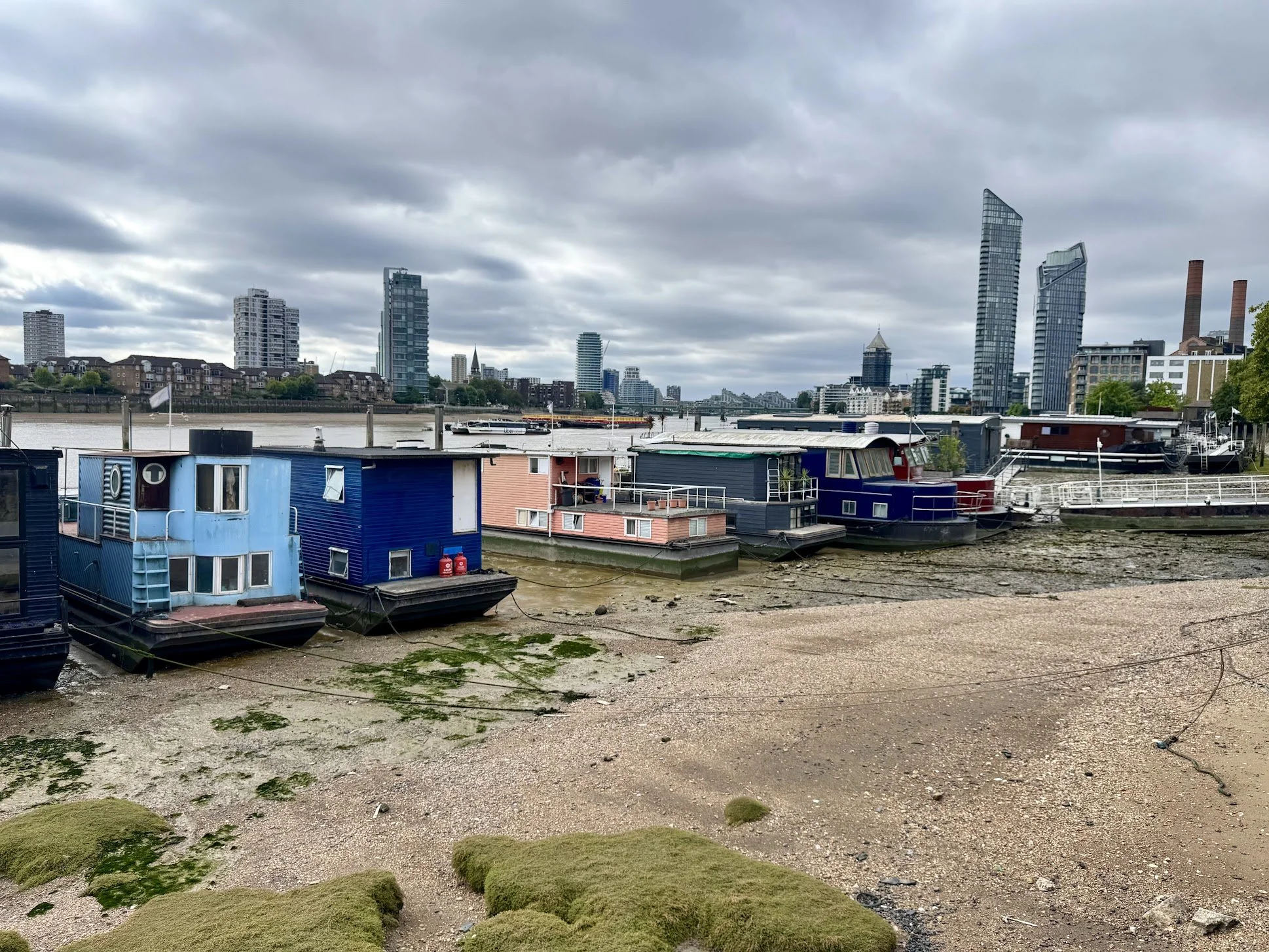
London is the capital of the United Kingdom, set along the River Thames in southeastern England. While it’s known globally for its history, culture, and political influence, it’s equally defined by its neighborhoods, green spaces, local pubs, and riverside walks.
I visited in late August, when daytime temperatures hovered in the upper 70s (°F) and evenings cooled to the mid-60s (°F). Expect a mix of sun and clouds, and always be prepared for rain. Always. A lightweight waterproof jacket is essential, even on days that begin bright and clear.
Arriving in London, England: A Luggage Lesson Learned
I booked a connecting flight to London via Dublin, which turned out to be more eventful than planned. A delayed departure from Chicago turned what I assumed would be a comfortable layover into a full sprint through the Dublin airport, including passport control, which I didn’t even realize I had passed until I later spotted the stamp.
I arrived in London in one piece. My checked bag did not.
Thankfully, I had planned to stay in London for several days—advice I had once heard and now fully stand behind. My luggage didn’t show up until the following day, and airline updates were minimal. The only visibility I had came from tracking my bag’s slow movement across Ireland and England via my AirTag, until it finally appeared at my hotel.
Lesson learned: always pack at least one change of clothes in your carry-on. Wearing the same travel outfit while logging nearly 40,000 steps on your first full day is less than ideal, for you and everyone around you.
If you’re beginning an international trip, building in buffer days at your first stop can make a significant difference when delays happen.
Where I Stayed In London, England: Chiswick, West London
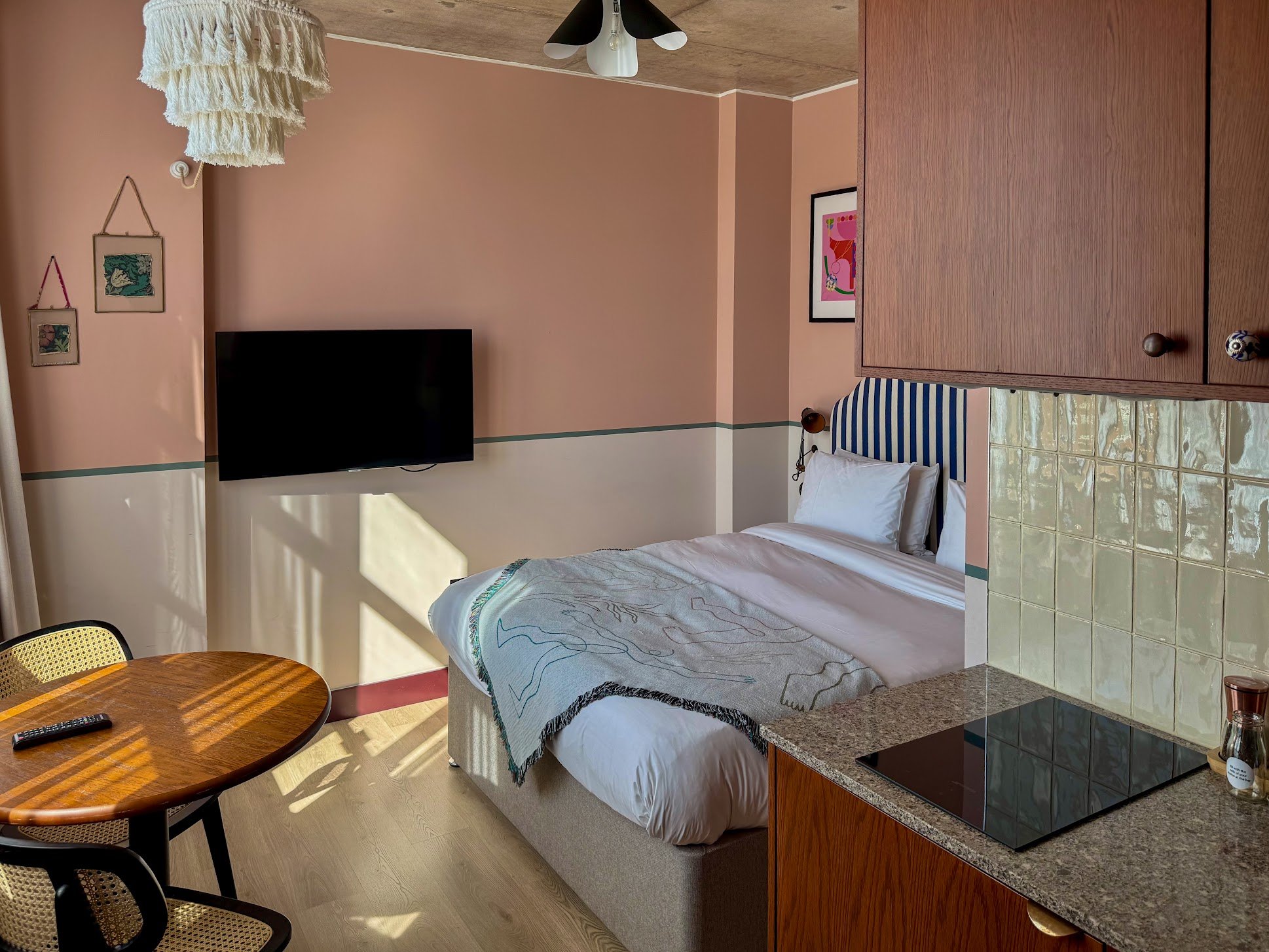
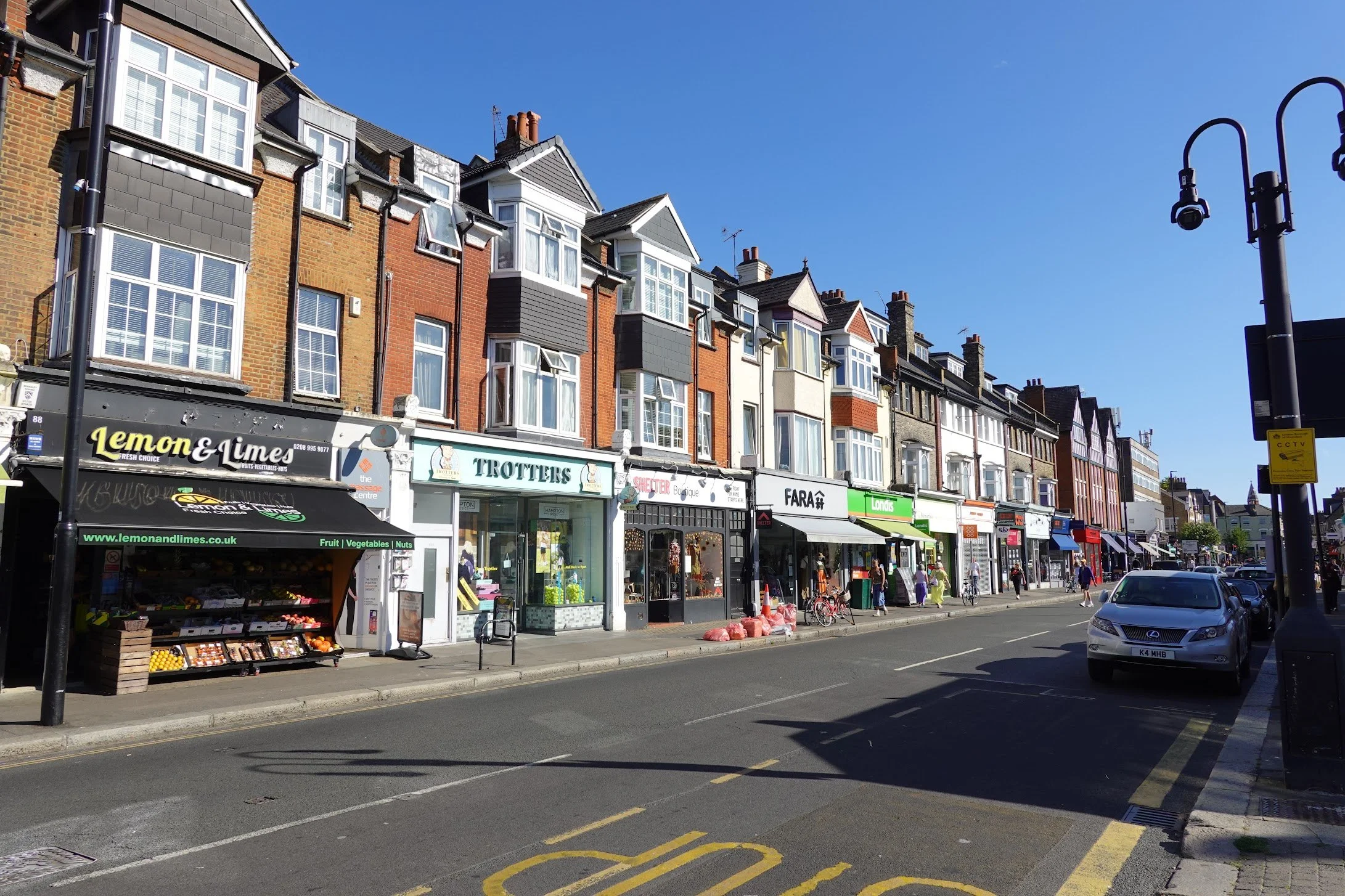
I stayed at Second Nature Chiswick, located in West London. Chiswick is a neighborhood with tree-lined streets, local cafés, and quiet stretches along the Thames. It’s ideal if you’re looking for a slower, more residential London experience. I chose it because it was more affordable than staying in central London, offered easy access to the Thames and the Thames Path, and still had straightforward transit connections—while being convenient to Heathrow Airport.
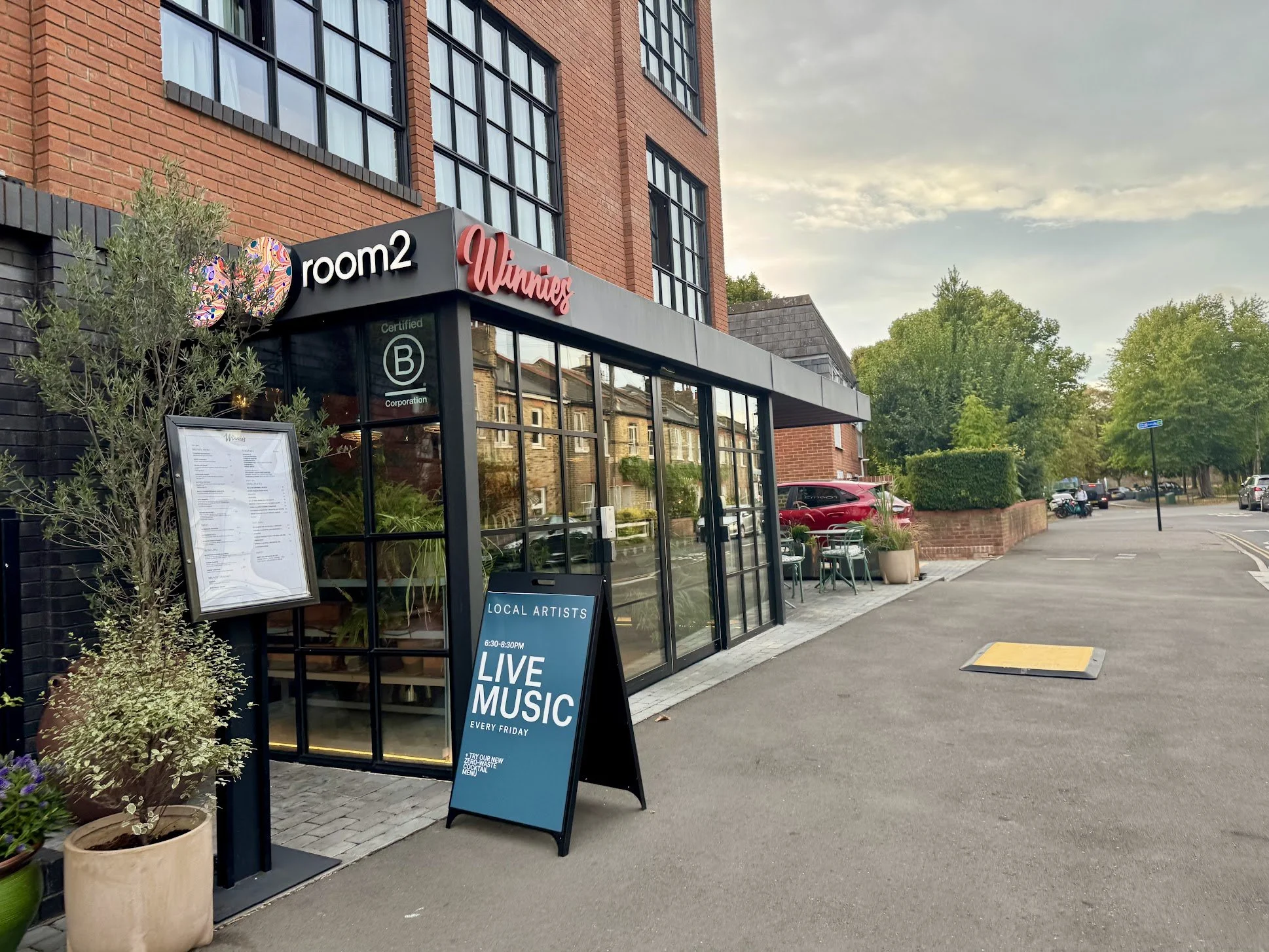
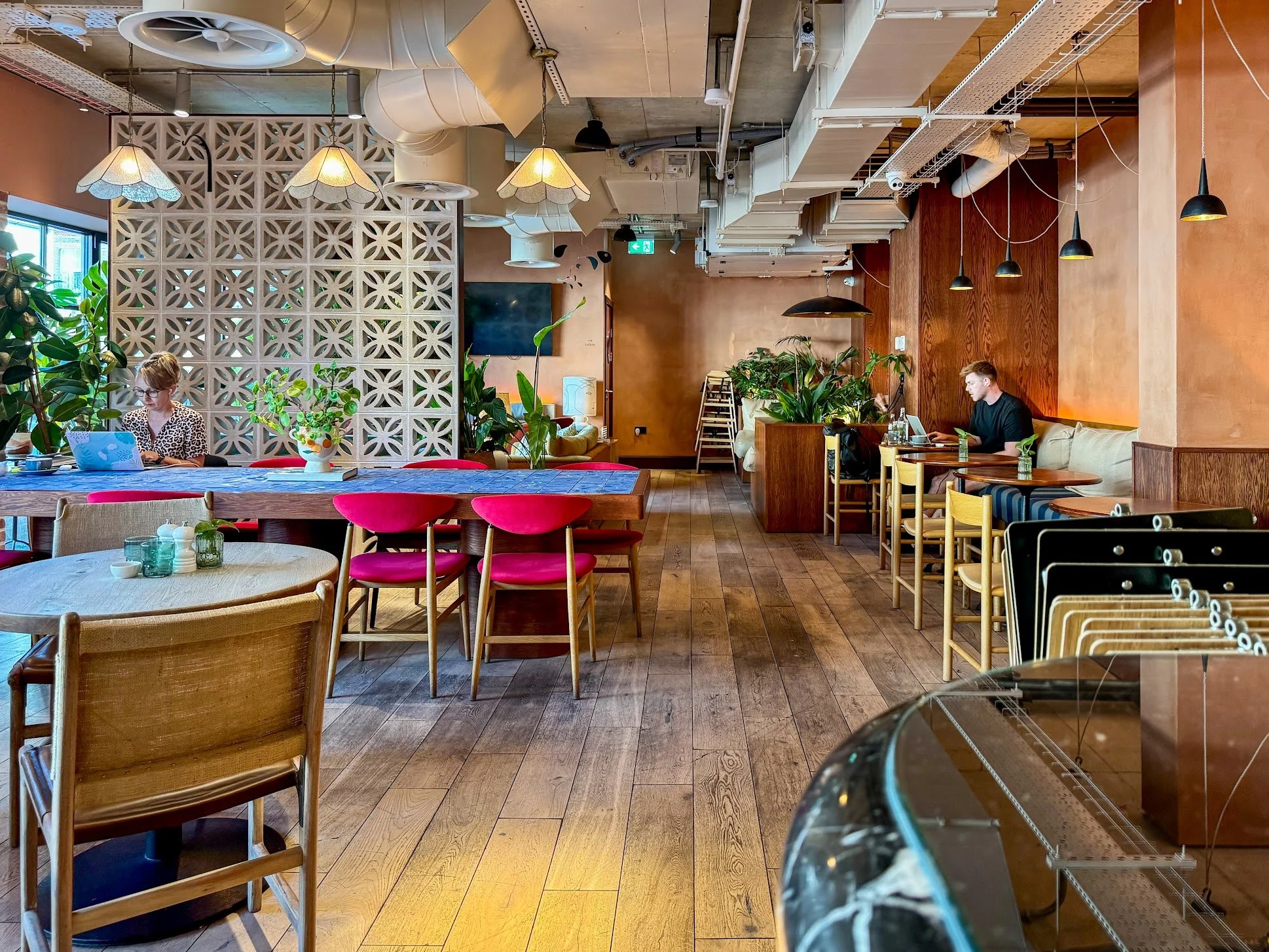
The on-site café and bar, Winnie’s, was a welcome bonus. The bartender took one look at me, clearly recognized that I had just come off a long travel day, and responded with a generously poured glass of wine while I waited for my room. Exactly the kind of welcome you hope for at the start of a trip.
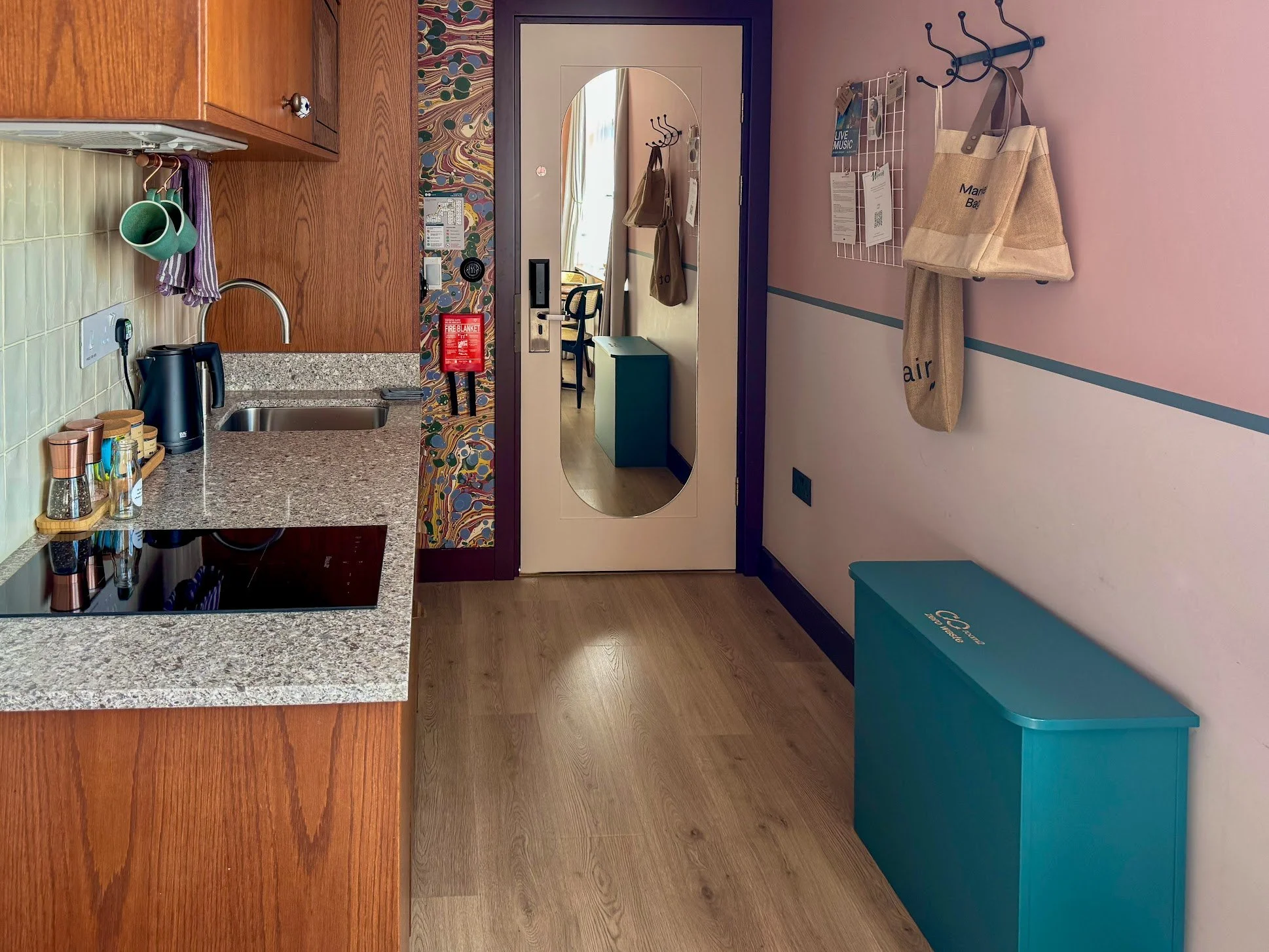
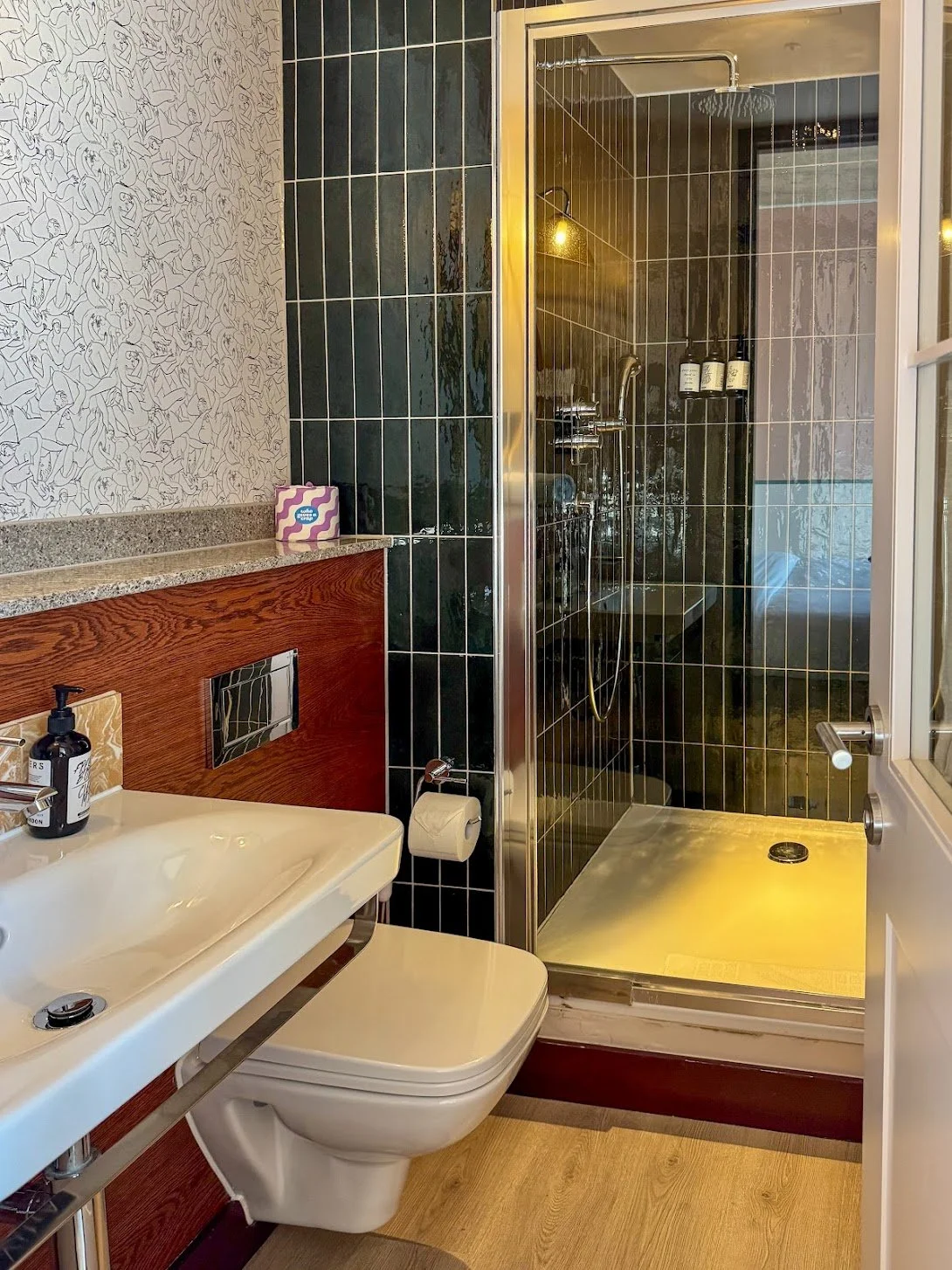
I stayed in the “Snug” room at Second Nature Chiswick, which felt anything but snug. It featured a fully-stocked kitchenette, dining area, and workspace
How I Spent My Time in London, England: Exploring Neighborhoods and Green Spaces
Rather than moving quickly between landmarks, I let my days unfold more gradually by walking, seeking out green space, and adjusting to a new rhythm.
Battersea Park & Battersea Power Station
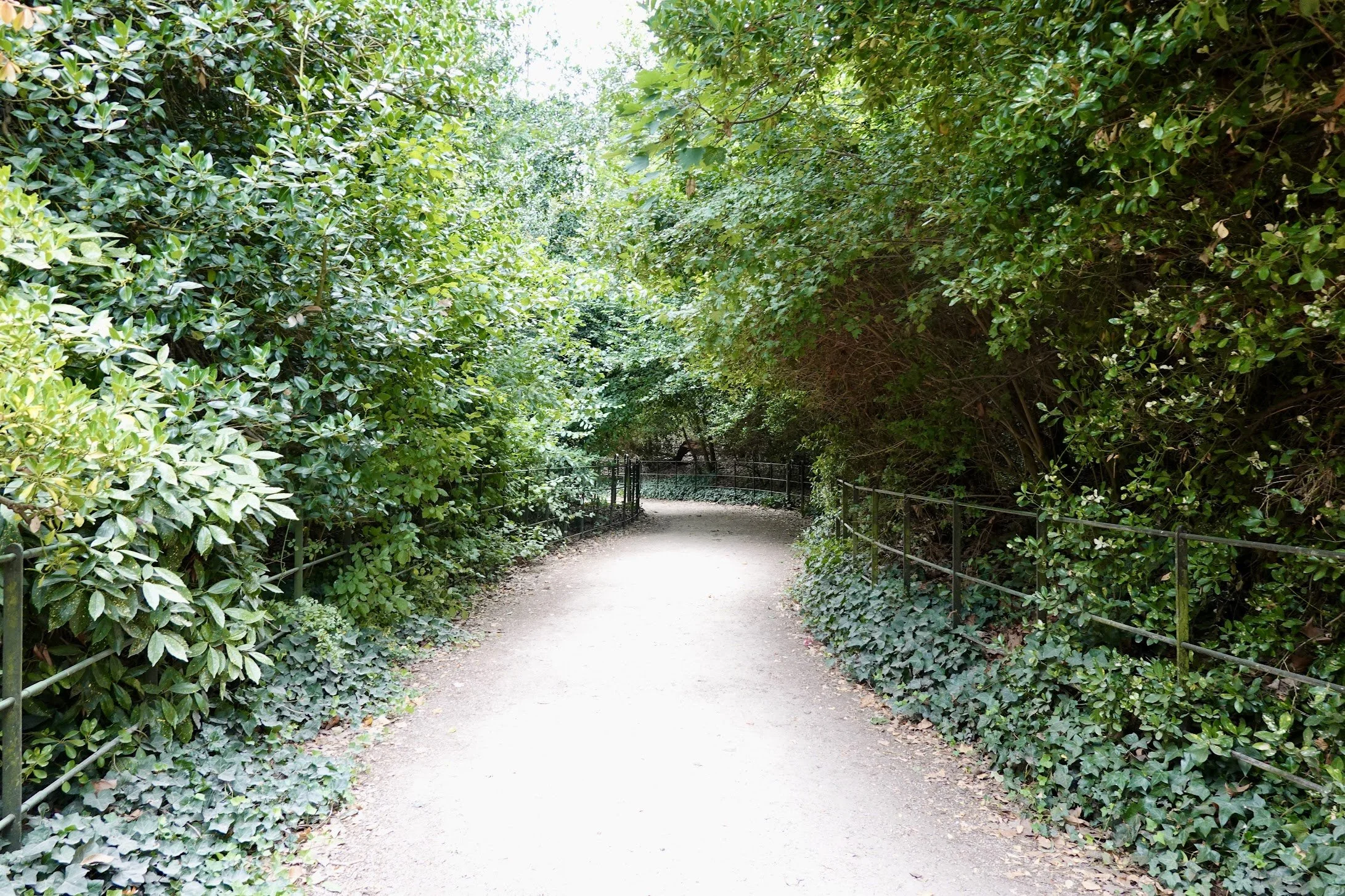
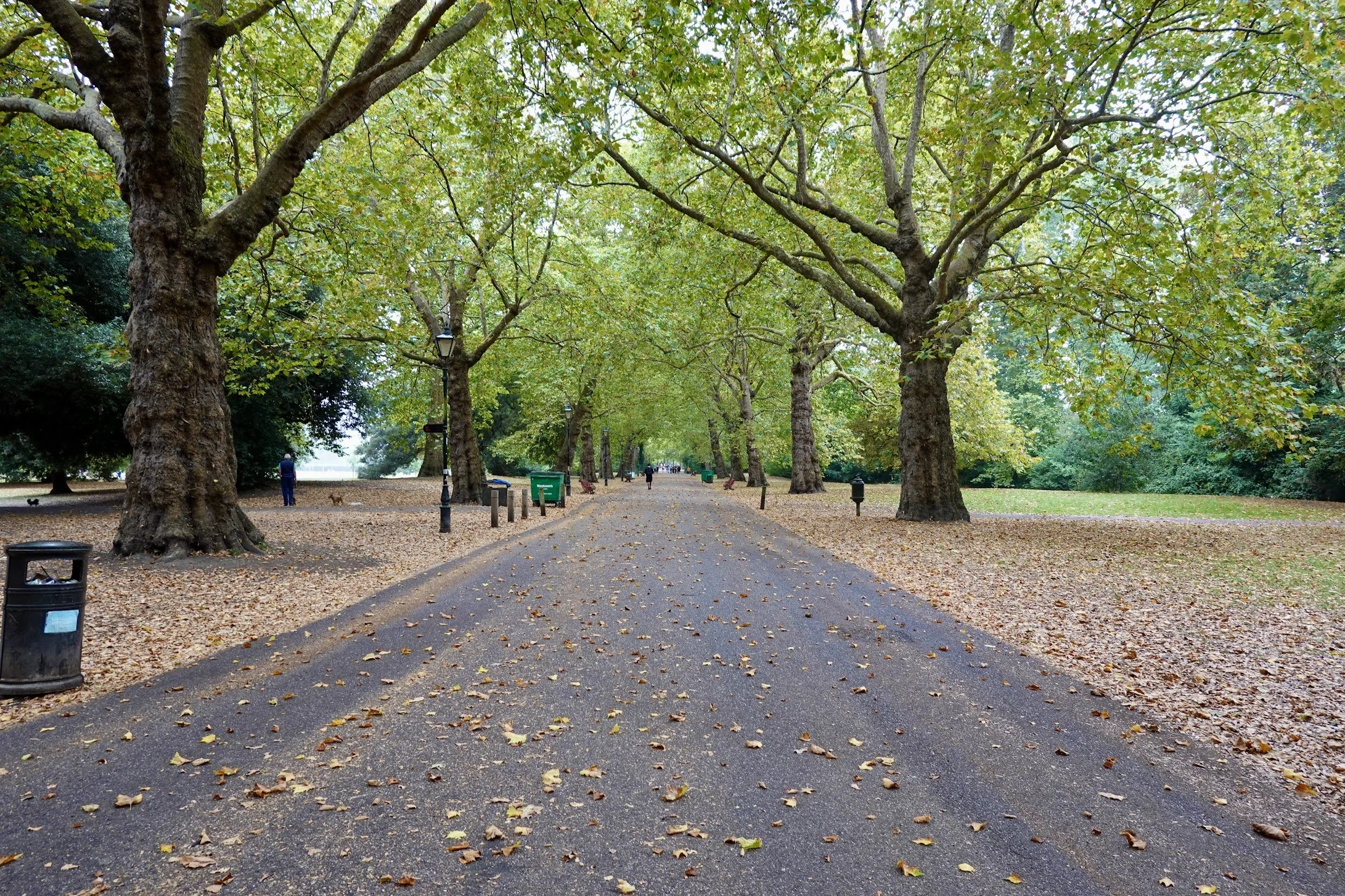
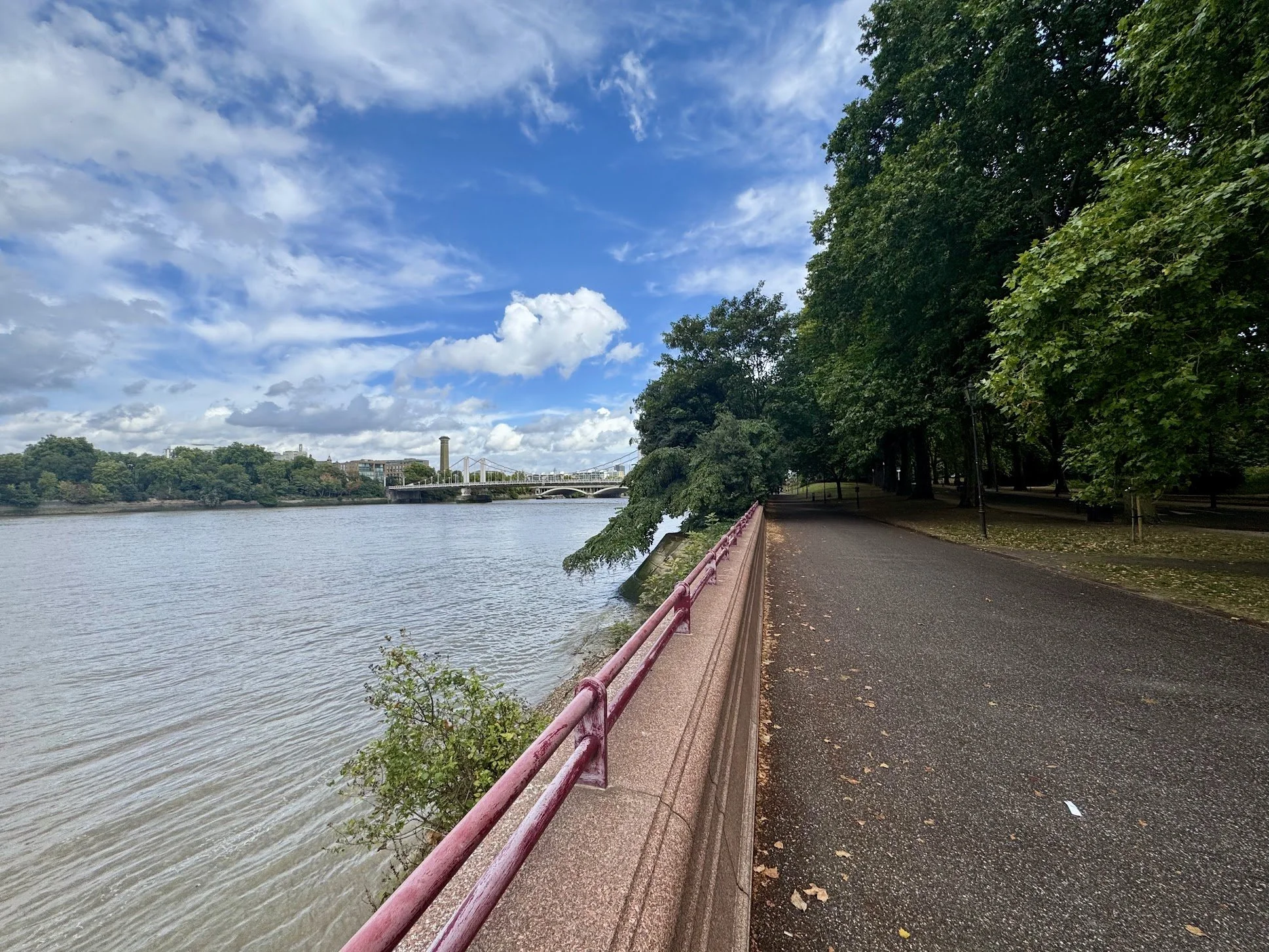
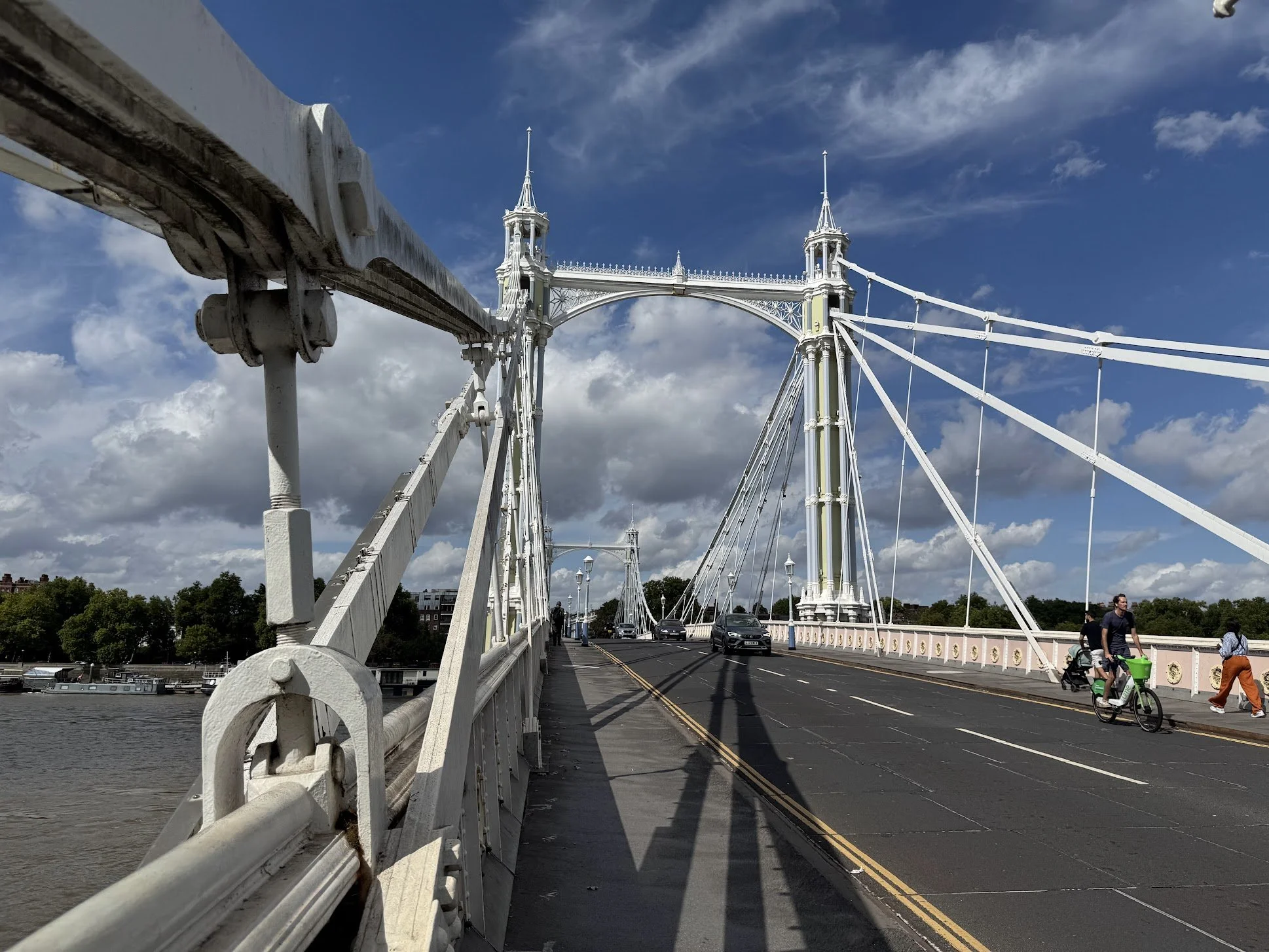
Battersea Park was one of the spaces that stood out most. Set along the south bank of the Thames, it offers a more relaxed alternative to some of London’s busier parks. Battersea Park features tree-lined paths, open green space, well-maintained gardens, and a super cute cafe (Pear Tree Cafe) if you get hungry or just want a caffeine break.
Nearby, Battersea Power Station has been transformed from a former coal-fired power station into a lively neighborhood of shops, restaurants, and riverside paths. If you’re comfortable with heights and enclosed spaces, the Chimney Lift, formerly known as Lift 109, offers panoramic views from inside one of the station’s iconic chimneys. The views are impressive—but the experience can feel intense if you’re sensitive to heights or enclosed spaces.

Chiswick House & Gardens
Chiswick House & Gardens is an elegant 18th-century villa and landscaped garden in west London that offers a quieter, more intimate alternative to London’s larger parks. Centered around a Palladian villa, the grounds are designed for wandering rather than rushing, with paths leading to ivy-covered bridges, reflective lakes, classical statues, and wide open lawns framed by sculpted trees.



WWT London Wetland Centre
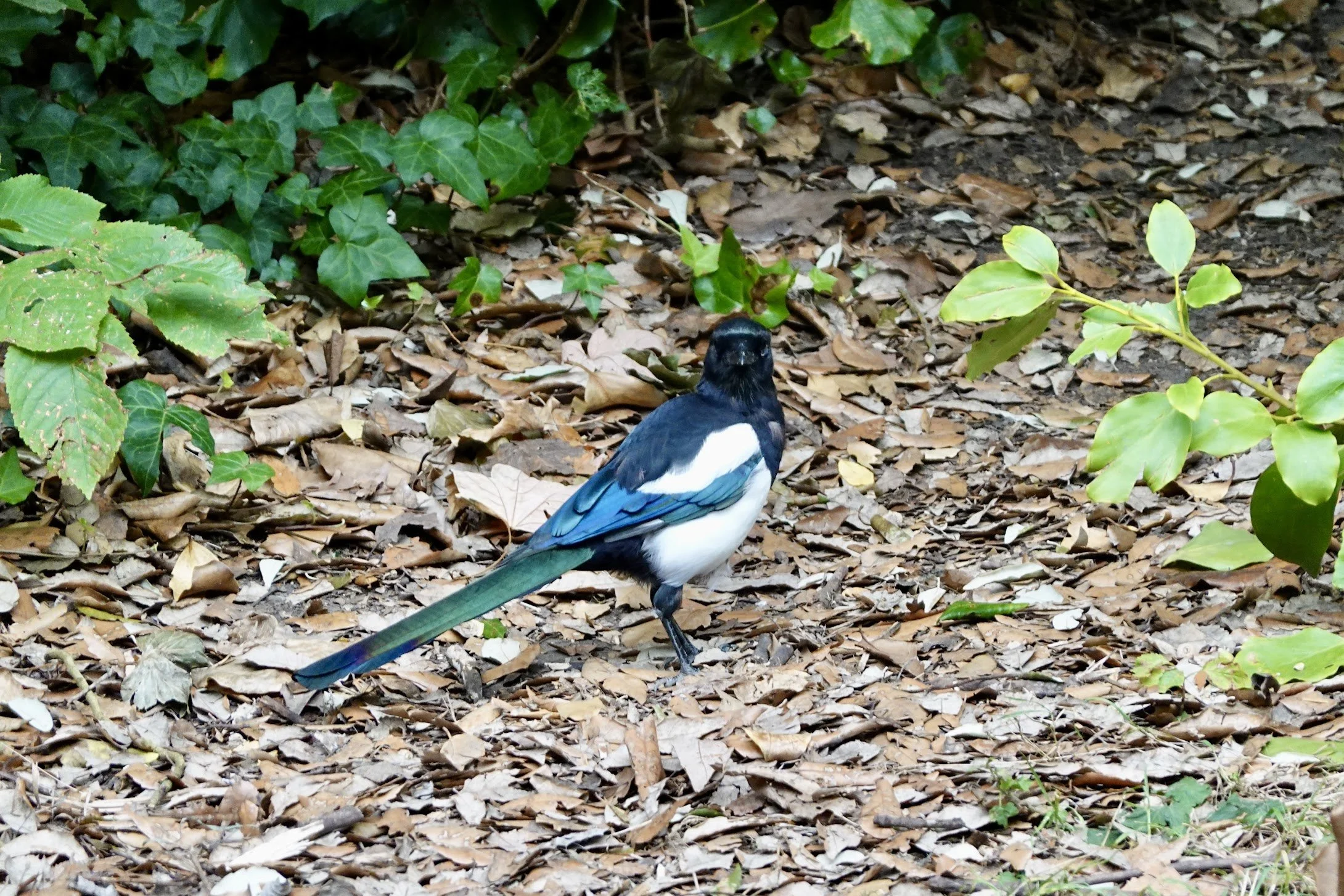
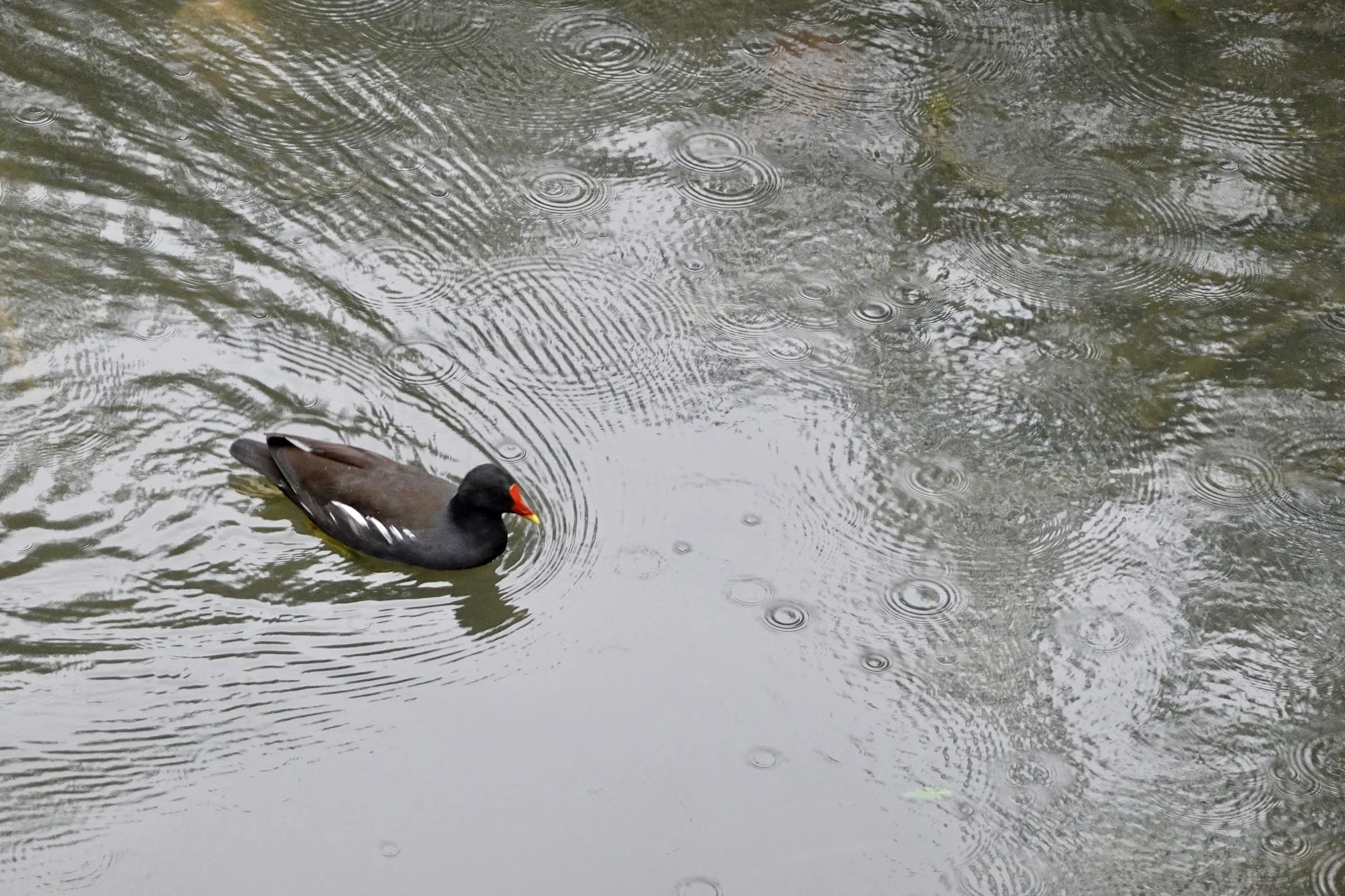
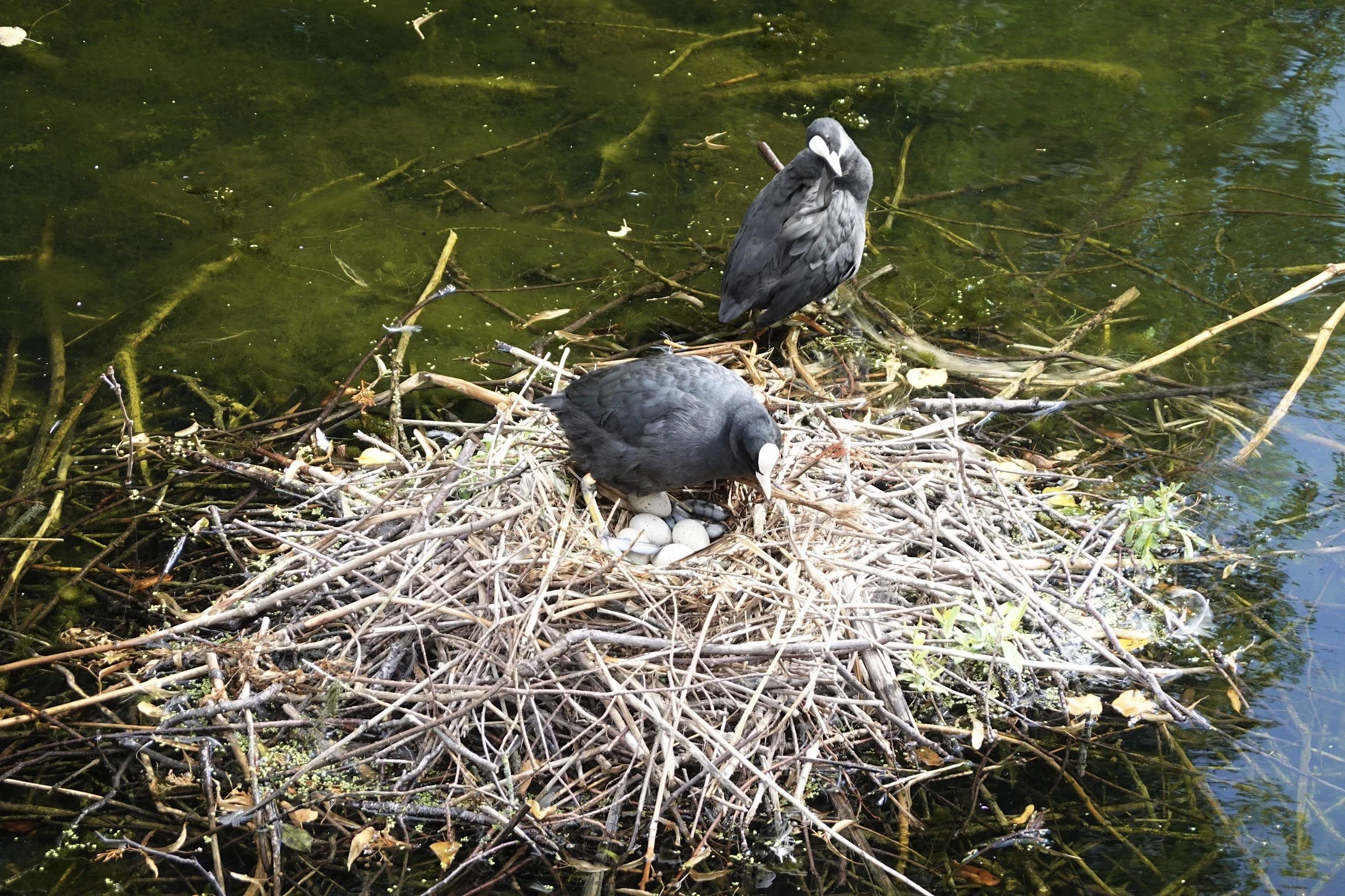
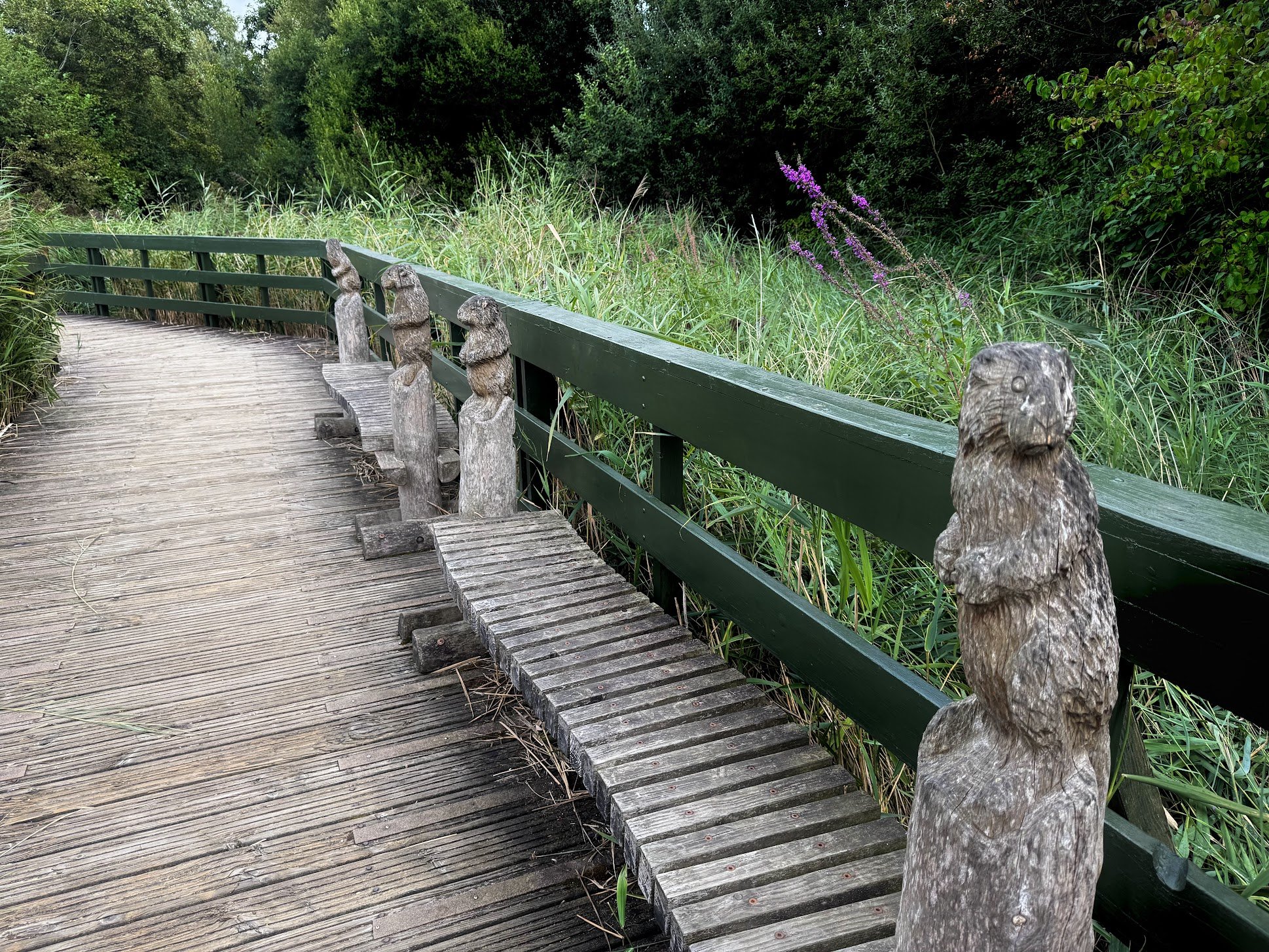
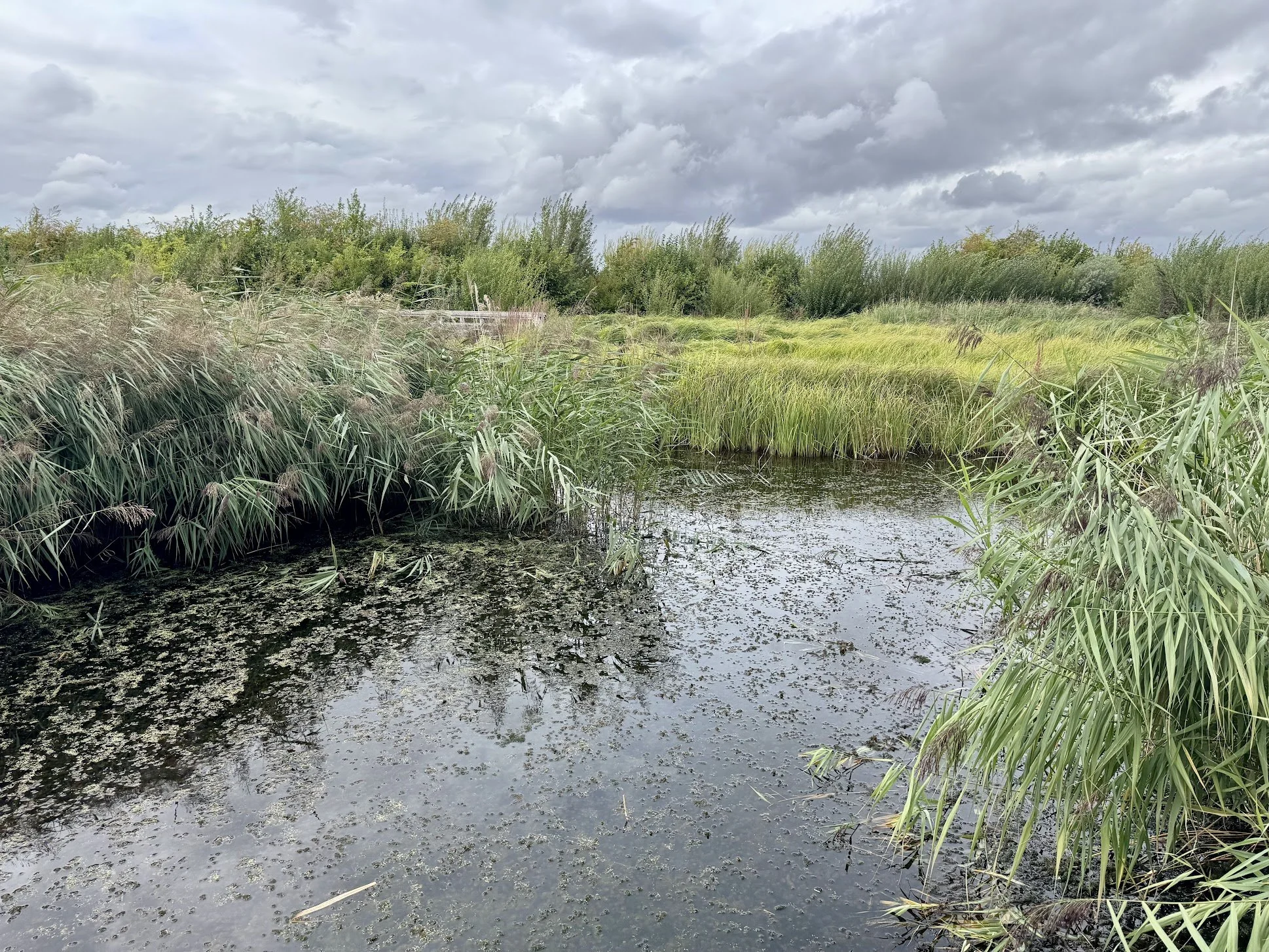
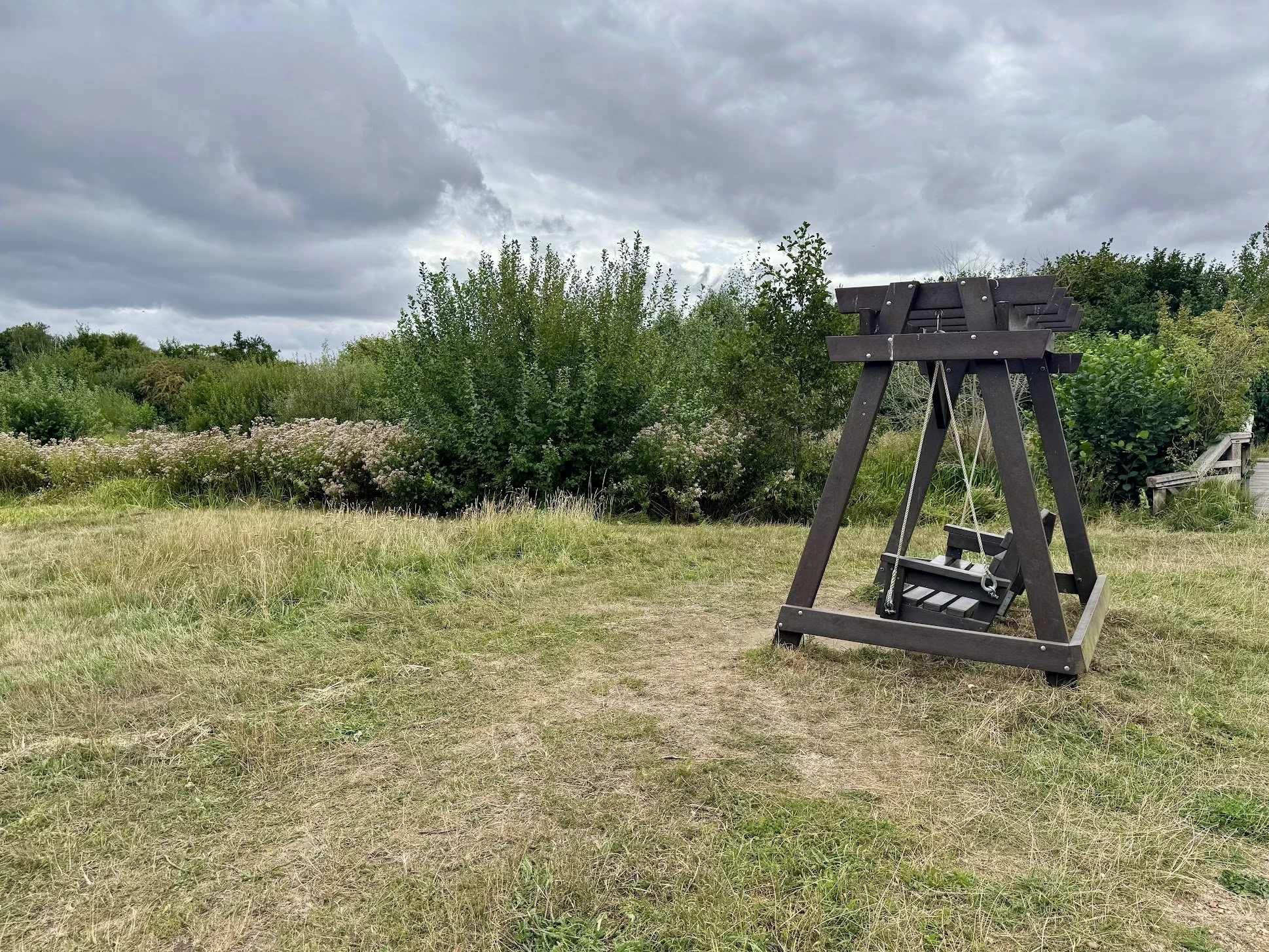
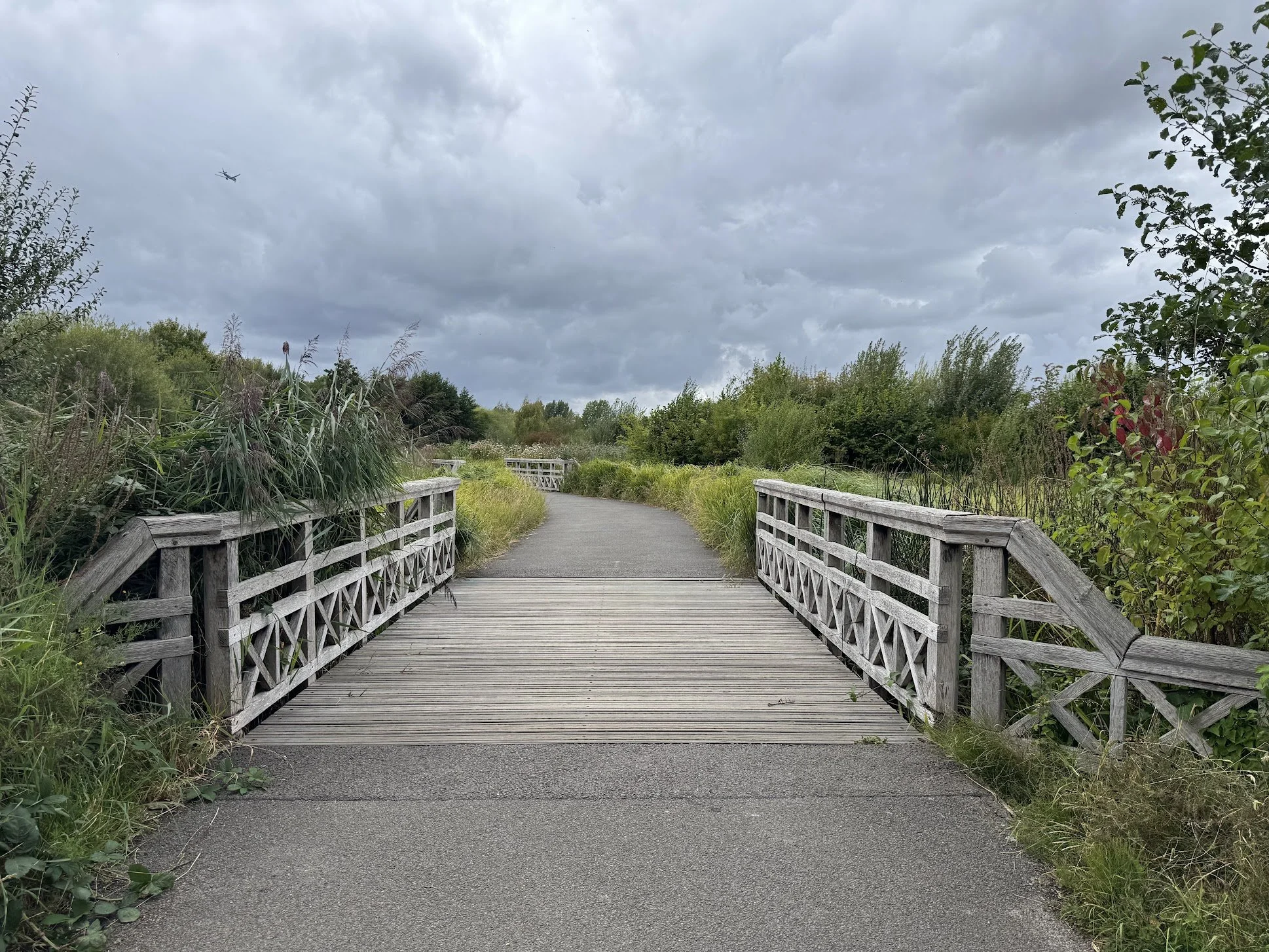
WWT London Wetland Centre feels almost removed from the city. Located in Barnes, it’s a protected reserve of lakes, reed beds, and walking trails. Wooden boardwalks and observation points guide you through the landscape, offering close views of wildlife—from swans to flashes of kingfishers. I spent hours there and felt like I could have spent many more.
It’s especially worth visiting if you’re looking for a break from crowds, museums, or more structured sightseeing. These quieter, greener spaces added balance to the trip—and reinforced that London doesn’t need to be approached at full speed to feel complete.






Where I Ate: Navigating Gluten-Free Dining in London, England
Traveling with celiac disease always requires planning, but London, and Chiswick in particular, made eating safely feel far more manageable than expected. Menus were clearly labeled, which made it easier to relax and enjoy meals without second-guessing. With a bit of preparation, eating well and eating safely felt entirely possible. That peace of mind made settling into the trip much easier.
A few places that stood out:
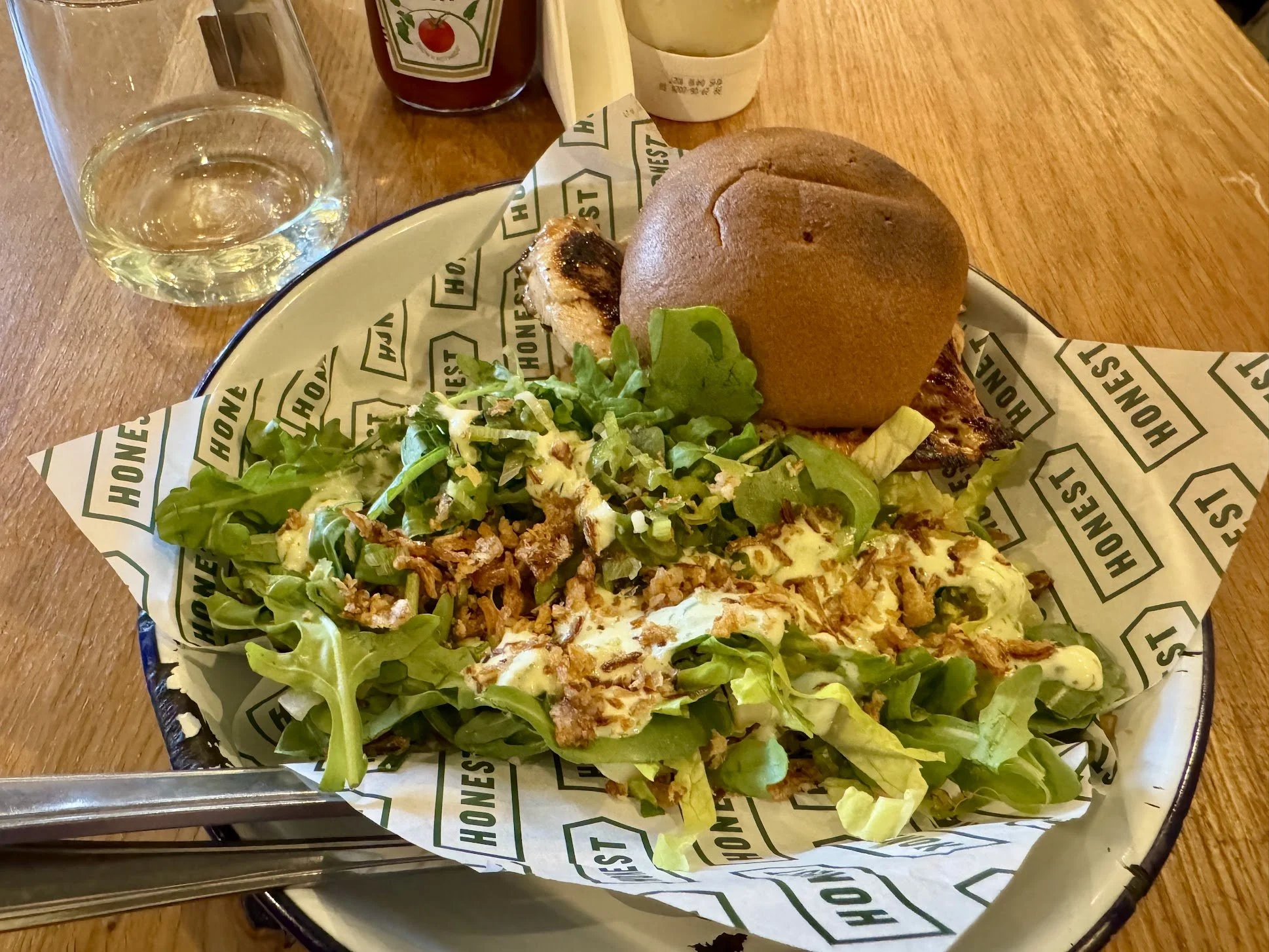
Honest Burgers - Chiswick: reliable, healthy comfort food with gluten-free buns
The Roebuck: gluten-free fish and chips and a relaxed beer garden setting
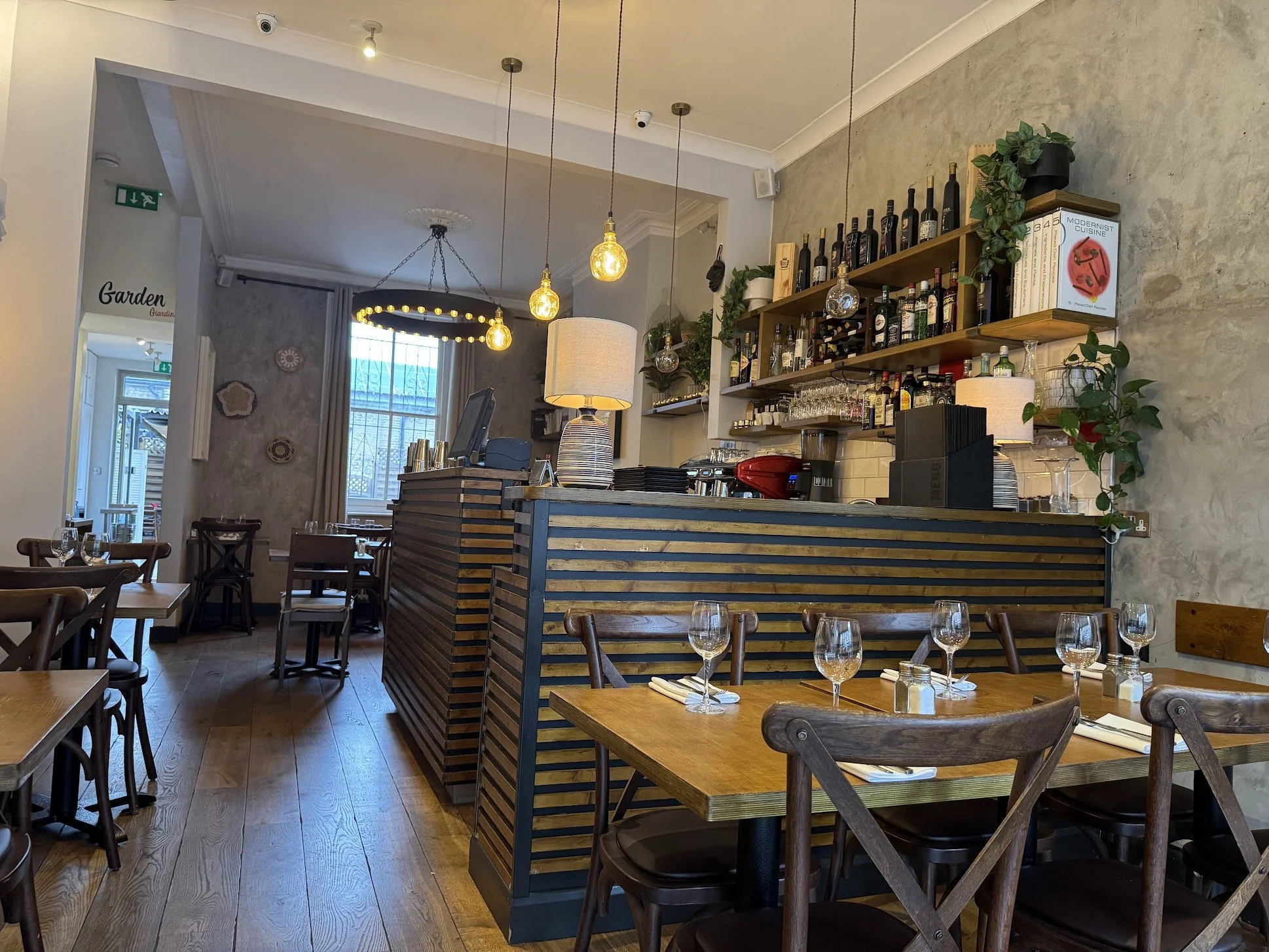
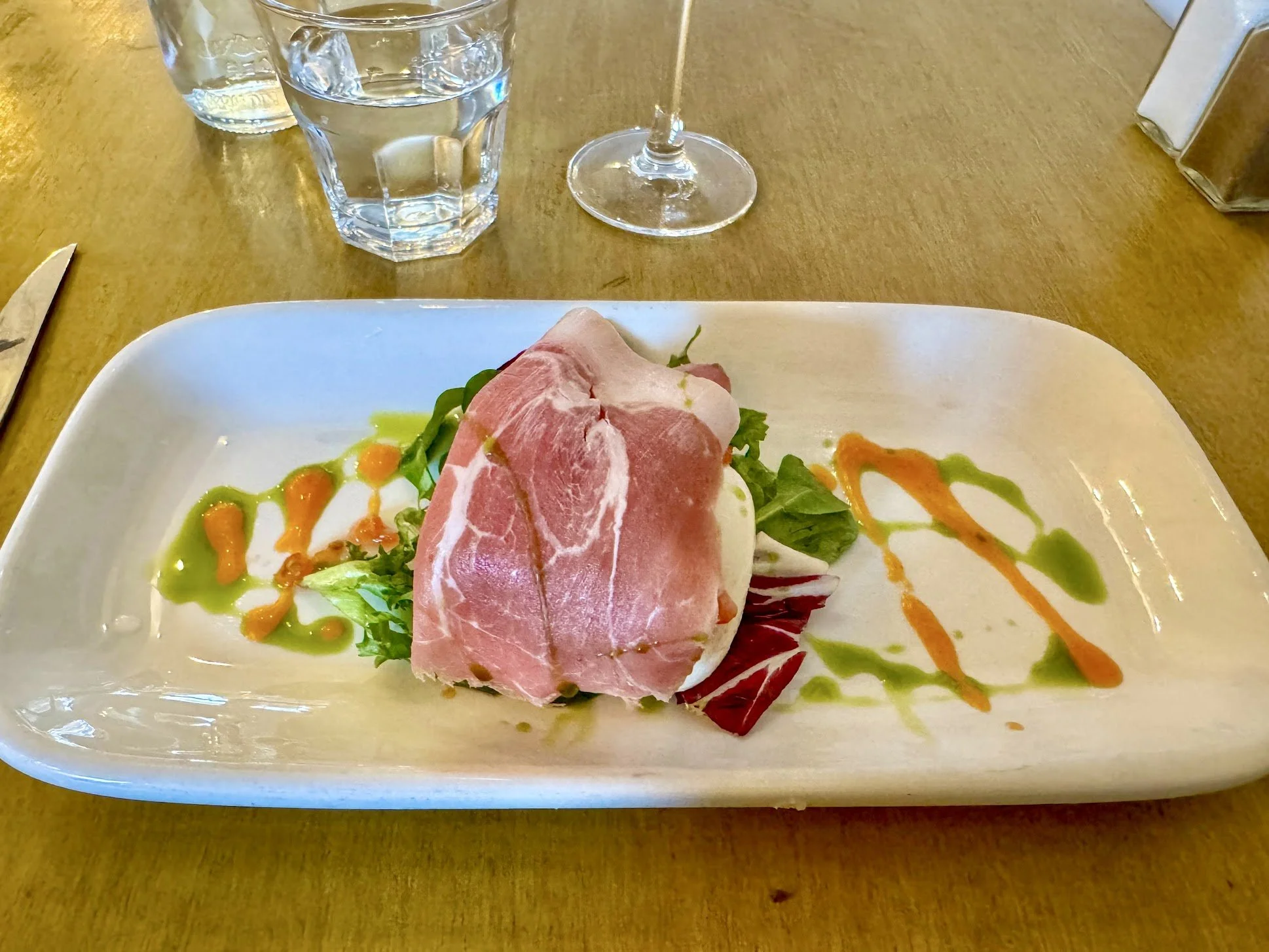
Bronzo: standout gluten-free Italian dishes, including prosciutto and burrata, and spinach-and-ricotta ravioli


Leaving London, England: First-Time Train Lessons
London was also my introduction to European train travel. I departed from King’s Cross–St Pancras International and took the Eurostar to Paris, which was a process that felt more like flying than expected. There’s security screening, border control, and a fast-moving boarding process once platforms are announced.
The biggest takeaway: board early if you’re traveling with larger bags. Luggage space fills up quickly, and avoiding that stress makes the start of the journey much smoother.
Final Thoughts: London, England
Starting a long trip can feel overwhelming, but London softened that transition. Between its walkability, access to green space, and ease of gluten-free dining, it removed many of the early stressors that can make the first days feel more difficult than they need to be.
If you’re planning a longer international trip, consider building in buffer days, choosing a manageable first destination, and giving yourself permission to move more slowly than you think you should.
Travel Gear Reviews
-
![The Ultimate Europe Packing List]()
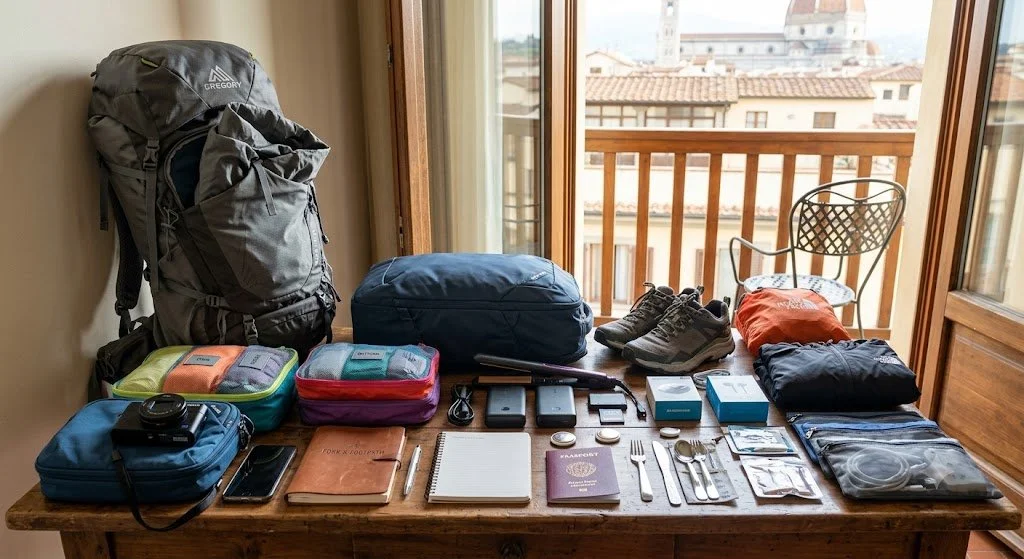
The Ultimate Europe Packing List: Everything I Actually Used
The exact luggage, gear, footwear, technology, and clothing that survived three months of continuous solo travel.
-
![Travel Shoes For Europe]()
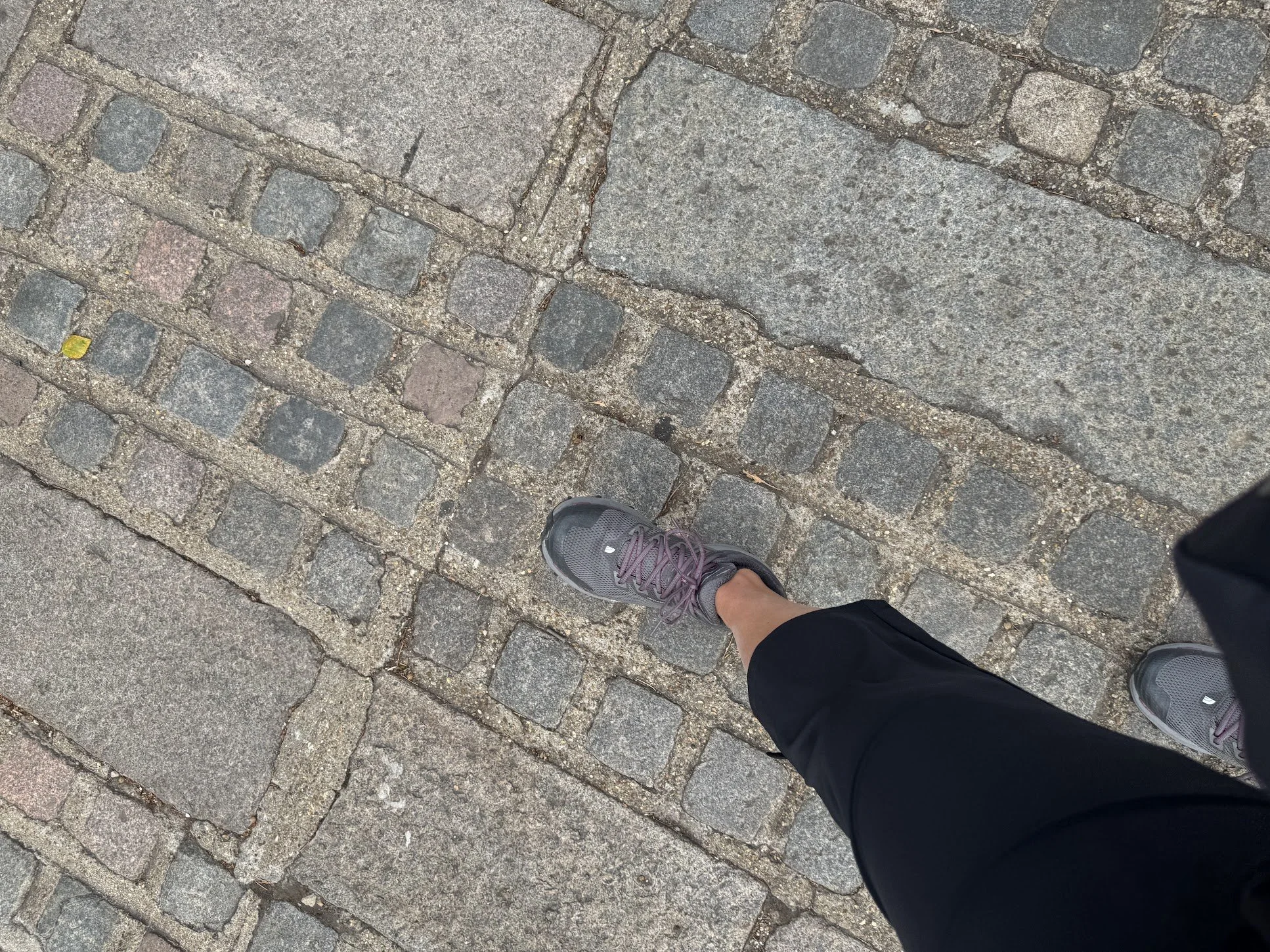
The Walking Shoes That Survived Three Months of European Travel
These provided the comfort, support, waterproof protection, and versatility I needed for long days on my feet.
-
![Waterproof Travel Gear]()
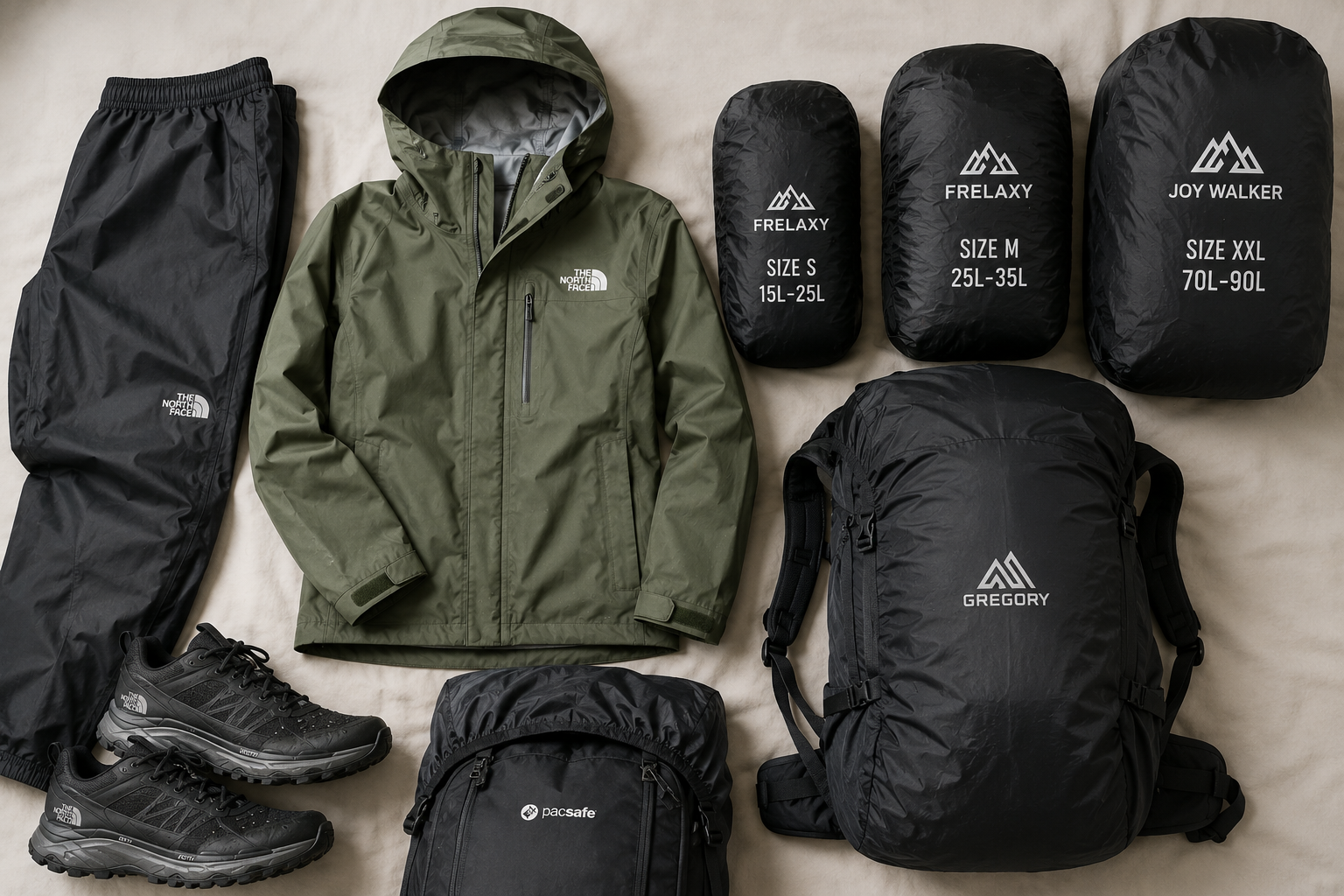
Waterproof Travel Gear: Essentials That Keep You Exploring
Rain gear is one of the best investments you can make for an extended European trip. These waterproof essentials earned a permanent place on my packing list.
-
![Phone Wrist Strap]()
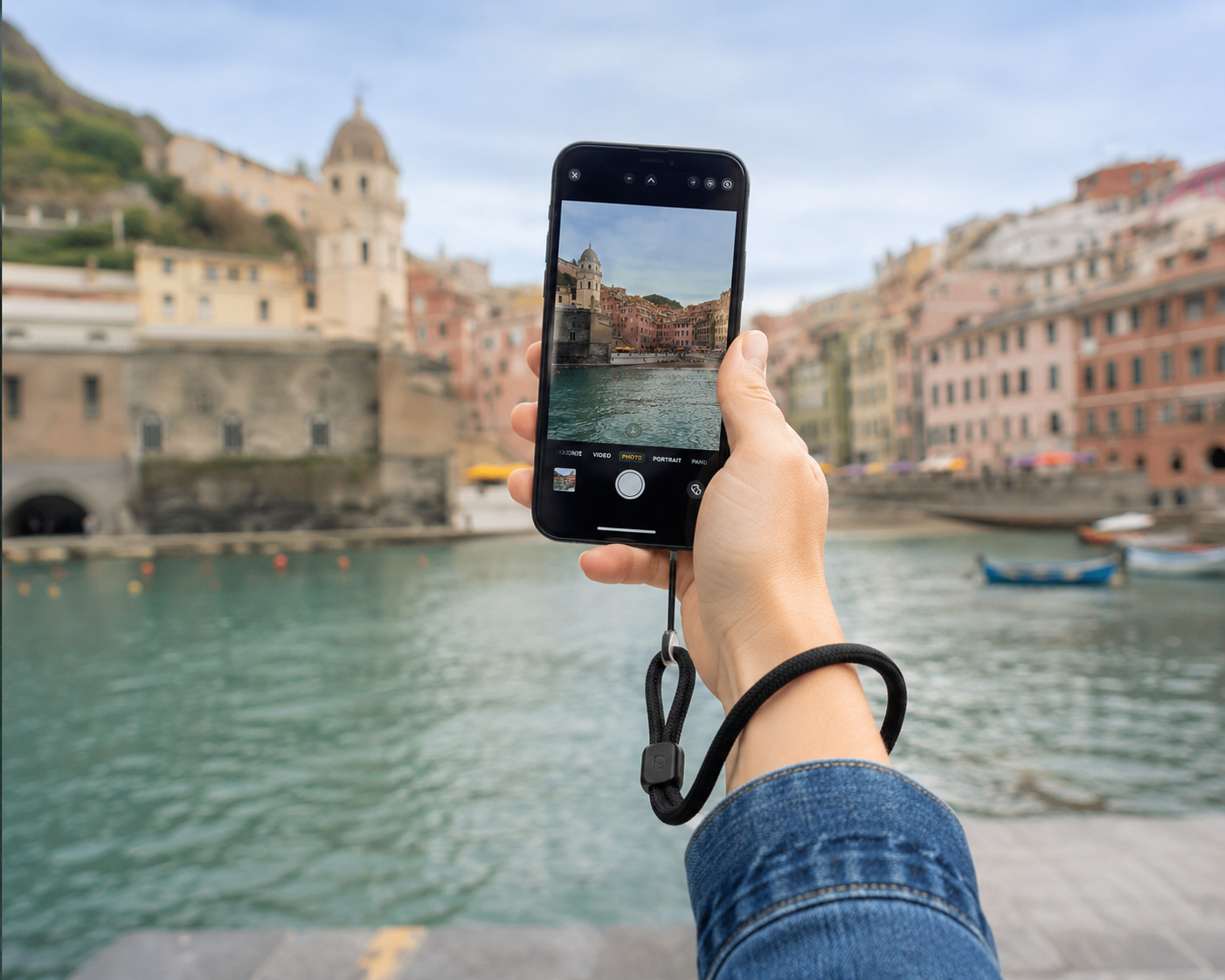
The Phone Wrist Strap That Helped Protect My Phone Across Europe
A simple, low-cost travel accessory provided peace of mind in crowded cities and added security throughout my three-month trip.
-
![Travel Technology]()
The Technology I Used During Three Months of Traveling Europe
The travel tech that helped me navigate, stay connected, protect my photos, and travel independently.