Ljubljana Travel Guide: Bridges, Hills, and Slovenia Beyond Lake Bled
Riverside cafés, mountain day trips, and one of the easiest cities to settle into.
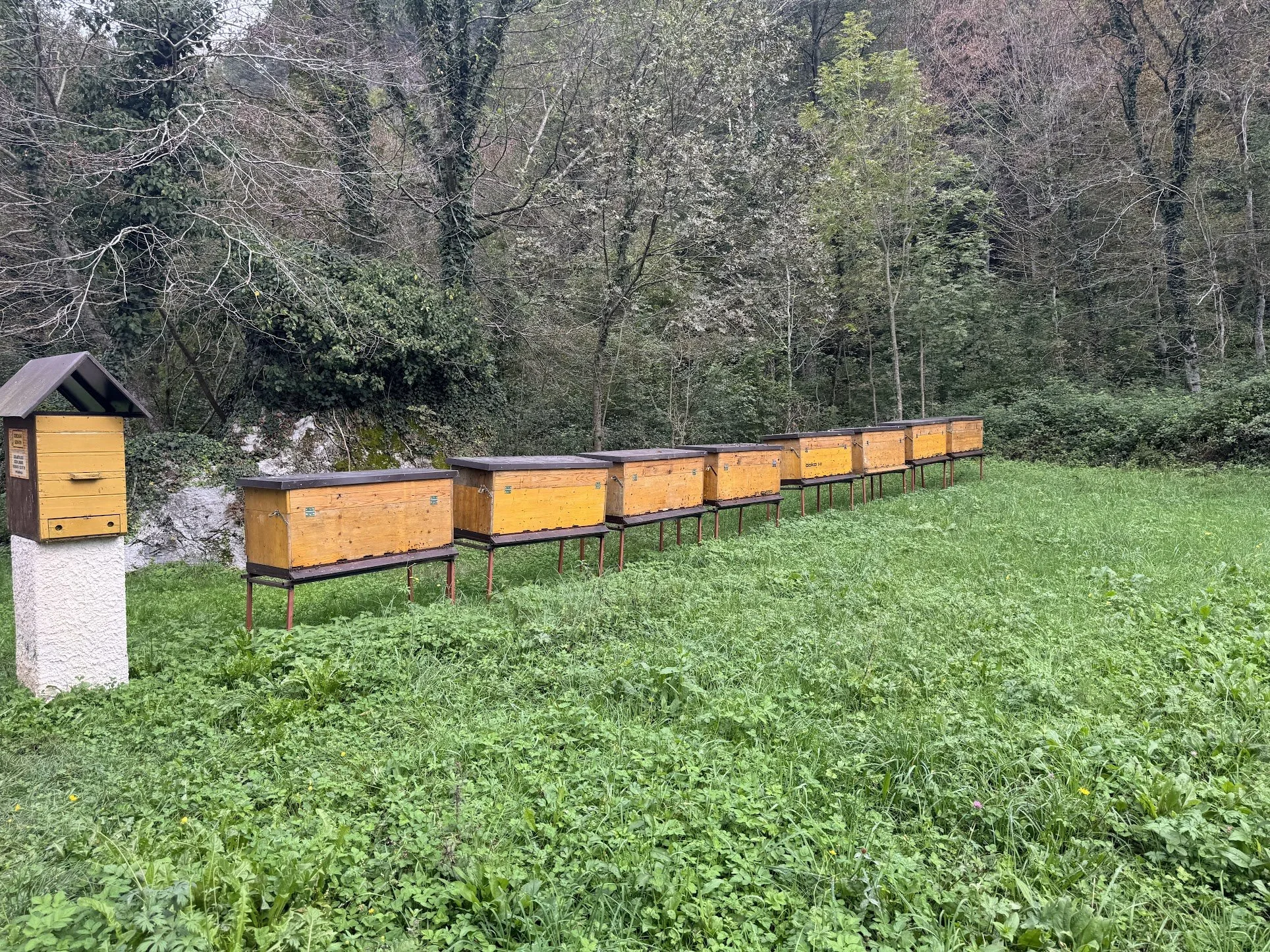
Most of what I knew about Ljubljana, and Slovenia in general, came from professional cycling: riders like Tadej Pogačar and Primož Roglič, plus postcard places like Lake Bled. Ljubljana began as a practical connection between Zagreb and Venice, but the more I researched it while planning my trip, the more days I added to my stay. What surprised me was how quickly it became one of the easiest, most comfortable stops of my trip, and how that same stretch of days also included accidentally booking two hotel rooms, a comically long search for an “Apple Store” that didn’t actually exist, a marriage proposal from a man I met at the Zagreb bus station, and the discovery that Slovenian bumble bees apparently don’t sting.
This guide covers where I stayed, how I explored Ljubljana and the surrounding areas at a slower pace, and why the city felt noticeably more manageable and relaxed than many larger European capitals.
Some links in this post may be affiliate links, which means I may earn a small commission if you book through them—at no additional cost to you. I only share places and services I personally used or genuinely enjoyed during my trip. Read the full disclosure policy.
Ljubljana, Slovenia Overview
Ljubljana is the capital of Slovenia, a small Central European country bordered by Italy, Austria, Croatia, and Hungary. Set along the Ljubljanica River and surrounded by parks, tree-lined streets, and low rolling hills, the city feels noticeably calmer and more relaxed than many larger European capitals. While Ljubljana is known for its pedestrian-friendly Old Town, café culture, and castle on the hill, it’s equally defined by its green spaces, outdoor markets, riverside dining, and easy pace of life.
I visited in late September, when daytime temperatures generally ranged from the upper 60s to low 70s (°F), with mornings and evenings dropping into the 50s. The weather shifted quickly between warm sunshine, crisp autumn air, and occasional rain showers, especially later in the month, so lightweight layers and a small umbrella were especially useful.
Where I Stayed In Ljubljana, Slovenia: Trnovo District
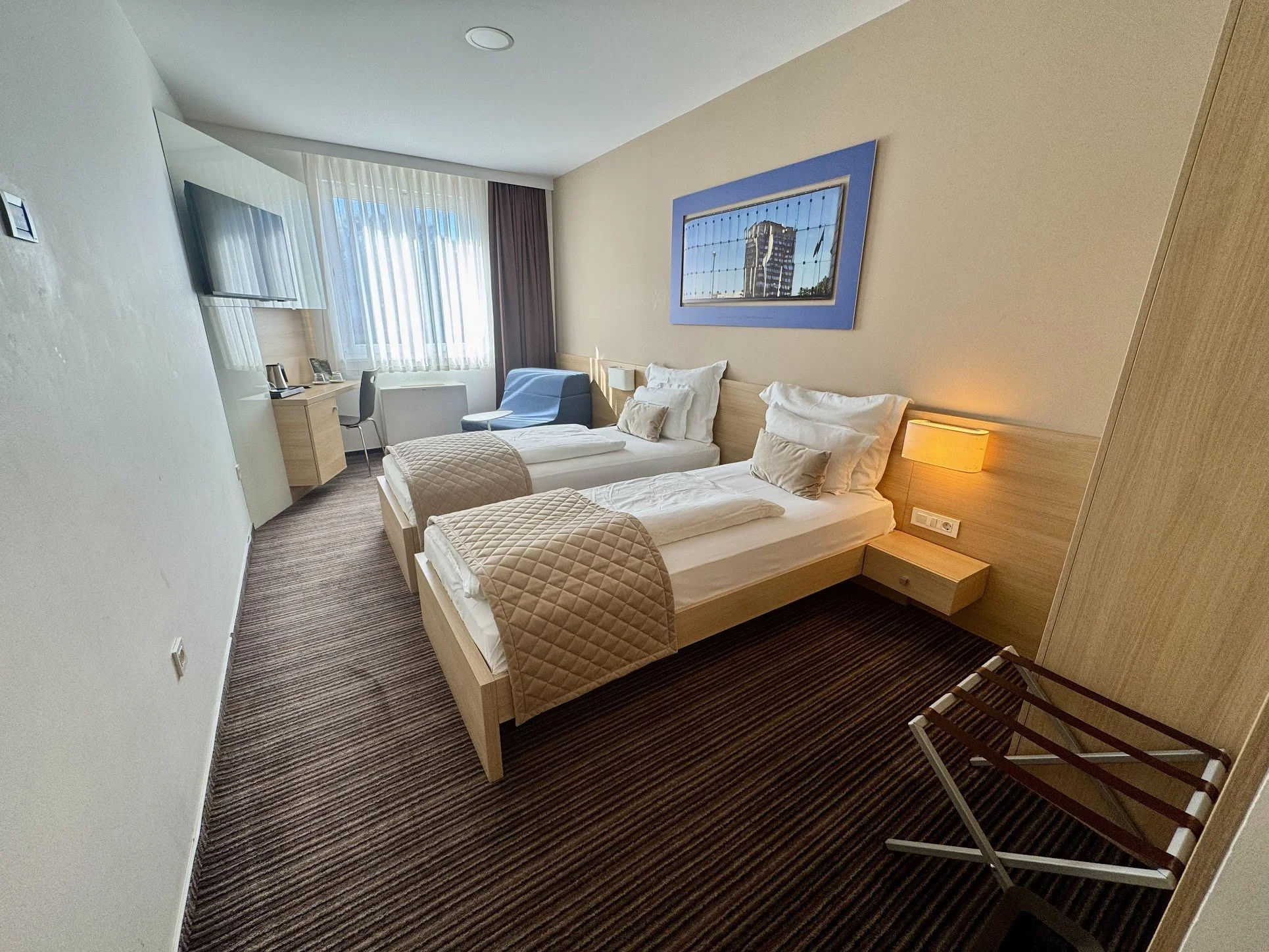
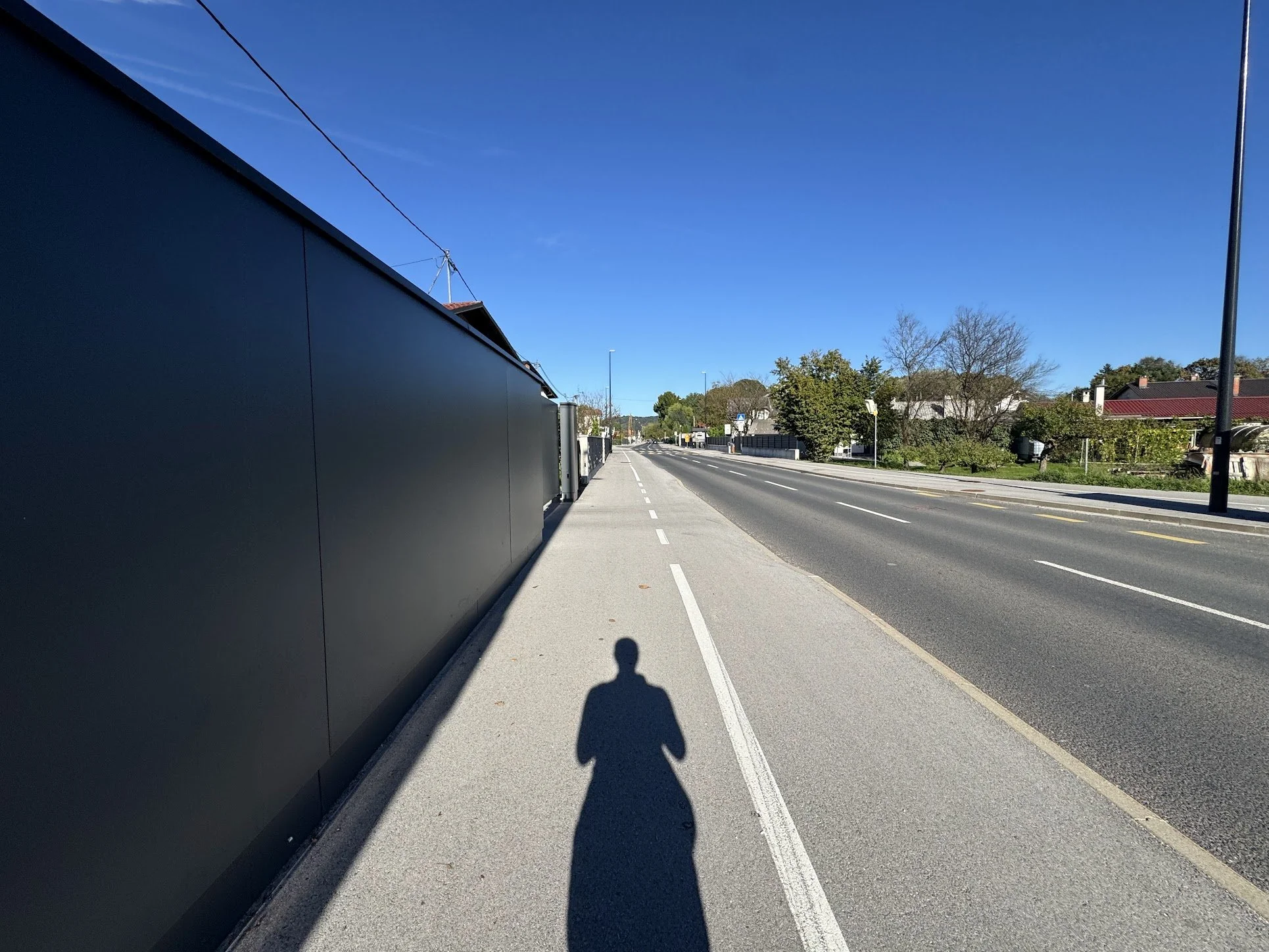
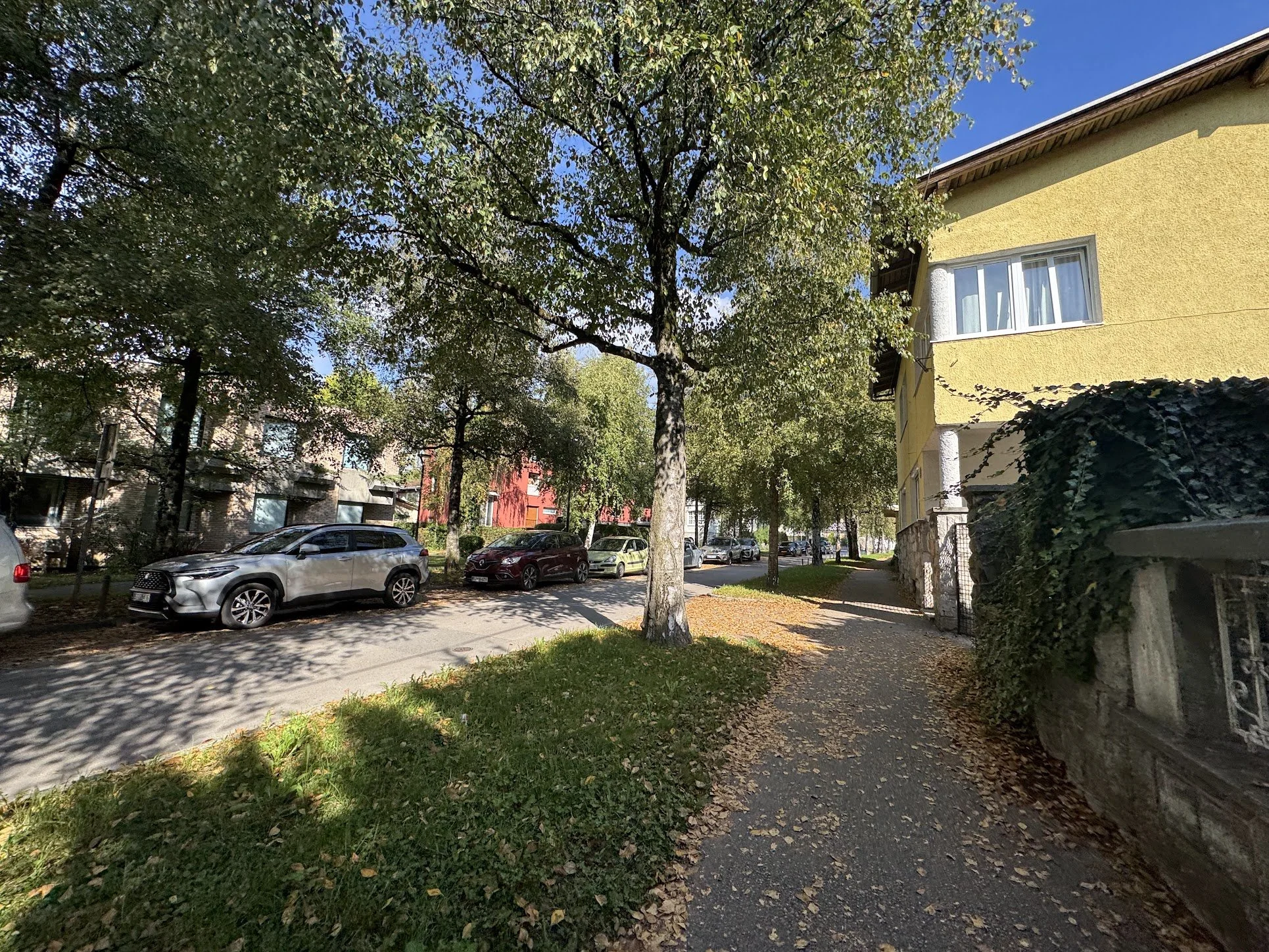
I stayed at Ahotel in the quieter, more residential Trnovo District in southern Ljubljana, which felt calmer than the busy Old Town but still well connected by bike, taxi, bus, or a longer walk. The immediate area was more suburban and car-friendly because of the nearby ring road, and while the city felt very safe overall, I didn’t always love the long, dark walk back alone at night after evenings in the center.
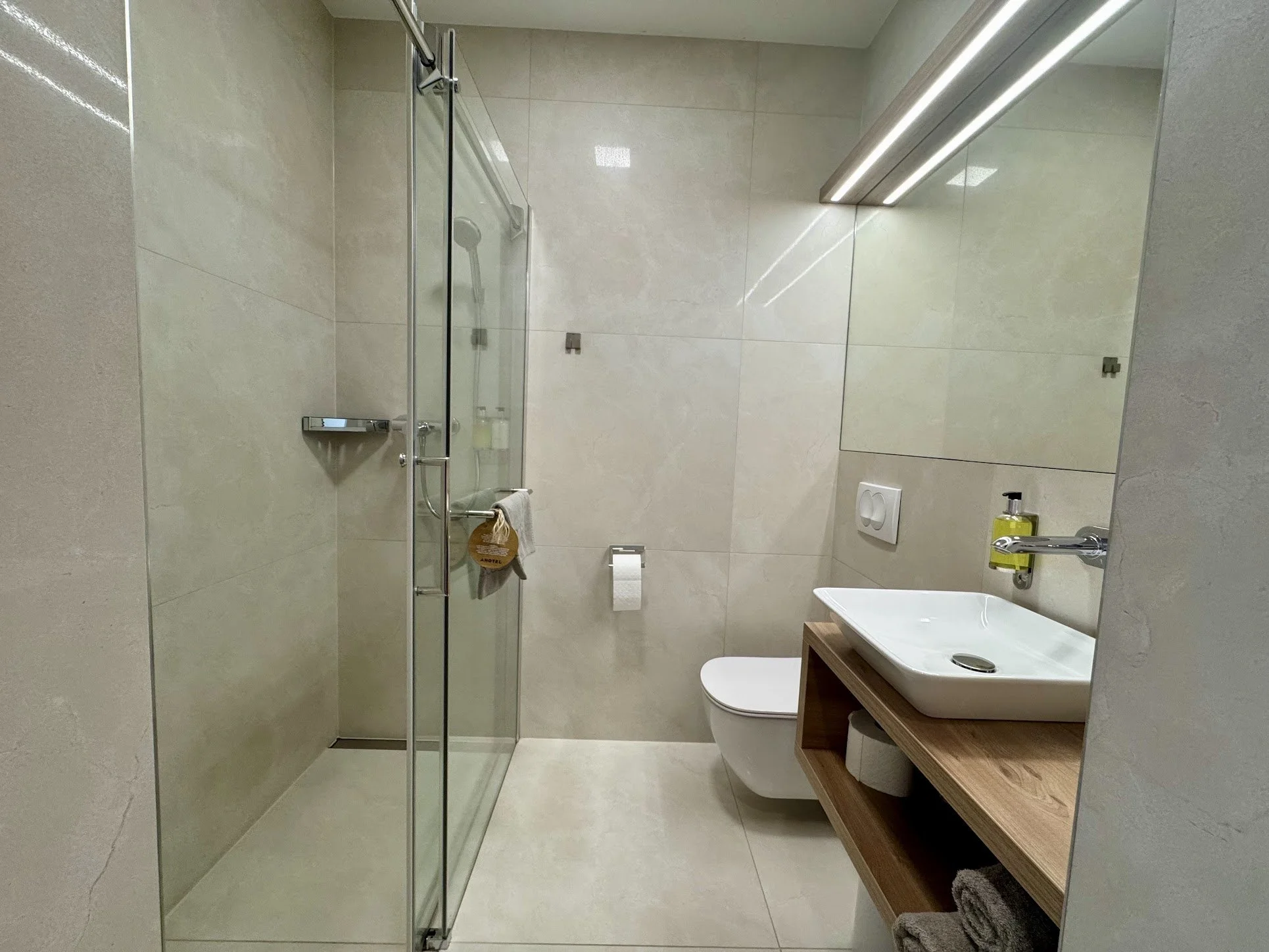
The hotel itself was excellent with strong, adjustable air conditioning, a generous breakfast, and especially kind staff who helped untangle an accidentally duplicated booking I’d made during a sleep-deprived planning session, keeping me updated while working with the manager to resolve what could have been a very expensive mistake. One practical note if you stay farther outside the historic center: rideshare services aren’t as seamless as in some cities, so you may need to rely on hotel staff to arrange transportation.
How I Spent My Time in Ljubljana, Slovenia: Day Trips, Long Walks, and Everyday Errands
Ljubljana ended up being one of my longer stops of the trip: four nights, with two full-day tours built into the itinerary. That extra time gave me room to experience both the city itself and several of Slovenia’s most famous landscapes beyond Ljubljana.
The surprisingly difficult search for an Apple Watch band
One unexpectedly important mission during my time in Ljubljana was replacing my Apple Watch band, which had nearly disintegrated after weeks of getting snagged on my backpack. You would think finding a replacement would be simple. It was not.
Because Ljubljana doesn’t have a traditional Apple Store, I spent an absurd amount of time bouncing between sports shops, electronics stores, department stores, and wireless providers while locals continued to reassure me there was an Apple Store “somewhere in Old Town.” Eventually, I realized the source of the confusion: what everyone was calling “Apple” was actually an authorized reseller called EPL. Said quickly with a Slovenian accent, “EPL” and “Apple” sound deceptively similar.
Once that mission was finally accomplished, I was able to enjoy the rest of my time in Ljubljana—no pun intended.
Lake Bled & Lake Bohinj
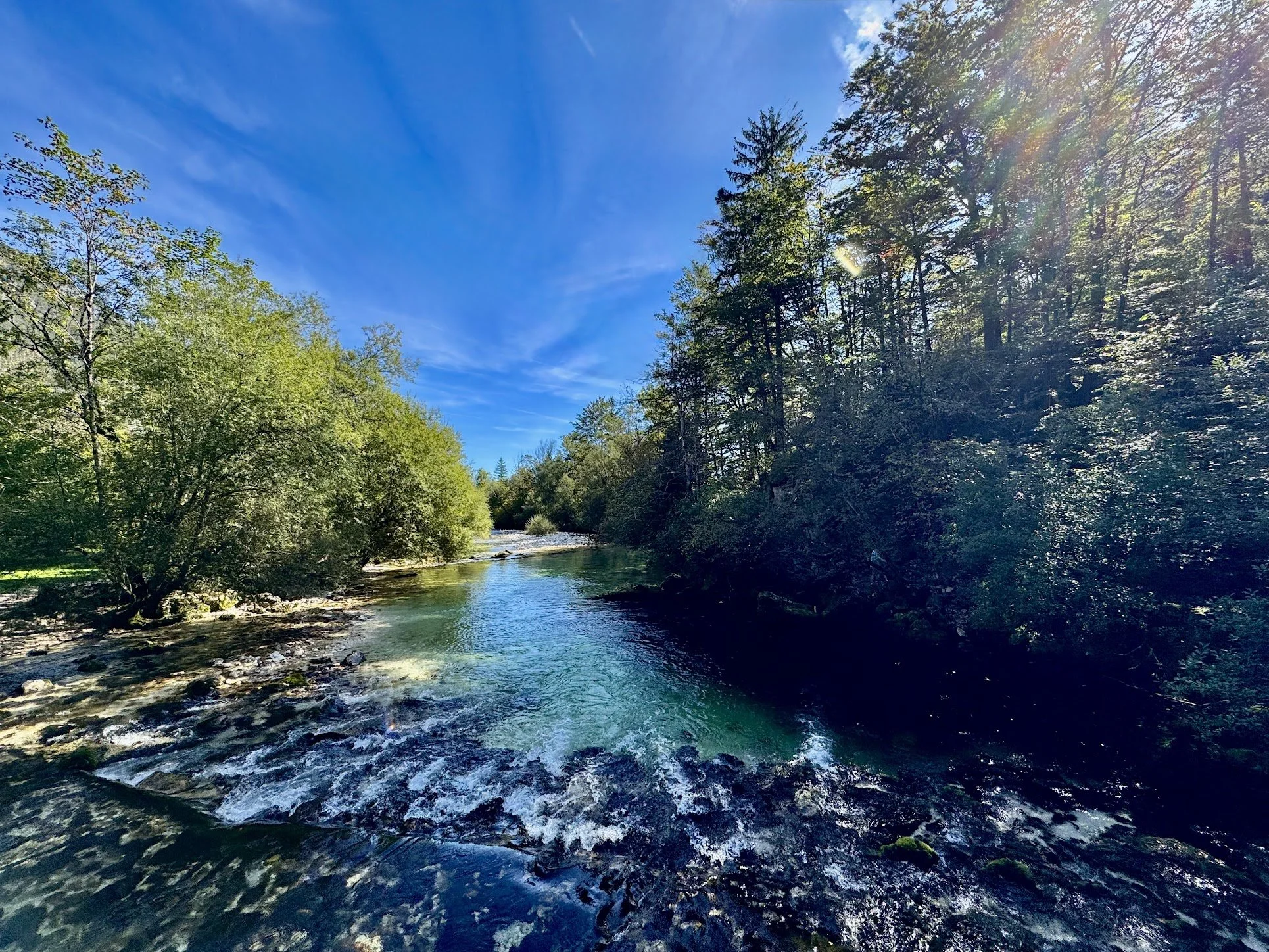
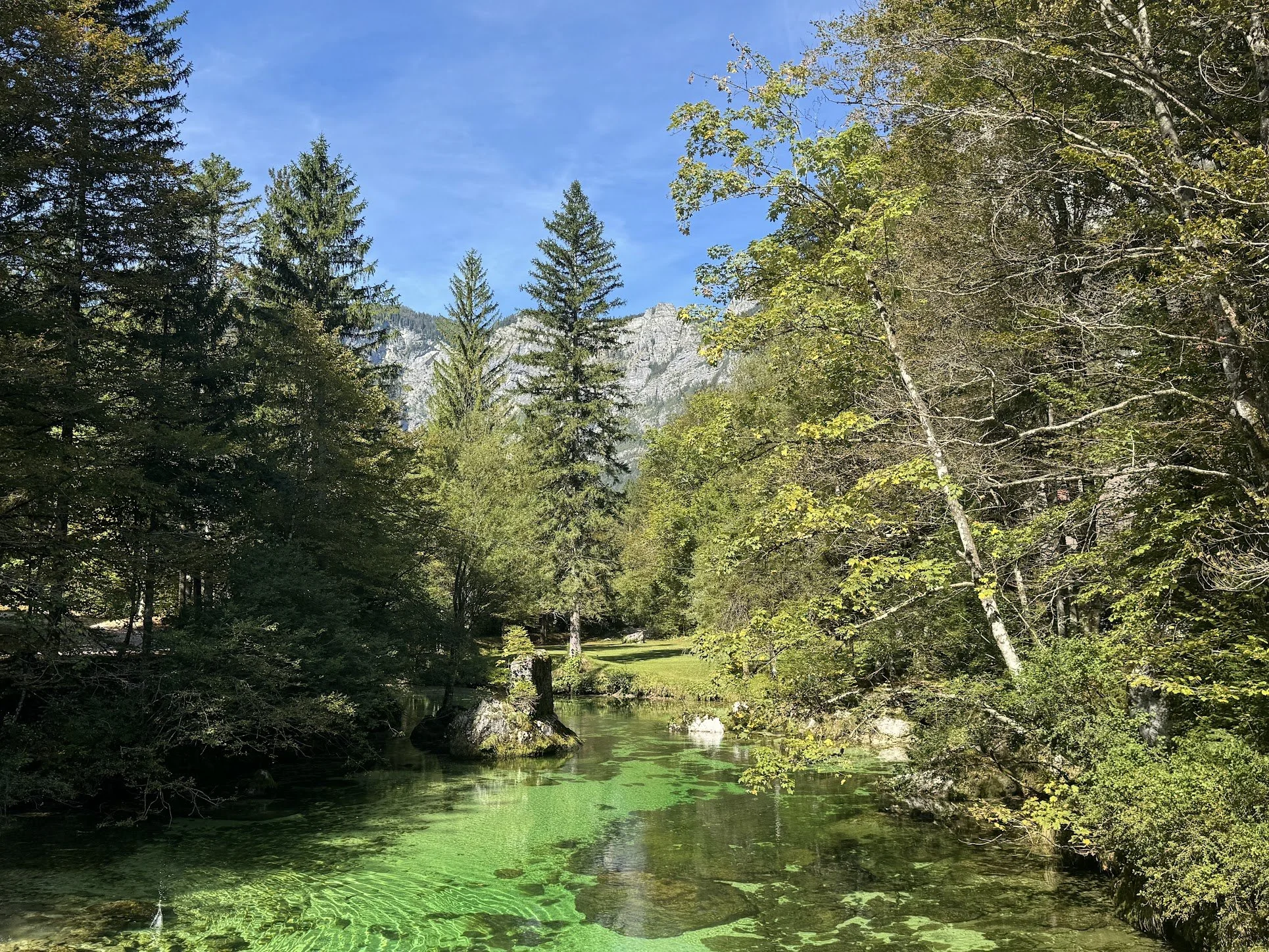
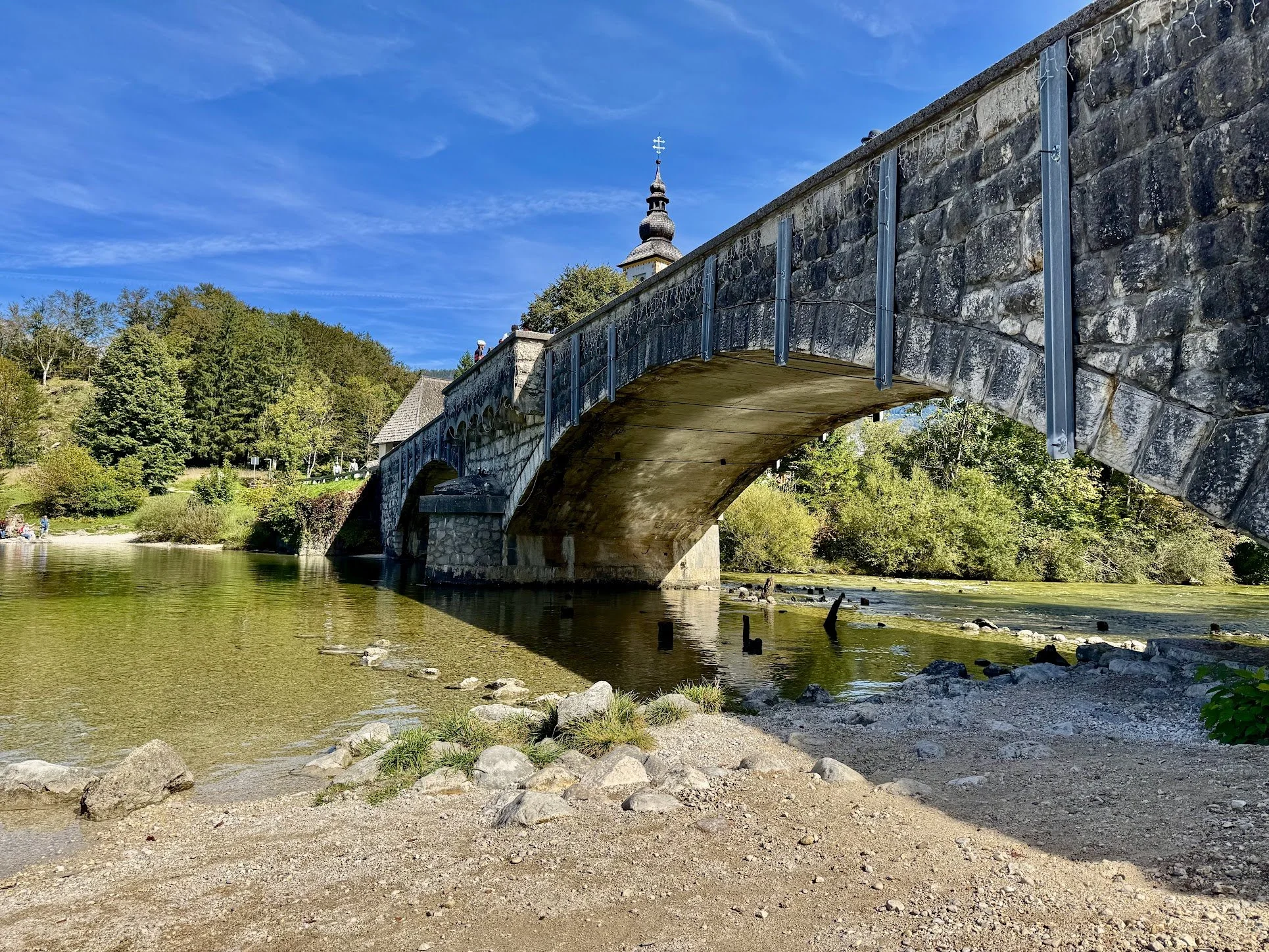
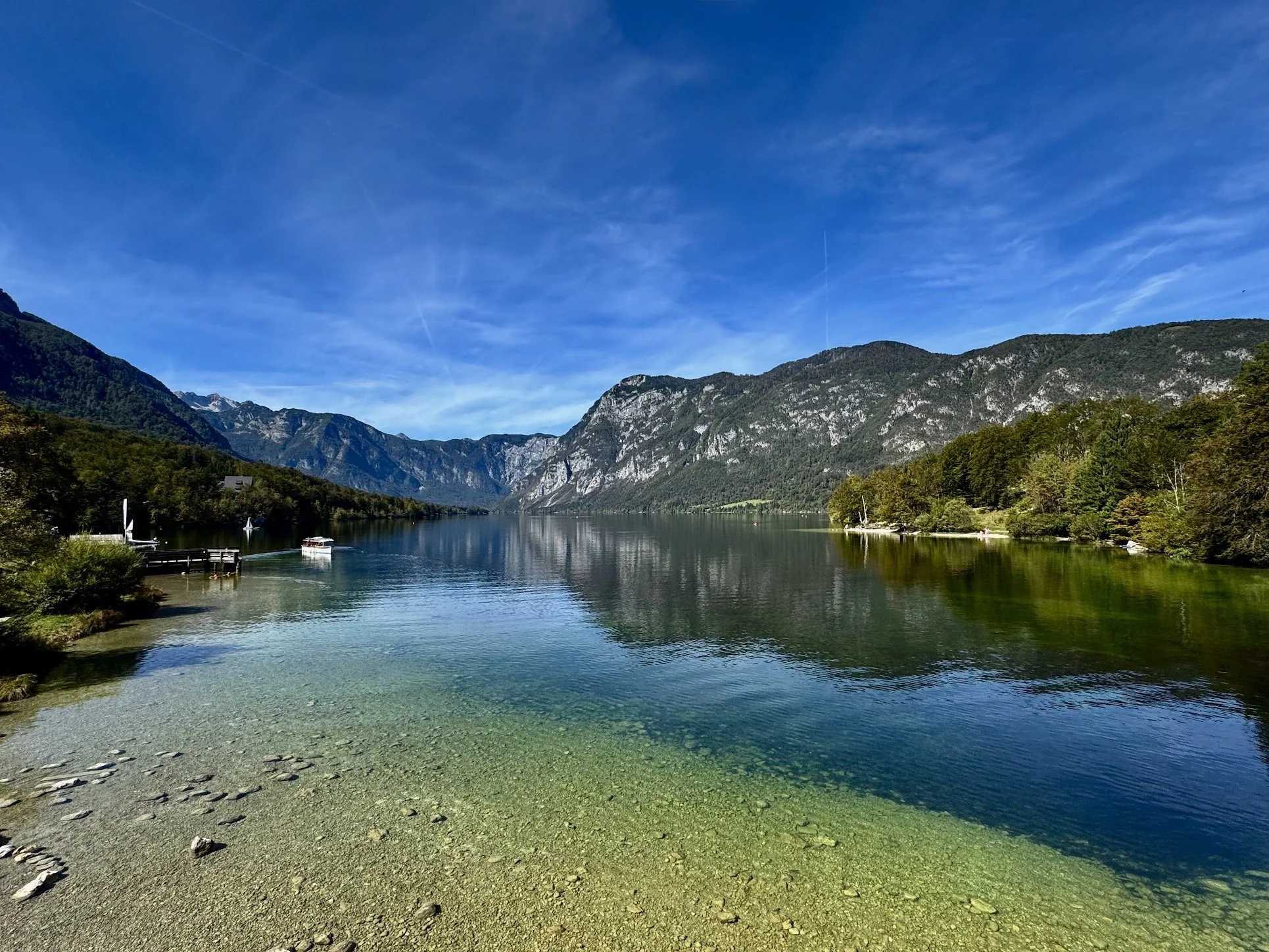
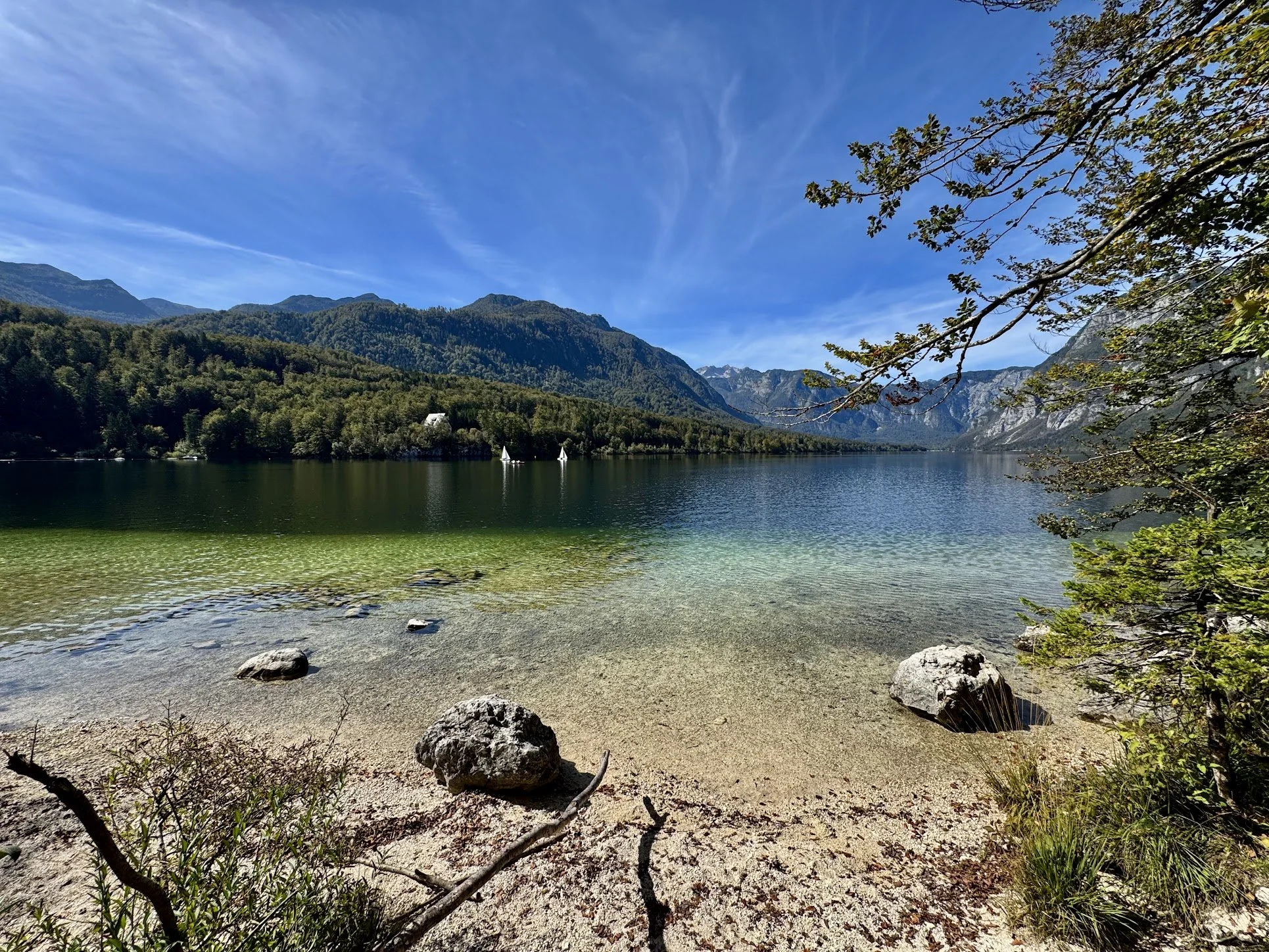
My first full day in Slovenia was a guided tour to Lake Bled, Lake Bohinj, and Savica Waterfall. In one of those small-world travel moments, a traveler I had met several days earlier on a day trip from Zagreb to Plitvice Lakes National Park ended up on the same tour.
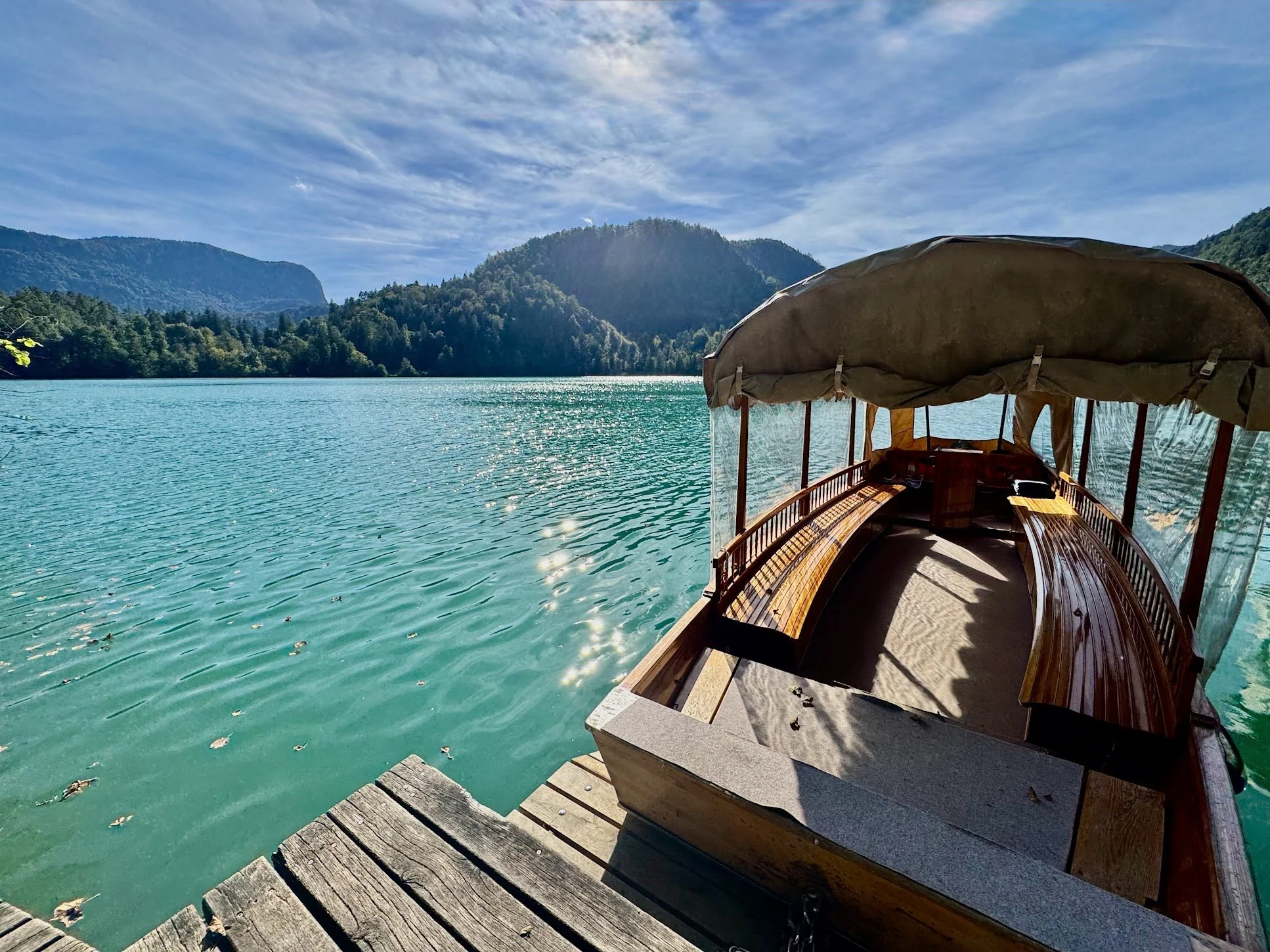
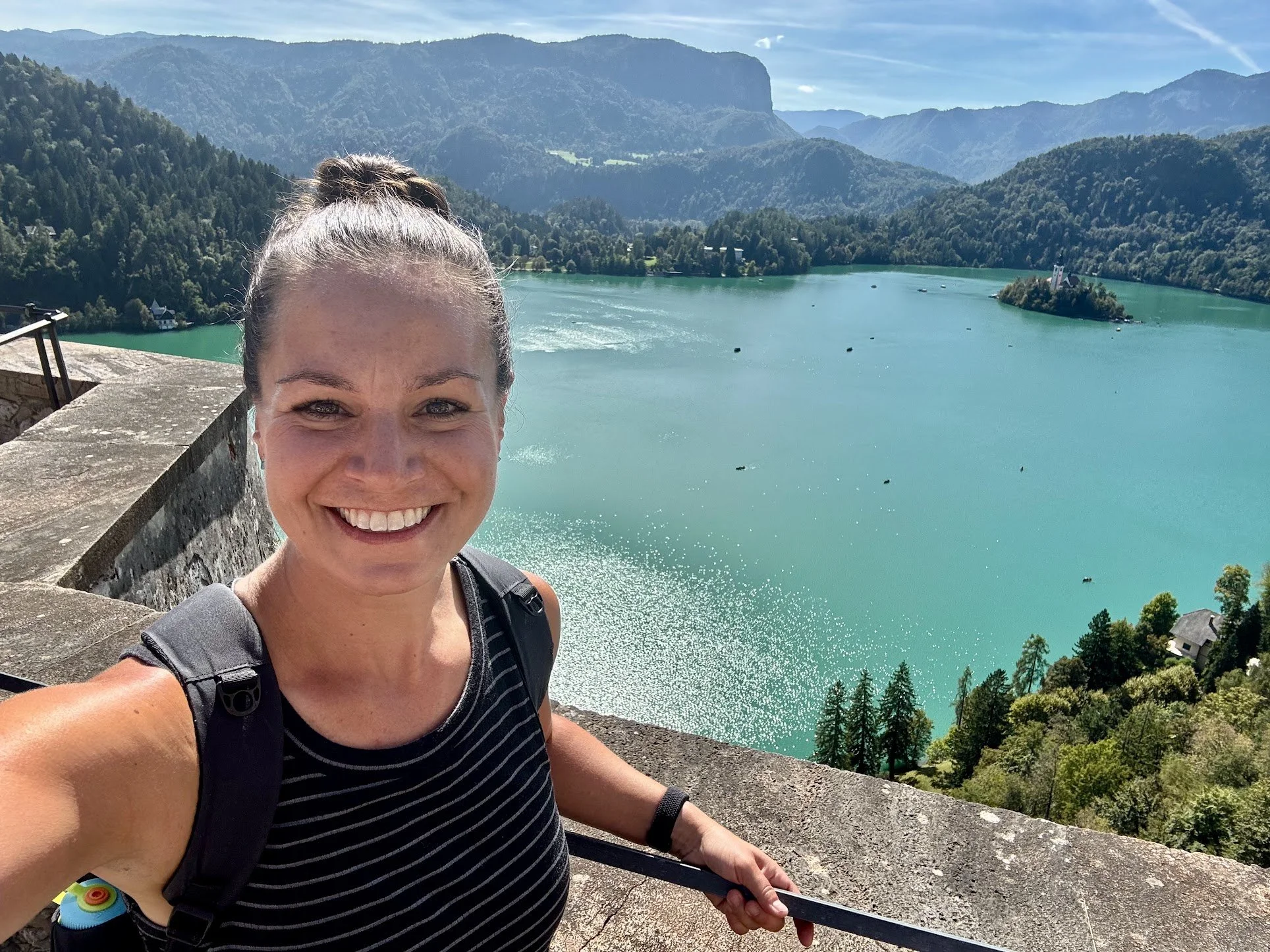
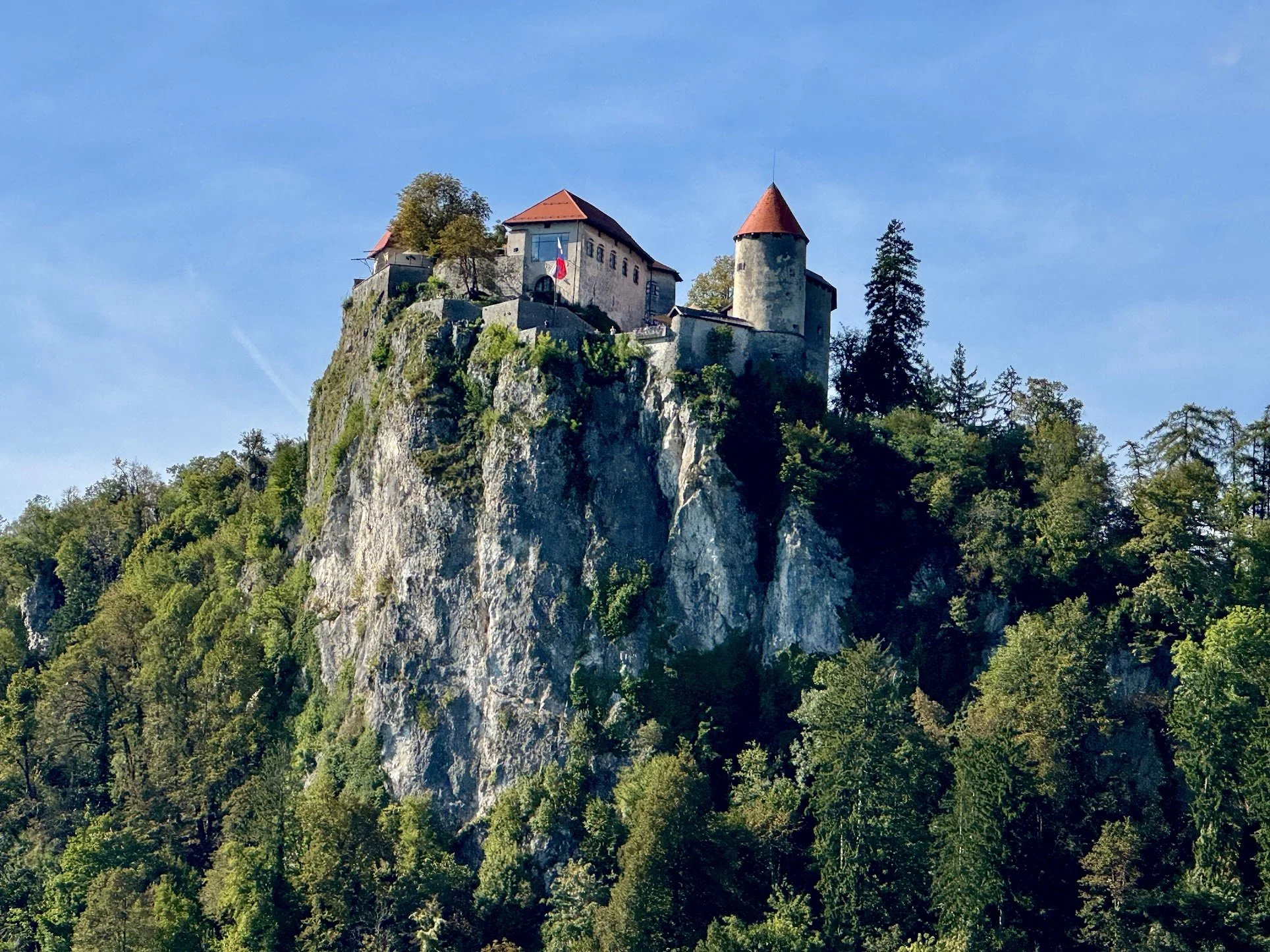
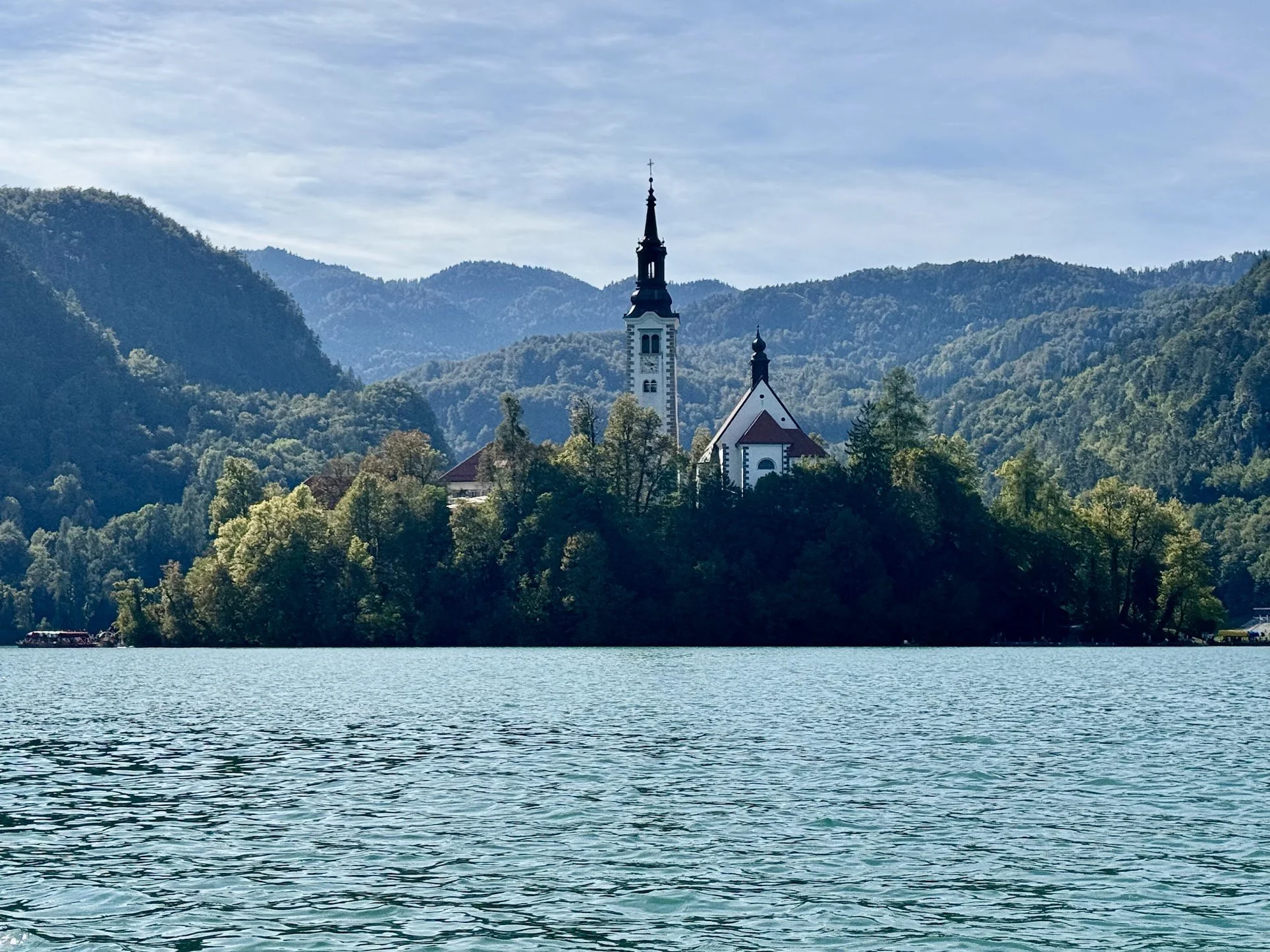
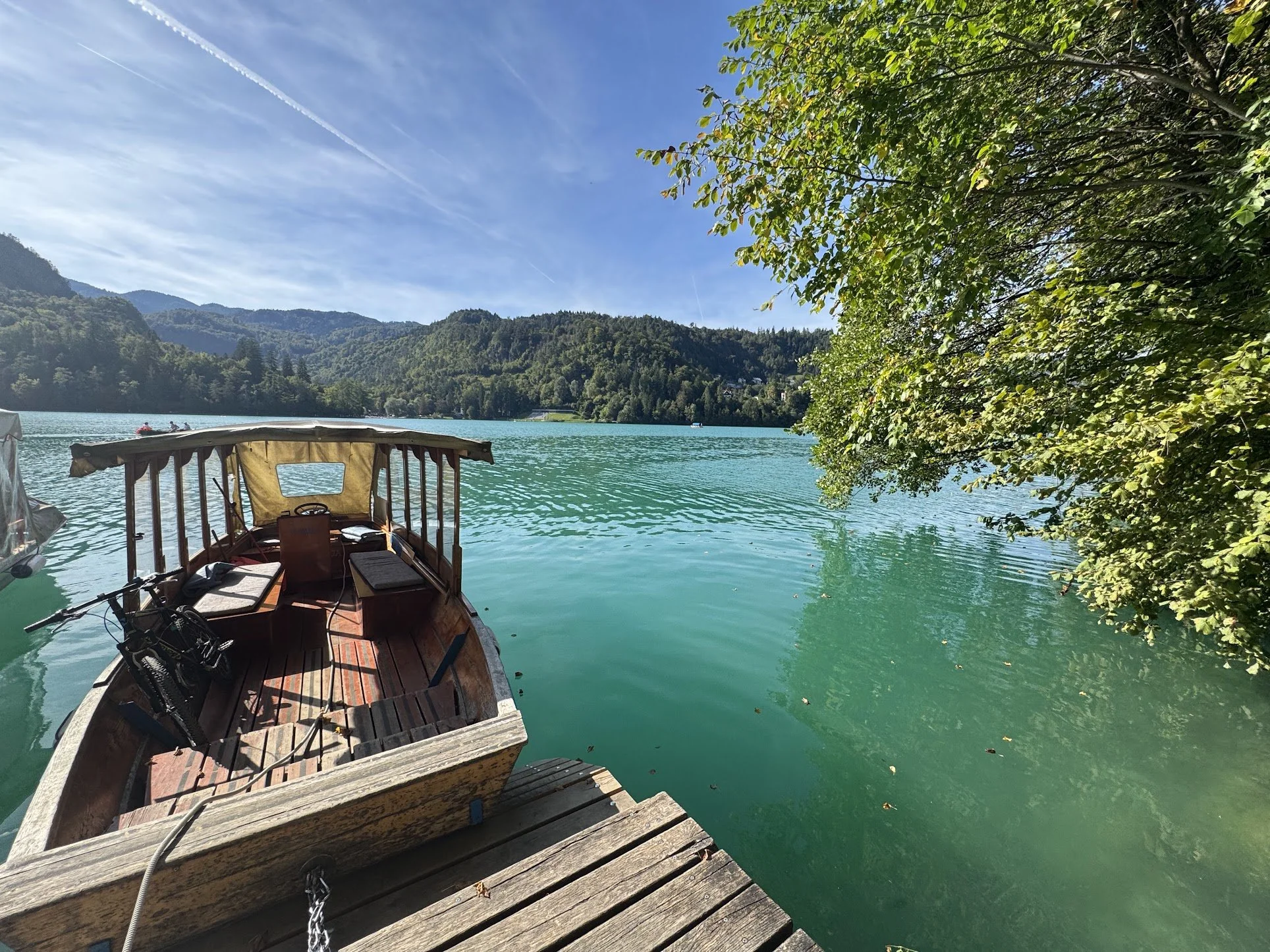
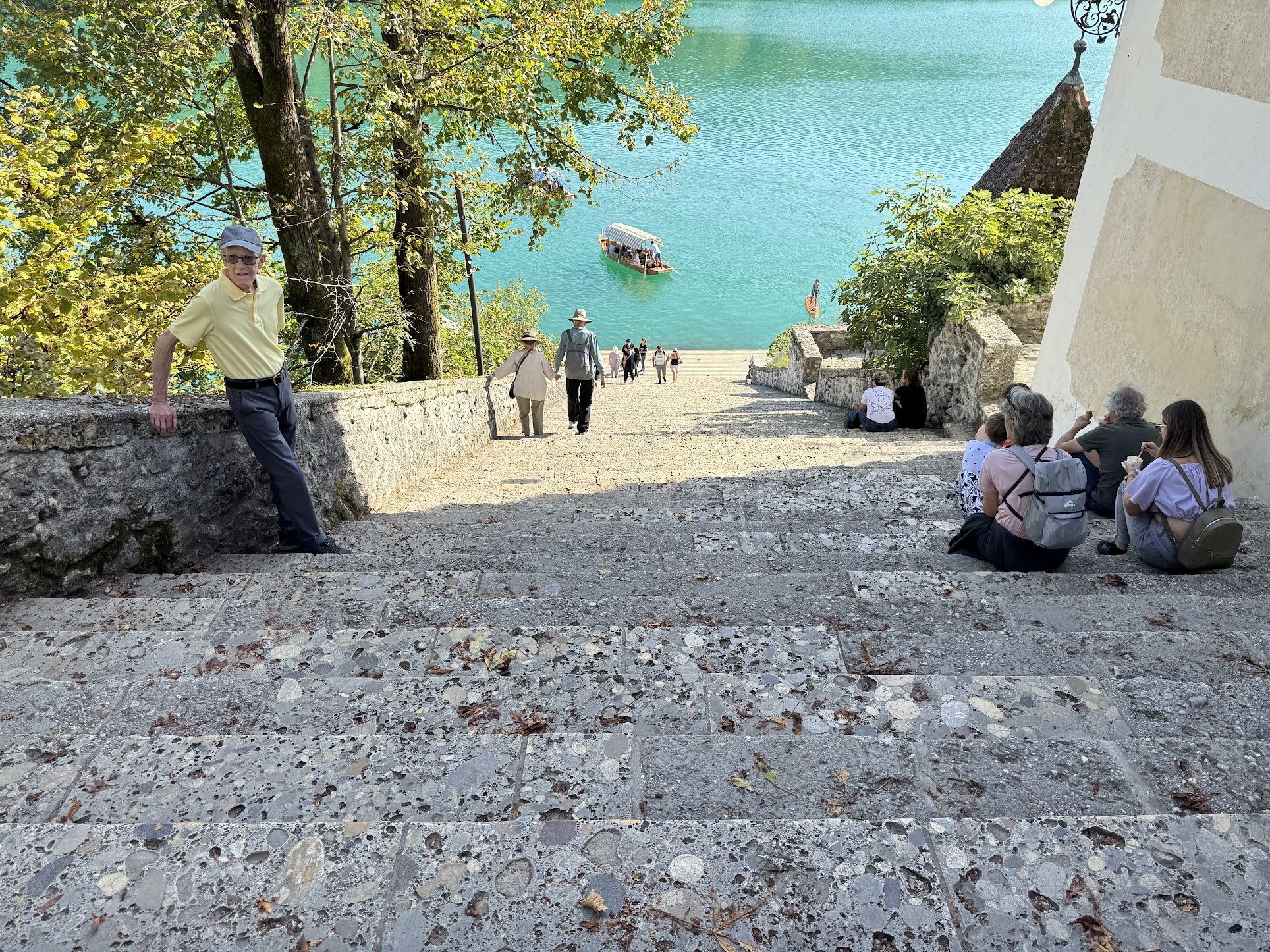
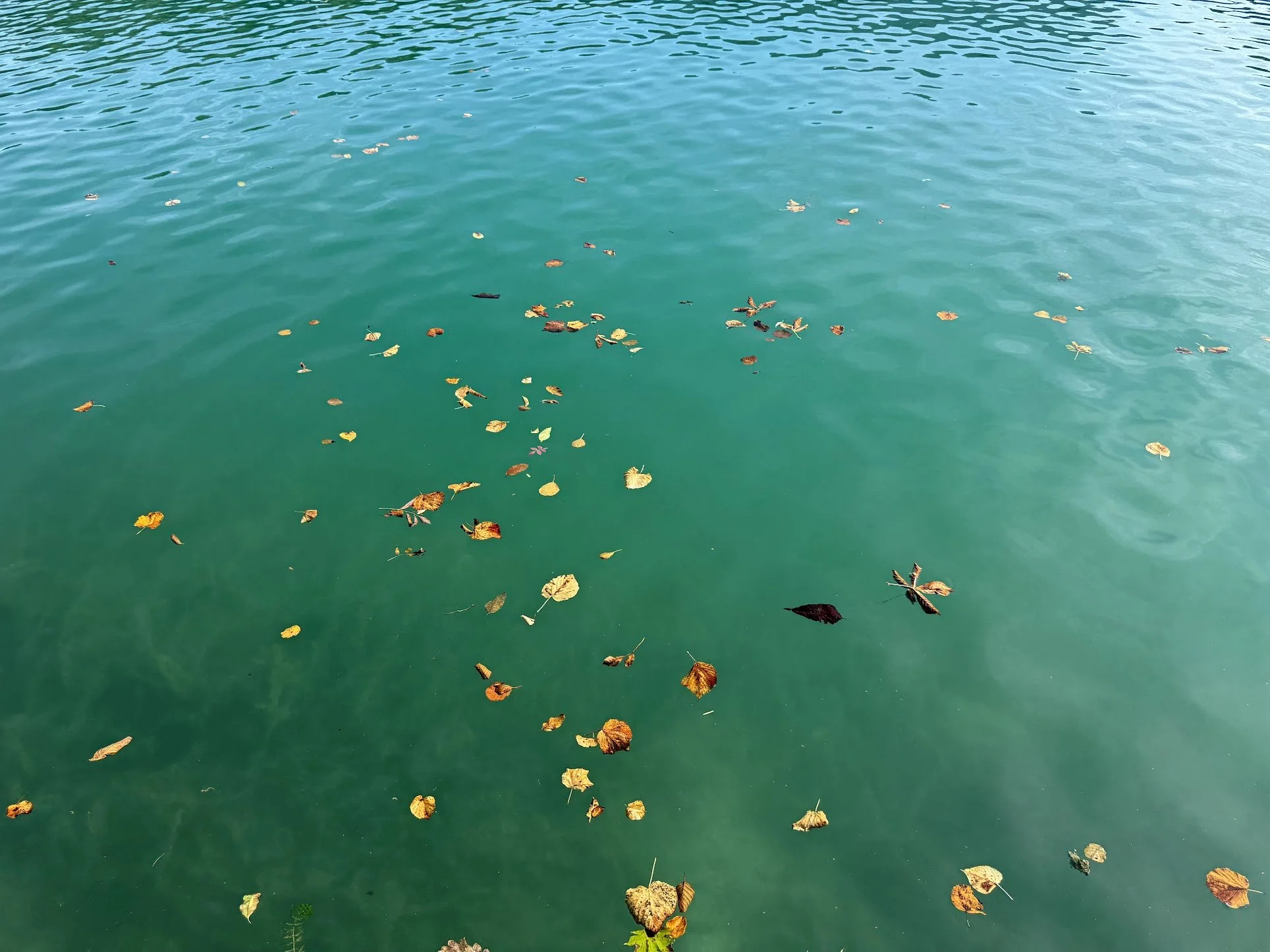
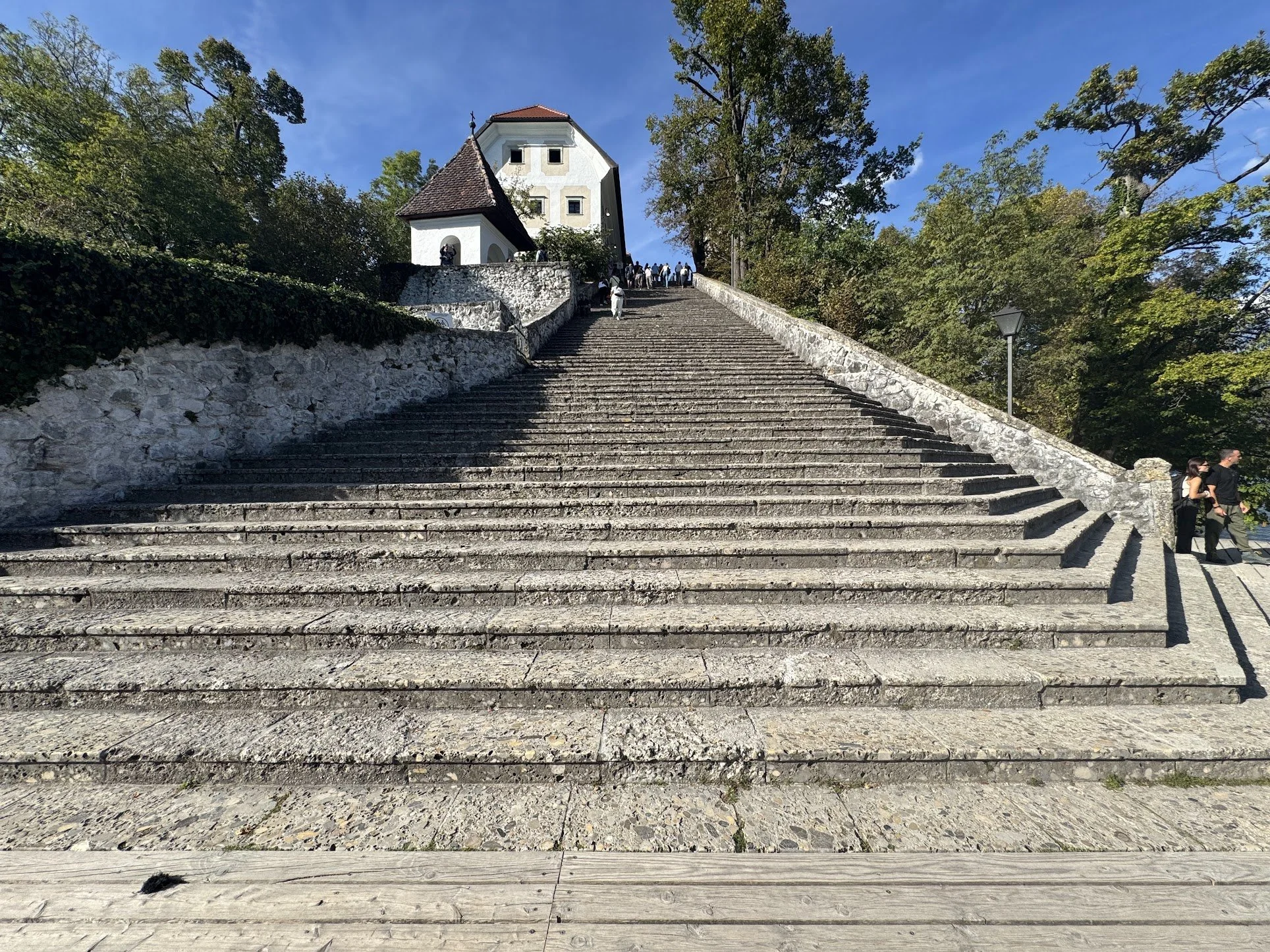
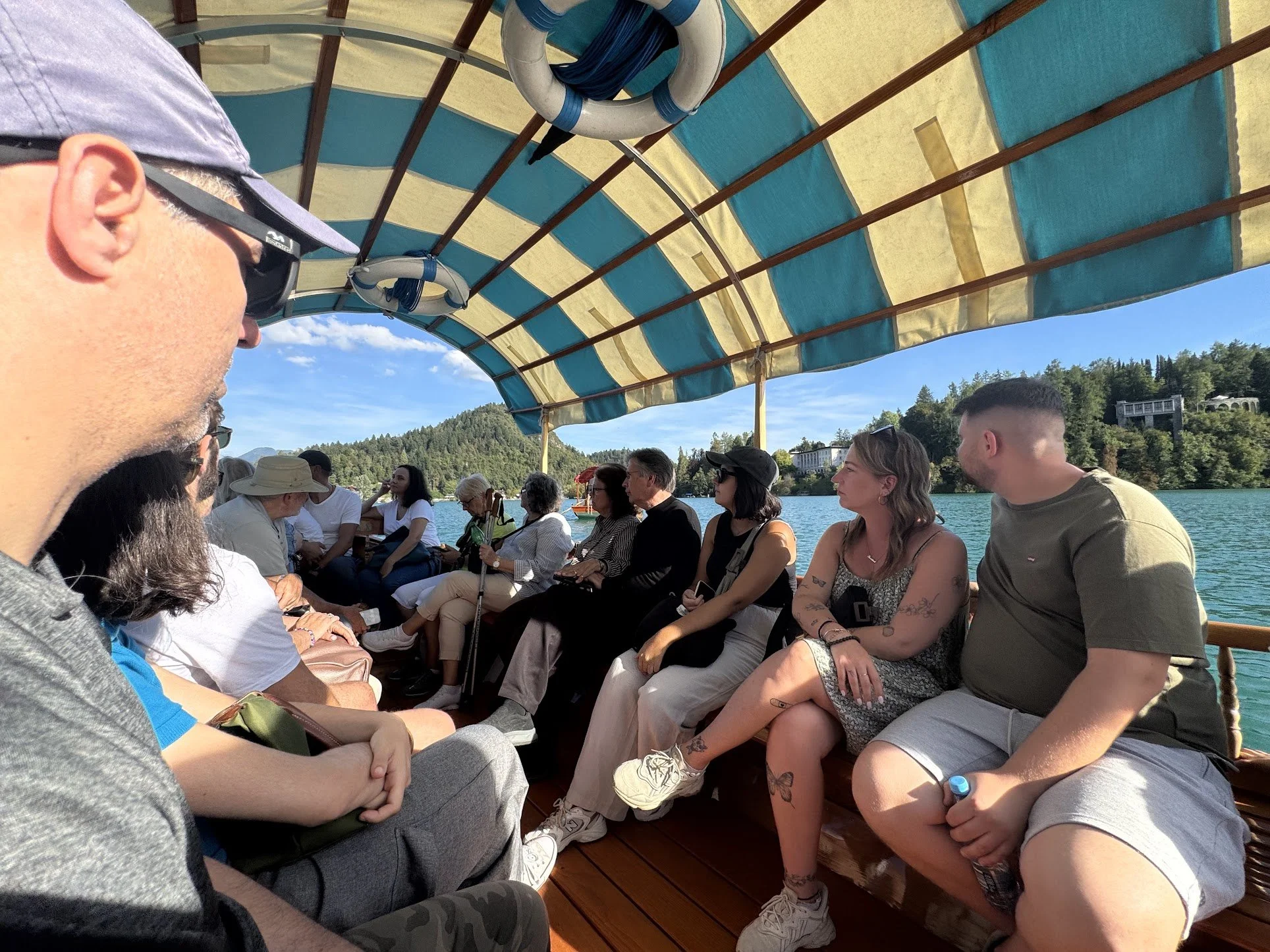
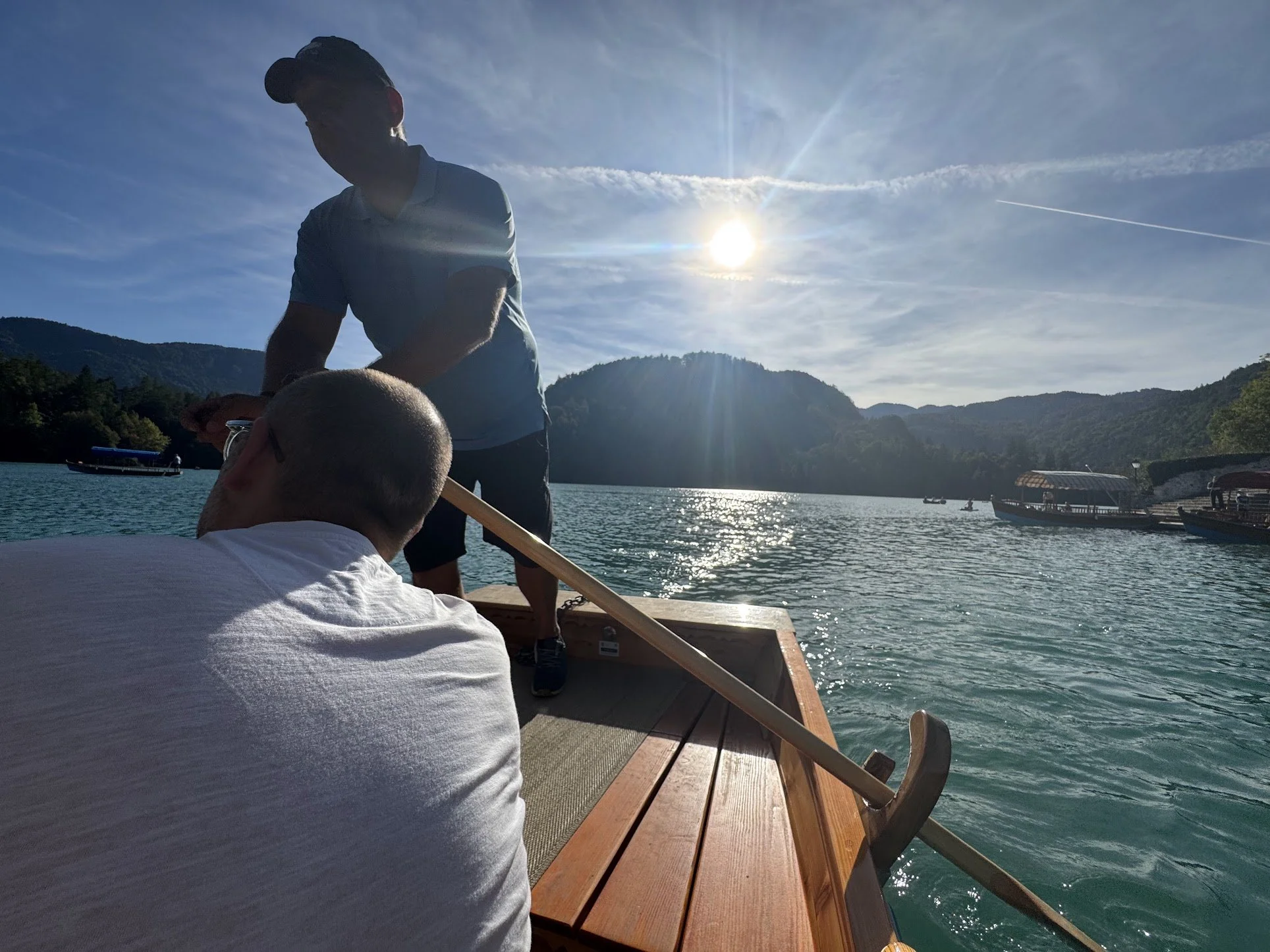
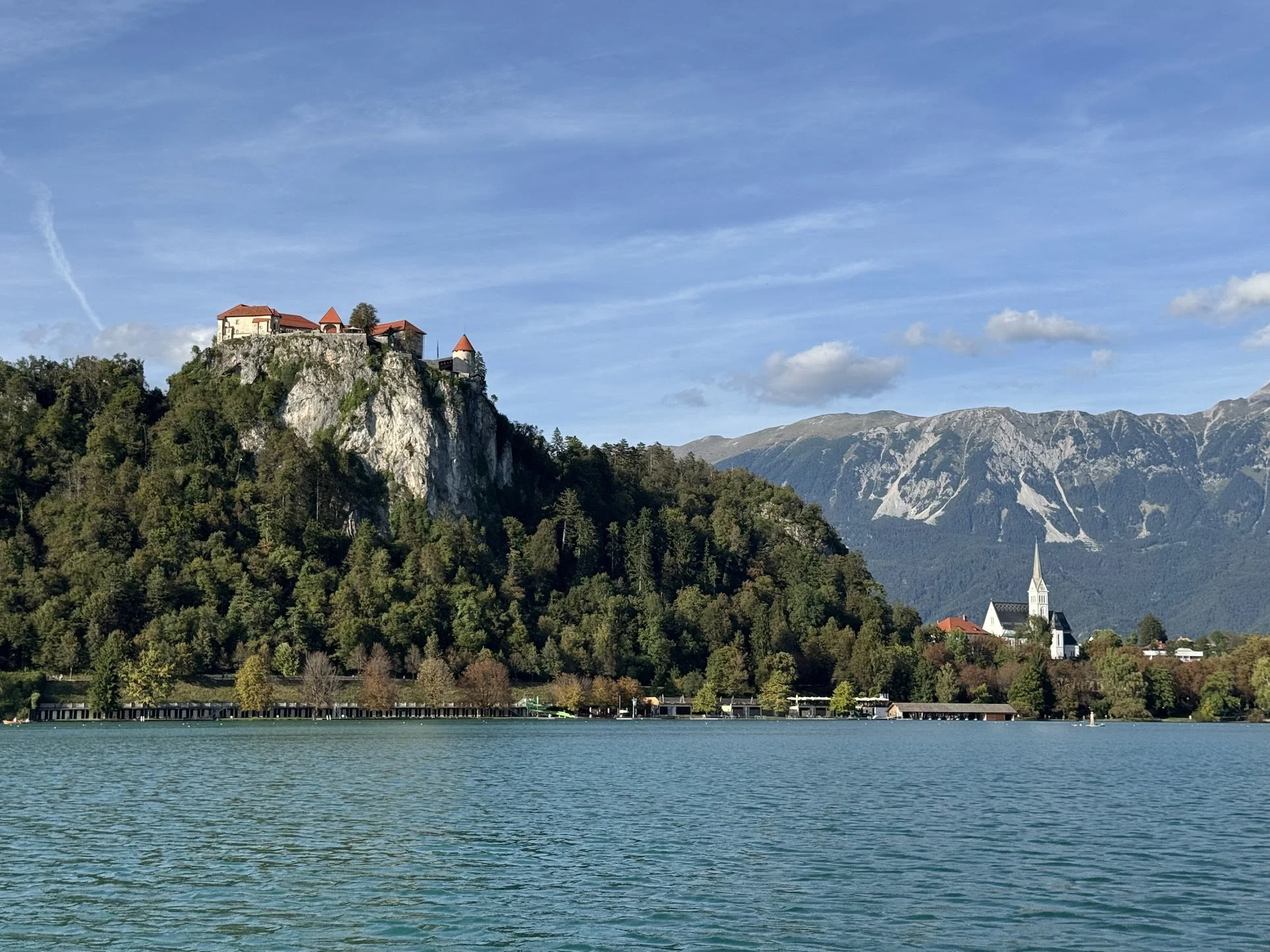
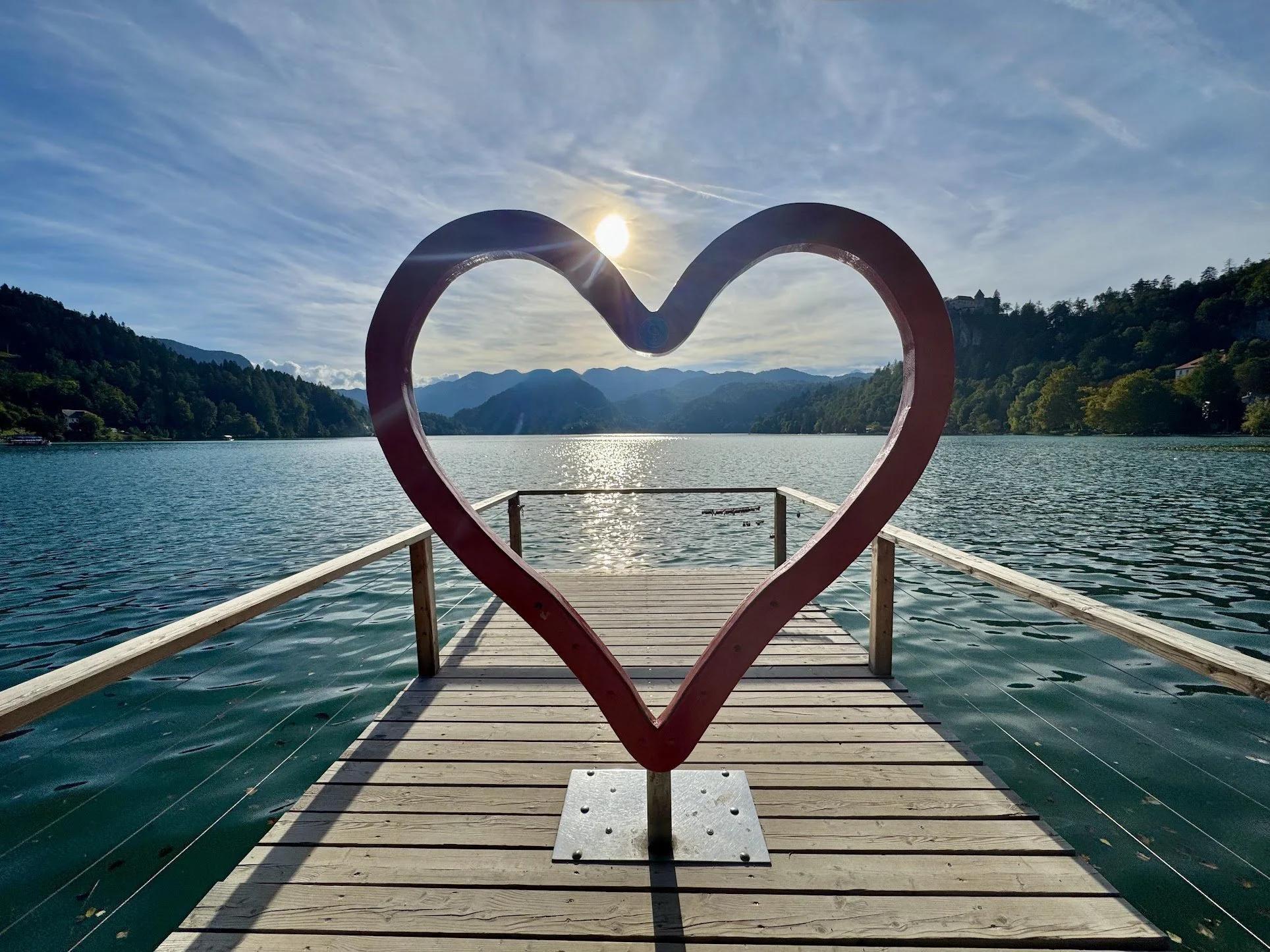
Lake Bled, with its emerald water, forested hills, clifftop castle, and island church, lived up to its reputation. The weather was warm and sunny enough for swimming, so after taking a traditional wooden plenta boat to the island, I sat at the shoreline dock, soaked my feet in the cold water, and watched the boats crossing the lake, where paths, cafés, hotels, and viewpoints ring the shore. A relaxed loop around the lake takes about 90 minutes on foot, with constant views of the island, mountains, and castle.
From there, we continued to Lake Bohinj, which felt quieter, less developed, and more rugged, which is surrounded by the Julian Alps, forests, alpine pastures, and small villages inside Triglav National Park, with an atmosphere that leans more toward outdoor recreation than resort-town polish.
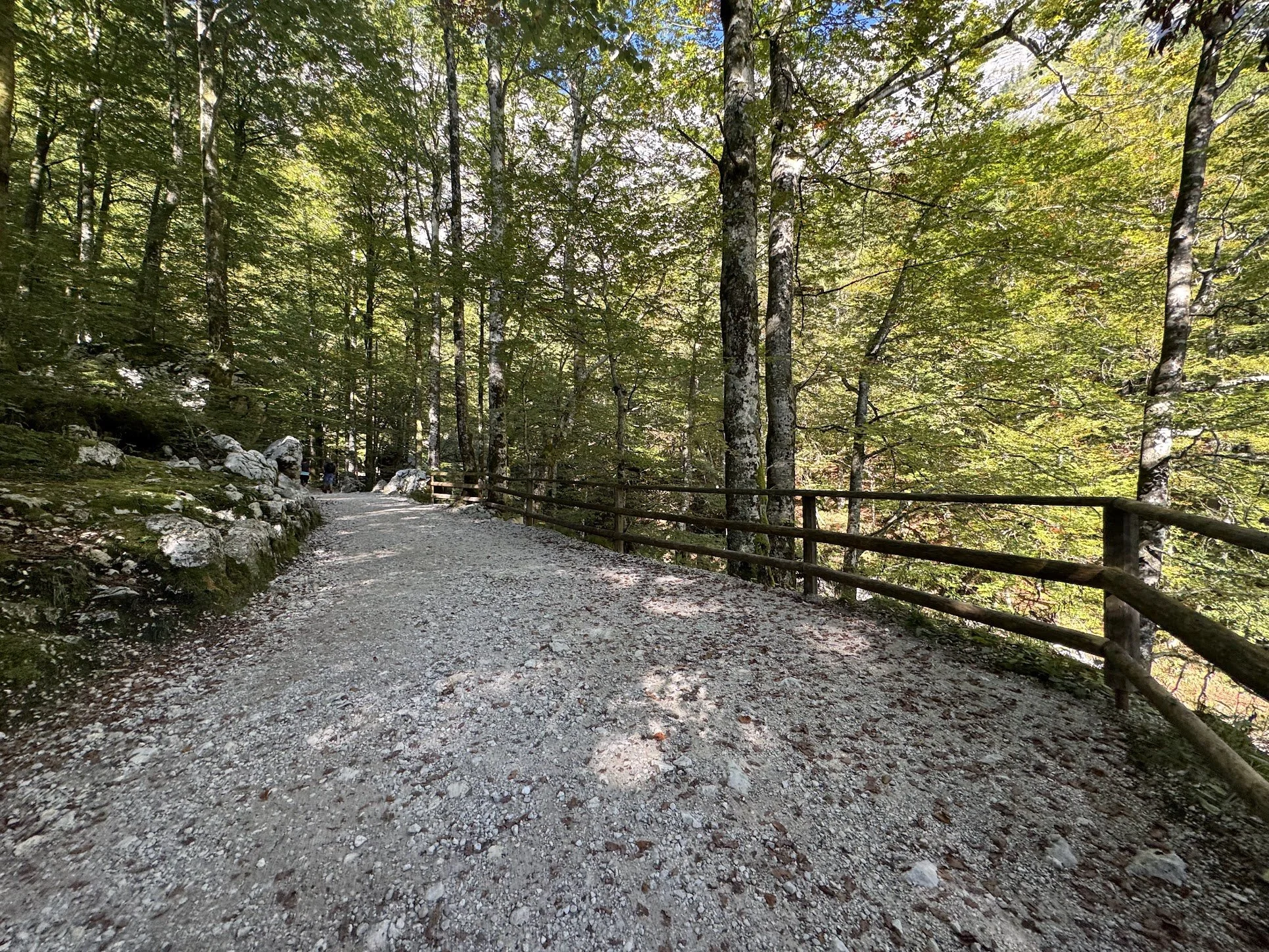
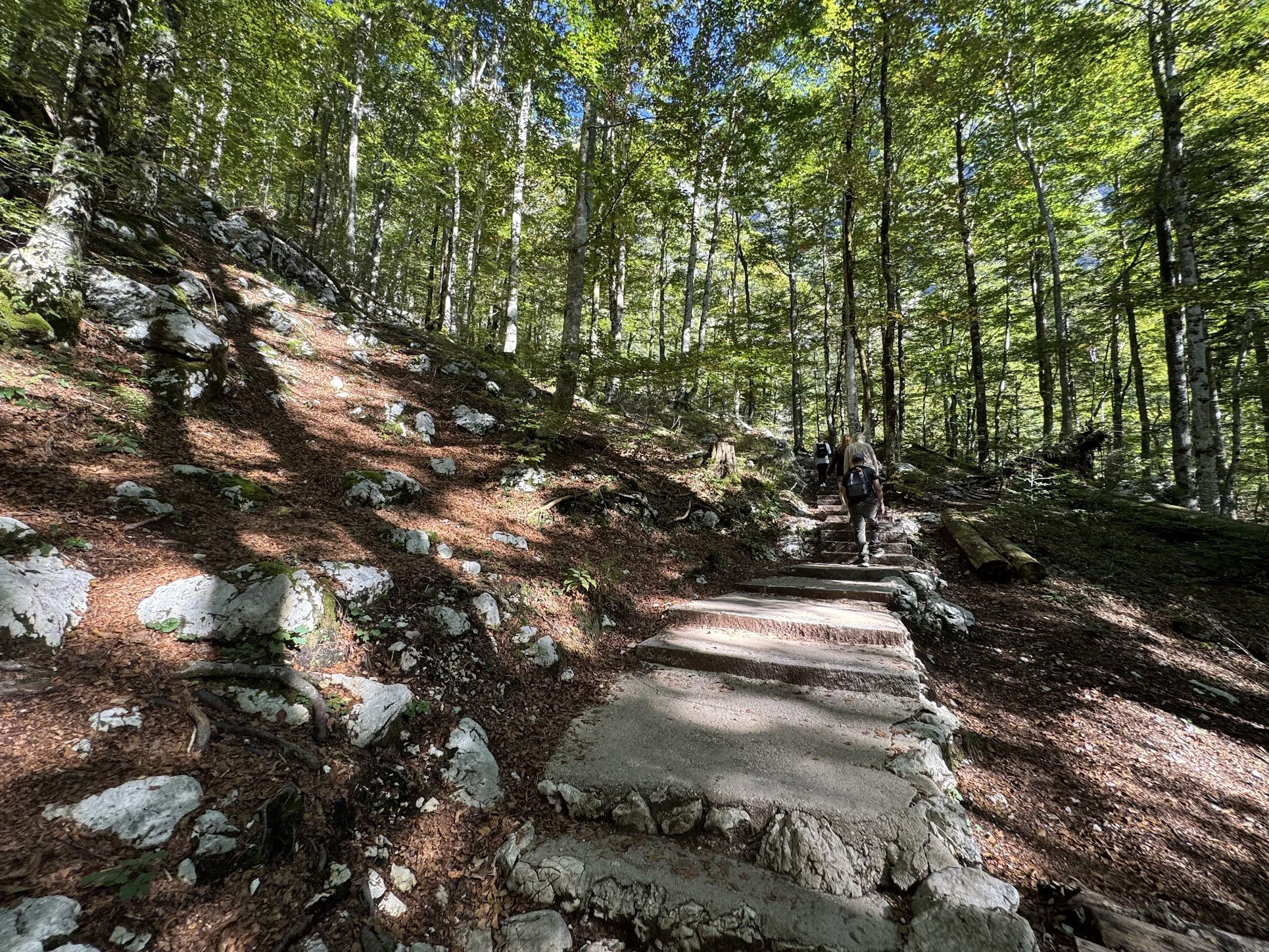
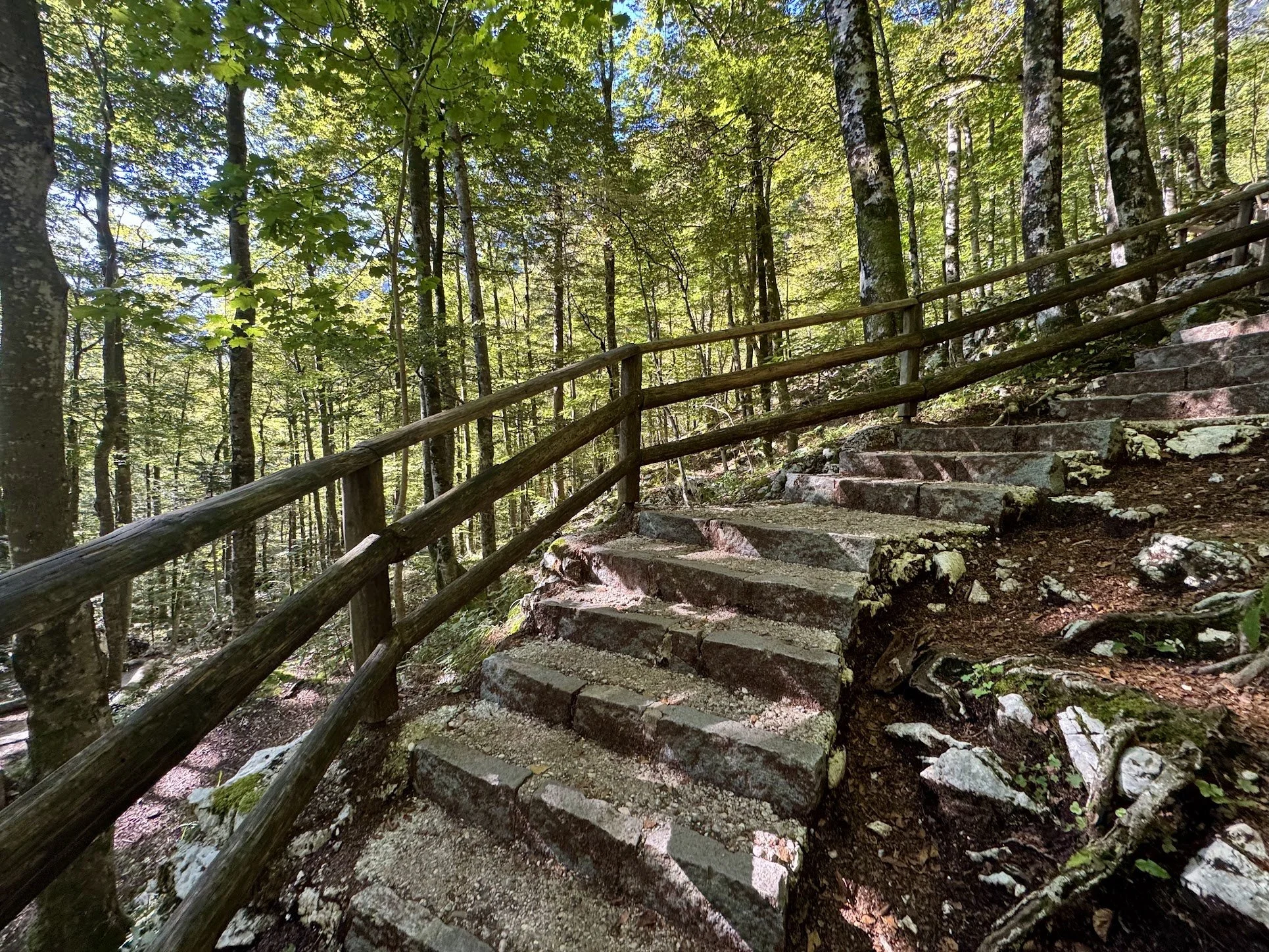
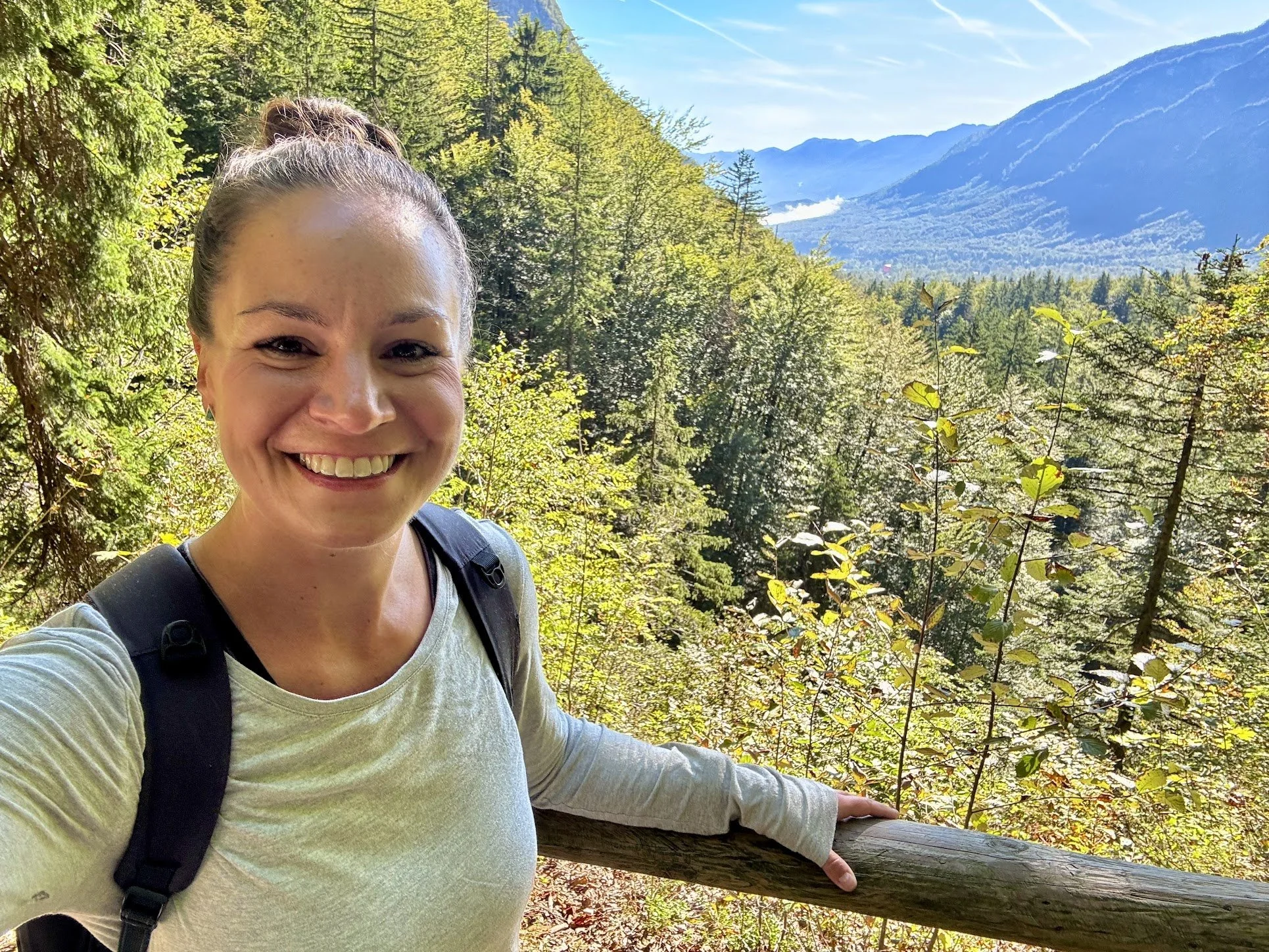
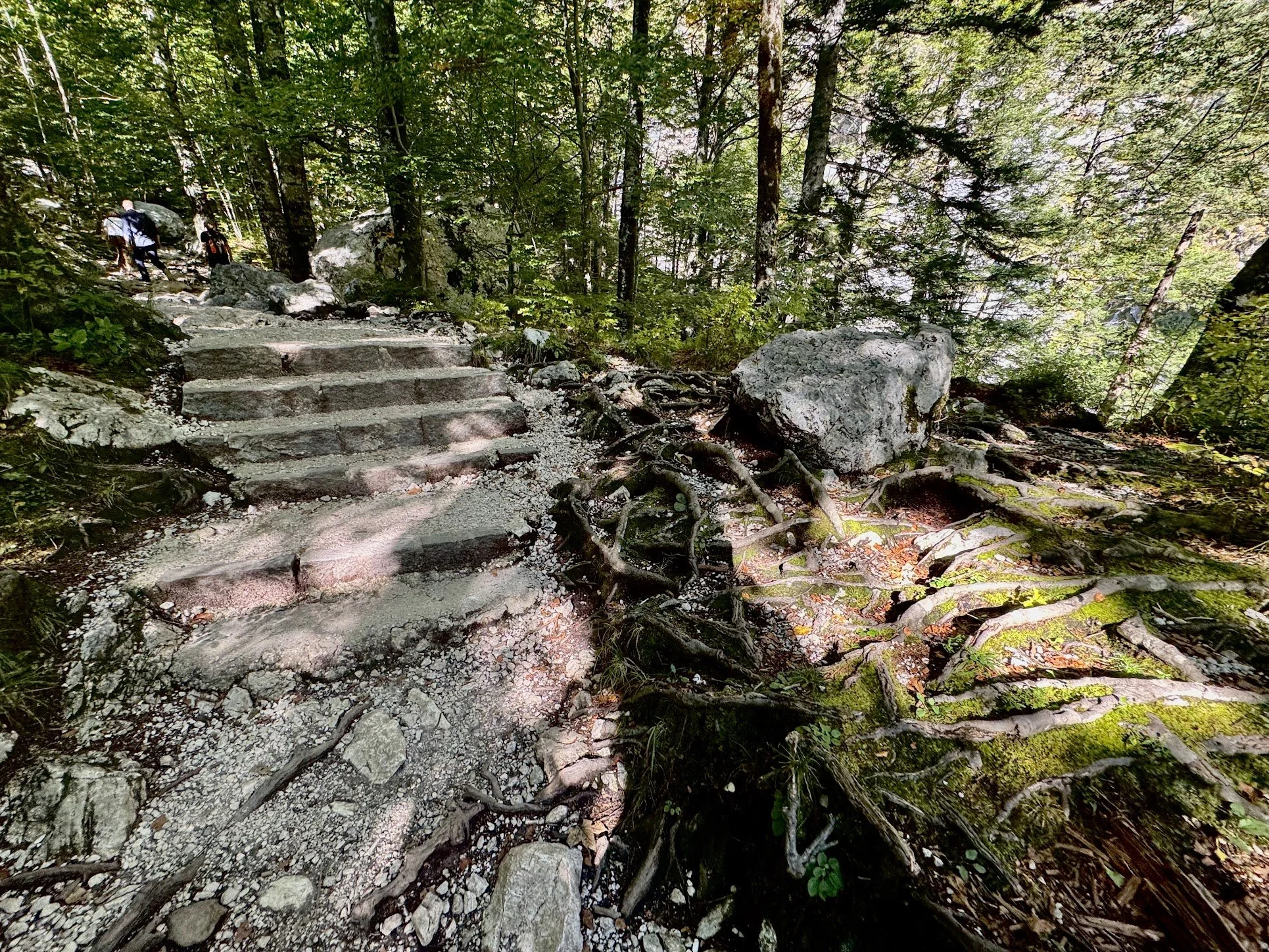
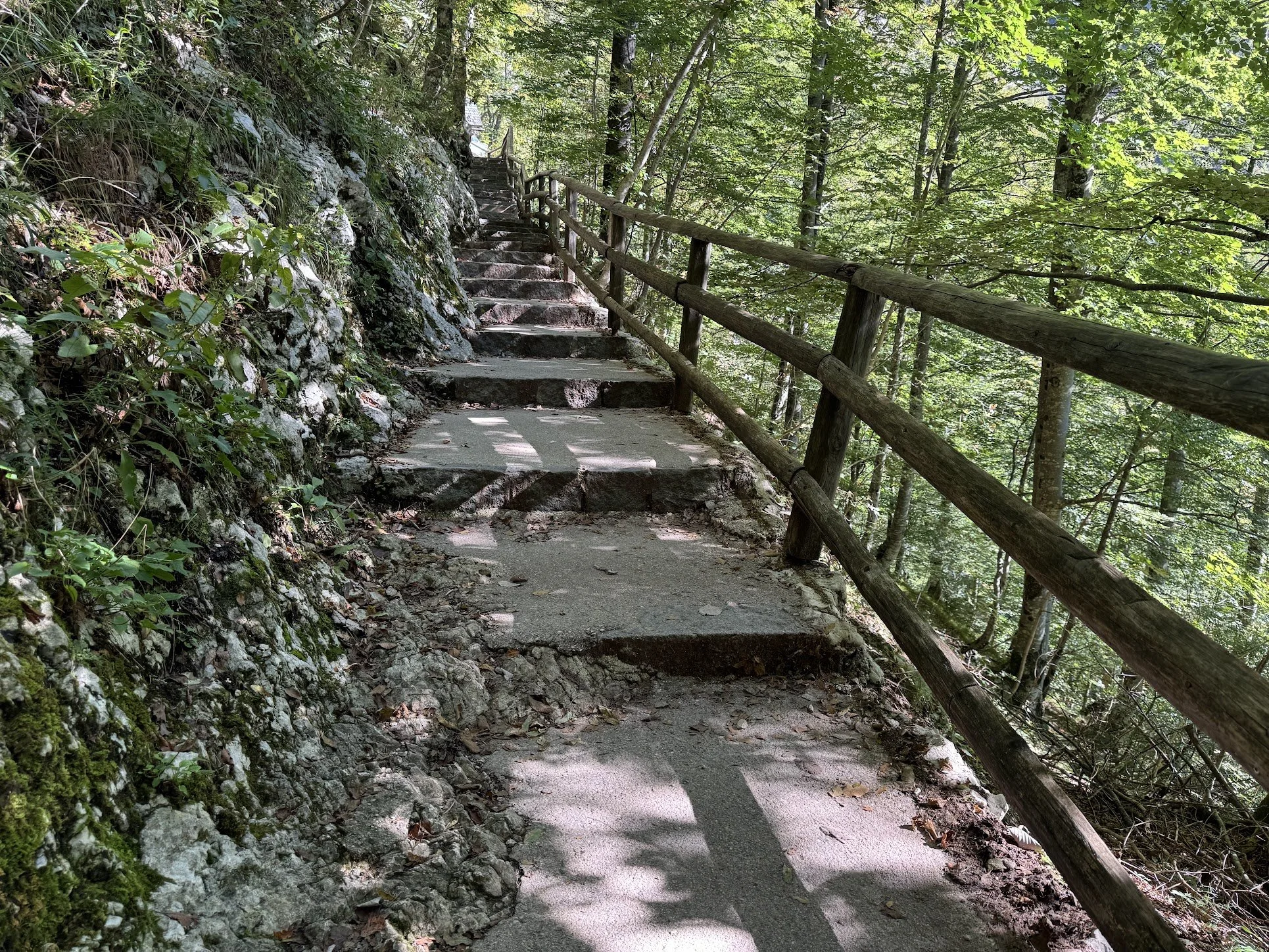
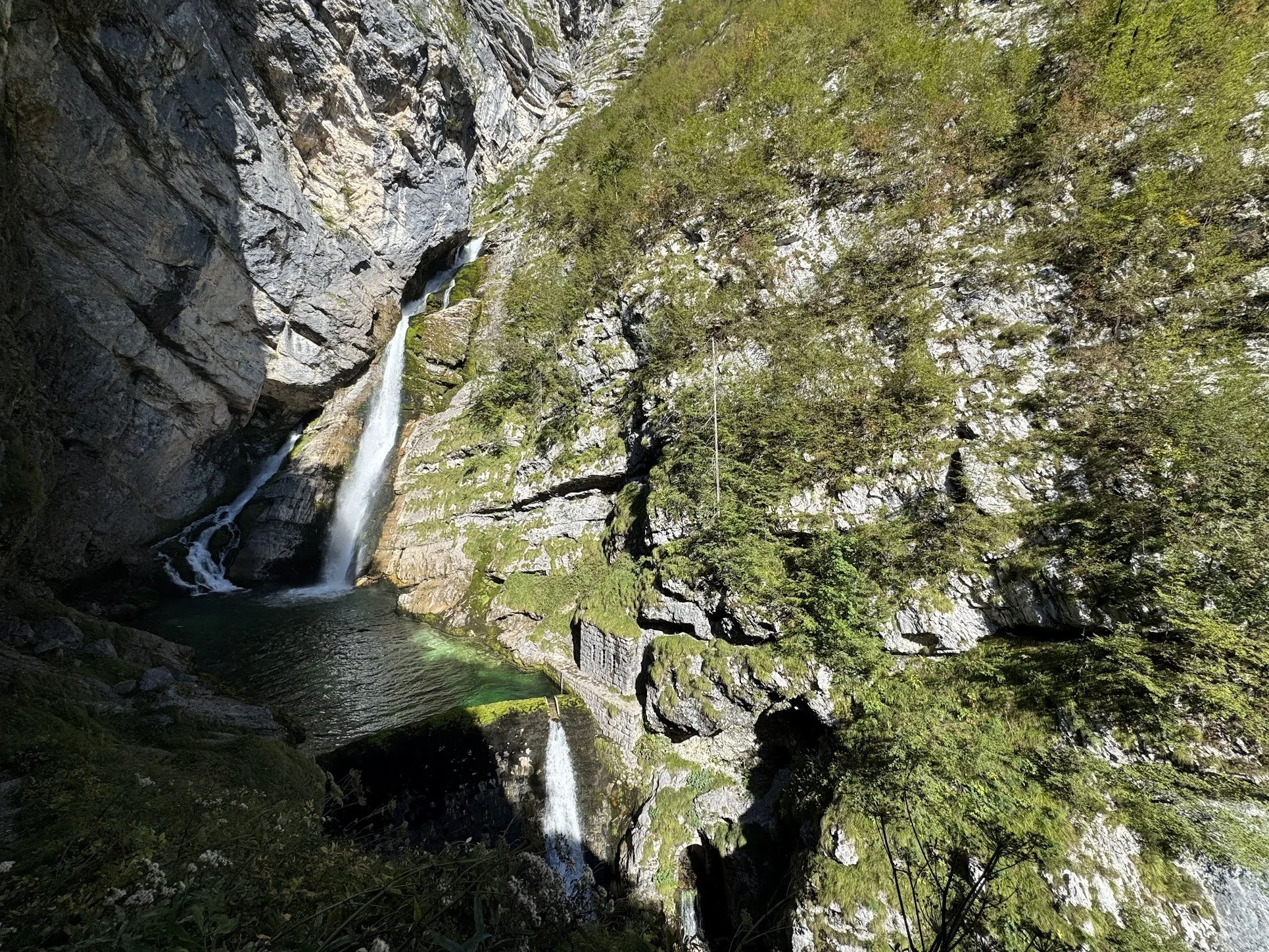
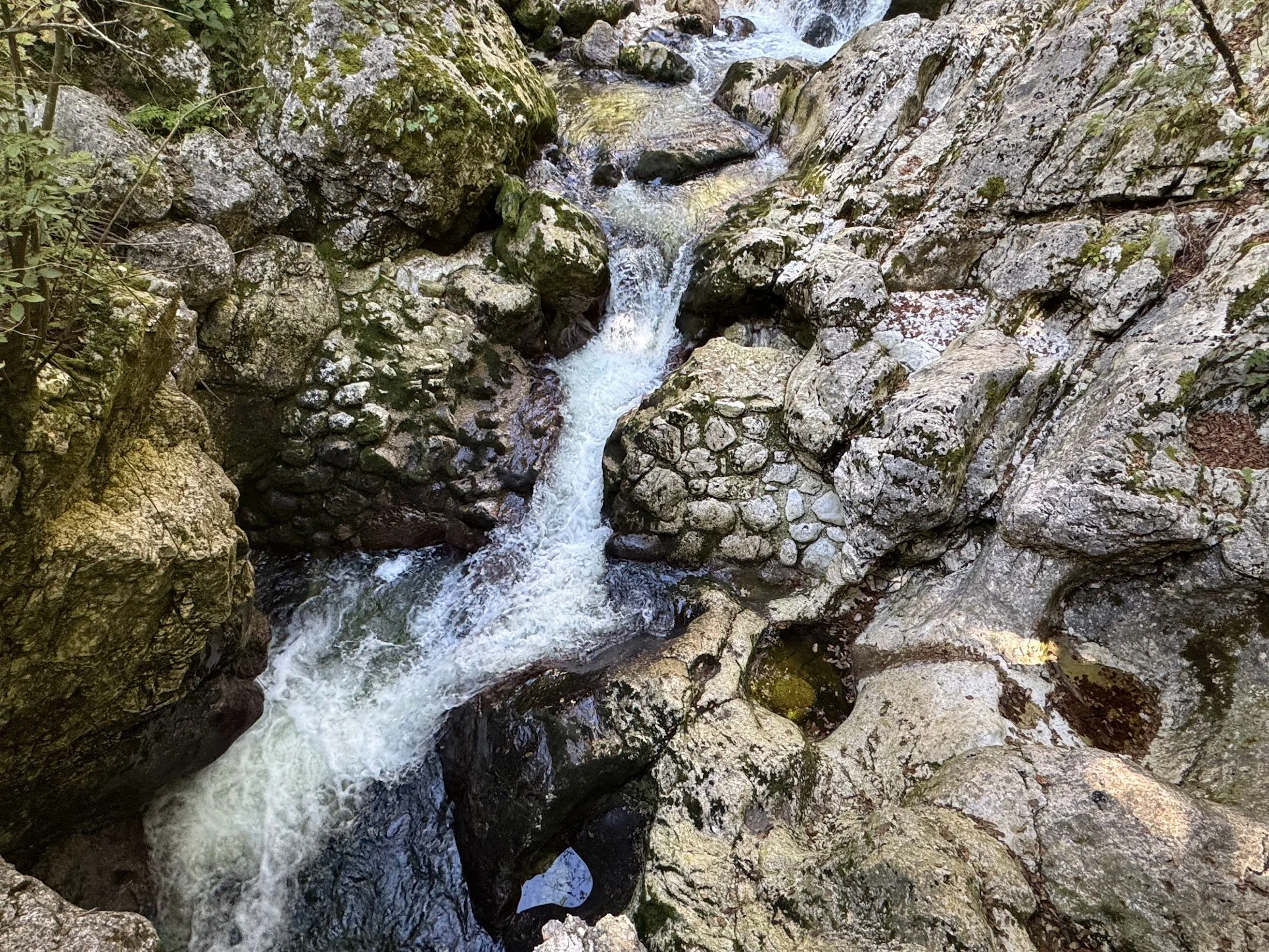
The tour also included Savica Waterfall, reached by a short but steep forest climb with several hundred stairs. The hike is more strenuous than some descriptions suggest, with uneven, occasionally unstable sections, so it’s worth arriving ready for a sustained uphill walk, even though the views at the top are beautiful.
Ljubljana Castle and Castle Hill
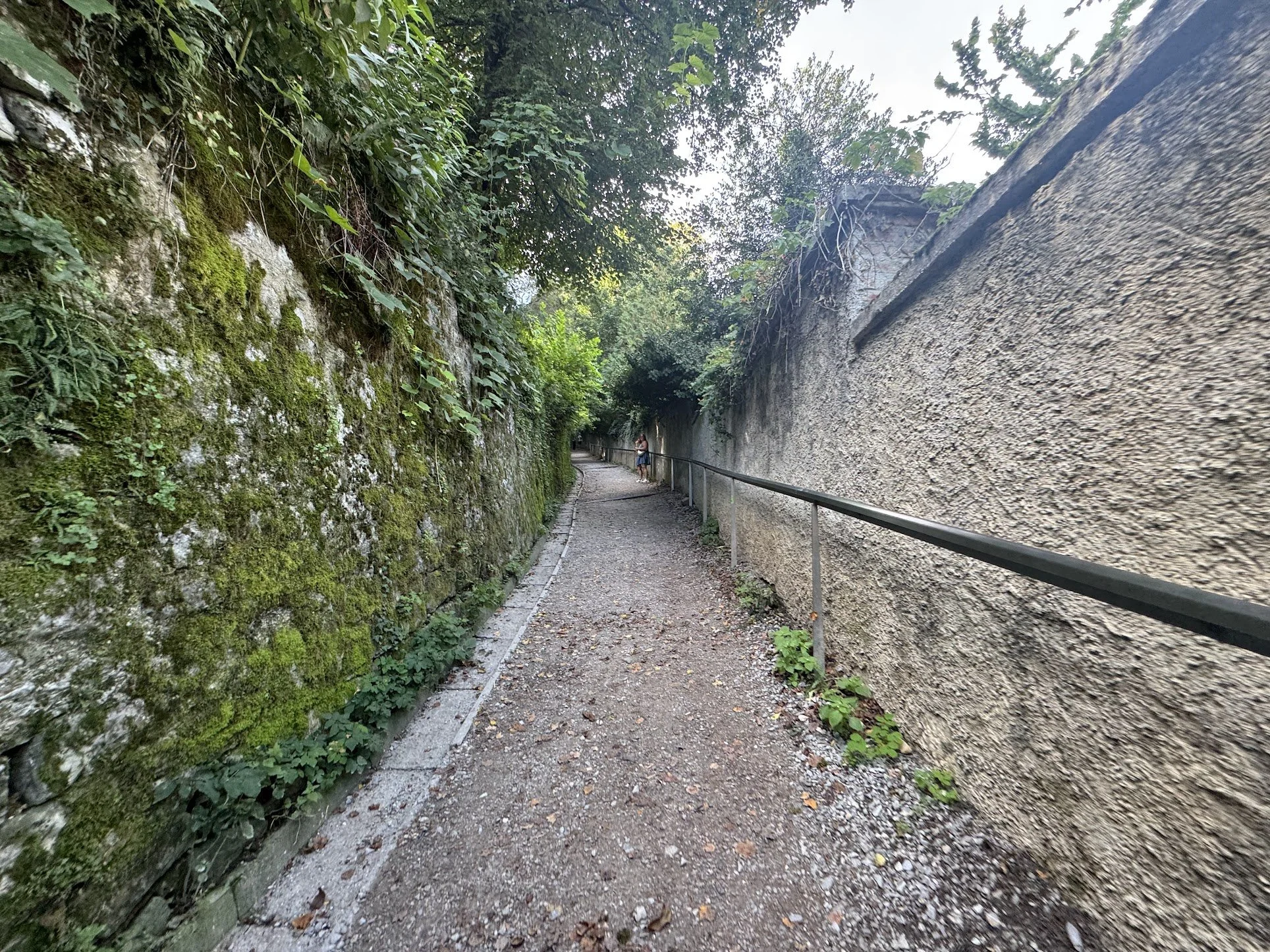
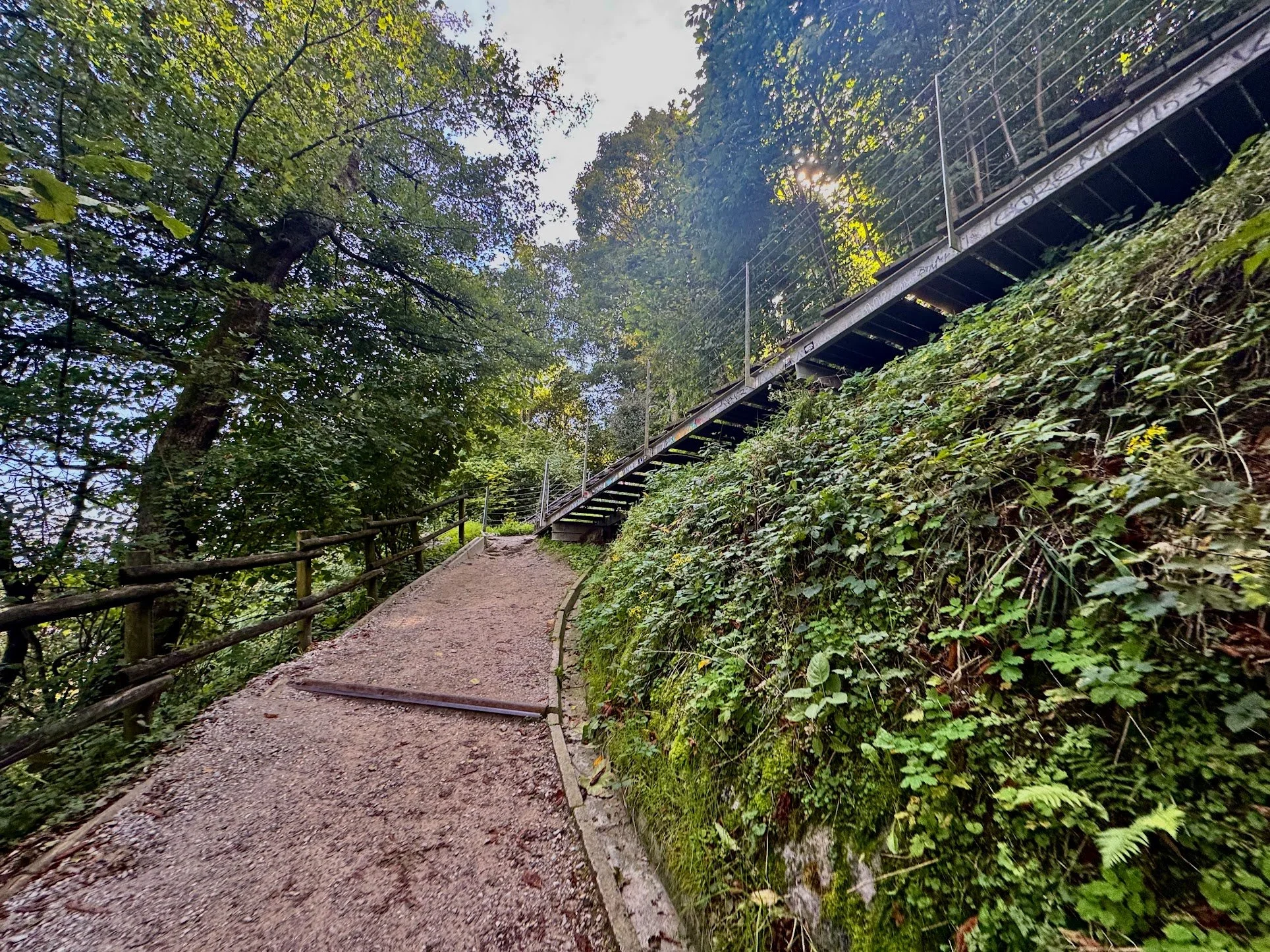
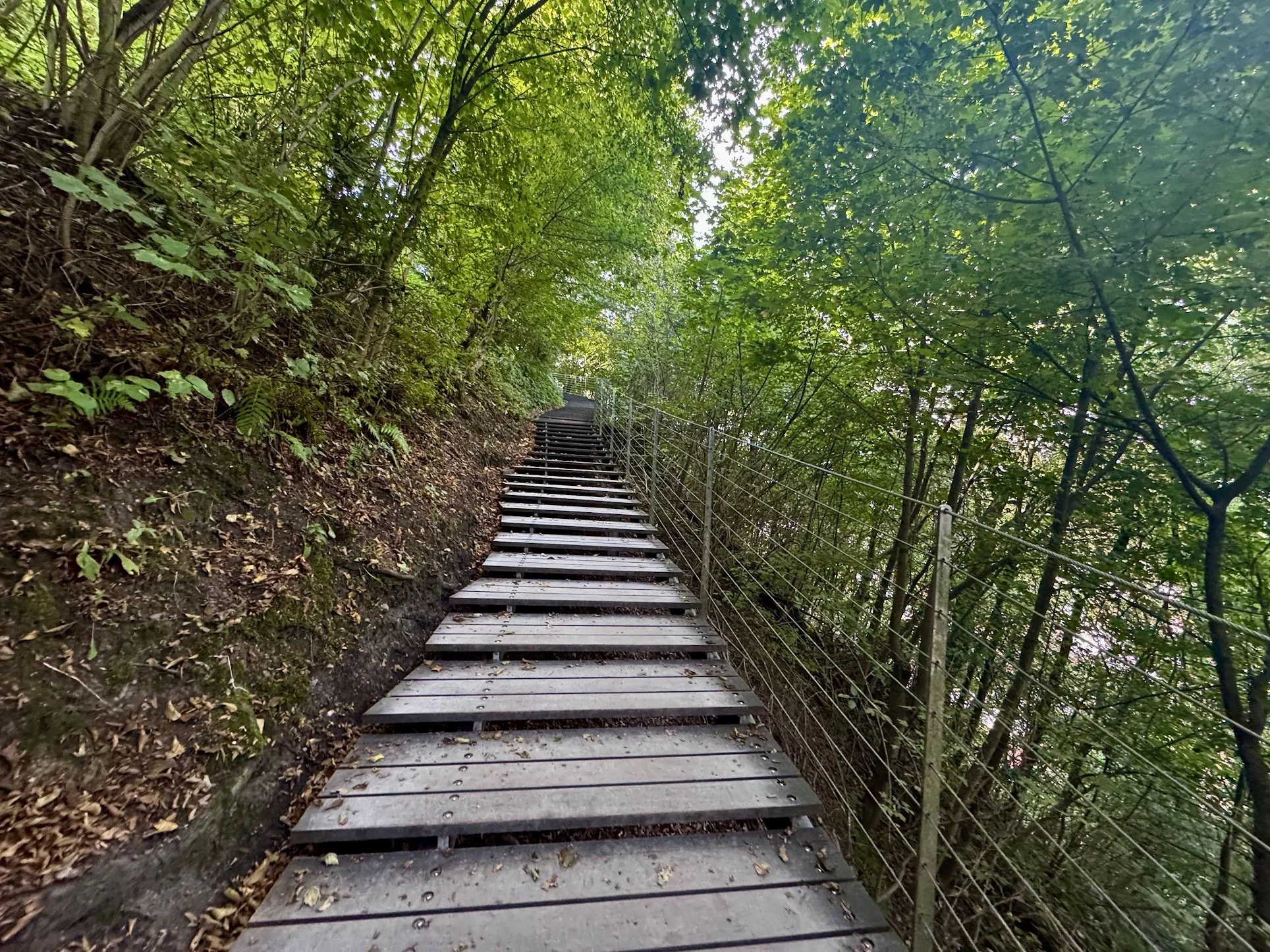
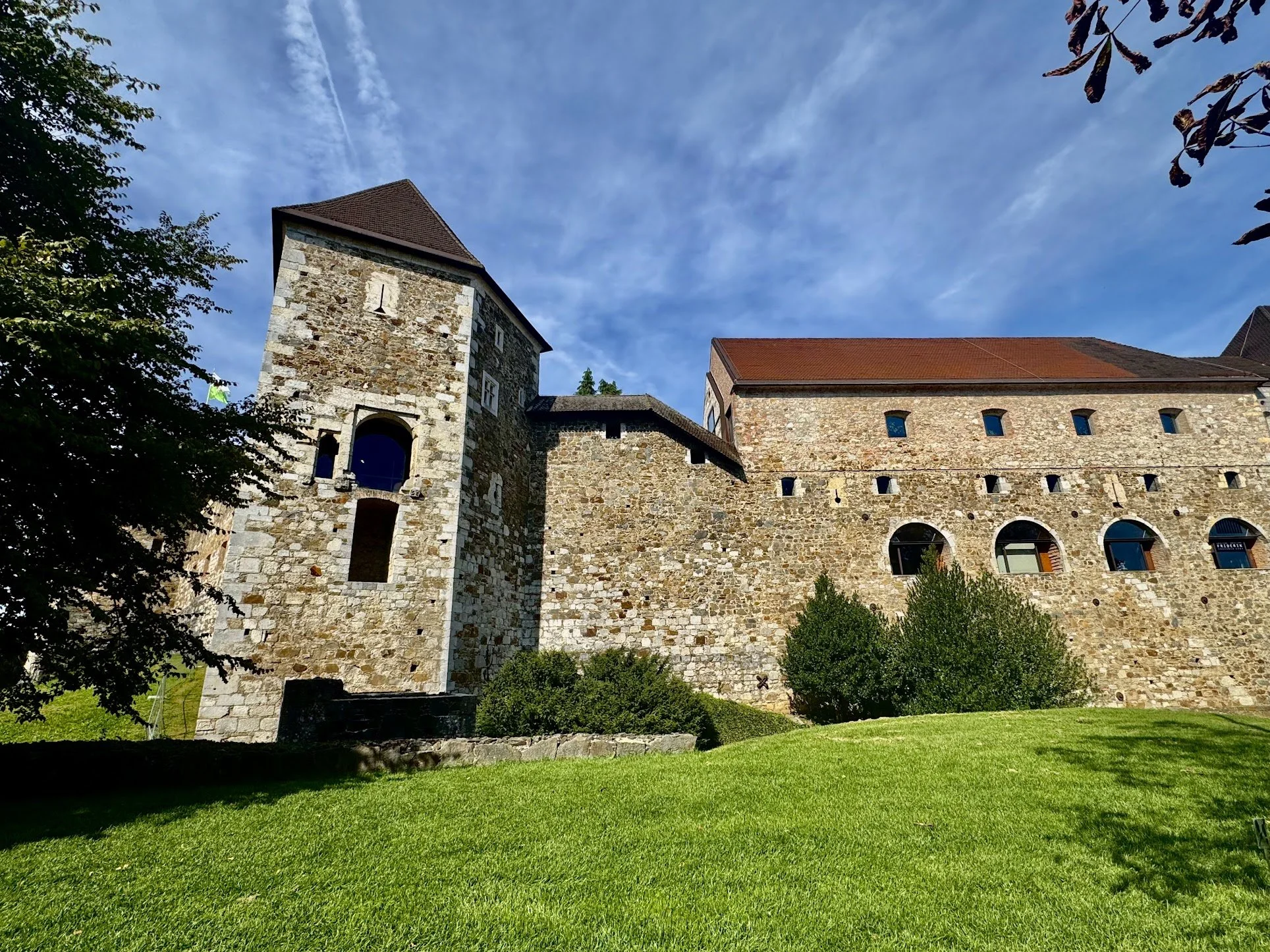
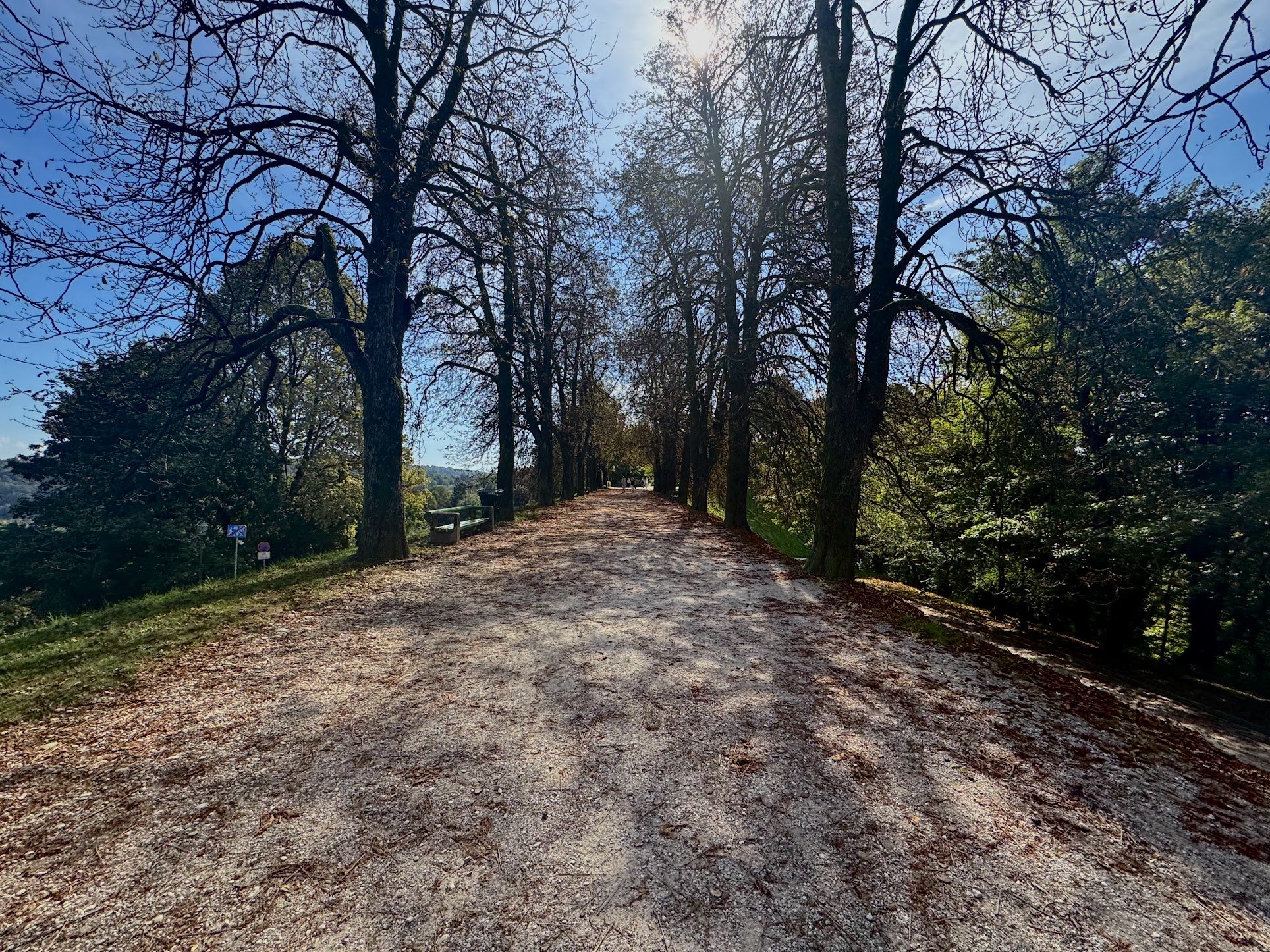
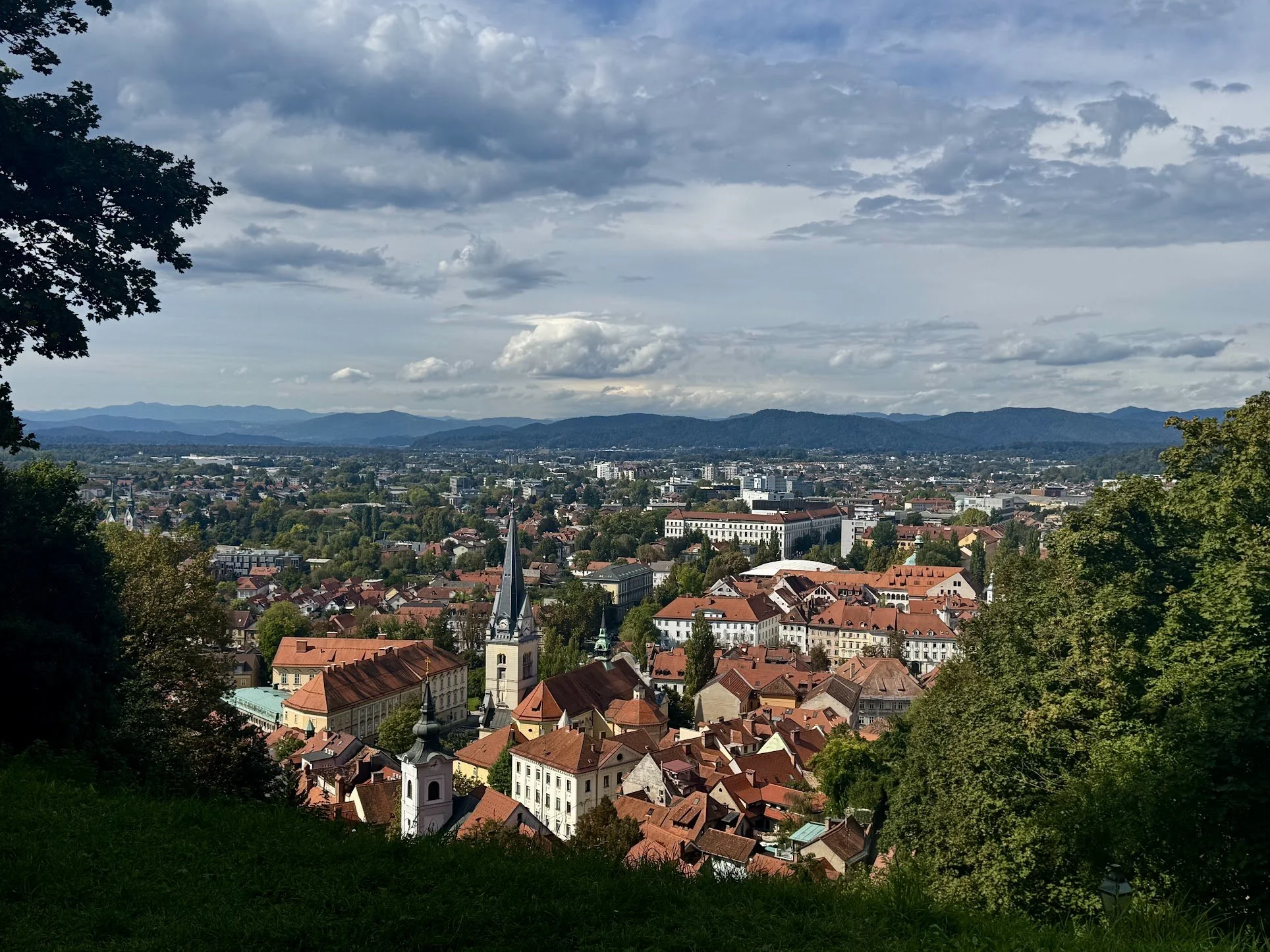
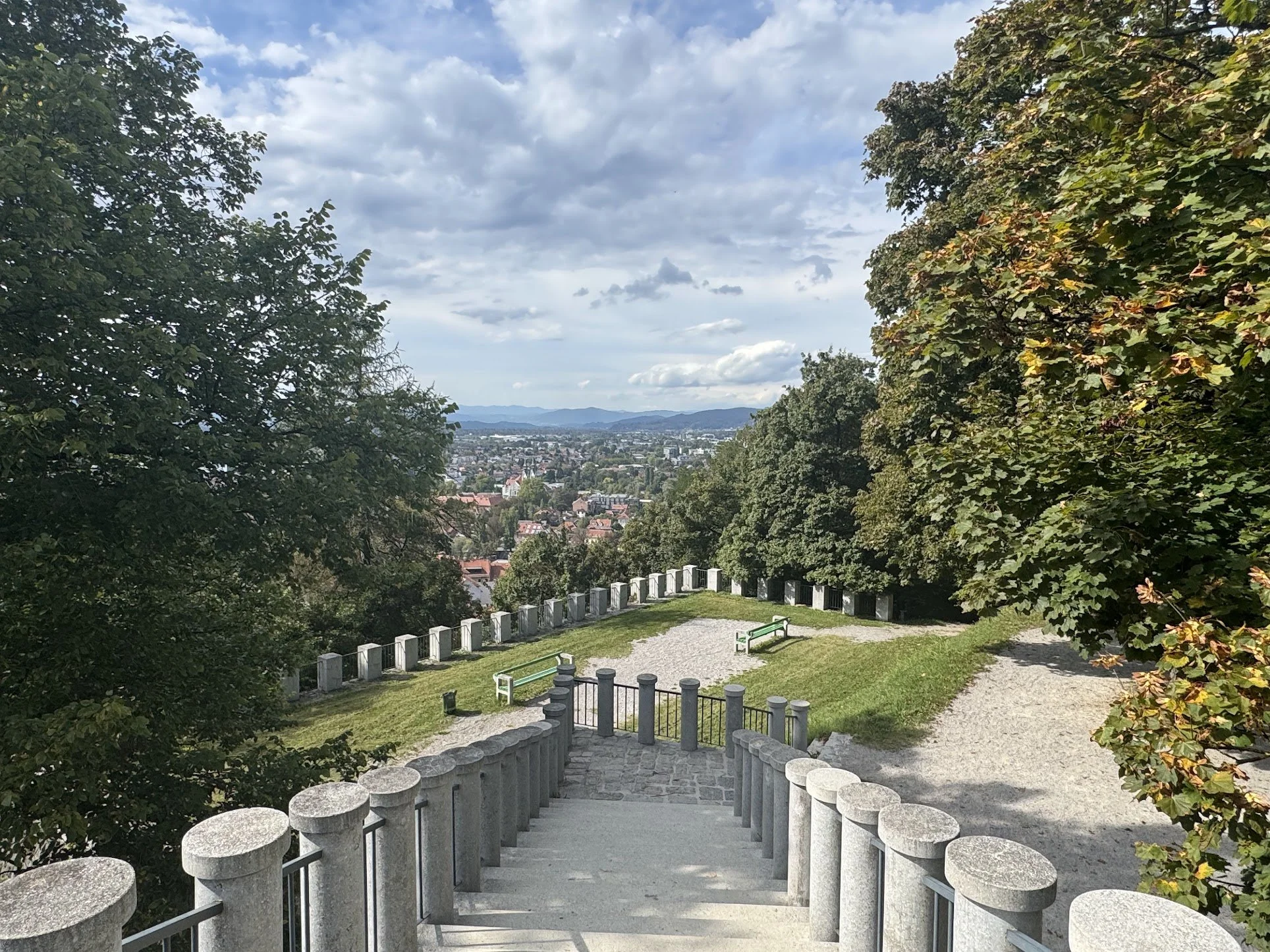
The next day, I stayed in the city and spent most of my time exploring central Ljubljana. I started with the walk up to Ljubljana Castle, which sits above the Old Town on the wooded hill known as Grajski grič (Castle Hill). The climb is relatively short but moderately steep, especially in warmer weather.
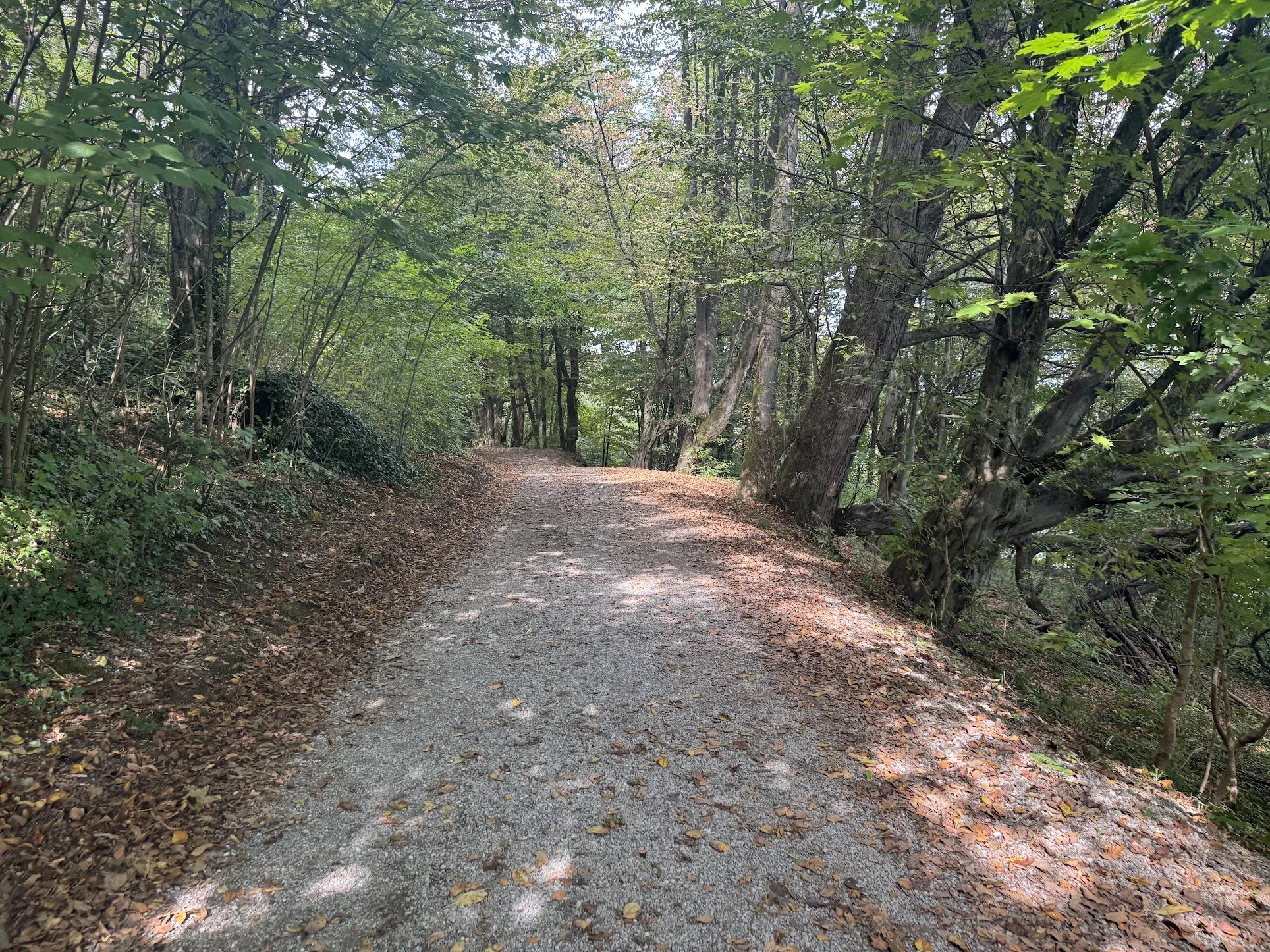
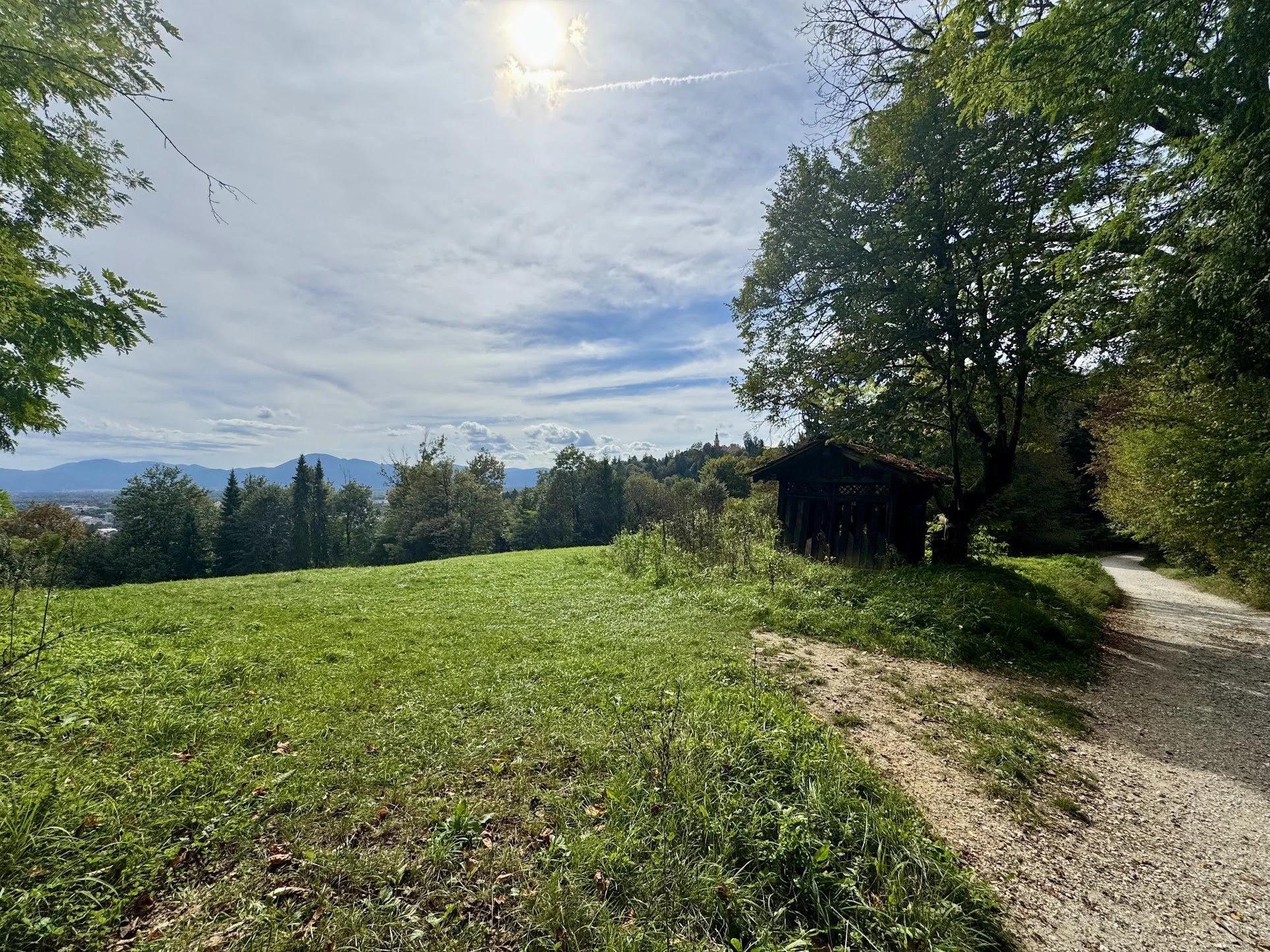
Once I reached the top, I found myself more drawn to the hill itself than the castle interiors. The network of wooded trails, stairways, benches, and overlooks made Castle Hill feel more like an enormous urban park than a single historic attraction, and despite being directly above the city center, some parts felt unexpectedly quiet and removed from the streets below.
Old Town and Ljubljana’s Bridges
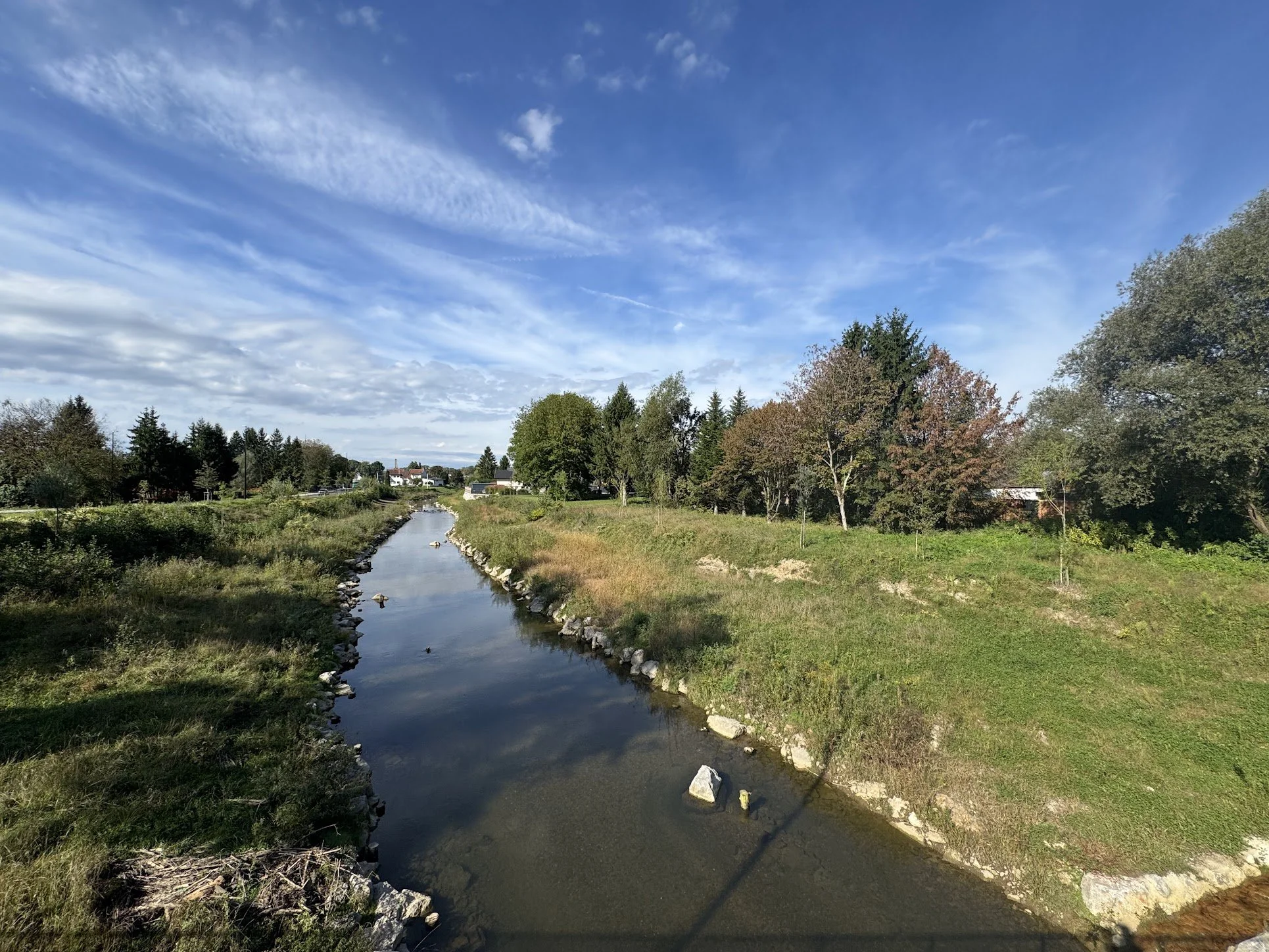
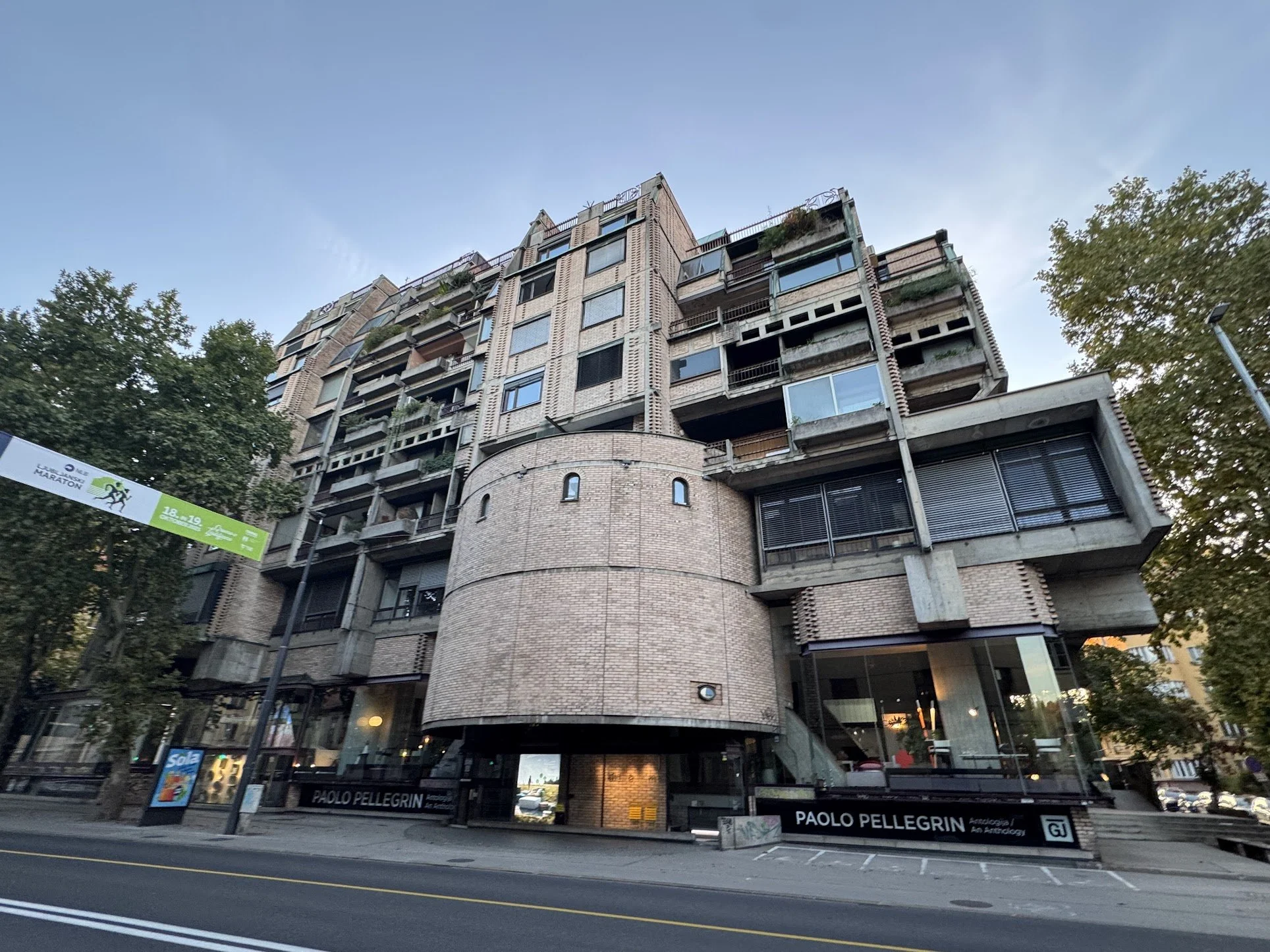
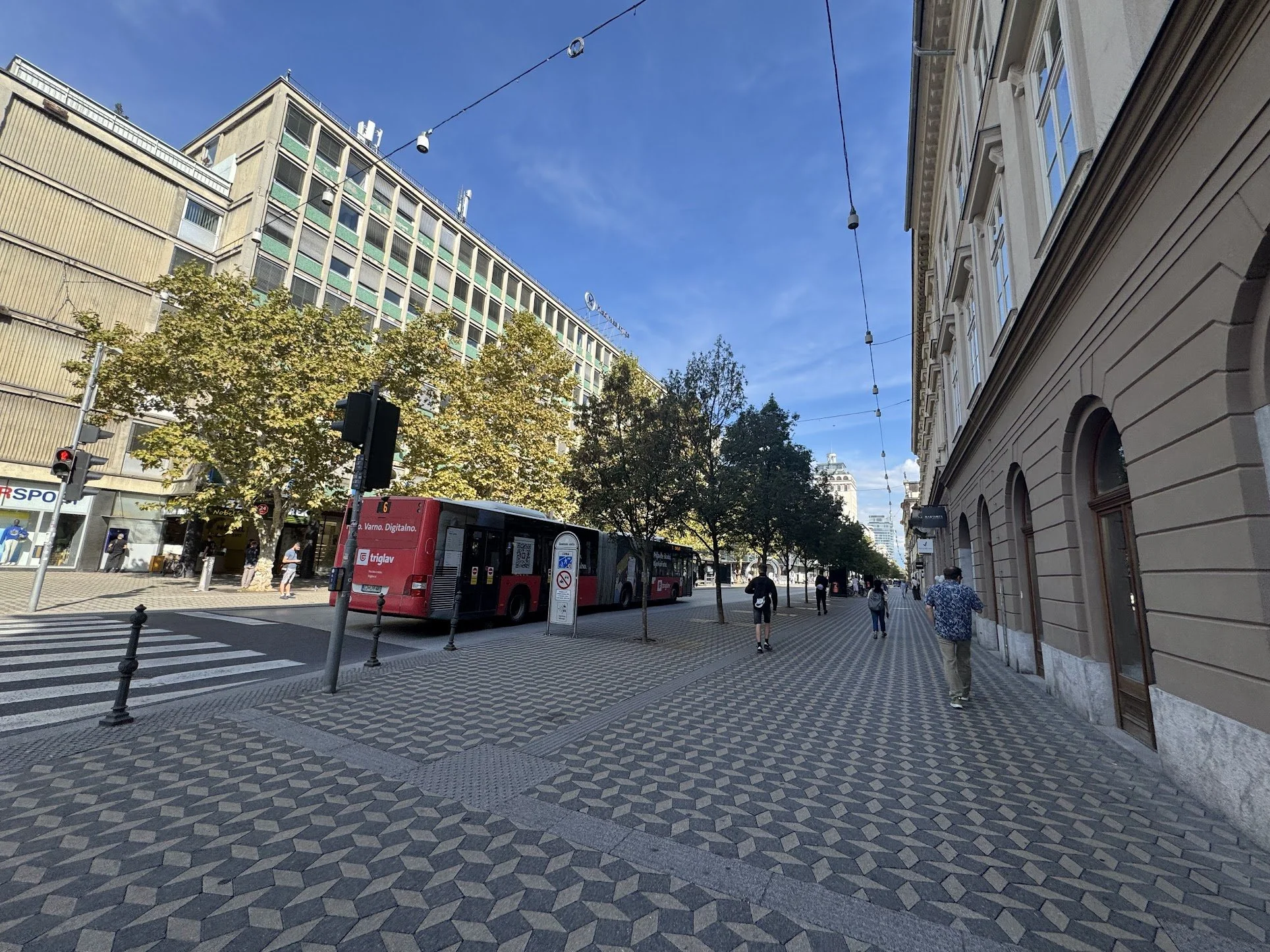
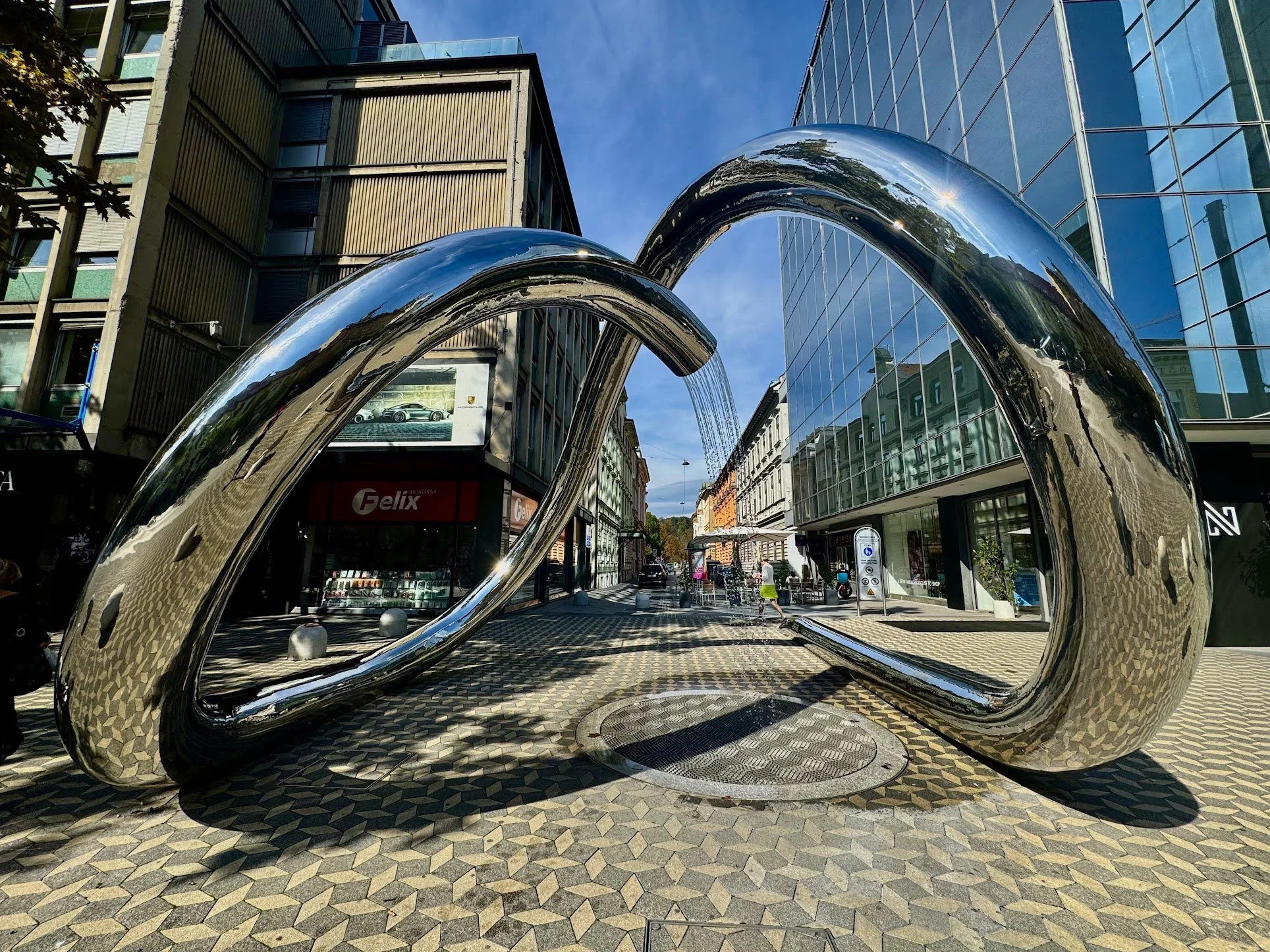
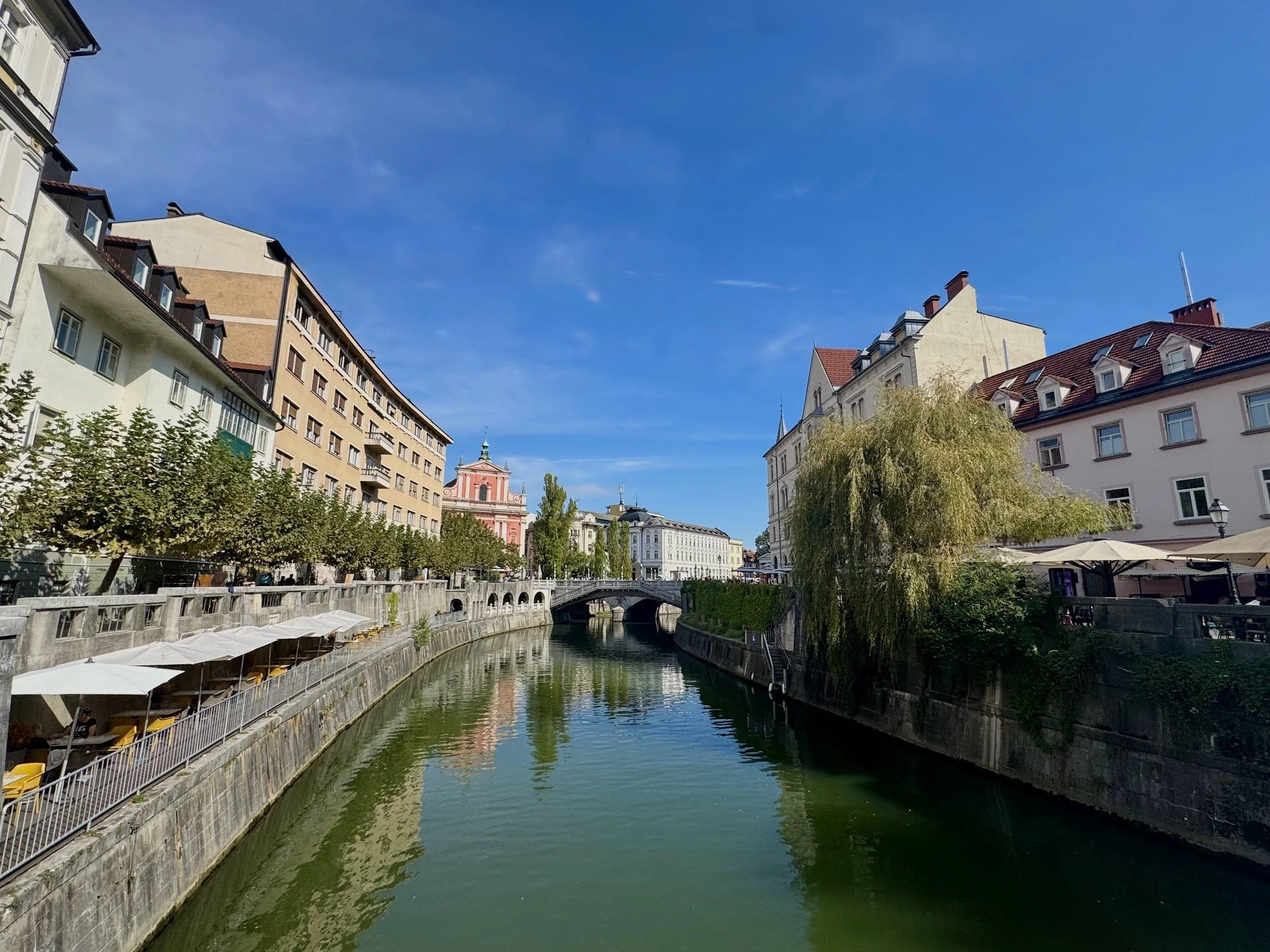
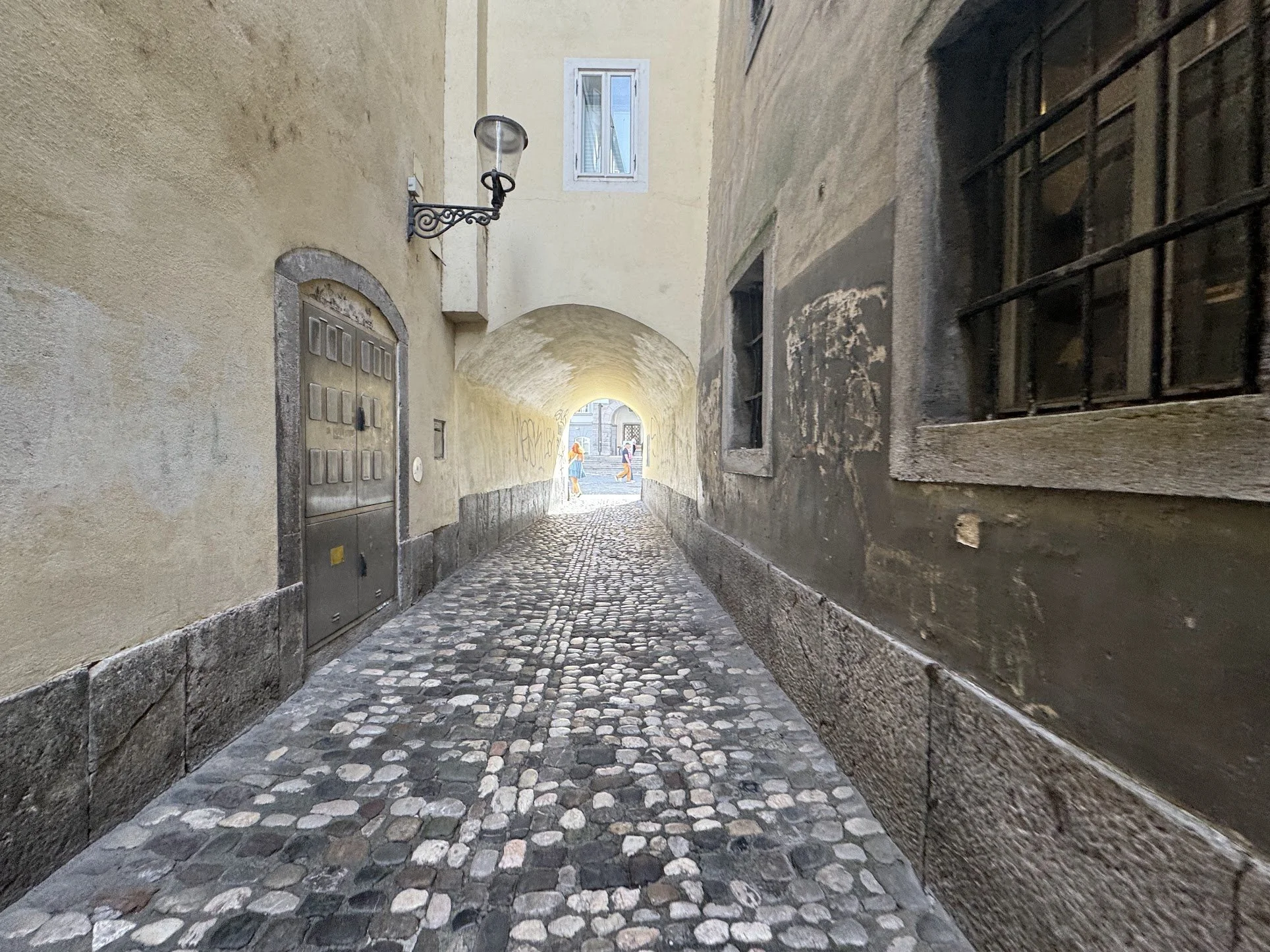
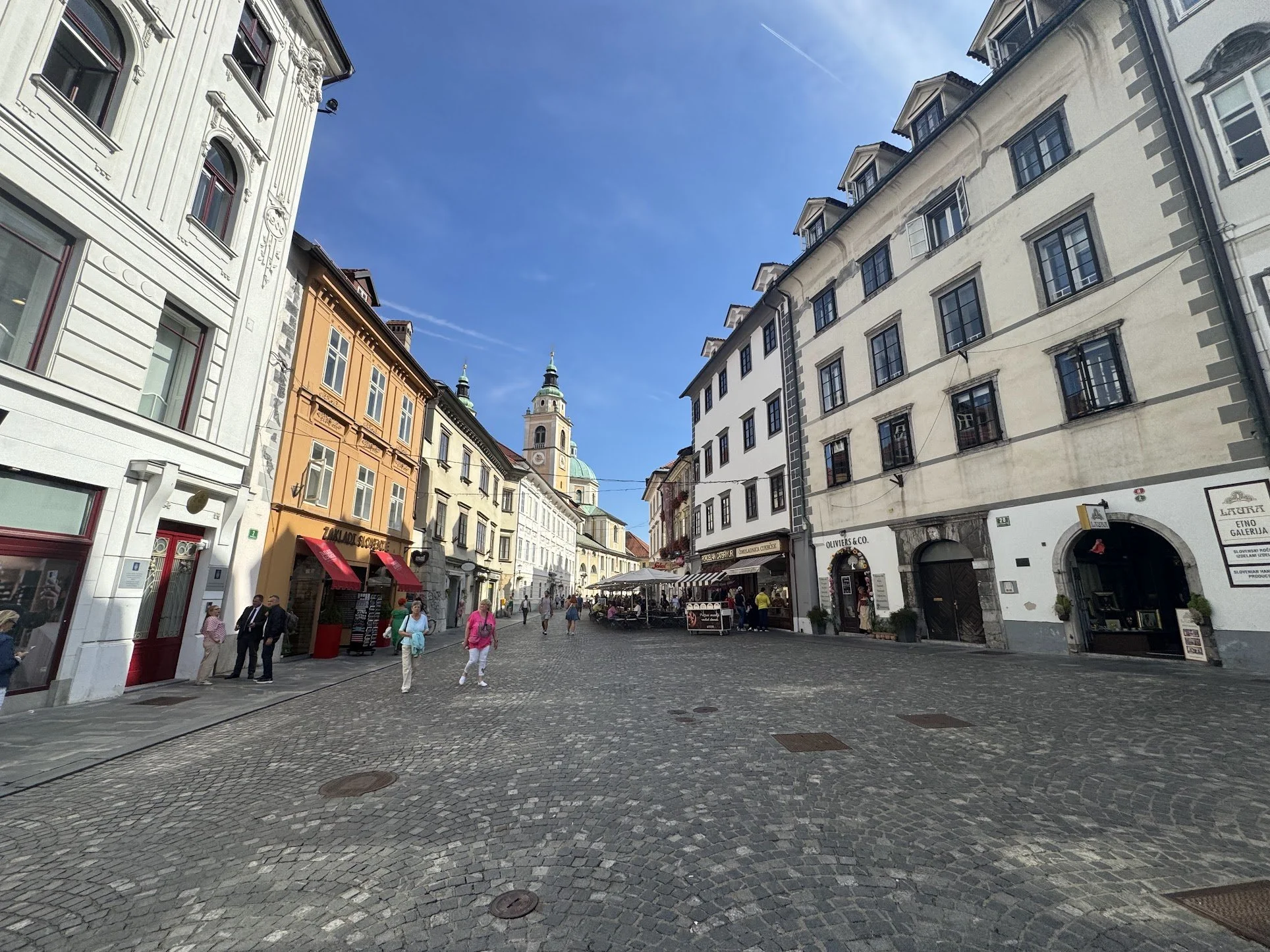
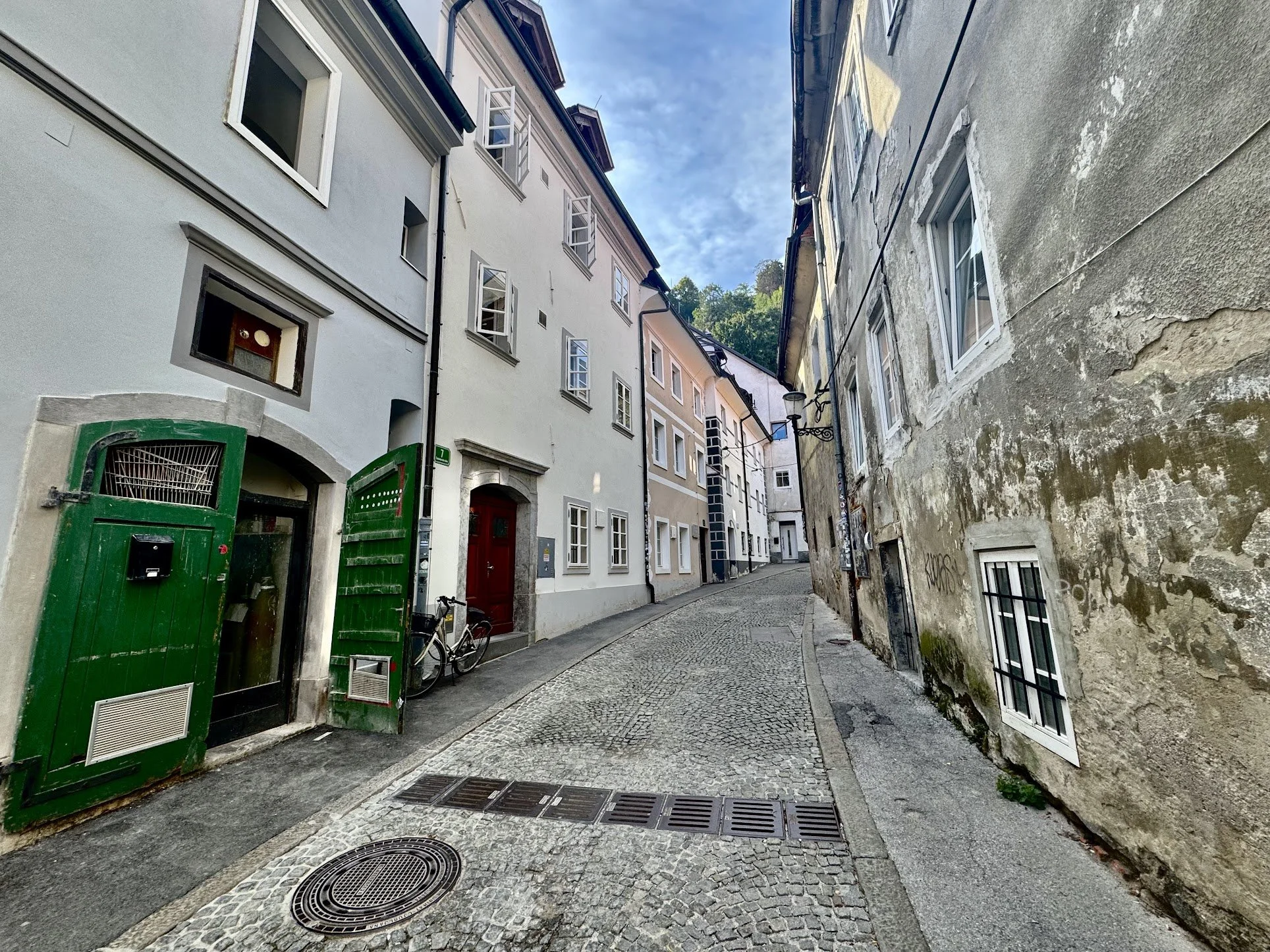
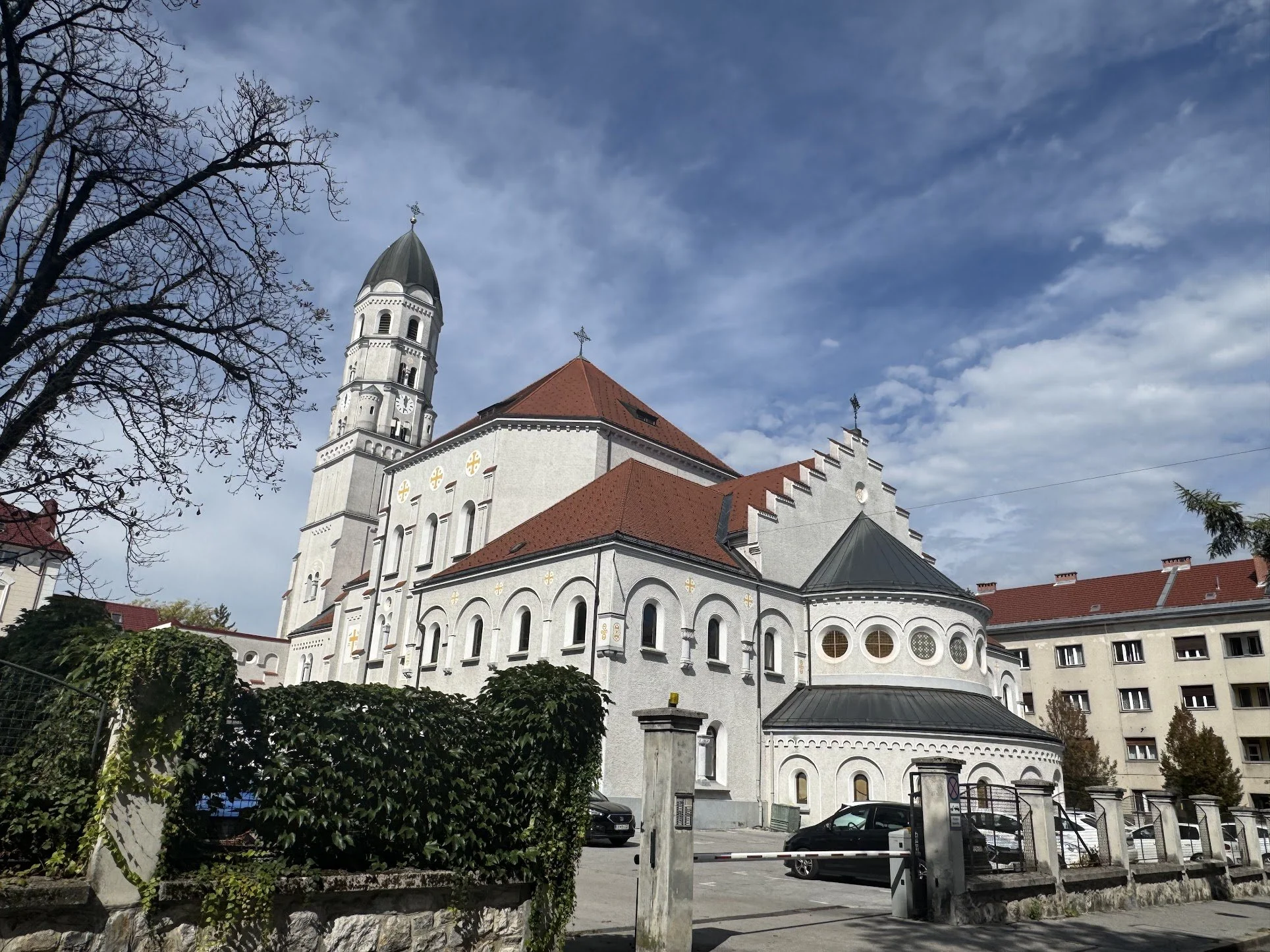
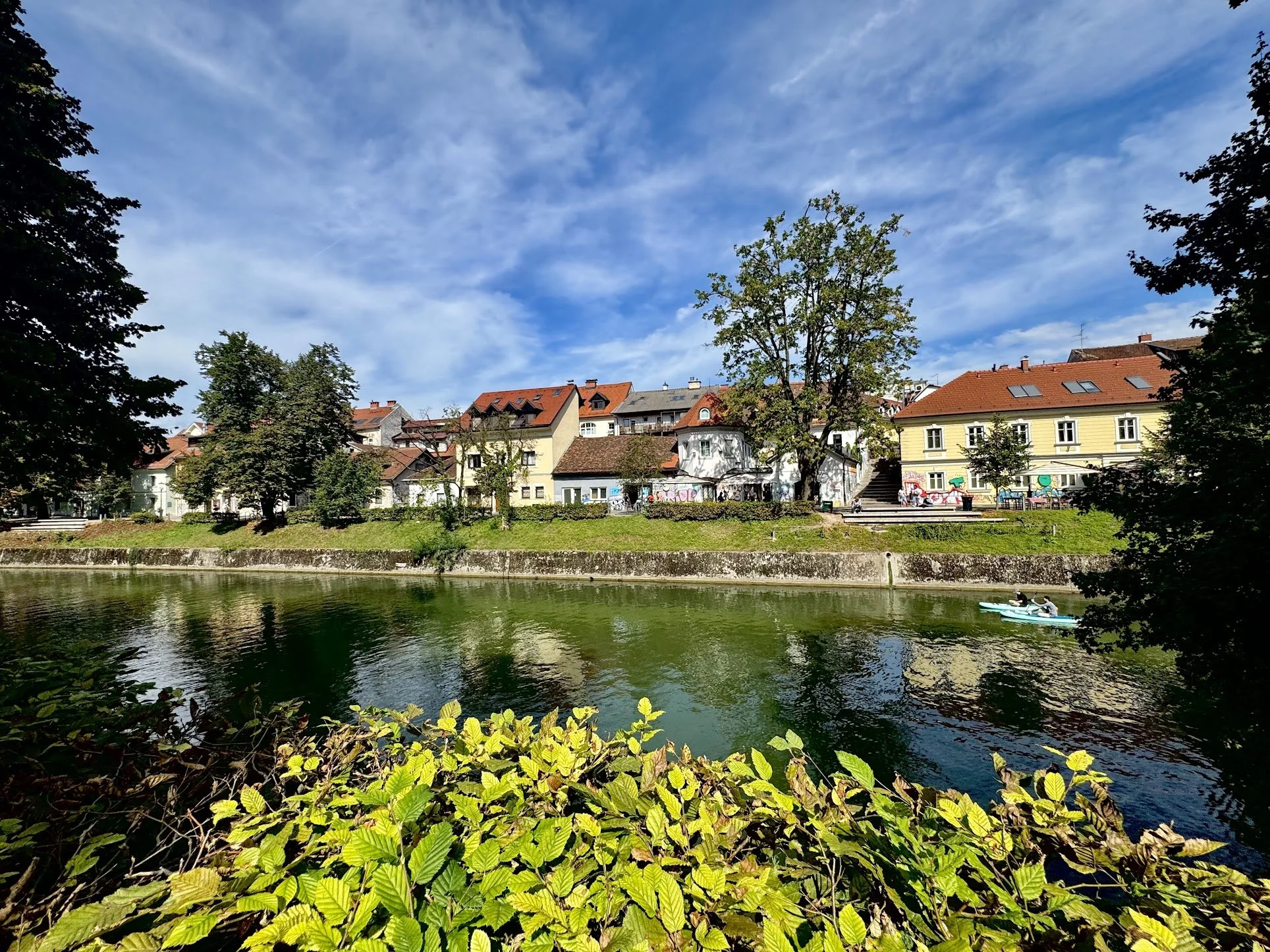
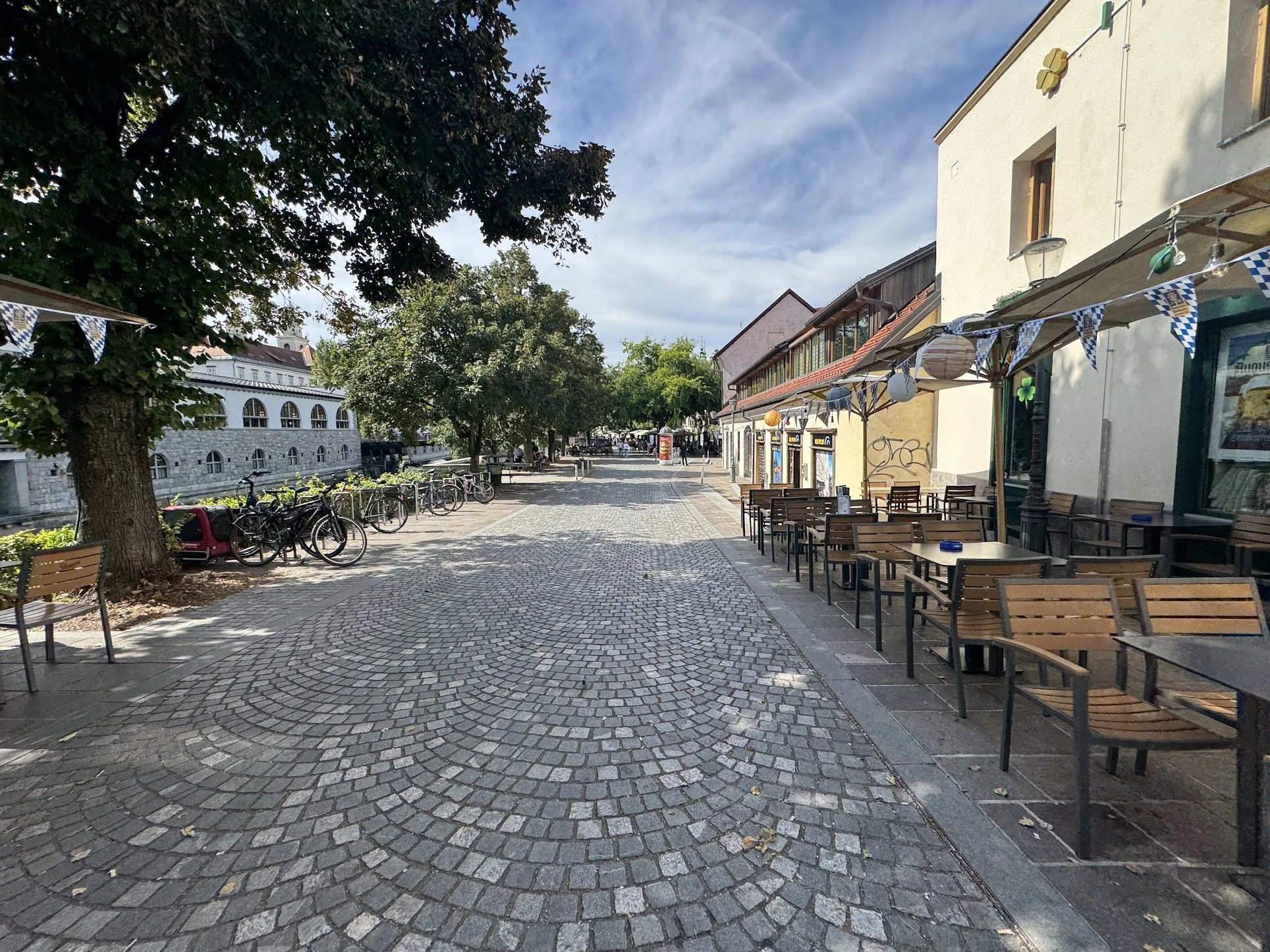
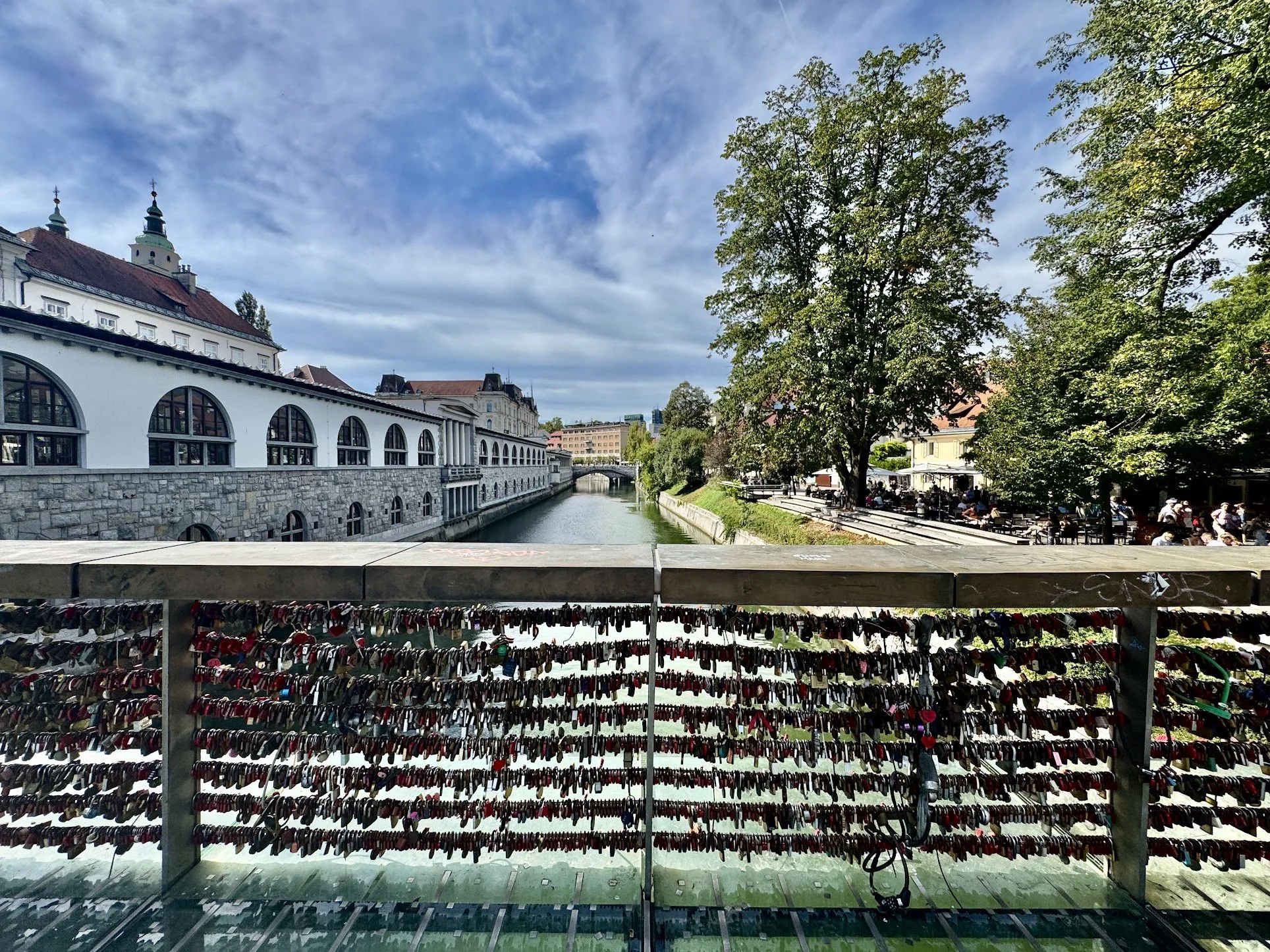
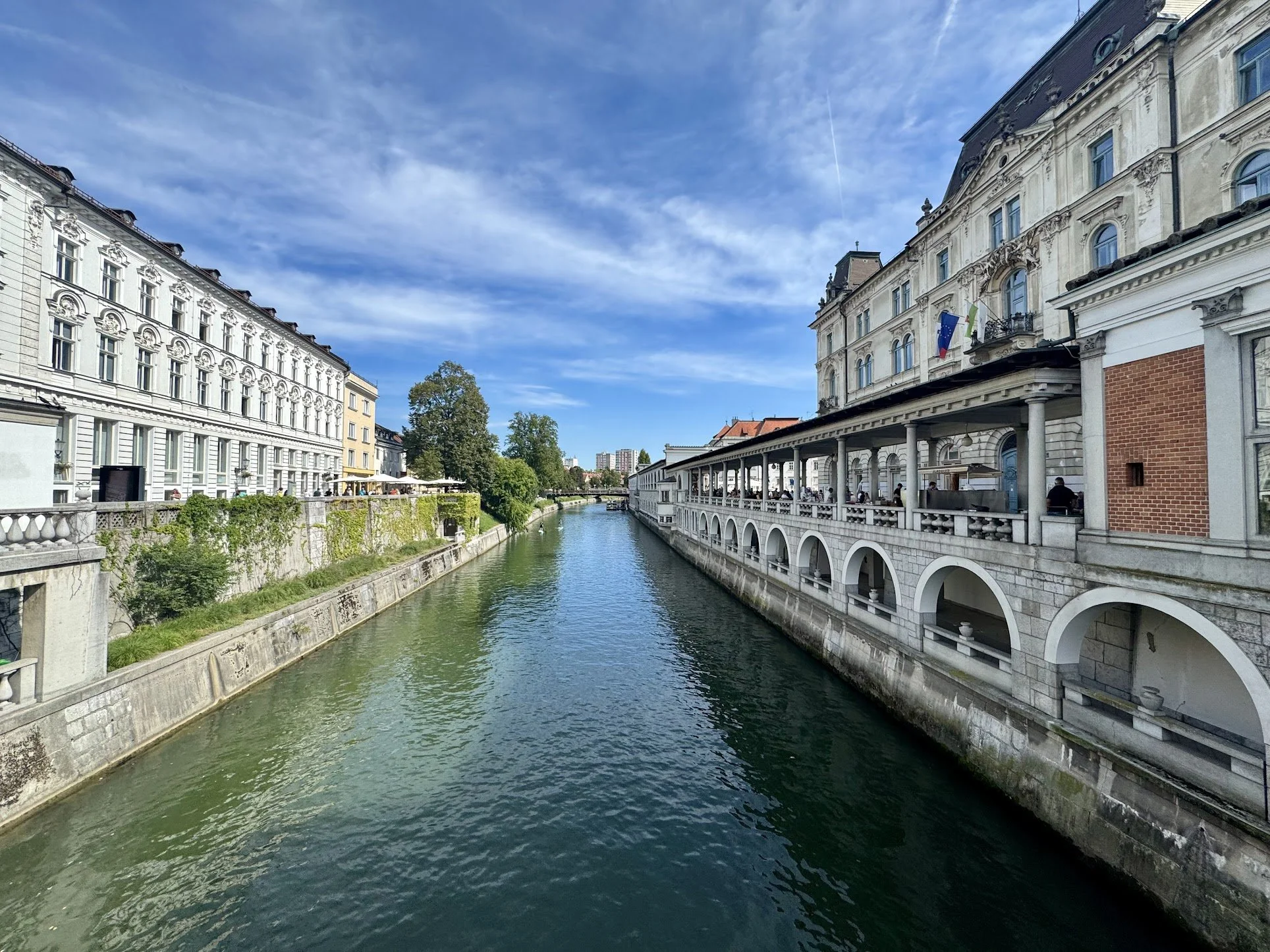
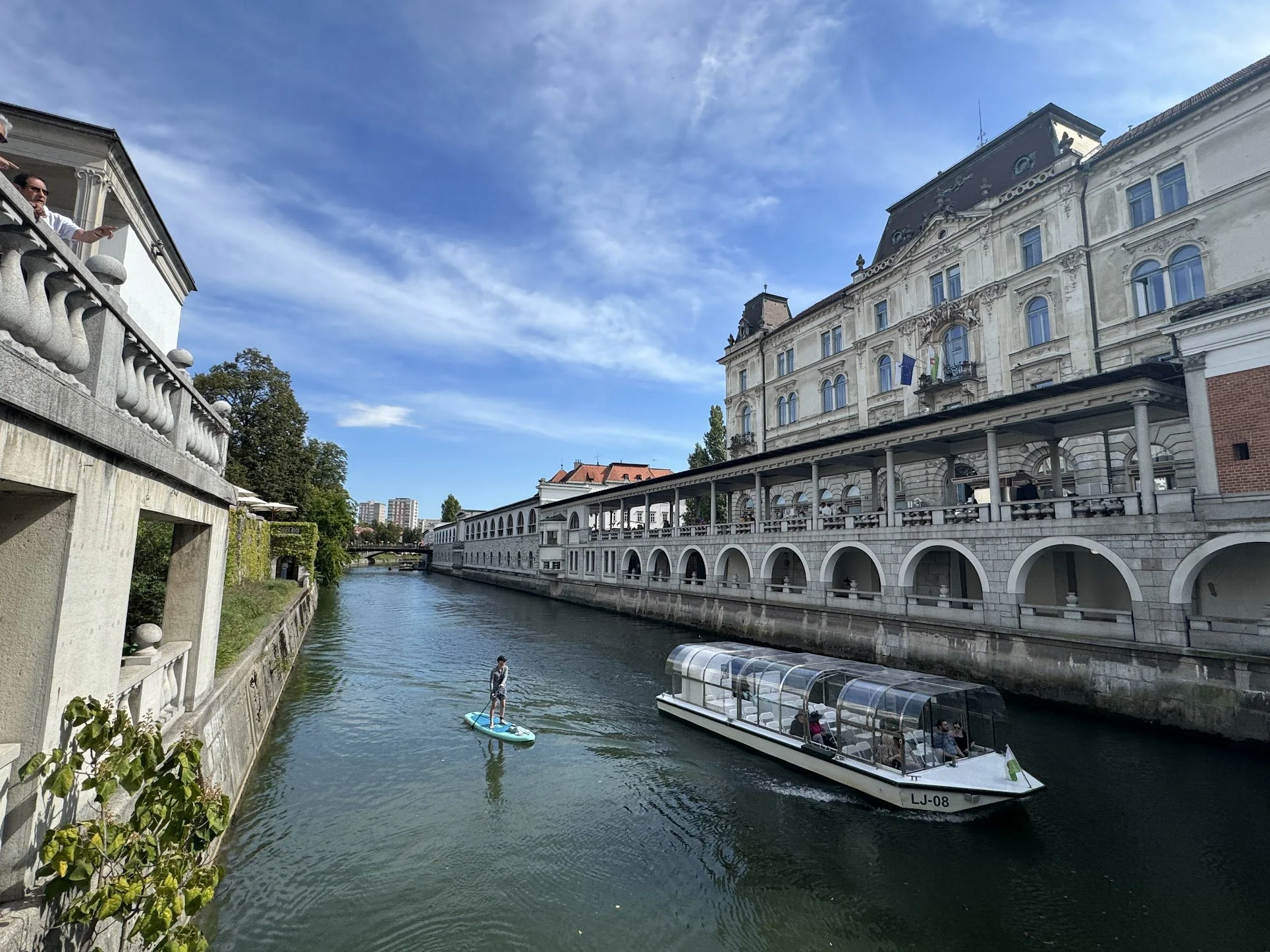
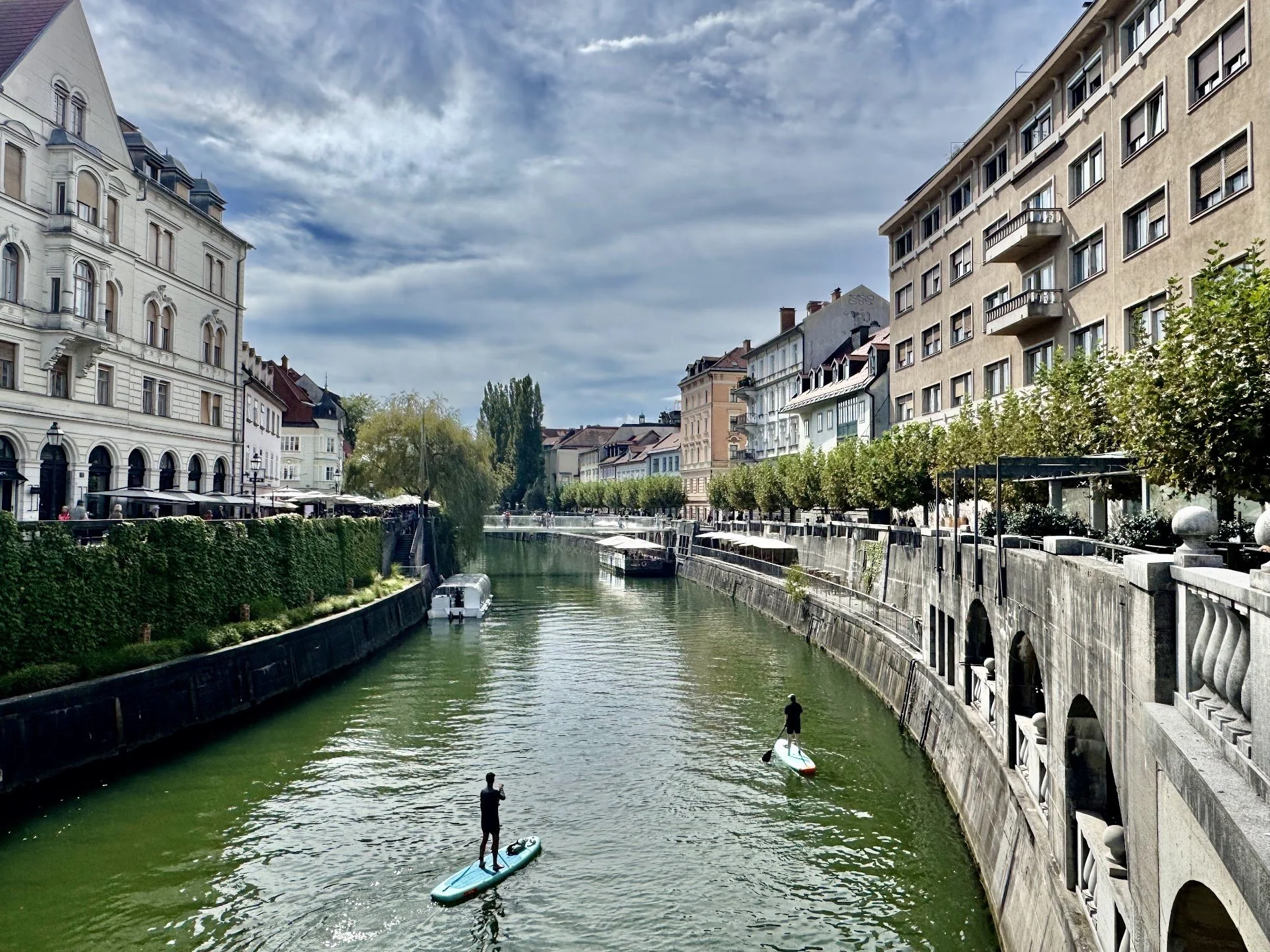
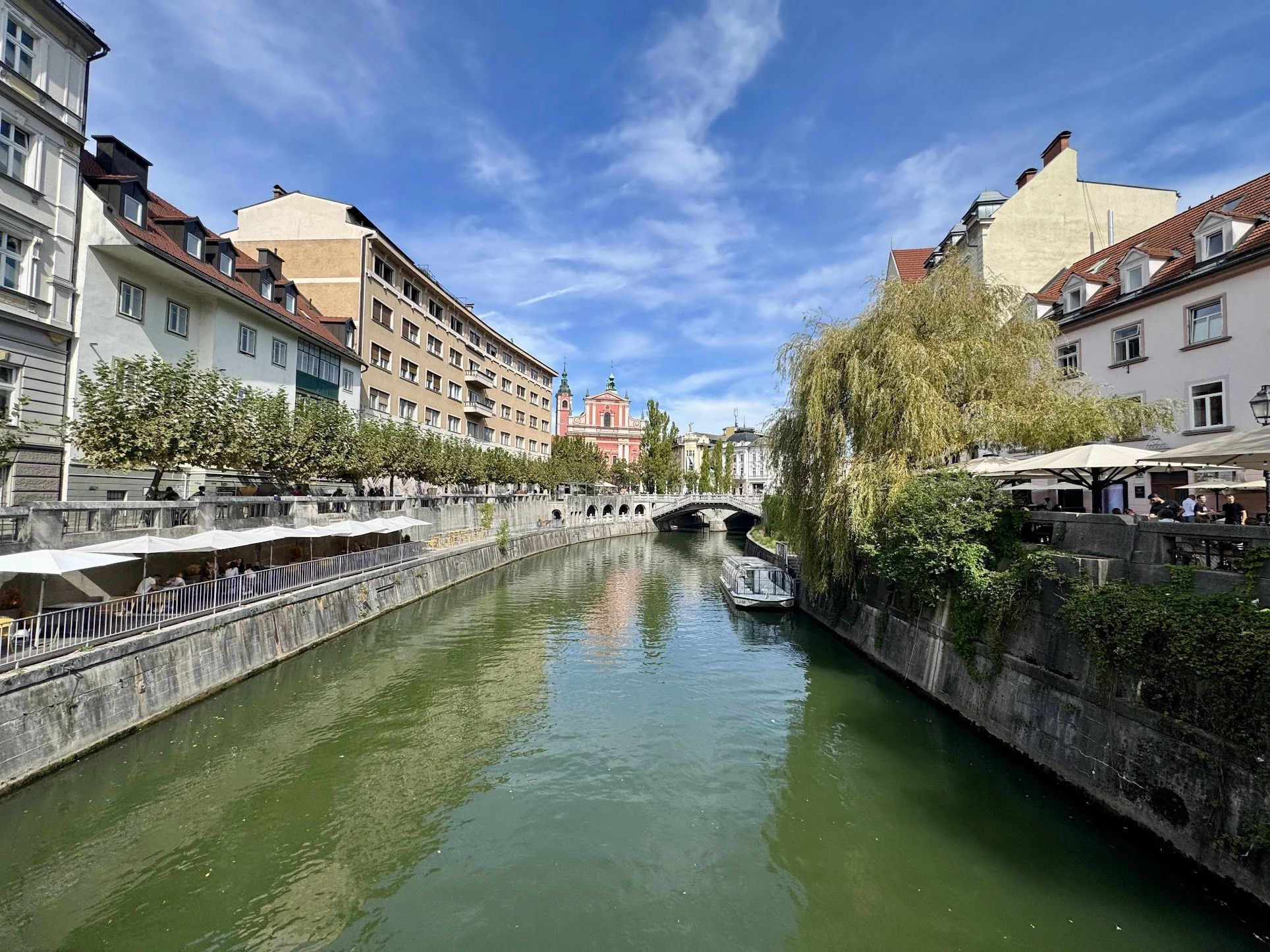
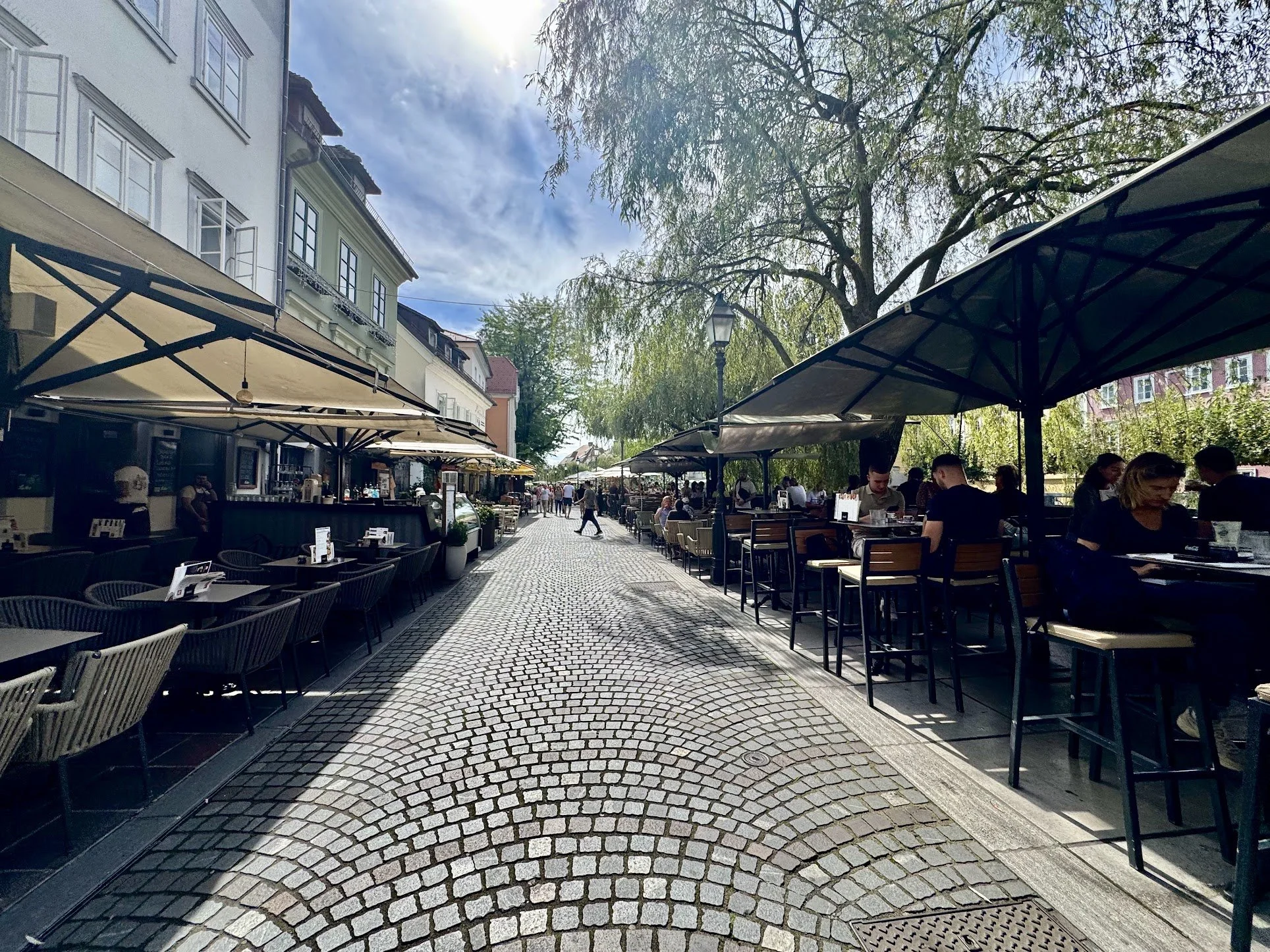
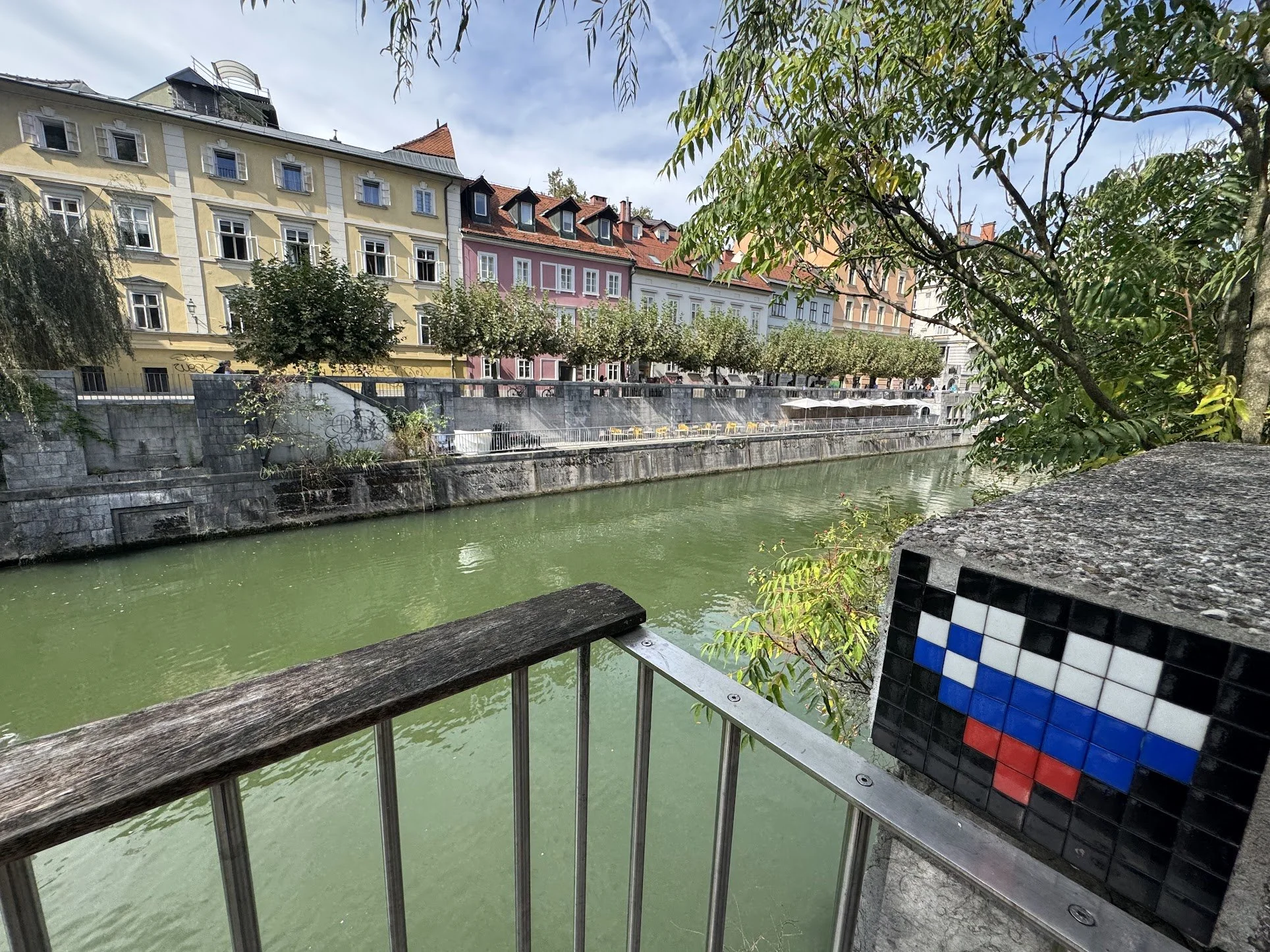
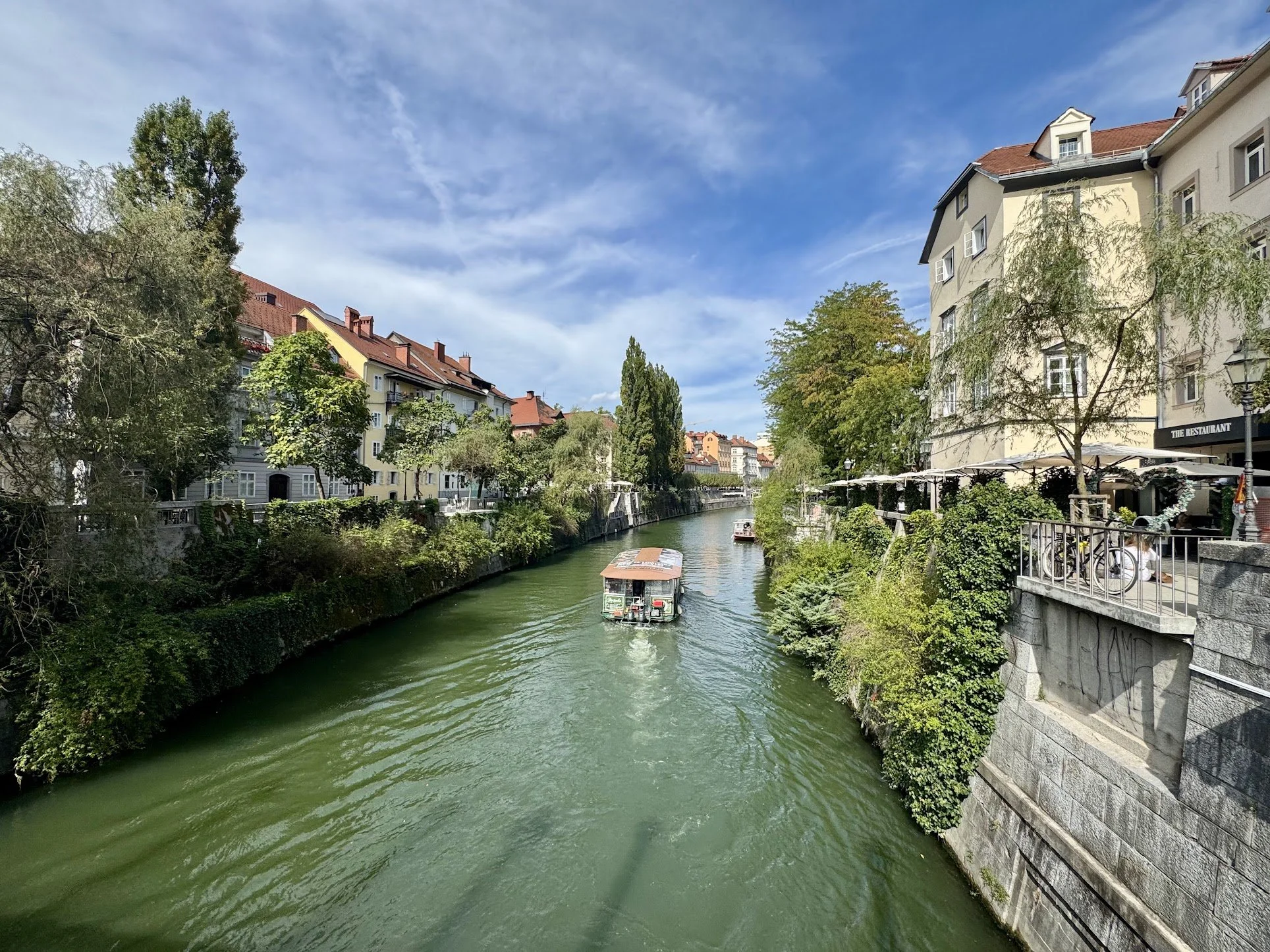
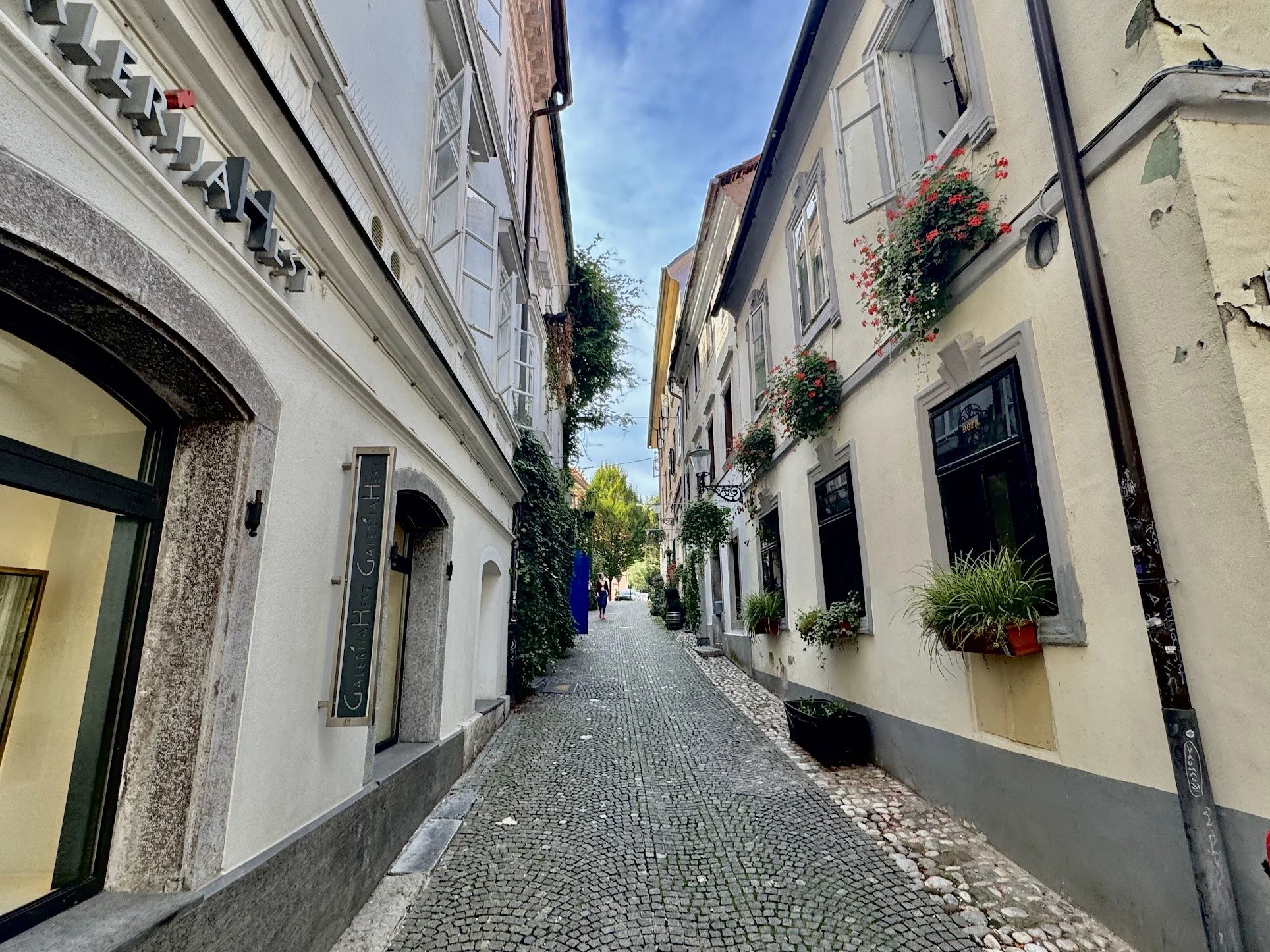
After walking back down from Castle Hill, I spent the afternoon in Ljubljana’s Old Town and along the riverfront. The Old Town stretches along the Ljubljanica River beneath the castle and is one of the most pedestrian-friendly centers I visited during the entire trip, with outdoor cafés, pastel facades, small boutiques, markets, and riverside terraces creating a calmer atmosphere than many larger European capitals.
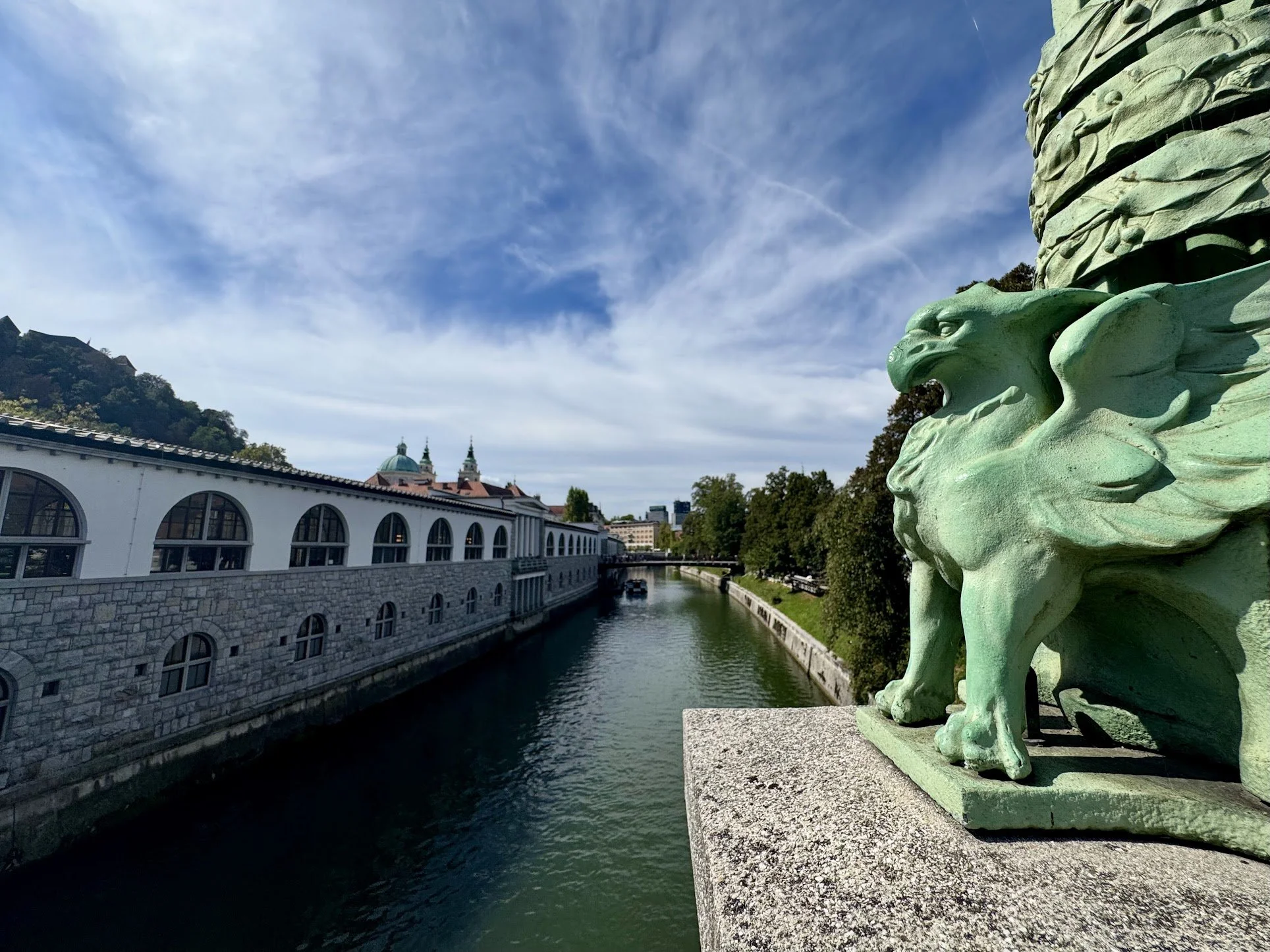
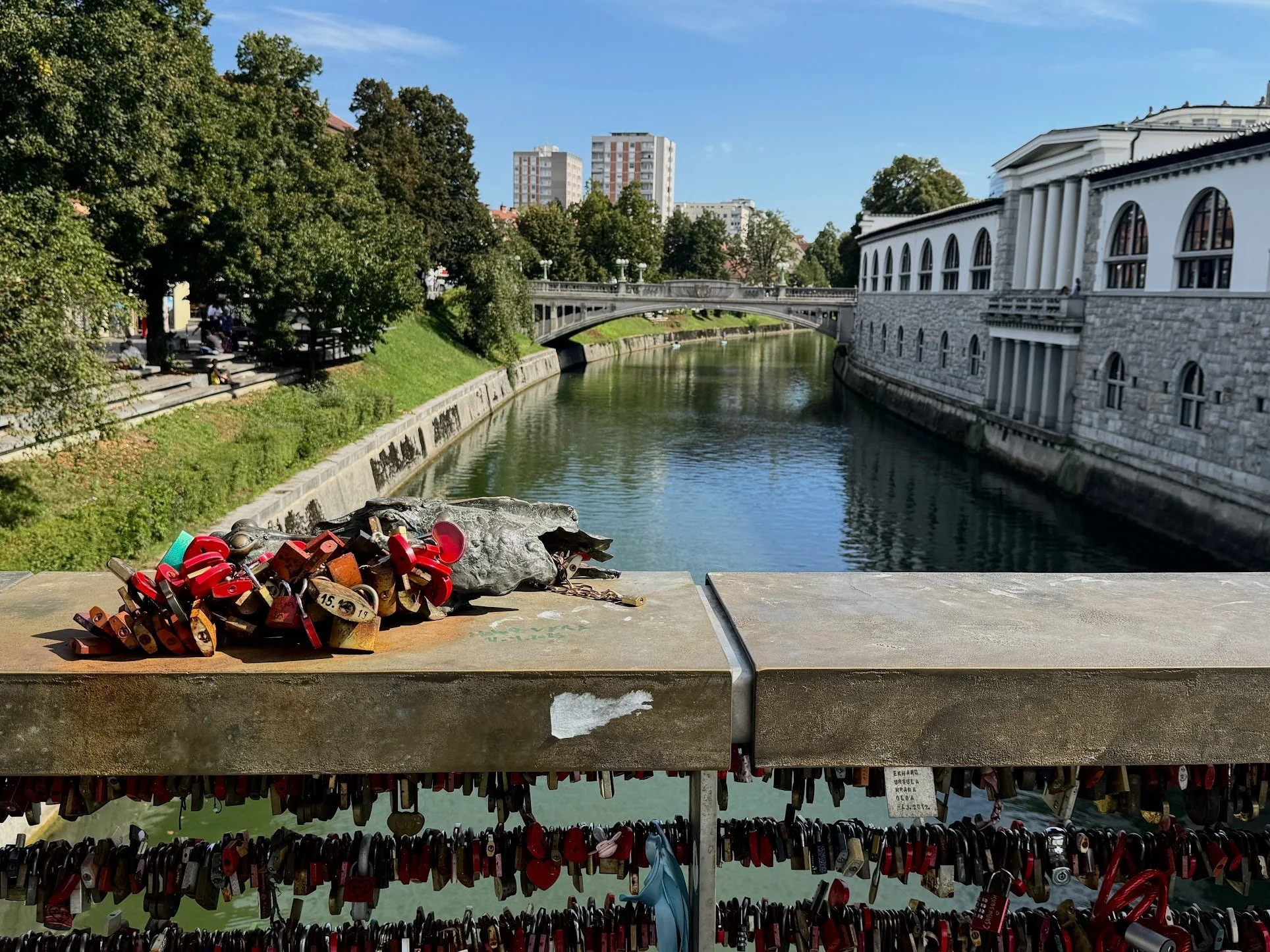
Ljubljana’s bridges are some of its defining landmarks. Triple Bridge is the most recognizable: three pedestrian bridges side by side, spreading out across the river in the middle of the Old Town. Nearby, Dragon Bridge, with its four dragon statues guarding the corners, has become one of the city’s most iconic symbols. Smaller pedestrian bridges continue up and down the river, linking cafés, neighborhoods, parks, and markets on both sides, and together they make Ljubljana feel unusually connected and intuitive to explore entirely on foot.
Tivoli Park
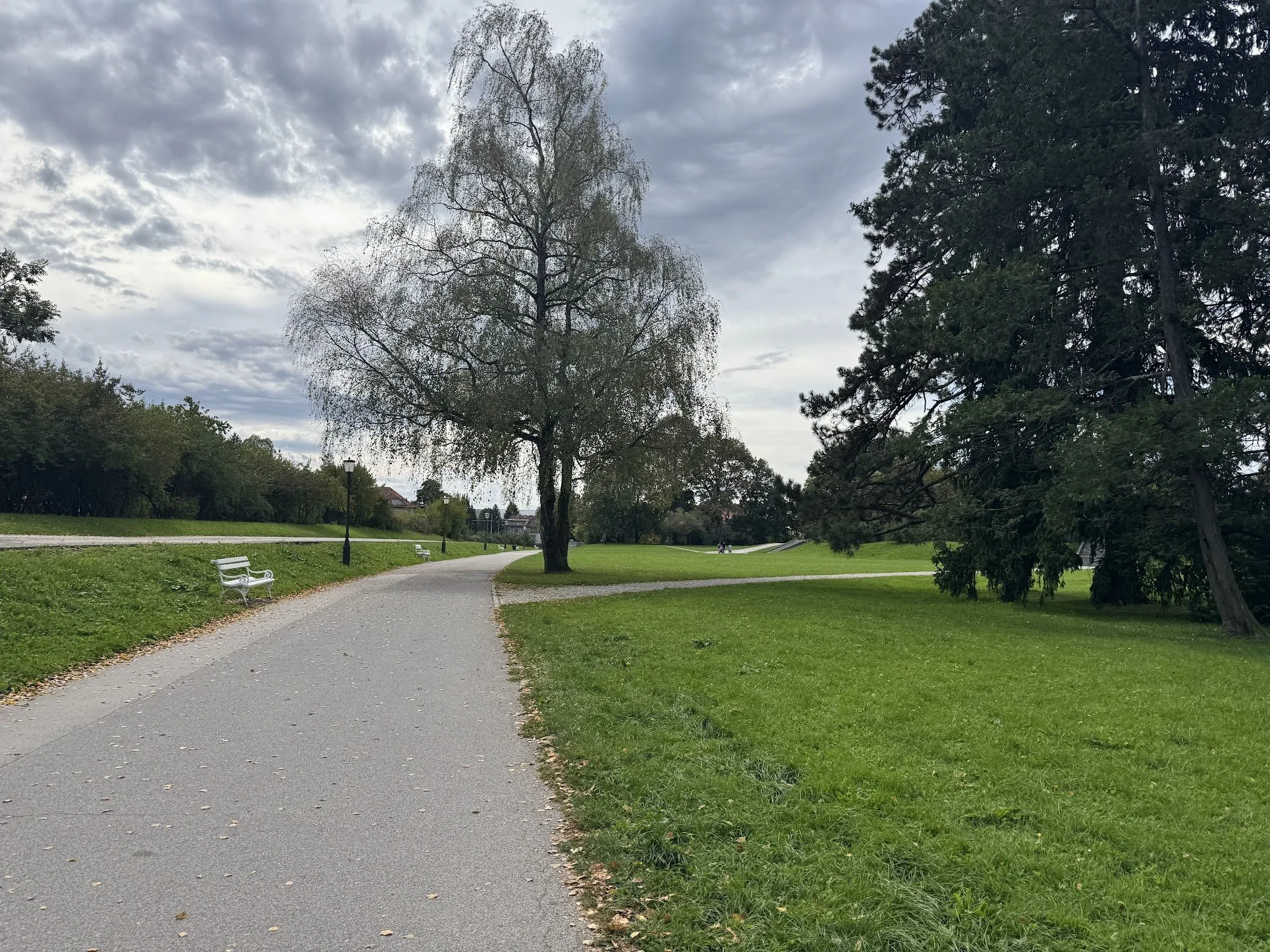
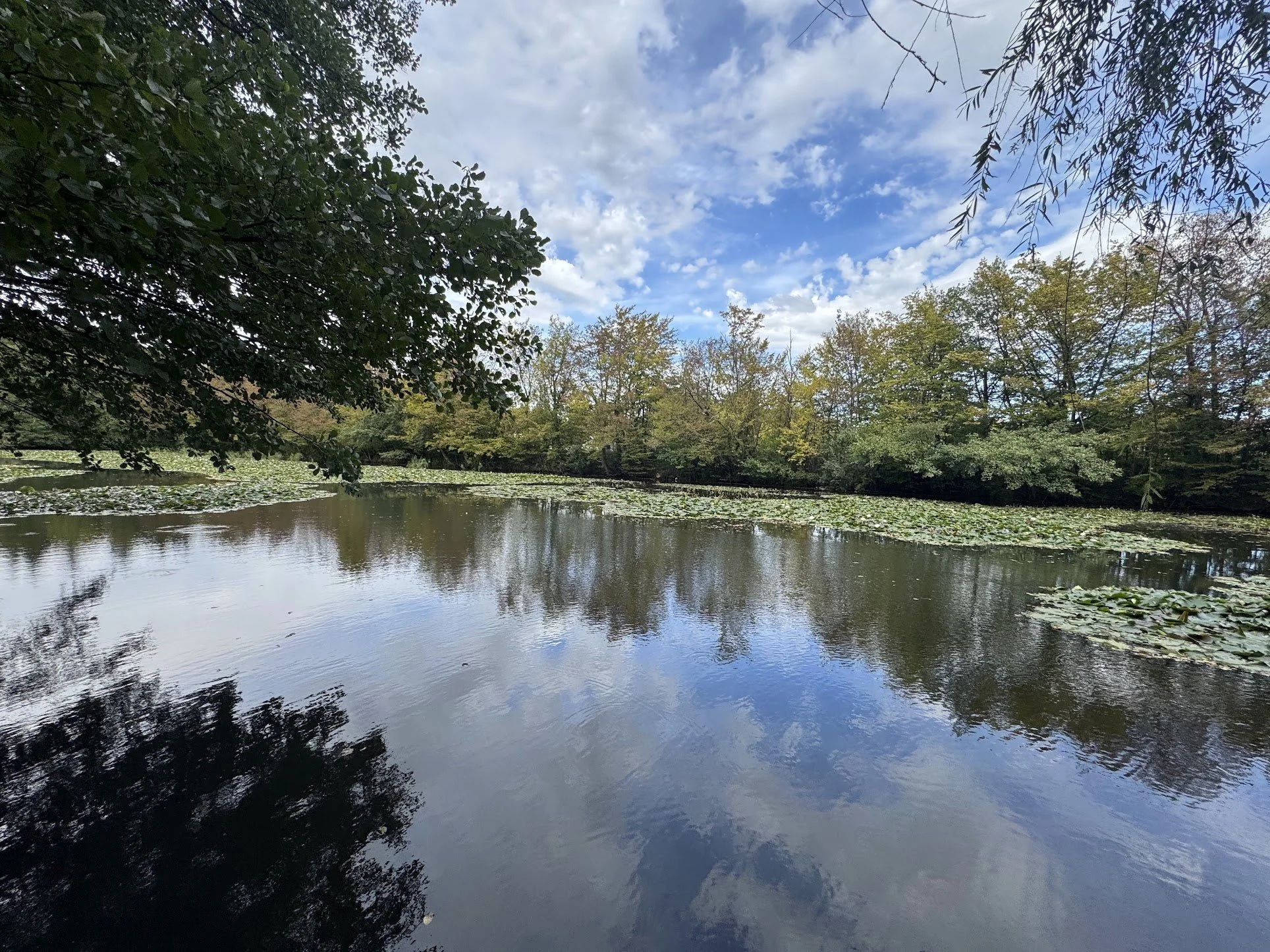
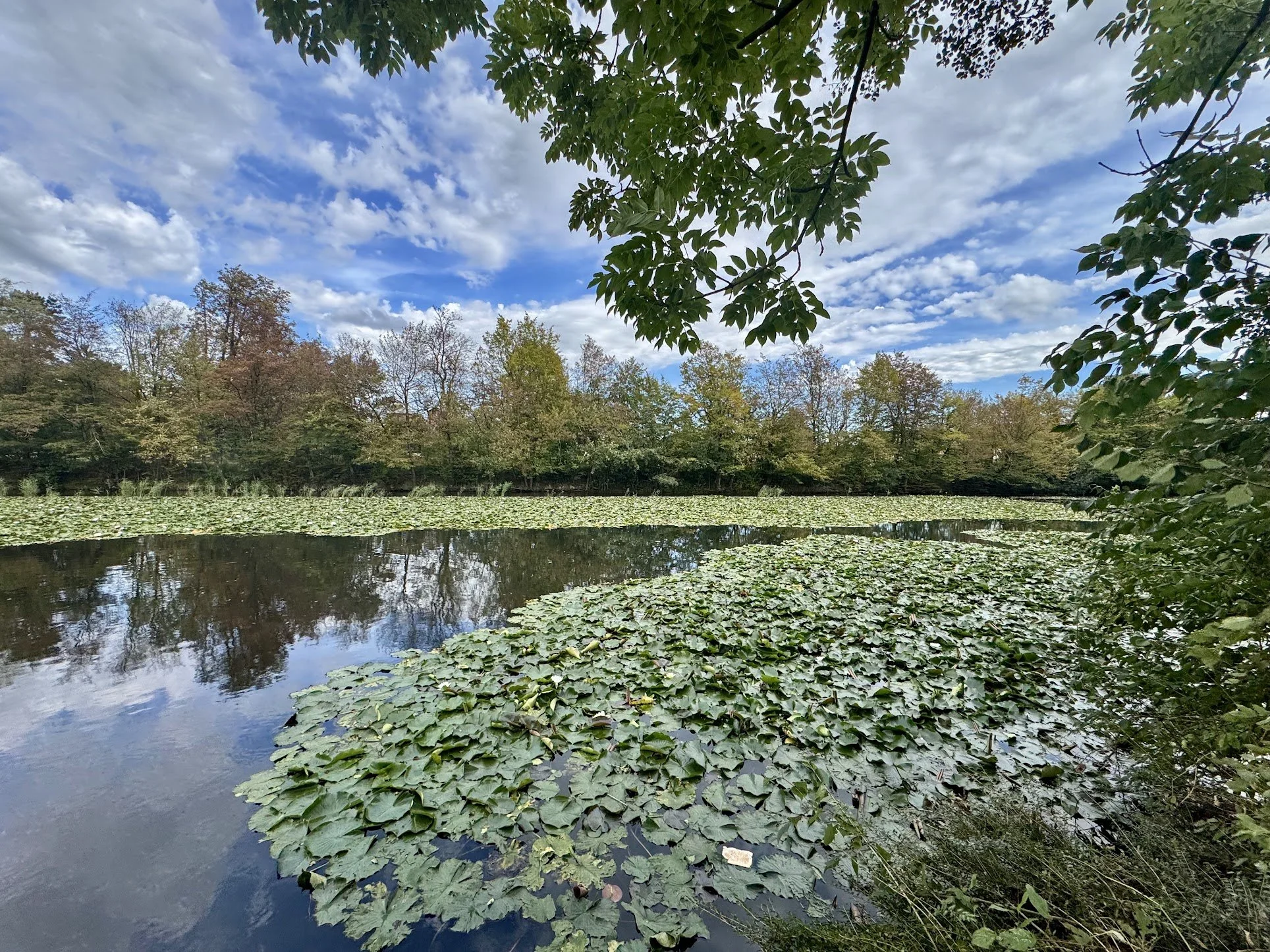
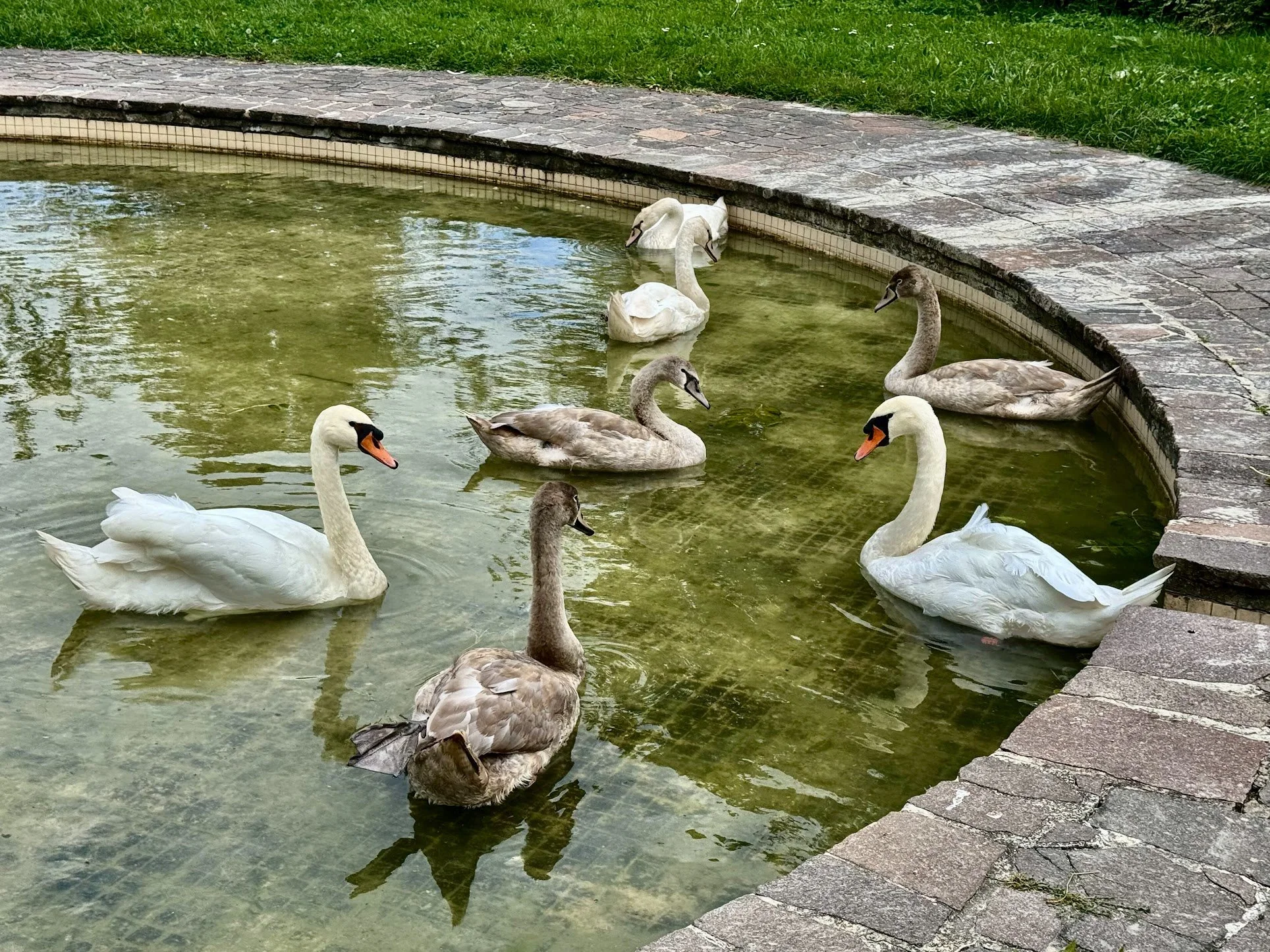
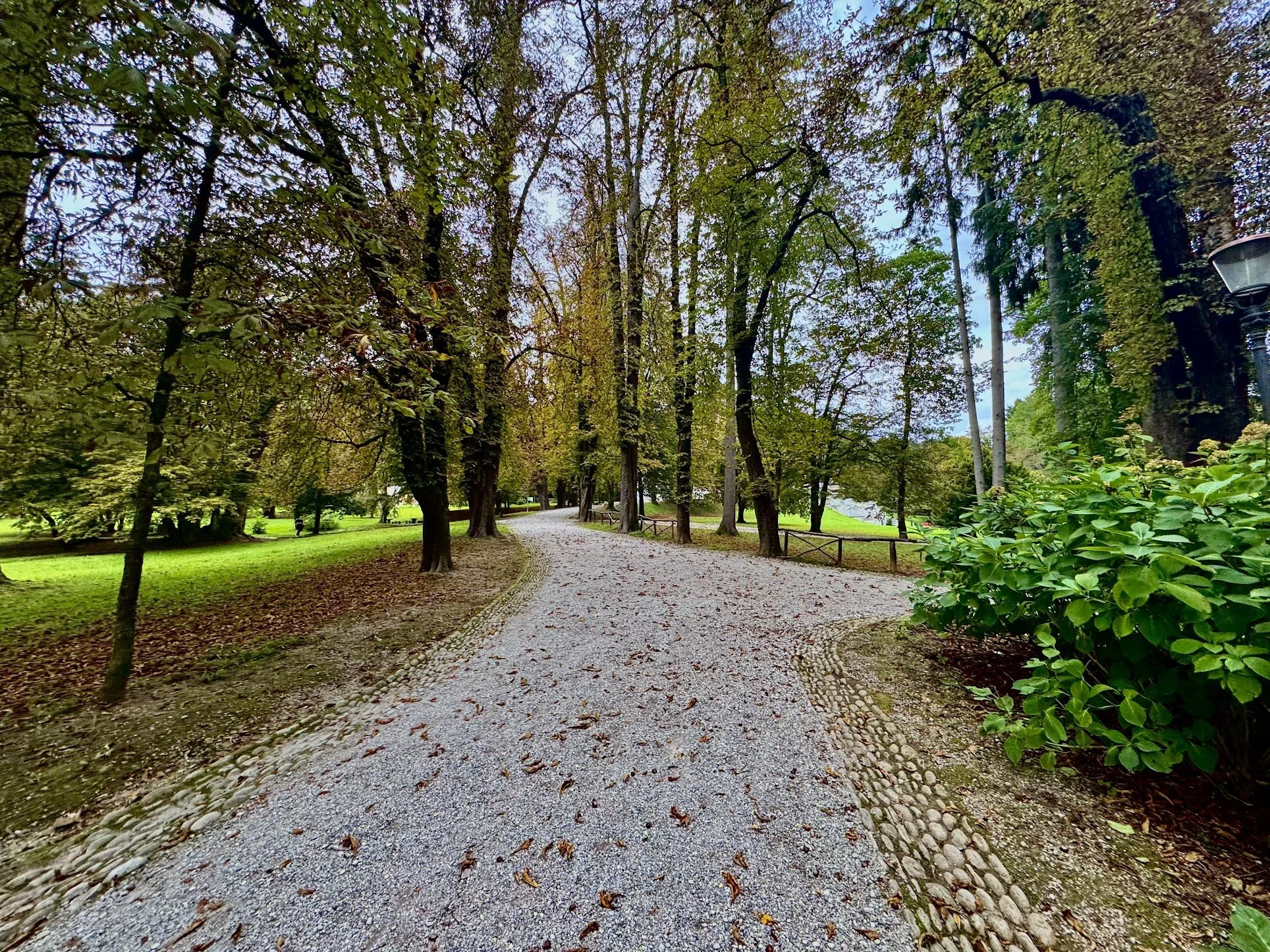
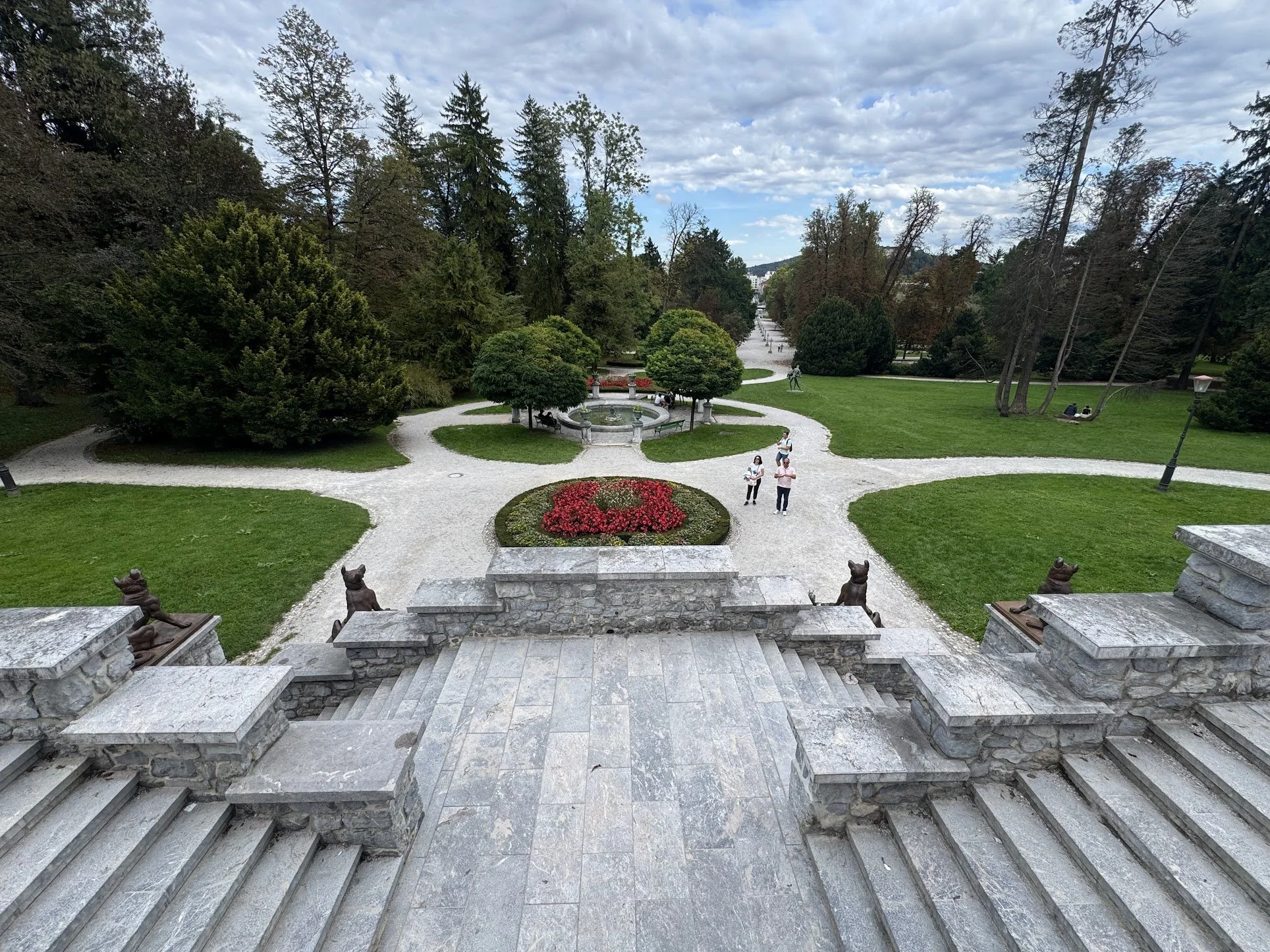
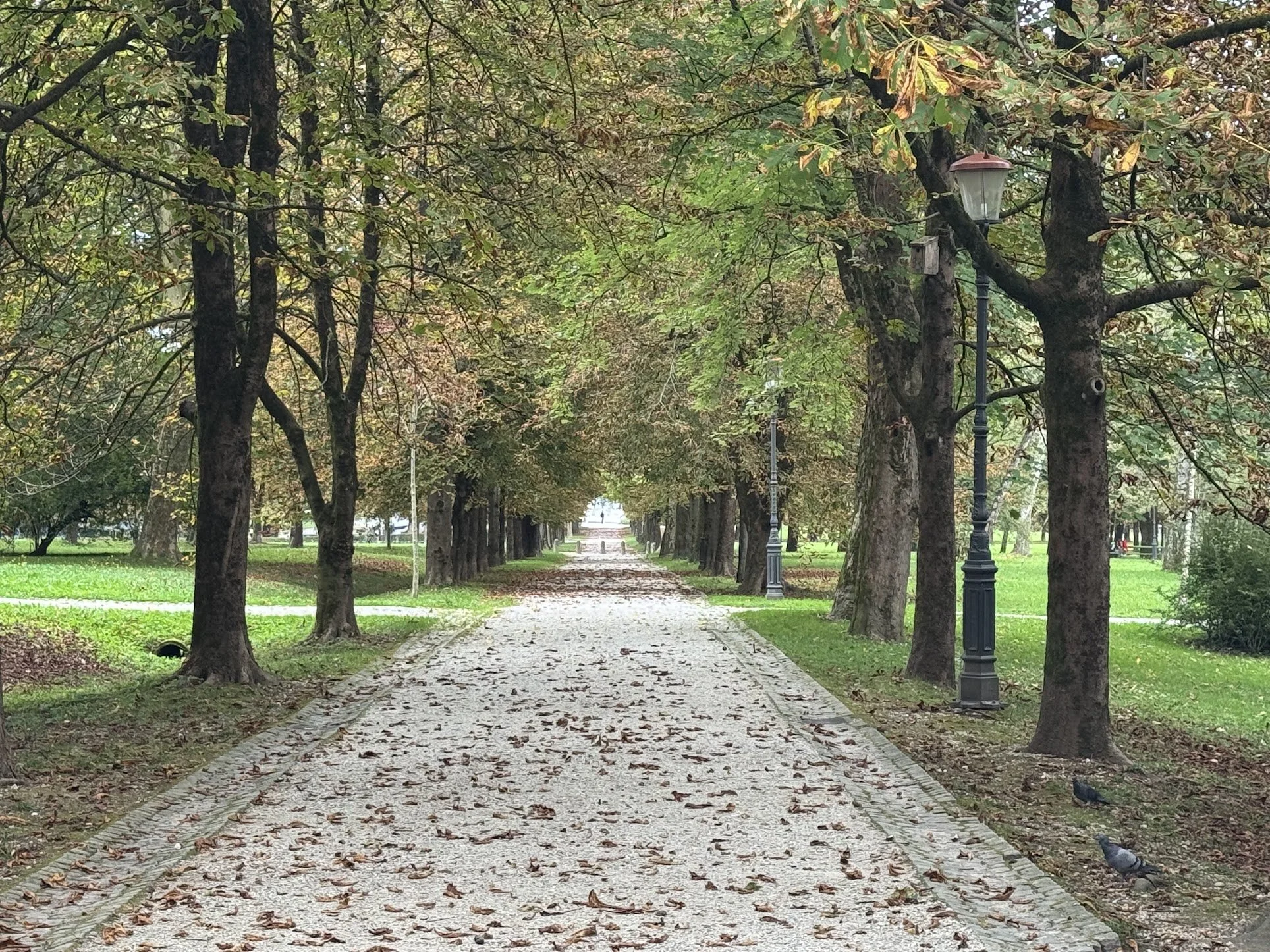
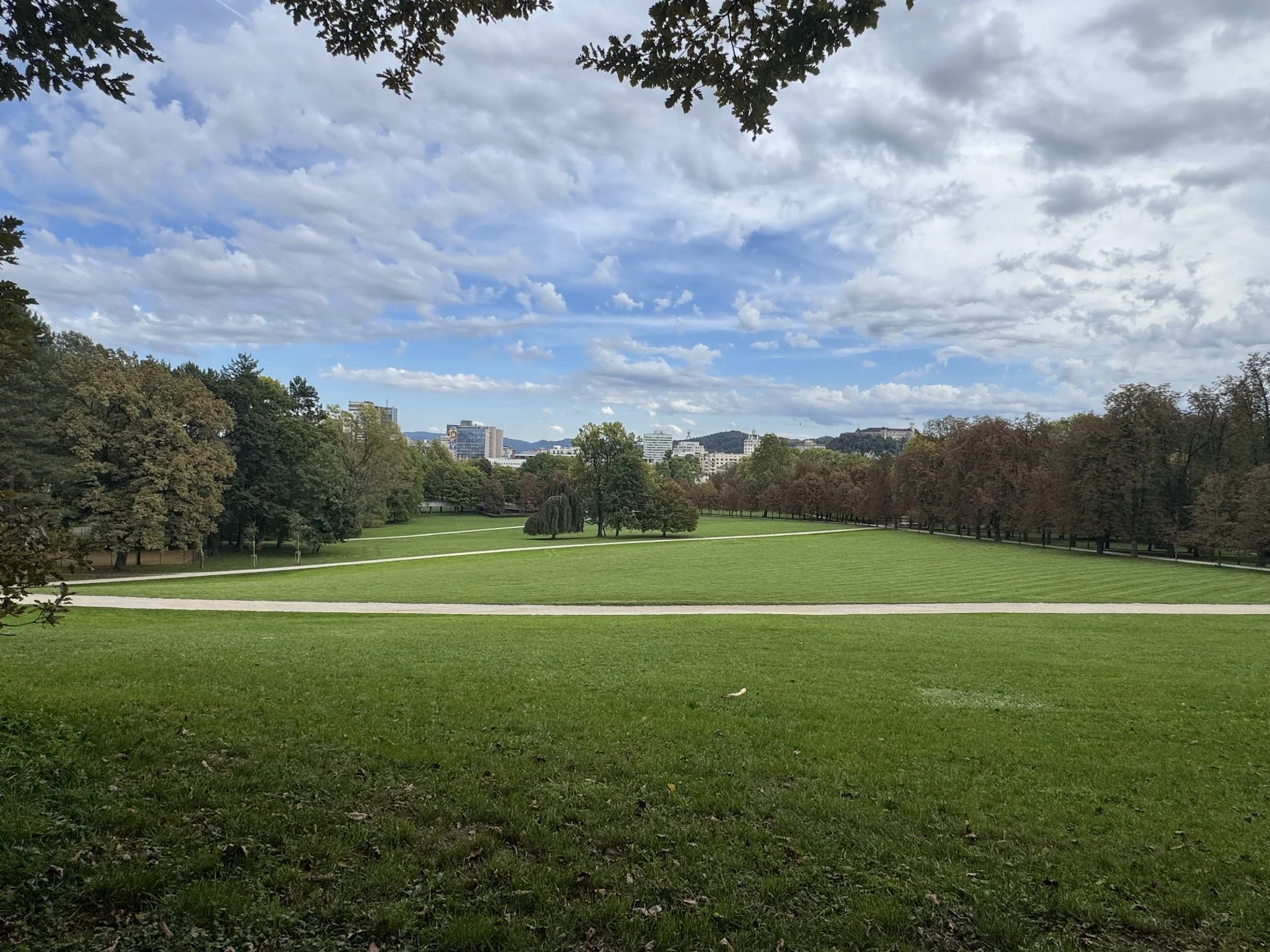
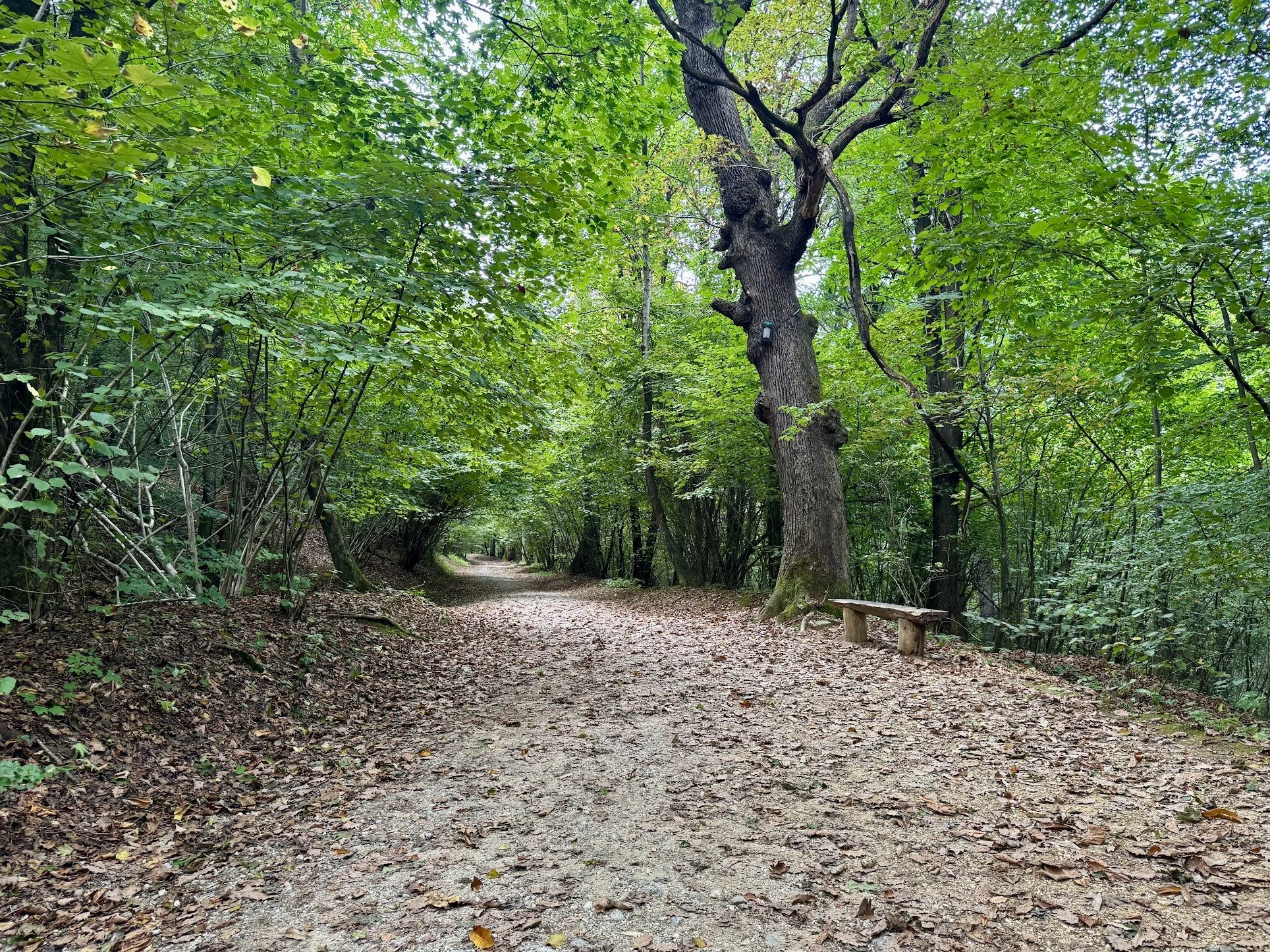
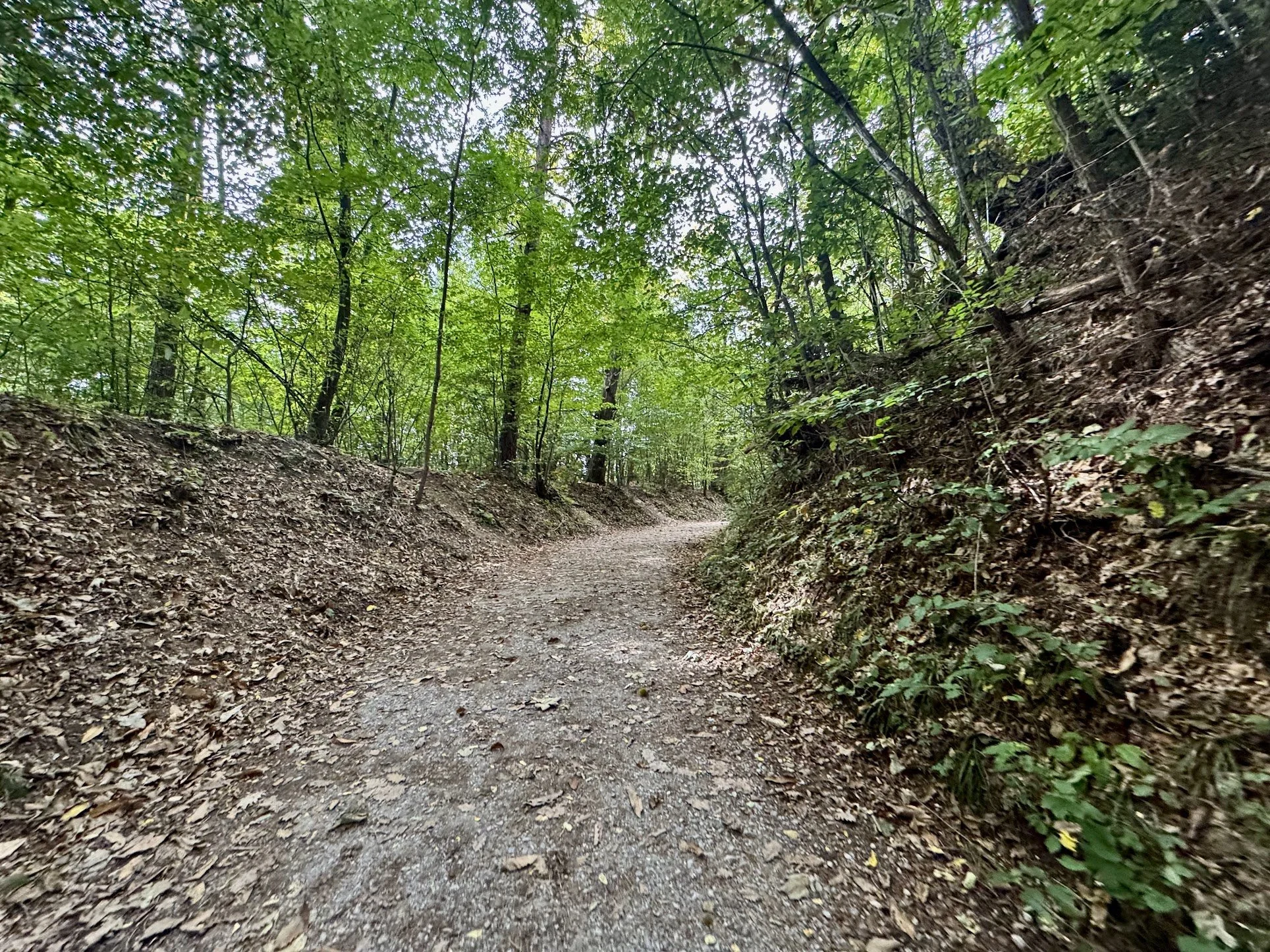
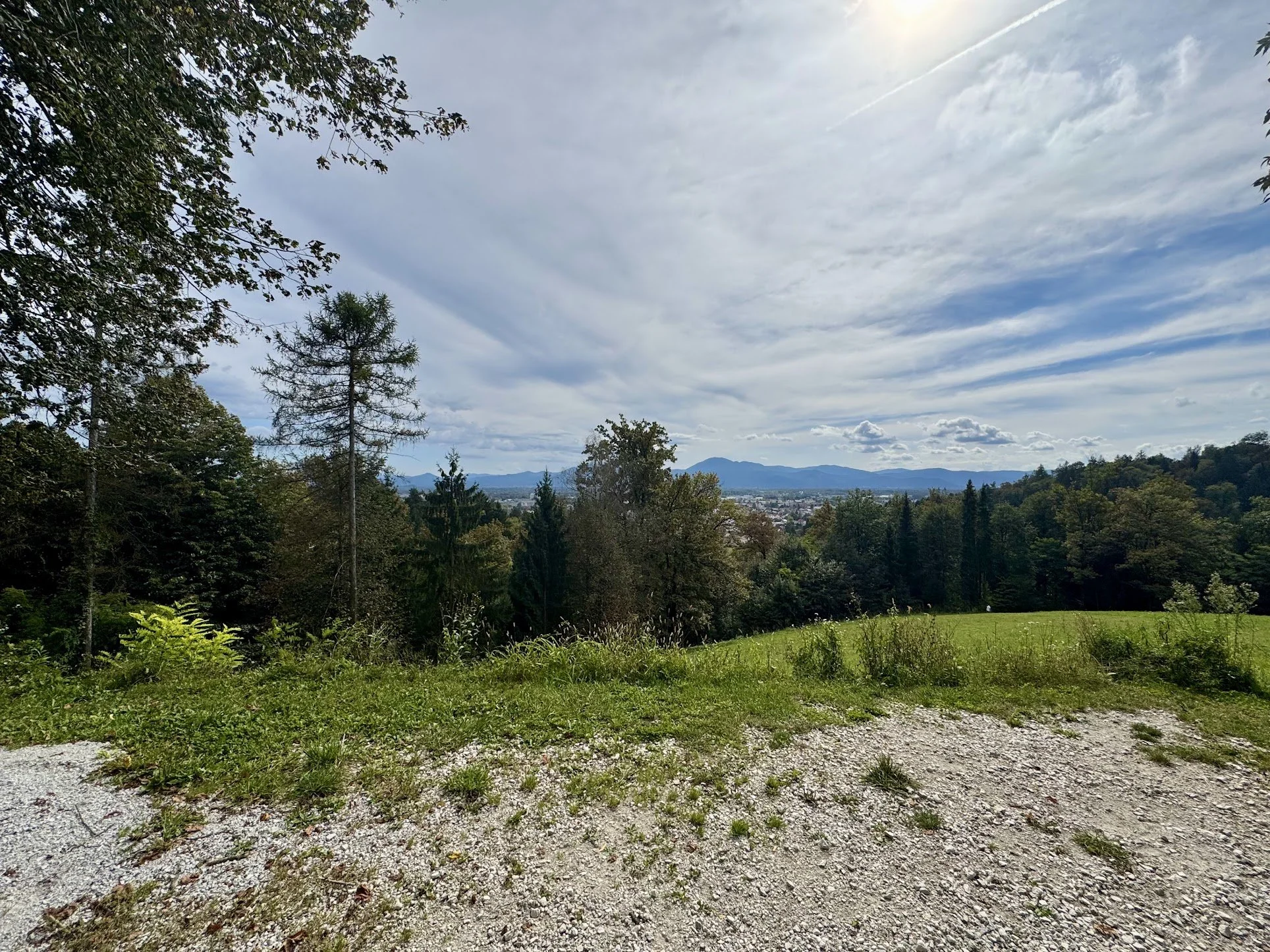
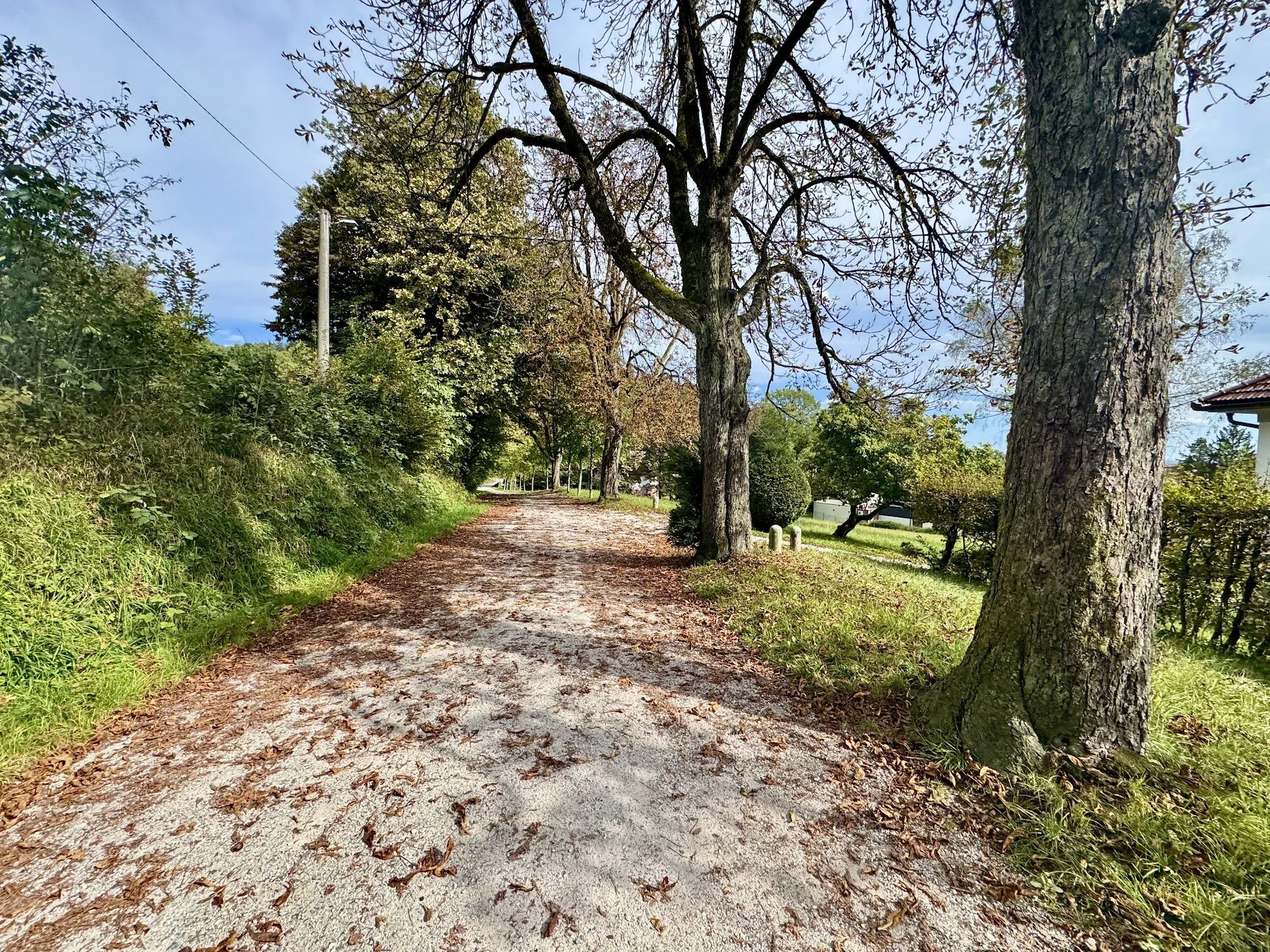
Later in the day, I walked over to Tivoli Park. If I thought the walk up to Ljubljana Castle was challenging, I hadn’t met my match yet. The park stretches west from the city center toward wooded hills and covers a surprisingly large area, with walking paths, gardens, forests, ponds, open lawns, and trails extending farther into the hills surrounding the city.
What stood out most was how naturally Tivoli blended into the surrounding landscape. Instead of feeling like a formal city park with sharp boundaries, it gradually transitions into larger wooded trails and recreation areas, which makes Ljubljana feel unusually green and outdoors-oriented for a capital city.
Soča River Valley & Kranjska Gora
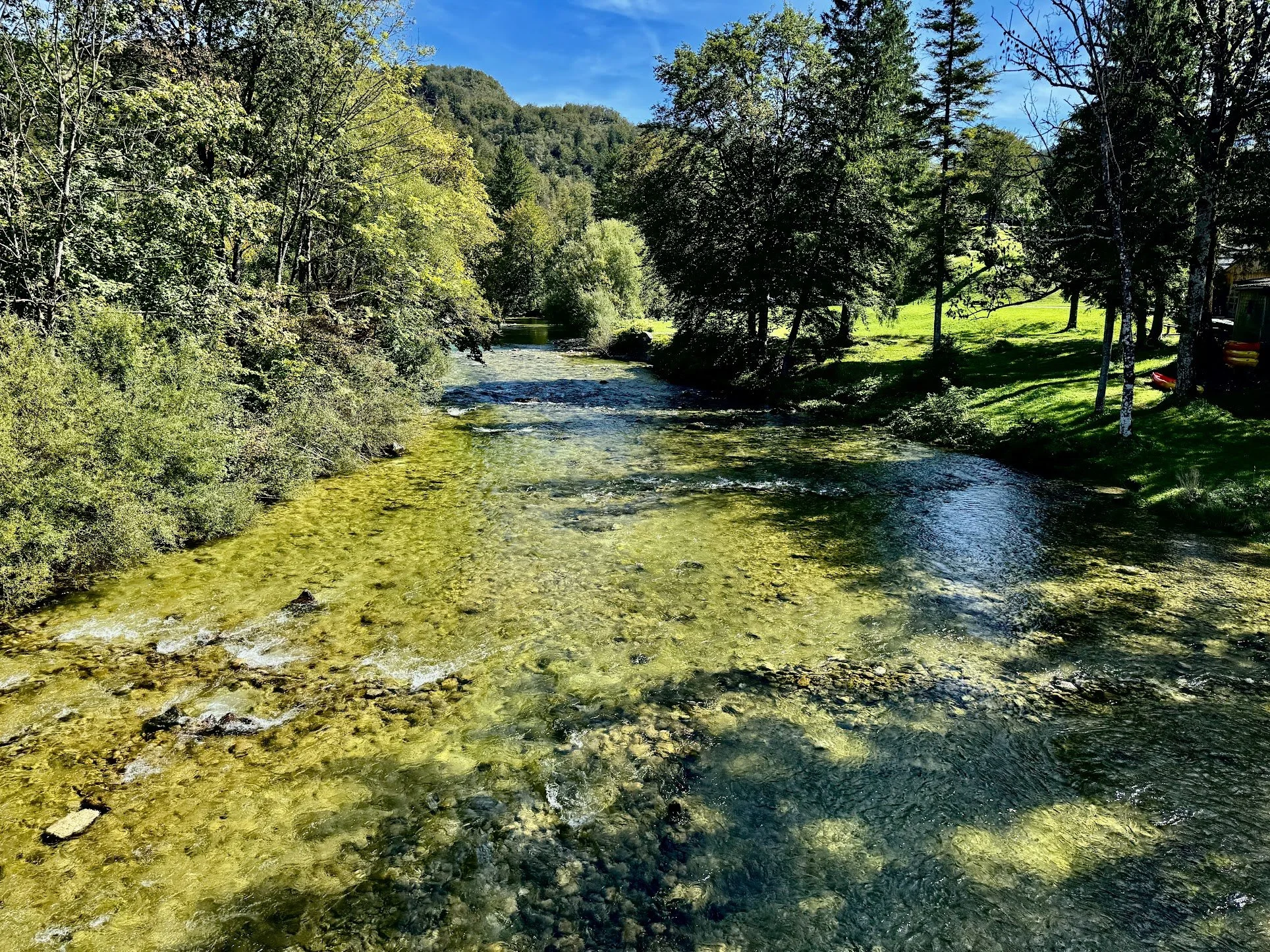
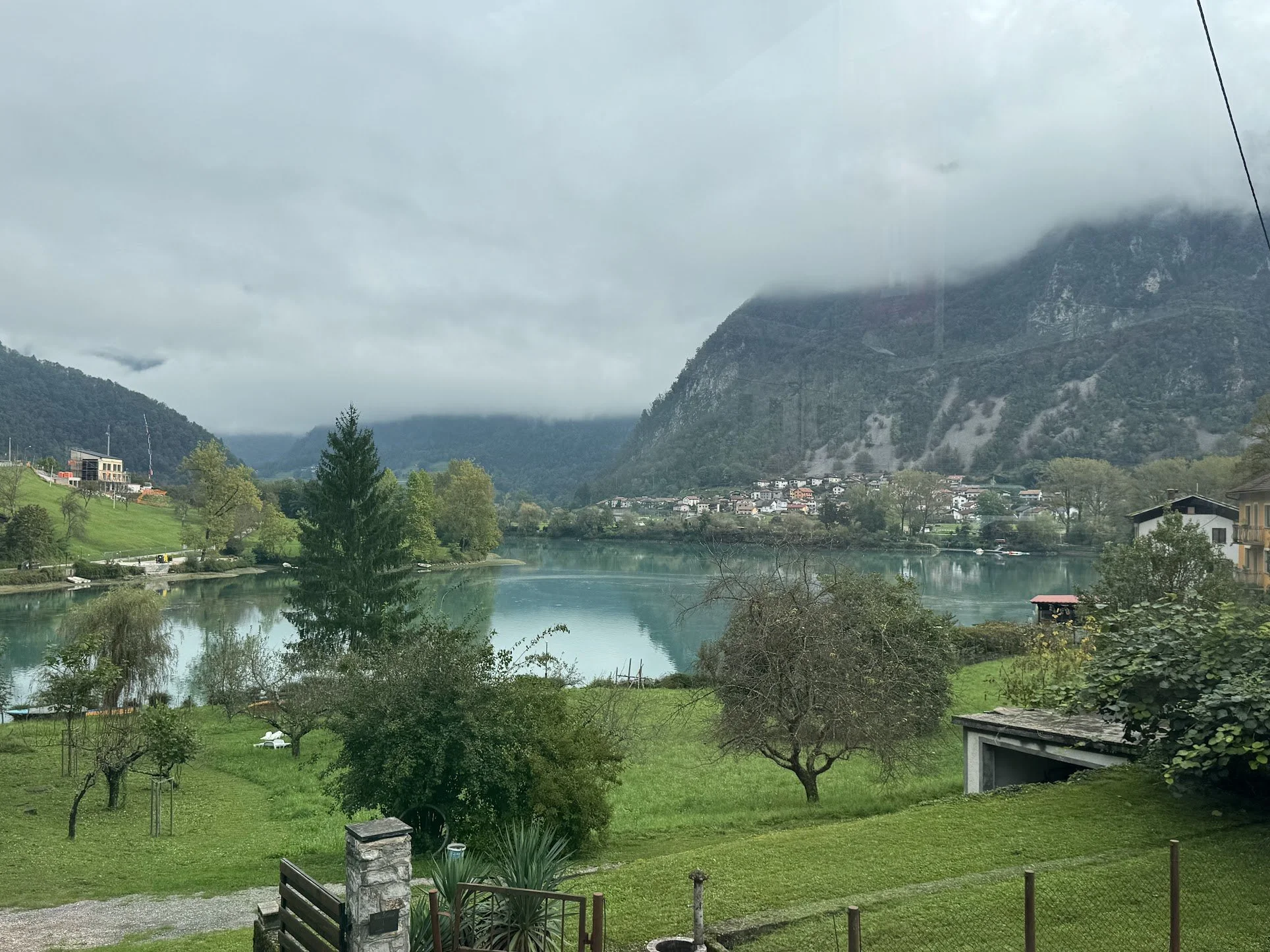
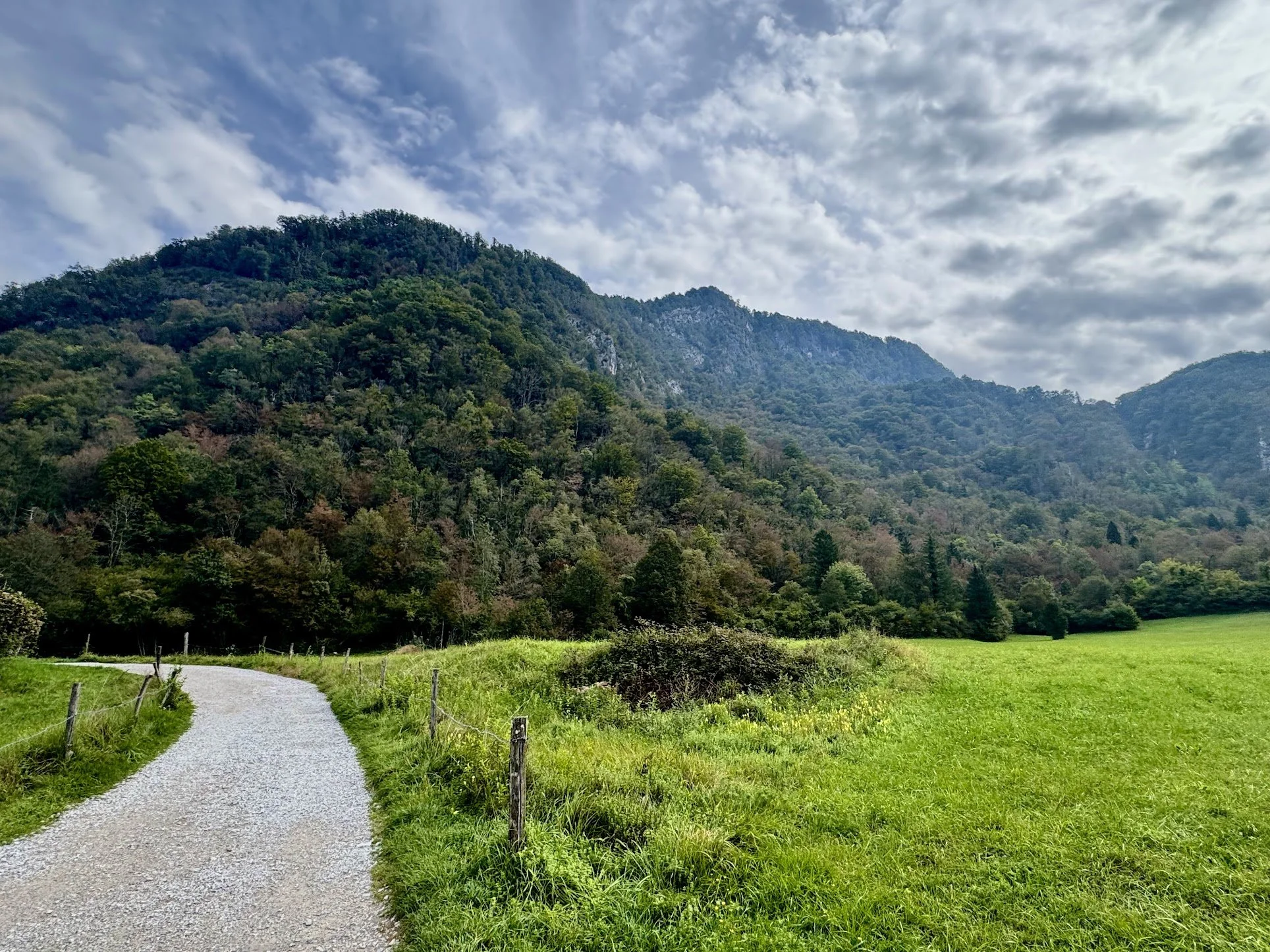
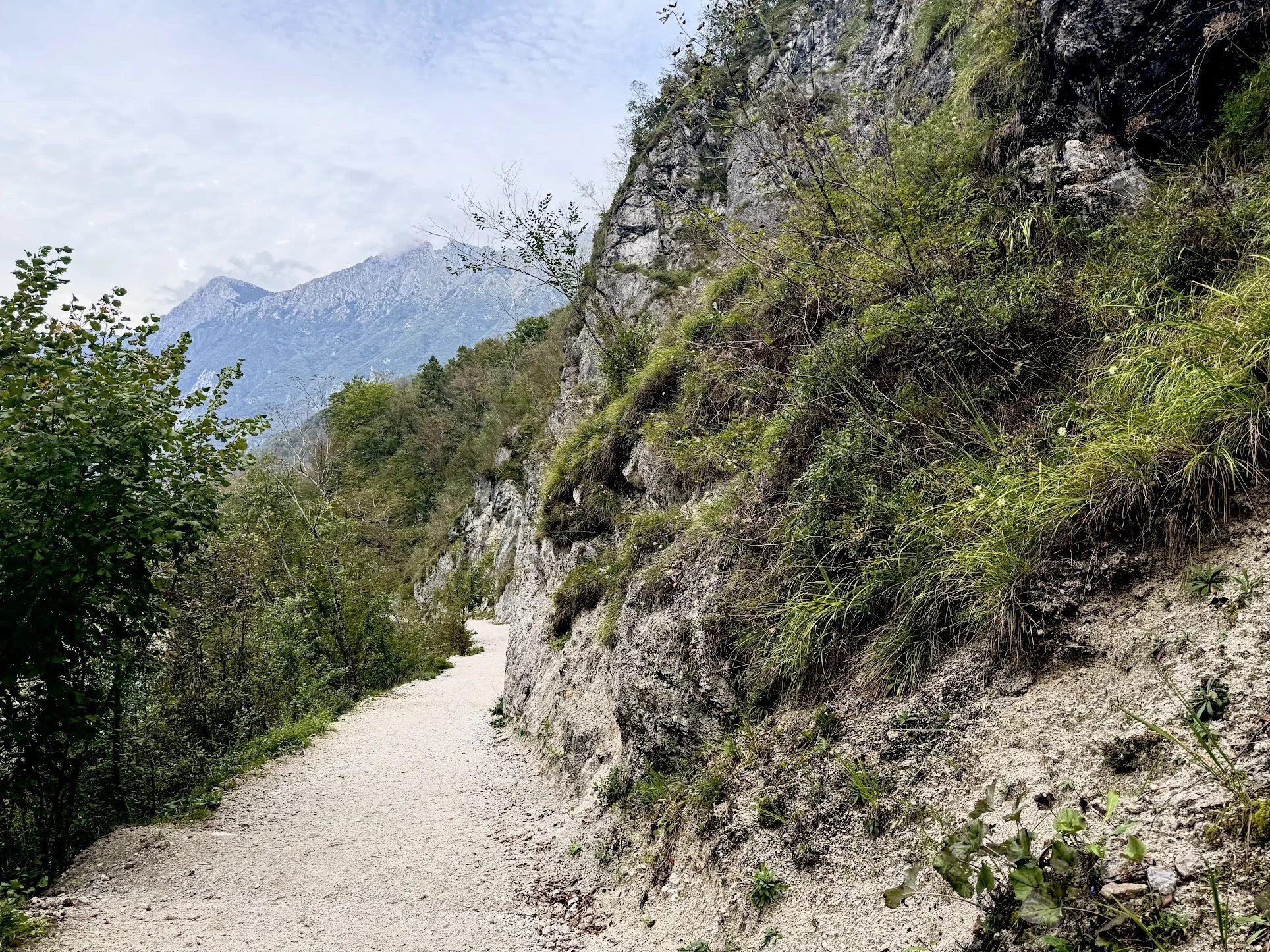
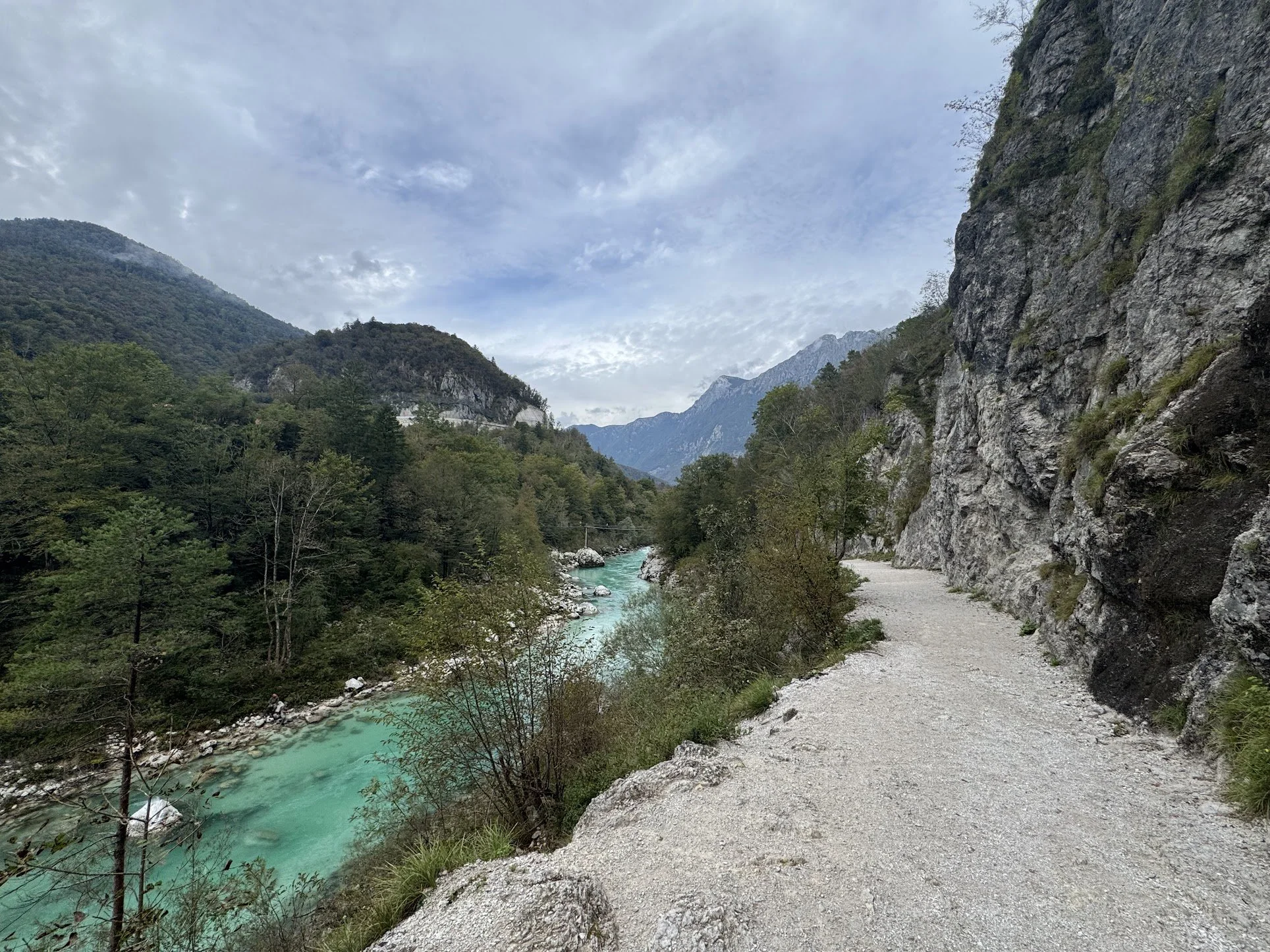
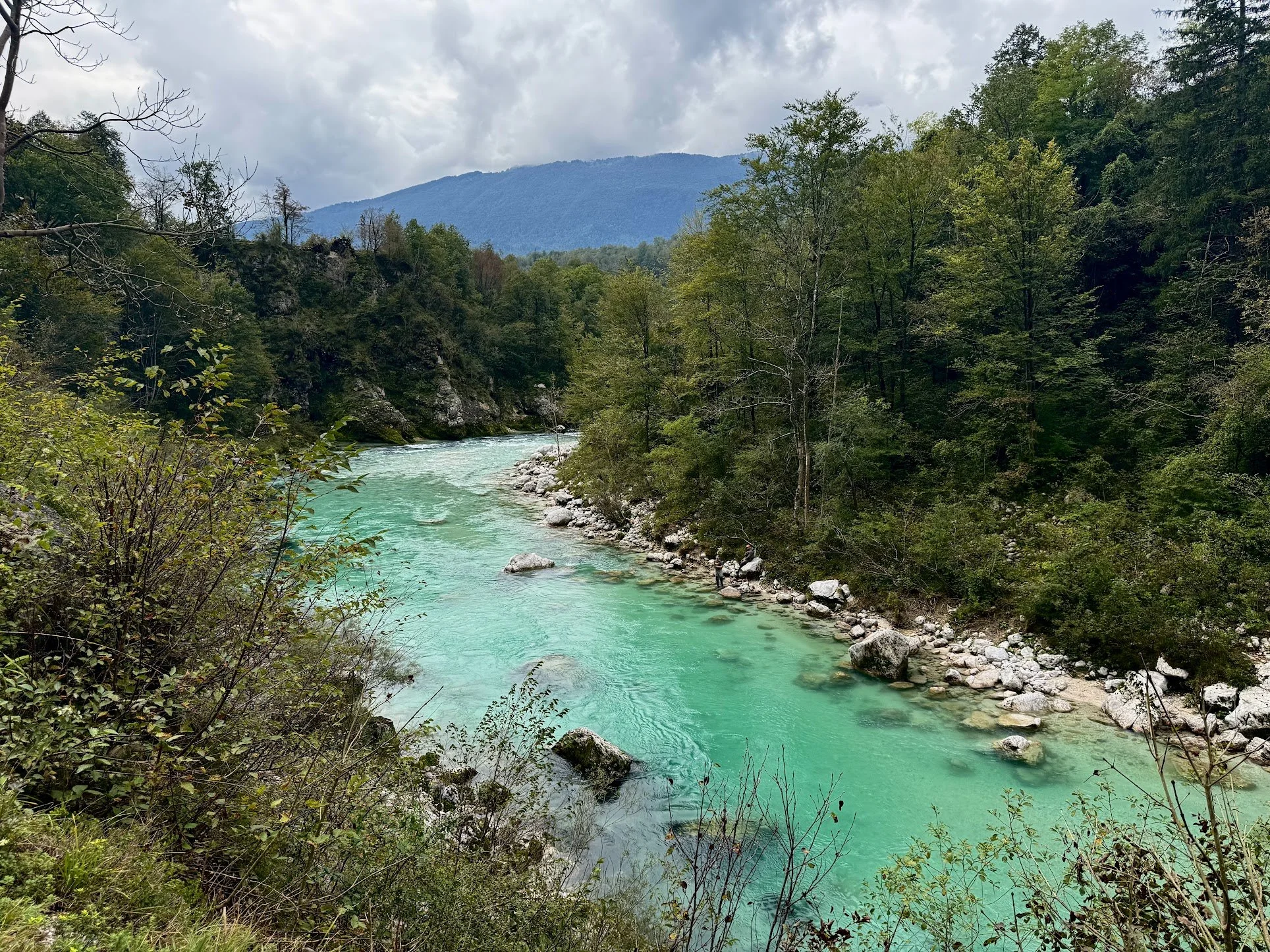
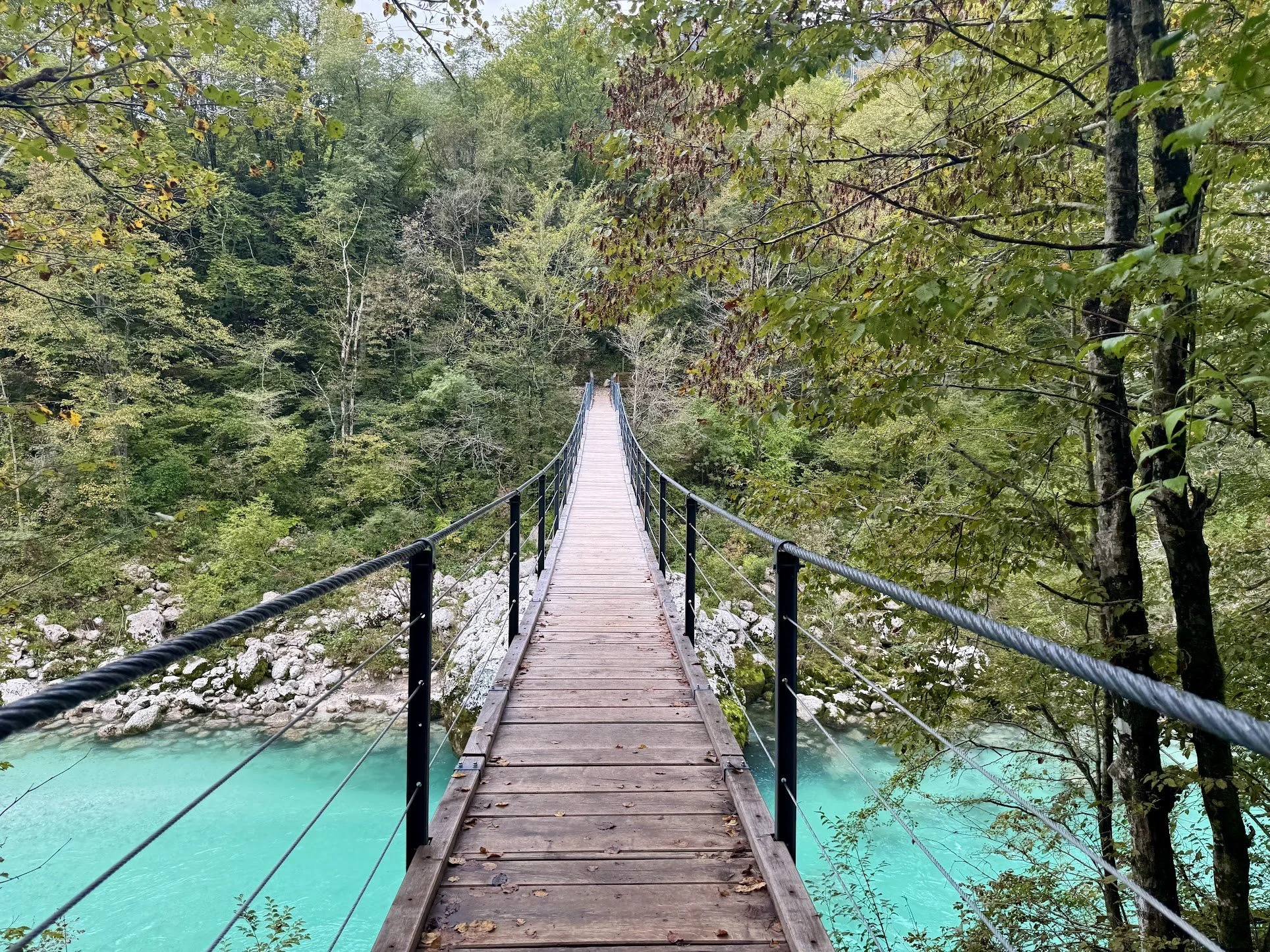
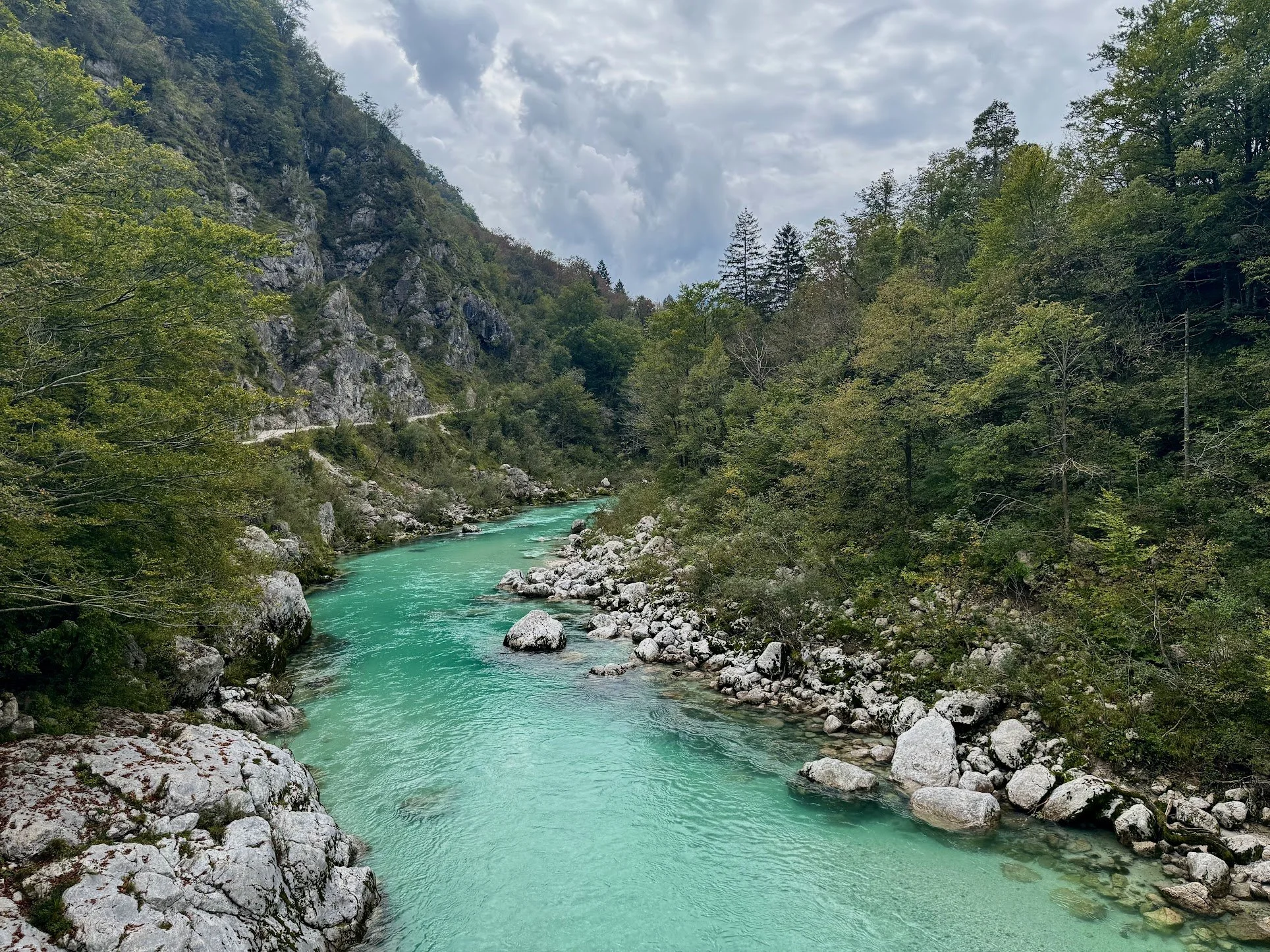
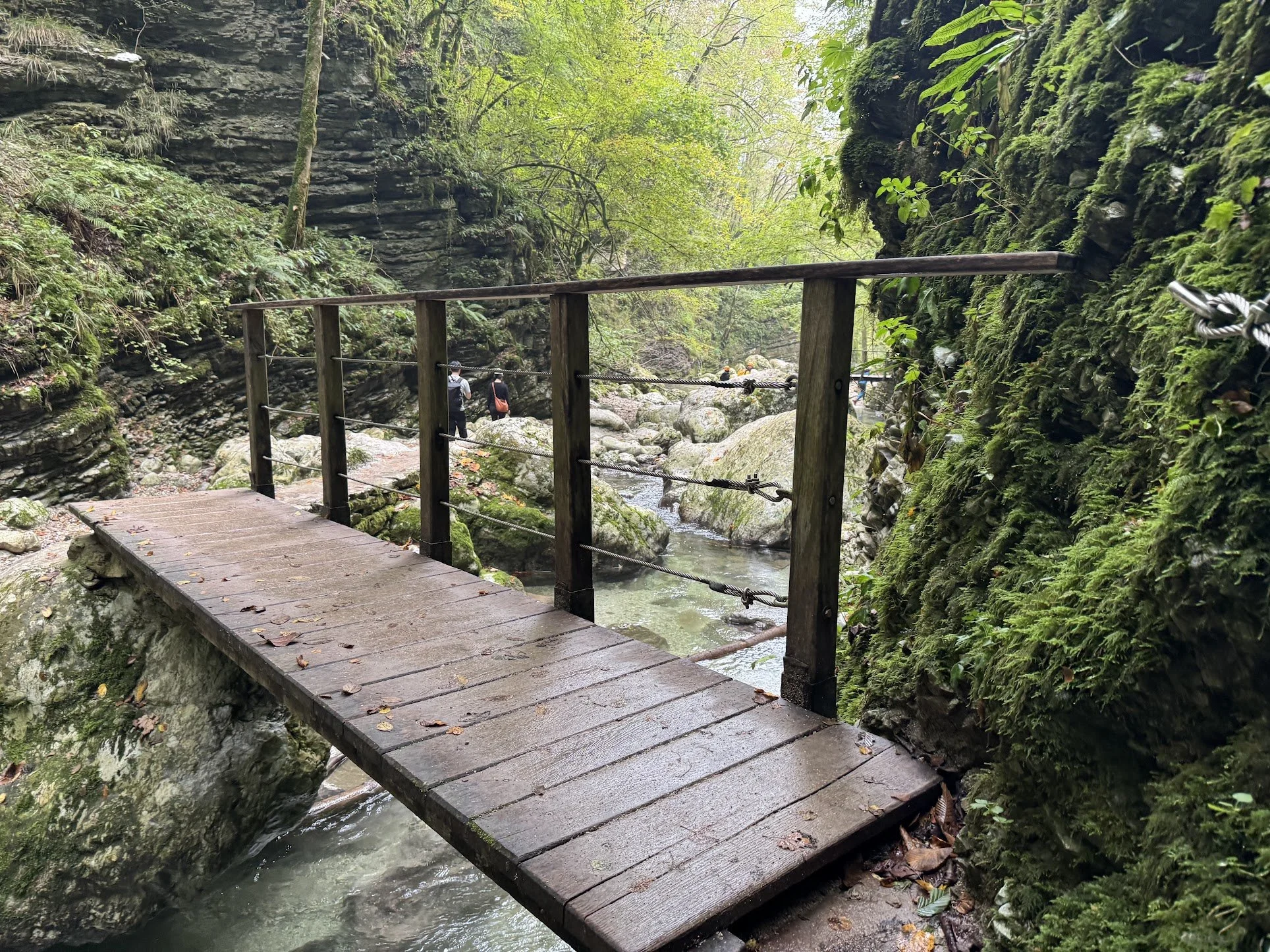
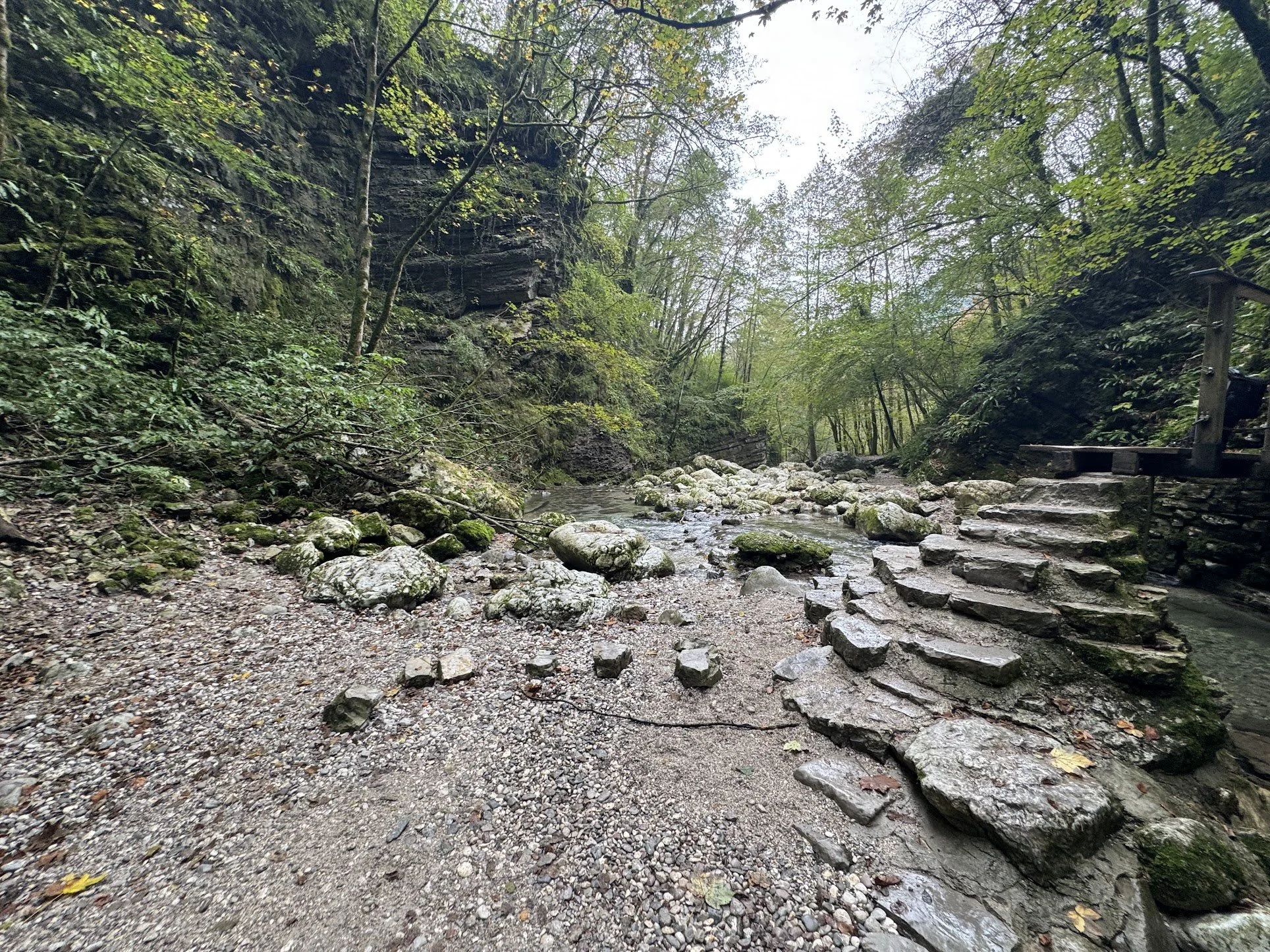
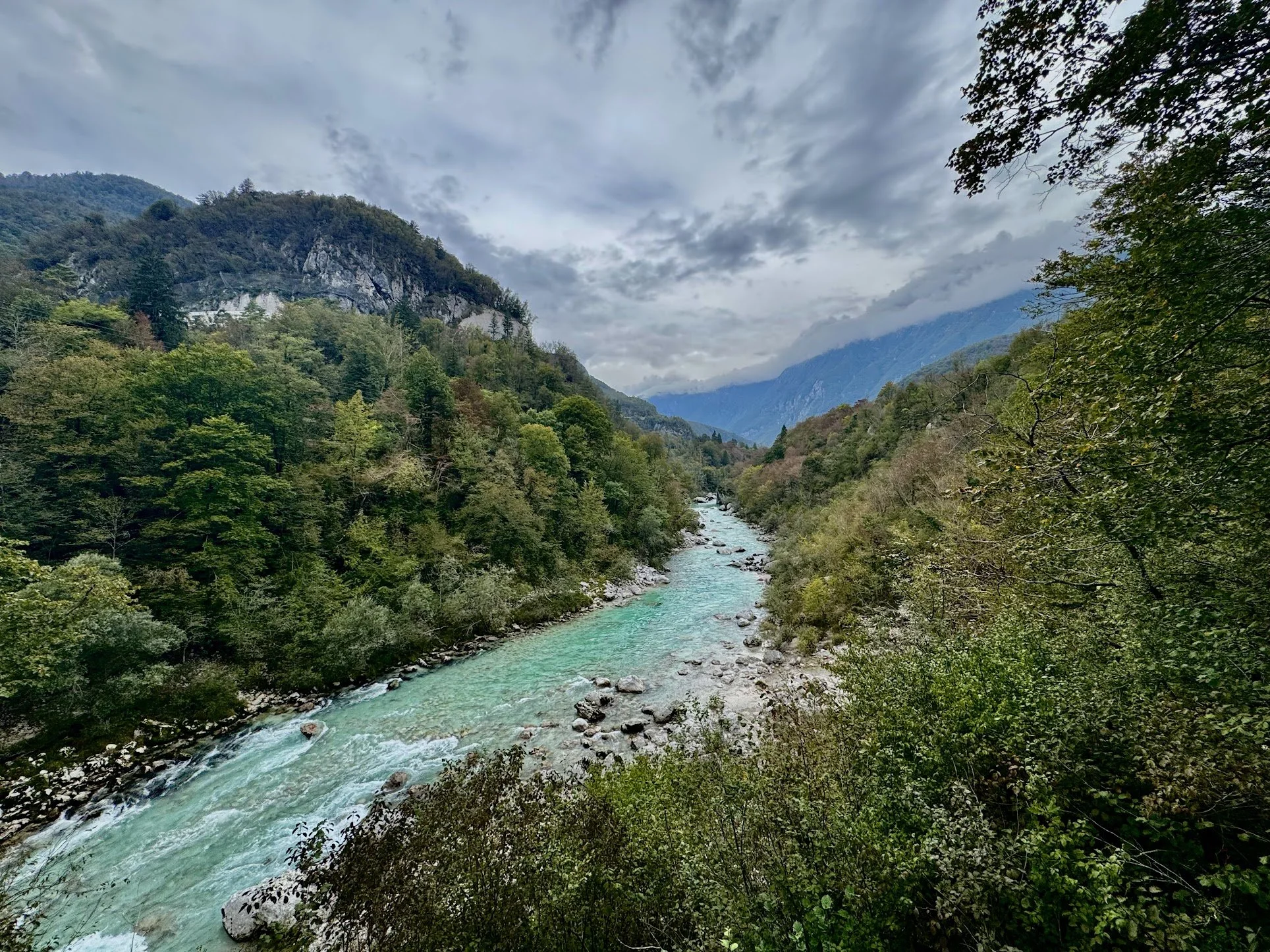
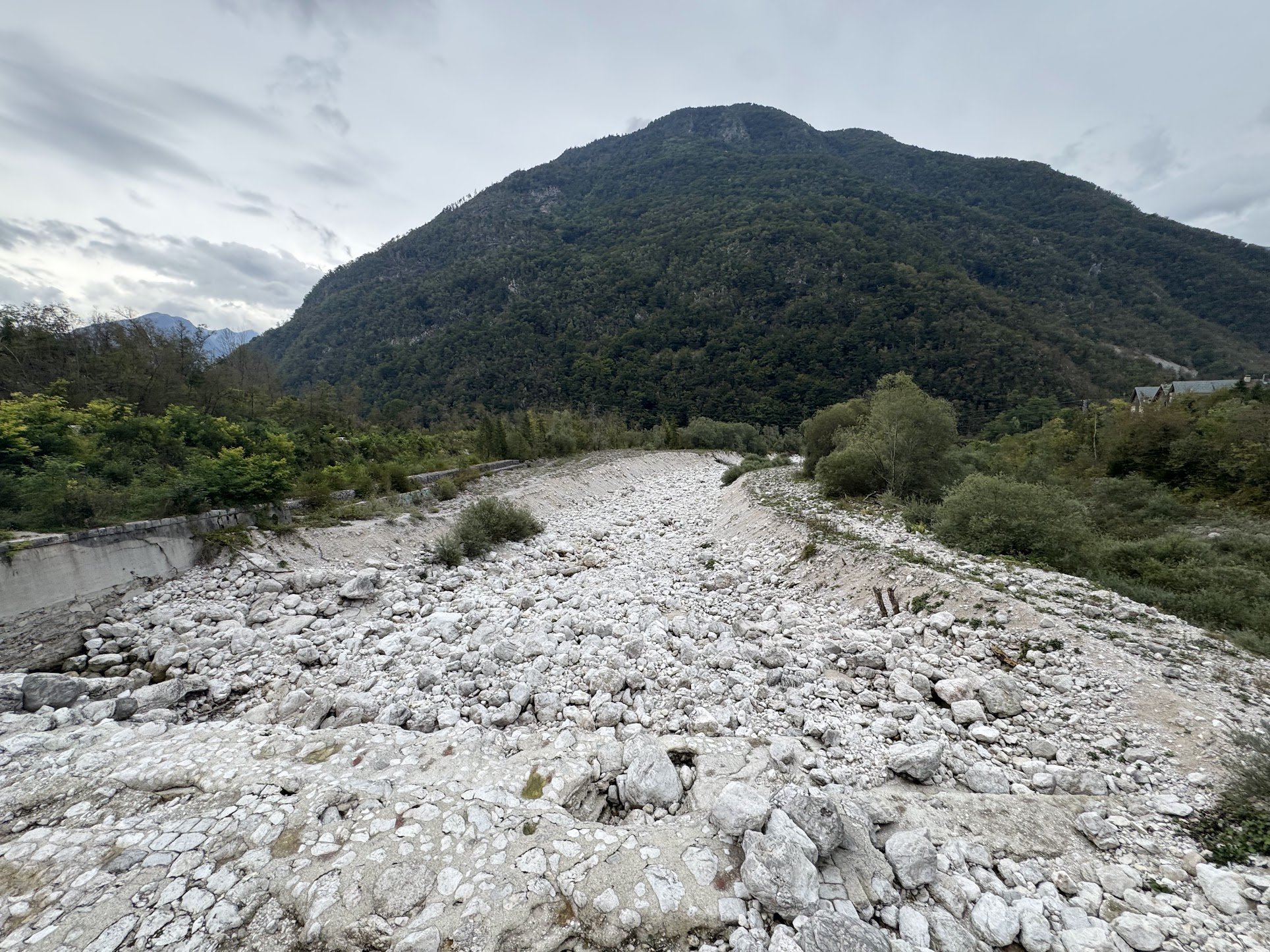
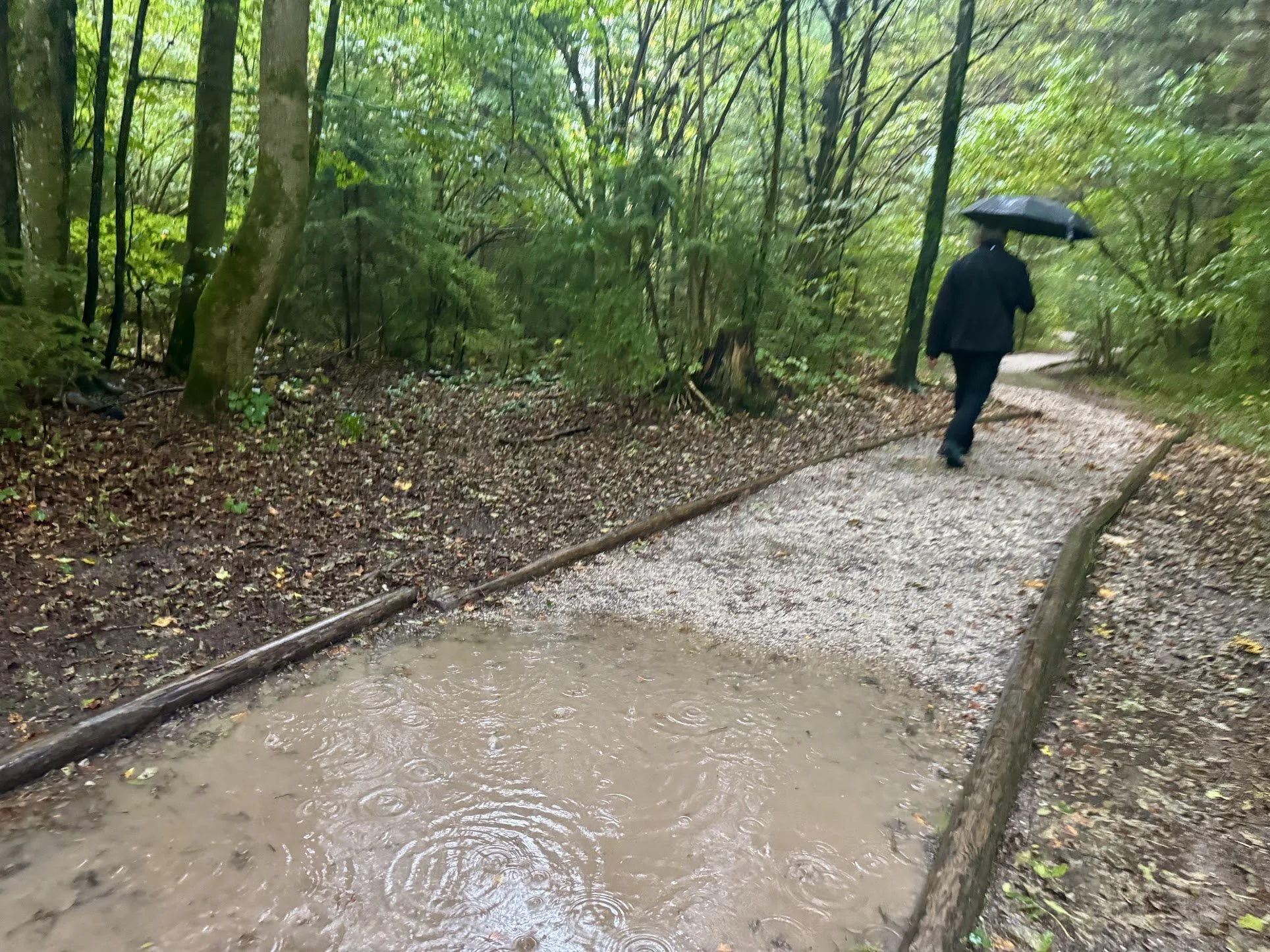
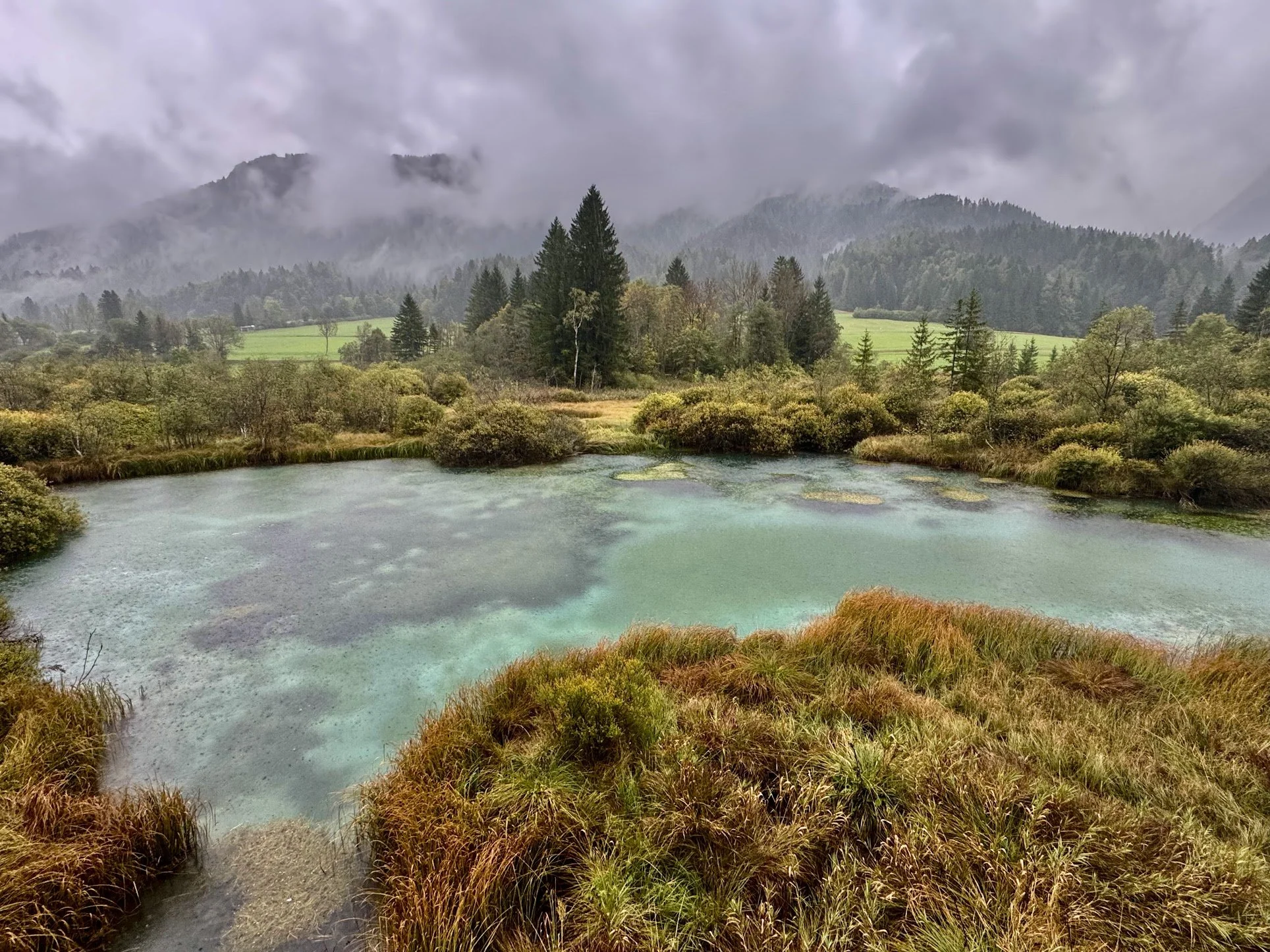
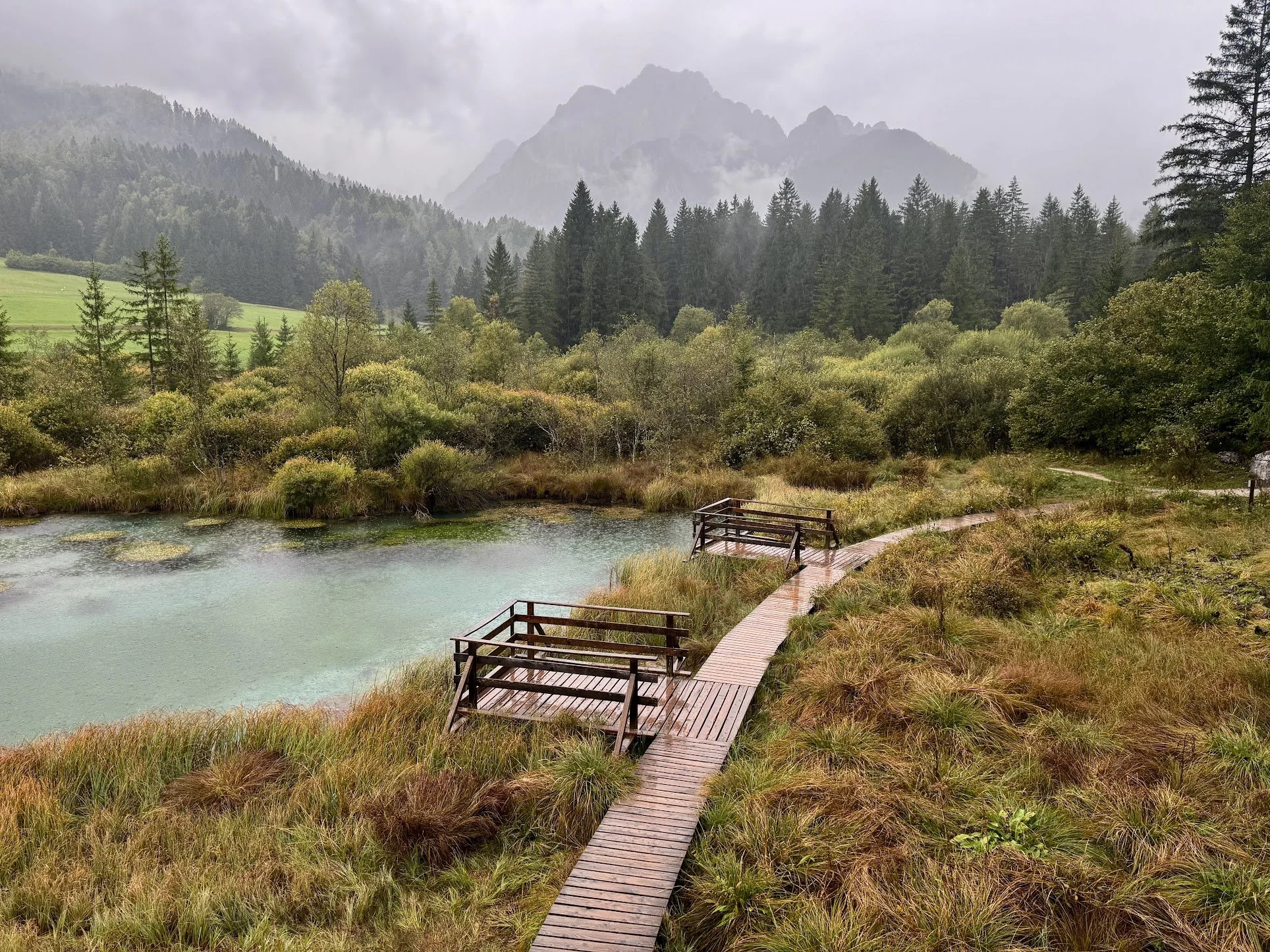
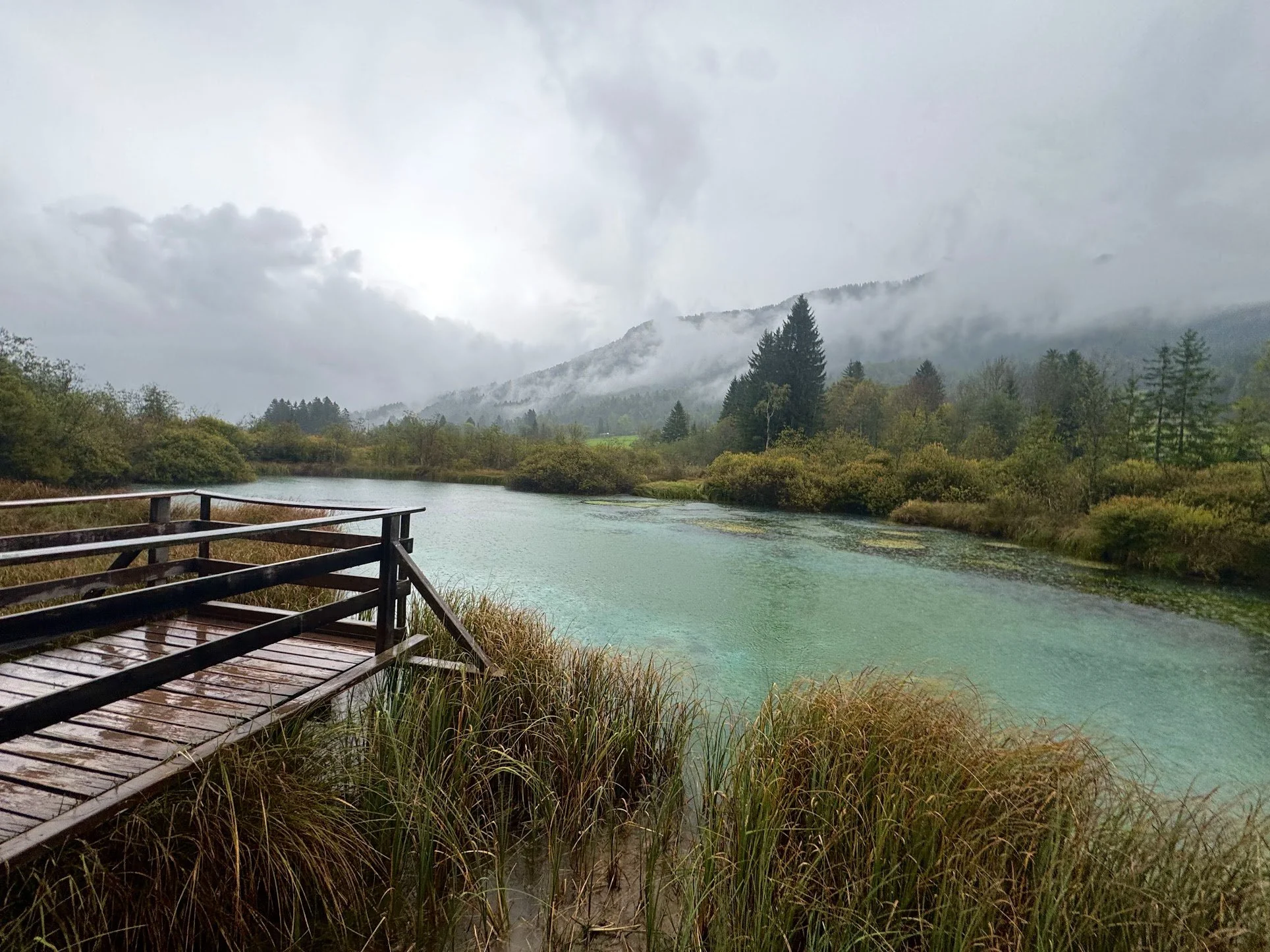
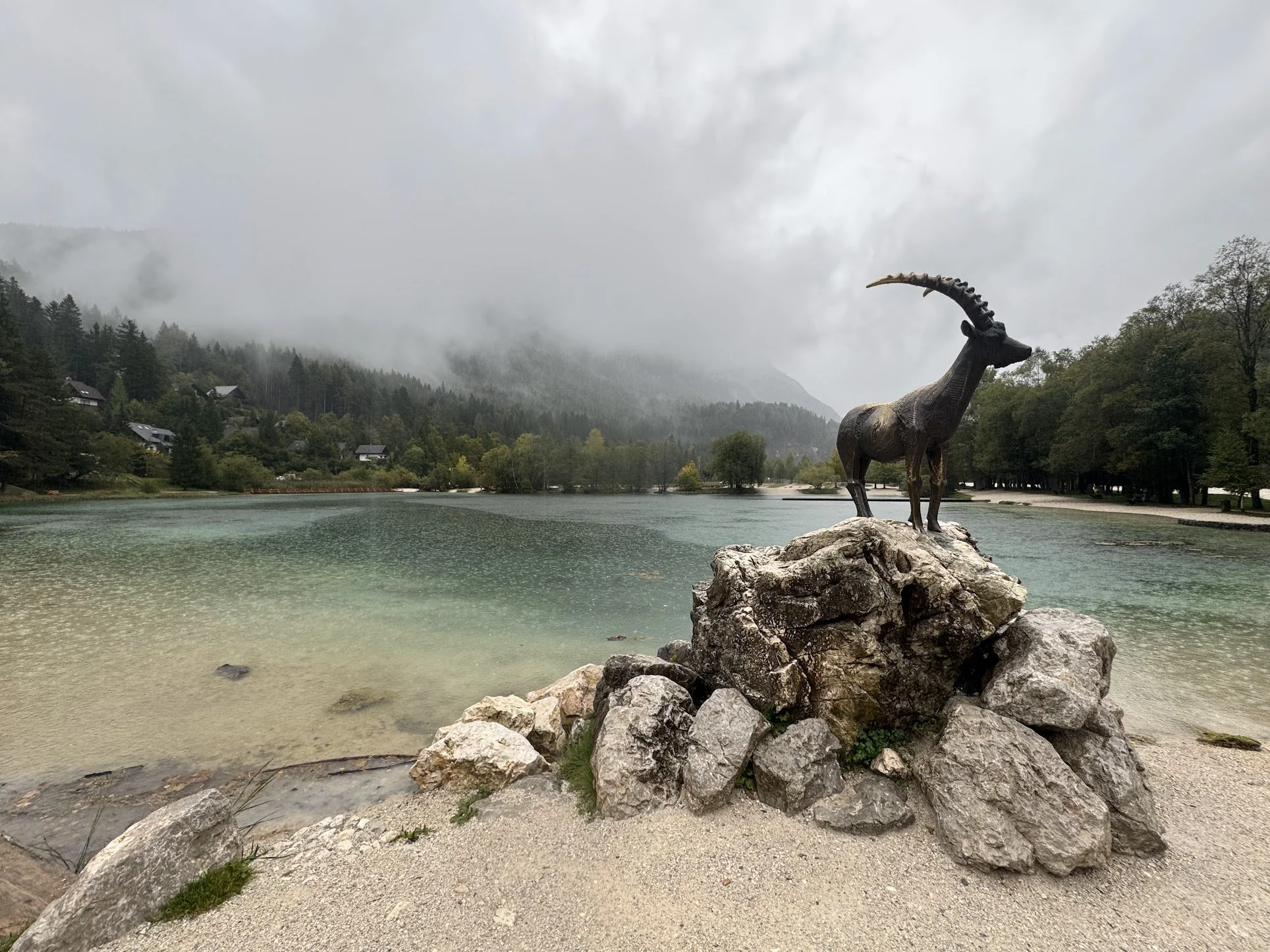
My final full day in Slovenia was another guided day trip, this time through the Soča River Valley, Kranjska Gora, and Lake Jasna. Even though much of the day was rainy, the scenery was still stunning.
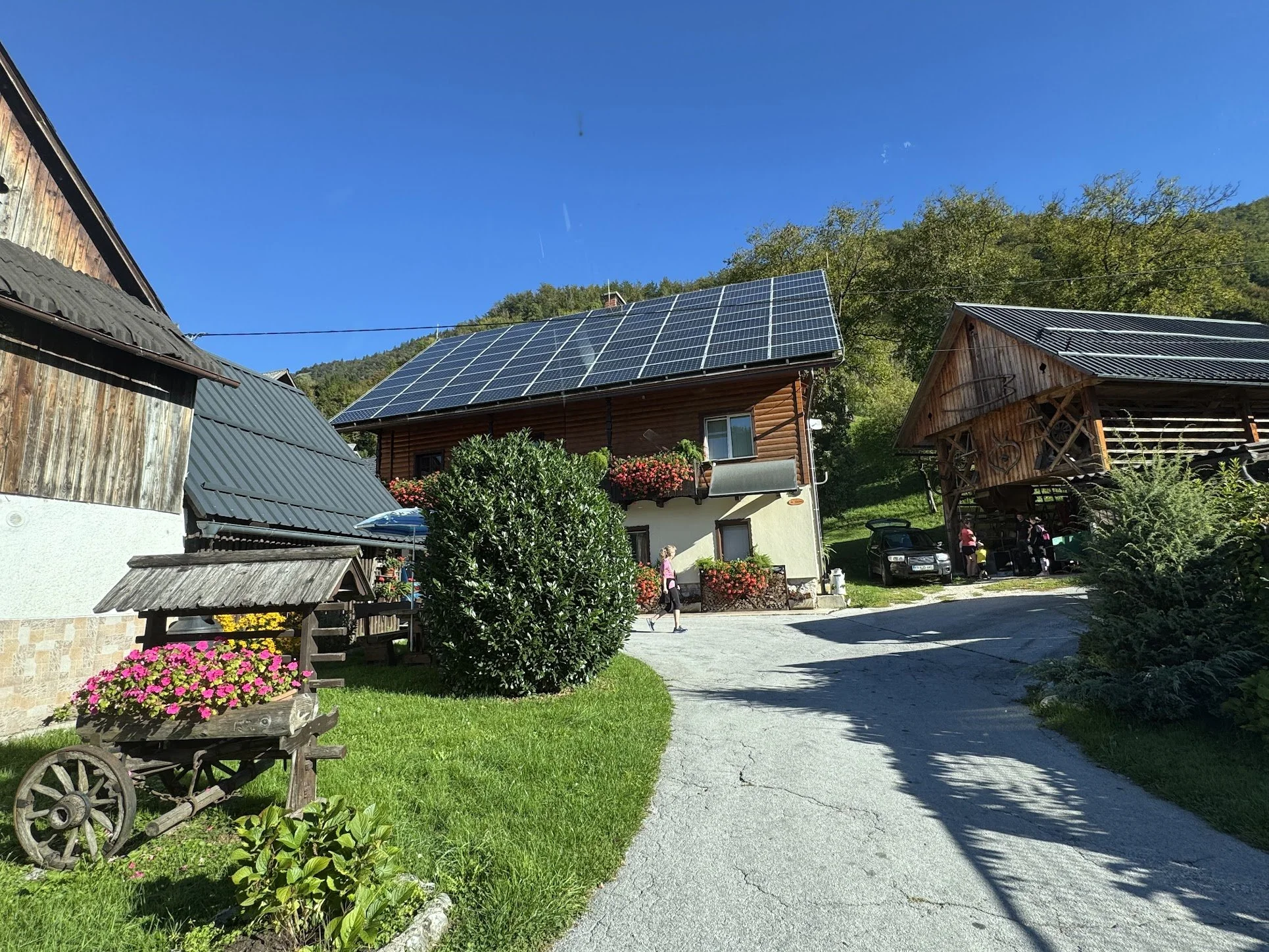
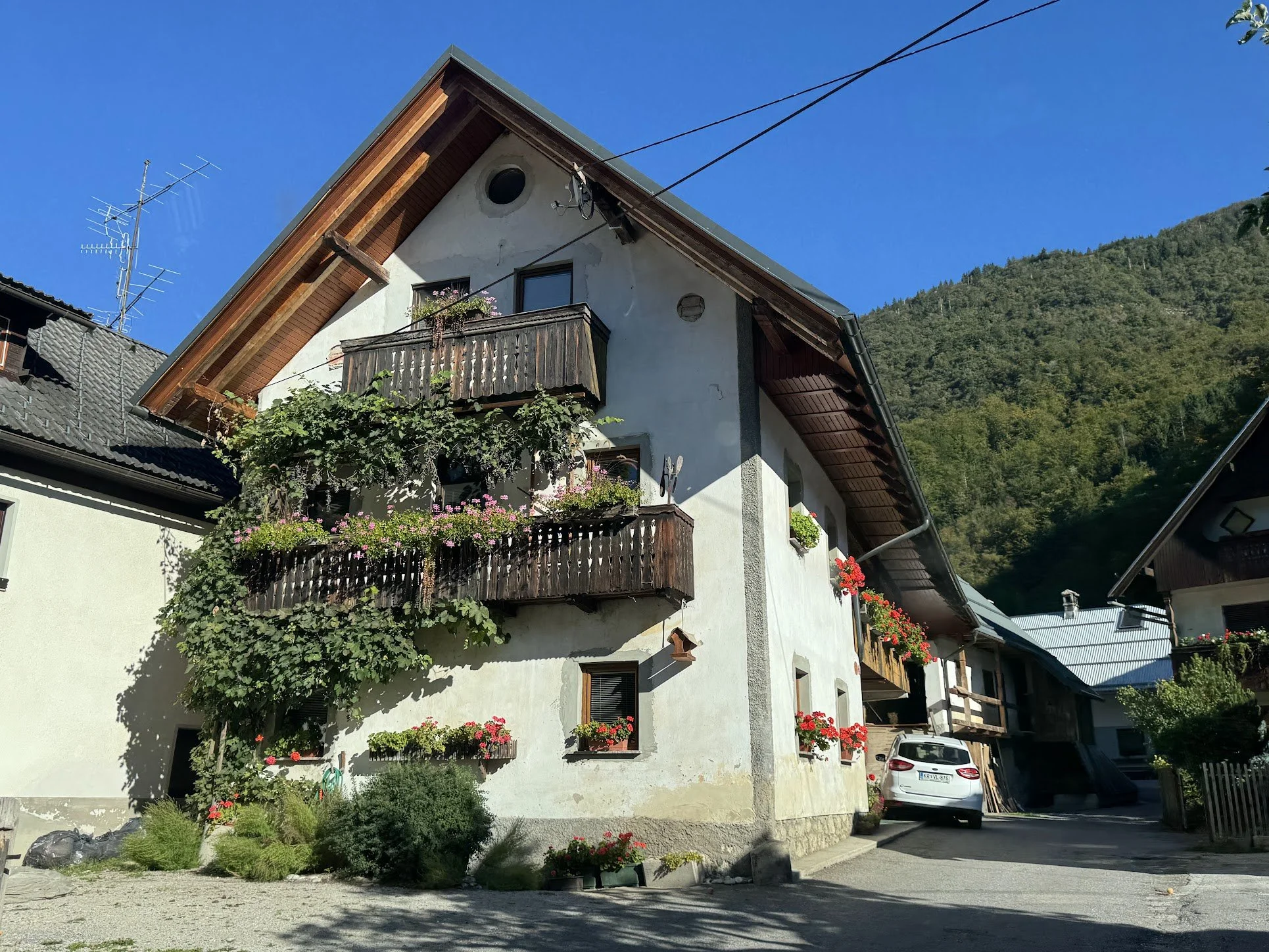
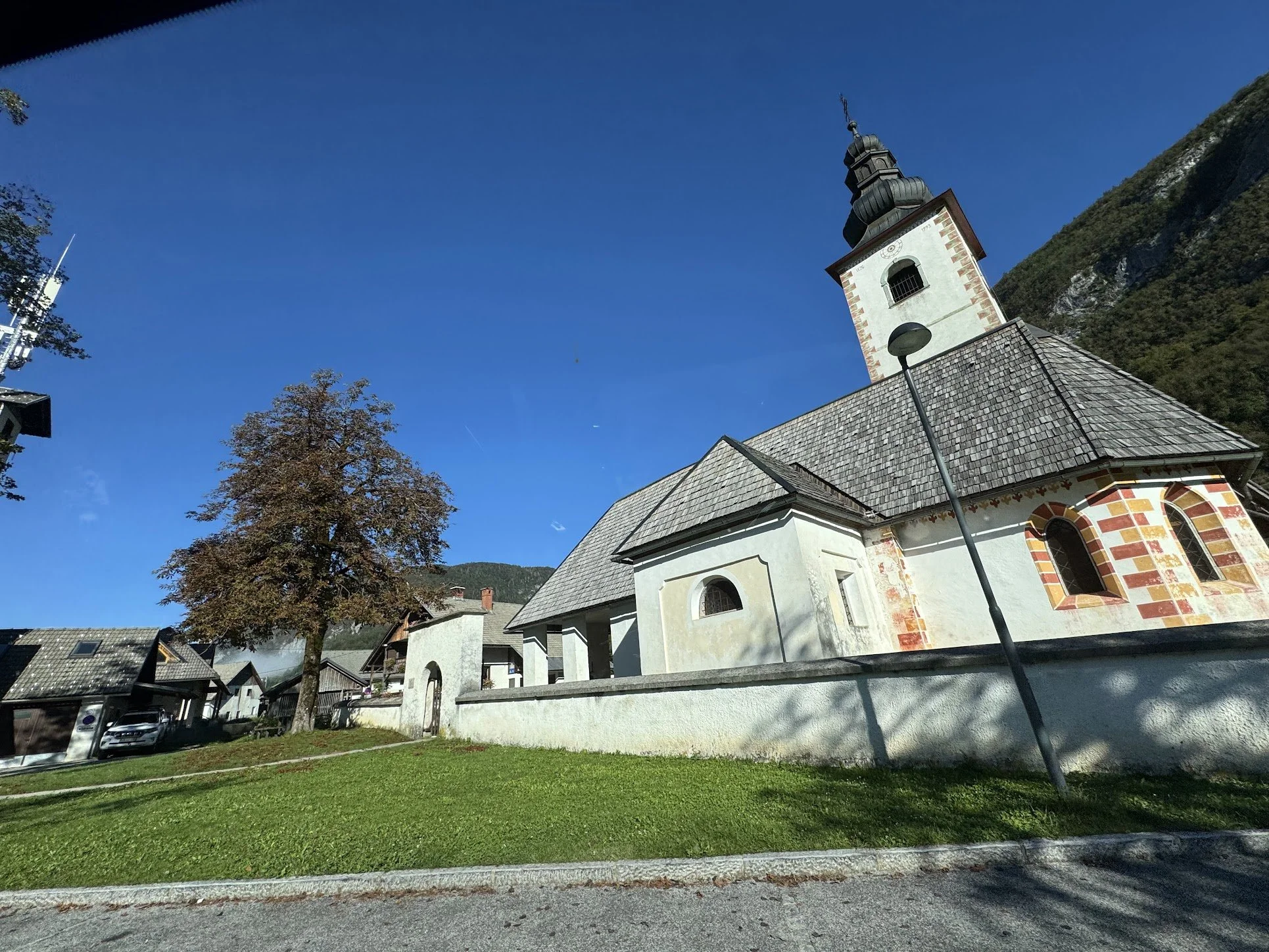
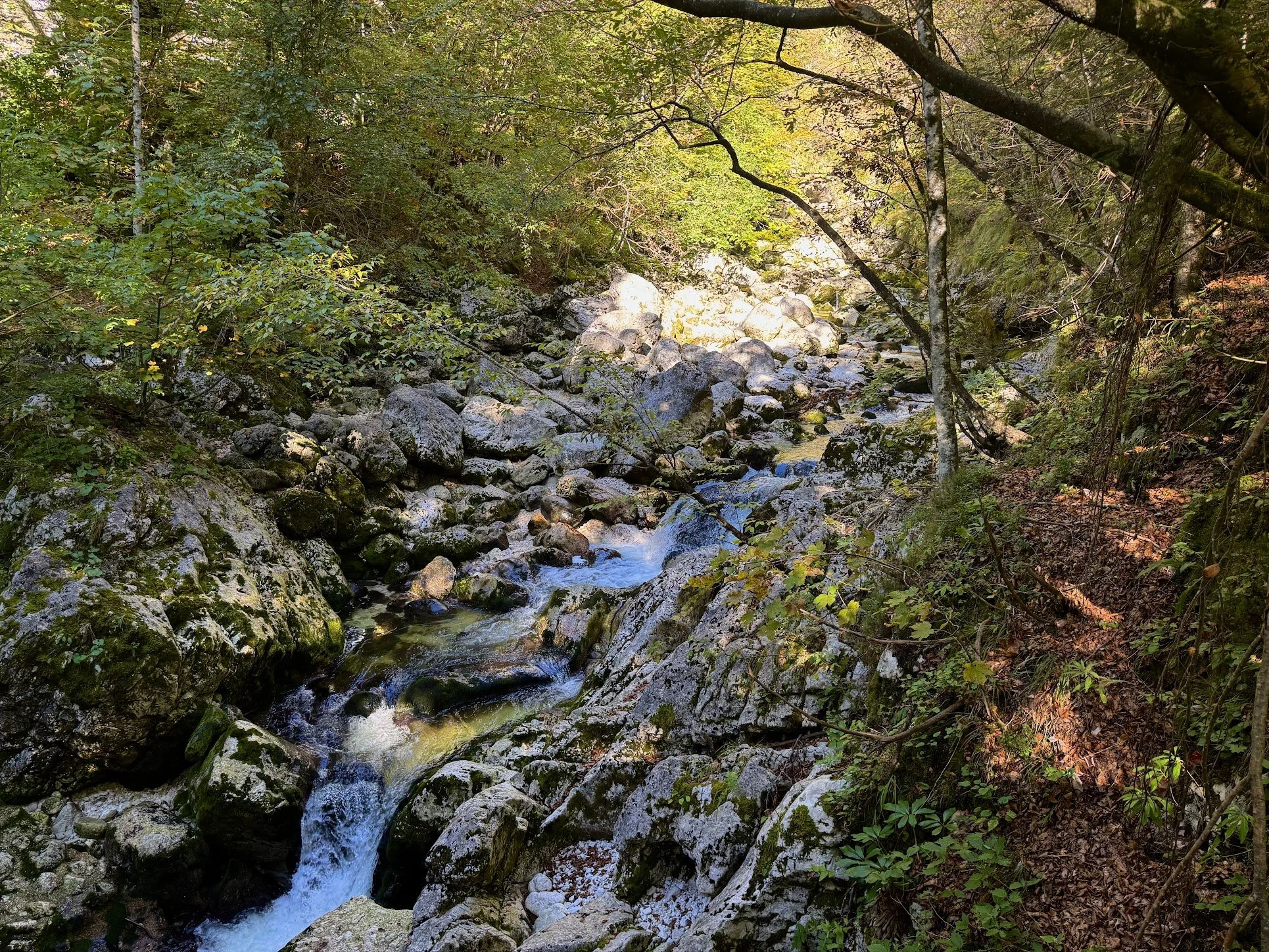
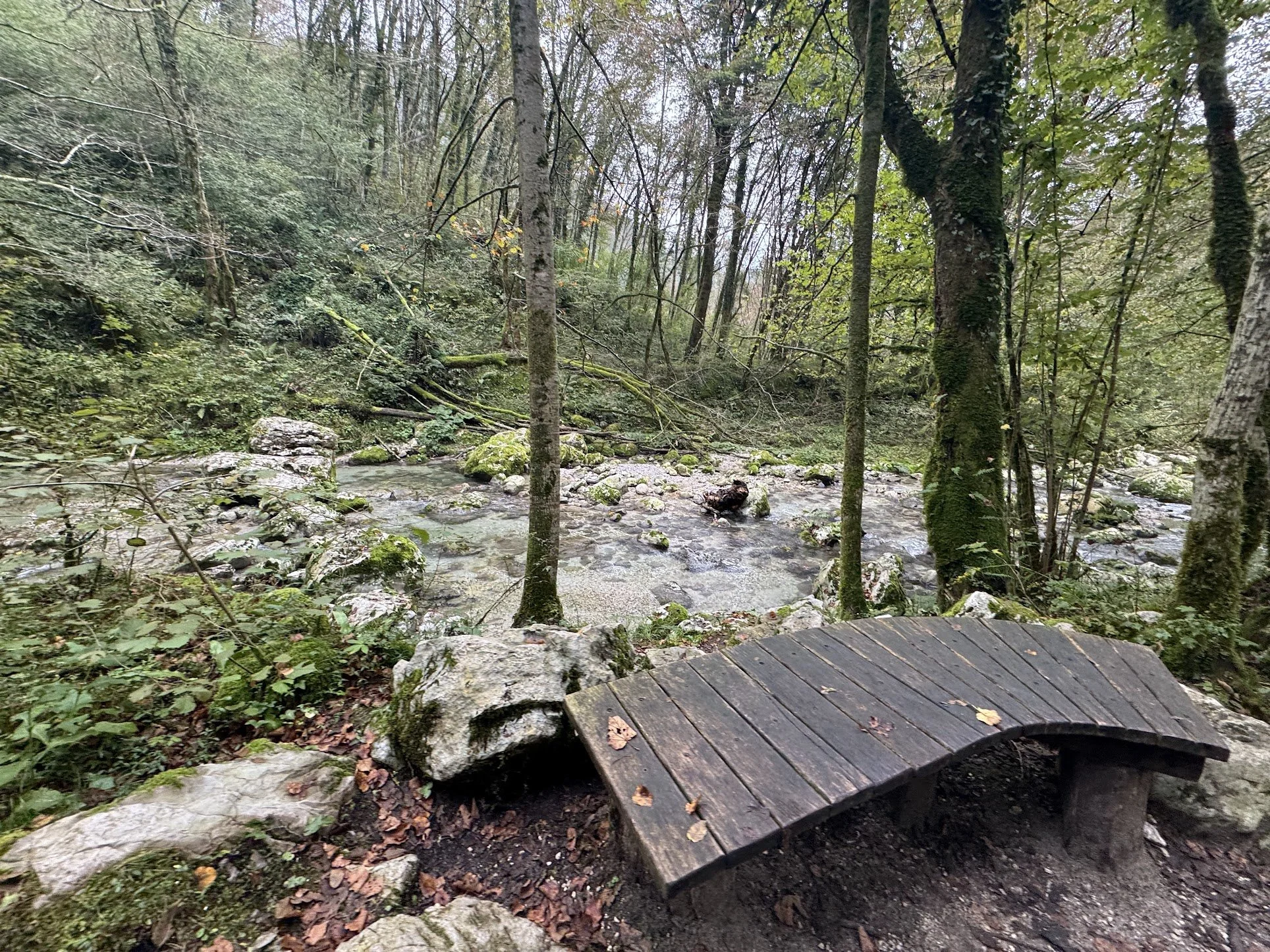
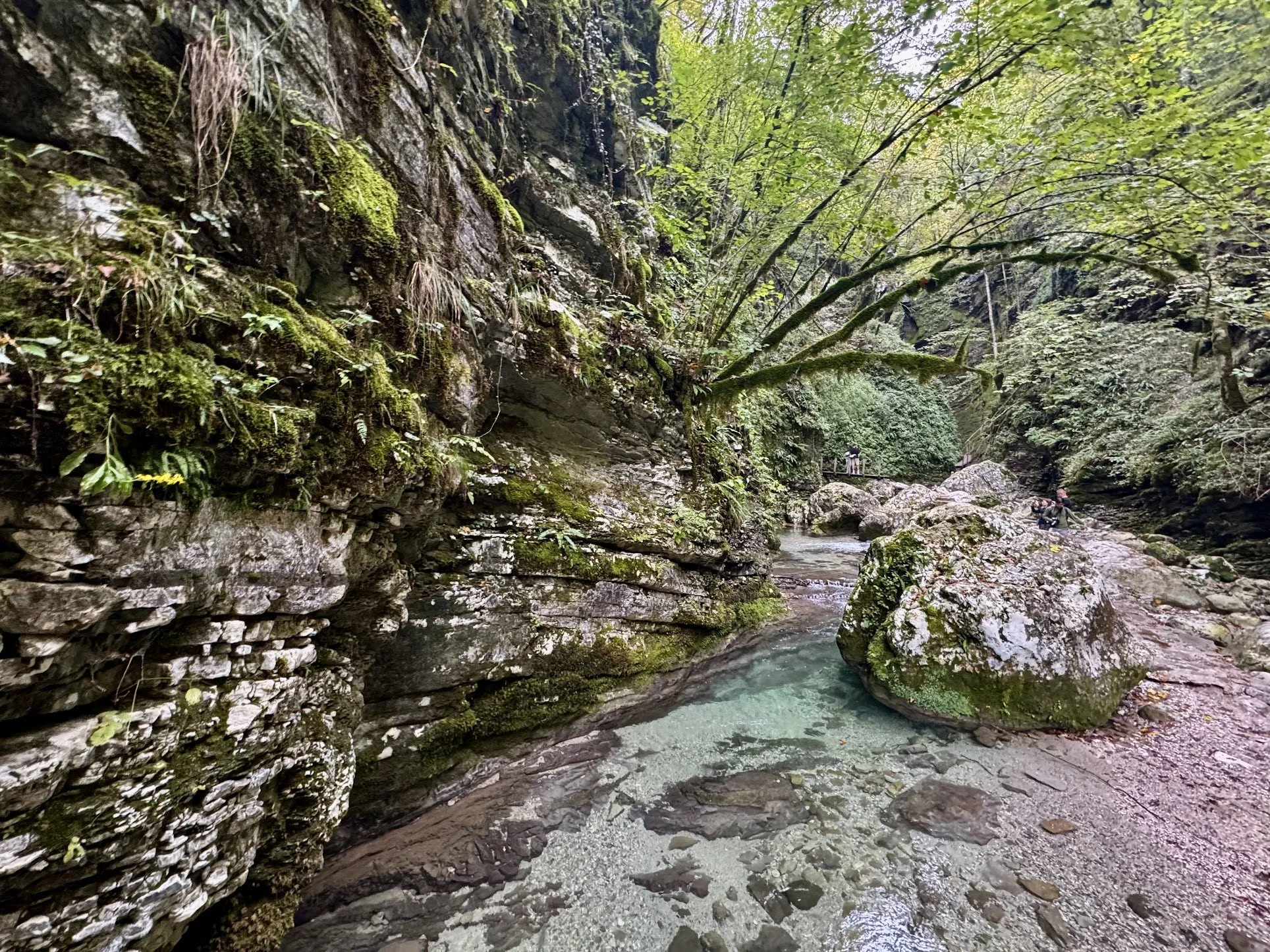
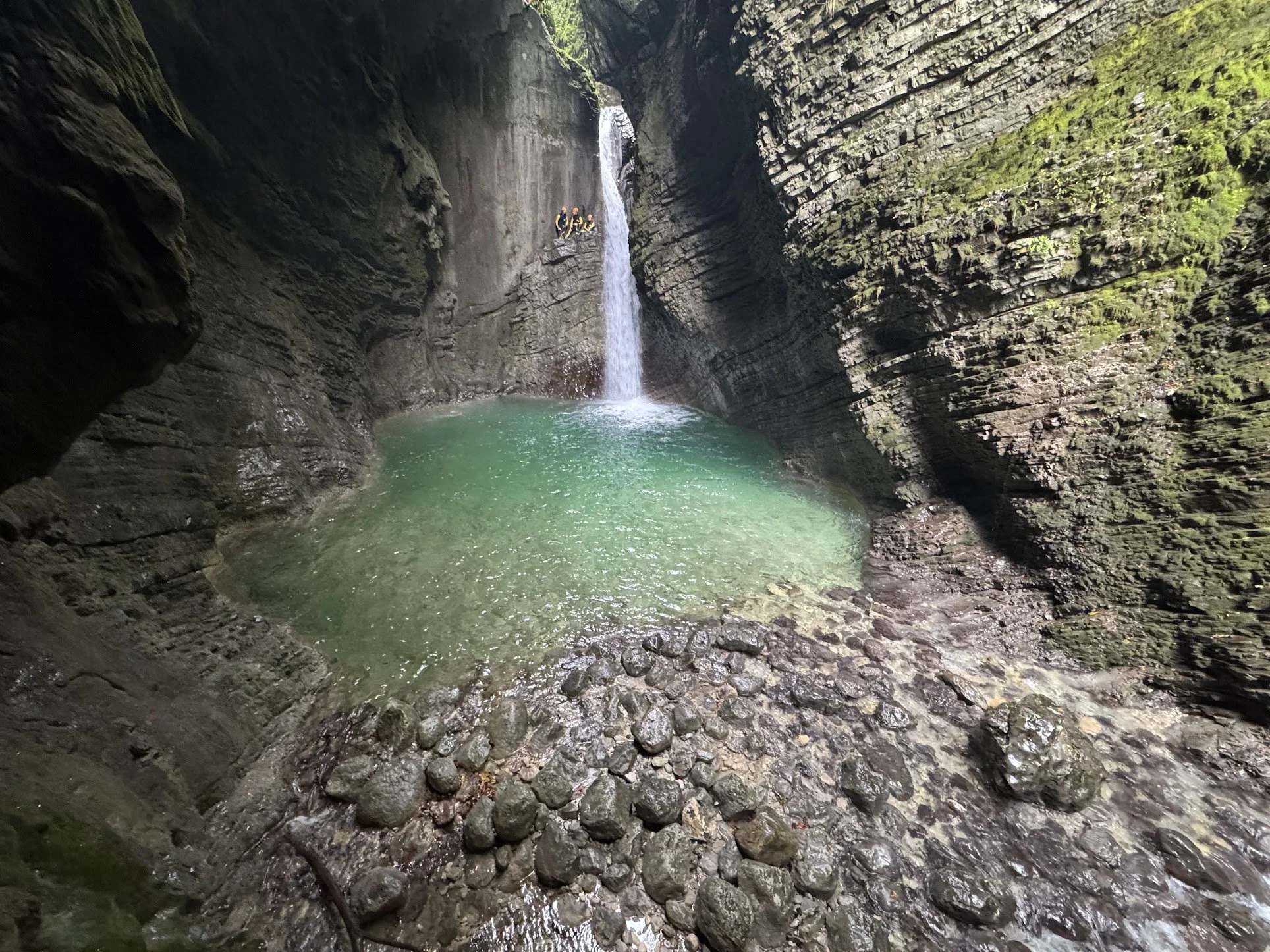
We moved through mountain roads, alpine valleys, forests, waterfalls, and smaller towns near Slovenia’s borders with Italy and Austria. One highlight was a short hike to Kozjak Waterfall, tucked inside a narrow, moss-covered gorge. Later, we stopped at Lake Jasna, whose clear water reflected the surrounding mountains despite the cloudy weather. The last major stop was Kranjska Gora, a relaxed alpine resort town popular for skiing, hiking, and year-round outdoor recreation.
It was a long day, with plenty of driving and several shorter stops, but it gave me a much broader sense of Slovenia’s landscape beyond Ljubljana itself.
Where I Ate: Gluten-Free Dining in Ljubljana, Slovenia
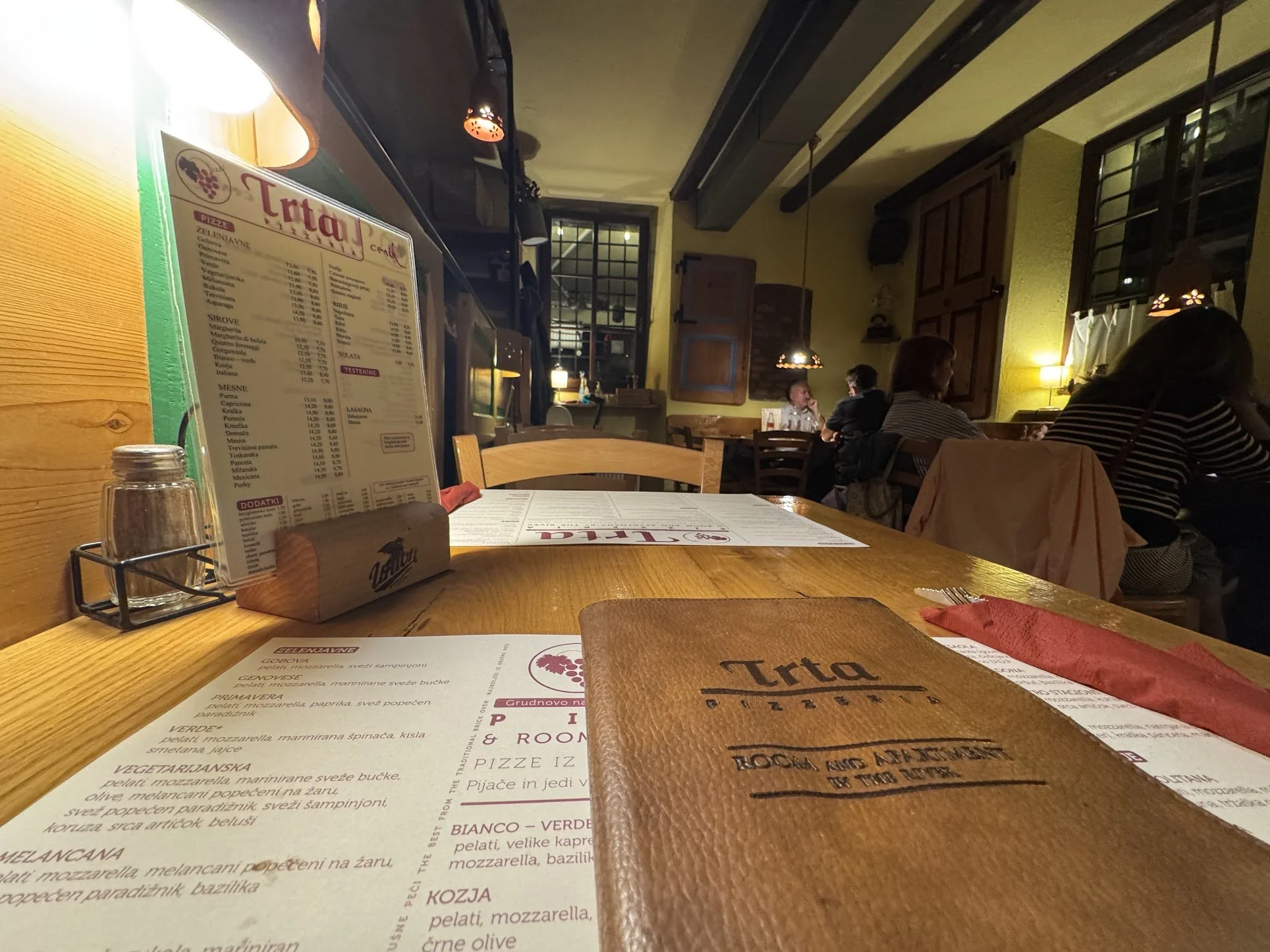
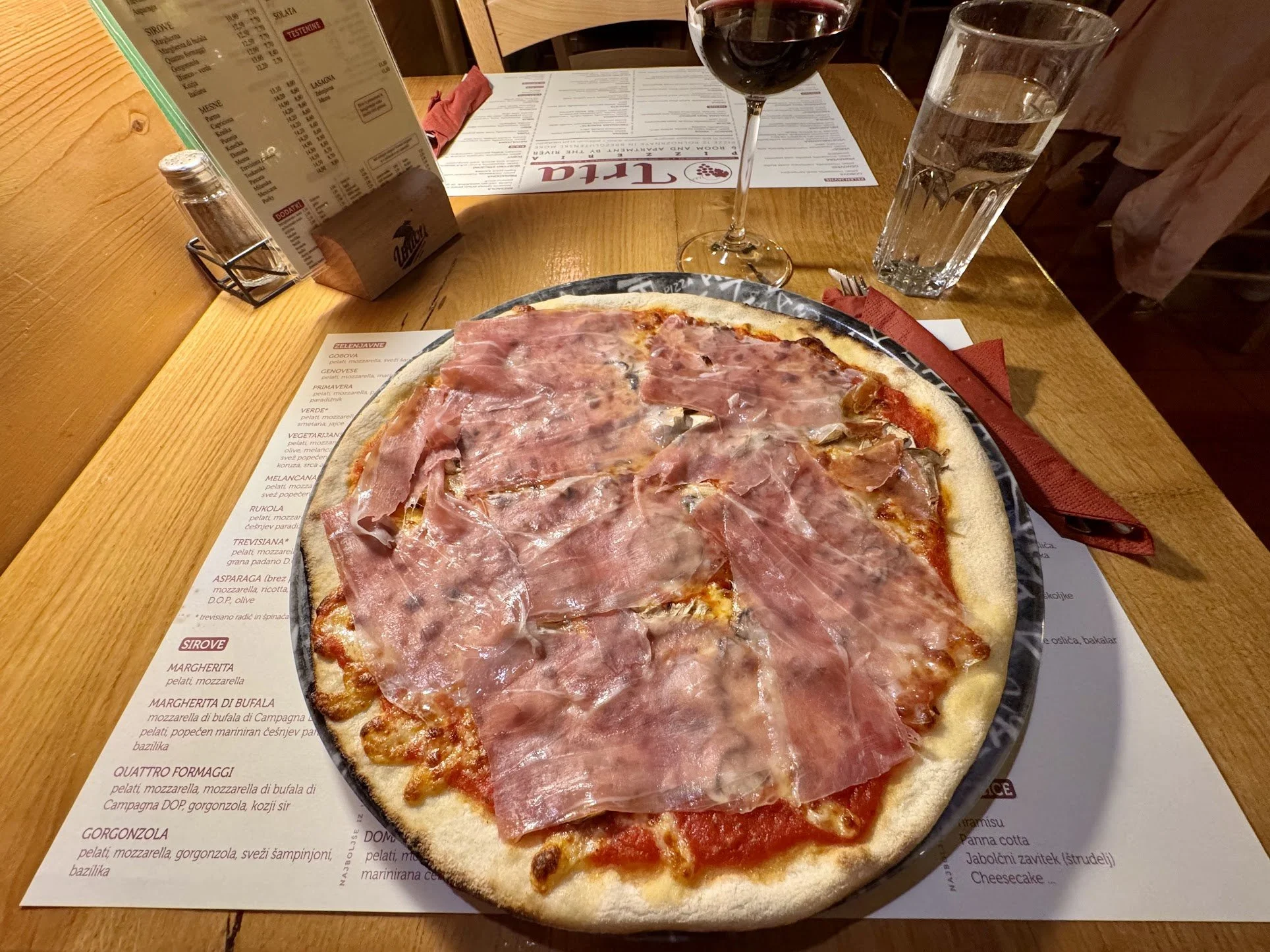
Finding gluten-free dining in Ljubljana was, thankfully, not especially difficult. One unfortunate discovery while updating this post, however, was learning that TRTA, one of the more local-feeling gluten-free pizza spots I visited, permanently closed in 2026. I’m still very glad I experienced it while it was still there, even if the night ended with a long, mildly unsettling 40-minute walk back to the hotel.
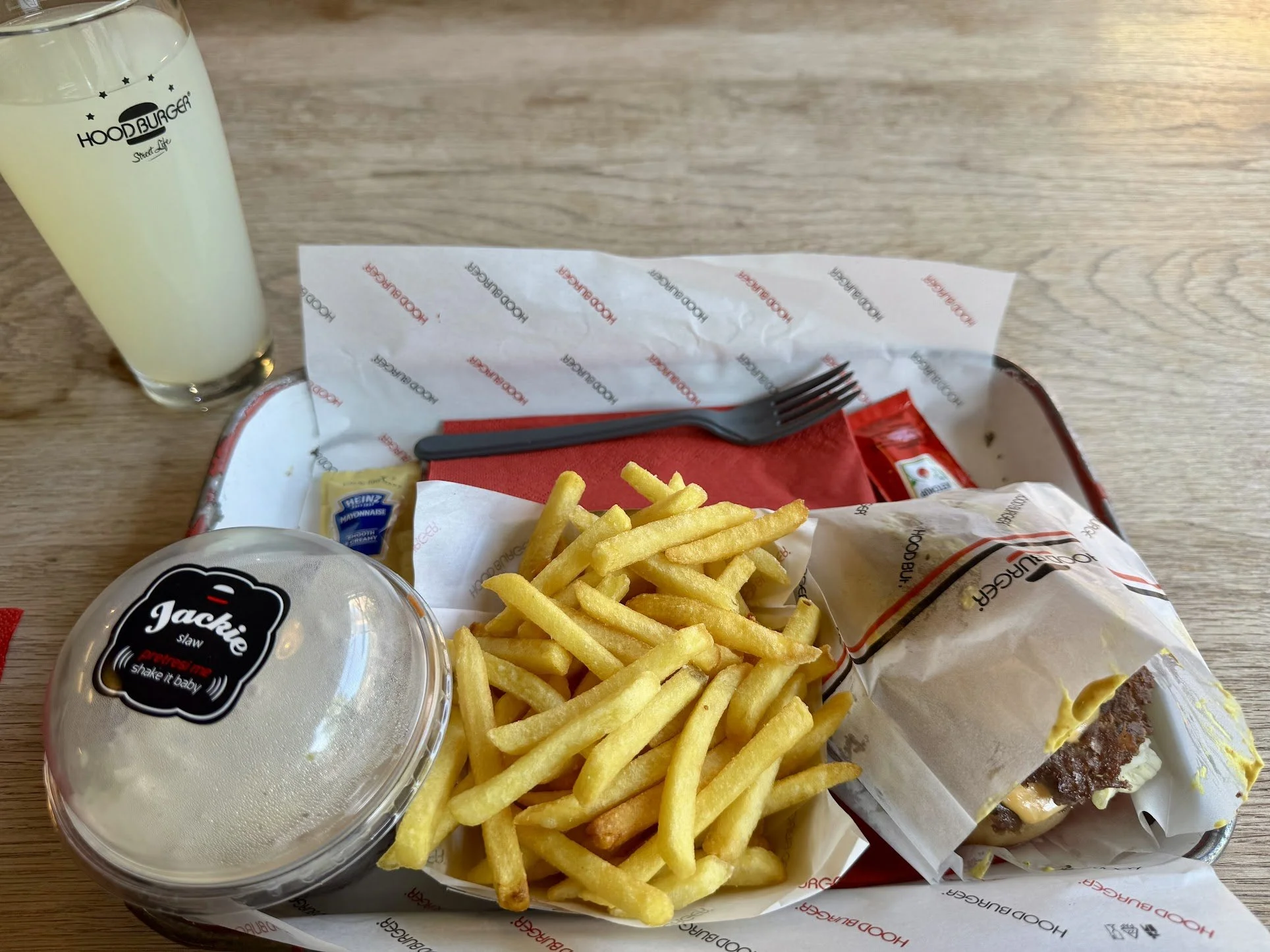
Hood Burger
Hood Burger was my first meal in Ljubljana and exactly what I needed after a long travel day. Located near the Old Town, Hood Burger helped popularize Ljubljana’s modern burger scene after starting as a small food stand in 2012, and it now has several locations across the city. The atmosphere felt casual and modern, with higher-quality fast-casual burgers made from locally sourced Slovenian ingredients. Most importantly for me: they offer gluten-free buns, and some locations also offer additional gluten-free options, like chicken dishes made with rice-flour breading.
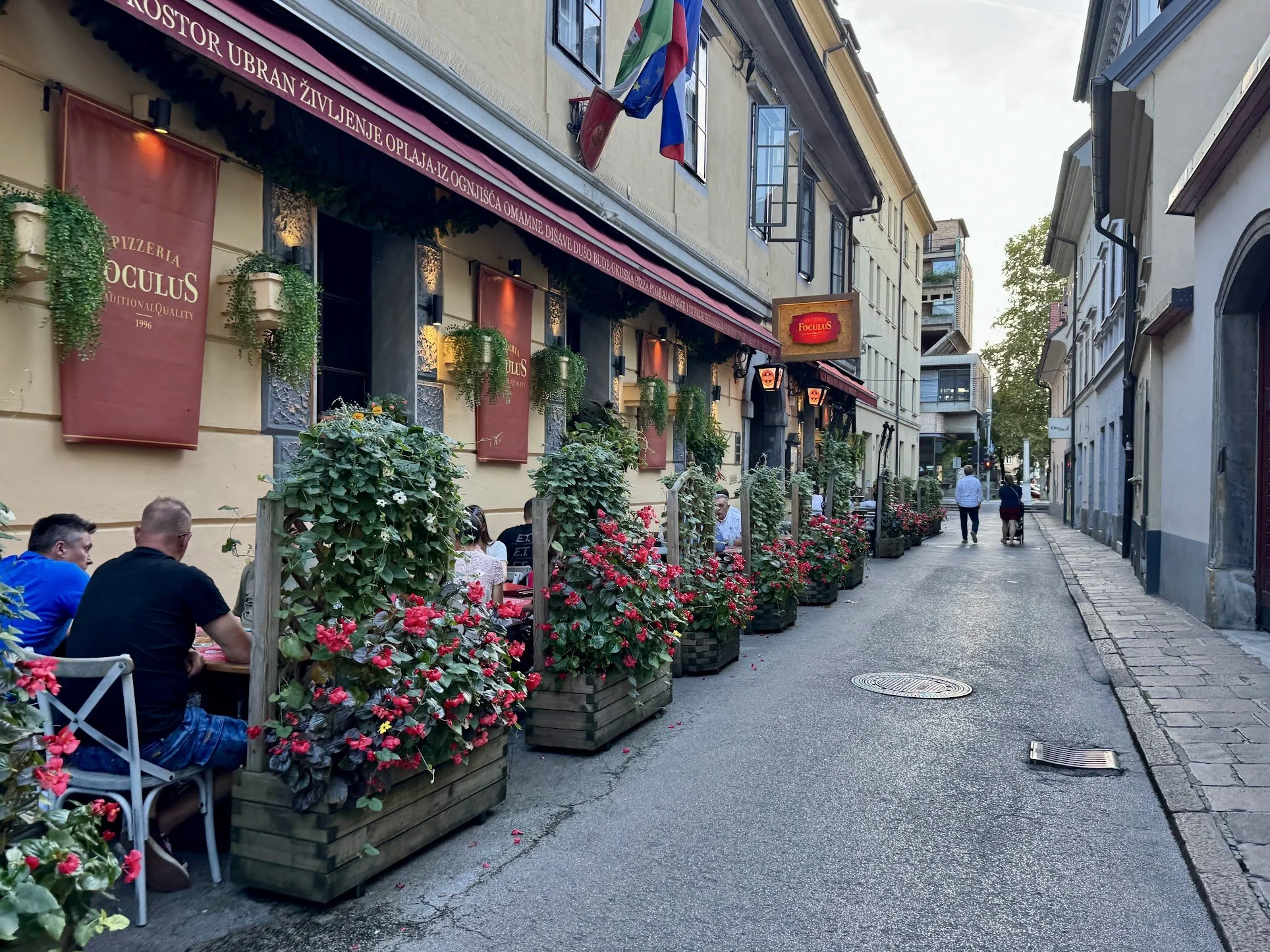
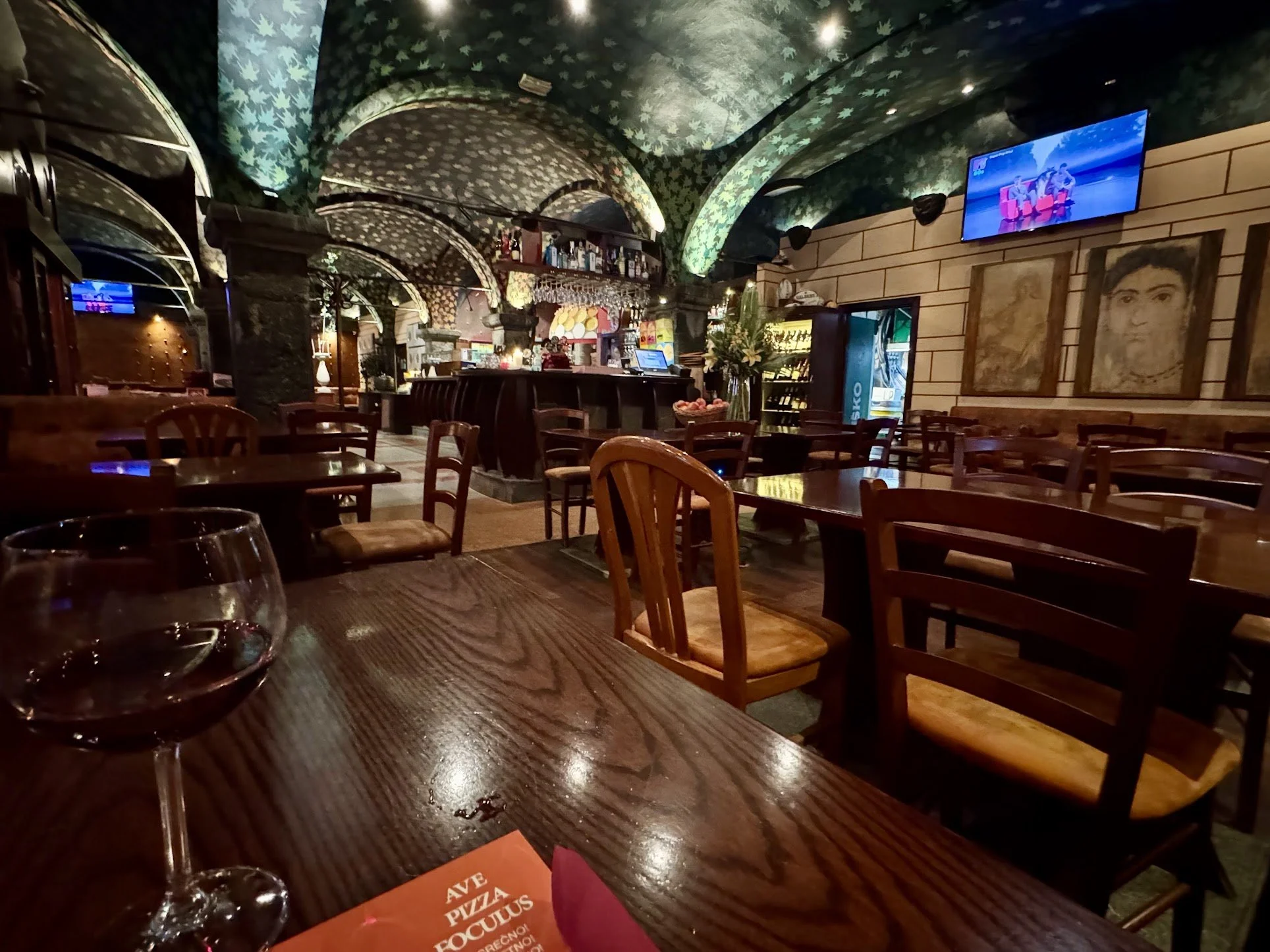
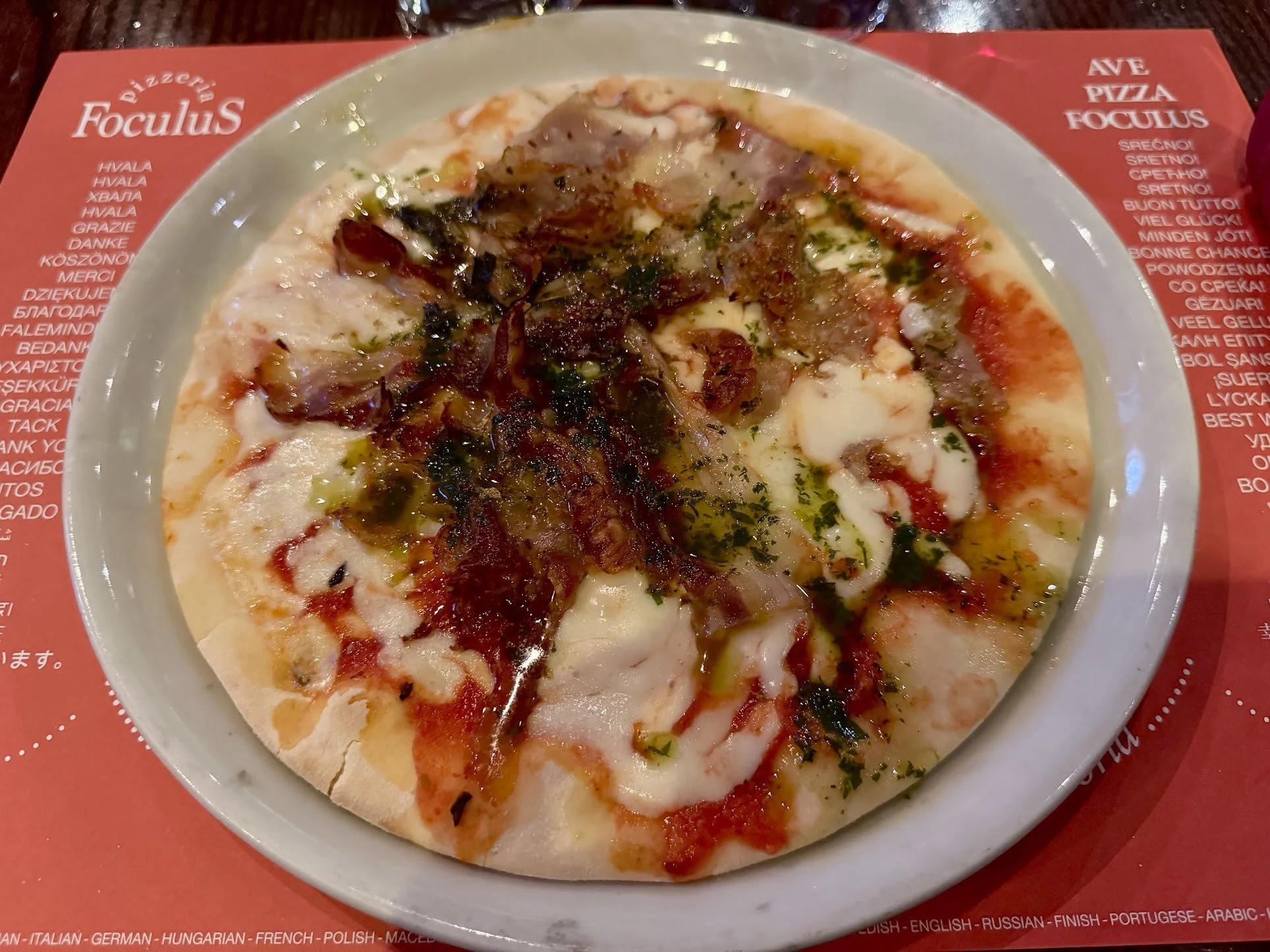
Pizzeria FoculuS
Pizzeria FoculuS is one of Ljubljana’s longest-running and most popular casual restaurants, known for its enormous wood-fired pizzas and extensive menu. Located close to the edge of the Old Town, it’s an easy add-on to a day spent exploring the city center. The restaurant offers dozens of pizza combinations, from more traditional Italian styles to creative Slovenian-inspired toppings, and also offers whole-wheat, charcoal (“black”) dough, and vegetarian, vegan, and gluten-free bases. For gluten-free travelers, FoculuS remains one of the more consistently recommended pizza spots in Ljubljana.
Dežela Okusov
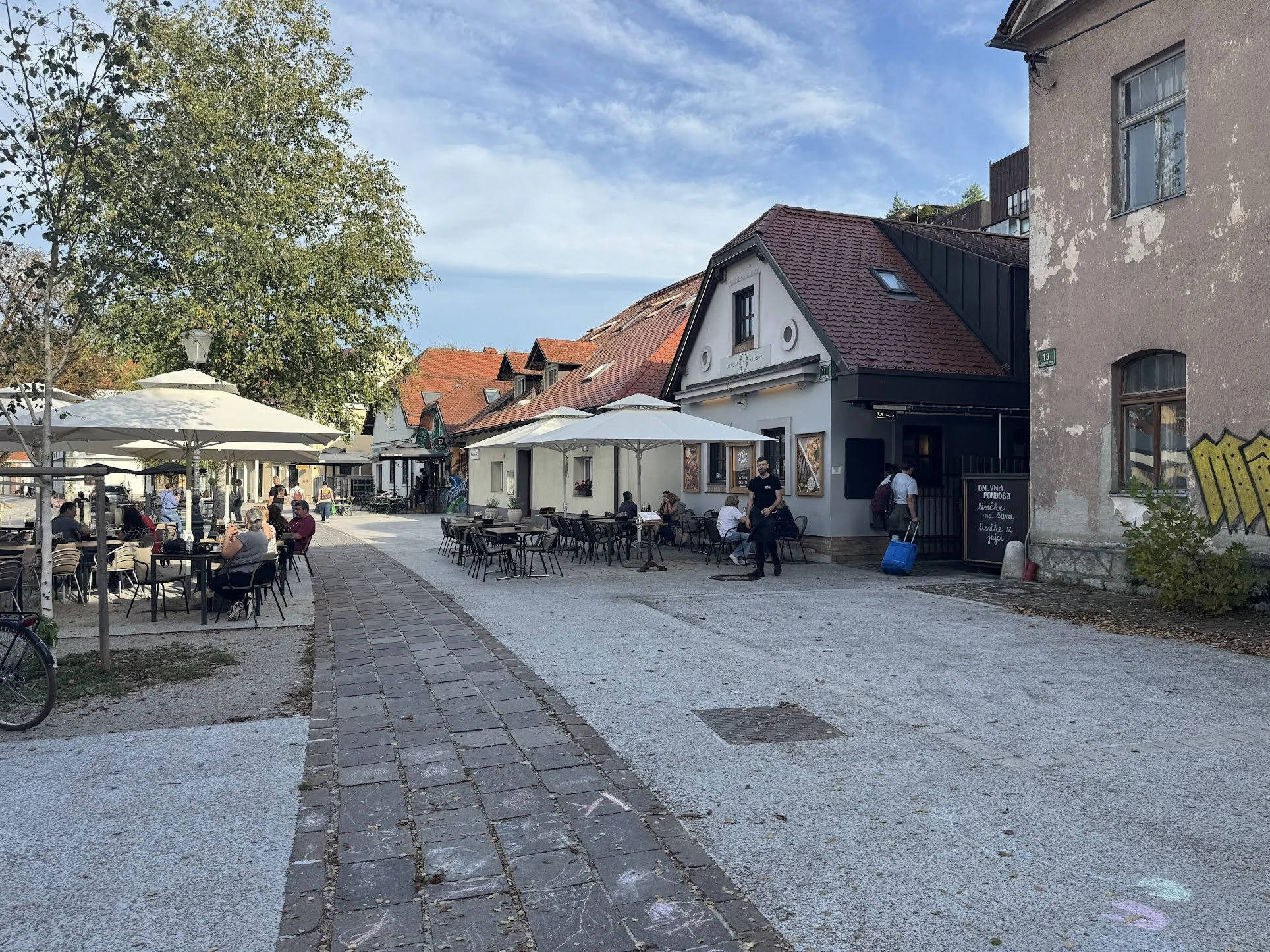
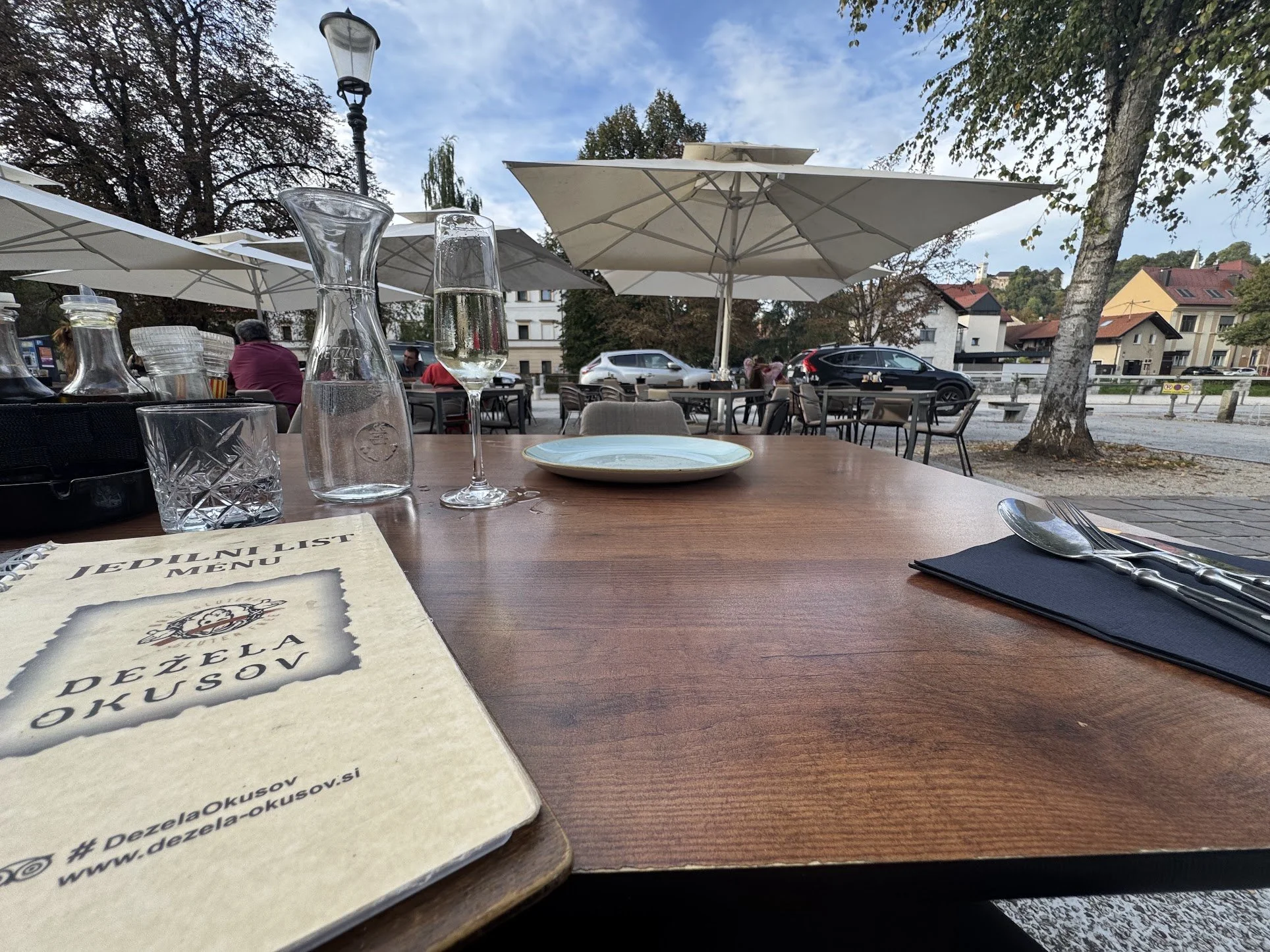
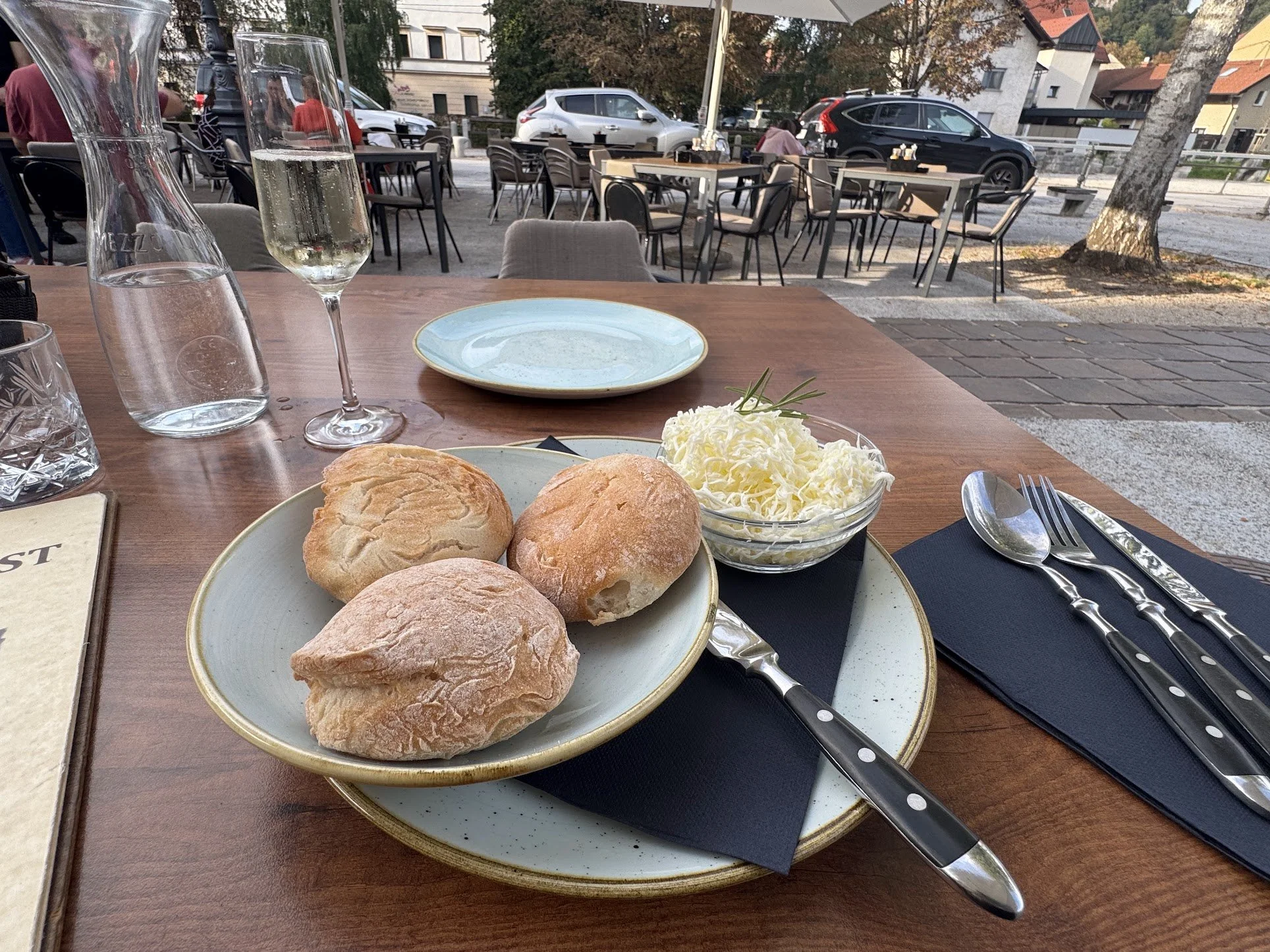
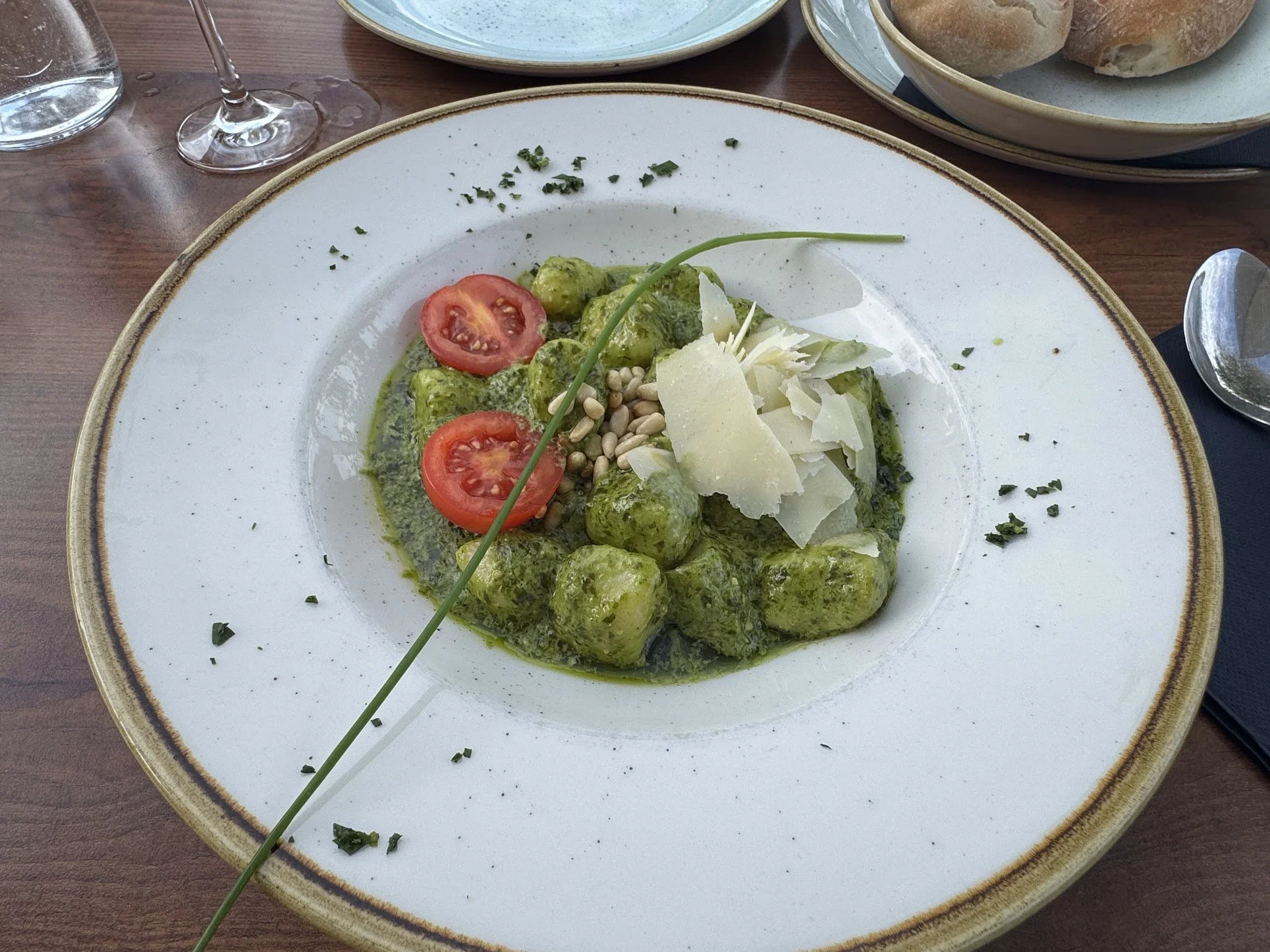
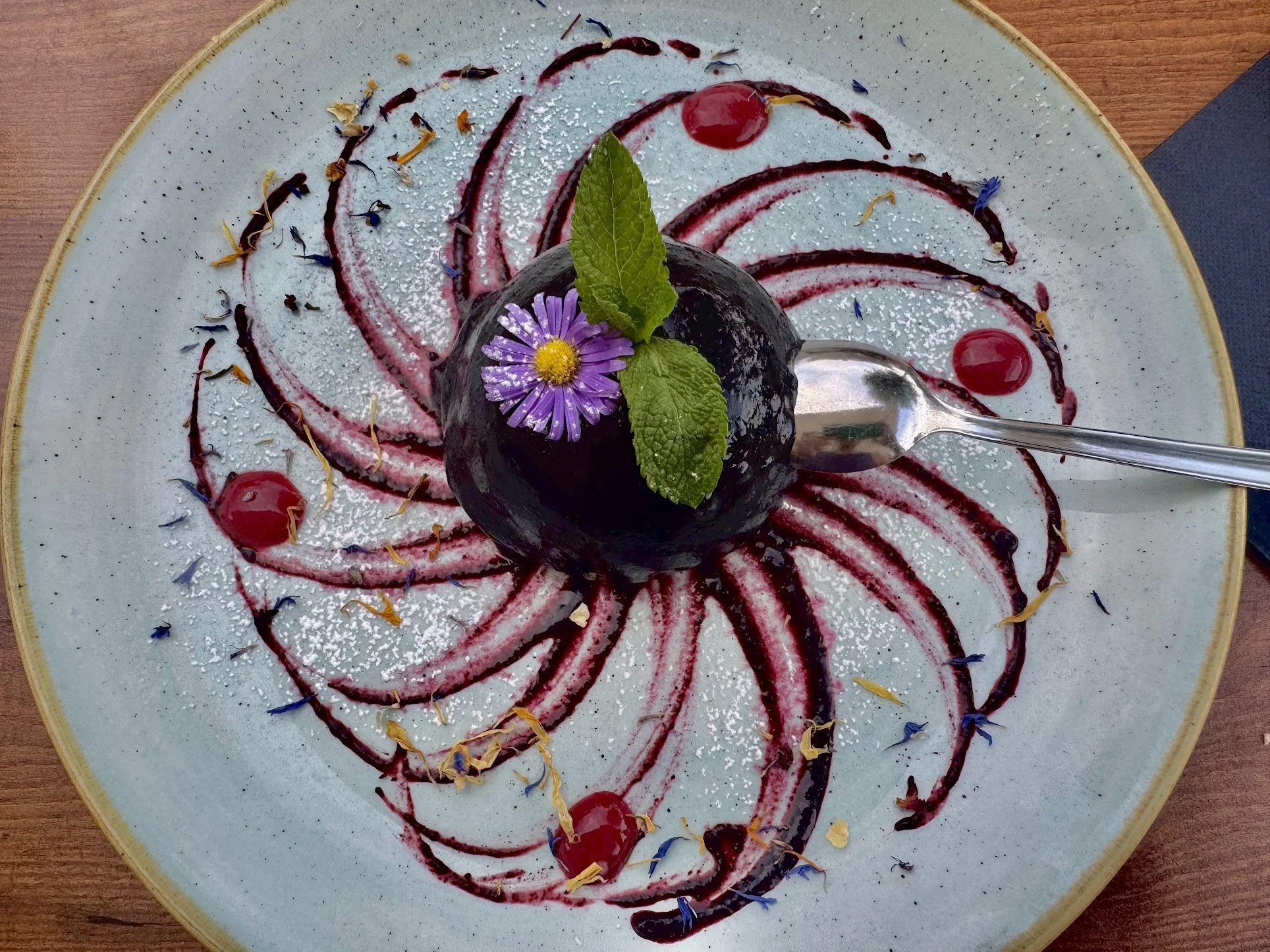
Dežela Okusov was one of the highlights of my time in Ljubljana. Located in the relaxed Trnovo District, it’s a fully dedicated, 100% gluten-free restaurant designed for guests with celiac disease and other allergies, making dining there far less stressful and less guesswork-heavy. The menu centers on house-made dishes, including grilled meats, risottos, burgers, steaks, fish, salads, desserts, and their own gluten-free bread and gnocchi. The food is hearty without feeling heavy. Absolutely do not skip the bread, and plan to linger, either inside or out on the garden terrace.
Final Thoughts: Ljubljana, Slovenia
Ljubljana ended up being one of the easiest cities to settle into during my trip. Calm, highly walkable, and rooted in everyday life rather than overt tourism, it balanced riverside cafés, a pedestrian-friendly Old Town, green spaces, and easy access to nature in a way that felt incredibly refreshing. In just a few days, I moved between alpine lakes, mountain passes, waterfalls, riverside neighborhoods, castle hills, and quiet residential streets, without the intensity or logistical friction of larger destinations.
Travel Gear Reviews
-
![The Ultimate Europe Packing List]()
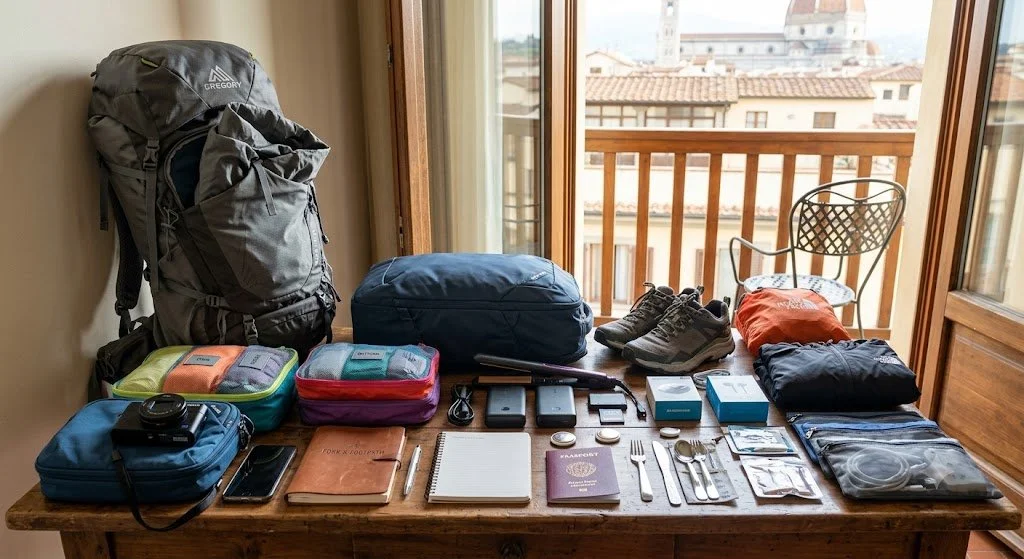
The Ultimate Europe Packing List: Everything I Actually Used
The exact luggage, gear, footwear, technology, and clothing that survived three months of continuous solo travel.
-
![Travel Shoes For Europe]()
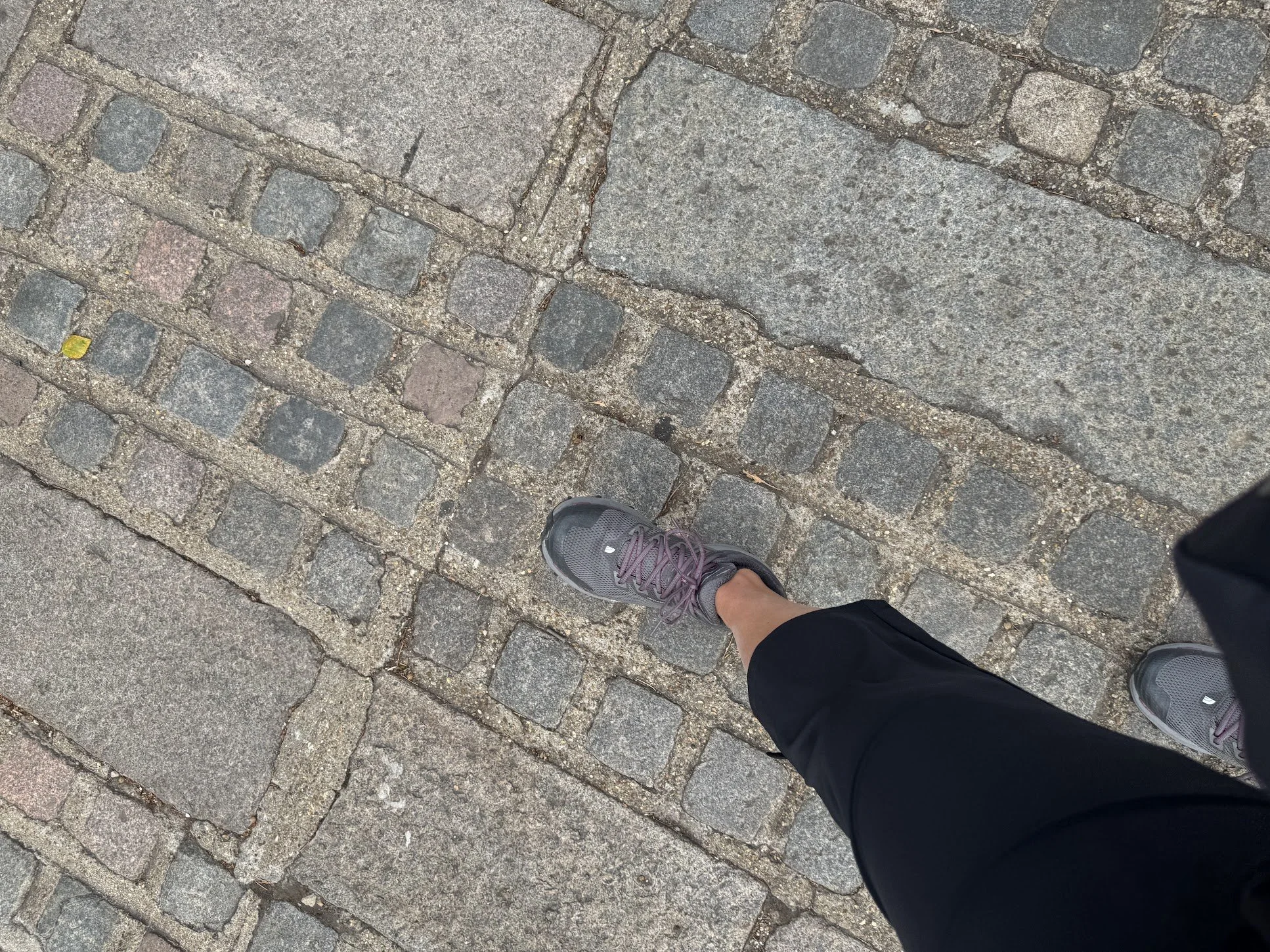
The Walking Shoes That Survived Three Months of European Travel
These provided the comfort, support, waterproof protection, and versatility I needed for long days on my feet.
-
![Waterproof Travel Gear]()
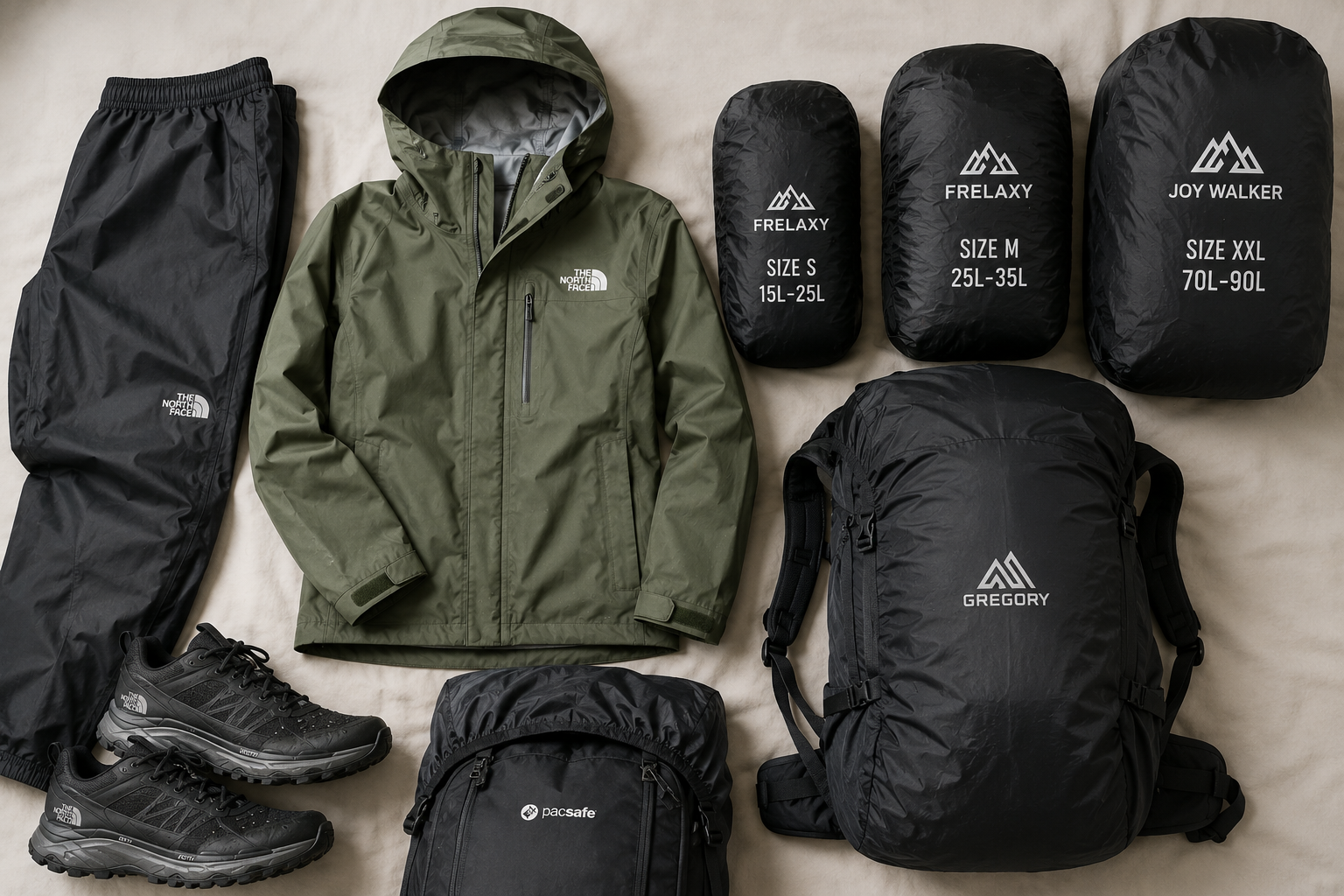
Waterproof Travel Gear: Essentials That Keep You Exploring
Rain gear is one of the best investments you can make for an extended European trip. These waterproof essentials earned a permanent place on my packing list.
-
![Phone Wrist Strap]()
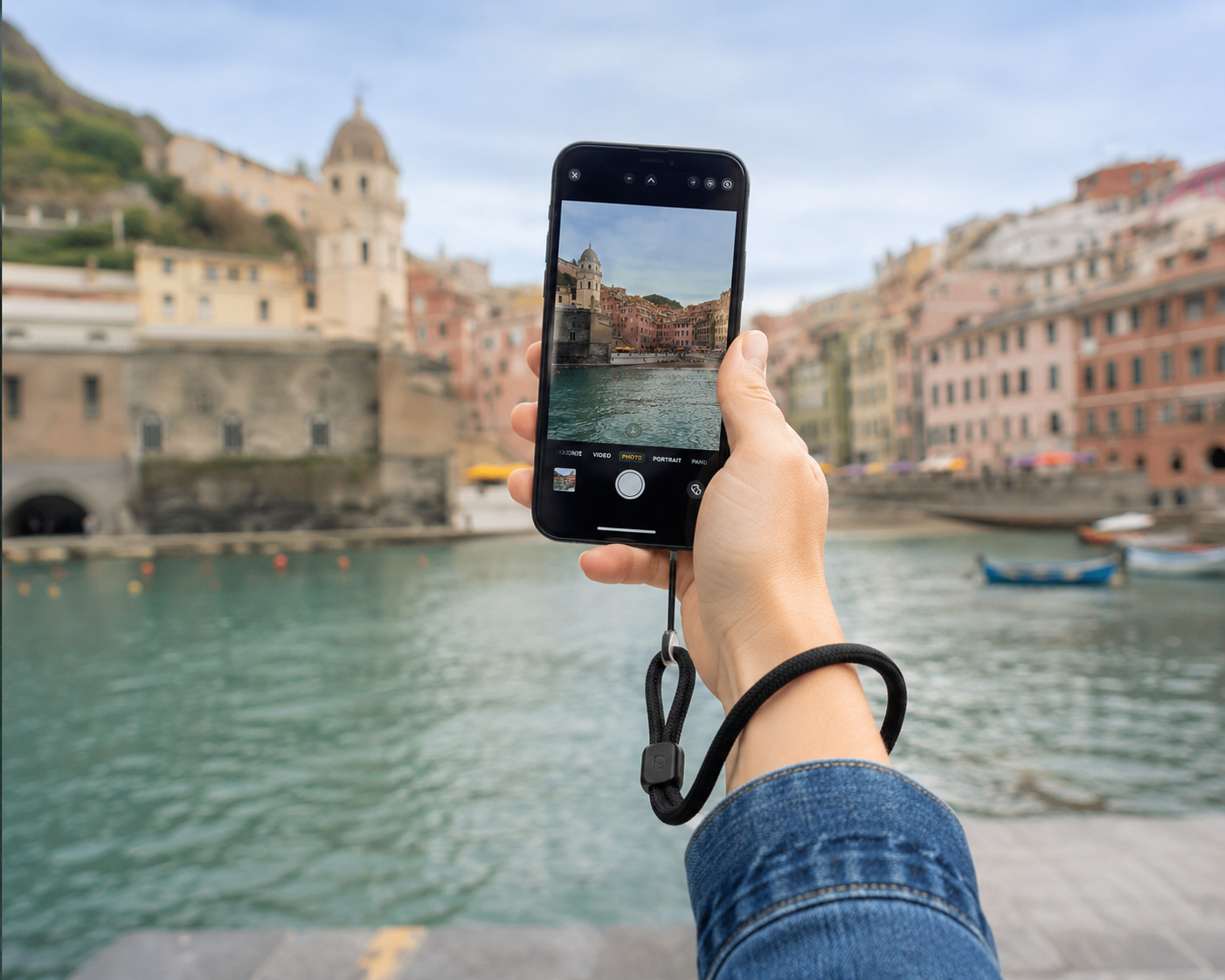
The Phone Wrist Strap That Helped Protect My Phone Across Europe
A simple, low-cost travel accessory provided peace of mind in crowded cities and added security throughout my three-month trip.
-
![Travel Technology]()
The Technology I Used During Three Months of Traveling Europe
The travel tech that helped me navigate, stay connected, protect my photos, and travel independently.