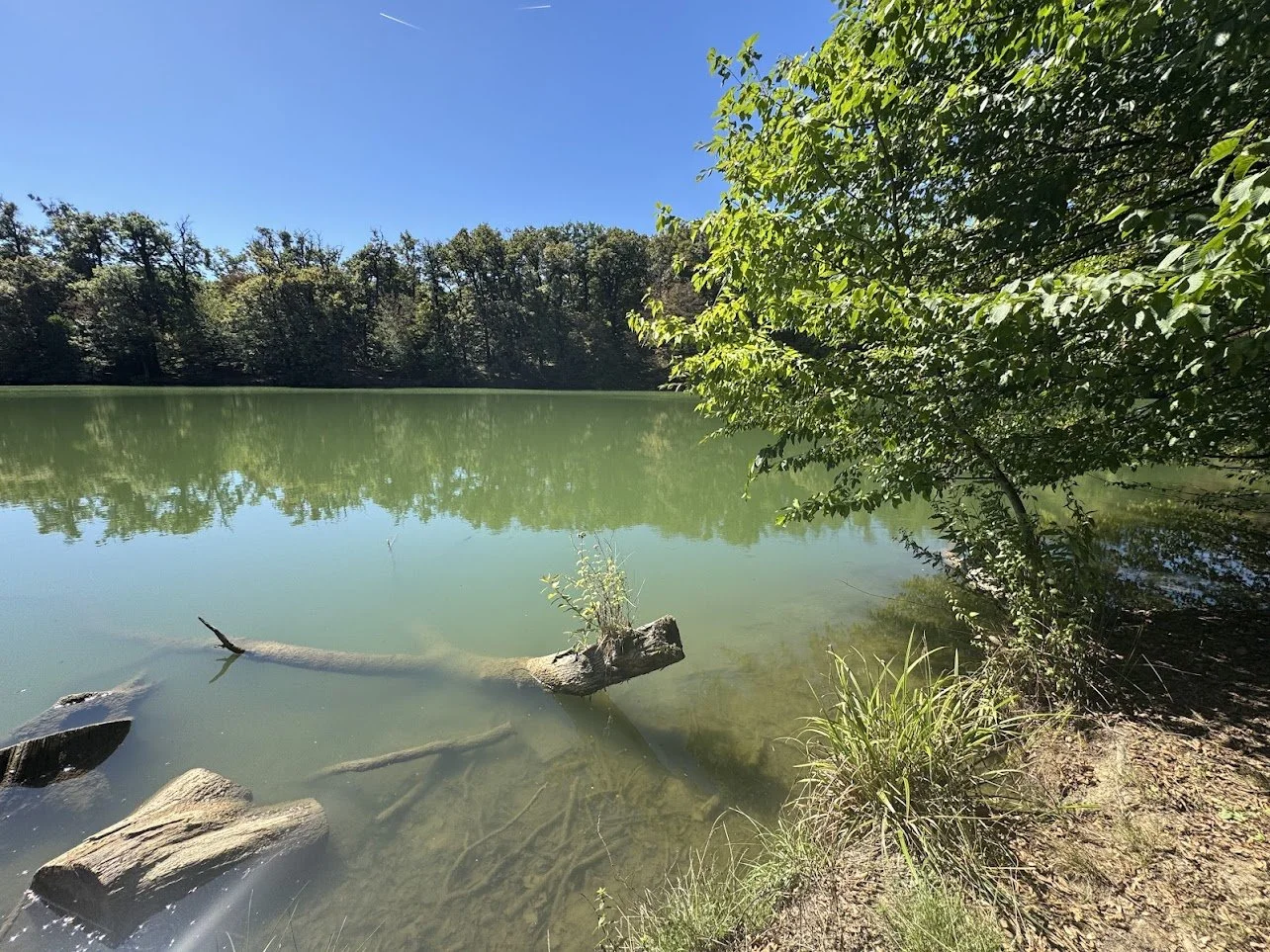
Zagreb Travel Guide: Croatia Beyond the Coast
Tree-lined neighborhoods, magical landscapes, and a city that quietly surprised me.
Zagreb was one of the biggest unknowns of my trip. If you’ve read some of my earlier posts about traveling solo through Europe, you probably know that some destinations arrived with very few expectations attached to them.
Zagreb was at the very top of that list.
Before planning this trip, I honestly knew almost nothing about the city. When I first started mapping out Croatia, my focus was entirely on the coast: Zadar, Split, Hvar, and Dubrovnik. The plan was to slowly make my way south before taking a ferry from Dubrovnik to Bari and continuing north through Italy.
But timing and ferry schedules had other plans.
The route I needed wasn’t operating during the dates that aligned with the rest of my itinerary, which meant I had to pivot completely.
That’s one of the constant balancing acts of long-term travel: not just deciding where to go, but figuring out how all the logistics fit together in a way that’s actually sustainable.
What I did know for certain was that I wasn’t leaving Europe without seeing Croatia. So Zagreb became the compromise. At the time, I assumed the highlight of this stop would be my planned day trip to Plitvice Lakes National Park. Instead, Zagreb itself quietly became the surprise.
This guide covers where I stayed, how I spent my time exploring Zagreb, and where to find the best gluten-free dining options.
Some links in this post may be affiliate links, which means I may earn a small commission if you book through them—at no additional cost to you. I only share places and services I personally used or genuinely enjoyed during my trip. Read the full disclosure policy.
Zagreb, Croatia Overview
Zagreb, the capital of Croatia, feels noticeably different from many of the country’s more internationally recognized coastal destinations. Instead of dramatic Adriatic views and ancient stone alleyways, Zagreb leans into leafy parks, Austro-Hungarian architecture, café culture, residential neighborhoods, and a slower everyday rhythm.
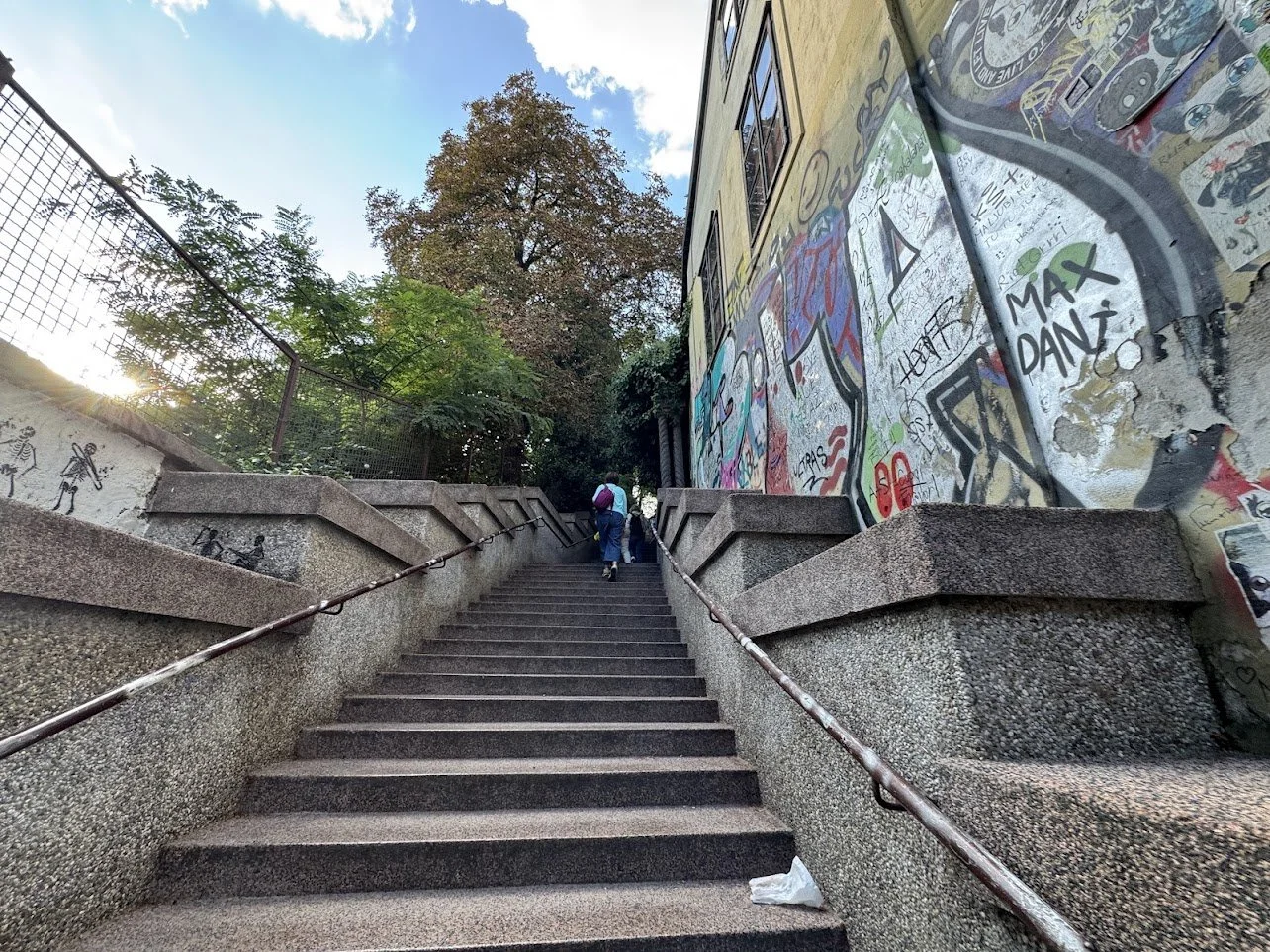
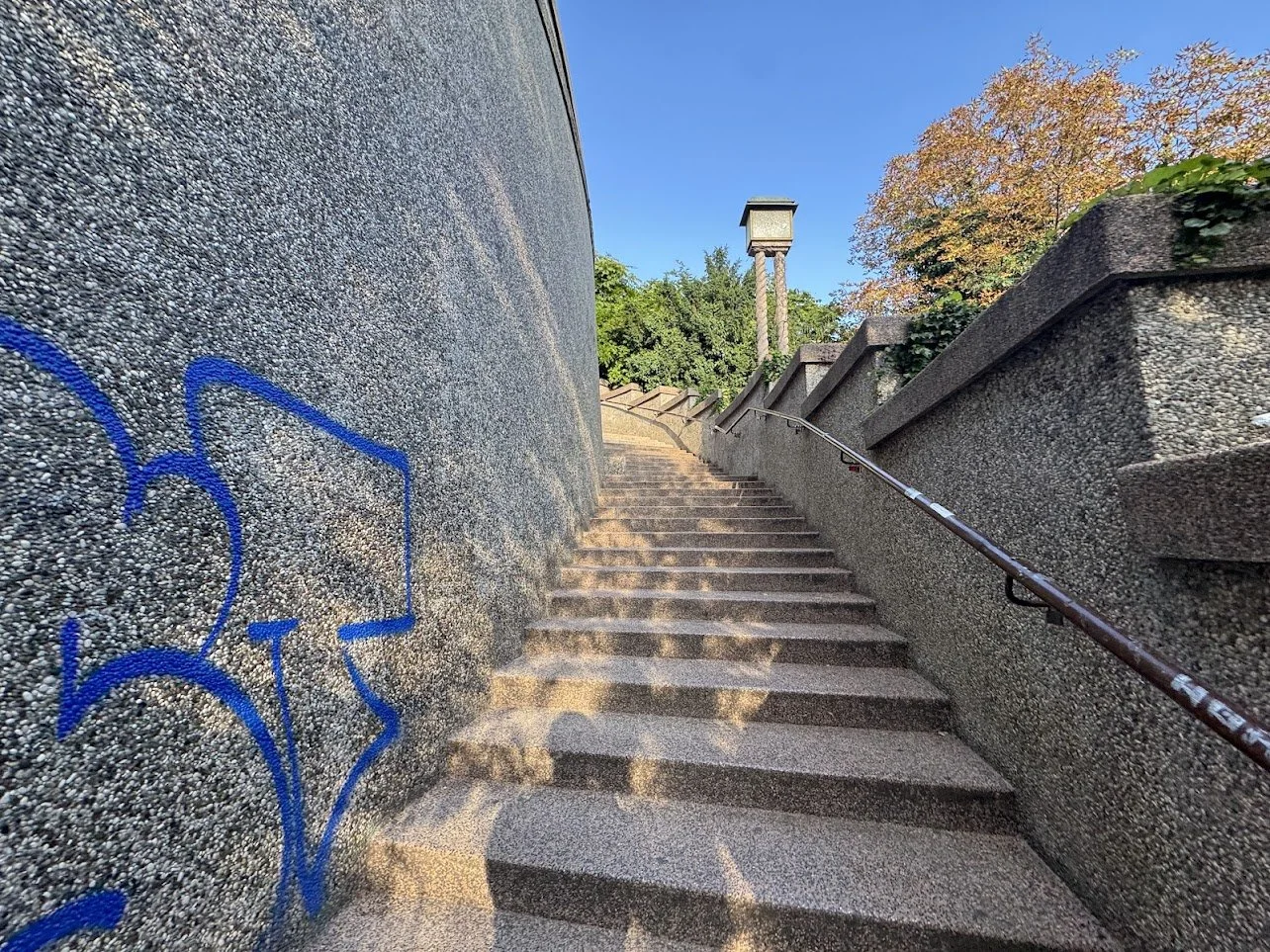
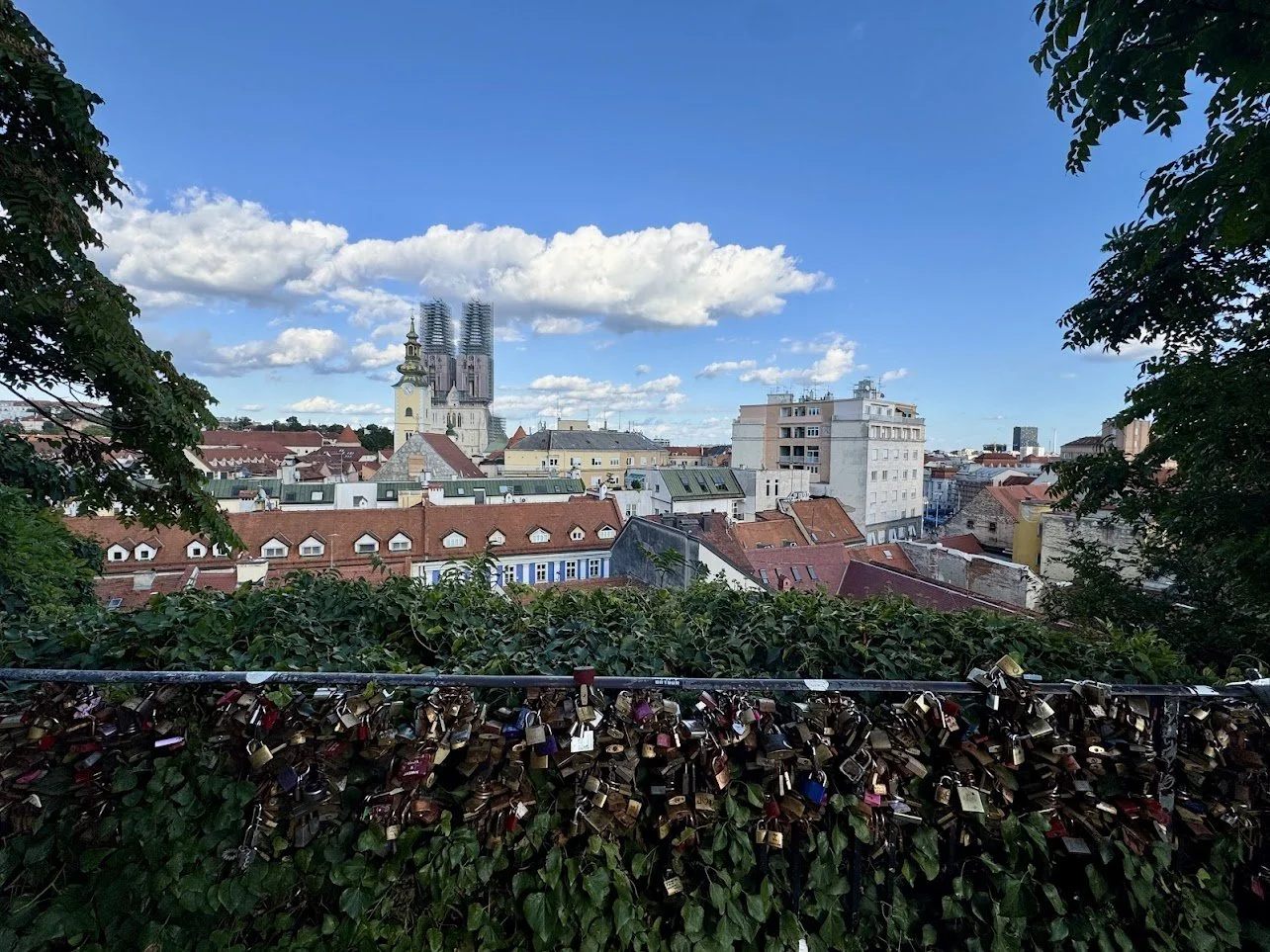
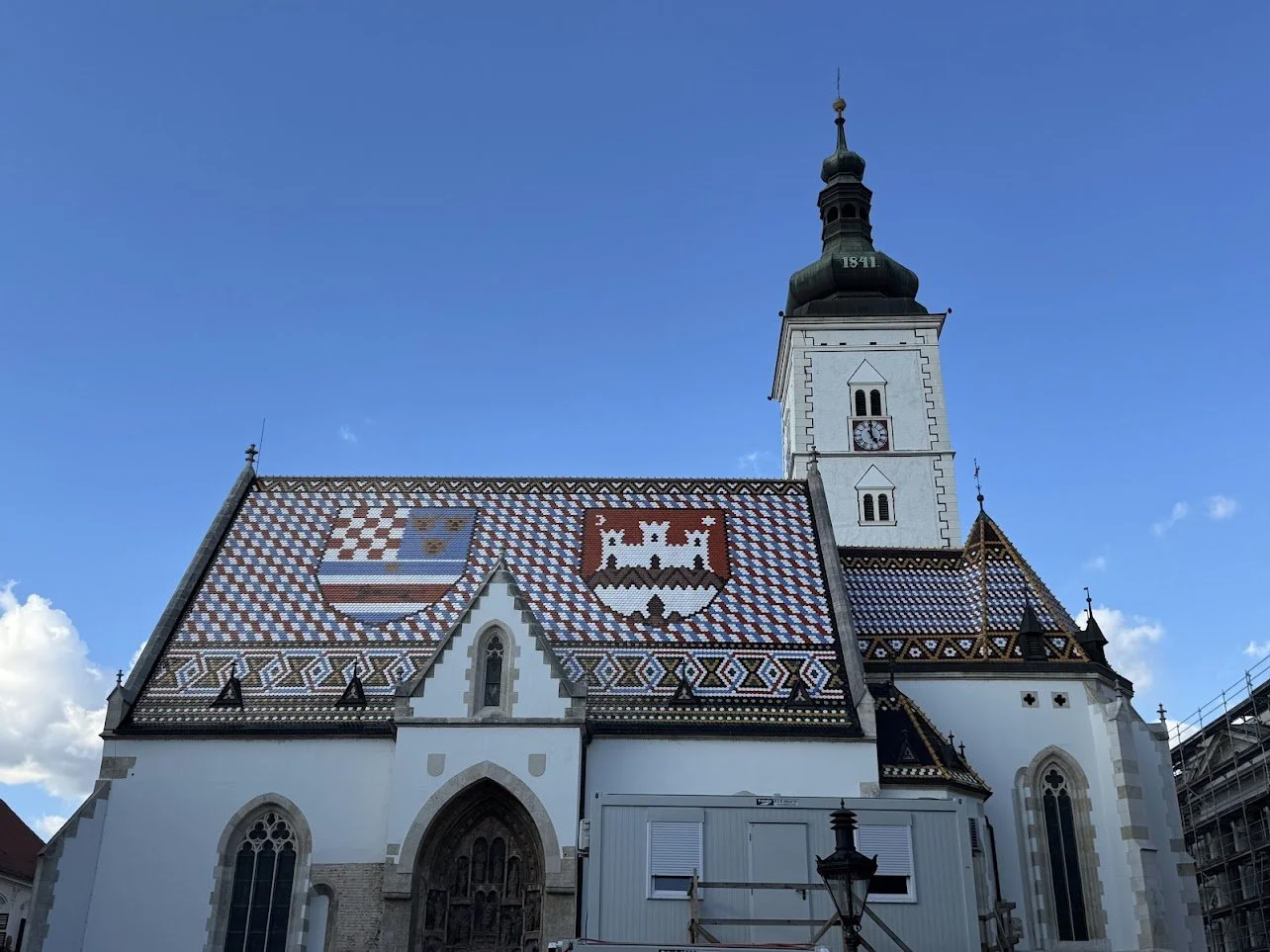
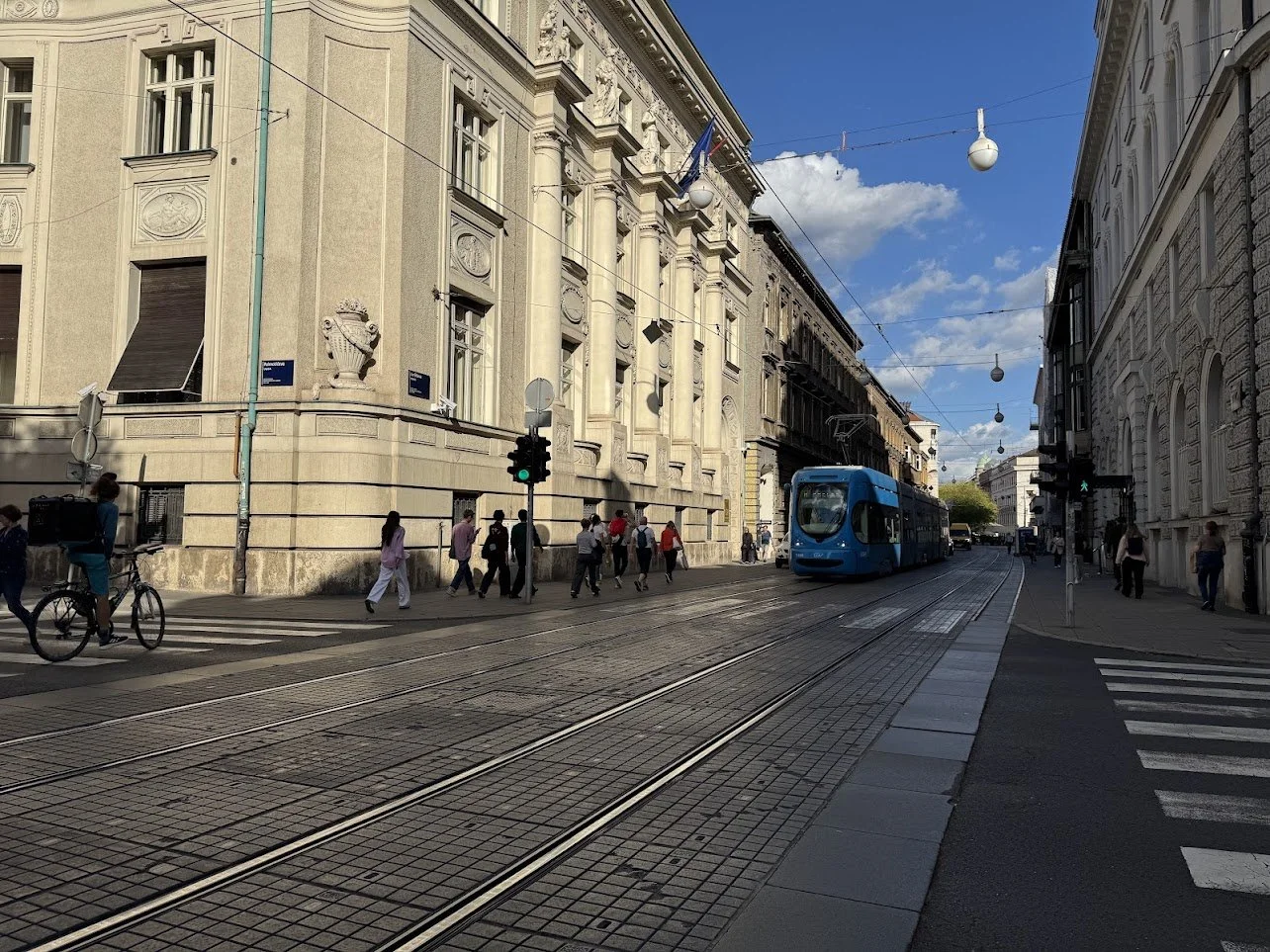
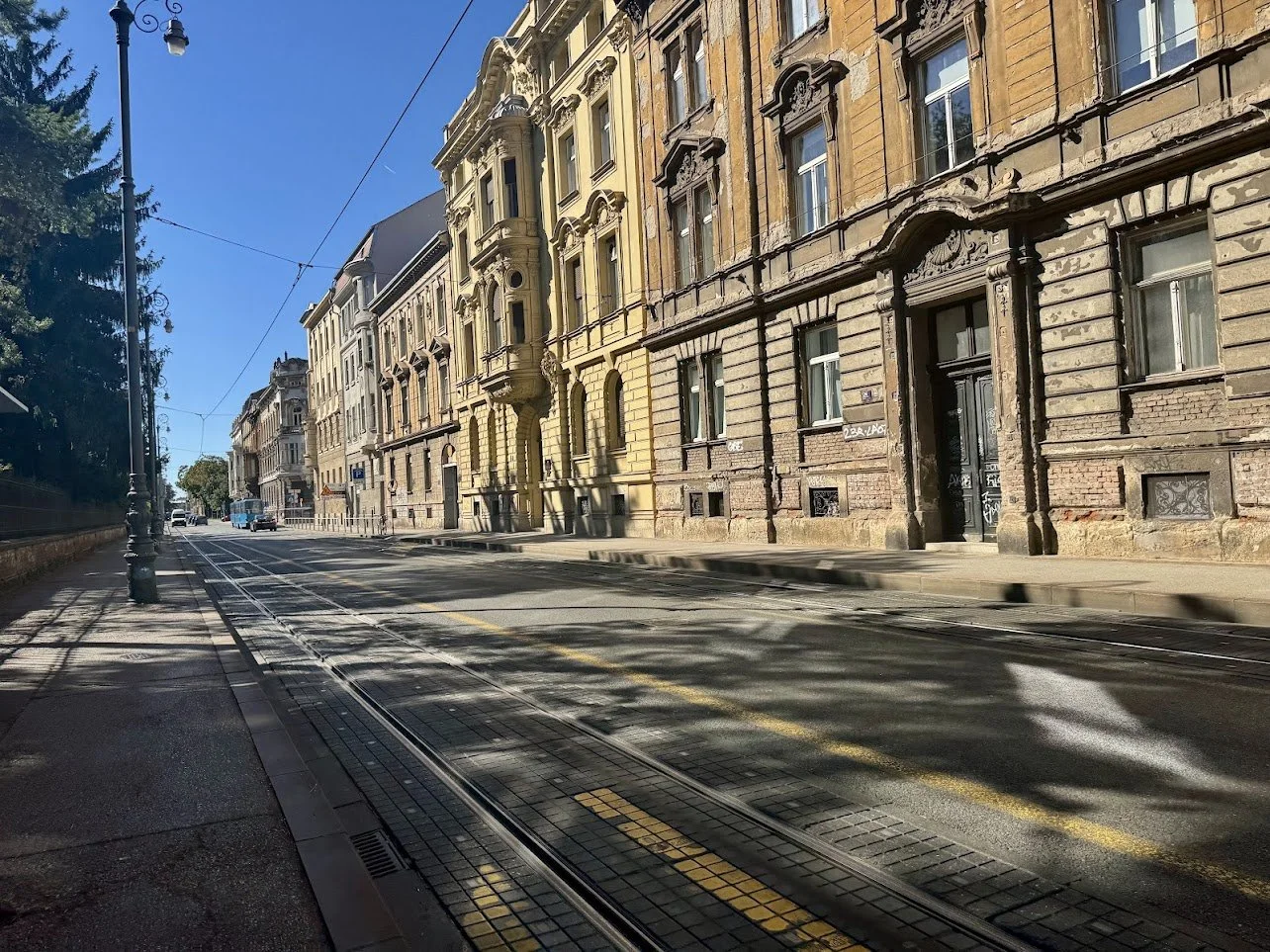
The city stretches across the Upper and Lower Town neighborhoods, connected by trams, staircases, long pedestrian streets, and gradual hills. The Lower Town, or Donji Grad, features wide boulevards, historic facades, parks, and cafés woven throughout the city center. Meanwhile, the Upper Town gives way to cobblestone streets, church towers, courtyards, and steeper climbs toward viewpoints and older sections of the city.
What surprised me most, though, was that Zagreb never felt like it was performing for tourists. The city felt grounded in its everyday rhythms rather than trying to constantly impress visitors, and after several more heavily touristed destinations earlier in my trip, I realized how much I needed that change of pace.
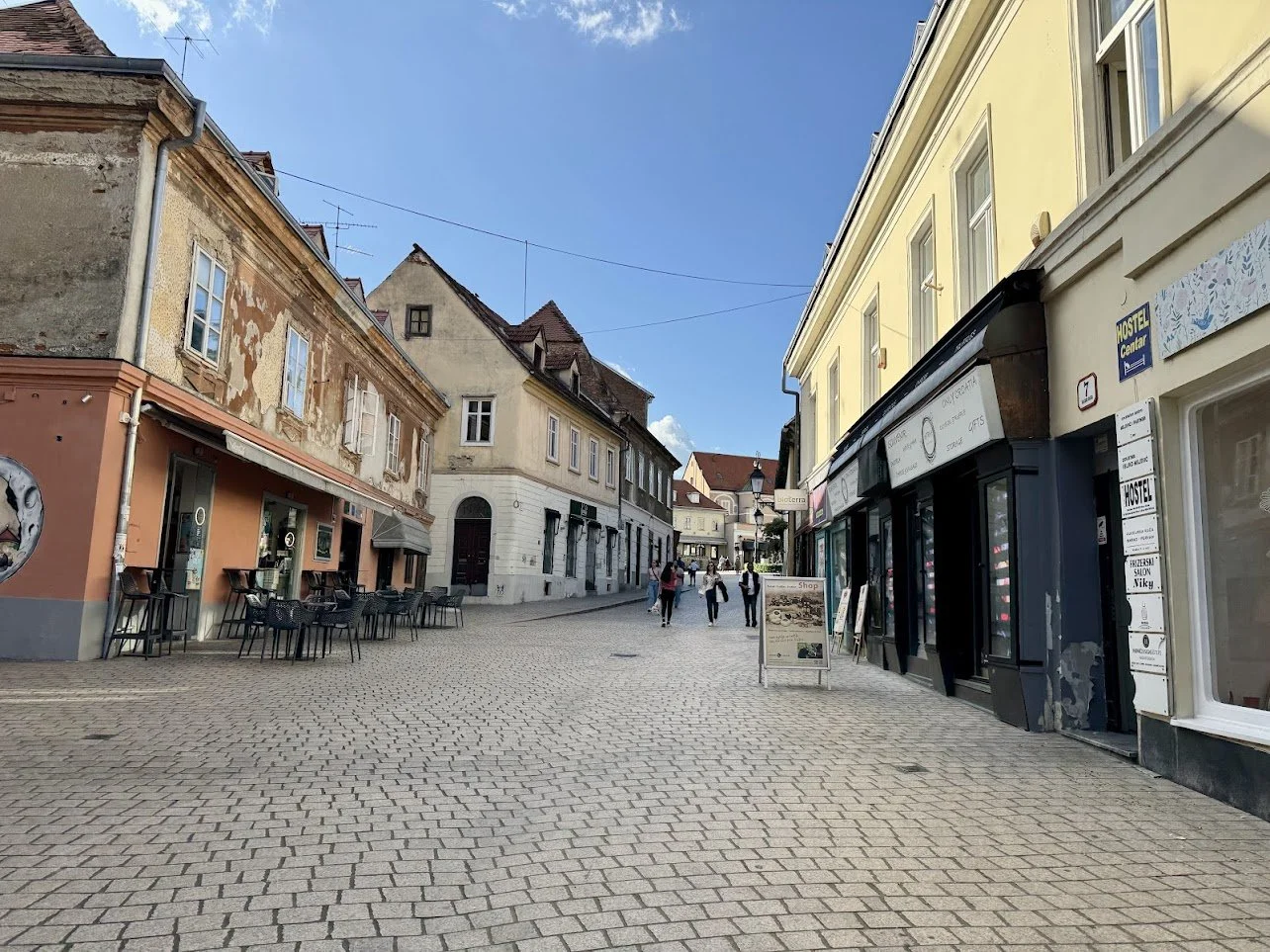
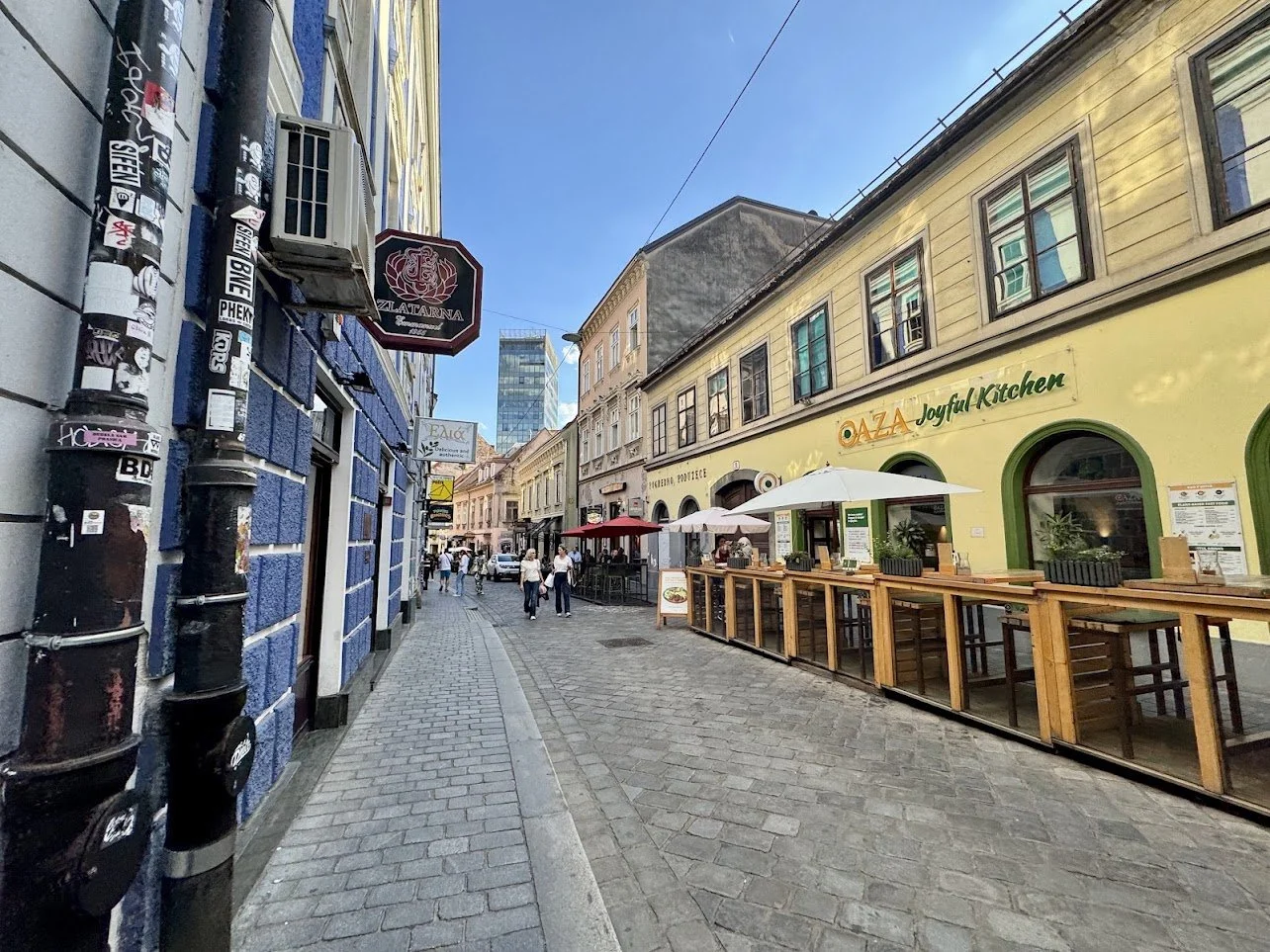
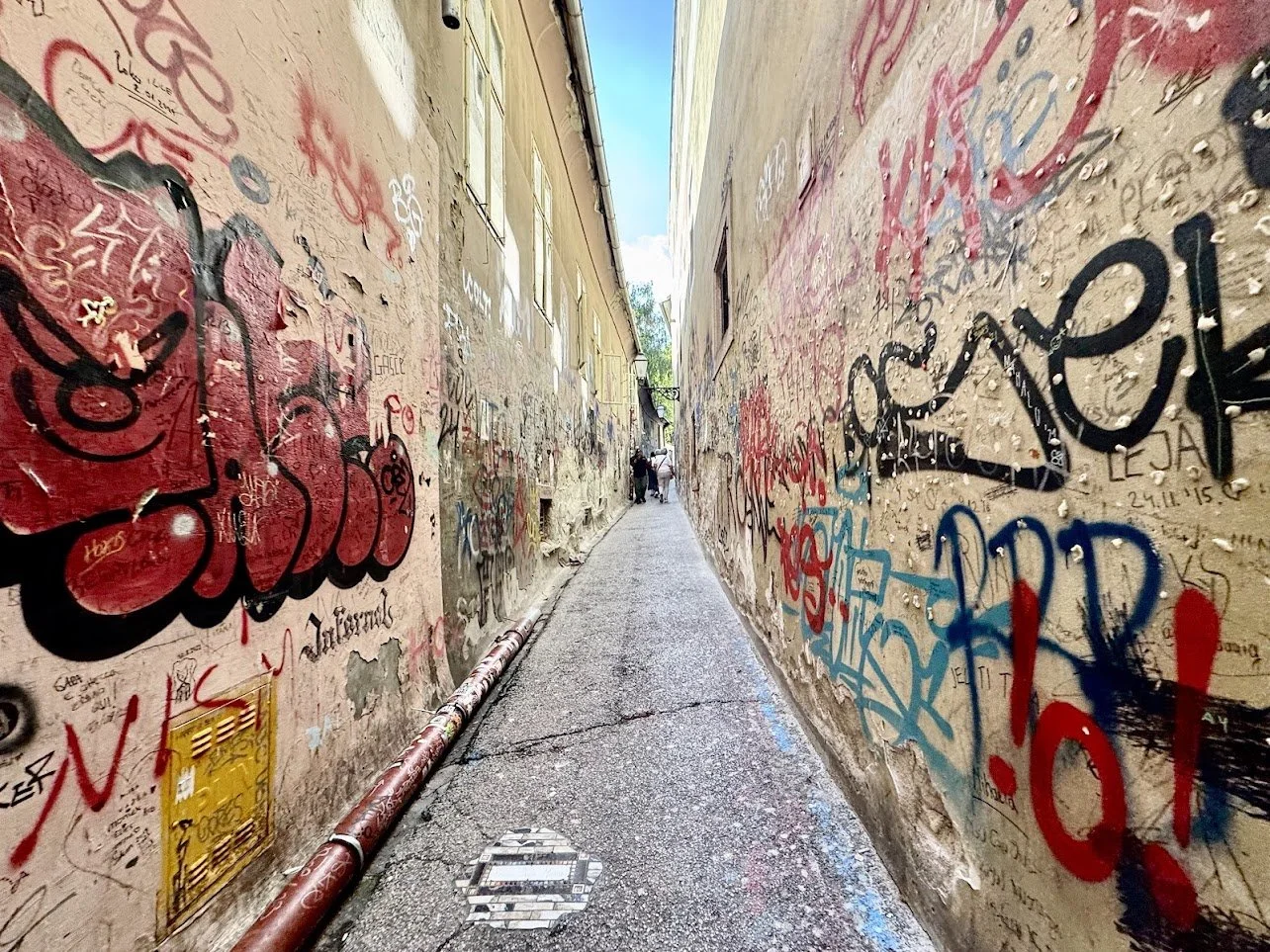
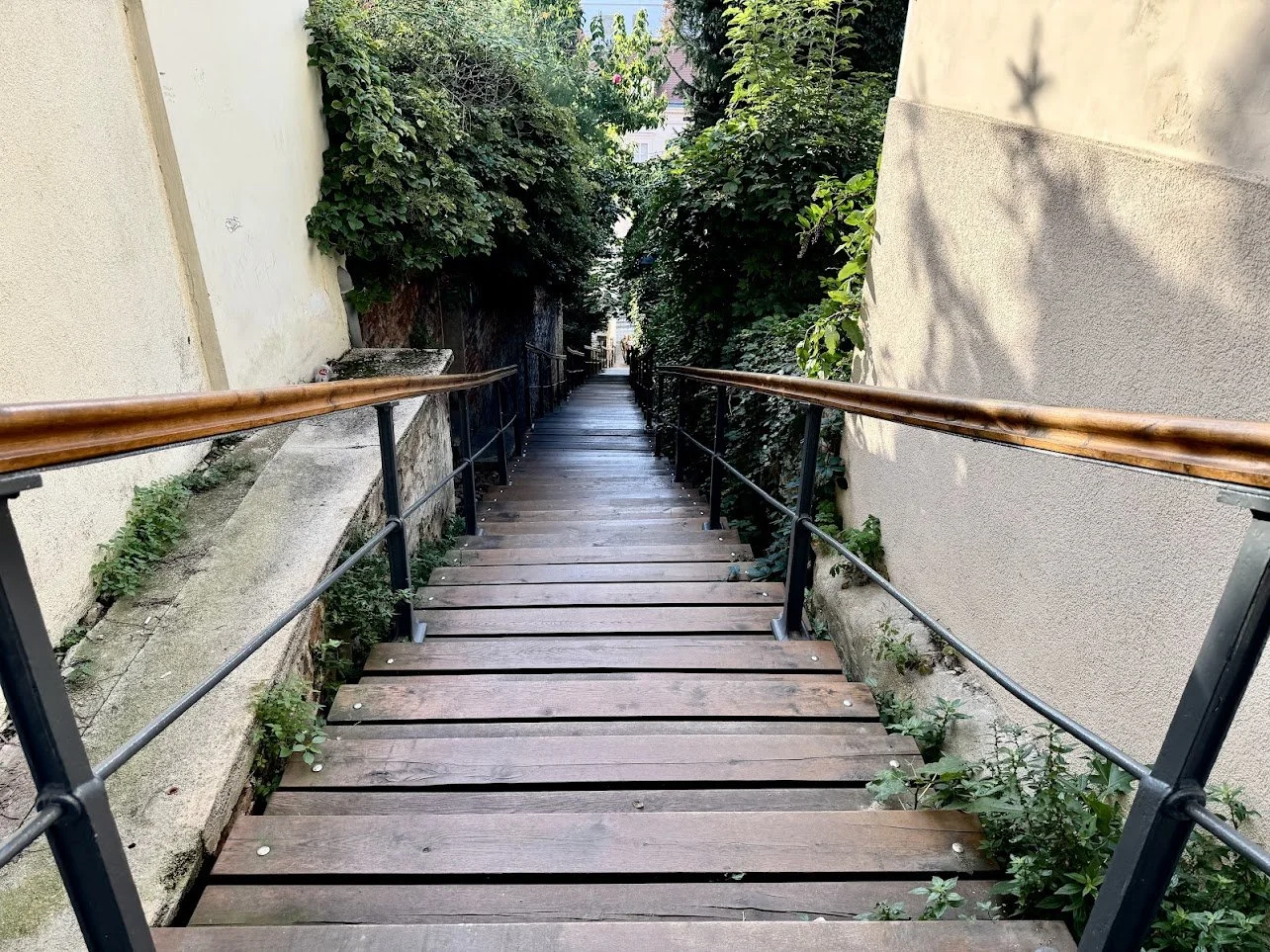
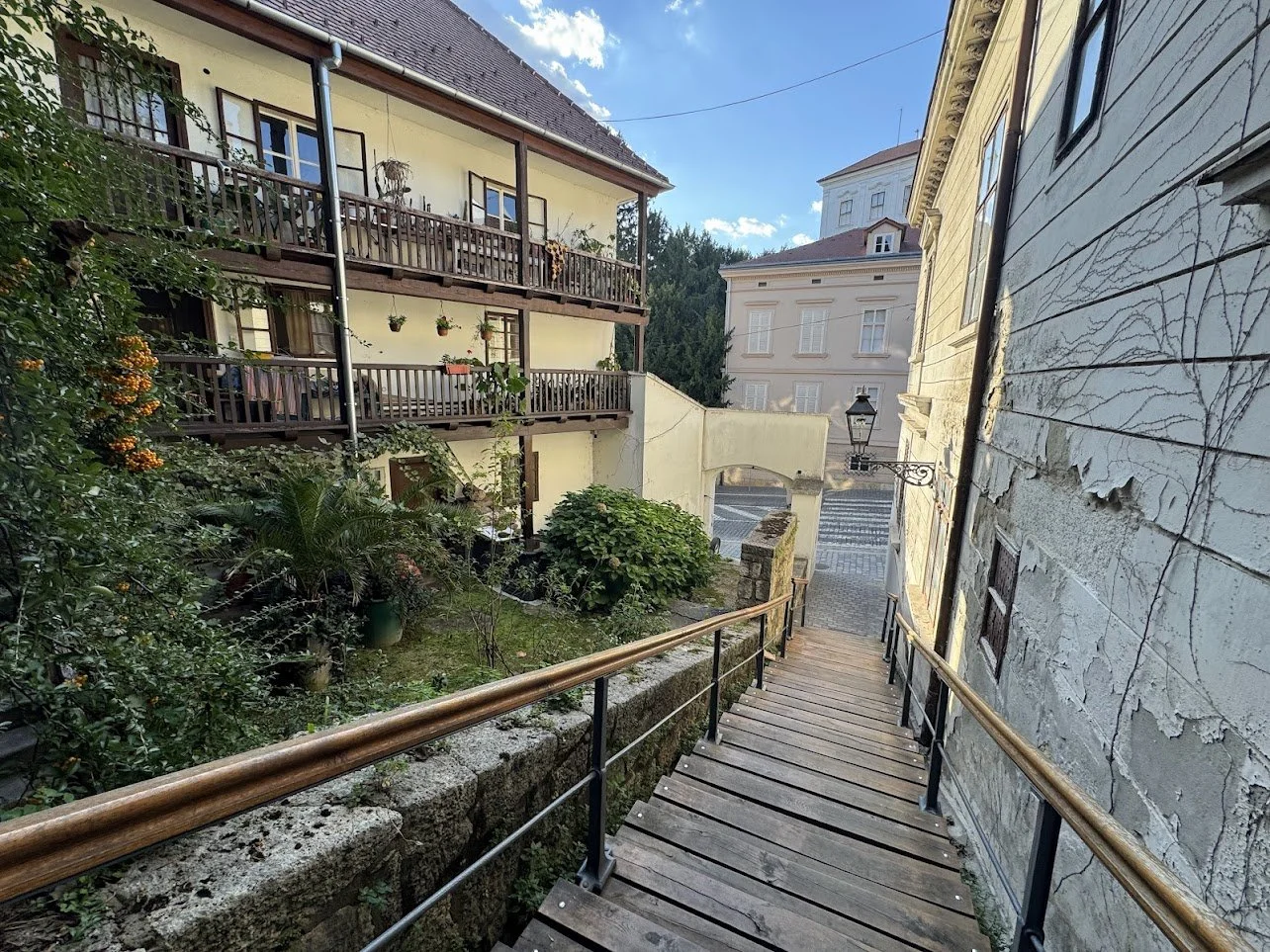
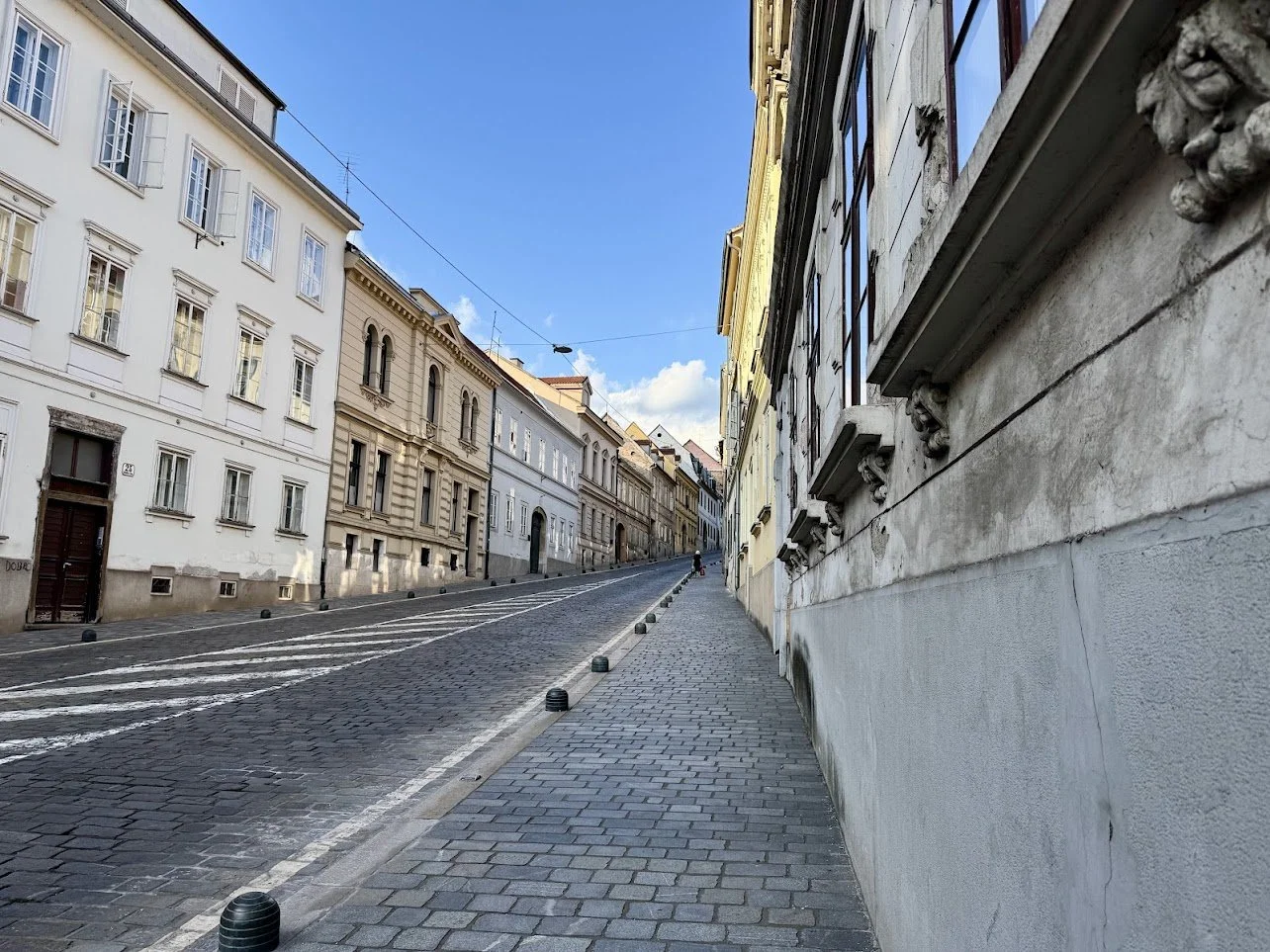
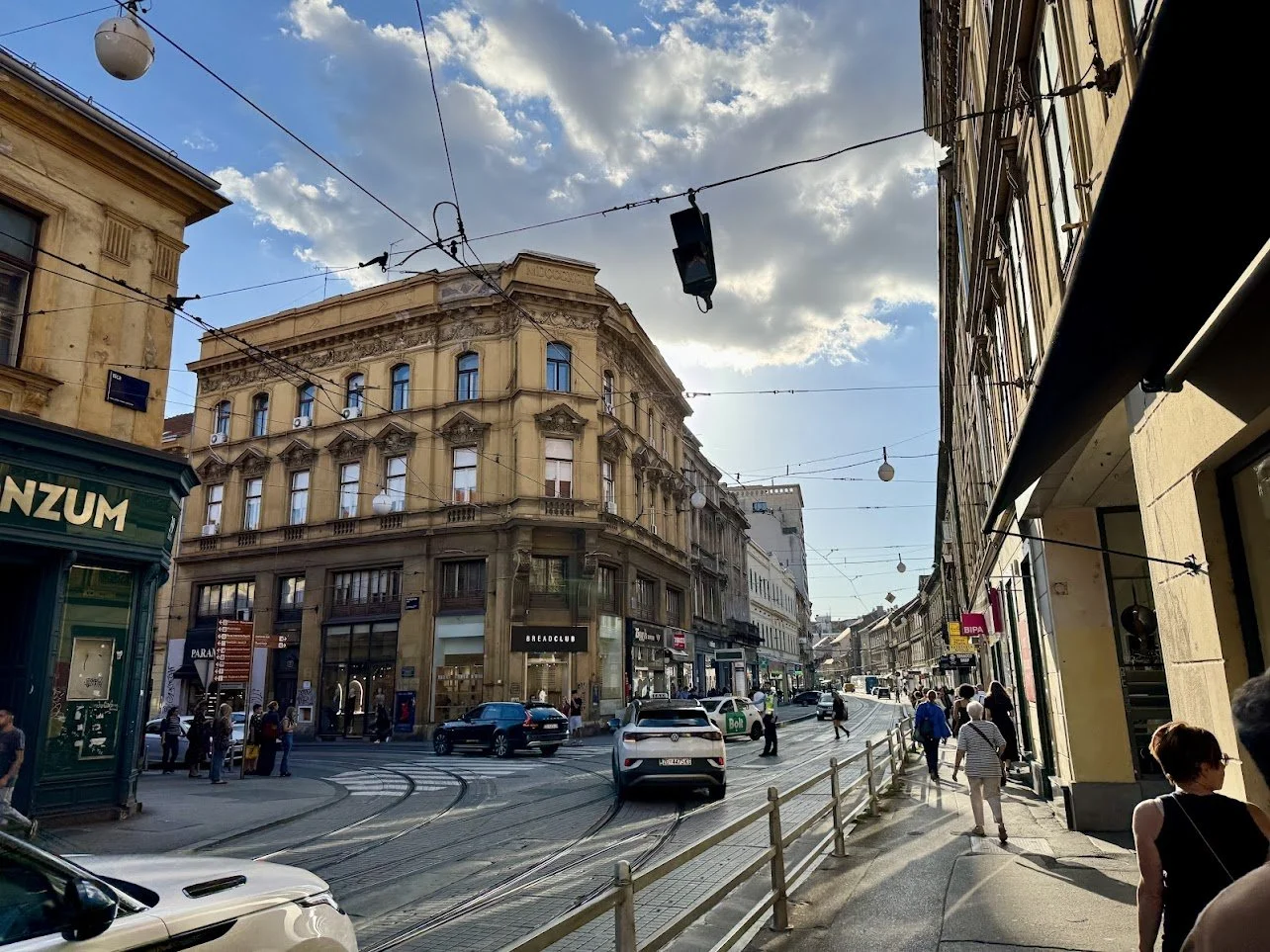
Where I Stayed In Zagreb, Croatia: Donji Grad / Lower Town
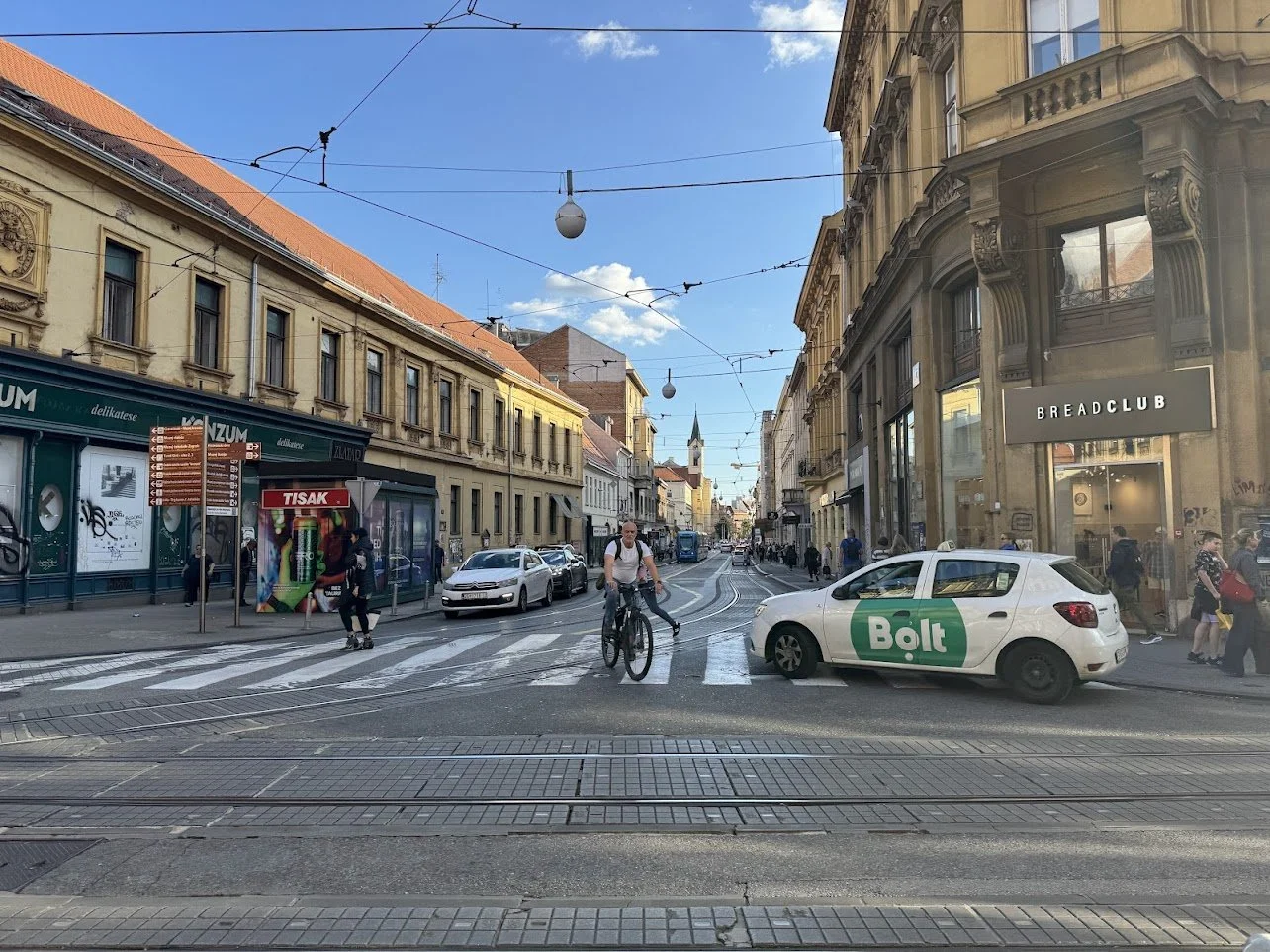
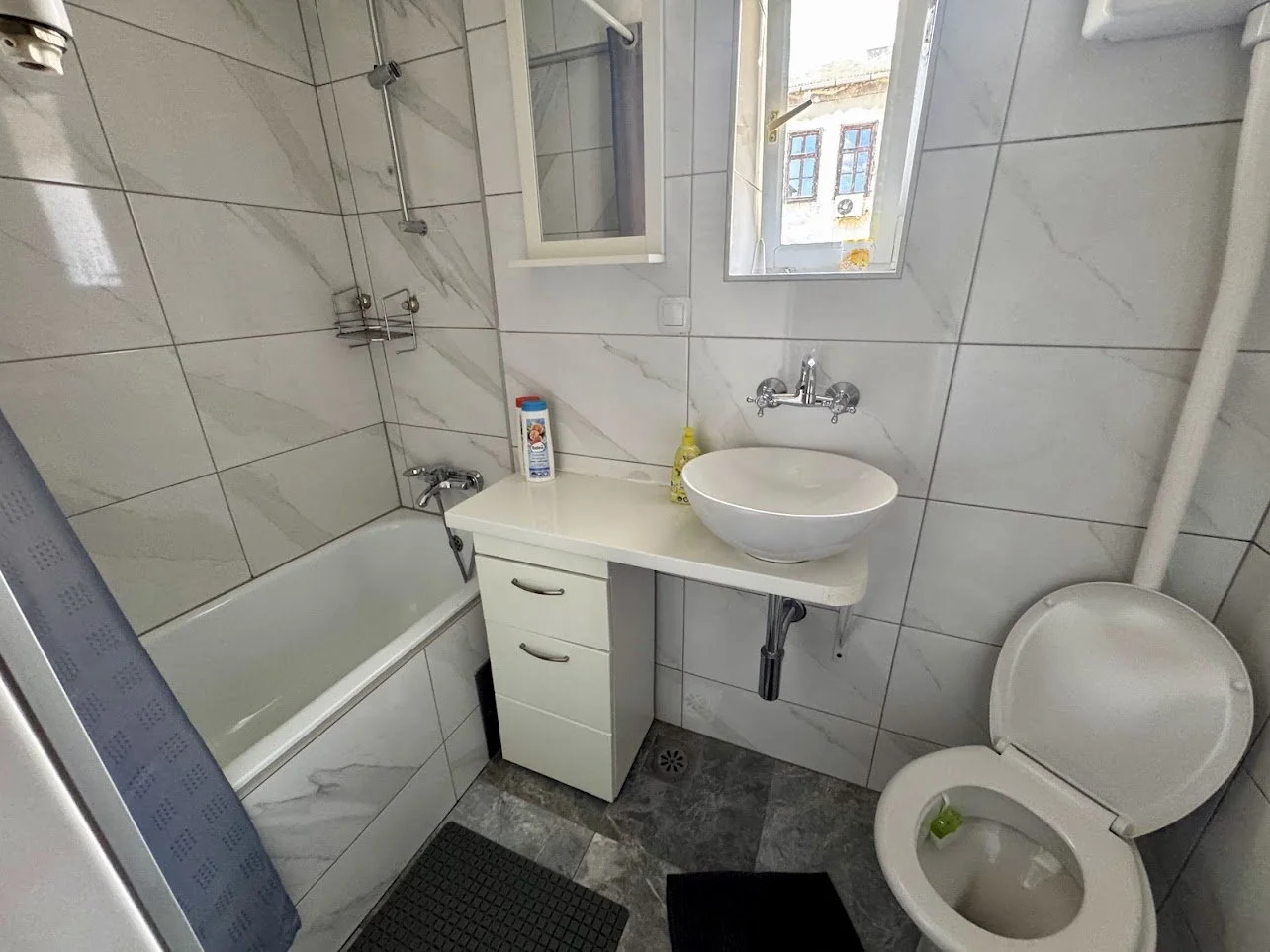
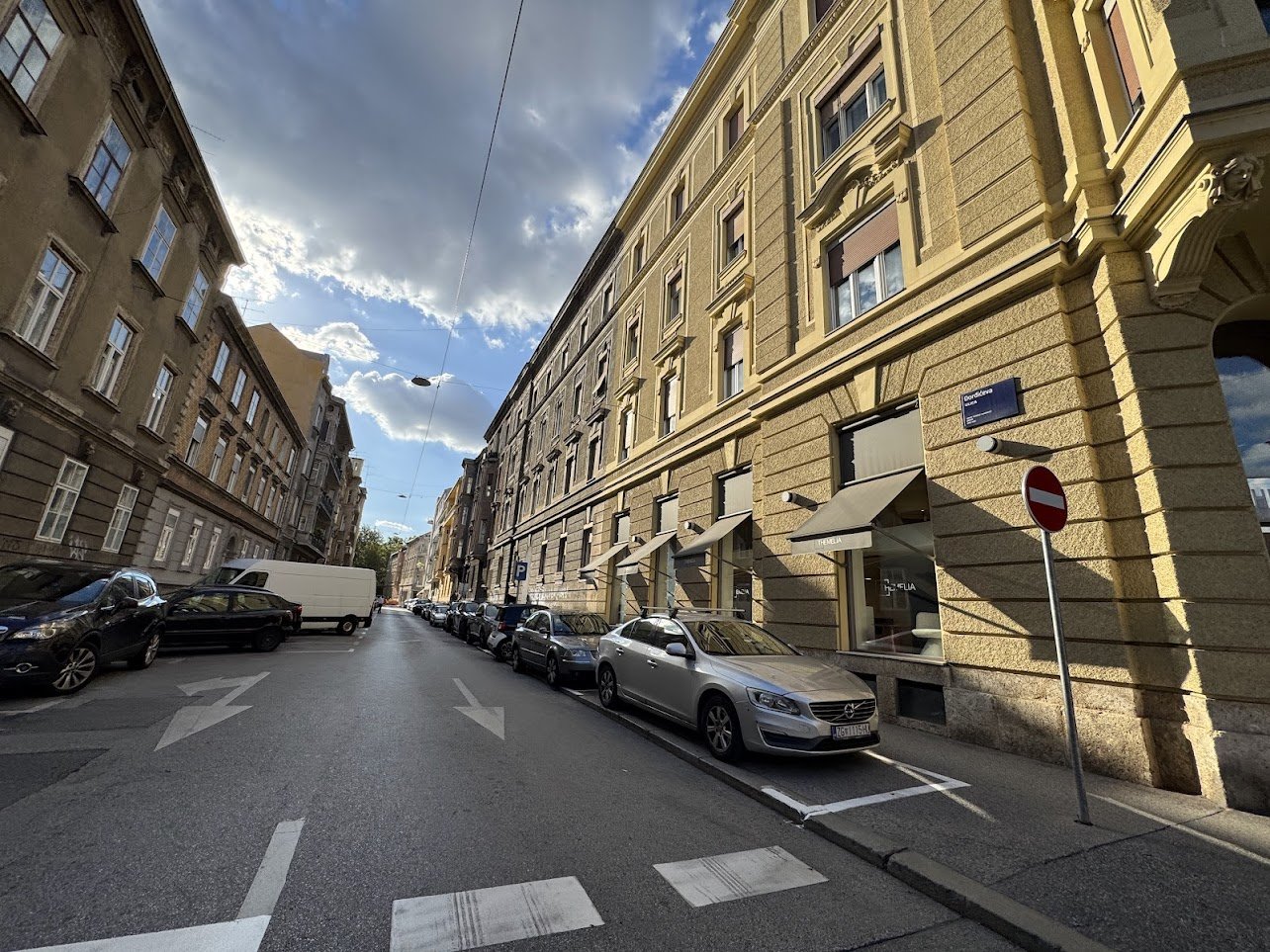
I stayed in an Airbnb in Donji Grad, Zagreb’s Lower Town neighborhood.
The location was excellent:
close to Ban Jelačić Square
within walking distance of Zagreb Cathedral
near King Tomislav Square and Zrinjevac Park
and only about a 20-minute walk from the bus station where I arrived from Budapest
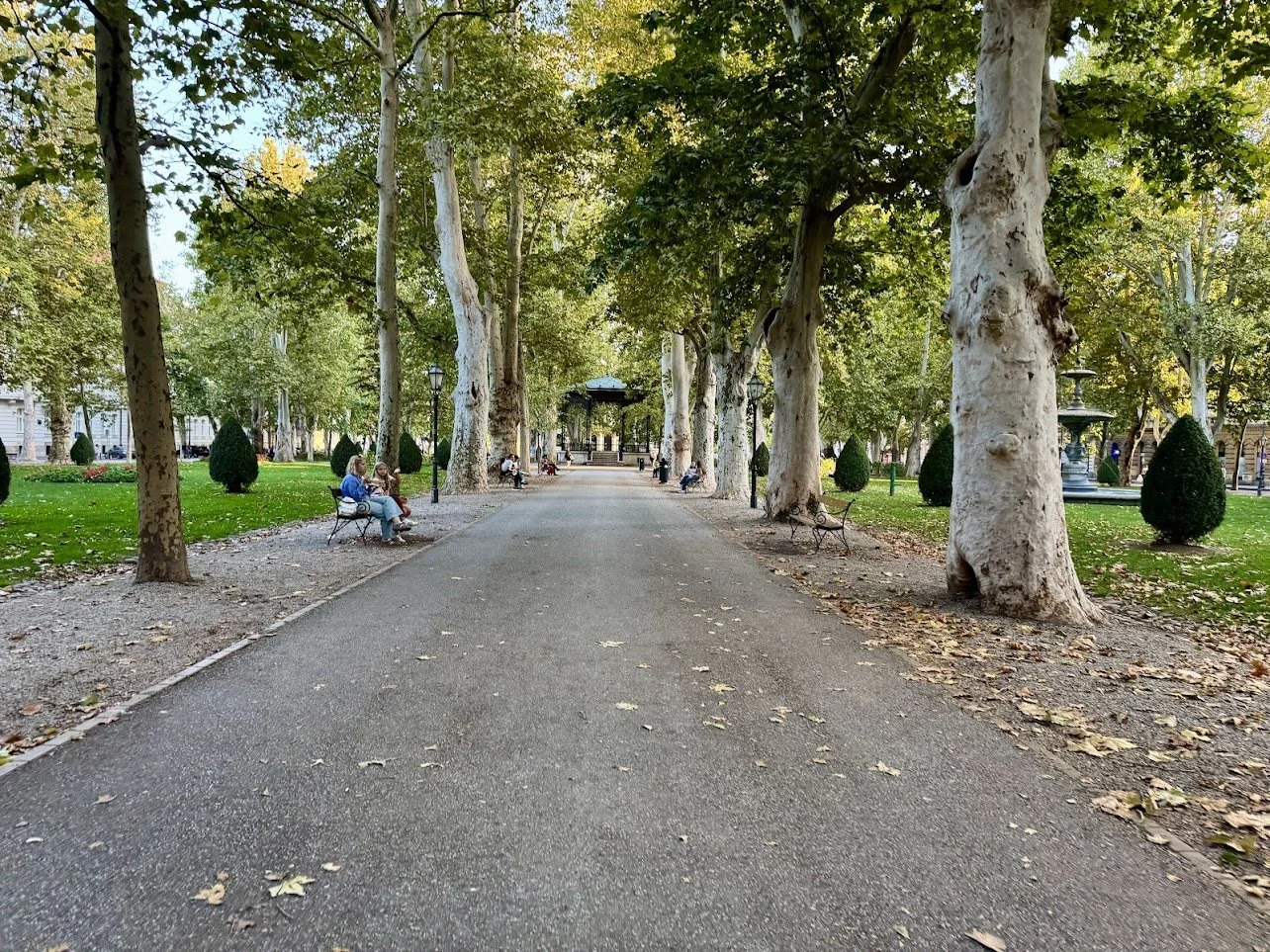
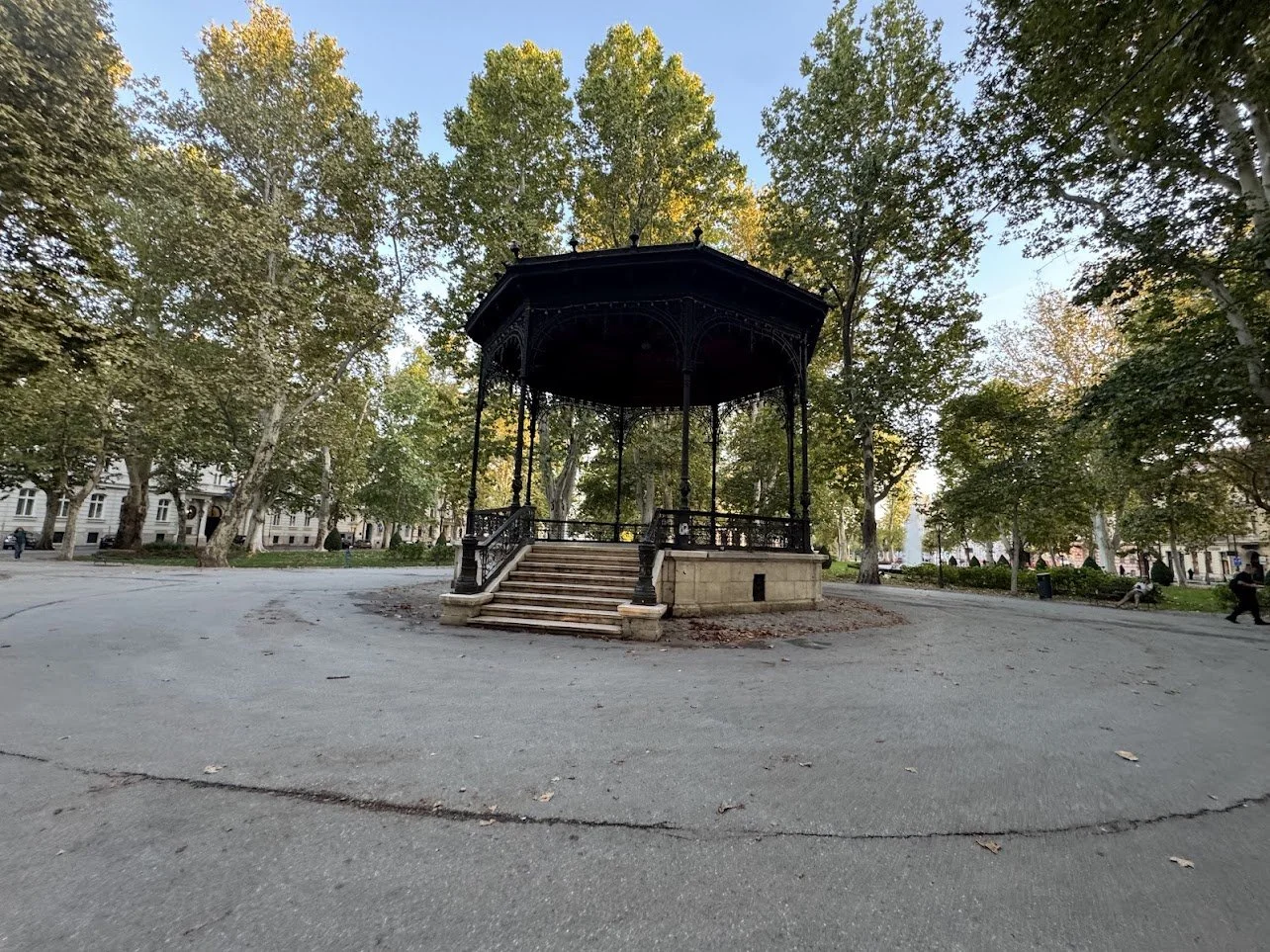
The area is highly walkable, filled with Austro-Hungarian architecture, shaded parks, cafés, bakeries, tram lines, and long boulevards that give the city a distinctly Central European atmosphere. Much of the neighborhood is organized around the Lenuci Horseshoe, often called the Green Horseshoe, a series of connected parks and squares that make central Zagreb feel unusually open and green compared to many other European capitals.
At the same time, signs of Zagreb’s 2020 earthquake remain highly visible throughout the city. Scaffolding, fencing, and restoration work appeared constantly around churches, facades, and historic buildings. Unlike temporary construction projects you occasionally pass through in other cities, this felt woven into the city’s current reality.
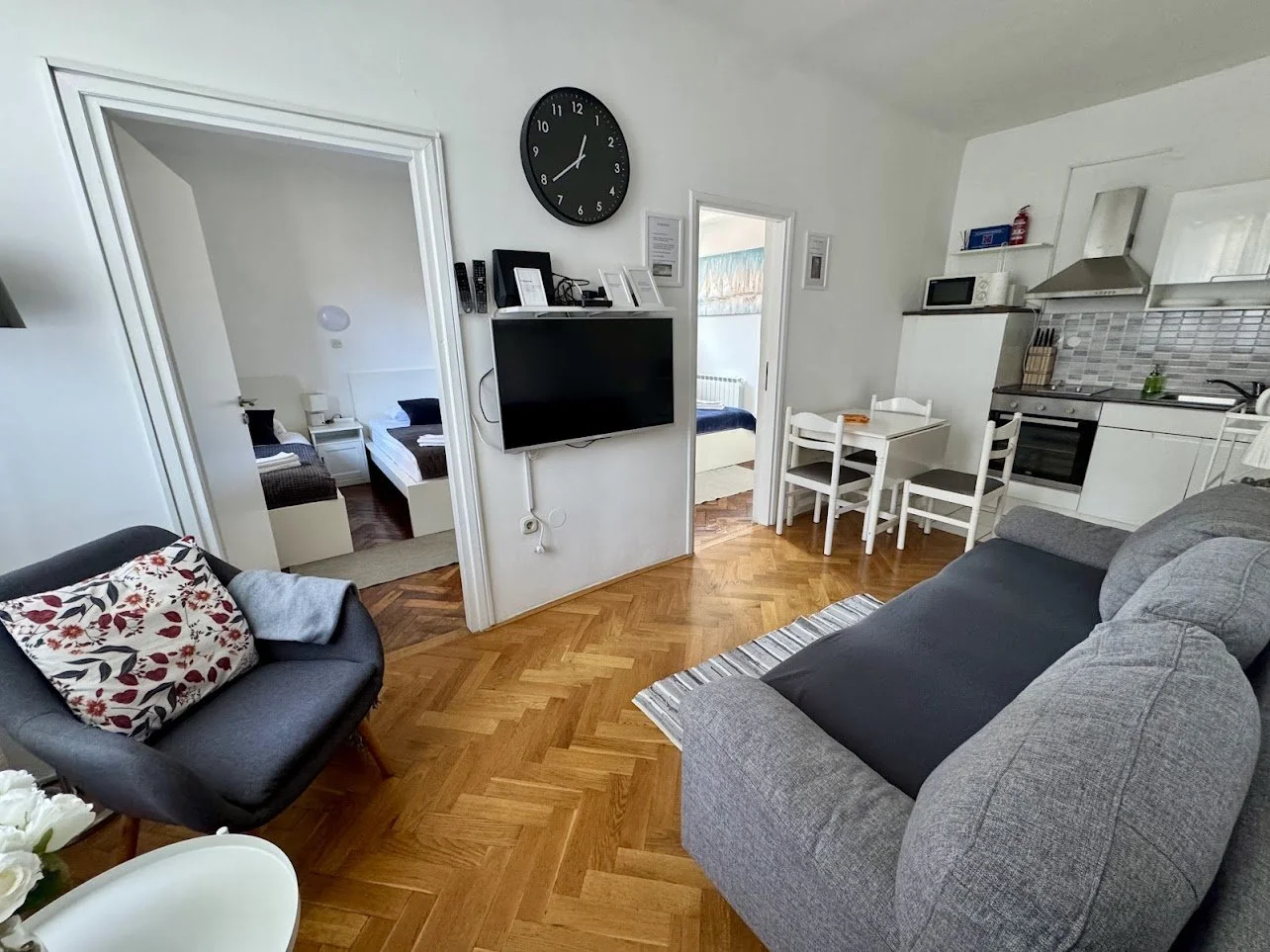
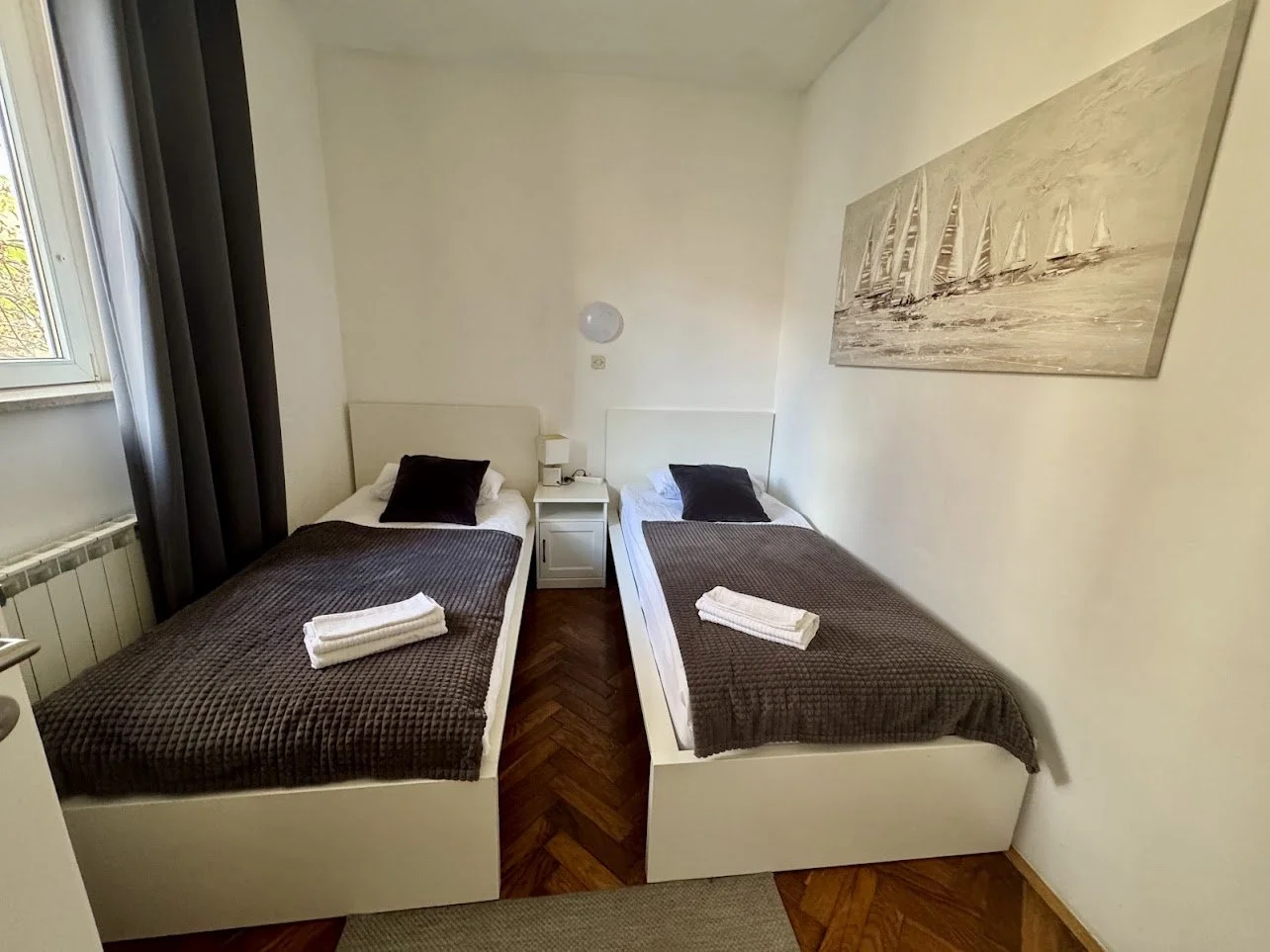
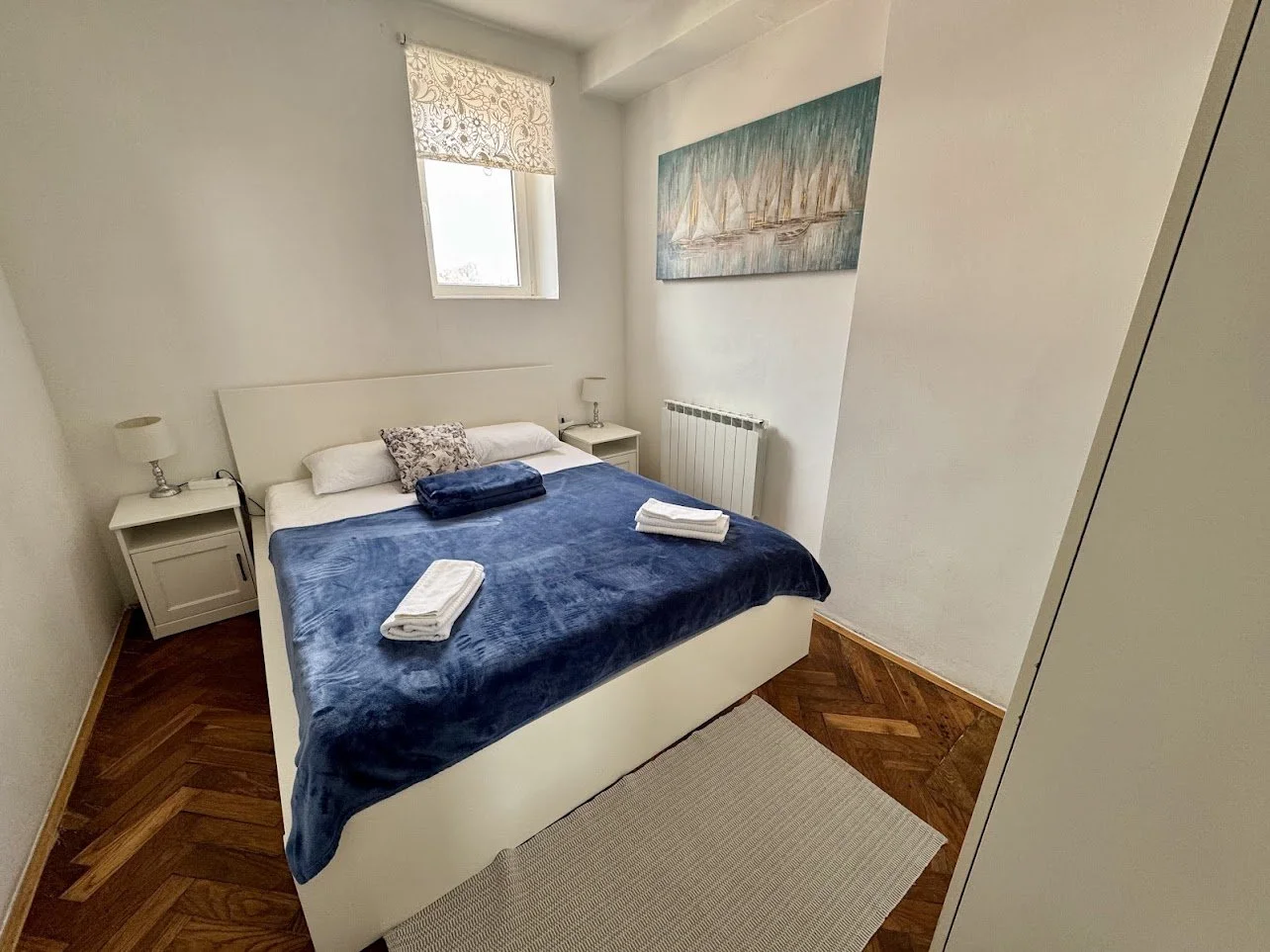
The Airbnb itself, thankfully, was excellent. After my slightly questionable Vienna Airbnb experience, I was relieved to discover that this apartment fully matched the listing: working air conditioning, a washing machine, a dryer, strong Wi-Fi, and a genuinely comfortable setup.
How I Spent My Time in Zagreb, Croatia: Parks, Neighborhood Walks, and Plivitce Lakes
Unlike several earlier stops on my trip, I had two full days in Zagreb: one dedicated to exploring the city and another to a guided day trip to Plitvice Lakes. Having one day where someone else handled the planning felt incredibly refreshing, almost a month into solo travel. By that point, nearly every decision, including transportation, lodging, meals, navigation, and schedules, had depended entirely on me. The idea of simply showing up somewhere and letting someone else take over for a day felt borderline luxurious.
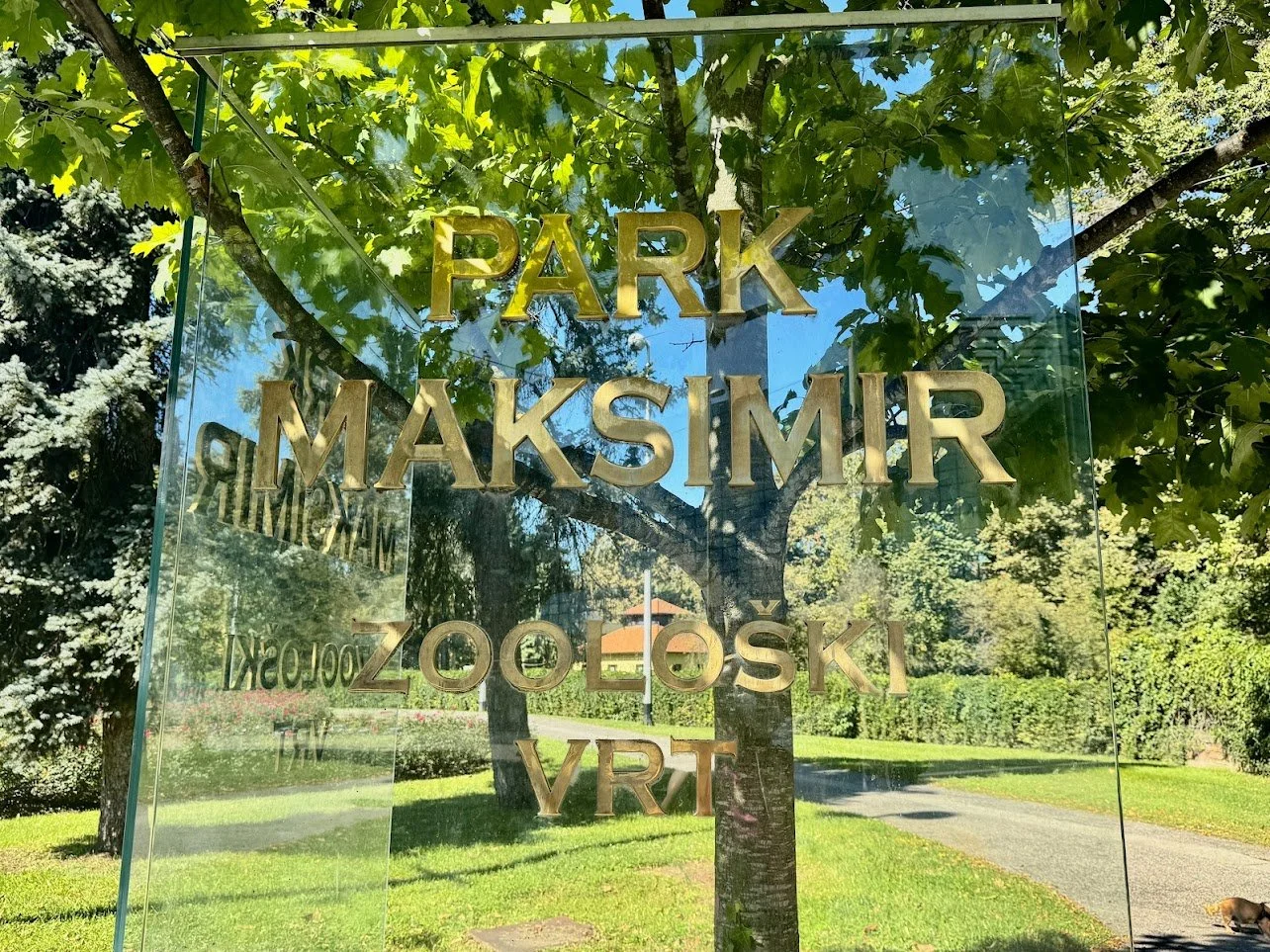
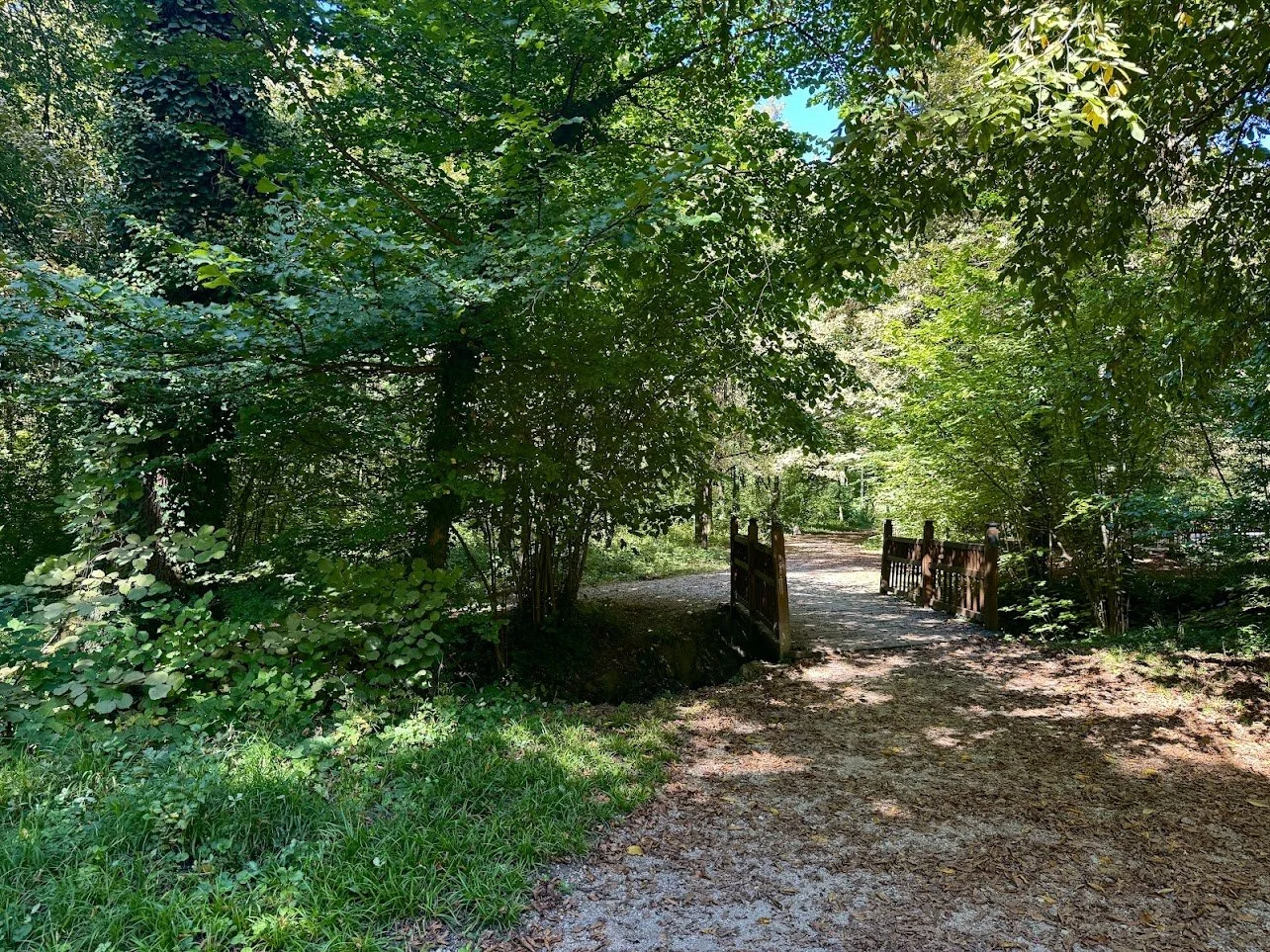
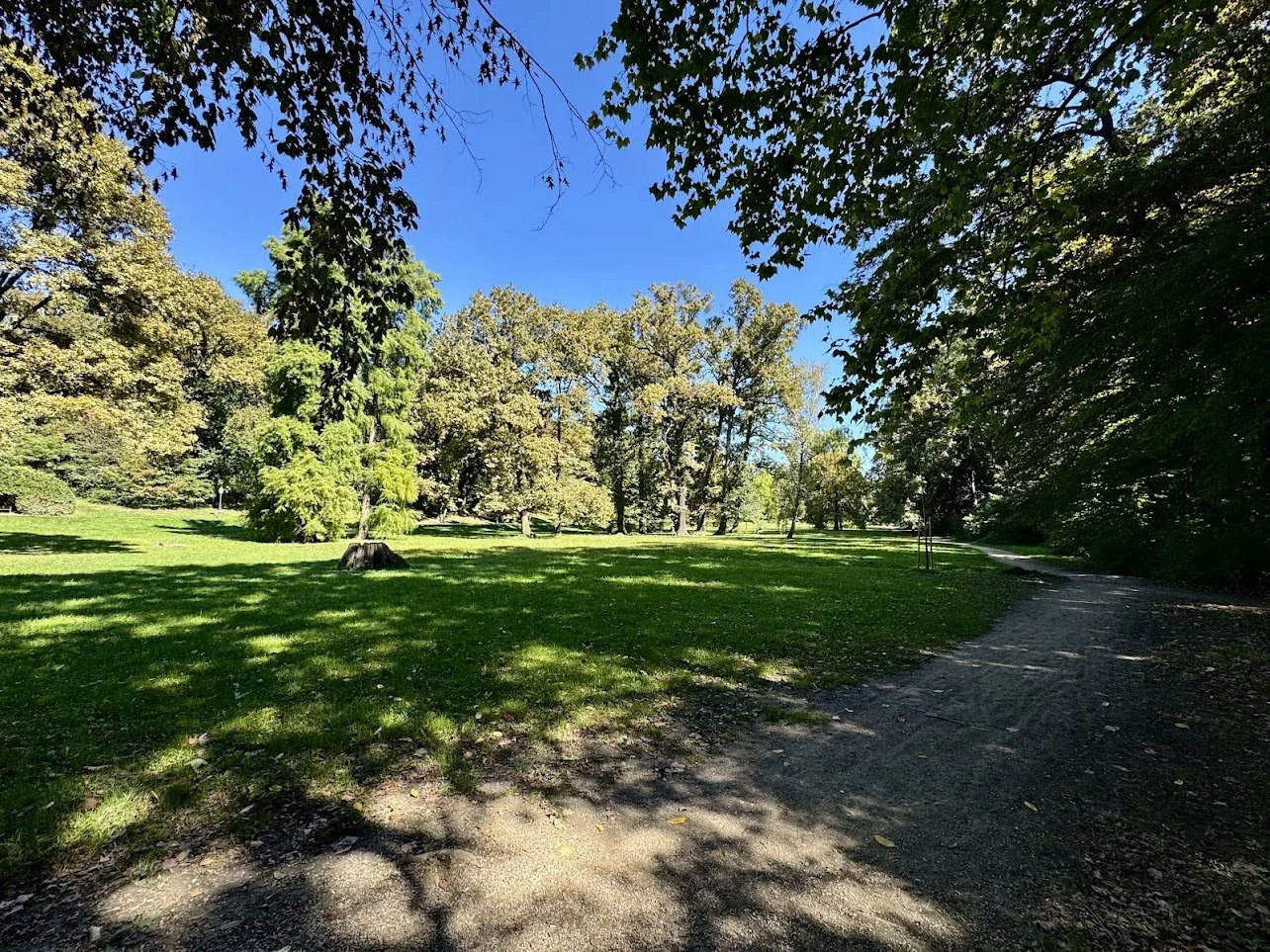
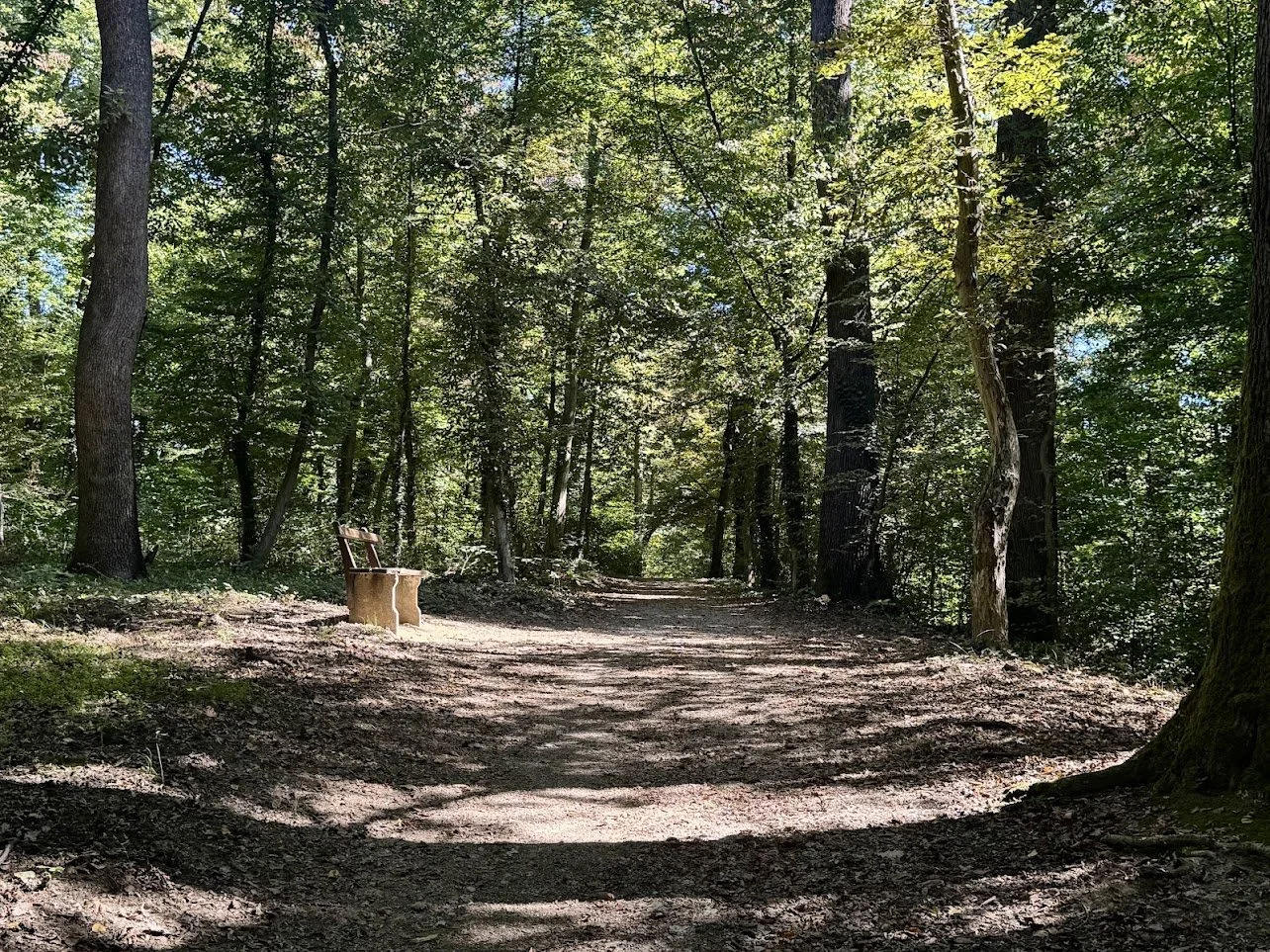
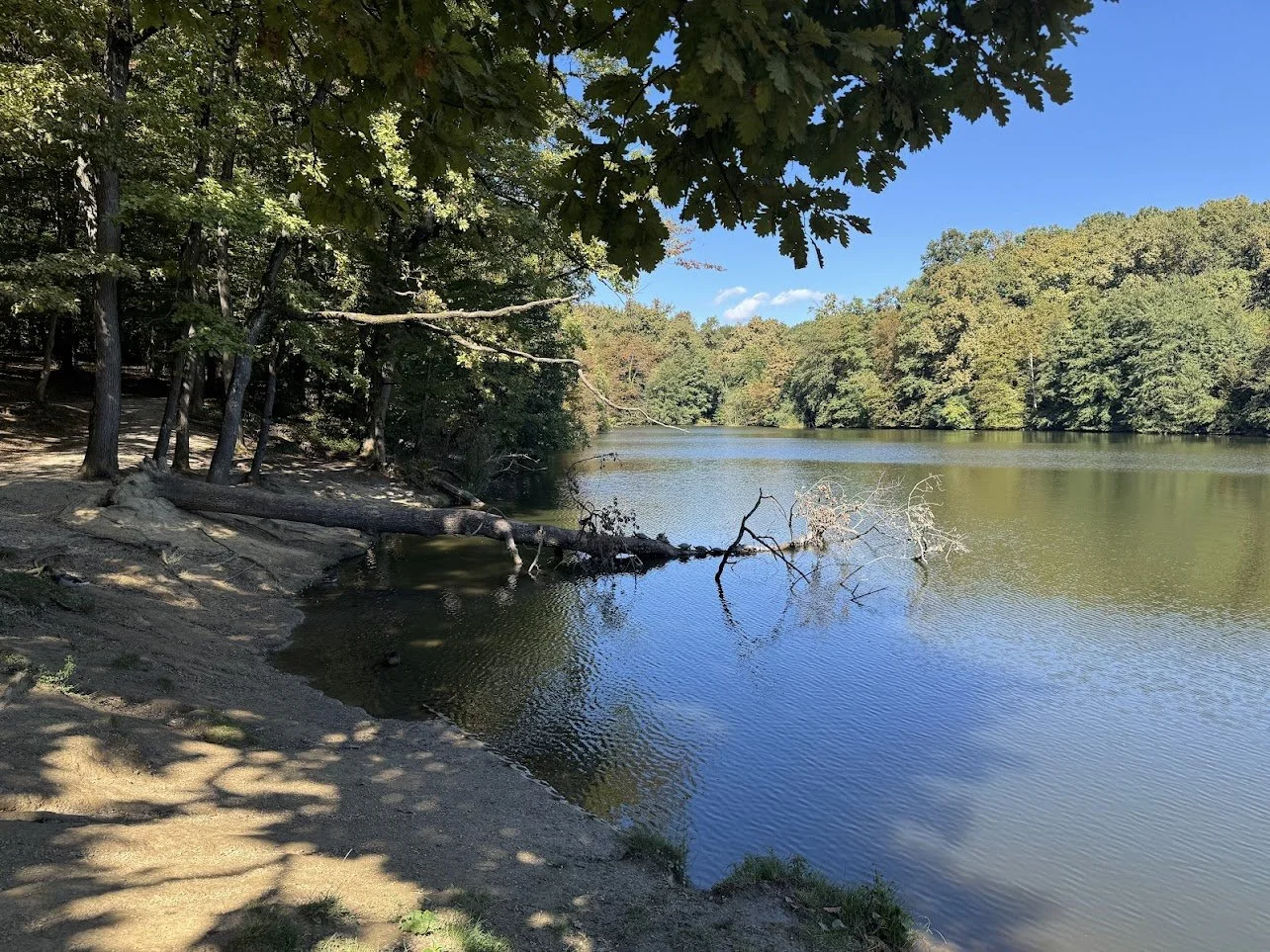
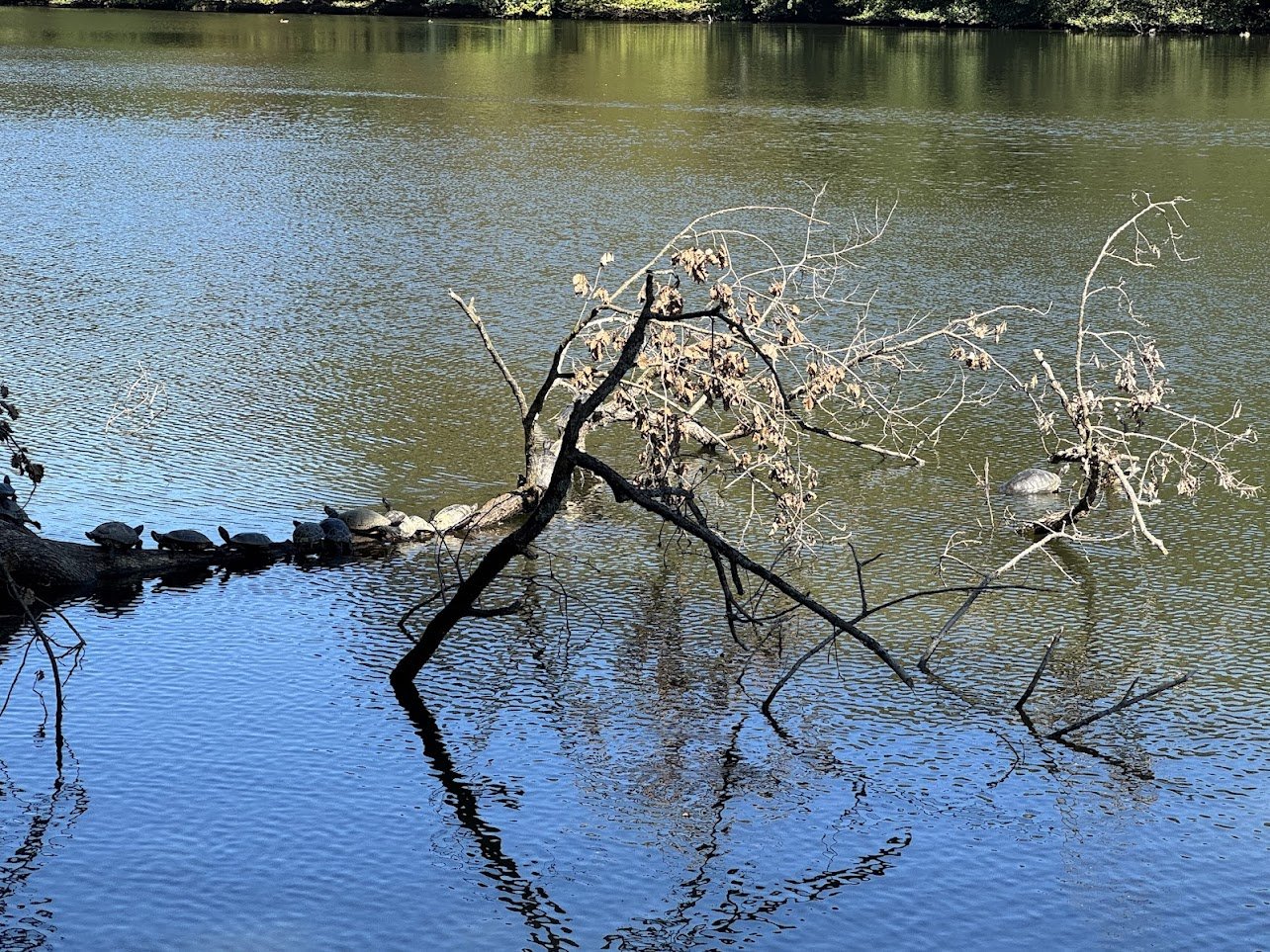
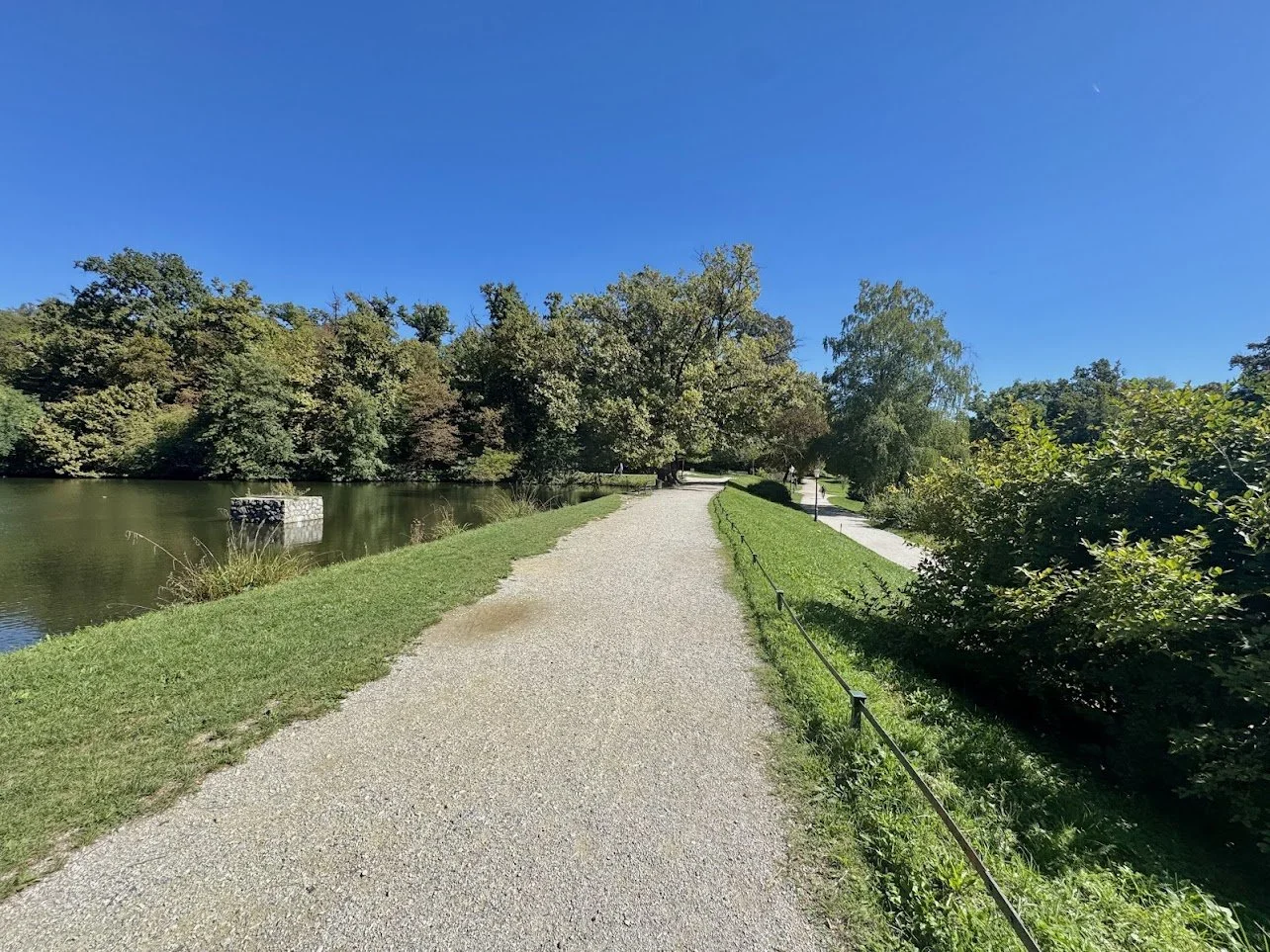
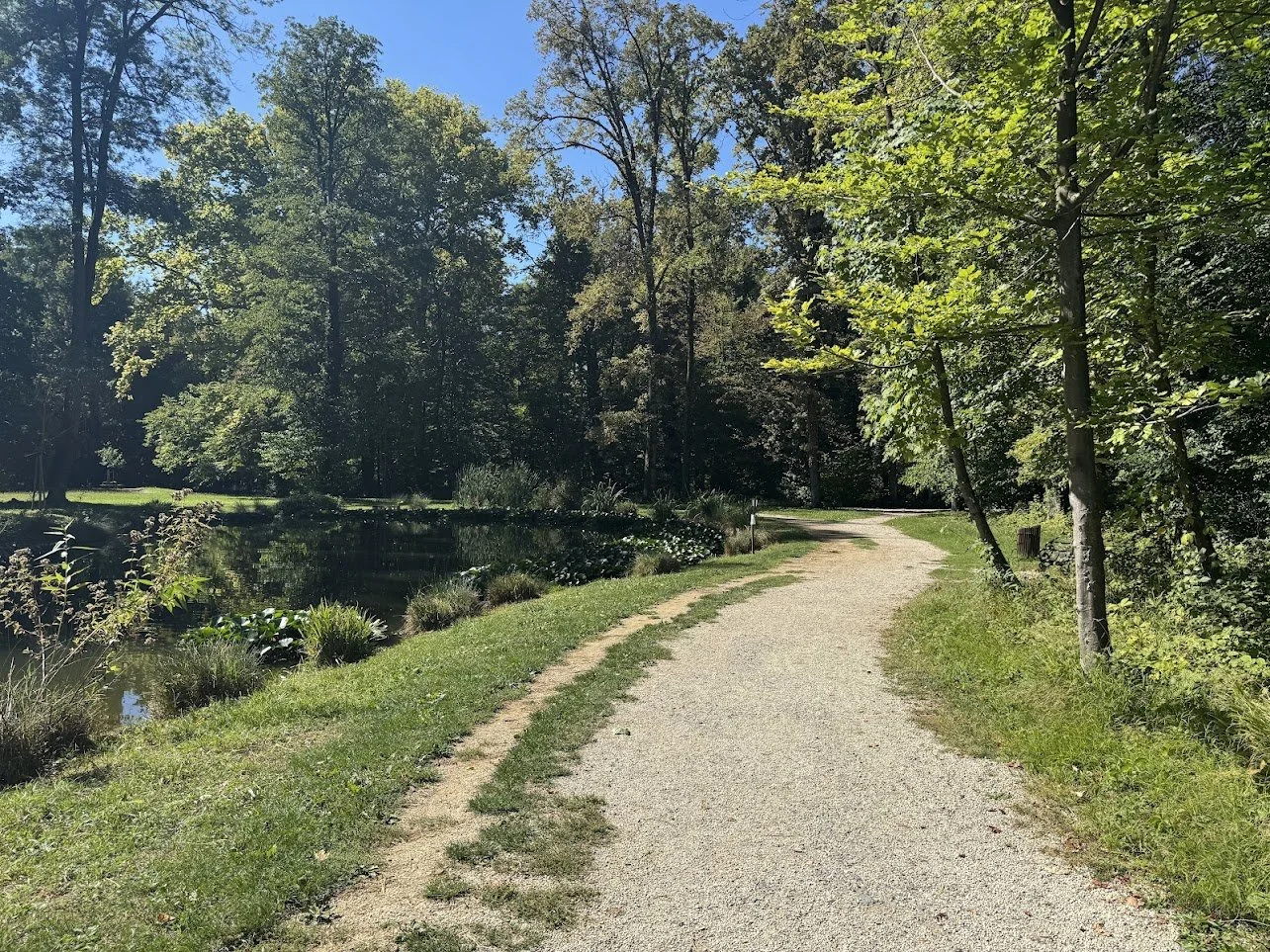
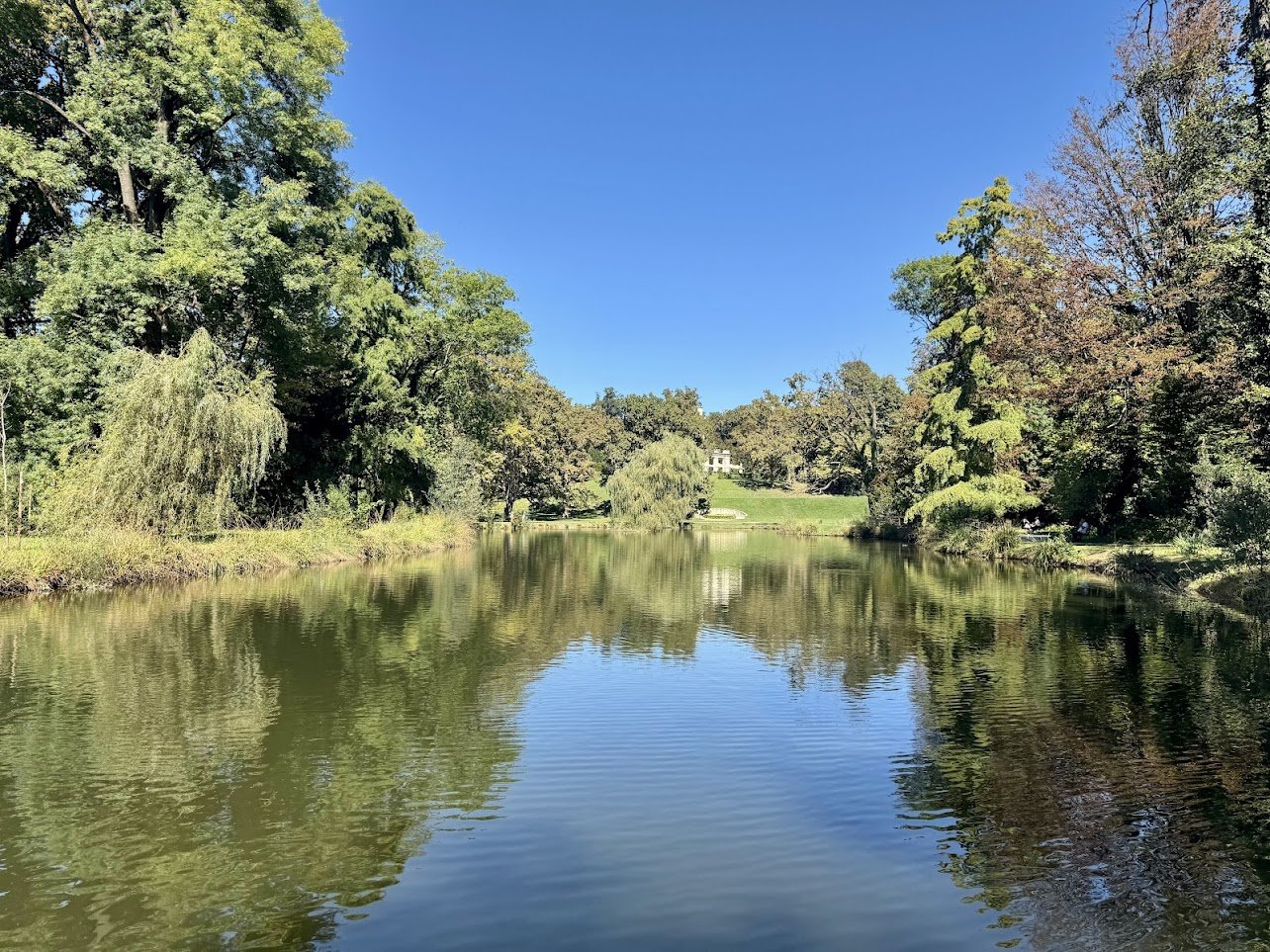
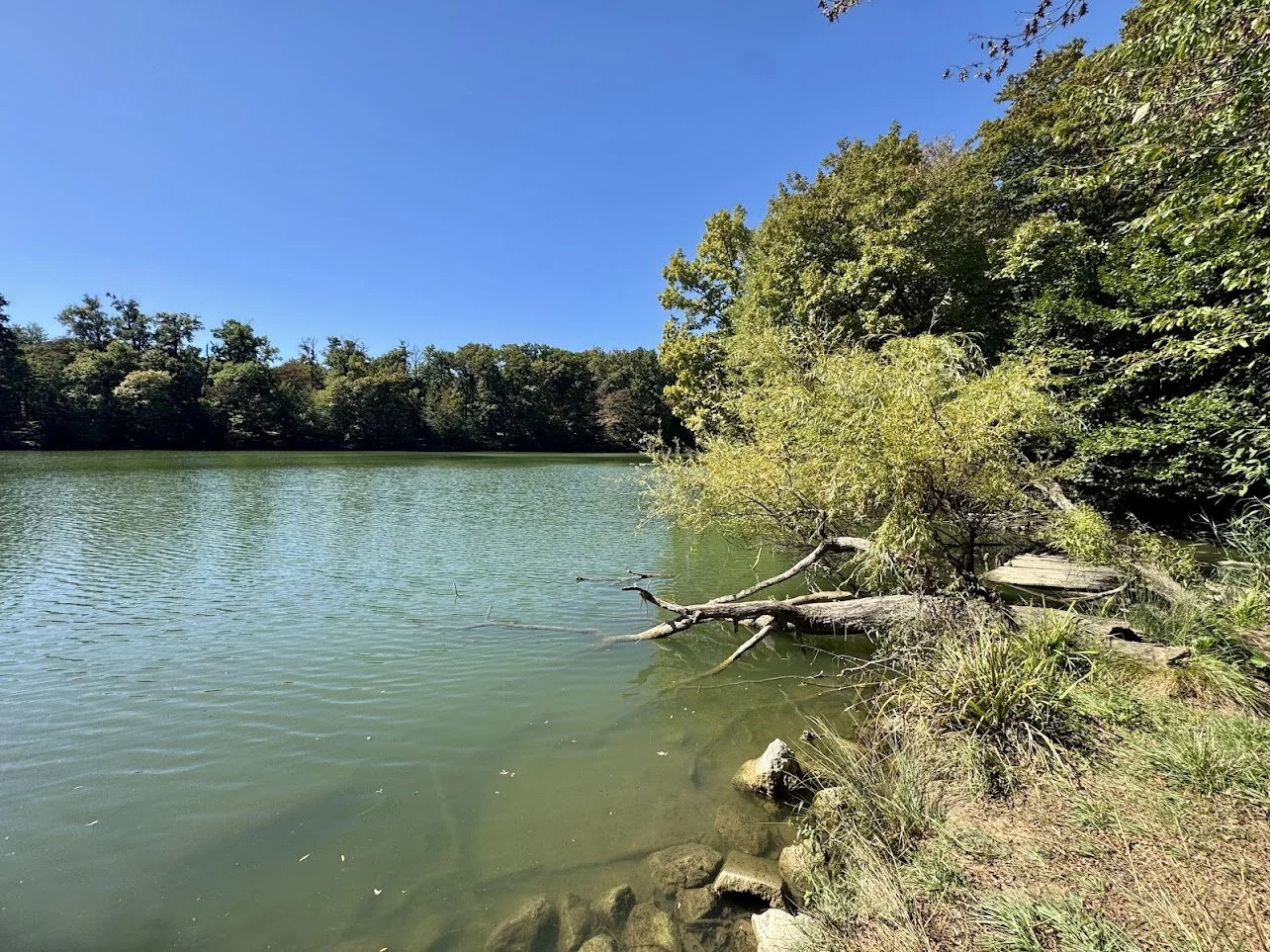
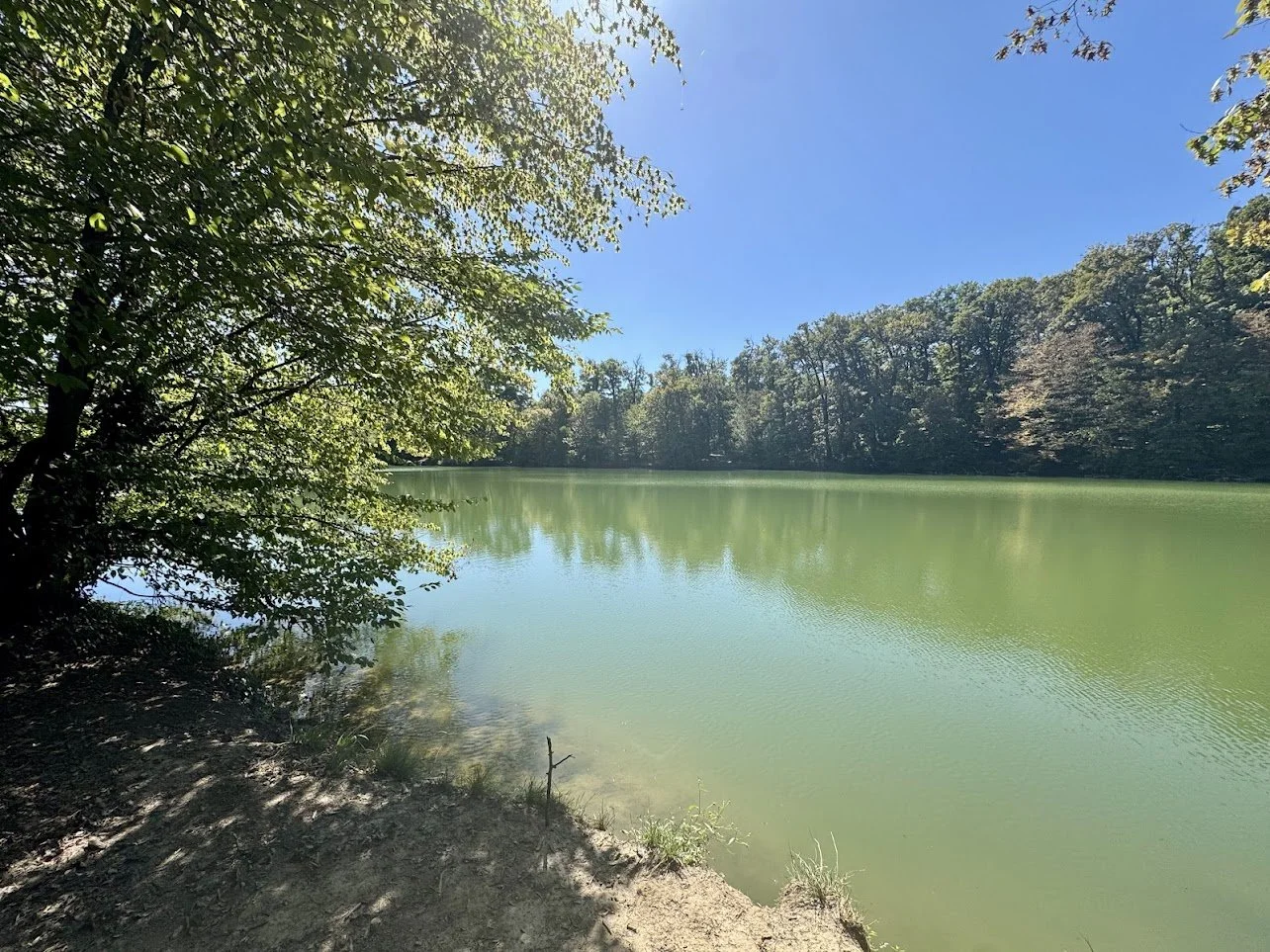
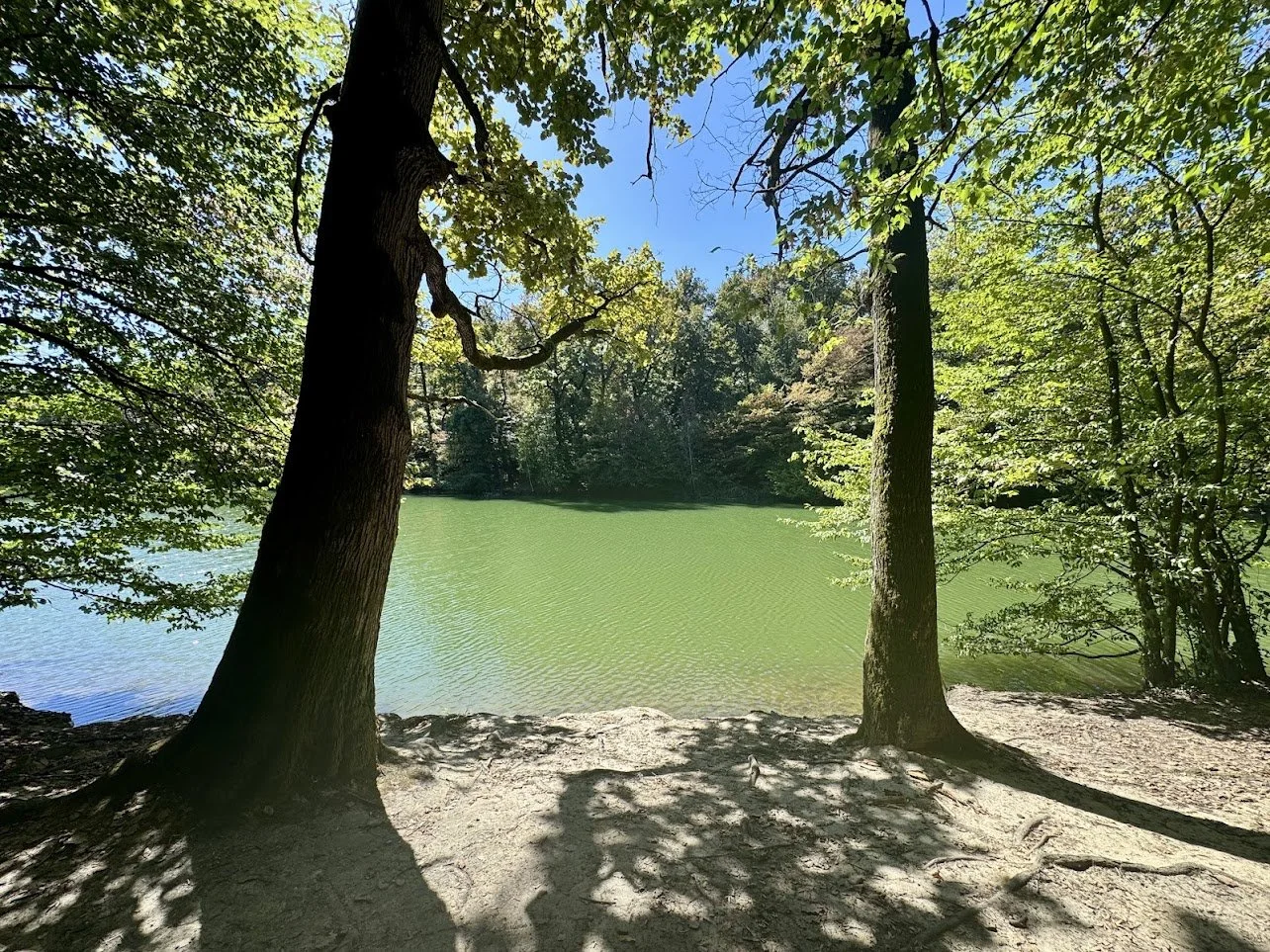
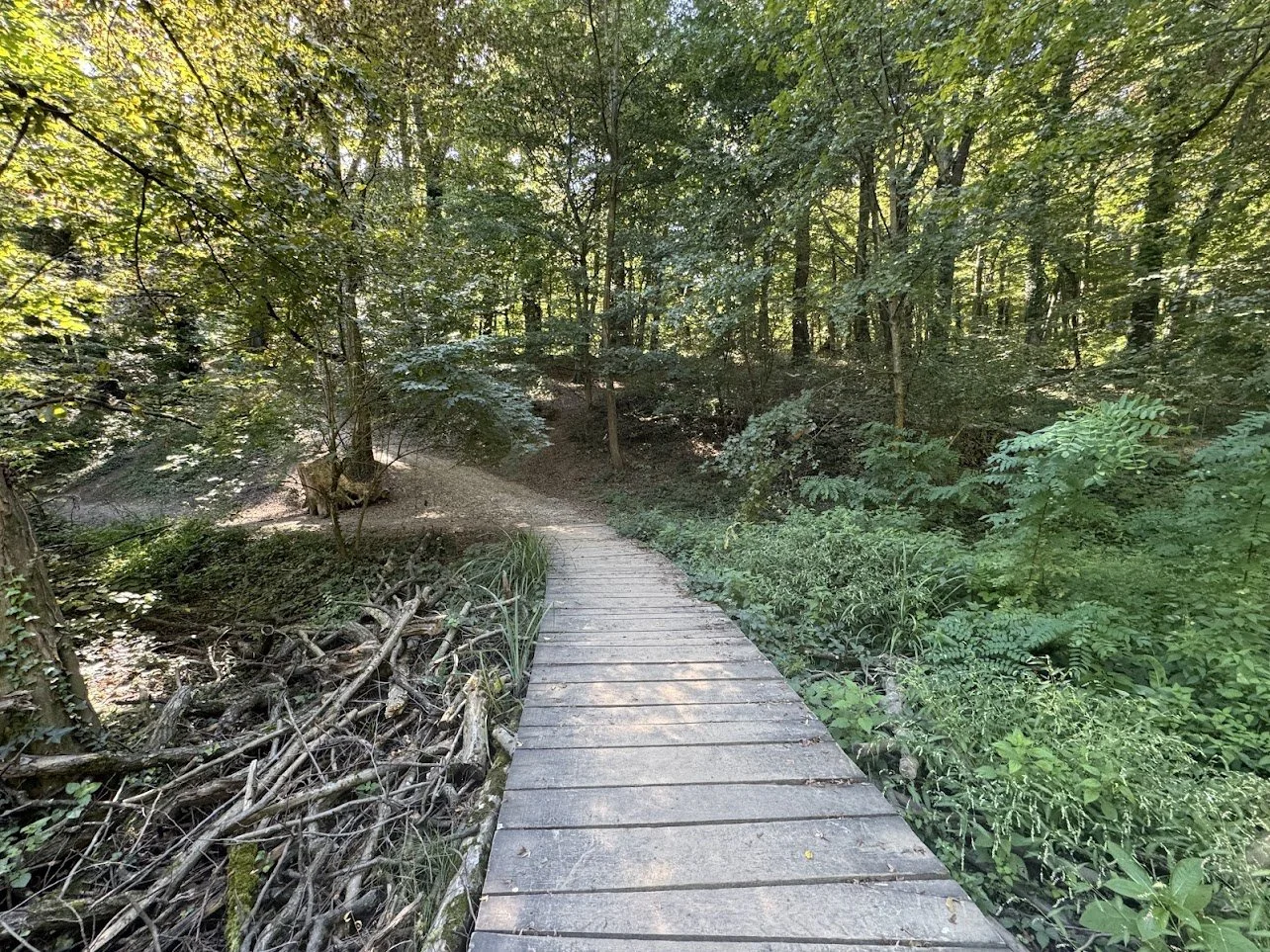
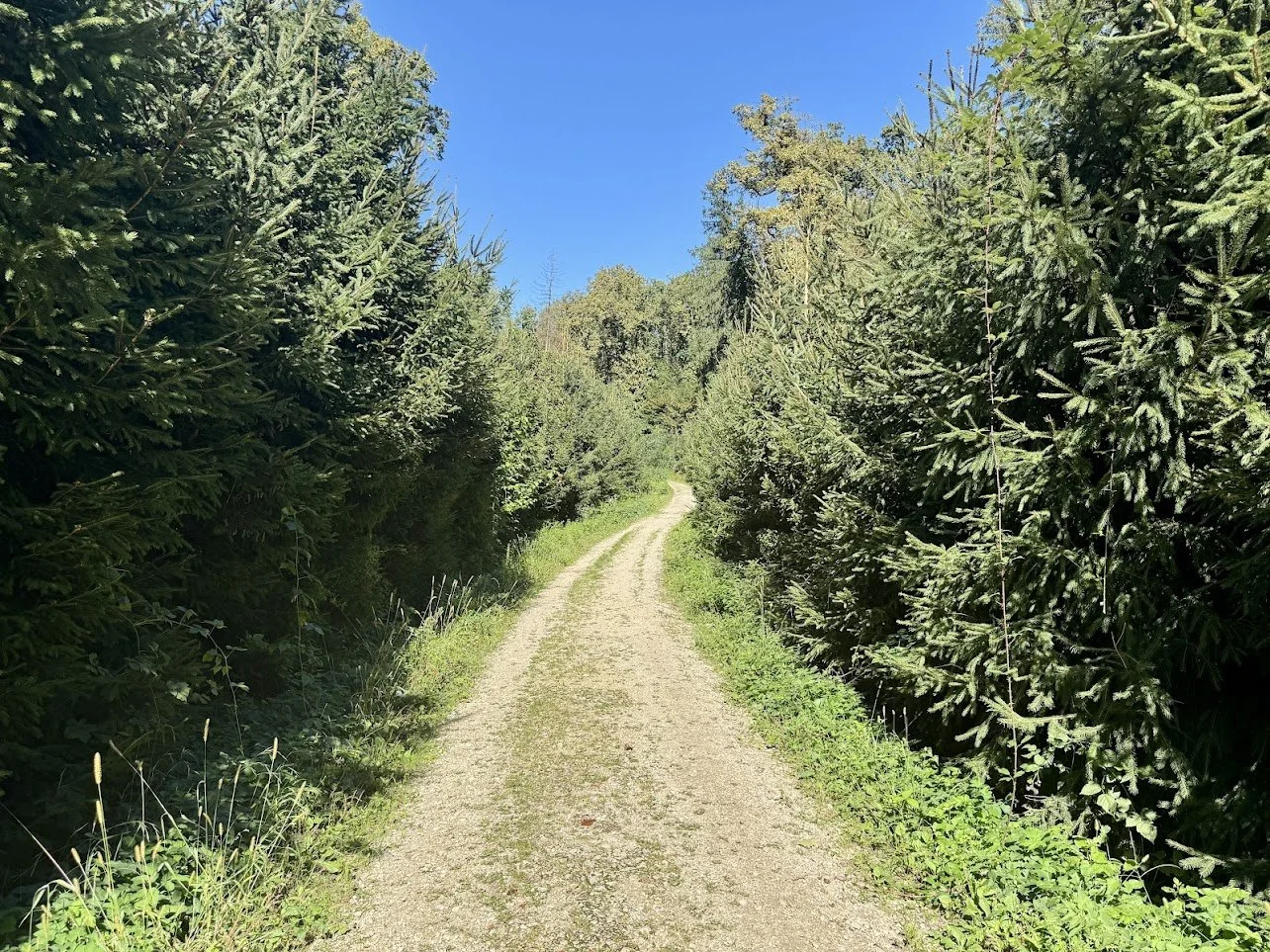
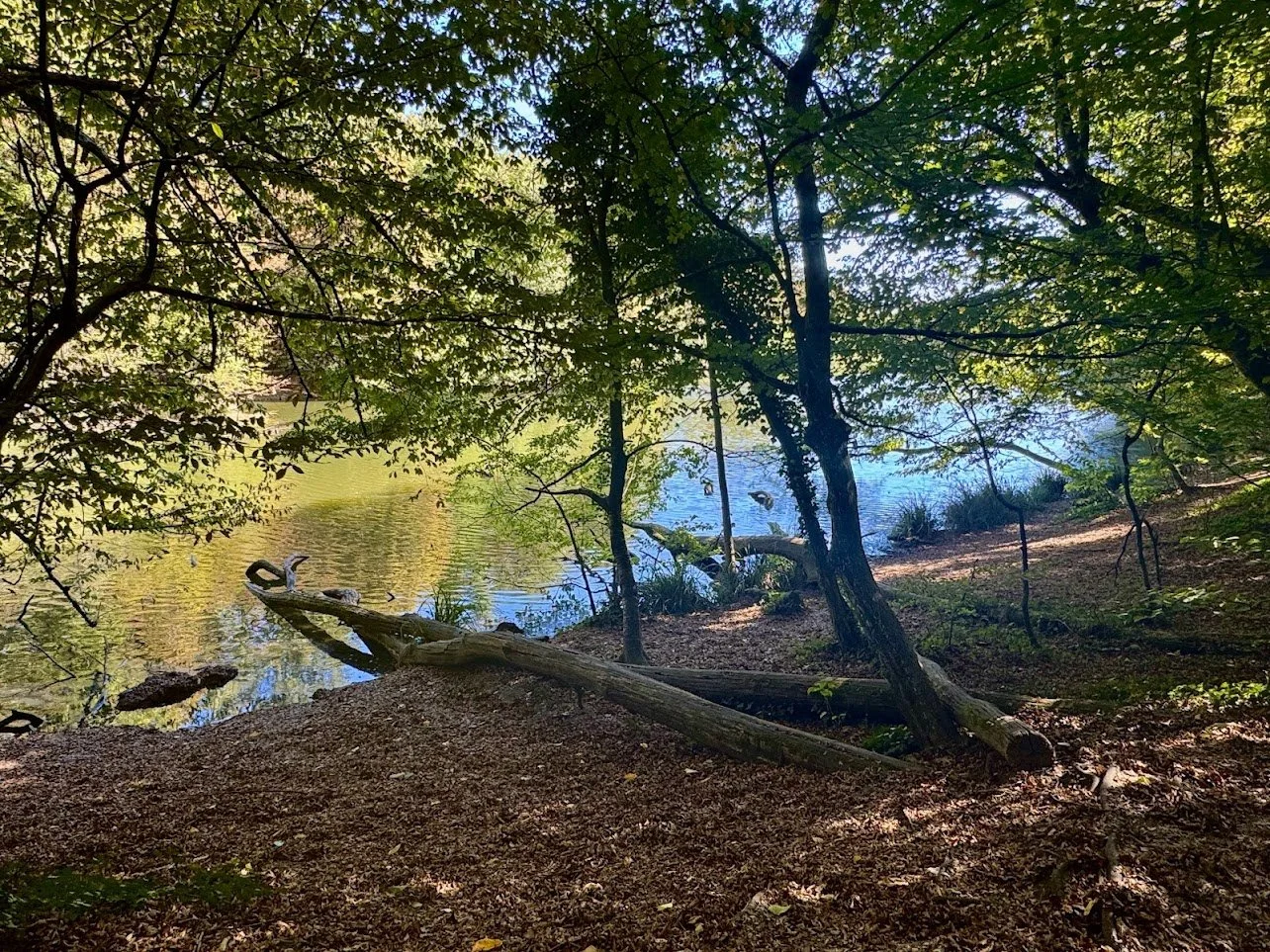
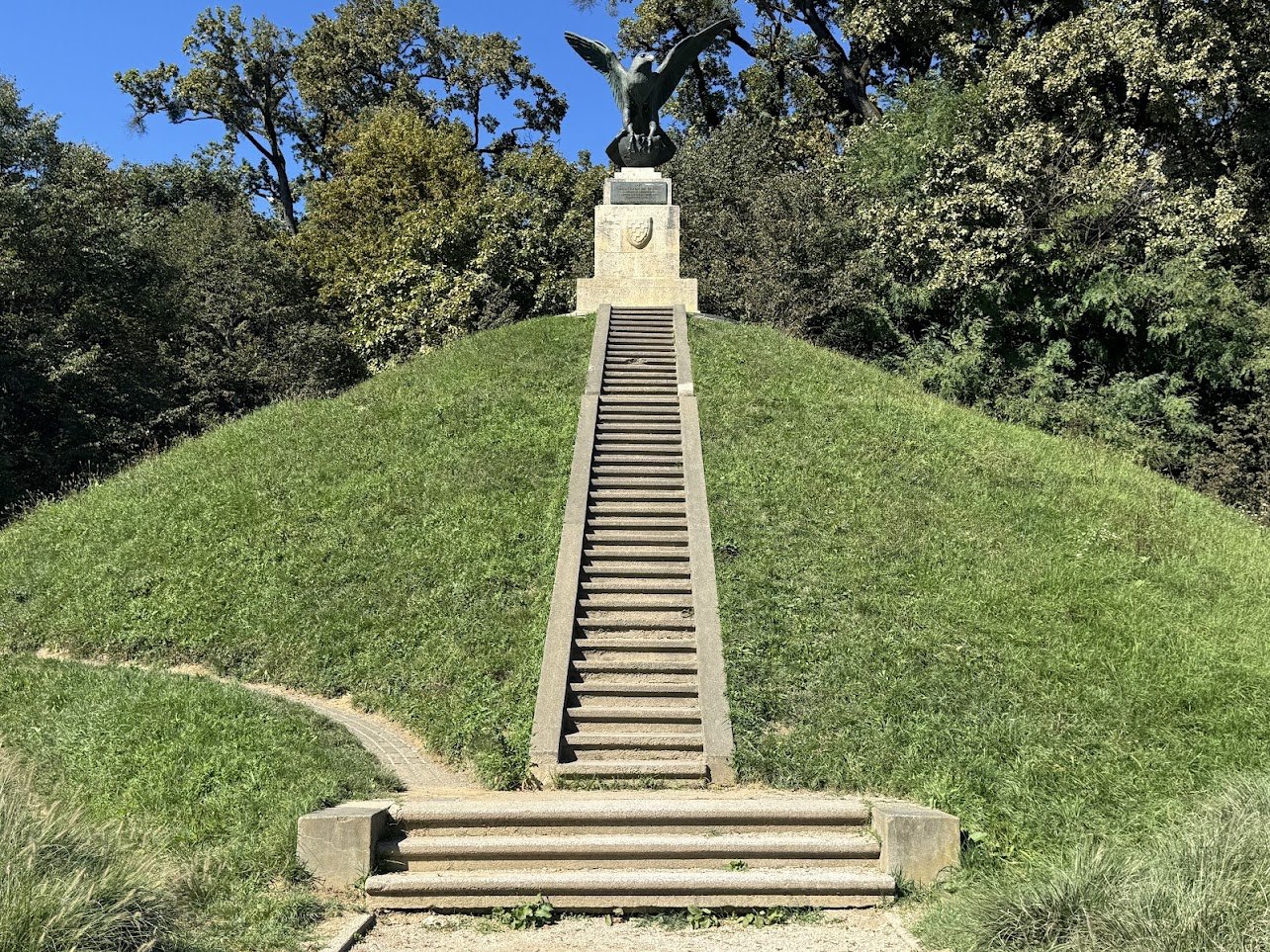
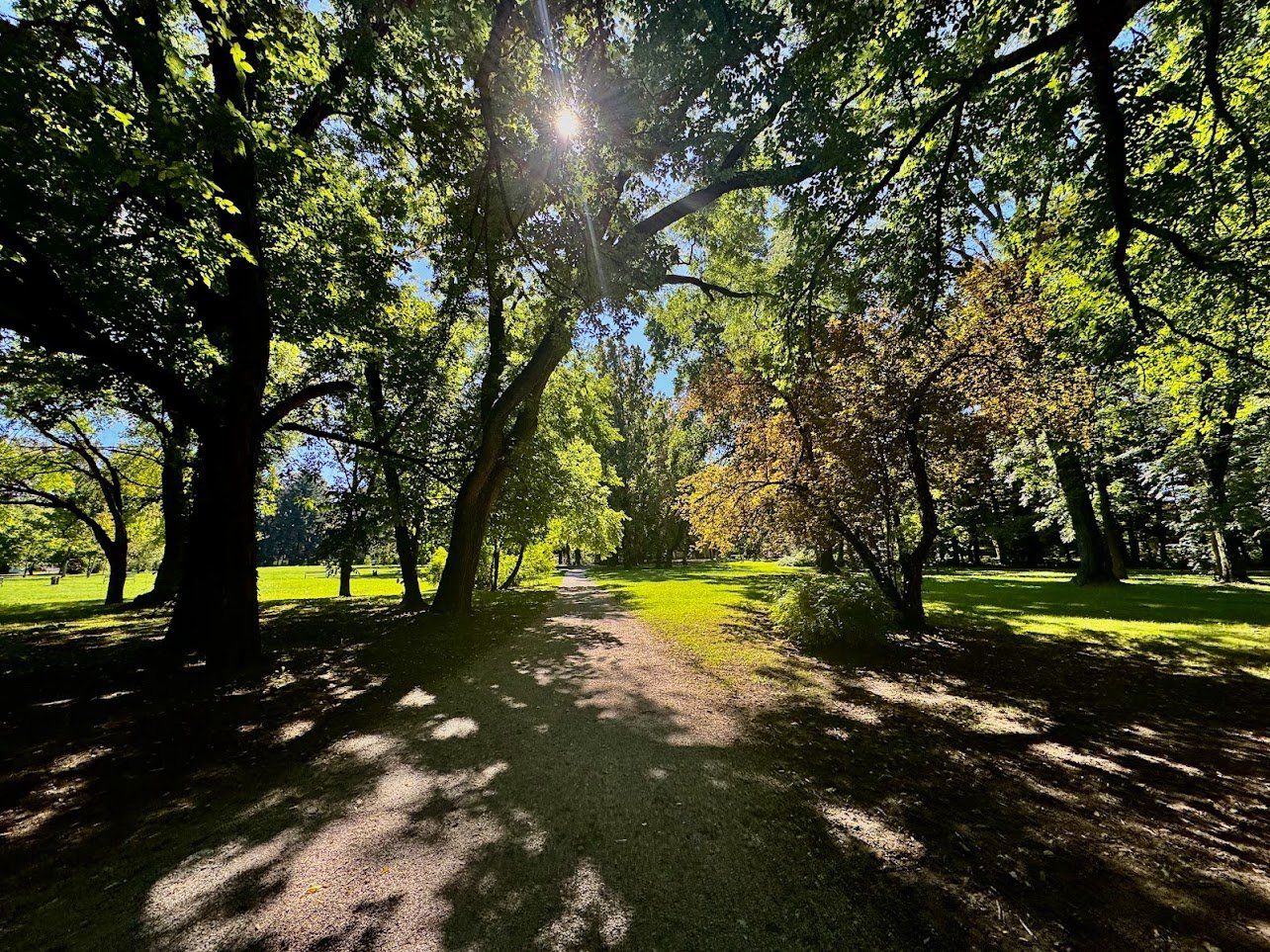
Park Maksimir
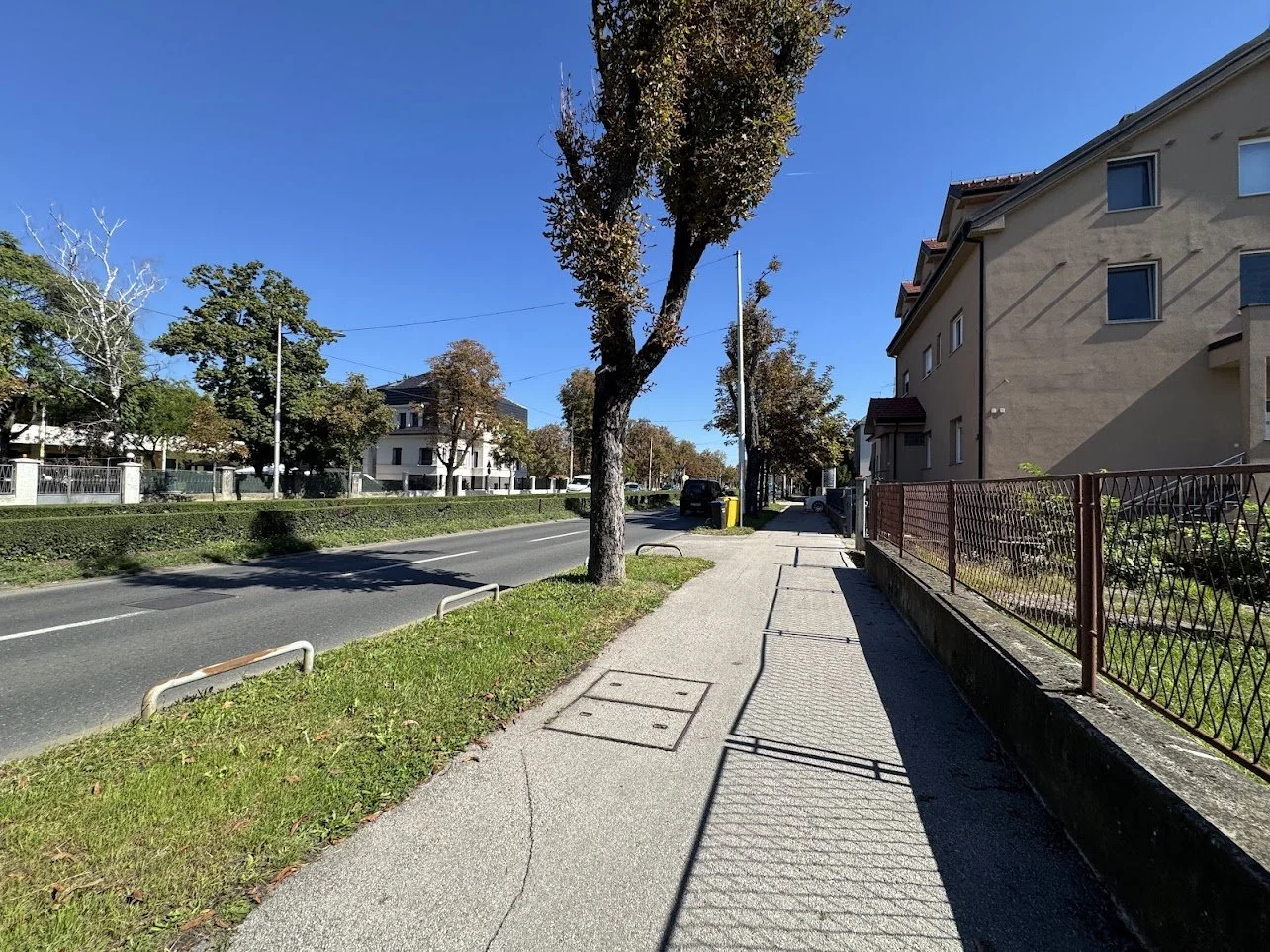
On my first full day, I decided to walk from Donji Grad all the way to Park Maksimir on the eastern side of the city. The walk itself took about an hour, but after weeks of carrying heavy luggage between cities, walking without 75 pounds strapped to my body suddenly made almost anything feel manageable.
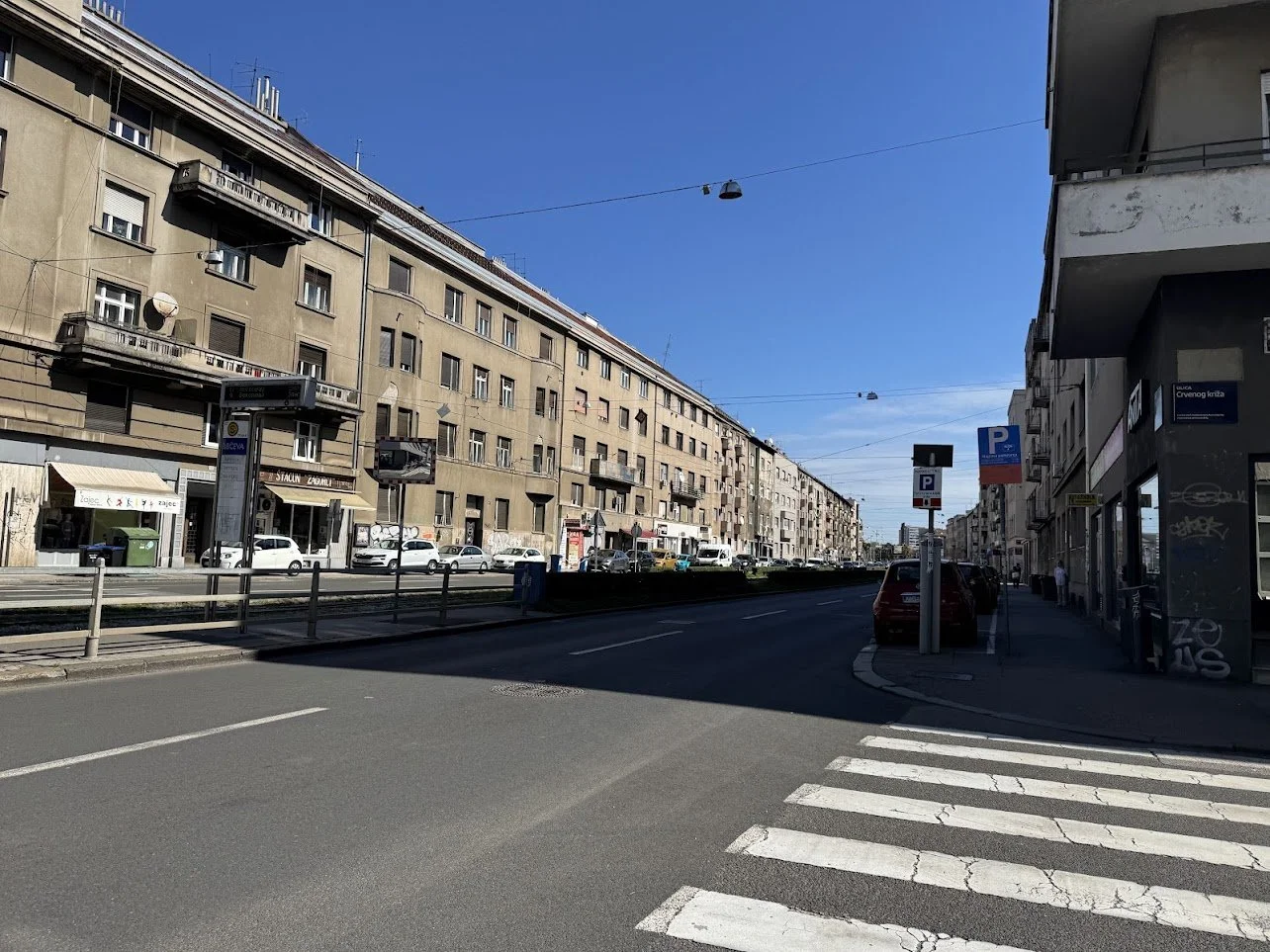
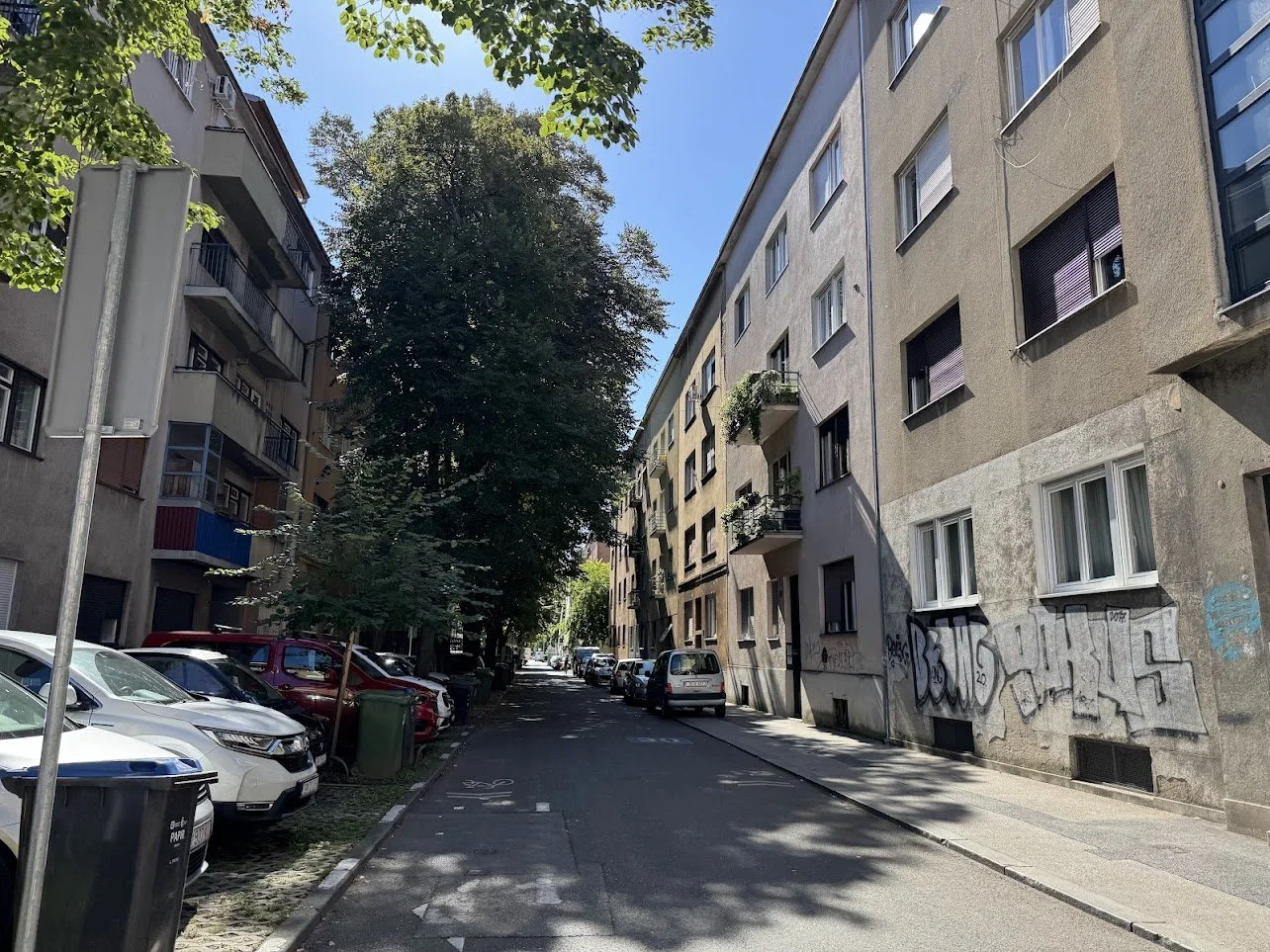
The route gradually shifts away from the busier center streets into quieter residential neighborhoods lined with apartment buildings, cafés, trees, and local businesses before eventually reaching the Maksimir neighborhood. Compared to central Zagreb, Maksimir feels calmer, greener, and noticeably less tourist-focused.
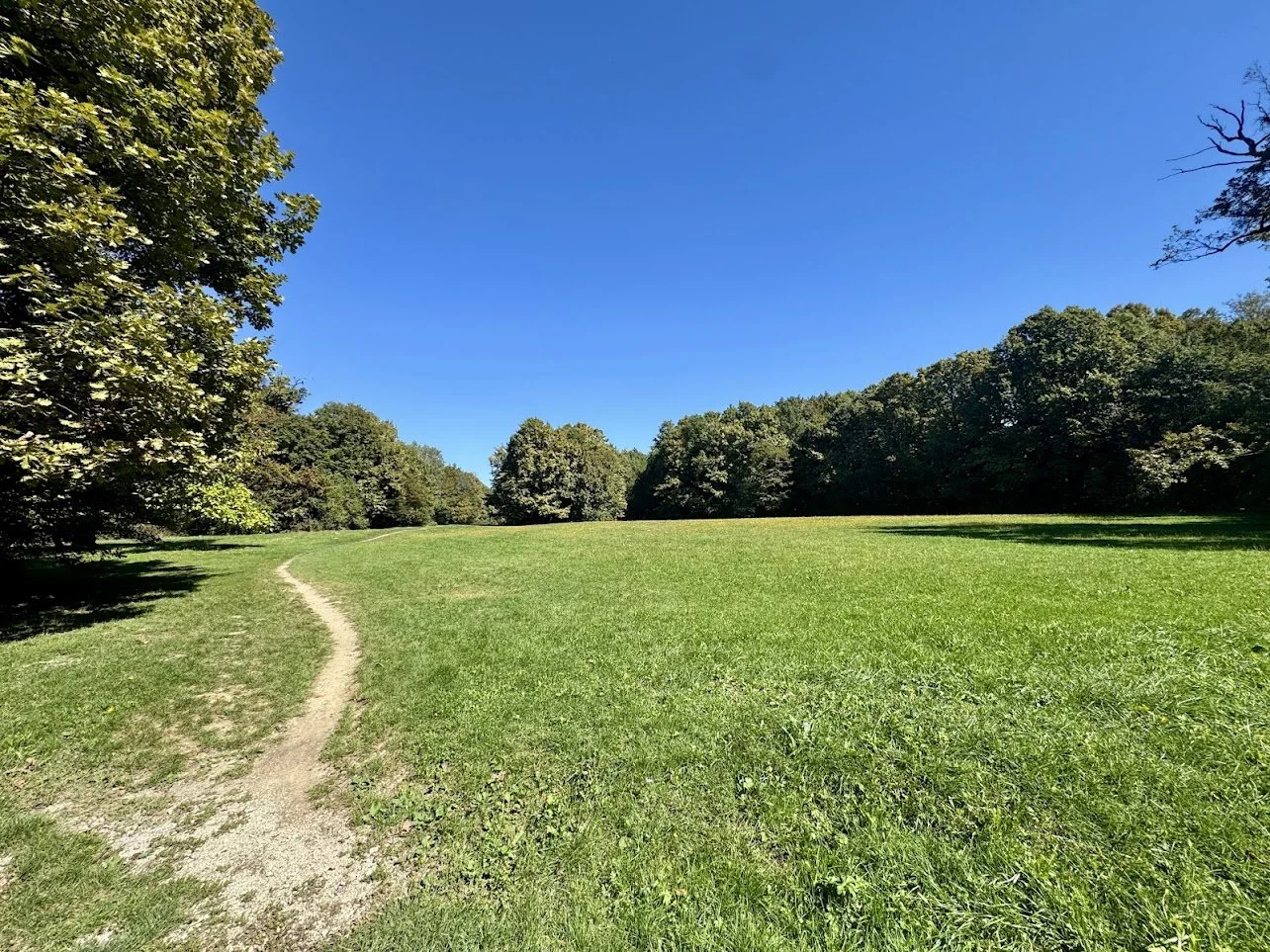
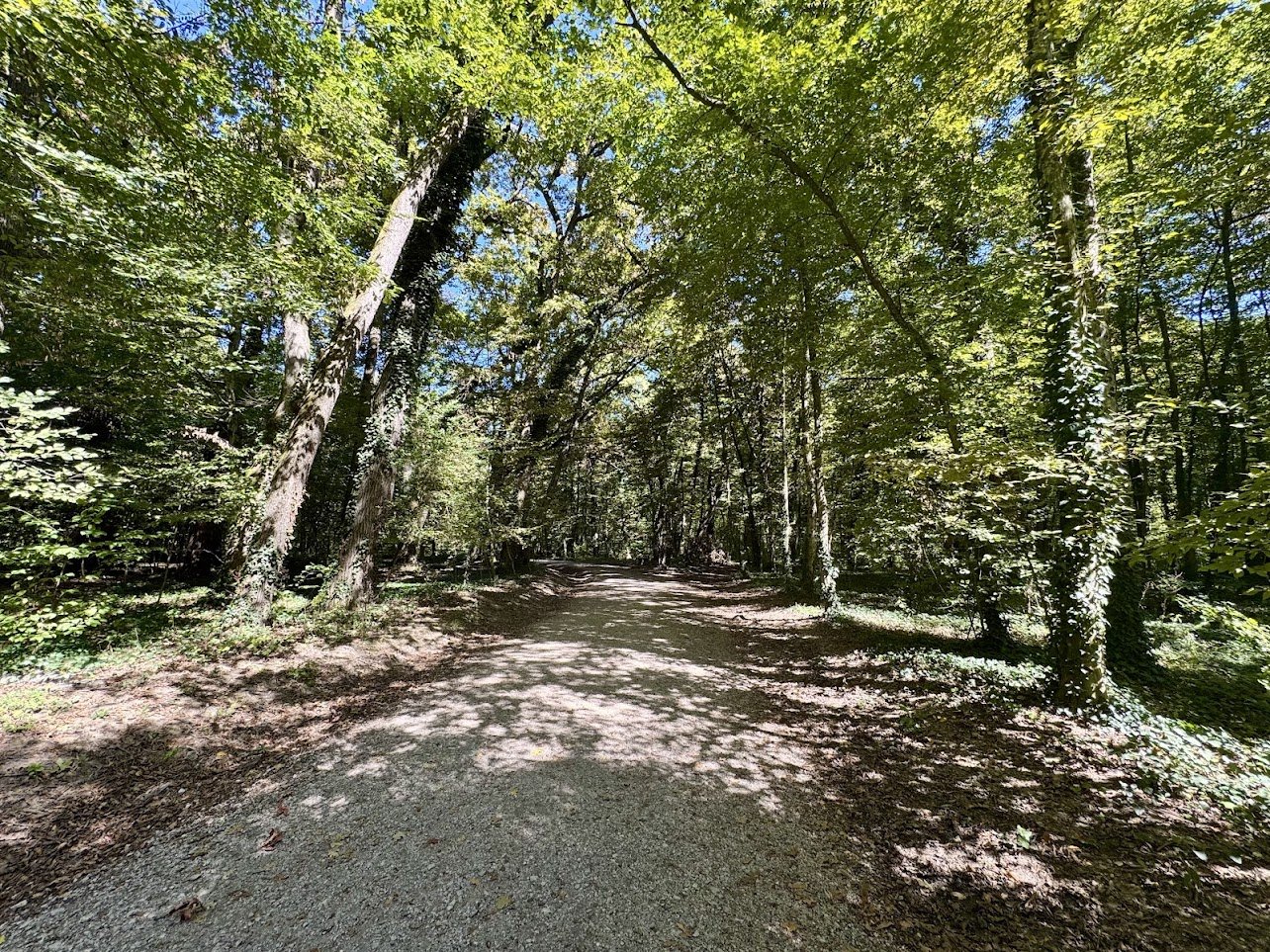
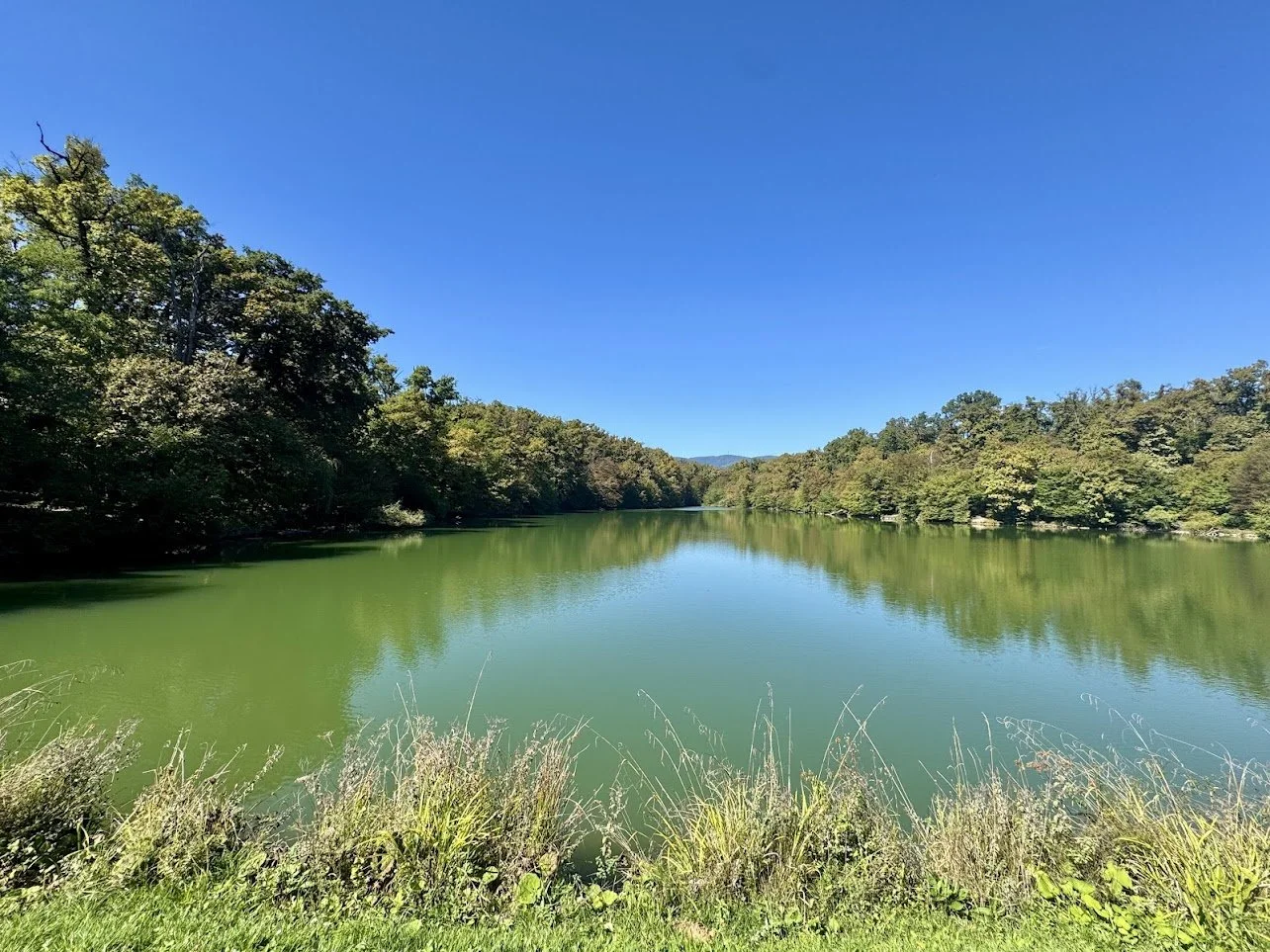
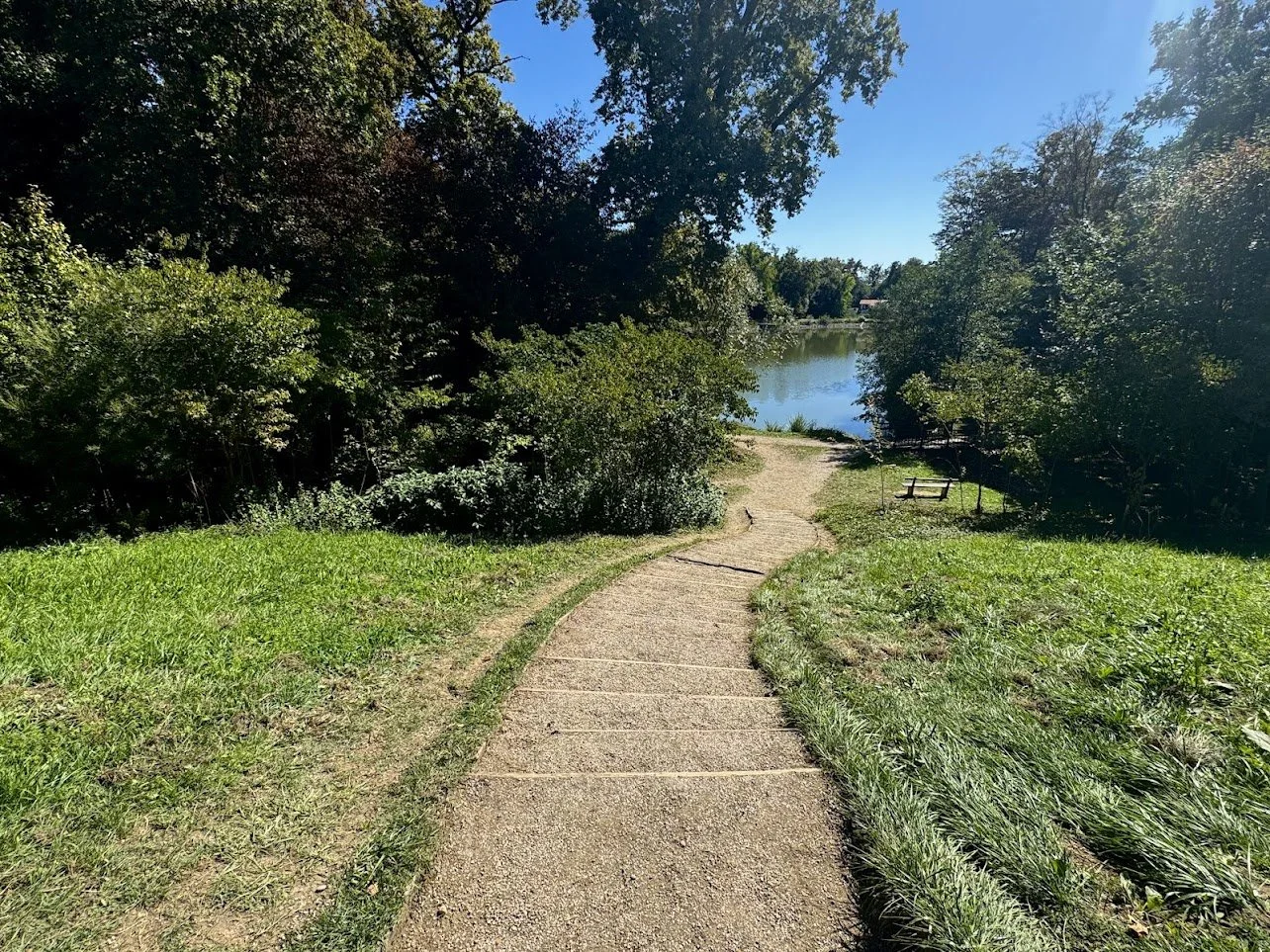
And then there’s the park itself. Park Maksimir completely exceeded my expectations.
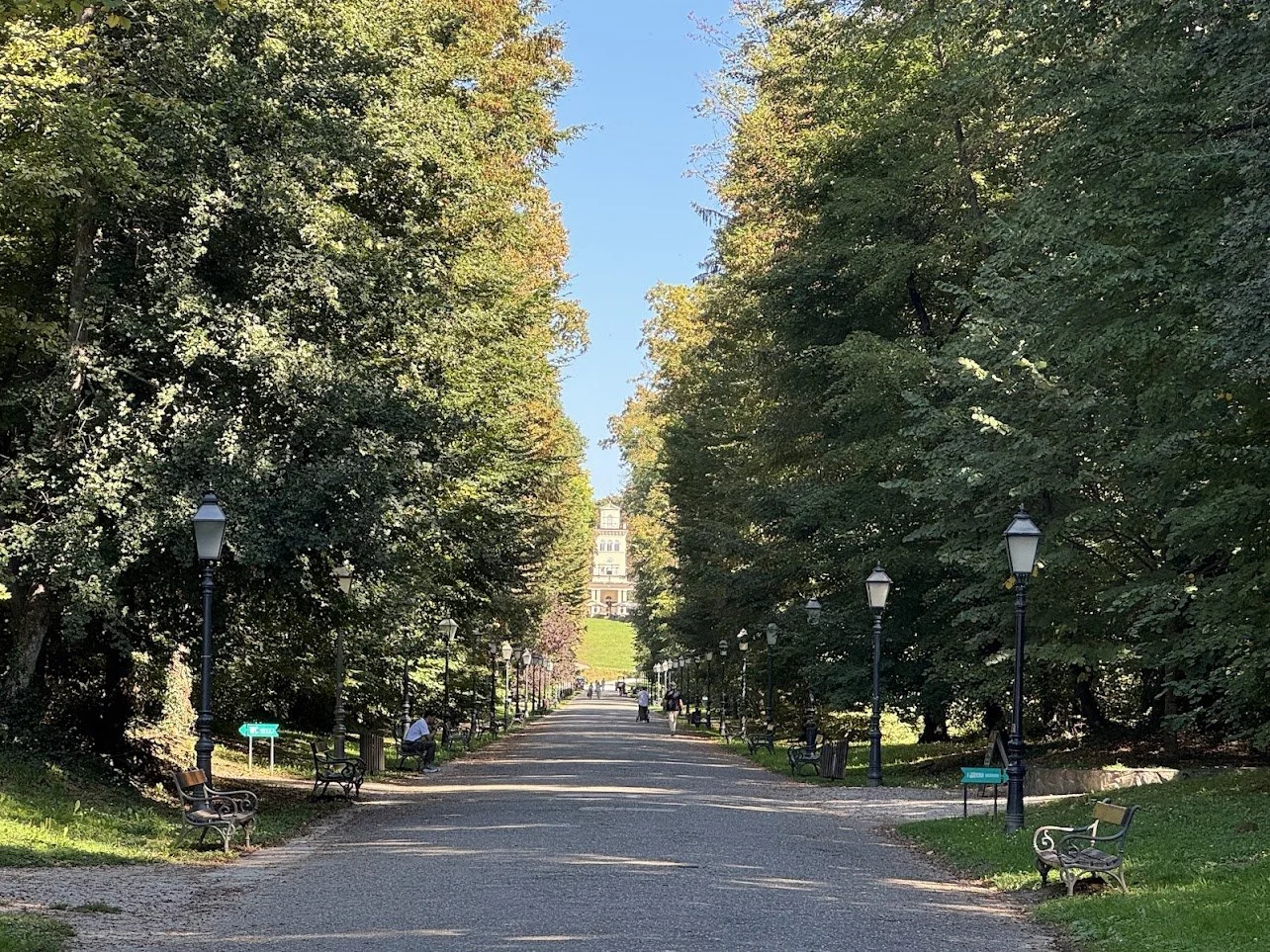
Opened in the late 18th century, it’s one of the oldest public parks in this part of Europe and feels far less like a formal city park than an enormous urban forest woven directly into the city. Long wooded paths move through open meadows, shaded clearings, lakes, bridges, and quiet trails that somehow make you forget you’re still inside a capital city.
The terrain is mostly gentle and easy to navigate, but the park is large enough that you can easily spend several hours wandering without realizing how far you’ve gone. To say it became one of the most underrated places I visited during my three months in Europe would honestly be an understatement. It was peaceful, expansive, and unexpectedly beautiful in a way I still think about.
If you visit Zagreb, I genuinely would not skip Park Maksimir.
The Green Horseshoe & Botanical Garden
After spending several hours in Maksimir, I wandered back toward central Zagreb to explore the Lenuci Horseshoe and the Botanical Garden of the Faculty of Science.
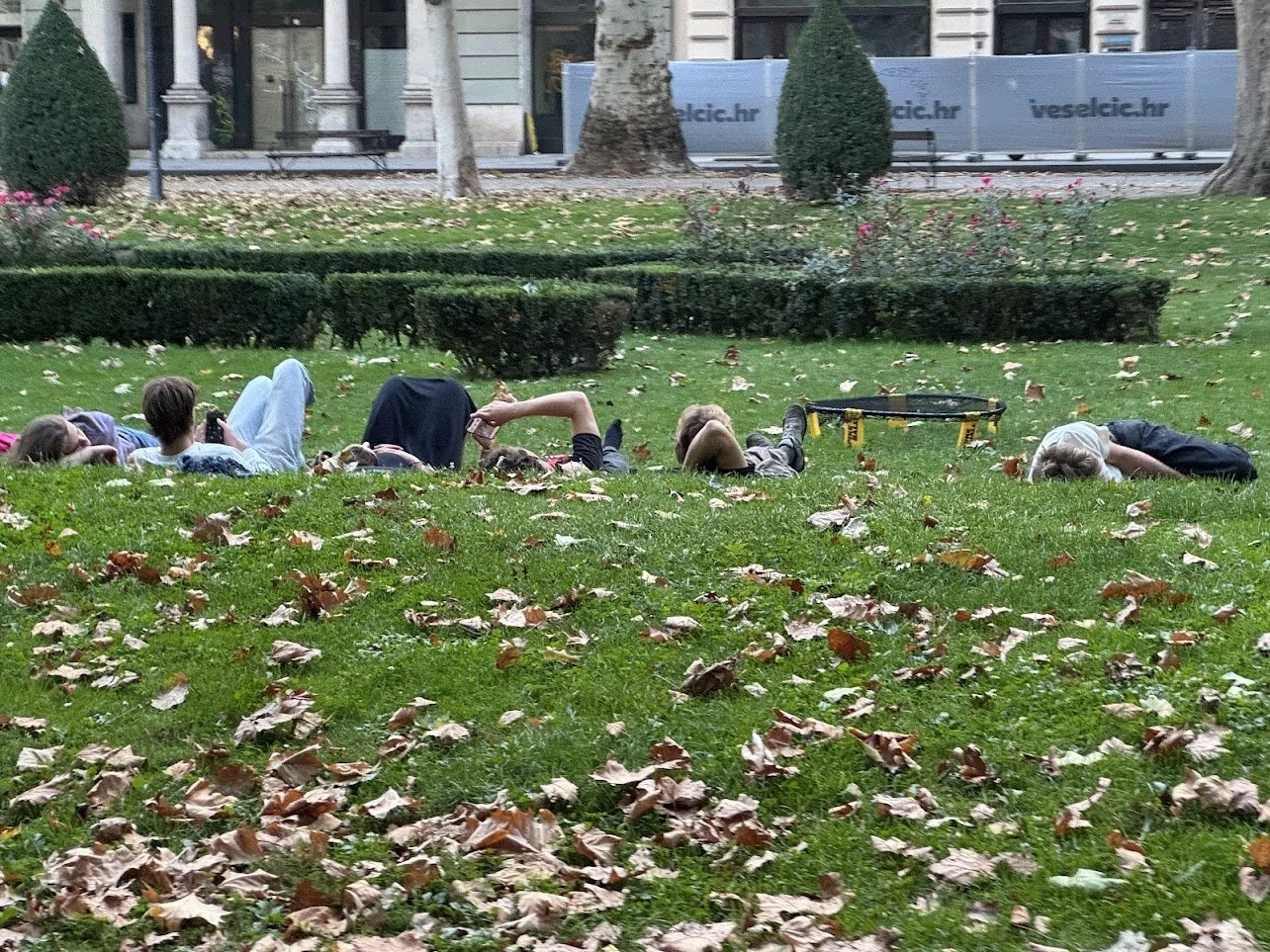
The Green Horseshoe is a series of connected parks, promenades, and landscaped squares stretching through Donji Grad. Rather than functioning as one large park, it unfolds gradually through multiple green spaces connected by tree-lined boulevards, fountains, museums, outdoor cafés, and historic buildings. The overall effect makes central Zagreb feel remarkably open and walkable.
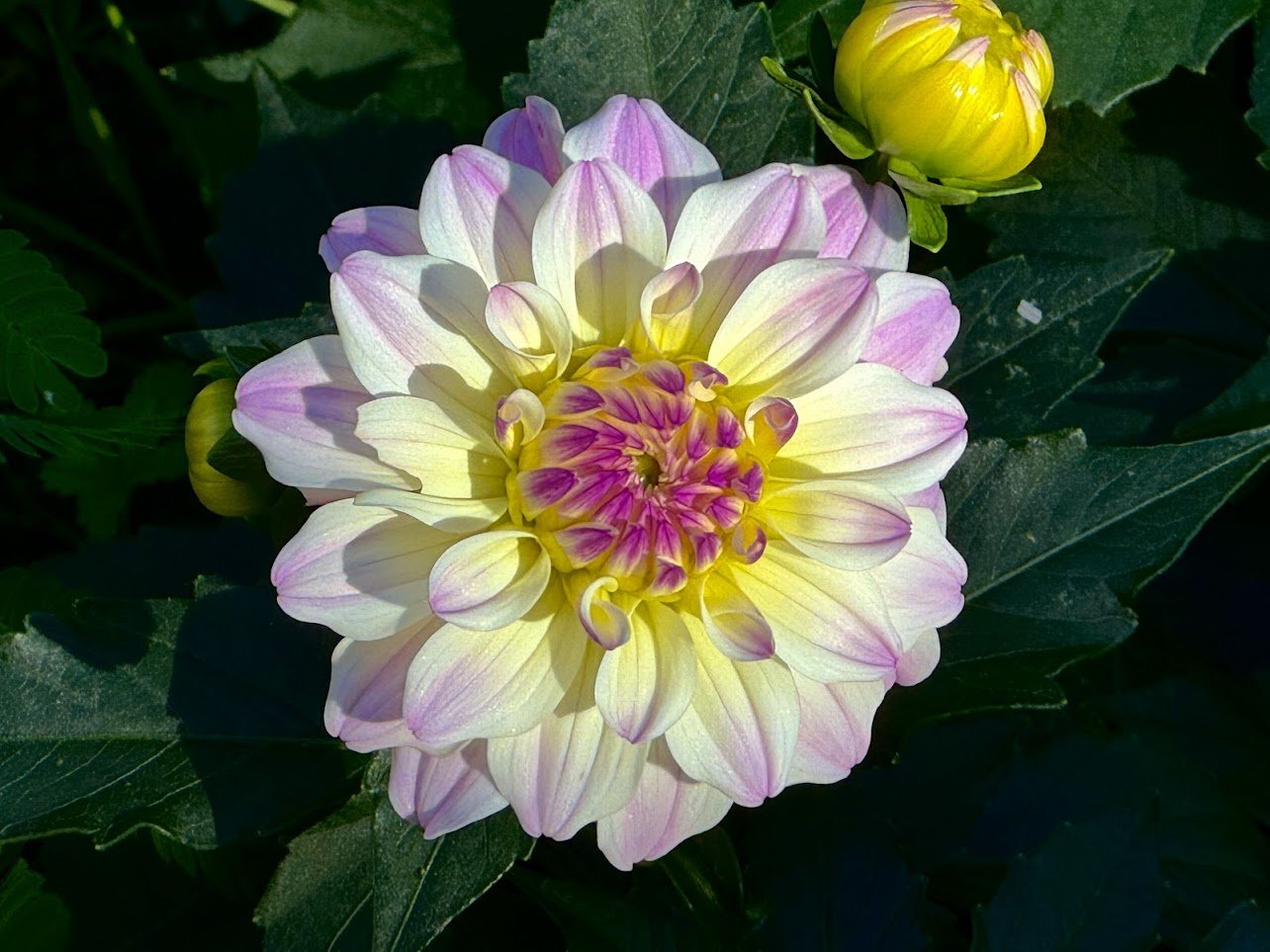
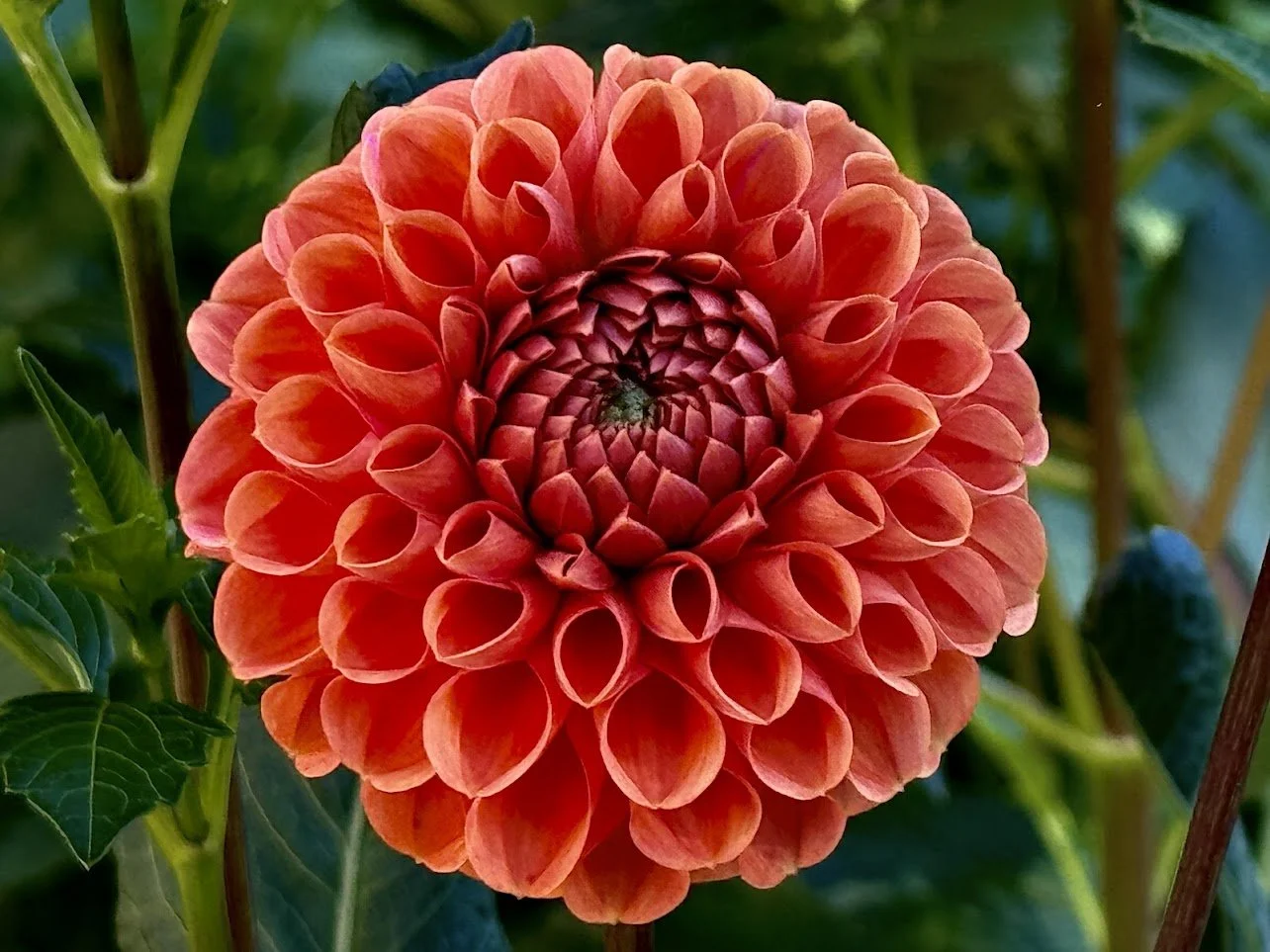
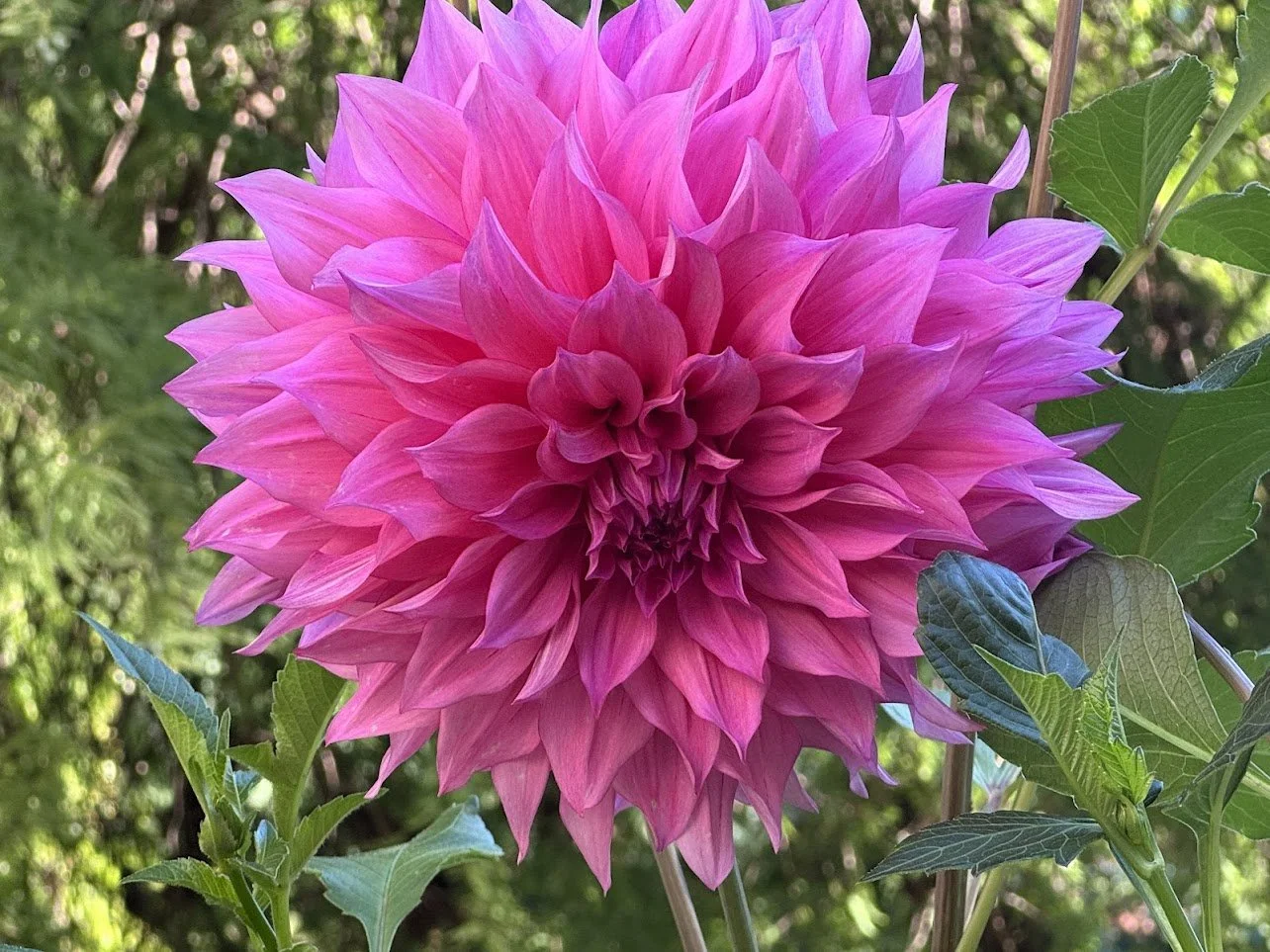
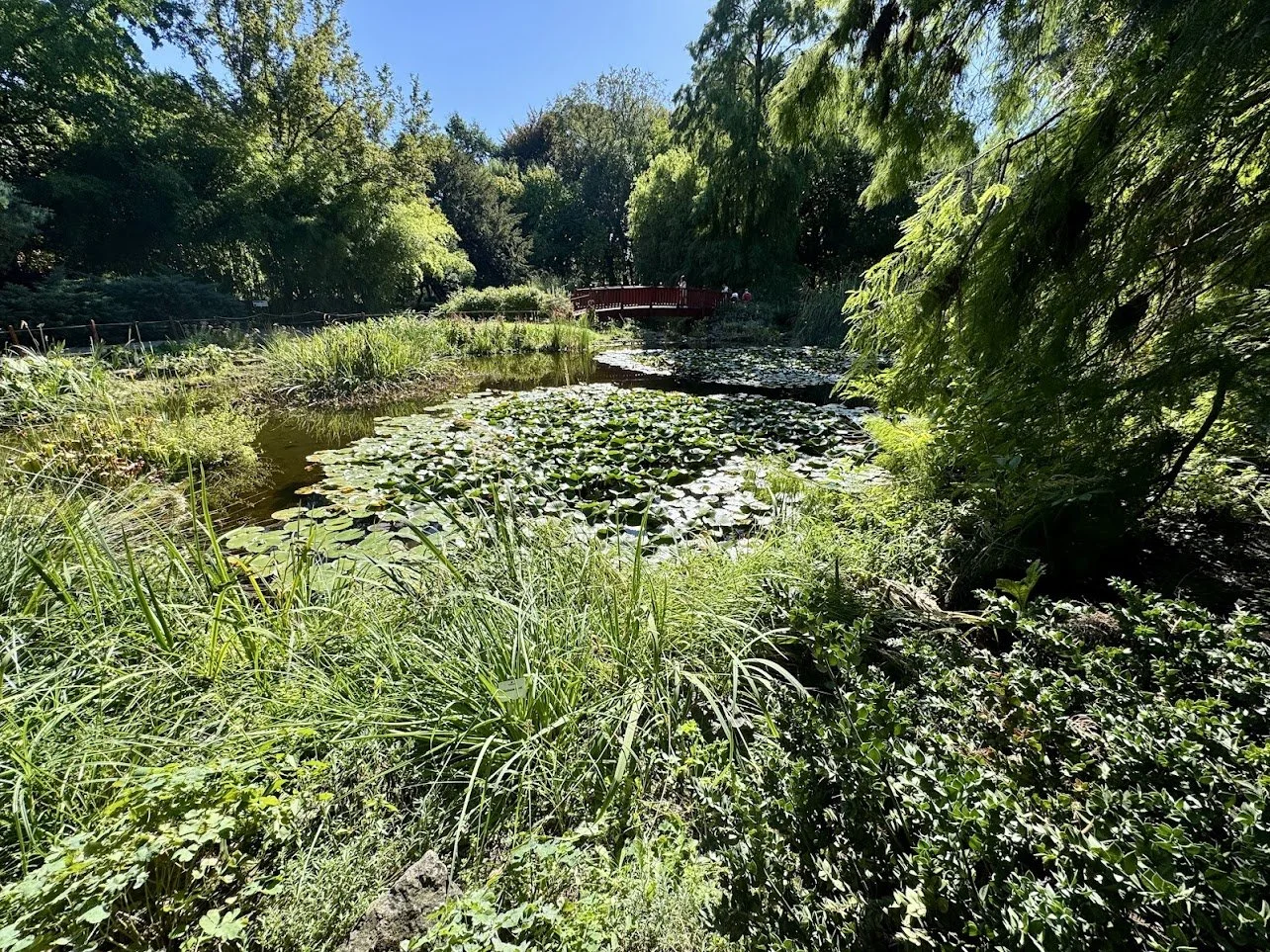
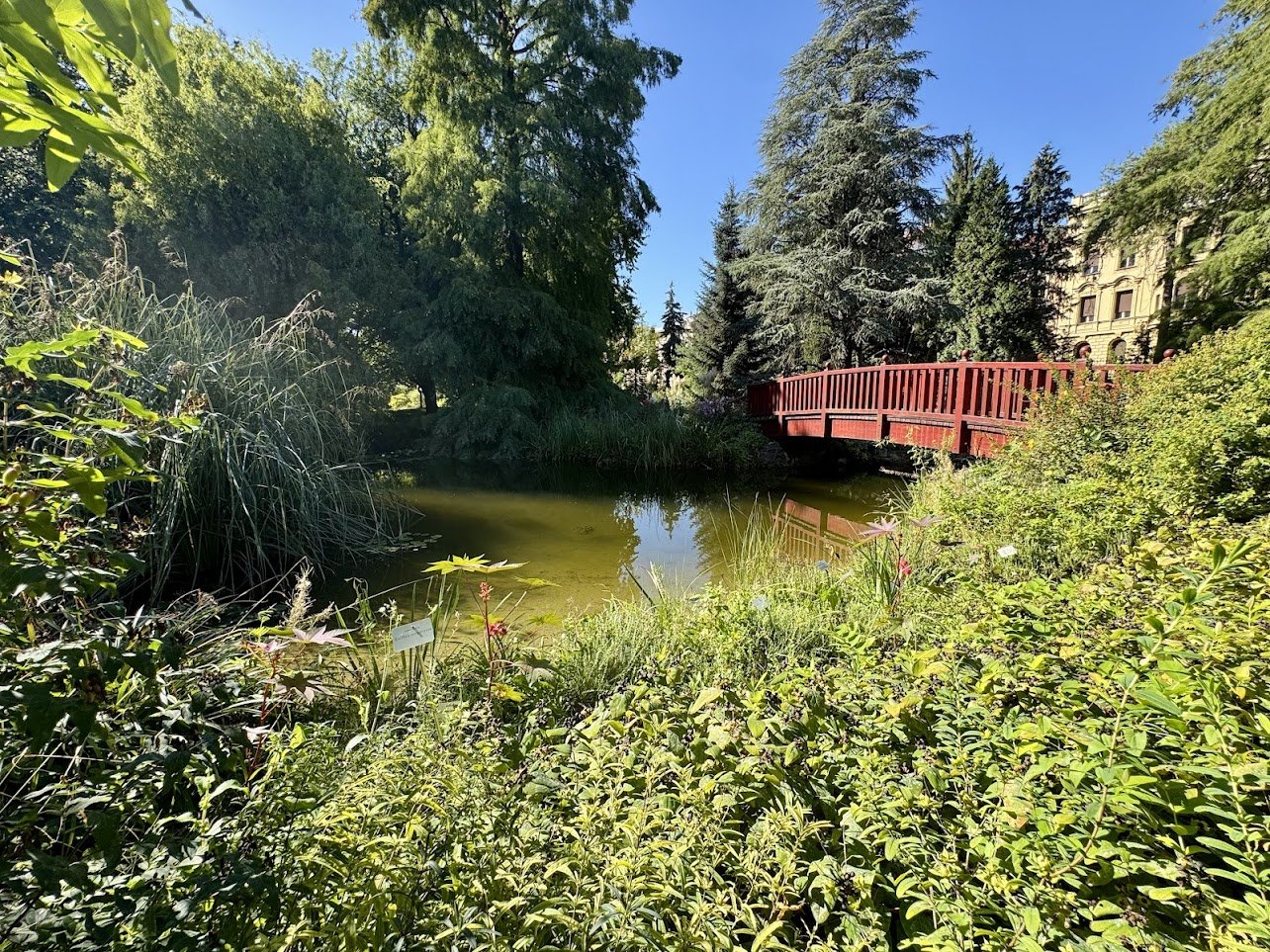
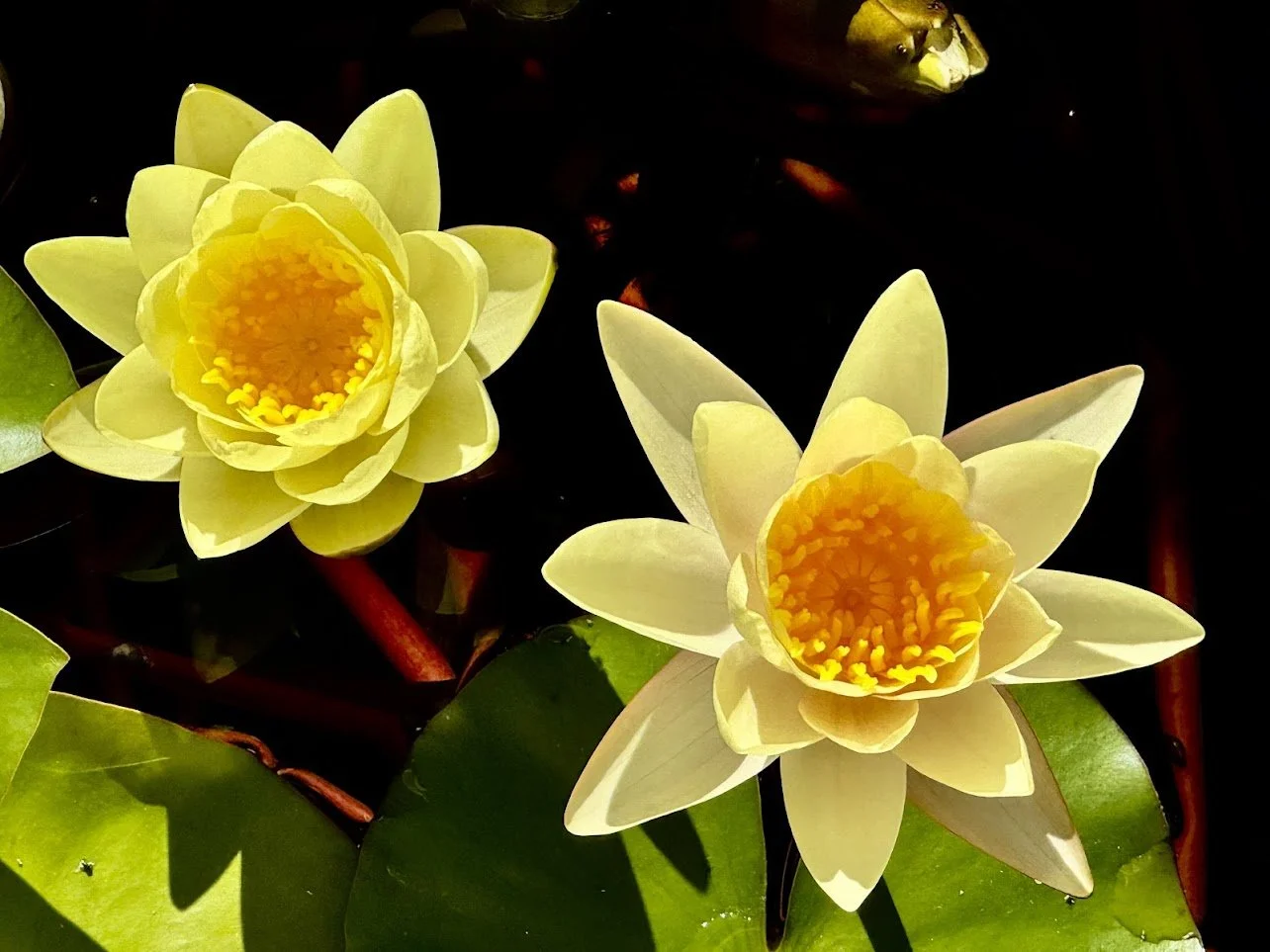
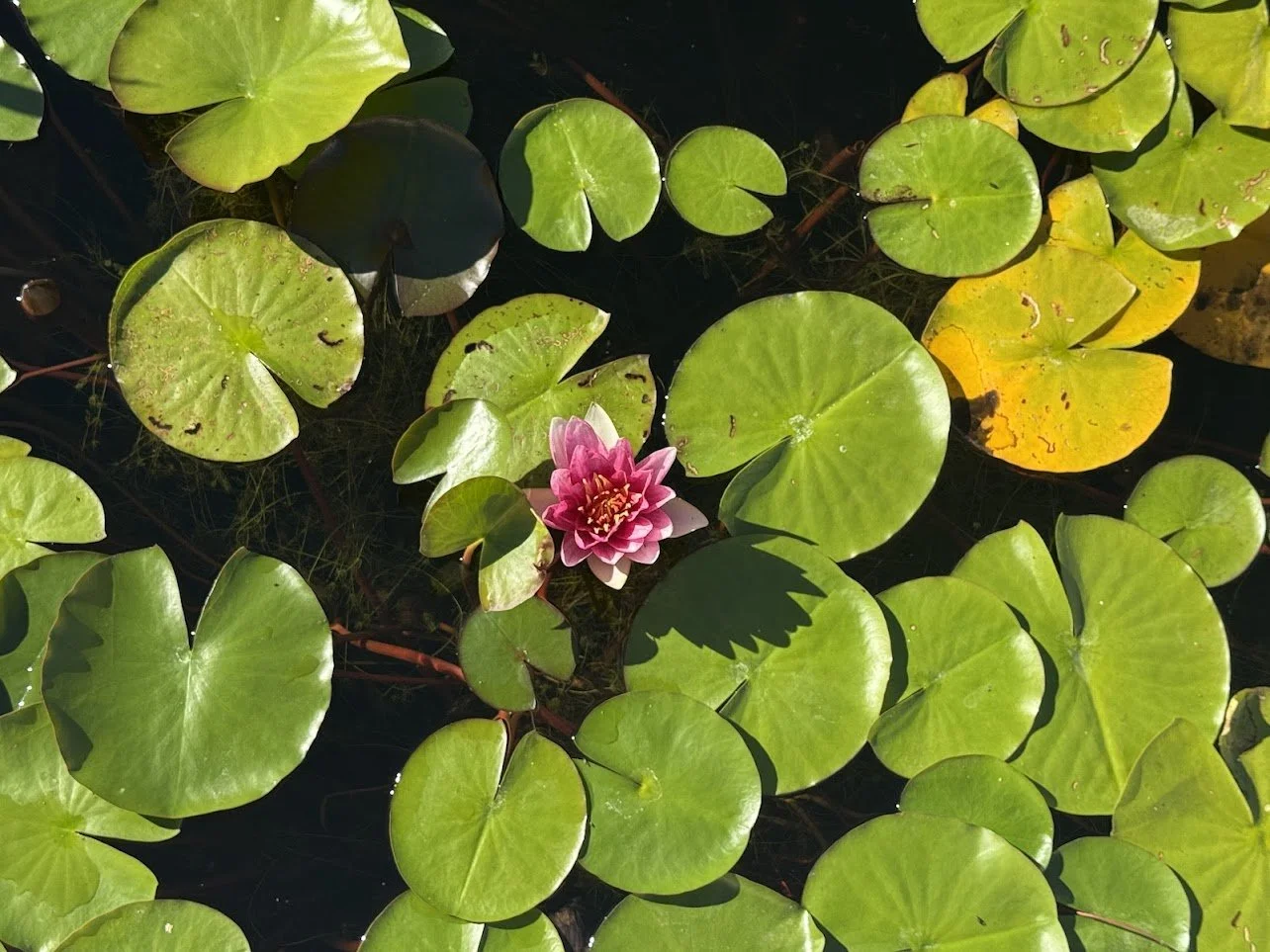
Meanwhile, the Botanical Garden felt smaller and quieter than many of the major botanical gardens I’ve visited elsewhere in Europe or the United States. As someone from Chicago who regularly visits the Chicago Botanic Garden, I’ll admit my expectations may have been unfairly high. Still, it was a pleasant place to wander for a while, especially after a long day of walking.

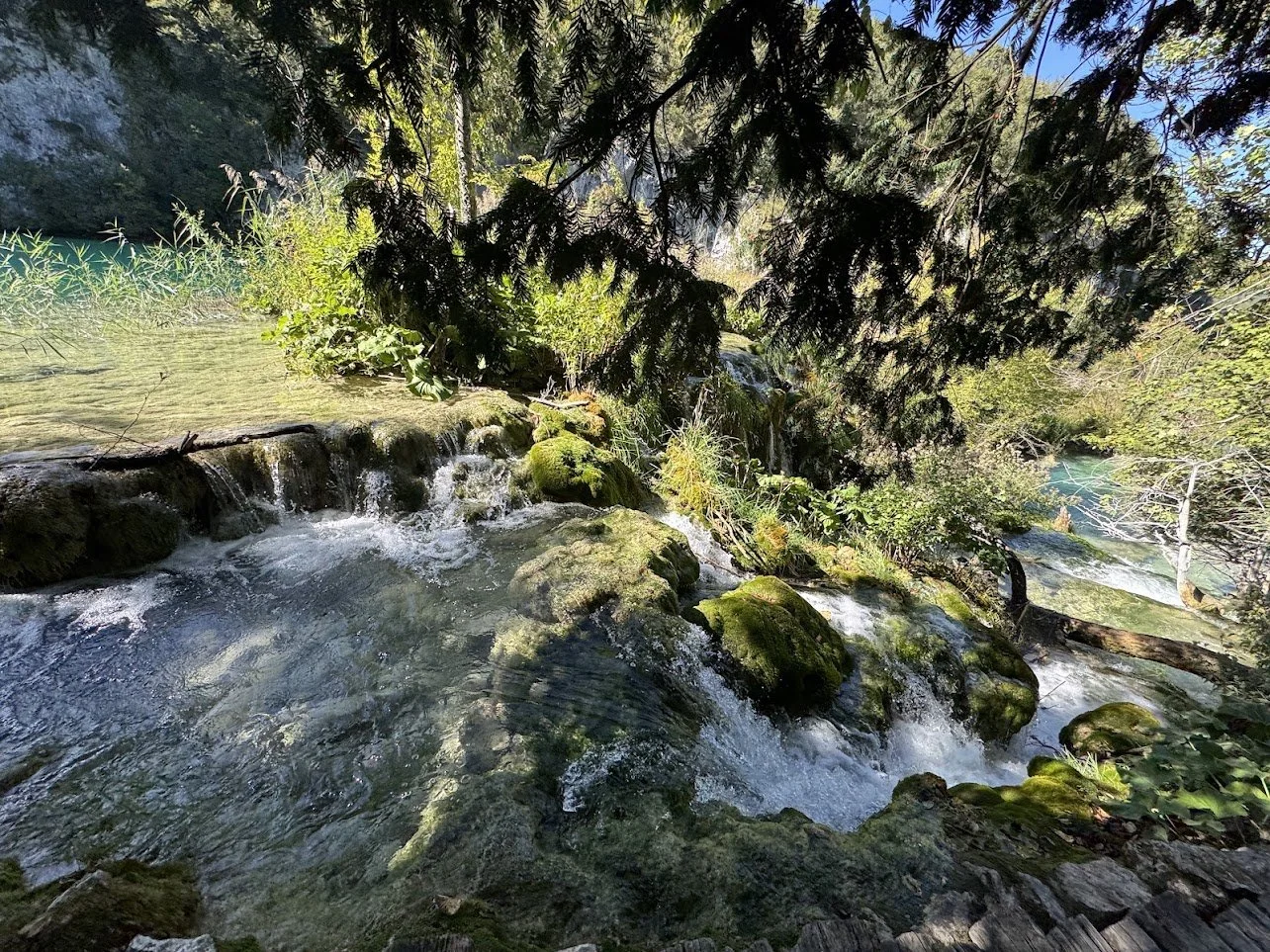
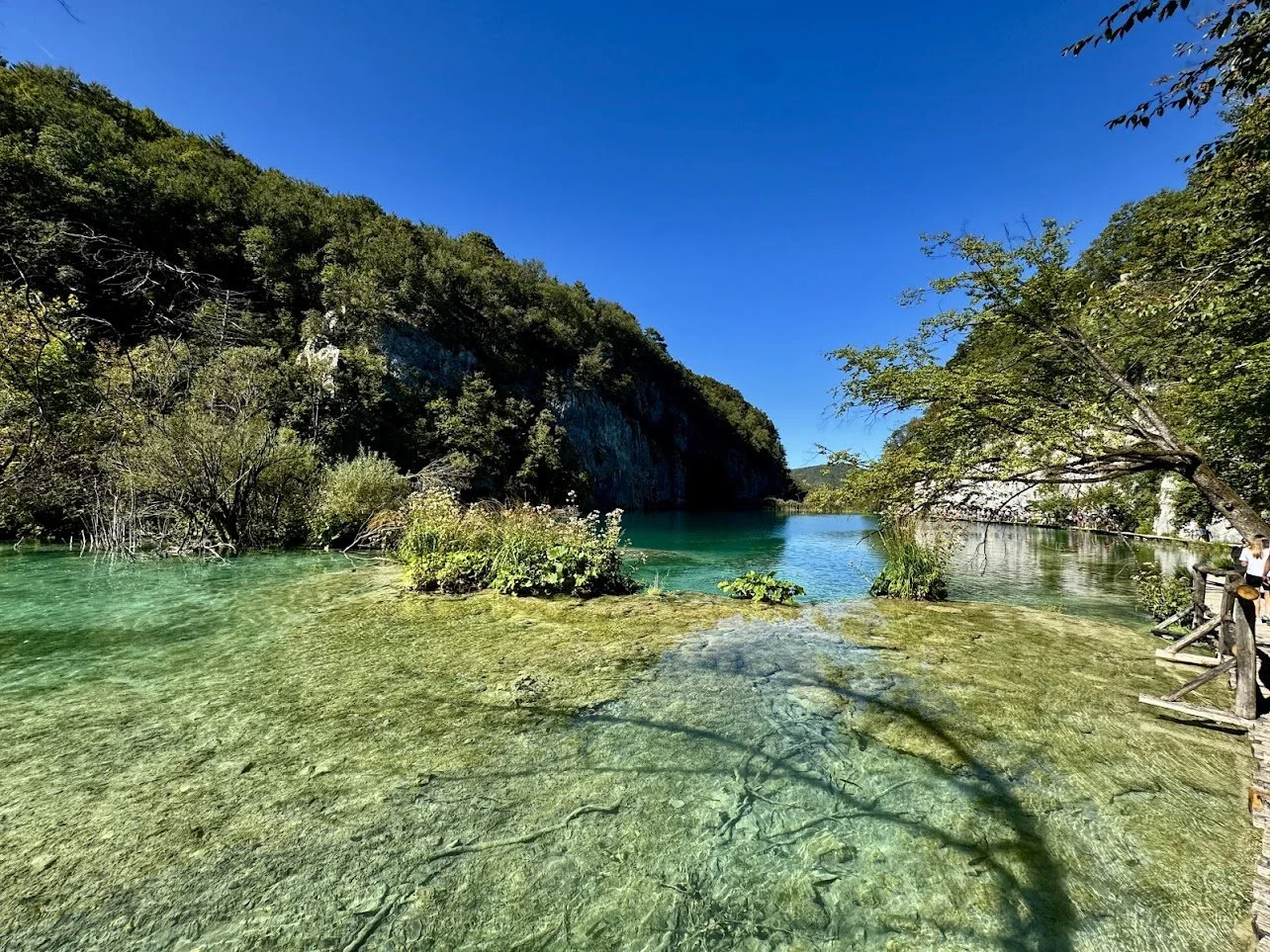
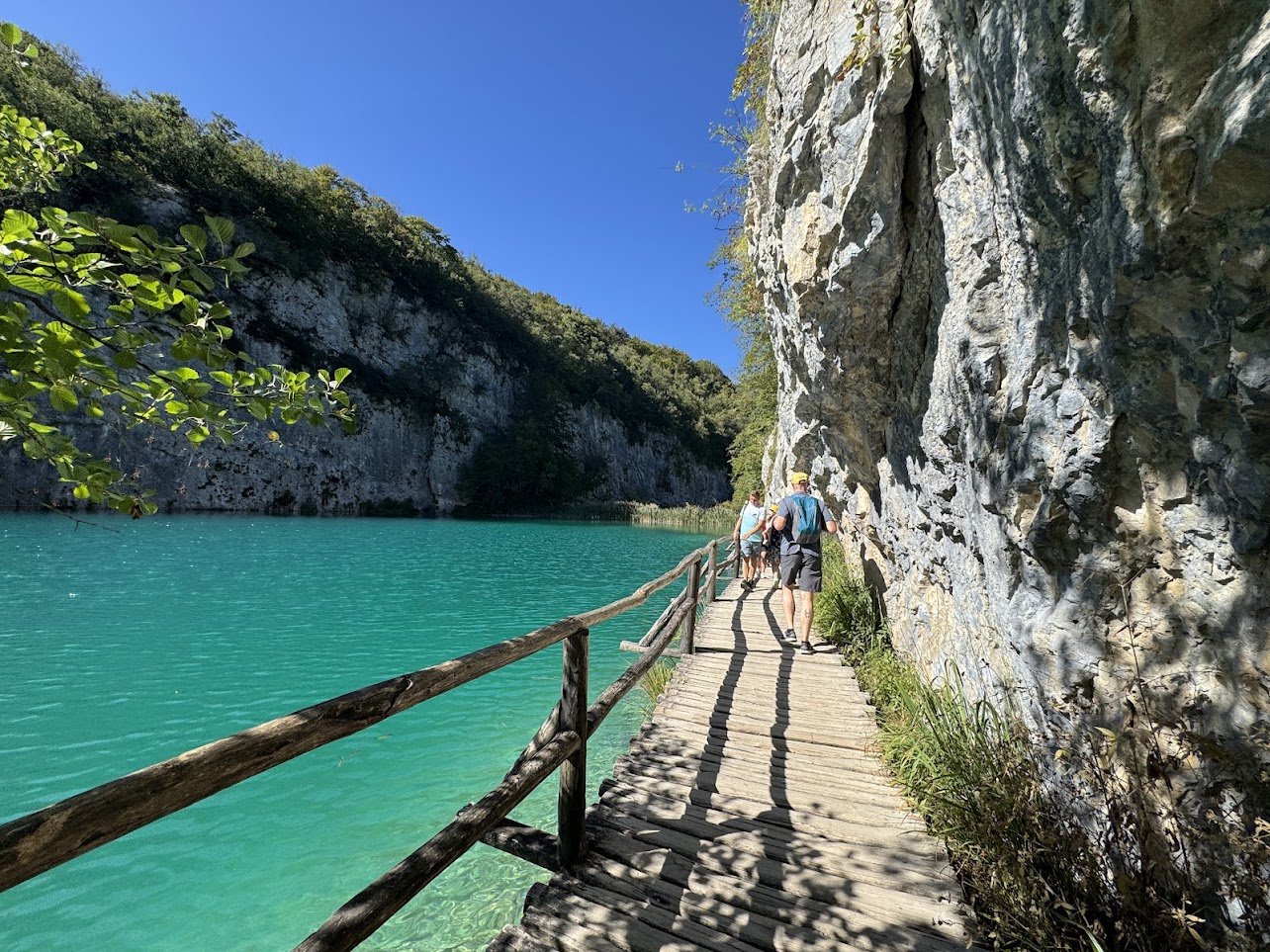
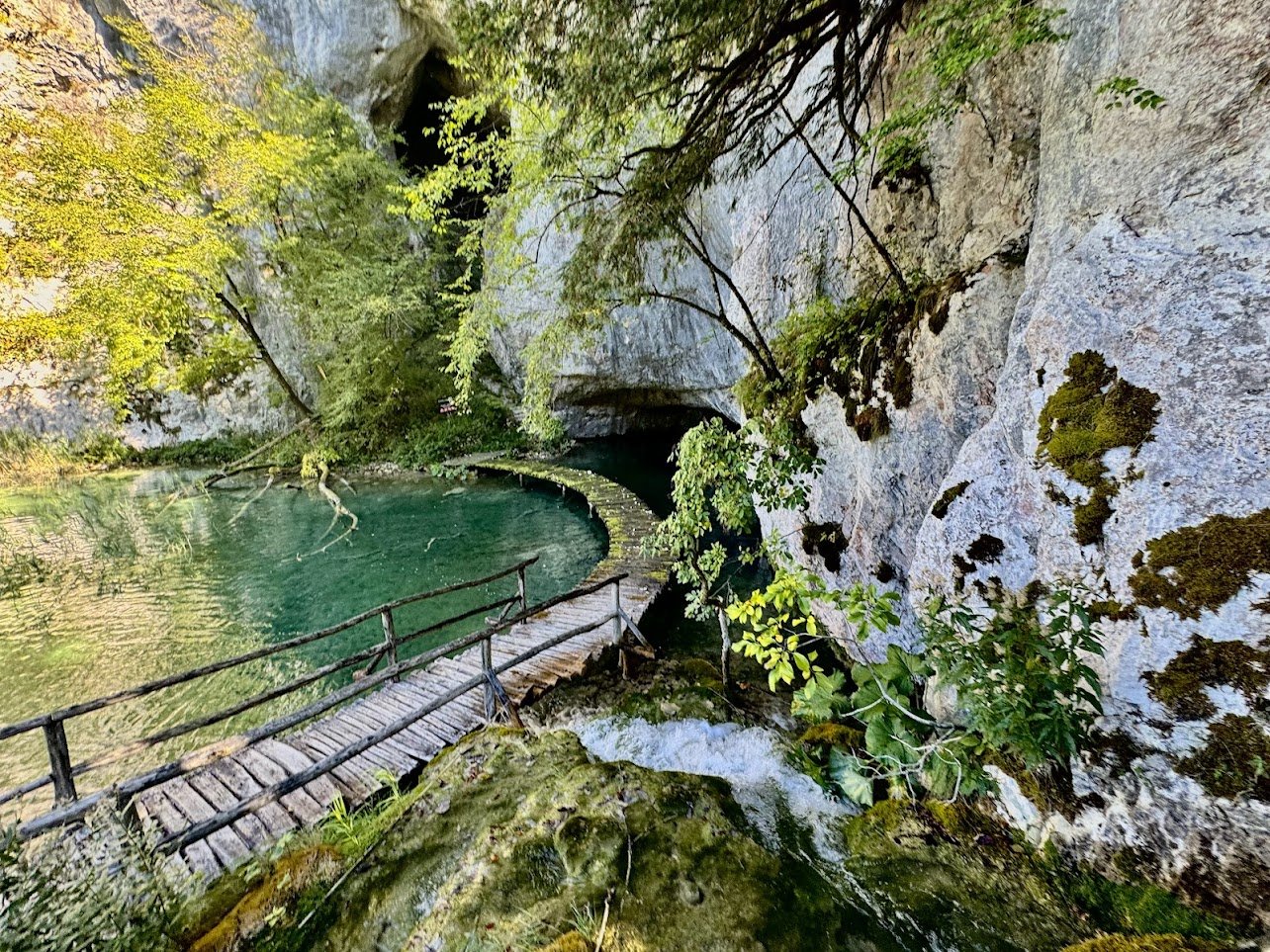
Plitvice Lakes
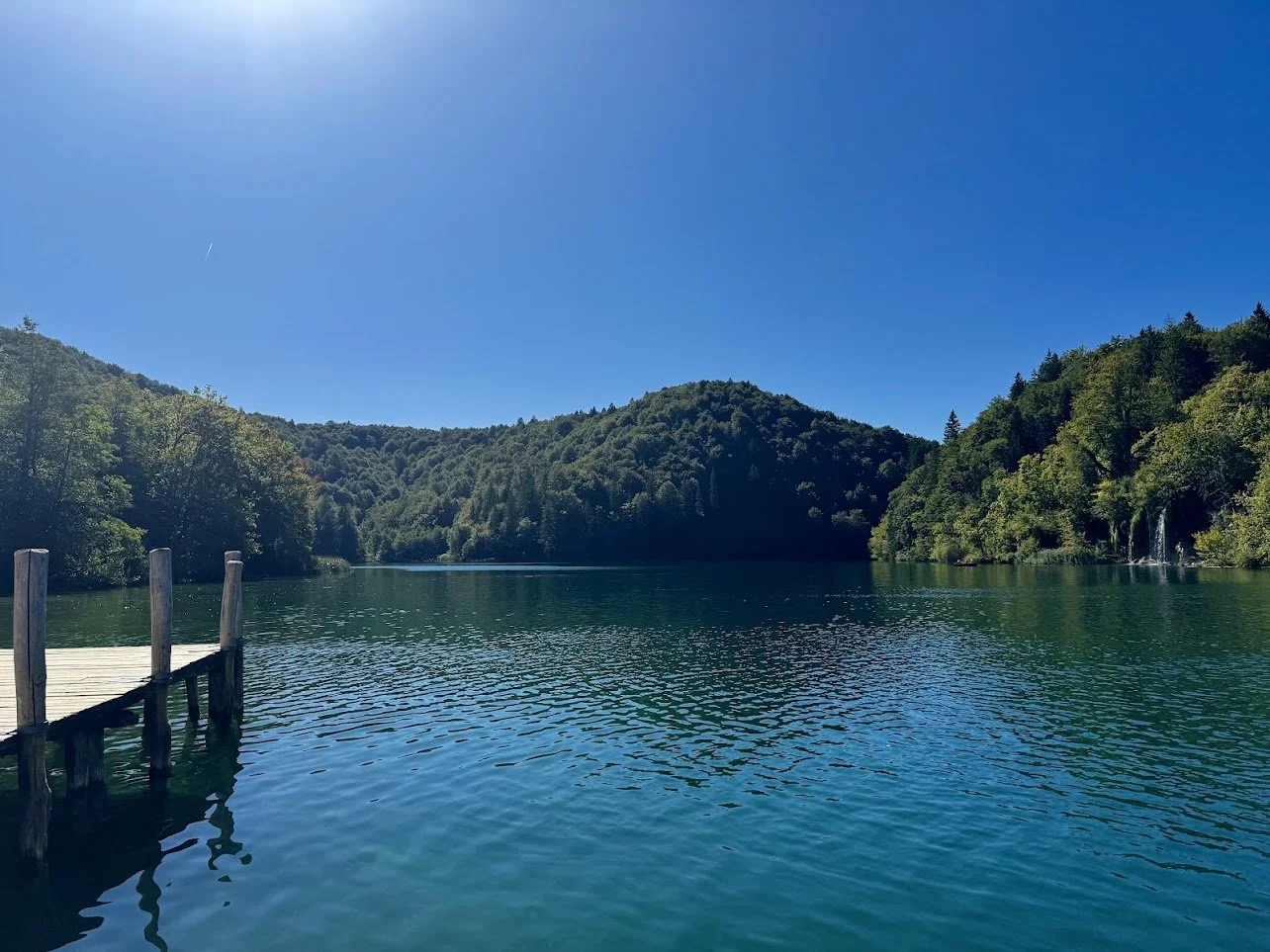
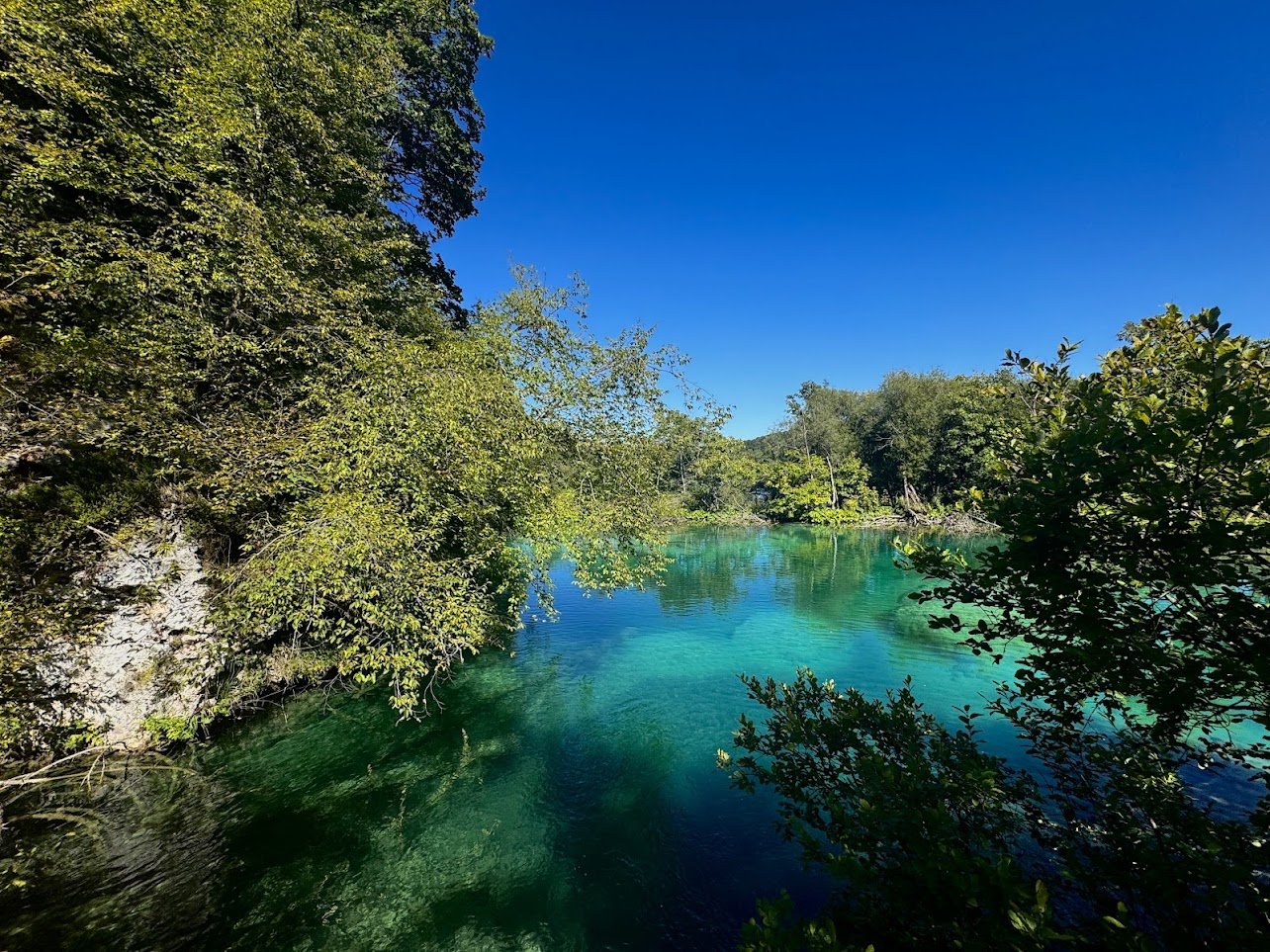
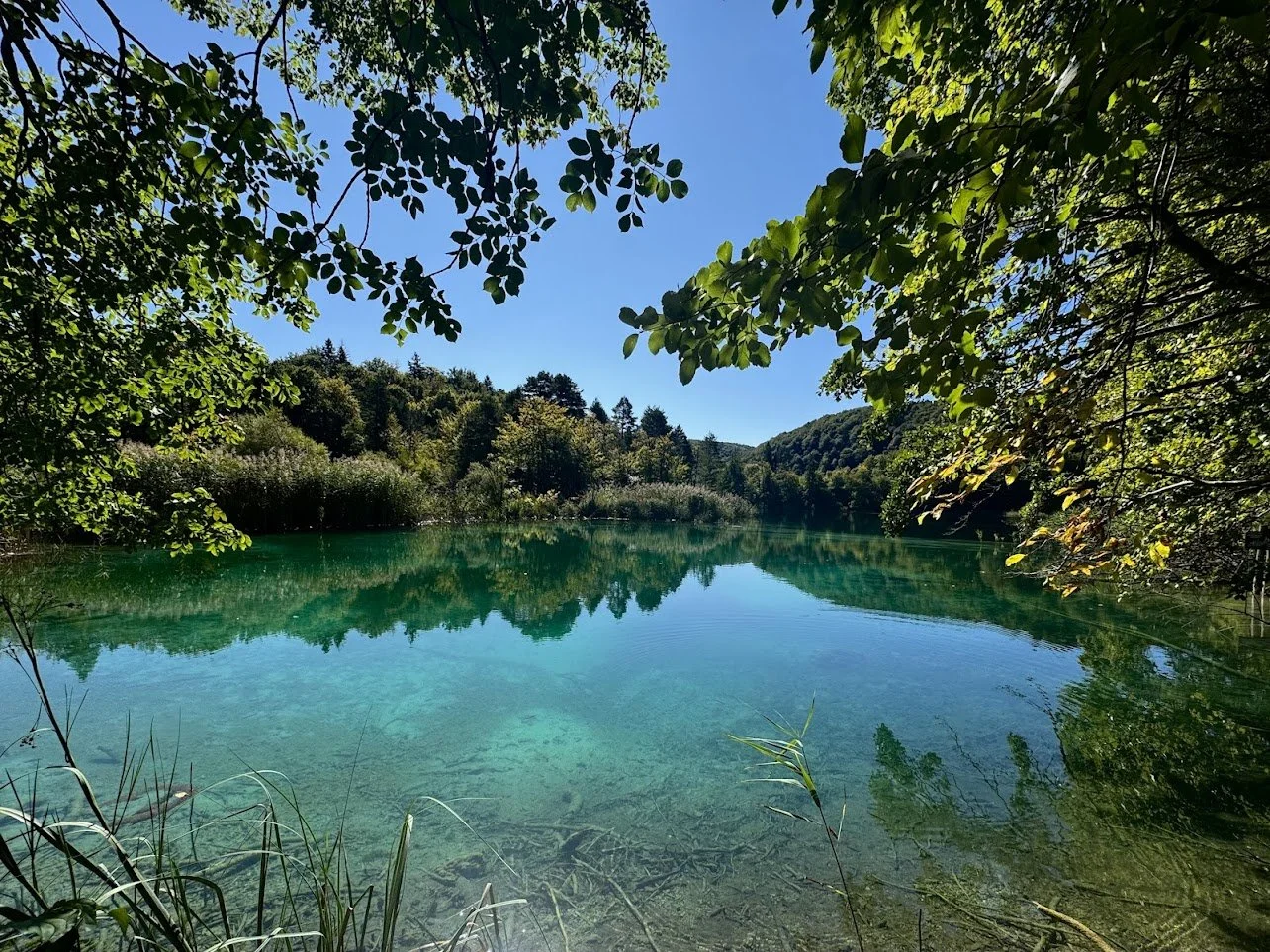
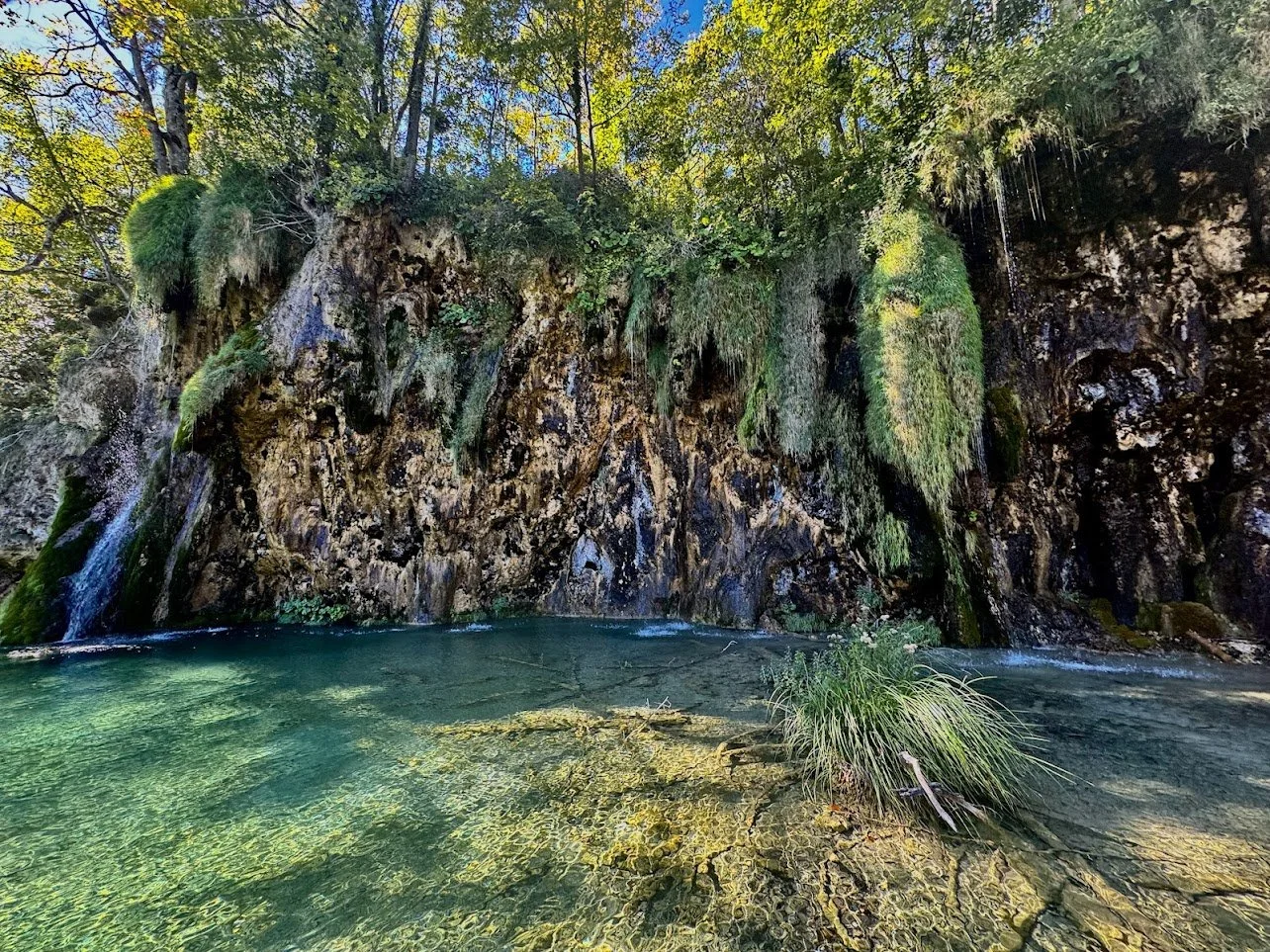
A day trip to Plitvice Lakes was the first full-day group tour I booked during my trip. I had heard repeatedly how beautiful the area was beforehand, but the reality still exceeded my expectations.
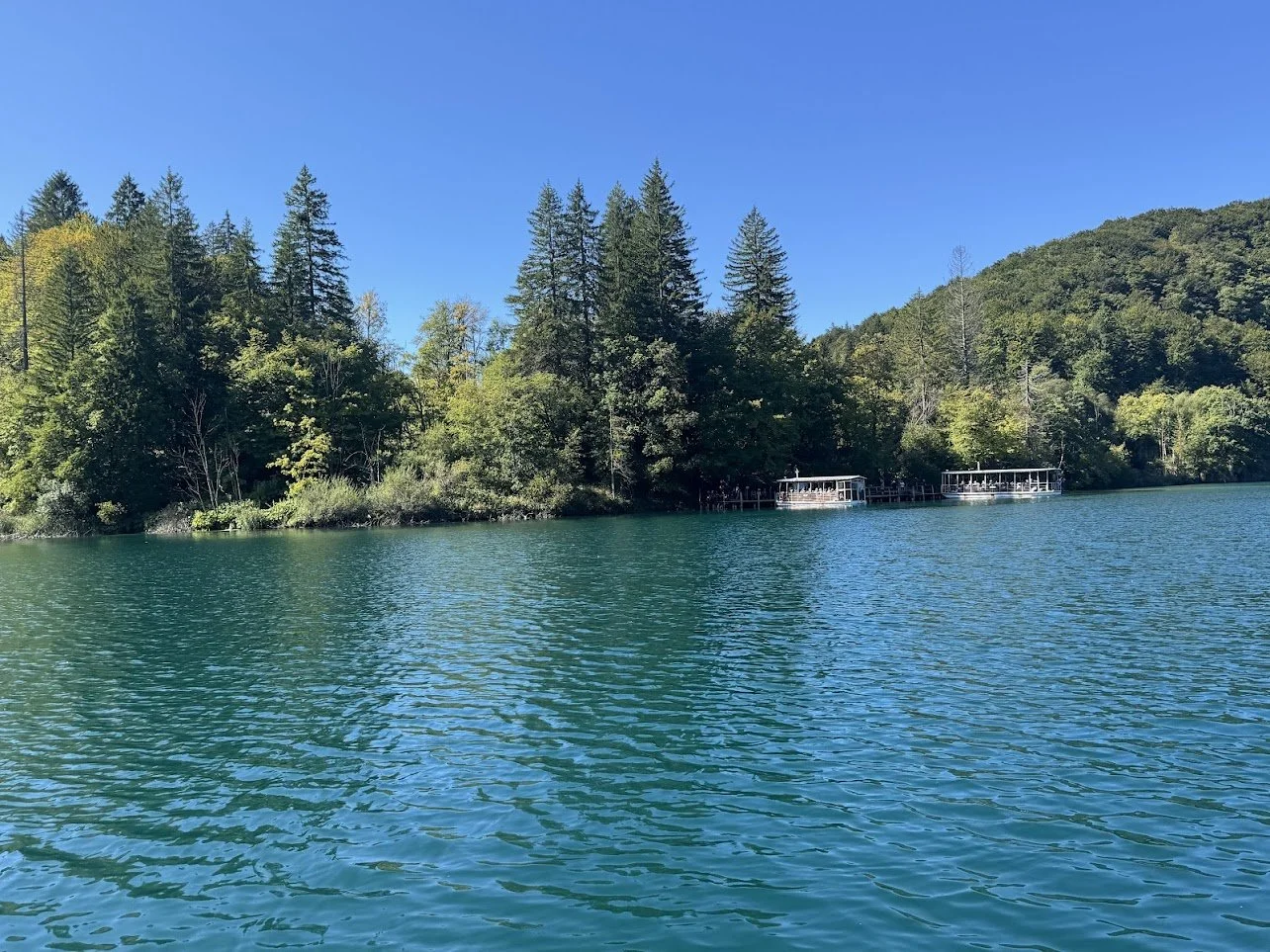
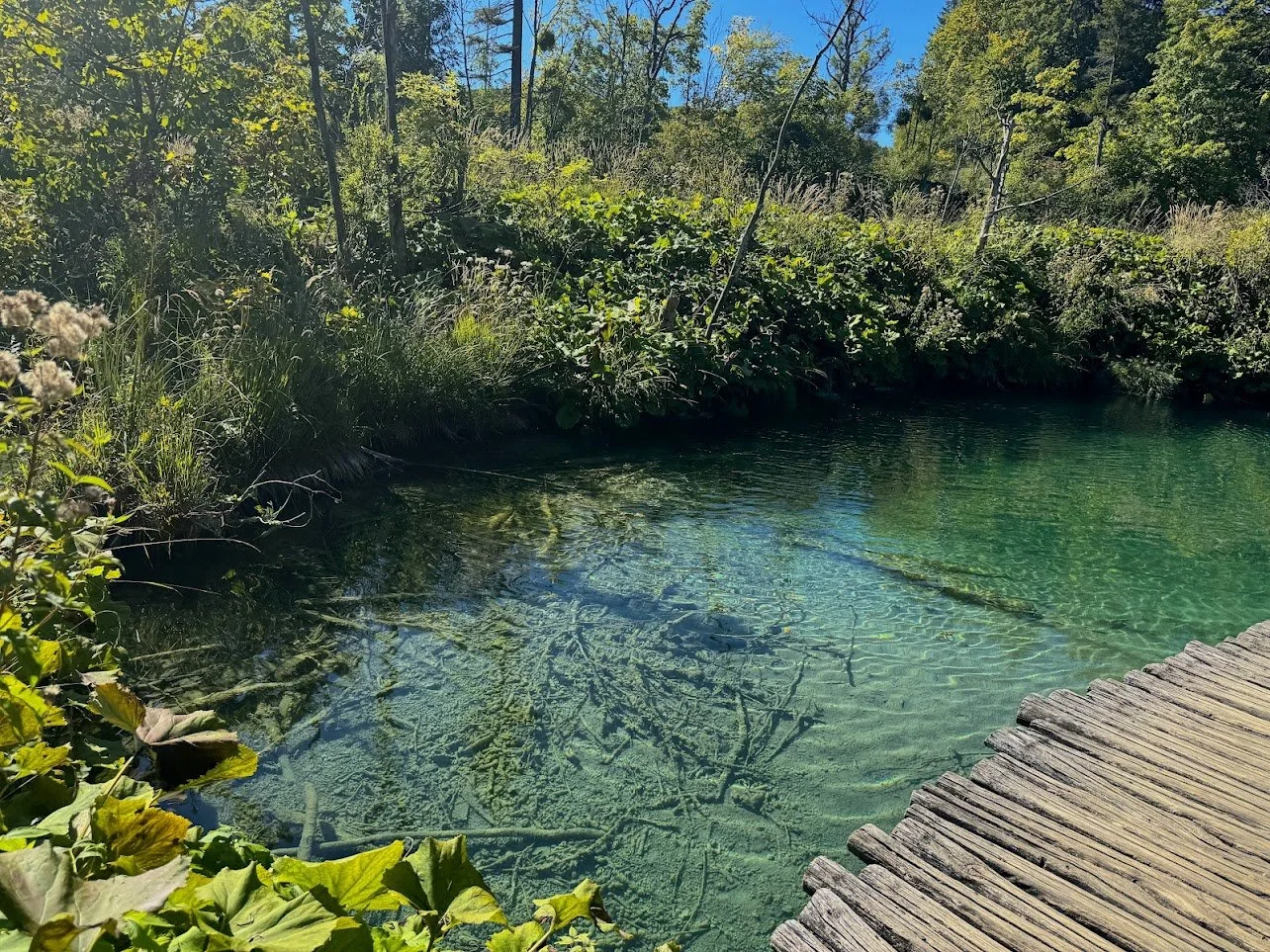
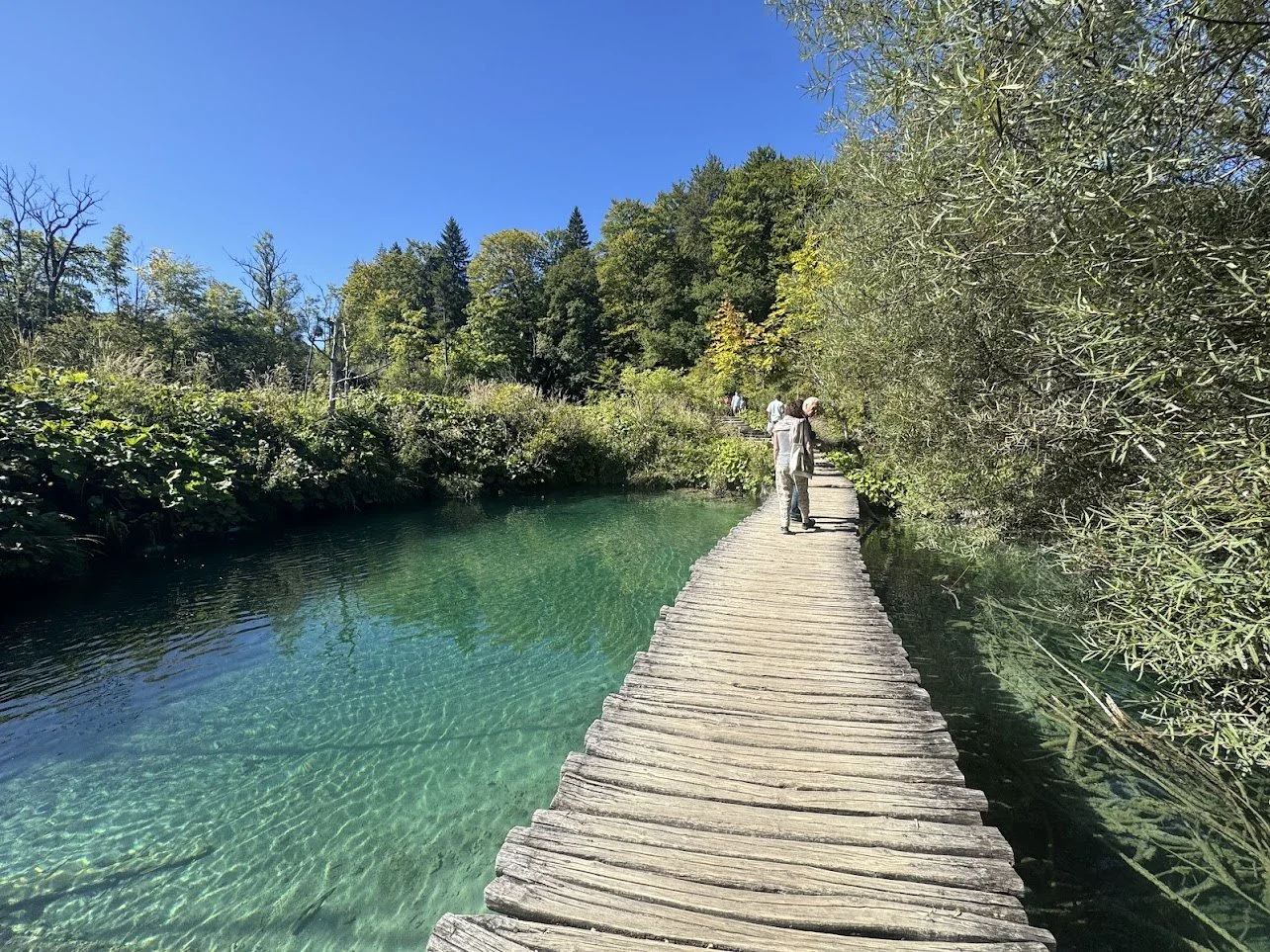
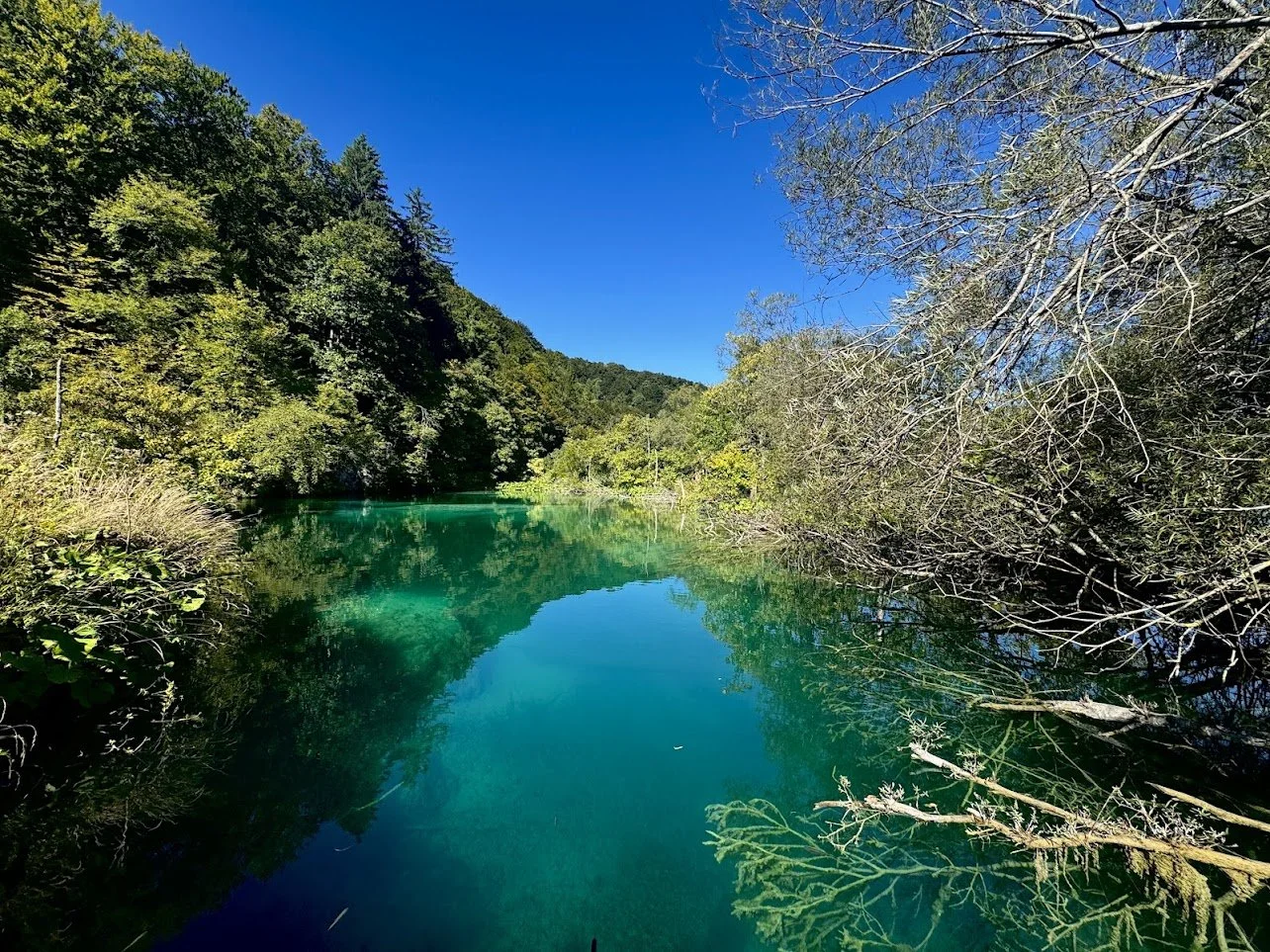
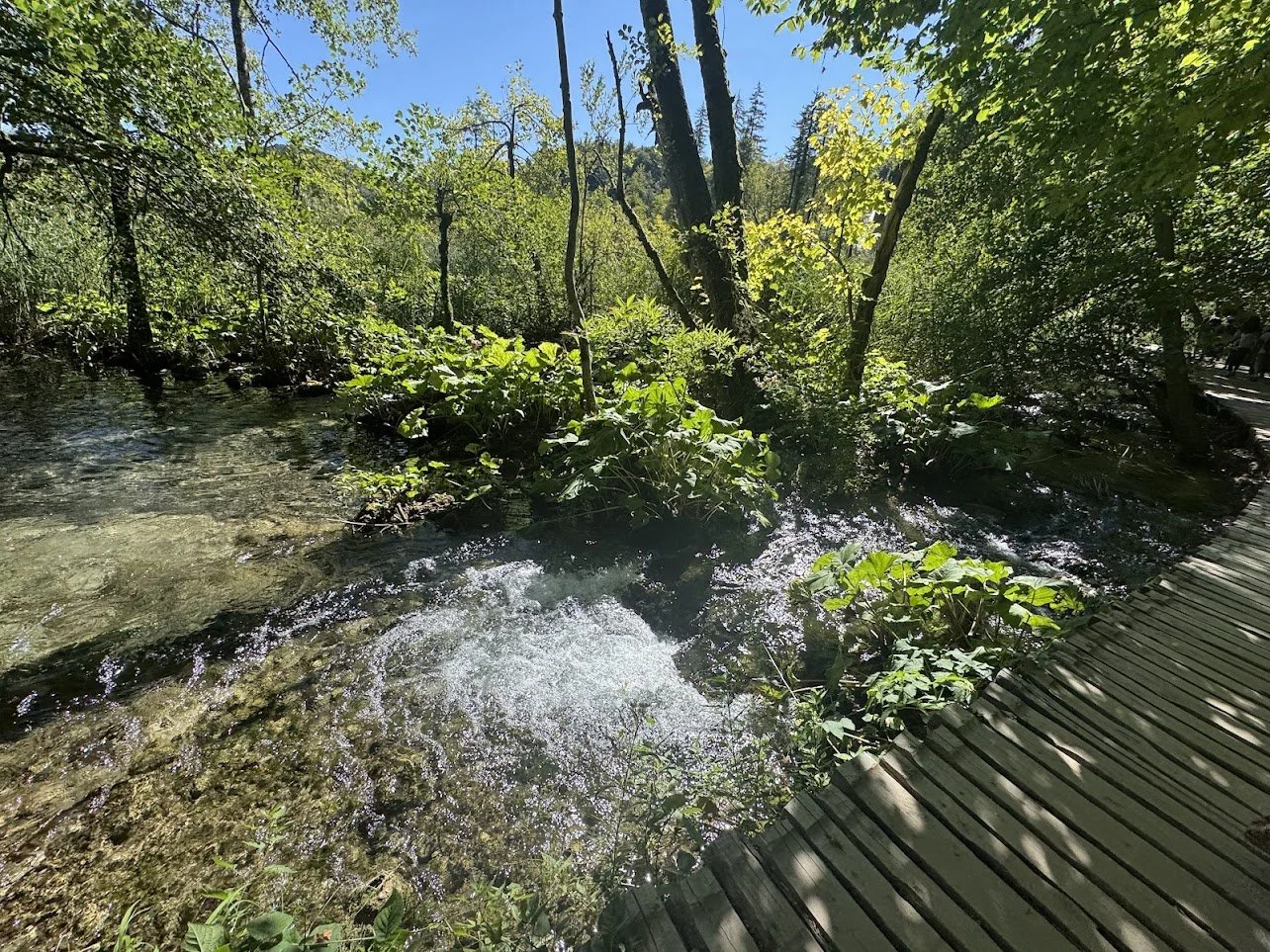
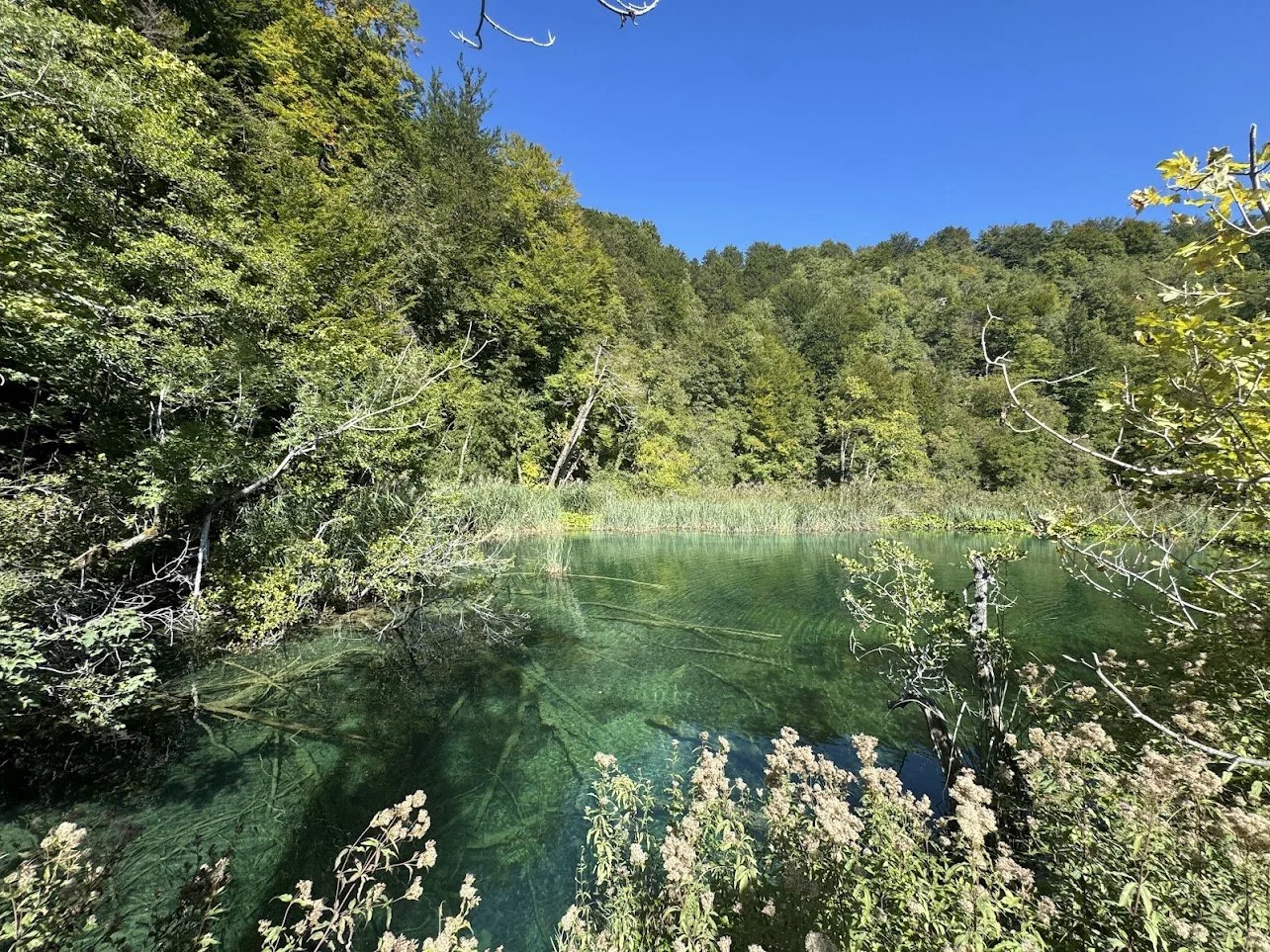
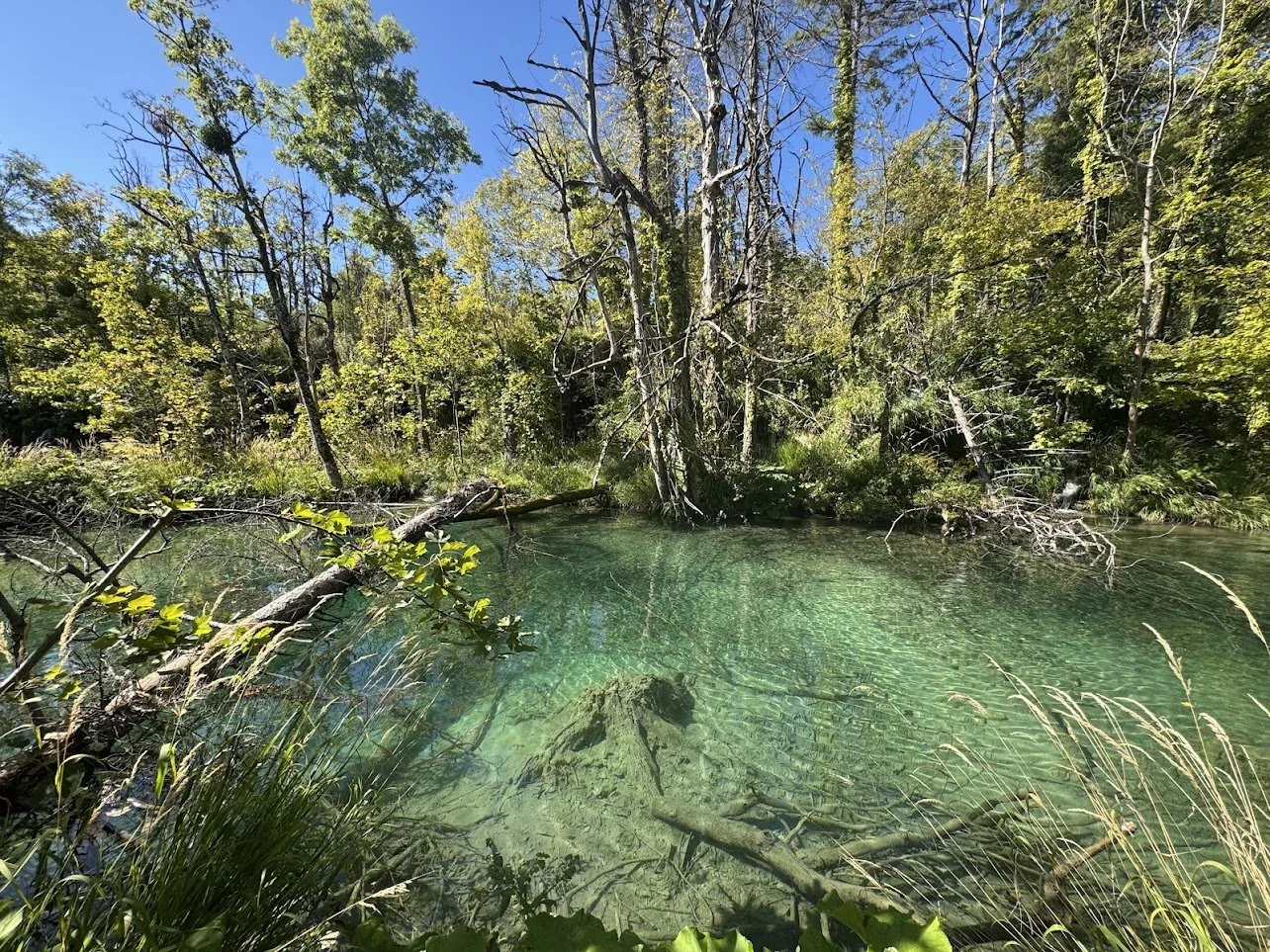
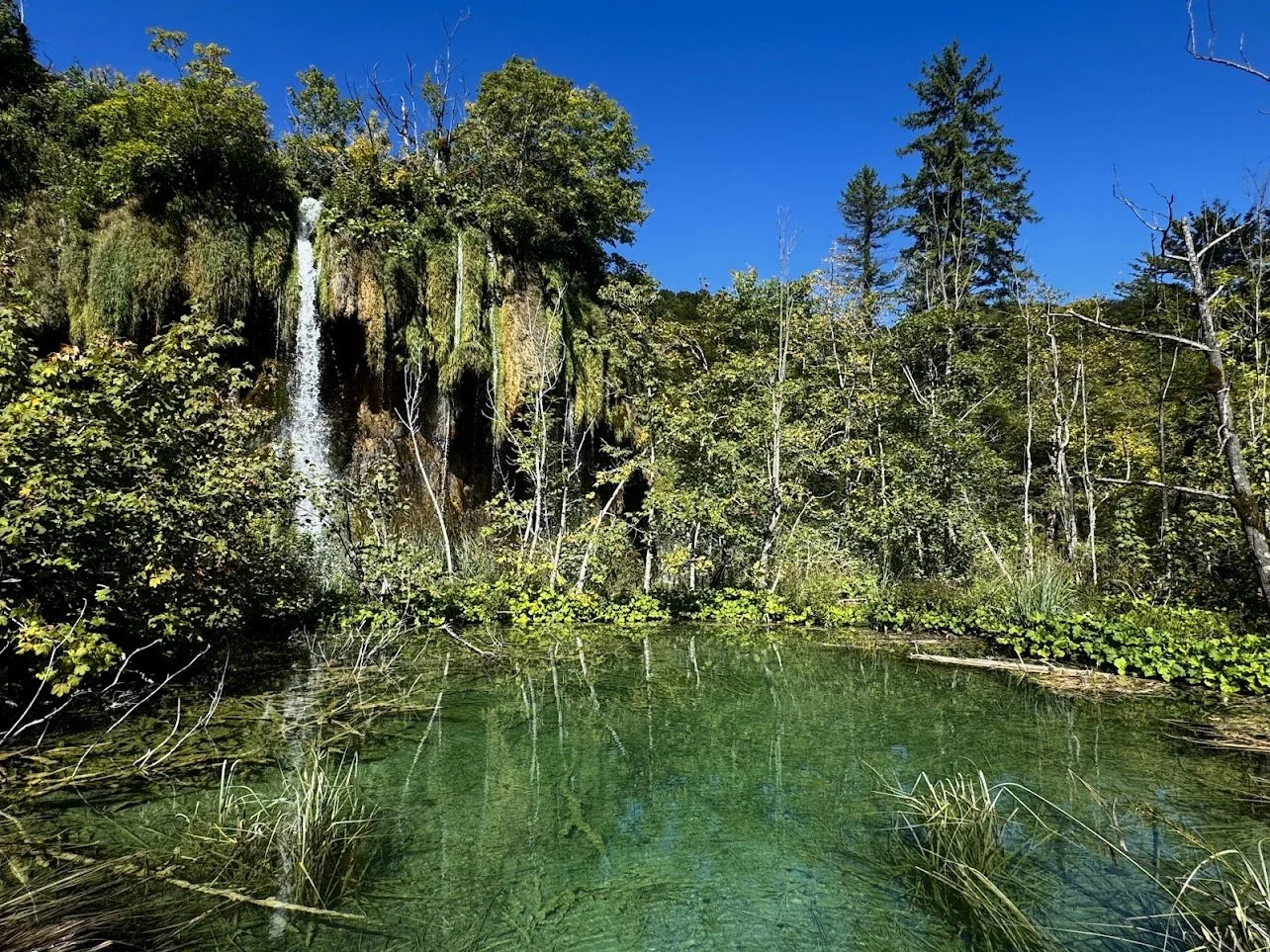
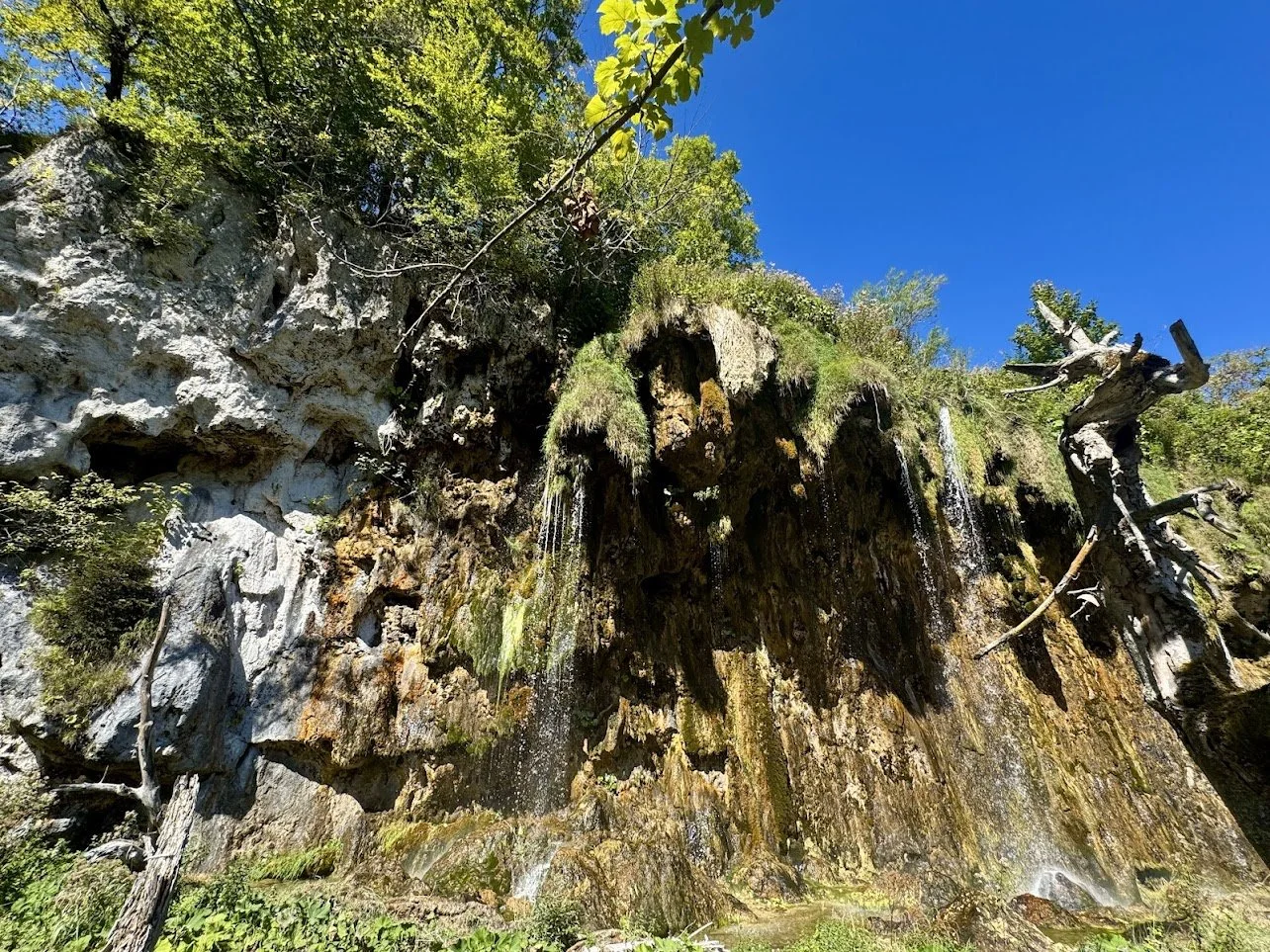
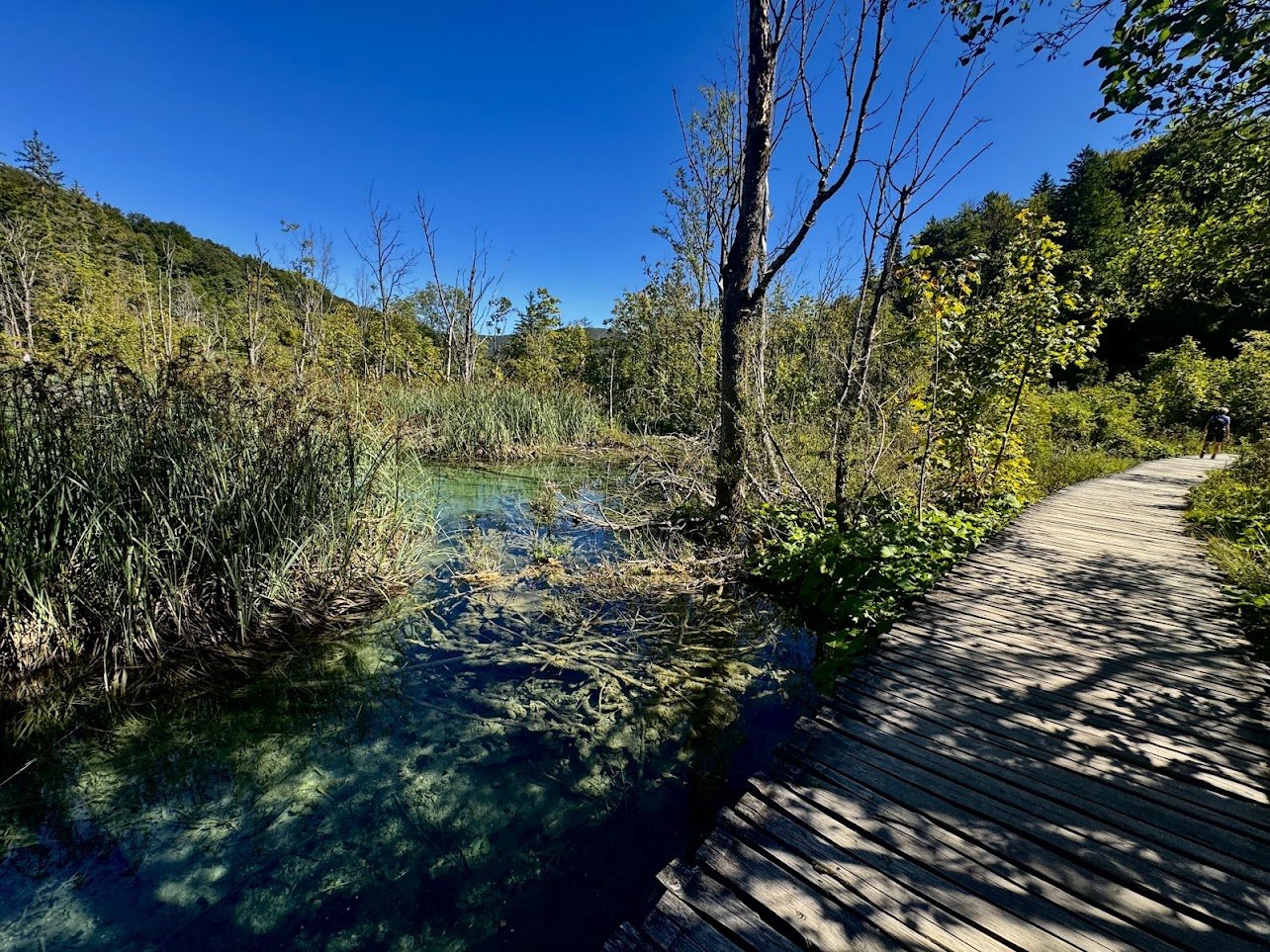
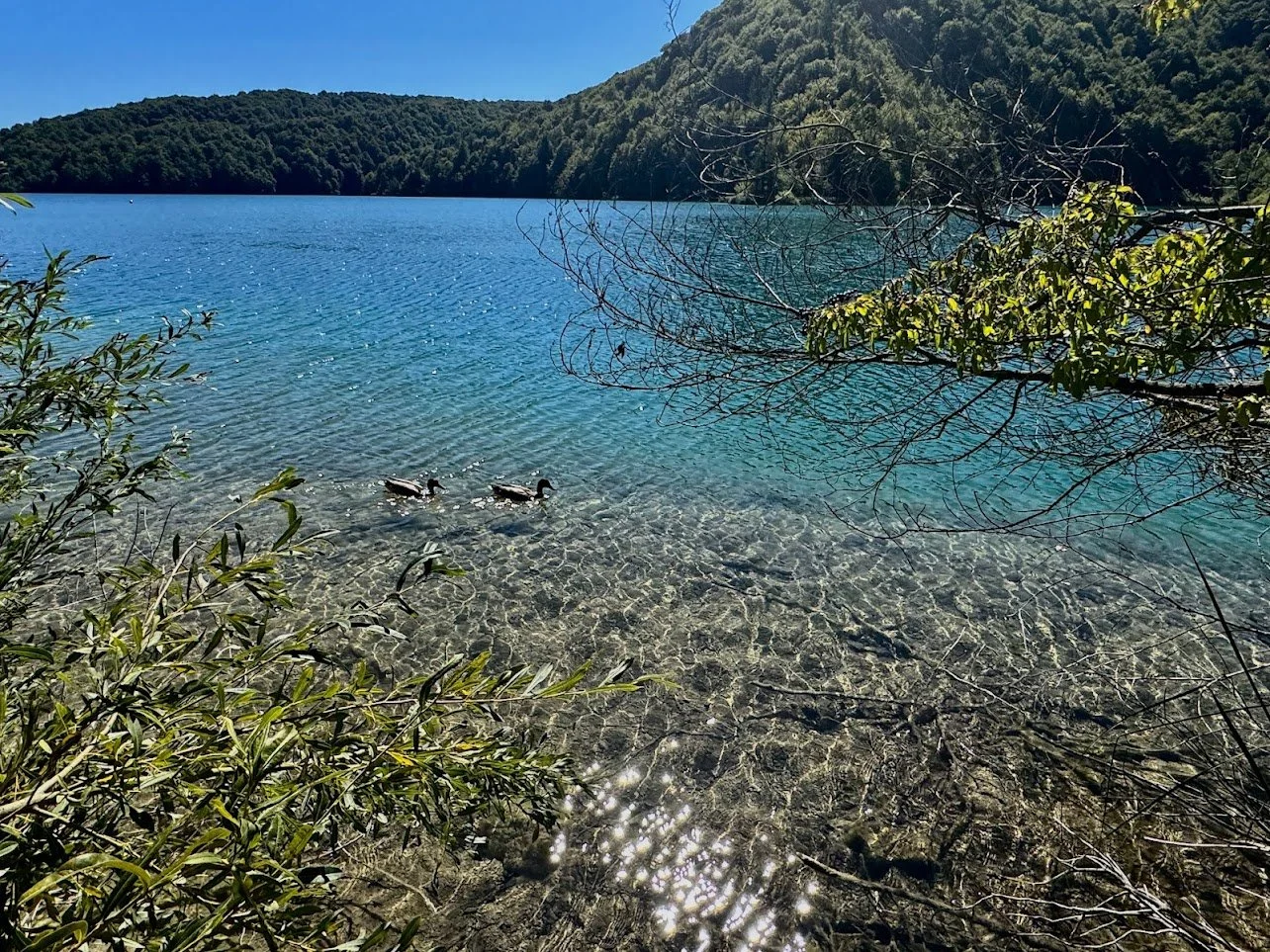
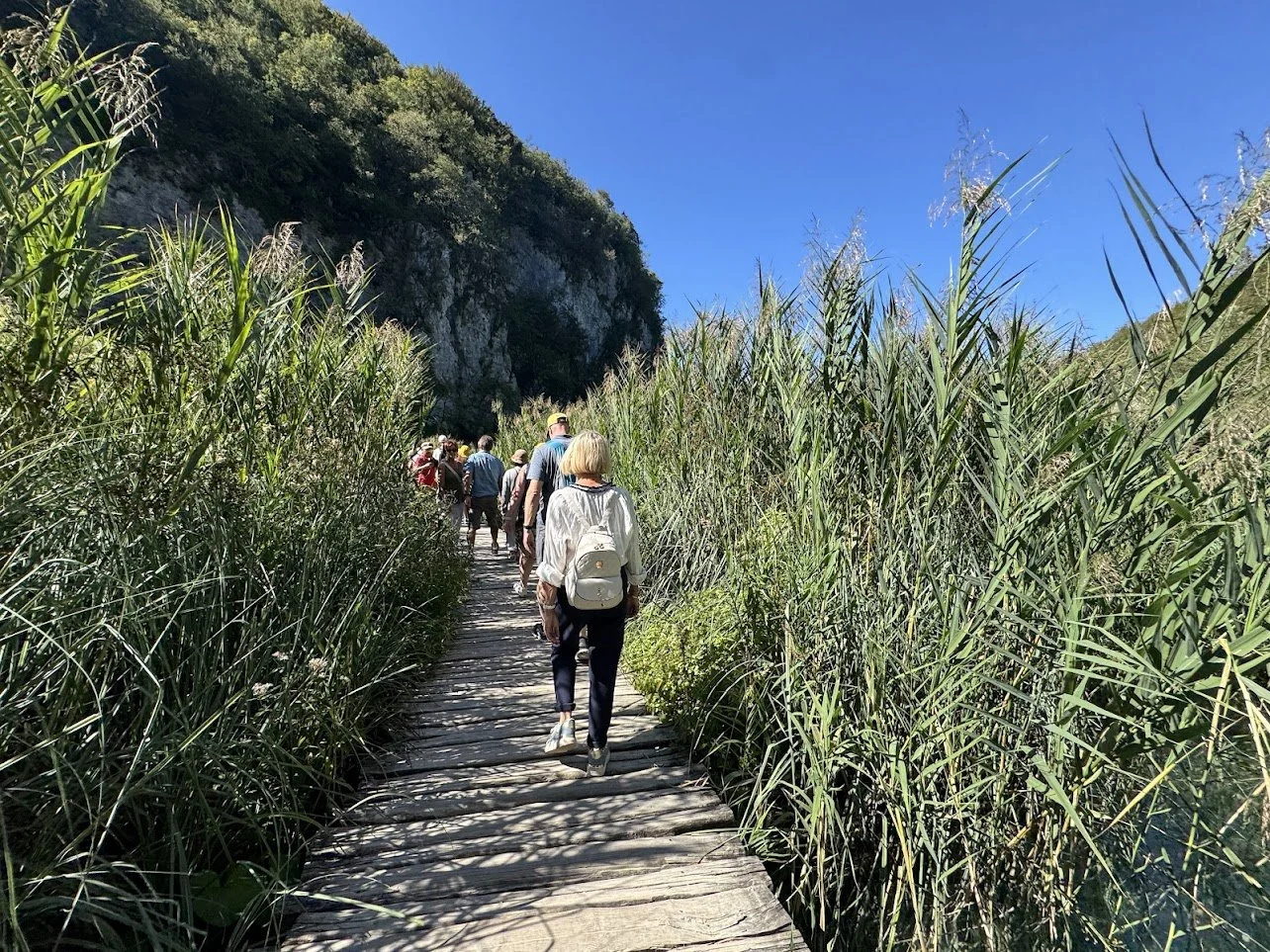
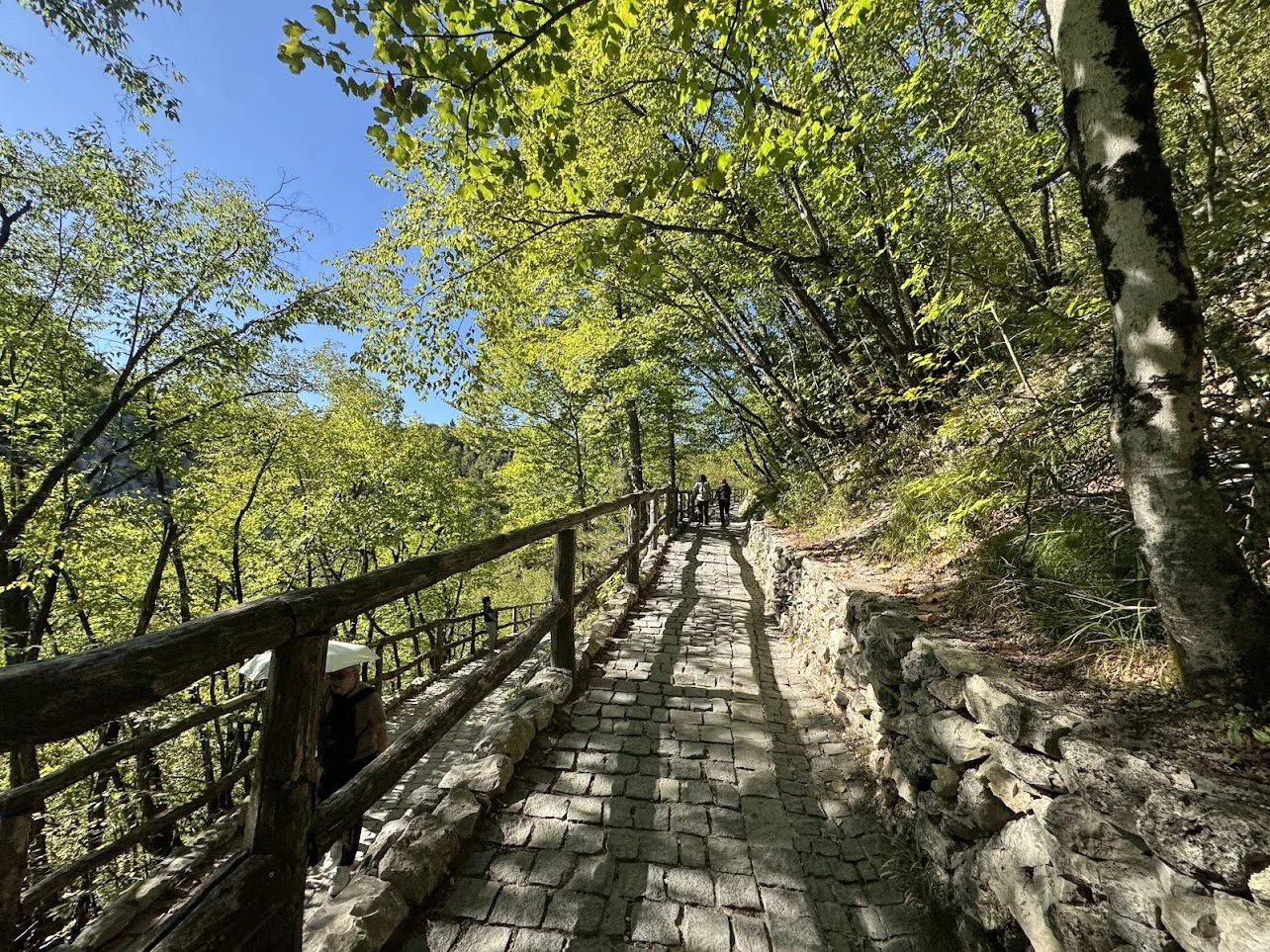
Located in central Croatia between Zagreb and the Adriatic coast, the national park is made up of a series of terraced lakes connected by waterfalls, wooden boardwalks, forest trails, and remarkably clear turquoise water. The lakes shift between shades of blue and green depending on the sunlight, mineral content, and depth of the water, while waterfalls appear throughout the park, from larger cascading falls to smaller streams running between the walking paths and trees.
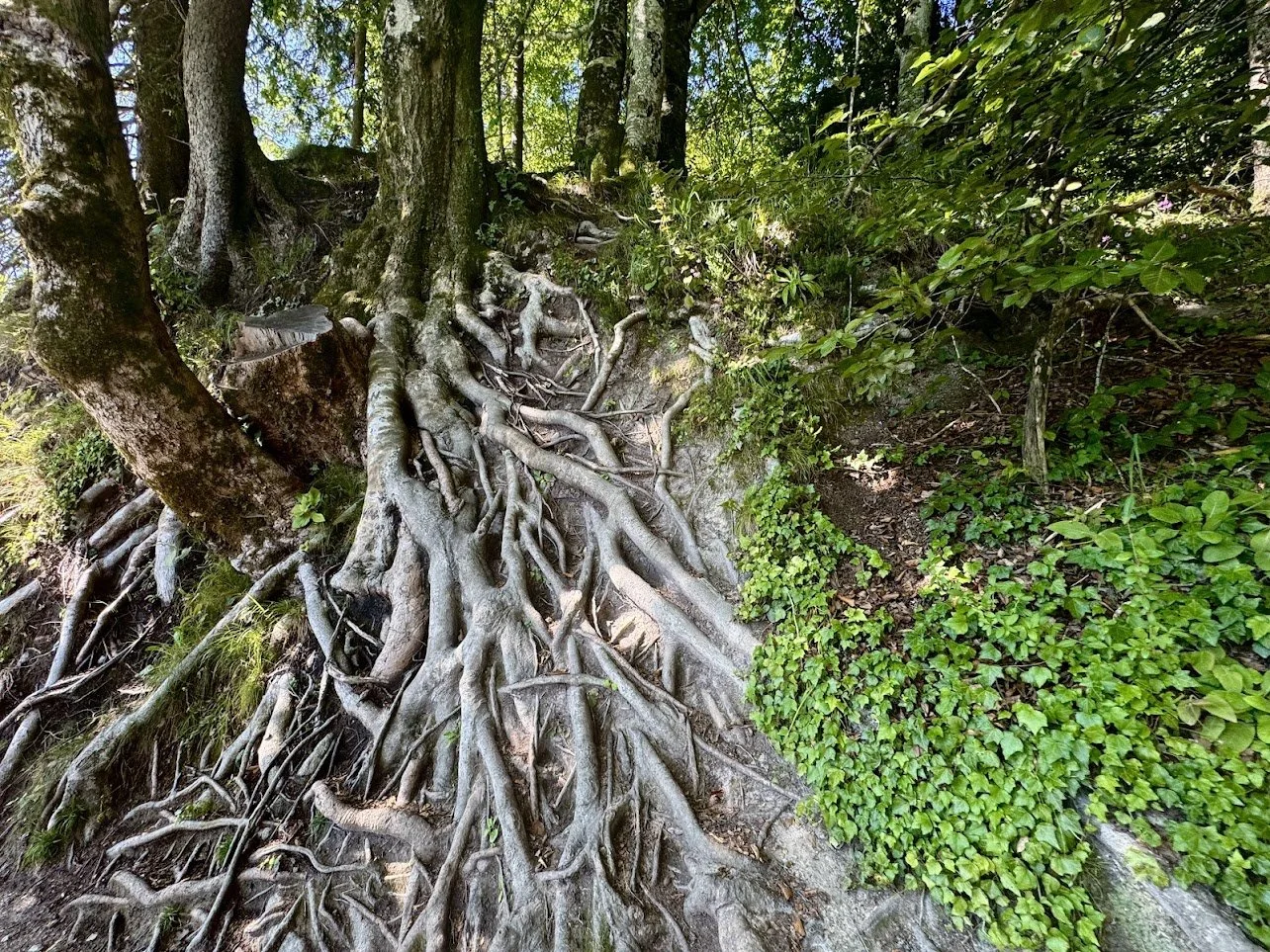
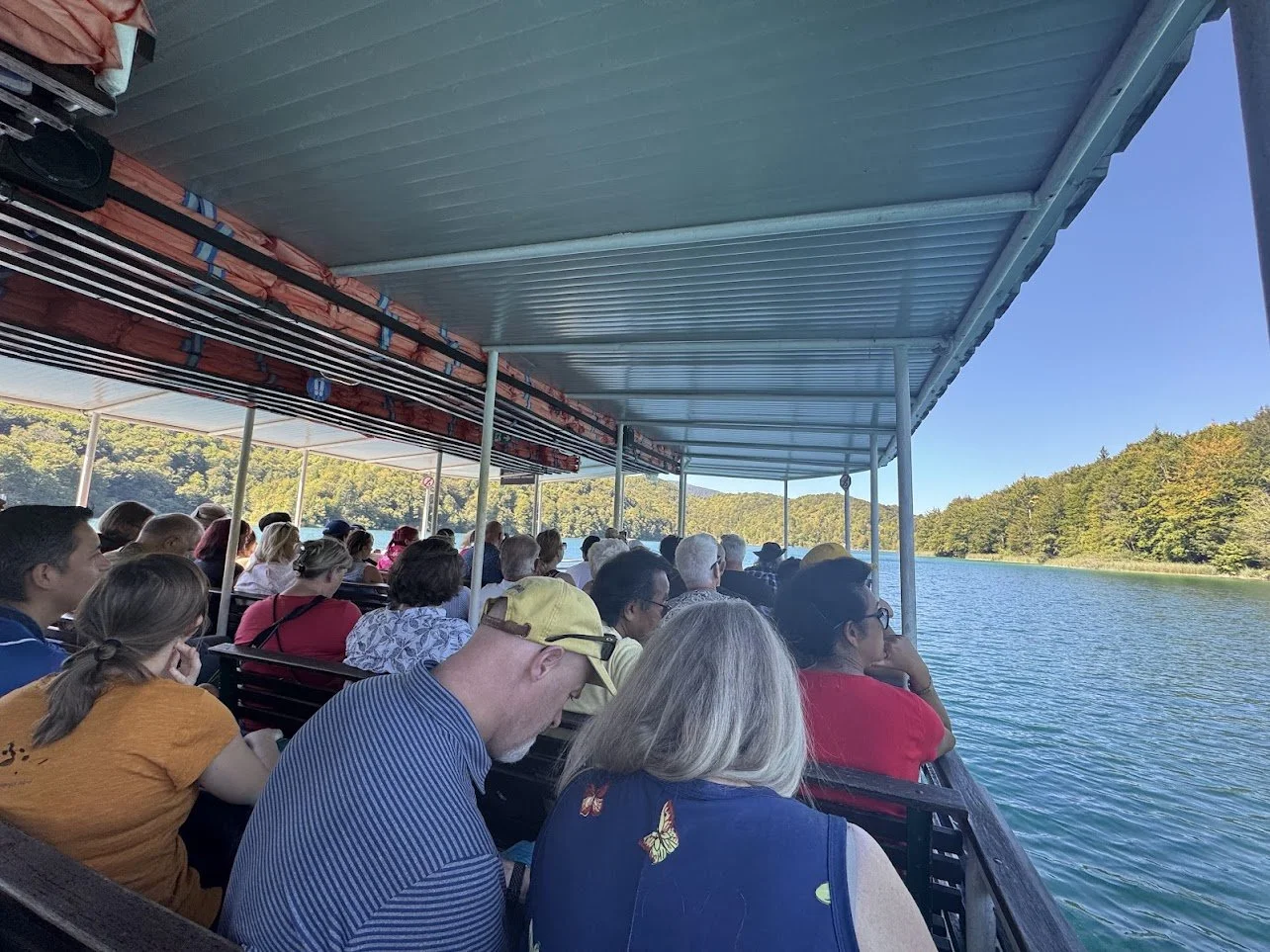
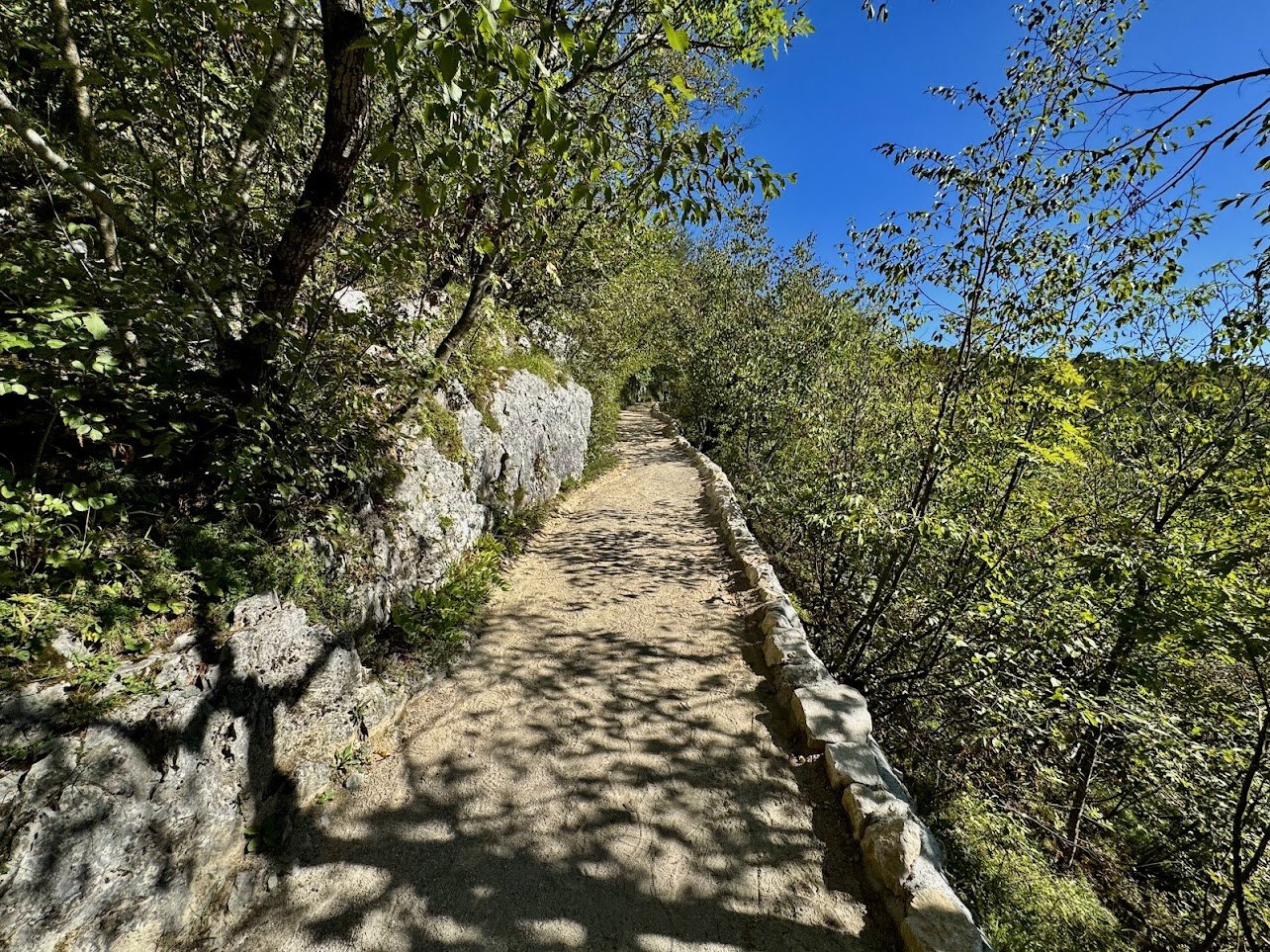
What also surprised me was the scale of the park itself. Between the walking trails, elevation changes, boat transfers, and sheer size of the lake system, Plitvice becomes a much more physical experience than many visitors expect. It can very easily turn into a full day of walking.
Where I Ate: Gluten-Free Dining in Zagreb, Croatia
Compared to cities like Budapest or Amsterdam, gluten-free dining in Zagreb required slightly more effort and planning. That said, I still found several excellent meals throughout the city.
SOI Fusion Bar
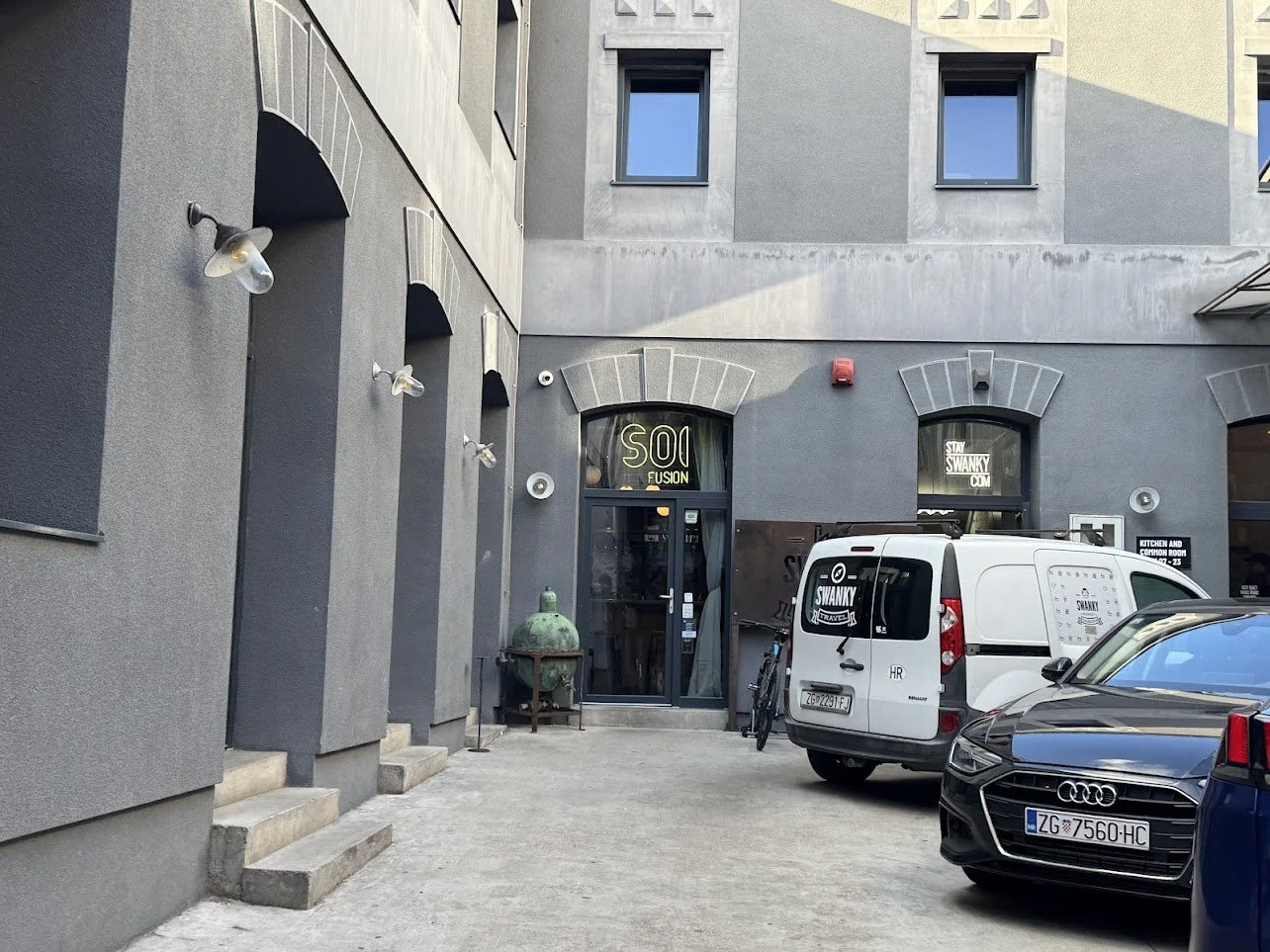
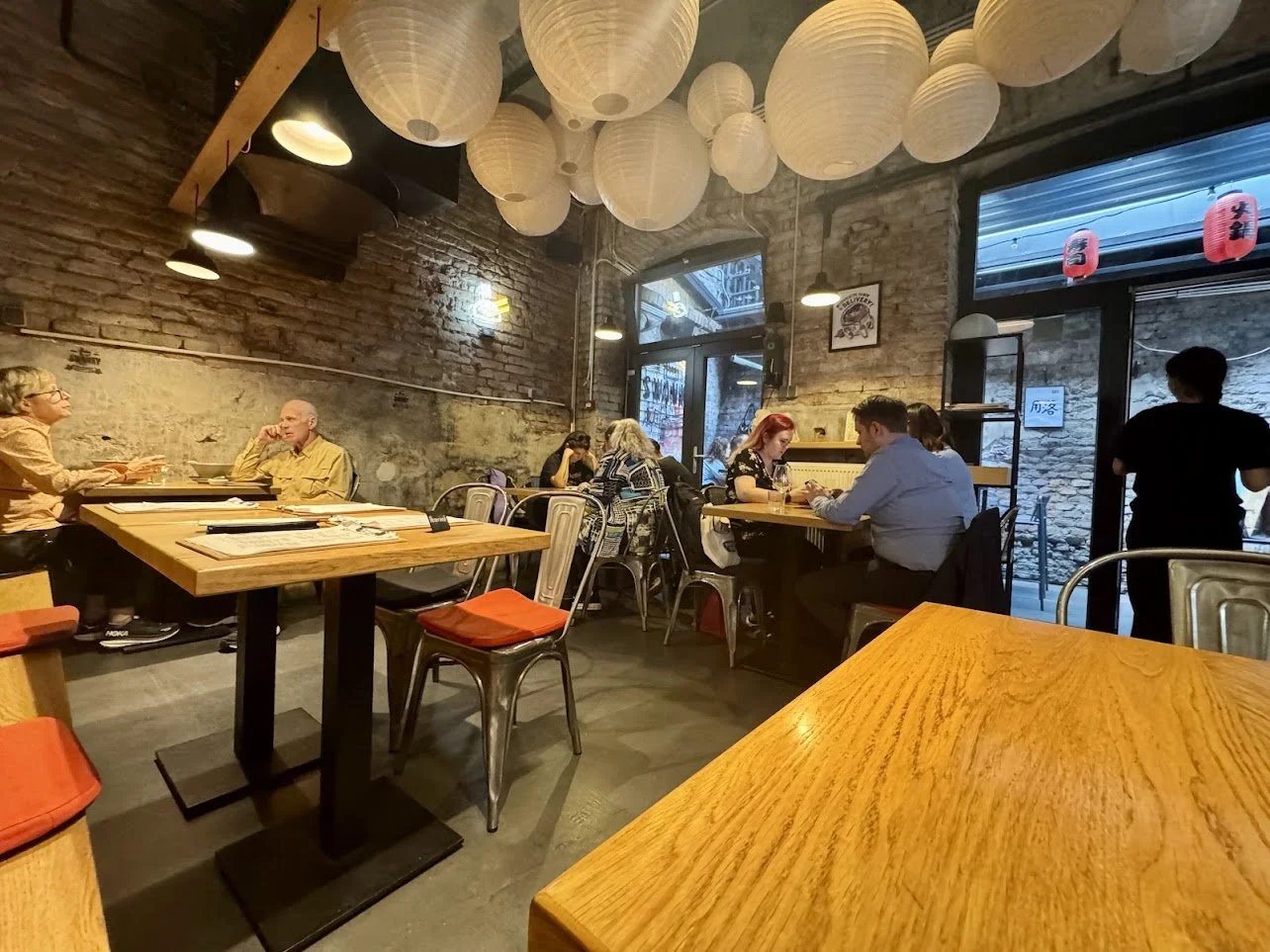
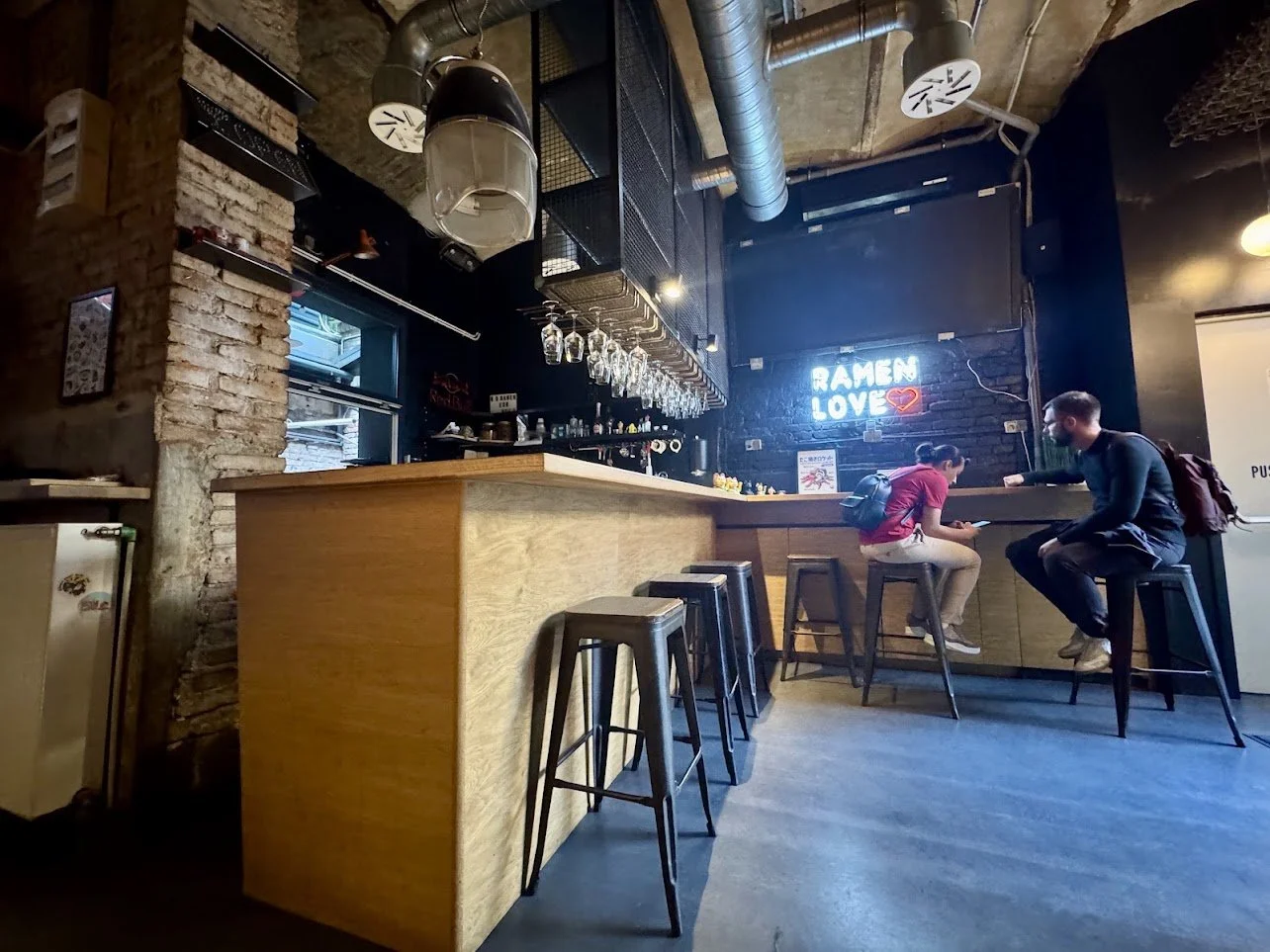
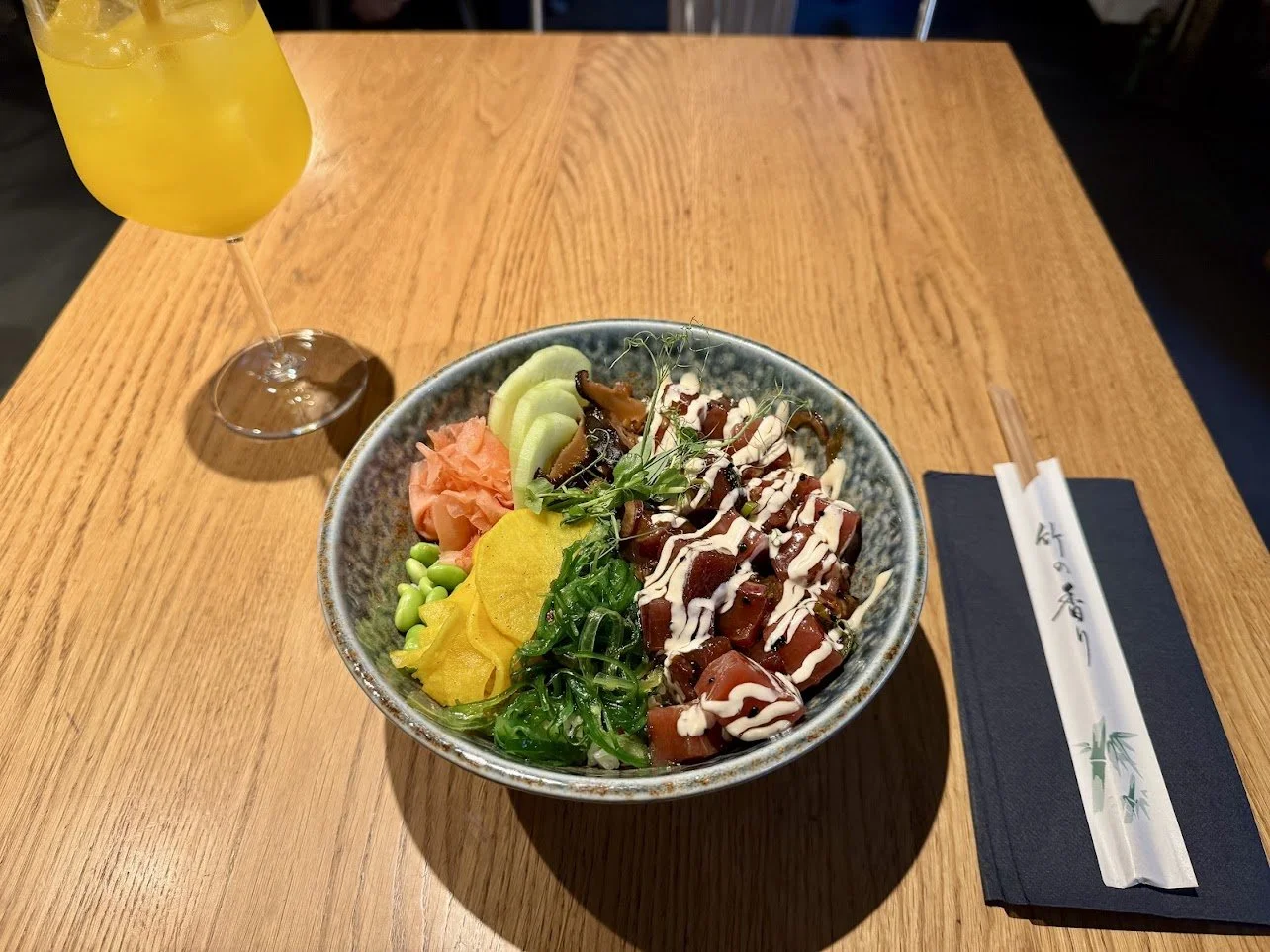
SOI Fusion Bar is tucked inside the courtyard of a hostel and serves Asian fusion dishes in a relaxed, modern setting that felt especially popular with younger locals and travelers. The atmosphere leaned casual and social, with outdoor seating, cocktails, dim lighting, and a menu focused on ramen, curries, rice bowls, noodle dishes, and Southeast Asian-inspired flavors. I ordered the tuna poke bowl with a mango spritz cocktail, both of which were excellent after several heavier Central European meals.
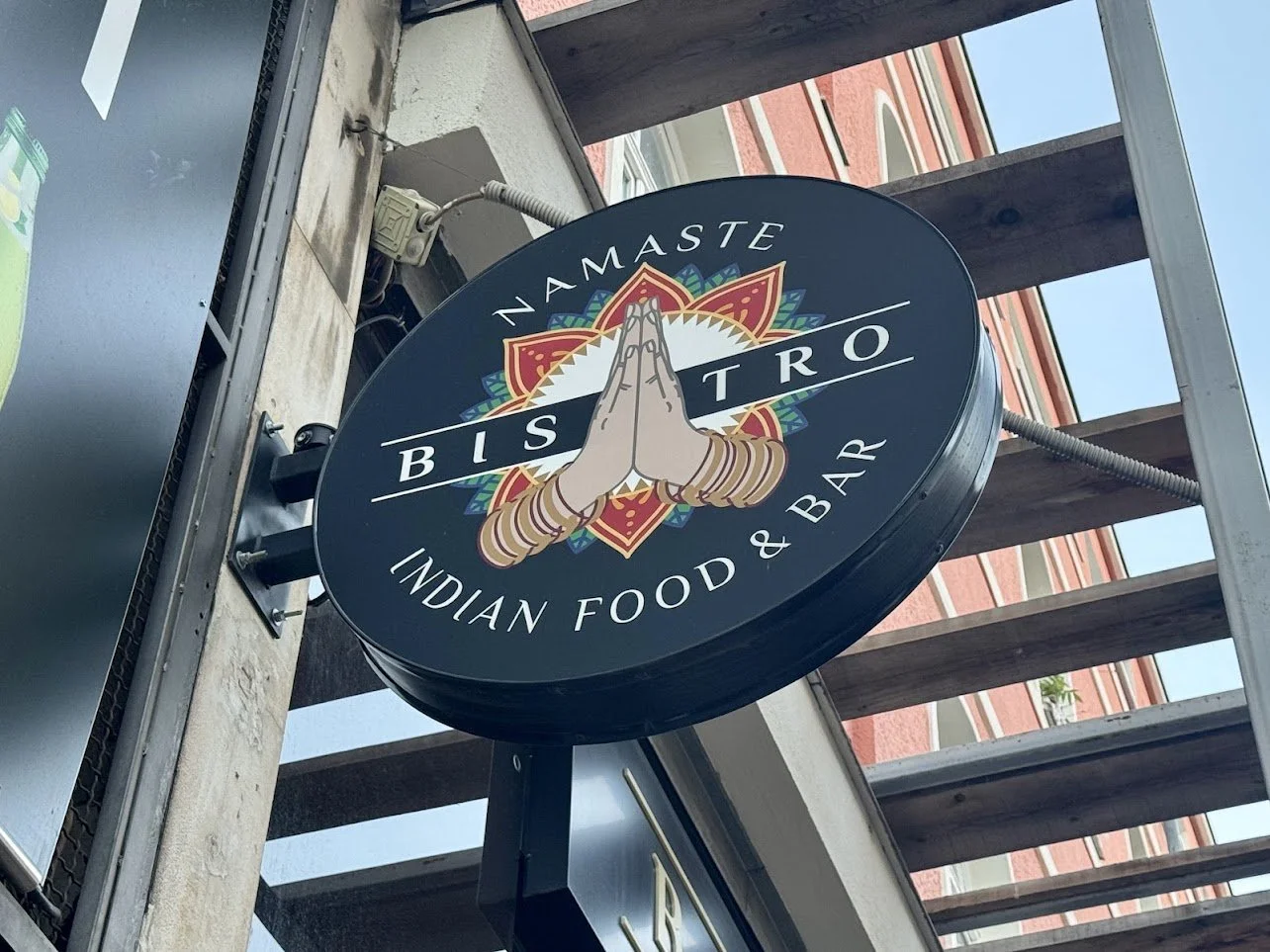
Namaste Bistro
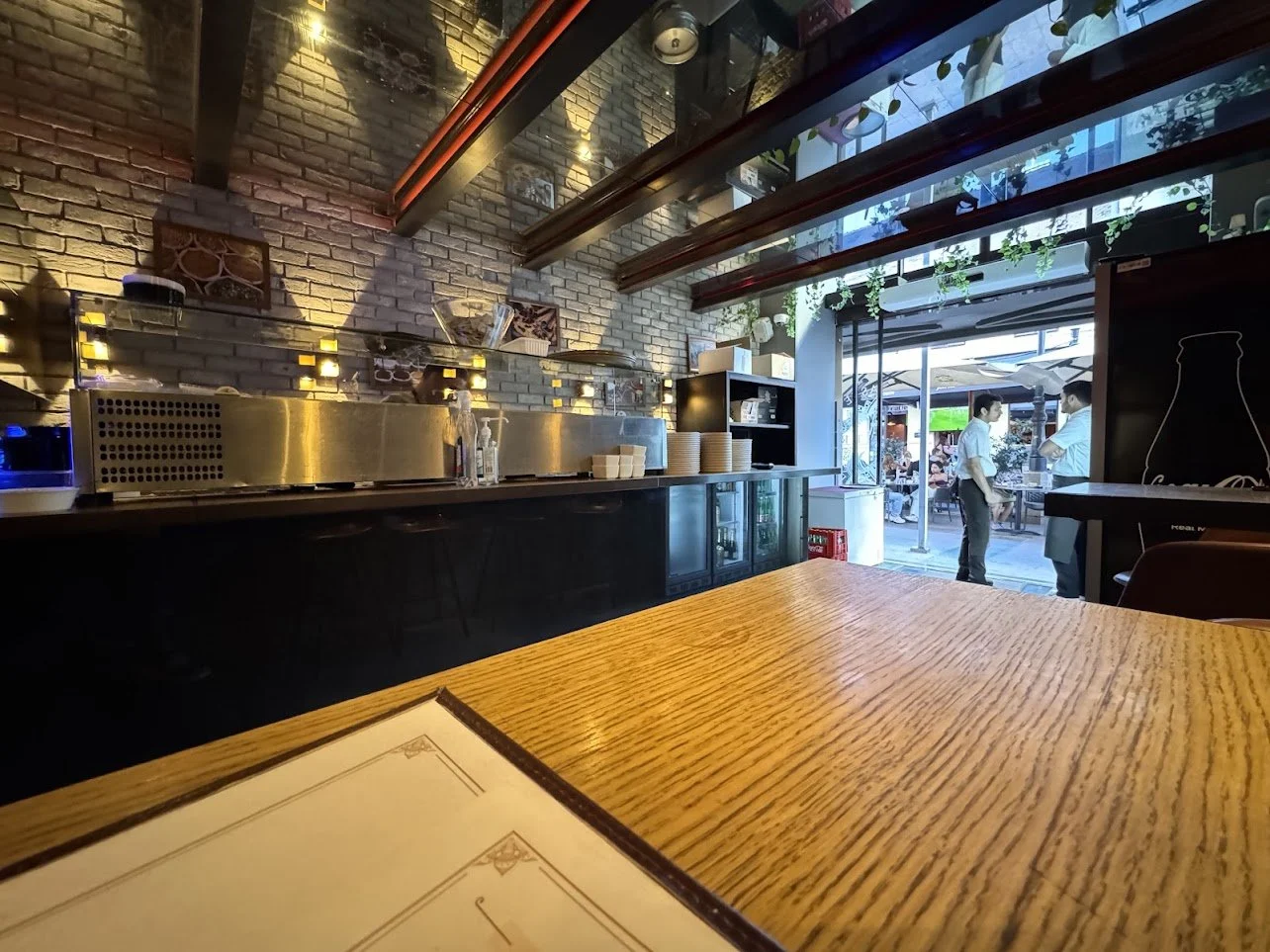
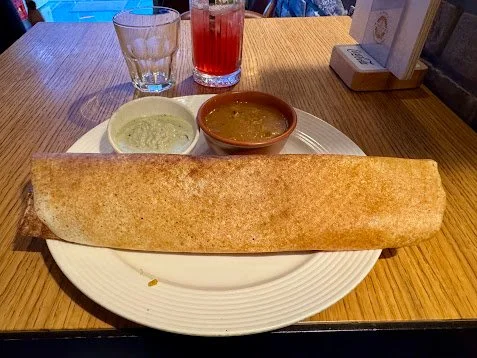
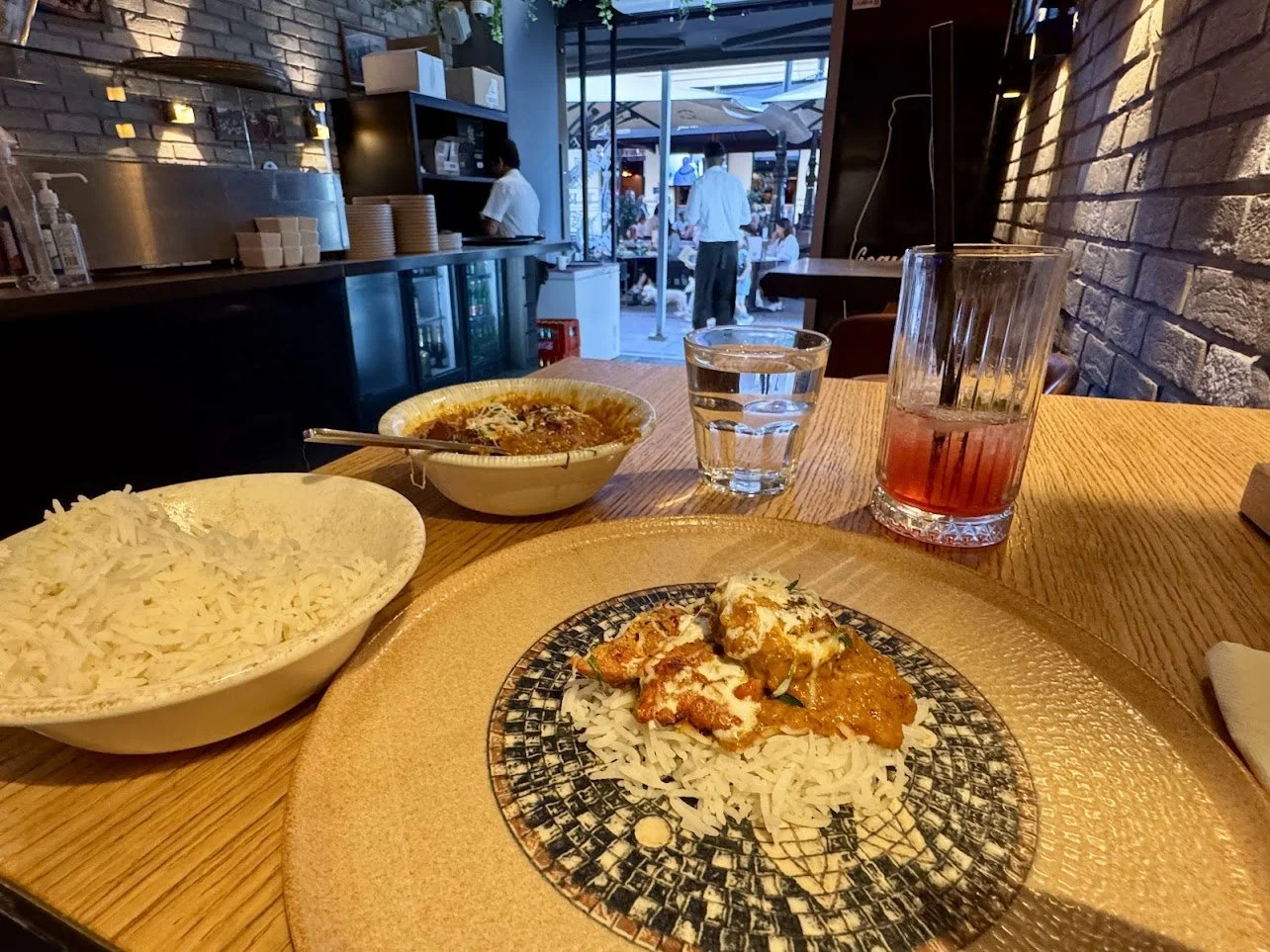
Located near one of Zagreb’s main pedestrian streets, Namaste Bistro felt calmer and more intimate than many of the city’s busier restaurants. The restaurant specializes in Indian cuisine, with many naturally gluten-free dishes clearly labeled throughout the menu.
One thing I learned quickly while traveling through Europe: outdoor dining and cigarette smoke often go hand in hand. As much as I loved the café culture and terrace seating throughout Europe, I also realized fairly quickly that I don’t particularly enjoy eating while surrounded by cigarette smoke—even outdoors. As a result, I often chose indoor seating despite beautiful weather, which occasionally seemed to confuse restaurant hosts.
Bistro Fetiš
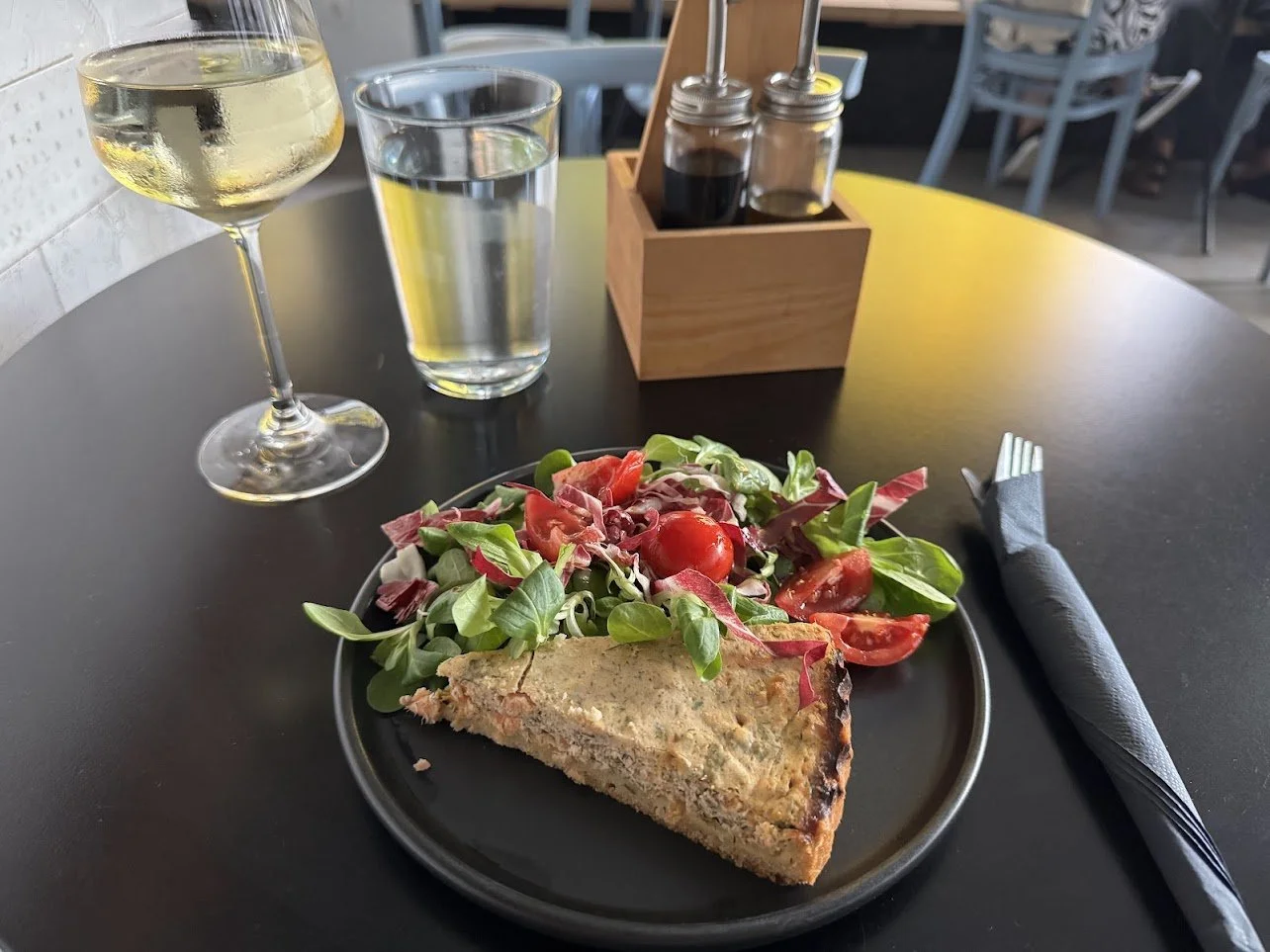
Bistro Fetiš ended up being one of my favorite gluten-free finds in Zagreb. Located east of the busiest parts of Donji Grad, the surrounding area felt quieter, more residential, and noticeably more local than the neighborhoods around Ban Jelačić Square. The restaurant itself felt modern, cozy, and relaxed, with more of a neighborhood café atmosphere than a heavily touristed restaurant.
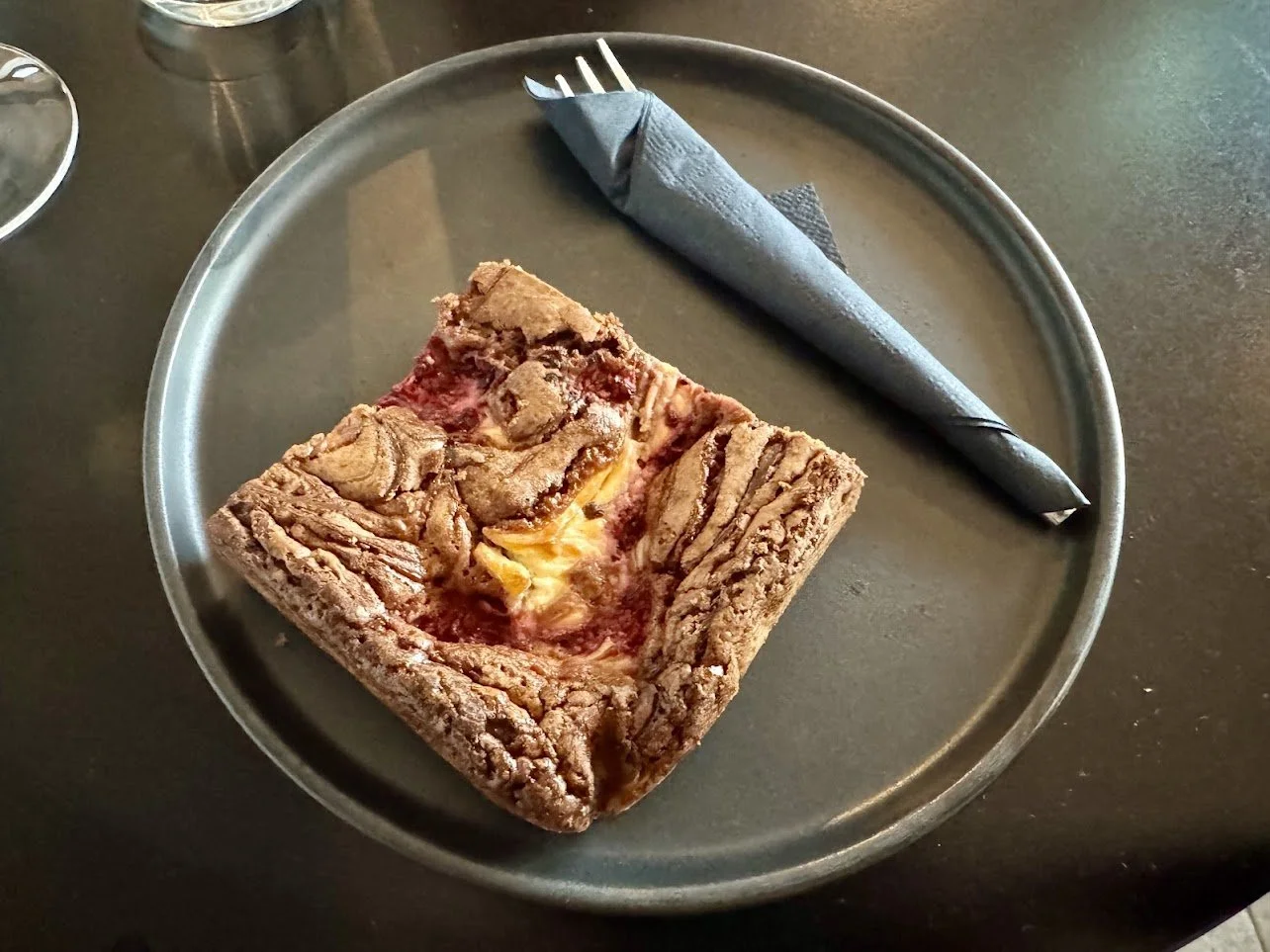
Most importantly, the entire menu is gluten-free. For anyone traveling with celiac disease, that immediately changes the experience. There’s less stress, less second-guessing, and far less mental energy spent trying to assess risk with every order. I ordered the salmon quiche and raspberry cheesecake brownie, both of which were excellent.
At the same time, choosing the restaurant felt slightly like a gamble because Bistro Fetiš doesn’t have a website, so I wasn’t able to preview the menu or fully know what to expect beforehand. Fortunately, taking the chance paid off.
Final Thoughts: Zagreb, Croatia
Zagreb ended up being one of the most unexpectedly relaxing stops of my trip. It wasn’t defined by major landmarks or nonstop activity, and that ultimately became part of its appeal.
Instead, the city stood out through its parks, neighborhoods, cafés, residential streets, and slower pace of daily life. After some of the larger and more heavily touristed cities earlier in my trip, Zagreb felt noticeably calmer and more grounded.
And somewhere between the Green Horseshoe, Maksimir Park, Plitvice Lakes, and the unnecessarily complicated Airbnb entry process, Zagreb became one of the places I was most glad I included in my itinerary.
Travel Gear Reviews
-
![The Ultimate Europe Packing List]()
The Ultimate Europe Packing List: Everything I Actually Used
The exact luggage, gear, footwear, technology, and clothing that survived three months of continuous solo travel.
-
![Travel Shoes For Europe]()
The Walking Shoes That Survived Three Months of European Travel
These provided the comfort, support, waterproof protection, and versatility I needed for long days on my feet.
-
![Waterproof Travel Gear]()
Waterproof Travel Gear: Essentials That Keep You Exploring
Rain gear is one of the best investments you can make for an extended European trip. These waterproof essentials earned a permanent place on my packing list.
-
![Phone Wrist Strap]()
The Phone Wrist Strap That Helped Protect My Phone Across Europe
A simple, low-cost travel accessory provided peace of mind in crowded cities and added security throughout my three-month trip.
-
![Travel Technology]()
The Technology I Used During Three Months of Traveling Europe
The travel tech that helped me navigate, stay connected, protect my photos, and travel independently.