Budapest Travel Guide: A City I Wasn’t Ready to Leave
River walks, café culture, and the moment solo travel started feeling less solitary.
Before leaving for Europe, Budapest was one of the destinations people reacted most strongly to when I shared my itinerary.
“You’re going to love Budapest.”
Almost everyone said some version of it.
At the time, my knowledge of the city was fairly limited. I knew Buda and Pest had once been separate cities divided by the Danube River, and I knew the pronunciation was “Buda-pesht.” That was about it.
After a slightly more subdued experience in Vienna, I was ready for a change in atmosphere. Budapest delivered almost immediately.
The only disappointing part was how little time I gave myself there. I stayed just two nights with one full day in the city, and it became obvious very quickly that it wasn’t enough. Budapest felt layered in a way that made me want more time: more neighborhoods, more evenings along the river, more long walks, more meals, more opportunities to explore
This guide covers where I stayed, how I spent my time exploring both Buda and Pest, and why Budapest quickly became one of the places where I wanted more time.
Some links in this post may be affiliate links, which means I may earn a small commission if you book through them—at no additional cost to you. I only share places and services I personally used or genuinely enjoyed during my trip. Read the full disclosure policy.
Budapest, Hungary Overview
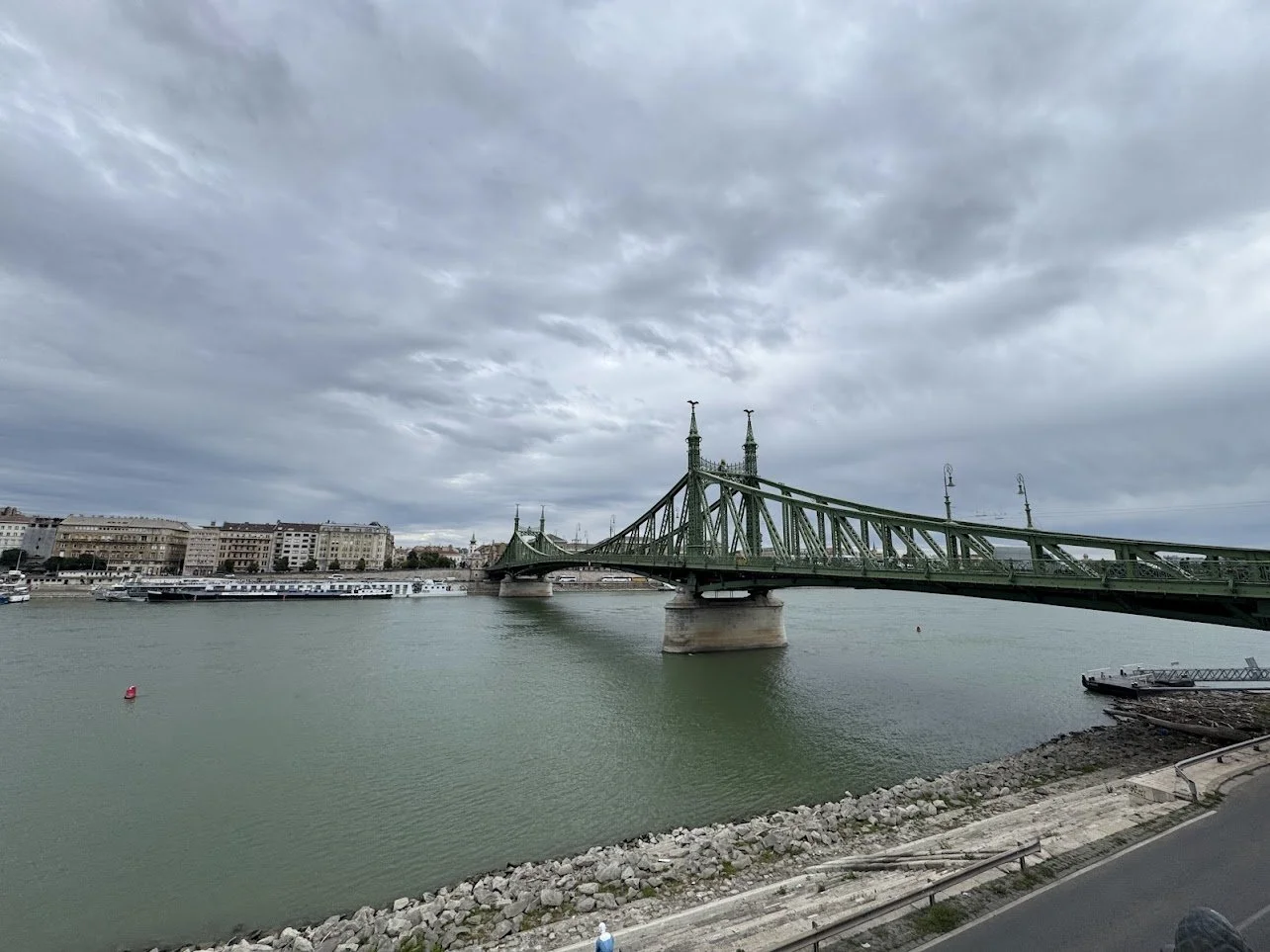
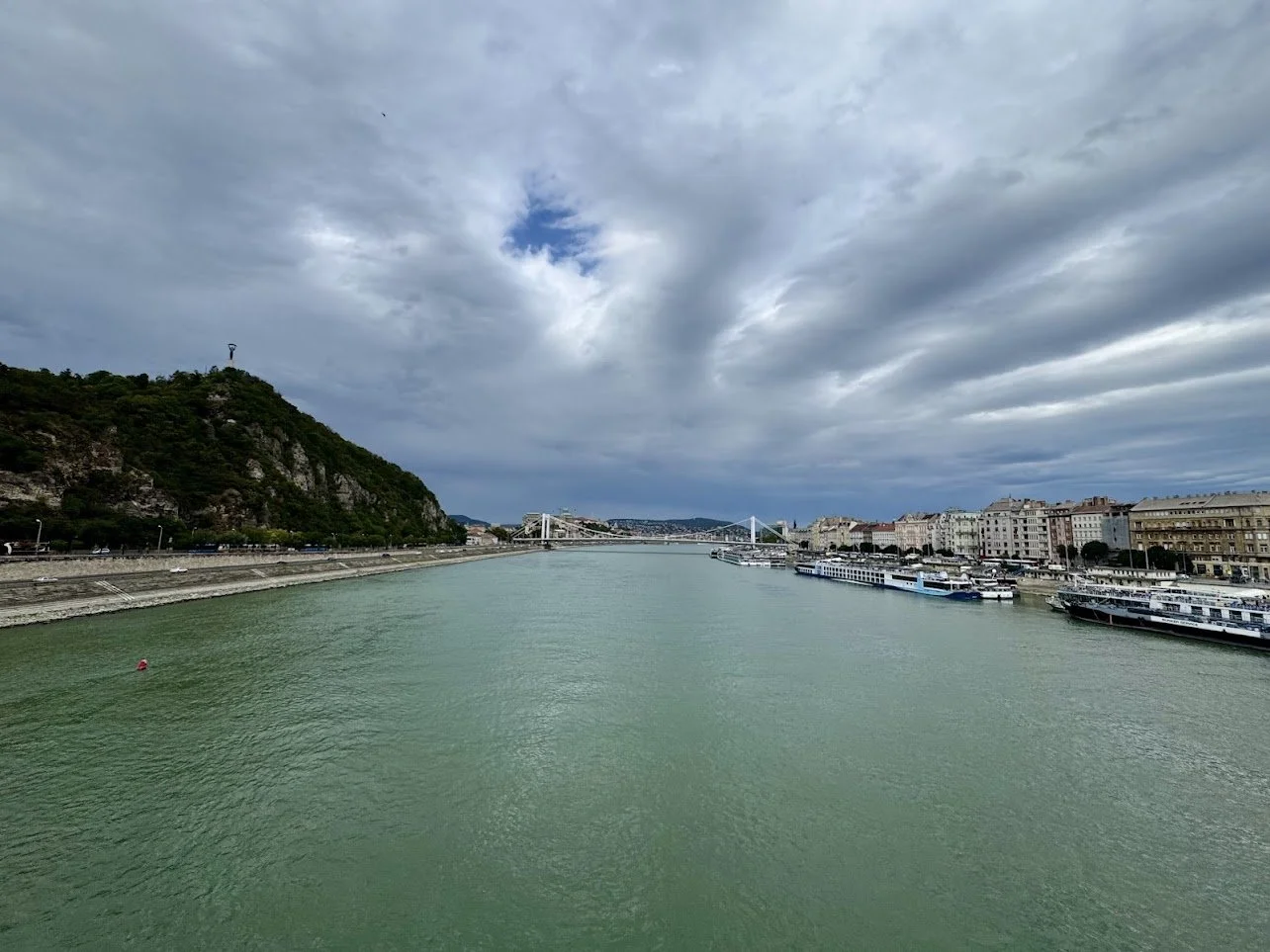
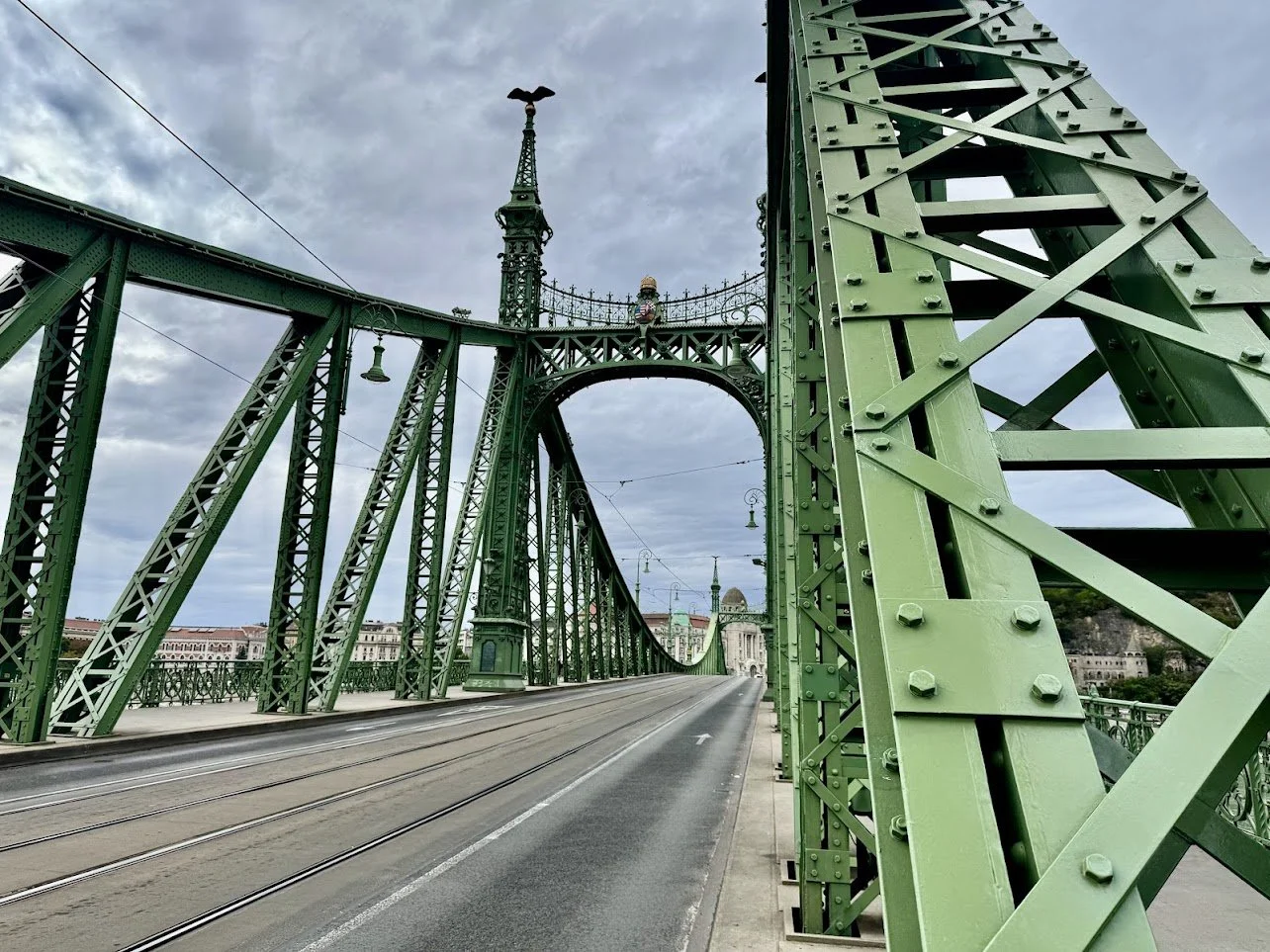
Budapest, the capital of Hungary, stretches across both sides of the Danube River, with the historic hills of Buda facing the flatter, busier neighborhoods of Pest. Massive bridges, grand boulevards, hilltop viewpoints, thermal baths, and ornate architecture give the city a dramatic scale that somehow still feels approachable.
What surprised me most, though, was how often parts of Budapest reminded me of Paris.
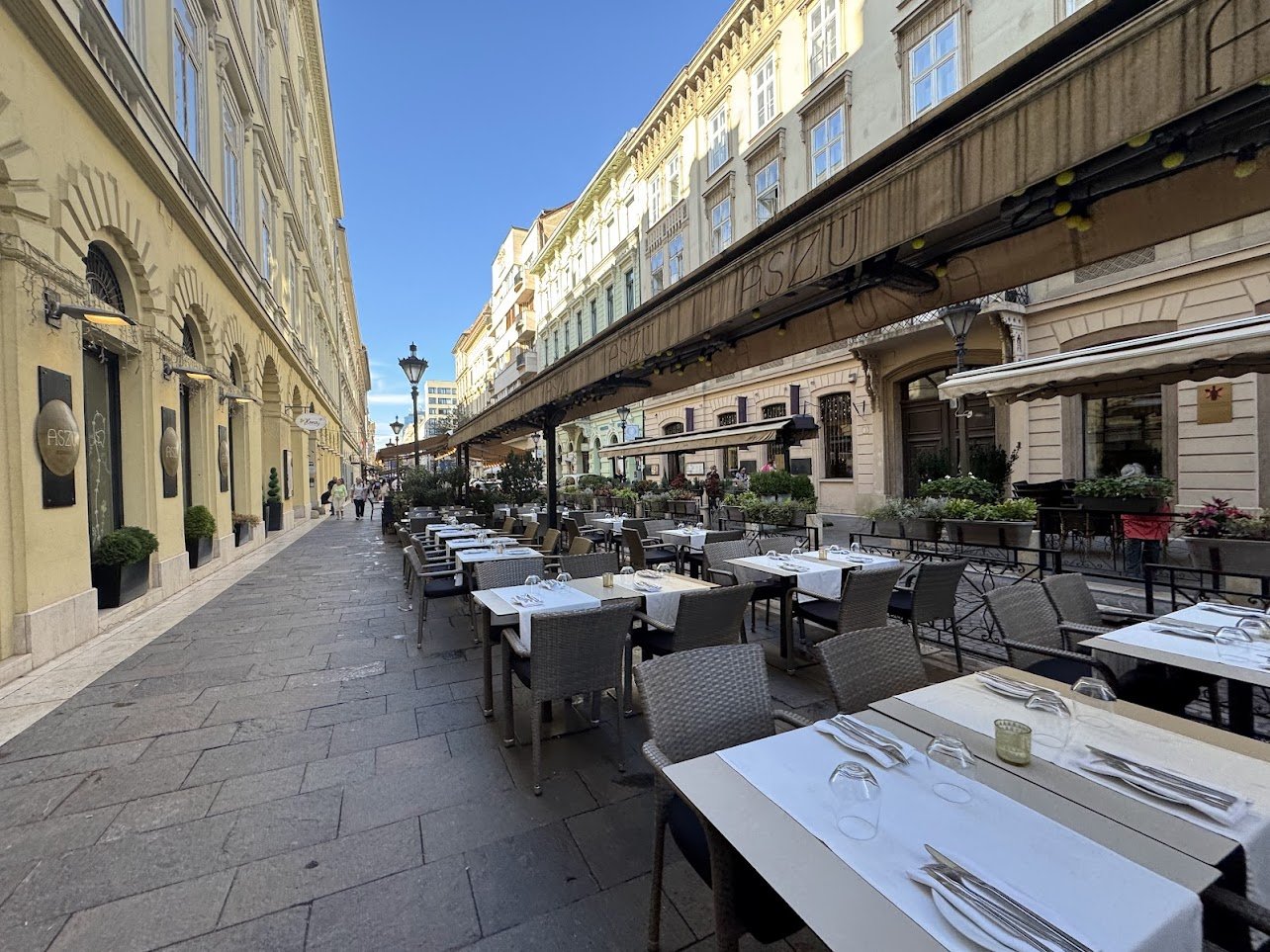
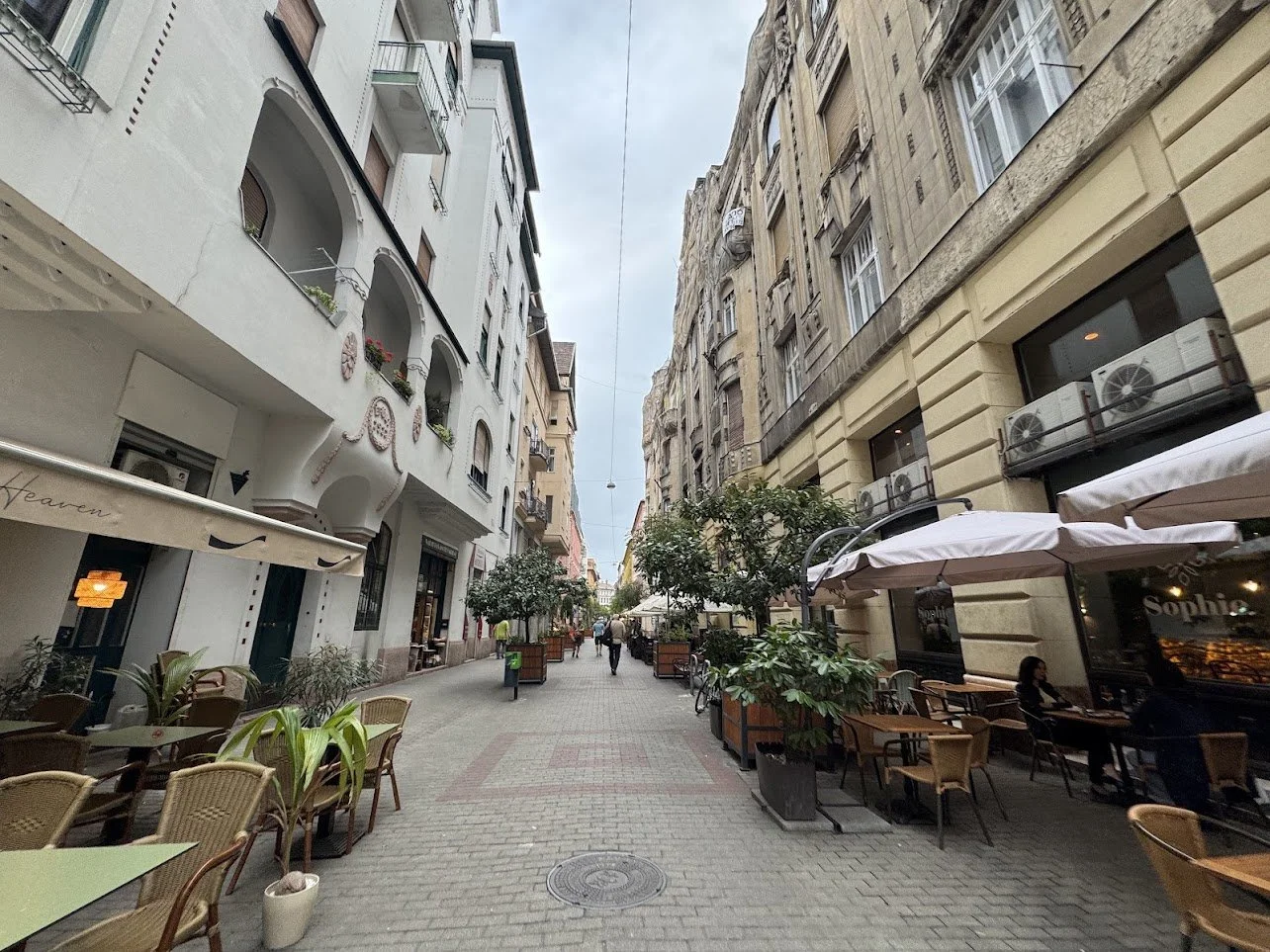
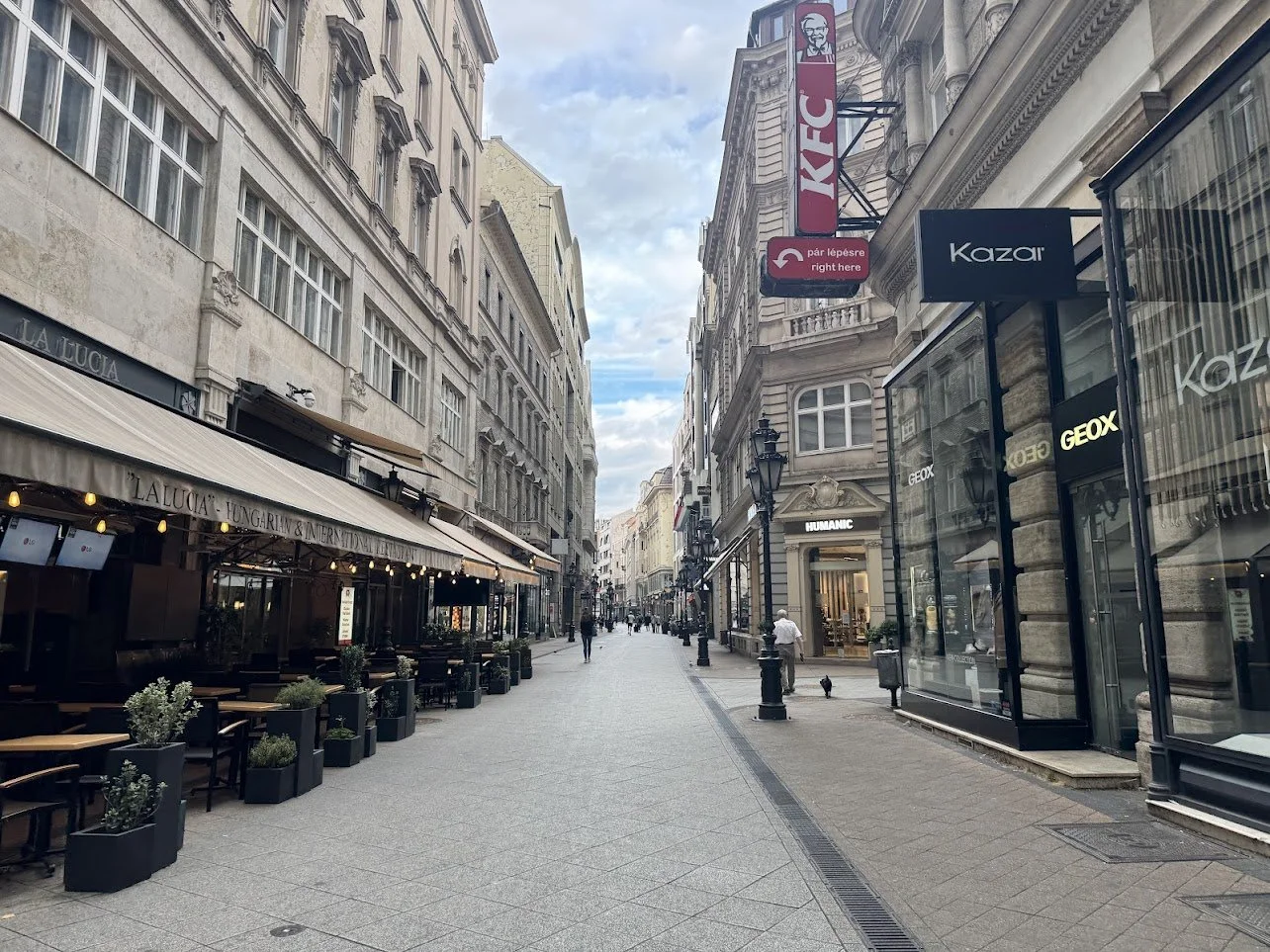
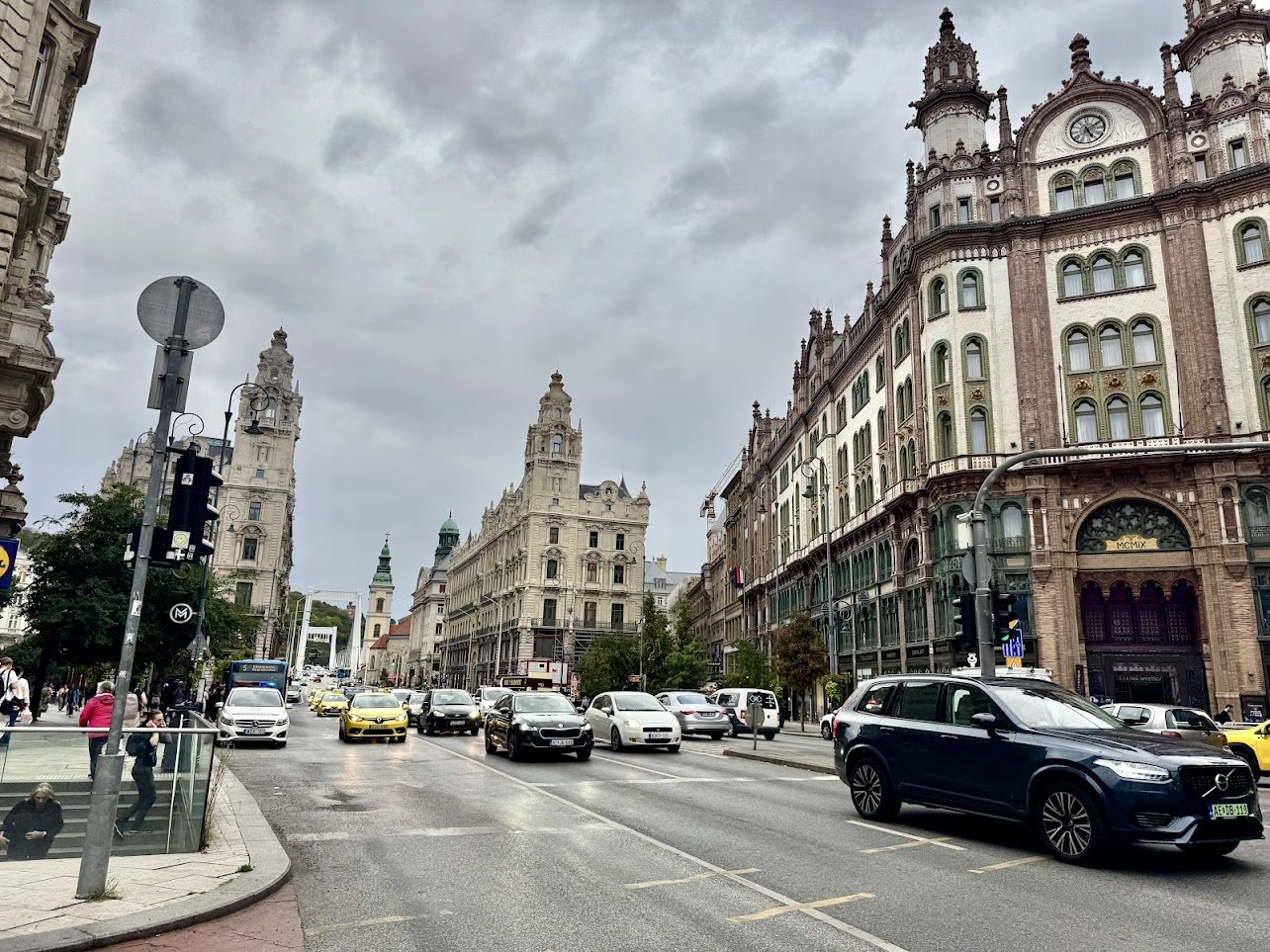
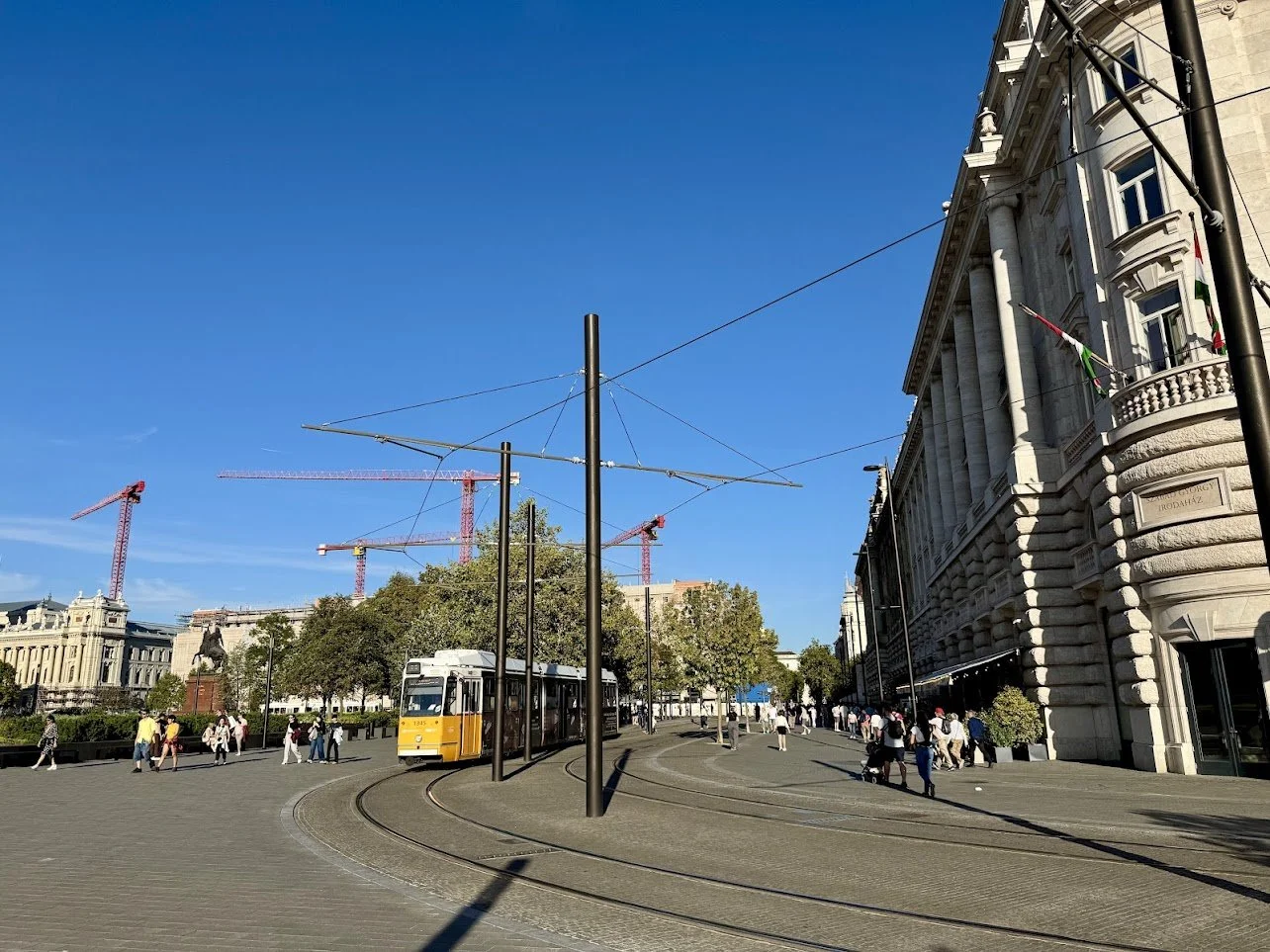
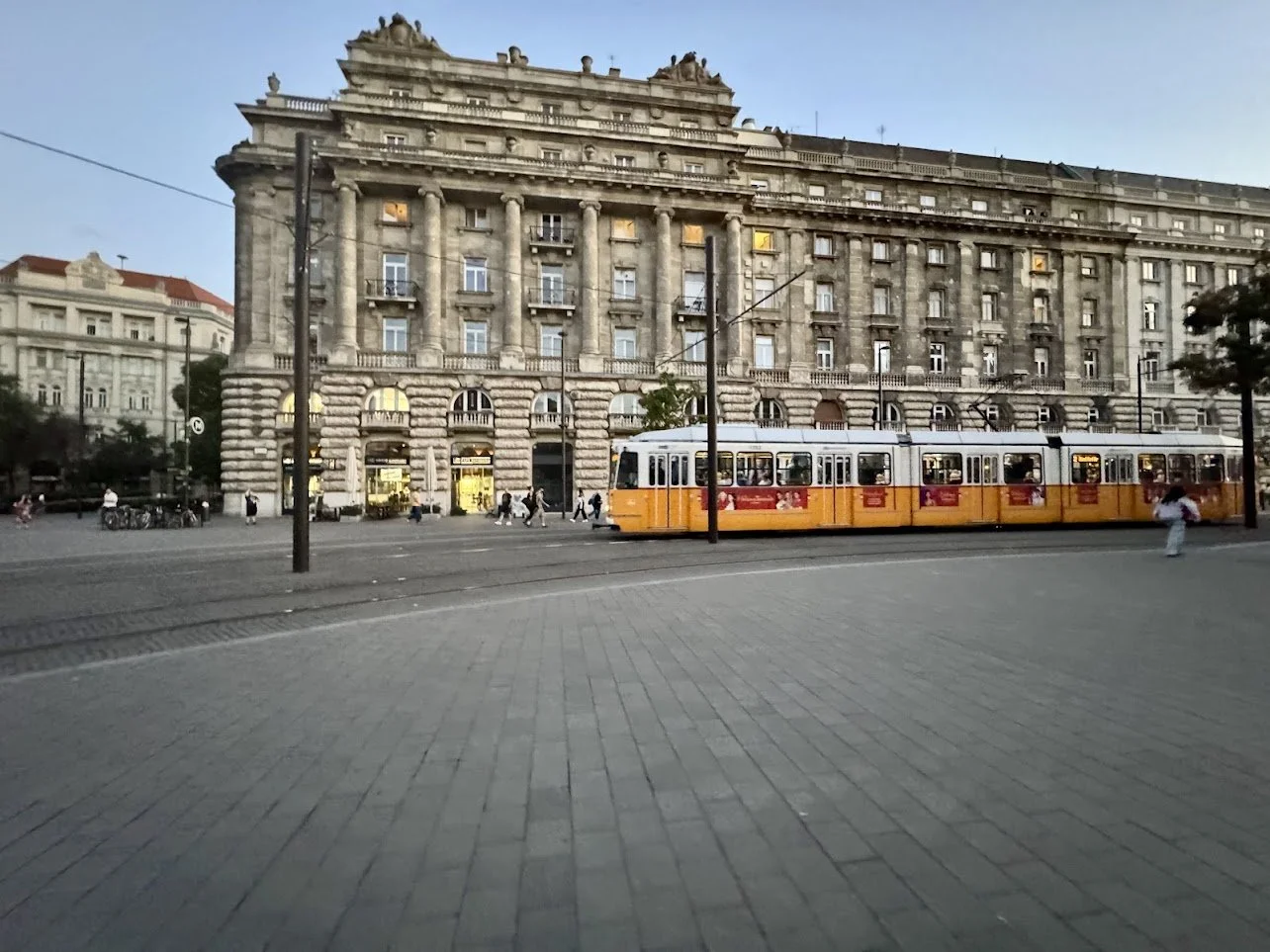
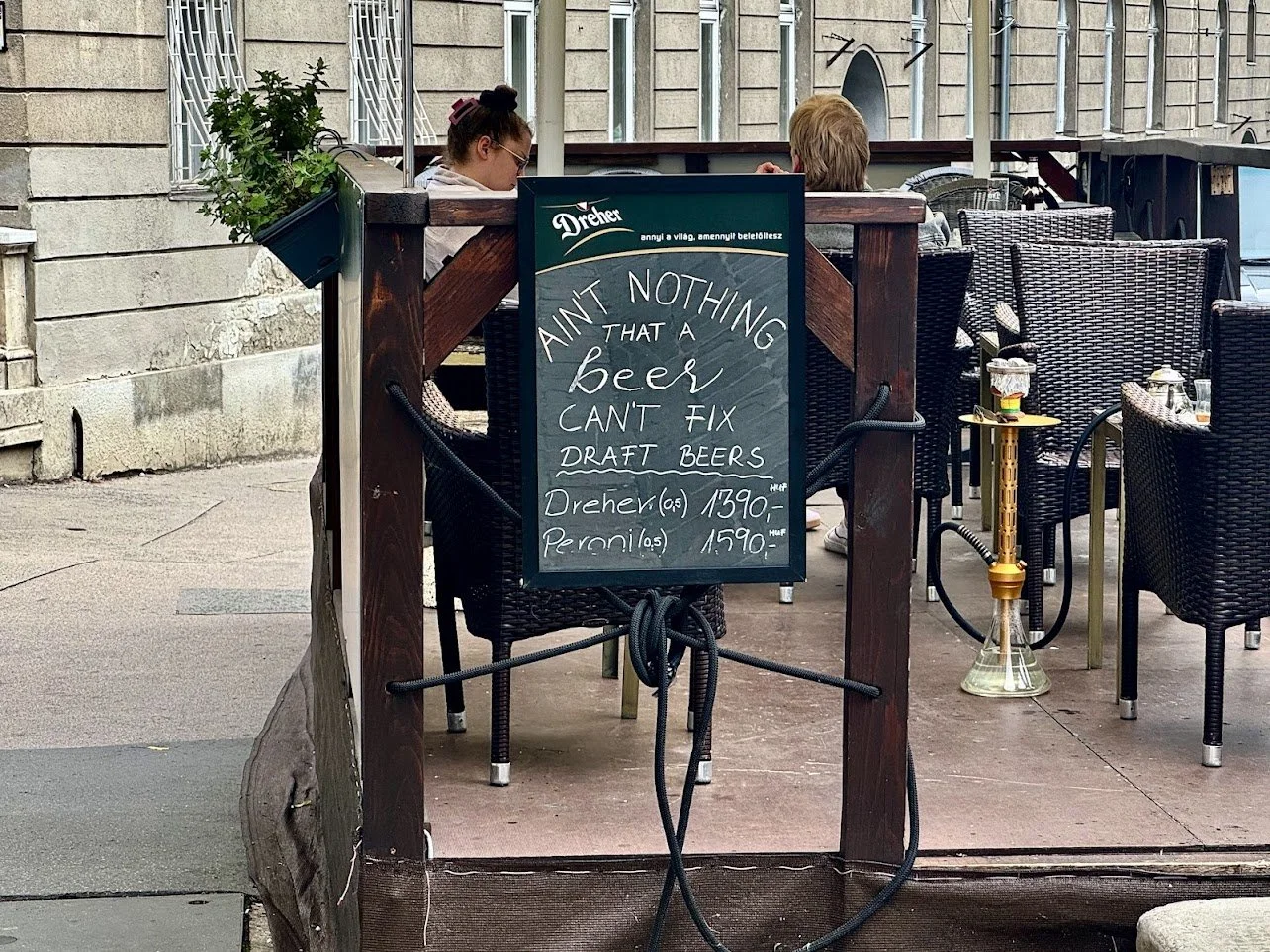
Certain neighborhoods in Pest, especially around the larger boulevards and café-lined side streets, carried a distinctly Parisian energy. The late-19th-century architecture, wrought-iron balconies, outdoor terraces, and slower café culture created a rhythm that felt unexpectedly familiar.
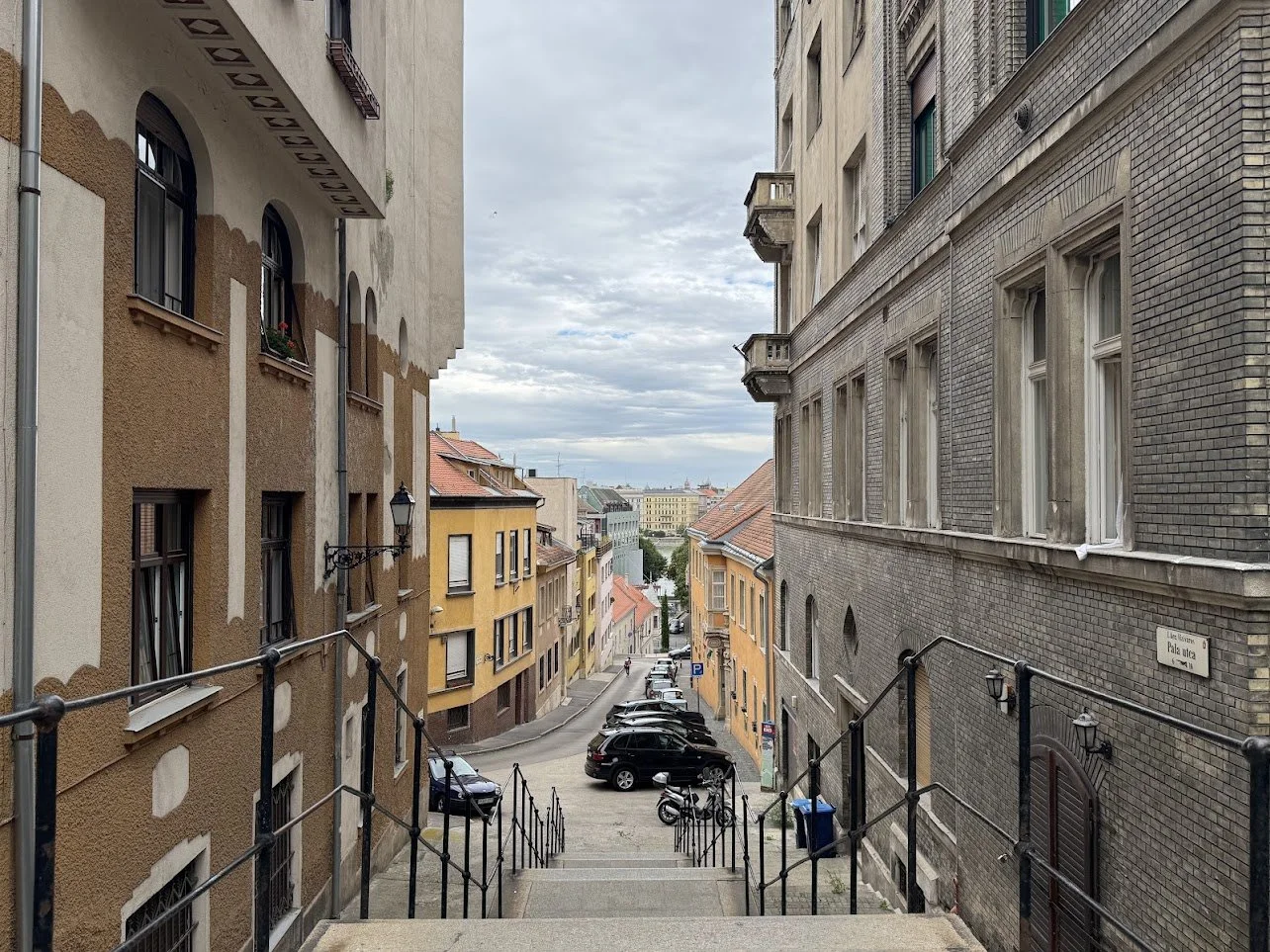
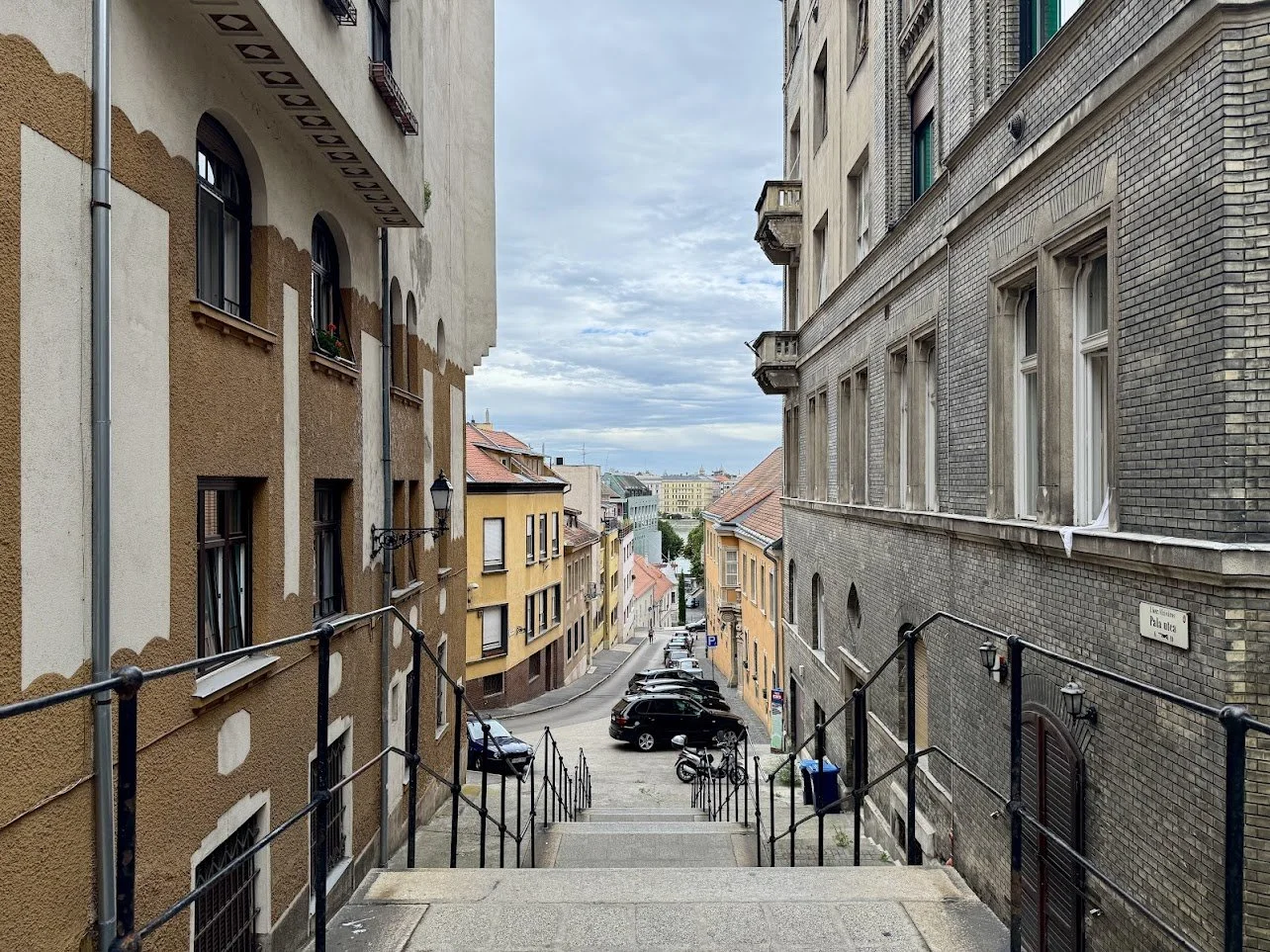
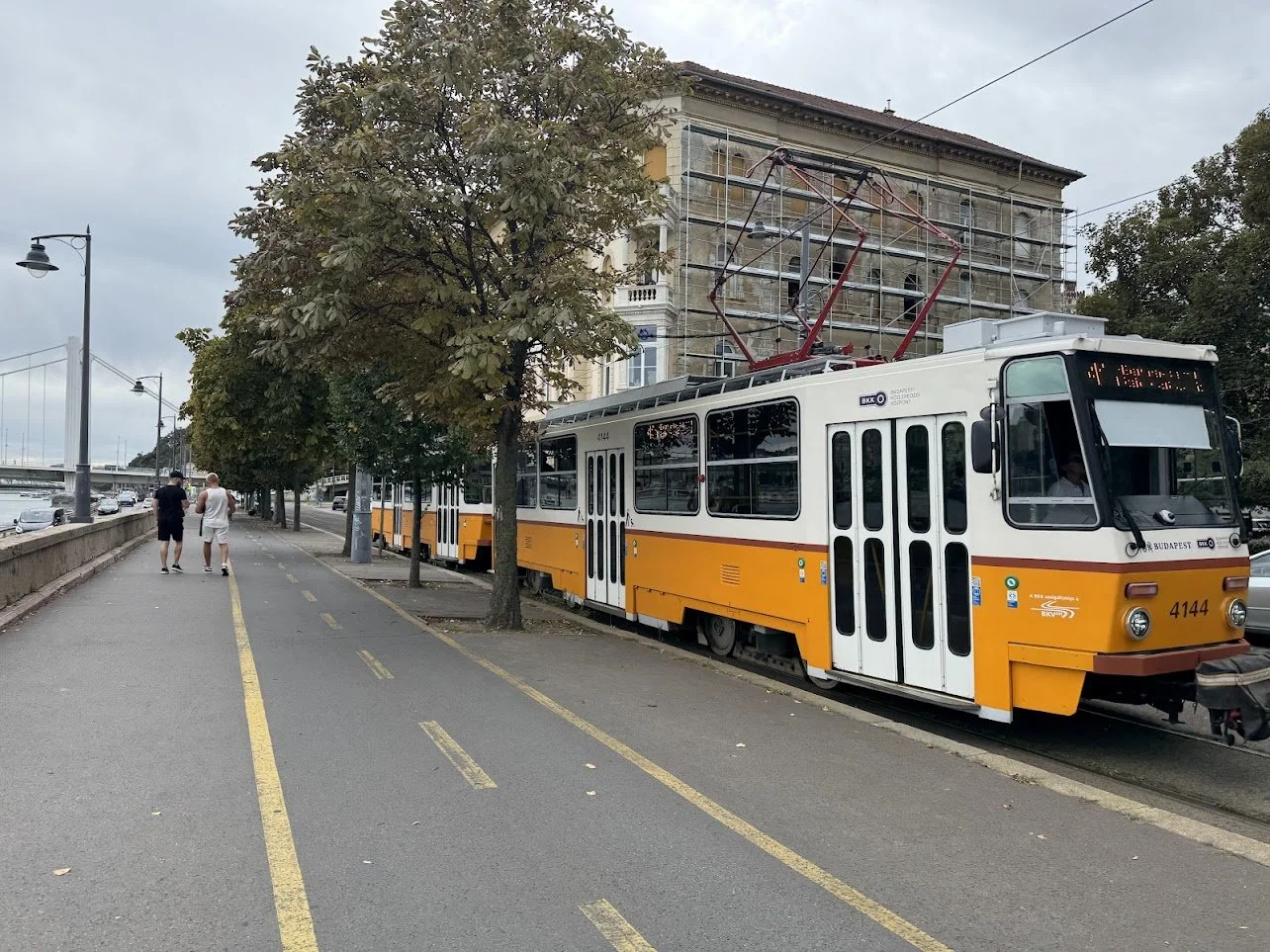
Much like Prague, Budapest quietly becomes far more physical than it initially appears. Pest is relatively flat and easy to navigate, but Buda quickly shifts into steep streets, staircases, and long uphill walks toward viewpoints and castle areas. Between the bridges, hills, and sheer scale of the city, Budapest often involves much more walking than you expect. Thankfully, the views always justified the effort.
Where I Stayed In Budapest, Hungary: District V / Belváros–Lipótváros
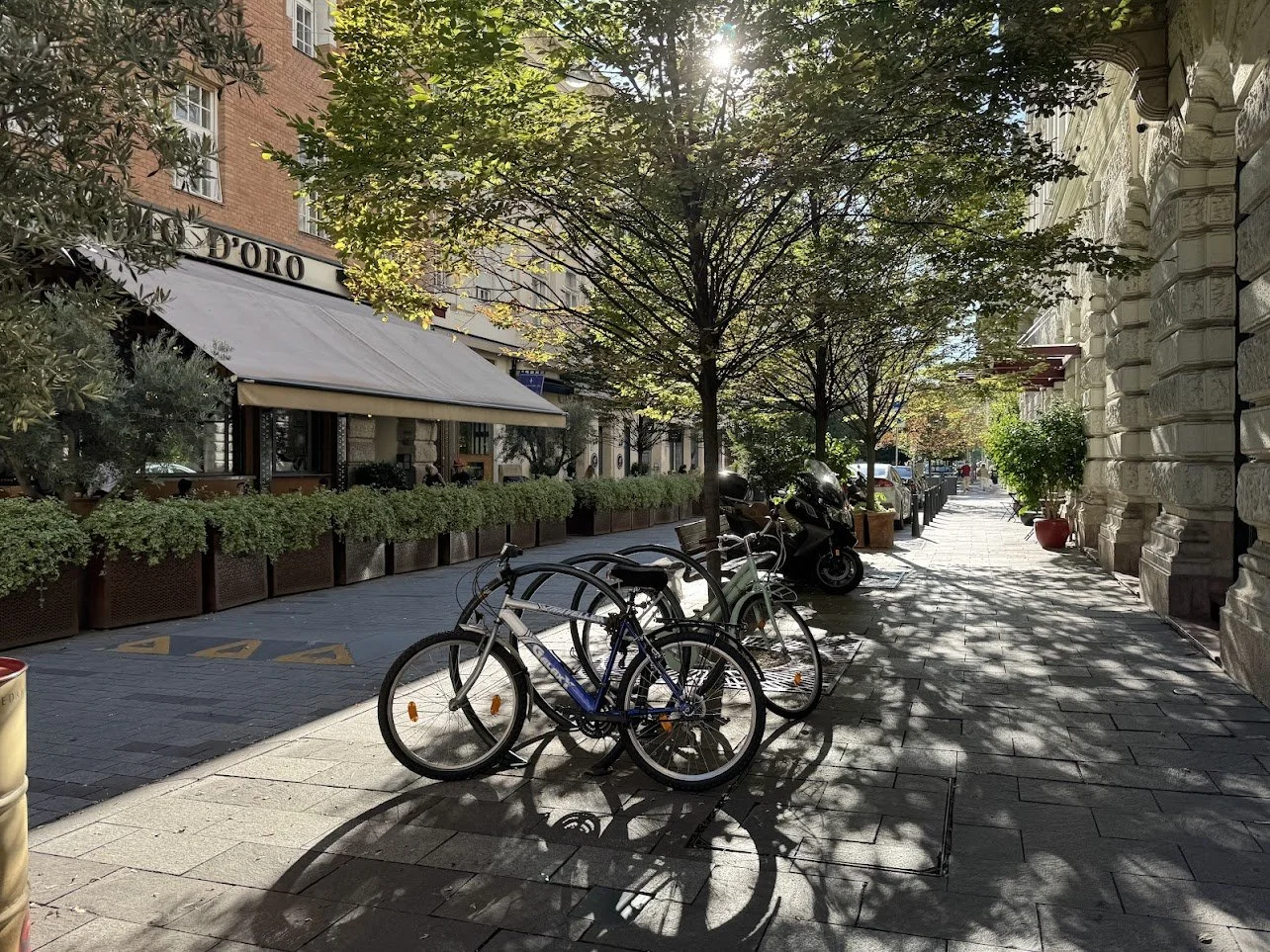
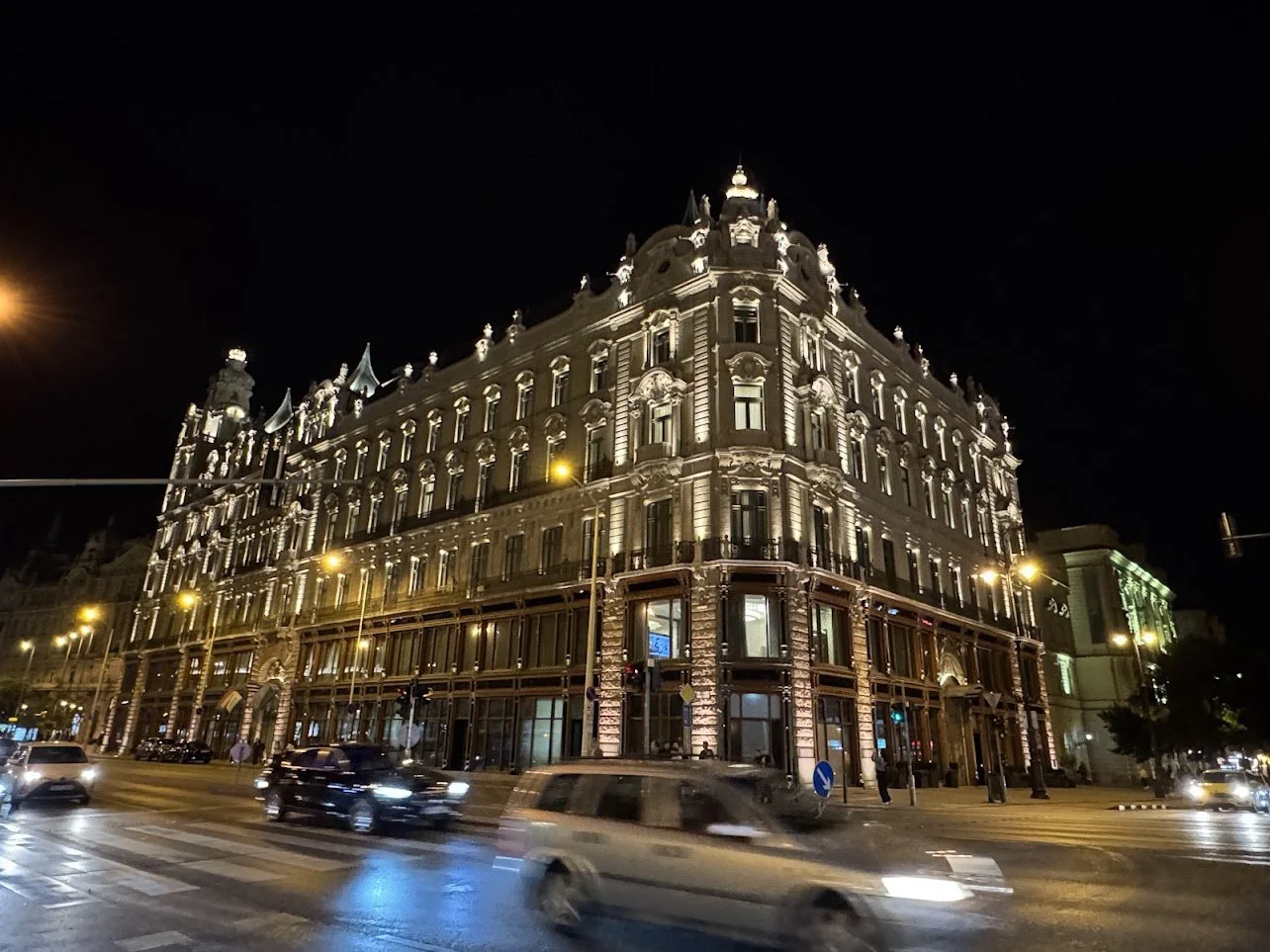
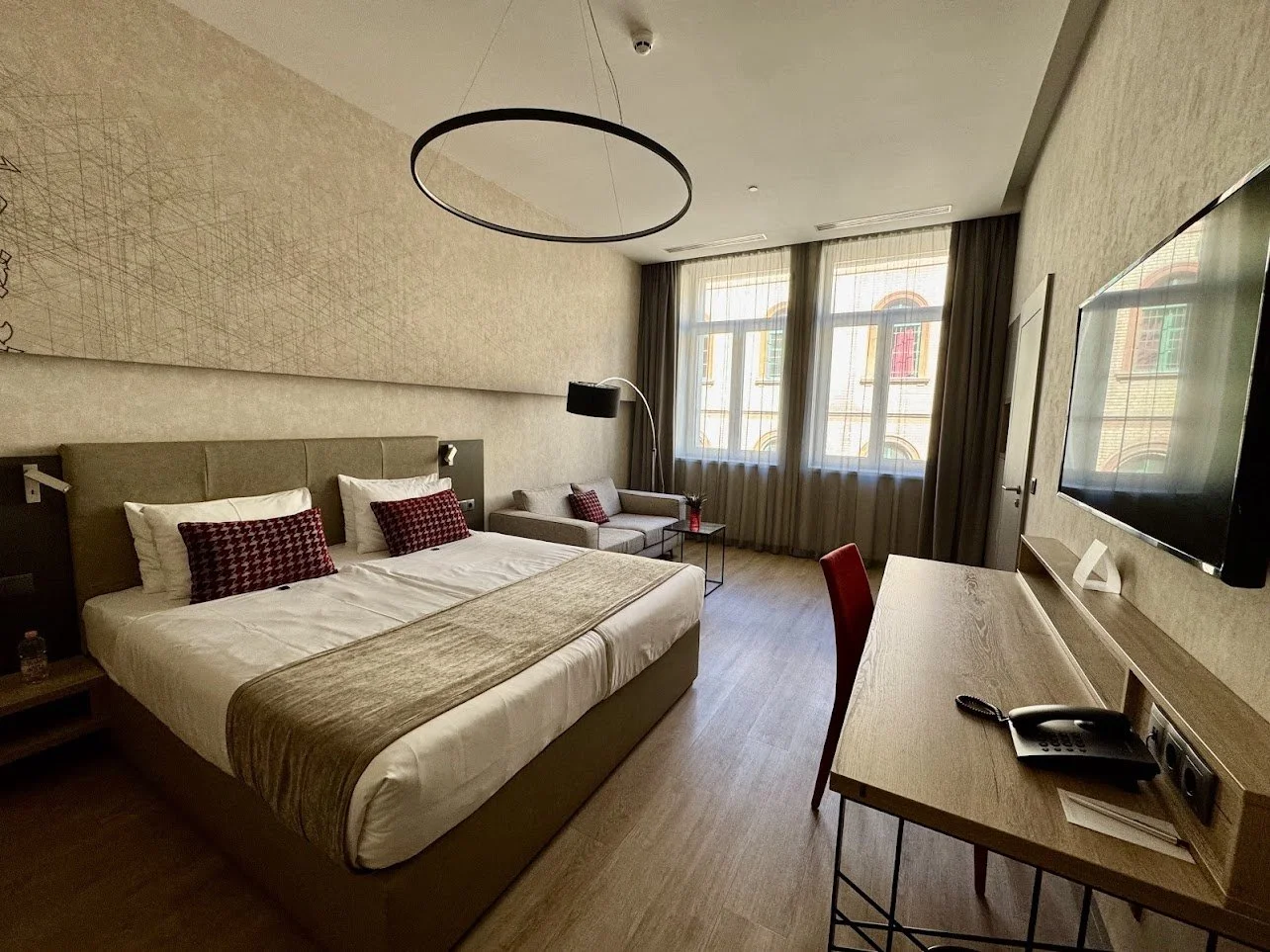
I stayed at Hotel Vision Budapest in Belváros–Lipótváros along the Pest side of the Danube near the Inner City. The location was perfect. The hotel sits near the Elizabeth Bridge, the Danube Promenade, and is within easy walking distance of many major landmarks throughout central Pest
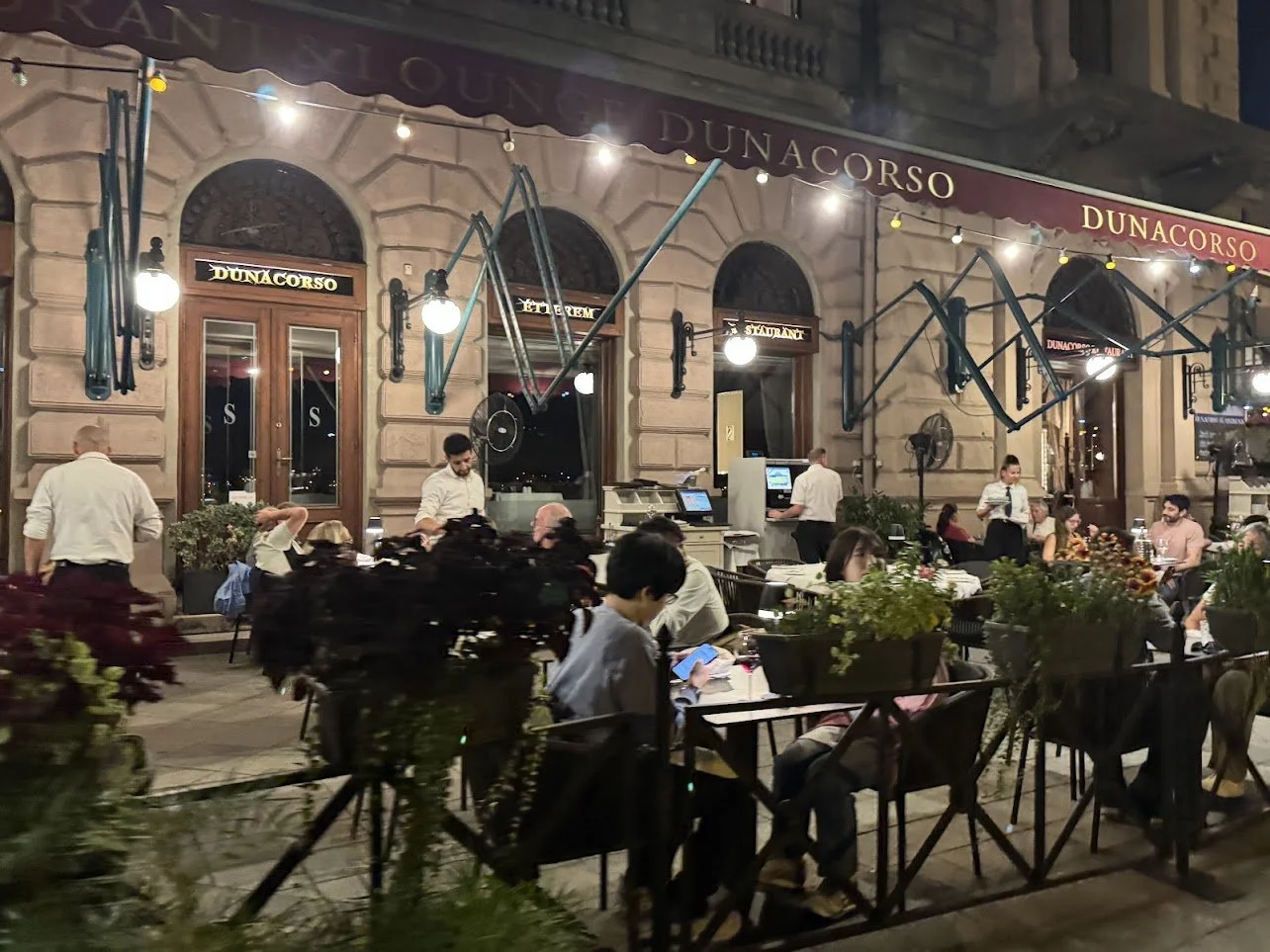
The surrounding neighborhood blended riverfront views, historic apartment buildings, cafés, restaurants, and quieter residential streets. And in the evenings, parts of the area genuinely reminded me of Paris, especially outdoor terraces filled with people lingering over drinks and dinner. The sidewalks stayed active late into the evening.
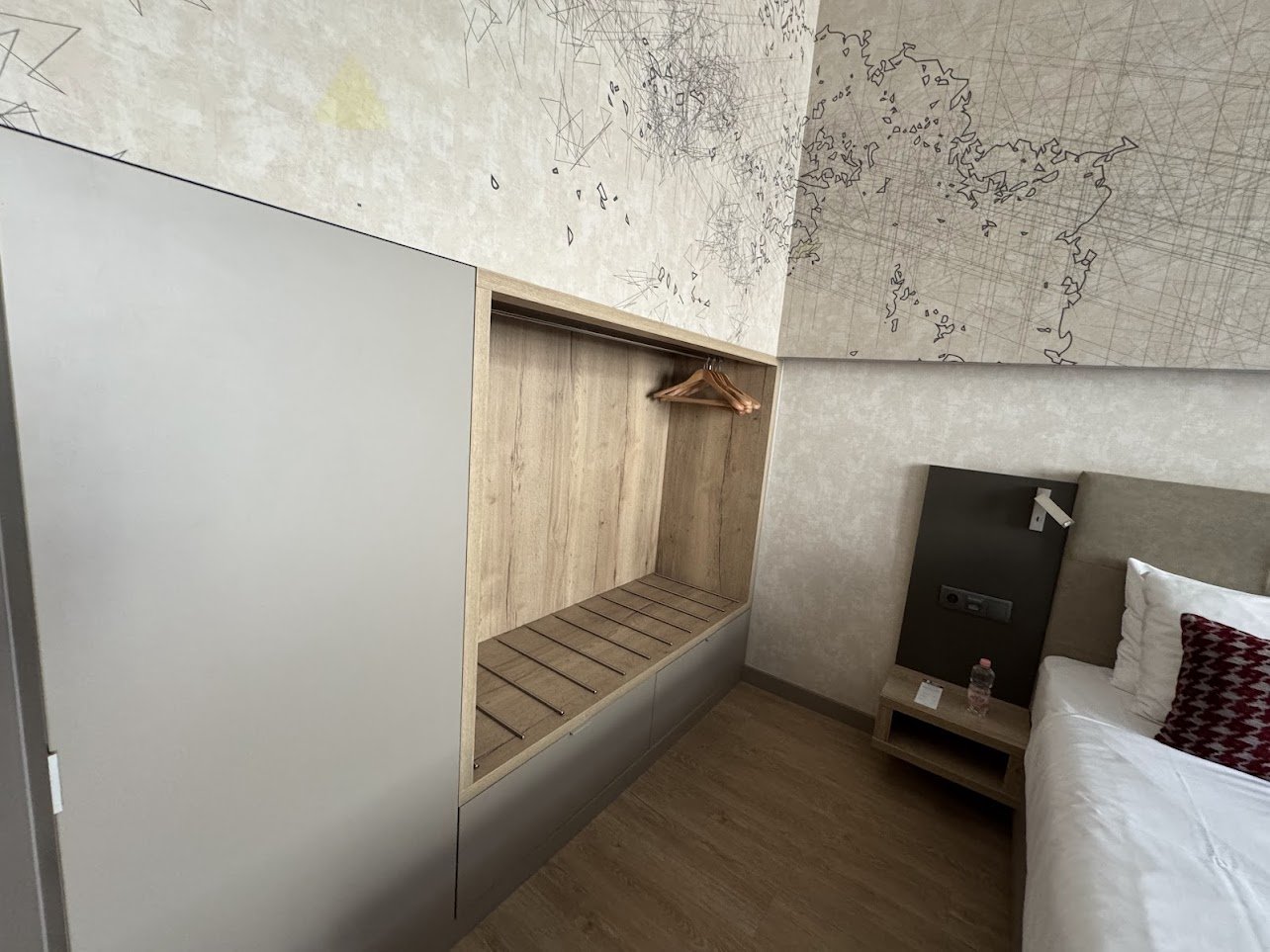
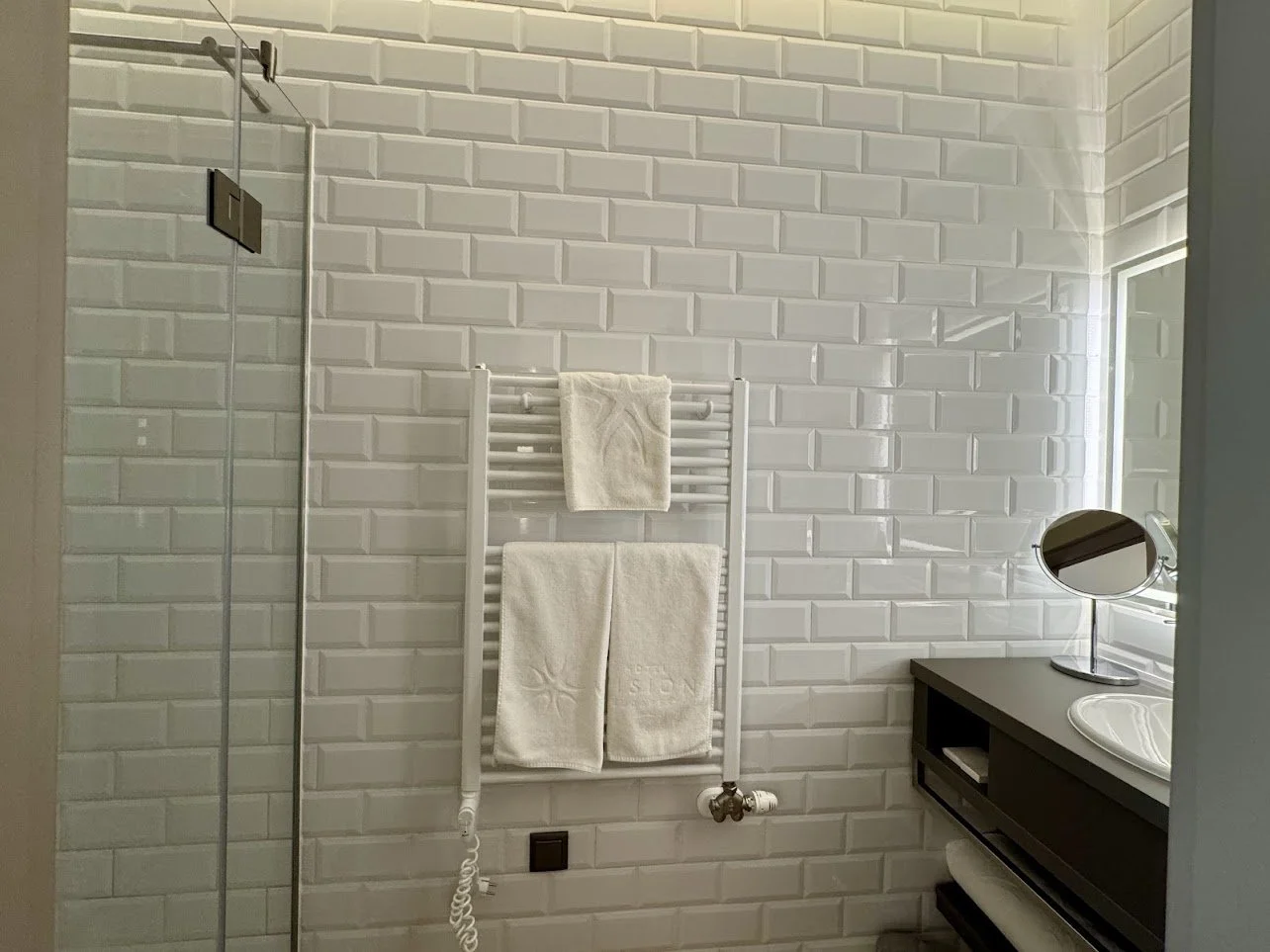
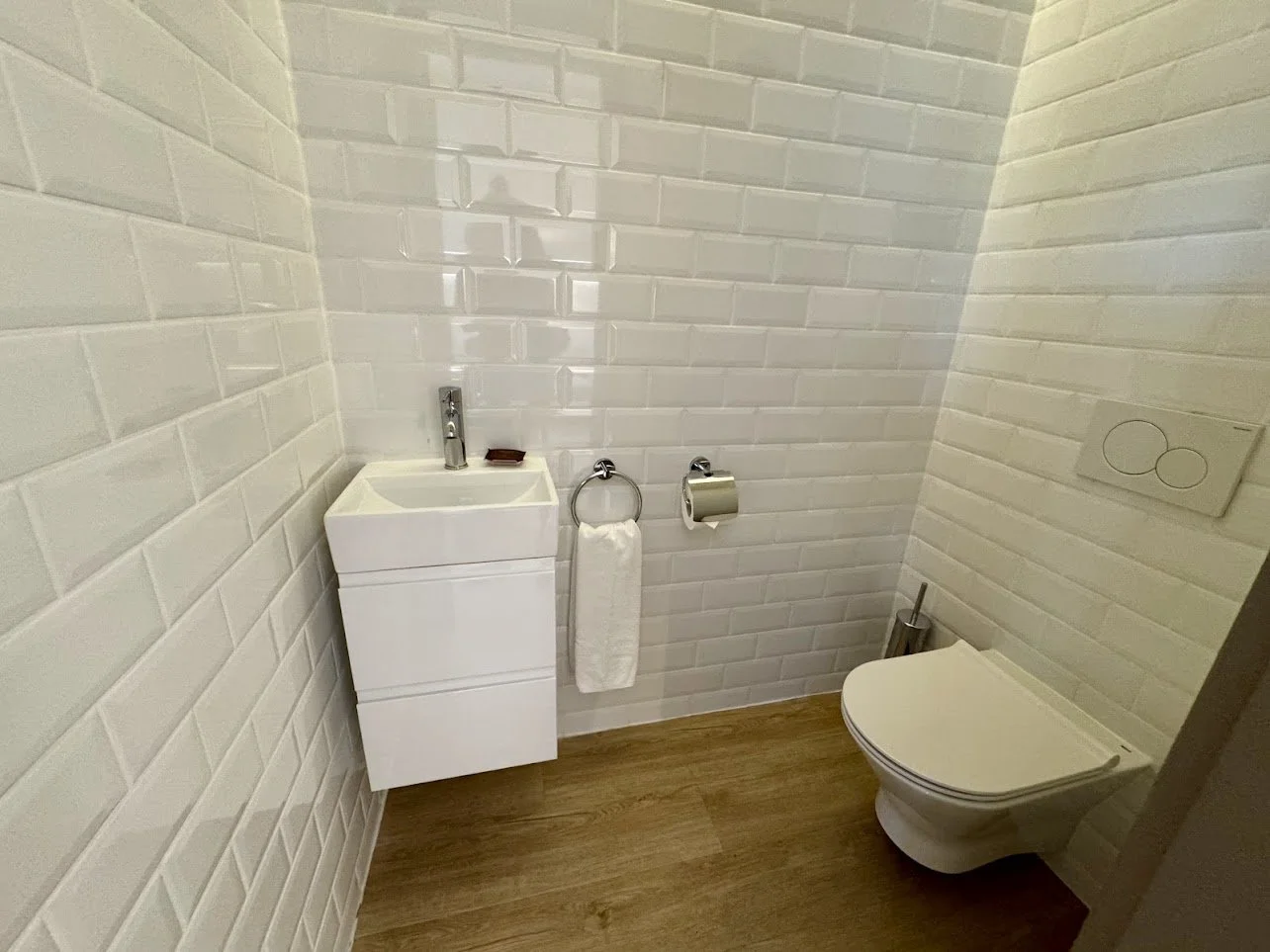
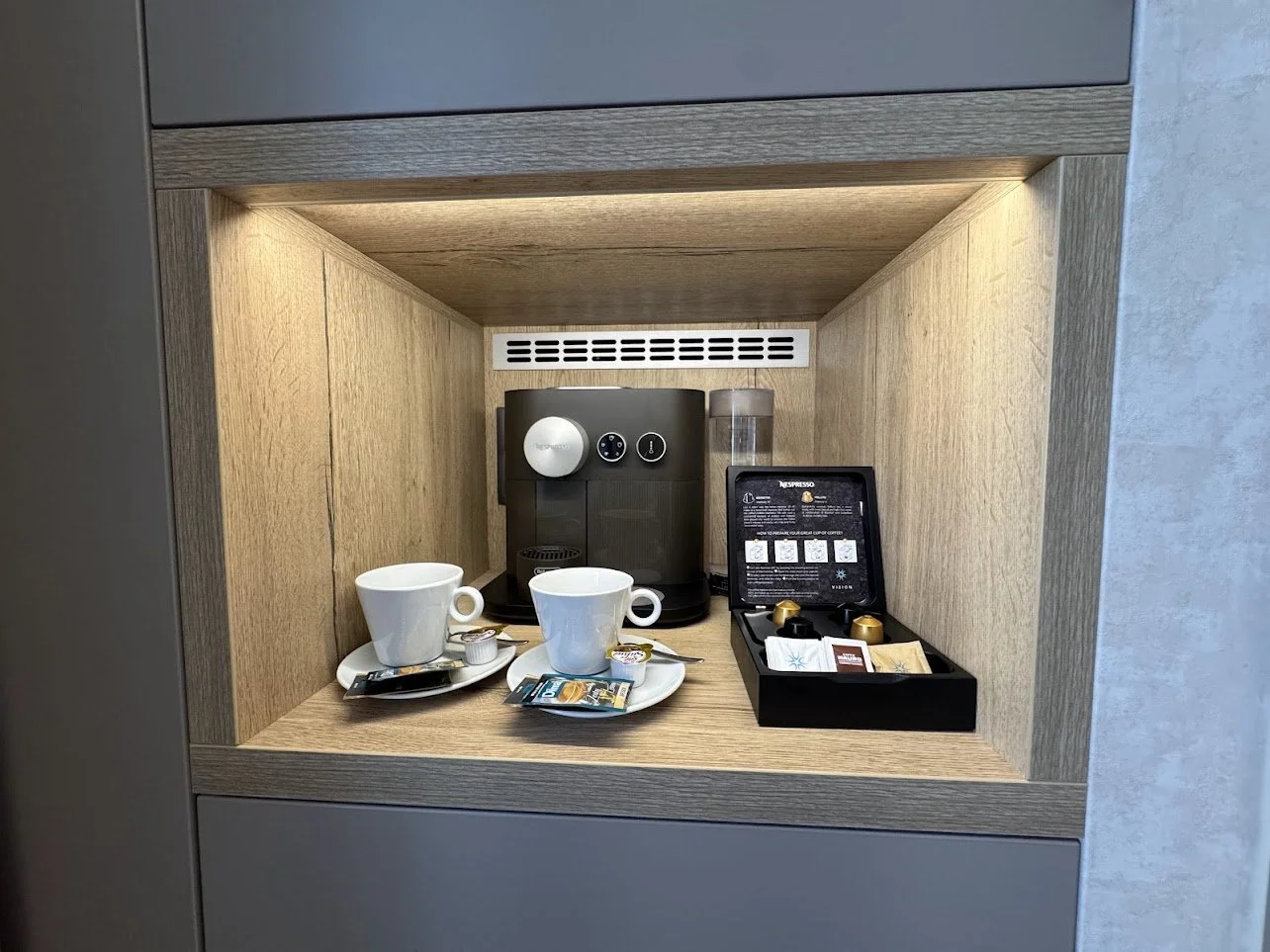
I stayed in a Deluxe Room with Street View, which was spacious, comfortable, and perhaps most importantly by this point in the trip, had excellent air conditioning with individual temperature control.
After several weeks in Europe, I had learned that the phrase “air conditioning” can mean wildly different things depending on the hotel. Sometimes it means actual climate control. Sometimes it means a fan. And sometimes it means air technically exists but does not appear meaningfully cooled. By this stage of the trip, reliable temperature control had become a surprisingly important contributor to my overall happiness.
How I Spent My Time in Budapest, Hungary: River Walks, Castle Views, and Unexpected Moments
By the time I arrived in Budapest, I had settled into a rhythm of constant movement: train stations, walking tours, hotel check-ins, long days, early mornings, repeat. Budapest shifted that rhythm slightly. Unexpectedly, some of the most memorable parts of Budapest had less to do with landmarks and more to do with connection.
Danube Promenade & Shoes On The Danube Bank
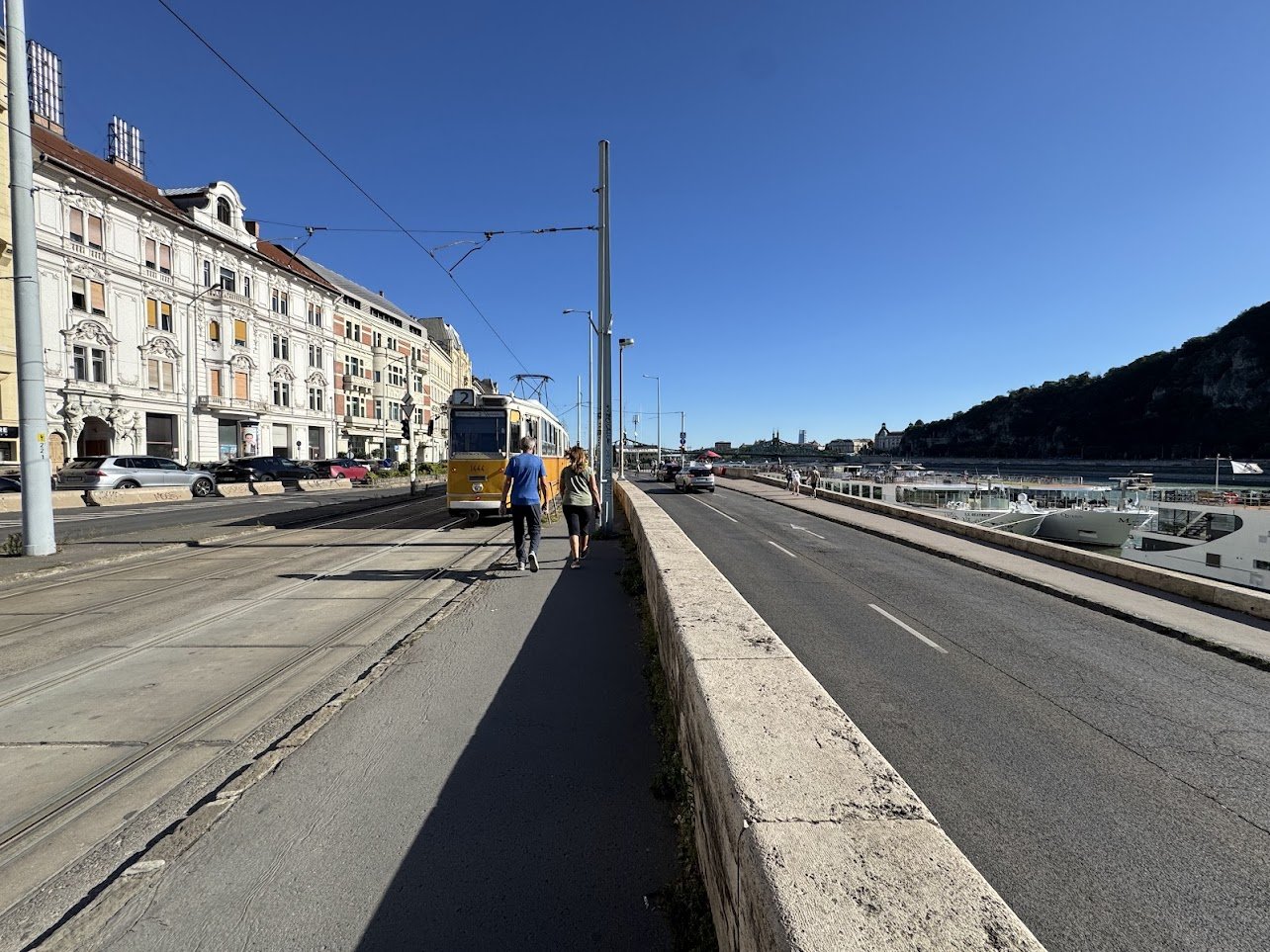
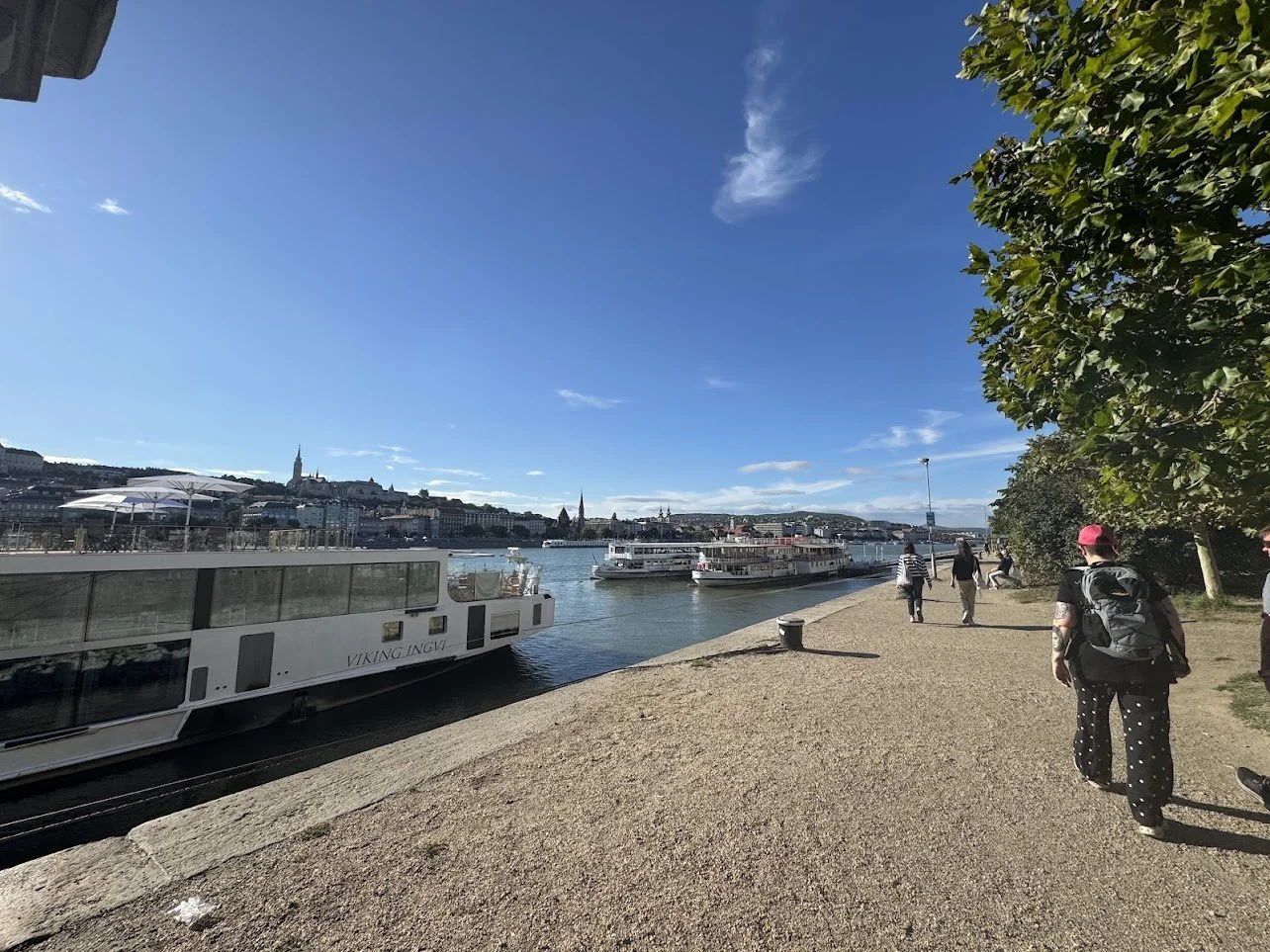
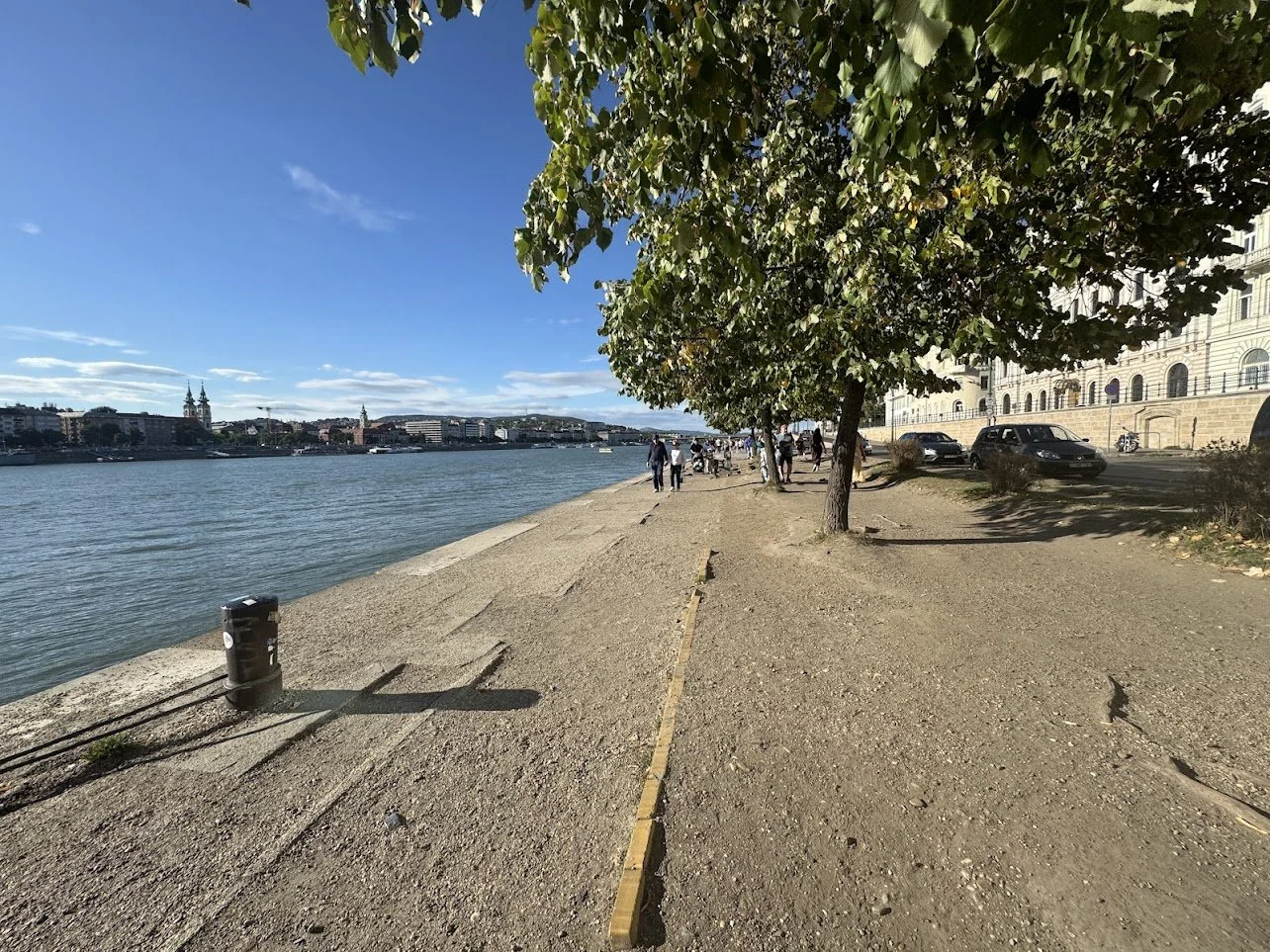
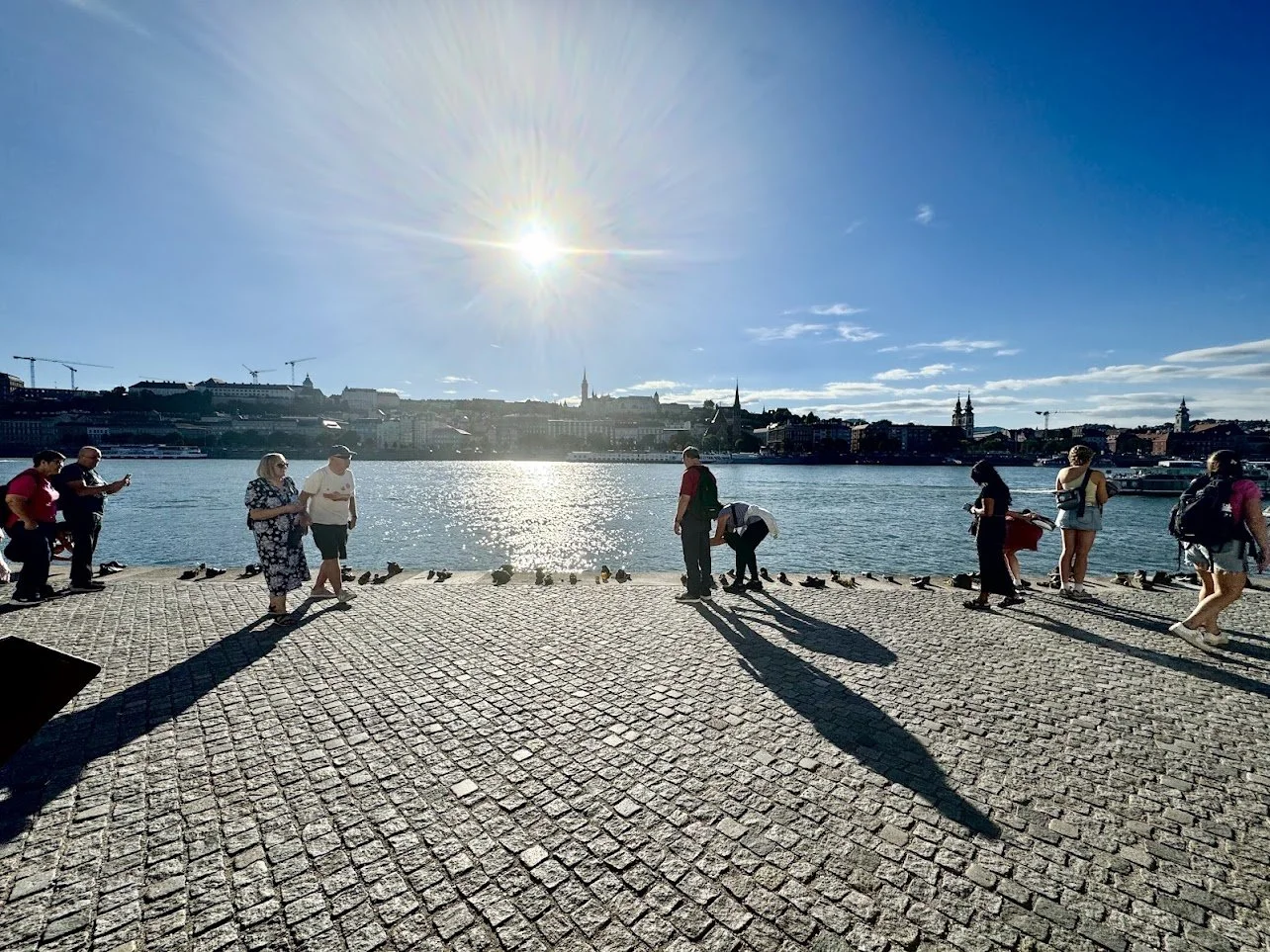
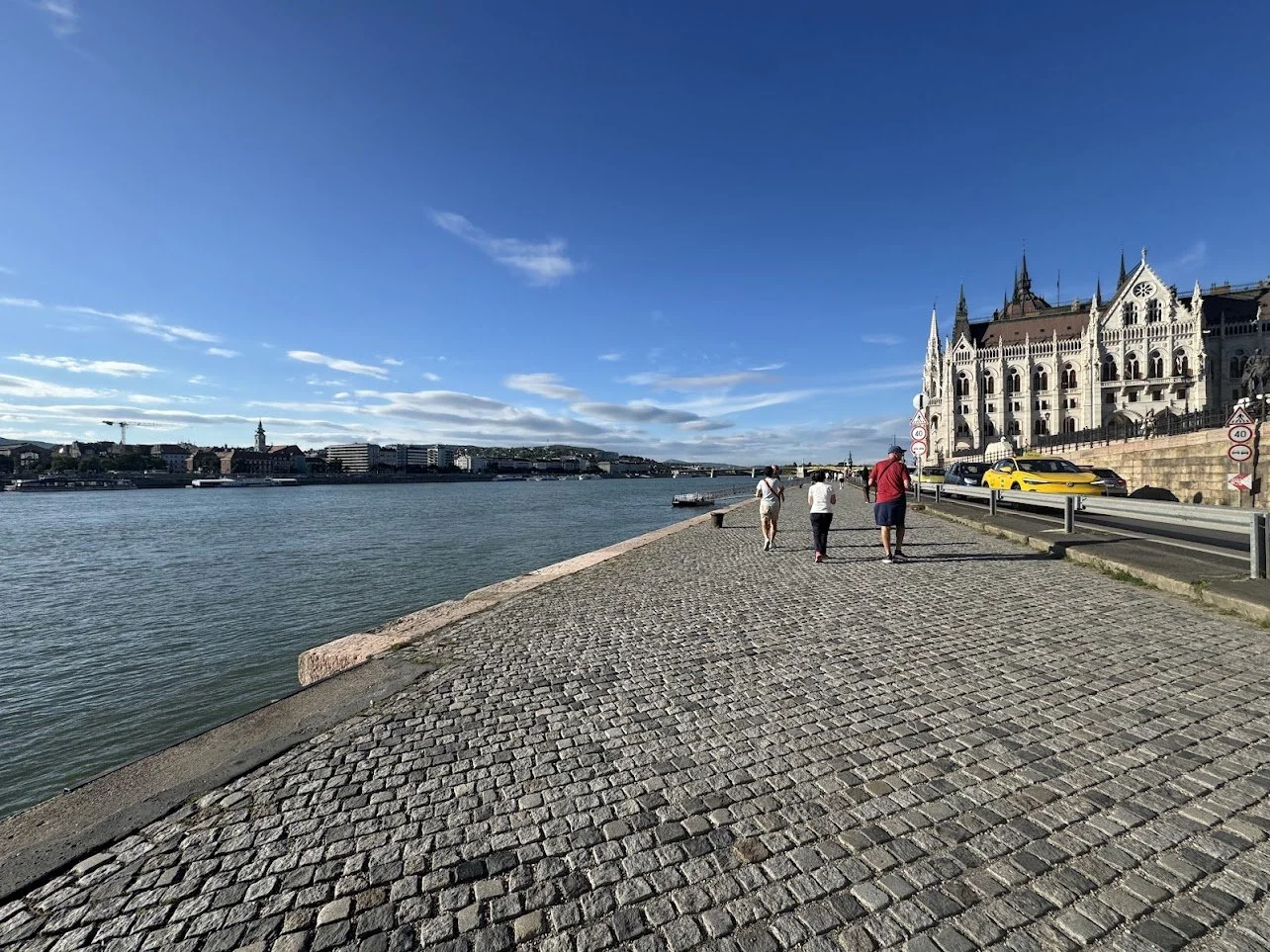
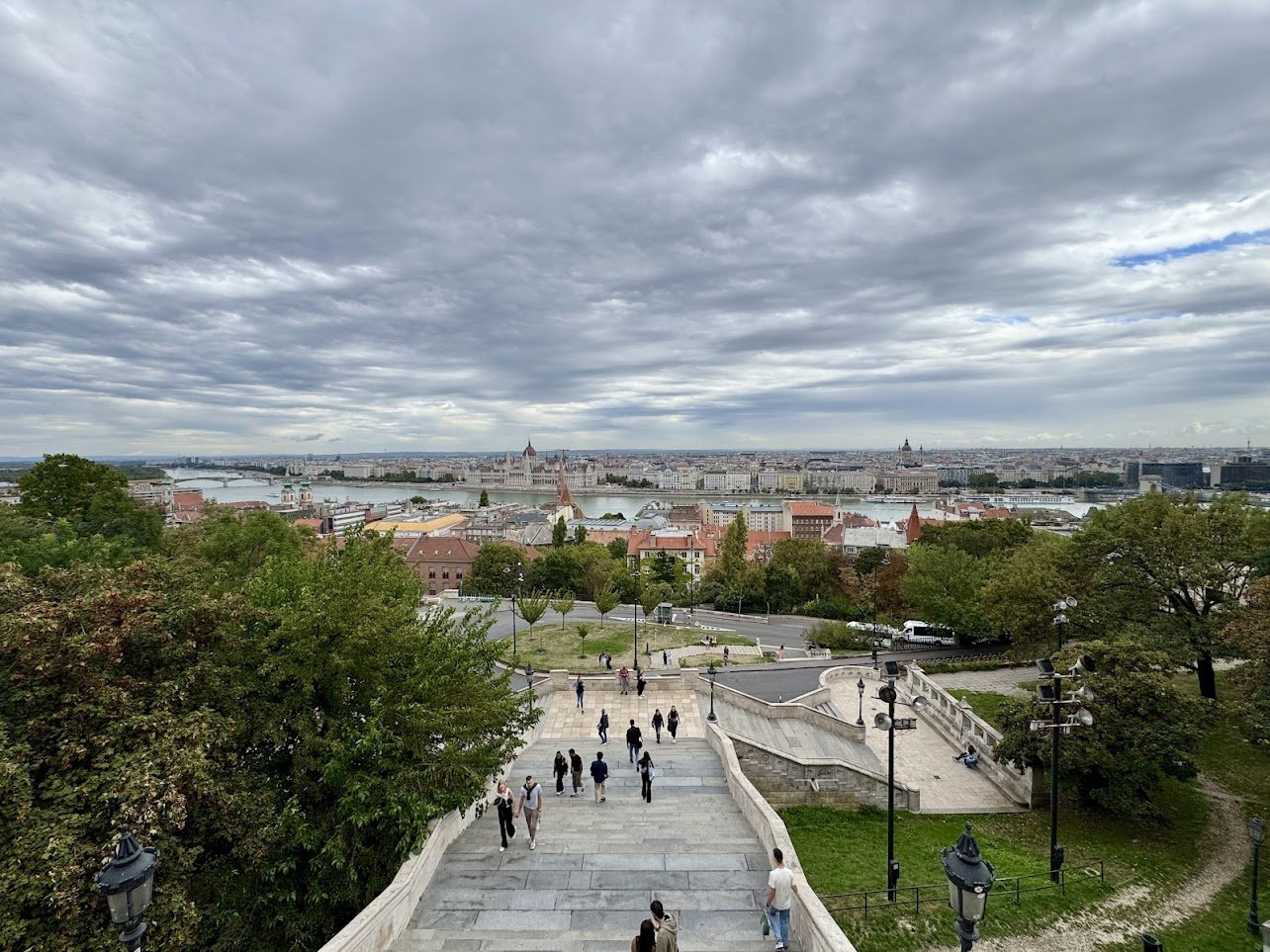
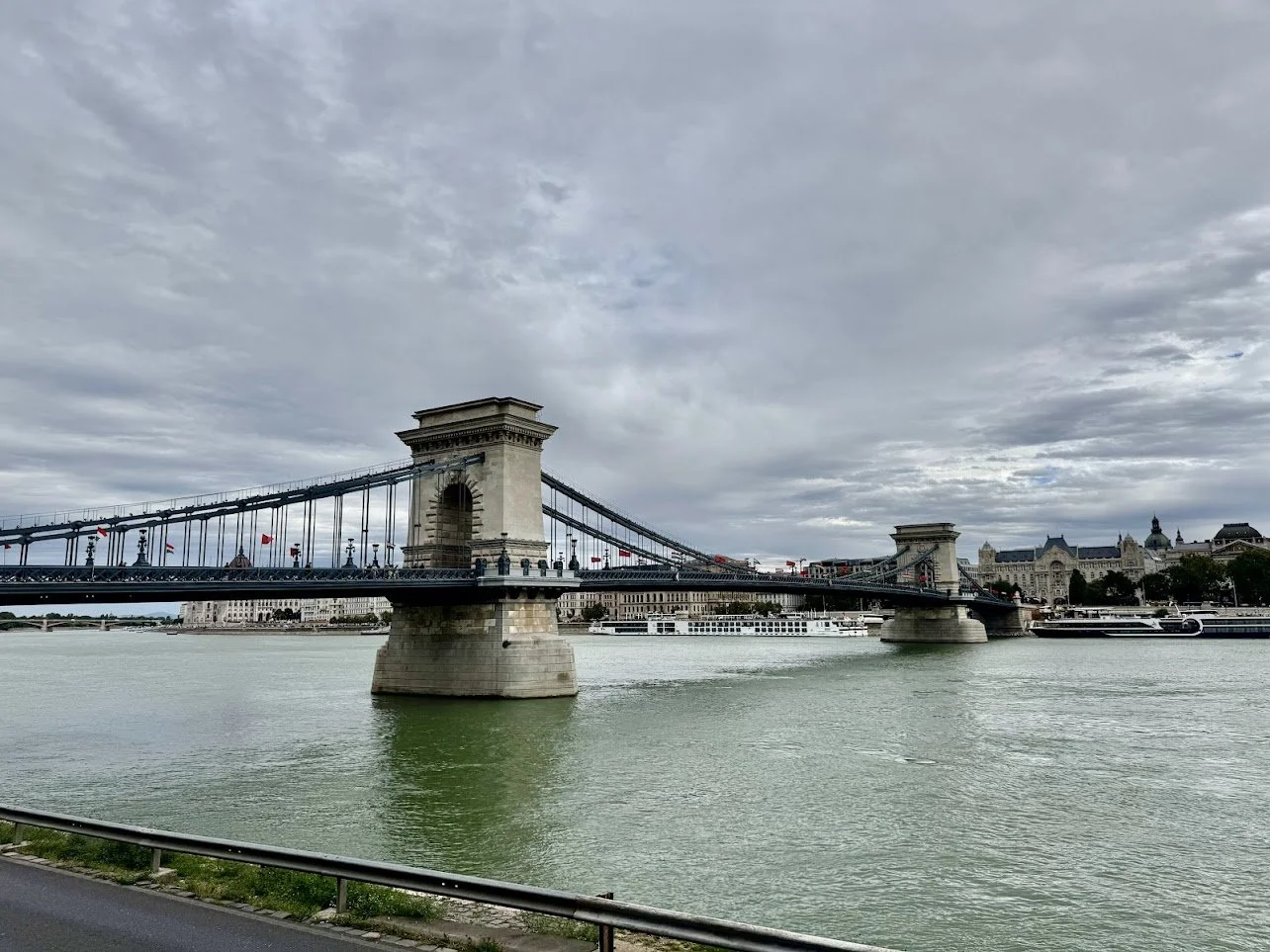
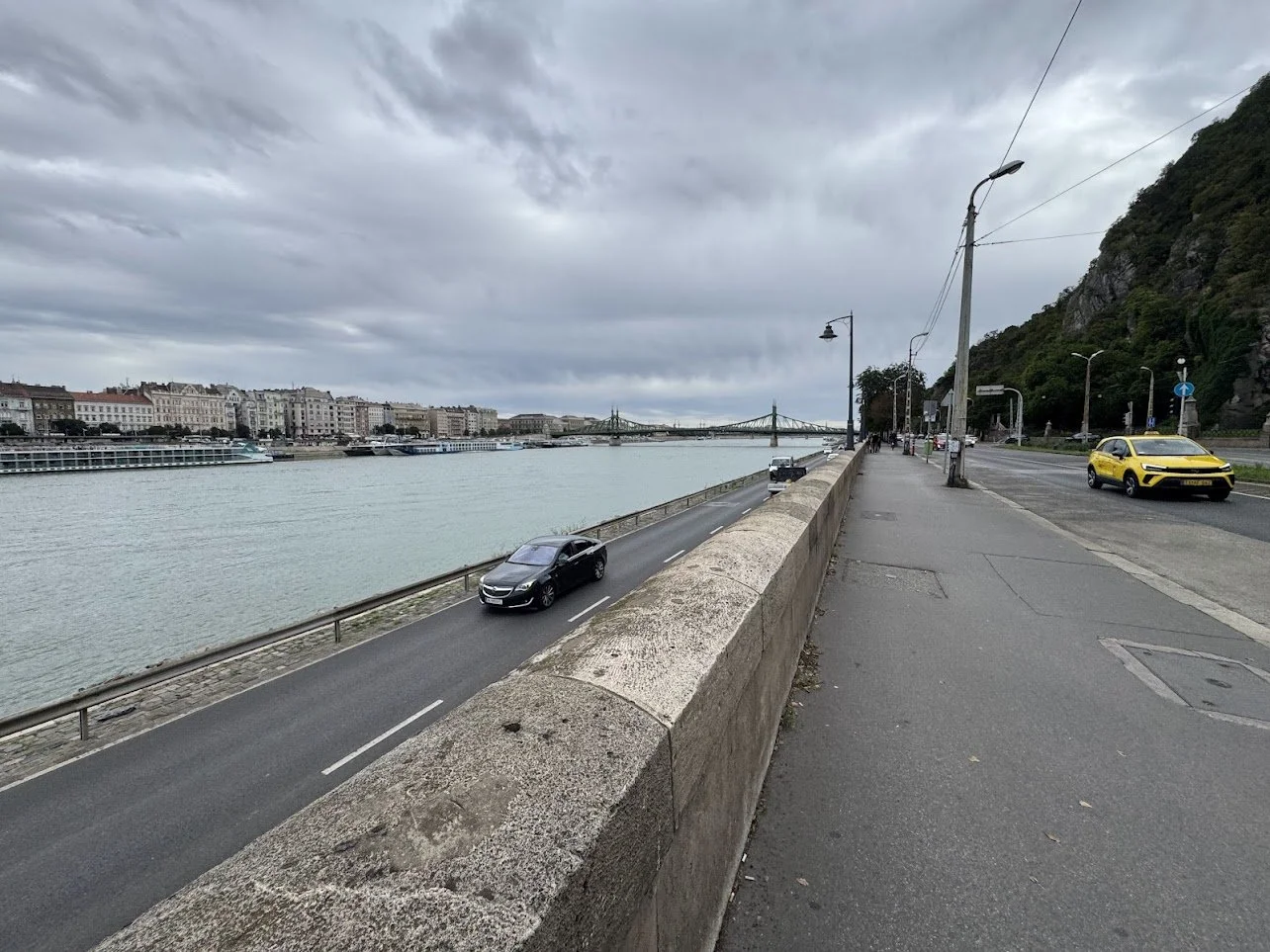
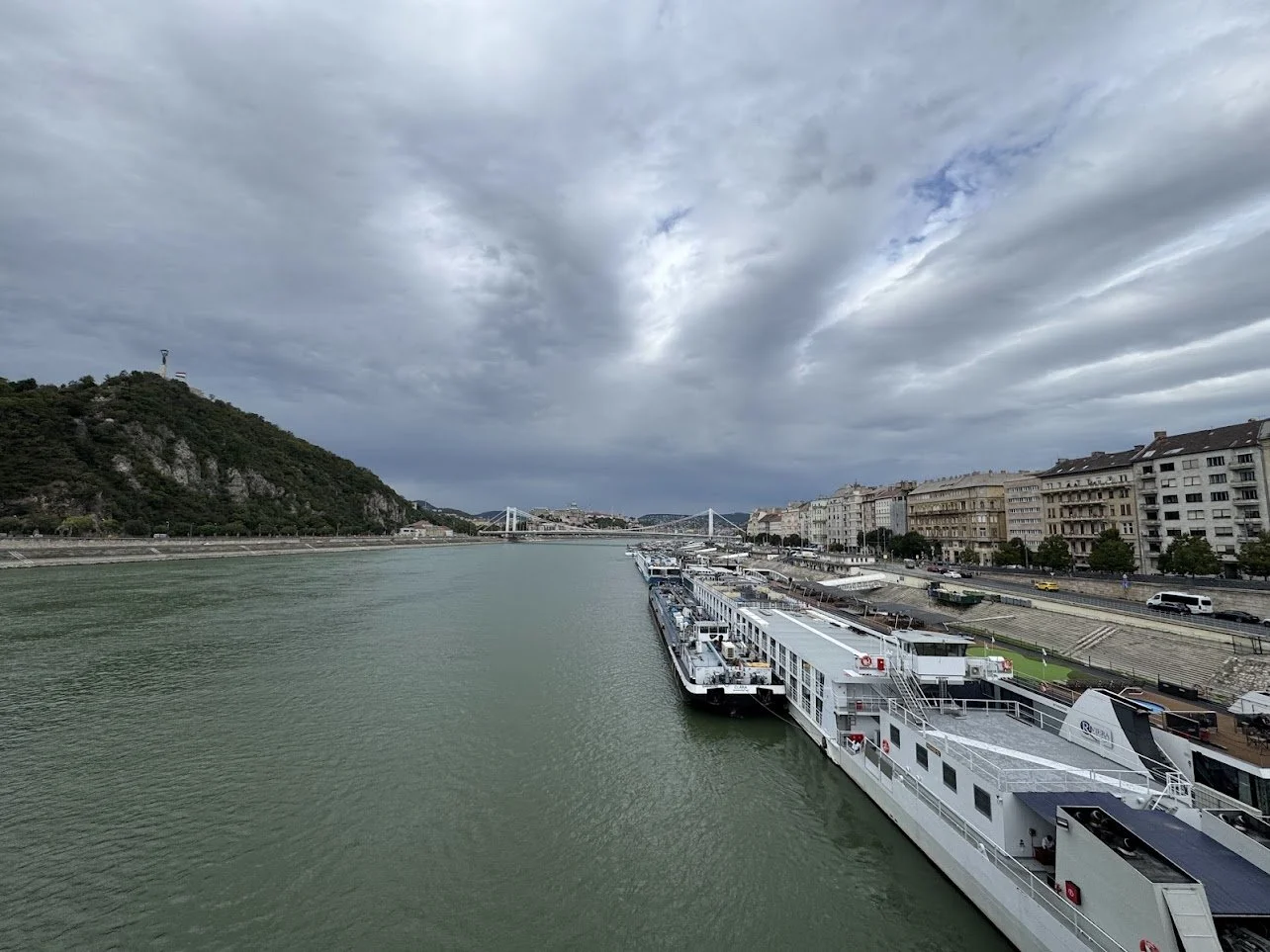
My first stop was the Danube Promenade, one of the most scenic walking areas in the city. Stretching along the Pest side of the river between the Chain Bridge and Elizabeth Bridge, the promenade offers constant views across the water toward Buda Castle, Gellért Hill, Fisherman's Bastion, and farther north toward the Hungarian Parliament Building
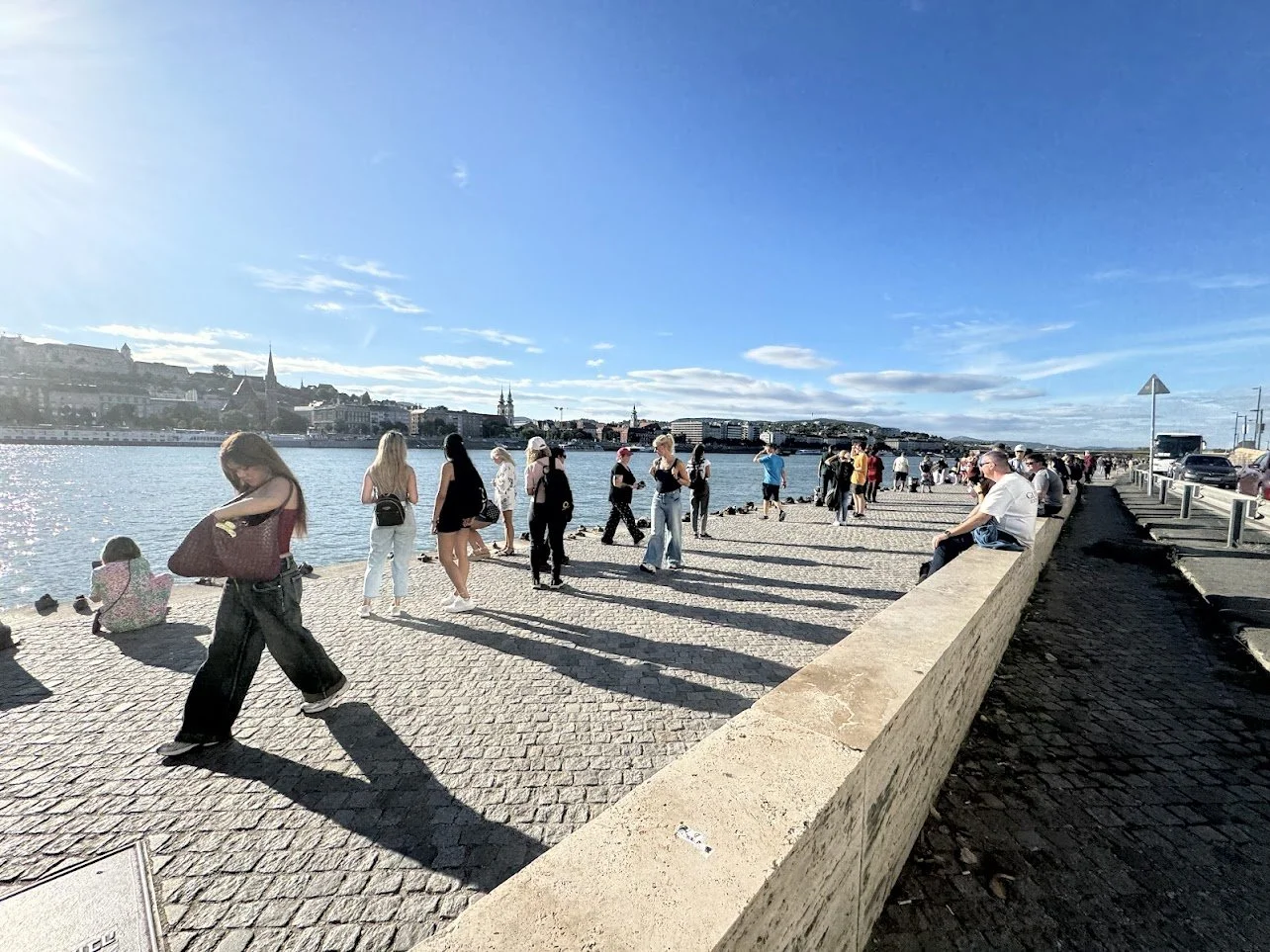
What makes the promenade memorable isn’t just the scenery, it’s how integrated it feels into everyday life. People walk, run, bike, sit along the river, meet friends at cafés, or simply linger watching boats move through the city. Especially in the evening, the entire riverfront becomes one of Budapest’s central gathering spaces.
Along the promenade sits one of the city’s most moving memorials: Shoes on the Danube Bank. The iron shoes lining the river commemorate Jewish victims executed along the Danube during World War II. The memorial’s simplicity makes it especially powerful. Against the backdrop of the river and the beauty surrounding it, the absence represented by the empty shoes becomes even more striking.
St. Stephen’s Basilica & Parliament
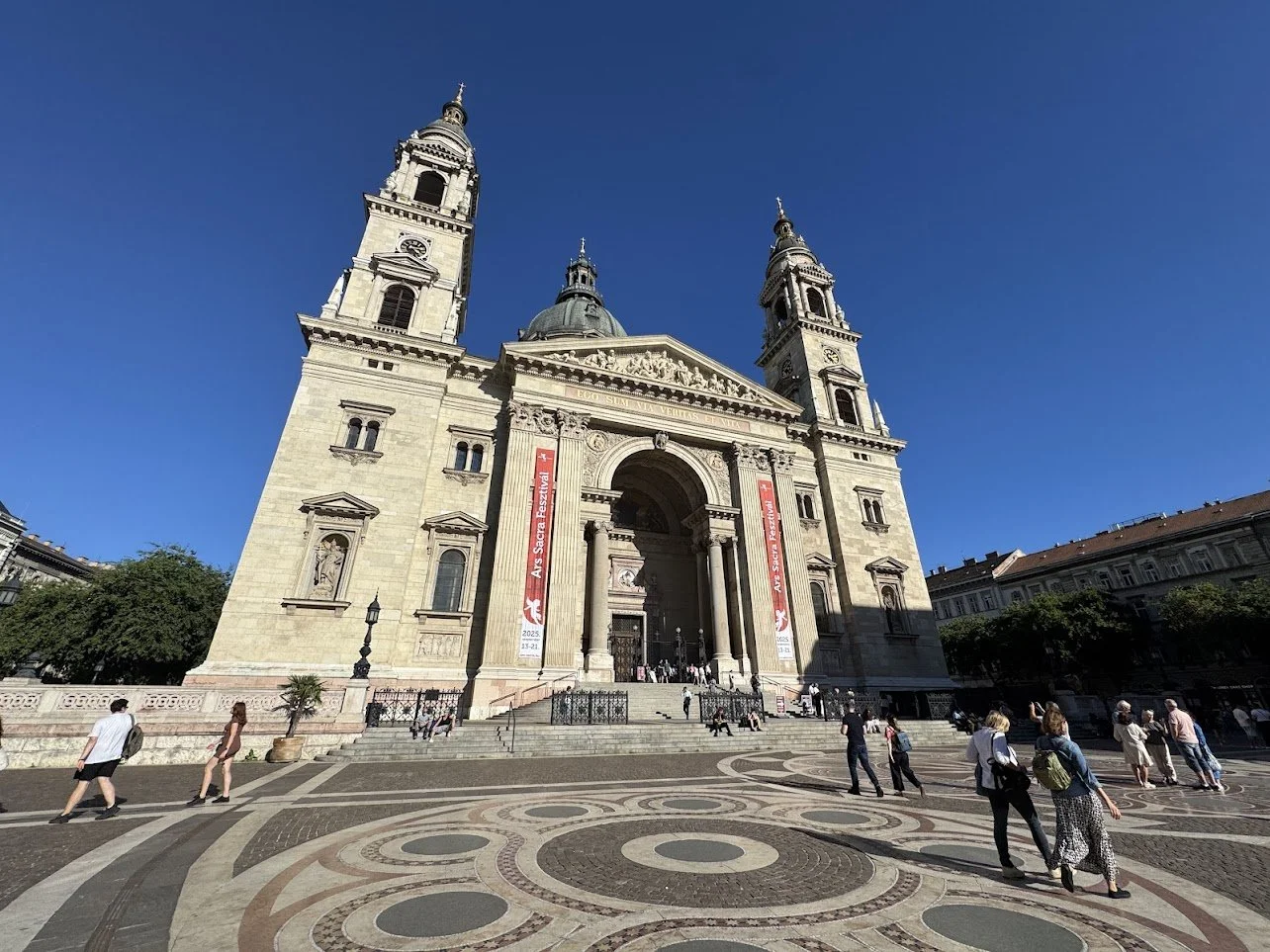
From there, I made my way toward St. Stephen's Basilica, one of Budapest’s most recognizable landmarks. The basilica anchors a large pedestrian square surrounded by cafés and outdoor seating that stay lively throughout the day and evening. Like many parts of central Pest, the atmosphere felt energetic without becoming overwhelming.
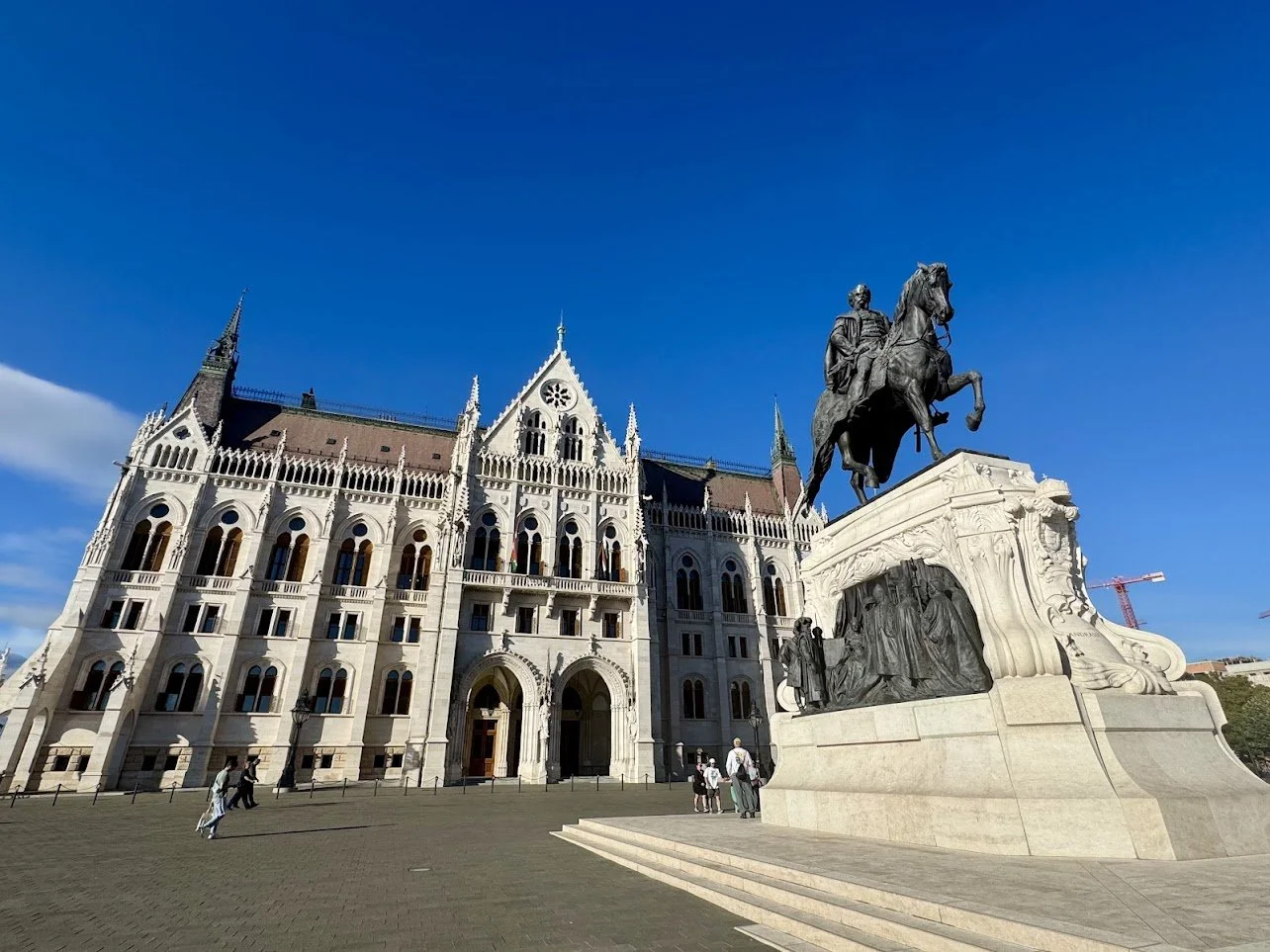
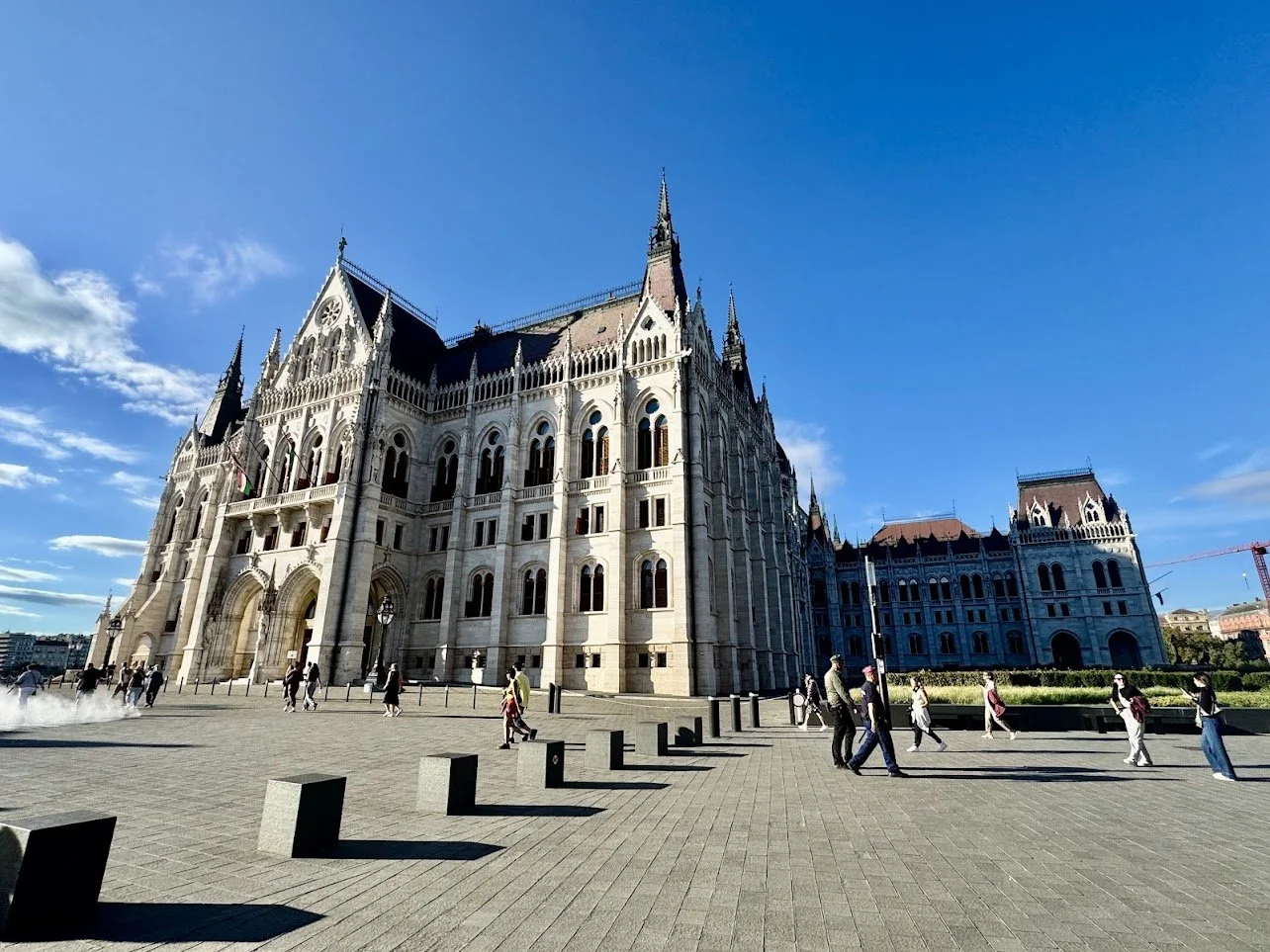
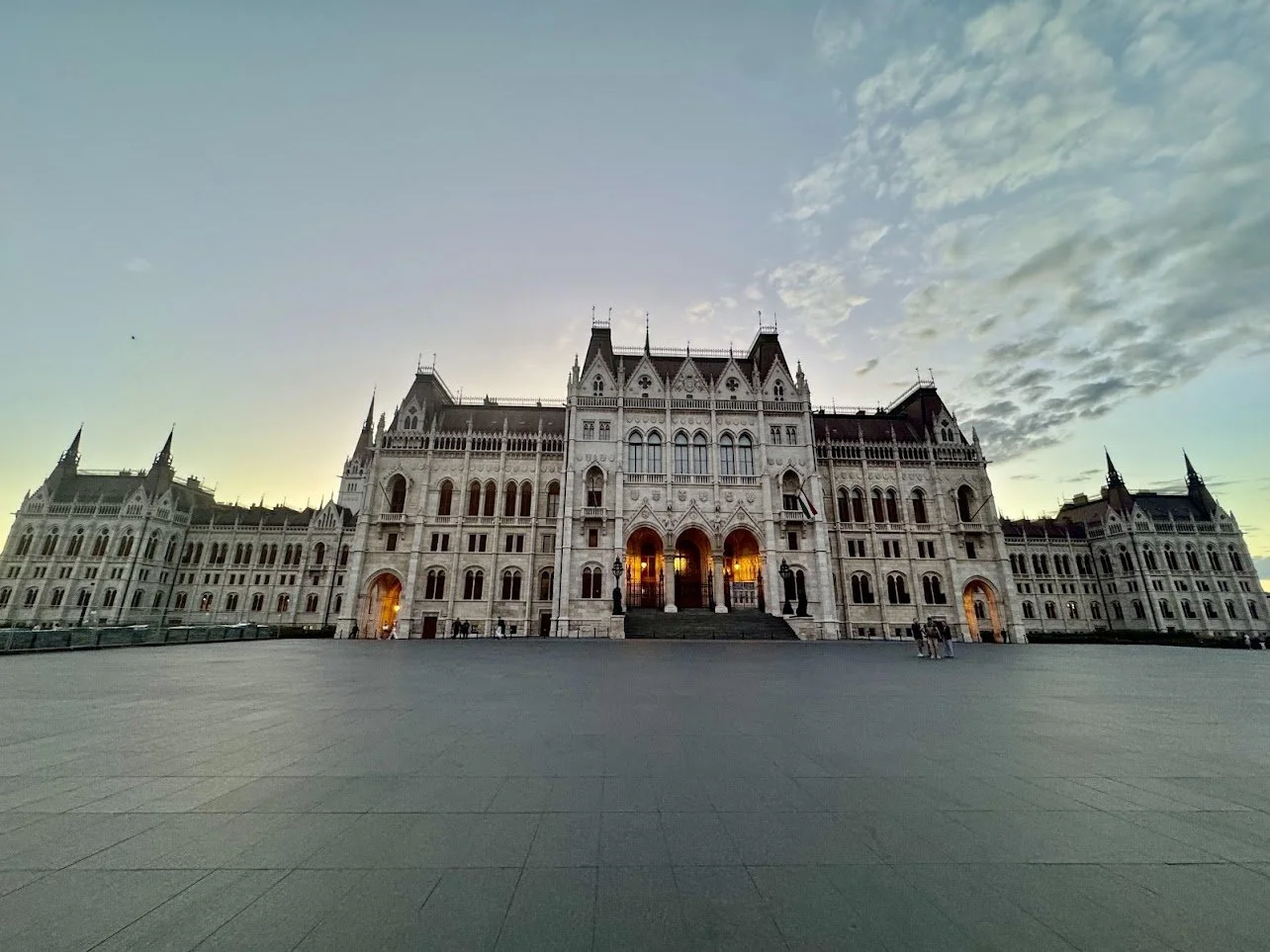
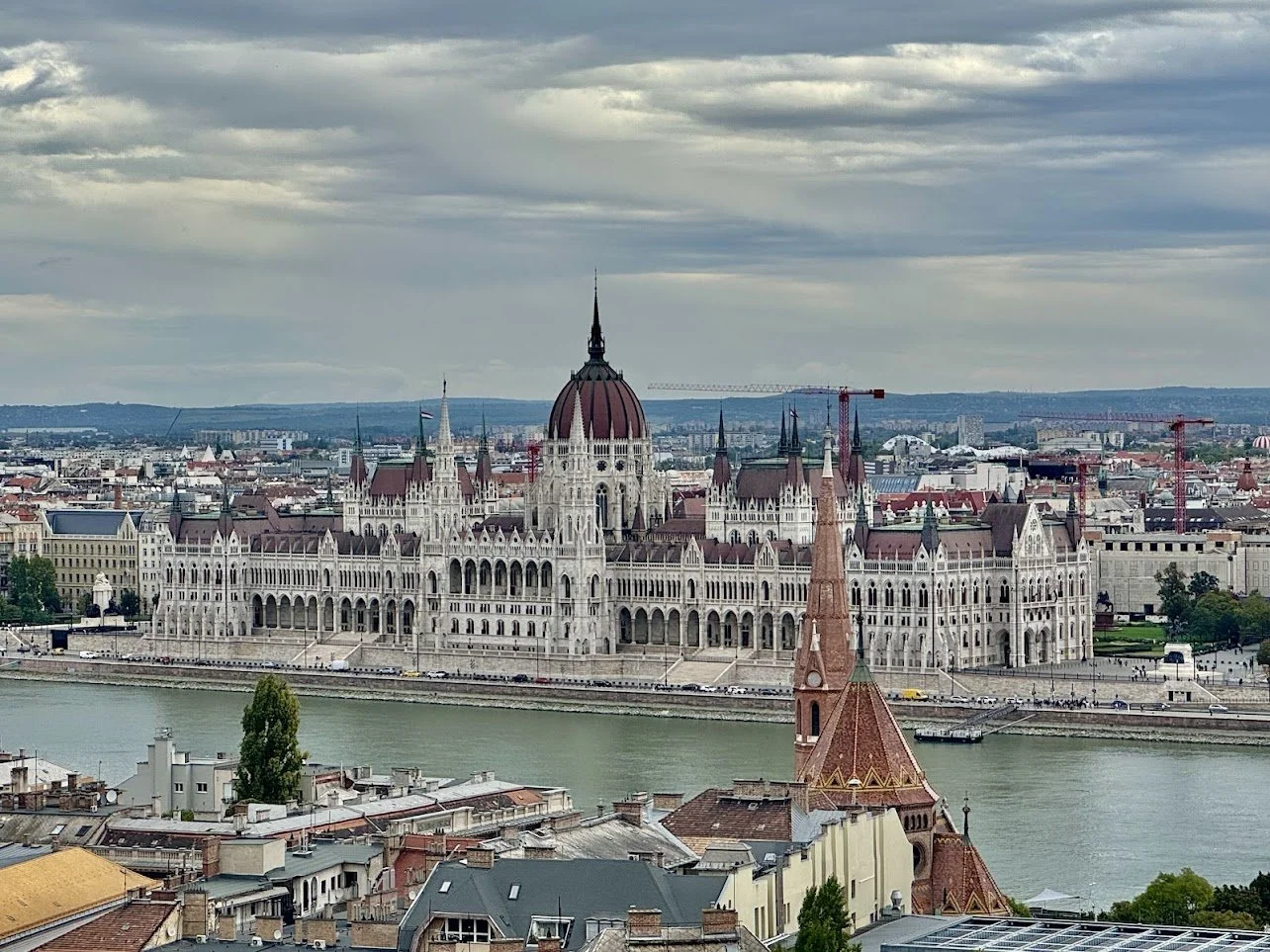
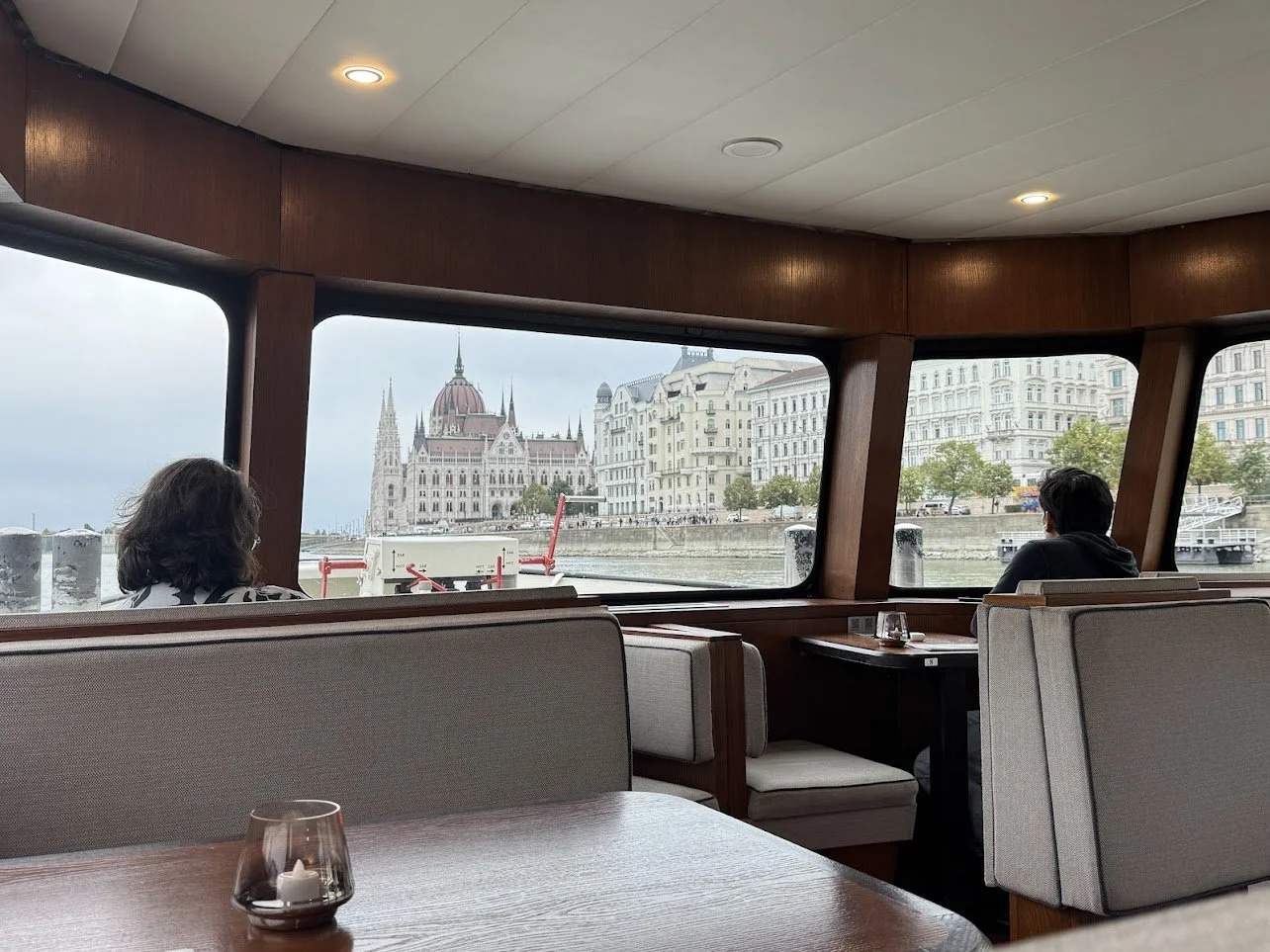
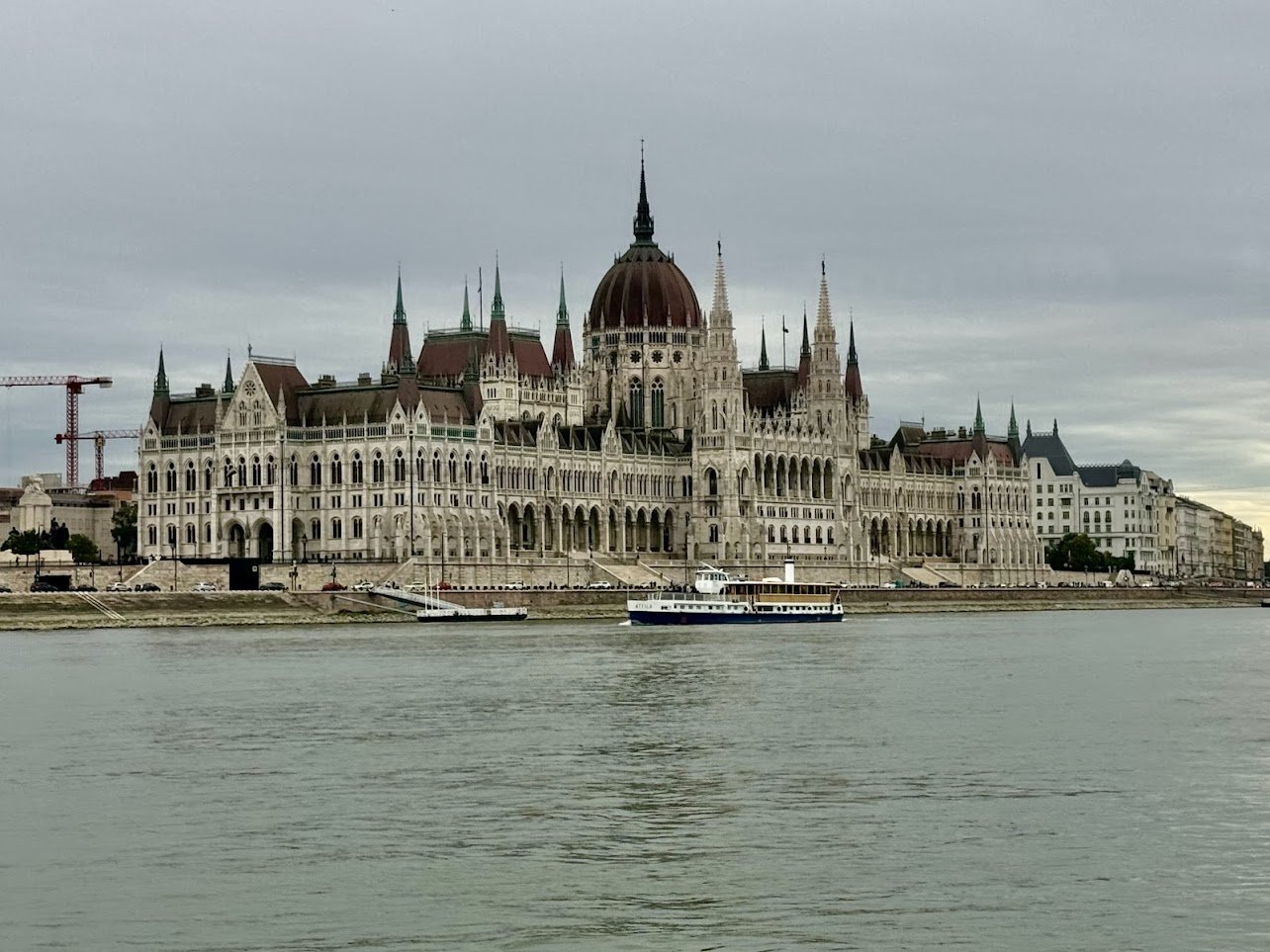
Not far away sits the Hungarian Parliament Building. What makes Parliament especially impressive is its scale. The building stretches nearly the length of several city blocks, and the level of architectural detail becomes more noticeable the closer you get. At night, when the entire structure is illuminated along the river, it becomes one of the defining images of Budapest.
Budapest Walking Tour & Buda Castle
The next day, I joined a walking tour I booked through Airbnb Experiences. Ironically, there were only three people on the tour, and the other two were also from Chicago.
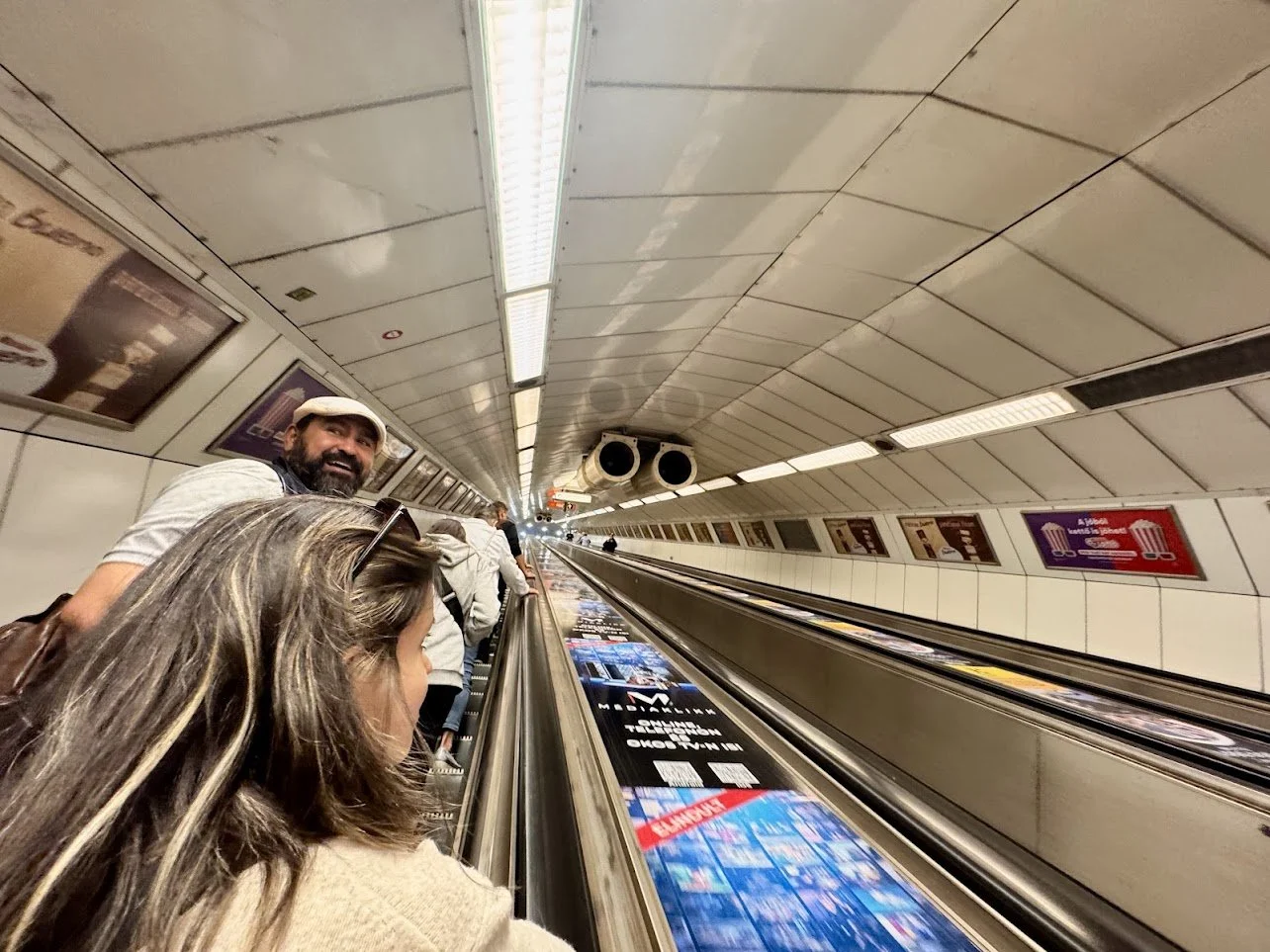
Our guide, George, took us throughout the city using Budapest’s metro system while sharing the history, culture, and political complexities that shape modern Hungary. It ended up becoming one of the most informative tours of the entire trip.
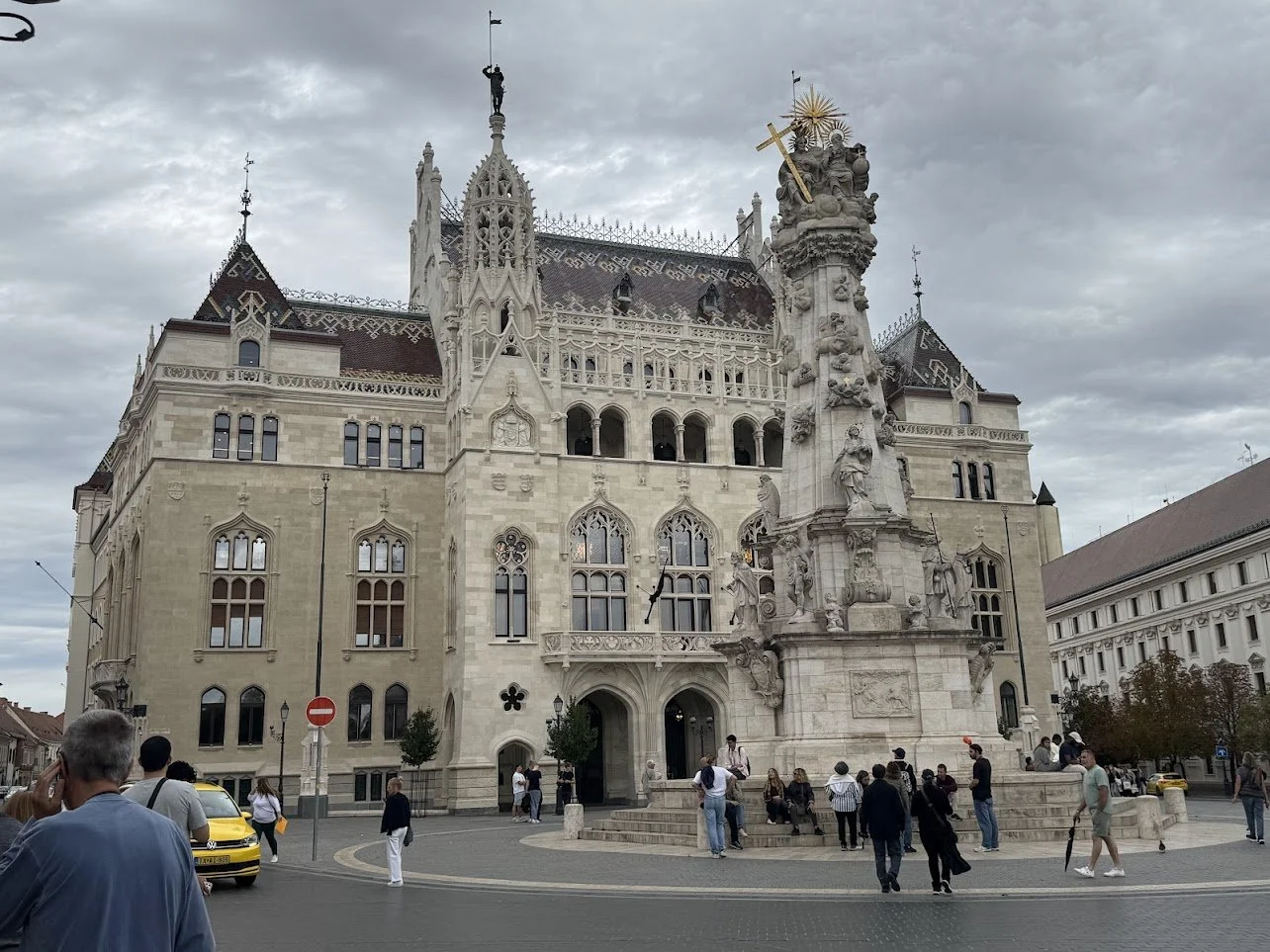
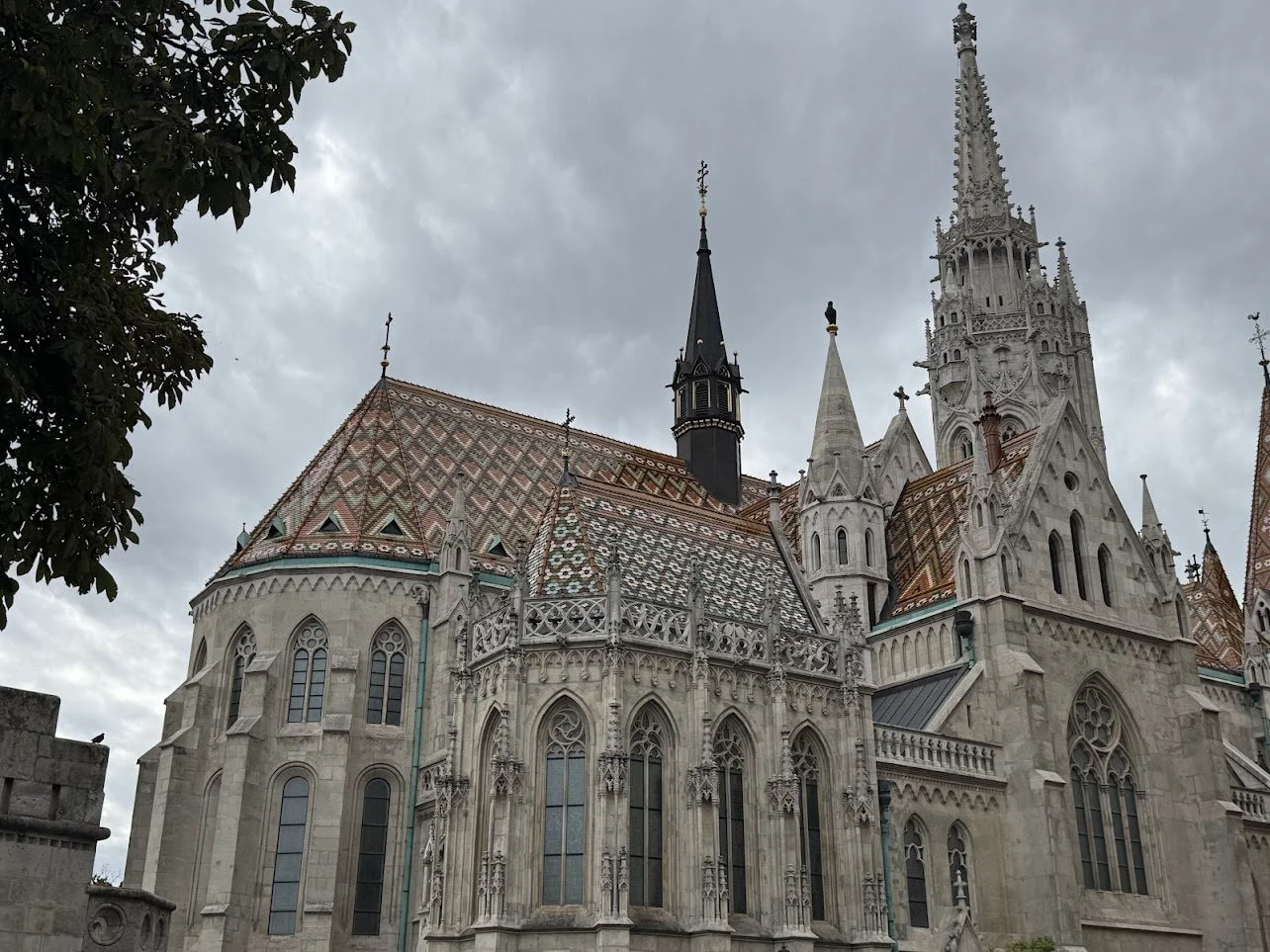
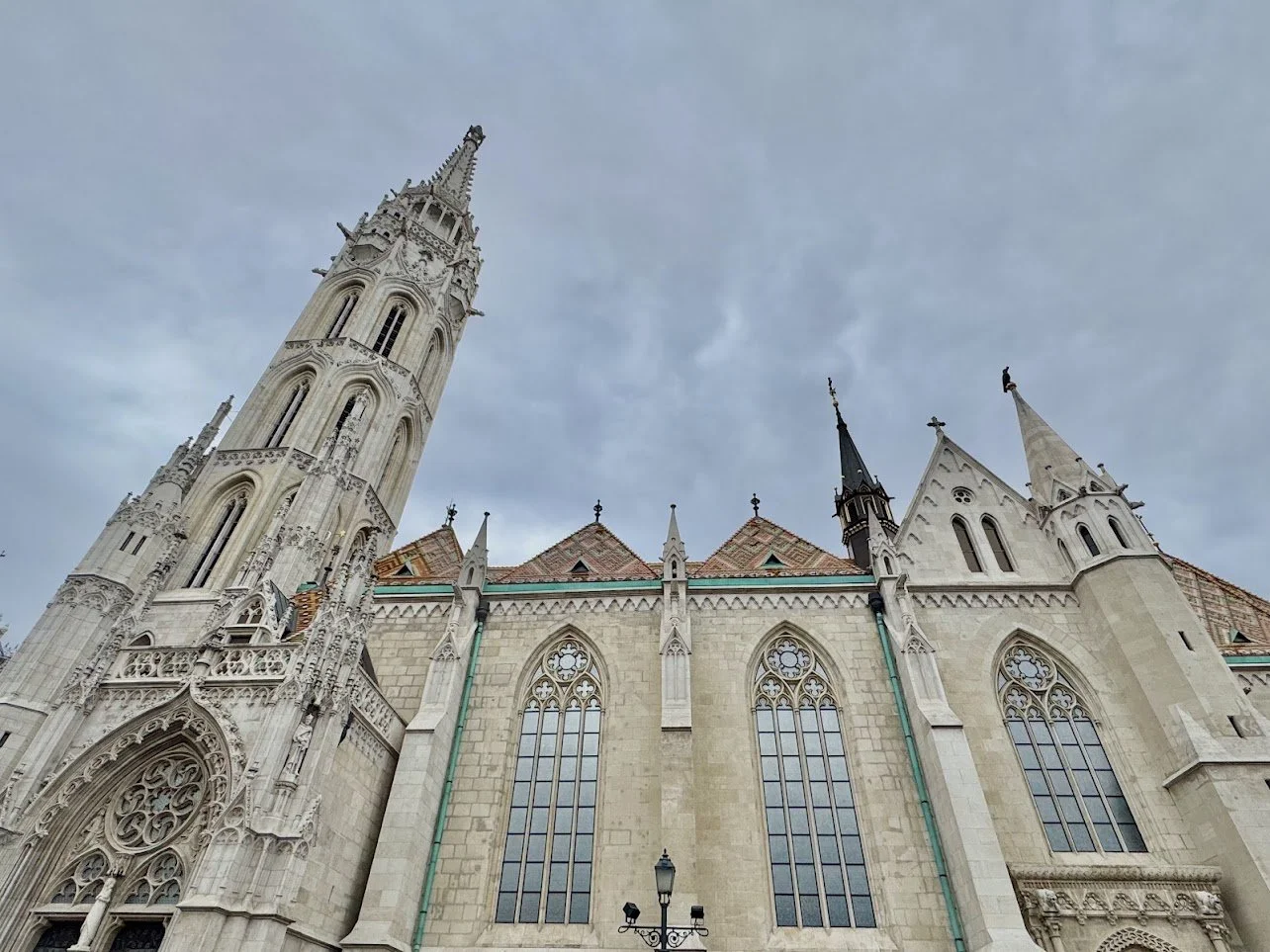
One highlight was exploring Buda Castle and the surrounding Castle District. Compared to Prague Castle, Buda Castle feels broader, more formal, and more shaped by cycles of destruction and rebuilding. Much of what stands today reflects later reconstruction following wars, fires, and damage from World War II, giving the area a layered yet slightly more austere feel.
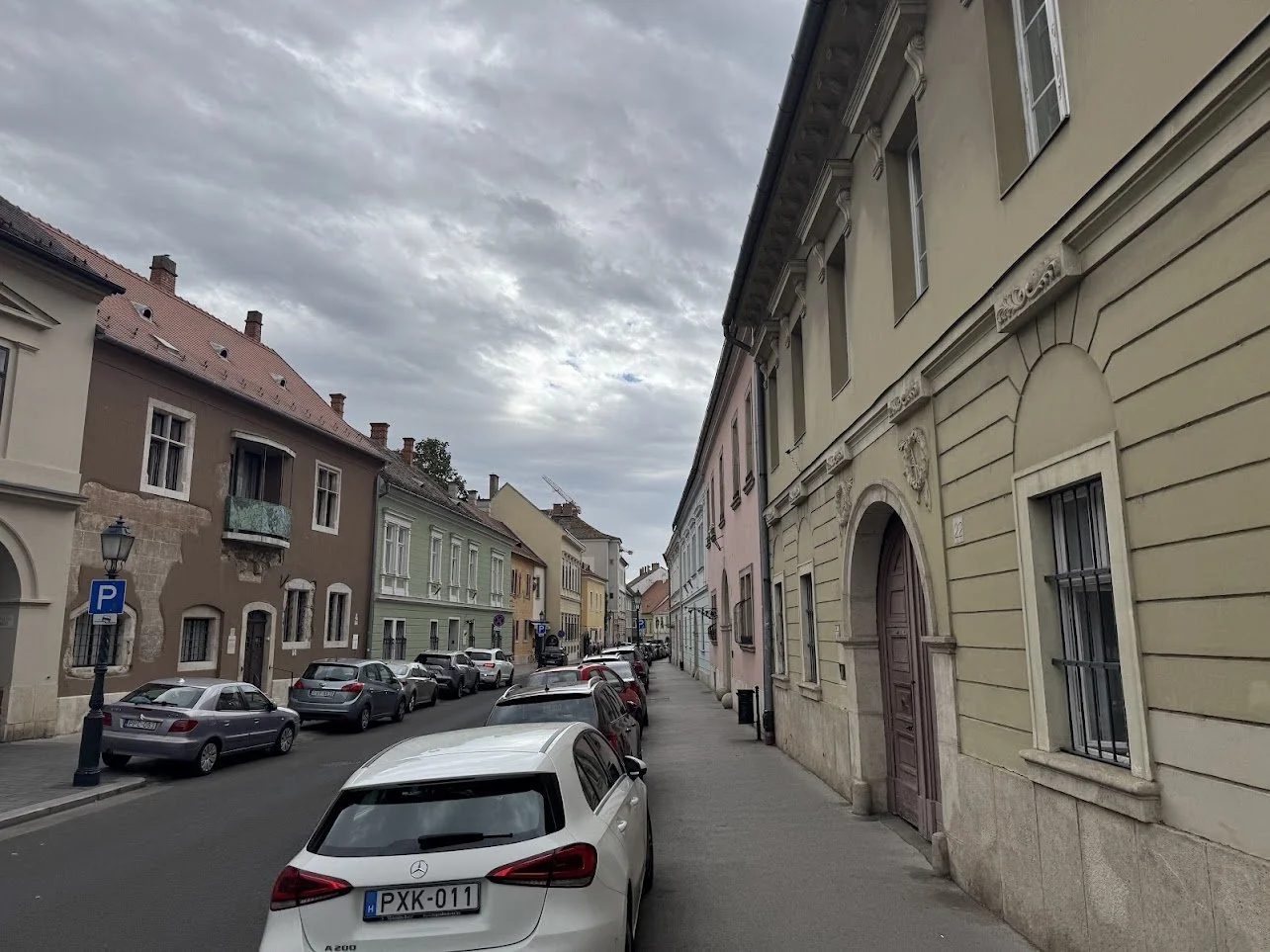
What surprised me most was how quiet parts of Castle Hill became once we moved away from the busiest viewpoints. Beyond the major landmarks, the district opens into cobblestone streets, church towers, pastel-colored buildings, hidden courtyards, and quieter residential areas overlooking the river.
At sunset, especially, the views back across the Danube toward Parliament are extraordinary.
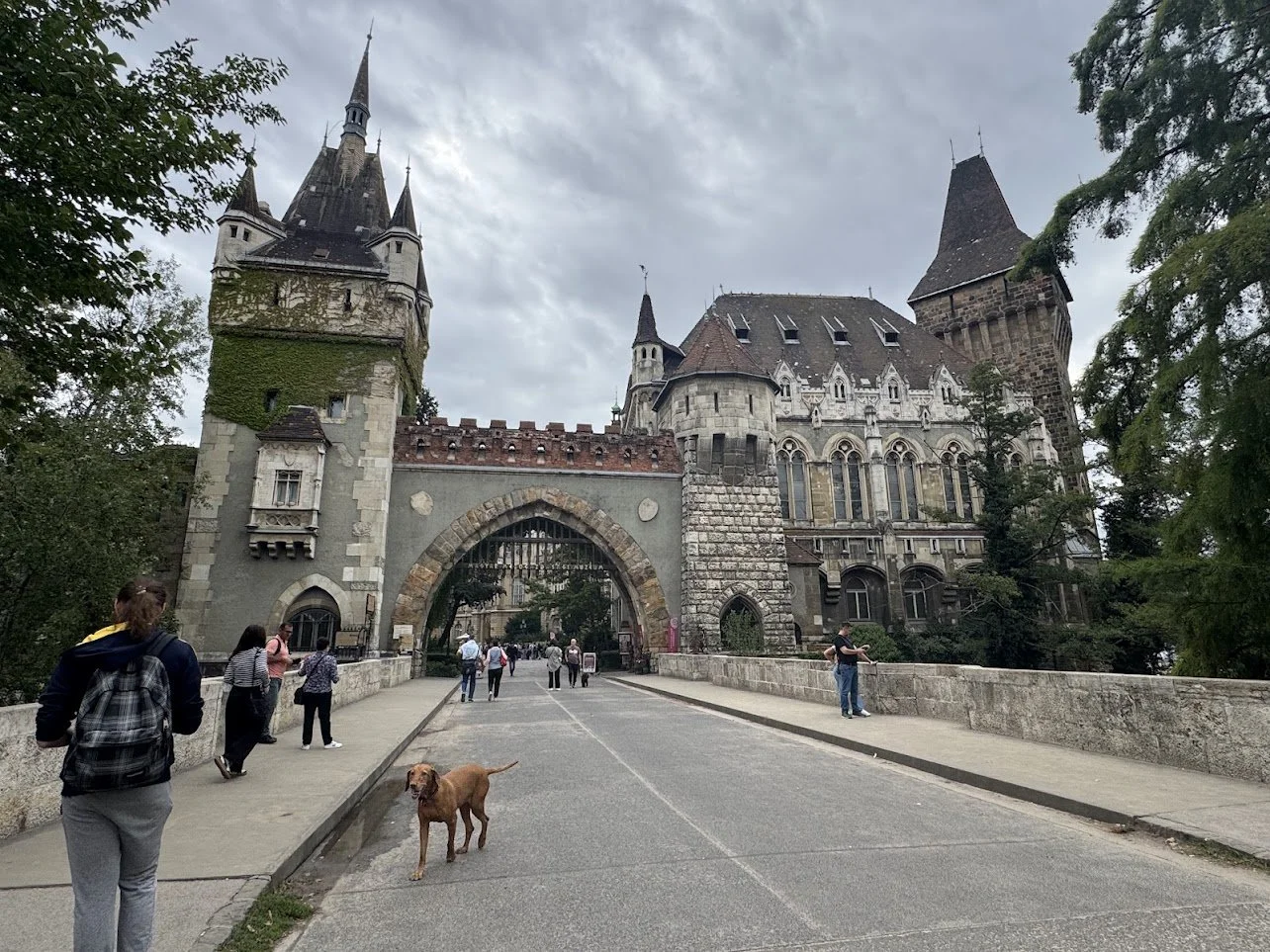
Great Market Hall (Central Market Hall)
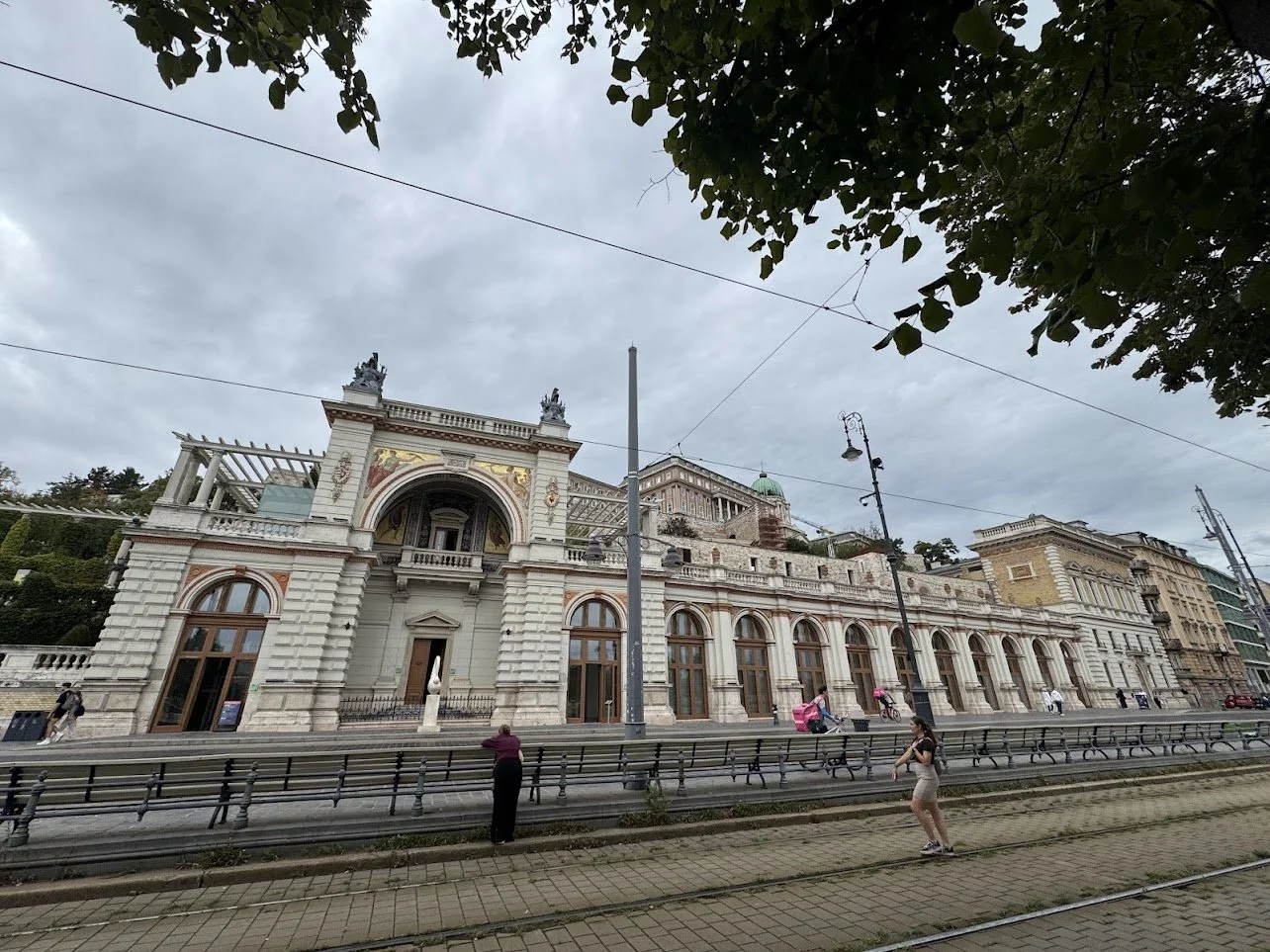
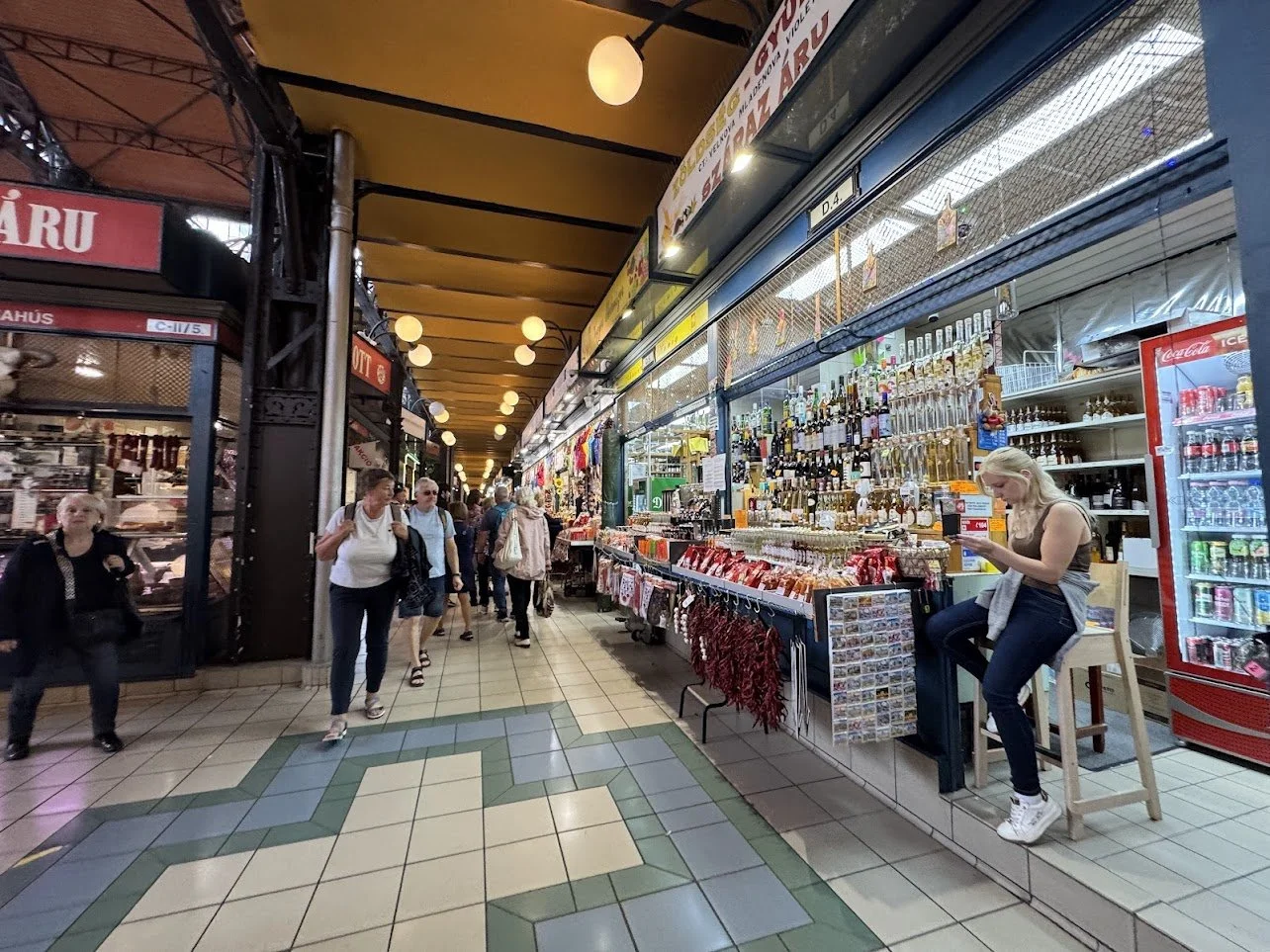
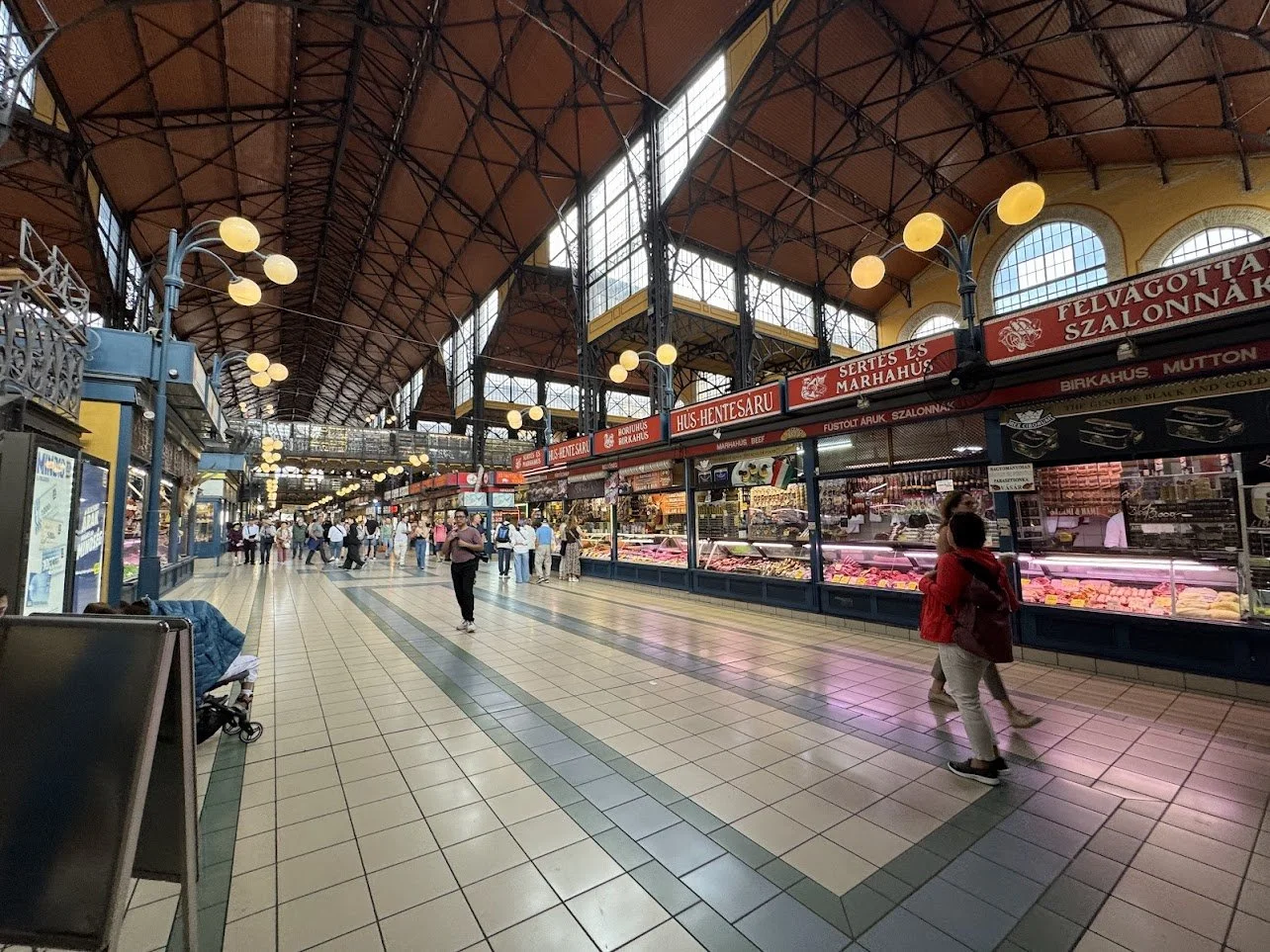
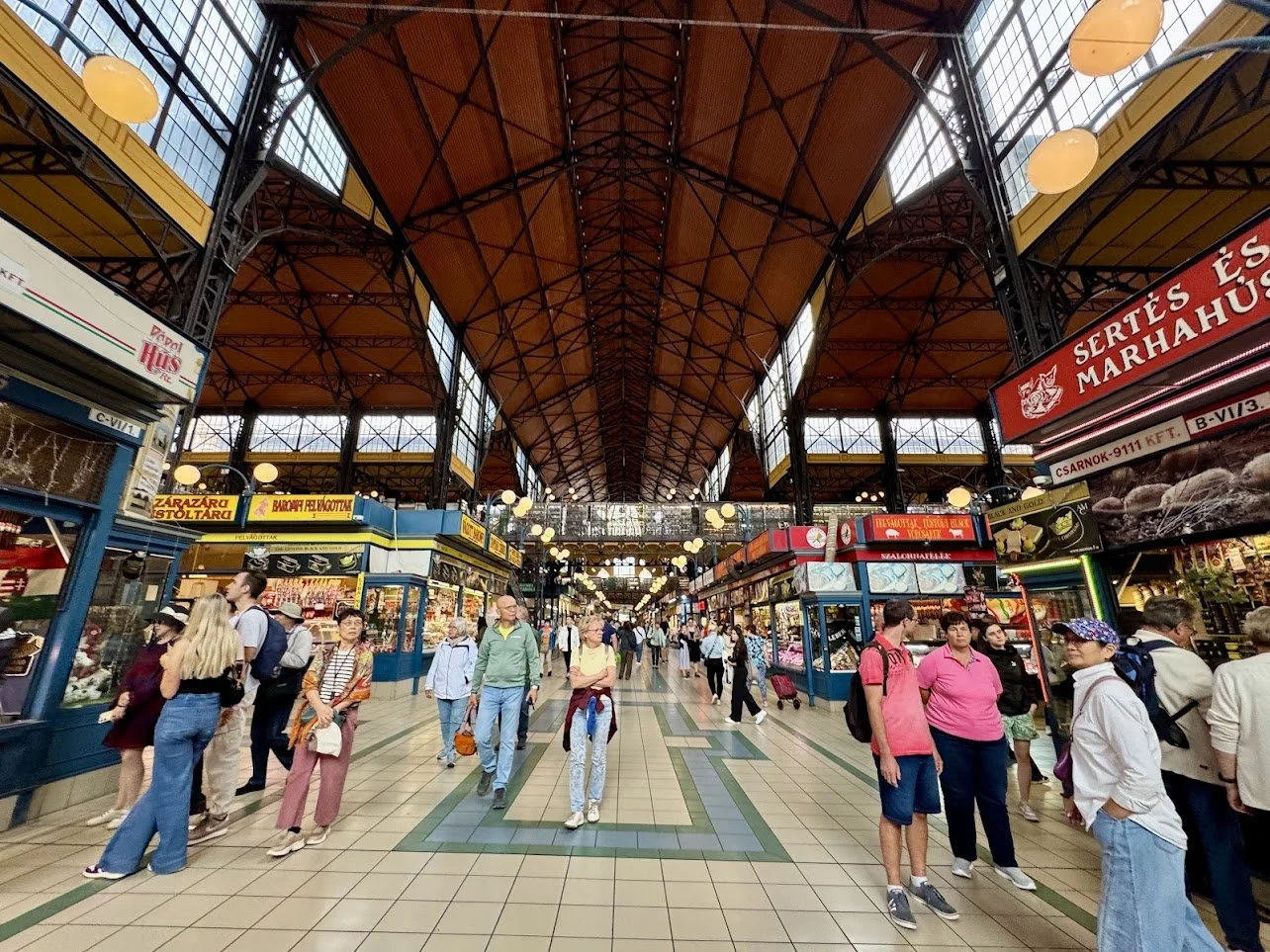
Great Market Hall, also known as Central Market Hall or Nagyvásárcsarnok, is Budapest’s largest and most famous indoor market. Originally opened in 1897, the market was designed in a Neo-Gothic style with a massive steel structure and a colorful tiled roof that immediately stands out from the surrounding buildings. Inside, the hall feels both historic and bustling, with rows of vendors spread across multiple levels, selling everything from paprika, cured meats, produce, and pastries to souvenirs, embroidery, and traditional Hungarian goods.
The ground floor focuses more on food and ingredients, while the upper level features casual food stalls and smaller souvenir stands. It’s one of the easiest places in Budapest to sample traditional Hungarian foods in a more informal setting, including lángos, sausages, stews, and pastries.
A Danube River Cruise & An Unexpected Reminder
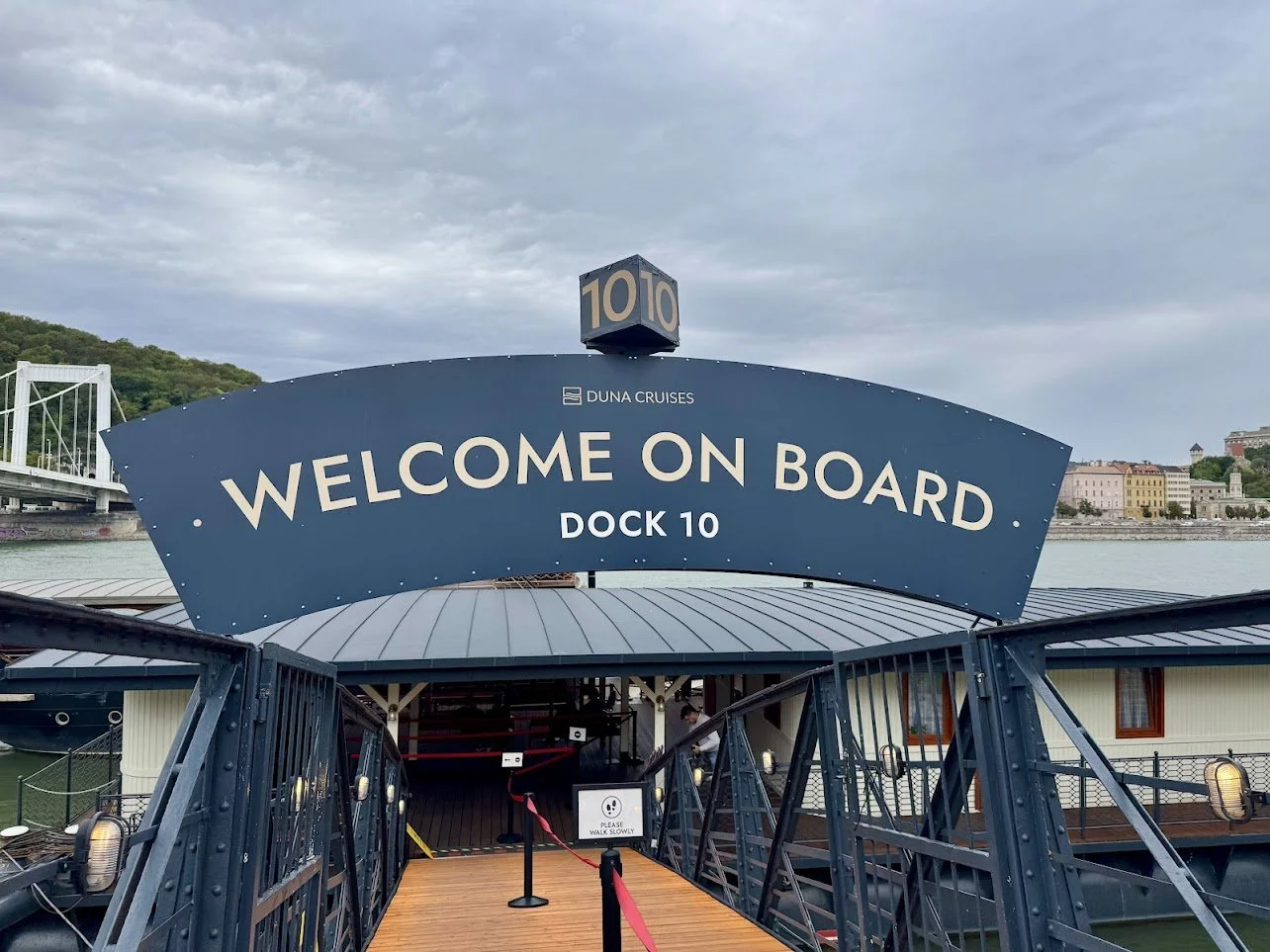
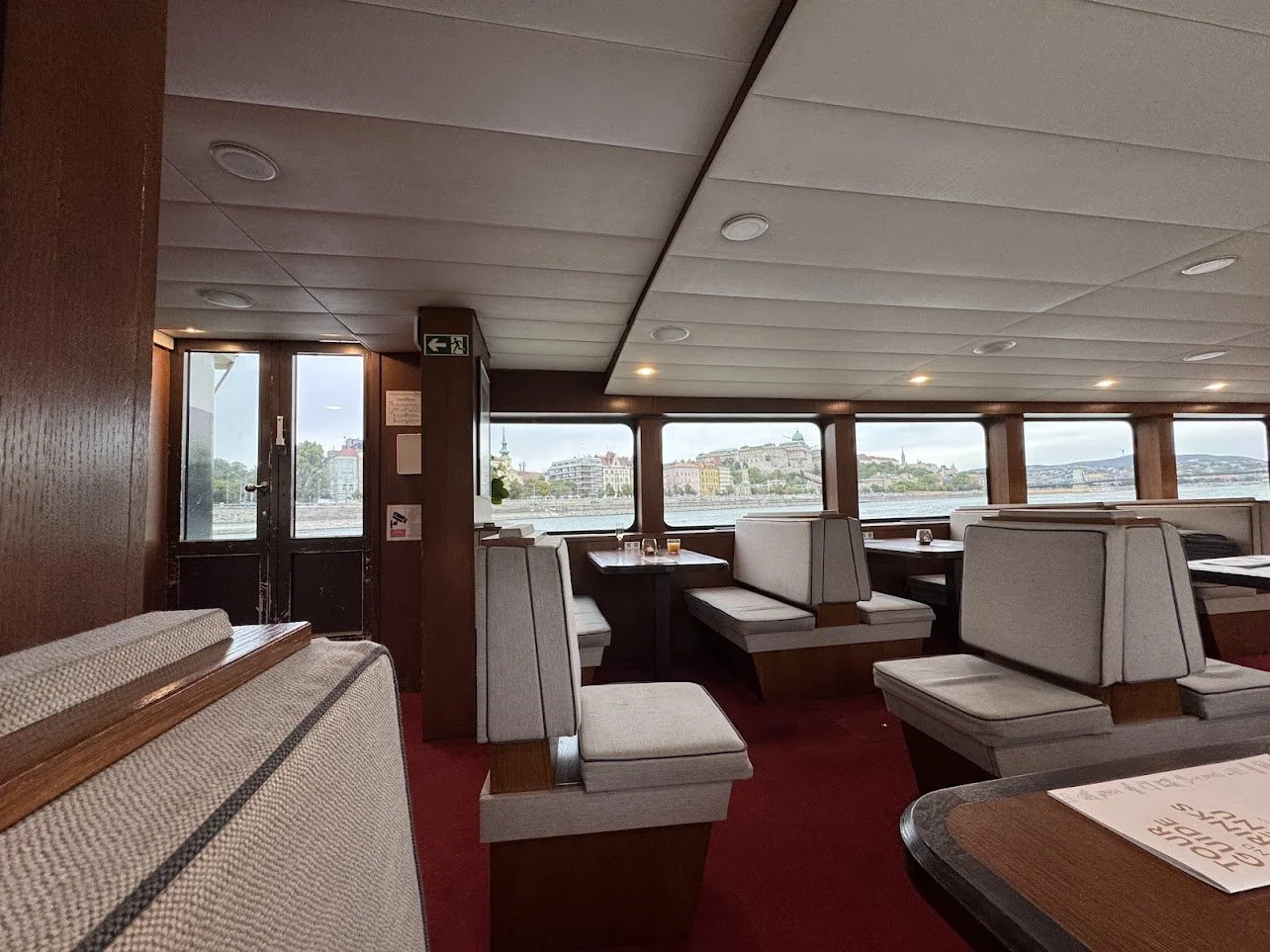
Later that afternoon, I joined a Danube River Cruise. While waiting in the queue to board, an older British couple started chatting with me and invited me to sit with them. Over the next hour, we talked, laughed, and tried to figure out exactly where we were supposed to be looking at any given moment.
We were technically supposed to follow an audio app that explained the landmarks as the boat moved quickly down the river, but most of us spent more time trying to figure out whether the app was working properly than actually learning anything. Oddly enough, that became part of the fun.
What stayed with me afterward had very little to do with the cruise itself.
By this point, I had been solo traveling for several weeks. I loved the independence, the freedom, and the constant movement. But somewhere along the way, I had quietly stopped noticing what I missed. And during that hour on the river, I realized I missed laughter.
Real, effortless laughter with other people.
That cruise became an important turning point for me. Up until then, I had intentionally planned much of the trip independently. But afterward, I started booking more walking tours, experiences, and group activities—not just for information, but for connection.
Solo travel teaches independence very quickly. What it sometimes teaches more slowly is how deeply human beings still need each other.
Where I Ate: Gluten-Free Dining in Budapest, Hungary
Budapest ended up being one of the best cities of the entire trip for gluten-free dining. And the two standout experiences could not have been more different.
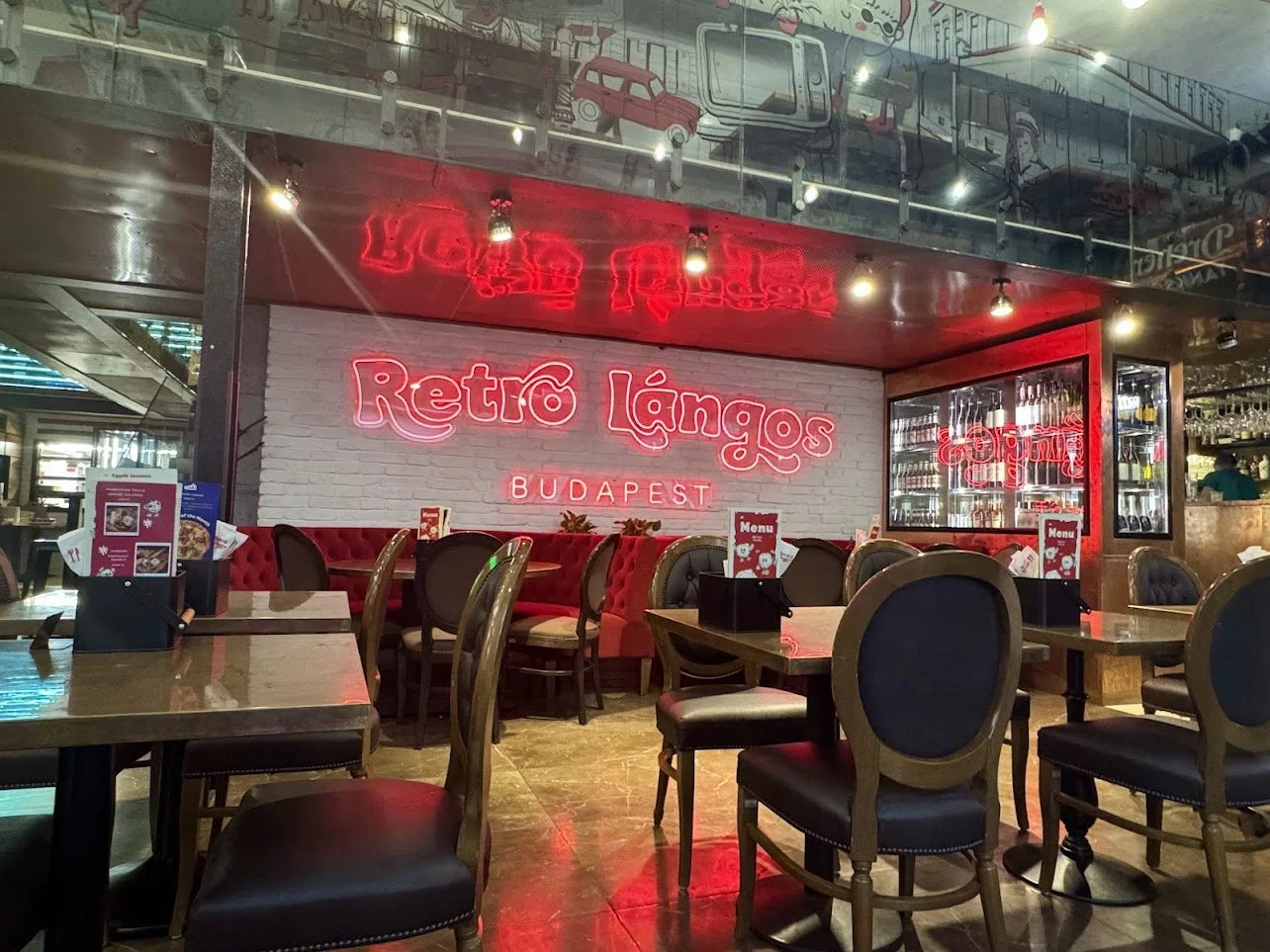
Retro Lángos Budapest
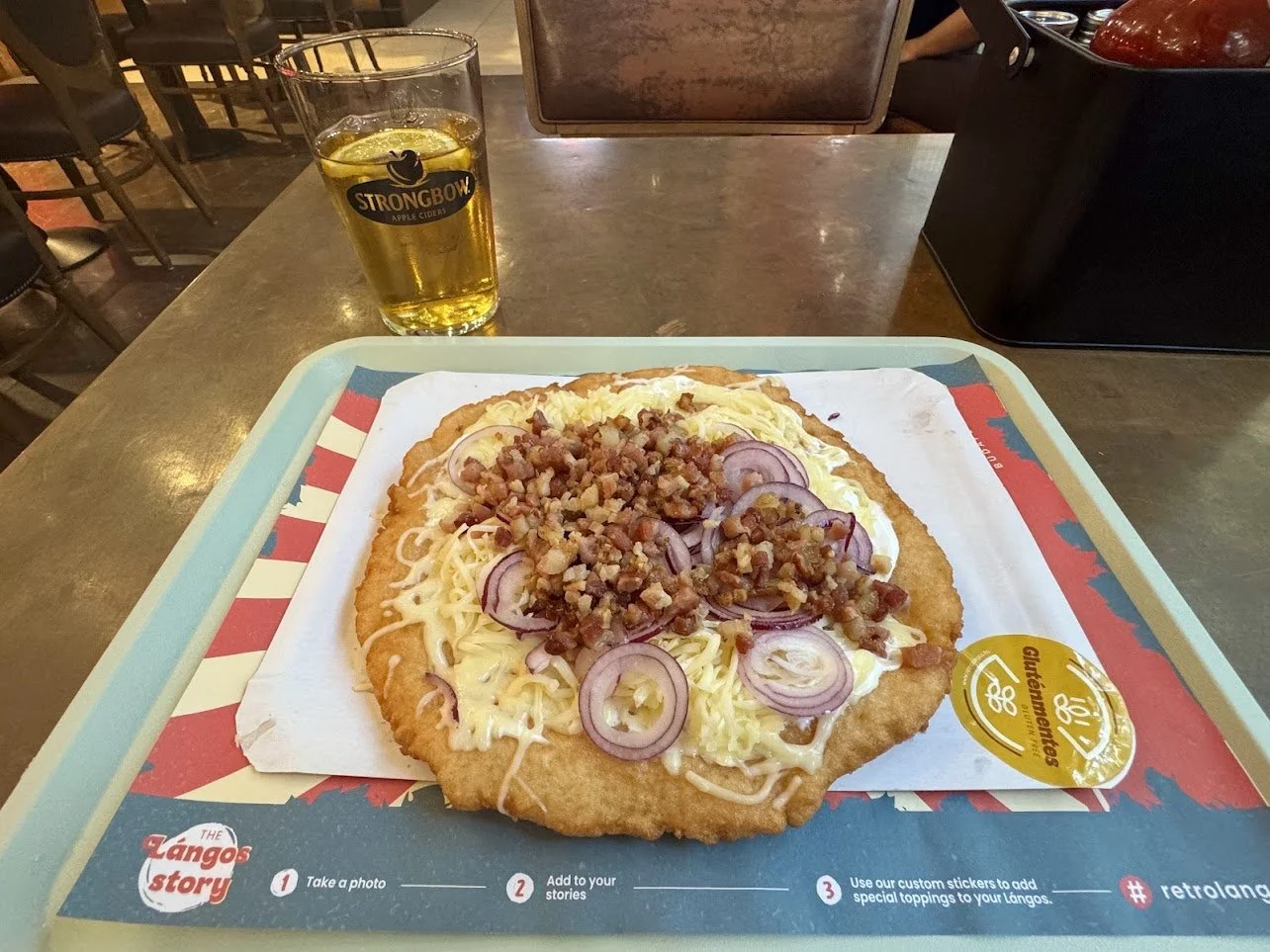
One of Budapest’s most popular street food spots is Retro Lángos Budapest, located near St. Stephen’s Basilica. Lángos is one of Hungary’s most iconic foods: deep-fried dough traditionally topped with garlic, sour cream, and cheese. Retro Lángos modernizes the experience slightly with more contemporary variations and a casual, energetic atmosphere that feels very Budapest.
Most importantly for me, they also offer gluten-free versions—something relatively uncommon for such a traditional food. Being able to try a gluten-free version of a classic Hungarian comfort food without heavily modifying the experience felt genuinely special.
Kata PEST
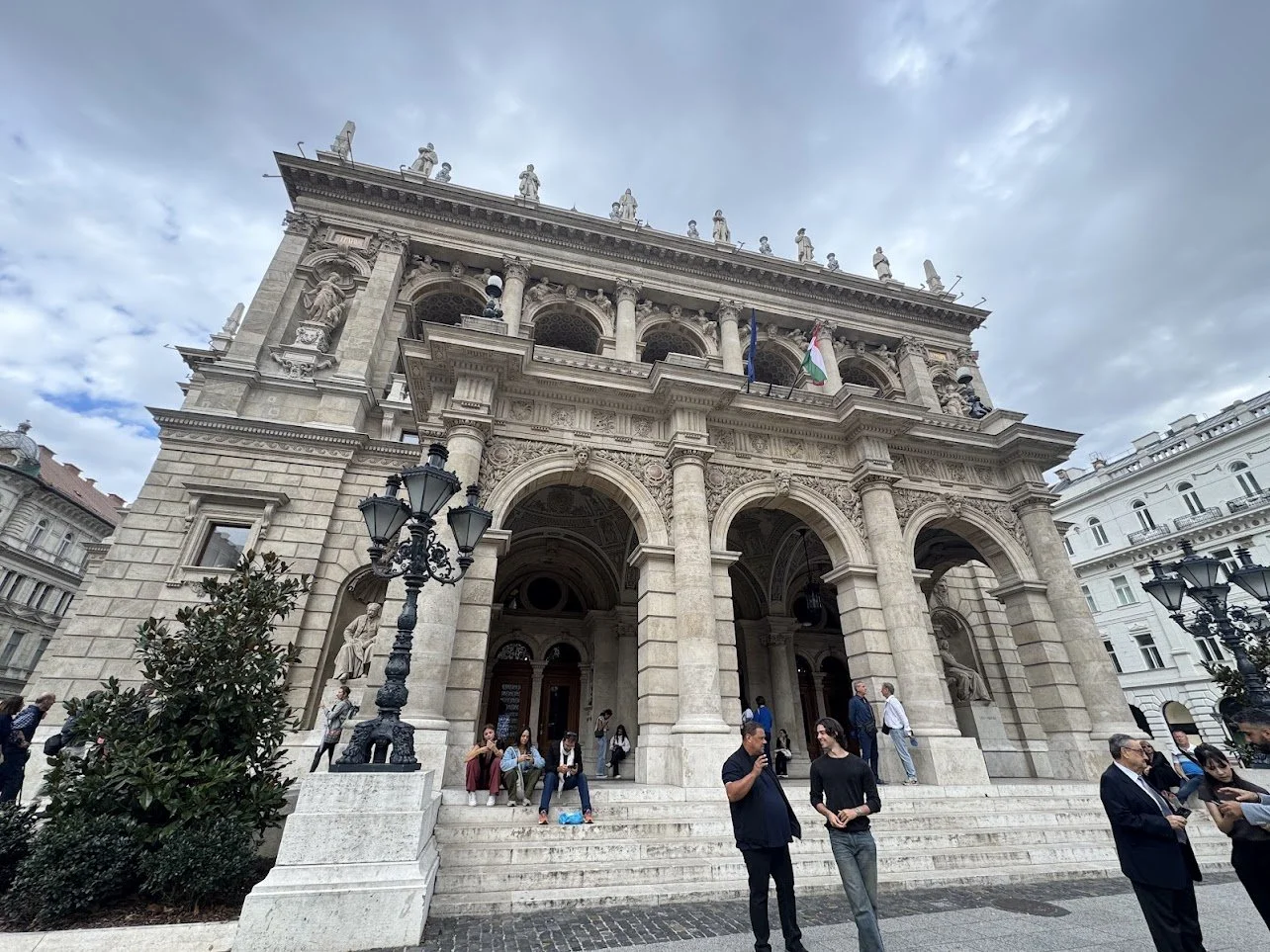
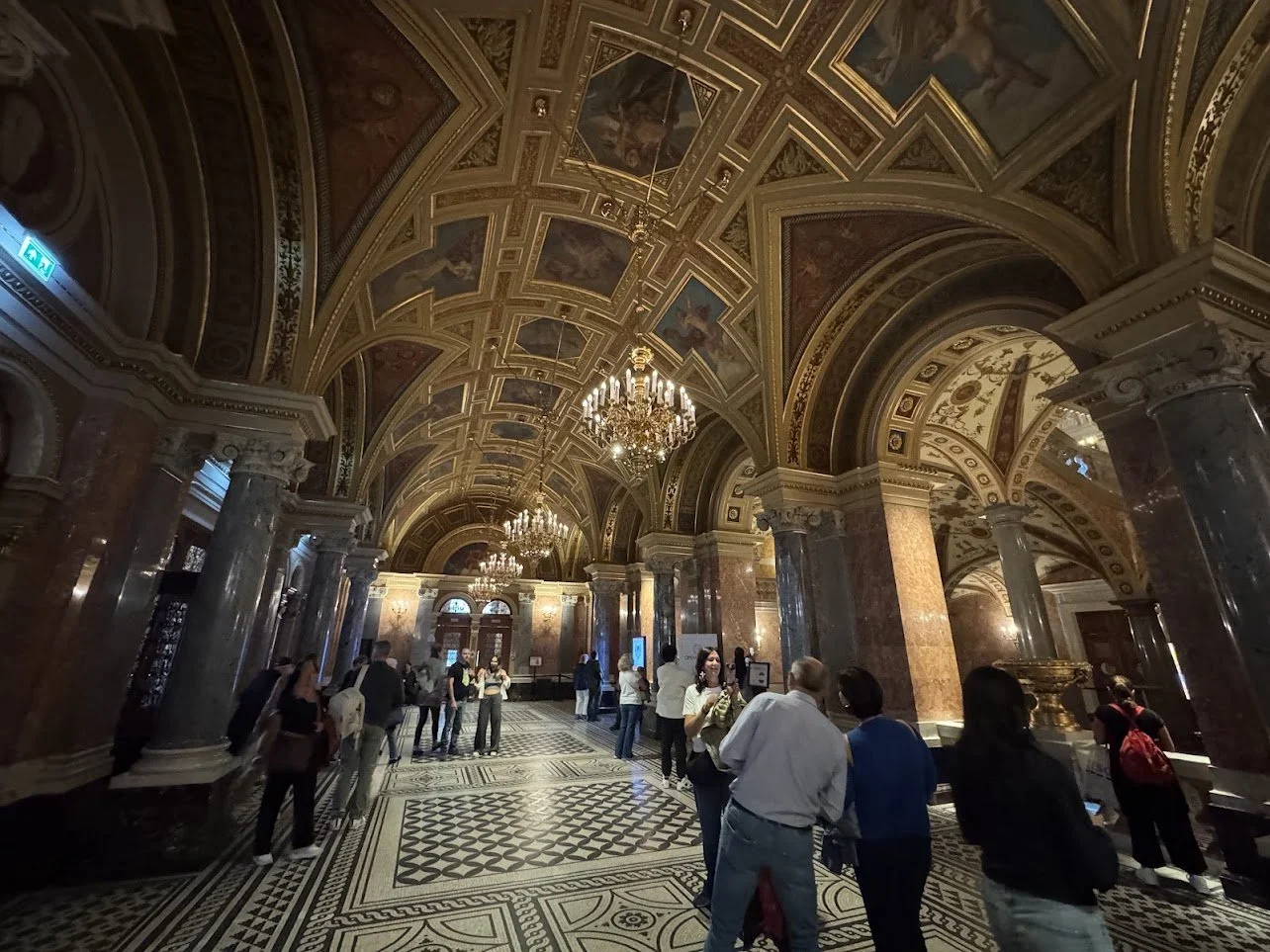
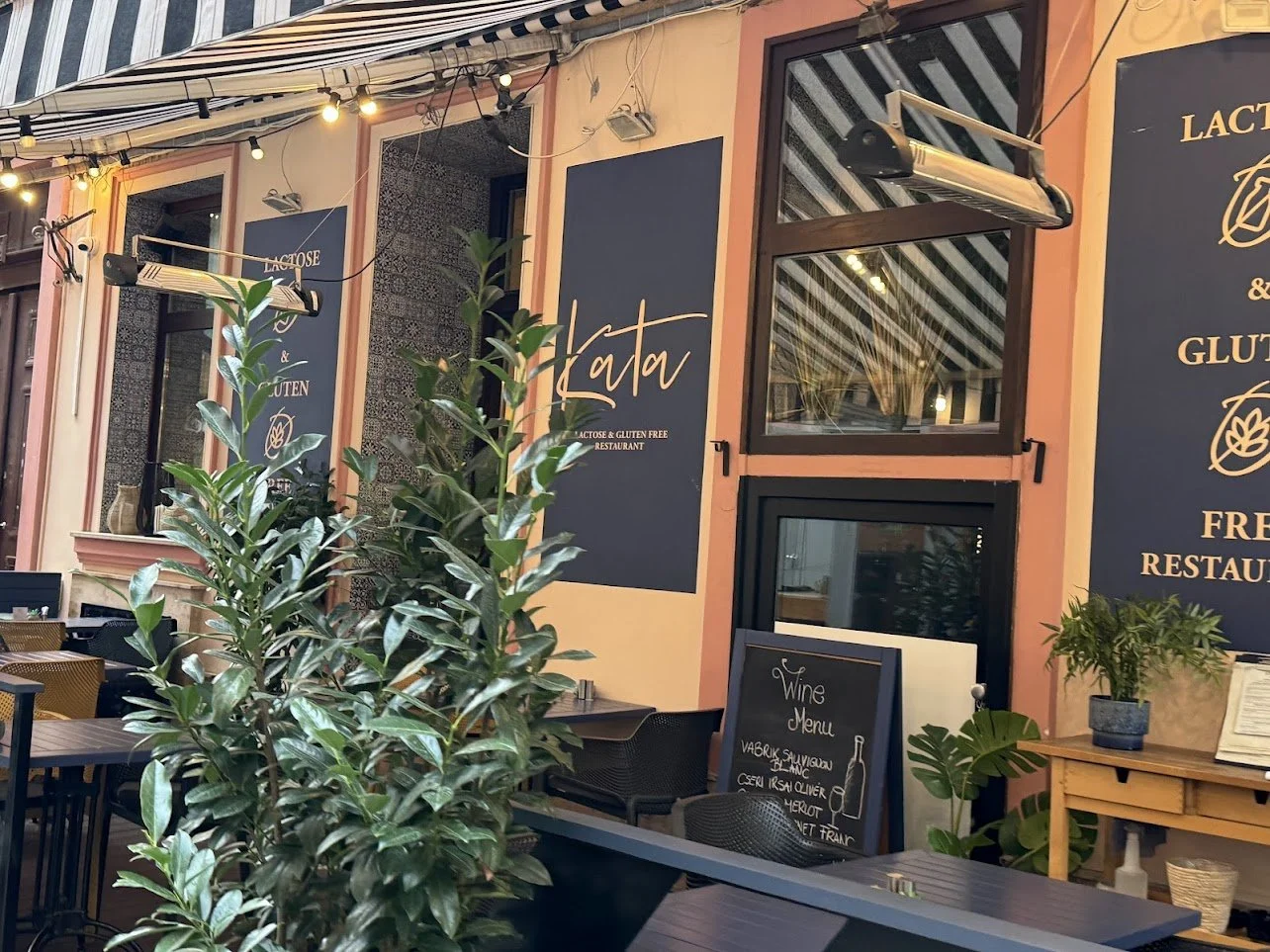
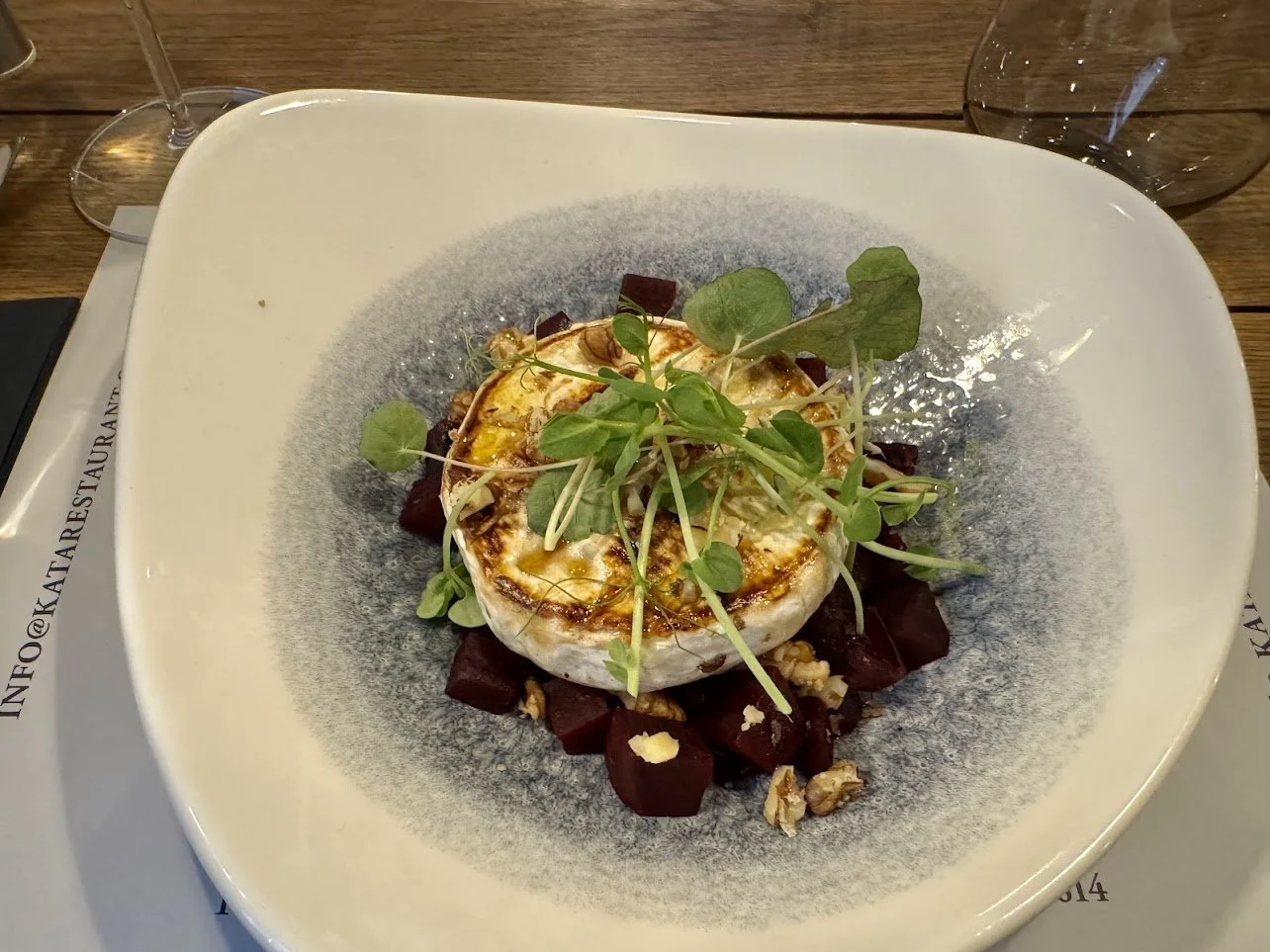
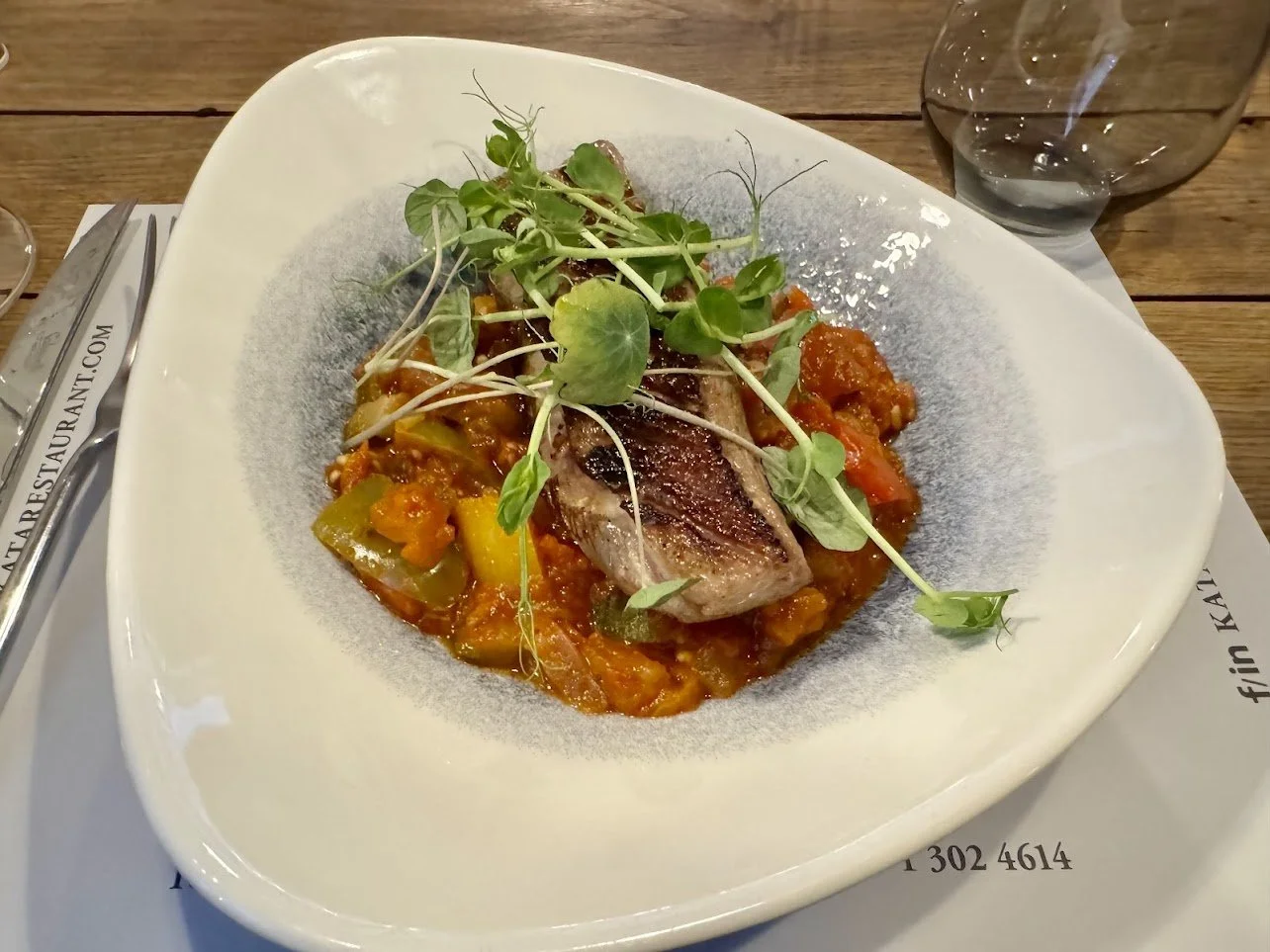
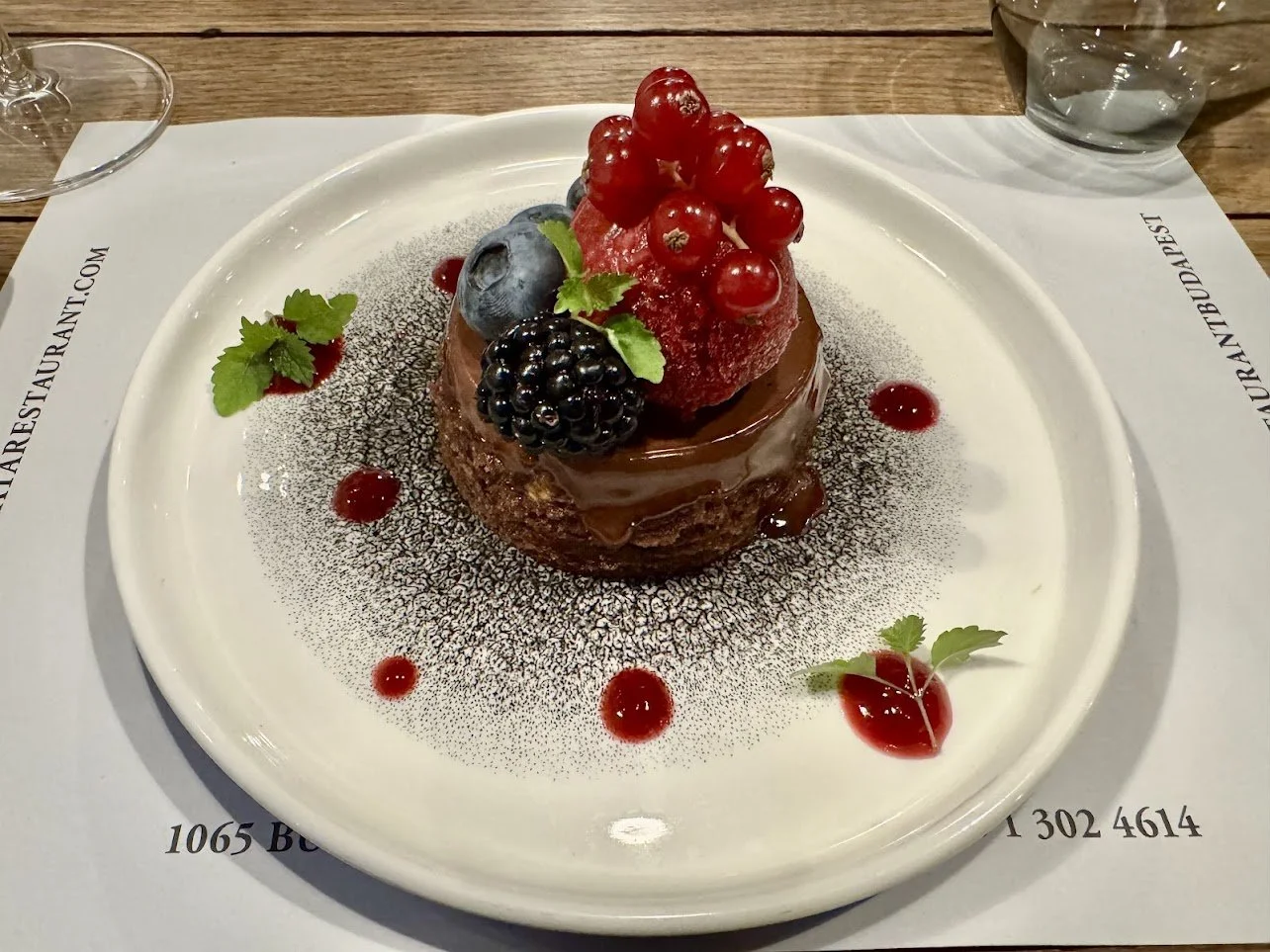
The following evening, I had one of the best meals of my entire trip at Kata PEST, a fully gluten-free and lactose-free restaurant near the Hungarian State Opera House. For travelers with celiac disease, there’s something incredibly relaxing about being able to order freely without constantly calculating risk or worrying about cross-contamination.
The atmosphere felt polished but comfortable, somewhere between a neighborhood bistro and a modern European café.
For dinner, I had:
honey andwalnut roasted beetroot with grilled Camembert
rosemary-infused roast duck breast with French ratatouille
chocolate praline cake with raspberry sorbet
and an outstanding Hungarian Cabernet Franc
It remains one of the most memorable meals of the trip because the experience felt so easy and relaxed.
Múzsa
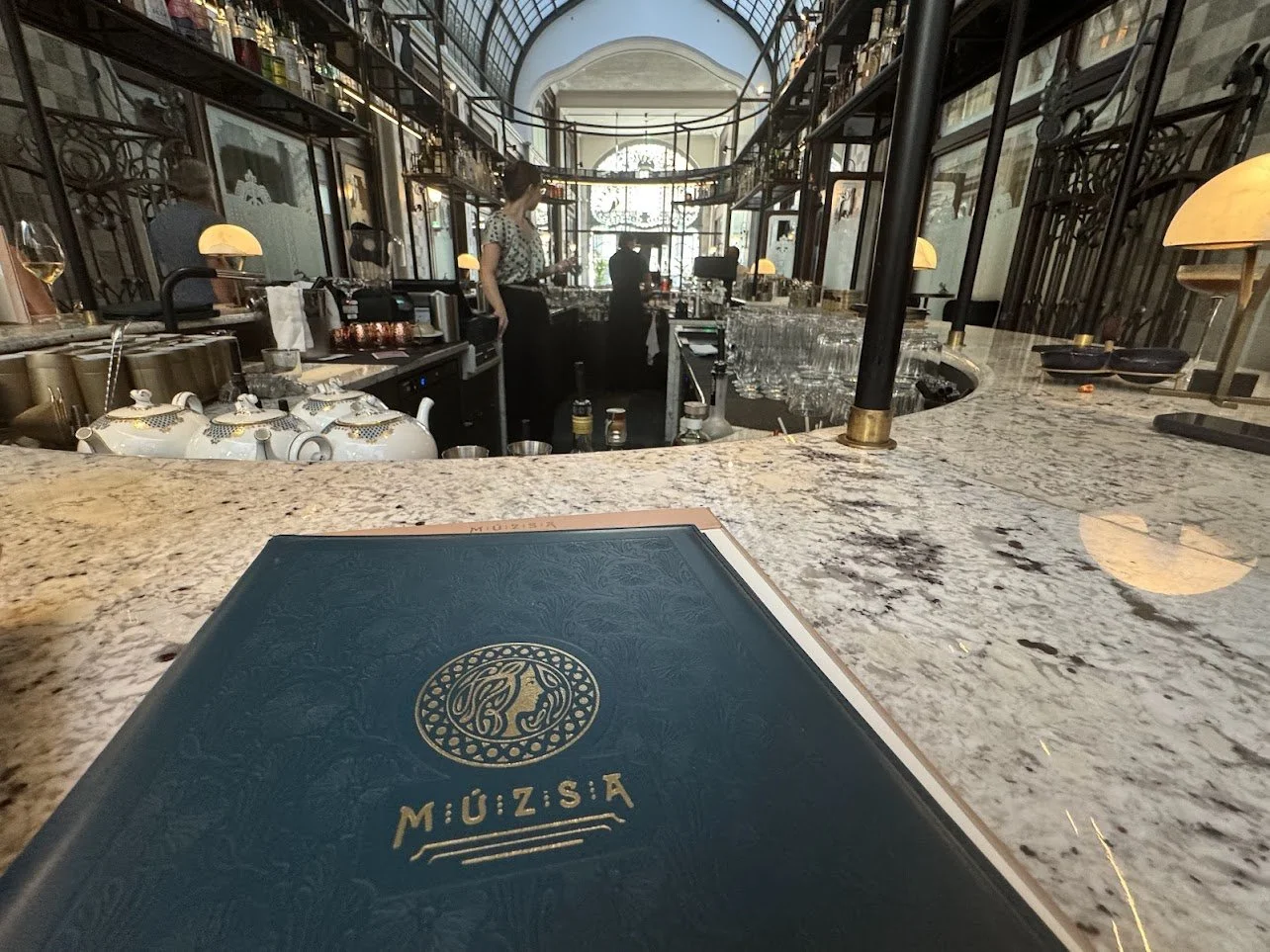
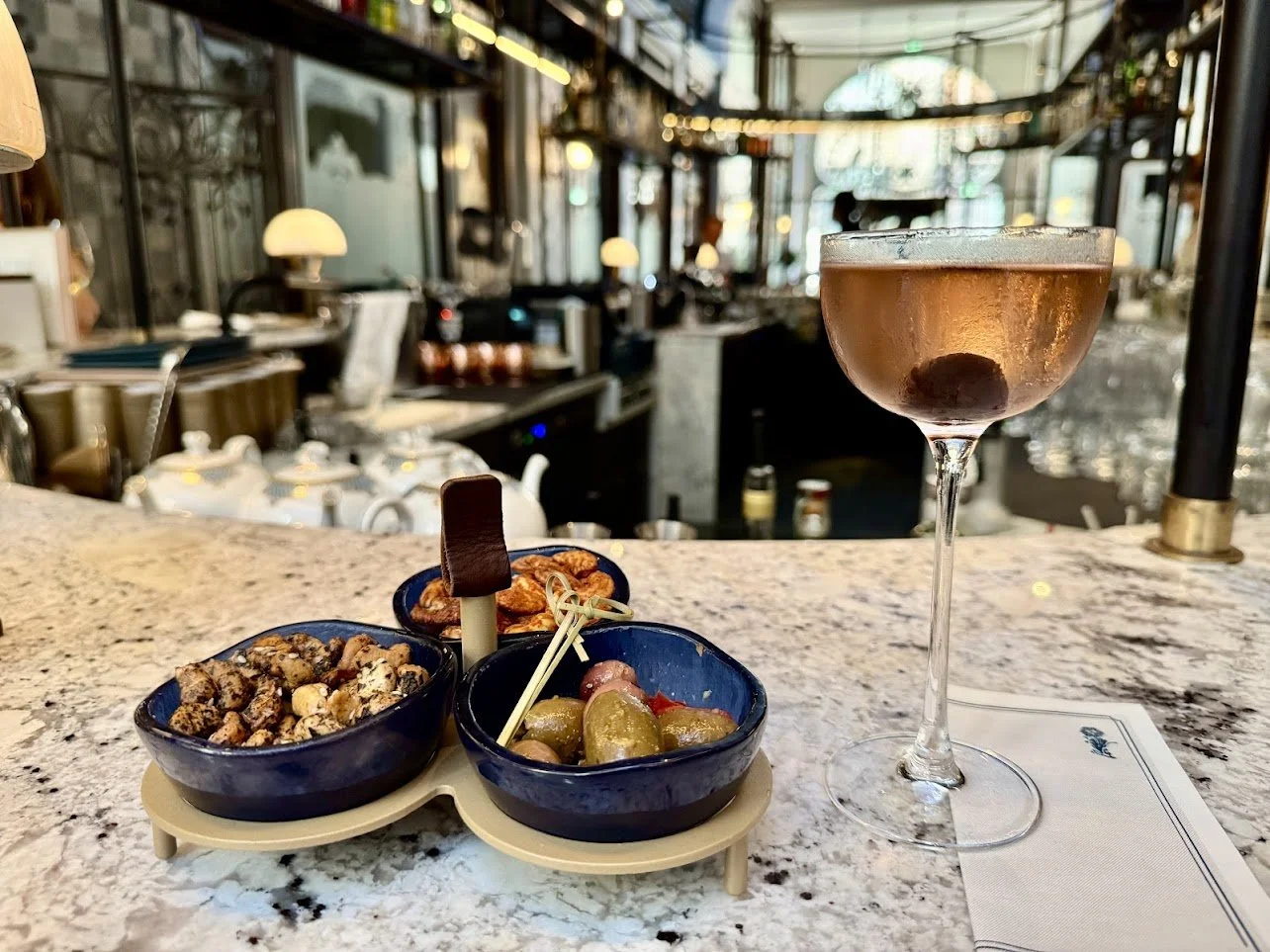
For cocktails, I highly recommend Múzsa, located inside the Four Seasons Hotel Gresham Palace Budapest. The cocktails felt less like drinks and more like small pieces of performance art, complete with elaborate presentation, custom glassware, scents, and storytelling from the bartenders. It easily became one of the most memorable cocktail experiences of the trip.
What I’d Do Differently In Budapest, Hungary
I would simply stay longer. Budapest felt like a city that deserved at least several additional days. I also would have explored more neighborhoods beyond the central tourist areas and spent additional time in the thermal baths, which somehow never fully made it into my schedule despite being one of Budapest’s defining experiences.
Budapest reminded me how much timing matters in travel. Sometimes a city arrives exactly when you need its energy. And after Vienna, Budapest absolutely did that for me.
Final Thoughts: Budapest, Hungary
Budapest became one of the biggest surprises of my trip. It felt elegant yet approachable, historic yet lively, grand without feeling inaccessible. The city bears visible layers of history and hardship, yet it also feels deeply alive, especially along the river, in cafés, and throughout Pest’s neighborhoods after dark.
More than anything, Budapest reminded me that travel experiences are shaped as much by human connection as by landmarks.
Sometimes what stays with you most isn’t the building, the viewpoint, or even the city. Sometimes it’s the unexpected conversation on a boat, the shared laughter with strangers, or the realization that independence doesn’t have to mean isolation.
Travel Gear Reviews
-
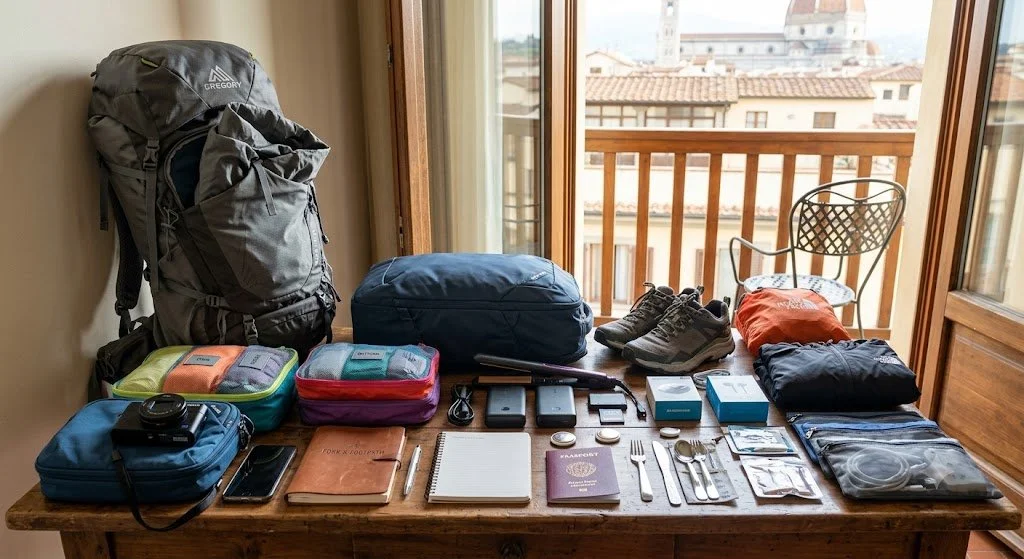
![The Ultimate Europe Packing List]()
The Ultimate Europe Packing List: Everything I Actually Used
The exact luggage, gear, footwear, technology, and clothing that survived three months of continuous solo travel.
-
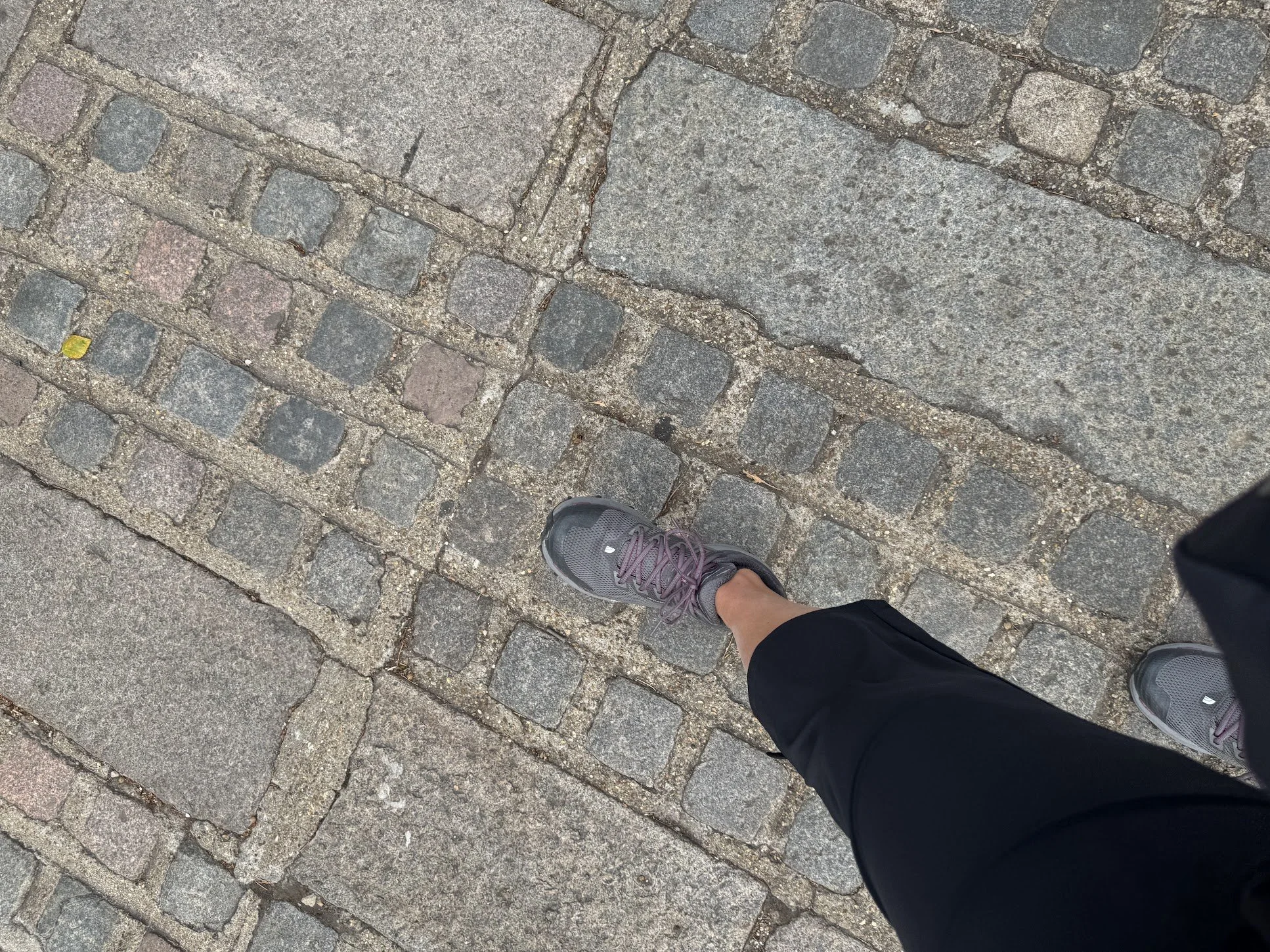
![Travel Shoes For Europe]()
The Walking Shoes That Survived Three Months of European Travel
These provided the comfort, support, waterproof protection, and versatility I needed for long days on my feet.
-
![Waterproof Travel Gear]()
Waterproof Travel Gear: Essentials That Keep You Exploring
Rain gear is one of the best investments you can make for an extended European trip. These waterproof essentials earned a permanent place on my packing list.
-
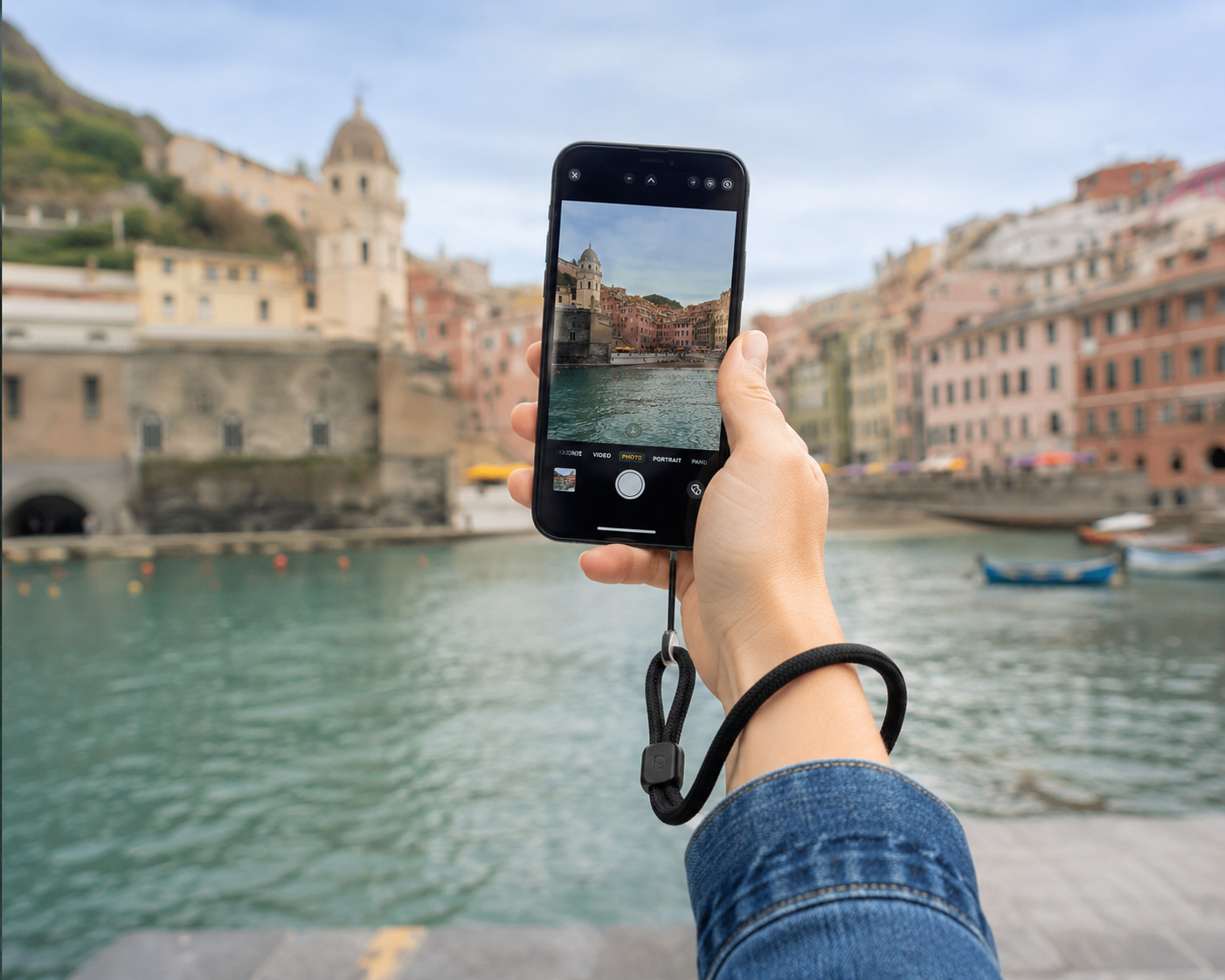
![Phone Wrist Strap]()
The Phone Wrist Strap That Helped Protect My Phone Across Europe
A simple, low-cost travel accessory provided peace of mind in crowded cities and added security throughout my three-month trip.
-
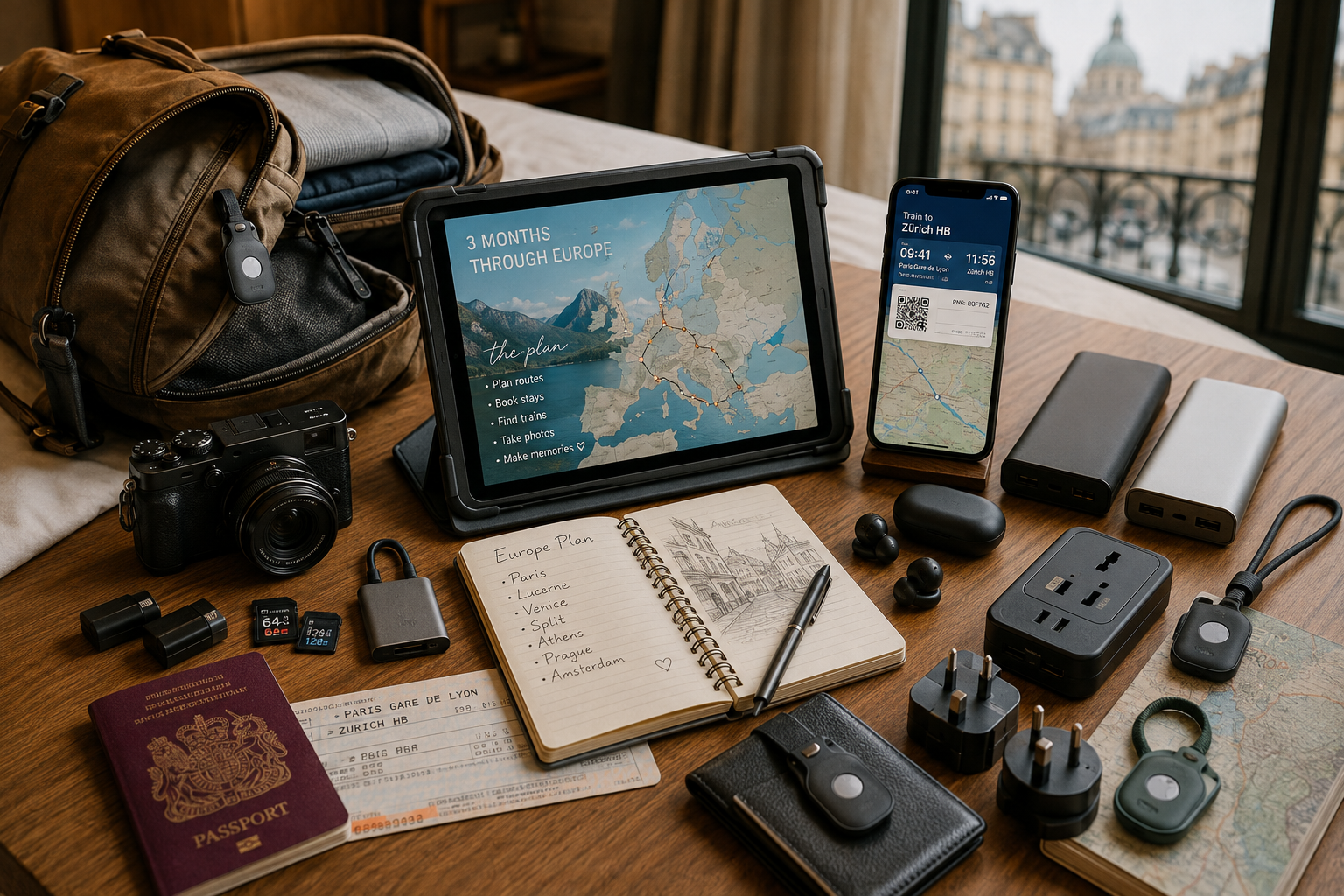
![Travel Technology]()
The Technology I Used During Three Months of Traveling Europe
The travel tech that helped me navigate, stay connected, protect my photos, and travel independently.