Train vs. Bus Travel in Europe: How to Choose What’s Right for You
What to expect, what to plan for, and how to choose what works best for your trip to Europe.
When I was planning my three-month trip through Europe, I had a very clear vision of how I’d get around: by train. It’s Europe, after all. The rail system has a reputation—fast, efficient, effortless. I pictured myself gliding from one city to the next, stepping off directly into the center of wherever I was headed, completely at ease.
The biggest thing I got wrong before finalizing my plans was this: you can’t take the train everywhere. And sometimes—whether you planned for it or not—you’re taking the bus. And you might even end up preferring it sometimes.
The Version Of European Train Travel I Had In My Head
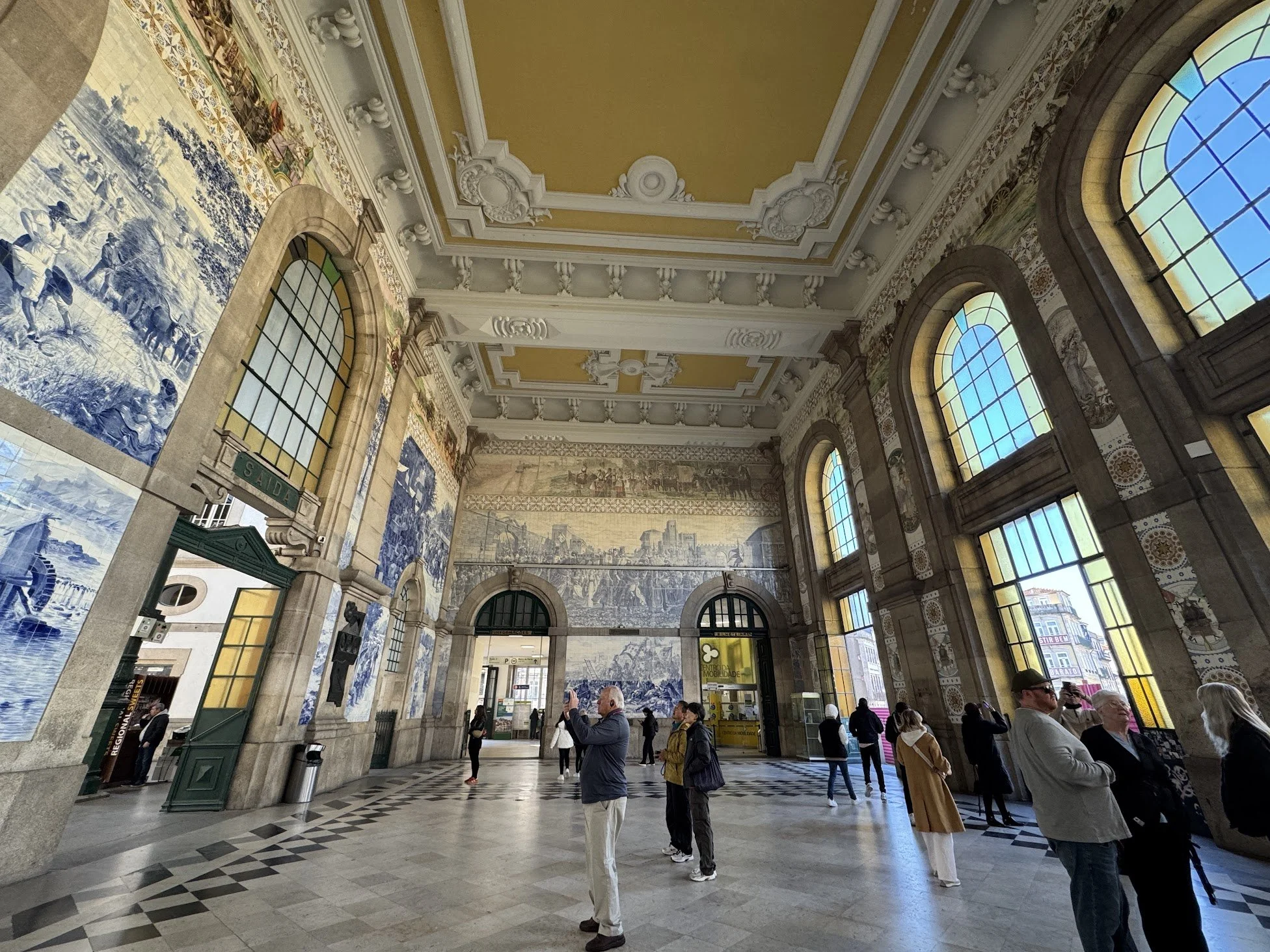
Before I left on my three-month trip to Europe, I romanticized train travel in a very specific way. I imagined buying a Eurail pass and having complete freedom—hopping on whatever train I wanted, whenever I wanted.
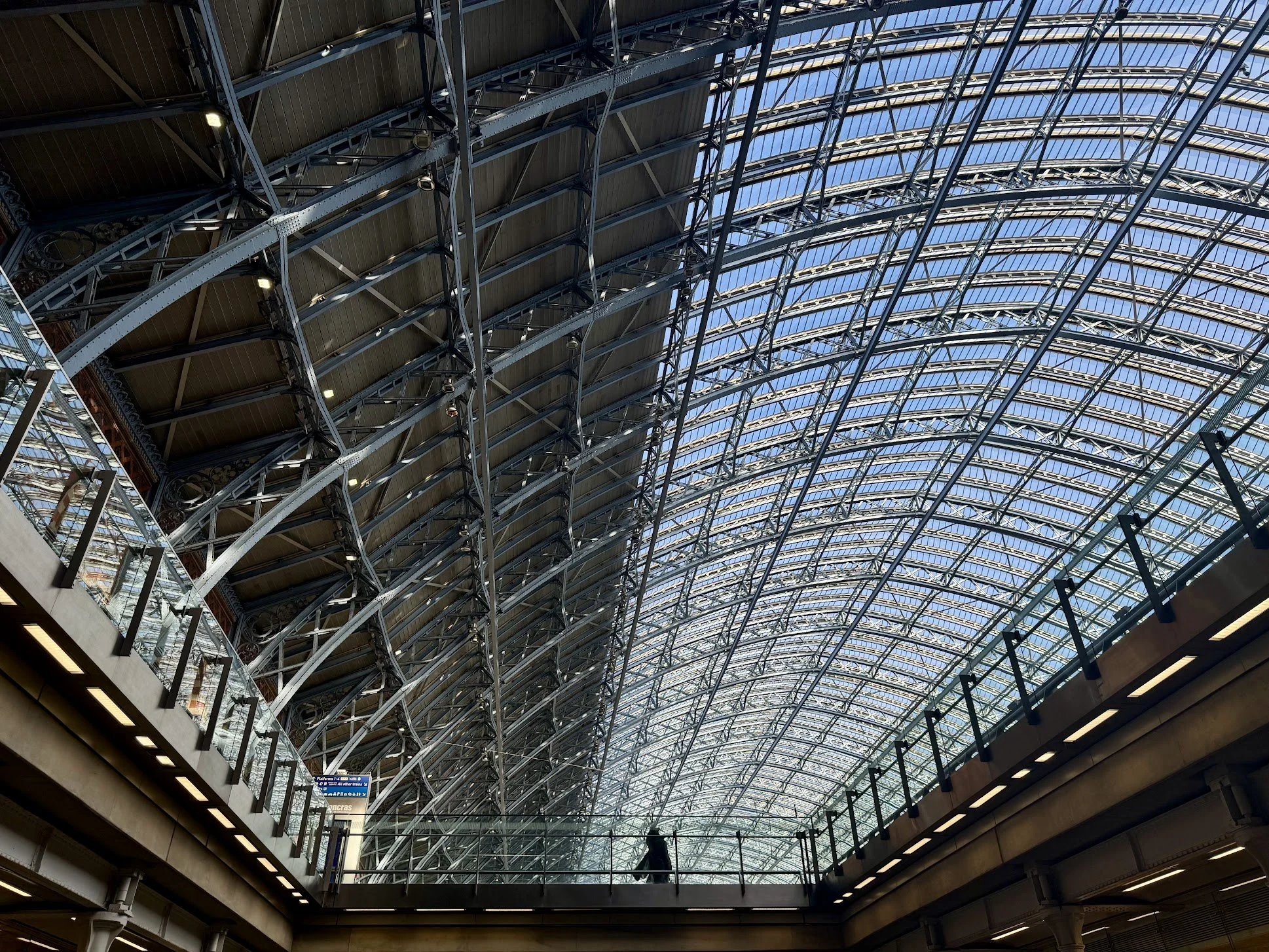
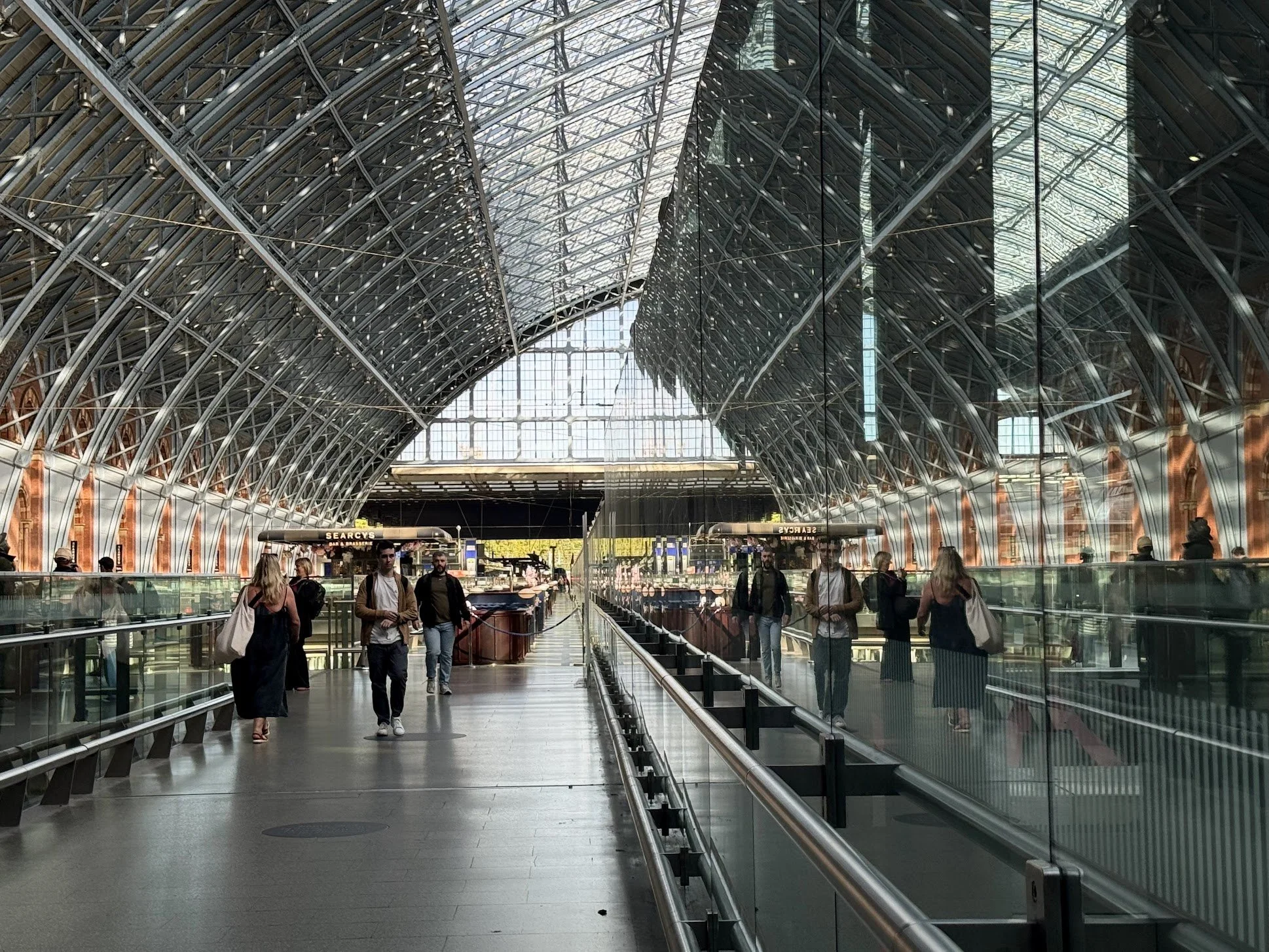
I pictured beautiful train stations, calm boarding, plenty of space for luggage, and long, quiet rides where I could watch the landscape roll by, charge my phone, and catch up on photos. I imagined peace and ease. Sometimes that’s how it felt, and other times it didn’t.
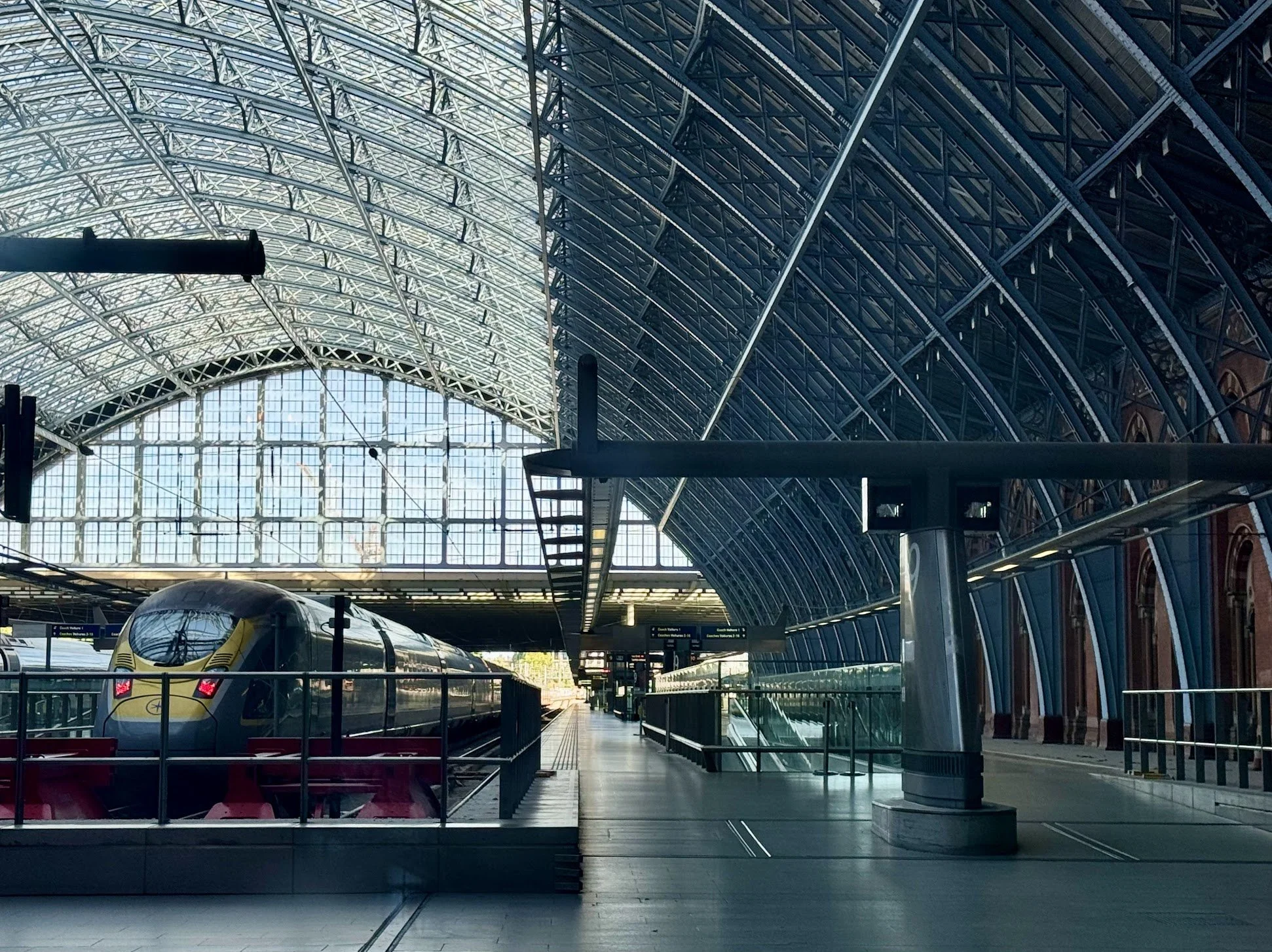
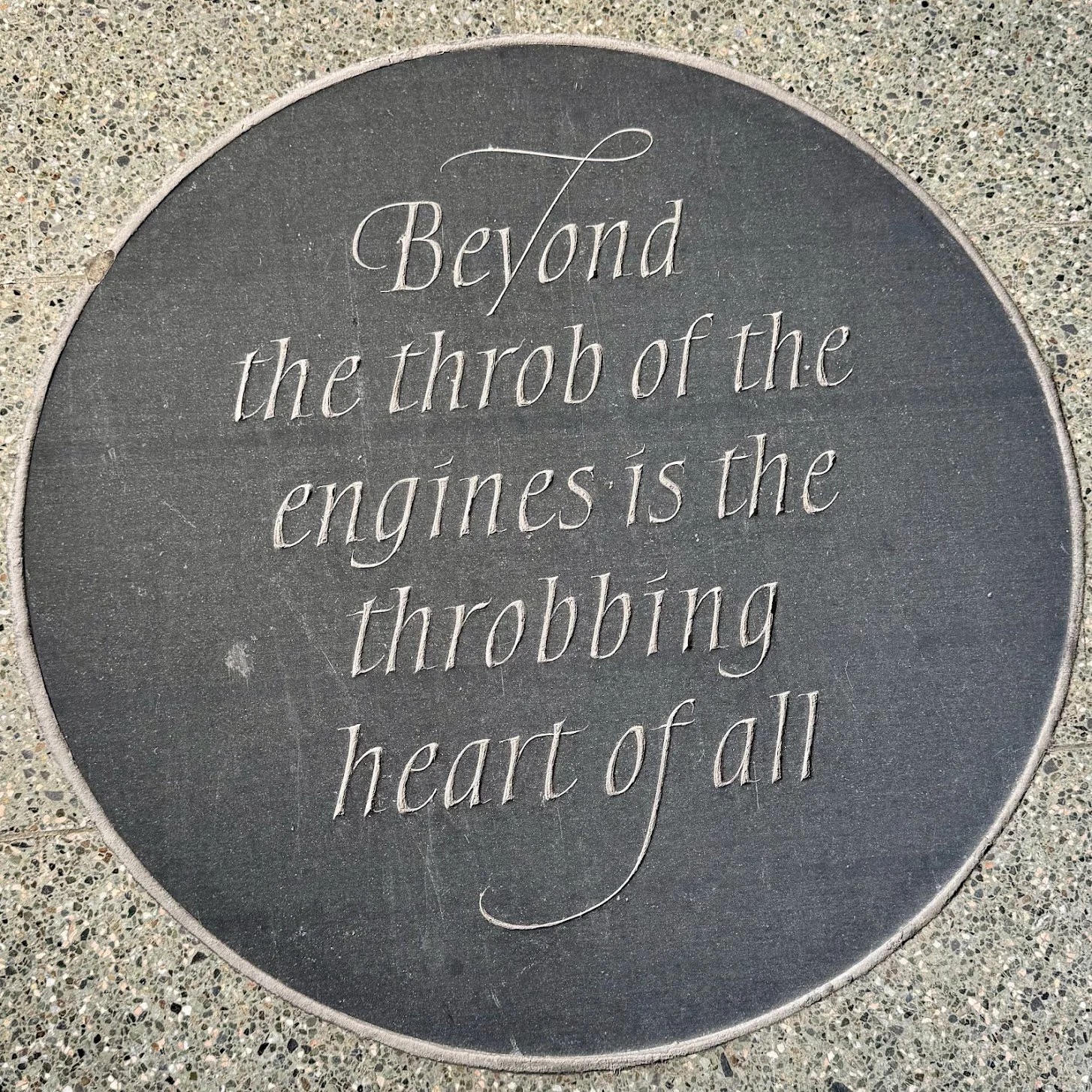
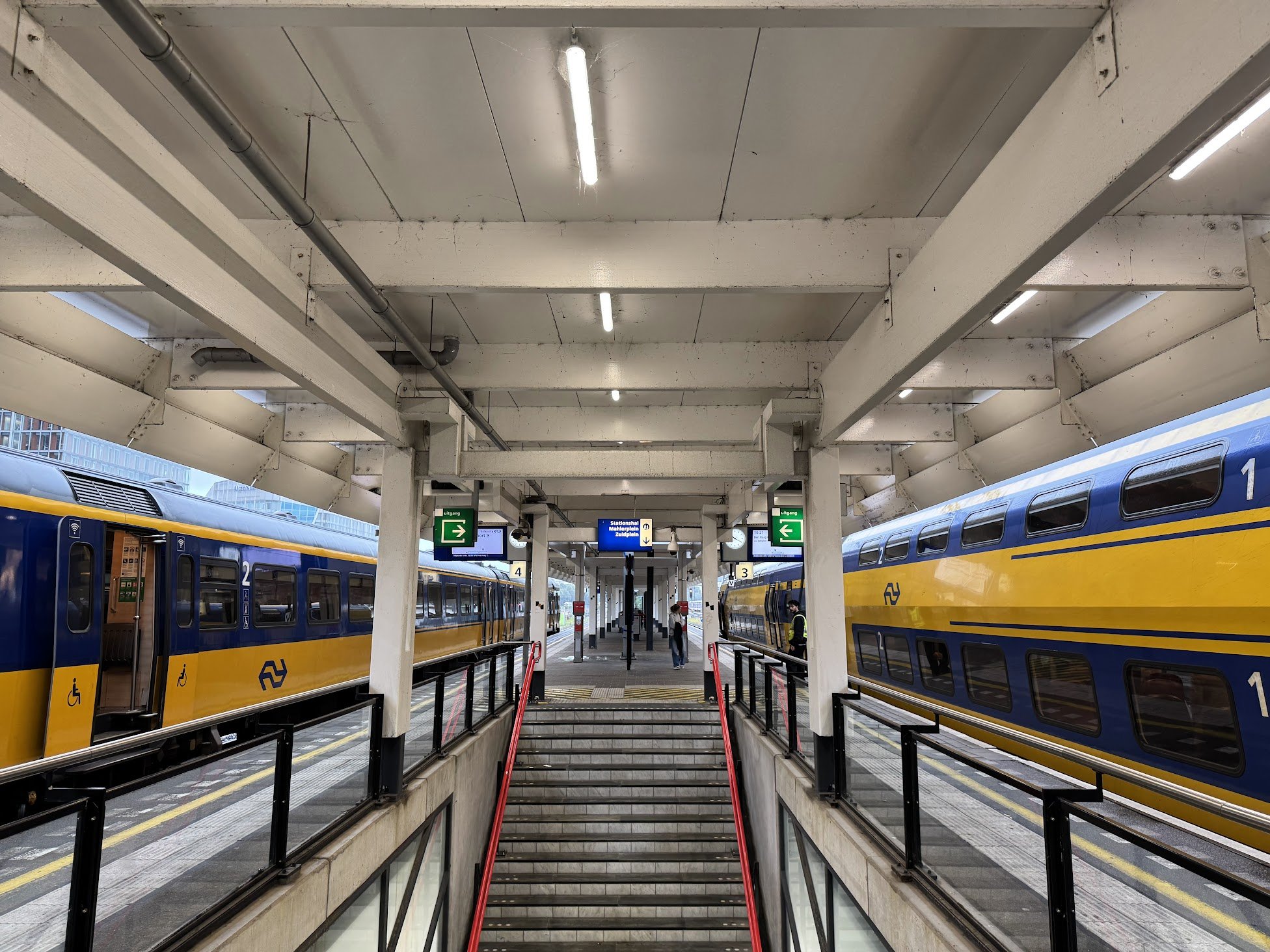
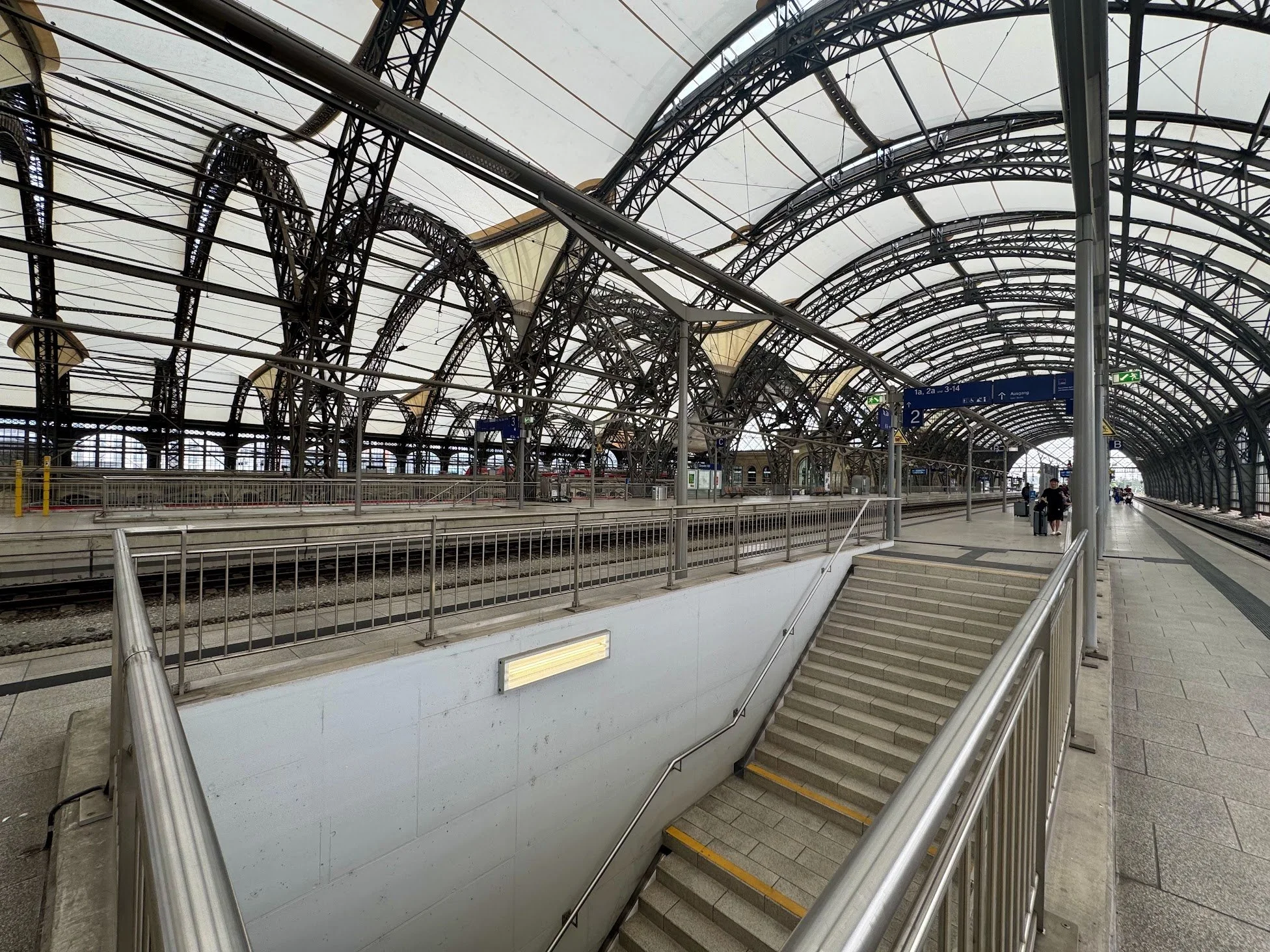
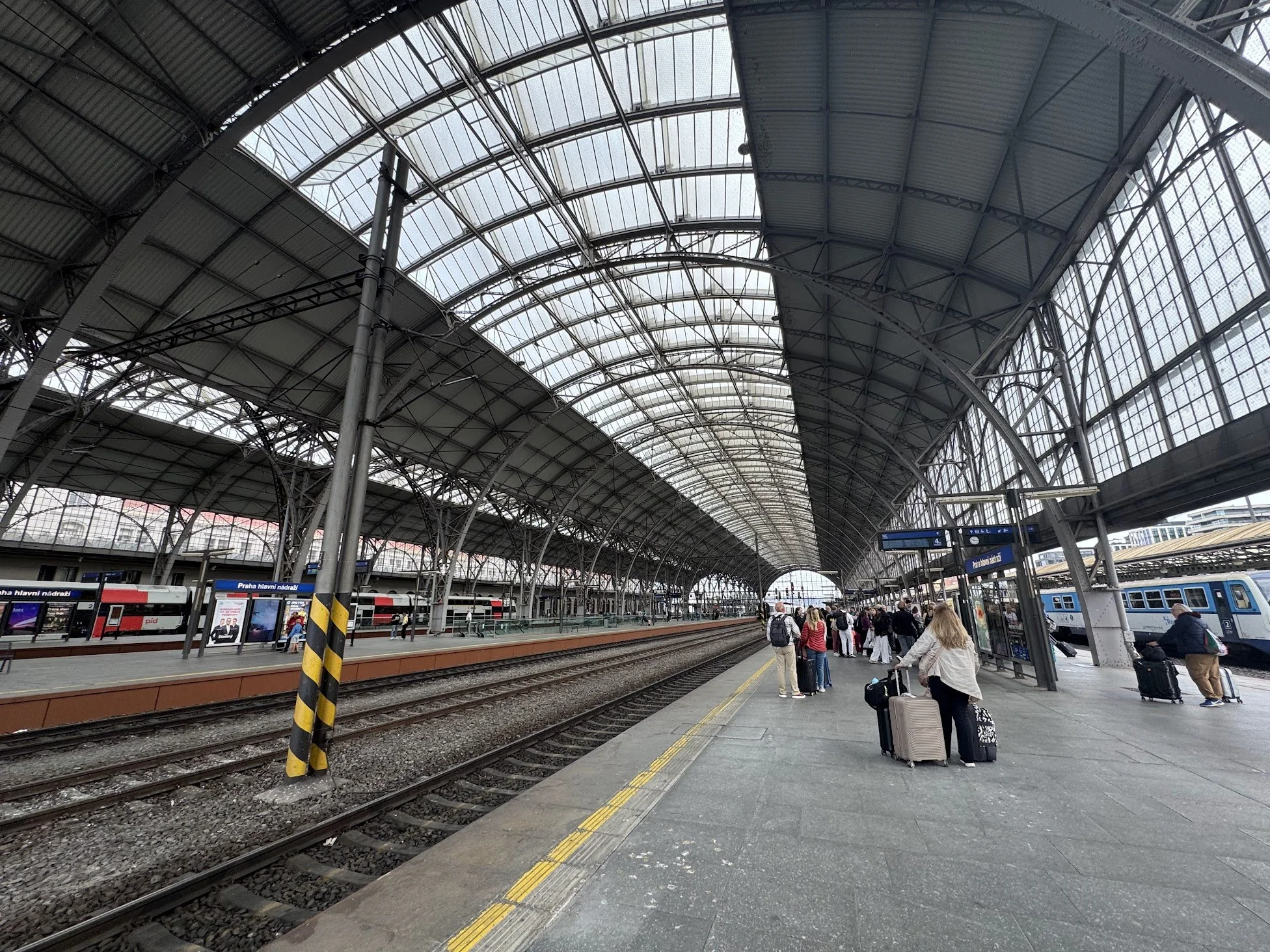
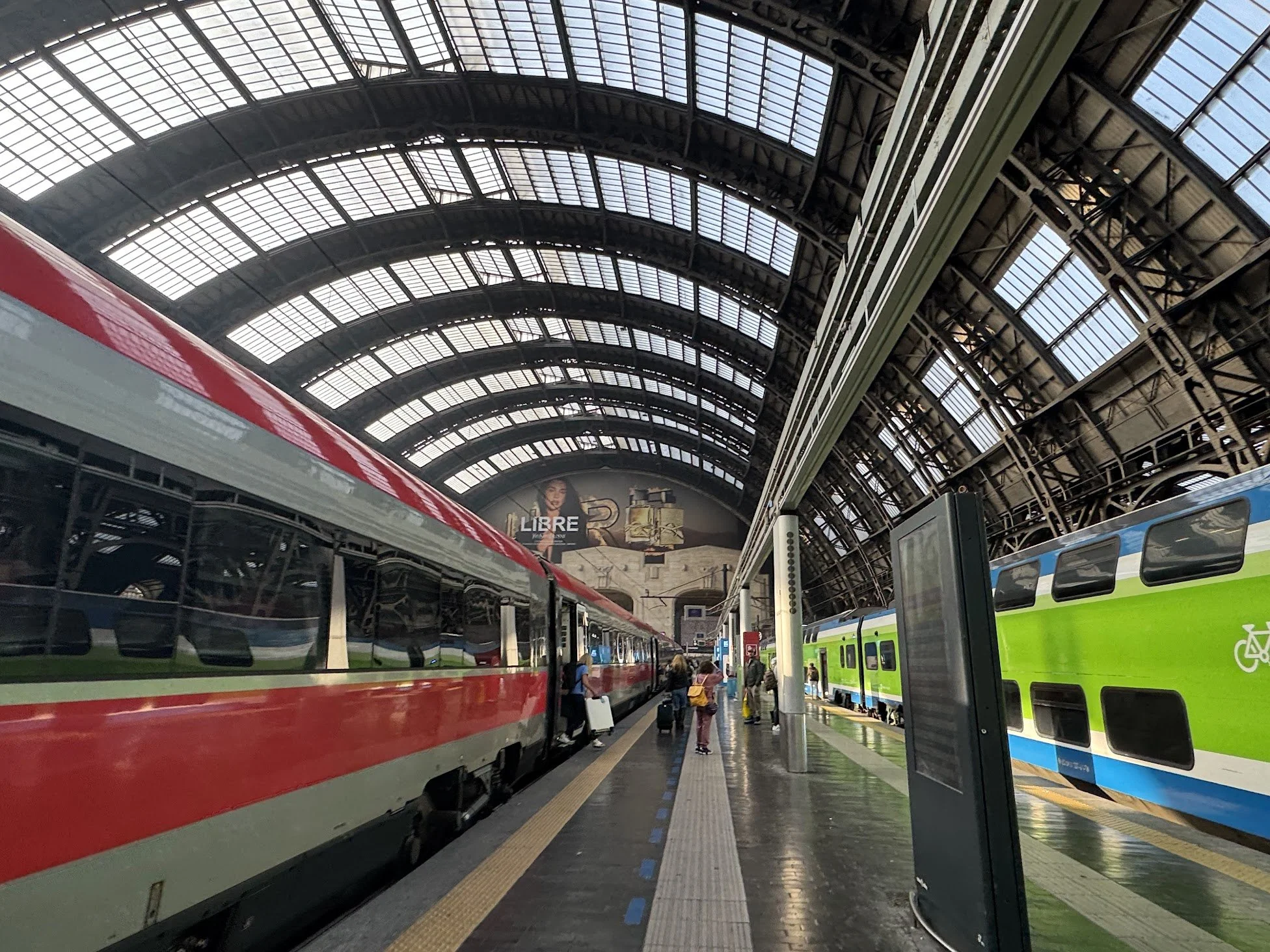
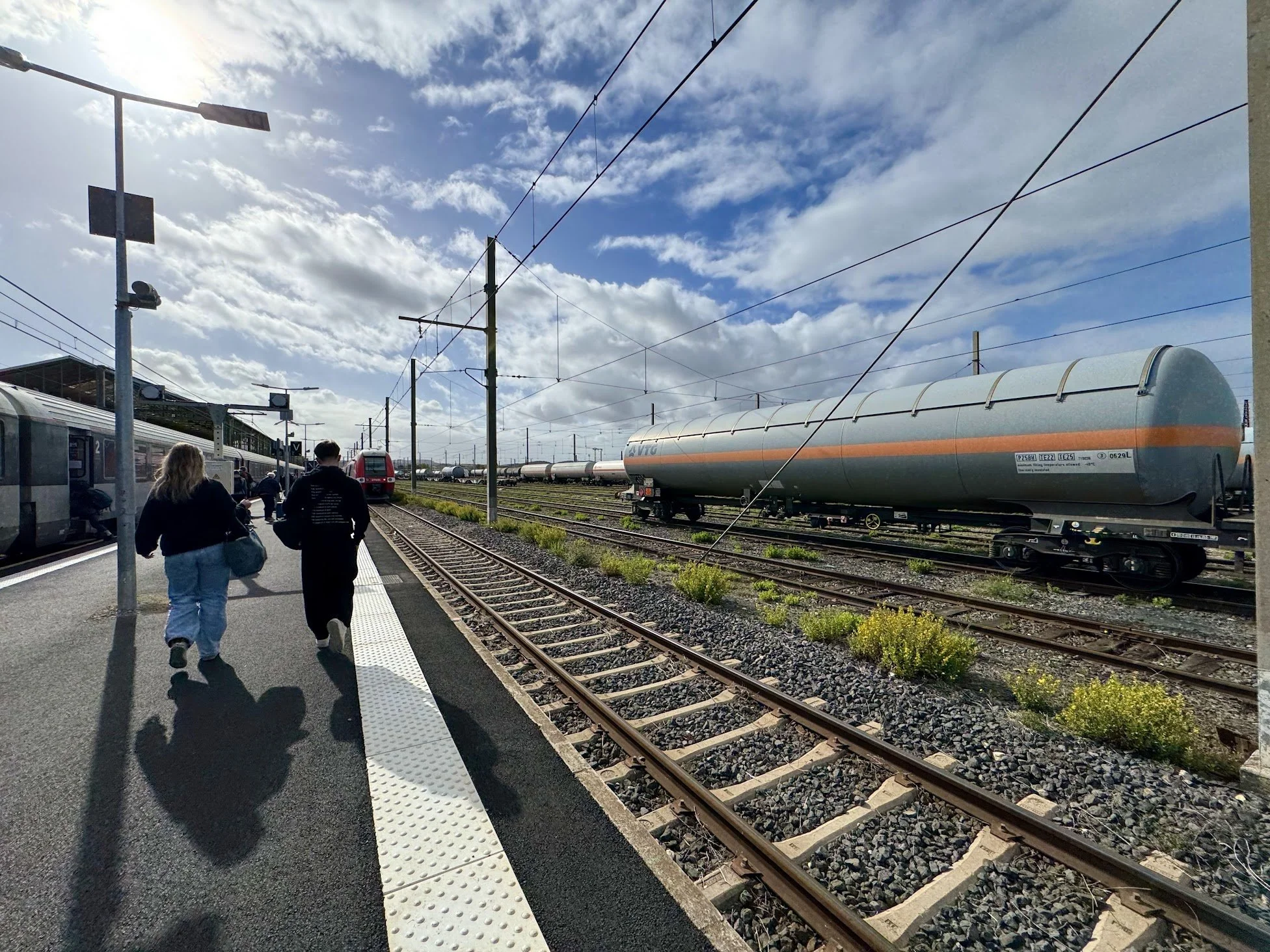
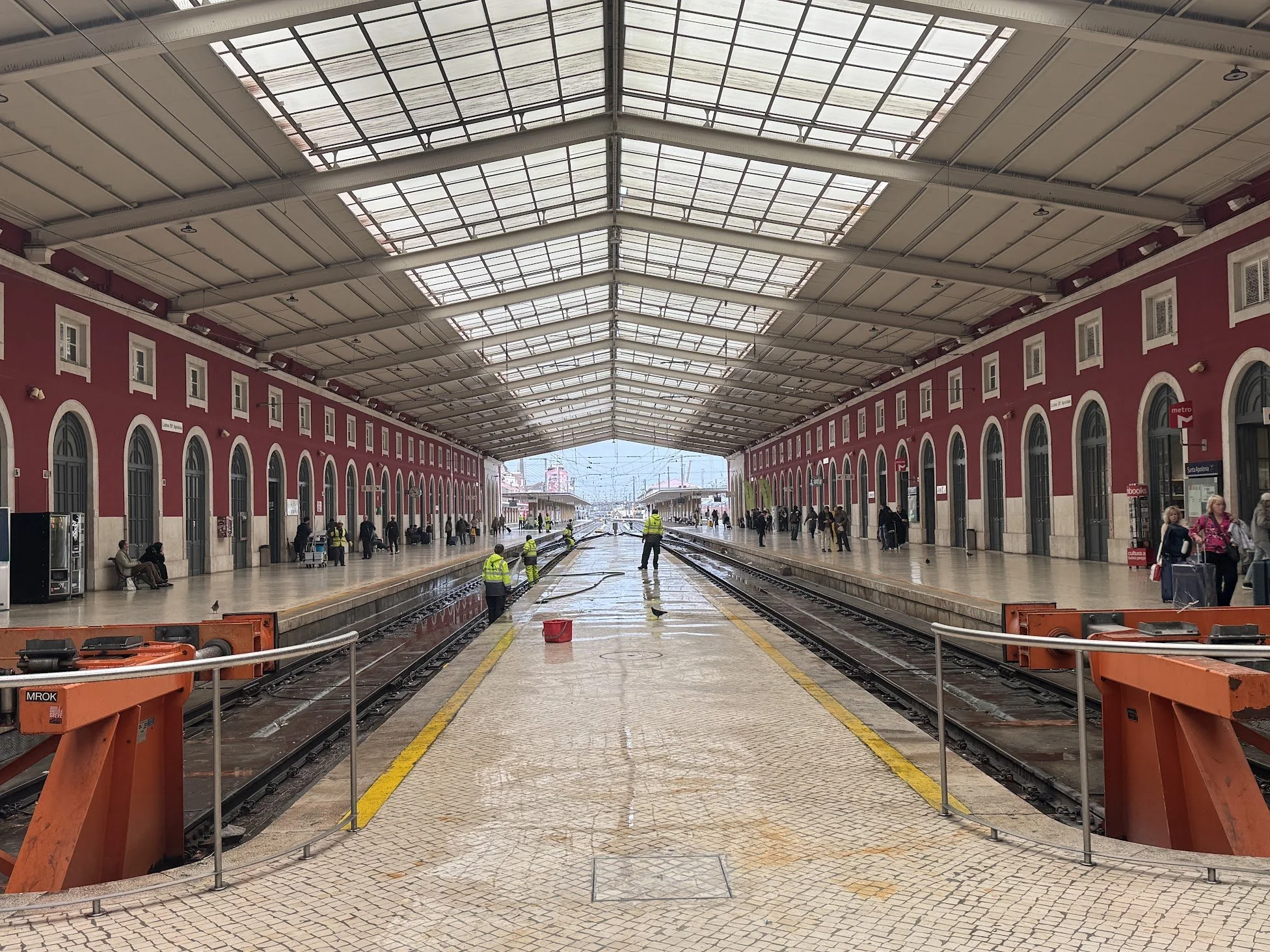
What My European Train Travel Was Actually Like
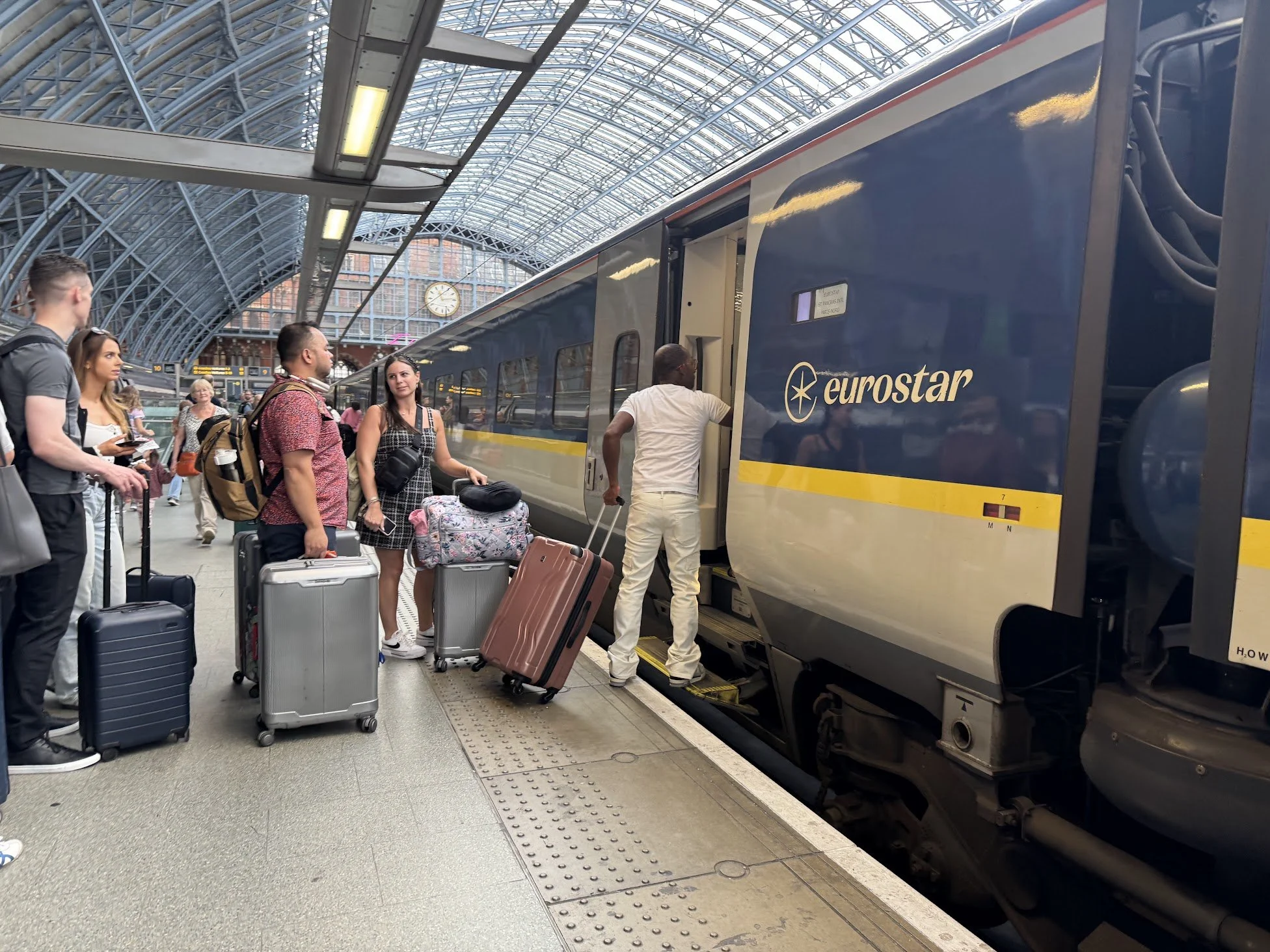
The first realization came during my itinerary planning: my Eurail pass did not cover everything. While it can help you save money, it comes with limitations that aren’t always obvious upfront. On many routes—especially high-speed or popular ones—you’re competing for a limited number of seats allocated to pass holders. And even then, seat reservations often come with an extra fee. That alone changes how “flexible” things feel.
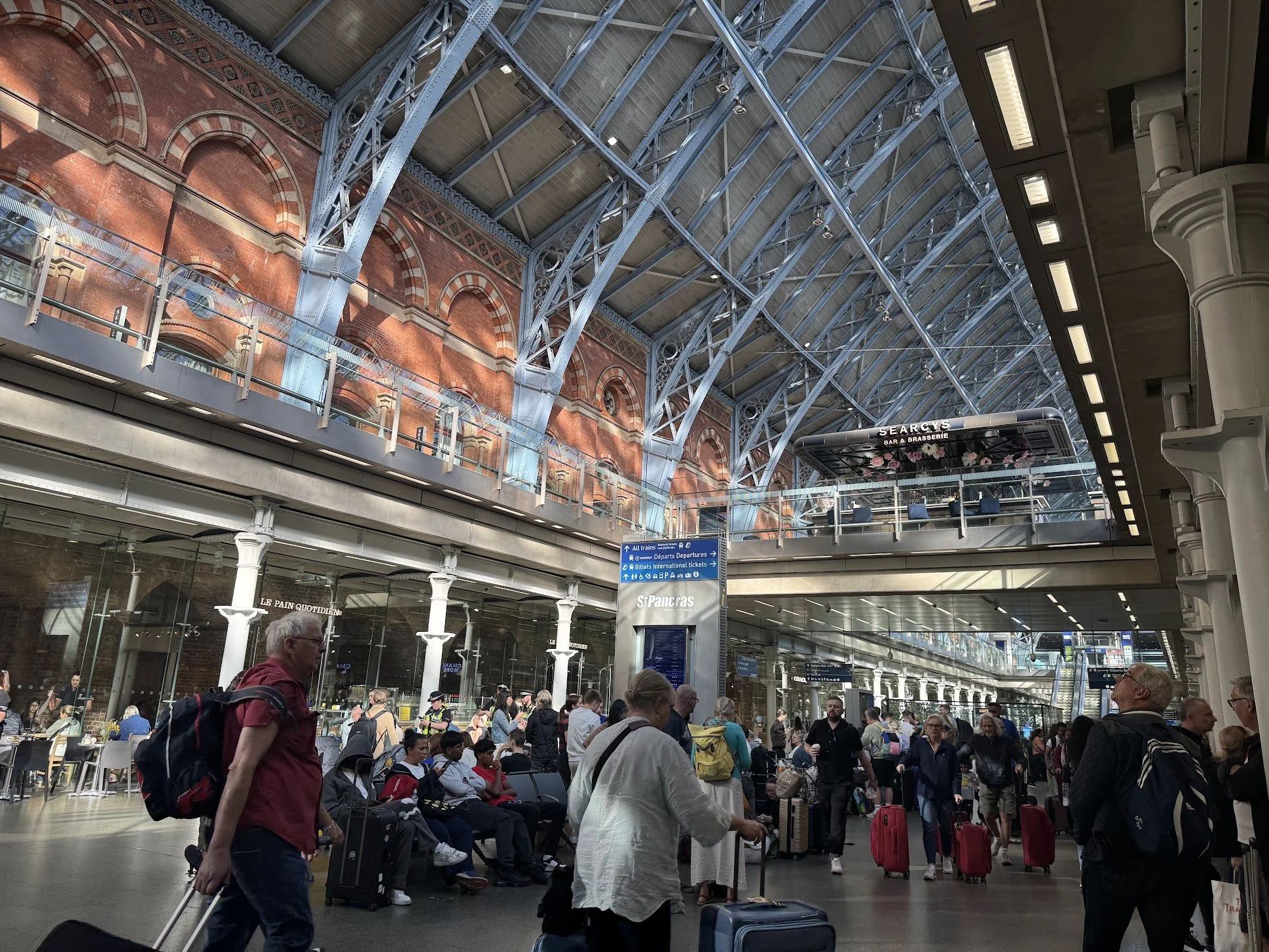
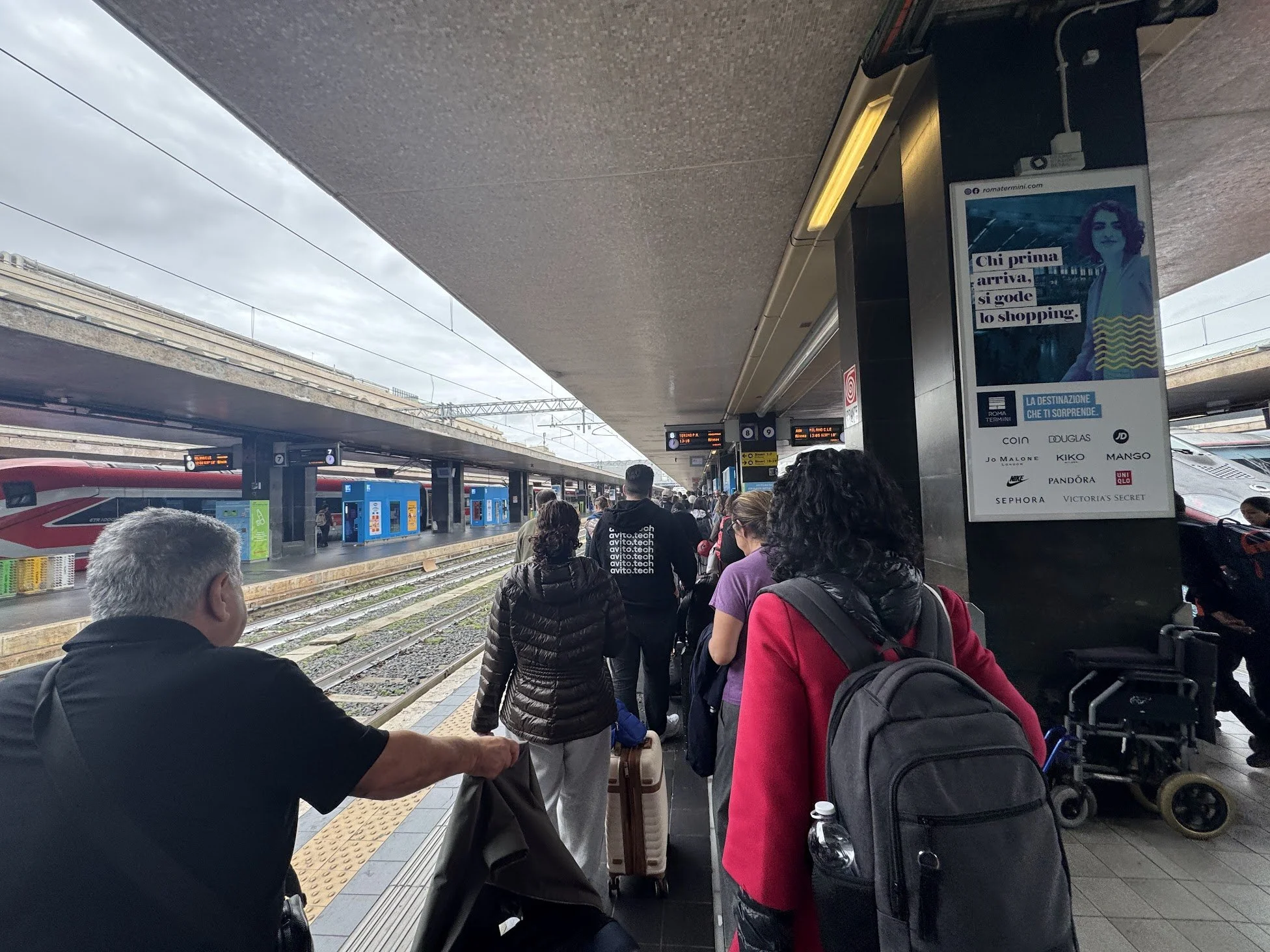
Then there’s boarding, which is far less relaxed than I imagined. If you’re not early—especially with luggage—you’ll feel it. Storage fills up quickly, and what looked simple on paper can turn into a scramble once you’re inside the train car.
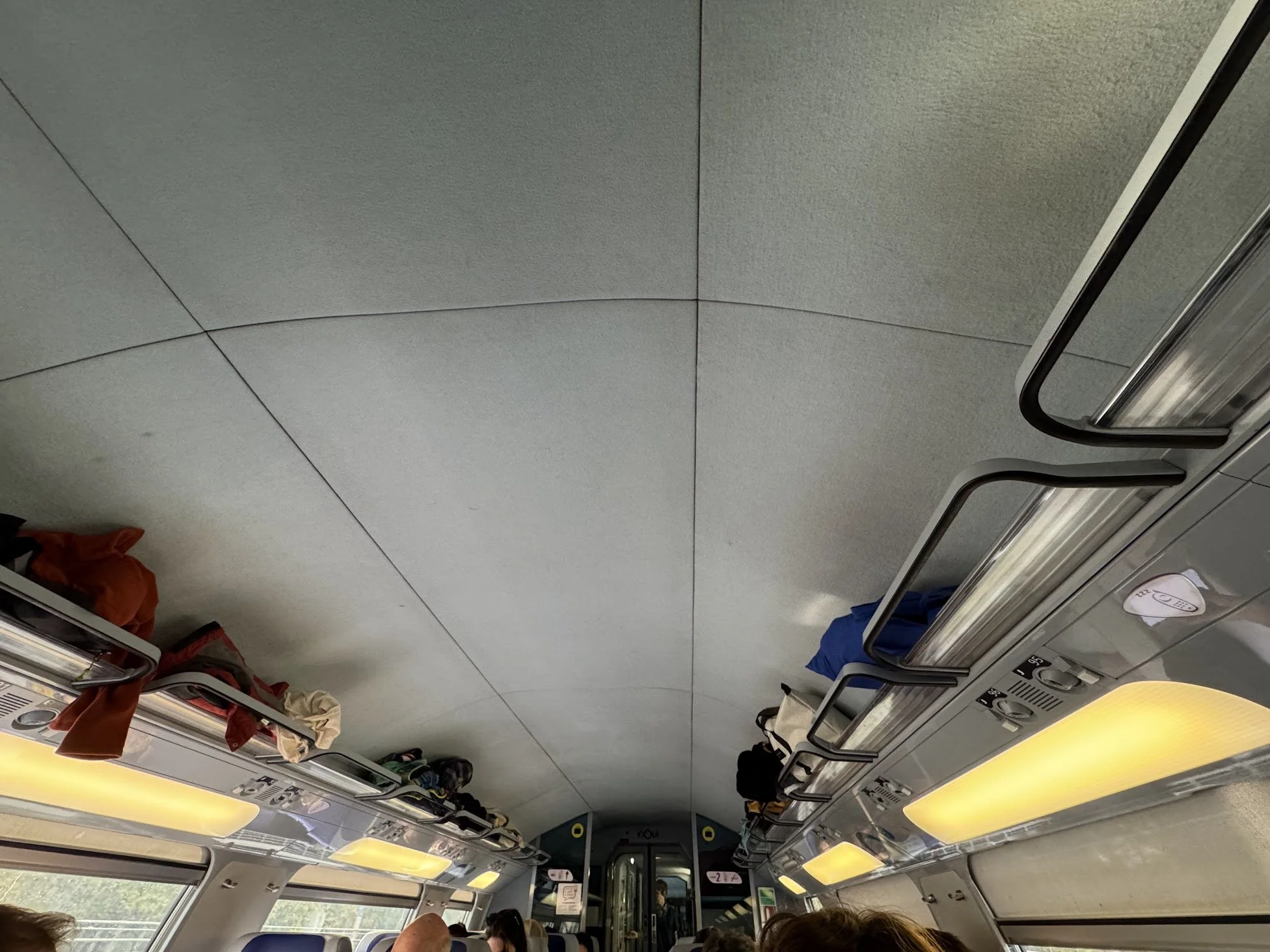
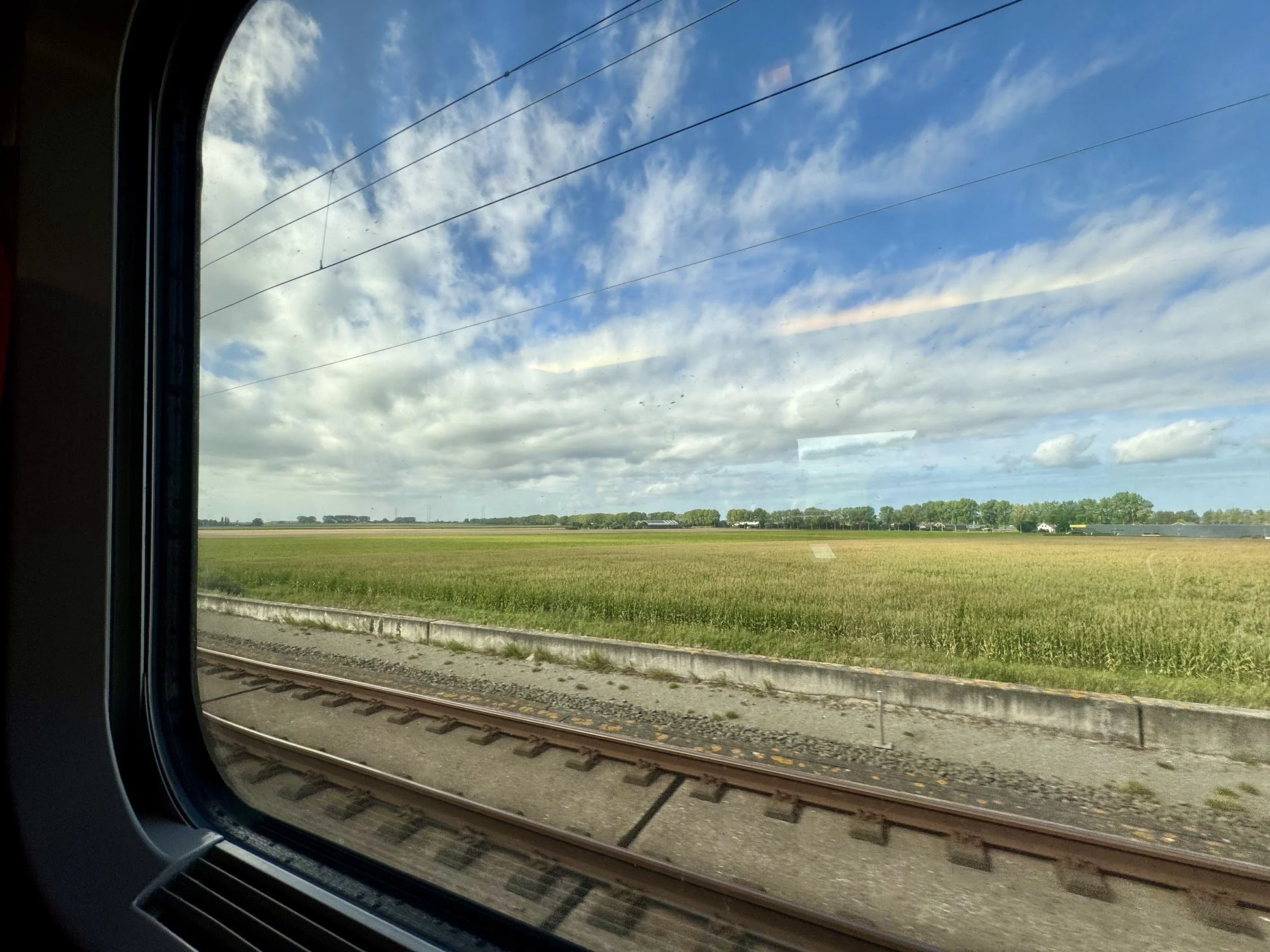
Onboard, the experience varies more than you might expect. Some rides are exactly what you hoped for: smooth, scenic, and quiet. Others come with broken outlets, unreliable Wi-Fi, or seating situations that don’t quite foster the “trainquility” you imagined. On one train in Italy, I even had an aggressive conductor insist he hadn’t checked my authenticated ticket earlier and tried to fine me for it.
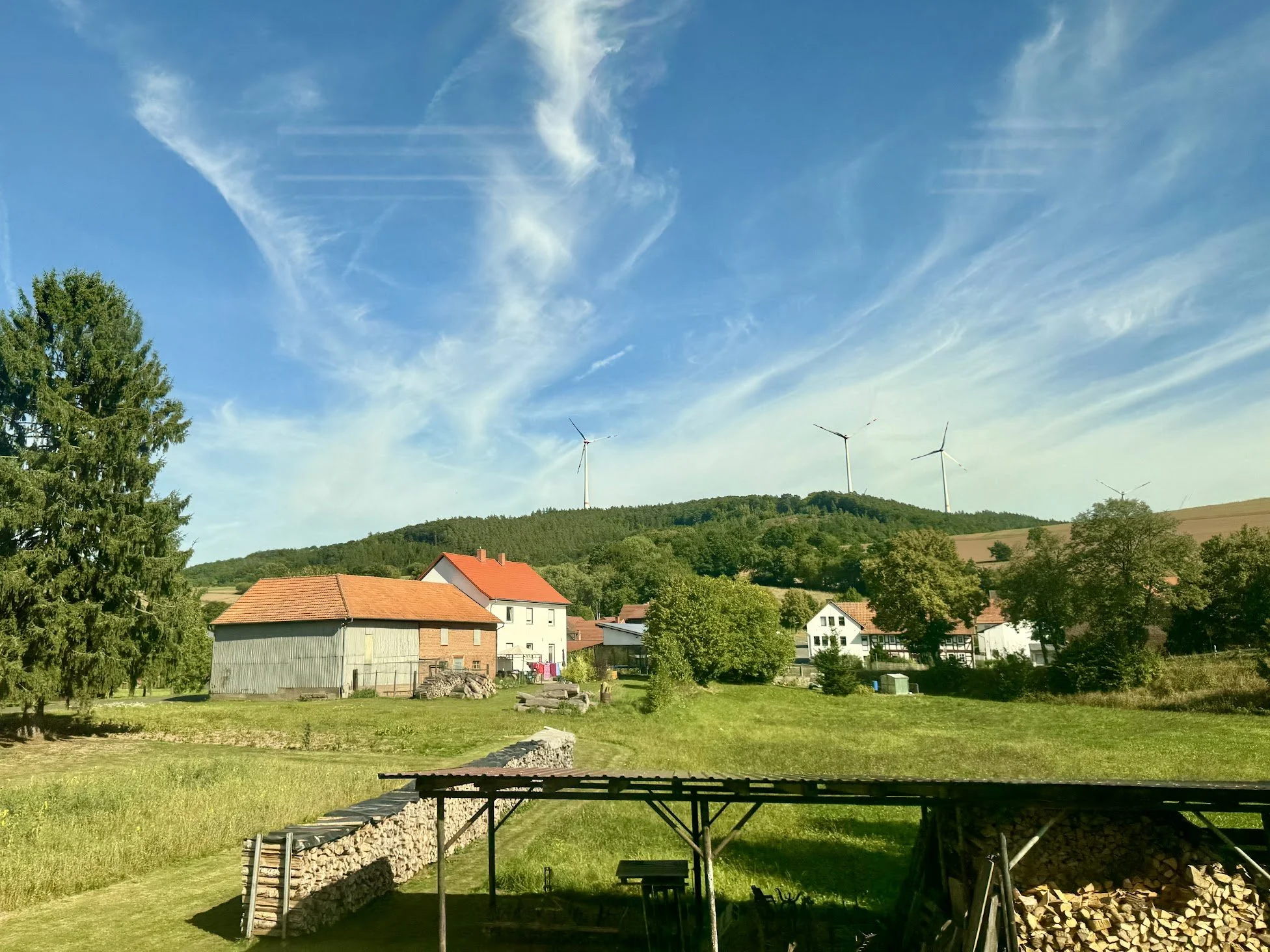
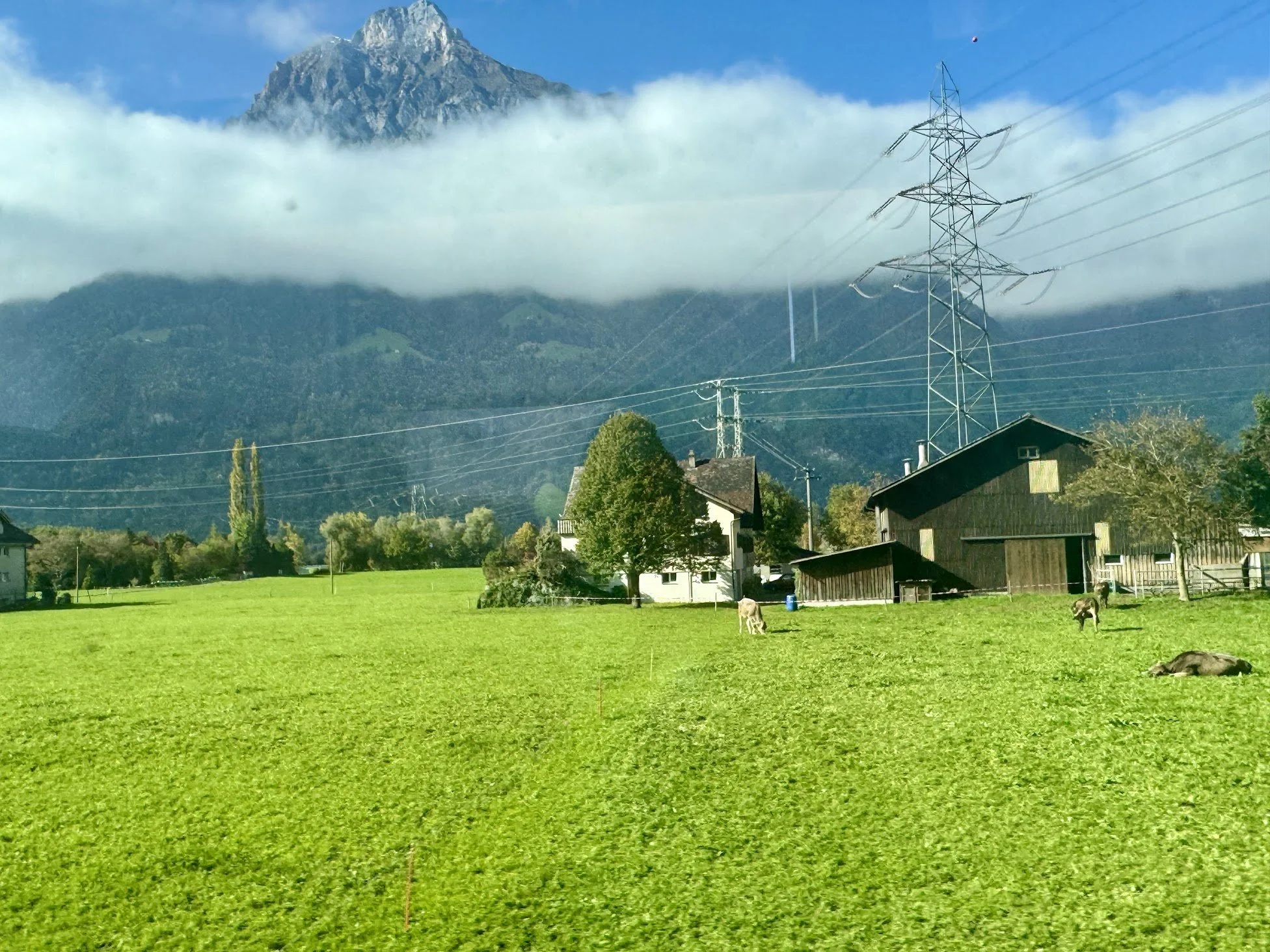
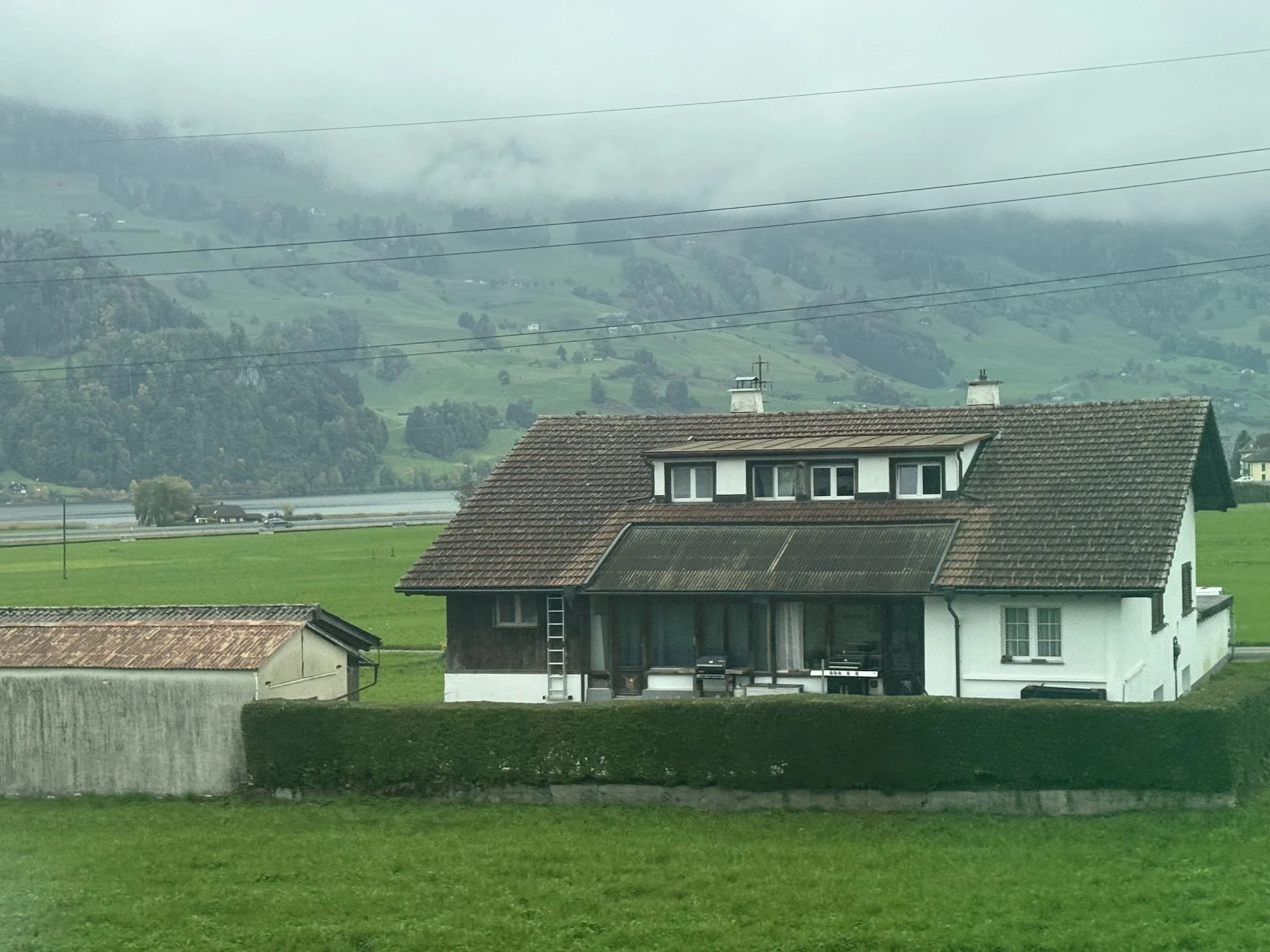
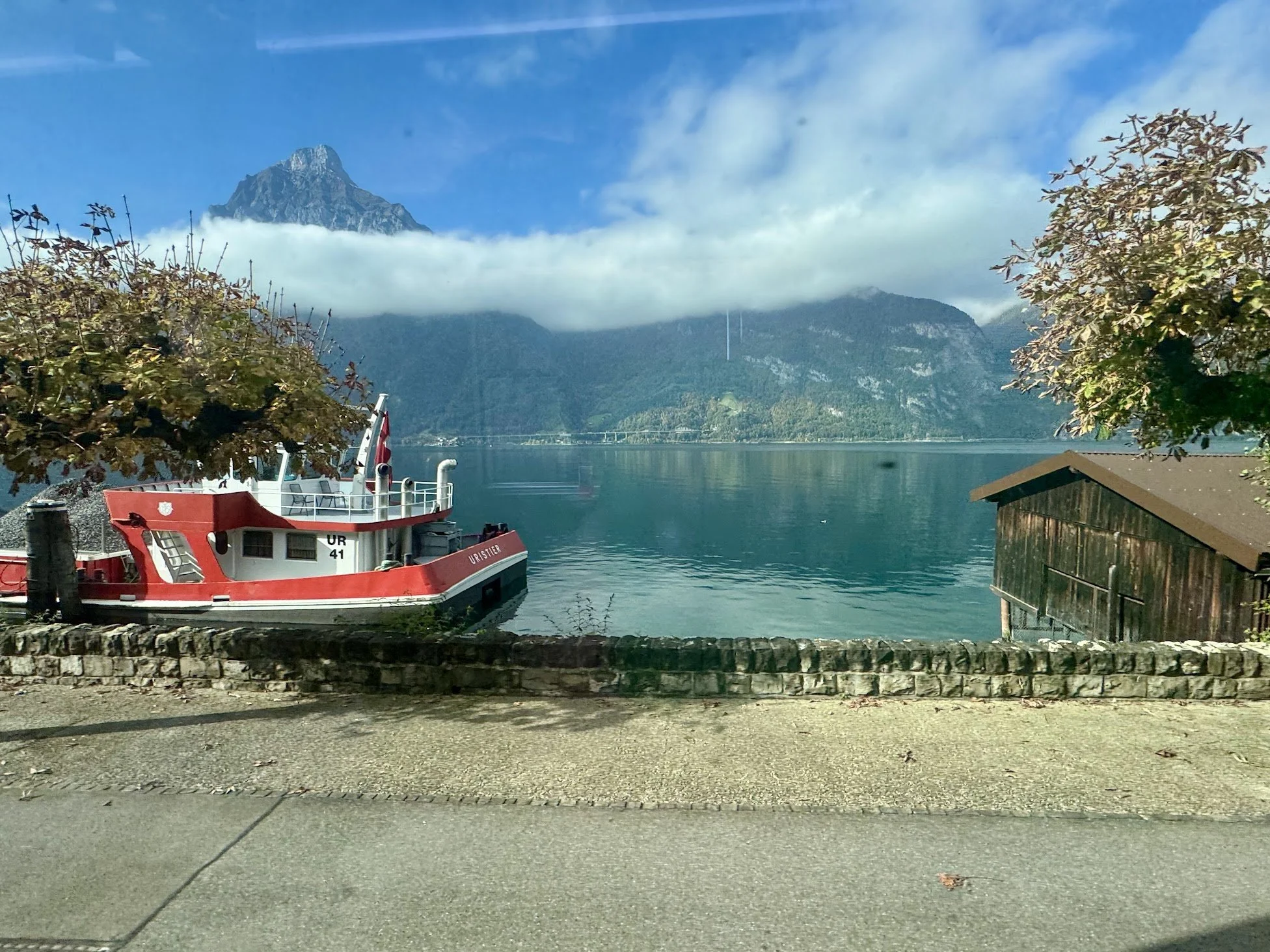
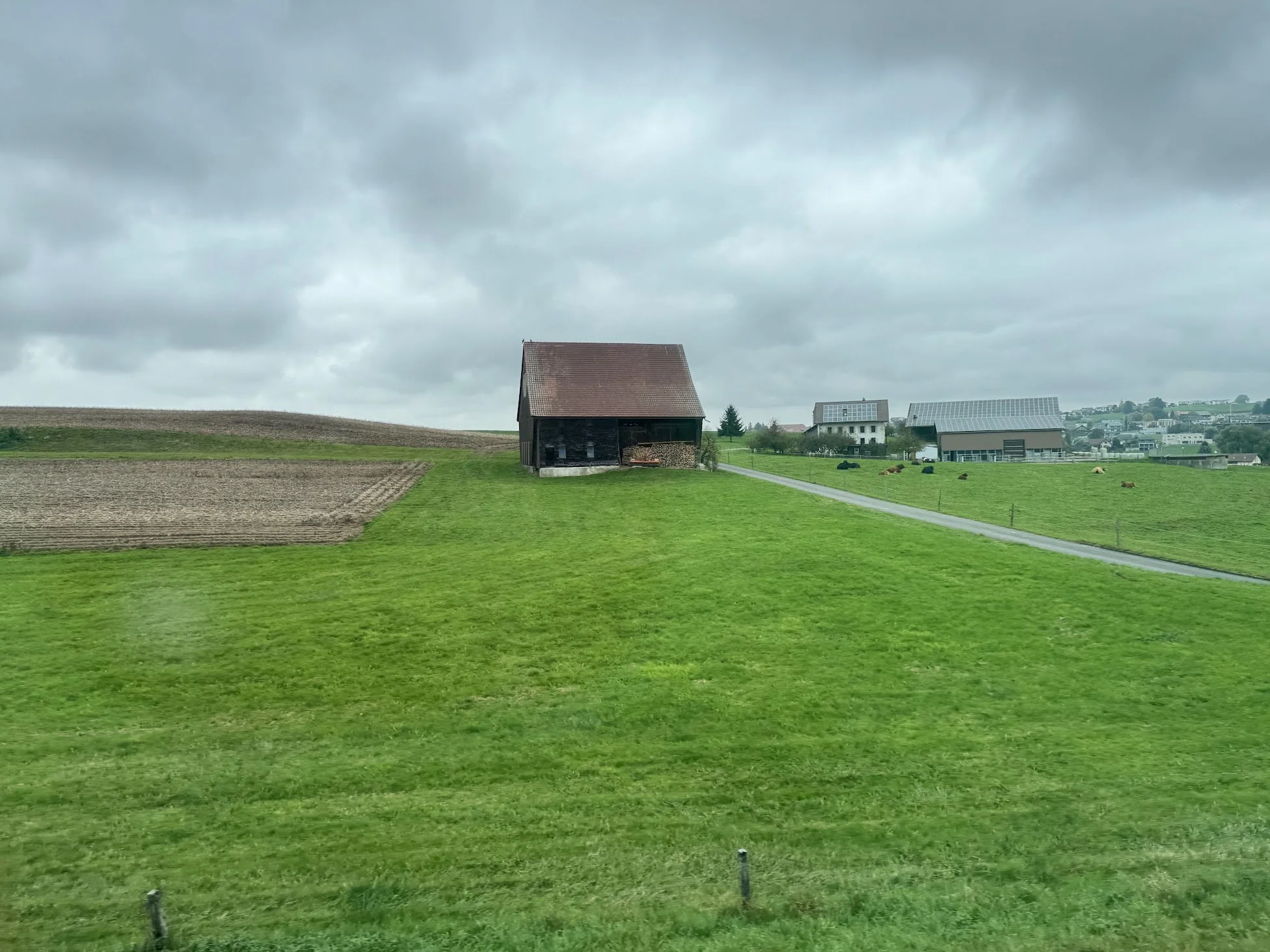
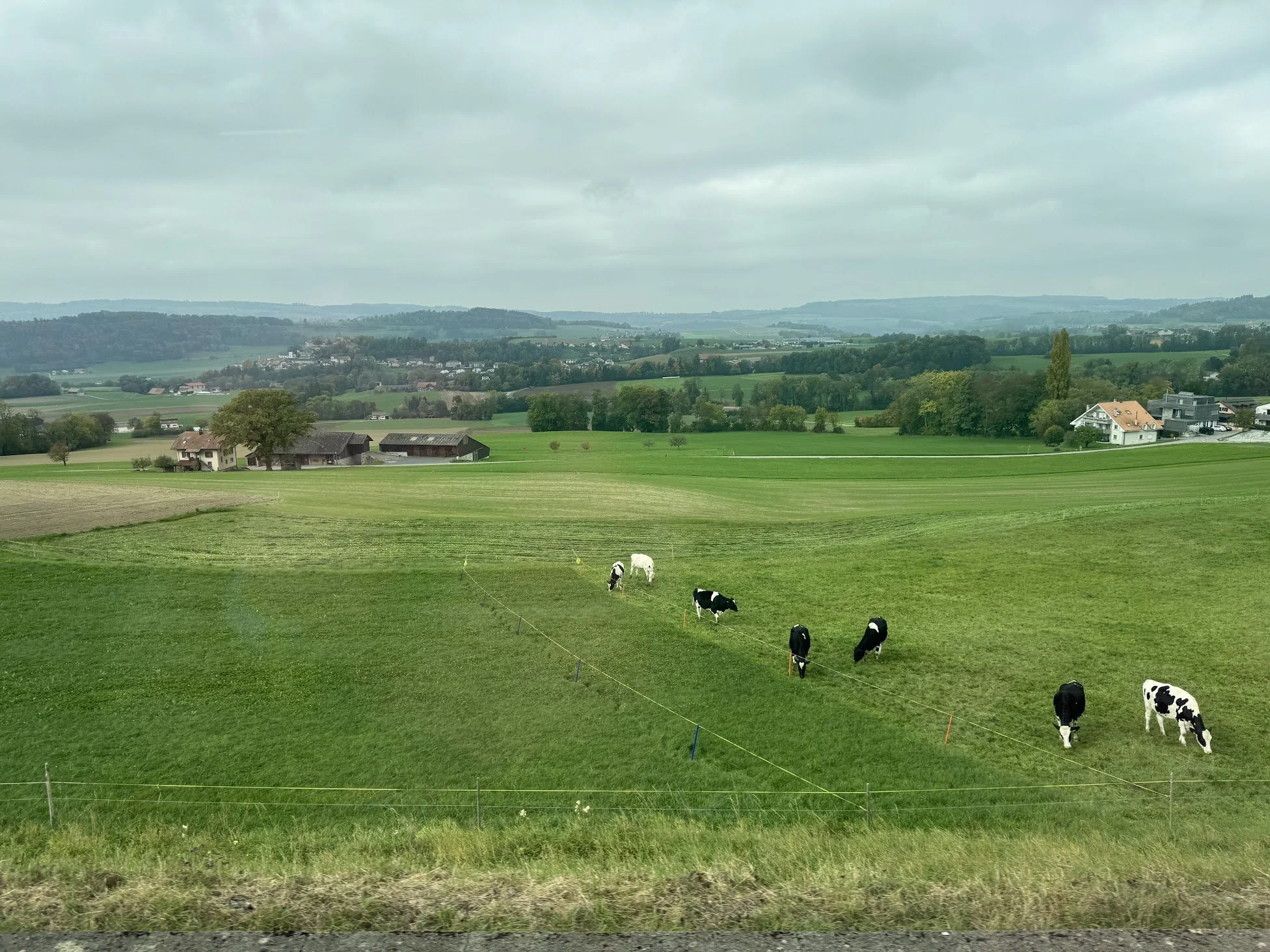
That all being said, the views were amazing, and for that I will always be grateful.
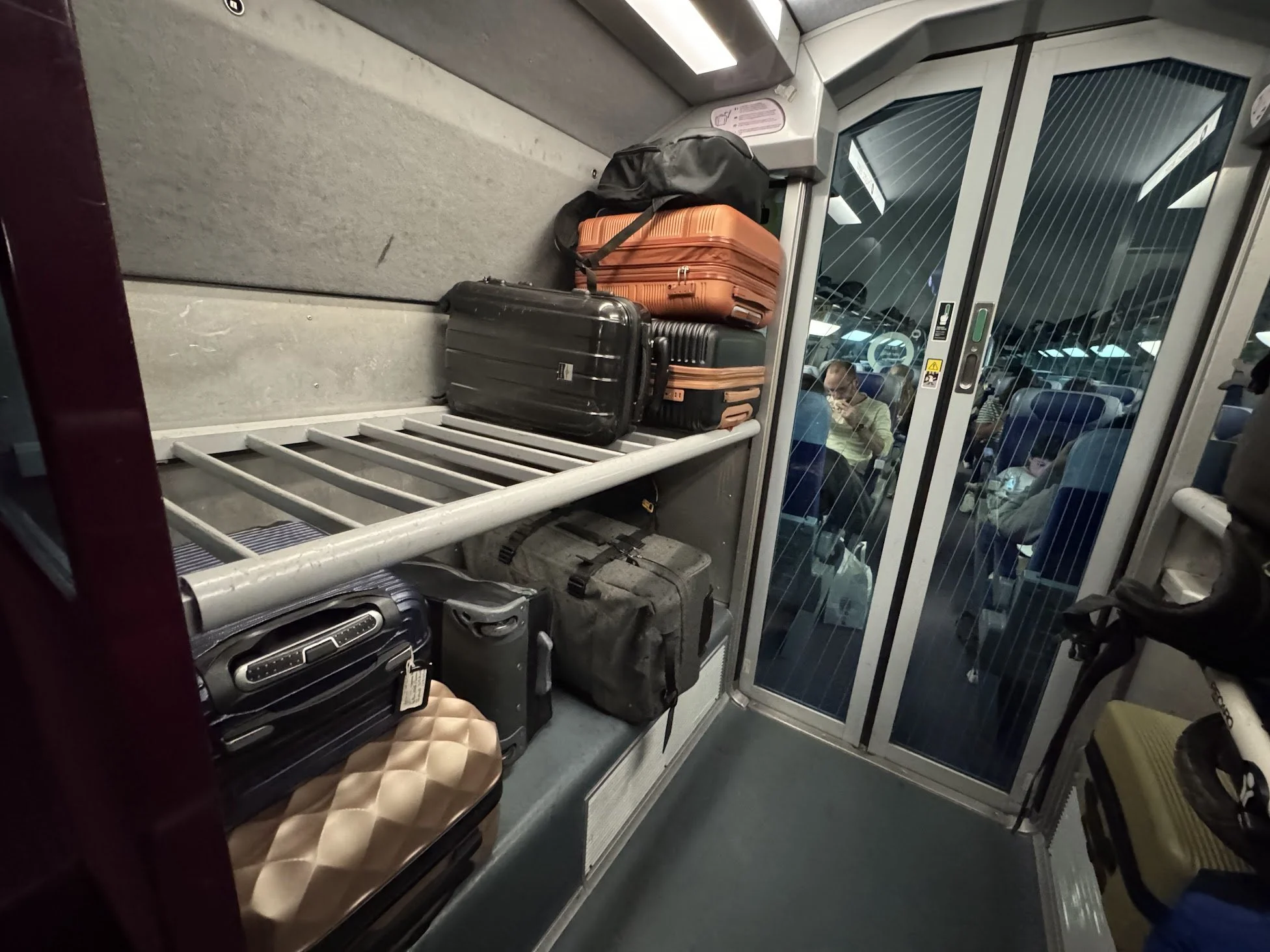
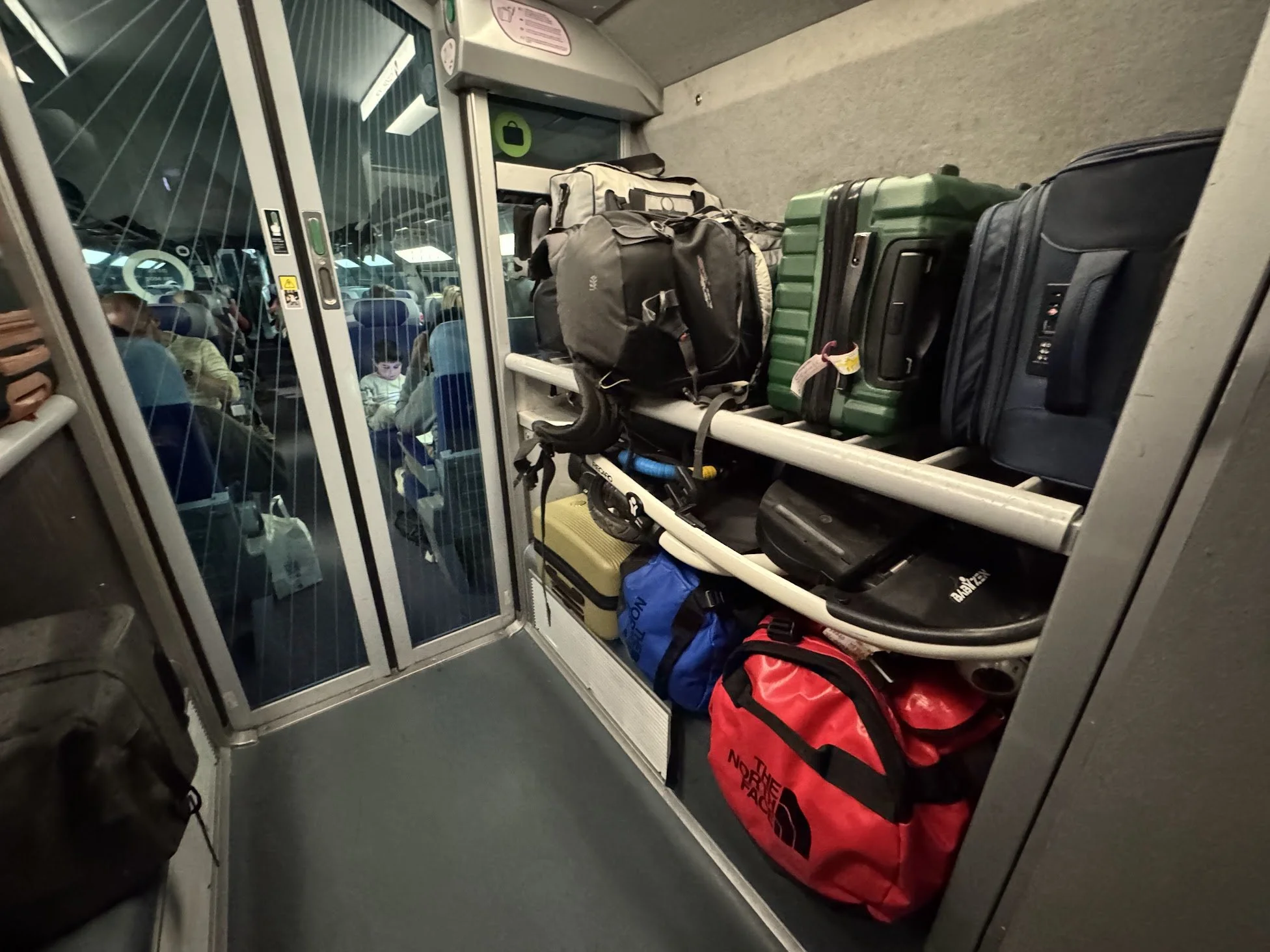
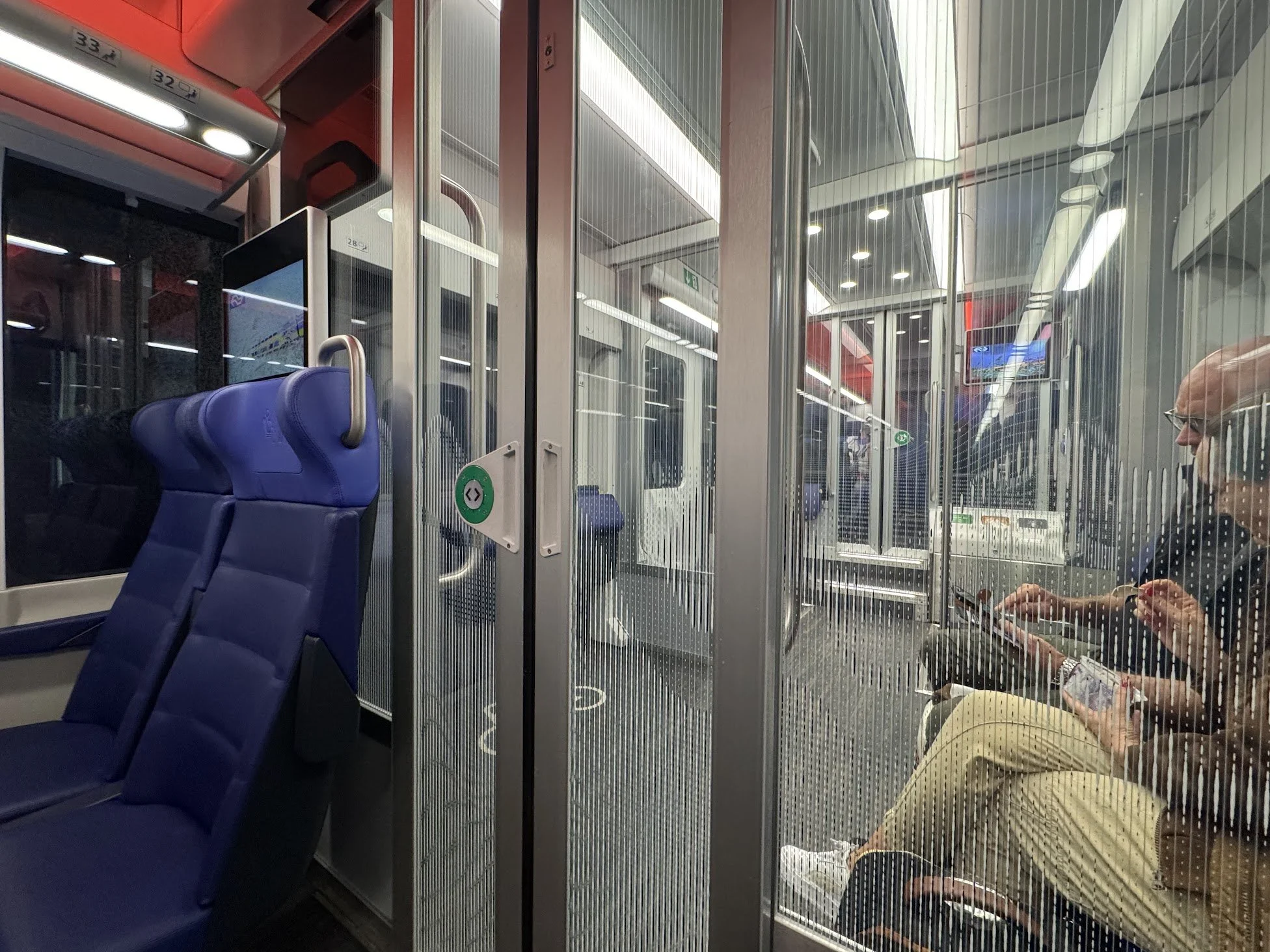
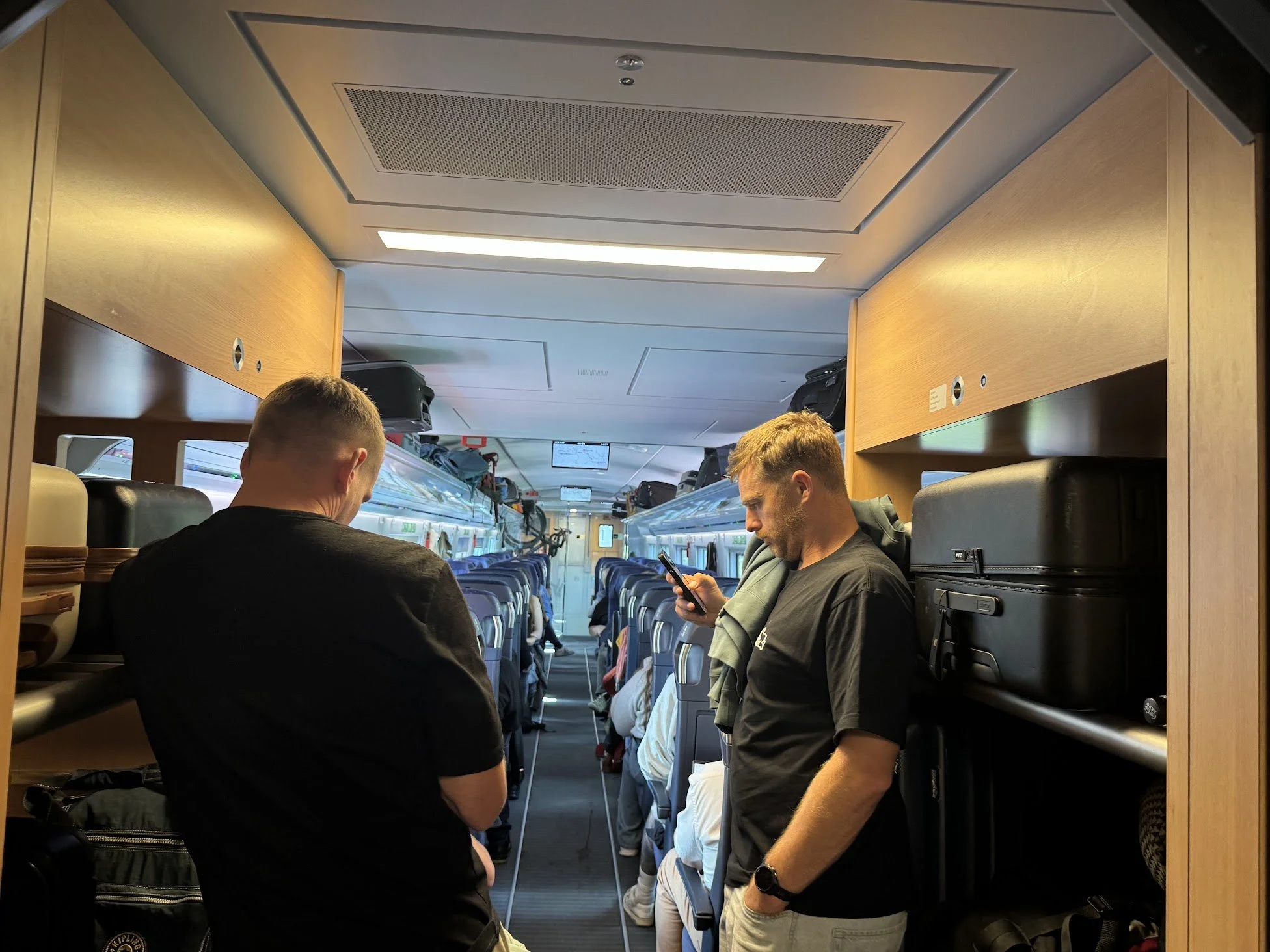
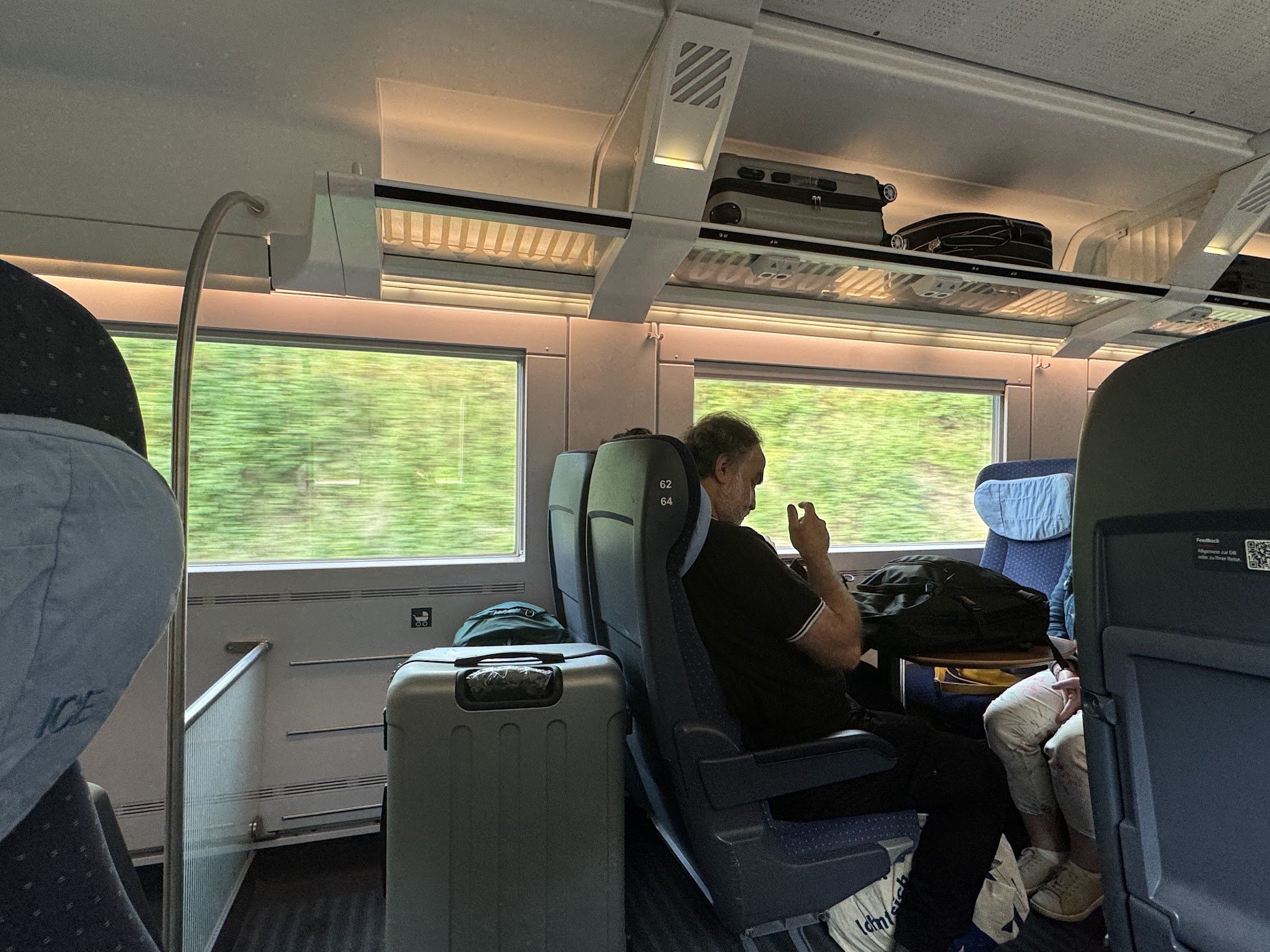
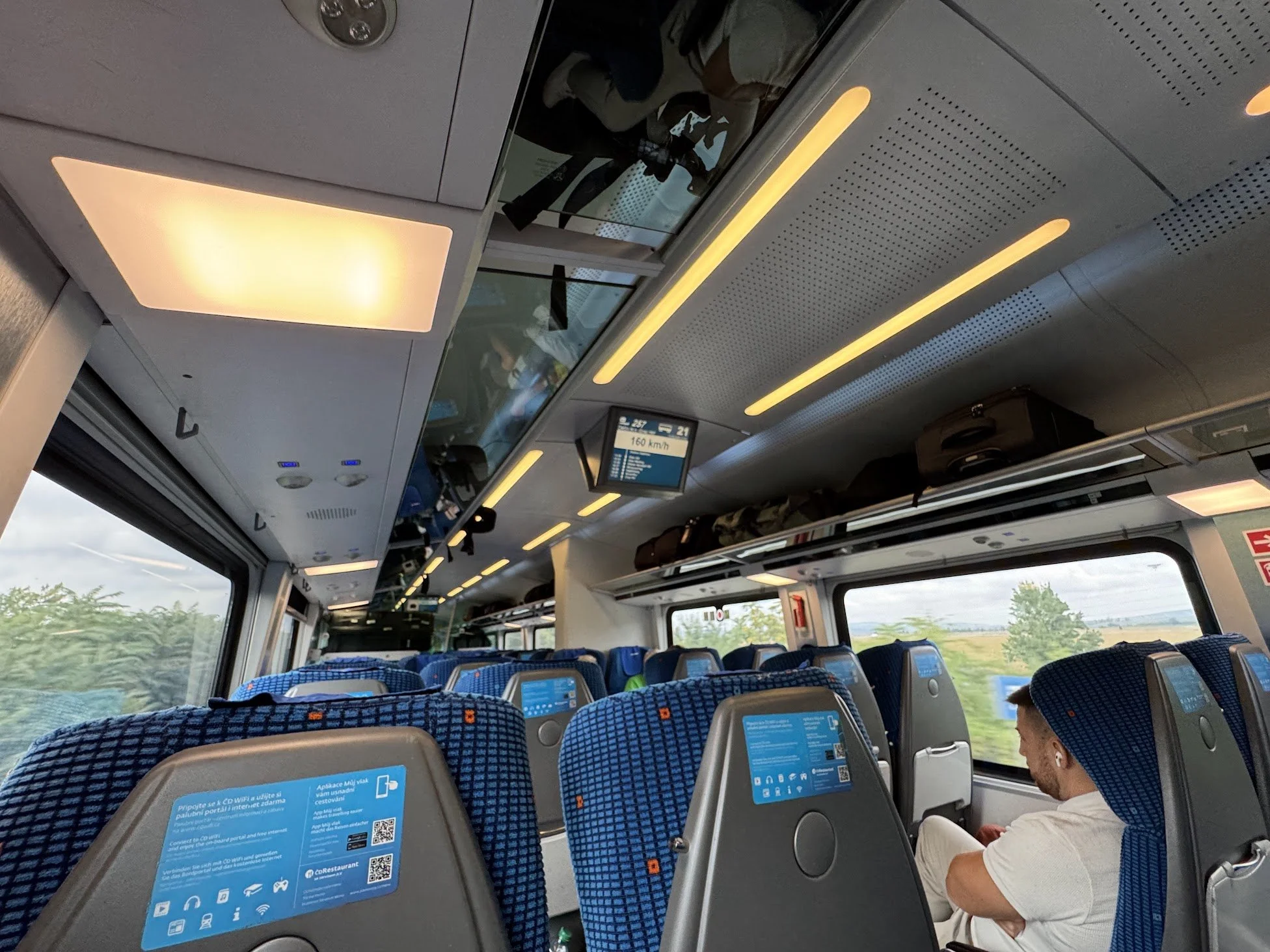
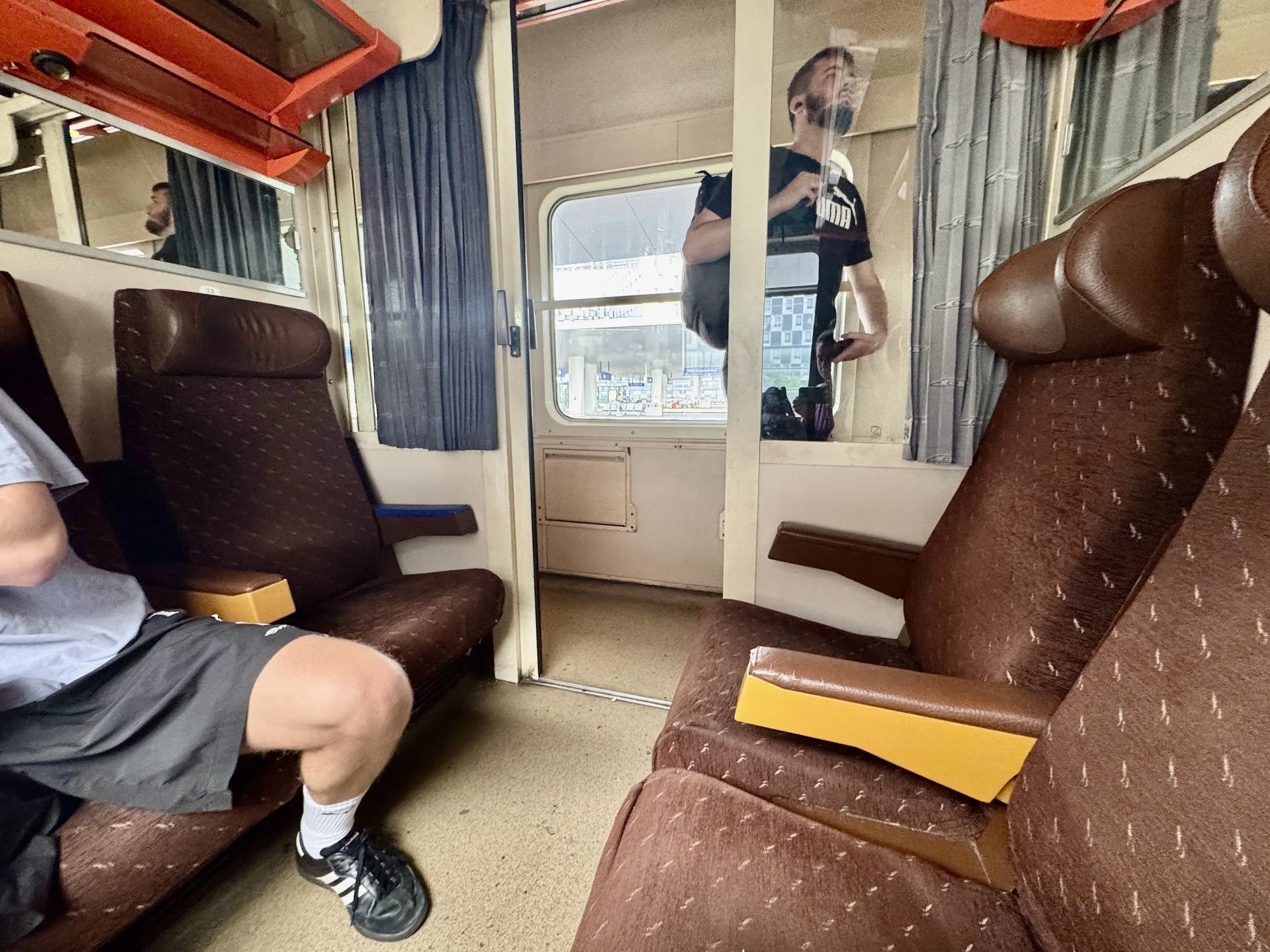
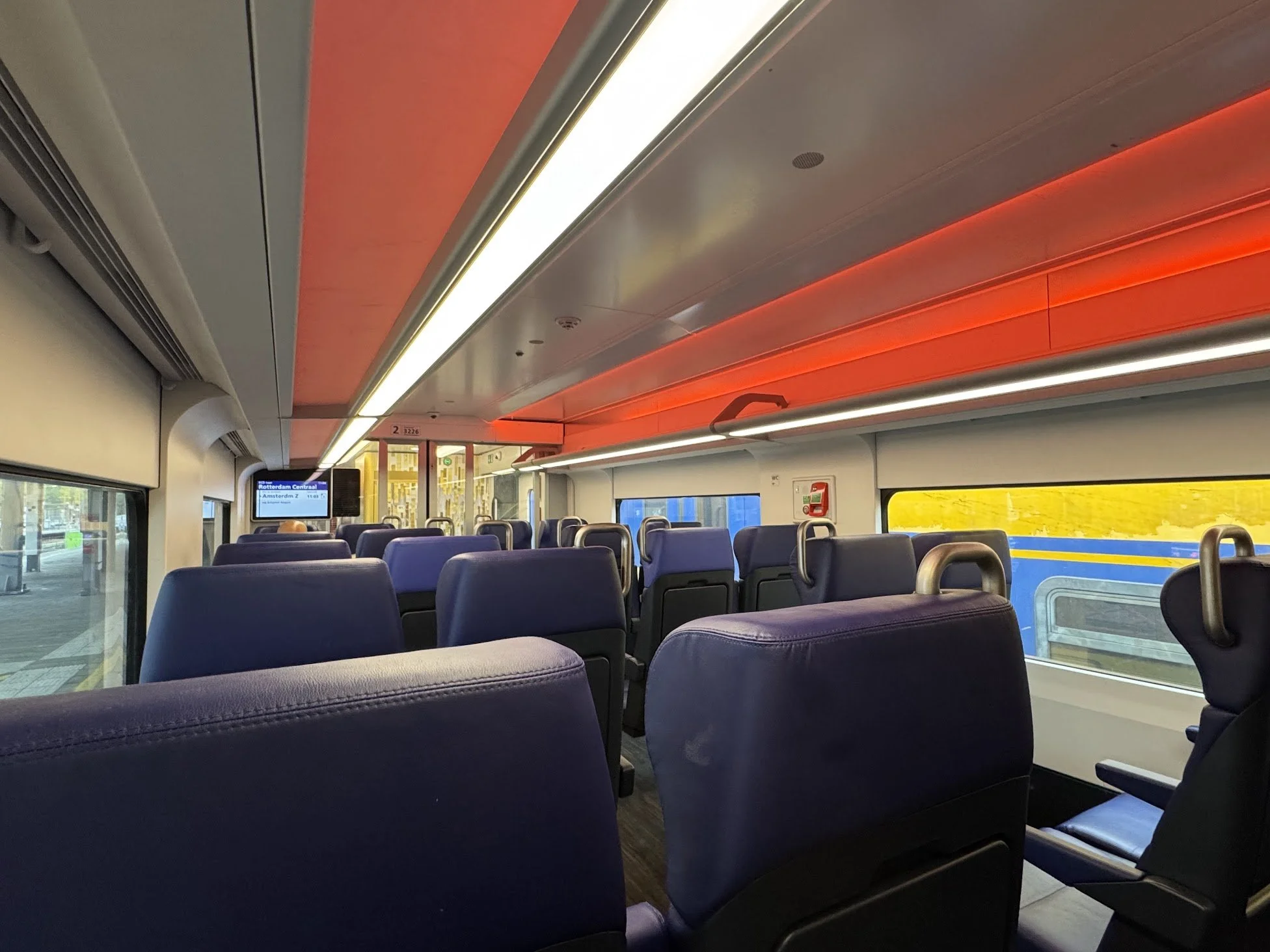
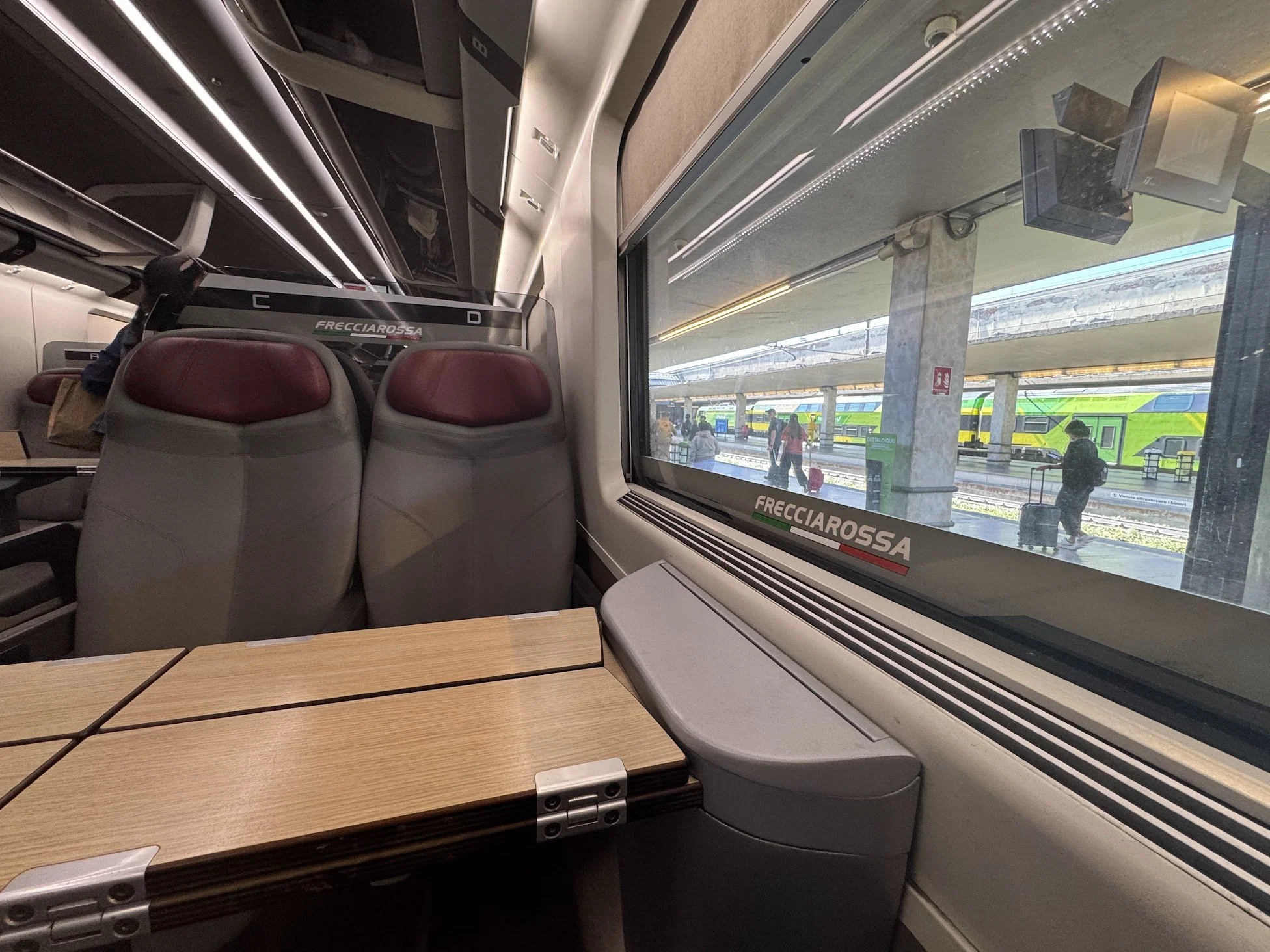
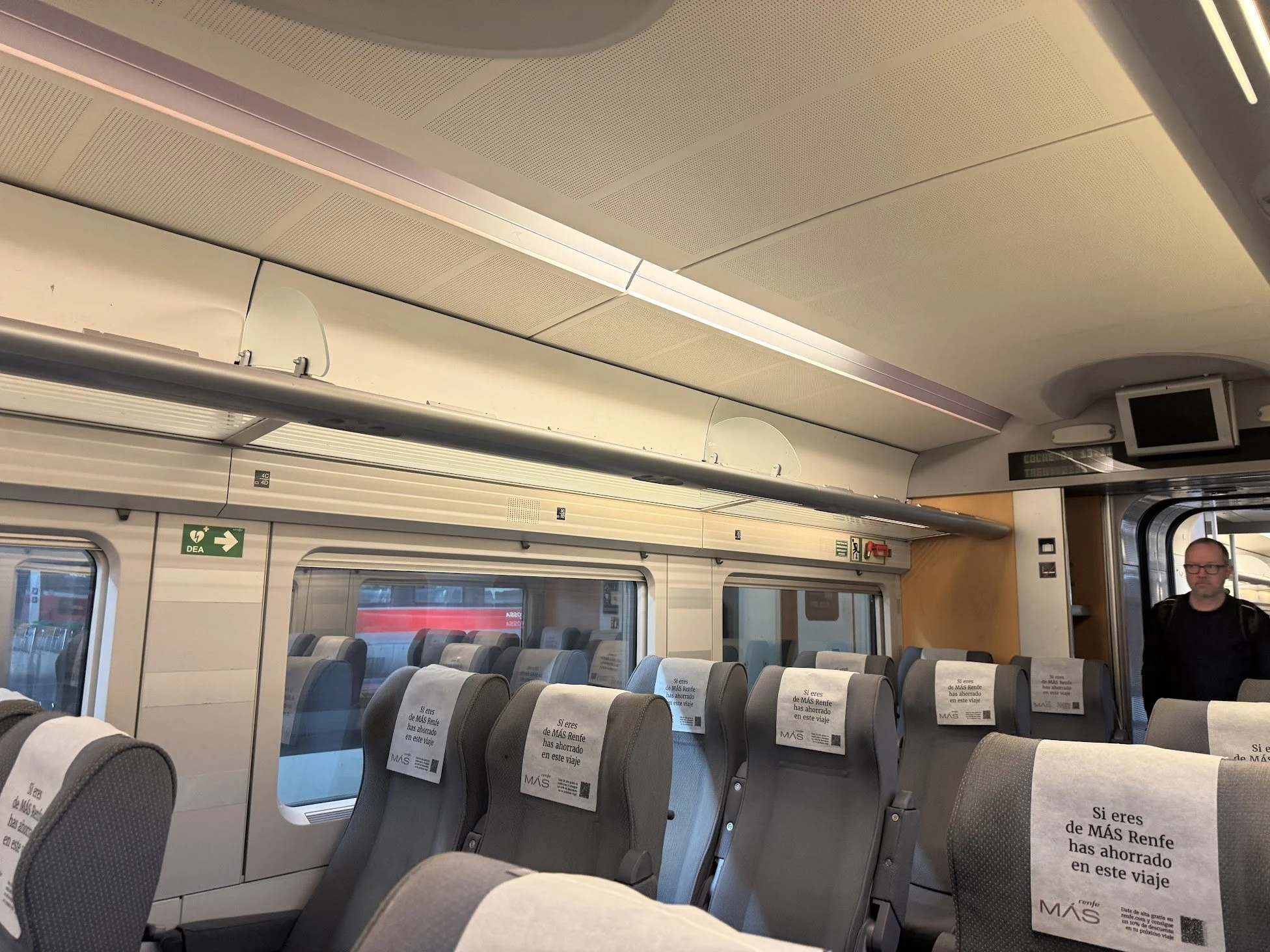
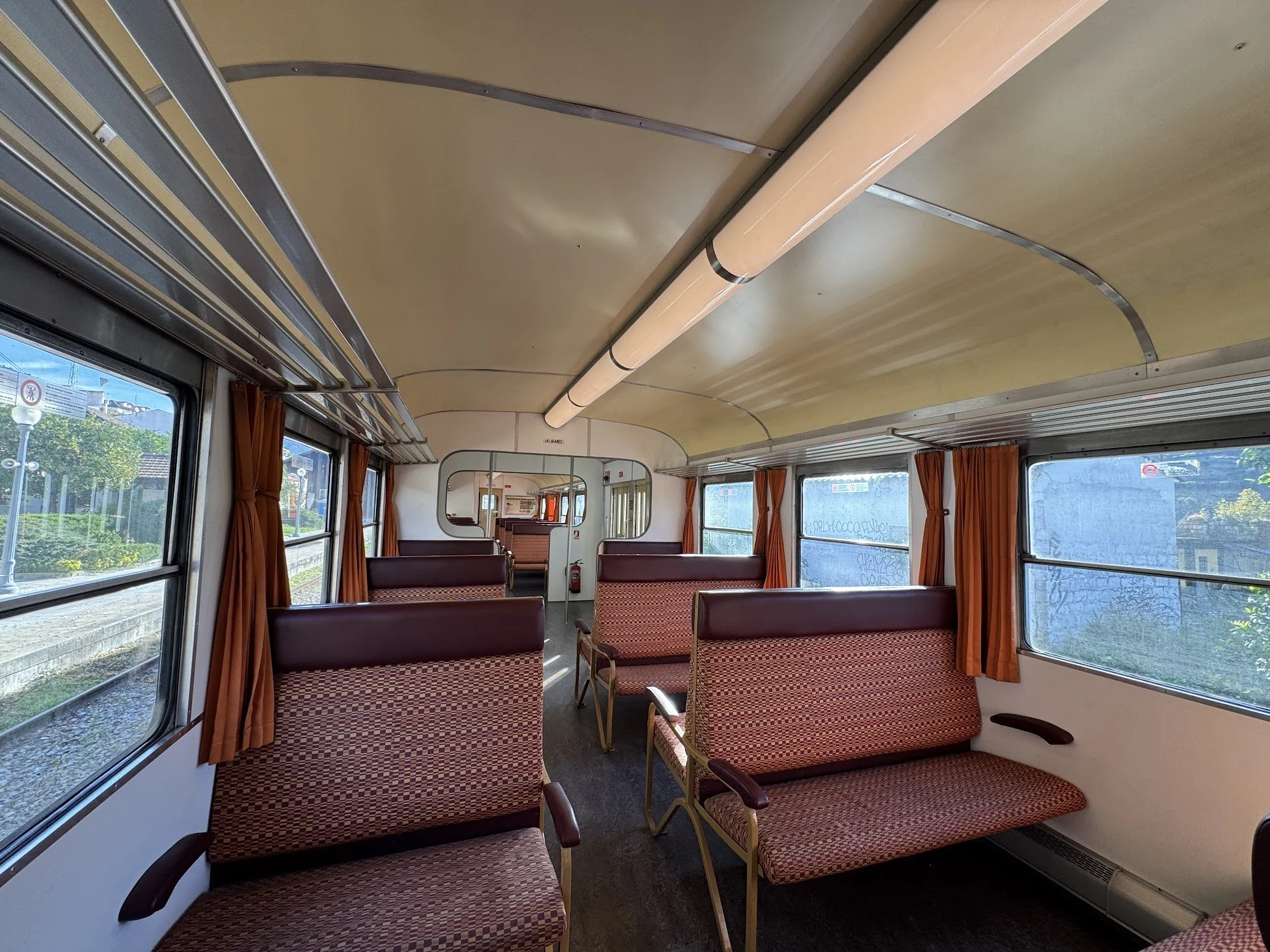

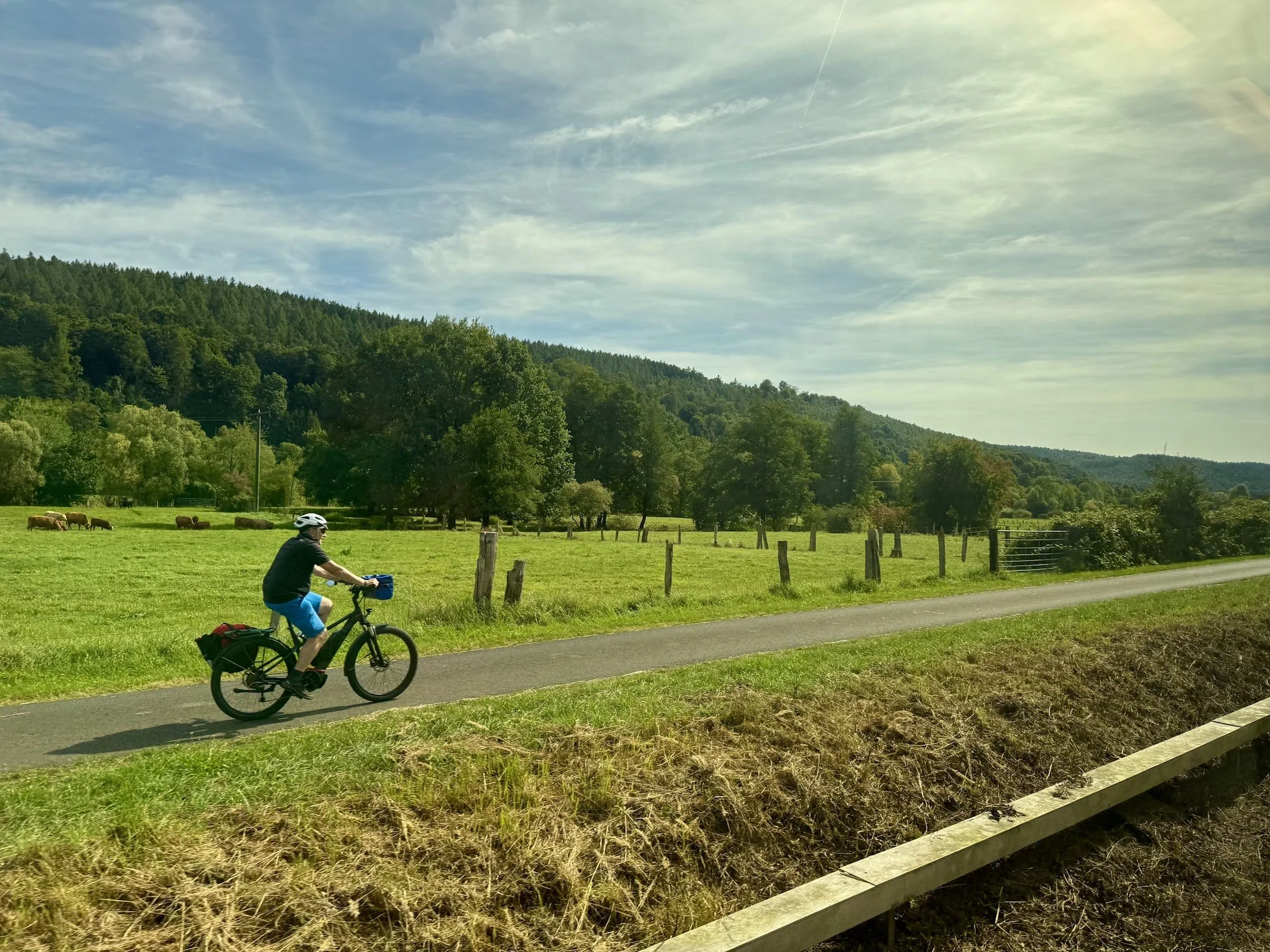


European Train Travel Isn’t Universally Seamless
One of the biggest adjustments wasn’t just the trains themselves—it was adapting to the fact that there isn’t one “European train system.” There are many, and each country operates a little differently.
In France, high-speed TGV trains are efficient but require reservations, and Eurail seat availability can be limited—planning ahead matters.
In the Netherlands, everything feels intuitive. Trains run frequently, reservations are rarely needed, and the system operates almost like a metro.
Germany has one of the most extensive networks, making it easy to get around—but delays are more common than you might expect.
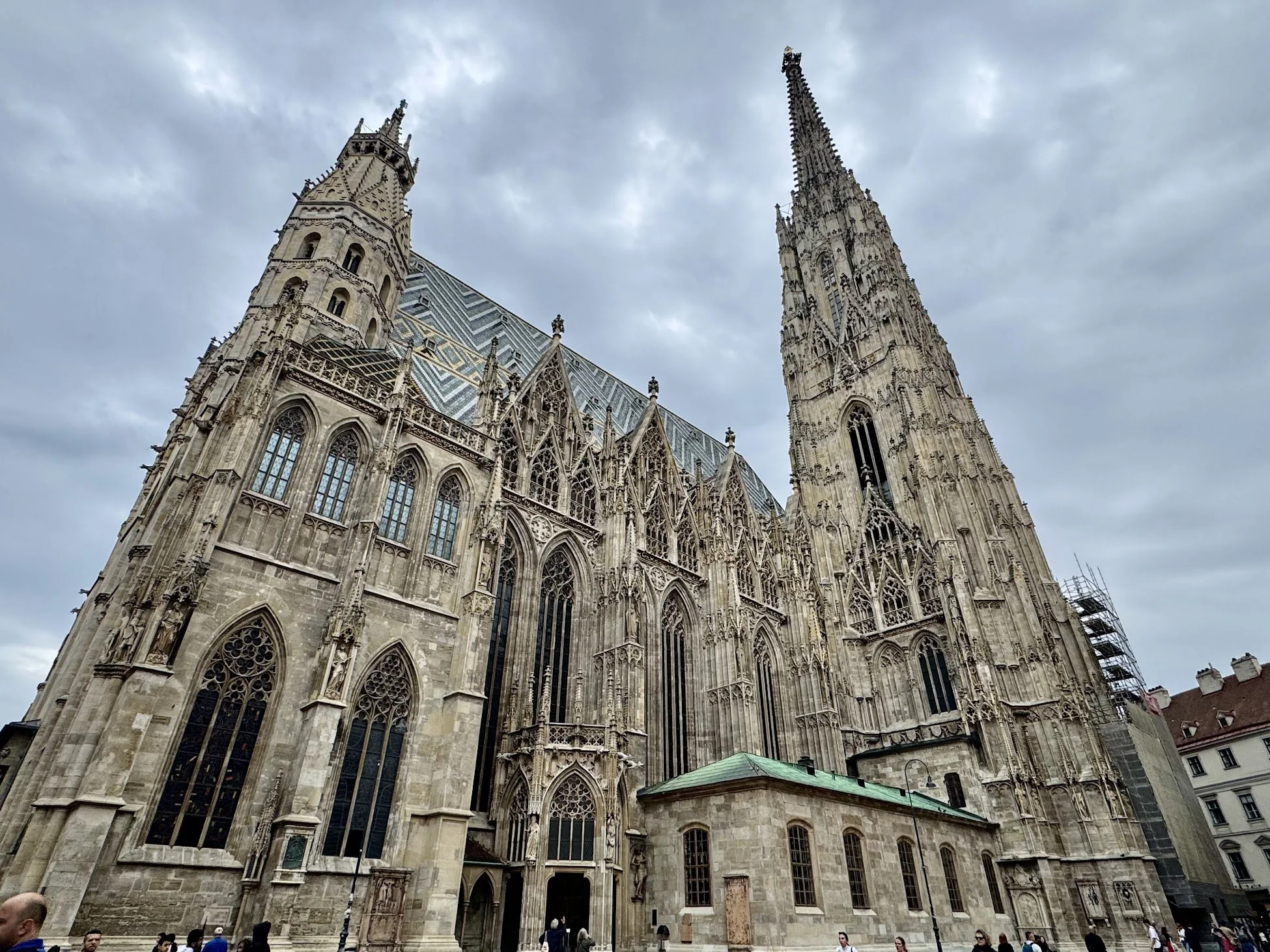
Austria stood out for being consistently calm, clean, and reliable.
Further east, in places like Hungary and the Czech Republic, systems are more affordable and slightly less modern—but still very workable. Some private operators in the Czech Republic were among the most comfortable rides I took.
Italy is fast between major cities but requires attention. Platform assignments can appear at the last minute, and frequent strikes can disrupt plans.
Switzerland stands apart: punctual, scenic, and incredibly smooth. It’s one of the few places where the experience consistently lives up to the expectation—and reservations often aren’t required.
Spain adds another layer, with security checks before boarding high-speed trains that feel more like an airport.
And in Portugal, the network is smaller and simpler—but not without its hiccups. I experienced both delays and cancellations due to flooding, and at one point, I had a ticket for a route that no longer existed.
What I Thought European Bus Travel Would Be Like
If I romanticized train travel, I had the opposite expectation for buses. Based on my experiences in the U.S., I wasn’t looking forward to it. I had a very specific image in mind—and none of it was particularly positive. So when I realized, while planning my three-month trip in Europe, that some routes left me no choice but to book a bus ticket, I wasn’t thrilled.
What My Bus Travel In Europe Was Actually Like
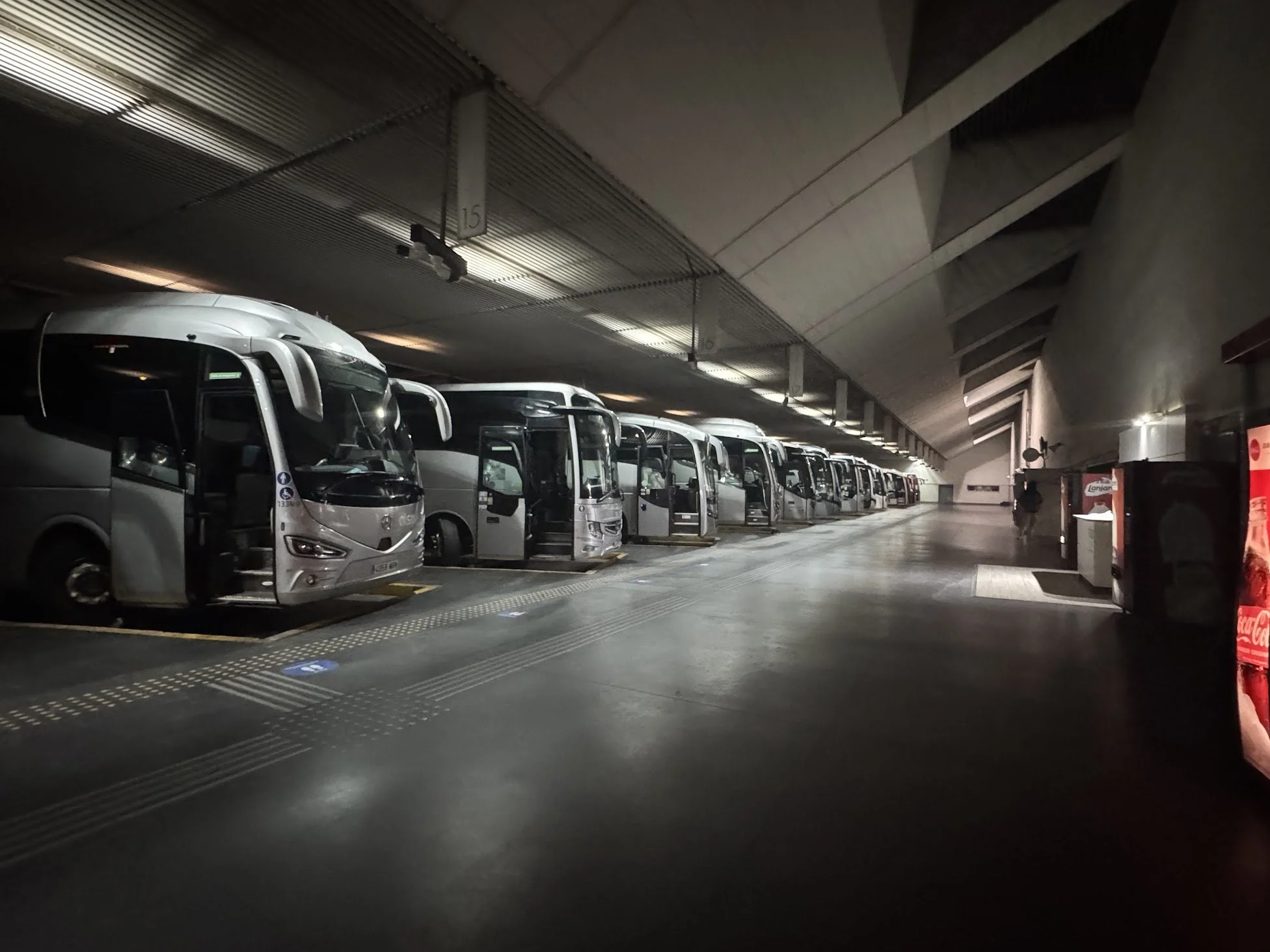
Bus travel in Europe isn’t glamorous—but it’s also not as rough as I expected. In many cases, it ends up being the most practical option, especially when you’re heading somewhere smaller or less connected by rail. It’s also noticeably more affordable, which becomes harder to ignore the longer you’re traveling.
That said, it can feel a bit unstructured.
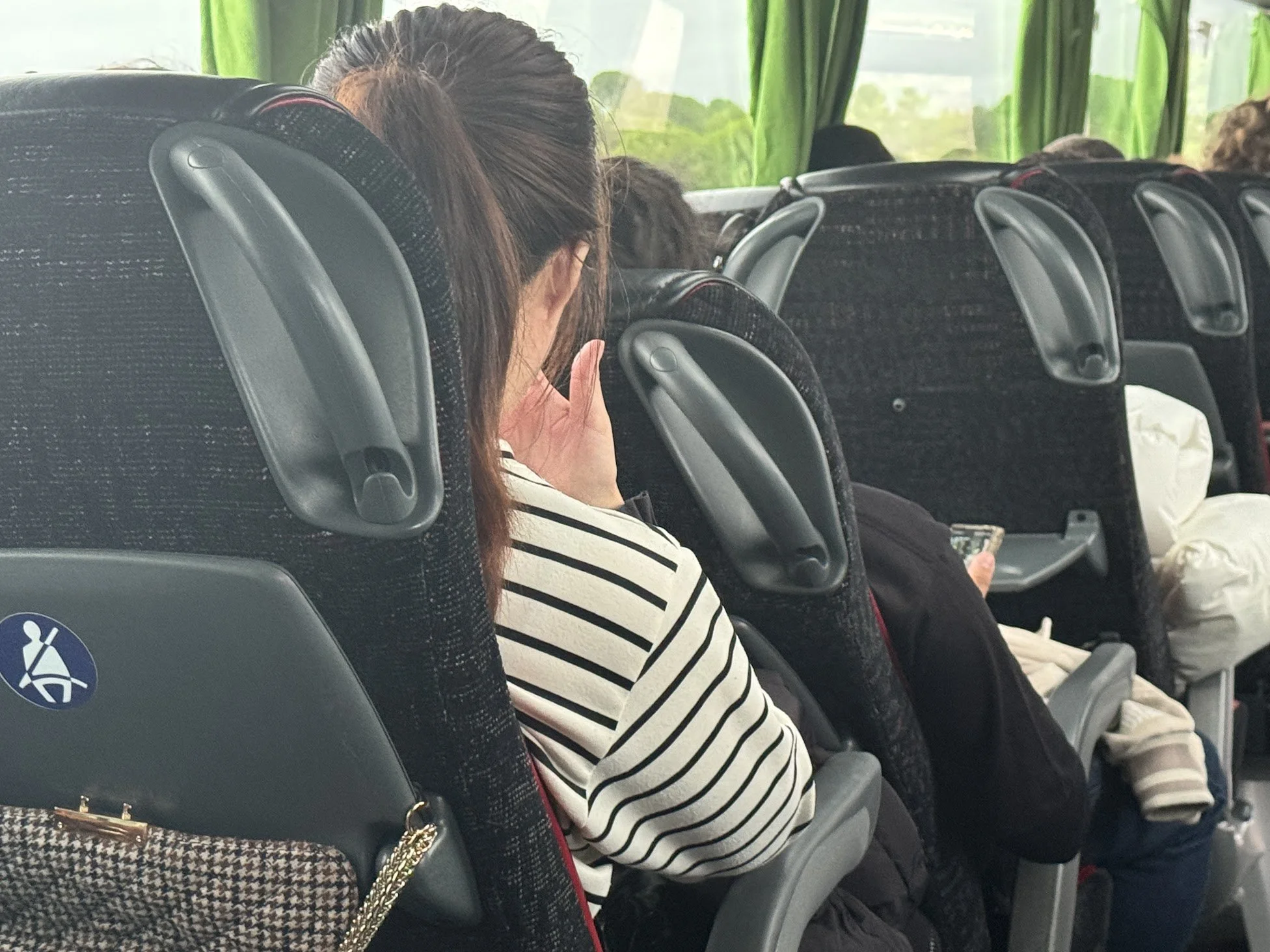
Boarding is often a free-for-all. Bags get tossed into the compartment under the bus with very little direction, and from there it’s a matter of finding your seat and settling in. Some rides are completely fine. Others depend on how full the bus is, how much space you have, and who’s sitting around you.
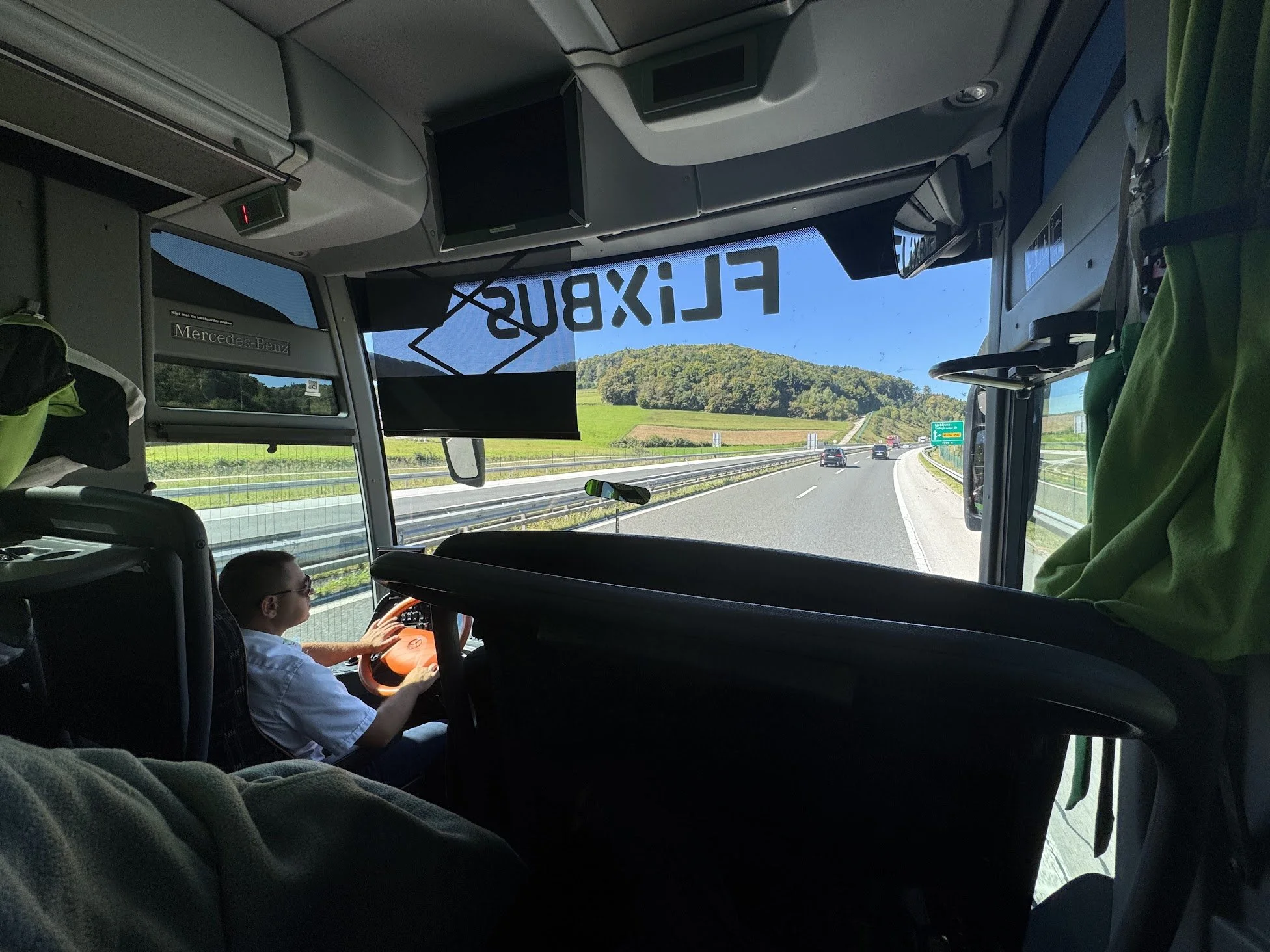
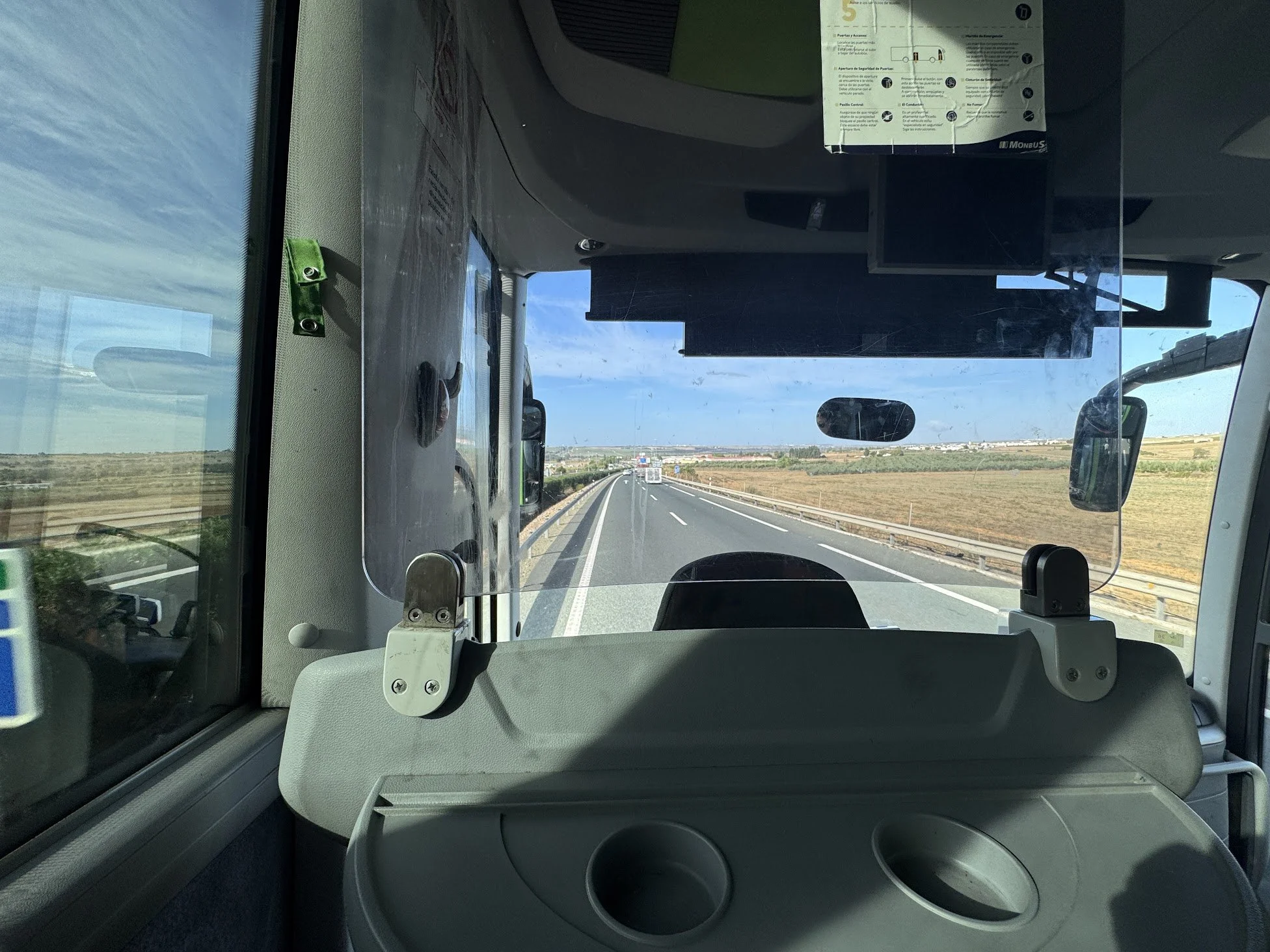
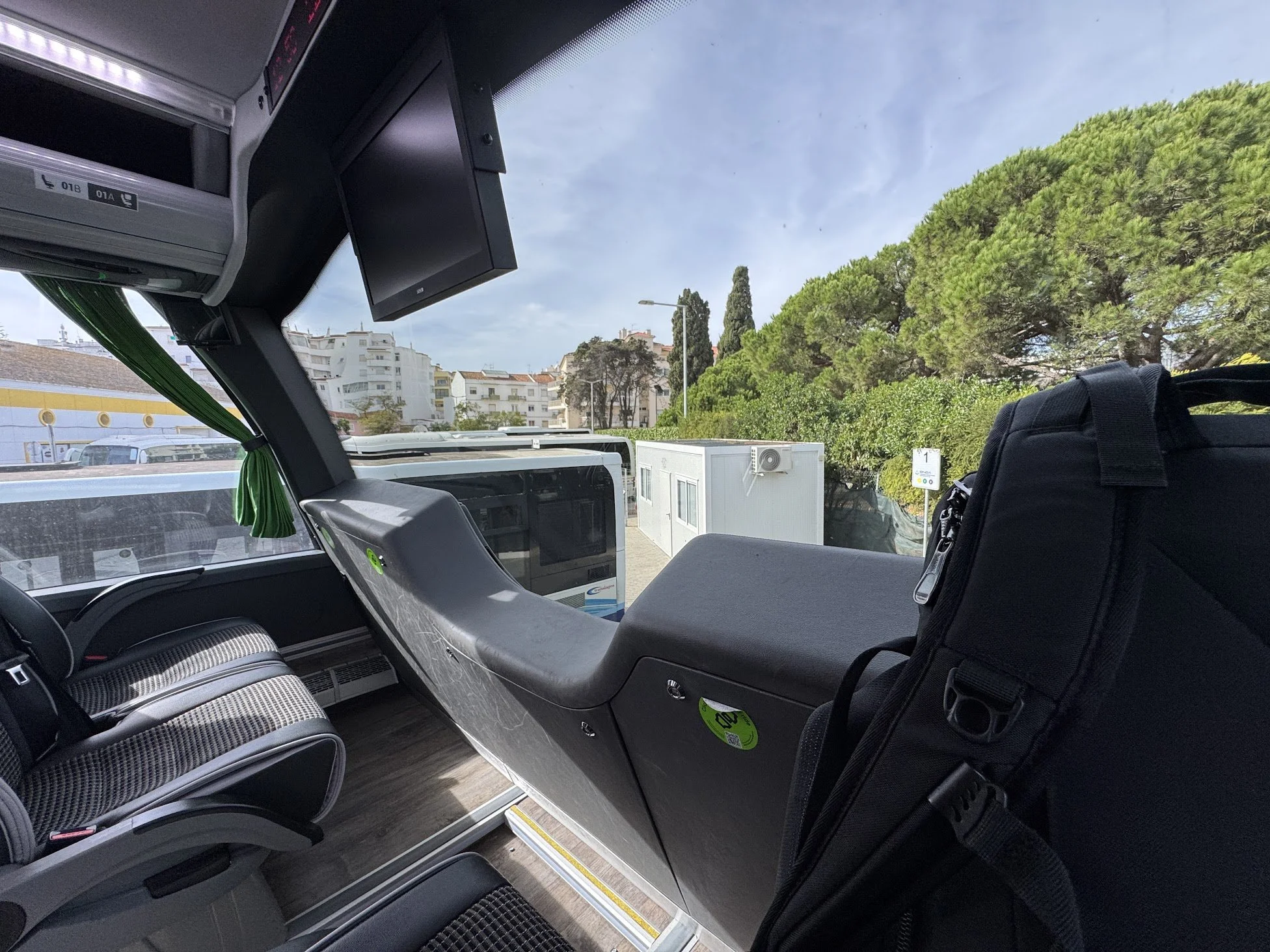
At a certain point, I started paying a little more for a seat at the front of the bus. It made a difference—no one reclining into me, and a view that made the space feel a little bit less confined.
On my trip, I used two different bus companies: Alsa and FlixBus.
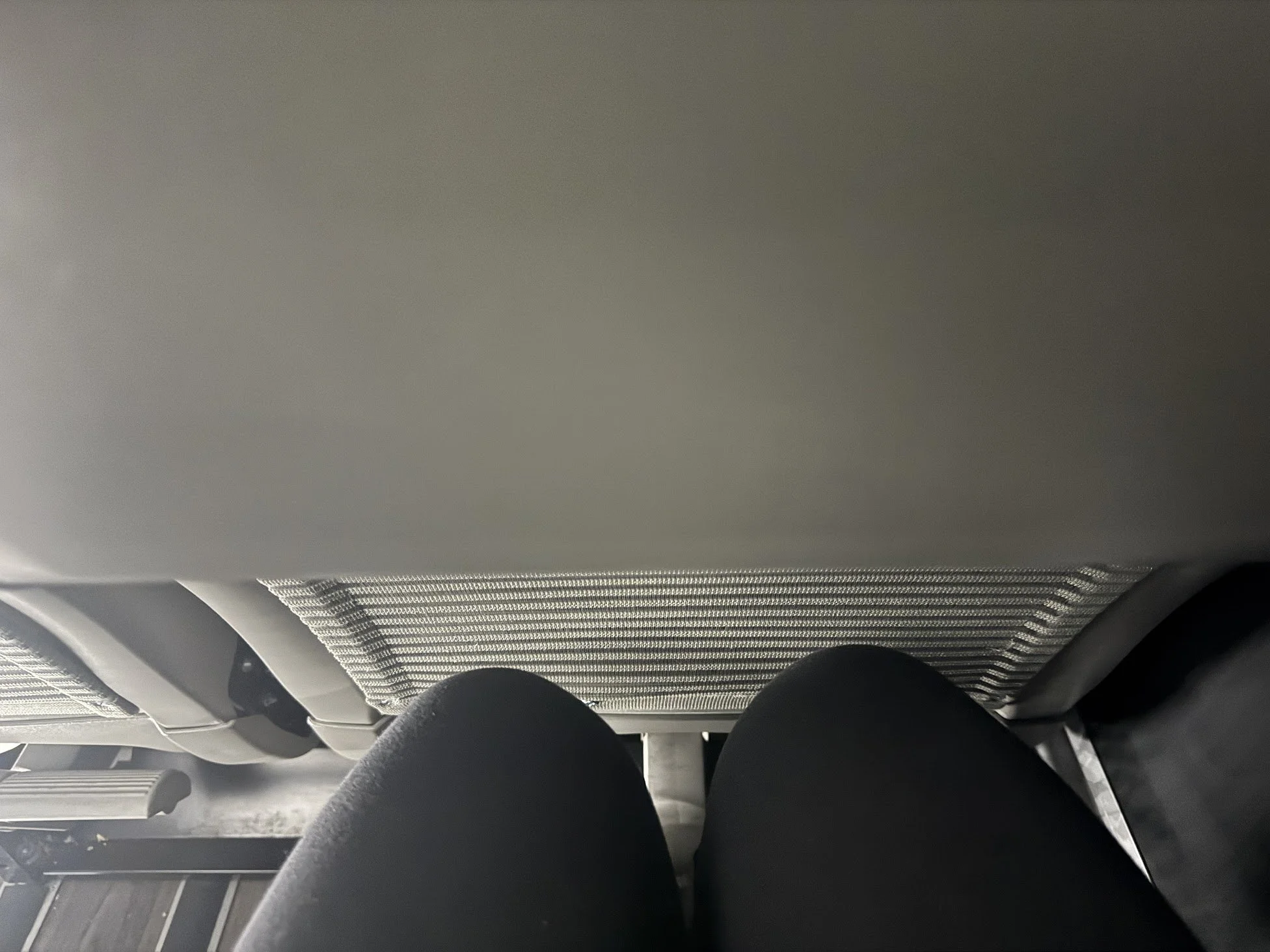
My experience with Alsa is one I wouldn’t repeat. The legroom was so limited that it was uncomfortable from the start. I have short legs, and even my knees were pressed straight into the back of the seat in front of me, with nowhere to go, even before the man in front of me tried to recline it.
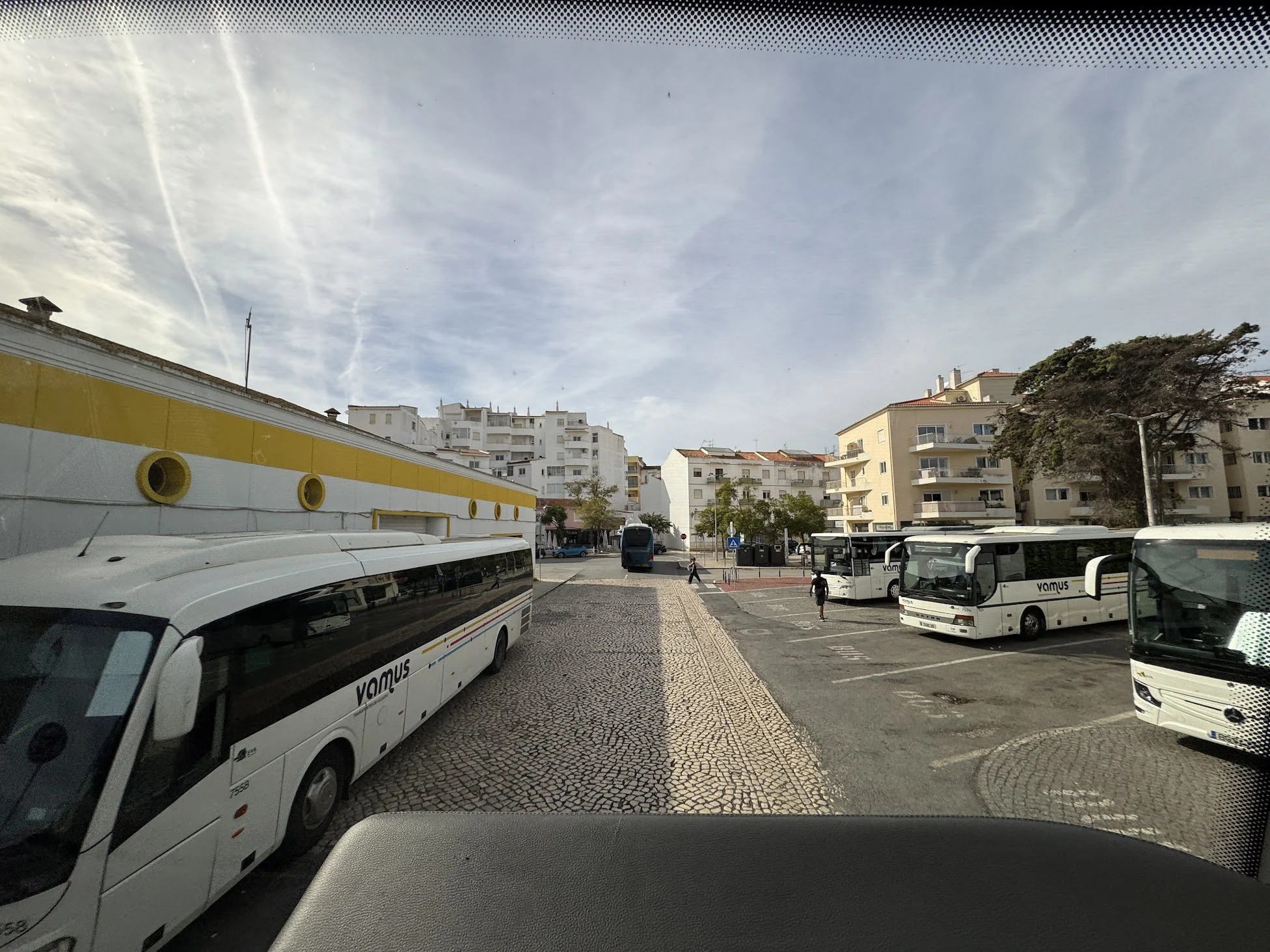
On the other hand, FlixBus was generally more comfortable. In Portugal, they even built in mid-journey stops so people could take a break, grab something to eat, and use a proper restroom, which made longer trips feel much more manageable.
Bus travel in Europe is definitely not luxurious. But it works, sometimes more reliably than the trains.
Final Thoughts
If I were planning the same trip again, I wouldn’t necessarily default to trains—I’d compare both options every time, knowing neither is perfect, but both will usually get you where you need to go.
One advantage that’s easy to overlook is how much simpler both can feel compared to flying. Skipping airport security and most border control steps creates a level of ease that really adds up over time.
Some of my favorite moments from the trip didn’t happen in a specific place—they happened in between. Watching the landscape shift from one country to the next. Sitting quietly on a train with no real agenda. Even navigating the occasional chaos of a crowded platform or a packed bus.
It wasn’t always smooth. It wasn’t always comfortable. But it was all part of the experience.
Stay Connected: Subscribe on Substack (https://substack.com/@forkandfootpath) to receive each new post.
Explore More Travel Guides
-
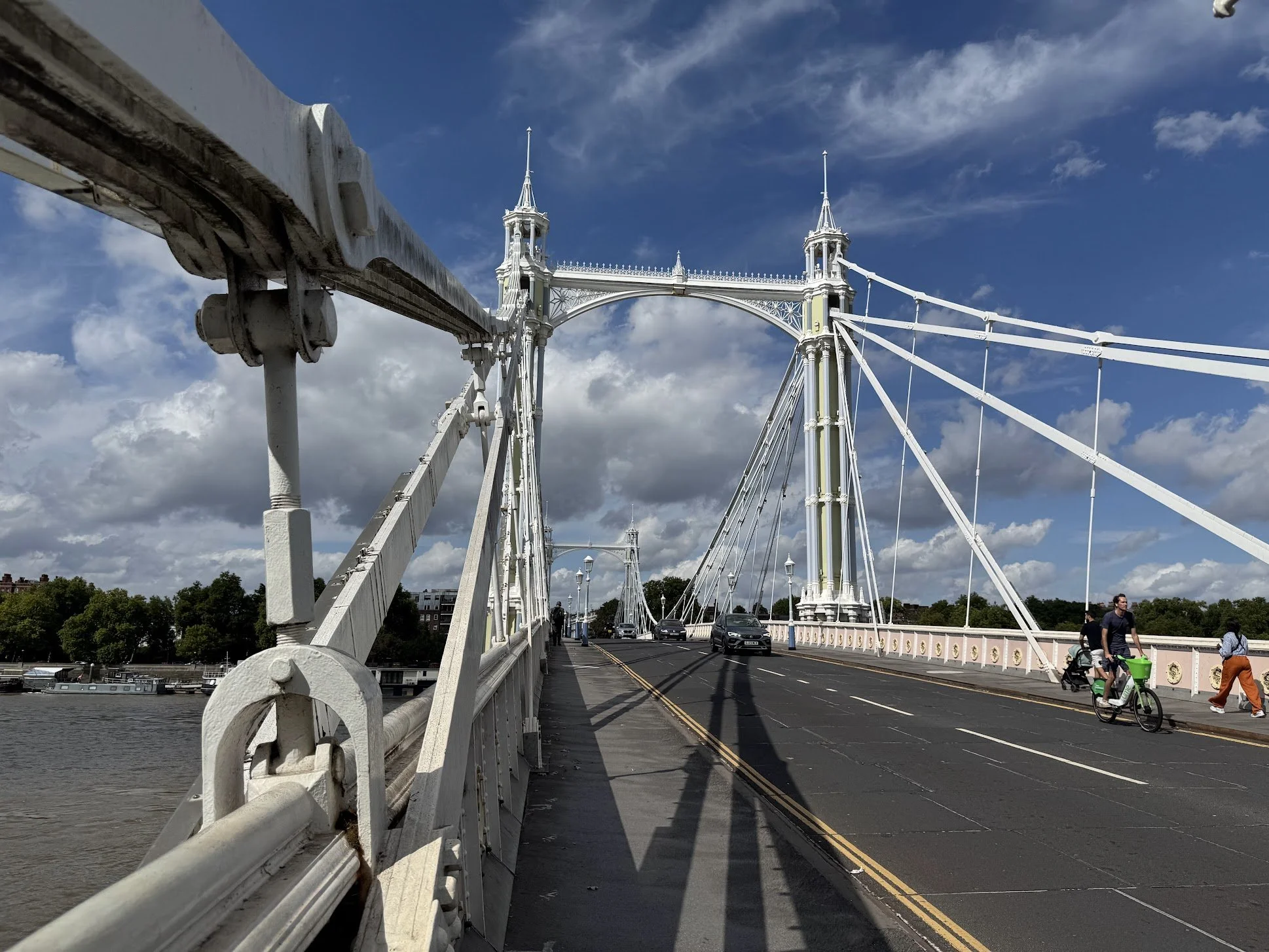
![Bridge in London England]()
London England
Historic. Diverse. Dynamic.
-
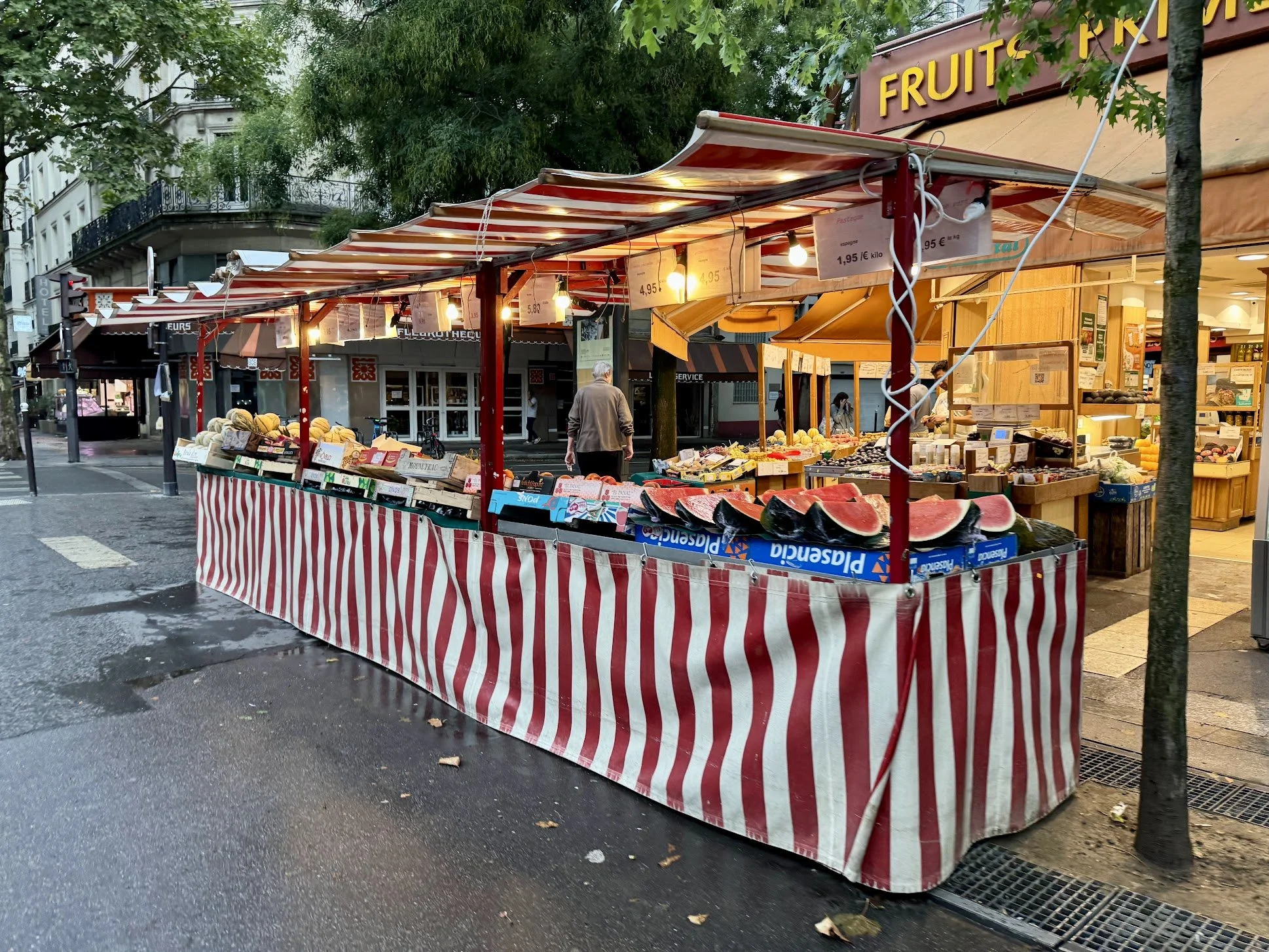
![Street food vendor Paris France]()
Paris France
Romantic. Elegant. Timeless.
-
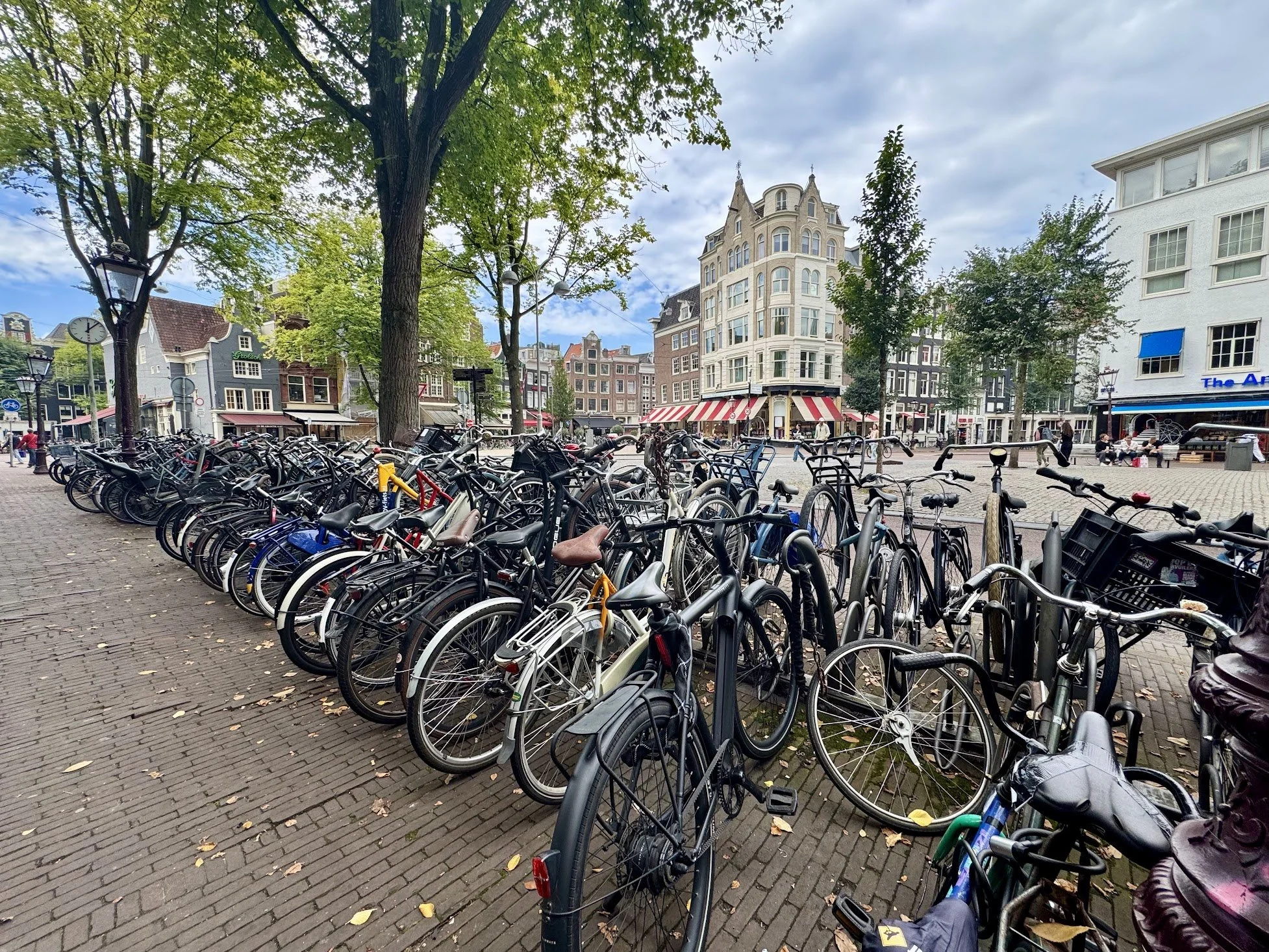
![Bikes in Amsterdam Netherlands]()
Amsterdam Netherlands
Charming. Laid-back. Scenic.
-
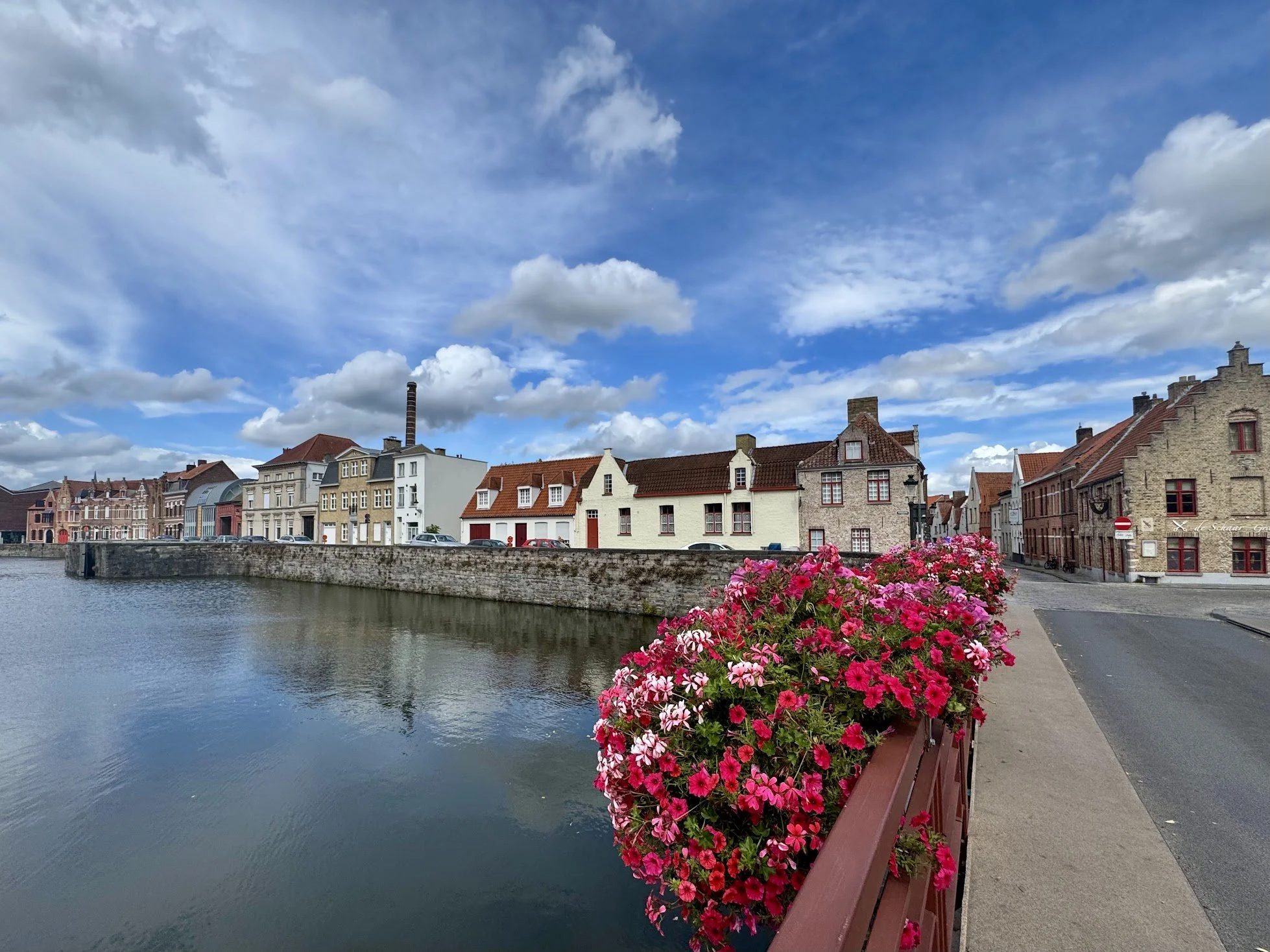
![Bridge view from Bruges Belgium]()
Bruges Belgium
Storybook. Serene. Preserved.
-
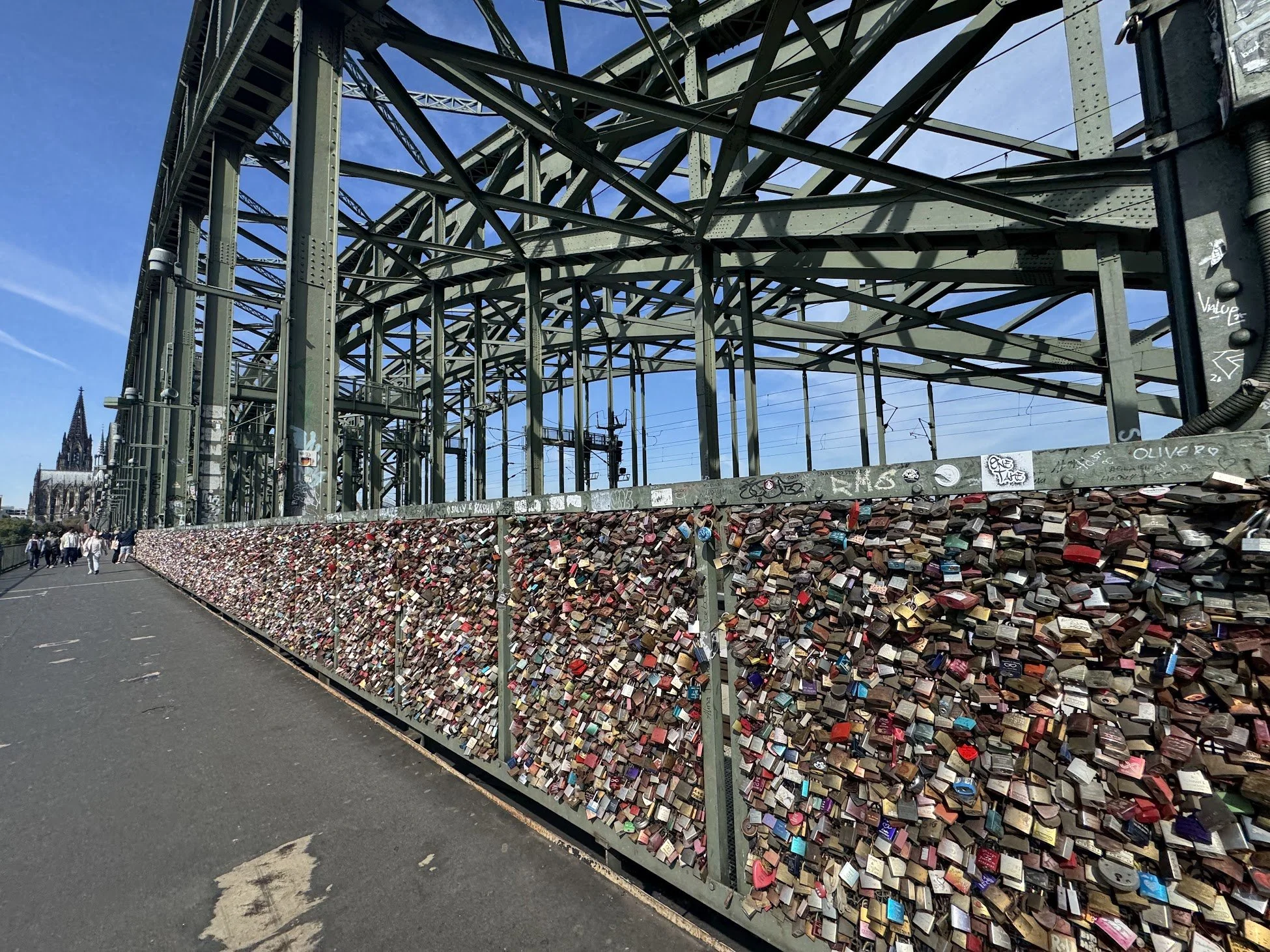
![Love locks in Cologne Germany]()
Cologne Germany
Historic. Lively. Welcoming.
-
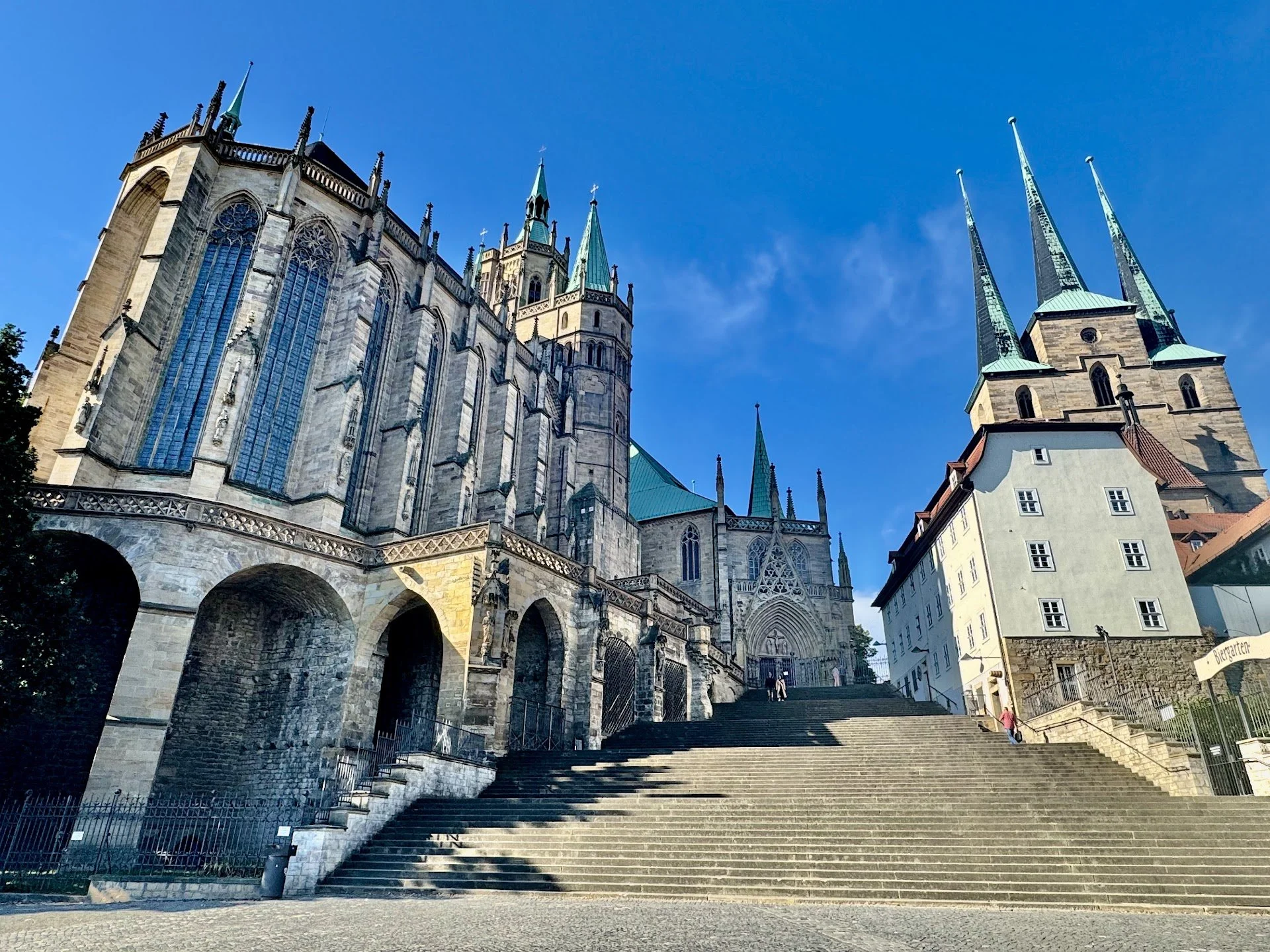
![Erfurt Cathedral in Germany]()
Erfurt Germany
Storybook. Peaceful. Underrated.
-
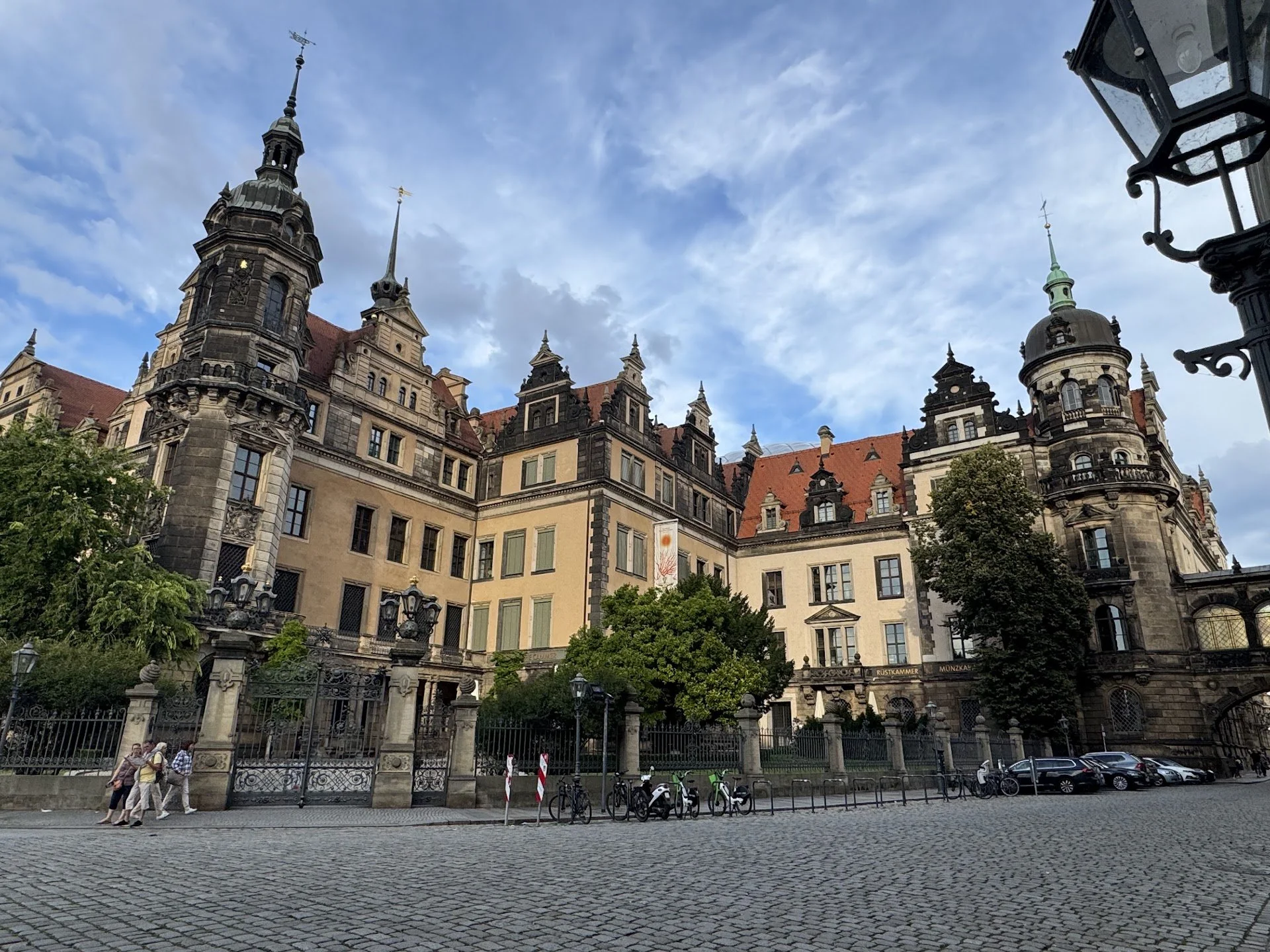
![Historical castle-like building with spires and towers, surrounded by a cobblestone square and a metal fence, with trees in front and people walking nearby.]()
Dresden Germany
Resilient. Grand. Artistic.
-
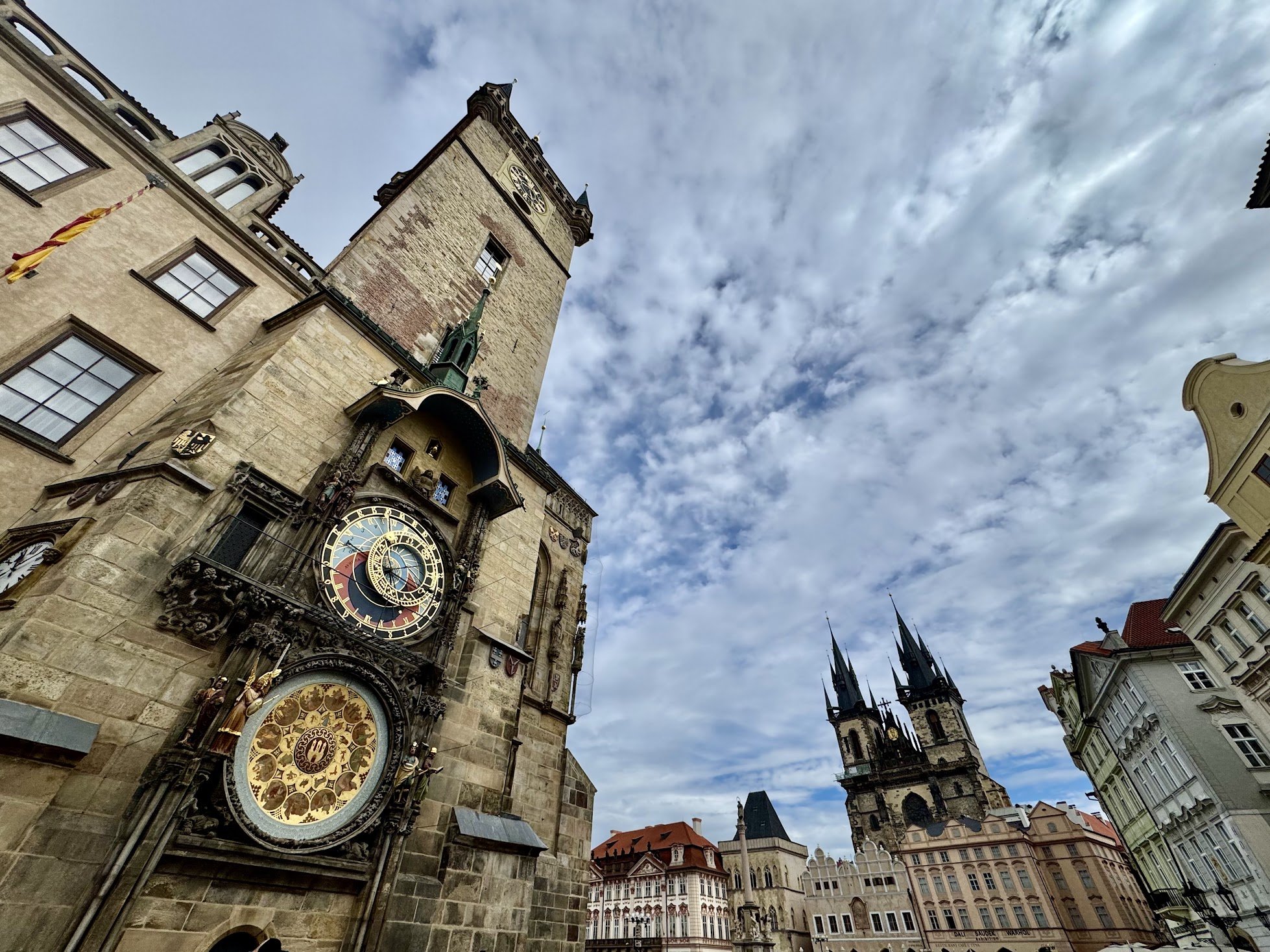
![Historic European clock tower with detailed architecture and a large colorful clock face, against a cloudy sky in a city square.]()
Prague Czech Republic
Atmospheric. Historic. Enchanting.
-
![Vienna Travel Guide]()
Vienna Austria
Refined. Cultural. Graceful.