Cologne Travel Guide: When Your Body Says “Slow Down”
Learning to Honor My Limits Two Weeks Into Solo Travel
Full transparency: Cologne was not my favorite stop — but that had much more to do with timing and my health than with the city itself. I only planned two nights and one full day there, and somewhere between the tightly packed itinerary and the constant movement, my body finally hit its limit. By the time I arrived, I had logged 283,806 steps in 12 days, averaging 23,601 steps per day. I wasn’t exactly giving myself many opportunities to slow down.
In addition to having celiac disease (an allergy to gluten), I also live with chronic Lyme disease, which means I have to be intentional about how I manage my energy. If I push too hard, my body lets me know — clearly and unapologetically. The early excitement of the trip had carried me farther than it should have, but adrenaline only lasts so long. Cologne was where everything caught up with me, and, as frustrating as that felt in the moment, it also became another valuable lesson in listening to my limits.
Cologne Overview
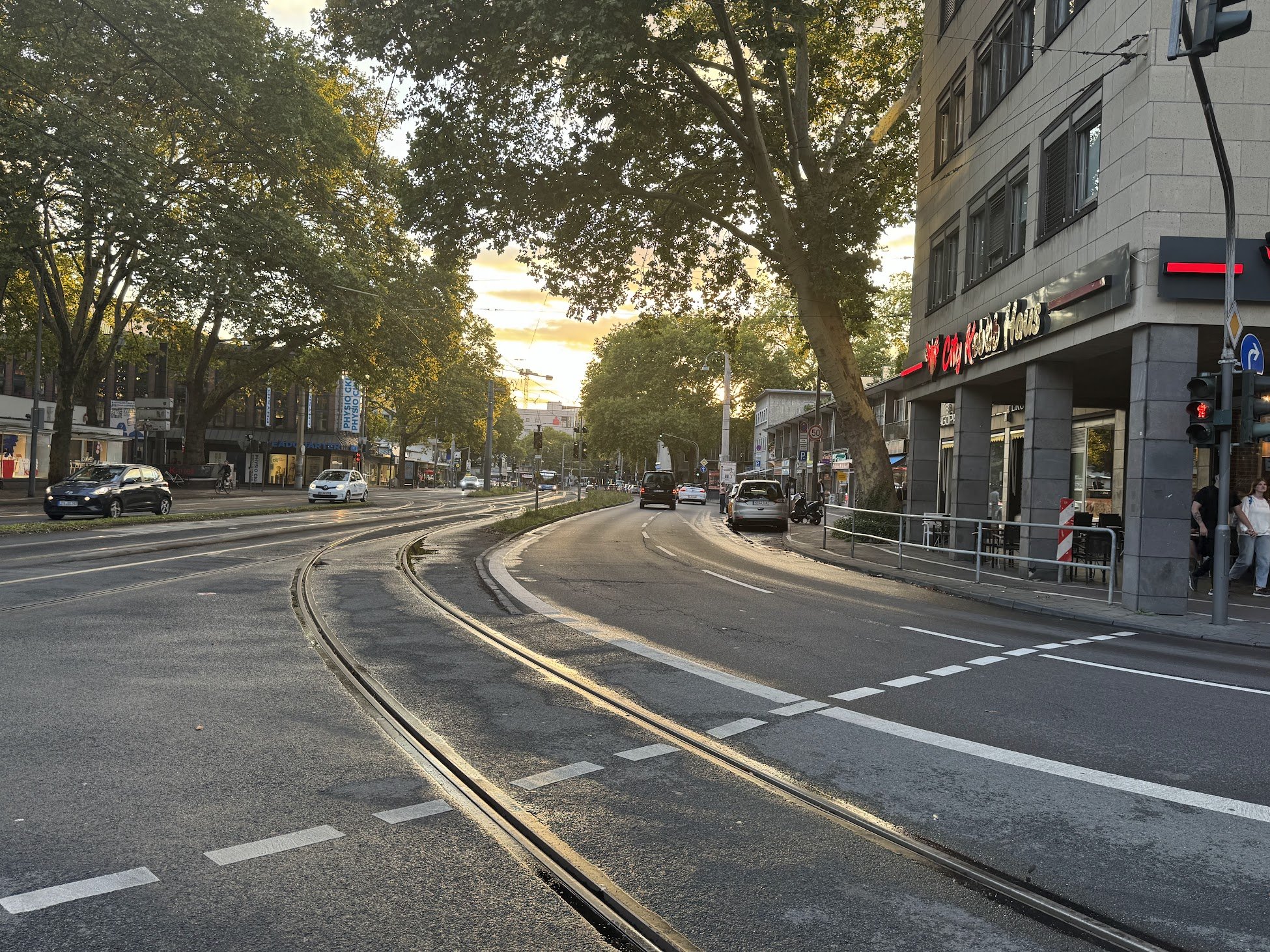
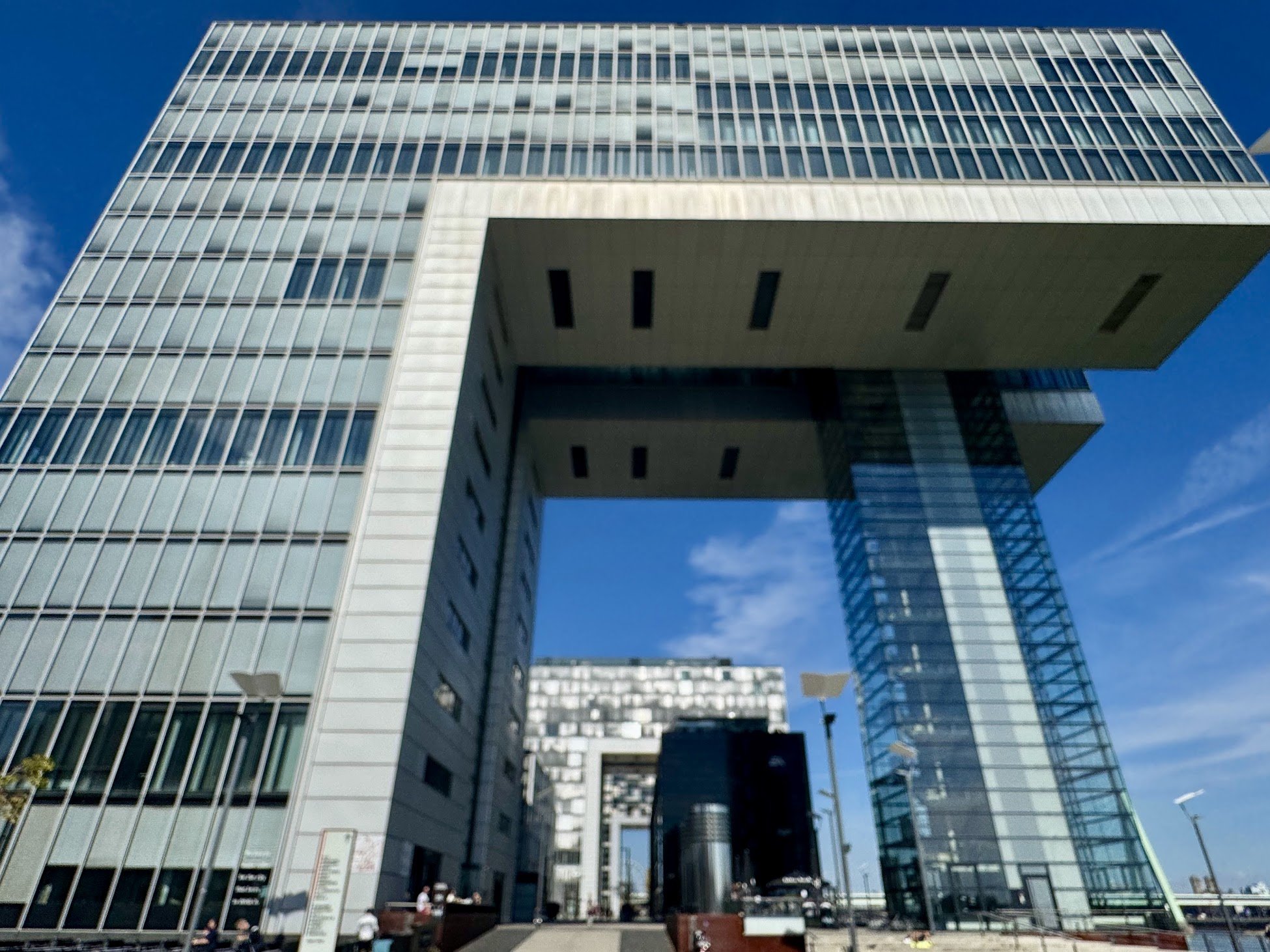
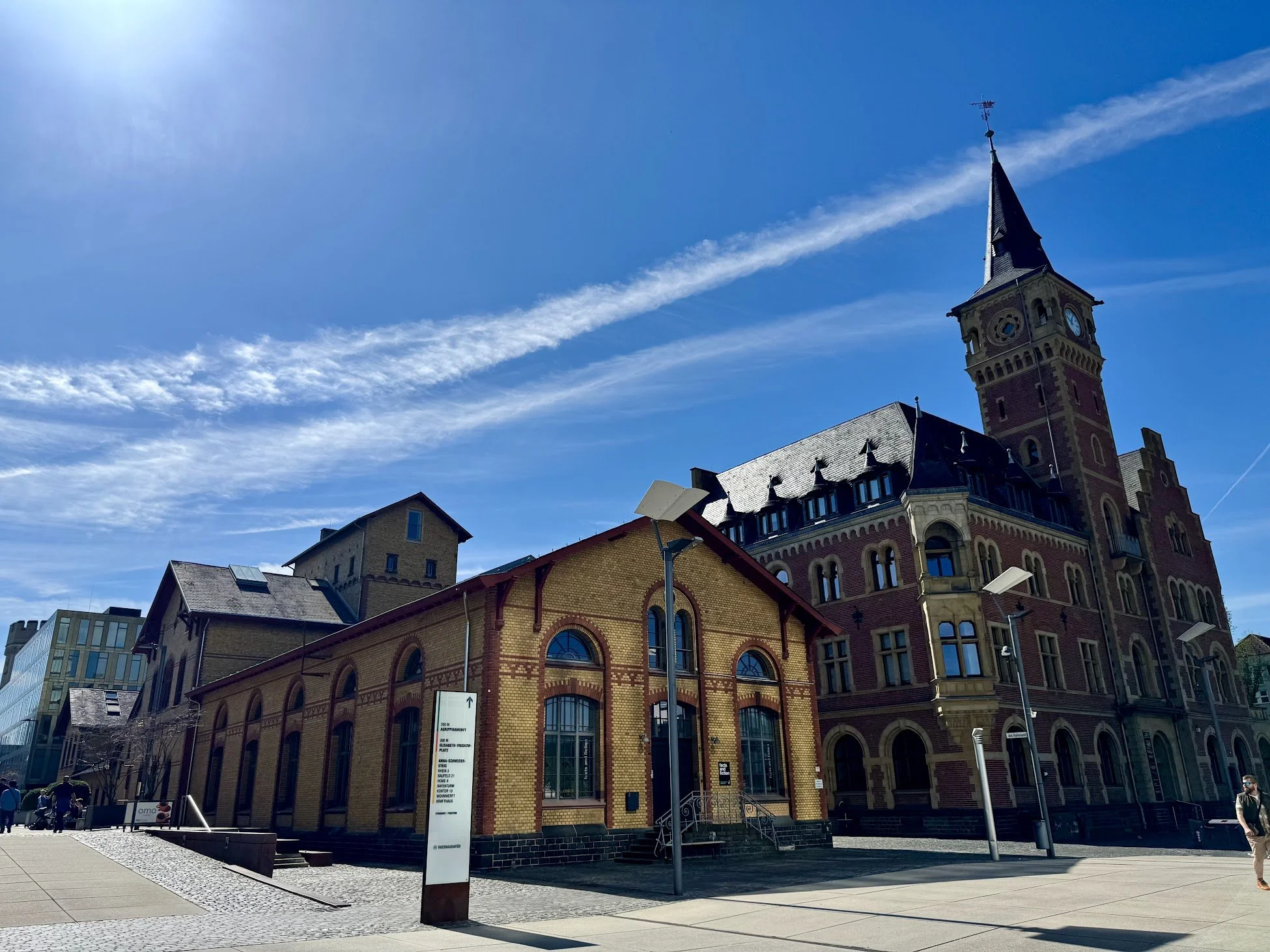
Cologne is a historic city in western Germany, set along the Rhine River near the borders of Belgium and the Netherlands. While it’s best known for its striking cathedral and Roman roots, the city reveals itself in layers — a patchwork of old and new, where reconstructed buildings sit alongside modern architecture and Gothic spires rise above contemporary urban blocks. It’s this blend that gives Cologne its distinct character: a little gritty, a little polished, and deeply lived-in — a city that feels more real than refined.
I visited in early September, when daytime temperatures hovered in the low to mid-70s (°F) and evenings cooled to the upper 50s to low 60s (°F). Expect a mix of sunshine, passing clouds, and the occasional rain shower. The weather can shift quickly, so layers are your friend — and a light jacket or compact umbrella will go a long way, even on days that start out warm and clear.
Arriving In Cologne: A First Impression That’s Hard to Beat
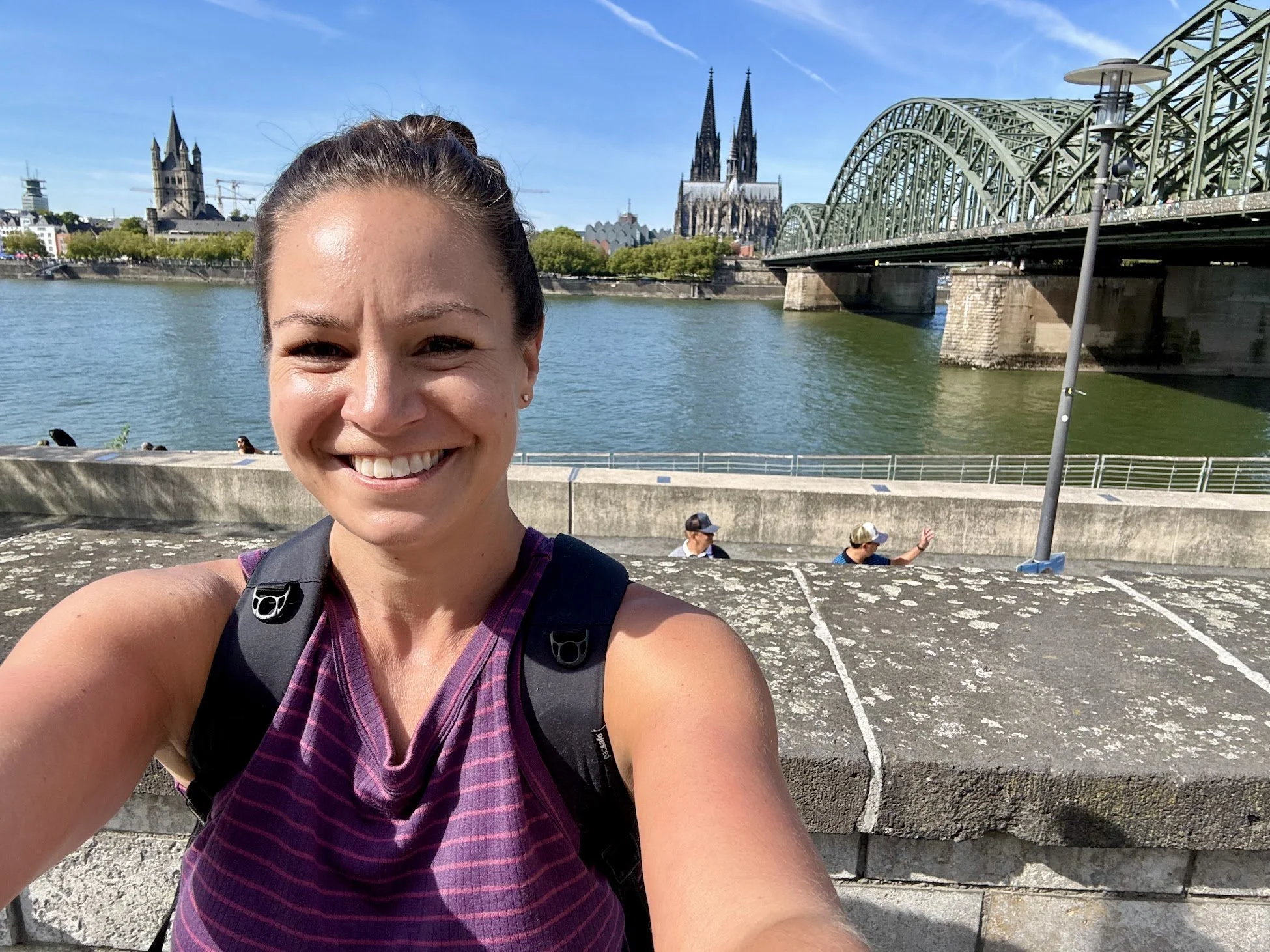
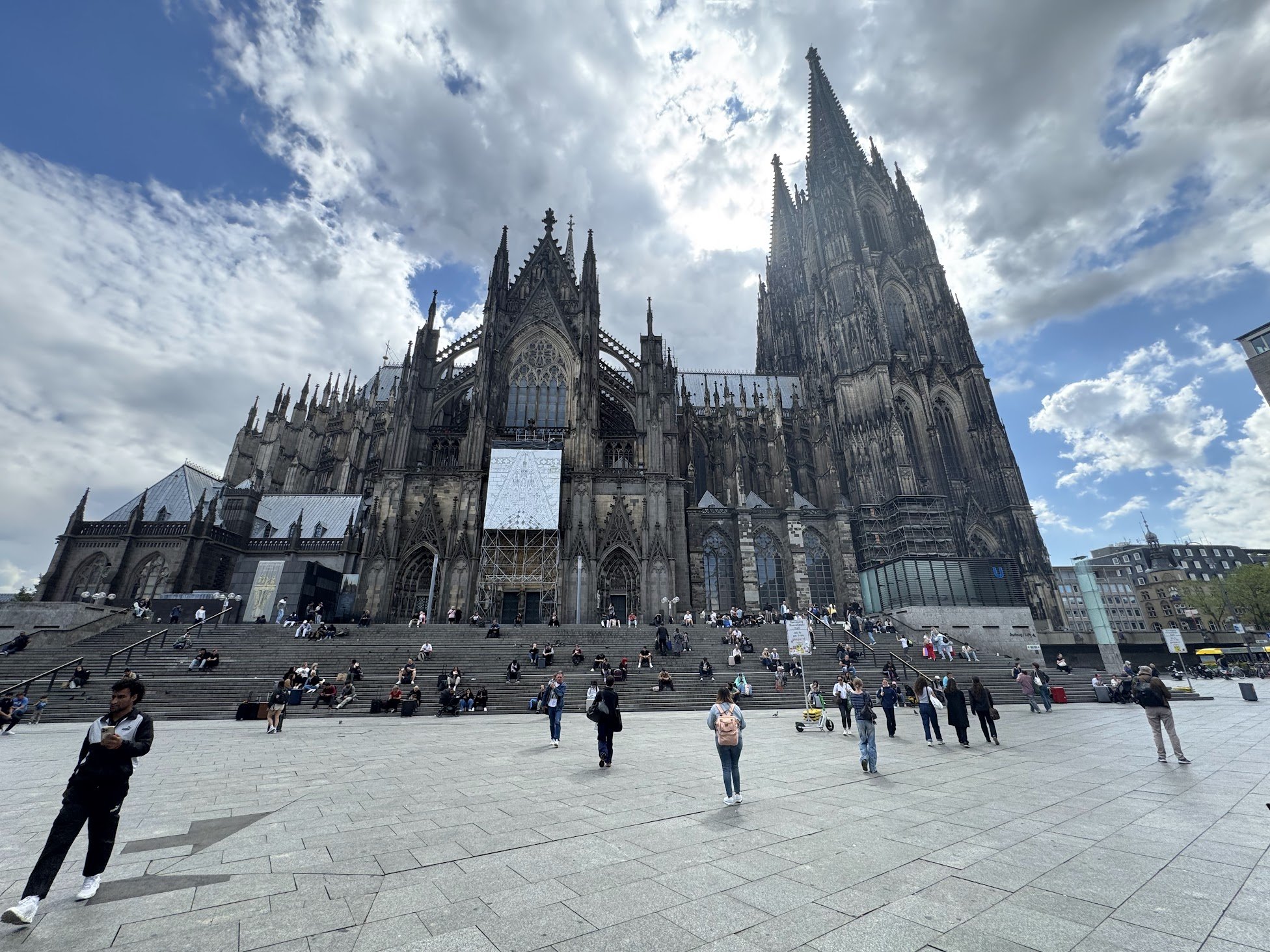
Leaving storybook, postcard-perfect Bruges was not easy, but I had an itinerary to follow and it was time to keep moving east through Germany. If you arrive in Cologne by train, you’re met with one of the most dramatic first impressions a city can offer: the Cologne Cathedral towering above you as you step out of the station.
Construction began in 1248 and wasn’t completed until 1880, its twin spires rising more than 500 feet into the skyline. During World War II, much of Cologne was destroyed, yet the cathedral remained standing — a quiet but powerful symbol of resilience.
Even if you’re not particularly drawn to churches, it’s hard not to feel something standing beneath it.
Where I Stayed In Cologne: Altstadt-Nord / Innenstadt
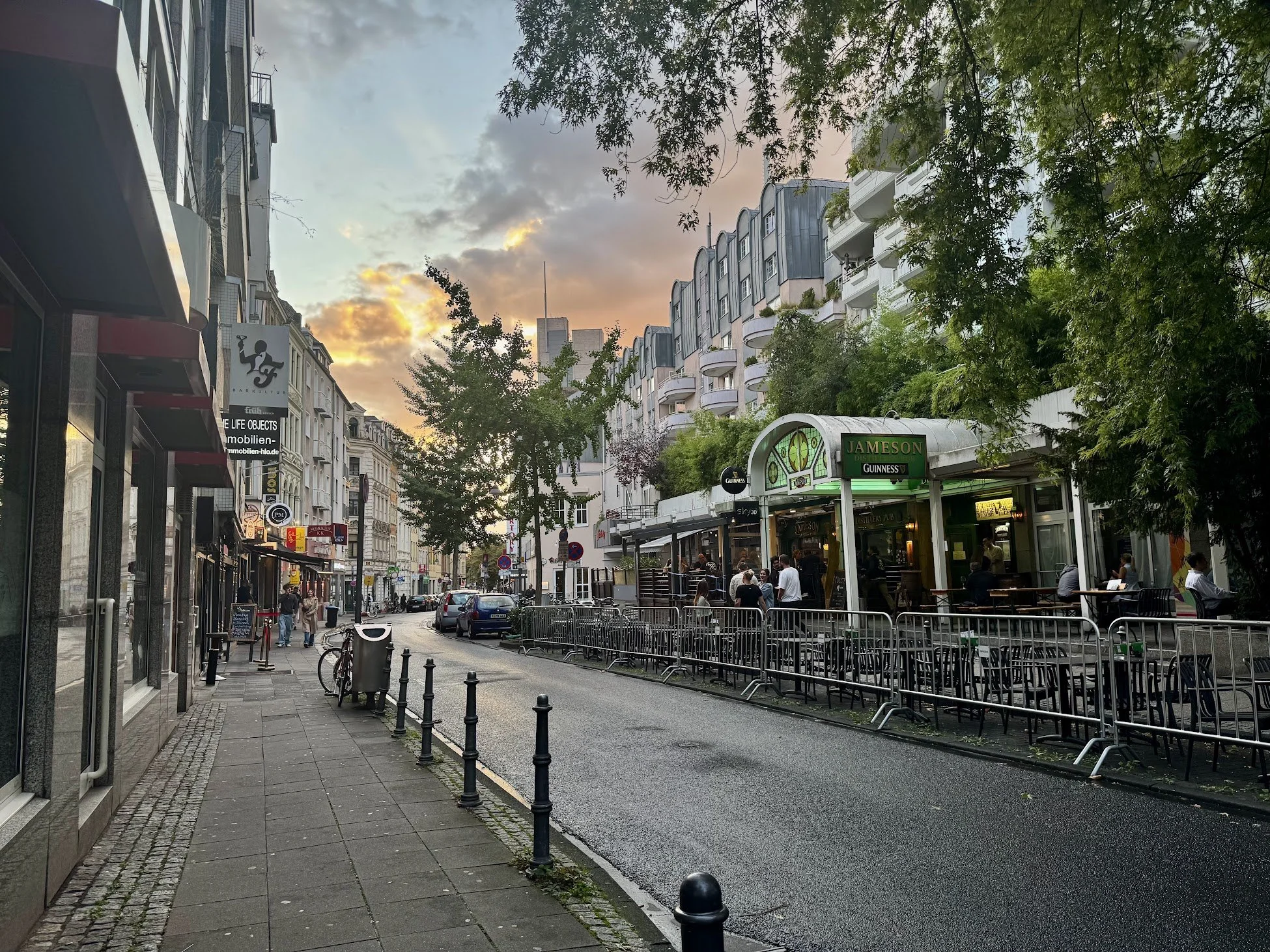
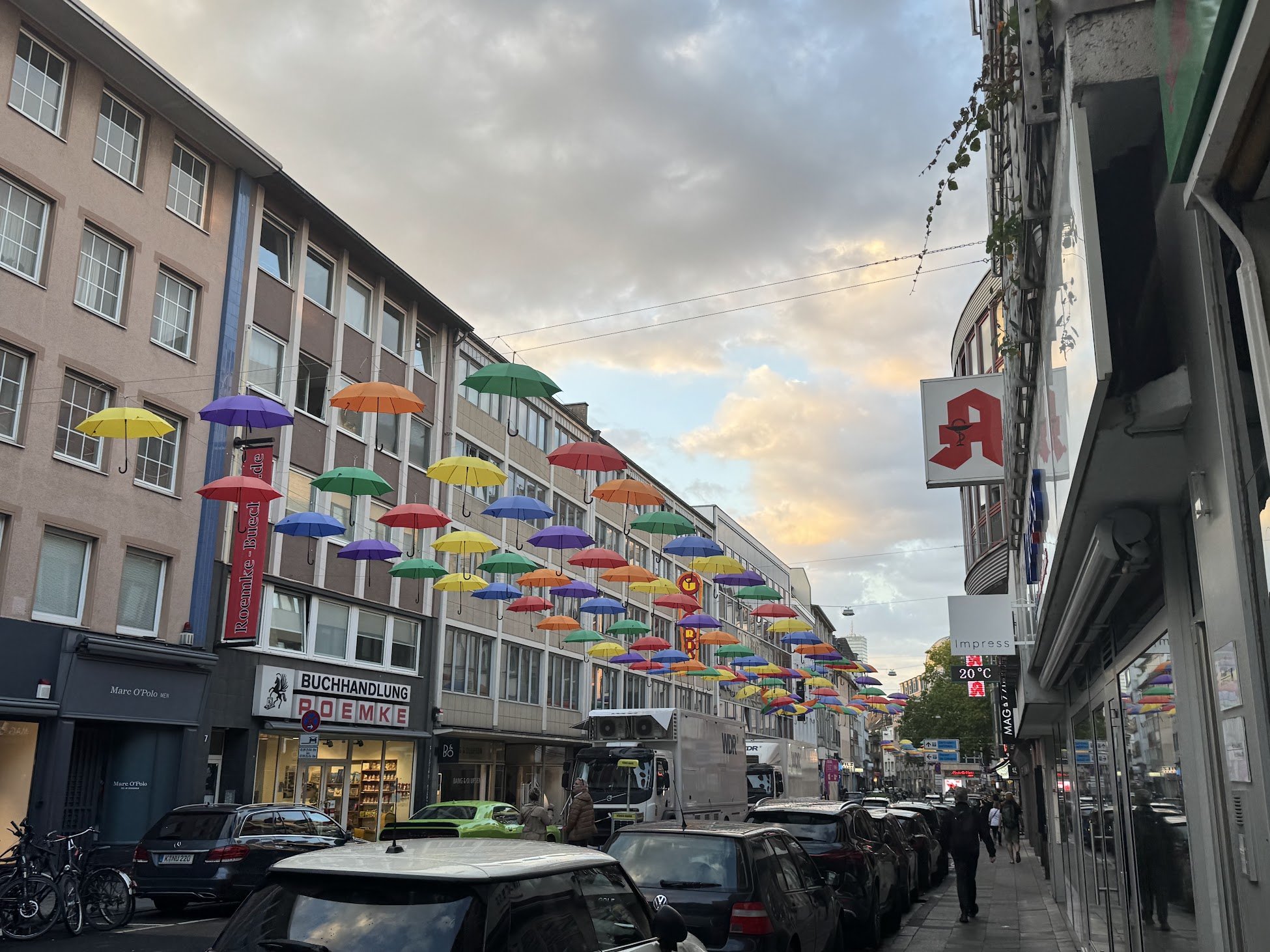
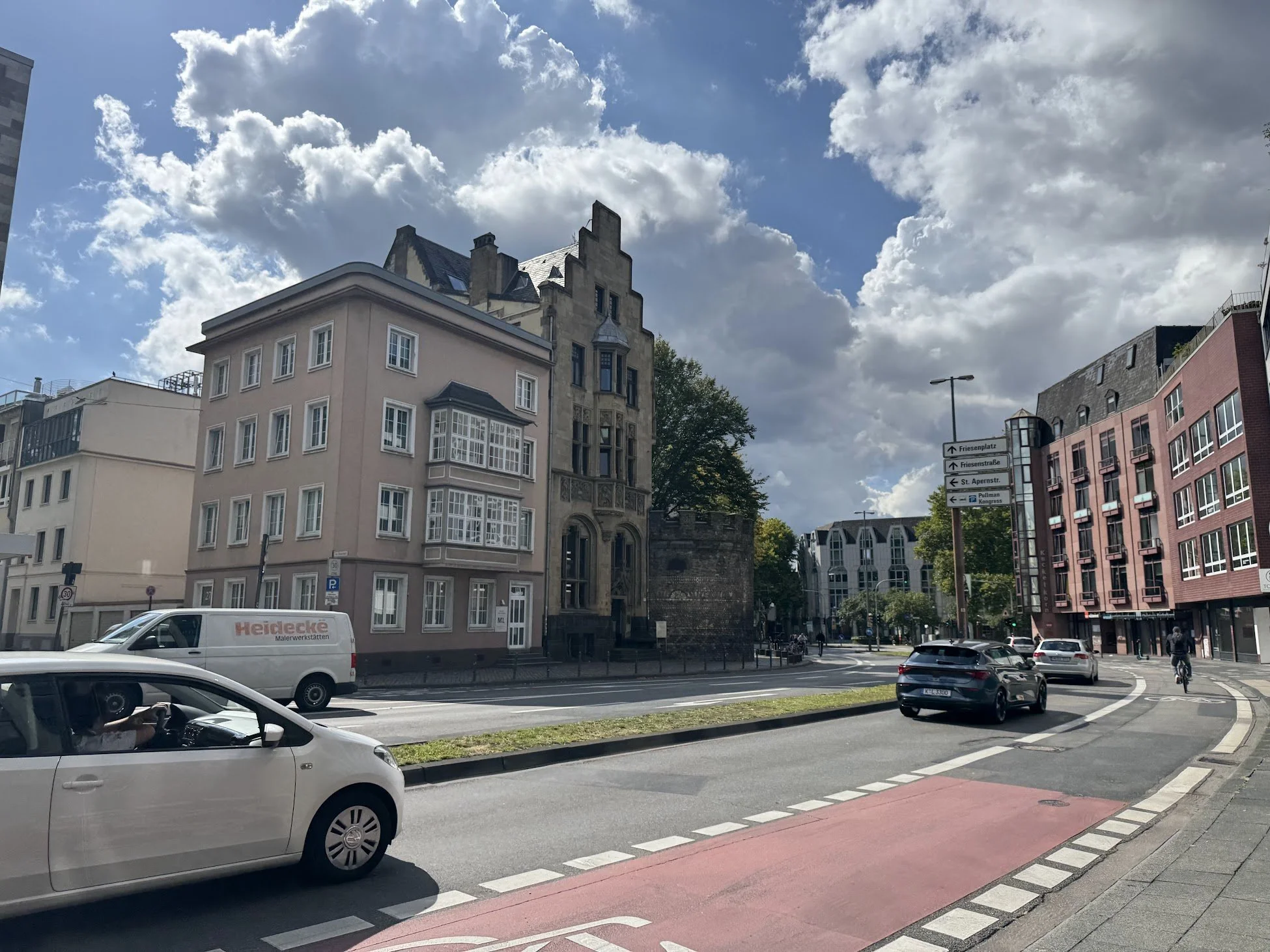
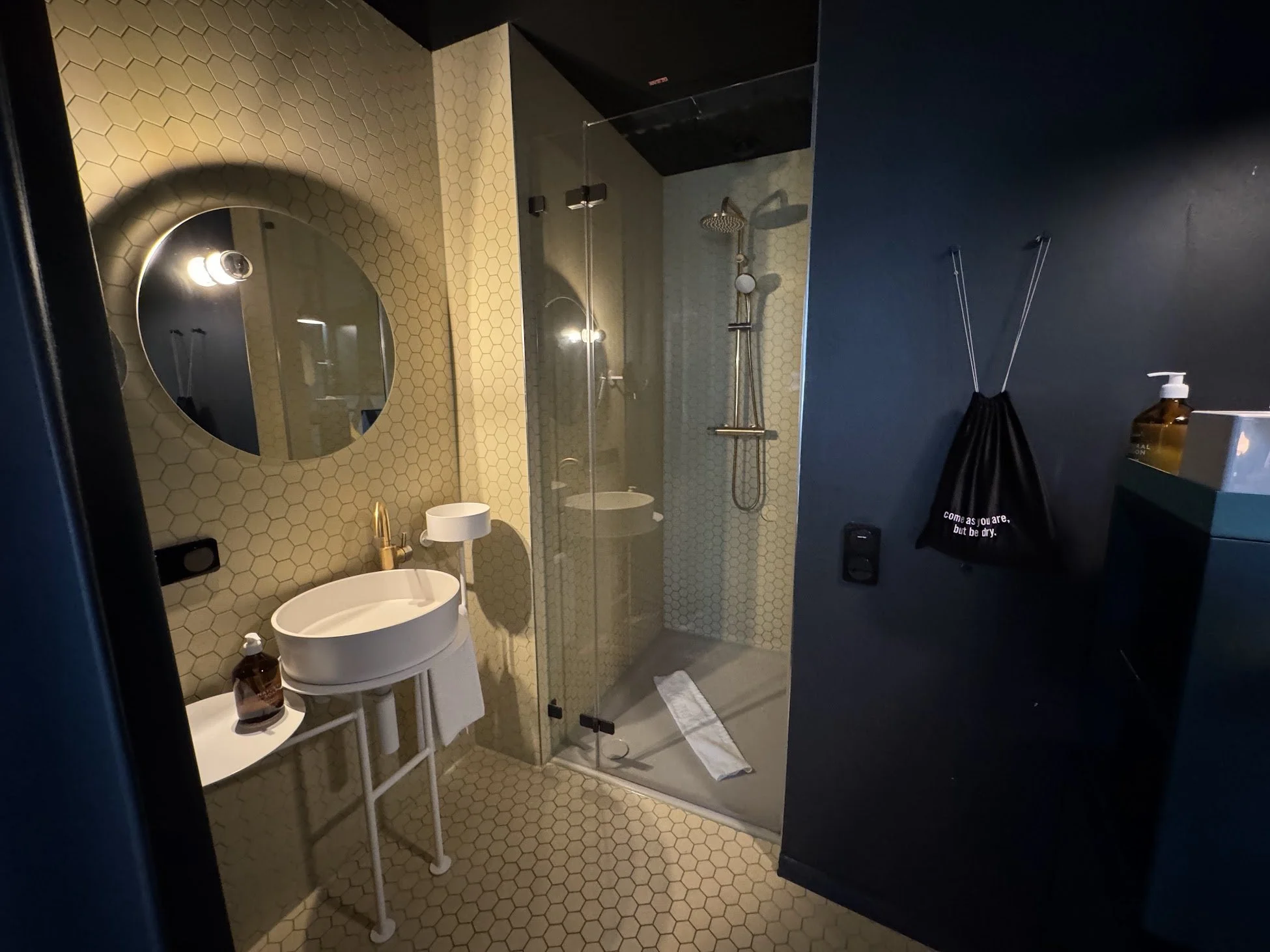
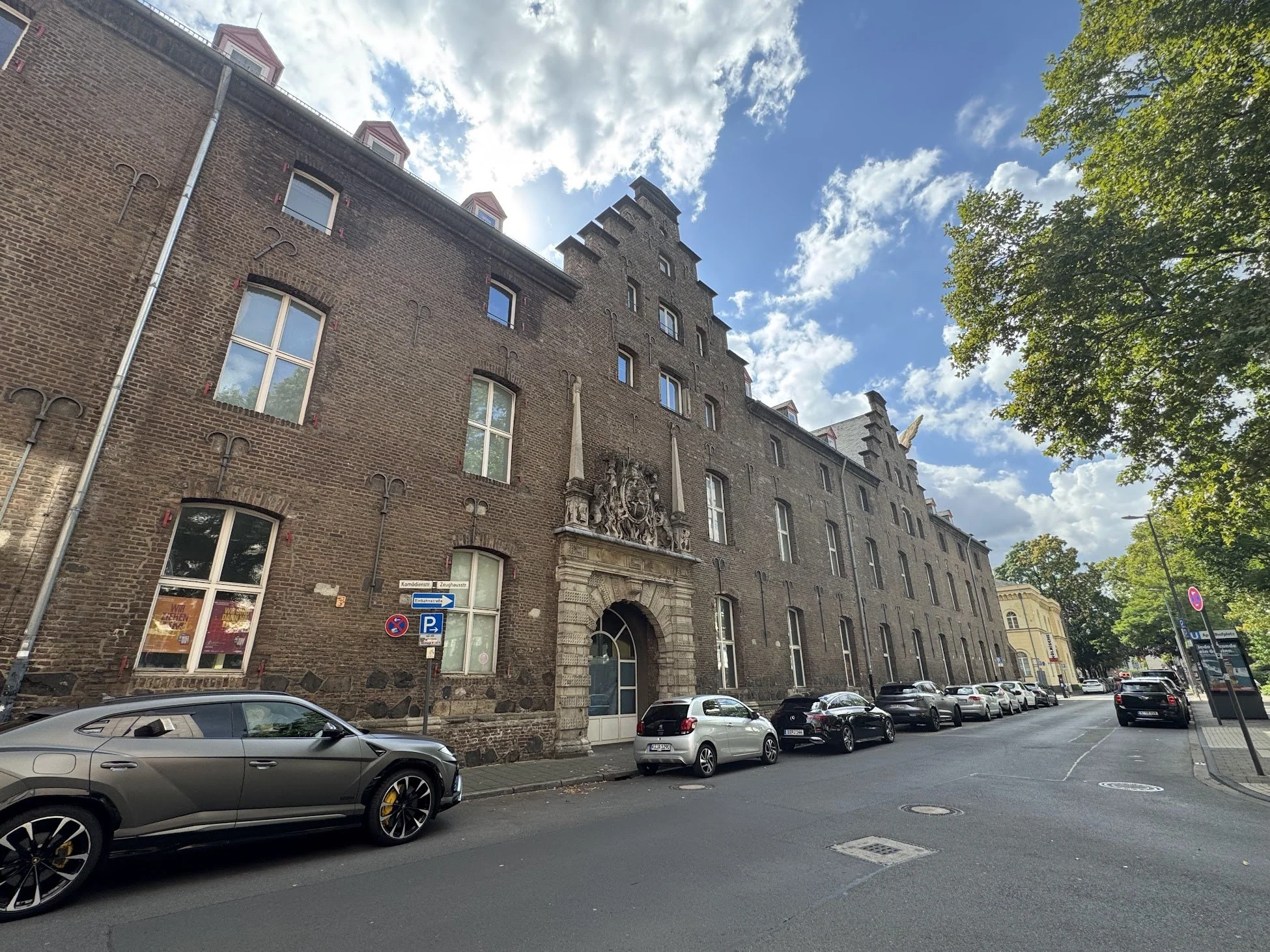
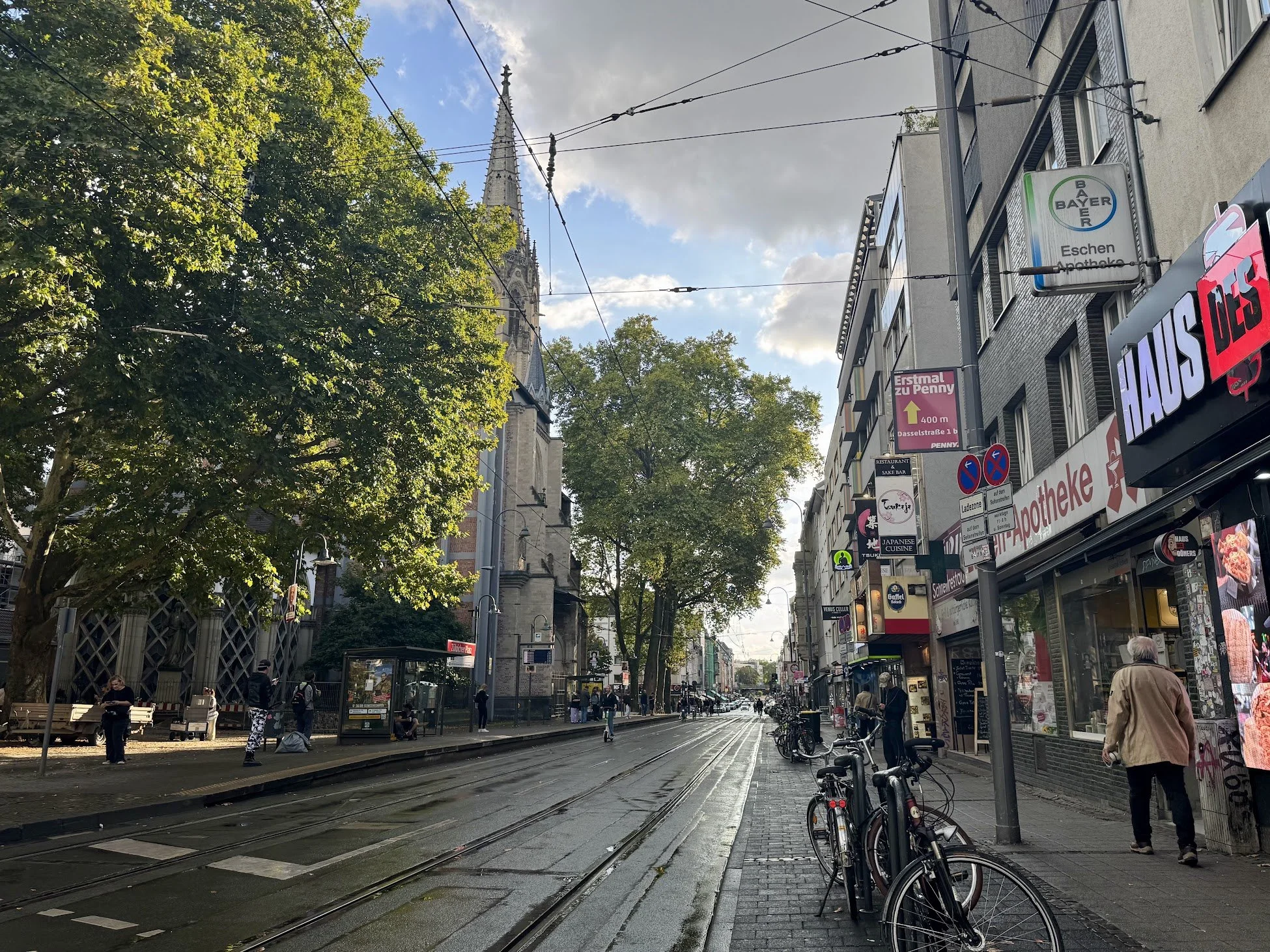
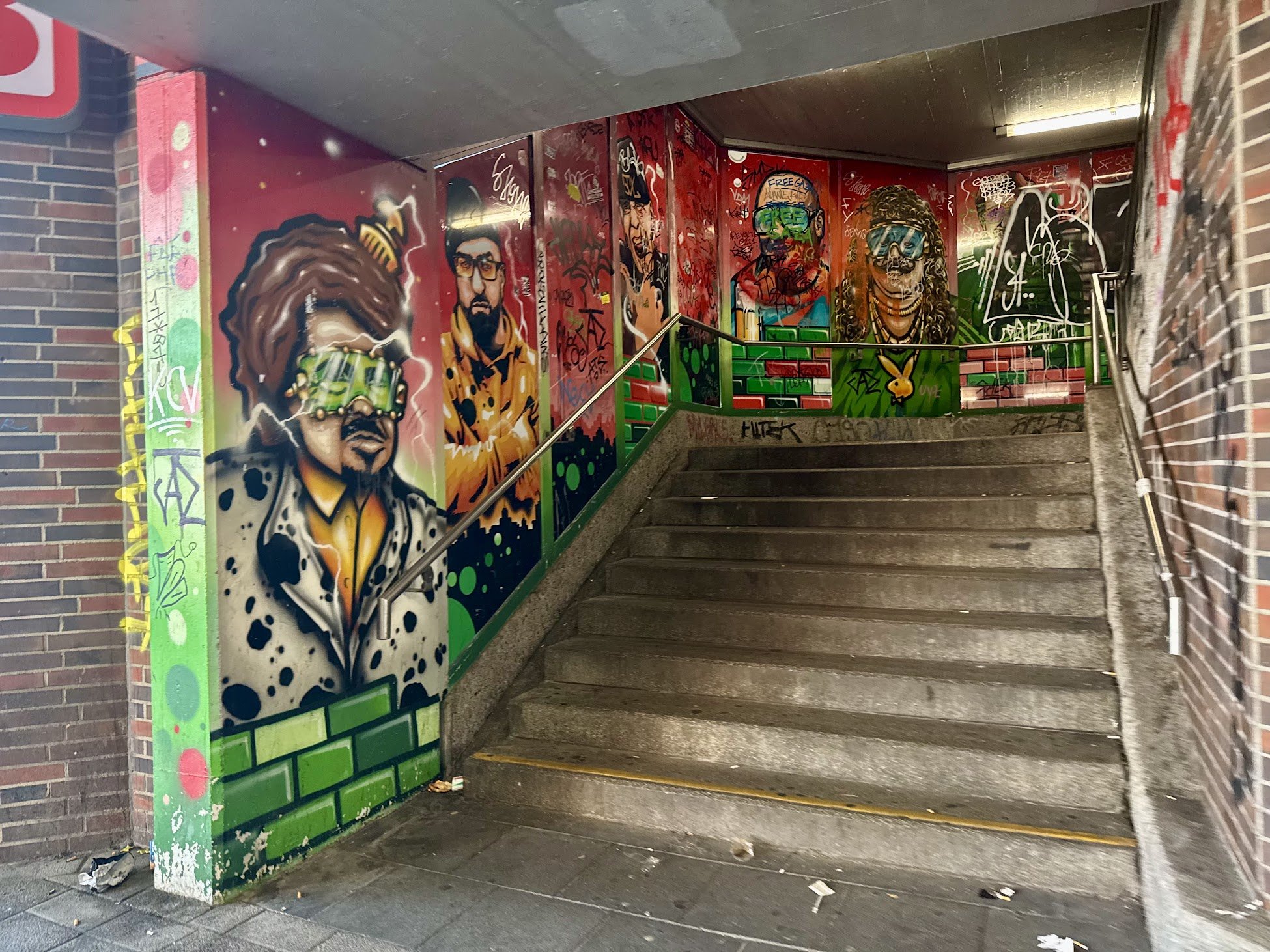
I stayed at the 25hours Hotel The Circle, located in Altstadt-Nord — part of Cologne’s central district, Innenstadt. Altstadt-Nord is where Cologne’s contrasts really show up. It’s central, walkable, and layered — where major landmarks, shopping streets, nightlife, and everyday city life all overlap. It’s not overly polished, and that’s part of its appeal. It feels lived-in, accessible, and easy to explore on foot.
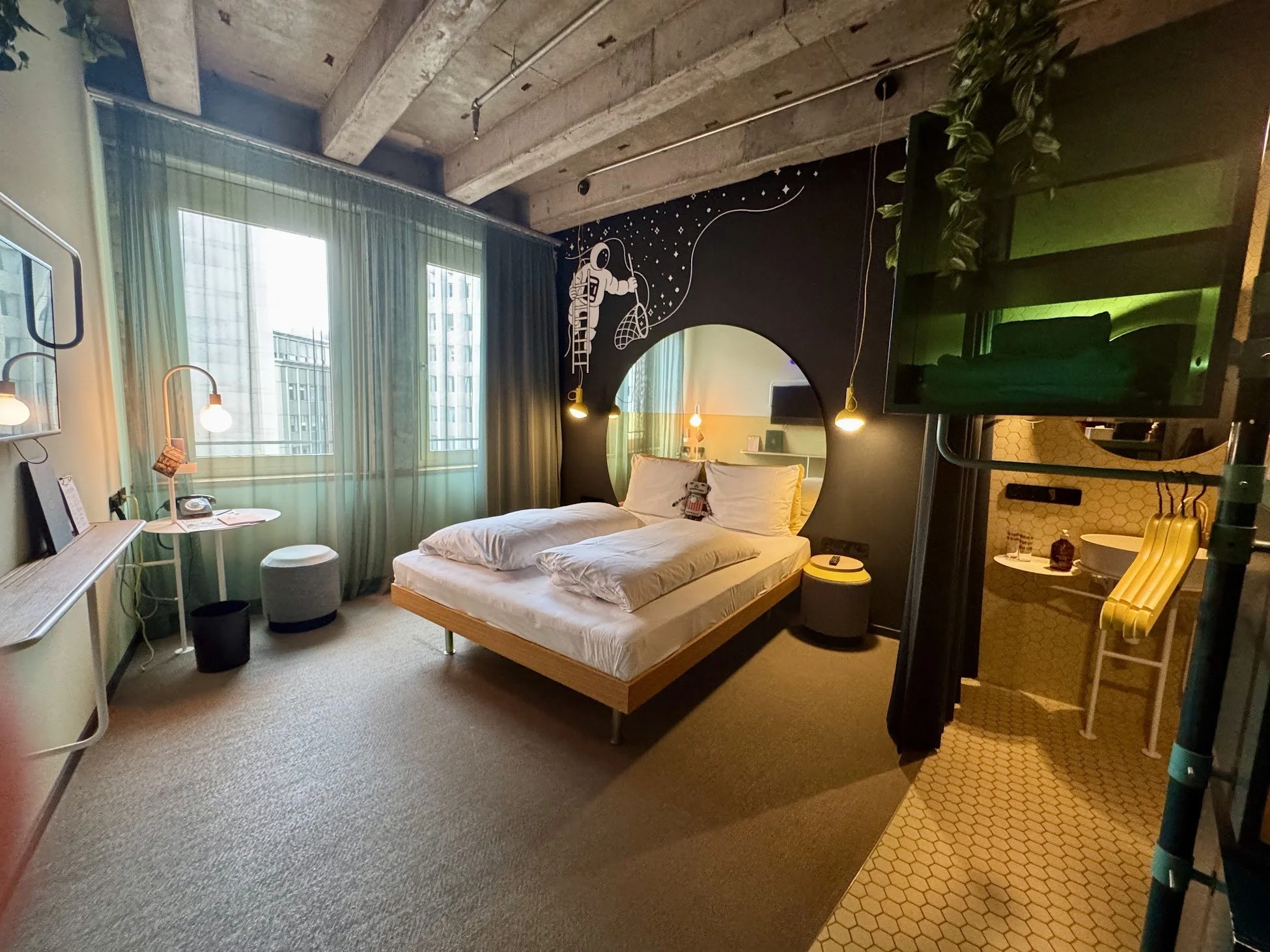
Stepping into the hotel, it was clear it catered to a young, tech-forward crowd — it had the energy of a hostel, but dressed in a more corporate, design-conscious outfit. My room, the “Medium Inner Circle,” was hip, modern, and surprisingly spacious, with thoughtful details that made it feel comfortable rather than gimmicky. The blackout curtains turned out to be the real MVP; when my fever hit the following day, being able to darken the room completely made resting much easier.
When I researched where to stay, I followed the same process I used throughout the trip: combing through reviews on TripAdvisor, using Google Maps to understand the neighborhood, and checking the walking distance from the train station. In this case, 25hours Hotel The Circle was about a 16-minute walk from the station — absolutely manageable.
What I Did in Cologne: A Slower Pace Than Planned
I arrived in the afternoon on a warm day, and the very first thing I wanted after checking in was a shower. I had a dinner reservation that evening, and I knew heavy rain was in the forecast, so I gave myself permission to keep the afternoon low-key: unpack a bit, freshen up, and ease into the evening without trying to squeeze in extra sightseeing.
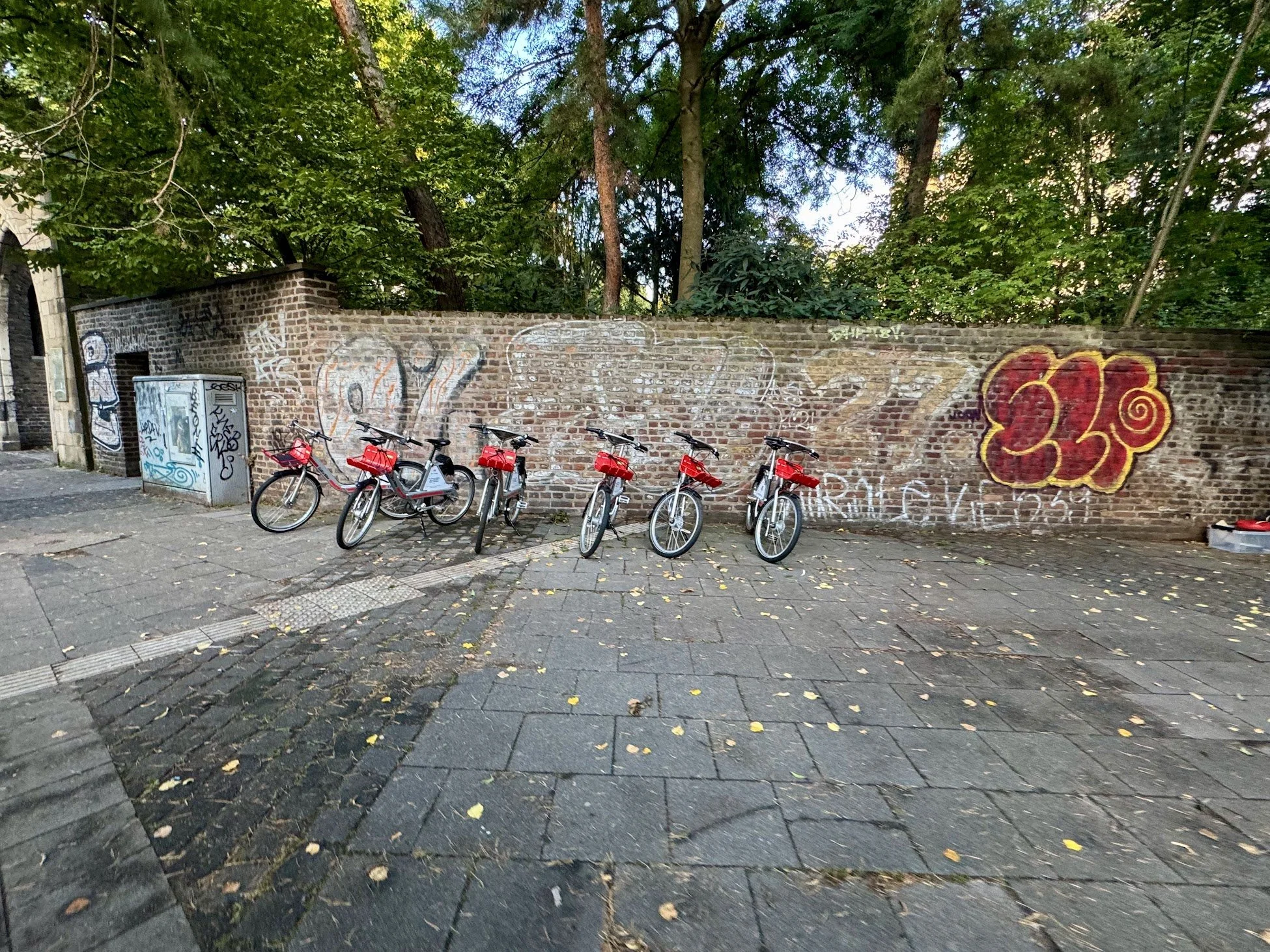
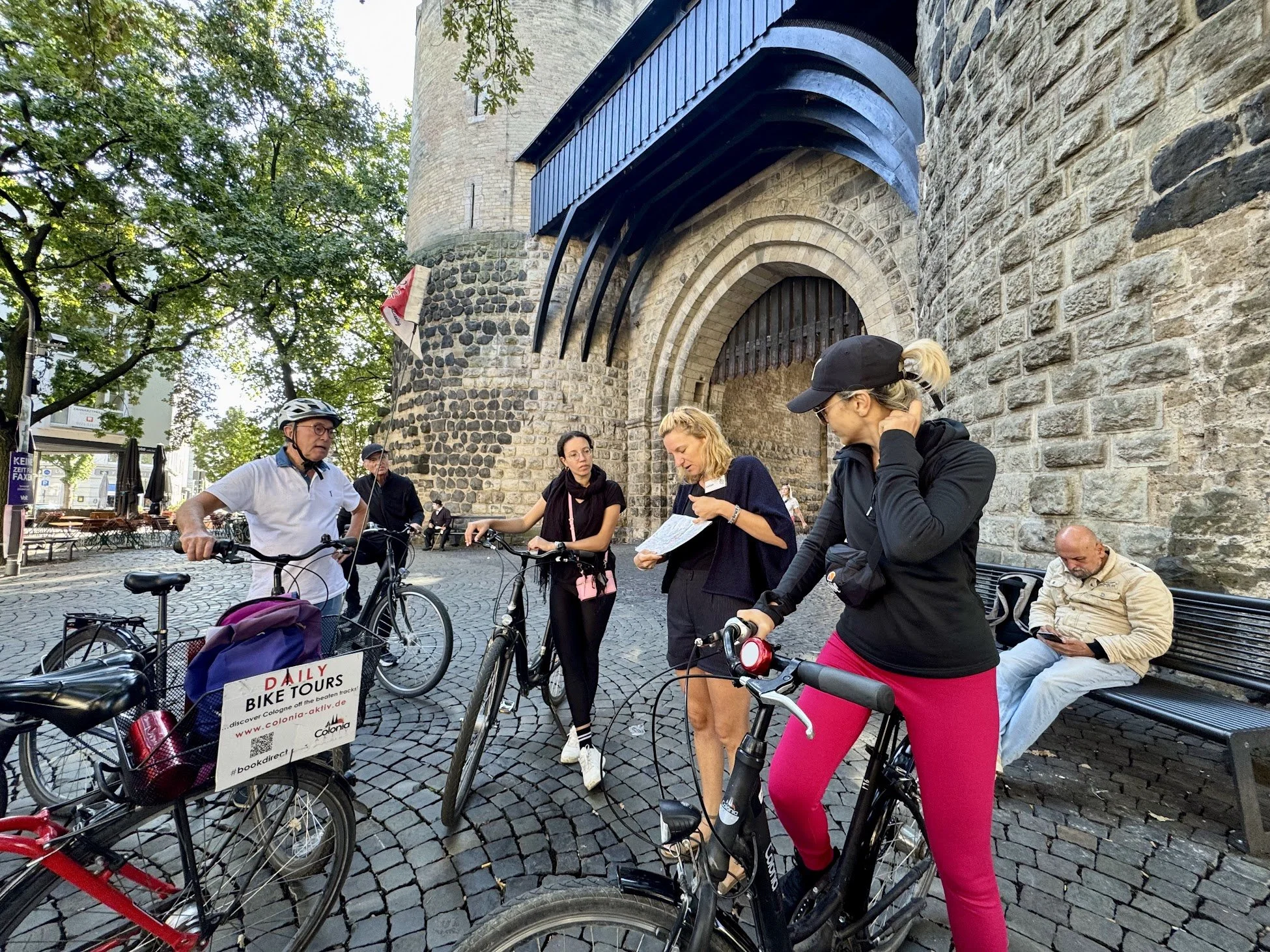
The next morning, I was genuinely excited for my next city bike tour with Colonia Aktiv. After a more stressful bike tour experience in Amsterdam, I felt confident that this one would be calmer and more straightforward. I thought the ride started at 10:00 a.m., so I arrived at 9:45 a.m., only to learn that it didn’t actually begin until 10:30 a.m. Thankfully, the guide pointed me across the street to a nearby café to pass the time.
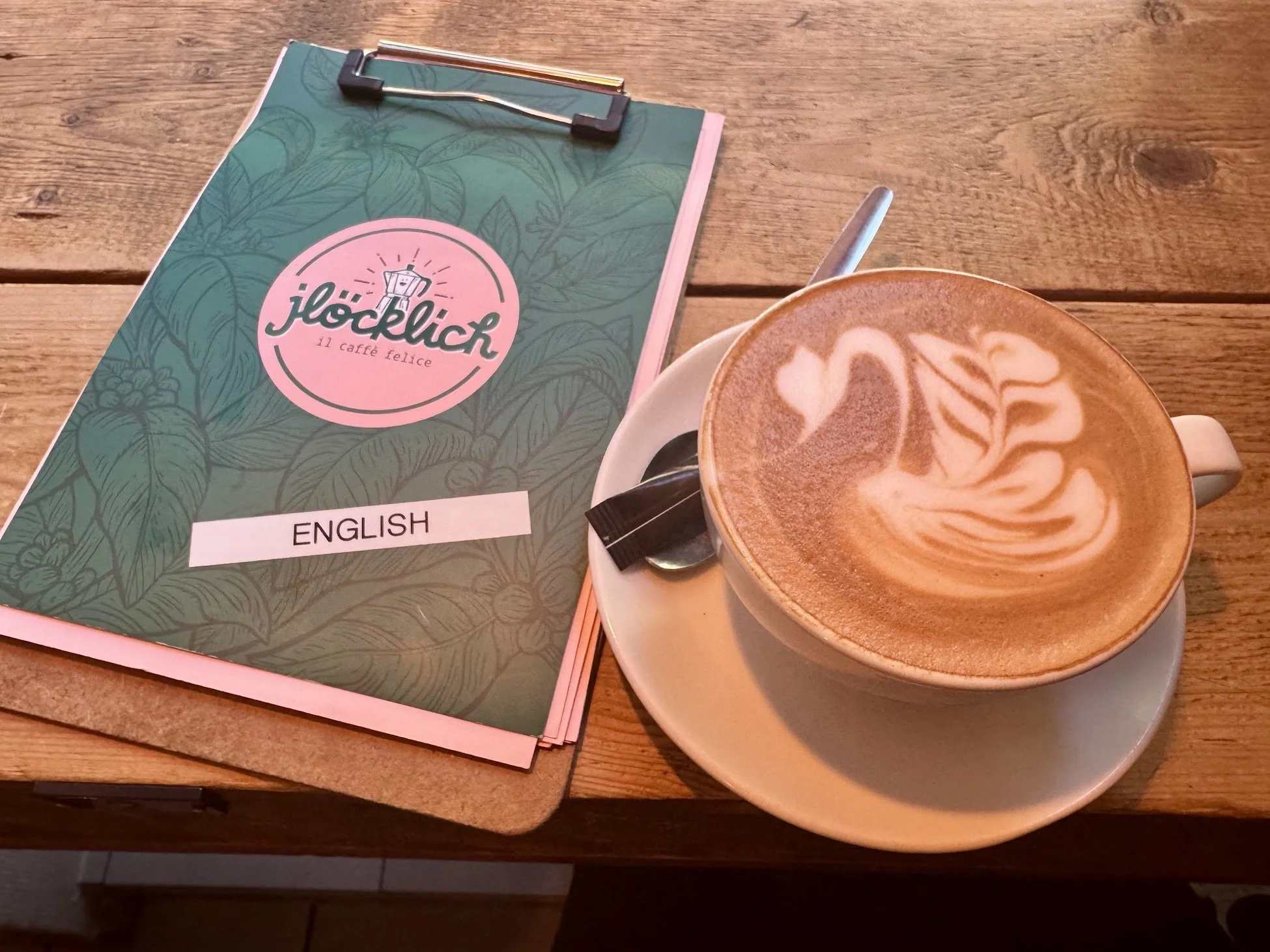
I ended up at the most charming spot, Jlöcklich Barista Café, in Altstadt-Nord, specifically within the Eigelstein (Eigelsteinviertel) area — a small, character-filled pocket just north of Cologne’s historic core. I ordered a flat white and watched the city wake up around me before heading back to start the tour.
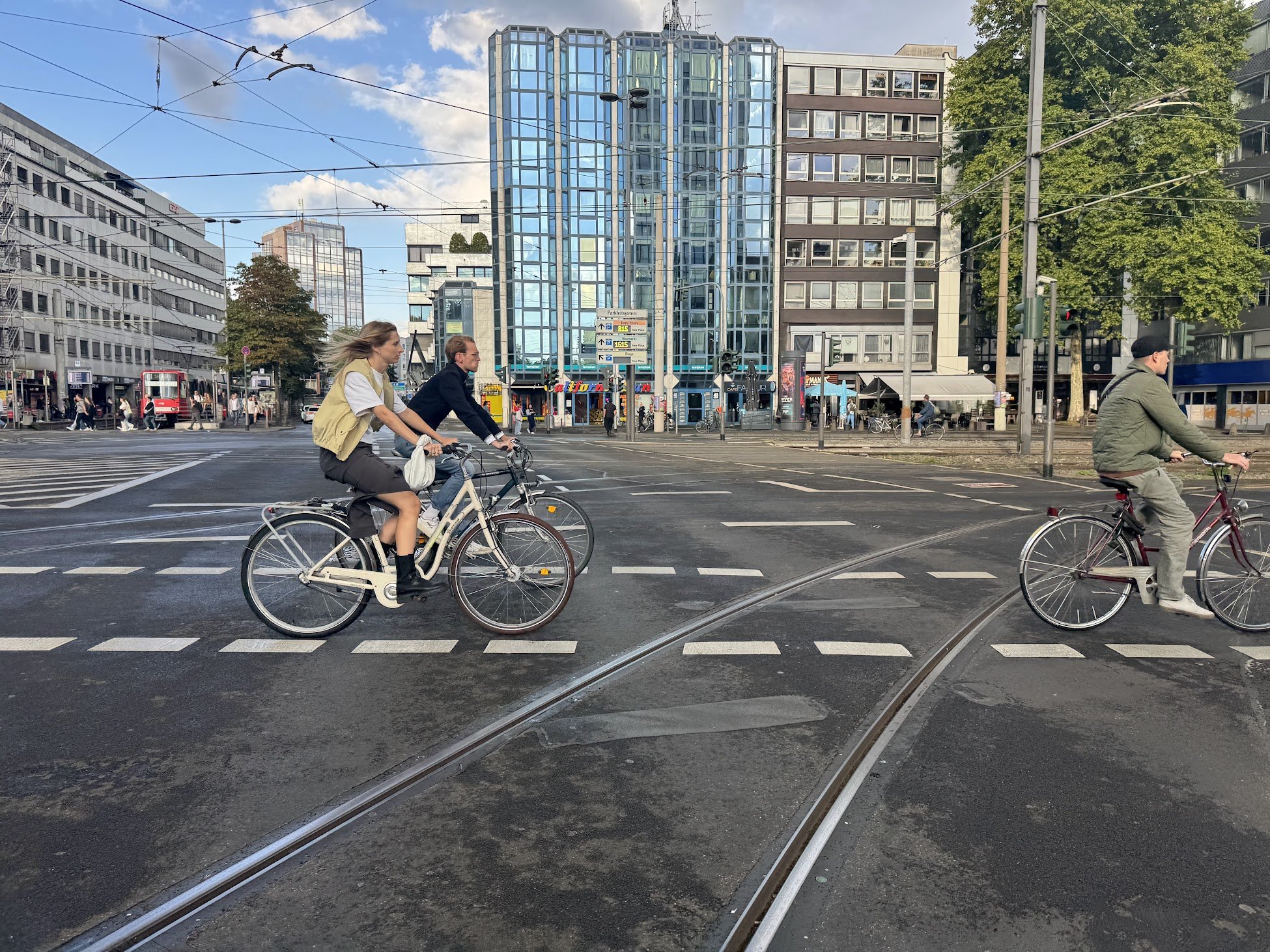
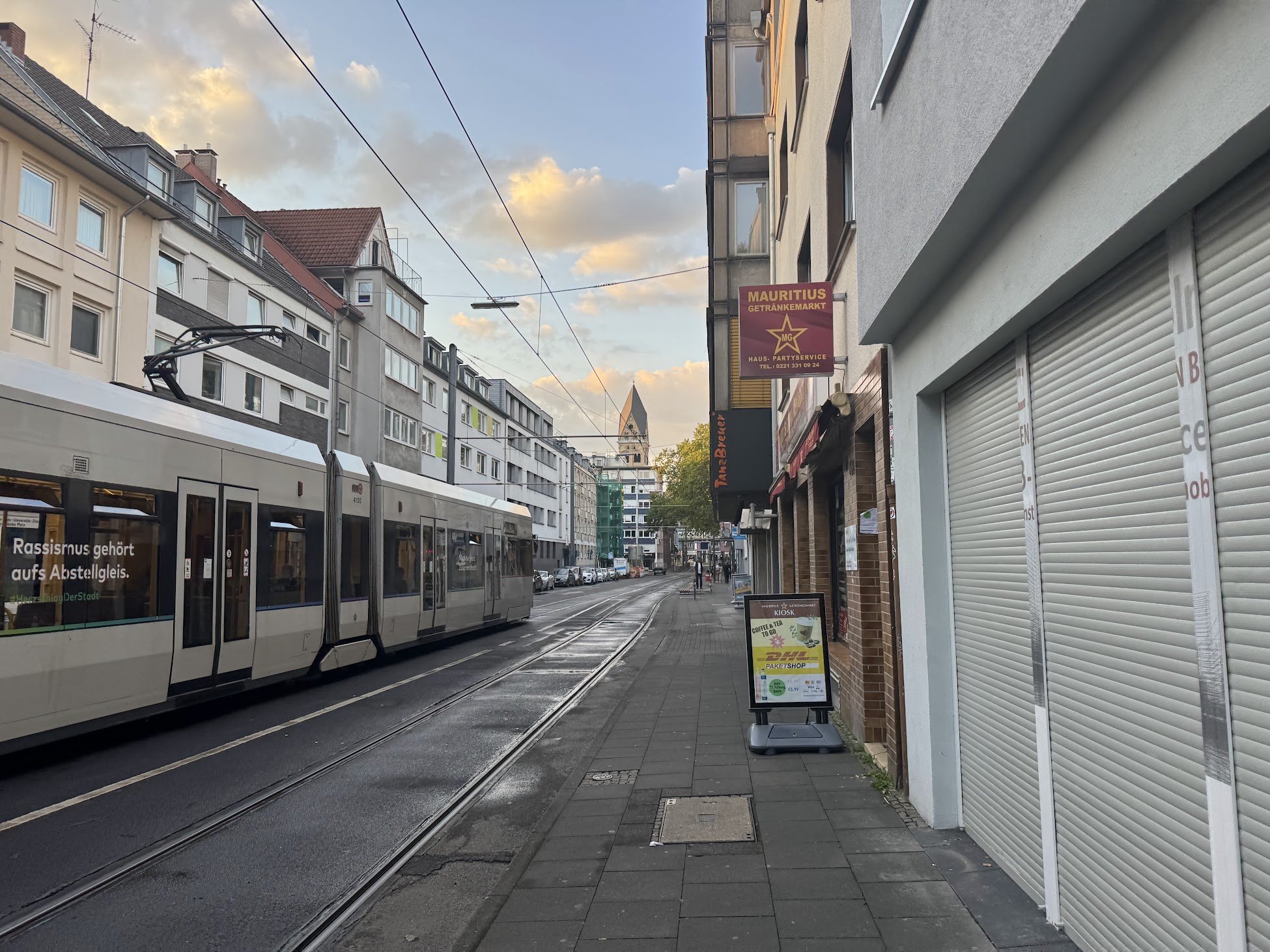
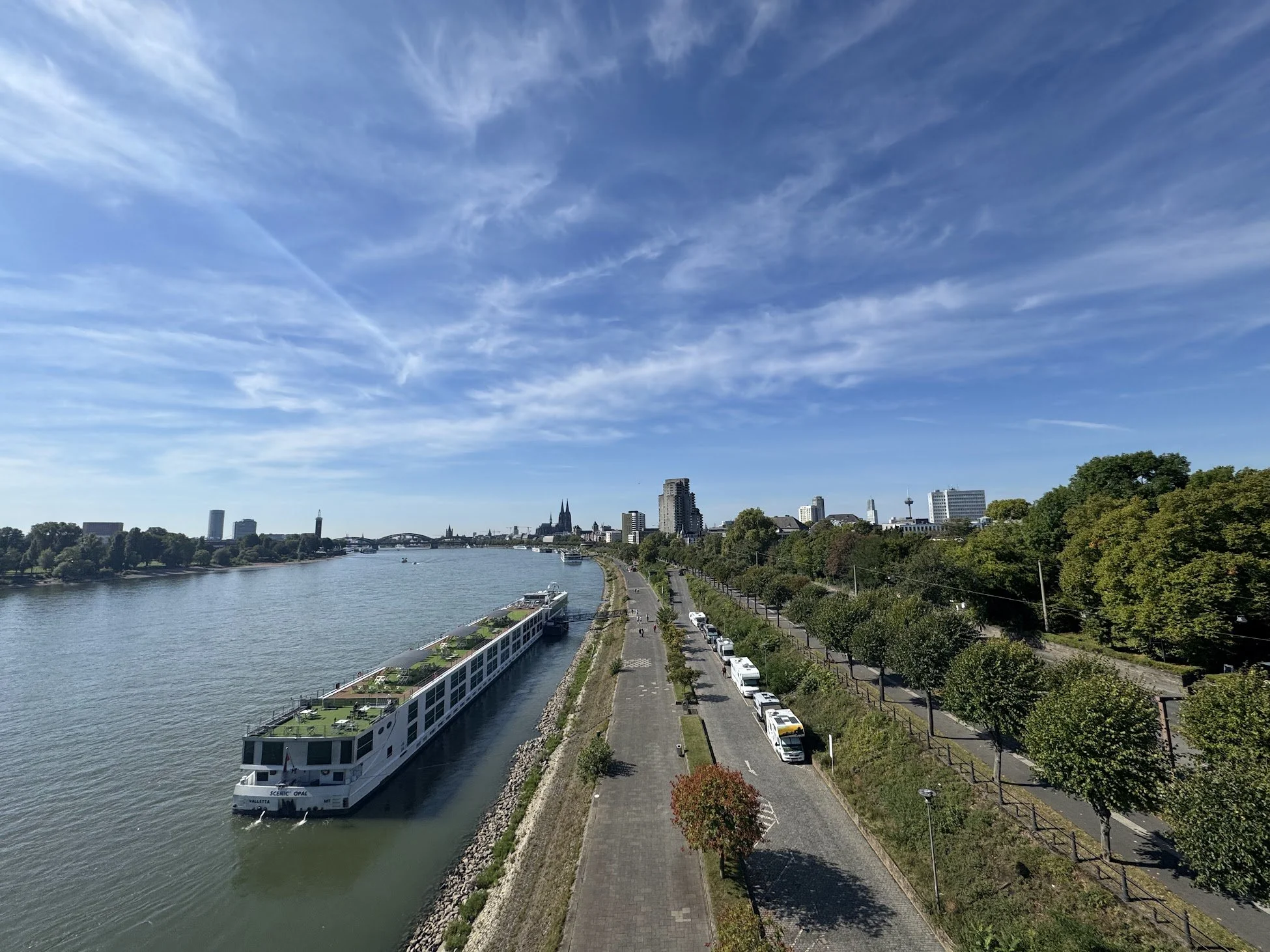
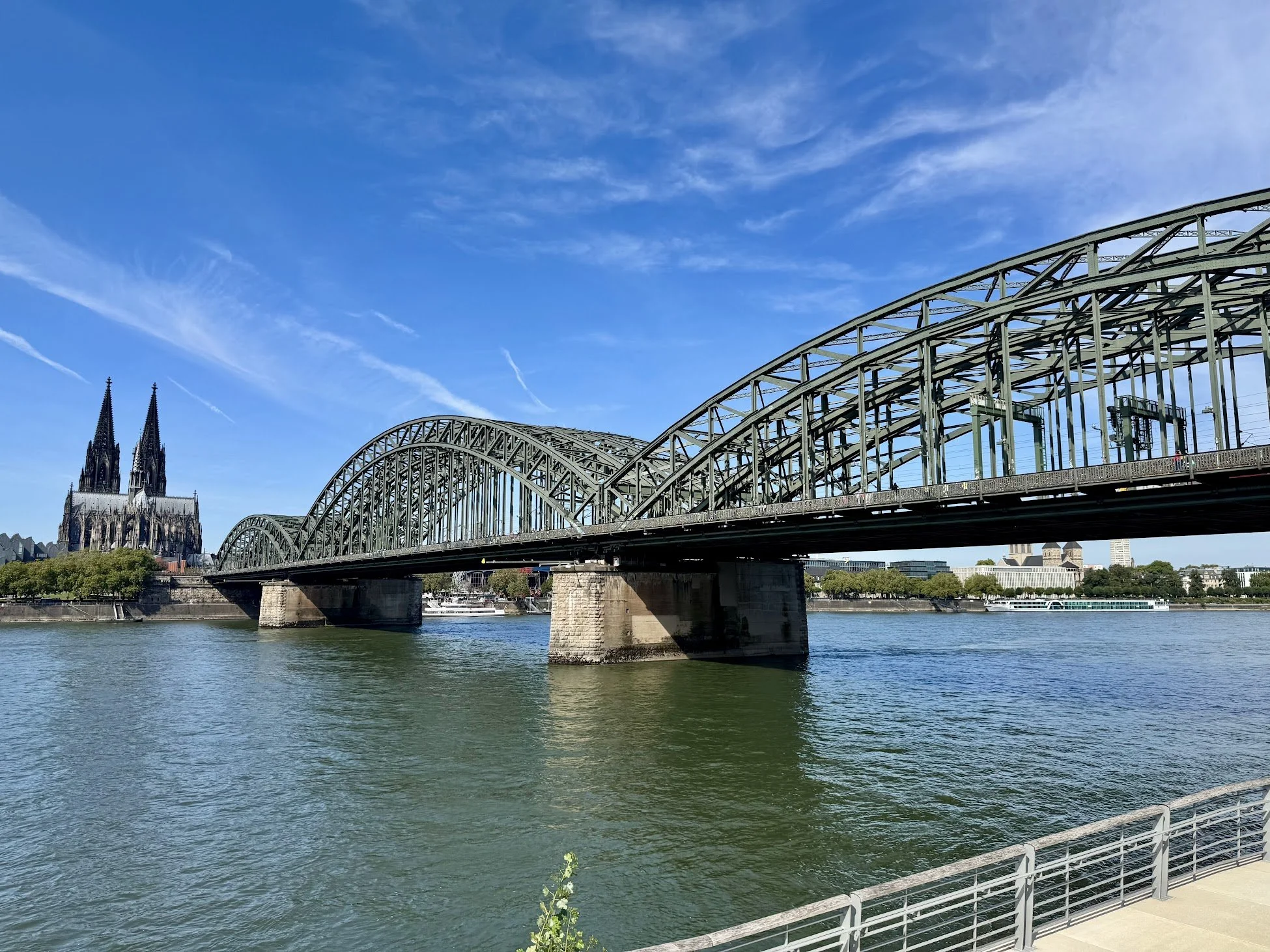
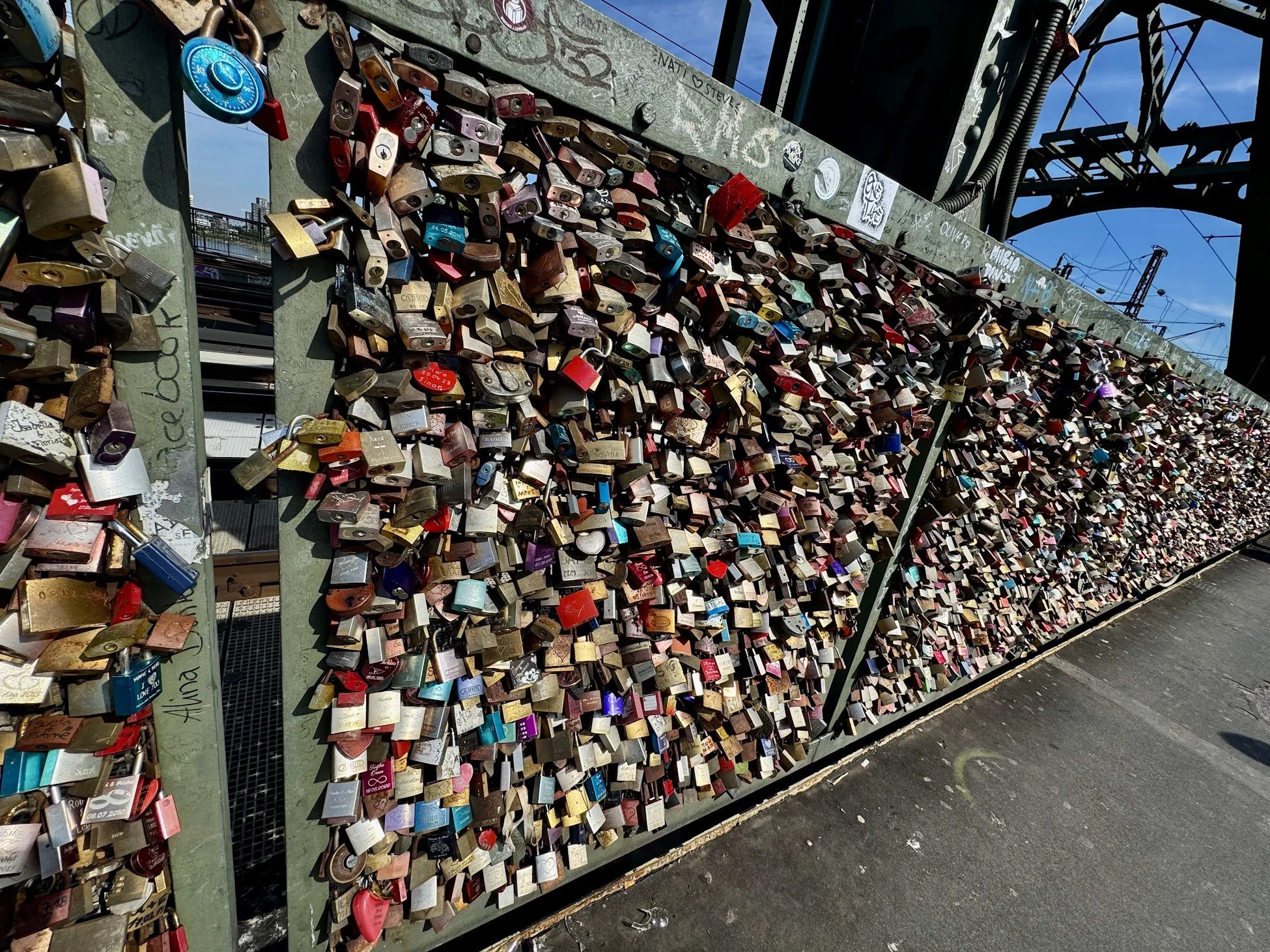
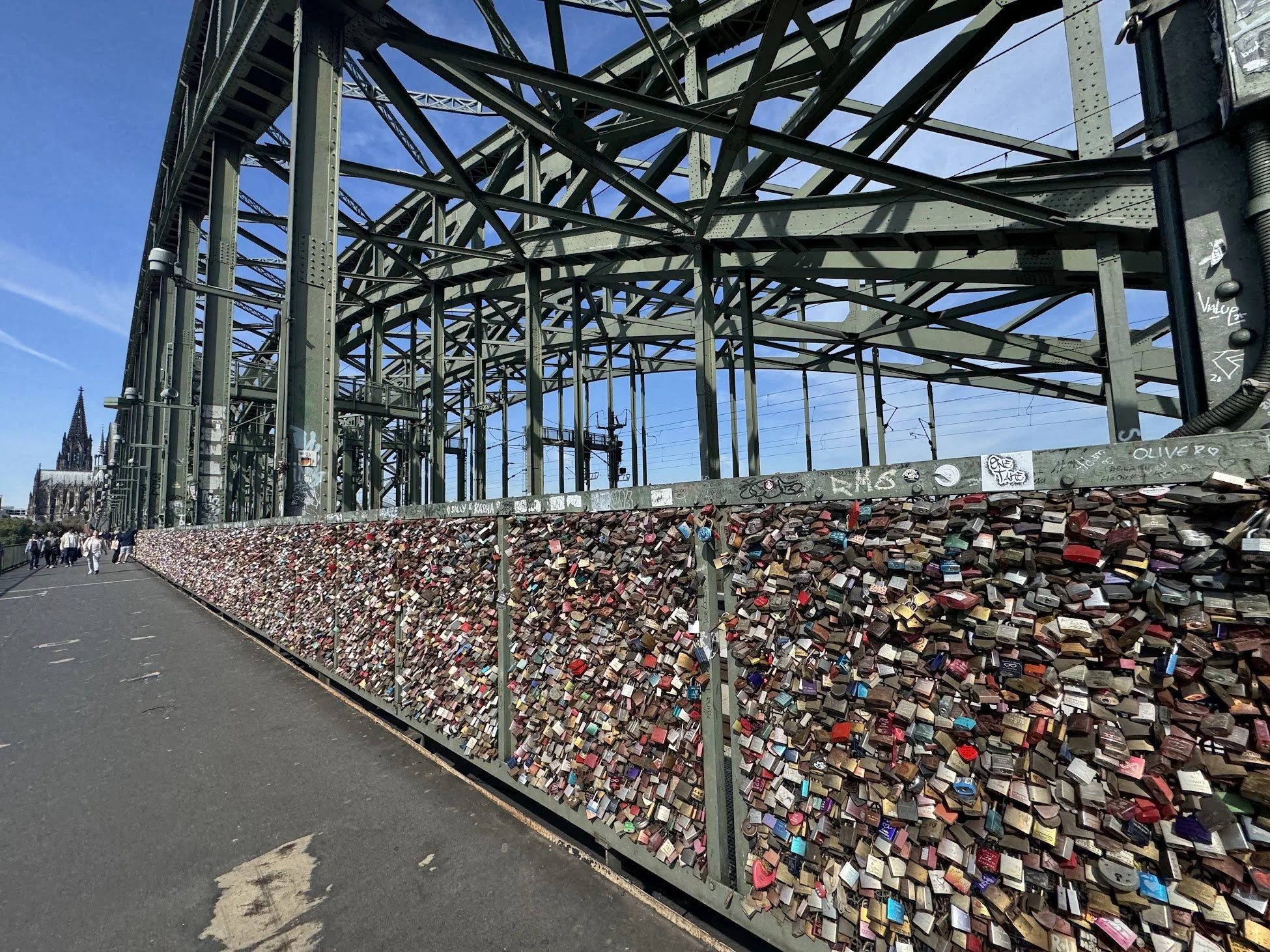
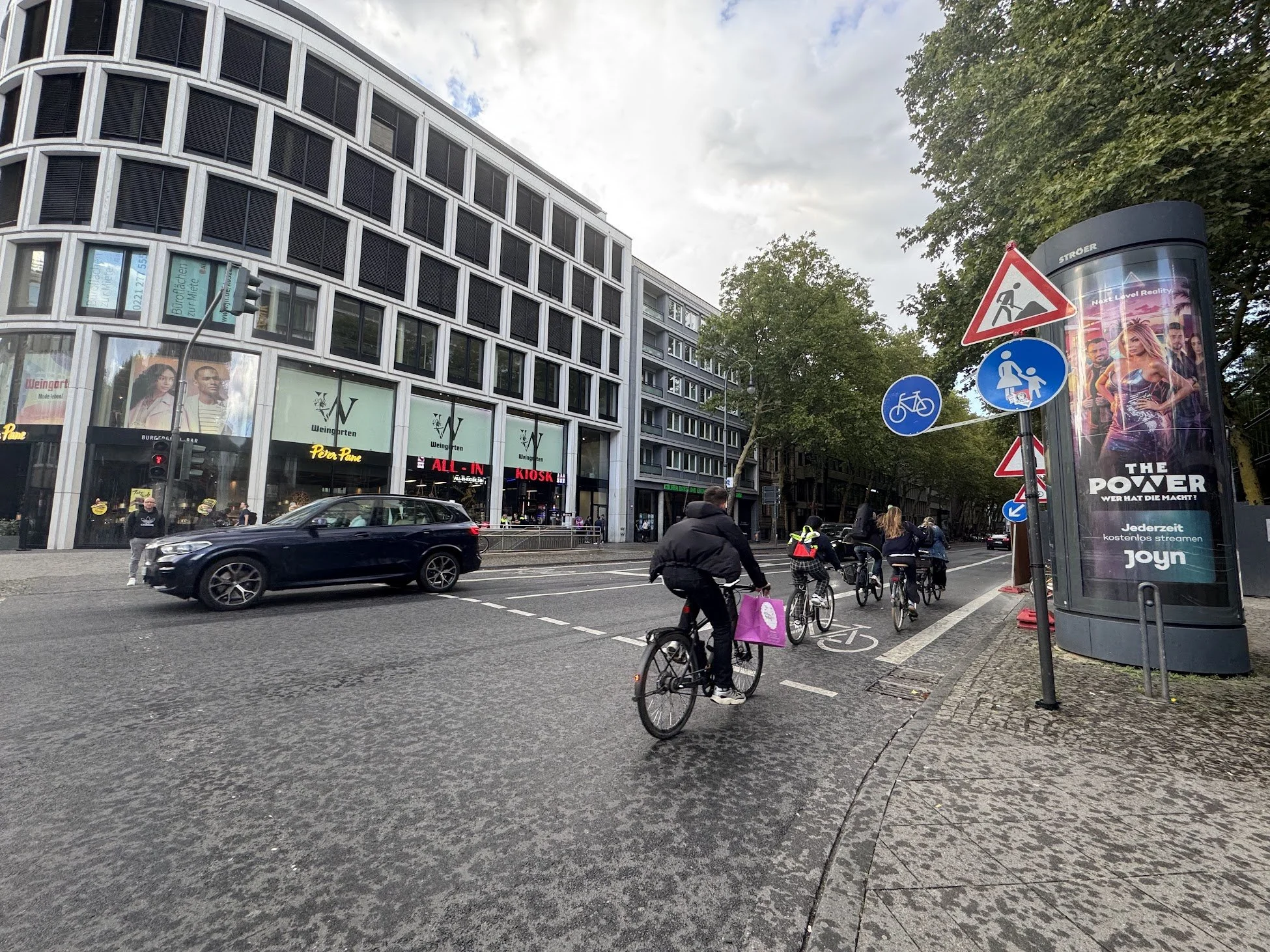
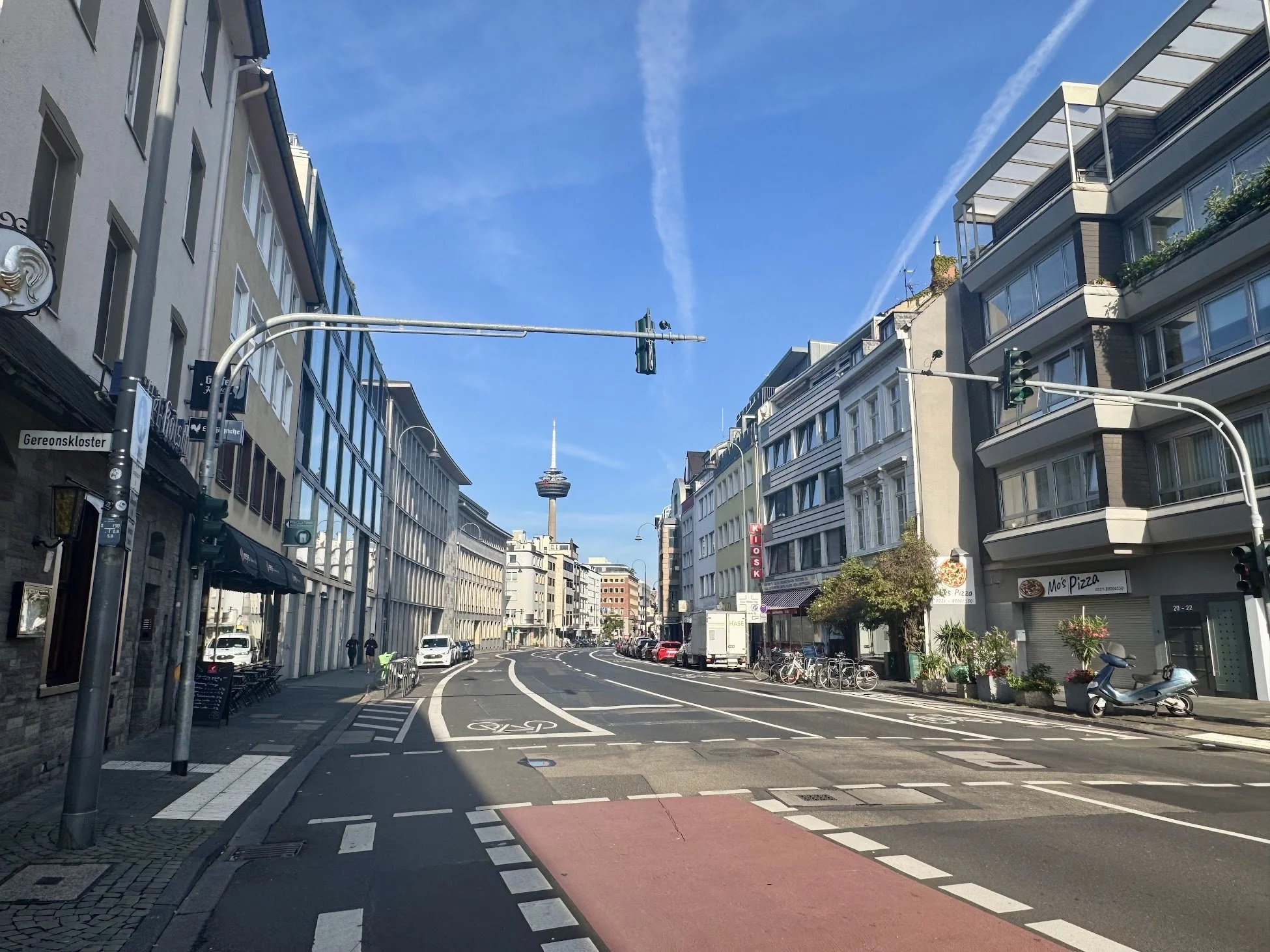
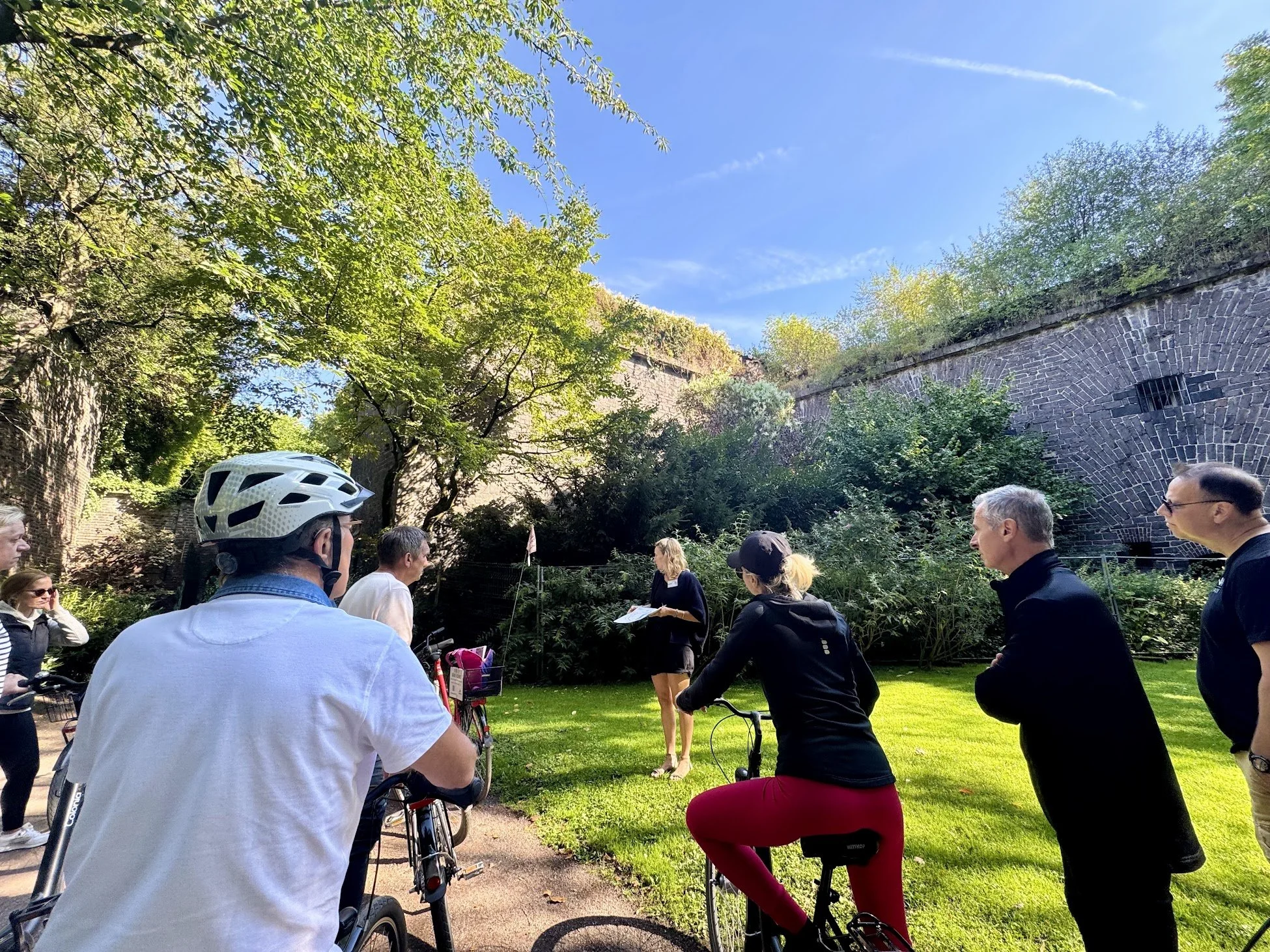
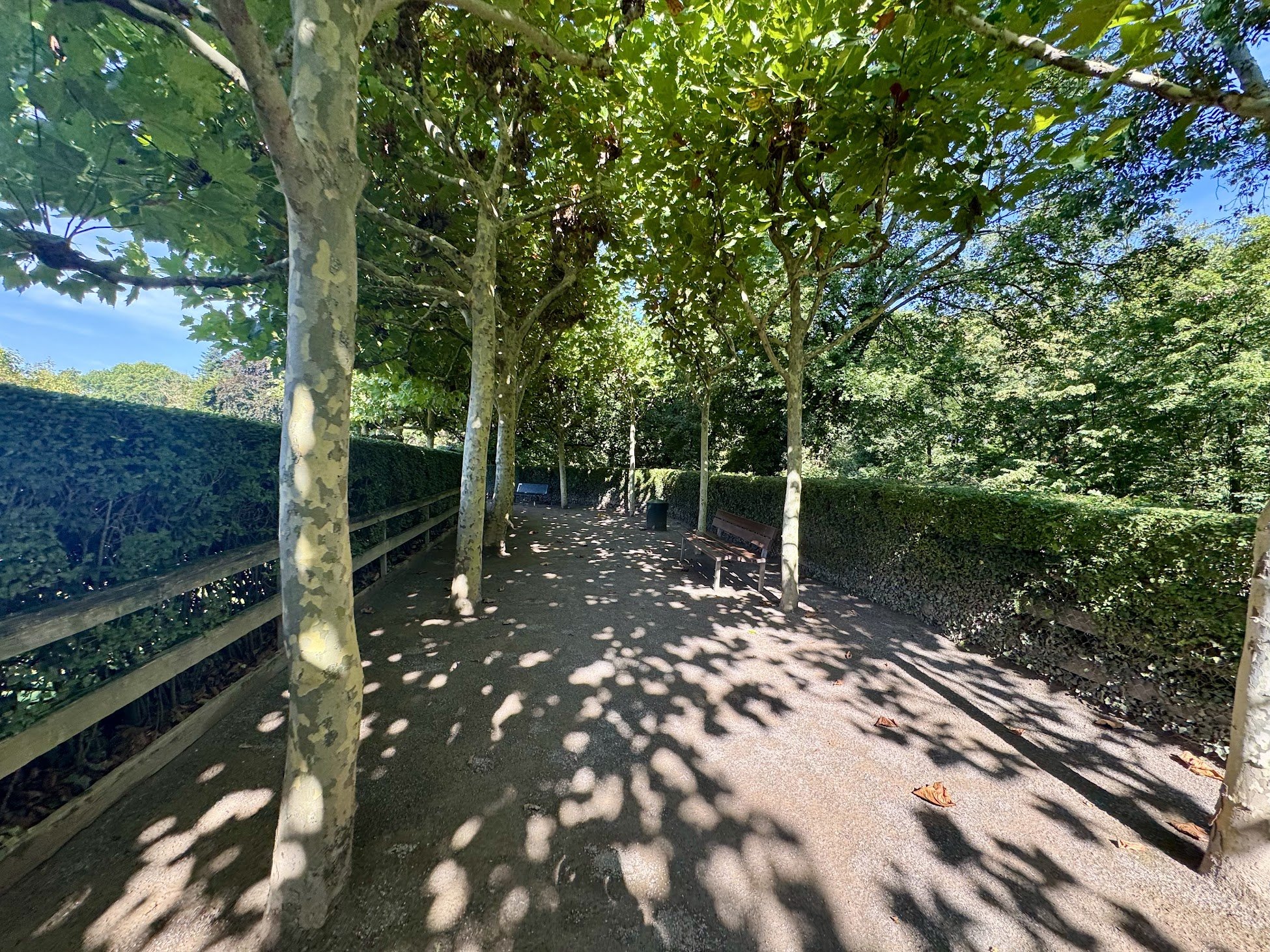
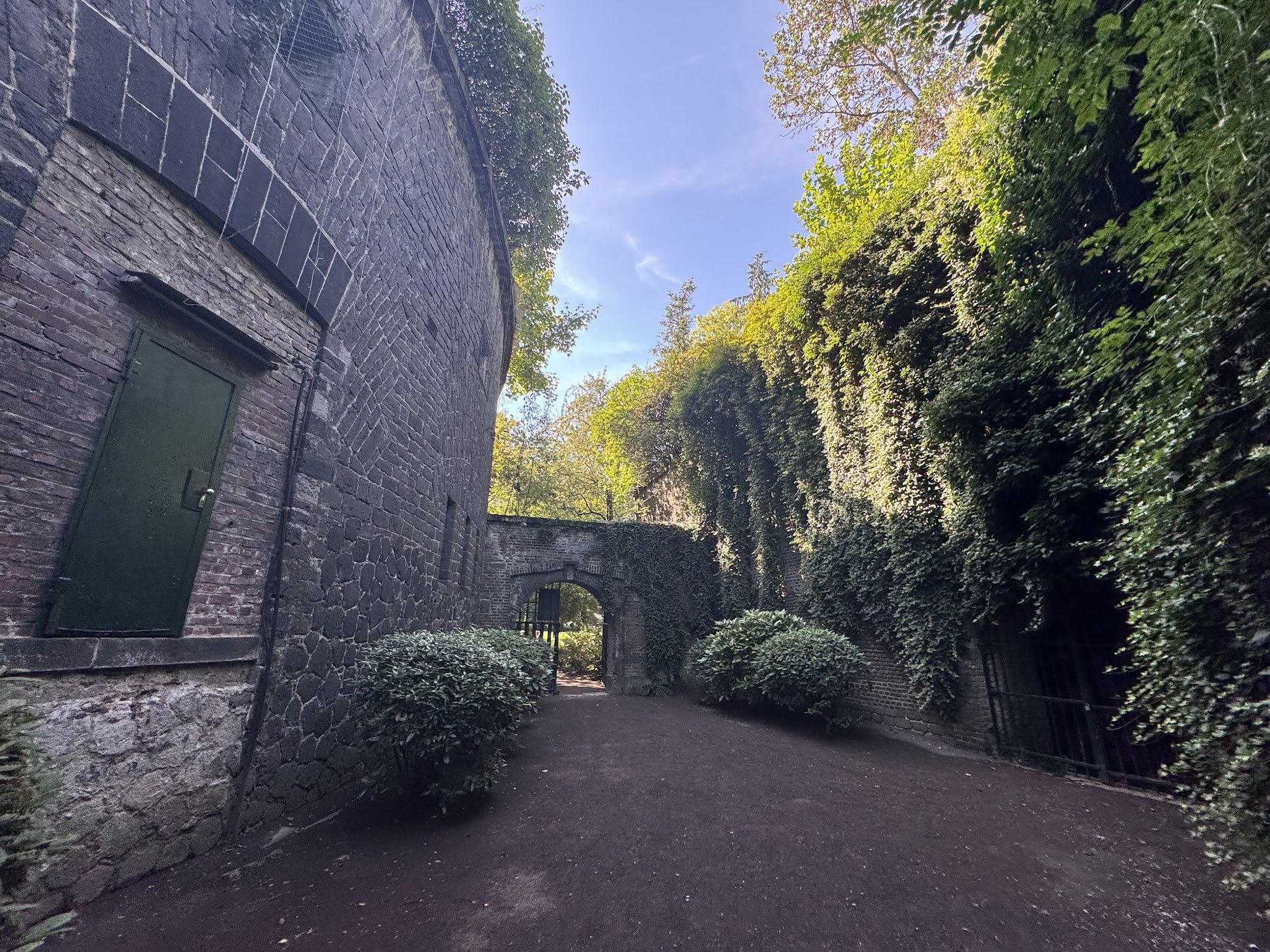
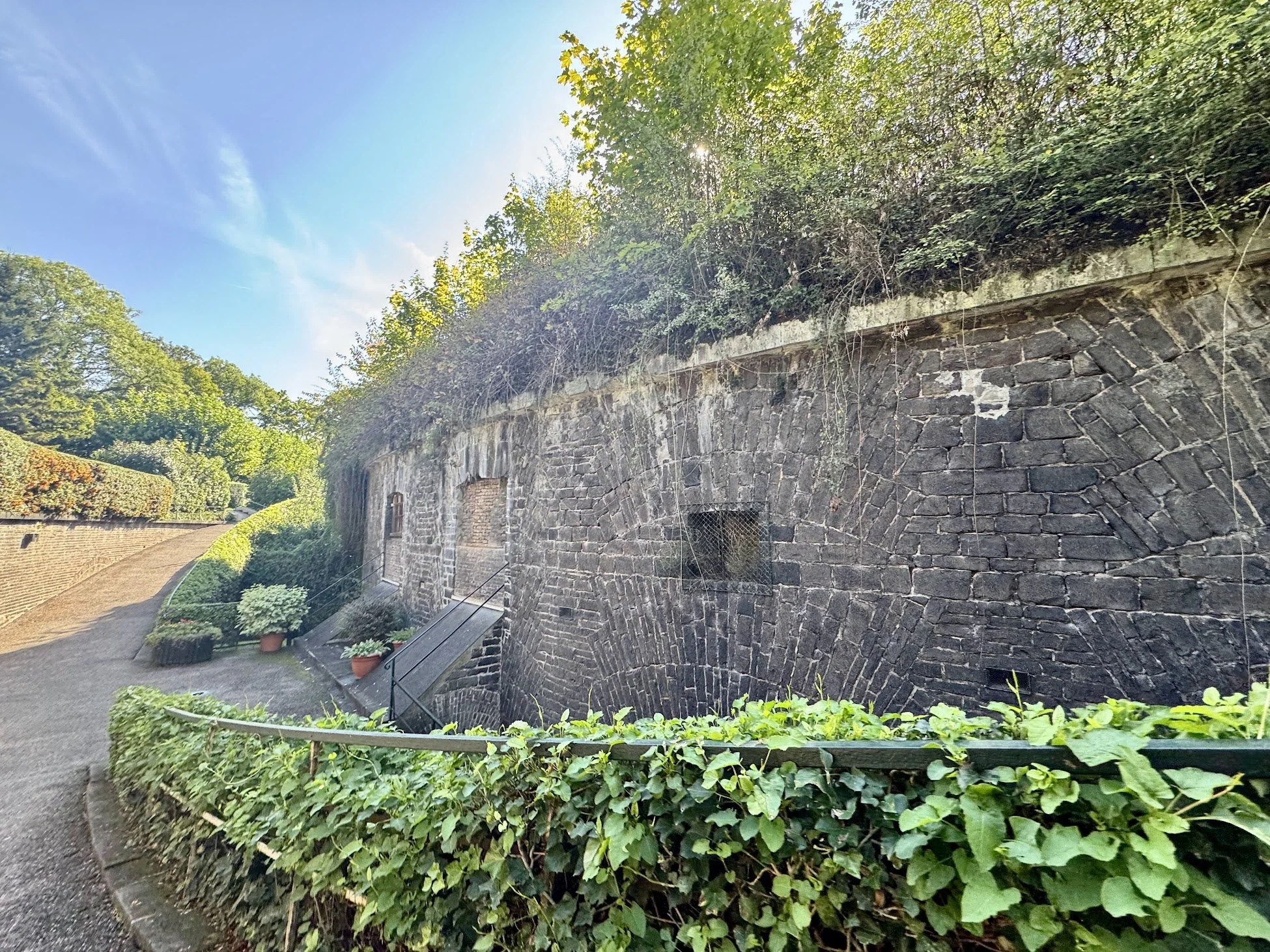
For the ride, I chose the “Fascination Cologne Bike Tour,” which lasts about three hours and includes a stop by the Hohenzollern Bridge, famous for its dense rows of love locks. The route offers a broad view of Cologne that goes beyond the main tourist checklist. You move through areas like Eigelstein and Agnesviertel, where the city’s multicultural character and patchwork architecture reflect both its pre- and post-war history. From there, you pedal into greener stretches like the northern green belt and Fort X, before crossing the Rhine to the “Schäl Sick” (the city’s right bank) for a ride through Rheinpark and along the river.
From across the river, you get sweeping views back toward the old town, Rheinauhafen, and the cathedral, which helps you understand how the city fits together. Once you’re back on the cathedral side, the tour winds through the historic center, past Heumarkt and Alter Markt, with stories about Kölsch beer culture, Carnival traditions, and how Cologne has evolved. It’s a relatively gentle ride and a thoughtful way to experience the mix of history, neighborhoods, and everyday life in a short window of time.
Unfortunately, partway through the tour, I started to feel that familiar, unwelcome shift: a headache that didn’t feel like a normal headache. After enough fevers over the years, I know the difference. It was a warm, beautiful day — exactly the kind of weather I would have loved to enjoy more fully — but I could tell my body was done.
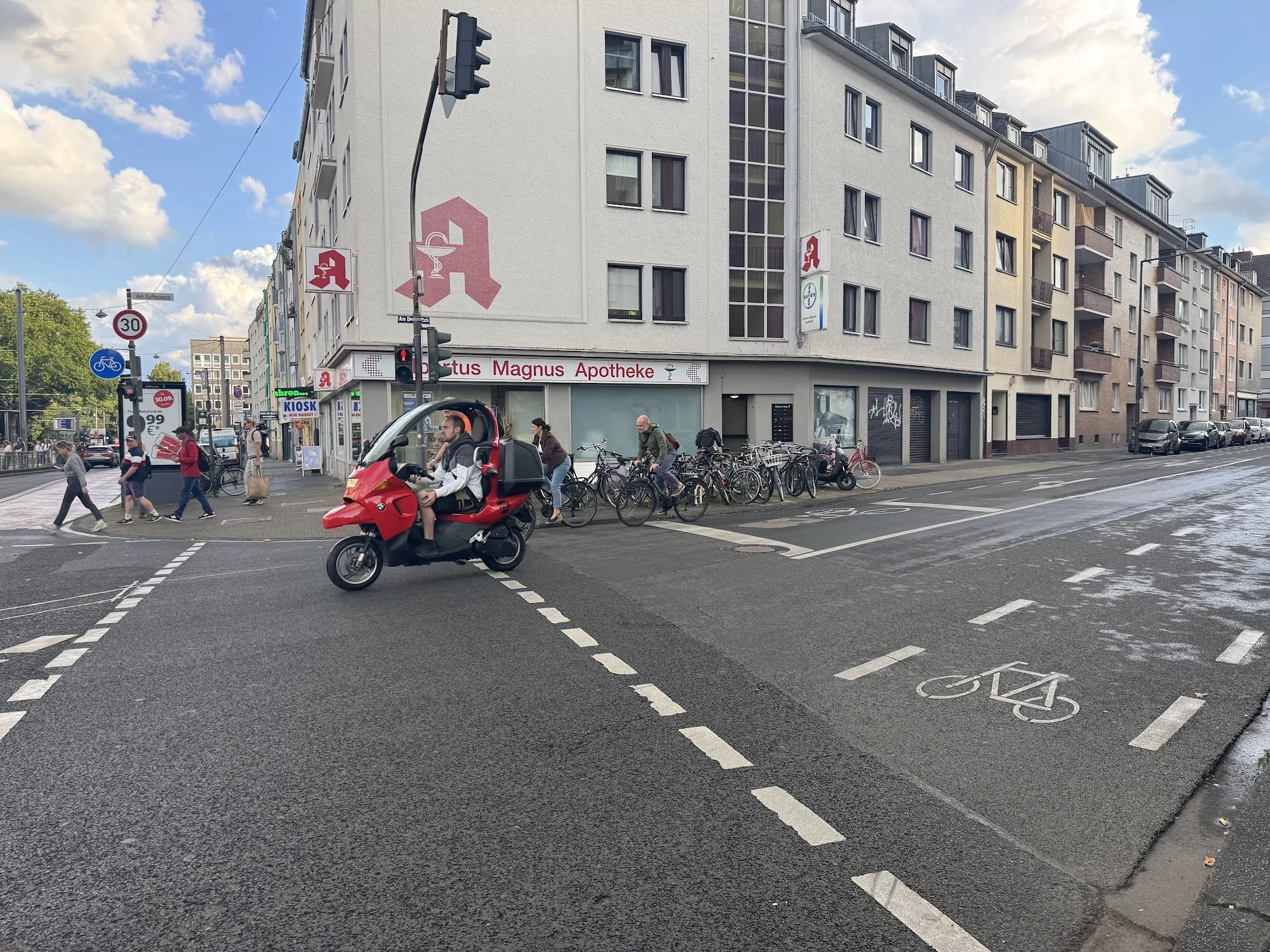
As soon as the ride ended, my priority shifted from exploring to triage. I made my way to a pharmacy to get a fever reducer, with Google Translate pulling more than its fair share of weight. From there, I grabbed a quick bite at Hard Rock Cafe (known throughout Europe as a very gluten-free friendly option), walked back to my hotel, cancelled my dinner reservation, closed the blackout curtains, and called it a day. The next morning, I packed up and continued on to Erfurt.
What I Ate in Cologne: Gluten-Free, But Practical
Because I had a fever for most of my one full day in Cologne, this isn’t going to be the most extensive dining guide. I did, however, manage two meals out that are worth noting if you’re traveling gluten-free.
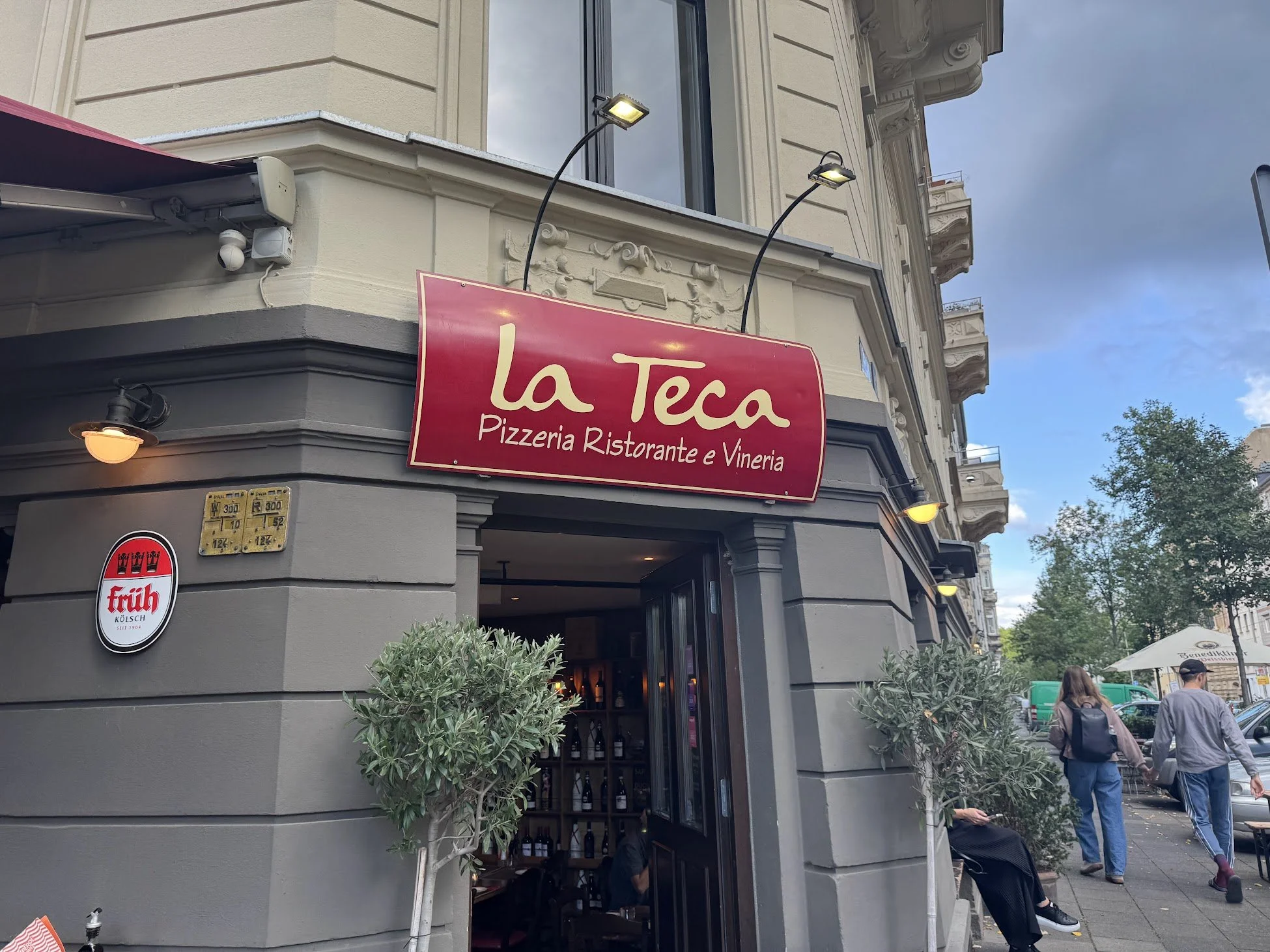
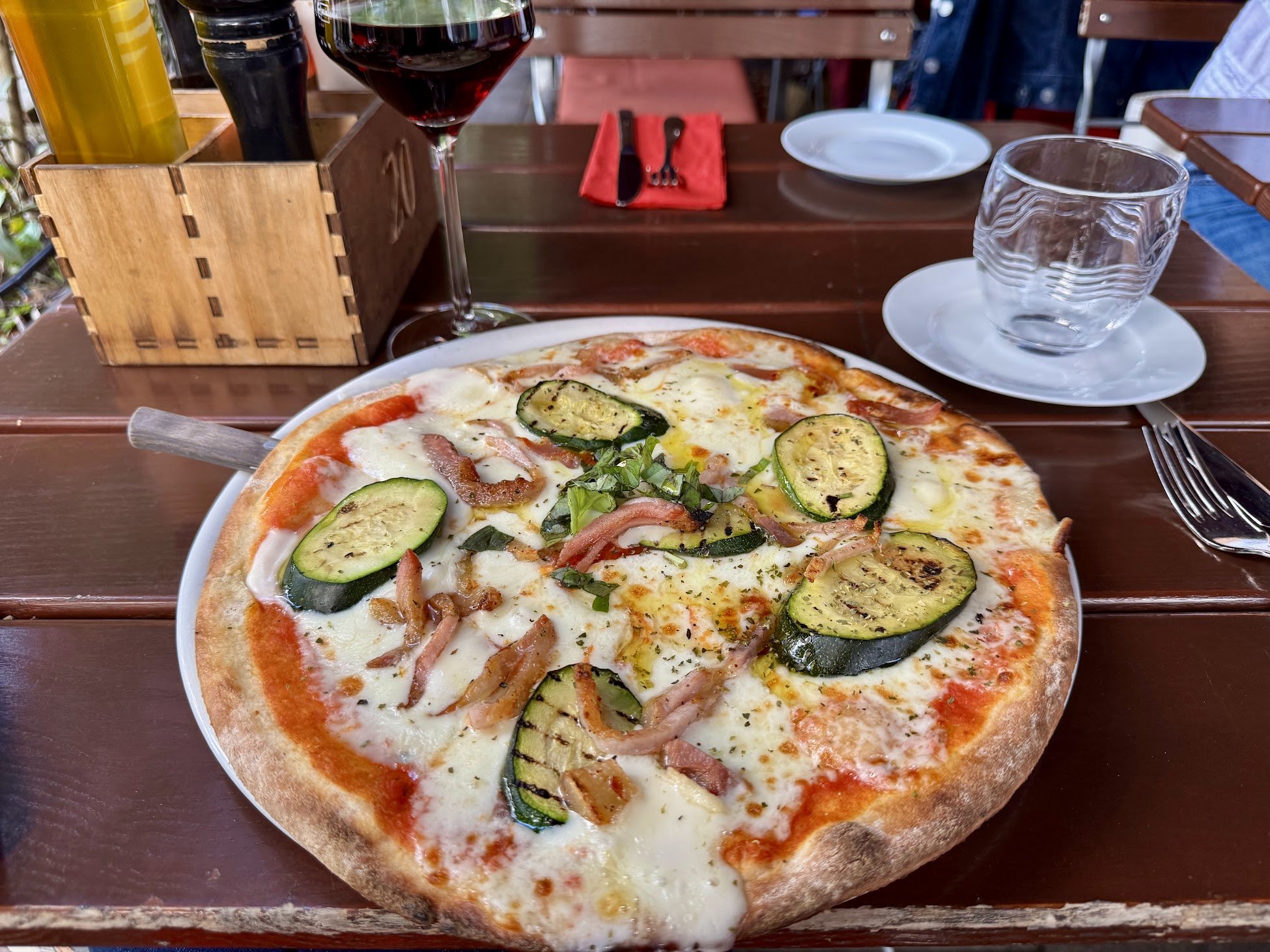
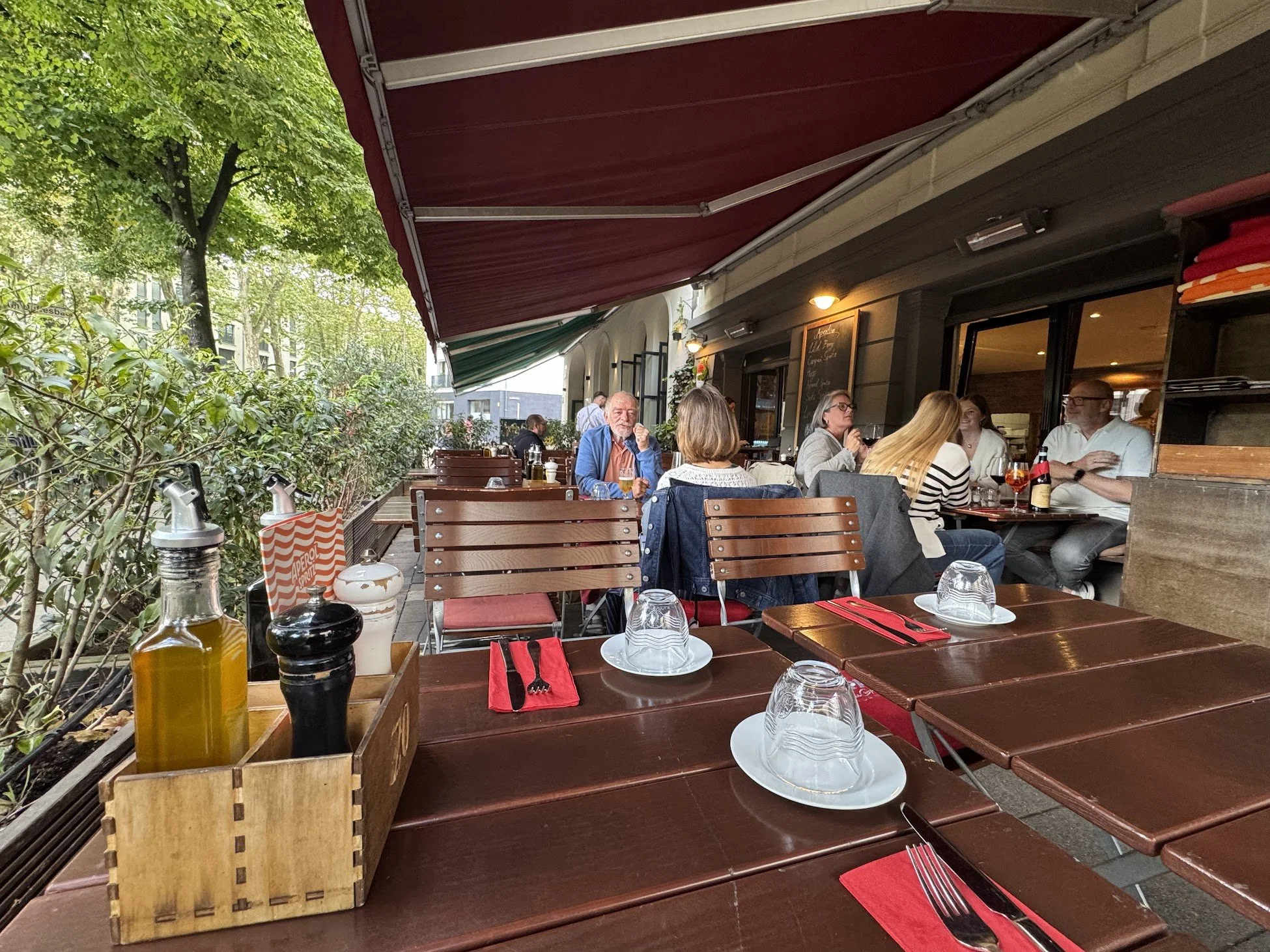
On my first night, I had a reservation at La Teca, a restaurant recommended for its gluten-free pizza options. I sat outside once the rain finally passed, grateful for fresh air and a relaxed atmosphere. The staff didn’t speak much English, so Google Translate once again became my dining companion. I ordered the Pizza ALBA, topped with tomato sauce, mozzarella, zucchini, Gorgonzola, and bacon — a comforting, satisfying meal after a day of travel.
The next day, after the bike tour and pharmacy run, I stopped at the Hard Rock Cafe. Under normal circumstances, this wouldn’t be my first choice; I usually try to seek out smaller, more local spots. But given how I felt, familiarity and safety took priority. Hard Rock Cafes across Europe are known for being gluten-free friendly, and this location was conveniently situated between the pharmacy and my hotel. I ordered an overpriced burger, got the nourishment I needed, and moved on. It wasn’t a memorable culinary moment, but it was the right call for my body that day.
Final Thoughts: Cologne, Germany
Cologne and I met under less-than-ideal circumstances. With only one full day planned and my energy crashing, I didn’t get to experience the city as fully or as fairly as I would have liked. What I did see, though — the cathedral, the layered architecture, the neighborhood pockets revealed by bike — suggested a place that rewards more time and a slower pace.
If you’re managing chronic conditions or traveling with dietary constraints, Cologne can absolutely be navigated, but I’d recommend building in buffer time and listening closely to what your body needs, especially if it’s not your first stop on a long trip. I left feeling grateful for what I was able to do, a little disappointed by what I missed, and reminded — again — that “seeing it all” is never worth pushing past your own limits.
Subscribe to my Substack (https://substack.com/@forkandfootpath) to receive each new post via email.